

Maximizing Your Success In Set Collection Card Games
By Tom Seest
At CardGameNews, we help people who love card games by collating information and news about card games.
Be sure to read our other related stories at CardGameNews to learn more about card games.
What Strategies Are Needed for Set Collection Card Games?
When it comes to set collection card games, the art of strategy can feel a bit like walking a tightrope over a pit of alligators—one wrong move, and you might find yourself in a precarious position. To navigate the intricate balance between chance, skill, and intuition, you need a toolkit filled with strategic maneuvers that can elevate your game from novice to seasoned player.
First on the agenda: Know your cards. The foundation of any set collection game is understanding the value and role of each card in your hand. Don’t just shuffle the deck and hope for the best; study the cards like they’re your favorite dessert recipes. Knowing which cards complete sets and which ones are clunkers can give you a leg up, allowing you to make decisions that maximize your potential points.
Next, consider player dynamics. Set collection card games are typically a dance of competition and cunning. Pay attention to what your opponents are collecting or discarding. If you see someone hoarding cards that would complete a lucrative set, it might be worth your while to disrupt their plans. Nothing sends a chill down an opponent’s spine like a well-timed steal, so keeping a watchful eye on the table can uncover opportunities to hinder their progress.
Timing is everything. In many set collection games, the optimal moment to make a move can be as fleeting as a fleeting shadow. Waiting to snag that key card at just the right moment can set you up for an unbeatable advantage. But beware—the longer you wait, the more likely someone else will swoop in to grab it. It’s a careful balancing act of patience and aggression; a little bit of hesitation can cost you dearly.
Don’t overlook the power of bluffing and psychological tactics. Sometimes, it’s not just about the cards you hold, but the stories you tell your opponents through your actions. A whimsical raise of an eyebrow, a casual toss of a card, or even a feigned interest in a seemingly inconsequential set can cause your opponents to rethink their strategies—and that’s where the real fun begins.
Lastly, flexibility can be your greatest ally. The best laid plans can go awry in a heartbeat, especially when luck throws a curveball. Stay adaptable; if your initial strategy isn’t panning out, don’t be afraid to pivot. Embrace the chaos and adjust your tactics on the fly, turning setbacks into fresh opportunities.
In the world of set collection card games, it’s not just about the cards you draw but the strategies you wield. With these insights under your belt, you’re armed and ready for the challenge that lies ahead. Trust me; the thrill of the game is where the real victory lies.

What Strategies Are Needed for Set Collection Card Games?
What Strategies Are Needed for Set Collection Card Games?
- Understanding the value and role of each card is crucial for success in set collection card games.
- Pay attention to player dynamics, including what opponents are collecting or discarding.
- Utilize strategic moves like stealing cards to disrupt opponents’ plans.
- Timing your moves is essential; knowing the optimal moment to act can provide a competitive edge.
- Incorporate bluffing and psychological tactics to mislead opponents and alter their strategies.
- Be flexible and ready to adapt your strategy in response to changing circumstances.
- The effectiveness of your strategies is as important as the cards you hold; embrace the challenge for real victory.

What Strategies Are Needed for Set Collection Card Games?
Table Of Contents
- What Strategies Are Needed for Set Collection Card Games?
- What Are The Basic Rules Of Set Collection Card Games?
- How Do You Identify Valuable Sets Of Cards?
- What Strategies Improve Your Card Drawing Chances?
- What Role Does Resource Management Play In These Games?
- How Important Is Player Interaction In Set Collection Games?
- What Tactics Can Help Maximize Your Scoring Potential?
- How Do You Decide When To Hold Or Trade Cards?
- What Are Common Mistakes To Avoid In Set Collection Games?
- How Can You Adapt Strategies Based On Game Dynamics?
- What Are The Benefits Of Playing Defensively In These Games?
- How Do Varying Player Counts Affect Strategy In Set Collection?
- What Strategies Work Best For Beginners In Set Collection Games?
- How Can Advanced Players Gain An Edge In Set Collection Games?
- What Psychological Tactics Can Be Employed In Card Games?
- Conclusion
- Other Resources
- Glossary Of Terms
- Other Questions
- Haiku
- Poem
- Checklist
What Are The Basic Rules Of Set Collection Card Games?
When you dive into the world of set collection card games, you’re stepping into a realm where strategy and intuition collide with the undeniable charm of camaraderie. These games possess a straightforward allure, and while the mechanics can vary, several foundational rules generally apply across the board. Knowing these basic rules can make your experience smoother and more enjoyable, allowing you to focus on the fun rather than fumbling through the fine print.
First and foremost, the heart of any set collection game lies in acquiring cards to form specific groups. This could mean gathering cards of the same suit, matching numbers, or collecting varied categories to achieve victory. Your objective is clear: collect as many sets as possible before the game wraps up. However, it’s not just about hoarding cards; it’s about strategy – knowing when to hold onto what you have and when to let go.
Next up, understanding the card draft process is crucial. Most games operate on a turn-by-turn mechanic where players draw cards from a common pool or a specific deck. Some games might allow you to draw from a discard pile, adding a layer of tactical decision-making that can make or break your game. Timing is everything! Drawing that perfect card can set you on a winning path, while passing up an opportunity may hand your opponent the upper hand.
Now, let’s talk about reveals and scoring. In many set collection games, players showcase their completed sets for everyone to see, which adds an element of competition and suspense. But be careful – some games allow for negative scoring if you don’t successfully complete a set. So, each decision weighs heavily. Will you risk holding onto cards, hoping to complete your collection, or will you cut your losses and play it safe?
Lastly, remember that interaction with other players can make or break your strategy. The social component cannot be overstated – it adds vitality and unpredictability to the game. Be prepared for opponents who might block your attempts to complete sets or who may trade cards to enhance their own chances. The dance of negotiation and bluffing can be just as entertaining as the game itself.
In essence, set collection card games are a delightful blend of strategy, luck, and social finesse. By familiarizing yourself with the basic rules – collecting, drafting, revealing, scoring, and interacting – you’re well on your way to not just playing the game, but truly enjoying it. So gather your friends, shuffle up, and let the good times roll!

What Are The Basic Rules Of Set Collection Card Games?
What Are The Basic Rules Of Set Collection Card Games?
- Set collection card games combine strategy, intuition, and camaraderie.
- The main objective is to acquire cards to form specific groups or sets.
- Understanding the card draft process (turn-based drawing from a pool or deck) is essential.
- Timing can crucially impact your success, as drawing the right card at the right moment can lead to victory.
- Players often reveal their completed sets, introducing competition and potential negative scoring.
- Interaction with other players adds unpredictability and strategic depth through negotiation and bluffing.
- Familiarizing yourself with the games’ foundational rules enhances enjoyment and social engagement.

What Are The Basic Rules Of Set Collection Card Games?
How Do You Identify Valuable Sets Of Cards?
When it comes to the world of card collecting, spotting a gem amidst a pile of cardboard can feel like searching for a needle in a haystack. But just like any good hunt, knowing where to look, what to look for, and the skills to evaluate your findings can make all the difference.
First off, let’s talk about rarity. In the card-collecting universe, rarity is like gold. The fewer cards in circulation, the more valuable they tend to be. A limited edition or a misprint, for example, can skyrocket in worth, especially if a specific player or character gains notoriety. This is your chance to strike while the iron’s hot, so pay attention to popular trends and emerging players—sometimes the next big thing is hiding in plain sight.
Next, consider condition. Cards aren’t good if they’re all crumpled up or weathered by mishandling. Grading systems, like PSA or Beckett, provide a framework for assessing condition. A card that’s rated a “10”—mint condition—can be significantly more valuable than the same card that’s rated a “4.” It’s the difference between a pristine mirage and a faded echo of the past. Always handle your cards with care and store them in protective sleeves. Think of it as giving your collection a cozy home; a little protection goes a long way.
Now, let’s not forget the story behind the card. The emotional connection and history tied to a player or a set can elevate its value. A rookie card of a future Hall of Famer, for instance, is more than just silly ink on cardboard; it carries aspirations and nostalgia. Stories resonate; they add depth. When you spot a card with a compelling narrative, you’re not just witnessing a moment in sports history—you’re finding something that other collectors will crave.
Finally, network with fellow collectors. Whether it’s through online forums, local events, or social media groups, engaging with other enthusiasts can offer insights that textbooks can’t. They know what’s hot, what’s not, and where to find those elusive treasures. Cards may seem like just pieces of cardboard, but with the right knowledge and intuition, you can navigate the vast landscape of collecting, discovering valuable sets that make the journey all the more exciting. Embrace the hunt, stay vigilant, and who knows what you might uncover. After all, a great find is often just around the corner.

How Do You Identify Valuable Sets Of Cards?
How Do You Identify Valuable Sets Of Cards?
- Rarity is a key factor in card collecting; fewer cards in circulation typically increase their value.
- Limited editions or misprints can become highly valuable, especially if tied to popular players.
- The condition of the cards is crucial, with grading systems like PSA or Beckett providing valuable assessments.
- A card rated “10” in mint condition can be significantly more valuable than one rated “4”.
- The story behind a card, such as a rookie card of a future Hall of Famer, can elevate its emotional and monetary value.
- Networking with fellow collectors can provide insights into trends and help locate elusive cards.
- Engaging in the collecting community enhances the experience and knowledge of valuable card hunting.

How Do You Identify Valuable Sets Of Cards?
What Strategies Improve Your Card Drawing Chances?
When it comes to enhancing your card drawing chances in any card game, there’s no shortage of strategies to employ. Let’s break it down in a no-nonsense manner. Whether you’re playing poker, Magic: The Gathering, or any game that uses a deck of cards, improving your draw can be the difference between victory and an early exit.
First and foremost, know your deck inside and out. This isn’t just a casual suggestion; it’s a fundamental principle. Every card you include should have a purpose and fit within a broader strategy. By understanding the proportions and flow of your deck, you can make informed decisions on what cards to play, when to mulligan, and even which cards to chase in the early and late game.
Speaking of the m-word, let’s talk mulligans. Don’t be afraid to shuffle your hand back into the deck and draw again. This is your first step toward a more favorable outcome when your opening hand doesn’t cut it. However, it’s crucial to evaluate your situation carefully. A so-so hand can still lead to great plays if you’re strategic with it, but if you’re staring at a couple of dead cards, it’s time to rethink your approach. Remember, sometimes less is more.
Card draw mechanics are another key component. Most games have specific cards or game actions designed to help you draw extra cards. Don’t underestimate the power of these mechanisms. Incorporate cards that provide card advantage—things that let you draw an extra card, or even let you draw whenever you play a specific type of card. The more resources you have at your disposal, the more options you’ll have to work with.
But it doesn’t stop there. You’ve got to think ahead, like a chess player two moves in advance. Position yourself to break your opponent’s strategy while enhancing your own. If you’re playing a game where card counting is relevant, keep track of what’s been played. Knowing what cards are still in the deck can help you make calculated risks.
Finally, practice. And more practice. Every round played is an opportunity to refine your strategy, experiment with card combinations, and learn from your opponents. The cards might be random, but your approach doesn’t have to be. So roll up your sleeves, dig in, and sharpen those skills. In the world of cards, the better prepared you are, the luckier you’ll seem.

What Strategies Improve Your Card Drawing Chances?
What Strategies Improve Your Card Drawing Chances?
- Understanding your deck is essential; know every card’s purpose within your strategy.
- Mulligans are important; don’t hesitate to reshuffle your hand for better options.
- Evaluate your hand carefully; sometimes a mediocre hand can lead to great plays.
- Utilize card draw mechanics; include cards that provide card advantage to increase your resources.
- Think ahead strategically; consider both your moves and your opponent’s possible strategies.
- Practice consistently; use every game as an opportunity to refine your strategy and learn.
- The more prepared you are, the better your chances; luck favors the well-prepared player.

What Strategies Improve Your Card Drawing Chances?
What Role Does Resource Management Play In These Games?
In the world of gaming, resource management serves as one of those unsung heroes that quietly keeps the wheels turning. Whether you’re building a sprawling civilization, leading a ragtag band of survivors, or simply trying to control the chaos in a bustling city, how you handle resources can make or break your experience. It’s that balance of strategy and foresight that can hook a player for hours, drawing them into a complex web of decision-making and prioritization.
Imagine for a moment a real-time strategy game where you’re tasked with creating an empire from scratch. You’ve got a limited workforce, a handful of materials, and an opposing faction breathing down your neck. Suddenly, those resources—wood, stone, food, and gold—aren’t just numbers on a screen; they become the lifeblood of your expedition. Managing them wisely allows you to expand your dominion, construct impressive buildings, and recruit an army. Mismanagement, however, can leave you vulnerable, potentially sealing your fate faster than you can say “game over.”
Consider survival games, where every scrap of food and every drop of water takes on monumental importance. Here, resource management isn’t just a mechanic; it’s a survival skill. Players must scavenge, hunt, and craft in a relentless pursuit of sustainability. It’s a tangled dance of risk and reward—do you venture into the dark woods for a higher yield of resources at the cost of safety, or do you hunker down with limited supplies? The choices are rarely simple, reminding us that every decision carries weight.
Additionally, there’s the economic aspect that can’t be overlooked. Many games incorporate trade systems where resource management intersects with negotiation and strategy. Do you hoard your supplies, or do you trade them for something you need more urgently? This dynamic adds another layer to the game, as players must assess not just their immediate needs but also the long-term impact of their choices.
In essence, resource management is the backbone of gameplay, acting as both a guiding principle and a source of tension. Players who can master this element often find themselves not just surviving but thriving, wielding their resources like a finely tuned instrument. So, whether you’re harvesting crops or building fortifications, remember that every choice counts, and the art of resource management is what turns mere play into a true epic adventure.

What Role Does Resource Management Play In These Games?
What Role Does Resource Management Play In These Games?
- Resource management is crucial in various gaming genres, impacting gameplay experiences.
- It balances strategy and foresight, engaging players in decision-making and prioritization.
- In real-time strategy games, limited resources like wood, stone, food, and gold are vital for expansion and survival.
- In survival games, resource management is essential for sustainability, with players facing risks in scavenge and hunting.
- Economic systems in games often involve trade, adding complexity to resource management and strategic choices.
- Mastering resource management allows players to thrive and enhances the overall gaming experience.
- Ultimately, effective resource management transforms gameplay from simple play to epic adventure.

What Role Does Resource Management Play In These Games?
How Important Is Player Interaction In Set Collection Games?
Player interaction in set collection games is a topic that deserves a seat at the table — a table laden with colorful cards, strategic tokens, and, of course, the unmistakable aroma of friendly competition. It’s a curious blend of strategy, luck, and social maneuvering, often producing moments of tension that can change the course of the game in the blink of an eye.
First and foremost, let’s face it: the heart of any game lies in its players. In set collection, where individuals strive to complete specific groups or patterns, the degree of player interaction can elevate a simple game into a whirlwind of negotiation, deceit, and tactical brilliance. When you sit down to play, you’re not merely competing against the game mechanics; you’re also jostling for position against the cunning minds of your fellow players. This interaction creates a dynamic landscape, transforming leisurely turns into high-stakes battles of wits.
Consider this: when a player is one card away from completing their sought-after set, every draw, trade, or play from others becomes laced with tension. The potential for sabotage lurks at every corner. Someone could hoard that critical card you need, or perhaps they decide to play one simply to block your victory. It’s this dance of give-and-take that spices up the experience. The suspense builds like a pressure cooker, bubbling over in laughter or frustration, depending on how the tides turn.
Moreover, player interaction is a catalyst for creativity. As players devise strategies that account for the moves of others, they create endless possibilities, forging alliances or instigating rivalries. The thrill lies not solely in expanding one’s own collection but also in the clever maneuvers designed to outwit opponents. Watching other players react can be as revealing as any card drawn.
But let’s not forget the social aspect. Games serve as a canvas for elaboration — stories unfold not just through the cards played but through the banter and camaraderie shared during play. Friendships can blossom over a cleverly timed block or a generous trade, reminding us that while competition is fierce, the connections made run deeper than the outcomes.
Ultimately, the importance of player interaction in set collection games cannot be overstated. It transforms solitary tasks into communal experiences, intertwining fate with strategy and relationships with rivalry. The next time you gather around that game table, remember: it’s not just about the sets you collect but the stories and interactions you forge along the way.

How Important Is Player Interaction In Set Collection Games?
How Important Is Player Interaction In Set Collection Games?
- Player interaction in set collection games enhances strategy, luck, and social maneuvering.
- The dynamic landscape of player interaction transforms simple games into battles of wits.
- Tension peaks when players are close to completing their sets, leading to potential sabotage from others.
- Players devise strategies that consider opponents’ moves, fostering creativity and alliances.
- Social aspects of the game create bonds and stories beyond the gameplay itself.
- Competition is balanced with camaraderie, as friendships can be formed through shared gameplay experiences.
- The essence of player interaction is crucial, turning individual efforts into shared experiences filled with strategy and relationship-building.

How Important Is Player Interaction In Set Collection Games?
What Tactics Can Help Maximize Your Scoring Potential?
When it comes to scoring big—whether on the field or in the office—there’s a formula that goes beyond just practice and perseverance. You’ve got to harness tactics that ignite your potential and keep the competition on their toes. Let’s roll up our sleeves and dive into a few methods that can elevate your game.
Study Your Game: The first step to maximizing your scoring potential is to understand the landscape. Whether it’s analyzing previous games, studying your opponents, or simply knowing the ins and outs of your playground, chess players have known this for centuries: knowing your game inside and out is the cornerstone of success. Break down film, review statistics, and take full advantage of any resources available to you.
Embrace Flexibility: Rigid plans are for roads and sidewalks, not athletes or forward-thinkers. Be willing to adapt your strategy on the fly. If your initial game plan isn’t yielding results, adjust and regroup. This might mean switching positions, trying out new tactics, or even experimenting with your role within a team. Flexibility fosters creativity, allowing room for unexpected brilliance to emerge.
Think Ahead: Anticipation is a powerful tool. The more you can predict your next move and your opponent’s potential reaction, the more opportunities you have to score. This goes beyond simply understanding your role; you must also factor in team dynamics and your competition’s tendencies. A step ahead could mean the difference between a missed opportunity and a game-winning play.
Get the Right Support: Never underestimate the value of a solid support system. Surround yourself with teammates or colleagues who understand the game as well as you do. Collaboration often leads to clarity. Finding a mentor or a trusted partner can provide insights you might not even consider. Plus, having someone who’s got your back can lighten the mental load during high-pressure moments.
Focus on Fundamentals: So often, aspiring scorers chase the latest trends or flashy techniques. Don’t forget the basics! Mastering foundational skills—be it shooting, passing, or even maintaining good communication—will provide the bedrock on which your advanced tactics can rest.
Keep Your Head in the Game: Finally, mental fortitude is just as important as physical capability. Cultivating focus and resilience through visualization and mindfulness can help you maintain peak performance when it matters the most.
With the right tactics in your toolkit, you stand to transform potential into performance, turning the ordinary into the extraordinary. So get out there and get your score on!

What Tactics Can Help Maximize Your Scoring Potential?
What Tactics Can Help Maximize Your Scoring Potential?
- Study Your Game: Understand the landscape by analyzing previous games and knowing your opponents.
- Embrace Flexibility: Adapt your strategy on the fly; be willing to switch tactics or roles when needed.
- Think Ahead: Anticipate movements and reactions to maximize scoring opportunities.
- Get the Right Support: Build a solid support system with teammates or mentors for collaboration.
- Focus on Fundamentals: Master foundational skills, as they are essential for advanced tactics.
- Keep Your Head in the Game: Cultivate mental resilience and focus through visualization and mindfulness.
- Transform Potential into Performance: Utilize these tactics to achieve extraordinary results.

What Tactics Can Help Maximize Your Scoring Potential?
How Do You Decide When To Hold Or Trade Cards?
In the world of trading cards, the question of whether to hold onto your prized possessions or trade them away can feel like navigating a minefield. It’s a decision that hangs heavy, echoing in the back of your mind like the distant sound of a train whistle. So how do you decide when to hold or trade? Well, let’s break it down in a way that cuts through the noise, like a sharp knife through the fluff.
First off, let’s consider what you’re holding. Do you have a rare gem—maybe a rookie card from a player who’s poised to become the next big thing? If you’ve got something that’s not just valuable today, but has the potential to appreciate over time, holding onto it might be your best bet. Think about it like planting a tree; with patience and proper care, that card could blossom into something magnificent. But don’t just take my word for it. Stay informed. Market trends come and go quicker than a hiccup, so knowing the landscape is key.
Now, let’s talk sentimentality, because not every deal should be made with cold hard cash in mind. Sometimes, cards carry more than just monetary value. Maybe it’s a card from your childhood or one that reminds you of your grandmother’s basement—hold onto those! Nostalgia can outweigh the numbers on a price tag. So, ask yourself: is this card part of your story? If it’s stitching together the fabric of who you are, it’s probably best to keep it close.
On the flip side, consider your financial goals. Are you in this game to build a collection, or are you looking to turn a profit? If trading cards is your means to an end—a new car, a vacation, or even a down payment—then trading becomes a tactical play. The trick is to know when to capitalize on your investments. If you have cards that aren’t making the cut or have plateaued in value, it might be time to cut ties and reinvest elsewhere.
Lastly, trust your gut. Sometimes decisions aren’t black and white but exist in shades of gray. If something feels right in your gut, maybe it’s worth pursuing. After all, in the grand scheme of things, it’s not just about profit margins and rarity—it’s about the journey, stories, and memories that cards can provide. So take a breath, weigh your options, and let that instinct guide you.

How Do You Decide When To Hold Or Trade Cards?
How Do You Decide When To Hold Or Trade Cards?
- Deciding whether to hold or trade trading cards can be challenging and requires careful consideration.
- Evaluate the rarity and potential future value of your cards; rare cards may appreciate over time, similar to how a tree grows.
- Stay informed about market trends, as they can fluctuate rapidly and impact your decision.
- Sentimental value matters; cards with personal significance can be worth more than their monetary value.
- Consider your financial goals: are you building a collection or aiming for profit?
- Be strategic about trading; if certain cards have plateaued in value, it may be time to reinvest elsewhere.
- Trust your instincts when making decisions, as personal feelings about a card can guide you beyond just numbers.

How Do You Decide When To Hold Or Trade Cards?
What Are Common Mistakes To Avoid In Set Collection Games?
Set collection games have a charm that can reel in even the most hardened gamers. The thrill of finding that elusive piece can spark joy, but let’s face it: it’s easy to trip over your own enthusiasm. So, before you dive headfirst into the fray, let’s take a moment to sidestep a few common blunders.
One of the most prevalent missteps is immediately grasping for that shiny, rare card or token. Sure, the allure of that high-value item is hard to resist, but it’s often more prudent to keep your eye on the bigger picture. Instead of fixating on an individual piece, look at the collection as a whole. Assess what you have, what your opponents are shooting for, and what aligns with your overall strategy. Chasing after a lone piece can leave you vulnerable, yielding your hard-earned resources to opponents who are better at strategizing.
Next up, let’s talk timing. In the world of set collection, patience isn’t just a virtue; it’s an essential skill. Rushing through turns to grab whatever you can leads many to a trap—a collection of mismatched pieces that don’t complement each other. Instead, take a beat. Consider how each action aligns with your long-term objectives. Remember, it’s a marathon, not a sprint.
As you chart your course through the game, vigilance can’t be underestimated. Sometimes players become so ensnared in their pursuit of their own goals that they forget to pay attention to the moves of their opponents. This oversight can be disastrous. If you’re not watching what cards your rivals are trying to collect, you risk gifting them the perfect opportunity to thwart your plans. Keep your eyes peeled; while you’re building your empire, they may be breaking yours down.
Arguably the most grievous error, however, involves presenting an air of desperation. You know the type: they hover, they fuss, and they make their intentions all too clear. Whether it’s over-analyzing your every move or barking out what you need, this approach tarnishes your strategy. Subtlety is key. Play with a cool demeanor, shield your intentions, and let the board reveal itself through calculated moves rather than frantic desperation.
By sidestepping these common pitfalls, you can elevate your set collection game from novice to seasoned strategist. So, the next time you’re shuffling through cards or tokens, remember: it’s not just about the pieces you collect; it’s about how you play the game.

What Are Common Mistakes To Avoid In Set Collection Games?
What Are Common Mistakes To Avoid In Set Collection Games?
- Set collection games appeal to both casual and hardcore gamers with the joy of finding elusive pieces.
- A common mistake is fixating on rare items instead of assessing the collection as a whole.
- It’s important to strategize by considering what you have, your opponents’ aims, and overall game strategy.
- Patience is crucial; rushing can lead to mismatched pieces rather than a cohesive collection.
- Vigilance is essential to monitor opponents’ moves and avoid making it easy for them to win.
- Displaying desperation can harm your strategy; maintain subtlety and keep your intentions hidden.
- Improving gameplay involves recognizing these pitfalls and focusing on strategic play rather than just collecting pieces.

What Are Common Mistakes To Avoid In Set Collection Games?
How Can You Adapt Strategies Based On Game Dynamics?
When it comes to game dynamics, adapting your strategies isn’t just important—it’s essential. Just like navigating the unpredictable waters of a river, recognizing the currents of a game can mean the difference between steering your crew to safety or getting swept away. The first step in this adaptation process is to observe. Take a moment to step back, survey the playing field, and identify the rhythm of the game. Are players aggressive, or are they more defensive? Is the competition making bold moves, or are they stuck in a strategy that seems about as inspired as a flat tire?
Once you’ve got a handle on the dynamics, it’s time to respond. This isn’t a “one-size-fits-all” situation. What worked like a charm in one game may sink like a stone in another. If you notice your opponents are methodically picking off your team, it may be time to shift gears. Consider laying traps or shortening your passing plays. Those small tweaks can turn the tide. Always remember, flexibility is a player’s best friend. Sticking rigidly to a plan in the face of adaptability is akin to trying to swim upstream without a paddle.
Next, engage with your team. They’re not just players; they’re a goldmine of insights. After all, the best strategies often emerge from discussion. Encourage open conversations about what’s working, what isn’t, and how everyone feels the game is evolving. One player might be noticing patterns that another completely missed. Do not underestimate the power of inbound feedback—it can be your lifeline.
Moreover, don’t shy away from experimentation. Try incorporating new tactics into your gameplay routine. If your current plan is as stale as last week’s bread, it’s time to spice things up. Unpredictability can be your greatest ally. By introducing innovative strategies, even if they seem risky, you keep both your team and your opponents on their toes.
Finally, always evaluate the results. Once the dust has settled, reflect on what unfolded on the field. Did your adaptation yield the desired result? Did your new strategy spark creativity or riskiness that led to victory? Remember, each game is a unique lesson, so take it all in, learn, and adjust your playbook accordingly for the next round.

How Can You Adapt Strategies Based On Game Dynamics?
How Can You Adapt Strategies Based On Game Dynamics?
- Adapting strategies in game dynamics is essential for success.
- Start by observing the game’s rhythm, noting whether players are aggressive or defensive.
- Respond to the observed dynamics with flexible strategies tailored to the situation.
- Engage team members for insights; open discussions can reveal missed patterns.
- Experiment with new tactics to keep the gameplay fresh and unpredictable.
- Evaluate the results after each game to assess the effectiveness of adaptations.
- Learn from each game session to continuously improve your strategies for future rounds.

How Can You Adapt Strategies Based On Game Dynamics?
What Are The Benefits Of Playing Defensively In These Games?
When the dust settles on any competitive field, whether it’s the digital landscape of online gaming or the gritty terrain of a physical sport, one strategy has stood the test of time: the art of defense. Now, let’s not kid ourselves; everyone loves a spectacular play. We swoon over high scores and glorious victories, but there’s a certain elegance in the quiet strength of a defensive strategy that deserves its moment in the spotlight.
First off, playing defensively is about preserving what you’ve earned. In a world where the stakes can change with a single misstep—be it an ill-timed move or a careless attack—defense gives you a fighting chance to hold onto your gains. You wouldn’t leave your front door wide open in a questionable neighborhood; similarly, guarding your position can thwart opponents looking to capitalize on a lapse in your strategy. It’s about creating barriers that protect you while providing opportunities to strike back when the timing is just right.
Next, let’s talk about the psychological edge. A defensive player often has the advantage of maintaining composure in the heat of battle. By focusing on your opponent’s moves instead of flinging yourself headlong into the fray, you invite your adversaries to reveal their strategies. Observing their playstyle can provide valuable insights that you can exploit later on. It’s a bit like chess, where each move cautiously unfolds the larger strategy. In this way, being defensive isn’t an act of timidity; it’s a calculated dance of patience and intellect.
Additionally, defensive gameplay often allows you to control the pace of the game. By setting the tempo, you can dictate how the match unfolds. Instead of rushing into a full-throttle confrontation, you’re orchestrating the rhythm, forcing opponents into uncomfortable positions. This not only frustrates them but also garners respect from teammates and rivals alike. A steady, composed approach can often intimidate more aggressive players, flipping the narrative in your favor.
And let’s not forget that playing defensively often paves the way for teamwork. By holding your ground, you create an environment where collaboration flourishes. You’re not just a lone wolf on some conquest; you’re a critical pillar in a larger structure, communicating with your allies and fortifying your collective strategy.
In sum, the benefits of playing defensively stretch far beyond mere survival. It’s a testament to foresight, strategy, and teamwork—a true hallmark of skill in any competitive environment. So next time you’re gearing up for battle, remember: sometimes the best offense is a good defense.

What Are The Benefits Of Playing Defensively In These Games?
What Are The Benefits Of Playing Defensively In These Games?
- The art of defense is a timeless strategy in competitive fields, whether digital or physical.
- Defensive play is about preserving gains and protecting one’s position against opponents.
- A defensive approach provides a psychological edge by allowing players to maintain composure and observe opponents.
- Defensive gameplay enables control over the pace of the game, dictating the rhythm and forcing opponents into uncomfortable situations.
- Playing defensively fosters teamwork and collaboration, as it creates an environment for allies to cooperate strategically.
- The benefits of defense include foresight, strategy, and enhancing skill in competitive environments.
- A good defense can often be more effective than an aggressive offense in securing victory.

What Are The Benefits Of Playing Defensively In These Games?
How Do Varying Player Counts Affect Strategy In Set Collection?
When you dive into the world of set collection games, you quickly realize that the number of players at the table can radically transform your strategic landscape. Imagine you’re in a bustling hall, surrounded by friends, vying for those precious sets, or perhaps in an intimate gathering, where each move feels magnified. The player count reshapes everything.
At a table with just two players, the entire dynamic shifts to a more aggressive, head-to-head affair. Here, strategy takes on a gladiatorial flavor. Each player can anticipate their opponent’s moves with a sharper clarity. You’re not just collecting—you’re also blocking. If you see your opponent eyeing that shimmering set of cards, you’d better snatch them up quickly. The stakes are higher, and the tension palpable; every turn feels like a move in a high-stakes chess match.
Now, throw in three to five players, and suddenly the landscape widens. The game transforms into a balancing act of risk and reward. With more hands grabbing for sets, your opportunities might dwindle, but so do your opponents’ chances to predict your strategy. Unpredictability becomes your ally. Here, it’s not just about collecting what you need but also about keeping an eye on the chaos unfolding before you.
It’s like a market in full swing—jostling for advantage, whispering hopes, and the occasional bargaining under the radar. You may find yourself hoarding cards that you don’t need just to foil someone else’s plans. Strategy in this realm evolves to include not just your cards but also the collective moves of everyone present. The challenge lies in adapting your tactics to outmaneuver an ever-shifting common ground.
When the player count rises even higher, say six or more, things really get interesting—almost like a carnival. With so many personalities and strategies clashing, it’s crucial to take a step back and observe. Here, the subtle art of diplomacy often comes into play. Sometimes it pays to form temporary alliances, or at least to wink at your neighbor when someone else goes for that coveted set. Your ability to read the room and predict trends becomes essential.
Ultimately, whether you’re reveling in the intimacy of a two-player duel or navigating the complexities of a large crowd, the essence of set collection remains: it’s a vivid tapestry woven together by choices, chance, and the unpredictable pulse of player dynamics. Embrace the challenge, and remember—every game is just another opportunity to strategize your way to a win.

How Do Varying Player Counts Affect Strategy In Set Collection?
How Do Varying Player Counts Affect Strategy In Set Collection?
- The number of players in set collection games significantly affects strategy and gameplay dynamics.
- In a two-player setting, the game is aggressive and focused, resembling a high-stakes chess match where blocking opponents is crucial.
- With three to five players, the game becomes a balancing act of risk and reward, where unpredictability and chaos become strategic advantages.
- Players may hoard cards to disrupt others’ plans, making strategy dependent on collective player moves.
- With six or more players, the game transforms into a social dynamic, requiring observation and the subtle art of diplomacy.
- Temporary alliances and reading the room become essential to navigate the complexities of a larger player count.
- The essence of set collection remains consistent, emphasizing choices, chance, and the dynamics of player interaction.

How Do Varying Player Counts Affect Strategy In Set Collection?
What Strategies Work Best For Beginners In Set Collection Games?
Jumping into the world of set collection games can feel a bit like stepping into a high-stakes puzzle. You want to build something beautiful, but there’s a fine line between crafting a masterpiece and cobbling together a pile of mismatched pieces. For newcomers to this genre, a few strategies can help smooth the transition from rookie to contender.
First and foremost, keep your eyes peeled. In set collection games, what you see on the table isn’t just random; it’s a veritable treasure trove of potential opportunities. Beginners often fall into the trap of fixating on their own collection. While it’s crucial to have a plan, don’t forget to monitor what your opponents are gathering. If someone’s close to completing a set, it might be wise to snatch up those elusive pieces before they do. It’s all about staying one step ahead—kind of like a game of chess, but with a colorful array of cards or tokens instead of checkers.
Equally important is the value of flexibility. Set collection games often require players to pivot when necessary. Maybe you’re aiming for a specific combination, but the universe has decided otherwise. Instead of stubbornly pursuing an unattainable goal, adapt. Look for alternative sets or combinations that could yield similar victories. A willingness to reassess your objectives can often lead to unexpected triumphs—and fewer headaches.
Another solid strategy for beginners is to play the long game. Sure, you might get the itch to make moves that yield immediate gratification, but in many cases, patience is a virtue worth embracing. Focus on collecting cards or pieces that are less visible to other players. These elements can aid you in building towards a larger goal down the line while preventing others from catching wind of your strategy.
Finally, don’t shy away from collaboration—at least at first. Many set collection games boast a degree of negotiation. Engage with your fellow players, share a laugh, and strike trades that can benefit all parties. While everyone wants to win, a friendly approach can foster a supportive atmosphere, making the game more enjoyable.
So, if you’re just starting out, remember: keep your options open, stay vigilant, be adaptable, and embrace a little cooperation. The journey in set collection games might be challenging, but with these strategies in your toolkit, you’ll not only survive—you’ll thrive.

What Strategies Work Best For Beginners In Set Collection Games?
What Strategies Work Best For Beginners In Set Collection Games?
- Set collection games involve building strategic combinations, requiring careful planning.
- Stay observant; monitor opponents’ collections to anticipate their moves and secure critical pieces.
- Maintain flexibility; be ready to adapt your strategy and consider alternative combinations.
- Play the long game; focus on less visible cards that can contribute to future goals.
- Engage in negotiation and collaboration with other players to enhance the gaming experience.
- Embrace an adaptable approach to foster a supportive and enjoyable atmosphere.
- With the right strategies, newcomers can transition from beginners to contenders in set collection games.

What Strategies Work Best For Beginners In Set Collection Games?
How Can Advanced Players Gain An Edge In Set Collection Games?
Set collection games often seem straightforward, but like a well-crafted riddle, there’s more than meets the eye. For those who have spent hours stacking, sorting, and strategizing, the thrill lies not in the cards pulled, but in the cunning moves played. To gain that coveted edge, advanced players must embrace a blend of psychology, strategy, and calculated risk-taking.
First and foremost, mastering the art of observation is crucial. When you’re in the thick of the game, don’t just focus on your own hand; pay attention to your opponents. Watch their reactions, their hesitations, and even their facial expressions. Experienced players are master readers of the room. If someone’s been eyeing a particular card, it can indicate the direction their game is headed. Anticipating their moves gives you the opportunity to counter them effectively, or, at the very least, keep them guessing.
Next, develop a diverse approach to the sets you’re building. Flexibility is key. If you’re too rigid in targeting a single set, you risk being outflanked by an opponent who’s adapting to the flow of the game. Consider back-up plans and alternate routes for collecting sets. If the five of hearts seems unattainable, don’t be afraid to pivot to something else in your hand. Sometimes, the unexpected play can be your greatest ally, catching others off-guard while you sneak into the lead.
The next layer of strategy is knowing when to play aggressively and when to hold back. Sometimes, it’s crucial to take risks: playing a card that may seem like a boon for another player just to disrupt their strategy can pay off in the long run. On the other hand, knowing when to lay low and accumulate cards can help you maintain a lower profile while others duke it out for supremacy, saving your strength for a well-timed comeback.
Finally, communication can be an underutilized tactic in set collection games, especially in more social settings. Engaging with opponents – whether through casual banter or more pointed observations – can create openings for psychological advantage. Remember, it’s not just the cards that matter; sometimes, the words spoken in between plays can be as impactful as the tactical maneuvers on the board.
In summary, to gain an edge in set collection games, you must become a savvy observer, a strategic planner, a risk-taker, and a master communicator. Play the game, not just with your cards, but with your wits – that’s where the real victory lies.

How Can Advanced Players Gain An Edge In Set Collection Games?
How Can Advanced Players Gain An Edge In Set Collection Games?
- Set collection games require more than luck, involving psychology, strategy, and risk-taking.
- Master observation to track opponents’ reactions, hesitations, and intentions.
- Maintain flexibility in building sets; avoid being too rigid in your approach.
- Have backup plans and be ready to pivot to alternative strategies as needed.
- Know when to play aggressively to disrupt opponents and when to hold back and accumulate cards.
- Utilize communication as a strategic tool to gain psychological advantages in social settings.
- Successful players engage their wits alongside their cards to achieve victory.
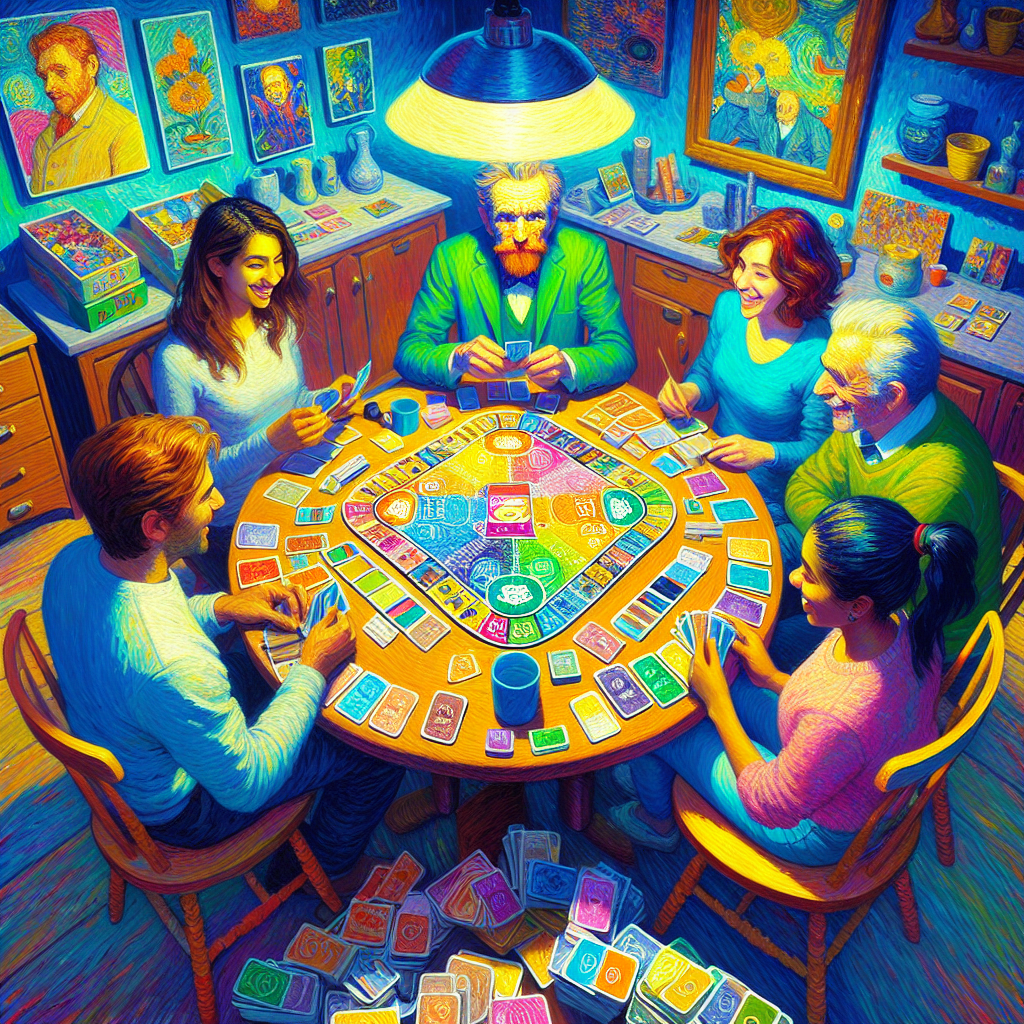
How Can Advanced Players Gain An Edge In Set Collection Games?
What Psychological Tactics Can Be Employed In Card Games?
When it comes to card games, strategy often goes beyond the cards themselves; it delves deep into the intricate workings of the human mind. Whether you’re sitting at a kitchen table with friends or facing off against a stranger in a dimly lit casino, psychological tactics can play a pivotal role in shaping the outcome. Let’s explore some of the most effective psychological strategies you can employ to tip the odds in your favor.
First off, there’s the art of reading your opponents. Every twitch, every pause, and every glance can reveal more than they might intend. A well-timed stare can unsettle your opponent, while a casual demeanor can disguise your own hand. By paying close attention to body language and facial expressions, you can glean insights about your opponent’s confidence or uncertainty. This skill is akin to a poker face, but it works both ways. Develop your observation skills, and you might catch a tell that tips the scales in your favor.
Next, consider the power of misdirection. In card games, creating a false narrative can lead your opponents to make decisions based on assumptions rather than reality. If you consistently act with confidence, even when your hand is weak, you can lead adversaries to believe you’re strong, encouraging them to fold or play aggressively when they really shouldn’t. Bluffing has always been a cornerstone of card play. It’s about projecting strength when you’re vulnerable and cultivating an air of unpredictability that leaves your opponents guessing.
Now, let’s talk about the importance of emotion. There’s an elegant dance between maintaining your composure and stirring the emotional pot of your fellow players. Use humor to lighten the mood or create unexpected tension to keep them on edge. A well-timed joke can break the ice, but it can also serve as a tactical distraction, making your opponents less focused on the game. Remember, a relaxed player may not scrutinize their own hand or your moves as closely, giving you a crucial upper hand.
Finally, don’t underestimate the values of patience and timing. Sometimes, the best tactic is simple: wait. Let others play their hands when they’re unsure, and strike when the moment feels right. A patient player can manipulate the pace of the game, causing others to spiral into haste and poor decision-making.
In the world of card games, blending strategy with psychological prowess can turn the tide in your favor. Know your opponents, misdirect their focus, evoke emotions, and above all, maintain your cool. The cards may deal the hand, but it’s the mind that plays the game.

What Psychological Tactics Can Be Employed In Card Games?
What Psychological Tactics Can Be Employed In Card Games?
- Card games involve complex psychological strategies that can impact outcomes.
- Reading opponents’ body language and expressions is crucial for gaining insights into their confidence or uncertainty.
- Misdirection can create false narratives that influence opponents’ decisions based on assumptions.
- Confidence in weak hands can encourage opponents to fold or play too aggressively.
- Emotion plays a significant role; using humor or tension can distract opponents and affect their focus.
- Patience and timing are essential; waiting for the right moment can exploit opponents’ hesitations.
- Combining strategic play with psychological tactics enhances chances of victory in card games.

What Psychological Tactics Can Be Employed In Card Games?
Conclusion
As we wrap up this exploration of set collection card games, let’s reflect on the intricate tapestry of strategy woven through each maneuver. Much like a seasoned craftsman honing their skills, players must blend insight, observation, and adaptability to not only survive but thrive in the competitive whirlwind of card collection.
At the core of any successful set collection strategy lies the foundational understanding of your cards. This isn’t just a passive perusal; it’s akin to studying the schematics before assembling a complex machine. Knowing the cards you hold, the potential complements, and their value can slap a rookie into seasoned territory quicker than a two-card pickup. It’s about appreciating the nuances, weighing what’s a treasure and what’s merely decorative.
Next up, let’s consider the value of player dynamics. This game isn’t a solitary journey; it’s a dance, one where understanding the rhythm of your opponents is critical. Observe their tendencies like a hawk—what cards they hoard, what they toss aside, and when they shift gears. The game sharpens into a battle of wits, where every glance shared over the table counts. Timing your moves and disrupting their plans with a well-placed card can send shivers down their spines—like tossing a rock into a still pond.
And then there’s the flexible mindset. The path to victory isn’t always a straight line; it’s a winding road full of twists and turns. If your strategy hits a snag, don’t hesitate to pivot. Life throws unexpected hands, and your ability to adapt will be your survival guide. Whether it’s scrambling for alternative sets or recalibrating to thwart a competitor, staying agile in your tactics is paramount.
But let’s not forget the thrill of psychological warfare. The ability to bluff can turn the tide, making others second-guess their strategies. A casual smirk can throw someone off balance, while a moment of feigned interest can bait opponents into revealing too much. It’s a game within a game, and when you learn to wield these psychological tools, you elevate your gameplay to a new stratosphere.
In the end, whether you’re a newcomer dipping your toes or an experienced hand ready to dominate, the world of set collection card games is rich with potential. Embrace every turn, every card drawn, and every strategic maneuver, because the real victory lies not just in the sets you collect but in the stories shared and friendships forged around the table. Now grab those cards, take a deep breath, and let the games begin!

Conclusion
Conclusion:
- Set collection card games require a blend of strategy, insight, observation, and adaptability.
- Understanding the cards in hand and their values is crucial for developing a successful strategy.
- Player dynamics play a vital role; observing opponents’ tendencies can provide competitive advantages.
- Timing and disrupting opponents with well-placed cards can shift the momentum of the game.
- A flexible mindset is essential, as adapting strategies is necessary for navigating unexpected challenges.
- Psychological warfare, such as bluffing and misdirection, can enhance gameplay and unsettle opponents.
- The true enjoyment of set collection card games lies in the shared experiences and friendships forged through play.

Conclusion
Other Resources

Other Resources
Here is a list of other resources you can review online to learn more:
Use This Prompt To Get More Resources With Your Favorite Online AI Tool: Please provide me with a list of online articles with their URLs in a bulleted list that I can read regarding What Strategies Are Needed for Set Collection Card Games?

Other Resources
Glossary Terms
What Strategies Are Needed for Set Collection Card Games? – Glossary Of Terms
1. Set Collection: A gameplay mechanic where players gather cards of specific types or categories to score points or achieve goals.
2. Card Discarding: The act of removing cards from one’s hand to manage resources or affect opponents’ strategies.
3. Drafting: A method of selecting cards from a common pool, often used to optimize hand composition.
4. Hand Management: The strategic technique of organizing and utilizing the cards in hand for maximum effectiveness.
5. Turn Order: The sequence in which players take their turns, impacting available actions and strategies.
6. Resource Allocation: The distribution of cards or actions to optimize growth in set completion.
7. Blocking: A tactic involving preventing opponents from completing their sets by taking specific cards.
8. Trade: Exchanging cards with other players to enhance one’s set collection.
9. Card Synergy: The interaction between cards that enhances their combined effectiveness in achieving objectives.
10. Score Visibility: The ability to see what cards other players have collected, aiding in strategic decision-making.
11. Endgame Strategy: The approach a player takes as the game nears its conclusion, often focused on maximizing points.
12. Point Scoring: The method by which players earn points based on the sets they collect.
13. Set Size: The specific number of cards required to complete a collection for scoring purposes.
14. Card Rarity: The frequency of different cards in the game, influencing trade value and collection strategies.
15. Multi-Set Focus: A strategy where players aim to collect cards from multiple sets instead of focusing on one.
16. Game Mechanics: The rules and systems governing gameplay, which can affect collection strategy.
17. Card Draw: The action of picking cards from the deck, crucial for building one’s hand.
18. Throughput Management: Controlling the flow of cards into and out of one’s hand to maximize advantages.
19. Risk Assessment: Evaluating the potential benefits and downsides of a strategic move, especially in relation to opponents’ actions.
20. Discard Pile Awareness: Understanding which cards have been discarded, influencing decisions on what to collect.
21. Set Completion: The act of finishing a set by acquiring all required cards.
22. Game Length: The anticipated duration of a game, which can inform strategy decisions, notably regarding urgency.
23. Player Interaction: The way players affect one another’s strategies, often through blocking or trading.
24. Strategy Adaptation: The ability to change one’s strategy based on new information or opponents’ moves.
25. Victory Conditions: The specific requirements to win the game, guiding players on what to focus their collections on.
26. Information Asymmetry: A situation where some players have more knowledge about card availability than others, influencing strategic choices.
27. Combo Plays: Using specific cards together to create a powerful effect or score additional points.
28. Economic Management: The handling of card-related assets, strategic decisions based on card value.
29. End-of-Turn Effects: Actions or consequences that occur at the conclusion of a player’s turn, impacting ongoing strategy.
30. Meta Awareness: Understanding the prevailing strategies and trends in set collection games to inform one’s own choices.
Glossary Of Terms
Other Questions
What Strategies Are Needed for Set Collection Card Games? – Other Questions
If you wish to explore and discover more, consider looking for answers to these questions:
- What are some popular set collection card games?
- How do you balance risk and reward in set collection games?
- What resources are available for learning more about strategies in set collection games?
- How can different game mechanics impact set collection strategies?
- What role does luck play in set collection card games?
- Are there any specific strategies for two-player versus multiplayer set collection games?
- What are some advanced techniques for reading opponents during gameplay?
- How can you analyze an opponent’s strategy during a game?
- What are the best practices for organizing and managing your card collection?
- How do psychology and manipulation factor into winning these games?

Other Questions
Haiku
What Strategies Are Needed for Set Collection Card Games? – A Haiku
Strategize with care,
Cards and minds in dance shall clash—
Victory’s whisper.

Haiku
Poem
What Strategies Are Needed for Set Collection Card Games? – A Poem
In a world where cards draw fates,
Strategy thrives, as instinct negates.
From novice to sage, a tightrope we tread,
In set collection’s dance, our passions are fed.
Know your cards, each role and face,
A sweet recipe to master the race.
Watch your foes with keen, shrewd eyes,
For their hidden desires, cunningly devised.
Timing whispers secrets, a crucial embrace,
Patience and boldness find their own place.
Steal from another, disrupt their intent,
With a well-placed move, you’ll leave them bent.
Bluff with finesse, a smirk, a jest,
The stories told may unsettle the rest.
Flexibility rules, in chaos have trust,
When plans go awry, pivot is a must.
Interaction breeds magic, a social affair,
Amid laughter and banter, strategies share.
Observe and adapt, as game dynamics sway,
Each player a thread in this tapestry play.
A careful defense protects all you’ve grown,
While a relentless offense can be too overblown.
Teamwork and insight weave strength from the fray,
In this lore of competition, let camaraderie stay.
So gather your friends, shuffle, and deal,
Embrace the thrill, the strategic appeal.
For in each card played, a tale will transcend,
In the world of set collections, camaraderie blends.
Poem
Checklist
What Strategies Are Needed for Set Collection Card Games? – A Checklist
Before the Game
1. Study Your Cards:
_____ Familiarize yourself with each card’s value and role.
_____ Identify which cards are vital to completing sets.
2. Understand the Basic Rules:
_____ Know how to acquire cards and the goal of forming sets.
_____ Get to grips with the card draft process and reveal/scoring mechanics.
During the Game
3. Observe Player Dynamics:
_____ Monitor what cards your opponents are collecting and discarding.
_____ Anticipate their moves and adapt your strategy accordingly.
4. Timing Your Moves:
_____ Evaluate the optimum moments to make plays or collect cards.
_____ Strike when opportunities arise but stay cautious.
5. Utilize Bluffing and Psychological Tactics:
_____ Project confidence or feign disinterest to mislead opponents.
_____ Observe opponents for tells and emotional cues.
6. Stay Flexible:
_____ Be ready to alter your strategy if initial plans don’t yield results.
_____ Explore alternative sets or routes if your primary goal becomes unattainable.
Communication and Interaction
7. Engage with Other Players:
_____ Foster a sense of camaraderie while still competing.
_____ Use negotiation when trading cards for mutual benefit.
8. Maintain a Calm Demeanor:
_____ Avoid showing desperation that might signal your strategies to others.
_____ Keep your intentions hidden until the right moment.
Resource Management
9. Efficiently Manage Your Resources:
_____ Balance the cards you collect with your overall strategy.
_____ Decide whether to hold or trade based on current hand value and market trends.
Post-Game Reflection
10. Evaluate Your Strategy:
_____ Analyze what tactics worked well and what didn’t.
_____ Reflect on how player dynamics and interactions influenced your game.
Additional Tips for Advancing Your Game
11. Practice Patience:
_____ Sometimes waiting for the right moment can be more beneficial than making hasty decisions.
12. Seek Feedback:
_____ Talk with fellow players about strategies and experiences to learn from one another.
By following this checklist, you’ll enhance your understanding and performance in set collection card games, turning every game into a strategic challenge filled with social nuance and opportunity. Happy gaming!

Checklist
At CardGameNews, we help people who love card games by collating information and news about card games.
Be sure to read our other related stories at CardGameNews to learn more about card games.


