Unveiling The World Of Collectible Card Games
By Tom Seest
At CardGameNews, we help people who love card games by collating information and news about card games.
Be sure to read our other related stories at CardGameNews to learn more about card games.
What Are Collectible Card Games?
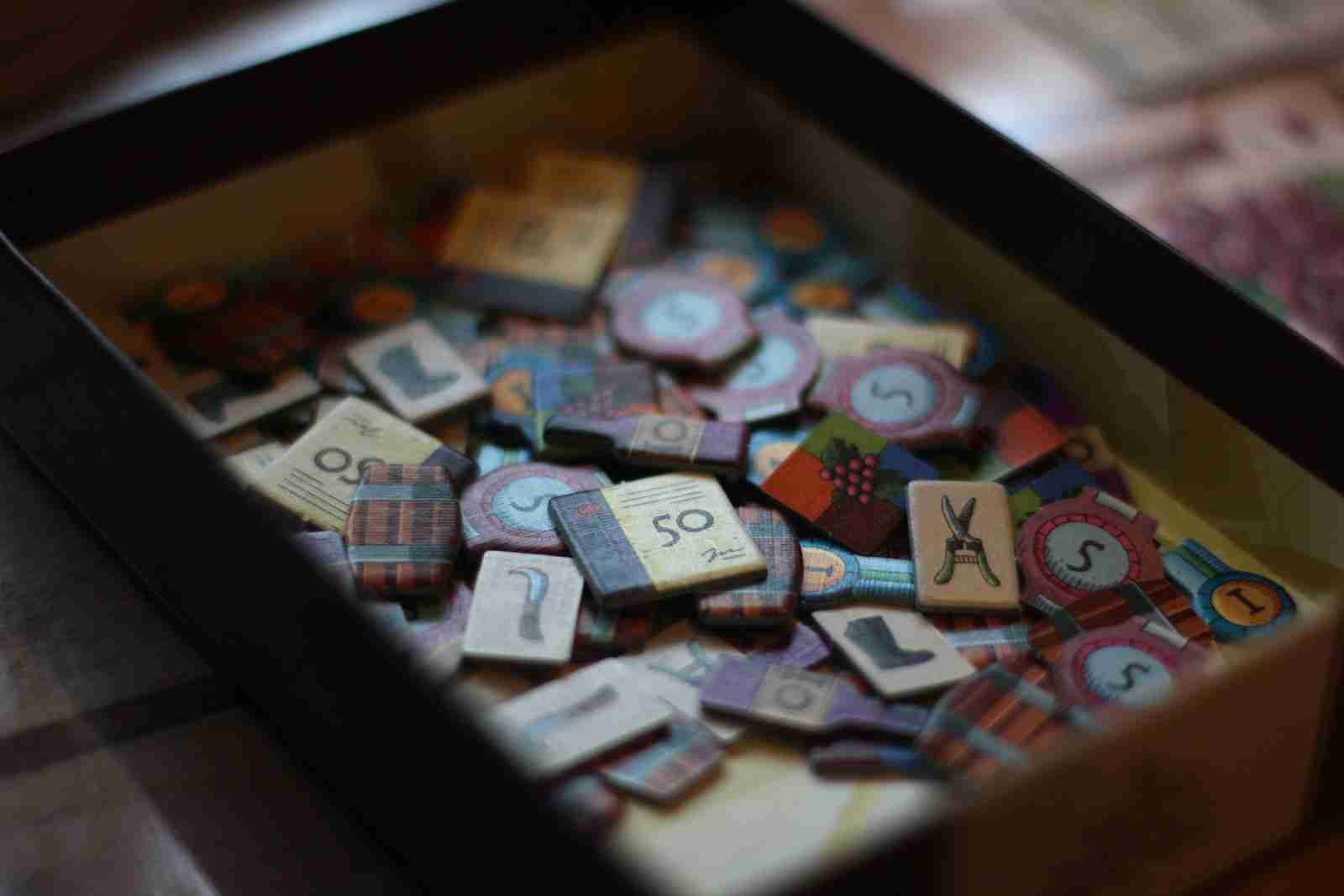
In a world constantly buzzing with technology and digital entertainment, many people find solace in the tactile thrill of collectable card games (CCGs). Picture a group of friends gathered around a table, the sound of cards shuffling in hand, and the air thick with anticipation. That’s the essence of CCGs—a blend of strategy, luck, and a touch of good old-fashioned camaraderie.
At its core, a collectible card game is a strategy game revolving around a deck of cards, each representing various characters, spells, items, or events. Players build their decks, often customizing them to align with specific strategies or themes, and then go head-to-head in battles that require keen tactical minds and a bit of foresight. It’s part chess, part poker, and all about engaging the imagination.
The appeal of CCGs ranges far and wide. Some folks dive into the rich lore and intricacies of the game world, while others enjoy the thrill of competition. There’s something undeniably satisfying about pulling off a well-planned maneuver or executing an unexpected counterattack, all while your opponent stares in awe or disbelief. Winning isn’t just about having the best cards; it’s about how you wield your deck and adapt to the unfolding drama on the battlefield.
But don’t let the term “collectible” fool you. While accumulating rare cards can be a significant part of the game—like finding hidden treasure in a dusty attic—CCGs are about so much more than just assembling a collection. Players often engage with the game on a social level, forming communities around shared interests and events. Local game shops host tournaments, where enthusiasts gather to test their skills, swap strategies, and exchange cards. The connections made at these tables can forge friendships that last long after the cards have been put away.
As with any collectible, there’s an exciting thrill in the hunt. Some players may spend countless hours searching for that elusive card to complete their deck, resulting in a mix of nostalgia and suspense akin to treasure hunting. And while the resale market can lead to amusing and occasionally tumultuous negotiations, it’s all part of the dance that makes collectible card games not just games, but a lifestyle.
So, whether you’re a seasoned player or someone who’s merely curious, dive into the world of CCGs. You might find that the thrill of strategy, community, and friendly rivalry creates an experience like no other. In a sense, it offers a glimpse back to a simpler time when the act of play was more about the people and less about the pixels.

What Are Collectible Card Games?
What Are Collectible Card Games?
- Collectible card games (CCGs) provide a tactile thrill and foster camaraderie among players.
- CCGs are strategy games involving customizable decks representing characters, spells, and events.
- Playing CCGs combines elements of chess, poker, and imaginative engagement.
- The appeal includes rich lore, competition, and the satisfaction of strategic maneuvers.
- CCGs promote social connections through community events and tournaments at local game shops.
- The hunt for rare cards adds excitement and nostalgia, resembling a treasure hunt.
- Engaging with CCGs offers a unique experience focused on strategy and human interaction, reminiscent of simpler times.

What Are Collectible Card Games?
Table Of Contents
- What Are Collectible Card Games?
- What Are The Basic Rules Of Collectible Card Games?
- How Do You Start Playing Collectible Card Games?
- What Types Of Collectible Card Games Exist?
- What Are The Most Popular Collectible Card Games Today?
- How Do You Build A Competitive Deck In Collectible Card Games?
- What Strategies Can Help Beginners Succeed In Card Games?
- How Do You Trade Or Sell Cards In Collectible Card Games?
- What Is The Role Of Rarity In Collectible Card Games?
- How Do Expansions Affect Collectible Card Games?
- What Are Common Mistakes New Players Make?
- How Do Collectible Card Games Foster Community?
- What Should You Consider When Collecting Cards?
- How Has Technology Impacted Collectible Card Games?
- What Are The Differences Between Trading Card Games And Lcgs?
- How Can I Find Local Collectible Card Game Events?
- Conclusion
- Other Resources
- Glossary Of Terms
- Other Questions
- Haiku
- Poem
- Checklist
What Are The Basic Rules Of Collectible Card Games?
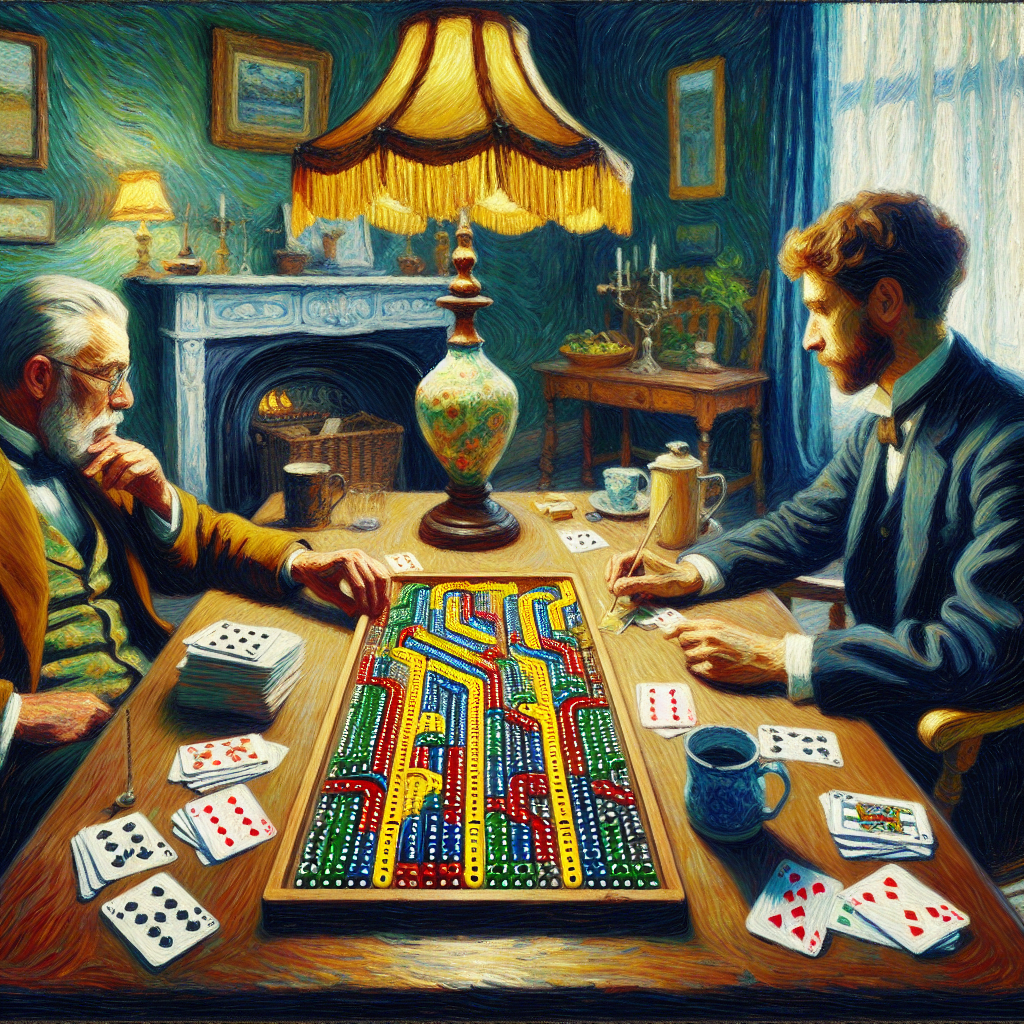
In the wide expanse of hobbies, collectible card games (CCGs) emerge as a unique blend of strategy, creativity, and a bit of luck. They’ve taken the gaming world by storm, captivating both the casual player and the competitive enthusiast. But before you dive headfirst into this card-filled universe, it’s essential to get a grip on the basic rules that govern the gameplay.
At the heart of every CCG lies a deck of cards, each imbued with its own special abilities and characteristics. First and foremost, you’ve got to build a deck, typically consisting of a predetermined number of cards—often 40 to 60 is standard. This deck is a reflection of both strategy and personal flair. The choices you make while assembling your cards dictate your play style. Some players go for brute force, stacking cards for an overwhelming offense, while others opt for a more tactical approach, building defenses and waiting for the right moment to strike.
Next up is understanding the fundamental mechanics of play. Most games revolve around two players (or more, depending on the variant) who battle against each other. Each turn usually consists of several phases: drawing cards, playing cards from your hand, attacking, and resolving effects. Players take turns, carefully deploying their cards, each with varying strengths, weaknesses, and abilities. Timing is everything; knowing when to play a strong card or when to save it for a future round can decide the outcome of the game.
Another critical aspect is health points or life totals. Players typically start with a specific number of health points. The objective? Reduce your opponent’s health to zero before they do the same to you. This creates a high-stakes environment in which every move counts. You not only have to think about your next card play but also anticipate your opponent’s strategies.
Don’t forget about rules and card interactions, either. Every game has its own set of rules, and card interactions can get complex. It’s vital to familiarize yourself with the nuances, whether it’s resolving abilities or understanding card types. Misinterpretations can lead to errors that might cost you the game, and no one enjoys losing over a simple misunderstanding.
The beauty of collectible card games lies in their depth. Between deck-building and dazzling strategies, it’s a competitive yet enjoyable way to engage with friends or forge new rivalries. So arm yourself with knowledge, keep your cards close, and get ready to engage your mind in a game where strategy rules the day.
What Are The Basic Rules Of Collectible Card Games?
What Are The Basic Rules Of Collectible Card Games?
- Collectible card games (CCGs) combine strategy, creativity, and luck, appealing to both casual and competitive players.
- Each player builds a deck of typically 40 to 60 cards, representing their strategy and personal style.
- Gameplay usually involves two or more players taking turns, which includes drawing cards, playing, attacking, and resolving effects.
- Players start with a set number of health points, aiming to reduce their opponent’s health to zero.
- Understanding game rules and card interactions is crucial to avoid costly misunderstandings.
- CCGs offer depth through deck-building and strategic play, enhancing social engagement and rivalries.
- Arm yourself with knowledge and strategy to thrive in the world of collectible card games.

What Are The Basic Rules Of Collectible Card Games?
How Do You Start Playing Collectible Card Games?
If you’re standing on the precipice of the world of collectible card games (CCGs) and wondering how to take the plunge, you’re not alone. Many new players find themselves peering into the vast, intricate universe of strategy, lore, and camaraderie. Here’s your guide to kick off this thrilling journey, so roll up your sleeves, and let’s get to work.
First things first: you’ll want to choose a game. There are plenty of CCGs out there, each boasting its own lore, mechanics, and community. Whether you lean towards fantasy realms filled with dragons and wizards or prefer the sci-fi landscapes of intergalactic battles, find a game that resonates with you. Do a little digging. Watch some tutorials online, read reviews, and maybe even swing by a local game store to witness a few matches in action.
Once you’ve settled on a game, it’s time to gather your tools. Most CCGs start with a basic deck of cards, which includes everything from creatures and spells to strategic moves. Many games offer starter packs designed specifically for beginners, enabling you to dive right in without spending a fortune. Trust me, your wallet will thank you.
Now that you’ve got your deck, it’s time to understand the rules. Don’t let the rulebook intimidate you; think of it as your instruction manual for fun. Start with the basics, figuring out how turns work and what types of cards are in play. Many games also have official tutorials and beginner guides, which can be a lifesaver.
After you’re comfy with the rules, seeking out fellow players is vital. Local game stores often host meetups and tournaments, which are perfect for finding opponents and mentors. The social aspect of CCGs is one of their greatest features, so don’t be shy! Engaging with a community can offer invaluable insights and make the whole experience a lot more enjoyable.
Finally, embrace the learning curve. Like any craft, mastering a CCG takes time, patience, and plenty of practice. You will lose games, and it’s important to view those losses as stepping stones rather than setbacks. Each match is a chance to learn something new about strategy and tactics.
So, ready your cards, gather your friends, and step onto the battlefield of imagination. The world of collectible card games awaits! Happy gaming!

How Do You Start Playing Collectible Card Games?
How Do You Start Playing Collectible Card Games?
- Choose a collectible card game (CCG) that resonates with your interests, be it fantasy or sci-fi.
- Do research by watching tutorials, reading reviews, and visiting local game stores to observe matches.
- Gather your tools by acquiring a basic deck, possibly through affordable starter packs for beginners.
- Understand the game rules; use the rulebook as a guide and seek out official tutorials to simplify learning.
- Connect with fellow players at local game stores through meetups and tournaments to enhance your experience.
- Accept the learning curve inherent in CCGs; view losses as opportunities to improve strategy and tactics.
- Prepare to engage in the imaginative world of CCGs and enjoy the journey ahead!

How Do You Start Playing Collectible Card Games?
What Types Of Collectible Card Games Exist?
What Types of Collectible Card Games Exist?
In the vibrant world of collectible card games (CCGs), there’s a cornucopia of flavors to suit every enthusiast’s taste. Much like an overstuffed toolbox, each type offers its own unique set of tools to engage, challenge, and entertain.
Let’s start with the classics: trading card games (TCGs). These are where the roots of collectible card games often lie. Picture a front porch, two friends squaring off with their meticulously crafted decks, spouting off strategy and banter as they shuffle through cards. Here, rarity matters. Players can trade cards to form the ultimate arsenal—those hard-to-find holographic beauties that spark envy among comrades. Dominant titles in this category, like “Magic: The Gathering” and “Yu-Gi-Oh!” have cultivated massive communities where lingo, strategies, and card lore intertwine like vines around a trellis.
Then, we have living card games (LCGs), which let you skip the frantic trading rituals. Instead of hunting for rare cards, players receive all cards in expansion sets right off the bat—no hidden treasures to unearth here. Think of LCGs as a well-stocked toolbox where everyone has access to the same high-grade equipment. Popularized by companies like Fantasy Flight Games, titles such as “Arkham Horror LCG” and “Game of Thrones: The Card Game” allow players to build decks around shared experiences that feel cooperative and strategic, rather than cutthroat.
Now, let’s not forget deck-building games, which mix card collections with strategic construction right during gameplay. Imagine a workshop where you’re not only creating your tools but testing them out as you go along. In these games, players build their decks from a common pool of cards, tweaking their strategy on the fly. “Dominion” and “Ascension” are excellent examples—games where a solid plan can lead to victory, but adaptability ensures survival in the tumultuous waters of gameplay.
Last but certainly not least, we have digital collectible card games. Gone are the days of cautionary postal mail trades, as technology has ushered in a new revolution. Titles like “Hearthstone” and “Legends of Runeterra” bring the excitement of TCGs to computer and mobile screens. In these digital arenas, players can engage in matches at any time, anywhere, with a worldwide roster of opponents that keeps the competition fierce and exhilarating.
So, whether you’re drawn to the nostalgic hustle of trading, the collaborative vibe of LCGs, the quick construction of deck-building, or the convenience of digital play, there’s a collectible card game out there waiting for you to shuffle, draw, and dive into adventure.

What Types Of Collectible Card Games Exist?
What Types Of Collectible Card Games Exist?
- Collectible Card Games (CCGs) come in various types to suit different preferences.
- Trading Card Games (TCGs) are the classic form, focusing on rarity and trading among players.
- Dominant TCG titles include “Magic: The Gathering” and “Yu-Gi-Oh!”, fostering large communities.
- Living Card Games (LCGs) provide all cards from expansion sets without hidden rarity, promoting a more cooperative gameplay experience.
- Popular LCGs include “Arkham Horror LCG” and “Game of Thrones: The Card Game”.
- Deck-building games allow strategic construction during gameplay from a common card pool, with examples like “Dominion” and “Ascension”.
- Digital collectible card games, such as “Hearthstone” and “Legends of Runeterra”, offer the transparency and convenience of online play.

What Types Of Collectible Card Games Exist?
What Are The Most Popular Collectible Card Games Today?
In the ever-evolving world of gaming, collectible card games (CCGs) have carved out a niche that appeals to a wide array of enthusiasts, from casual players to hardcore strategists. As of today, a few titles stand tall above the rest, not just for their gameplay but for the communities they’ve nurtured and the sheer excitement they bring to the table.
First on the list is *Magic: The Gathering*. Launched in 1993, this game is often credited with kicking off the CCG craze, and it remains a titan in the genre. What makes *Magic* so compelling is its dynamic gameplay and rich lore. Players build decks from a vast pool of cards—each representing spells, creatures, and artifacts—allowing for nearly limitless strategy and deep personalization. The game has evolved over the decades, introducing new mechanics and sets that keep even the most seasoned players on their toes.
Then there’s *Pokémon Trading Card Game*, a beloved staple that has captivated generations of fans. With its iconic characters and simple yet engaging mechanics, *Pokémon* resonates with those who grew up catching ’em all. Players battle using their favorite Pokémon, strategizing through weaknesses and strengths, all while trading cards to bolster their collections. The competitive scene is vibrant, bridging the gap between nostalgia and modern gameplay.
Next up is *Yu-Gi-Oh!*, a game that took inspiration from a popular anime and manga series. Its unique battling system, where players summon monsters using spells and traps, appeals to anyone who loves strategy and luck in equal measures. The vast array of available cards means that the game is always fresh, and with tournaments held globally, *Yu-Gi-Oh!* has built a strong, dedicated fan base since its launch in the late ’90s.
Don’t overlook *KeyForge*, a newer entry that turned the CCG model on its head by providing unique decks for players. Each deck is one of a kind, promising a distinctive play experience every time you sit down. *KeyForge* taps into the spirit of discovery with its emphasis on originality, prompting players to embrace their specific decks and develop strategies that might never be exhausted.
Finally, *Hearthstone*, a digital card game pulling from the *World of Warcraft* universe, has taken the CCG world by storm thanks to its accessibility and constant updates. It merges the classic card strategy with modern gaming interfaces, appealing to both traditional card players and a new generation of gamers seeking quick, engaging matches.
As the CCG landscape continues to expand, these games stand out not just for their mechanics and art, but for the communities they foster. Whether you trade cards or share strategies, the camaraderie they inspire keeps the spirit of competition alive and well in every match.

What Are The Most Popular Collectible Card Games Today?
What Are The Most Popular Collectible Card Games Today?
- Collectible card games (CCGs) appeal to a wide variety of players, from casual fans to hardcore strategists.
- *Magic: The Gathering*, launched in 1993, is a pioneering title known for its dynamic gameplay and expansive lore.
- *Pokémon Trading Card Game* engages players with iconic characters and strategic mechanics, blending nostalgia with modern gameplay.
- *Yu-Gi-Oh!* offers a unique battling system and has built a loyal following since its late ’90s launch.
- *KeyForge* introduces unique, one-of-a-kind decks, emphasizing originality and discovery in gameplay.
- *Hearthstone*, a digital card game from the *World of Warcraft* universe, has gained popularity for its accessibility and regular updates.
- These CCGs not only provide engaging gameplay but also foster strong communities and camaraderie among players.

What Are The Most Popular Collectible Card Games Today?
How Do You Build A Competitive Deck In Collectible Card Games?
Building a competitive deck in collectible card games (CCGs) is much like constructing a sturdy bridge: it requires careful planning, an understanding of materials, and a willingness to adapt. Sure, the flashy new cards might catch your eye, but it’s the fundamental principles that will keep your deck standing strong when the competition heats up.
First things first: Know your game. Each CCG has its own mechanics, interactions, and nuances. Spend some time playing with the fundamental constructs of your chosen game. Understand which card types fit together—like peanut butter and jelly or oil and water—and how they affect one another in play. Familiarizing yourself with the meta is essential. Each environment will have dominant strategies, and recognizing those trends is your first step towards building a robust deck.
Next, consider your overall strategy. Are you looking to overwhelm your opponent with an aggressive onslaught, or do you play the long game, slowly dismantling their defenses one piece at a time? Crafting a strategy isn’t just about picking the strongest cards; it’s about synergy. Look for cards that work well in tandem. A deck filled with top-tier cards won’t hold up if they conflict with execution. Think of your deck as a finely tuned engine; all parts must harmonize for optimum performance.
Resource management is another crucial element. How many lands—or resources—do you need to smoothly operate your strategy? Too few, and you’ll find yourself stuck, watching your opponent take control of the game. Too many, and you’ll be drawing dead cards while they steamroll you. A balanced approach often means playtesting your deck repeatedly, adjusting mana curves or resource ratios until you strike the right balance.
Remember, adaptability is key. The best deck builders are those who continually refine their creations. Stay active in the community; read up on tournaments, watch how the top players construct their decks, and don’t be afraid to innovate. Learning from the successes—and failures—of others is a time-honored practice that can save you a lot of trial and error.
Lastly, don’t forget the personal touch. Sure, you want to win, but ultimately, these games are meant to be enjoyed. Make sure your deck reflects your style and vision. After all, in a world filled with complex strategies and cutting-edge tactics, sometimes the best card you can play is the one that represents who you are as a player. So roll up your sleeves, shuffle those cards, and get ready to dive deep into the world of competitive play.

How Do You Build A Competitive Deck In Collectible Card Games?
How Do You Build A Competitive Deck In Collectible Card Games?
- Building a competitive deck in collectible card games (CCGs) requires careful planning and an understanding of game mechanics.
- Familiarize yourself with the specific mechanics and meta of your chosen game to build a robust deck.
- Consider your overall strategy, focusing on synergy between cards rather than just picking the strongest ones.
- Resource management is crucial; balance the number of resources to avoid getting stuck or drawing dead cards.
- Adaptability is key; continuously refine your deck based on community insights and tournament trends.
- Learn from both successes and failures of others to improve your deck-building skills.
- Inject a personal touch into your deck; ensure it reflects your style and enjoyment of the game.

How Do You Build A Competitive Deck In Collectible Card Games?
What Strategies Can Help Beginners Succeed In Card Games?
What Strategies Can Help Beginners Succeed in Card Games?
When you’re stepping into the realm of card games, it can feel a bit like diving headfirst into a swimming pool without knowing if there’s water in it. The good news? You don’t have to belly flop. There are practical strategies that can elevate your game and help you navigate those initial waters with confidence.
First off, let’s talk about the importance of knowing the rules inside and out. It might sound simple, but understanding the nuances of the game you’re playing is as crucial as knowing how to hold the cards. Take a little time to read the rulebook, watch tutorials, or even observe experienced players. Make it your mission to grasp not just the basics, but also the strategies and subtleties that seasoned players might take for granted. Knowledge is power, and in this case, it’s your first line of defense against confusion and frustration.
Next up is observation. Once you’ve got a handle on the rules, it’s time to watch the pros in action. Pay attention to their strategies, their betting patterns, and how they react in different situations. Are they aggressive or conservative? When do they bluff? Observing others can lend you valuable insights and help you develop your style. It’s like learning to ride a bike by watching someone else—there’s plenty to absorb if you keep your eyes peeled.
Practice, practice, practice. It’s not just a catchy phrase; it’s genuinely how you sharpen your skills. Find opportunities to play, whether it’s with friends, family, or online. Play with a variety of opponents to expose yourself to different strategies. Don’t shy away from games where you might lose, either; every loss is a lesson in disguise. Seek feedback, analyze your gameplay, and adjust your approaches accordingly. Remember, every expert was once a beginner who refused to give up.
Don’t overlook the power of patience. Card games often hinge on strategy, timing, and a bit of luck, and impatience can lead to hasty decisions. Stay calm, think critically, and keep your emotions in check. Control your urges to chase losses or go “all in” on a hunch. A clear mind and a patient approach can turn the tide of battle more often than you think.
Finally, embrace the social aspect of card games. Engage with your fellow players, celebrate the wins, and laugh off the losses. Building rapport not only makes the game more enjoyable, but it also fosters an environment for learning and improvement. So, whether you’re playing a friendly game of poker or joining a serious strategic showdown, remember that every hand dealt is an opportunity to grow.

What Strategies Can Help Beginners Succeed In Card Games?
What Strategies Can Help Beginners Succeed In Card Games?
- Understand the rules thoroughly to navigate the game confidently.
- Observe experienced players to grasp their strategies and techniques.
- Practice regularly with various opponents to enhance your skills.
- Learn from losses, viewing them as valuable lessons in disguise.
- Maintain patience to avoid impulsive decisions during gameplay.
- Keep emotions in check to ensure clear thinking under pressure.
- Engage socially with fellow players to foster a supportive learning environment.

What Strategies Can Help Beginners Succeed In Card Games?
How Do You Trade Or Sell Cards In Collectible Card Games?
When it comes to trading or selling cards in collectible card games, a little finesse goes a long way. It’s not just about slapping a price tag on a rare shiny creature or a powerful spell card; it’s about navigating the intricate world of community, value, and the occasional heartbreak that comes with parting ways with your favorite cards.
First off, understanding the market is key. Just like a well-worn path through the woods, there’s a rhythm to the ebb and flow of card values. You’ll want to stay informed about the latest trends, expansions, and popular formats. Card marketplaces, online forums, and social media are the bustling taverns where players congregate, sharing tips and insights. Keep your ear to the ground; you never know when a particular card might skyrocket in value, turning your old collection into a goldmine—or a bust.
When it comes time to trade, approach it like a negotiation at a farmer’s market. The goal isn’t just to make a deal; it’s about finding a win-win situation. Lay out your cards, listen to what others have to offer, and don’t be afraid to walk away if a deal doesn’t feel right. Relationships matter in this realm, and fostering a reputation for fairness can lead to future opportunities. Remember, a card’s worth isn’t solely determined by its rarity but also by the trust you build within the community.
If you’re leaning toward selling rather than trading, whether it’s to clear space or fund your next big deck strategy, one golden rule reigns supreme: presentation matters. A card in excellent condition will fetch far more than one that’s been fogging up the inside of a pocket for years. Clean those cards, store them properly, and be honest about their condition. When listing them—be it online or at a local game shop—provide clear images and detailed descriptions that accurately capture their history and intrinsic value.
And when it comes to pricing, look around. You wouldn’t sell a vintage baseball card without scouring the market first, would you? Check completed sales on well-known platforms to gauge what similar cards have actually sold for. This gives you that distinct edge: a fair price that reflects the card’s true market value but leaves room for a little negotiation.
In the ever-shifting landscape of collectible card games, trading and selling represent a dance of strategy, value, and community connection. So lace up your boots, roll up your sleeves, and get ready to dive in. The card game world is waiting, and it’s more vibrant (and lucrative) than you might think!

How Do You Trade Or Sell Cards In Collectible Card Games?
How Do You Trade Or Sell Cards In Collectible Card Games?
- Understanding the collectible card game market is essential for successful trading and selling.
- Stay informed about trends, expansions, and community discussions using marketplaces, forums, and social media.
- Approach trades as negotiations, aiming for win-win situations while valuing relationships and fairness.
- A card’s worth is not just about rarity but also the trust built within the community.
- Presentation is key when selling; maintain card condition and provide clear images and descriptions.
- Research market prices of similar cards before listing to ensure competitive and fair pricing.
- Engaging in trading and selling is a strategic dance that enhances community connections and can be rewarding.

How Do You Trade Or Sell Cards In Collectible Card Games?
What Is The Role Of Rarity In Collectible Card Games?
In the world of collectible card games (CCGs), rarity plays a pivotal role that dances between the realms of strategy, value, and the emotional thrill of the chase. At its core, rarity dictates not just how many of a particular card exist in circulation, but also influences player decisions, deck-building strategies, and even market trends.
Imagine you’re deep into a game; your opponent lays down a rare card that gleams like a trophy. The crowd leans in, the energy shifts—this isn’t just a piece of cardboard, it’s a game-changer. Rare cards often wield powerful abilities or unique effects that can turn the tide of a match. They entice players to seek them out, creating a sense of urgency and excitement. In the competitive landscape, these rarities become the Holy Grails of gameplay, elevating one’s status among peers. The simple act of drawing a card that few others possess can sometimes feel like a lottery win.
Beyond the gameplay dynamics lies the financial angle. Rarity can significantly influence a card’s value in the marketplace. A card that’s labeled as “mythic rare” often carries a hefty price tag, not just because it’s powerful in a deck but also due to its scarcity. Collectors eagerly scour trade shows and online marketplaces, hunting for those elusive pieces that can enhance their collection—and their social standing in the community. It’s where passion collides with investment; a well-timed purchase can pay off as card values fluctuate over time.
The essence of rarity also fosters a sense of community. Players gather around common interests, sharing tales of epic trades or their latest scoring of a sought-after card. It’s a relatable bonding experience reminiscent of simpler times when you’d trade baseball cards on the playground. The shared understanding of rarity breeds camaraderie, as each player trots out their prized possessions like trophies from battles fought in the trenches of sleepless nights at the gaming table.
Ultimately, rarity in collectible card games is not just about numbers or card tiers—it’s about the stories we create, the friendships we form, and the adrenaline of the hunt. It’s a multilayered tapestry of strategy, commerce, and human connection, pulling players together in ways that extend well beyond the confines of a gaming table. It’s those very elements that elevate CCGs from simple pastimes to a vibrant culture of passion and play.

What Is The Role Of Rarity In Collectible Card Games?
What Is The Role Of Rarity In Collectible Card Games?
- Rarity is crucial in collectible card games (CCGs), influencing strategy, value, and emotional engagement.
- Rare cards can change the dynamics of gameplay, offering powerful abilities that create urgency and excitement.
- Drawing a rare card elevates a player’s status, akin to winning a lottery, enhancing the competitive experience.
- In the marketplace, rarity greatly impacts a card’s financial value, leading to high prices for “mythic rare” cards.
- Collectors are actively engaged in seeking scarce cards to enhance their collections and social standing.
- The concept of rarity fosters community among players, sharing experiences reminiscent of trading baseball cards.
- Ultimately, rarity in CCGs weaves together strategy, commerce, and human connections, enriching the gaming culture.

What Is The Role Of Rarity In Collectible Card Games?
How Do Expansions Affect Collectible Card Games?
In the world of collectible card games (CCGs), the arrival of a new expansion can feel like the first warm breeze after a long winter. It stirs excitement among players, rekindles old rivalries, and sparks fresh strategies. Expansions breathe new life into a game that can sometimes feel stagnant, offering a shot of adrenaline for both casual gamers and competitive players alike.
So, what exactly happens when a new set of cards enters the fray? For starters, expansions often introduce new mechanics and themes, which can change the very fabric of gameplay. Imagine a battlefield where each card tells a different story, where players must adapt to new conditions or face annihilation. A previously dominant strategy might suddenly find itself at the mercy of a clever counterplay born from that latest batch of cards. It’s akin to a chess match where the rules have been altered on the fly, invigorating the minds of players as they scramble to outwit one another.
Moreover, expansions can serve as a catalyst for community engagement. Shops host release parties, tournaments, and events designed to celebrate the new cards. Players gather to trade, strategize, and showcase their evolving decks, forging connections in the process. It’s a social tapestry woven from shared enthusiasm, where seasoned veterans mentor newcomers, and friendships blossom over heated matches. The expansion becomes more than cards; it’s about camaraderie, competition, and the joyous unpredictability of what comes next.
But let’s not overlook the economic side of things. New expansions often create a buzz around key cards that might become instant staples or rare finds. Collectors start to dissect the market, gauging card values, discussing potential bans, and speculating on future trends. It becomes a thrilling rollercoaster of supply and demand, where one player’s trash can become another’s treasure overnight.
Yet, not all changes are universally embraced. With the introduction of new cards, discussions about power creep and balance inevitably arise. Players often debate whether the game is becoming unfair or if the new mechanics are merely pushing creative boundaries. This discourse, while sometimes contentious, is vital, as it reflects the ever-evolving nature of the game, urging developers to adapt and refine their designs.
Expansions are more than just new card releases; they’re a revitalizing force that shapes gameplay, nurtures community, and fuels the competitive spirit. As players embrace the possibilities, they remind us that in collectible card games, the only constant is change.

How Do Expansions Affect Collectible Card Games?
How Do Expansions Affect Collectible Card Games?
- New expansions in collectible card games (CCGs) reignite excitement, rivalries, and strategic thinking among players.
- Expansions introduce new mechanics and themes, altering gameplay and encouraging players to adapt strategies.
- They foster community engagement through release parties, tournaments, and events, promoting social interaction among players.
- Economic buzz surrounds expansions as players and collectors evaluate card values and market dynamics, leading to trading opportunities.
- Discussions about power creep and game balance often arise, highlighting the diverse opinions within the player community.
- Expansions serve as a catalyst for creativity and evolution in the gameplay, pushing boundaries for developers and players alike.
- Ultimately, they symbolize the dynamic nature of CCGs, reminding players that change is the only constant in the game.

How Do Expansions Affect Collectible Card Games?
What Are Common Mistakes New Players Make?
Jumping into a new game for the first time can feel like stepping into a challenge with excitement buzzing in your veins. But, as any seasoned player will tell you, it also can come with a fair share of blunders. New players often stumble on the same pitfalls—mistakes that may seem trivial but can derail your progress faster than a poorly aimed arrow in an archery competition. Let’s take a closer look at some of these common missteps that can make your gaming journey feel like a rollercoaster with more downs than ups.
First off, let’s talk about the impulse to rush. It’s human nature; you want to dive headfirst into the action. However, many new players skip tutorials or ignore foundational mechanics in the eagerness to jump into the heart of the game. This desire to sprint right out of the gate often results in confusion and frustration later on. Take a breath, engage with the tutorial, and let the basics sink in. Remember, a well-placed step is better than a leap into chaos.
Next up, let’s address the tendency to neglect teamwork. Many new players thrive in solo play or get overly fixated on personal achievements. While it’s all fine and dandy to want to rack up high scores or accolades, games often come down to collaboration. Ignoring the value of teamwork can lead to missed opportunities and wasted resources. It’s all about striking a balance between individual skill and contributing to a collective effort. Communicate, strategize, and lend a hand to your fellow players; it pays off more than you’d think.
Now, onto the classic blunder of failing to manage resources. Whether it’s health packs, ammunition, or in-game currency, treating resources as though they were limitless is a recipe for disaster. New players often splurge in anticipation of thrilling moments, only to find themselves woefully underprepared when the tides turn. Economize, think ahead, and develop a knack for resource management. It’s like gardening; you don’t just toss seeds around and hope for the best.
Lastly, let’s not forget the ever-persistent problem of ignoring feedback. Games often provide hints or warnings, and many newcomers overlook these as they blaze ahead. Listening to in-game prompts can be the difference between victory and an unexpected exit screen.
So, take these common mistakes into account, learn from them, and embrace the adventure. Each blunder you make is just another step on the winding road to becoming a seasoned player. After all, every expert was once a beginner, and every slip-up is just fuel for improvement. Happy gaming!

What Are Common Mistakes New Players Make?
What Are Common Mistakes New Players Make?
- Jumping into a new game can be exciting but comes with potential blunders.
- New players often rush, skipping tutorials and fundamental mechanics, leading to confusion later.
- Neglecting teamwork can hinder progress; collaboration is crucial in many games.
- Failing to manage resources like health packs and ammunition can leave players underprepared.
- Economizing and planning for resource usage can greatly improve gaming success.
- Ignoring in-game feedback can be detrimental; listening can be key to success.
- Learn from common mistakes to improve, as every expert was once a beginner.

What Are Common Mistakes New Players Make?
How Do Collectible Card Games Foster Community?
In an age where social media often feels like the primary conduit for connection, there’s something refreshingly tangible about the way collectible card games (CCGs) bring people together. Picture this: a local game shop, a weathered table strewn with cards that tell stories of battles won and lost, and a group of players bent over their decks, strategizing, laughing, and sharing in the thrill of competition. This isn’t just about gameplay; it’s about forging connections that last well beyond the cards themselves.
At their core, CCGs are all about interaction. Unlike video games, which can often feel solitary despite their multiplayer capabilities, CCGs encourage face-to-face engagement. This setting creates a sense of camaraderie, as players not only share strategies and tips but also celebrate each other’s victories and console one another in defeats. An opponent today may become a trusted ally tomorrow, building friendships through shared passions and experiences that extend far outside the game.
Moreover, tournaments and organized play events serve as breeding grounds for community building. These gatherings transform a simple card game into a social event that can attract dozens—if not hundreds—of players. The excitement pulsates through the air as people from various backgrounds come together, united by their love for strategy and chance. These events often provide more than just a chance to win prizes; they foster a culture of sportsmanship, showcasing the importance of respect and integrity in competition. Players learn to celebrate not just their own victories but also the accomplishments of others, cultivating a supportive atmosphere.
Let’s not overlook the role of casual meet-ups in local game shops. These spaces become sanctuaries for enthusiasts to unwind, exchange deck ideas, or simply share a meal between matches. By participating in these gatherings, people often find themselves discovering new friendships that might not have blossomed in their everyday lives. A love for a game transcends social barriers, opening doors for dialog among diverse players who may have little in common outside of the game.
In essence, collectible card games do more than entertain; they weave a rich tapestry of community. What starts as a simple card match can evolve into lasting connections, transforming strangers into friends and players into a tightly-knit community. In a world that often thrives on digital interactions, CCGs remind us of the value of real connection, encouraging us to step away from the screens and into a vibrant community that thrives on camaraderie, competition, and a shared love of the game.

How Do Collectible Card Games Foster Community?
How Do Collectible Card Games Foster Community?
- Collectible card games (CCGs) foster tangible connections among players, contrasting with often solitary experiences of video games.
- Gameplay involves face-to-face interaction, creating camaraderie as players share strategies, celebrate victories, and console each other in defeats.
- Tournaments and organized play events attract large groups, turning CCGs into social events that promote sportsmanship and community building.
- These events emphasize respect, integrity, and the celebration of players’ accomplishments, fostering a supportive atmosphere.
- Casual meet-ups at local game shops offer spaces for enthusiasts to unwind, exchange ideas, and form friendships beyond the game.
- CCGs break social barriers, providing opportunities for diverse players to connect over a shared love for the game.
- Ultimately, CCGs weave a rich tapestry of community, transforming casual interactions into lasting friendships and a vibrant social network.

How Do Collectible Card Games Foster Community?
What Should You Consider When Collecting Cards?
When you dive into the world of card collecting, you’re stepping into a realm filled with passion, history, and perhaps a bit of nostalgia. But before you rush to the nearest shop or scour the internet, there are a few critical considerations to ponder. Because let’s face it: collecting isn’t just about gathering; it’s about understanding what makes a collection truly valuable and meaningful.
First and foremost, think about what excites you. Cards come in a multitude of varieties — sports cards, trading cards from games, vintage collectibles, and more. Do you have a favorite player or a fond memory tied to a certain series? Start your collection by focusing on those personal connections. Your enthusiasm will keep the hobby rewarding and engaging, turning what could be a mere transaction into a shared bond with the history of those cards.
Next, educate yourself about the market. This isn’t just a casual buy-and-sell game; it’s a delicate dance of supply and demand. Research current trends, what cards are hot, and which ones have stood the test of time. Join forums, read blogs, and scour through auction sites. Understanding the nuances of grading, rarity, and condition will empower you to make informed decisions. After all, a well-informed collector is a successful one.
Storage and preservation are also paramount. Cards are often fragile, and even a small dent or crease can shave value off your prized possessions. Invest in proper storage solutions like top-loaders or protective sleeves. Keep them in a climate-controlled environment to shield them from humidity and direct sunlight. A little foresight goes a long way in ensuring that your hard-earned collection remains in pristine condition.
Moreover, consider the potential for community involvement. The card collecting scene is vibrant and alive, with local shows, online groups, and social media channels buzzing with activity. Engaging with fellow enthusiasts not only expands your knowledge but can also lead to trades, sales, and valuable friendships. Plus, you’ll get to share stories and experiences that enrich your appreciation of the hobby.
Lastly, approach your collection with mindfulness. Set a budget and stick to it. It’s easy to get swept away in the excitement, but collecting should be a joy, not a burden. Remember, it’s about the journey, the stories behind each card, and the thrill of the chase. So, gear up and get ready to explore — your next favorite find is out there waiting for you!

What Should You Consider When Collecting Cards?
What Should You Consider When Collecting Cards?
- Diving into card collecting is an engaging blend of passion, history, and nostalgia.
- Focus on personal connections by collecting cards related to favorite players or memorable series.
- Educate yourself about the market, including current trends, card popularity, and quality grading.
- Invest in proper storage solutions to preserve the condition and value of your cards.
- Engage with the vibrant card collecting community through local shows and online forums.
- Approach your collection mindfully by setting and adhering to a budget.
- Enjoy the journey of collecting, valuing the stories and experiences each card brings.

What Should You Consider When Collecting Cards?
How Has Technology Impacted Collectible Card Games?
In the world of collectible card games (CCGs), the integration of technology has reshaped the landscape in ways that are both profound and exhilarating. Gone are the days when enthusiasts gathered in dimly lit basements, huddled around tables, meticulously shuffling their physical decks. Today, technology has transformed the journey from a simple deck of cards to a dynamic multimedia experience that captivates players of all ages.
Let’s start with the most noticeable shift: digital platforms. What began as a progression into online forums and websites dedicated to trading and deck-building has blossomed into fully-fledged virtual environments where fans can engage in epic battles from the comfort of their homes. No longer confined by geography, players can now compete with opponents halfway across the globe. This interconnectivity has widened the community, allowing for a rich exchange of strategy, culture, and creativity.
Moreover, digital tools have given rise to app-based games that incorporate multiple elements, including voice chat, real-time statistics, and intricate animations. Players can now customize their gameplay experience, crafting decks that reflect their unique styles or even their moods. Automated matchmaking features streamline the entry process, allowing newcomers to quickly dive into the action without feeling overwhelmed by the complexities of physical card sets.
But it doesn’t stop there. The explosion of streaming platforms has introduced a fresh layer of interaction. Watching skilled players face off in an online tournament is no longer a rare affair but rather a weekly ritual for many. These broadcasts foster not only fandom but also education, as viewers can pick up valuable insights and strategies to improve their own games. Now, a novice can learn from the best in real time, an opportunity that was previously a luxury reserved for the most dedicated card aficionados.
Let’s not forget about augmented reality (AR) and virtual reality (VR), which are pushing the boundaries of immersive gameplay. Imagine sitting at your kitchen table, facing off against a dragon that roars to life in your living room, all courtesy of your AR device. This is no longer the stuff of science fiction; it’s a glimpse into the future of CCGs where the line between the digital and physical worlds continues to blur.
In short, technology has not just changed how collectible card games are played; it has revolutionized the very essence of the game itself. As we look ahead, it’s clear that as long as creativity burns bright in the gaming community, the evolution of CCGs will certainly follow suit.

How Has Technology Impacted Collectible Card Games?
How Has Technology Impacted Collectible Card Games?
- Technology has profoundly reshaped collectible card games (CCGs), moving beyond traditional physical play.
- Digital platforms enable players to engage in virtual battles without geographical limitations.
- App-based games enhance gameplay with features like voice chat, real-time stats, and animations.
- Automated matchmaking helps newcomers easily join games without feeling overwhelmed.
- Streaming platforms allow fans to watch tournaments and learn strategies from skilled players.
- Augmented reality (AR) and virtual reality (VR) offer immersive gameplay experiences that blend digital and physical worlds.
- The evolution of CCGs continues as creativity and technology intertwine within the gaming community.

How Has Technology Impacted Collectible Card Games?
What Are The Differences Between Trading Card Games And Lcgs?
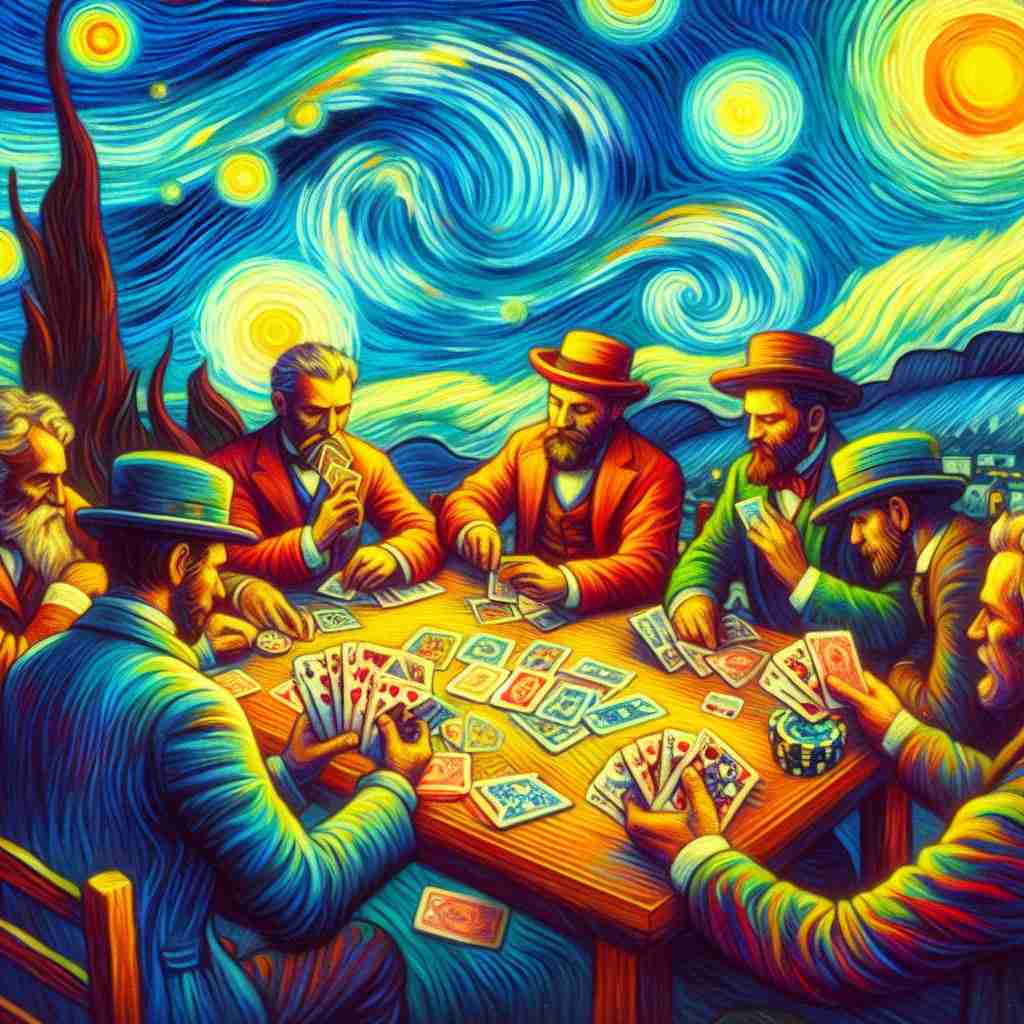
When the topic of Trading Card Games (TCGs) and Living Card Games (LCGs) arises, it’s like comparing apples to oranges… if the apples and oranges both had a penchant for strategy and competition. On the surface, both TCGs and LCGs revolve around cards, decks, and strategy, but delve a little deeper, and the differences begin to stack up like bricks in a wall.
First up, let’s talk about how players acquire their cards. In the world of Trading Card Games, players typically engage in a dynamic marketplace that resembles a bustling bazaar. Here, you might buy booster packs, which are essentially surprise bags filled with random cards. Opening a pack can feel like Santa Claus delivered a gift just for you, though it often contains duplicates or cards that don’t quite fit your strategy. Players often trade or buy individual cards to build their ultimate decks, leading to an ecosystem of negotiation akin to haggling for a treasure. The thrill of the hunt is real, but it also means that not everyone is on a level playing field; those with deeper pockets can often build competitive decks more quickly.
Now, flip the narrative to Living Card Games, where the landscape changes to a more structured format. LCGs offer a more predictable experience, like a well-rehearsed play rather than an improv night. Instead of buying randomized packs, players purchase core sets or expansions that contain a fixed number of cards. It’s like getting a menu of cards with set ingredients; you know exactly what you’re getting and can strategize accordingly. This model promotes a level of fairness, as everyone has the same access to cards right from the outset.
Additionally, the gameplay mechanics diverge significantly. In TCGs, the stakes are inherently tied to collecting and trading—which can lead to a focus on similar archetypes and strategies dominating the scene. Conversely, LCGs often pride themselves on narrative depth and evolving gameplay, with expansions that add fresh twists without upending the entire experience.
Ultimately, the choice between diving into TCGs or LCGs hinges on your priorities. Do you crave the excitement of discovery with the potential for hefty costs involved, or do you prefer a structured and equitable experience that’s more about strategy than stockpiling rare cards? Both have their merits, but understanding these differences can illuminate which path might lead to your next gaming adventure.
What Are The Differences Between Trading Card Games And Lcgs?
What Are The Differences Between Trading Card Games And Lcgs?
- Comparing Trading Card Games (TCGs) and Living Card Games (LCGs) highlights significant differences despite both involving cards and strategy.
- TCGs involve a dynamic marketplace where players buy booster packs containing random cards, fostering a treasure-hunting atmosphere.
- Players in TCGs often trade and buy individual cards, resulting in potential imbalances based on financial investment.
- In contrast, LCGs provide a structured format where players purchase core sets or expansions with fixed cards, promoting fairness.
- Gameplay mechanics in TCGs focus on collecting and trading, while LCGs emphasize narrative depth and evolving gameplay through expansions.
- The choice between TCGs and LCGs depends on whether players desire discovery with potential costs or a more equitable strategic experience.
- Both formats have unique merits that cater to different player preferences and gaming experiences.

What Are The Differences Between Trading Card Games And Lcgs?
How Can I Find Local Collectible Card Game Events?
If you’re looking to dive into the colorful universe of collectible card games (CCGs), where strategy meets chance in the most delightful of ways, you might be wondering how to find events happening right in your backyard. Fear not, for the road to local tournaments and casual play is paved with a variety of approaches, each more intriguing than the last.
First up, the good old-fashioned word of mouth can be your best ally. Chatting with fellow CCG enthusiasts can uncover hidden gems in your area, from weekly meet-ups at cozy game shops to larger tournaments that might not be widely advertised. Social circles can expand rapidly when you connect with likeminded players. Join a local gaming club or attend events at your nearest hobby store, where fellow aficionados often gather to strategize, trade cards, and engage in some friendly competition. Don’t shy away from introducing yourself; you’d be surprised how welcoming the community can be!
Next, let’s talk digital. The internet is teeming with resources that can lead you right to the action. Websites like Meetup can help you find groups focused on CCGs in your area, while platforms like Facebook often have community pages dedicated to local gaming events. Search for keywords specific to your favorite game, and you might just stumble upon an enthusiastic supporter who regularly organizes matches. Forums dedicated to individual CCGs, such as Magic: The Gathering or Yu-Gi-Oh!, often have threads where players share information about upcoming events.
Don’t forget to check out online marketplaces and auction sites like eBay, which can reveal not only where to buy cards but also where nearby events are taking place. Many local shops kick off promotions or tournaments specifically tailored for buyers, adding an extra incentive for both collectors and players alike.
Finally, local conventions and expos frequently feature CCG tournaments. These gatherings are a fantastic way to immerse yourself in a broader gaming culture while meeting potential competitors and trading partners.
So, whether you’re seeking the thrill of victory or just a place to shuffle some cards and enjoy the camaraderie of your fellow gamers, there’s no shortage of paths you can take. Embrace the hunt – the right event is out there, just waiting for you to discover it. Grab your deck and dive in; the world of collectible card games is richer and more vibrant than you might ever imagine!

How Can I Find Local Collectible Card Game Events?
How Can I Find Local Collectible Card Game Events?
- Explore the colorful world of collectible card games (CCGs) through local events.
- Word of mouth is a powerful tool; talk to fellow enthusiasts to discover hidden local tournaments and meet-ups.
- Join local gaming clubs or hobby stores to connect with other players and participate in friendly competitions.
- Utilize digital resources like Meetup and Facebook to find CCG-focused groups and events in your area.
- Check online marketplaces, such as eBay, for information on local events and promotions related to card purchases.
- Attend local conventions and expos where CCG tournaments are often featured, expanding your gaming culture experience.
- Embrace the journey of finding events; the vibrant world of CCGs awaits you to dive in and enjoy.

How Can I Find Local Collectible Card Game Events?
Conclusion
In a world that often feels dominated by screens and digital distractions, collectible card games (CCGs) offer a refreshing retreat into a tactile realm filled with strategy, competition, and community. From the moment you shuffle a deck and feel the weight of those cards in your hand, you’re embarking on a journey that’s as much about human connection as it is about the game itself. Picture this: friends gathered around a table, the tension heightened as cards are played, strategies unfurl, and friendships deepen through a shared love of competition.
At the heart of every collectible card game lies a rich tapestry woven from strategy, luck, and the thrill of personal expression. Players are not just collecting cards; they’re curating experiences and building identities. Whether you’re someone who revels in the narrative intricacies of magical realms or you thrive on delivering a decisive tactical strike in battle, CCGs cater to a wide range of personal styles. And let’s not ignore the social aspect; CCGs cultivate vibrant communities where trades occur, friendships blossom, and worthwhile lessons are shared between veterans and newcomers alike at local game shops or online forums.
However, entering this realm isn’t without its hurdles. For beginners, the learning curve can seem steep, with a multitude of rules and strategies to digest. But here’s the beauty of it: every mistake made is simply an opportunity for growth. The camaraderie forged through shared wins and losses serves as a lesson in teamwork and resilience. The bonds created at these tables often transcend the game itself, opening doors to rich friendships that can last a lifetime.
Expansions and newfound mechanics continually revitalize the landscape, keeping the competitive edge sharp and the strategies fresh. The thrill of discovering a rare card rivals that of a treasure hunt—filled with excitement and nostalgia. And as technology interlaces with gameplay, many find that tapping into digital platforms enhances their experience, connecting them with players across the globe.
In the end, whether you’re hunting for that elusive card, fine-tuning your strategy, or simply enjoying the camaraderie of fellow enthusiasts, collectible card games provide a glimpse into a simpler time where the act of play transcended the distractions of the modern age. So, shuffle those cards, gather your friends, and dive headlong into this captivating world—it’s a journey that promises to enrich not only your strategy skills but your life outside the game. Welcome to the adventure; it’s time to play!

Conclusion
Conclusion:
- Collectible card games (CCGs) offer a tactile escape from screens, fostering strategy, competition, and community.
- The experience of shuffling a deck and playing cards brings friends together and deepens connections.
- CCGs are shaped by strategy, luck, and personal expression, allowing players to build their unique identities.
- They promote vibrant communities where trades, friendships, and knowledge-sharing occur among players.
- While the learning curve may be steep for beginners, mistakes lead to growth and lessons in teamwork.
- New expansions and mechanics keep gameplay fresh, enhancing the excitement of card discovery and competition.
- CCGs offer a nostalgic and enriching adventure that transcends modern distractions, enhancing both strategy skills and social connections.

Conclusion
Other Resources

Other Resources
Here is a list of other resources you can review online to learn more:
- “Collectible card game”
- “Collectible Card Game Market: Growth Analysis and …”
- “The World of Collectible Card Games: An Introduction”
- “Do board games offer something in terms of gameplay …”
- “List of collectible card games”
- “Collectible card games”
- “SGI :: Building tension with a card-based mechanic”
- “Board Game Discussion Thread – Toys – Hobbies/Interests”
Bing Copilot Prompt: Please provide me with a list of online articles with their URLS in a bulleted list that I can read regarding What Are Collectible Card Games?

Other Resources
Glossary Terms
What Are Collectible Card Games? – Glossary Of Terms
1. Collectible Card Game (CCG): A card game that allows players to collect cards and build personalized decks to compete against others, often involving strategy and resource management.
2. Playmat: A surface on which players lay out their cards during a game, providing a designated area to organize cards and enhance the gaming experience.
3. Deck: A set of cards that a player assembles to use during a game, typically consisting of a specific number of cards drawn from a player’s collection.
4. Booster Pack: A sealed package containing a random assortment of cards, typically used to expand a player’s collection and introduce new cards for deck-building.
5. Rare Card: A card that is less common and often more powerful or valuable than standard cards, usually sought after by collectors and players.
6. Commons: The most widely available and least valuable cards in a CCG, often used to fill out a player’s deck.
7. Uncommons: Cards that are less common than commons but more common than rares, often featuring unique abilities or mechanics.
8. Legendary Card: A special card that often has unique abilities and can typically be only one in a deck, emphasizing its significance within the game.
9. Expansion Set: A series of new cards released for an established CCG, adding new mechanics and strategies to the game.
10. Drafting: A method of creating a deck where players take turns selecting cards from a limited pool, usually from booster packs, to create their decks.
11. Meta: Short for “metagame,” this term refers to the prevailing strategies and deck types that are popular or effective within the current game environment.
12. Combo: A sequence of cards or abilities that work together to create a powerful effect; combos can often lead to favorable outcomes in the game.
13. Mana: A resource used to play cards or activate abilities, often represented by specific colors or types, depending on the game’s rules.
14. Turn Structure: The sequence of phases a player follows during their turn, typically including drawing cards, playing cards, and attacking, among other actions.
15. Win Condition: The specific criterion that must be met for a player to win the game, which could include reducing an opponent’s life total to zero or meeting other objectives.
16. Sideboard: A set of cards that a player can use to modify their deck in between games of a match, allowing for strategic adjustments against opponents.
17. Lifepoints: A measure of a player’s health or remaining resources in the game, which depletes as they take damage from opponents.
18. Ability: A special function or effect that a card has, which can influence the game in various ways, such as drawing cards or dealing damage.
19. Format: The specific rules and card restrictions for how a game is played, such as Standard, Modern, or Commander, which can vary by the game’s community.
20. Tournament: An organized play event where players compete against one another, often with specific formats, rules, and prize structures.
21. Collector: A person who actively seeks to acquire cards for personal enjoyment, investment, or to complete sets, regardless of their playability.
22. Reverse Draft: A variant of drafting where players generally start with a complete deck and discard cards, introducing an interesting twist to the drafting mechanic.
23. Foil Card: A card with a shiny, reflective surface, often used as a collectible item due to its aesthetic appeal and rarity.
24. Token: A card or marker that represents a creature or item within the game but isn’t a true card from the main deck, often generated by certain card effects.
25. Faction: Different groups or categories within a game that may offer unique themes, mechanics, or gameplay strategies, often corresponding to specific cards.
26. Aggro Deck: A type of deck focused on quick, aggressive strategies to defeat opponents as fast as possible, usually using low-cost creatures.
27. Control Deck: A deck designed to counter opponents’ strategies and control the game through defensive tactics, often leading to late-game victory.
28. Mill: A strategy that involves forcing an opponent to discard cards from their deck until they can no longer draw, leading to loss conditions.
29. Sleeves: Protective coverings for cards, designed to keep them in good condition and prevent wear during gameplay or storage.
30. Hybrid Card: A card that combines elements or abilities from different factions or mechanics, often allowing for creative deck-building options.

Glossary Of Terms
Other Questions
What Are Collectible Card Games? – Other Questions
If you wish to explore and discover more, consider looking for answers to these questions:
- What are the origins of collectible card games?
- How do collectible card games compare to traditional board games?
- What skills are developed through playing collectible card games?
- How do you determine the value of a collectible card?
- What are the most famous collectible card game tournaments?
- What is the psychology behind collecting cards?
- How has the COVID-19 pandemic impacted local card game communities?
- Are there age restrictions for playing collectible card games?
- How can you improve your card game skills over time?
- What role do expansions play in a game’s longevity?

Other Questions
Haiku
What Are Collectible Card Games? – A Haiku
Cards of strategy,
Friendship blooms in fierce battles,
Collect, play, unite.

Haiku
Poem
What Are Collectible Card Games? – A Poem
In the Realm of Cards
In a world where pixels glow and flicker,
Amidst the tech, a card’s embrace grows thicker,
Gather friends, let the battle commence,
With strategies whispered, it all makes sense.
A deck built with care, each card a tale,
Characters and spells, where fortunes prevail,
Luck and skill dance in a tactical ballet,
In the warmth of camaraderie, they play.
From trading treasures in bustling shops,
To tournaments where adrenaline pops,
Players unite, forging bonds through the game,
Each match a canvas, none quite the same.
With expansions arriving like seasons anew,
Mechanics change, strategies brew,
Community thrives in both joy and challenge,
Every card played an adventure, not just a gamble.
Collecting is more than just rare cards sought,
It’s history and nostalgia, lessons taught,
With every shuffle, every traded score,
Recollections bloom, friendships restore.
So, step to the table, embrace the delight,
In the world of card games, futures ignite,
Whether digital realms or the tangible deal,
The journey of play is the heart’s true appeal.

Poem
Checklist
What Are Collectible Card Games? – A Checklist
Essential Steps to Start Your Collectible Card Game Journey
1. Choose Your Game:
_____ Explore various collectible card games (CCGs) like *Magic: The Gathering*, *Yu-Gi-Oh!*, or *Pokémon*.
_____ Research gameplay mechanics, lore, and community vibes.
2. Gather Your Tools:
_____ Acquire a starter deck or a basic set of cards.
_____ Access tutorials and resources online (videos, forums, guides).
3. Learn the Basic Rules:
_____ Familiarize yourself with fundamental gameplay mechanics, phases, and terms.
_____ Understand your game’s winning condition (e. g. , reducing an opponent’s health).
4. Connect with Community:
_____ Visit local game stores for tournaments and casual play.
_____ Join CCG communities on social media or forums to exchange tips and deck ideas.
5. Practice Regularly:
_____ Play games against friends or online opponents to refine your skills.
_____ Review your gameplay after each match to learn from mistakes.
6. Build a Competitive Deck:
_____ Focus on card synergy, strategy, and resource management when selecting cards.
_____ Test and modify your deck based on results and observations.
7. Understand Card Value and Rarity:
_____ Research the rarity of cards and market trends.
_____ Keep track of cards that are powerful in gameplay versus those that are collectible.
8. Use Proper Card Care Techniques:
_____ Use protective sleeves and store cards in a cool, dry place.
_____ Regularly inspect card conditions for preservation.
9. Trading and Selling Cards:
_____ Familiarize yourself with trading etiquette and value assessment.
_____ Join local or online trading communities to find opportunities.
10. Stay Updated on Expansions and Changes:
_____ Keep abreast of new expansions and changes in your chosen game.
_____ Attend release events to engage with the community and learn new strategies.
11. Avoid Common New Player Mistakes:
_____ Take your time to understand the rules fully before jumping in.
_____ Focus on team play and communication if participating in multiplayer formats.
12. Have Fun and Engage:
_____ Enjoy the social aspects of CCGs by building friendships through shared interests.
_____ Attend local events and conventions to enrich your gaming experience.
Encourage Community and Strategy!
_____ Remember that collectible card games are not just about winning; they’re about enjoying the journey, building connections, and sharing experiences with fellow enthusiasts. Happy gaming!

Checklist
At CardGameNews, we help people who love card games by collating information and news about card games.
Be sure to read our other related stories at CardGameNews to learn more about card games.