Uncover The World Of Melding Card Games
By Tom Seest
At CardGameNews, we help people who love card games by collating information and news about card games.
Be sure to read our other related stories at CardGameNews to learn more about card games.
What Are Melding Card Games?
At their core, melding card games are all about creating a harmonious blend of strategy, skill, and a sprinkle of luck. Picture yourself seated around a table with friends or family, the air filled with laughter, friendly banter, and the unmistakable shuffling of cards. These games are as much about connection as they are about competition, transforming a simple deck of cards into a vehicle for joy and camaraderie.
So, what exactly is a melding card game? Simply put, it’s a genre of card games where the primary objective is to form specific combinations or “melds” of cards to score points or fulfill game conditions. Imagine melding together sets of three or four of a kind, or forming a sequence, like a straight of cards in numerical order. Each game comes with its own set of rules, quirks, and winning strategies that keep players coming back for more.
Classic examples include games like Rummy and Canasta. In Rummy, players aim to collect and lay down tiles that form sets or runs, with the ultimate goal of going out by discarding their last card. In Canasta, it’s all about forming melds while also trying to build up your team’s score by “going out” first. Both games encourage a delightful dance of anticipation and wits, as players calculate their moves, assess their opponents, and try to stay one step ahead.
Melding card games shine in their social versatility. You can play them in a quiet corner of a bustling cafe or gather a boisterous crowd around a living room table. They don’t just build strategy; they build stories. Whether it’s a triumphant win, an unexpected comeback, or a comical blunder, melding card games can create unforgettable moments that linger long after the last card has been played.
The beauty of melding games lies not just in the rules, but in their ability to adapt. Variations abound, allowing you to tweak setups or scoring systems to fit your crowd’s preferences. This adaptability invites endless possibilities, keeping the excitement alive every time you decide to shuffle the deck.
So the next time you sit down to play, take a moment to appreciate the rich tapestry of strategy, bluff, and social interaction that melding card games bring. They’re more than just a pastime; they’re a timeless tradition, a connection to others, and an exhilarating mental challenge rolled into one. Now, grab a deck, gather around the table, and let the melding begin!

What Are Melding Card Games?
What Are Melding Card Games?
- Melding card games blend strategy, skill, and luck, fostering joy and camaraderie.
- The objective is to form specific card combinations, or “melds,” to score points.
- Examples include Rummy, where players form sets and runs, and Canasta, focused on team scoring.
- These games enhance social interaction, creating memorable moments during gameplay.
- Melding card games offer versatility, suitable for quiet cafes or lively home gatherings.
- Their adaptability allows for variations in rules and scoring, ensuring continuous excitement.
- They are a blend of tradition and challenge, encouraging connection through gameplay.

What Are Melding Card Games?
Table Of Contents
- What Are Melding Card Games?
- What Are The Basic Rules Of Melding Card Games?
- How Do You Score In Melding Games?
- What Are Some Popular Melding Card Games?
- How Do Strategy And Skills Affect Melding Games?
- What Are The Different Variations Of Melding Games?
- Can Melding Card Games Be Played With Different Deck Types?
- How Do Melding Card Games Compare To Other Card Games?
- What Are Common Mistakes To Avoid In Melding Games?
- How Can Beginners Learn To Play Melding Card Games?
- Are There Online Platforms For Melding Card Games?
- Conclusion
- Other Resources
- Glossary Of Terms
- Other Questions
- Haiku
- Poem
- Checklist
What Are The Basic Rules Of Melding Card Games?
When it comes to melding card games, you’re stepping into a world where strategy, skill, and just a hint of luck mingle like old friends around a campfire. If you’ve ever gathered around a table, a deck of cards in hand and a spirited competition in the air, you know there’s something about the blend of camaraderie and rivalry that makes these games timeless. But before you dive in and throw down your cards, it’s best to familiarize yourself with the basics.
First things first, let’s talk about what melding actually is. In many card games, melding refers to the act of laying down a combination of cards that meet certain criteria. Think of it as showing off your hand – but not just for bragging rights. These combinations can often take various forms: sets of the same rank, sequences of consecutive cards, or even specific patterns dictated by the rules. Knowing what constitutes a valid meld is crucial, and it varies from game to game.
Now, let’s dip into some general rules that apply across the board. Most melding games start with each player receiving a predetermined number of cards—usually between seven and ten. From there, players take turns drawing cards from a communal pile or the discard pile to build their hands. This is where your strategy kicks in: you want to balance between keeping useful cards and discarding those that may just help your opponents.
Once you feel confident and have cards that can form melds, it’s time to lay them down. Many games have specific requirements for your first meld, often based on point totals or the number of melds you need to play. If you don’t meet those conditions, you may have to hold onto your cards a bit longer, biding your time like a hunter tracking its prey.
Don’t forget about the wild cards and jokers that may be in the mix; these little troublemakers can spice things up by allowing for more flexibility in forming melds. Use them wisely, as they can turn the tide in a game faster than you can say “go fish.”
Lastly, keep your eye on the endgame. Once someone reaches a certain threshold—whether it’s by melding all their cards or fulfilling specific conditions—the round wraps up, and scores are tallied. In some variations, you’ll even want to keep track of your opponents’ actions, as that can give you insight into their strategies.
So, gather your friends, shuffle that deck, and remember: melding is all about strategy, adaptation, and, most importantly, enjoying the game. After all, every card played is a new story waiting to unfold.

What Are The Basic Rules Of Melding Card Games?
What Are The Basic Rules Of Melding Card Games?
- Melding in card games combines strategy, skill, and a touch of luck.
- Melding refers to laying down card combinations that meet specific criteria.
- Common meld types include sets of the same rank, sequences of consecutive cards, or unique patterns.
- Most melding games start with players receiving 7 to 10 cards to build their hands.
- Players draw cards and strategically decide which to keep or discard to build effective melds.
- Wild cards and jokers provide flexibility in forming melds but should be used strategically.
- The game concludes when a player reaches a specific condition, prompting score tallying.

What Are The Basic Rules Of Melding Card Games?
How Do You Score In Melding Games?
When it comes to melding games, scoring can sometimes feel like decoding an ancient script nobody taught you to read. But fear not; let’s break it down in a way that makes sense, without the need for a secret decoder ring.
At the heart of melding games lies the art of forming sets and runs. Let’s start with the basics. A set consists of three or four cards of the same rank, while a run is a sequence of three or more cards in the same suit. Think of it like assembling a well-engineered machine: each card is a component, and when they mesh together just right, you create something that really works.
Now, scoring comes into play once you’ve laid down your melds. Each card carries its weight in points based on its face value—the higher the number, the higher the points. But that’s not the whole story. There’s a little twist that each game adds in its own way. Jokers, for instance, can slide into your melds like a ringer at a family reunion. They typically score higher or fulfill special roles, so don’t overlook their potential to boost your score.
Let’s talk strategy, folks. Knowing when to hold onto cards or when to let them go can be the difference between glory and just getting by. Discarding cards carefully can keep your opponents guessing, and in melding games, a well-timed discard can throw a wrench in your opponent’s plans. It’s like playing chess; every move counts.
Don’t forget about the endgame. While the excitement of melding might have you charging ahead, you must consider how the game concludes. Many melding games allow players to score points for unmelded cards in their hands, with the idea being that less is more. If you’re caught holding high-value cards when the game wraps up, it’s like getting stuck with the bill at the bar—you’re penalized.
Practice and observation are your best teachers. The more you play, the better you’ll pick up on scoring nuances and strategic layers unique to each game—from traditional card games to more modern variations. It’s a blend of skill and savvy, and sometimes a bit of luck along the way. Whether you’re melding with friends or diving into a competitive arena, remember: understanding how to score isn’t just a rule; it’s part of the thrill of the game.

How Do You Score In Melding Games?
How Do You Score In Melding Games?
- Melding games focus on forming sets (3-4 cards of the same rank) and runs (3 or more cards in the same suit).
- Scoring is based on the face value of cards, with higher numbers yielding higher points.
- Jokers can enhance score and serve special roles in melds, so utilize them wisely.
- Strategically holding or discarding cards can influence game outcomes; every move is crucial.
- Consider endgame implications; unmelded high-value cards can lead to penalties.
- Practice and observation improve understanding of scoring and strategy in melding games.
- Scoring knowledge enhances the thrill of the game, whether playing casually or competitively.
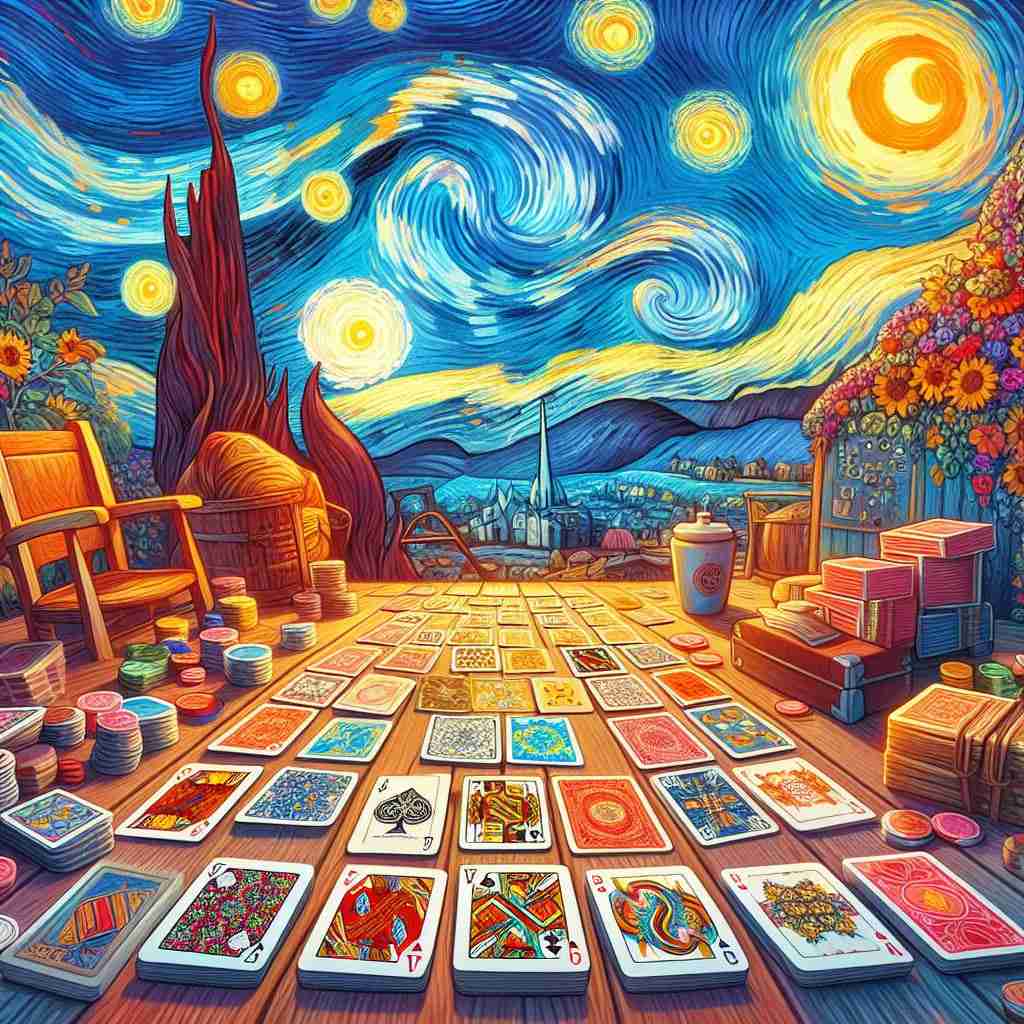
How Do You Score In Melding Games?
What Are Some Popular Melding Card Games?
If there’s one thing that transcends age, geography, and social status, it’s the simple joy of a good card game. And when it comes to melding—an age-old tactic of combining cards to create sets or runs—there’s a rich tapestry of games that beckon players to gather ‘round a table. Let’s dive into some of the most popular melding card games that have stood the test of time, often transforming ordinary evenings into spirited contests of skill and strategy.
First up is Rummy, the quintessential melding game that boasts countless variations. In this card classic, players aim to form sets of cards that share a rank or runs that follow consecutive numbers in the same suit. Whether you’re playing Gin Rummy, which emphasizes strategy and skill, or the more laid-back Indian Rummy, every twist of the cards adds a sprinkle of suspense. It’s a game that sharpens your mind while fostering camaraderie, as friends and family compete to outwit one another.
Next, let’s shuffle a few cards and step into the vibrant world of Canasta. This game is played with two decks and centers around forming melds of seven cards of the same rank. A game that blossomed during the 1950s, Canasta requires a balance of strategy and the ability to adjust to bold plays. It’s a bit like a friendly chess match—but with cards. Just be ready for some serious competition, because this is one game where strategies can fold like a deck in the hands of a pro.
Then there’s Mahjong, often mistaken for a mere tile-based game, but in card format, it’s just as captivating. Players meld tiles (or cards) in a race to complete their sets. Surprisingly intricate, Mahjong requires not only sharp memory but also a keen sense of observation as you watch opponents’ strategies unfold.
Let’s not forget Pinochle, a game that has carved a niche for itself in the hearts of card enthusiasts. With its unique twist of melding into the overall scoring system, players vie for points by creating sets and runs. The teamwork in Pinochle, especially when played in partnerships, creates a thrilling atmosphere as players strategize and communicate tacitly.
Lastly, there’s Phase 10, a modern twist on the melding genre. In this fast-paced game, players compete to complete phases—each requiring a different combination of cards. With its lighthearted nature and quick rounds, it’s the kind of game that invites laughter and conversation, embodying the spirit of connection over competition.
Each of these games offers a unique take on melding and serves as a testament to the enduring bond between humans and card games. So, whether you’re a seasoned player or just starting out, grab a deck and immerse yourself in the rich world of melding card games.

What Are Some Popular Melding Card Games?
What Are Some Popular Melding Card Games?
- The joy of card games transcends age, geography, and social status.
- Rummy is a classic melding game with various versions, focusing on forming sets or runs of cards.
- Canasta involves creating melds of seven cards of the same rank and offers strategic competition.
- Mahjong can be played in card format, requiring memory and observation to complete sets.
- Pinochle integrates melding into its scoring system, emphasizing teamwork and strategy.
- Phase 10 is a modern melding game where players complete different phases with varied card combinations.
- These games illustrate the enduring bond between people and card games, welcoming players of all levels.

What Are Some Popular Melding Card Games?
How Do Strategy And Skills Affect Melding Games?
How Do Strategy and Skills Affect Melding Games?
When it comes to melding games, the interplay of strategy and skill can be likened to a beautifully orchestrated symphony — one where every note, every move, and every calculated risk plays a vital role in the eventual outcome. Imagine stepping into the shoes of a seasoned player, eyes narrowed, eyebrows furrowed, as they deftly navigate a complex tapestry of choices. That’s the essence of melding games, where the right blend of strategic thinking and honed skills can elevate gameplay to an art form.
At its core, strategy encompasses the grand plan—the overarching game plan that informs every decision. It begins with understanding the rules, of course, but quickly evolves into assessing the opponents’ habits, anticipating their moves, and crafting your responses accordingly. A player may prioritize certain melds based on potential points, but a well-executed strategy goes beyond just what’s in hand. It’s about long-term positioning, tactical sacrifices, and sometimes, the gentle art of deception—making opponents think you’re pursuing one path while secretly laying the groundwork for another.
On the flip side, skills comprise the nitty-gritty, the execution of those brilliant strategies. Mastering the nuances of melding necessitates both practice and intuition. Think of a poker player who doesn’t just rely on luck but has polished their ability to read faces, probabilities, and patterns. In melding games, this could mean recognizing which tiles to hold onto or determining when to force a play that might disrupt an opponent’s carefully constructed strategy. One could draft the best outline, but without skillful execution, it’s like an architect without the tools to build.
Moreover, melding games often demand adaptability. The ability to switch gears when an opponent makes a move you didn’t see coming can be the deciding factor between victory and defeat. A player armed with strategic foresight who can also adjust on the fly is often the one who walks away with the spoils.
While strategy lays the groundwork for success, it is skill that breathes life into those plans. In melding games, combining these elements creates a dynamic interplay that goes beyond mere luck. It’s a challenge that calls for both the mind and the hands—inviting players to enter a world where every meld is a step in a grand dance of wits and ingenuity. So, grab your tiles, sharpen your strategy, and prepare to meld your way to triumph!

How Do Strategy And Skills Affect Melding Games?
How Do Strategy And Skills Affect Melding Games?
- The interplay of strategy and skill in melding games resembles a symphony, where each move is crucial to the outcome.
- Strategy involves a comprehensive game plan that includes understanding rules, assessing opponents, and crafting responses.
- A solid strategy emphasizes long-term positioning, tactical sacrifices, and sometimes deception to mislead opponents.
- Skills are about execution, requiring practice and intuition to master the nuances of melding.
- Adaptability is key; being able to adjust strategies in response to opponents’ unexpected moves can determine the game’s outcome.
- While strategy provides a foundation for success, skill is what brings those plans to life in melding games.
- The combination of strategy and skill creates a dynamic interplay that transcends luck, inviting players to engage in a strategic challenge.

How Do Strategy And Skills Affect Melding Games?
What Are The Different Variations Of Melding Games?
When it comes to melding games, the variety is as vast as the great outdoors, each twist and turn offering something uniquely entertaining. These games, which center around forming groups or “melds” of cards, have evolved over time into several delightful variations. Understanding these differences can provide players with a richer experience and perhaps even open the door to new favorites.
First up is the quintessential Rummy. You’ve likely heard of it—simple yet addictive, this game has players drawing and discarding cards in an effort to create sets and runs. Variations like Gin Rummy and Indian Rummy spice things up, introducing different meld requirements and scoring systems that keep seasoned players on their toes. In Gin Rummy, for example, it’s all about going out with the lowest unmatched cards, while Indian Rummy often involves two decks and possibly wild cards to add an extra layer of strategy.
Next, we stumble upon Pinochle, a game that’s as rich in tradition as it is in gameplay. In Pinochle, players form melds using their gathered cards while aiming for victory through trick-taking rounds. The beauty lies in its complexity—combining teamwork and individual strategy, it feels like a mental chess game played with cards. Variations like Double Pinochle and Three-Handed Pinochle further complicate the rules and tactics, practically begging you to dive deeper and master them.
Let’s not forget about Canasta, a melding game that thrives on teaming up with others. This game, often played in partnerships, centers around using two decks of cards to form melds of similar ranks. Canasta can be played with or without wild cards, making it a favorite for casual gatherings and family game nights. The game’s emphasis on teamwork drives home the idea that sometimes it’s more fun working together than flying solo.
Then we venture into the realm of Mahjong, a game combining skill, strategy, and a bit of chance. Though it often uses tiles instead of cards, it follows the same melding principles. Players aim to match pairs and sets to clear their hands, and variations abound—including American Mahjong, which introduces unique card rules.
At the end of the day, melding games offer diverse pathways for social interaction, strategy, and, ultimately, some good-natured competition. Whether you’re drawing cards in Rummy, melding in Pinochle, or strategizing in Mahjong, there’s a variation out there that’s bound to resonate with every type of player. So grab your deck, gather some friends, and dive into a world where the thrill of melding awaits!

What Are The Different Variations Of Melding Games?
What Are The Different Variations Of Melding Games?
- Melding games involve forming groups or “melds” of cards and have various engaging variations.
- Rummy is a classic game focusing on drawing and discarding cards to create sets and runs, with variations like Gin Rummy and Indian Rummy enhancing gameplay.
- Gin Rummy emphasizes going out with the lowest unmatched cards, while Indian Rummy often includes two decks and wild cards.
- Pinochle combines teamwork and individual strategy, where players form melds and compete in trick-taking rounds; it has variants like Double Pinochle.
- Canasta is another melding game typically played in partnerships, using two decks and emphasizes teamwork to form melds of similar ranks.
- Mahjong incorporates skill, strategy, and chance, utilizing tiles instead of cards, with variations like American Mahjong introducing distinct rules.
- Melding games provide diverse opportunities for social interaction, strategy, and friendly competition, appealing to all types of players.

What Are The Different Variations Of Melding Games?
Can Melding Card Games Be Played With Different Deck Types?
Imagine this: a warm afternoon, friends gathered around a table, snacks scattered haphazardly, laughter mingling with the occasional sound of a shuffling deck. Melding card games are a staple of social gatherings, but here’s the kicker—what happens when you throw different deck types into the mix? Can you still enjoy that satisfying sensation of melding cards together if the suits don’t match, or the numbers don’t flow? Let’s dive into the nitty-gritty and unravel this delightful dilemma.
First off, let’s establish what melding card games are all about. These games, whether it’s Gin Rummy, Indian Rummy, or the classical Mahjong (yes, it’s a card game too, in some variations), revolve around forming sets or sequences. Players aim not just to have individual cards, but to meld them into organized groups that boast a little teamwork and strategy. Now, when you start mixing decks—say, poker cards with Uno cards and a smattering of Yu-Gi-Oh monsters—you’ve just turned a casual gaming session into a chaotic experiment on the limits of creativity.
Now, can we do it? The short answer is yes—but proceed with caution. Each deck carries its own flair, designed with a specific purpose and a set of rules that make the game tick. Poker cards boast numbers and suits, while Uno is all about color and action. When they collide, you’ll need to lay down a foundation of house rules that everyone agrees on ahead of time. Will wild cards play a role? How about special cards that allow for skipping turns or reversing the play? This is where the fun—and the potential for confusion—comes into play.
Before diving into the fray, take some time to set the table (metaphorically and literally). Discuss which melds are acceptable and how scoring will work. You might discover a hidden gem of a game that combines the best elements of each deck, or you may find yourself longing for the simplicity of a standard deck. Either way, the goal is to keep it light and enjoyable. Embrace the chaos, but also be prepared for laughter and perhaps some good-natured frustration when things don’t go according to plan.
The true essence of card games lies not in the decks we use, but in the camaraderie we foster around that table. So grab those mismatched cards, gather your friends, and let the melding mayhem begin!

Can Melding Card Games Be Played With Different Deck Types?
Can Melding Card Games Be Played With Different Deck Types?
- Melding card games are a popular choice for social gatherings, incorporating games like Gin Rummy and Mahjong.
- These games focus on forming sets or sequences, requiring teamwork and strategy.
- Mixing different deck types can add creativity but may also lead to chaos during gameplay.
- Each card deck has its own specific rules and purposes; mixing them necessitates establishing house rules.
- Consider which melds will be accepted and how scoring will function before starting the game.
- Embrace the potential confusion and enjoy the camaraderie it fosters among friends.
- The essence of card games is in the shared experience rather than the specific decks used.

Can Melding Card Games Be Played With Different Deck Types?
How Do Melding Card Games Compare To Other Card Games?
When it comes to the vast landscape of card games, melding games stand out like a classic American diner on a dusty backroad. Sure, you can get your fill of Texas Hold’em or bridge, but there’s something uniquely satisfying about the tactile thrill of forming those intricate sets and runs. In fact, melding card games challenge players in ways that seem to resonate deeper than mere luck or strategy alone—it’s part instinct, part craftsmanship, and all heart.
Let’s take a moment to peel back the curtain. In melding games like Rummy or Canasta, the essence revolves around creating defined combinations of cards—think of them as miniature masterpieces. You’re not just playing against other people; you’re engaged in a battle of wits and creativity against the very deck itself. It’s about reading the table, discerning patterns, and predicting not just what cards your opponents might be holding, but also the ones they might need. That level of engagement sets melding games apart from other popular genres, such as trick-taking games. In these, like Spades or Hearts, the emphasis is more on winning individual rounds than on crafting your own unique playstyle.
Moreover, melding games often give players a sense of progression that is tangible. In many variations, the value of your hand isn’t merely a reflection of the cards you’ve accumulated; it’s about how you’ve managed to showcase your abilities in melding them together. Picture it like following a recipe—perhaps one that has been passed down through generations. It’s not just about the ingredients; it’s about how you mix them, how you time your moves, and how you adapt to whatever the table throws your way.
And let’s not overlook the social element at play. Melding games are like the old family reunions where laughter fills the air and stories flow like the punch bowl. There’s a communal vibe that comes from playing strategies off one another, making deals, and, yes, sometimes throwing the occasional friendly jab. It strikes a chord that resonates with the fundamental human desire to connect, creating a rich social tapestry that other game formats may lack.
So, while the world of card games is vast and varied, melding games manage to carve out their own niche. They bring together the best of strategy, luck, and interpersonal dynamics, weaving them into a fabric that is not just played but lived—and isn’t that what we’re all after?

How Do Melding Card Games Compare To Other Card Games?
How Do Melding Card Games Compare To Other Card Games?
- Melding games offer a unique blend of instinct, craftsmanship, and emotional engagement that sets them apart from traditional card games.
- Game examples include Rummy and Canasta, which focus on forming intricate sets and runs of cards.
- Players engage not only with opponents but also with the deck, enhancing strategic and creative gameplay.
- Melding games emphasize personal playstyle development over simply winning rounds, unlike trick-taking games like Spades or Hearts.
- Progression in melding games is tangible, with players showcasing their melding skills rather than just card accumulation.
- The social element fosters connection among players, creating a communal atmosphere reminiscent of family reunions.
- Melding games combine strategy, luck, and interpersonal dynamics, making them a unique and enriching gaming experience.

How Do Melding Card Games Compare To Other Card Games?
What Are Common Mistakes To Avoid In Melding Games?
What Are Common Mistakes to Avoid in Melding Games?
Melding games can be an exhilarating blend of strategy, luck, and social interaction. However, navigating the complexities of these games can lead players into a minefield of common mistakes that undermine their chances of success—and let’s be honest, nobody likes to lose. So, let’s dig into some of the blunders that can trip you up faster than a poorly played joker.
One fundamental error many players make is not understanding the rules thoroughly. Sure, you might think you grasp the basics, but strategies flourish only when you know the ins and outs. Dive into the rulebook, study the nuances, and soak up every little detail. Confusion at the table can breed a sense of frustration that not even the warmest cup of coffee can fix, and that’s just not fair to you or your fellow players.
Next, there’s the tendency to overlook the importance of observing opponents. You might be so invested in your hand that you neglect to notice what others are collecting. By failing to read the table, you run the risk of allowing your opponents to meld their best combinations while you sit there twiddling your thumbs. Pay attention to their discards, track their patterns, and adapt your strategy accordingly. Remember, it’s not just about your cards; it’s about how your cards play in the wider game.
Another major pitfall is overcommitting to one strategy. While having a game plan is crucial, being too rigid can be your undoing. Melding games require flexibility, much like a seasoned dancer who knows when to lead and when to follow. If you find yourself clinging to a particular approach because it worked in the past, you might miss out on opportunities arising from the ever-changing dynamics of the game. Be ready to pivot!
And let’s talk about managing your emotions. It’s easy to let frustration take the wheel when the luck isn’t on your side, but that’s a sure-fire way to derail your game. Stay composed—gaining control of your emotional compass can often keep you one step ahead in decision-making.
In summary, brushing up on the rules, keenly observing competitors, embracing adaptability, and maintaining emotional regulation can safeguard you against losing opportunities in melding games. Steering clear of these common mistakes not only augments your chances for victory but also enhances the experience for everyone involved. After all, at its core, melding games are about connection, competition, and a bit of good, old-fashioned fun.

What Are Common Mistakes To Avoid In Melding Games?
What Are Common Mistakes To Avoid In Melding Games?
- Thoroughly understand the rules of the game, including nuances and intricacies.
- Observe opponents closely to gauge their strategies and adapt accordingly.
- Avoid overcommitting to a single strategy; flexibility is crucial.
- Manage emotions to prevent frustration from affecting gameplay.
- Stay attentive to the ever-changing dynamics of the game.
- Recognize that melding games combine strategy, luck, and social interaction.
- Focus on enhancing the gaming experience for all players involved.

What Are Common Mistakes To Avoid In Melding Games?
How Can Beginners Learn To Play Melding Card Games?
When it comes to melding card games, the path to mastery can be as winding as a country road. For beginners, the trick is not just grasping the rules but also embracing the rhythm and flow of the game. Melding games, where players form groups or runs of cards, can seem complex at first glance, but with a little patience and the right approach, anyone can jump in and start having fun.
First, start with the basics. Find a simple game to learn, like Gin Rummy or Phase 10. The beauty of these games is that they introduce you to core concepts without overwhelming you. Download a few rule sheets or watch beginner-friendly tutorial videos online. Seeing the game in action can often clear up any fog that rules might create.
Next, gather some friends or family who are also beginners. Learning together can turn potential frustration into camaraderie. Don’t worry if you stumble; in fact, embrace the stumbles! Every misplayed card is a lesson learned. Play a few practice rounds without worrying about winning or losing — just focus on getting comfortable with the mechanics. The first few games will feel clunky, like trying to ride a bike with flat tires, but before you know it, you’ll be cruising along.
Another crucial element is observation. Once you’re comfortable, pay attention to the strategies employed by more experienced players. Watch how they meld and when they decide to hold onto cards versus playing them. If you have the chance to join a local game night or club, do it! There’s no better teacher than real-life experience. Plus, you’ll likely meet a diverse group of players who can share their own tips and tricks.
Practice, practice, practice! As with any skill, the more you play, the better you’ll get. Set short-term goals for yourself: maybe this week you’ll focus on improving your hand management or your ability to read opponents. Celebrate small victories — perhaps you finally beat that friend who always seems to be one step ahead.
Lastly, keep the atmosphere light and fun. Remember, the essence of melding card games lies in the social experience. Sometimes, the laughter and shared stories outshine the competition. So deal the cards, embrace your inner strategist, and let the games begin! You might just find a new passion and a great way to connect with family and friends. Happy melding!

How Can Beginners Learn To Play Melding Card Games?
How Can Beginners Learn To Play Melding Card Games?
- Melding card games can be complex, but with patience, beginners can enjoy them.
- Start with simple games like Gin Rummy or Phase 10 to learn core concepts.
- Gather friends or family who are also beginners to learn together and create camaraderie.
- Embrace mistakes as learning opportunities during practice rounds.
- Observe experienced players to pick up strategies and techniques.
- Set short-term goals for skill improvement and celebrate small victories.
- Keep the atmosphere light and fun, focusing on the social experience of the game.

How Can Beginners Learn To Play Melding Card Games?
Are There Online Platforms For Melding Card Games?
Are There Online Platforms for Melding Card Games?
In the vast universe of gaming, melding card games hold a special place. They combine strategy with a dash of luck, enticing players to combine their skills in ways that are both fun and challenging. If you’ve ever found yourself shuffling through the deck of classic titles like Rummy or Canasta, you may be wondering: are there online platforms where you can engage in these beloved card games? The answer, unequivocally, is yes!
Step into the digital realm, and you’ll quickly discover a plethora of options tailored for melding enthusiasts. Websites and apps dedicated to card games abound, and they offer a veritable smorgasbord of choices. One of the most popular is RummyCircle, a platform that lets you dive into various forms of Rummy against players from all corners of the globe. Here, you’ll find both casual play and competitive tournaments, catering to your desired intensity. The sound of cards being dealt and the thrill of laying down a perfect meld is but a click away.
But don’t stop there! Platforms like Tabletopia and Board Game Arena expand your horizons by offering a wider range of card games with melding mechanics. You can set up your virtual table and invite friends or strangers to join the fray, regardless of where they are in the world. This introduces a level of social interaction that’s often lacking in solo play. You might still be in your pajamas at home, but the excitement is palpable as you engage in strategic battles across a colorful digital table.
What’s more, many of these platforms have free versions, allowing casual players to explore without a financial commitment. That is a beautiful thing! With robust tutorials and varying levels of skill to accommodate everyone from novices to seasoned pros, each platform caters to different tastes and preferences.
When it comes to connectivity, these online platforms are like high-octane fuel for your gaming engine. They offer not just a way to play but a community where you can engage in spirited discussions, share strategies, and maybe even find a few pals to join your next game night—albeit from the comfort of your living room.
In summary, if you’re itching to meld, rove the internet’s card game landscape. Dive into the virtual arenas, grab your favorite games, and get ready to play. Whether you’re looking for relaxation or competition, the melding card game experience has never been more accessible—or more exciting!

Are There Online Platforms For Melding Card Games?
Are There Online Platforms For Melding Card Games?
- Melding card games combine strategy and luck, making them engaging for players.
- There are numerous online platforms available for playing beloved card games like Rummy and Canasta.
- RummyCircle is a popular platform offering various forms of Rummy for casual and competitive gameplay.
- Tabletopia and Board Game Arena provide a broader selection of card games with melding mechanics and social interaction.
- Many platforms offer free versions, allowing casual players to explore without financial commitments.
- These platforms foster community engagement, discussions, and strategy sharing among players.
- The online melding card game experience is now more accessible and exciting for all skill levels.

Are There Online Platforms For Melding Card Games?
Conclusion
Ah, melding card games. They’re more than just a collection of shuffled cards; they’re a gateway to laughter, strategy, and camaraderie. Picture this: friends gathered around a table, the atmosphere buzzing with anticipation as players try to outwit one another while forming those oh-so-satisfying sets and runs. Whether it’s Rummy, Canasta, or some variation you’ve never heard of, these games offer a beautiful blend of competition and connection.
At their core, melding card games are all about combining cards to create specific combinations. Whether you’re going for three of a kind, or laying down a straight sequence of numbers, the thrill is in the chase for those perfect melds. But don’t let the simplicity fool you—behind that deck of cards lies a rich tapestry woven with strategy, skill, and yes, a bit of luck. You’ve got to know when to hold onto that precious wild card and when to let your opponents have it.
And let’s not forget about the social versatility these games bring to the table, literally. From cozy cafes to living rooms filled with friends, melding games create stories—moments of triumph, unexpected reversals, and even a few laugh-out-loud blunders. The beauty lies in their adaptability; the rules can change, the scoring can bend, but the love for the game remains constant.
If you’re new to the scene, fear not. Dive deep into the foundational rules, observe the seasoned players, and gradually build your own strategy. Keep it light; remember that the biggest win is deeply rooted in the shared experience. And keep an eye on your opponents too—they’re not just there for decoration!
So why do melding card games hold such a special place in our hearts? It’s all about the interplay of strategy and skill. You’re not just playing against your friends; you’re engaging with the very fabric of each game, drawing on your instincts and honing your craft as you shuffle and deal.
In the end, whether for competitive play or a lazy afternoon with friends, melding card games offer a timeless tradition that invites players to connect, compete, and most importantly, have fun. So gather your crew, grab a deck, and let those cards fly! Happy melding!

Conclusion
Conclusion:
- Melding card games provide laughter, strategy, and camaraderie among players.
- These games involve combining cards to create specific combinations, like sets and runs.
- There is a rich depth of strategy and skill required, along with an element of luck.
- Melding card games are socially versatile, suitable for various settings like cafes and living rooms.
- They foster memorable moments, ranging from triumphs to humorous blunders.
- New players can learn foundational rules, observe others, and develop their own strategies.
- Melding card games offer a timeless tradition that encourages connection, competition, and fun.

Conclusion
Other Resources

Other Resources
Here is a list of other resources you can review online to learn more:
- “Canasta – Apps on Google Play”
- “Canasta | Classic Card Game Rules & Strategy”
- “Rummy”
- “The 5: Classic Italian Card Games”
- “The best card games to play with a standard deck”
- “Regal Games Fun Card Games Set for Adults – Canasta …”
- “customised Canasta / Rummy playing cards as a gift – LUUDOO”
- “Buraco”
Bing Copilot Prompt: Please provide me with a list of online articles with their URLS in a bulleted list that I can read regarding What Are Melding Card Games?

Other Resources
Glossary Terms
What Are Melding Card Games? – Glossary Of Terms
1. Melding: The act of placing a combination of cards on the table to show sets or runs to score points.
2. Set: A group of three or four cards of the same rank but different suits.
3. Run: A sequence of three or more cards in the same suit that are in consecutive order.
4. Discard: To remove a card from hand and place it face-up on the discard pile, typically as part of gameplay.
5. Draw: To take a card from the deck or discard pile into one’s hand.
6. Hand: The cards that a player holds during a game, typically drawn from the deck.
7. Deck: A set of cards used to play the game, often consisting of a standard 52-card set or a specialized deck.
8. Jokers: Wild cards that can usually represent any card in melding games.
9. Bidding: The process of players declaring how many melds they aim to create or how many points they expect to score.
10. Point Value: The score associated with specific card combinations or sets within the game.
11. Game Objective: The primary goal or aim of the game, usually to score the most points or deplete all cards from your hand.
12. End Game: The final phase of the game where scoring occurs and the winner is determined.
13. Scoring: The method of calculating points based on melds, sets, or runs created by players.
14. Wild Card: A card that can represent any card for the purpose of forming a meld.
15. Melding Phase: The stage in gameplay when players can lay down valid combinations or melds.
16. Knocking: A strategy in some games that allows a player to end the round by showing their hand.
17. Deadwood: Cards in a player’s hand that cannot be melded or scored and are worth points against them.
18. Tableau: The area where melds are placed for all players to see.
19. Turn: A player’s opportunity to play, during which they can draw, meld, or discard.
20. Go Out: The action of a player declaring they have no cards left by melding all their cards.
21. Cumulative Scoring: A scoring method where points are combined over multiple rounds.
22. Culling: The act of removing high-point cards from one’s hand to minimize penalties.
23. Partnership: A team-based approach in which players collaborate with a partner to achieve the game’s objectives.
24. Endgame Conditions: The specific criteria that indicate when a game is over, such as a player ‘going out. ’
25. Game Variants: Different versions of melding games that may have altered rules or scoring systems.
26. Draw Pile: The stack of unused cards from which players draw during their turn.
27. Discard Pile: The stack of cards that have been discarded by players and are no longer in play.
28. Crossover: The occurrence when players create melds that share cards with others.
29. Melding Rules: The specific guidelines governing how and when players may create melds in the game.
30. Strategy: The careful planning of moves and decisions made to gain the most advantage in the game.

Glossary Of Terms
Other Questions
What Are Melding Card Games? – Other Questions
If you wish to explore and discover more, consider looking for answers to these questions:
- What are the most popular types of melding card games?
- How do I establish house rules when playing melding card games with different deck types?
- What strategies can improve my chances of winning at melding games?
- Are there any physical card game variations available for melding games?
- What are the best beginner-friendly melding card games?
- How can I keep track of multiple players’ scores in melding games?
- What are the historical origins of popular melding card games?
- What advice do experienced players have for newcomers to melding games?
- How do melding card games improve social bonding among friends or family?
- Are there any tournaments for melding card games, and how can I participate?
- What tools or apps can assist in learning the rules of various melding card games?
- How do different cultures incorporate melding card games into their traditions?

Other Questions
Haiku
What Are Melding Card Games? – A Haiku
Gathering to meld,
Cards blend with strategy;
Joyful bonds are formed.

Haiku
Poem
What Are Melding Card Games? – A Poem
Melding Moments
Around a table’s edge we sit,
A deck of cards, our hearts to split.
With laughter bright and banter light,
We blend our hopes in playful fright.
In melding games the essence lies,
Of strategy, where skill defies
The twist of luck, a dance of minds,
Connecting souls as joy unwinds.
From Rummy’s chase to Canasta’s call,
In structured sets, we rise and fall.
A meld of threes, or runs in line,
Each card a step in our design.
With wild cards lurking, plans may sway,
Adaptability leads the way.
Don’t clutch your hand, let intuition flow,
Observe the moves, let wisdom grow.
Beware the mistakes that cloud your view,
For every blunder’s a lesson too.
Engage, enjoy, your spirit lift,
In friendly match, our bonds we gift.
And as we shuffle into nights anew,
Online or in person, we renew.
For melding cards, like life’s embrace,
Bring heart and laughter to every place.
So gather ‘round, let’s spin the tale,
In games of melding, we shall prevail.
With every round, our stories blend,
In joyous moments that never end.

Poem
Checklist
What Are Melding Card Games? – A Checklist
Preparing for Your Melding Game Night
1. Choose Your Game
_____ Decide on which melding card game to play (e. g. , Rummy, Canasta, Pinochle, Mahjong).
2. Gather Your Players
_____ Confirm the number of participants and invite friends or family.
3. Select a Suitable Venue
_____ Find a comfortable and spacious location (e. g. , living room, café).
4. Prepare the Deck(s)
_____ Ensure you have the correct type and number of decks needed for the game (e. g. , standard playing cards, special game cards).
5. Set Up the Game Area
_____ Arrange a table large enough for all players and set up chairs.
Understanding the Rules
6. Review Game Rules Together
_____ Go over the basic rules of the chosen game to ensure everyone understands.
7. Clarify Scoring System
_____ Discuss how scoring will work and any specific conditions for winning.
8. Identify Melding Combinations
_____ Explain what constitutes a valid meld (sets, runs, combos).
Strategies for Success
9. Discuss Basic Strategies
_____ Share tips on card management, observing opponents, and strategic melding.
10. Practice Patience
_____ Remind players about the importance of taking turns and not rushing decisions.
11. Encourage Flexibility
_____ Discuss adapting strategies based on game dynamics and opponents’ plays.
Playing the Game
12. Start with a Practice Round
_____ Consider playing a low-stakes practice round to warm up.
13. Encourage Communication
_____ Promote a friendly atmosphere by discussing plays and strategies during the game.
14. Track Opponents’ Moves
_____ Encourage players to pay attention to their opponents to adjust their strategies.
Ending the Game
15. Wrap Up Scoring
_____ Ensure everyone understands how scores are calculated at the end of each round or game.
16. Reflect on the Experience
_____ Discuss what strategies worked, what didn’t, and share funny moments from the game.
Continuing the Fun
17. Plan for Future Game Nights
_____ Schedule your next game night and consider trying different melding card games.
18. Explore Online Platforms
_____ If they enjoyed the game, suggest platforms for playing melding games online for future practice or competition.
This checklist will help create a memorable and enjoyable experience while playing melding card games!

Checklist
At CardGameNews, we help people who love card games by collating information and news about card games.
Be sure to read our other related stories at CardGameNews to learn more about card games.