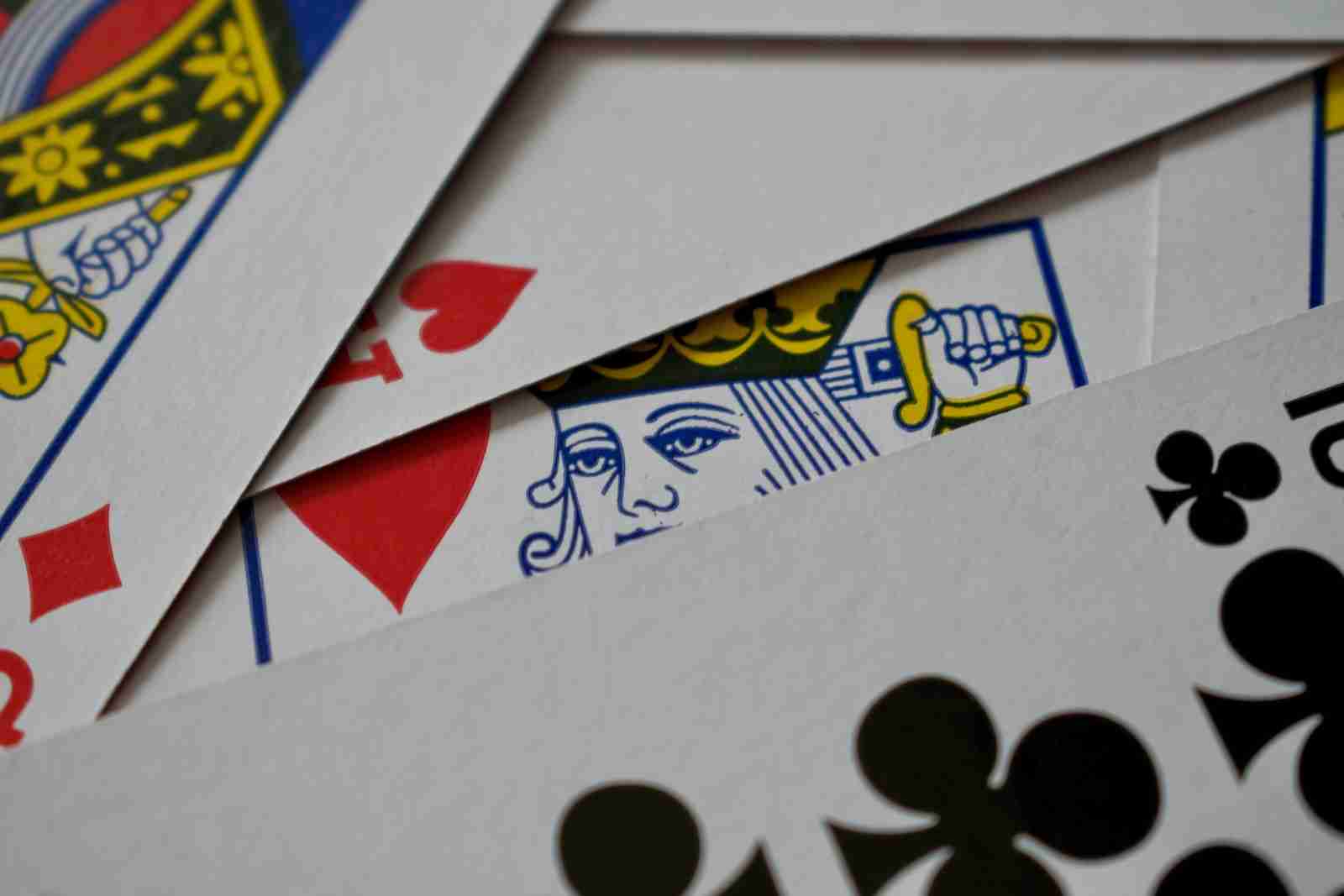
Uncover The Exciting World Of Matching Card Games
By Tom Seest
At CardGameNews, we help people who love card games by collating information and news about card games.
Be sure to read our other related stories at CardGameNews to learn more about card games.
What Are Matching Card Games?
Let’s talk about matching card games—a deceptively simple pursuit that packs a punch in the fun department. At first glance, these games might look like child’s play, but don’t let that fool you. Beneath their playful surface lies a world of strategy, memory, and camaraderie that appeals to folks of all ages.
Matching card games are all about finding pairs or sets. Picture this: a deck of colorful cards lay face-down on the table, each one hiding a unique image, number, or character. As players take turns flipping over cards, the tension builds. That thrill of the chase—was that a match or just another fleeting moment of hope? The strategy comes not only in your choices but in paying attention to the cards your opponents reveal. It’s a mental workout, disguising itself as lighthearted fun.
The origins of these games can be traced back centuries, though the specifics are often as elusive as the matches themselves. Simple games like Concentration or Memory have been staples in households, schoolyards, and family gatherings since time immemorial. They often serve as a foundational way for children to develop critical cognitive skills, fostering memory retention and problem-solving abilities.
But let’s not forget the social aspect. As families or friends huddle around a table, the spirit of competition mingles with laughter, cheers, and maybe a little friendly trash talk. These games offer a rare opportunity to unplug from the screens and reconnect with the physical world. The satisfaction of turning over two matching cards ignites a sense of accomplishment, and those memorable moments can transform a mundane afternoon into an unforgettable experience.
Now, you don’t have to twist anyone’s arm to enjoy matching card games. Sure, you might find them at a kids’ birthday party, but they also provide a great backdrop for adult gatherings, bringing out that playful side that often goes dormant in the hustle of everyday life. From themed decks featuring your favorite movies or characters to classic designs that simply never go out of style, the options are as endless as the potential for laughs and a little bit of competition.
So the next time you find yourself looking for an easy way to bring people together, grab a deck of cards. You might discover that what seems simple can turn into something deeply satisfying and oh-so-enjoyable. Matching card games: where the fun is matched only by the memories they create.

What Are Matching Card Games?
What Are Matching Card Games?
- Matching card games are more than they seem, offering strategy, memory, and camaraderie for all ages.
- Players find pairs or sets from a face-down deck of colorful cards, creating tension and excitement with each turn.
- Origins of these games date back centuries, with popular examples like Concentration and Memory enhancing cognitive skills.
- They promote social interaction, allowing for laughter and a sense of competition among family and friends.
- Matching card games provide a refreshing break from screens and encourage reconnecting in a physical space.
- Suitable for both children’s events and adult gatherings, with various themed decks available for diverse interests.
- These games transform ordinary moments into memorable experiences, highlighting their joy and satisfaction.

What Are Matching Card Games?
Table Of Contents
- What Are Matching Card Games?
- What Are The Basic Rules Of Matching Card Games?
- How Do You Play Matching Card Games?
- What Are Popular Types Of Matching Card Games?
- What Age Groups Enjoy Matching Card Games?
- What Benefits Do Matching Card Games Offer?
- How Can Matching Card Games Improve Memory Skills?
- Are There Digital Versions Of Matching Card Games?
- What Materials Are Needed For Matching Card Games?
- How Can You Create Your Own Matching Card Game?
- What Strategies Help Win Matching Card Games?
- How Do Matching Card Games Teach Teamwork?
- What Variations Exist For Matching Card Games?
- Can Matching Card Games Be Educational?
- How Do You Choose The Right Matching Card Game?
- What Are Some Common Challenges In Matching Card Games?
- Conclusion
- Other Resources
- Glossary Of Terms
- Other Questions
- Haiku
- Poem
- Checklist
What Are The Basic Rules Of Matching Card Games?
When it comes to matching card games, the rules are as simple as they are engaging. These games are built on the straightforward premise of pairing cards, but don’t let their simplicity fool you. They pack frustration, excitement, and a hefty dose of memory training into a compact little package. So, gather your cards, your friends, and prepare for some good old-fashioned fun.
First things first: the objective. In most matching games, the goal is to find pairs of cards that share a common theme, number, or image. Whether you’re playing with standard decks or specialized cards featuring playful images, the essence remains the same. The more pairs you gather, the closer you get to victory. Sounds easy, right? Well, let’s not get ahead of ourselves.
Next, setup is critical. Shuffle those cards like you mean it! A well-mixed deck ensures that players can’t just rely on their memory of where each card is placed. Whether you lay them face up or down, the arrangement can drastically affect how the game unfolds. In a classic match game, cards are flipped face down in a grid pattern, allowing participants to take turns flipping over two cards at a time, hoping they’ll match. If they do, that player keeps the pair and goes again. If not, the next player takes their turn, and so it goes.
Now, here’s where the rubber meets the road. Players must remember not only where the matches are located but also keep track of their competitors’ attempts. A sharp memory can mean the difference between mediocrity and mastery. Observing opponents’ choices can give savvy players an edge, making it just as much a battle of wits as a game of chance.
Another key rule is to take turns. Matching card games can get chaotic, especially with eager players. It’s important to foster a sense of fairness by establishing a turn-taking system. Not only does this promote sportsmanship, it also gives your brain some time to process and plan your next move.
Finally, varying the rules can add an interesting twist to the game. Maybe impose a time limit for each turn, or introduce penalties for wrong guesses. By tweaking the traditional rules, you can keep things fresh, allowing creativity and strategy to shine.
So, dust off that deck, remember to keep your wits about you, and prepare for a matching showdown. It’s all about strategy, memory, and a bit of luck, and you just might find yourself with a new favorite pastime.

What Are The Basic Rules Of Matching Card Games?
What Are The Basic Rules Of Matching Card Games?
- Matching card games are simple yet engaging, centered around pairing cards.
- The objective is to find pairs of cards with a common theme, number, or image.
- Proper setup involves shuffling cards thoroughly to prevent reliance on memory.
- Cards are typically laid face down in a grid, with players flipping two cards per turn.
- Success relies on memory and observation of opponents’ moves for strategic advantage.
- Establishing a turn-taking system promotes fairness and sportsmanship during play.
- Varying rules, such as time limits or penalties, can enhance creativity and strategy.

What Are The Basic Rules Of Matching Card Games?
How Do You Play Matching Card Games?
Ah, the world of matching card games! It’s a realm where simplicity meets competition, where the only true victory is a well-timed flip and a keen eye. You don’t need a crown or a castle to claim your spot in this domain, just a deck of cards, a few friends or family members, and a healthy dose of good ol’ fashioned strategy.
So, how do you dive headfirst into this jovial pastime? First things first, gather your deck. You can use a special matching card set, or just your standard deck of cards, depending on the game you fancy. Games like “Memory” or “Concentration” typically use simple pairs, while others might throw in unique rules to keep you on your toes. Whatever you choose, make sure the cards are shuffled well—after all, no one wants to play a game where familiarity breeds contempt.
Now, lay the cards face down in a neat, evenly spaced grid. The beauty of matching games lies in their accessibility; you can play with just about any number of players, though four to six tends to be the sweet spot for a heart-pounding showdown. Once your board is set, the fun begins. Players take turns flipping over two cards at a time, hoping to reveal a matching pair. When a player finds a match, they reap the reward—the cards are kept, and they earn another turn.
But here’s where it gets interesting: Memory is not just about luck; it’s about strategy. As cards are flipped, it’s crucial to remember where each card lay. A little mental note here, a whispered hint there—this game is as much about your cognitive prowess as it is about turning over cards. Watch your opponents closely; they might be more of a threat if they remember what you’ve forgotten.
And let’s be real: it’s not just about the matches you find, but the joy of competition that ignites the room. Whether you’re playing with kids who burst out in giggles at their own mistakes or adults who take it a bit too seriously, matching card games bring people together. There’s something incredibly satisfying about the sound of cards being flipped, laughter echoing, and perhaps the occasional good-natured ribbing as players get lost in the cacophony of memory and strategy.
So gather ’round the table, unleash your competitive spirit, and let the matching begin! Remember, each flip could be a game-changer, and in this action-packed race of wits, it’s anyone’s game to win.

How Do You Play Matching Card Games?
How Do You Play Matching Card Games?
- Matching card games combine simplicity with competition, requiring strategy and a keen eye.
- To play, gather a deck, which can be a special set or a standard deck of cards.
- Games like “Memory” or “Concentration” involve matching pairs with unique rules possible.
- Arrange the cards face down in a grid; the ideal player count is typically four to six.
- Players take turns flipping two cards, aiming to find matching pairs for rewards and extra turns.
- Success relies on memory and strategy, as players must track card locations while watching opponents.
- Matching card games foster joy, laughter, and friendly competition among players of all ages.

How Do You Play Matching Card Games?
What Are Popular Types Of Matching Card Games?
When it comes to matching card games, variety reigns supreme. You’ve got your classic staples, aplenty options for the modern gamer, and twists that breathe fresh life into age-old concepts. Let’s dive into some of the most popular types, guaranteed to engage both young minds and seasoned strategists alike.
First up, we have the venerable Concentration, or as some might know it, Memory. This timeless game is as fundamental as it gets: a simple grid of face-down cards, with players taking turns flipping them over in a quest to find matching pairs. What’s intriguing about Concentration is that it’s not just a game of luck. It invites a level of strategy, where players must rely on their memory and observational skills. It’s the kind of game that demands a sharper mind, as each turn can feel like a mini chess match.
Next in line, let’s explore Go Fish, a fan favorite among families worldwide. The rules are straightforward: players ask each other for cards to form pairs or sets, constantly fishing for matching cards while evading the dreaded “Go Fish!” catchphrase. Go Fish balances luck and social interaction beautifully, as it encourages memorable banter between players. There’s something special about the anticipation of a well-timed question or the thrill of discovering a match that leaves everyone hooked, quite literally.
If our journey through matching games were a culinary adventure, we can’t forget about Set. This game is like math class in disguise—players identify sets of three cards that share common attributes or differ in all features. The catch? It requires some serious cognitive gymnastics, as players sift through abstract combinations faster than you can say “critical thinking.” Set is perfect for those who desire an extra layer of complexity and competition, keeping players on their toes while sharpening their analytical skills.
And then, there’s Old Maid, a game that combines strategy and a bit of luck, where players try to avoid being stuck with the titular Old Maid card. The suspense of holding a card that could doom you, mixed with the delight of getting rid of your pairs, makes for a surprisingly engaging experience that transcends generations.
These games, whether they draw from memory, encourage social interaction, or challenge our cognitive abilities, offer something for everyone. They bring people together, help strengthen familial ties, and create opportunities for laughter. So grab a deck of cards, gather your crew, and let the matching commence!

What Are Popular Types Of Matching Card Games?
What Are Popular Types Of Matching Card Games?
- Matching card games come in various types, appealing to both young and seasoned players.
- Concentration (or Memory) involves players flipping cards to find matching pairs, emphasizing memory and strategy.
- Go Fish is a family favorite that combines luck and social interaction through simple card requests and playful banter.
- Set challenges players to identify sets of three cards based on shared or differing attributes, enhancing critical thinking skills.
- Old Maid mixes strategy and luck as players aim to avoid being stuck with the Old Maid card while forming pairs.
- These games promote social bonding, strengthen family ties, and offer opportunities for laughter.
- Gather your friends and family for an engaging card-matching experience!

What Are Popular Types Of Matching Card Games?
What Age Groups Enjoy Matching Card Games?
When it comes to matching card games, one thing is as clear as a freshly dealt deck: enjoyment knows no age limits. Whether you’re a spry toddler, a seasoned senior, or somewhere comfortably in between, there’s a peculiar charm to these games that captures hearts across generations.
Let’s start with the littlest players. Preschoolers, brimming with curiosity, are drawn to matching card games like bees to honey. For them, it’s not just about finding a pair; it’s a colorful exploration of cognitive skills. As they flip cards over, they’re not just playing—they’re honing memory, practicing patience, and even learning a bit about sportsmanship. The thrill of calling out “Match!” elicits squeals of delight that can brighten even the gloomiest of days. The vibrant images and simple rules make it a world of wonder for these little ones, laying the groundwork for lifelong interests in games and competition.
Now, slide a few years up the age ladder, and you’ll find school-age children diving into the mix. This is where matching card games start to take on an additional layer of complexity and strategy. Children in this age group relish the spark of challenge—whether it’s competing to make the longest chain of matches or encountering special cards that introduce clever twists. The experience fosters not just memory skills but camaraderie, as friends gather around dining tables or picnic blankets, forming lasting memories. It becomes a rite of passage, an introduction to good-natured jeering, laughter, and the unmistakable thrill of victory.
And then we can’t forget the adults who rediscover their youthful joy through these games. It’s a curious sight, watching parents commandeering the kitchen table during family gatherings, where their competitive spirits are resurrected. Adults may enjoy the nostalgia, a reminder of simpler times where the stakes were not jobs or mortgages but pride and laughter. Whether it’s a casual game with friends over drinks or a spirited tournament at holiday gatherings, card-matching transcends age barriers, proving that competition paired with connection is the ultimate recipe for fun.
Finally, seniors join the fray, reveling in the nostalgia and mental exercise that matching card games provide. In a relaxed setting, often over coffee, these games offer a delightful challenge while keeping cognitive skills sharp. It’s not just about matching cards; it’s about engaging with friends, sharing stories, and finding joy in the act of play.
So, from toddlers to seniors, it’s clear that matching card games foster camaraderie, sharpen minds, and bridge divides. No matter where you fit into the age spectrum, there’s always time to shuffle those cards and dive in.

What Age Groups Enjoy Matching Card Games?
What Age Groups Enjoy Matching Card Games?
- Matching card games appeal to players of all ages, from toddlers to seniors.
- Preschoolers engage in colorful exploration, enhancing memory and patience through gameplay.
- School-age children experience increased complexity and strategy, enjoying camaraderie and friendly competition.
- Adults rediscover joy and nostalgia through casual games or spirited competitions at gatherings.
- Seniors benefit from both the mental exercise and social interaction provided by matching games.
- Matching card games foster connections and create lasting memories across generations.
- These games encourage fun and engagement, transcending age barriers and promoting camaraderie.

What Age Groups Enjoy Matching Card Games?
What Benefits Do Matching Card Games Offer?
When you think about games, you might picture high-stakes shows or intricate strategies that require the brainpower of a rocket scientist. But let’s take a step back and consider something much simpler: matching card games. You know, the ones where you flip cards and try to find pairs. At first glance, they might seem child’s play, but believe me, these games pack a punch when it comes to benefits.
First off, let’s dive into the pool of cognitive skills. Matching card games are like a mental gym workout, and everyone from toddlers to seniors can benefit. The task of remembering where you last saw a particular card engages your short-term memory like nobody’s business. Over time, you’ll find your mental acuity sharpening. It’s not too far-fetched to say that playing regularly can help stave off those pesky symptoms of cognitive decline associated with aging.
And then there’s the social aspect. In an age where digital interactions overshadow face-to-face connections, matching card games offer a golden opportunity to bond. Picture this: a rainy afternoon, a table cluttered with colorful cards, and laughter echoing around the room. You’re not just matching cards; you’re crafting memories. Whether you’re playing with family or friends, these games serve as icebreakers, fostering communication and teamwork. Toss in a little friendly competition, and suddenly you’ve created a haven for social skills to flourish.
Now, let’s take a look at emotional benefits. Have you ever experienced that rush when you finally find that elusive pair? It’s a small victory, but a victory nonetheless. The instant gratification you gain from matching cards can uplift your mood and boost your confidence. Winning—even in a simple game like this—can instill a sense of accomplishment that extends beyond the table.
Not to be overlooked is the accessibility factor. You don’t need a fancy board or a mountain of rules. Just a deck of cards and a willing participant or two are all it takes. This simplicity ensures that players of all ages and backgrounds can join in on the fun without the steep learning curve of more complex games.
So, whether you’re trying to stay sharp, strengthen social ties, or simply unwind, matching card games are serving up a hearty plate of benefits. All while offering a good ol’ dose of fun. It turns out that sometimes, the simplest things can deliver the greatest rewards.

What Benefits Do Matching Card Games Offer?
What Benefits Do Matching Card Games Offer?
- Matching card games, often considered simple, provide significant cognitive benefits.
- They help improve short-term memory and can aid in preventing cognitive decline in older adults.
- These games encourage social interaction, fostering communication and teamwork among players.
- Playing card games creates memorable experiences and strengthens relationships with family and friends.
- Winning at matching games provides emotional boosts, increasing mood and self-confidence.
- They are easily accessible, requiring only a deck of cards and a few players to join the fun.
- Overall, matching card games offer a blend of entertainment and valuable life skills for players of all ages.

What Benefits Do Matching Card Games Offer?
How Can Matching Card Games Improve Memory Skills?
When you think about memory, what often comes to mind? Perhaps you envision a grand library of facts, dates, and faces, or maybe an intricate web of experiences held together by the strands of our minds. Now, picture a game—a simple set of cards lying face down, waiting for someone brave enough to flip them over. This is where the magic of matching card games unfolds, revealing a powerful yet often overlooked tool for enhancing our memory skills.
At first glance, matching card games might seem like a children’s pastime, a way to pass time on a rainy day or keep restless little hands busy. But take a closer look, and you’ll see them as a training ground for our cognitive faculties. During gameplay, participants must tap into their recall abilities, searching their mental archives for the hidden pairs. In doing so, players engage in a delightful dance between concentration and memory retrieval, an exercise that can feel almost like a workout for the brain.
Studies have shown that playing matching card games can boost short-term memory. It’s about more than simply flipping over cards; each move is a mental calculation, a test of recall that strengthens the connections in your brain. As you attempt to remember which cards you’ve uncovered—and where—you inadvertently give your brain a quality workout. It’s similar to lifting weights at the gym: the more you challenge yourself, the stronger you become.
But it doesn’t stop there. These games also promote focus and attention to detail. In a world filled with distractions, nurturing the ability to concentrate is vital. Matching cards require you to hone in on specific images and patterns, training your mind to sift through noise and hone in on what truly matters. This practice can spill over into other areas of life, helping you remember names, appointments, and even your grocery list with more ease.
Moreover, matching games foster social interaction, another element that benefits memory. When played with others, they create an environment of shared experiences and laughter, methodically reinforcing neural pathways while you challenge each other to remember the rules and track your turns.
So, the next time you find a deck of cards lying around, give them a flip. Get your brain engaged and see how a simple game can transform not just an afternoon, but the way you think, recall, and connect. Trust me; your memory will thank you for it.

How Can Matching Card Games Improve Memory Skills?
How Can Matching Card Games Improve Memory Skills?
- Memory can be envisioned as a grand library of facts or an intricate web of experiences.
- Matching card games act as an overlooked tool for enhancing memory skills.
- These games are not just for children; they provide cognitive training through recall exercises.
- Gameplay strengthens brain connections and boosts short-term memory through mental calculations.
- Matching card games promote focus and attention to detail, which is crucial in a distracting world.
- Playing with others fosters social interaction and reinforces memory through shared experiences.
- Engaging in matching games can transform your memory and cognitive abilities significantly.

How Can Matching Card Games Improve Memory Skills?
Are There Digital Versions Of Matching Card Games?
In a world increasingly driven by technology, even the simplest of pastimes can find a new life in a digital format. Take the humble matching card game, for example. Once a staple of family gatherings and rainy days, these games have evolved, finding their way to our screens in a myriad of engaging forms.
Let’s delve into the electronic dimension of this beloved game. On the surface, it might seem like a simple matter of clicking and swiping instead of flipping cards, but the essence of matching remains unchanged. Whether it’s a classic game of Memory, where you pair identical cards, or a more thematic variation featuring beloved characters from popular culture, these digital counterparts manage to capture the spirit of competition and camaraderie that makes the physical versions so appealing.
One of the most compelling aspects of digital matching games is their accessibility. You’re no longer tethered to a table strewn with cards, battling for that last bit of space in your living room. Instead, you can engage your mind anywhere—waiting for your morning coffee, lounging on the couch, or even on your lunch break. With just a tap on a screen, you can dive into whimsical worlds filled with vibrant graphics and sound effects that would make any traditional card game green with envy.
Moreover, digital versions often include features that can enhance the experience. Think power-ups, animations, and leaderboards. Players can not only challenge friends near and far but can also compete against strangers in online tournaments. The rush of seeking that perfect match is multiplied exponentially when you add elements of strategy, time limits, and global rankings into the mix.
Another perk? These games often come packed with educational benefits. Many digital matching card games are designed to sharpen memory, hone cognitive skills, and even introduce players to new concepts. You might find yourself matching historical figures or solving puzzles that encourage critical thinking—all while enjoying that same satisfying “click” of a successful match.
Whether you’re flipping cardboard cards or tapping digital icons, the thrill remains. It’s a melding of tradition and technology—a celebration of connection, concentration, and, let’s face it, a little friendly rivalry. So, if you haven’t tried your hand at a digital matching card game yet, it might be time to give it a shot. You just might rediscover the joy of matching in a whole new light.

Are There Digital Versions Of Matching Card Games?
Are There Digital Versions Of Matching Card Games?
- The humble matching card game has evolved into digital formats, retaining its classic appeal.
- Whether through Memory games or themed versions, the fundamental essence of matching remains.
- Digital games offer enhanced accessibility, allowing play anytime and anywhere.
- Features like power-ups, animations, and online leaderboards enhance gameplay experiences.
- Players can compete against friends and strangers, adding strategy and excitement.
- Many digital matching games provide educational benefits, improving memory and cognitive skills.
- The combination of tradition and technology fosters connection, concentration, and friendly competition.

Are There Digital Versions Of Matching Card Games?
What Materials Are Needed For Matching Card Games?
When it comes to matching card games, the materials you need are as straightforward as a well-polished set of tools in a craftsman’s workshop. There’s a certain beauty in simplicity, and it’s this very simplicity that makes matching card games accessible to almost anyone, regardless of age or skill level. So, let’s dive into what you’ll need to get started on your journey of memory and concentration!
1. Deck of Cards:
First things first, you need a deck of cards. Now, you might be thinking, “What’s so special about a deck of cards?” Well, consider this: a standard deck boasts 52 unique cards, but for the sake of matching games, you usually work with a subset of those. You could use traditional playing cards or opt for themed decks that feature characters from your favorite movies, animals, or anything that tickles your fancy. The key is having pairs – two of each card – so that players have a chance to match them up.
2. A Flat Surface:
Next up, you’ll need a flat surface to play on. Whether it’s the kitchen table, the living room floor, or a picnic blanket, a level and clean surface is essential. This is where all the action happens, and let’s be real: nobody wants to be reaching into the dusty corners of a poorly chosen playing area when they could have a comfortable spot to strategize their next move.
3. Players:
The very backbone of any matching game is the players. Gather your family, friends, or even that neighbor you’ve been meaning to connect with. While some games can be played solo, the real thrill comes from the competition and laughter that ensues when you have others to share in the fun. Four is often the sweet spot for a good match, but you can make do with two to six players.
4. A Timer (Optional):
For those who want to spice things up a notch, a timer can add an exhilarating layer of pressure to the game. Whether it’s counting down rounds or limiting thinking time, it brings an element of urgency that can shake up even the most relaxed of competitors. But if you’re looking for a laid-back game night, feel free to leave the timer on the shelf.
5. A Scoring System (Optional):
Finally, if you fancy making things competitive, you might want a scoring system in place. Whether you’re keeping track of the number of pairs matched or points per round, having a simple scoring method can elevate the game from casual fun to a full-fledged competition, bringing out everyone’s inner strategist.
So there you have it: the bare essentials for a matching card game. It’s all about camaraderie, quick thinking, and a healthy dose of fun—no fancy gadgets necessary. Grab what you need and get ready to exercise those brain muscles while reveling in the joy of a great game!

What Materials Are Needed For Matching Card Games?
What Materials Are Needed For Matching Card Games?
- Deck of Cards: Use a standard 52-card deck or themed decks with pairs for matching.
- A Flat Surface: Ensure a clean and level playing area such as a table or floor.
- Players: Gather 2 to 6 players; the game is more fun with friends and family.
- A Timer (Optional): Introduce a timer for added urgency and excitement to the game.
- A Scoring System (Optional): Implement a scoring method to make the game competitive.
- Accessibility: Matching card games are easy to understand and play for all ages.
- Focus on Fun: Emphasize camaraderie, quick thinking, and enjoyment over competition.

What Materials Are Needed For Matching Card Games?
How Can You Create Your Own Matching Card Game?
Creating your own matching card game can be a delightful experience that combines creativity, strategy, and a bit of good old-fashioned fun. Whether you’re looking to entertain a group of friends, create an educational tool for kids, or simply unleash your inner game designer, this process can be both rewarding and straightforward. Here’s how to get started on crafting a game that’ll bring smiles and challenge the mind.
First off, let’s figure out the concept. A matching card game traditionally involves pairs of cards that players need to find and match. Think about a theme that excites you. It could be anything—from animals, movies, historical figures, or even abstract art. Your theme will guide the designs and the overall vibe of the game. Remember, the more personal and engaging the theme, the more invested players will be.
Once you’ve settled on a concept, it’s time for the fun part: designing your cards. You don’t need to be Picasso to create a compelling design—sometimes, simple drawings or photos will do the trick. If you’re feeling fancy, consider using graphics software or even hiring a local artist to help bring your vision to life. Keep in mind the importance of clarity and distinction; your cards need to be recognizable at a glance. Each unique element you include will be part of the challenge, so make sure they stand out.
Next, think about the number of pairs you want to create. A good starting point is between 12 to 20 pairs, depending on how long you want the game to last. Ensuring a balanced difficulty level will keep players engaged. You don’t want it to be too easy, where players are matching cards in their sleep, nor too hard, where they’re tossing their hands up in defeat.
Now, let’s talk mechanics. Setting the rules is crucial to any game’s success. Keep them simple, especially if kids will be playing. Standard rules involve flipping two cards over at a time, trying to find a match. When someone successfully matches a pair, they get to keep those cards. The player with the most pairs at the end wins. Sprinkle in a few twists if you’re feeling adventurous, like special cards that allow for a second turn or swaps among players.
Finally, playtest your game! Gather some friends or family and let them try it out. Pay attention to their reactions and ask for feedback. It might just spark new ideas or reveal slight adjustments needed for balance.
So, roll up those sleeves, gather your materials, and get to work. This is your game, your rules, and your creative outlet. With a little imagination, you’ll be on your way to hosting game nights that everyone will be talking about for years to come.

How Can You Create Your Own Matching Card Game?
How Can You Create Your Own Matching Card Game?
- Creating a matching card game combines creativity, strategy, and fun.
- Choose an engaging theme as the foundation, such as animals or movies.
- Design your cards with clarity and distinction, using simple artwork or photos.
- Decide on the number of pairs, ideally between 12 to 20, to balance game length and difficulty.
- Establish simple rules, especially for kids, to maintain accessibility.
- Include game mechanics, such as flipping cards to find matches and scoring points.
- Playtest your game with friends or family to gather feedback and make adjustments.

How Can You Create Your Own Matching Card Game?
What Strategies Help Win Matching Card Games?
Alright, folks, let’s dive into the world of matching card games—a domain where memory, strategy, and a pinch of luck come together in an unpredictable dance. Whether you’re slapping down pairs of cards on the dining room table or challenging friends at a beer garden, there’s a fine art to coming out on top. So, grab your favorite deck, and let’s explore some winning strategies that may just give you the edge you need.
First and foremost, memory reigns supreme in these games. This isn’t just about how short your attention span is; it’s about sharpening that gray matter of yours. As cards get flipped and returned, pay attention. Shortly after the cards are turned over, not just the ones you flipped, but also the neighboring cards can make all the difference. Think of it as running a mental marathon; every detail counts. Visualize the cards, create a mental map—where they are, and more importantly, where they’ve been.
Next, let’s talk about strategy. Matching card games frequently involve turning over two cards at a time. This is where your decision-making prowess comes into play. Suppose you flip a card that you can’t match right off the bat. Instead of panicking, take a moment to consider. Use this opportunity to note down its position and examine your opponents’ reactions. More often than not, players will reveal themselves with a smile or a frown when they uncover a card of interest.
Collaboration also sometimes plays a vital role, believe it or not. If you’re up against a friend or a group of friends, strategic alliances may be forged—at least temporarily. Distributing information can give everyone a fair shot while keeping it competitive. So, while you’re in an environment filled with laughter and some not-so-friendly banter, a well-timed nudge to help a ‘struggling’ partner can lead to camaraderie—and who knows? It just might pay off when the roles are reversed.
Finally, there’s the element of bluffing. Just because it’s a simple card game doesn’t mean you can’t play the psychological card as well. Look your opponents dead in the eye when you’re about to flip over a card. Are you trying to throw them off or making them believe you’re struggling? A well-timed poker face can lead them to misinterpret your next play.
Mastering a matching card game takes more than just chance. With a keen eye, strategic thinking, and maybe a little deception, you can come out on the other side victorious. And remember, at the end of the day, whether you win or lose, it’s the joy of the game—and the company—that matters most. So, go ahead and flip those cards!

What Strategies Help Win Matching Card Games?
What Strategies Help Win Matching Card Games?
- Matching card games combine memory, strategy, and luck for an unpredictable experience.
- Memory is crucial; pay attention to both the cards you flip and their neighbors to create a mental map.
- Effective strategy involves decision-making when flipping cards; note their positions and observe opponents’ reactions.
- Collaboration can play a role; temporary alliances can help distribute information and keep the game competitive.
- Bluffing adds a psychological element; maintain a poker face to mislead opponents about your moves.
- Victory requires keen observation, strategic thinking, and maybe a dash of deception.
- Ultimately, the joy of playing and the company of friends is what truly matters, regardless of the outcome.

What Strategies Help Win Matching Card Games?
How Do Matching Card Games Teach Teamwork?
At first glance, a matching card game might seem like just another day at the kitchen table, a simple pastime meant to fill the hours. But scratch the surface, and you’ll find that this seemingly mundane activity is a treasure trove of lessons about teamwork, collaboration, and communication. Sometimes, the most unassuming experiences teach us more about working together than any high-stakes boardroom meeting or corporate retreat ever could.
When you sit down to play a matching card game, you might think you’re just flipping cards and trying to recall their positions. But it’s so much deeper than that. Here, you and your teammates—it doesn’t matter if they’re family, friends, or co-workers—are thrown into a challenge that requires collective problem-solving. The game demands an unspoken bond, as players must pay attention not just to their own cards but also to the reactions, movements, and strategies of others. One player’s success hinges on another’s ability to recall where that key card was last spotted. Suddenly, it’s not just about finding the most pairs; it’s about working together to leverage one another’s strengths.
Communication, both verbal and non-verbal, rises to the forefront. A raised eyebrow, a nod of confidence, or even a playful nudge can convey more than a thousand words. Players learn to read each other’s cues, honing the ability to interpret subtle signals. The experience of sharing the moment—not just celebrating wins but also coping with losses—fosters an environment where teams grow closer and more cohesive. This is the essence of teamwork: recognizing that each player brings something unique to the table, and understanding that through collaboration, everyone can come out ahead.
Moreover, these games often involve an element of strategy, compelling teammates to make decisions together based on common goals. Whether you’re teaming up to outwit an opponent or coordinating your moves to maximize points, every play becomes a reflection of shared ambition. Players learn to trust one another, realizing that confidence in your partners can lead to greater accomplishments.
In a world that often emphasizes individual achievement over group dynamics, a matching card game is a gentle reminder that sometimes, the best way to win isn’t to go it alone. It’s understanding that together, with a common goal and a bit of strategy, you can unlock not only success but also the strong bonds that come from shared experiences. Teamwork, it turns out, can be a lot like a game; it’s all about finding harmony in collaboration, one card at a time.

How Do Matching Card Games Teach Teamwork?
How Do Matching Card Games Teach Teamwork?
- A matching card game serves as a valuable lesson in teamwork and collaboration.
- The game requires collective problem-solving, emphasizing the importance of working together.
- Players must pay attention to their own cards as well as the reactions and strategies of others.
- Non-verbal communication, such as gestures and facial expressions, plays a crucial role in gameplay.
- Sharing experiences in wins and losses fosters team cohesion and understanding of each player’s unique contributions.
- Strategic decision-making is essential, as players coordinate moves based on common goals.
- The game highlights that success often lies in collaboration rather than individual accomplishment.

How Do Matching Card Games Teach Teamwork?
What Variations Exist For Matching Card Games?
When we think of matching card games, we often picture the classic flip-and-pair style that can rally friends and family around the table, eliciting laughter and lighthearted competition. But just like the variations of a good stew recipe—a dash of this, a pinch of that—matching card games come in a delightful array of forms. Let’s dive into some of the most popular variations that spice up this timeless pastime.
First up, we have the classic Memory game. It’s as simple as turning over two cards at a time, hoping to find a match. The beauty lies in its deceptive simplicity. There are no elaborate strategies—just keen observation and a bit of luck. However, variations abound. Some folks prefer themed sets, featuring beloved characters from pop culture, animals, or nature. These thematic cards not only piqué your interest but also add a stroke of nostalgia or whimsy to the game.
Next, let’s take a stroll into the territory of competitive matching with games like Concentration. This twist evokes a slight edge, where players can earn points for matches or penalized for missteps. The tension mounts; a simple game transforms into a battle of wits. Some may even incorporate special cards that allow players to put their opponents in a precarious position. Imagine a card that, when revealed, forces all other players to flip a card back over. Now that’s drama!
For those seeking more complexity, variations like Pairs (or even Pick-a-Pair) bring different dimensions to the table. Here, the stakes are raised as players look to form pairs from a larger pool, meaning you’ll need to strategize not just about your cards but also about what your fellow players might be holding. Throw in some scoring systems that reward players for larger pairs or sequences, and you’ve got a game that promotes not only memory skills but also shrewd tactical thinking.
Then there’s the social spin on matching games. Enter “Match the Mood,” a player-driven variant where card images elicit stories or emotions. Players take turns choosing a card and must share a related story from their lives. This variation turns a simple match into a deep dive into memories—perfect for gatherings and icebreakers.
Lastly, we can’t forget cooperative variations, like matching games designed for teamwork. With everyone working towards a common goal—like clearing a board of cards or achieving a specific target—these games create camaraderie and often lead to hearty conversations about tactics and strategies.
So, whether you’re snapping cards in a blissful family gathering or strategizing with friends, the world of matching card games welcomes creativity and variation with open arms. Grab a deck, shuffle those cards, and let the matching begin!

What Variations Exist For Matching Card Games?
What Variations Exist For Matching Card Games?
- Matching card games evoke laughter and lighthearted competition among friends and family.
- The classic Memory game involves flipping two cards to find a match, relying on observation and luck.
- Themed Memory games add nostalgia and whimsy through pop culture and nature imagery.
- Competitive variations like Concentration introduce scoring systems and potential penalties for missteps.
- Advanced games like Pairs increase complexity by requiring players to form pairs from a larger card pool.
- Social matching games like “Match the Mood” invite players to share personal stories related to card images.
- Cooperative matching games foster teamwork and camaraderie, focusing on achieving common goals.

What Variations Exist For Matching Card Games?
Can Matching Card Games Be Educational?
When you think of card games, you might picture laughter, competition, or perhaps the occasional heated debate over rules. But are these spirited games merely a way to pass the time, or can they actually be educational? The answer, my friends, is a resounding yes. In fact, matching card games can be a surprisingly effective tool for learning, and here’s why.
First off, let’s talk about memory. Many matching card games require players to remember the locations of various cards, whether they feature animals, numbers, or letters. This not-so-gentle workout for our gray matter makes these games a fantastic way to improve cognitive function. The effort to recall which cards are where enhances short-term memory skills, a vital part of learning processes.
But it’s not just about memory. Matching card games often introduce players to fundamental concepts such as counting, sorting, and recognizing patterns. That might sound as dry as toast, but give it a whirl and you’ll see it’s a whole lot of fun when made into a game. For younger children, a simple game using images or letters can help reinforce their early literacy and numeracy skills without them even realizing it. Picture it: a kid so engrossed in matching “A” cards that they’re learning the alphabet more effectively than any monotonous flashcard session ever could.
Now, let’s not forget teamwork and social skills. Many of these games can be played cooperatively or competitively, encouraging players to communicate and strategize. When kids sit across from Grandma or a sibling, they’re not just matching; they’re navigating relationships, taking turns, and learning how to win graciously or lose with dignity. These interpersonal skills are critical in life, and they bloom beautifully in the fertile ground of friendly competition.
Finally, there’s creativity. Depending on how you set up the game, you can add twists that make learning even more engaging. Create challenges, incorporate storytelling elements, or allow players to design their own versions of the game. The possibilities are endless, and this customizability stimulates critical thinking and ingenuity.
So next time you shuffle those cards, don’t underestimate their potential. Card games might seem like simple fun, but they offer a remarkable opportunity for education. Whether you’re sharpening your memory, building social skills, or encouraging creativity, matching card games are a treasure trove of learning waiting to be explored. And who knows? You might just learn something yourself along the way.

Can Matching Card Games Be Educational?
Can Matching Card Games Be Educational?
- Card games promote laughter, competition, and social interaction, raising the question of their educational value.
- Matching card games improve memory by requiring players to remember card locations, enhancing cognitive function.
- These games introduce fundamental concepts like counting, sorting, and pattern recognition, making learning enjoyable.
- Young children can strengthen early literacy and numeracy skills while playing without realizing they’re learning.
- Playing card games fosters teamwork and social skills, helping players navigate relationships and practice good sportsmanship.
- Creativity can be incorporated into games through challenges, storytelling, and custom game designs, promoting critical thinking.
- Overall, matching card games are a valuable resource for education, blending fun with learning opportunities.

Can Matching Card Games Be Educational?
How Do You Choose The Right Matching Card Game?
When it comes to matching card games, the selection can be as overwhelming as finding a needle in a haystack – and let me tell you, that’s not an easy task. With colorful boxes lining the shelves and promises of fun filling the air, it’s easy to get swept away in the excitement. But before you dive headfirst into the deep end of card games, let me lay down a few practical considerations that’ll help you surface with the perfect choice for your next family game night.
First off, consider the age and skill level of your players. Are you picking a game for seasoned strategists or tiny tots still mastering the art of counting? Many games come with a recommended age range, and it’s not just for show. Making sure the game aligns with your crowd’s abilities ensures that everyone can participate without feeling frustrated or bored. Nobody enjoys a game night where the younger folks are lost or the adults are yawning.
Next up, think about the theme and artwork. Let’s be honest: a game that looks attractive is much more inviting. Whether it’s underwater exploration, enchanted forests, or quirky critters doing their thing, the theme sets the tone for the experience. A lot of matching card games have whimsical designs that make them appealing to players of all ages. Picking something that resonates with your group can spark excitement before the game even starts.
Then, let’s talk about complexity. Not every game needs to be a mental marathon. If you’re looking to keep things light and fun, seek out simpler rules that encourage laughter rather than deep deliberation. On the flip side, if your crew thrives on challenge and strategy, there’s plenty out there to keep those gears grinding. Read the game description or watch a quick video review to gauge the level of complexity involved.
Finally, don’t underestimate the power of reviews. In a world where experiences are shared with a click, you’d be wise to sniff out feedback before making your purchase. Look for opinions from folks who’ve actually played the game rather than just the manufacturer’s glowing description. Trust me, an honest review can save you from wasting time and money on a clunker.
So, as you gather round that table, armed with your chosen game, remember: picking the right matching card game is about knowing your crew, appreciating the visuals, balancing complexity, and trusting the wisdom of the crowd. Happy gaming!

How Do You Choose The Right Matching Card Game?
How Do You Choose The Right Matching Card Game?
- Consider the age and skill level of players to ensure everyone can participate without frustration.
- Choose a game with attractive themes and artwork that resonates with your group to spark excitement.
- Assess the complexity of the game; aim for simple rules for light fun or complex strategies for challenge.
- Read game descriptions and watch reviews to understand the level of complexity before purchasing.
- Look for honest reviews from actual players to avoid wasting time and money on unsuitable games.
- Make sure the game aligns with your group’s abilities for an enjoyable game night experience.
- Remember that picking the right matching card game requires understanding your group’s preferences and enjoying the visuals.

How Do You Choose The Right Matching Card Game?
What Are Some Common Challenges In Matching Card Games?
What Are Some Common Challenges in Matching Card Games?
When you think of matching card games, the first images that pop into mind are probably fun-filled tables surrounded by laughter and good-natured competition. There’s a certain charm in flipping over cards, searching for pairs, and reveling in the thrill of victory. However, peel back the layers a bit, and you’ll find that matching card games aren’t just a walk in the park. Like any pastime worth its salt, they come with their own set of challenges that can put even the most seasoned player’s patience to the test.
First off, let’s discuss memory. Matching games, by their very nature, are a gauntlet for your cognitive faculties. Players must rely on their memory to recall the location of various cards, often with little more than a glance to inform their decisions. This can become quite tricky, particularly in larger decks or as the game wears on. As you juggle your mental notepad, the stakes become higher, and the pressure can lead to dreaded misplays: flipping the wrong card at precisely the wrong moment, only to hear that unmistakable “wah-wah” sound echo in your mind.
Then, we have the element of strategy—or often, the lack thereof. While some players thrive on the challenge of concocting intricate plans to outwit their opponents, others may find themselves caught in the chaos of the game, scrambling to make sense of an evolving landscape of cards. Understanding when to play aggressively, when to hold back, and how to read your fellow players can be a balancing act that leaves many fumbling for footing. This complexity is what makes matching games exhilarating, but it also demands a level of focus and mental agility that can tap you out if you’re not prepared.
Of course, there’s nothing more demoralizing than a rogue deck. A mismatched set of cards, whether due to wear and tear or ill-advised house rules, can throw a monkey wrench into your game. Discovering that one card is inexplicably missing or that two cards look suspiciously alike can lead to confusion and frustration, snuffing the energy out of what was once a spirited competition. It’s a reminder that in the world of card games, attention to detail is crucial.
These challenges—the memory strain, the strategy struggles, and the potential pitfalls of a rogue deck—are what make matching card games a true test of skill and wit. It’s not just about luck; it’s about how you respond when things get tricky. And often, it’s these very hurdles that turn a simple card flip into a battle of wits worth remembering.

What Are Some Common Challenges In Matching Card Games?
What Are Some Common Challenges In Matching Card Games?
- Matching card games are fun but come with various challenges.
- Players must rely heavily on memory to recall card locations, which can be difficult as the game progresses.
- Mispaying cards due to memory lapses can lead to frustration and demoralization.
- Strategic thinking is essential, but players may feel overwhelmed by the game’s evolving nature.
- Players must balance offensive and defensive strategies while reading opponents.
- Mismatched or damaged decks can disrupt gameplay and cause confusion.
- Overall, these challenges test both skill and wit, making the game more than just a matter of luck.

What Are Some Common Challenges In Matching Card Games?
Conclusion
As we wrap up our exploration of matching card games, let’s take a moment to appreciate what makes these seemingly simple pastimes such enduring favorites. At their core, matching card games are more than just a fun way to pass the time; they’re a testament to the power of strategy, memory, and social connection. Sure, they may appear as mere child’s play at first glance, but these games have a knack for bringing out the competitive spirit in players of all ages.
Imagine the scene: a colorful spread of cards, face-down, with eager players taking turns. Each flip is a small gamble filled with anticipation and a splash of hope. The pressure builds not only as players attempt to recall card positions but also as they watch opponents with an eagle eye—every turn can swing the momentum and alter the course of the game. This level of engagement is no accident; it fosters critical thinking and sharpens recall abilities, ultimately turning a leisurely afternoon into a real brain workout.
What’s more, these games create an atmosphere of camaraderie. Be it during a family gathering or hanging out with friends, matching card games act as a catalyst for laughter and storytelling, grounding us in a shared experience that transcends the hustle and bustle of our daily lives. They remind us to unplug from our screens and reconnect with human interaction—a precious rarity in today’s digital age.
But don’t let their familiar nature fool you—there’s a wealth of varieties to explore, from classic games like Memory to more complex adaptations that challenge even the seasoned player. Plus, they offer flexibility; whether you’re looking to entertain preschoolers or engage adults in a spirited competition, there’s a matching card game out there to fit the bill.
In essence, matching card games combine fun with valuable life lessons—teamwork, strategy, patience, and memory enhancement. They’re an entertaining way to foster relationships while honing cognitive skills all at once. So, the next time you’re on the hunt for a way to gather friends or family, dust off that deck of cards. Remember: with every flip, there’s a chance for excitement, a dash of competition, and an opportunity to create lasting memories. Embrace the joy of matching cards—after all, it’s about more than just winning; it’s about the laughter and connections that come with every turn.

Conclusion
Conclusion:
- Matching card games blend fun with strategy, memory, and social engagement.
- They foster critical thinking and enhance recall abilities, turning leisure into a brain workout.
- These games create camaraderie and provide shared experiences, valuable in today’s digital age.
- Variations range from simple games like Memory to more complex versions for seasoned players.
- They’re adaptable for all ages, making them suitable for entertaining preschoolers or adults.
- Playing matching card games promotes teamwork, patience, and cognitive skills development.
- Ultimately, the joy lies in laughter and connections, beyond just winning the game.

Conclusion
Other Resources

Other Resources
Here is a list of other resources you can review online to learn more:
Bing Copilot Prompt: Please provide me with a list of online articles with their URLS in a bulleted list that I can read regarding What Are Matching Card Games?

Other Resources
Glossary Terms
What Are Matching Card Games? – Glossary Of Terms
1. Matching Card Games: A category of games where players aim to match pairs of cards, often leading to memory and strategy-based gameplay.
2. Pair: Two cards that are identical or share a specific characteristic that qualifies them as a match.
3. Deck: A complete set of cards used in the game, typically consisting of a specific number of pairs.
4. Shuffle: The process of mixing the cards to ensure randomness before dealing them out to players.
5. Flip: The action of turning over a card to reveal its face value during gameplay.
6. Memory: A critical skill in matching card games that involves recalling the locations of previously revealed cards.
7. Turn: The action taken by a player during their turn, usually consisting of flipping over two cards.
8. Game Board: The playing surface where cards are laid out face down in a grid or other arrangement.
9. Turn Sequence: The order in which players take their turns during the game.
10. Draw: To pick or select a card from the deck or from a specific area of play.
11. Match: To successfully identify and select two cards that are identical or follow a set matching criterion.
12. Point System: A scoring method used to calculate scores based on matches made during the game.
13. Rounds: Distinct segments of gameplay, usually culminating in scoring or the end of a player’s turn.
14. Victory Condition: The criteria that determine how a player wins the game, often by accumulating the most pairs.
15. Player Turn: The designated time during which a player can make a move and engage with the cards.
16. Turn-Based: A style of gameplay where players take their turns sequentially rather than simultaneously.
17. Wild Card: A special card that can be used as a substitute for any other card to complete a match.
18. Face Up: The position of a card when it is turned over to display its value or image.
19. Face Down: The position when a card is placed with its front side hidden, usually the standard state at the start.
20. Deck Composition: The specific arrangement and types of cards within a deck, which may vary by game.
21. Elimination: A possible game mechanic where players are removed from the game under certain conditions.
22. Strategy: The planned methods and approaches used by players to maximize their chances of winning.
23. Adversary: An opponent or rival player in the game competing for the same goal.
24. Tactics: Short-term maneuvers or choices made during a turn to gain an advantage.
25. Revealing Cards: The act of turning over cards from the board, usually done to find matches.
26. Scorekeeping: The process of tracking the points that players accumulate throughout the game.
27. Blocked Card: A card that cannot be matched due to game rules or conditions set by the players.
28. Memory Enhancements: Techniques or strategies employed by players to improve their ability to remember card locations.
29. Turn Timer: A mechanism, often optional, that limits the time a player has to make their decision during their turn.
30. Social Play: The interactive and often collaborative aspects of playing matching card games, typically enjoyed in groups.

Glossary Of Terms
Other Questions
What Are Matching Card Games? – Other Questions
If you wish to explore and discover more, consider looking for answers to these questions:
- What are some popular variations of matching card games?
- How can matching card games be adapted for different age groups?
- What are some strategies for winning matching card games?
- Are there cooperative versions of matching card games?
- How can parents use matching card games for educational purposes?
- What materials can be used to create a DIY matching card game?
- What advice is there for choosing digital versions of matching card games?
- What role does teamwork play in matching card games?
- How do matching card games vary in terms of complexity?
- What are some common mistakes players make in matching card games?
- How can players overcome challenges faced during matching card games?
- What benefits do matching card games provide for cognitive skills?
- What digital platforms offer matching card games?
- How can the design of matching card games impact gameplay?
- Is there a way to customize rules in standard matching card games?

Other Questions
Haiku
What Are Matching Card Games? – A Haiku
Matching card games,
Simple fun sparks strategy,
Memories unfold.

Haiku
Poem
What Are Matching Card Games? – A Poem
A Deck of Memories
In the realm of cards, where colors gleam,
Lies a simple game, a shared dream,
Pairs hidden, face-down, a playful disguise,
Where laughter erupts and tension can rise.
Beneath the surface, strategy swirls,
As players engage in this delightful whirl,
A workout for minds, sharp and alert,
Each flip a challenge, each match a flirt.
From toddlers to seniors, all ages unite,
Gathering round tables, igniting delight,
Teaching the young about patience and cheer,
Fostering bonds that grow strong and sincere.
With a deck in hand, a flat space to play,
Memory’s the game, come join in the fray,
Face cards together, count, sort, and align,
Turn to your neighbor, yours and theirs intertwine.
Go Fish for the bold, or Concentration’s thrill,
Set, Old Maid, or a twist to fulfill,
In themes rich with stories, the game’s spirit leaps,
Building connections that linger, that keep.
Through victories small and the thrill of the chase,
With each little triumph, smiles find their place,
A glance and a nod, all share in the fun,
For every card matched, new memories spun.
Yet challenges loom, like shadows in play,
Memory falters, decisions may sway,
But amidst the missteps, laughter prevails,
In the tales that we tell, the joy never fails.
So shuffle those cards, let the matching commence,
In this world of wonder, the stakes are intense.
For it’s more than just winning, it’s bonding and cheer,
In the magical dance of a game that’s so dear.

Poem
Checklist
What Are Matching Card Games? – A Checklist
Title: Fun and Memorable Matching Card Games Checklist
1. Gather Your Materials:
_____ Deck of Cards: Choose a standard deck or a themed matching card set.
_____ Flat Surface: Prepare a clean area for gameplay (table, floor, picnic blanket).
_____ Timer (Optional): For added excitement, consider using a timer for turn limits.
_____ Scoring System (Optional): Decide if you want to keep score for a competitive edge.
2. Choose Your Players:
_____ Determine the Number of Players: Ideal range is 2 to 6 players.
_____ Consider Age and Skill Levels: Ensure the game is suitable for everyone involved.
3. Set Up the Game:
_____ Shuffle the Cards: Mix them thoroughly to prevent players from memorizing card locations.
_____ Arrange the Cards: Lay them out face down in a grid pattern.
4. Understand the Rules:
_____ Objective of the Game: Clarify that the goal is to find and collect matching pairs.
_____ Turn-taking Mechanism: Establish a rotation for players’ turns.
_____ Variations in Rules: Consider incorporating creative rule twists to keep the game fresh.
5. Strategies for Success:
_____ Improve Your Memory: Pay close attention to the cards being flipped by all players.
_____ Observe Opponents: Note their reactions and card choices to anticipate matches.
_____ Stay Calm under Pressure: Keep your focus, even if the game gets chaotic.
6. Have Fun:
_____ Encourage Social Interaction: Use the game as an opportunity to engage and bond with others.
_____ Celebrate Wins & Losses: Foster a positive environment, highlighting the joy of playing together.
7. Explore Game Variations:
_____ Try Different Formats: Consider classics like Go Fish, Set, Concentration, or create a themed variation.
_____ Include Educational Elements: Customize the game to enhance learning (e. g. , counting, patterns).
8. Evaluate the Experience:
_____ Discuss Gameplay Afterwards: Share thoughts on what strategies worked best.
_____ Plan the Next Game Night: Consider adding different matching games to your collection for future fun.

Checklist
At CardGameNews, we help people who love card games by collating information and news about card games.
Be sure to read our other related stories at CardGameNews to learn more about card games.