

Find Out The Perfect Number Of Players For Matching Card Games
By Tom Seest
At CardGameNews, we help people who love card games by collating information and news about card games.
Be sure to read our other related stories at CardGameNews to learn more about card games.
How Many Players Are Needed for Matching Card Games?
When it comes to matching card games, the delightful charm of a simple deck can be both inviting and overwhelming. To the uninitiated, the world of matching cards may seem straightforward: just shuffle and deal. But let me tell you—like a fine restaurant’s menu, the number of players you need can vary dramatically depending on the game you’re eyeing.
First off, let’s take a gander at the perennial favorite: Memory. This game, with its origins steeped in childhood nostalgia, is best enjoyed with two to four players. Here’s the kicker: with only two, you get a tightly contested showdown, where the stakes are personal pride and a bit of healthy competition. Add a third or fourth player, and suddenly, it transforms into a whirlwind of excitement, with everyone frantically flipping cards, hoping to outsmart their opponents. The more, the merrier, as they say, but too many players can sometimes tangle the simplicity of the game into a chaotic scramble.
Now, consider the classic Go Fish. This whimsical journey through a fishing analogy allows for anywhere from two to six players—more than that, and things can get complicated. If you’ve ever tried to wrangle a group larger than six around a table, you’ll understand that the charm of fishing becomes lost in a sea of cards and frustrated shouts. It’s like trying to fit a sailboat in a kiddie pool: it just doesn’t work.
Then there’s the illustrious Old Maid, which thrives with three to six players. This game is the embodiment of suspense, as players strategize to avoid the dreaded old maid card. Too few players, and every round can turn predictably stale. Too many, and players can start to feel like sardines in a can, shuffling and reshuffling in hopes of catching a break.
But remember, the ideal number of players isn’t set in stone. Skilled hosts can adapt the number of players to suit their circumstances, engaging newcomers while balancing the experience level of seasoned card sharks. One of the great joys of playing card games is the flexibility they offer—the ability to create fun memories whether you’re huddled around a coffee table with friends or navigating an impromptu gathering where the rules are as fluid as a river’s current.
So, whether you’re strategizing with just one other player or throwing a full-blown card party, the essential element remains the same: it’s all about connection and competition. Match cards, memories, and laughter—just make sure there’s enough room for everyone at the table.

How Many Players Are Needed for Matching Card Games?
How Many Players Are Needed for Matching Card Games?
- The charm of matching card games can be inviting yet overwhelming for newcomers.
- Memory is best with 2-4 players, promoting competition with fewer players or excitement with more.
- Go Fish accommodates 2-6 players, but larger groups can complicate gameplay.
- Old Maid thrives with 3-6 players, as too few can be stale and too many can create chaos.
- The ideal number of players varies and can be adjusted by skilled hosts.
- Card games allows for flexibility, creating fun memories regardless of the setting.
- Ultimately, the focus is on connection and competition, emphasizing enjoyment and laughter.

How Many Players Are Needed for Matching Card Games?
Table Of Contents
- How Many Players Are Needed for Matching Card Games?
- What Are The Basic Rules For Matching Card Games?
- How Do Player Numbers Affect Game Dynamics?
- What Is The Minimum Number Of Players For Matching Card Games?
- Can Matching Card Games Be Played With Just Two Players?
- How Do Larger Groups Change The Gameplay Experience?
- What Are Popular Matching Card Games For Small Groups?
- Are There Variations Of Matching Games For Different Player Counts?
- How Do Age And Skill Levels Impact The Number Of Players Needed?
- What Strategies Work Best For Different Player Numbers?
- How Can Matching Card Games Be Adapted For Large Parties?
- Conclusion
- Other Resources
- Glossary Of Terms
- Other Questions
- Haiku
- Poem
- Checklist
What Are The Basic Rules For Matching Card Games?
When it comes to card games, there’s something delightfully fundamental about their simplicity. At the heart of it all lies the concept of matching—an elegant and straightforward principle that serves as the backbone for countless card games across the globe. But before you dive headfirst into that pile of cards, let’s break down the essential rules for matching card games. Consider this your handy guide to avoiding what could easily become a family squabble over the dinner table.
First and foremost, you need a deck. Classic playing cards will do the trick, but many matching games have their customized sets adorned with vibrant illustrations and thematic flair. Grab a group of friends—two to six will do, but more can definitely raise the stakes. Once you’ve gathered your troops, it’s time to get rolling.
Setup is key. Shuffle the cards thoroughly to mix up the players’ luck and lay them out face down on the table in a grid-like fashion. The layout generally consists of pairs that need to be matched, so make sure your grid is even and covers the whole playing field. It’s this uncertainty that adds an air of excitement and strategy to your game.
Now, let’s talk about turns. Players usually take turns flipping over two cards at a time, hoping for a match. If the cards match, they’re removed from the game, and that player takes another turn—double the fun! If they don’t, it’s the next player’s turn. This is where your memory must come into play, because remembering where those potential pairs are lurking can give you the upper hand as the rounds progress.
Of course, there are various variations to know, depending on the specific game you’re playing. Some might allow for additional rules or special cards that change the dynamics—think wildcards or slips that switch the flow of play. Keep an eye on those nuances, as they can shift the game’s balance significantly.
Lastly, never forget that the primary goal is to enjoy yourself. Card games are about camaraderie, laughter, and a little healthy competition. Winning is nice, but the joy of matching cards with friends and family is the true prize. So, shuffle those cards, lay them down, and let the fun begin—because at the end of the day, the best match isn’t just about pairs; it’s about connecting with each other.

What Are The Basic Rules For Matching Card Games?
What Are The Basic Rules For Matching Card Games?
- Card games are fundamentally simple, centered around the concept of matching.
- A deck of cards is necessary; classic or customized sets can be used.
- Gather 2 to 6 friends for the game, but more players can enhance the experience.
- Shuffle the cards and lay them out face down in an even grid for setup.
- Players take turns flipping over two cards at a time to find matches.
- Variations of the game may include special rules or cards that alter gameplay.
- The primary goal is enjoyment and connection with others, not just winning.

What Are The Basic Rules For Matching Card Games?
How Do Player Numbers Affect Game Dynamics?
In the world of gaming, the number of players can shape the entire experience, often in ways that are as complex as they are intriguing. You might think it’s just a matter of arithmetic—more players mean more chaos—but it runs deeper than that. Understanding the fine balance of player dynamics can be the difference between a fun romp with friends and a head-scratching mess.
Let’s start with the obvious: fewer players often lead to a more intimate experience. In a small group, every decision counts. Each player’s voice carries a weight, and strategies can be discussed without shouting over a cacophony of opinions. Imagine a board game night with just a few pals. The camaraderie is palpable, strategies can be adjusted on the fly, and the stakes, however trivial, feel very real. Each move is not just a play; it becomes part of a narrative spun between friends, adding layers to the game itself.
Now, crank up the player count. Suddenly, the dynamics shift. The game transforms from a slimy slugfest of close-knit decisions to a sprawling battlefield where clever tactics can be drowned in noise. New players may bring fresh ideas, but they also introduce unpredictability. In many games, particularly those that thrive on player interaction, the very essence of strategy can be challenged. Alliances form and crumble at lightning speed, and the sense of unity can dissolve into a muddled free-for-all. This often leads to more chaotic gameplay, where winning is less about skill and more about survival—because in the hustle and bustle of a packed game, the strongest strategist can quickly find themselves sidelined.
Yet, there’s a beauty in that chaos. Some games are designed specifically to cater to larger groups, encouraging a raucous atmosphere where laughter and competition collide. The dynamics become a dance of unexpected twists, where a single decision from one player can lead to a chain reaction that affects everyone. In these moments, the game becomes a reflection of social interaction—filled with alliances, betrayals, and unexpected victories.
Ultimately, how many players you have at the table matters. It alters how each decision affects the group, how interactions unfold, and how stories are told through gameplay. Whether it’s a cozy gathering of friends or a rowdy crowd, the number of players can shape not only the mechanics of the game but the very essence of the fun. So, next time you gather around the table, consider the power of numbers. You might just discover that those digits hold more sway than you ever imagined.

How Do Player Numbers Affect Game Dynamics?
How Do Player Numbers Affect Game Dynamics?
- The number of players significantly influences the gaming experience, beyond mere arithmetic.
- Fewer players offer a more intimate setting, where decisions hold weight and strategies can be discussed easily.
- In smaller groups, the narrative of the game is enriched through camaraderie and shared decisions.
- Increasing player count shifts dynamics, leading to chaos and unpredictable gameplay.
- Large groups bring both fresh ideas and a disorganized atmosphere, where skill may be overshadowed by survival instincts.
- Some games are designed for larger player counts, creating an environment filled with laughter, alliances, and surprises.
- The number of players affects decision-making, interactions, and the overall storytelling within the game.

How Do Player Numbers Affect Game Dynamics?
What Is The Minimum Number Of Players For Matching Card Games?
When it comes to matching card games, the conversation often turns to the heady question: what’s the minimum number of players you really need for a good time? While many games can technically be played solo, that’s akin to hosting a barbecue and forgetting the grill—sure, you can stand around the steaks, but where’s the camaraderie?
Let’s start with the basics. For most traditional matching games—think Memory or Concentration—the sweet spot is typically around two players. This sets up the essential back-and-forth action that defines the experience. Picture this: you flip a card, your opponent flips one, and suddenly, it’s a race to see who can remember where that elusive pair lies. With just two players, the stakes are high, the tension palpable, and the fun factors dialed up to eleven.
Now, let’s not overlook the value of a larger crowd. Bring in a third or fourth player, and that simple game transforms into a veritable battlefield of wits. More players mean more cards, more matches, and, yes, more chaos. But that chaos is where the joy is found. Imagine the glee when your friend flips the exact card you were hoping to match. The table erupts in laughter, friendly rivalry, and maybe even a little trash talk. Suddenly, it’s about more than just the cards; it’s about the shared experience.
However, as the player count climbs, you might find it harder to keep track of everything. More players can also stretch out turns and dilute the impact of each card flipped. The gameplay can slow down, and you may find yourself waiting longer between those exhilarating moments. Striking that balance—between enough players to keep things dynamic and too many players leading to confusion—is part of the art of enjoying a matching card game.
Ultimately, while you can play with just one or two folks, three to four players seems to be the ideal range for many matching card games. This quantity offers an impressive mix of competitiveness and social interaction, ensuring that each game is not just about what cards you draw, but rather the memories you create around the table. So, gather your friends or family, shuffle those cards, and dive into the delightful world of matching card games—where the real match is made between people, laughter, and a little friendly rivalry.

What Is The Minimum Number Of Players For Matching Card Games?
What Is The Minimum Number Of Players For Matching Card Games?
- The minimum number of players for a good matching card game is typically around two.
- Two players create essential back-and-forth action, enhancing the game’s tension and enjoyment.
- Adding third or fourth players transforms the game into a lively competition filled with excitement.
- More players lead to more cards, matches, and a heightened sense of chaos and joy.
- However, an increased player count can complicate gameplay and slow down the pace of turns.
- Finding the right balance of players is crucial for maintaining both dynamism and clarity in the game.
- For many games, three to four players provide an ideal mix of competitiveness and social interaction.

What Is The Minimum Number Of Players For Matching Card Games?
Can Matching Card Games Be Played With Just Two Players?
When you think of a classic matching card game, you might envision a bustling family room filled with laughter, shouts of triumph, and the occasional groan of defeat from players of all ages. But what if the scene is less crowded, limited to just you and a single opponent? Can those thrilling matching card moments still take flight? The short answer is yes—absolutely!
First off, let’s talk about the nature of matching card games themselves. At their core, they revolve around memory, strategy, and a bit of luck. You know the drill: flip over cards, find pairs, and accumulate points. It’s a recipe for fun, and who says that recipe can only be cooked with a large batch? While the dynamics may change with fewer players, the essence remains intact.
In two-player mode, the intensity turns up a notch. Without a larger crowd, each move carries a weight all its own. You can read your opponent better, noticing that flash of excitement when they uncover a long-sought pair, or that subtle wince when they miss a chance. The stakes feel more personal. And let’s face it, who doesn’t relish the idea of turning the tables on an opponent with a well-timed play?
Now, you might wonder about strategy. With just two players, you might find yourself forming a mental map of the cards, making each flip a tactical decision rather than a mere guess. Keeping track of what your opponent reveals can turn the game from a simple memory exercise into a cerebral duel. This deepens the experience, engaging you intellectually as well as competitively.
If you’re worried about boredom setting in, fear not! Adapting rules or adding unique twists can keep the gameplay fresh. How about including challenges that require players to complete a specific task before they draw? Now you’re adding layers of fun that elevate matching cards beyond their traditional confines. Or maybe implement a time limit for each move, cranking up the pressure and excitement with each flick of a wrist.
So, whether you’re squaring off against a sibling, a friend, or that significant other who really just wants to prove they’re the reigning champ, remember that matching card games can absolutely thrive with just two players. It’s not about the number in the room; it’s about the connection, the competition, and the good-natured ribbing that makes those moments memorable. Grab your deck and let the games begin!

Can Matching Card Games Be Played With Just Two Players?
Can Matching Card Games Be Played With Just Two Players?
- Matching card games can be enjoyed with just two players, maintaining the essence of fun.
- The dynamics shift in two-player mode, intensifying the experience with every move having more weight.
- Players can better read each other’s reactions, making the game feel more personal.
- Strategy becomes crucial; forming a mental map of cards transforms the game into a tactical challenge.
- Adapting rules or introducing unique twists can prevent boredom and keep gameplay engaging.
- Examples of adaptations include adding challenges or implementing time limits for moves.
- Connection, competition, and memorable interactions are what make matching card games enjoyable, regardless of the number of players.

Can Matching Card Games Be Played With Just Two Players?
How Do Larger Groups Change The Gameplay Experience?
When you throw a bunch of people together, something interesting happens. It’s as if you’re mixing a recipe – add a handful of this, a pinch of that, and voilà! Suddenly, the simple ingredients transform into something unexpected and exhilarating. Larger groups change the gameplay experience in ways that go beyond just having more hands on deck; they can elevate a game to new heights or complicate it in ways that challenge both strategy and camaraderie.
Take, for instance, the dynamics of teamwork. In a smaller group, say three or four players, everyone has a chance to voice their opinions, make critical decisions, and really put their stamp on the game. There’s a certain intimacy to it. But crank that number up to ten or more, and you dive headfirst into a whirlpool of ideas, personalities, and strategies. Communication becomes crucial as everyone jockeys for position, trying to carve out their niche in the burgeoning chaos. Suddenly, the game morphs into a high-stakes negotiation where assertiveness meets diplomacy, and quiet players can shine as unsung heroes.
Strategy is another beast altogether. With a larger group comes the opportunity for complex alliances and unforeseen betrayals. Fog of war? You bet. You’ve got players forming secret pacts, backdoor deals, and all those delightful twists that make for unforgettable game nights. A simple board game suddenly evolves into a battlefield of wits, where betrayal can turn the tide and trust is as fragile as a house of cards caught in a draft. This dynamic not only heightens the thrill but forces individuals to think several steps ahead – a chess game within the game.
But let’s not overlook the social aspect. Larger groups amplify the laughter, the banter, and sometimes, the absurdity of the situation. You’re not just playing a game; you’re forging connections, sharing those delightful “did that really just happen?” moments that transform a simple night into a legendary saga. The highs and lows are felt collectively, and every shared victory feels monumental, while every defeat can lead to fits of hilarity.
In short, larger groups don’t merely alter gameplay; they redefine it. They create a kaleidoscope of interactions that can lead to unforgettable experiences. Whether it’s fostering camaraderie or triggering rivalries, the impact of numbers can turn any game night into a memorable adventure. And who doesn’t love a good adventure?

How Do Larger Groups Change The Gameplay Experience?
How Do Larger Groups Change The Gameplay Experience?
- Larger groups enhance the gameplay experience by transforming simple interactions into exhilarating dynamics.
- Smaller teams allow for individual voice and intimacy, while larger teams create complex communication challenges.
- Group sizes of ten or more lead to a mix of ideas, personalities, and strategies, requiring negotiation skills.
- Strategy evolves with larger groups, allowing for alliances and betrayals that add depth to the gameplay.
- Trust and betrayal become critical factors, as players navigate a high-stakes environment.
- The social aspect is amplified in larger groups, fostering connections and shared memorable moments.
- Ultimately, larger numbers redefine gameplay, creating a unique experience filled with adventure and camaraderie.

How Do Larger Groups Change The Gameplay Experience?
What Are Popular Matching Card Games For Small Groups?
When it comes to gathering a few friends around the table, nothing breaks the ice quite like a good card game. And when you’re dealing with small groups, matching card games are a fantastic way to spark competition, fuel camaraderie, and maybe even stir up some playful banter. So, let’s dive into some popular options that can elevate your next game night from ordinary to unforgettable.
1. Classic Concentration
Let’s kick things off with a staple of matching card games: Concentration! The beauty of this game lies in its simplicity. A standard deck of cards is shuffled and laid face down in a grid. Players take turns flipping over two cards, hoping to find a match. Not only does it test your memory and strategy, but it’s heart-pounding fun as you watch your friends try to recall where they saw that elusive pair. Plus, it’s a game anyone can pick up in minutes—perfect for players of all ages.
2. Pairs (or Paiting)
If you’re looking for something a bit more whimsical, Pairs might be your game of choice. This one’s easy to learn but full of surprises. Players draw cards from a shared pile, aiming to match pairs while avoiding special cards that can spell doom for your hopes of winning. Each turn carries the tension of potential disaster, keeping everyone on their toes. In a group setting, watching someone draw the wrong card can lead to bursts of laughter that echo long into the night.
3. Memory
Here’s another classic—Memory takes the cake for being overly challenging yet incredibly rewarding. Players face a grid of cards turned upside down and must find matching pairs. The twist? It’s all about memory. Each turn is an exercise in concentration as you search your brain for the best way to recall the positions of the cards you’ve seen. With a little luck and a lot of strategy, the sense of accomplishment when you finally make a match is electric.
4. UNO
Now, while UNO may be card-drawing rather than traditional matching, its frantic playstyle and colorful cards make it an honorary mention. In this game, the objective is to shed your hand as quickly as possible, all while matching colors and numbers. It’s chaotic, fun, and has been a crowd favorite for decades, leading to some of the most memorable moments shared among friends.
So, whether you’re flipping cards, matching pairs, or dodging special game rules, these matching card games offer laughter, friendly rivalry, and foster connection in a way that few other activities can. Grab your cards, gather your pals, and let the games begin!

What Are Popular Matching Card Games For Small Groups?
What Are Popular Matching Card Games For Small Groups?
- Card games are excellent for social gatherings, fostering competition and camaraderie.
- Classic Concentration is a simple game that tests memory and strategy using a standard deck of cards.
- Pairs offers a whimsical approach with players trying to match cards while avoiding ones that can hinder their chances of winning.
- Memory challenges players to find matching pairs from a grid of facedown cards, relying heavily on memory and concentration.
- UNO, while not a traditional matching game, is popular for its fast-paced gameplay involving color and number matching.
- These games encourage laughter and connection, making them perfect for game nights with friends.
- Gather your friends and enjoy the fun and excitement that these matching card games can bring!

What Are Popular Matching Card Games For Small Groups?
Are There Variations Of Matching Games For Different Player Counts?
When it comes to matching games, variety isn’t just the spice of life—it’s part of the formula that makes these games enjoyable for everyone, whether you’re rolling solo, teaming up with a buddy, or going head-to-head with a full crowd. The adaptability of these games is what makes them so appealing to a broad audience and allows for a dynamic gaming experience tailored to different player counts.
Let’s break it down, shall we? At its core, a matching game revolves around the thrill of pairing up items, symbols, or cards. Classic examples like Memory or Concentration can be played by just two players or expanded to larger groups. As more players join the fray, the game can shift from a simple head-to-head duel to a raucous competition full of laughter and friendly rivalry.
For *two players*, the game often becomes a battle of wits, where strategy and memory are paramount. Each player has a chance to pay close attention to their opponent’s moves—after all, there’s only one opponent to outsmart. With a smaller player count, intensity is heightened, and the stakes feel personal.
Now, throw a *few more players* into the mix, and the atmosphere changes dramatically. With three or four participants, the game becomes a free-for-all. Decisions are made faster, the stakes get higher, and sudden twists arise as multiple players fight for the same cards or tiles. You might even introduce variations to the rules to keep things fresh, like allowing alliances or creating mini-challenges. It’s all about keeping the excitement flowing.
But when you really pack the house and scale up to six, eight, or even more players, you find that matching games have the potential to transform into engaging social experiences. Imagine a game where players must form teams, collaborate on strategies, and maybe even engage in a little competitive banter. Here, the focus broadens from merely matching to also encompassing teamwork, coordination, and a hearty dose of luck.
In essence, matching games are like fine wine: they can adapt to the occasion and the crowd. Whether you’re playing for keeps with just one friend or diving into a boisterous party atmosphere, there’s a variation out there to keep everyone entertained. By finding the right rules and tweaking the format, matching games become inclusive, ensuring that no matter how many players are at the table, there’s always a chance to connect, compete, and have a blast.

Are There Variations Of Matching Games For Different Player Counts?
Are There Variations Of Matching Games For Different Player Counts?
- Matching games offer variety, enhancing enjoyment for solo, duo, and group play.
- Core gameplay involves pairing items, with examples like Memory or Concentration suitable for various player counts.
- With two players, the game becomes a strategic battle of wits, focusing on memory and attention.
- As participants increase to three or four, the game shifts to a fast-paced competition with higher stakes.
- Variations like alliances or mini-challenges can keep the game exciting with more players involved.
- For large groups (six or more), matching games evolve into social experiences emphasizing teamwork and banter.
- Overall, matching games adapt to different occasions, ensuring fun and connection across various player counts.

Are There Variations Of Matching Games For Different Player Counts?
How Do Age And Skill Levels Impact The Number Of Players Needed?
When it comes to organizing a game, whether it’s a pick-up soccer match in the park or a competitive basketball tournament, understanding how age and skill levels impact the number of players you need is crucial. It’s a bit like trying to put together a jigsaw puzzle; the higher the skill set and the more experience you have in your players, the fewer you might need on the field or court.
Let’s start with age. Young players, say those under twelve, often rely on a different game dynamic. Their coordination and understanding of the rules are still in development, which means they can benefit from more players to fill roles and create opportunities for learning. A larger team helps balance the less experienced players, providing them with the chance to grow and learn amidst their peers. A field full of excited kids is a beautiful mess, but it can be chaotic. More players translate into a better environment for teamwork and skill-building.
As players climb the age ladder—entering their teenage years and beyond—the dynamics start to shift. Teens, with their growing physical prowess and refined skills, may require fewer teammates to execute the strategies of the game effectively. High school teams often work best with the standard roster sizes, fostering competition and camaraderie without overcrowding the field. These athletes are better at recognizing plays and can adapt quickly, meaning that if you’ve got a solid core group of skilled players, you might get away with fewer bodies.
Now, let’s consider skill levels. If you’re throwing together a game with seasoned veterans, you might find that fewer players can adequately showcase their talents. These highly skilled individuals know how to read each other’s movements and work in harmony—their synergy allows for a smaller roster size, often leading to a quicker game of creative play and strategy.
Conversely, when you’re working with novice players still learning the ropes, bolstering numbers is key. Extra players not only keep the game moving but also provide crucial opportunities for everyone to touch the ball, make mistakes, and learn.
Ultimately, it’s all about balance. Age and skill levels dictate not only how many players you’ll need but also how the game will be played, what strategies come into play, and how everyone on the field can have a positive experience. Whether you need a small tight-knit crew or a bustling squad, the goal remains the same: fostering a love for the game.

How Do Age And Skill Levels Impact The Number Of Players Needed?
How Do Age And Skill Levels Impact The Number Of Players Needed?
- Understanding age and skill levels is essential for organizing games.
- Younger players benefit from larger teams due to their developing skills and need for learning opportunities.
- Larger teams help create a dynamic environment for teamwork and skill-building among kids.
- As players age, fewer teammates are needed to effectively execute strategies, especially in high school teams.
- Skill levels impact team size; seasoned players can perform well with smaller rosters due to their synergy.
- Novice players require more participants to facilitate learning and game participation.
- Ultimately, finding the right balance in team size enhances the overall game experience and fosters a love for the sport.

How Do Age And Skill Levels Impact The Number Of Players Needed?
What Strategies Work Best For Different Player Numbers?
When it comes to gaming, there’s an undeniable truth that resonates through the halls of competition: the number of players changes everything. Whether you’re in a friendly gathering or an intense tournament, the dynamics shift dramatically based on how many folks are vying for victory. Let’s break down what strategies work best for different player counts, because knowing your numbers can spell the difference between glory and mediocrity.
In smaller groups—let’s say two to four players—intimacy reigns supreme. Here, every decision carries weight; every strategy must be finely tuned. Engaging in more direct forms of competition means that deception and negotiation can become your best friends. For instance, if you’re playing a card game, bluffing and subtle persuasion can sway results in your favor. Take time to read your opponents closely; the nuances of their expressions can signal intent, leading to strategic advantages. This environment allows for greater personal interaction, so forming alliances—however temporary—can be key. Just remember, the smaller the circle, the bigger the chance for betrayal.
Now, throw in a few more players—let’s say five to eight. Suddenly, chaos becomes your new companion. This isn’t just a game of skill anymore; it’s a lively scramble where controlling information becomes critical. In this scenario, diversification is your best strategy. Spread out your investments, whether they be in cards, resources or allies. Covertly gather as much intel as you can; knowing how the group feels about a certain player or move can inform your decisions drastically. Here’s where real-time adjustments come into play. What worked in a tight group may crumble under the weight of new voices and ideas.
Once you hit the nine to twelve player mark, it’s a whole different beast. The sheer number shifts the tempo of gameplay significantly, often leading to longer rounds and more complex interactions. At this level, consider adopting a more focused strategy. Instead of attempting to manage every single interaction, concentrate on a few key players, drawing up potential scenarios and predicting moves. Form a core strategy but stay flexible; with so many variables, adaptability will keep you on your toes.
Ultimately, understanding the nuances that come with different player counts can be the difference between just playing the game and mastering it. Tune in to the dynamics, assess your approach, and don’t shy away from recalibrating your strategy as the game unfolds. After all, whether you’re playing poker with a buddy or battling it out with a dozen, the aim is always the same: outsmart, outwit, and outlast.

What Strategies Work Best For Different Player Numbers?
What Strategies Work Best For Different Player Numbers?
- The number of players in a game significantly impacts overall dynamics and strategies.
- In smaller groups (2-4 players), focus on personal interactions, deception, and forming temporary alliances.
- Reading opponents’ expressions can provide strategic advantages in intimate settings.
- In larger groups (5-8 players), chaos arises; controlling information and diversifying investments becomes crucial.
- Real-time adjustments are important as group dynamics and strategies change with more players.
- For groups of 9-12 players, adopt a focused strategy targeting key players for interaction.
- Adapting strategies based on player count is essential for mastering the game rather than merely playing it.
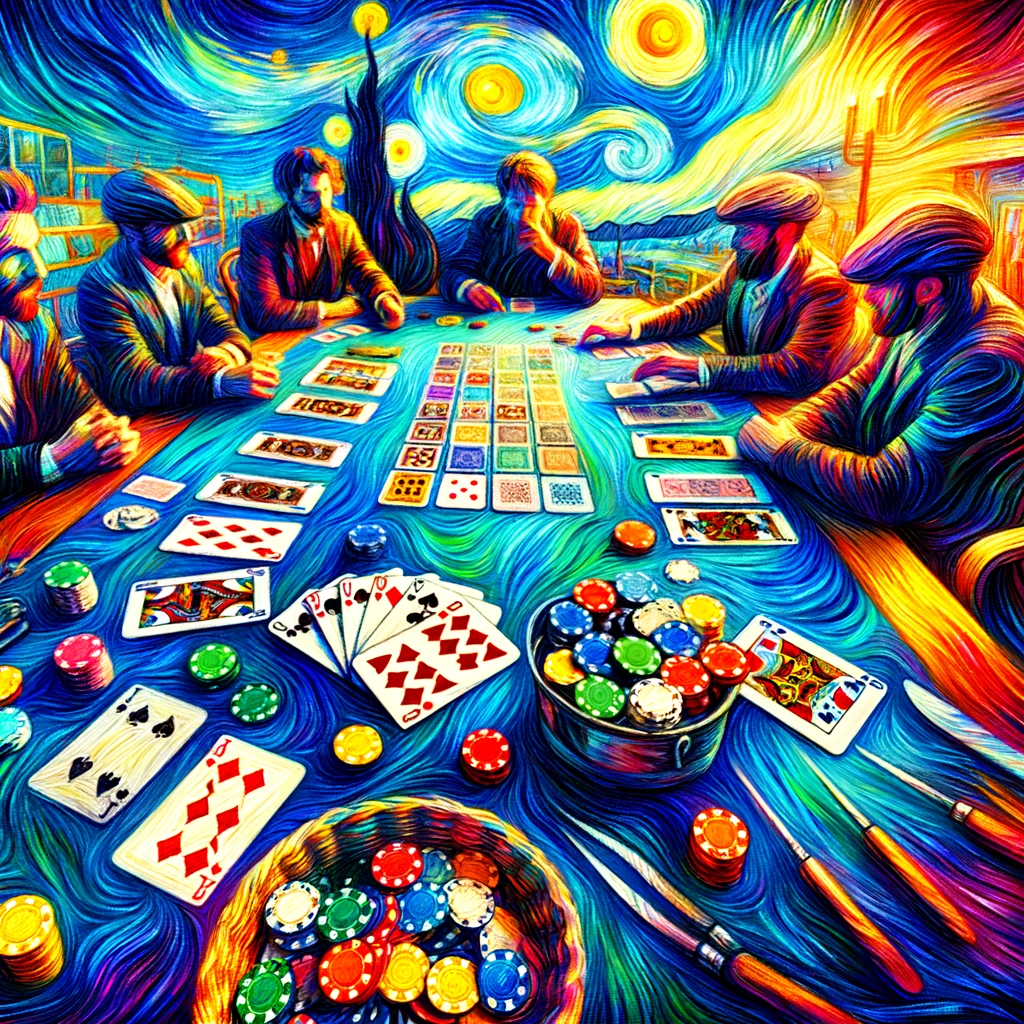
What Strategies Work Best For Different Player Numbers?
How Can Matching Card Games Be Adapted For Large Parties?
When you think of a matching card game, you might picture a cozy living room, a small table, and maybe a few friends laughing over a shared deck. But what happens when you want to scale this beloved classic to accommodate a crowd? Adapting matching card games for large parties requires a dash of creativity, a sprinkle of organization, and a hefty dose of fun. Let’s dive in.
First off, consider the scale. You don’t want everyone bumping elbows while trying to turn over cards. A large party calls for a spacious setup! Spread out several tables or use a long banquet-style table to create multiple playing areas. You can divide the guests into teams, which not only lightens the load but also fosters camaraderie. Imagine two large teams of friends, shouting and cheering as they match pairs—now that’s an atmosphere worth creating!
Next, let’s talk about the cards. Standard-sized decks may not cut it when dealing with a batch of 20-plus enthusiastic players. Opt for larger cards or create your own game with themed cards that reflect the interests of your guests. Think pop culture icons, famous landmarks, or even inside jokes from your shared history. Customize your deck to spark conversation and excitement—this way, players aren’t just matching shapes and colors; they’re reliving memories and personal anecdotes triggered by those cards.
Game duration can also become a sticking point at larger gatherings. To keep things electric, you might consider a tournament-style setup. Break the participants into smaller groups, and have each group play a round-robin. The winners of each heat advance to a final showdown, allowing everyone to stay engaged while avoiding the risk of a game dragging on too long. Have a timer in place to keep things moving—after all, nobody wants to be stuck flipping cards while the party moves on without them.
And let’s not forget about the all-important prizes. A little competition can go a long way in stoking the party spirit. Have first, second, and third prizes ready for the top teams, whether it’s silly trophies, themed goodies, or even bragging rights for the night. With the right setup and a few clever adaptations, your matching card game can transform from a simple pastime into a full-blown party experience that keeps everyone on their toes and laughing until the last card is flipped. Now go forth and make matching memories!

How Can Matching Card Games Be Adapted For Large Parties?
How Can Matching Card Games Be Adapted For Large Parties?
- Adapt traditional matching card games for large parties with creativity and organization.
- Ensure spacious setups by using multiple tables or a long banquet-style table to avoid crowding.
- Encourage teamwork by dividing guests into teams, enhancing camaraderie and excitement.
- Use larger cards or create customized decks featuring guests’ interests, such as pop culture or inside jokes.
- Implement a tournament-style format to keep engagement high and manage game duration effectively.
- Introduce prizes for top teams to ignite friendly competition and enhance the festive atmosphere.
- With the right setup and adaptations, transform matching card games into memorable party experiences.

How Can Matching Card Games Be Adapted For Large Parties?
Conclusion
Alright, folks, let’s wrap this up in true Mike Rowe fashion. When it comes to matching card games, the question of how many players you need isn’t just about numbers; it’s about the experience you’re crafting. Think of it like cooking a meal – too few ingredients and it might fall flat, too many and you risk a chaotic stir-fry. The ideal player count strikes that delicate balance, amplifying the enjoyment without smothering the fun.
Take the classic game of Memory for instance. With just two players, you’re in for an intimate showdown, where the stakes are as high as your pride. But as you add more players, you introduce an element of chaos that turns that simple flip of cards into a fast-paced frenzy. Go Fish, on the other hand, can go up to six players before it feels like a card squabble instead of a structured game. And let’s not forget the classic Old Maid; bring together three to six, and you’ve got yourself a recipe for delightful suspense as players jockey to avoid the dreaded card.
Now, I’ve met hosts who are real wizards at adapting the player count to match the crowd’s vibe. They know how to keep the energy high and the engagement even higher. Here’s the thing: whether you’re facing off against a buddy or gearing up for a rowdy game night with half a dozen friends, the heart of it all is connection. It’s laughter echoing across the table, the thrill of competition bubbling up like a well-shaken soda, folding into a tapestry of shared memories.
Diving deeper into the dynamics, those numbers affect game flow, strategy, and how personal that experience becomes. With fewer players, every move feels pivotal. More players? Suddenly, alliances, betrayals, and unexpected moments come into play—the friendship equation gets sweeter and a bit more complex. And listen, whether you’re strategizing over a two-player match or throwing a full-blown card party, the real treasure lies in the time spent together.
So, whether you’re gathering around a coffee table, squeezing in a couple of players, or throwing down the gauntlet for a larger ruckus, keep it simple: shuffle those cards, gather your pals, and embrace the laughter. Because at the end of the day, the essence of matching card games isn’t just in the matches made, but in the memories forged around that table. And that, my friends, is something worth celebrating. Now, grab that deck and let the games begin!

Conclusion
Conclusion:
- The ideal player count for matching card games is about crafting a balanced experience, similar to cooking.
- Memory is best with two players for an intimate showdown, while more players add chaos.
- Go Fish accommodates up to six players before it starts to feel chaotic.
- Old Maid thrives with three to six players, creating delightful suspense.
- Hosts can adapt the player count to match the crowd’s vibe, enhancing engagement and energy.
- The dynamics of player numbers affect game flow, strategy, and personal connections.
- The essence of card games lies in the laughter and memories created together, not just the matches.

Conclusion
Other Resources

Other Resources
Here is a list of other resources you can review online to learn more:
- Rules of the Matching game – Quick & Simple
- How to play Memory | Official Rules
- Make Match Cards and Game Rules
- How to Play Go Fish | Card Game Rules & Scoring
- Golf Card Game – Rules, How to Play & Scoring
Use This Prompt To Get More Resources With Your Favorite Online AI Tool: Please provide me with a list of online articles with their URLS in a bulleted list that I can read regarding How Many Players Are Needed for Matching Card Games?

Other Resources
Glossary Terms
How Many Players Are Needed for Matching Card Games? – Glossary Of Terms
1. Matching Card Game: A type of game where players aim to find pairs or sets of cards that match based on certain criteria.
2. Players: Individuals participating in the game. The number can range from 2 to several.
3. Pairs: Two matching cards that players collect to score points.
4. Deck: A complete set of cards used in the game.
5. Turn: A single opportunity for a player to make a move, such as flipping over cards.
6. Flip: To turn a card face up to reveal its value or matching criteria.
7. Match: To successfully pair two cards that share a common attribute.
8. Memory: The cognitive skill players use to remember card locations for successful matches.
9. Suit: A category in a deck of cards (e. g. , hearts, diamonds) sometimes relevant in matching games.
10. Type of Set: In some games, matches may not just be pairs but can include sets of three or more cards.
11. Game Variants: Different versions of the matching card game, which may include different rules or player limits.
12. Goal: The objective players aim to achieve to win, typically collecting the most pairs or sets.
13. Scoring: The system used to tally points based on successful matches.
14. Rounds: Instances of play where each player takes turns in sequence.
15. Elimination: A game structure where players are removed after a certain condition is met, often used in larger player matches.
16. Round Robin: A format where each player faces every other player in turn.
17. Dealer: The player responsible for shuffling and distributing the cards at the beginning of a game.
18. Table Talk: Discussions among players during gameplay that can influence strategies and outcomes.
19. Turn-Based: A game structure which indicates players take turns rather than playing simultaneously.
20. Shuffle: The act of randomly rearranging the deck before play begins.
21. Face Value: The numeric or symbolic representation of a card which players use to make matches.
22. Card Pool: The total number of cards available in a game, which can influence the number of players.
23. Game Duration: The length of time the game lasts, which can be influenced by the number of players.
24. Strategy: The methods or plans players use to maximize their chances of winning, often influenced by player count.
25. Turn Limit: A specific number of turns each player has, influencing how many matches can be made.
26. Solo Play: A version of matching card games that allows for one player to play alone, often against a clock or score.
27. Interactive: How players engage with one another during the game, particularly in multiplayer settings.
28. Game Setup: The process of organizing the cards and establishing rules before starting the game.
29. Ruleset: The standardized guidelines that define how the game is played, including player count requirements.
30. Family-Friendly: A term indicating that the game is suitable for players of all ages, often important in matching card games designed for groups.

Glossary Of Terms
Other Questions
How Many Players Are Needed for Matching Card Games? – Other Questions
If you wish to explore and discover more, consider looking for answers to these questions:
- What are the most popular matching card games?
- Can you suggest variations of matching card games for different age groups?
- What supplies do I need to play matching card games?
- How long do matching card games typically last?
- Are there digital versions of matching card games?
- What strategies improve my chances of winning at matching card games?
- How can I teach matching card games to children or beginners?
- What are some unique themes for matching card games?
- How do you handle disputes or confusion during a card game?
- Can matching card games be played cooperatively?
- What are some common mistakes players make during matching card games?
- What is the historical origin of matching card games?
- How do different cultures approach matching card games?
- Can you recommend matching card games that are quick to set up?

Other Questions
Haiku
How Many Players Are Needed for Matching Card Games? – A Haiku
Players gather close,
Flipping cards, chaos, and fun—
Bond through laughter’s game.

Haiku
Poem
How Many Players Are Needed for Matching Card Games? – A Poem
The Game of Matches: A Gathering of Souls
In a world where cards align,
The playful shuffle, a dance divine,
From childhood dreams of Memory’s embrace,
To old friends gathered, laughter in place.
Two to six, the players convene,
Each flip a chance, each match a scene,
In the swirl of colors, the stakes ignite,
From close-knit duels to a raucous night.
Go Fish, Old Maid, all share the stage,
The thrill of connection, a spirited gauge,
With laughter ringing, rivalry in cheer,
One card flipped sparks joy we hold dear.
The magic lies in numbers, we see,
Fewer means focus, strategy—pure glee,
But more brings chaos, loud and free,
In a vibrant symphony, all voices agree.
Creating bonds over matches we weave,
An echo of memories, our hearts believe,
Adapt the rules, let the laughter flow,
As alliances form, and surprises grow.
From simple decks to grander schemes,
Each player counts in our vibrant dreams,
Together we gather, a community bright,
In every match, a story takes flight.
So gather your cards, let the games begin,
With every flip, let the fun seep in,
For in this game of joy, connection, and play,
It’s not just the cards, but the love on display.

Poem
Checklist
How Many Players Are Needed for Matching Card Games? – A Checklist
Getting Started
1. Select Your Game
_____ Choose from games like Memory, Go Fish, Old Maid, Concentration, or Pairs based on preferred style and player count.
2. Decide on the Ideal Player Count
_____ For Memory: Best with 2-4 players.
_____ For Go Fish: Ideal with 2-6 players.
_____ For Old Maid: Works well with 3-6 players.
_____ For Concentration: Suitable for 2 or more players.
_____ For Pairs: Preferably suited for 2 or more players, with a larger group adding chaos and fun.
Setting Up
3. Choose the Right Deck
_____ Decide if you will use a classic deck of cards or themed/custom cards for variation.
4. Prepare the Playing Area
_____ Ensure you have sufficient space for players to turn over cards without crowding, especially with larger groups.
5. Layout the Cards
_____ Shuffle and lay out the cards in a grid formation that suits the number of players.
Playing the Game
6. Understand the Basic Rules
_____ Each player flips over two cards aiming to find matches. If they match, they take another turn; if not, the turn passes.
7. Adjust for Player Skills and Ages
_____ Consider the skill levels of your players; newer players might benefit from smaller groups while experienced players might thrive in larger ones.
8. Incorporate Variations
_____ For larger groups, consider unique rules or mini-challenges to keep things engaging.
Player Dynamics
9. Assess the Player Impact on Gameplay
_____ Small groups (2-4): More intimate, strategic, and personal.
_____ Moderate groups (5-8): Increased chaos, need for information control and quick decisions.
_____ Large groups (9+): Focus on a few key players, allowing for teamwork, alliances, and adaptable strategies.
Maximizing Fun
10. Plan for Team Play in Large Groups
_____ Divide players into teams, fostering camaraderie and competitive spirit.
11. Implement a Tournament Style
_____ In larger parties, use a round-robin format and advance winning teams to finals to maintain engagement.
12. Prepare Prizes
_____ Consider fun prizes for winning teams to enhance the competitive spirit and reward participation.
Final Touches
13. Adapt for Two Players
_____ Designate special tasks or challenges to keep gameplay exciting, even with only two players.
14. Enjoy the Time Together
_____ Remember that the essence of matching card games lies in connection, laughter, and shared experiences—focus on fun!
Use this checklist to ensure a fantastic experience while navigating the world of matching card games, regardless of the size of your group!

Checklist
At CardGameNews, we help people who love card games by collating information and news about card games.
Be sure to read our other related stories at CardGameNews to learn more about card games.


