Mastering The Art Of Strategic Tableau-Building
By Tom Seest
At CardGameNews, we help people who love card games by collating information and news about card games.
Be sure to read our other related stories at CardGameNews to learn more about card games.
What Are Tableau-Building Card Games?
When you think of card games, you might picture a friendly gathering of friends playing a casual round of poker or a swift game of blackjack. But let’s dive a little deeper, shall we? Enter the world of tableau-building card games—an intriguing genre that takes a simple deck and transforms it into a rich tapestry of strategy, planning, and, yes, a dash of luck.
At its core, a tableau-building card game is about creating your own personal display or “tableau” of cards in front of you, building out an array of abilities, resources, or pathways to victory. Imagine it like constructing a miniaturized city of strategy—a patchwork of cards that interact, grow, and morph as the game progresses. Your objective? To outsmart your opponents by crafting the most efficient and effective tableau before the game’s conclusion.
One of the key elements that sets tableau-building apart is the synergy between your cards. A card that might seem lackluster on its own could become a powerhouse when paired with the right companion. This is where strategy truly shines. You’re not just drawing cards and laying them down blindly; you’re orchestrating a masterpiece, considering not only your own tableau but also the potential moves of your opponents. The thought process resembles that of a chess game, where every decision could open or close doors—and where timing can mean the difference between victory and an early trip home.
Games like “Wingspan” and “Race for the Galaxy” exemplify this genre beautifully. In “Wingspan,” you’re collecting birds and managing an ecosystem, while in “Race for the Galaxy,” you’re exploring the cosmos, developing your civilization, and determining the best trade routes. Each game offers unique mechanics and themes, yet all fall under the umbrella of tableau building.
But here’s the kicker: while luck might play a fleeting role in the cards you draw, success in tableau-building games hinges on your ability to adapt, plan, and strategize. Each session offers a fresh canvas, inviting players to devise new strategies and rethink their approaches. It’s not just about making the best hand; it’s about finessing a constantly evolving landscape of possibilities.
So, if you’re looking to challenge your mind and engage in some friendly competition, give tableau-building card games a shot. They offer a refreshing twist on an age-old pastime, blending creativity with cunning, and leaving you with not just a game, but an experience that’s anything but ordinary.

What Are Tableau-Building Card Games?
What Are Tableau-Building Card Games??
- Tableau-building card games transform basic card decks into strategic, complex games.
- Players create personal displays or “tableaus” of cards that offer unique abilities and paths to victory.
- Success relies on card synergy; the combination of cards can enhance gameplay significantly.
- Strategic thinking is essential, resembling chess-like decision-making and timing.
- Popular examples include “Wingspan,” where players manage bird ecosystems, and “Race for the Galaxy,” focusing on civilization development in space.
- Luck has a minimal impact; adaptability and strategic planning are crucial for success.
- Tableau-building games offer a unique twist on card gaming, combining creativity with competitive gameplay.

What Are Tableau-Building Card Games??
Table Of Contents
- What Are Tableau-Building Card Games?
- What Are Tableau-Building Card Games?
- How Do Tableau-Building Games Work?
- What Are The Best Examples Of Tableau-Building Games?
- What Skills Do Tableau-Building Card Games Develop?
- What Is The History Of Tableau-Building Card Games?
- How Do You Win A Tableau-Building Game?
- What Are The Components Of Tableau-Building Games?
- Are Tableau-Building Card Games Suitable For All Ages?
- What Strategies Can Improve Your Tableau-Building Skills?
- How Do Tableau-Building Games Compare To Other Board Games?
- What Is The Appeal Of Tableau-Building Card Games?
- Can Tableau-Building Games Be Played Solo?
- What Are Common Themes In Tableau-Building Card Games?
- How Do Expansions Enhance Tableau-Building Card Games?
- What Platforms Offer Digital Versions Of Tableau-Building Games?
- Conclusion
- Other Resources
- Glossary Of Terms
- Other Questions
- Haiku
- Poem
- Checklist
What Are Tableau-Building Card Games?
When you think of card games, you might picture a cramped living room, friends huddled around a table, chips clinking, and laughter echoing off the walls. But let me pull you away from that vision and take you into the fascinating world of tableau-building card games. These games are a whole different beast, a structured ballet of strategy and resource management that can take your card-playing experience to an entirely new level.
At their core, tableau-building games invite players to construct their own personal play area—a tableau—using cards drawn from a common pool. Each card represents a unique element, be it a building, resource, character, or even an action that contributes to your overarching strategy. Think of it as piecing together a jigsaw puzzle, where each card you place contributes to a larger picture, a personal masterpiece that reflects your strategic choices and foresight.
So, why the mad dash for cards? The answer is simple: tableaus offer dynamic gameplay. Unlike traditional card games where the objective is often to eliminate opponents or achieve a single goal, tableau-building games evolve. You’re not just drawing cards; you’re crafting a functioning ecosystem that interacts with itself. Certain cards will produce resources, others will score points, and some may even disrupt your opponents’ plans. It’s a bit like tending to a garden—planting seeds, nurturing growth, harvesting rewards, while always keeping an eye out for pesky weeds.
Strategically timing your moves is key. Each decision counts. Do you hoard your cards, waiting for the right moment to unleash a powerful combination, or do you strike early, maximizing immediate gains? There’s a fine line between a well-oiled machine and a cobbled-together contraption threatening to explode. As you build your tableau, you must constantly evaluate your options, weighing risks, and making tough decisions that could set you miles ahead—or leave you scrambling to stay in the game.
There’s an undeniable satisfaction that comes from watching your tableau come to life while others attempt to unravel their own strategic knots. With so many paths to victory, every game feels fresh and exhilarating, ensuring that no two sessions are ever the same. So, next time you shuffle up a deck, consider diving into the rich, layered world of tableau-building card games. You might just find yourself crafting your own slice of chaos-driven order.

What Are Tableau-Building Card Games?
What Are Tableau-Building Card Games?
- Tableau-building card games transform the traditional card-playing experience into a strategic and resource management adventure.
- Players create their own personal play area—called a tableau—using cards drawn from a common pool.
- Each card represents unique elements that contribute to a player’s overarching strategy, akin to building a jigsaw puzzle.
- Gameplay in tableau-building is dynamic, focusing on crafting a functioning ecosystem rather than just eliminating opponents.
- Strategic timing and decision-making are essential, as players must weigh risks and optimize card usage for maximum benefit.
- The satisfaction of developing a tableau and outsmarting opponents adds a layer of depth and excitement to the game.
- With countless paths to victory, every game promises a unique experience, making tableau-building games refreshingly engaging.

What Are Tableau-Building Card Games?
How Do Tableau-Building Games Work?
When you first dive into the world of tableau-building games, you might wonder where the fun begins and where the strategy ends. Well, let’s cut to the chase: it’s all about building a solid tableau—a tableau being your personal collection of cards, resources, or tiles that grow and evolve over the course of the game. Think of it as crafting your own little kingdom, where each piece influences your ultimate success. This isn’t just child’s play; it’s a calculated dance of strategy, resource management, and sometimes a tad of chaos.
At the heart of a tableau-building game, you’ll often find a simple premise: collect resources, draw cards, and play them in a way that builds synergy. Picture this: you’re rummaging through a quirky deck of cards featuring everything from whimsical creatures to ancient artifacts, each offering unique abilities. Your job is to decide how best to deploy these pieces in order to create a robust engine that churns out points, resources, or whatever victory conditions come into play.
But here’s where it gets interesting. Unlike some games where you’re directly pitted against opponents in a race to the finish line, tableau-building games often encourage a more indirect competition—like chess, but with fewer knights and more dragons. Players build their tableau simultaneously, and while you might not be throwing punches at your opponents directly, their choices matter a whole lot. Every strategic decision could impact the resources available on the board, the cards up for grabs, or the overall tempo of the game.
Now, the beauty of tableau-building lies in its layers. You start with what seems like a simple choice: do I take this resource and add it to my tableau, or do I draw a card that might give me the upper hand later? As you progress, the choices become more complex. You’ll find yourself crafting intricate combos and synergies, unlocking new abilities that make your tabletop efforts feel gigantic. It’s the thrill of watching your well-laid plans unfold—turns later, what started as a mere collection of resources evolves into a flourishing, point-producing machine.
So, to wrap it all up, tableau-building games are a blend of strategy and creativity, asking players to continuously rethink their plans in response to evolving game states. It’s a delightful exercise in anticipation and resource allocation, where foresight can make all the difference. If you’re ready to roll up your sleeves and dig into the tactics, this arena offers endless opportunities to sharpen your skills while having a blast.

How Do Tableau-Building Games Work?
How Do Tableau-Building Games Work?
- Tableau-building games involve creating a personal collection of cards, resources, or tiles that develop over time.
- The main goal is to build synergy among collected pieces to create a successful strategy for generating points or fulfilling victory conditions.
- These games usually feature indirect competition, inviting players to build their tableau simultaneously while considering opponents’ choices.
- Each strategic decision affects available resources, card options, and the flow of the game.
- Players start with simple choices but later face increasingly complex decisions that allow for intricate combos and new abilities.
- Success in tableau-building games relies on strategic foresight and resource management, requiring players to adapt to changing game states.
- The genre offers a mix of strategy and creativity, providing endless opportunities for skill enhancement and enjoyment.

How Do Tableau-Building Games Work?
What Are The Best Examples Of Tableau-Building Games?
When it comes to tableau-building games, you’re diving into a world where strategy meets creativity, and a little bit of luck sprinkles in for good measure. These games challenge players to construct a personal tableau—a collection of cards, resources, or components—that reflects their unique strategy and vision. Let’s take a look at some of the best examples in this genre that have stood the test of time.
First up, we have *Wingspan*, a game where you attract birds to your wildlife preserve. Yes, you read that right—birds! This beautiful game is filled with stunning illustrations that make you feel like you’re stepping into a serene aviary. Players build their own habitats, each with its own ecological benefits. You’ll find yourself strategizing over which birds to place where, maximizing your points while enjoying the harmonious symphony of nature. *Wingspan* isn’t just about winning; it’s an experience that immerses you in the delicate balance of ecosystems.
Next, look to *Terraforming Mars*. In this game, you’re not just constructing a tableau—you’re attempting to make Mars habitable for humankind. You’ll deploy cards that represent various projects and technologies, all while managing your resources scrupulously. The clever interplay of card effects means you’re constantly adapting your strategy to capitalize on opportunities as they arise. Every turn brings new challenges, and the sense of purpose in transforming a desolate planet into a thriving environment is immensely satisfying.
Then there’s *Race for the Galaxy*, a fast-paced, sci-fi tableau-builder. Players develop their own galactic civilizations, aiming to expand through exploration and trade. The game’s complexity is tucked behind its sleek mechanics, and each decision feels weighted with consequence. The ability to combine different cards to achieve synergies adds layers of depth to gameplay, keeping players on their toes and their strategies flexible.
Don’t forget *The Guildhall*, a gem from the past that leans heavily on tableau-building mechanics. In this medieval-themed game, players recruit characters to their guild to earn wealth and influence. The game balances resource management with strategic positioning, forcing players to think multiple moves ahead as they weave their tableau together.
All these games share one common thread: they invite players to craft unique experiences through choices and strategy. Whether you’re flying with birds, colonizing Mars, or developing galaxies, tableau-building games are a delightful way to engage both the mind and the imagination. So grab a few friends, lay down some cards, and see what worlds you can build together.

What Are The Best Examples Of Tableau-Building Games?
What Are The Best Examples Of Tableau-Building Games?
- Tableau-building games combine strategy, creativity, and a touch of luck.
- *Wingspan*: Attract birds to a wildlife preserve while building habitats with ecological benefits.
- *Terraforming Mars*: Make Mars habitable by managing resources and deploying various projects and technologies.
- *Race for the Galaxy*: A fast-paced game where players develop galactic civilizations through exploration and trade.
- *The Guildhall*: A medieval-themed game centered on recruiting characters to earn wealth and influence.
- All these games invite players to craft unique experiences through strategic choices.
- Tableau-building games are perfect for engaging both the mind and imagination with friends.

What Are The Best Examples Of Tableau-Building Games?
What Skills Do Tableau-Building Card Games Develop?
When you think of card games, you might envision a laid-back evening with friends, where laughter mingles with the sound of shuffling cards. But let’s peel back that cheerful veneer and explore the deeper complexities of tableau-building card games. These seemingly simple games—crafted from paper and ink—are mental gyms, honing invaluable skills that extend far beyond the tabletop.
First up, there’s strategic thinking. In any tableau-building game, players must analyze their options and predict opponents’ moves while formulating their own plans. It’s like a high-stakes chess match, but with cards. You quickly learn to assess the board, anticipate the repercussions of each action, and pivot when necessary. This skill is transferable to many life scenarios, whether it’s managing a project, navigating workplace dynamics, or even planning personal finances.
Next, let’s talk about resource management. Many of these games require you to allocate limited resources wisely. You’re juggling cards as if they were precious commodities. Do you go all-in on one strategy, or do you diversify your approach? Managing your in-game assets teaches you how to prioritize and make calculated decisions under pressure—a skill that is indispensable in both professional and personal arenas.
Then there’s the art of adaptability. Card games, by their very nature, are unpredictable. Perhaps your carefully laid plans are thwarted by an unexpected draw from your opponent, or maybe your strategy needs a last-minute tweak to counter an unforeseen threat. Learning to adapt on the fly—and even thrive in uncertainty—becomes second nature. This resilience is not only integral to gaming but also to facing the curveballs that life throws your way.
Don’t forget collaboration, either. Many tableau-building games require negotiation and teamwork, pushing you to communicate effectively and assert your ideas while listening to others. This fine balance of give-and-take translates into better interpersonal skills in your everyday life, whether during team projects at work or navigating relationships.
Finally, there’s the cognitive workout—memory, focus, and analytical skills are all put to the test. Keeping track of numerous variables while decoding complex interactions engages your brain in ways that are often overlooked. Whether you’re recalling a strategy from earlier in the game or discerning patterns in your opponents’ plays, your mental acuity gets a real exercise.
So, while those cards may look innocuous, they’re training grounds for a wealth of skills—strategic thinking, resource management, adaptability, collaboration, and cognitive prowess. Who knew that a little fun could yield such significant returns? Next time you shuffle the deck, remember the bounty of talents you’re nurturing with every play.

What Skills Do Tableau-Building Card Games Develop?
What Skills Do Tableau-Building Card Games Develop?
- Tableau-building card games offer more than just fun; they develop key skills.
- Players engage in strategic thinking by analyzing options and predicting opponents’ moves.
- Resource management skills are honed through the allocation of limited in-game assets.
- Adaptability is key, as unexpected events require quick adjustments to strategies.
- Collaboration and negotiation enhance interpersonal skills during team-based gameplay.
- Games provide a cognitive workout, sharpening memory, focus, and analytical skills.
- These games cultivate talents that are transferable to various life scenarios and professional settings.

What Skills Do Tableau-Building Card Games Develop?
What Is The History Of Tableau-Building Card Games?
In the vast landscape of card games, tableau-building has carved out a niche that’s both strategic and mesmerizing. But where did this intriguing genre come from? Let’s unravel its history, one card at a time.
To begin with, we need to trace back to ancient roots. Historically, card games have served various cultures as a form of entertainment, socialization, and even a method of storytelling. From the Mamluk cards of 12th-century Egypt to the Tarot decks of Renaissance Europe, the evolution of card games set the stage for what we now consider tableau-building.
Tableau-building games, as we know them today, started gaining traction in the late 20th century. The concept revolves around players creating a display or tableau of cards in front of them, strategically arranging their choices to maximize points or achieve specific goals. Think of it as constructing a miniature empire—every card placement counts, and every decision carries weight.
One of the earliest and most notable examples of tableau-building is “Race for the Galaxy,” released in 2007. Designed by Tom Lehmann, it not only captured the essence of tableau-building but also showcased the further sophistication of card mechanics. Players develop their own galaxies, all while trying to outmaneuver opponents. It was a game that invited players to build an intricate tableau filled with planets, developments, and trade routes, all intertwined in a web of strategy.
But it didn’t stop there. The genre exploded in popularity, leading to a renaissance of sorts in the tabletop gaming community. Titles like “Seven Wonders” and “Terraforming Mars” emerged, pushing the boundaries of what a tableau-building game could be. These games introduced players to the thrill of managing not just cards but entire civilizations and ecosystems, requiring a blend of foresight, resource management, and tactical cunning.
As we moved into the 2010s, the art of tableau-building continued to evolve. Game designers explored innovative mechanics and themes, incorporating elements such as worker placement and engine building. Each new title offered fresh perspectives and challenges, fostering a sense of community around shared strategies and gameplay experiences.
In essence, the history of tableau-building card games mirrors the journey of civilizations themselves—dynamic, communal, and endlessly strategic. As players gather around tables today, they’re not just shuffling cards; they’re participating in a rich tapestry of history, strategy, and creativity that has captivated hearts and minds for generations.

What Is The History Of Tableau-Building Card Games?
What Is The History Of Tableau-Building Card Games?
- Tableau-building games offer strategic and engaging gameplay within the card game genre.
- Card games have ancient roots, serving as entertainment, socialization, and storytelling across cultures.
- The tableau-building concept emerged in the late 20th century, emphasizing strategic card placement.
- “Race for the Galaxy,” released in 2007, is one of the earliest examples of tableau-building games.
- The genre saw a rise in popularity, leading to titles like “Seven Wonders” and “Terraforming Mars.”.
- Innovative mechanics and themes have continued to shape tableau-building games through the 2010s.
- The history of tableau-building card games reflects a blend of strategy and creativity, fostering community and shared gameplay experiences.

What Is The History Of Tableau-Building Card Games?
How Do You Win A Tableau-Building Game?
When you sit down at a table loaded with cards, tokens, and a plethora of game pieces, don’t mistake the jumble for chaos; you’re looking at a treasure trove of opportunity. Tableau-building games thrive on structure, strategy, and those little moments when one clever move can shift the tide in your favor. But how do you navigate this intricate system and come out on top? Let’s break it down.
First things first, embrace the art of planning. tableau-building is essentially a game of foresight. You need to create a blueprint—a vision of what your final tableau will look like. Think of it as a construction project where your cards are the bricks, and your strategy is the architect. The clearer your vision, the smoother the build. Scan the available cards and set your sights on combinations that will lead to valuable synergies. Those shiny new cards may catch your eye, but will they fit into your grand design? If not, let them pass and stick to the plan.
Next, flexibility is your ally. The very nature of these games means that everyone else will be playing their own hand, and those hands can change faster than a Texas summer. Don’t cling too tightly to your initial strategies, especially if things start to veer off course. Adaptability is key! Each turn, reassess your plans. Maybe you’ve noticed that the points you thought were out of reach are now just about tangible. Or perhaps a rival is plotting a move that could thwart your master plan. Seize every opportunity to pivot and recalibrate.
Also, be a keen observer. Your opponents are not just fellow players; they’re your most valuable sources of intel. Pay close attention to their tableau, their card picks, and the strategies they’re deploying. Understanding what they’re trying to accomplish—not just what’s happening on your side of the table—will give you critical insights into how you can adjust your game. Perhaps it means blocking their success by snagging cards they need, or better yet, anticipating their moves to set your own up for success.
Lastly, don’t underestimate the power of timing. In tableau-building, the order of your plays can make or break your strategy. Knowing when to build your tableau and when to hit that action card can capitalize on moments as they arise. As the game unfolds, manage your resources wisely; striking when the iron is hot can mean the difference between a solid win and a costly defeat.
By melding planning, flexibility, observation, and timing, you won’t just be a player—you’ll become a formidable contender in the realm of tableau-building. Get ready to outsmart, outplay, and ultimately, claim victory!

How Do You Win A Tableau-Building Game?
How Do You Win A Tableau-Building Game?
- Tableau-building games offer a structured environment filled with opportunities for strategic play.
- Effective planning is essential; players should envision their final tableau and seek card combinations that support their strategy.
- Flexibility is crucial, as opponents’ actions can change the game dynamics quickly; adapt your strategy as needed.
- Observation of opponents is vital for gaining insights into their strategies and adjusting your moves accordingly.
- Timing plays a significant role; knowing when to build your tableau or take action can greatly influence your success.
- Successful tableau-building hinges on combining planning, flexibility, observation, and timing.
- By mastering these elements, you can elevate your game and increase your chances of victory.

How Do You Win A Tableau-Building Game?
What Are The Components Of Tableau-Building Games?
When it comes to diving into the world of tableau-building games, understanding the components is akin to knowing the tools of the trade for a craftsman. Each element plays its role in weaving together an intriguing and strategic experience that can captivate players for hours. Let’s break it down.
First off, you’ve got your game board or tableau itself. This is where the magic happens—your canvas. Depending on the game, it may be a central board or individual player boards where players arrange their cards, resources, or pieces in a manner that optimizes their strategies. The tableau is not static; it evolves as players interact with the game, layering complexity on top of simplicity. Here, decisions are made, and plans unfold.
Next, come the cards. Ah, yes, the cards. These little pieces of cardboard can be a genre unto themselves. They can range from resources and characters to actions or events. Each card typically comes with unique abilities, benefits, or scoring potential that players must thoughtfully consider when they choose where to place them. This card-drafting mechanic fosters a creative atmosphere—like picking paint colors for a masterpiece, each choice impacts the final outcome.
Then, there are the resources. Be it tokens, cubes, or influence markers, resources are the lifeblood that keep the game ticking. Players need to gather and manage these resources effectively, as they often dictate what actions can be taken and when. Each resource typically has a specific function, leading to a delicate balance of acquisition and utilization. Mismanagement can set a player back, while masterful control can yield victory.
Additionally, we can’t overlook the scoring system. Like a scoreboard at a sporting event, the scoring mechanism tells you how well you’re doing. In tableau-building games, scores may be tracked in various ways, often tied to how players arrange their cards or utilize their resources. This encourages players to think ahead and strategize, creating a nail-biting tension as the end of the game draws near.
Lastly, the rules and mechanics are what bind all these elements together. They provide structure, guiding players through their journey, dictating interactions and when certain actions can take place. Understanding how these mechanics function is the foundation of mastering any tableau-building game.
The components of tableau-building games are a finely tuned ensemble. Each piece plays its part, creating an intricate dance of strategy, resource management, and creativity. With this knowledge, you’re better equipped to dive in and enjoy the artistry of building your tableau.

What Are The Components Of Tableau-Building Games?
What Are The Components Of Tableau-Building Games?
- Understanding the components of tableau-building games is crucial for an engaging experience.
- The game board or tableau serves as the central canvas where strategies are formed and decisions made.
- Cards come with unique abilities and play a significant role in shaping the gameplay and outcomes.
- Resources (tokens, cubes, markers) are essential for managing actions and strategies within the game.
- The scoring system tracks performance and encourages strategic thinking as players arrange their cards and resources.
- Rules and mechanics provide structure, guiding player interactions and the flow of the game.
- Each component contributes to an intricate interplay of strategy, resource management, and creativity in tableau-building games.

What Are The Components Of Tableau-Building Games?
Are Tableau-Building Card Games Suitable For All Ages?
When it comes to tableau-building card games, it’s easy to picture a crowded table filled with a mix of ages, from spirited youngsters who can’t get enough of the action to seasoned veterans who have seen it all. But are these games truly suitable for everyone? Let’s dive in and see where the cards land.
First, tableau-building games typically require a blend of strategy, critical thinking, and sometimes a dash of luck. This trifecta makes them enticing for both kids and adults. The challenge lies in creating a visual tableau that grows and shifts throughout the game. You stack cards with various attributes, trying to build the best possible tableau while outmaneuvering your opponents. It sounds exciting, right? But here’s the catch: not all kids and adults share the same level of patience or strategic insight.
For the youngest players—those still in elementary school or even pre-school—the nuances of strategy might fly over their heads quicker than a misplayed card. And let’s face it, sitting still and strategizing isn’t every child’s cup of juice. Some games can take a while to learn and even longer to play, which could lead to frustration rather than fun for younger individuals. A child used to fast-paced action might find themselves drumming their fingers on the table while waiting for an adult to make a move. So, while some kids might flourish in this environment, others could simply feel stuck in a game that’s moving at the pace of molasses.
On the flip side, for older generations, these games can serve as a delightful way to exercise the mind, sparking memories of strategy books and board game nights from their youth. Engagement with these card games can foster connections between generations, breathing new life into family gatherings that might otherwise stall. However, if the complexities of the game become overwhelming, it might just lead to a few eye rolls and a call for simpler entertainment.
So, what’s the verdict? Are tableau-building card games suitable for all ages? The answer is a tentative yes, but with a side of caution. They can be enjoyable for many, but care should be taken to select games that are age-appropriate and consider the unique interests and capabilities of the players. Because after all, at the end of the day, it’s all about making memories, not just mastering the tableau.

Are Tableau-Building Card Games Suitable For All Ages?
Are Tableau-Building Card Games Suitable For All Ages?
- Tableau-building card games appeal to a wide range of ages, from children to seasoned players.
- These games require strategy, critical thinking, and sometimes luck, making them engaging for both kids and adults.
- Younger players, especially those in elementary or preschool, may struggle with the strategy involved.
- Long games can frustrate some children, particularly those used to faster-paced action.
- For older generations, these games can stimulate the mind and create intergenerational connections.
- Complexities in the game may lead to frustration for some older players, highlighting the need for simpler options.
- While suitable for many, it’s crucial to choose age-appropriate games that match the players’ interests and capabilities.

Are Tableau-Building Card Games Suitable For All Ages?
What Strategies Can Improve Your Tableau-Building Skills?
Alright, folks, let’s get down to brass tacks about Tableau. It’s a powerful tool that can turn a jumble of data into something that makes sense, like a compass in a foggy forest. But mastering it doesn’t just happen overnight; you’ve got to roll up your sleeves and get your hands dirty. Here are some strategies that’ll help you hone those Tableau-building skills.
First off, dive into the deep end with tutorials. Sure, you can dabble with the basics, but true mastery comes from pushing your limits. There are tons of resources out there ranging from beginner to advanced. Find those tutorials that challenge you. They might feel like climbing a mountain at first, but each step brings you closer to the summit. Look for exercises that require real-time data manipulation—you’ll learn by doing, and there’s no substitute for that.
Next, don’t be afraid to connect with the community. In this game, you’re not alone. Join forums, attend meetups, or even social media groups. The Tableau community is packed with seasoned experts eager to share their knowledge. Ask questions, seek feedback, and immerse yourself in the discussions. The beauty of this approach is that you learn different ways to think about problems. It’s like gathering a toolbox full of various gadgets; each one can help you tackle different challenges.
Now, let’s talk about practice—real practice. You’ve got to build something and then build it again. Set up your own data sets, then visualize different dimensions and measures. Experiment with various charts and formats. Don’t just stick to the same old bar graphs and pie charts; stretch those creative muscles! Play around with colors, shapes, and filters until you find a style that sings. After all, art is subjective, but clarity is king.
Lastly, keep an eye on the trends. Data visualization isn’t stagnant; it evolves just like everything else. Stay updated on the latest features in Tableau and best practices in data storytelling. Subscribe to blogs and podcasts that dissect successful dashboards and mine them for insights. What works? What doesn’t? Learning from others helps refine your own style.
So, there you have it. Improving your Tableau-building skills isn’t rocket science, but it does take determination and a willingness to get your hands dirty. Embrace the challenge, share the journey, and watch your skills soar.

What Strategies Can Improve Your Tableau-Building Skills?
What Strategies Can Improve Your Tableau-Building Skills?
- Tableau transforms chaotic data into clear insights, but mastery requires dedication.
- Dive into tutorials that challenge your skills, focusing on real-time data manipulation.
- Engage with the Tableau community through forums, meetups, and social media for support and knowledge sharing.
- Practice consistently by building and visualizing your own data sets using diverse chart types.
- Experiment with colors, shapes, and filters to develop a unique and clear visualization style.
- Stay updated on Tableau trends and best practices by following relevant blogs and podcasts.
- Improving Tableau skills takes determination; embrace the challenge and enjoy the learning journey.
What Strategies Can Improve Your Tableau-Building Skills?
How Do Tableau-Building Games Compare To Other Board Games?
When you think of board games, the mind often drifts to the social classics: Monopoly, Scrabble, or maybe even a good, old-fashioned game of Clue. While those games bring their own flavor to the table, there’s a growing category that’s capturing the hearts and minds of gamers everywhere: tableau-building games. Now, you might wonder, how do these games stack up against the tried-and-true staples of board gaming? Buckle up, folks; it’s time to dig into the differences, similarities, and the unique charm of tableau builders.
To start, let’s get one thing straight: tableau-building games are all about creating something. Picture this: instead of merely moving around a game board or guessing your friend’s devious intentions, you’re crafting a visual tableau, a colorful arrangement of cards or tiles that represent your strategy, resources, and goals. Familiar names like *Wingspan* or *Terraforming Mars* invite players to construct their miniature ecosystems or civilizations. You’re not just trying to win; you’re creating a masterpiece, akin to an artist on a canvas, only your paintbrush is a handful of cards, and your palette is the available resources.
Now, this creative endeavor diverges significantly from the more competitive nature of traditional board games. In Monopoly, it’s cutthroat; the happiness of one player equates to the misery of another. You cheer when you land on Boardwalk and groan when hit with a hotel that costs an arm and a leg. Tableau builders? They’re more collaborative in spirit, even if you’re still vying for that win. You can find joy in someone else’s success — after all, you’re both working toward building your own unique tableau while watching others flourish as well.
The pace of tableau-building games tends to be deliberate, too. They encourage thoughtfulness, with rounds that allow players to strategize and reflect on their moves. You don’t rush through it; it’s a leisurely stroll rather than a frantic race. That’s not to say there isn’t tension—oh, there’s plenty. But it’s the kind that comes from anticipating your opponent’s moves rather than outright sabotage.
So, when you’re deciding between a traditional board game or a tableau-builder, think about what kind of experience you’re after. If you’re in the mood for whimsical strategizing and eco-friendly innovation rather than financial ruin or backstabbing hilarity, tableau-building might just be your new favorite genre. The world of board games is vast, and tableau-building is proving to be an exhilarating detour that’s worth exploring.

How Do Tableau-Building Games Compare To Other Board Games?
How Do Tableau-Building Games Compare To Other Board Games?
- Tableau-building games are gaining popularity, offering a different experience from traditional classics like Monopoly and Scrabble.
- They focus on creating a visual tableau, representing players’ strategies and goals through colorful arrangements of cards or tiles.
- Popular examples include *Wingspan* and *Terraforming Mars*, which allow players to build ecosystems or civilizations.
- Unlike traditional competitive games, tableau builders promote a more collaborative atmosphere, where players can celebrate each other’s successes.
- The pace of tableau-building games is generally slower, encouraging thoughtful strategizing and reflection rather than frantic gameplay.
- Tension in tableau builders arises from anticipating opponents’ moves rather than direct sabotage or competition.
- Choosing tableau-building games can lead to a whimsical and innovative experience, differing significantly from the cutthroat nature of traditional games.

How Do Tableau-Building Games Compare To Other Board Games?
What Is The Appeal Of Tableau-Building Card Games?
When it comes to the world of tabletop gaming, few categories have taken off quite like tableau-building card games. But what is it about these particular games that draws players in, time and time again? Let’s dive into the appealing aspects of tableau-building card games, where strategy, creativity, and a touch of luck collide in the most delightful ways.
First off, there’s something intrinsically satisfying about the process of building. Players start with a handful of cards, each emblazoned with unique abilities, resources, or characters. And as you collect and deploy these cards, you watch your tableau—a personal array of cards—grow and evolve. It’s like gardening, but instead of tending to carrots and tomatoes, you’re cultivating a vibrant ecosystem of cards that can yield various benefits. As the game unfolds, players can feel an ever-growing sense of accomplishment and attachment to their creations. You’re not just playing a game; you’re constructing your own little world.
Then there’s the element of strategy. Tableau-building games often require players to make thoughtful decisions at every turn. Each choice about which card to play, which resource to generate, or which combo to devise is wrapped in a layer of tension. Good strategy is rewarded with victory, which means every player walks away feeling like a tactician if they’re savvy enough to outsmart their opponents. The thrill of executing a well-laid plan or dazzling your friends with a clever combo can make every session feel like a miniature epic.
Moreover, there’s the social dynamic. These games often encourage interaction, steering conversations and forming bonds over shared experiences. Whether it’s a friendly competition or collaborative challenges, players connect through the joy of the game. You can find yourself sharing hearty laughs over poor decisions, celebrating smart plays, or, yes, even playfully sabotaging a rival’s well-intended strategy.
Let’s also not overlook the aesthetic appeal. Many tableau-building card games are visually stunning, often featuring intricate artwork and carefully designed components. Nothing enhances the atmosphere of game night quite like a table adorned with beautiful cards, each telling a story that beckons players to fully immerse themselves in the experience.
So, whether you’re drawn in by the allure of building something uniquely yours, the strategic depth that keeps you coming back for more, or the social bonds that form around the game table, the appeal of tableau-building card games is undeniable—and it looks like it’s here to stay.

What Is The Appeal Of Tableau-Building Card Games?
What Is The Appeal Of Tableau-Building Card Games?
- Tableau-building card games have become a popular category in tabletop gaming.
- Players experience a satisfying process of building and evolving their personal array of cards.
- Each game offers a sense of accomplishment and attachment to the player’s creations.
- Strategic choices create tension, rewarding thoughtful decisions with victory.
- The thrill of executing clever combinations enhances the gaming experience.
- Social dynamics foster connection, laughter, and shared experiences among players.
- Visually stunning artwork and components contribute to the immersive game night atmosphere.

What Is The Appeal Of Tableau-Building Card Games?
Can Tableau-Building Games Be Played Solo?
When you think of tableau-building games, images of friends gathered around a table, chuckling, critiquing each other’s strategies, and sharing snacks probably come to mind. It’s a social spectacle, a dance of dice and cards, where every move draws gasps or cheers from the assembled players. Yet, what if I told you that there’s a whole world of tableau-building games that embrace the solitary player? Buckle up, because we’re about to dive into the world of solo play in tableau-building games—a delightful pursuit that often goes unnoticed.
At their core, tableau-building games invite players to construct a tableau, or a personal display of cards or pieces, that represents their strategy, resources, and ambitions. Think of it like a personalized art exhibit, but instead of landscapes and portraits, you’re curating resources, actions, and point-scoring opportunities. For those seeking a solitary experience, many of these games come equipped with engaging solo modes or adaptations that allow players to navigate challenges alone.
Why would someone opt for solo play? Well, let’s face it: sometimes, the idea of waiting for a few friends to coordinate schedules feels like herding cats with a whippoorwill in a thunderstorm. With solo play, the only schedule you need to consult is your own. You can dive into the game whenever the mood strikes, free from the worry of appeasing the opinions of others. You set the pace—there’s no pressure to rush through your turn or get tangled in the weeds of a player debate.
Games like “Ark Nova” or “Dino Island” come replete with solo variants that stand shoulder to shoulder with their multiplayer counterparts. The challenges may slightly differ, but the core mechanics remain just as engaging. It’s like enjoying a beautiful film on your own—no one will criticize your snacks or ask why you teared up during the heartfelt climax.
So, can tableau-building games be played solo? Absolutely! Many modern tabletop games acknowledge that the joy of crafting your unique tableau isn’t confined to group gatherings. Instead, they invite players to journey through their own strategies and triumphs—because sometimes, the best company for an afternoon of gaming is just you. So gather those resources, draw those cards, and unleash your inner strategist. The show must go on, whether in a crowd or in the quiet comforts of your home.

Can Tableau-Building Games Be Played Solo?
Can Tableau-Building Games Be Played Solo?
- Tableau-building games are often associated with social gatherings and group play.
- These games involve creating a personal display of cards or pieces representing strategies and resources.
- Many tableau-building games include engaging solo modes or adaptations for solitary play.
- Solo play allows for flexibility in scheduling and pacing without needing to coordinate with others.
- Games like “Ark Nova” and “Dino Island” offer solo variants that maintain the same engaging core mechanics.
- Modern tabletop games acknowledge that crafting a unique tableau can be enjoyed alone.
- Playing solo can provide an opportunity to embrace personal strategies and enjoy a peaceful gaming experience.

Can Tableau-Building Games Be Played Solo?
What Are Common Themes In Tableau-Building Card Games?
When you dive into the world of tableau-building card games, you’ll find that they’re not just a mix of cards and strategy; they’re an intricate dance of themes that elevate gameplay to something truly memorable. While each game has its unique flair, several common threads weave through these experiences, making them relatable and engaging to a wide audience.
First and foremost, resource management stands out. Imagine you’re collecting timber and ore in a medieval setting or harnessing energy in a futuristic world. These games often task players with managing resources effectively to build their tableau. The thrill lies in the balancing act; spend your resources too quickly, and you risk stalling your growth. Spend them too cautiously, and your opportunities will slip right through your fingers. This tension is what keeps players glued to the table, hearts racing as they juggle decisions that could make or break their game.
Then, there’s the progression of development—a fundamental element that creates a sense of achievement. Through the build-up of cards in your tableau, players watch their strategies unfold, transforming simple actions into complex synergies. It’s all about choice and evolution. You’re not just collecting cards; you’re crafting an empire, and with every new card played, you’re one step closer to a victory that feels hard-earned. Each card reveals a new avenue, and players are left pondering over the delicate dance of timing and strategy as they expand their universe.
Another prevalent theme is interaction among players. Whether it’s cooperative or competitive, a well-designed tableau-building game encourages players to keep a vigilant eye on their neighbors. Blocking an opponent’s strategy or collaborating on a shared goal adds layers of depth. You’re constantly adjusting your plan based on how others are faring, making for a dynamic environment. The back-and-forth of interaction not only creates memorable moments but also fosters a social bond among players, transforming a simple game night into a vibrant experience of laughter and friendly rivalry.
Lastly, there’s the overarching theme of storytelling. Through the cards, players build narratives, breathing life into their strategies as they weave tales of conquest, survival, or even collaboration. Every choice you make resonates beyond just numbers and points; it tells a story every time you lay down a card. Whether you’re fending off threats or embarking on epic quests, the thematic depth transforms these games into a canvas upon which players paint their unique narratives, enhancing the joy of gameplay and leaving lasting impressions long after the cards have been shuffled away.
So, the next time you find yourself in a game of tableau-building cards, take a moment to appreciate the rich themes at play. They’re the undercurrents that make these games not just entertaining, but truly unforgettable.

What Are Common Themes In Tableau-Building Card Games?
What Are Common Themes In Tableau-Building Card Games?
- Tableau-building card games combine cards and strategy, featuring rich themes that enhance gameplay.
- Resource management is a key element; players must balance spending resources wisely to optimize growth.
- The progression of development creates a sense of achievement as players build their tableaux and execute complex strategies.
- Interaction among players, whether cooperative or competitive, adds depth to the game and fosters social bonds.
- Players must adjust their plans based on the actions of others, creating a dynamic gaming environment.
- Storytelling is integral; players build narratives that give meaning to their strategies and decisions.
- Themes and mechanisms transform these games into memorable experiences, enhancing enjoyment and leaving lasting impressions.

What Are Common Themes In Tableau-Building Card Games?
How Do Expansions Enhance Tableau-Building Card Games?
When you look at a tableau-building card game, it often resembles a well-tended garden. Each card, each decision, and each strategy intertwines to create a vibrant landscape of gameplay. Yet, just like any garden, the secret to maintaining its lushness lies in introducing new elements that can thrive within the existing ecosystem. This is where expansions come into play, transforming a good game into something truly remarkable.
Imagine you’ve planted a few robust seedlings; they’ve grown into a delightful patch of vegetables. But if you stick with just those initial crops, soon enough, the flavor might fade. Expansions serve as the fertilizer, offering fresh seeds that introduce new mechanics, themes, and challenges. A well-crafted expansion can breathe new life into a familiar game, turning established strategies upside down and encouraging players to think outside the box. Suddenly, what was once a straightforward path to victory is filled with exciting detours and unexpected twists.
But it’s not just about adding more cards or components. An expansion encourages players to engage with the game on a deeper level. New game mechanics often compel players to adapt their strategies. Just as a gardener must consider seasonal changes, players must reevaluate their tactics to incorporate new cards. This fosters a dynamic environment where no two games are ever quite the same, keeping seasoned players on their toes while inviting newcomers to explore uncharted territory.
Moreover, expansions can introduce thematic richness that broadens the narrative experience. Consider how a simple game about building a medieval town could evolve into a multifaceted saga that incorporates fantasy elements like dragons, wizards, and epic quests when an expansion is added. The narrative depth adds layers of engagement that transcend mere mechanics, inviting players to immerse themselves in a uniquely crafted storyline.
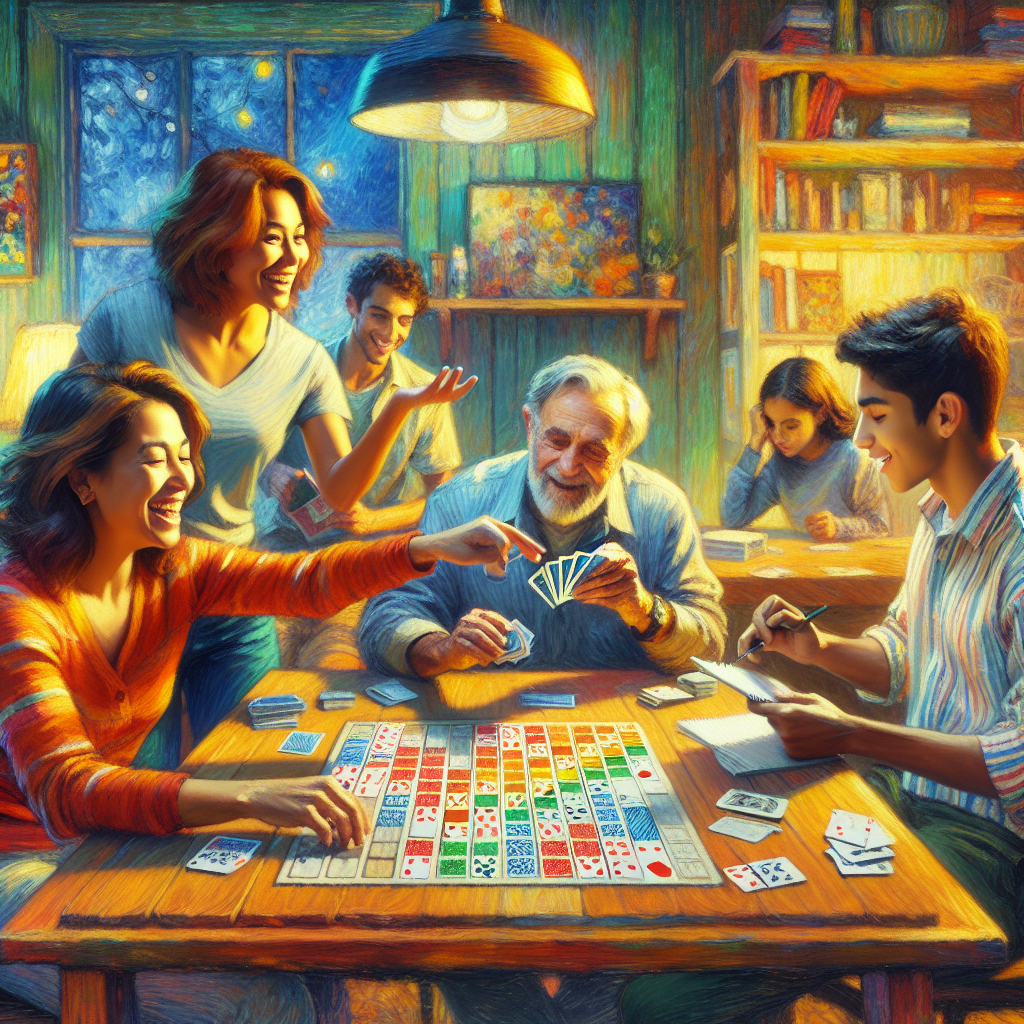
Perhaps one of the most fascinating aspects of expansions is their communal impact. They bring players together, generating discussions and debates about optimal strategies, newly introduced cards, and the best ways to utilize fresh mechanics. Shared experiences build camaraderie, turning the game table into a meeting ground where friendships blossom alongside the gameplay.
Expansions are not just about more content; they’re about reinvigorating an experience that invites exploration, creativity, and strategy. Just as any gardener knows it takes a careful blend of sunlight and rain to nurture a flourishing garden, the right expansion can elevate a tableau-building card game from a passing enjoyment to a rich tapestry of strategy and interaction.
How Do Expansions Enhance Tableau-Building Card Games?
How Do Expansions Enhance Tableau-Building Card Games?
- Tableau-building card games resemble well-tended gardens, intertwining cards, decisions, and strategies.
- Expansions maintain gameplay freshness, introducing new mechanics, themes, and challenges.
- Well-crafted expansions breathe new life into games, altering established strategies and providing unexpected twists.
- New game mechanics encourage players to adapt strategies, fostering a dynamic and evolving gameplay environment.
- Expansions increase narrative depth, transforming simple games into multifaceted sagas with immersive storylines.
- They enhance communal play, sparking discussions about strategies and new mechanics among players.
- Expansions invite exploration, creativity, and strategy, elevating the overall gaming experience.

How Do Expansions Enhance Tableau-Building Card Games?
What Platforms Offer Digital Versions Of Tableau-Building Games?
When it comes to the world of tableau-building games, players can now enjoy an array of digital platforms that bring this engaging genre right to their fingertips. Whether you’re a seasoned veteran collecting resources and constructing your empire or a newcomer looking to explore the intricacies of strategic gameplay, there’s a digital solution tailored just for you.
First up, let’s talk about the heavyweights in the digital gaming arena: Steam and the Epic Games Store. These platforms serve as virtual marketplaces where you can find a treasure trove of tableau-building games at your leisure. With just a few clicks, you can browse a wide selection ranging from renowned classics to indie titles that push the boundaries of creativity. Steam, in particular, is known for its robust community features, allowing gamers to connect, share strategies, and even dive into user-generated content. This connectivity enhances the experience, as you can find tips or tactics from fellow players, adding layers to your enjoyment.
Then there are mobile platforms—both iOS and Android—that cater to gamers on the go. Apps like “Wingspan” and “Fairy Tale” have translated the joy of building your tableau into bite-sized pieces that can fit into your daily commute or those rare quiet moments at home. The tactile feel of dragging cards and resources on a touch screen makes gameplay intuitive and accessible. Plus, these titles often come with beautiful graphics and seamless interfaces that make the experience feel immersive, even if you’re playing on a handheld device.
Let’s not forget about console gaming. Platforms like PlayStation and Xbox have begun to expand their library of digital board games, making tableau-building experiences available on bigger screens with that home theater feel. Here, you can gather friends around for a digital game night, swapping strategies and friendly jabs just like you would with a physical board laid out on the dining table.
Lastly, there are dedicated websites and virtual tabletop platforms like Tabletop Simulator and Tabletopia. These spaces are like the local tavern for board game enthusiasts, providing a virtual setting where you can build your tableau alongside friends or strangers across the globe. With easy access to an expansive range of titles, players can experiment, learn, and enjoy collaborating in a digital realm.
In a nutshell, whether you prefer the depth of a desktop experience, the convenience of mobile gaming, the camaraderie of console play, or the open canvas of virtual tabletops, there’s a plethora of digital platforms inviting you to dive into the captivating world of tableau-building games. So pick your platform, gather your resources, and let the strategy unfold!

What Platforms Offer Digital Versions Of Tableau-Building Games?
What Platforms Offer Digital Versions Of Tableau-Building Games?
- Tableau-building games are now accessible on various digital platforms, catering to both veterans and newcomers.
- Major digital marketplaces like Steam and the Epic Games Store offer extensive selections of tableau-building games, from classics to indie titles.
- Steam features robust community tools for sharing strategies and user-generated content, enhancing the gaming experience.
- Mobile platforms (iOS and Android) offer games like “Wingspan” and “Fairy Tale,” making tableau-building accessible during commutes or quiet moments.
- Console gaming on PlayStation and Xbox now includes a range of digital board games, ideal for social game nights.
- Dedicated websites and virtual tabletops, such as Tabletop Simulator and Tabletopia, provide platforms for playing with others globally.
- With diverse options available, players can choose their preferred platform to enjoy the strategic world of tableau-building games.

What Platforms Offer Digital Versions Of Tableau-Building Games?
Conclusion
Now, let’s draw the curtains on our exploration of tableau-building card games. You might have started this journey picturing a casual round of poker or blackjack, but hopefully, you’re now seeing the vibrant, strategic world that tableau-building offers. It’s an intricate weave of tactics, synergy, and a little sprinkle of luck, where players aren’t just tossing cards onto the table but crafting dynamic ecosystems of play right before your eyes—like architects of cunning.
At the heart of tableau-building games lies the act of creation. Imagine assembling a mosaic of abilities, resources, and pathways to victory that’s uniquely yours. Each card you lay down helps shape your personal tableau, a miniaturized city of strategy that works in concert to outmaneuver your opponents. It’s not merely about scoring points; it’s about executing your plans with the finesse of a chess master, all while keeping a keen eye on your rivals’ every move.
Consider the magic of synergy. It’s fascinating how a seemingly basic card can snowball into a powerhouse when paired with just the right companion. This synergy elevates your decision-making, challenging you to think several steps ahead—that mental gym workout we all need, whether in gaming or life. And as you witness your tableau evolve from mere cards to a complex machine, the satisfaction is palpable. It’s a rewarding experience that will keep you coming back for more.
Now let’s chat about the social aspect. There is something inherently delightful about sitting around a table with friends, engaging in playful banter while vying for dominance over your colorful arrangements. These games foster connections, turning friendly competition into cherished memories. And don’t let anyone sell you short—tableau-building isn’t just for seasoned strategists. With the right game, people of all ages can enjoy the art of building together, making the experience inclusive and accessible.
So, are you ready to leave the realm of traditional card games behind? Whether you’re developing flourishing ecosystems, exploring galaxies, or constructing historical narratives, tableau-building card games promise an engaging, imaginative adventure that will leave you wanting more. Go ahead; shuffle up a deck, draw those cards, and construct your own moment of chaos-driven order. You may just discover a new obsession within the delightful complexity of tableau-building card games!

Conclusion
Conclusion:
- Tableau-building card games offer a vibrant and strategic gameplay experience beyond traditional games like poker or blackjack.
- Central to these games is the creation of a unique tableau, a personal strategy canvas that evolves through gameplay.
- Success in tableau-building involves careful planning, tactical execution, and awareness of opponents’ moves.
- Synergy between cards can enhance strategy, with basic cards transforming into powerful combinations through clever pairing.
- The social aspect of tableau-building games encourages friendly competition and fosters connections among players.
- These games are inclusive and accessible, appealing to players of all ages and skill levels.
- Engaging in tableau-building card games promises an imaginative adventure, inviting players to explore new strategies and experiences.

Conclusion
Other Resources

Other Resources
Here is a list of other resources you can review online to learn more:
- Explainer: What is Tableau Building in a game? – BoardgamingParent.com
- Best Card Tableau Board Games – TheGamer
- Best Tableau-Building Board Games Action Array Games – GameCows
- Mechanism: Tableau Building | Family | BoardGameGeek
Each of these articles provides a unique perspective on tableau-building card games, including their mechanics, themes, and the strategic thinking involved.

Other Resources
Glossary Terms
What Are Tableau-Building Card Games?? – Glossary Of Terms
1. Tableau: The arrangement of cards in front of a player, organized in a way that maximizes their utility for gameplay.
2. Card Drafting: A mechanism where players select cards from a limited pool, often taking turns to build their hand or tableau.
3. Resource Management: Balancing the use of different resources in the game, typically to build or acquire additional cards.
4. Victory Points (VP): Points that players accumulate, which usually determine the winner at the end of the game.
5. Hand Limit: A restriction on the number of cards a player can hold in their hand at any given time.
6. Action Cards: Cards that allow players to perform specific actions, often altering the game state, drawing additional cards, or affecting other players.
7. Set Collection: A gameplay strategy where players aim to collect specific combinations or sets of cards for points or benefits.
8. Combo Play: The tactic of playing multiple cards in sequence or combination to achieve a powerful effect or outcome.
9. End Game Scoring: The method used to calculate final points after all rounds or turns have been completed.
10. Turn Sequence: The order in which players take their turns, impacting the game’s flow and strategy.
11. Drafting Pool: The selection of cards available for players during the drafting phase.
12. Build Phase: The part of the game where players add cards to their tableau based on the cards they have drawn or drafted.
13. Game Mechanics: The rules and systems that govern how the game is played, including actions, movements, and interactions.
14. Card Synergy: The interaction between cards that enhances their combined effectiveness in a tableau.
15. Thematic Elements: Narrative aspects or contexts within the game that provide immersion and enhance the overall experience.
16. Multi-player Interaction: The ways in which players affect each other’s gameplay, through competition for resources or cooperative actions.
17. Special Abilities: Unique effects granted by specific cards that can influence gameplay, often requiring strategic use.
18. Activate & Trigger: Terms referring to the act of deploying a card’s ability or effect during gameplay.
19. Draw Pool: The stack or pile from which players draw cards, determining their available actions and strategies.
20. End Condition: The criteria that determine when the game ends, which may involve reaching a certain number of rounds or achieving specific events.
21. Card Types: Categories of cards in the game, including action cards, resource cards, and scoring cards, each serving different functions.
22. Scoring Mechanism: The specific system for tallying points, which may include bonuses for certain card combinations or efficiencies in tableau organization.
23. Resource Cards: Cards that provide in-game resources essential for playing other cards or scoring points.
24. Player Elimination: A mechanism in some games where players can be removed from the game, typically based on performance or conditions of gameplay.
25. Interaction Levels: Describes how much players can influence each other’s game states, ranging from competitive to cooperative.
26. Strategic Planning: The act of devising long-term plans based on card combinations and anticipated moves from opponents.
27. Card Rarity: The frequency and availability of certain cards in the game, affecting their power and value in building a tableau.
28. Game Flow: The pace and rhythm of gameplay, influencing how players engage with mechanics and each other.
29. Replayability: The potential for a game to be played multiple times with different experiences, driven by variable components like card decks, player strategies, and outcomes.
30. Theme Integration: The degree to which a game’s mechanics and components reflect and enhance its narrative or thematic elements.
Glossary Of Terms
Other Questions
What Are Tableau-Building Card Games?? – Other Questions
If you wish to explore and discover more, consider looking for answers to these questions:
- What are some popular tableau-building card games for beginners?
- How long do tableau-building games typically take to play?
- What age groups are tableau-building card games best suited for?
- What are the differences between tableau-building games and traditional card games?
- Can tableau-building games be played competitively in tournaments?
- What skills can players expect to develop while playing tableau-building games?
- What types of strategies are most effective in tableau-building games?
- Are there any solo versions of popular tableau-building games?
- What are some recommended expansions for popular tableau-building games?
- What are the benefits of playing tableau-building games for cognitive development?
- How do tableau-building card games incorporate themes and storytelling?
- What resources or communities exist for enthusiasts of tableau-building games?
- Are there tabletop simulator options for testing out tableau-building games?
- What characteristics make a tableau-building game enjoyable?

Other Questions
Haiku
What Are Tableau-Building Card Games?? – A Haiku
Cards in hand, we build,
Crafting worlds of strategy,
Victory in play.

Haiku
Poem
What Are Tableau-Building Card Games?? – A Poem
In the realm of cards where strategies bloom,
Tableau-building games craft pathways to zoom.
Not just a table of luck and chance,
But a dance of foresight—a tactical romance.
Picture a tableau, your personal tableau,
A vibrant canvas where chances can grow.
Each card a building, a treasure, a tool,
Creating connections, making you rule.
Like tending a garden, so carefully laid,
You manage your resources, decisions conveyed.
With synergy sparked from cards intertwined,
A masterpiece forms with each thoughtful mind.
Wingspan invites you to gather in flight,
While Terraforming Mars brings futures to light.
Race for the Galaxy speeds through the stars,
Engaging players with innovative bars.
From a friendly competition to strategic ties,
Every move speaks volumes, like whispered goodbyes.
Flex when you’re faced with a chance to outsmart,
Adapt with precision; it’s a vital art.
With a mix of luck, skill and some flair,
You may find yourself crafting with utmost care.
Not just a game, but a challenge profound,
In the tapestry of gaming, deep joy can be found.
So gather your friends or engage solo play,
With tableau-building, there’s always a way.
From rich themes to visuals that captivate all,
Embrace this genre; let strategy call.

Poem
Checklist
What Are Tableau-Building Card Games?? – A Checklist
Understanding Tableau-Building Games
_____ Familiarize yourself with the definition of tableau-building card games.
_____ Explore how tableau-building differs from traditional card games.
_____ Identify the key components of tableau-building games (e. g. , cards, resources, scoring systems).
Examples of Popular Tableau-Building Games
_____ Research popular tableau-building games (e. g. , Wingspan, Terraforming Mars, Race for the Galaxy).
_____ Understand the unique mechanics and themes of these games.
_____ Play at least one game from the list to experience tableau-building firsthand.
Strategic Planning
_____ Develop a strategic approach for building your tableau.
_____ Learn to identify synergies between cards to maximize your tableau’s efficiency.
_____ Practice adapting your strategies based on your opponents’ moves.
Skills Development
_____ Focus on enhancing your strategic thinking and resource management skills while playing.
_____ Review how tableau-building games can improve your adaptability and collaboration abilities.
_____ Engage in discussions with other players to enhance interpersonal skills.
Game Selection
_____ Choose a range of tableau-building games suitable for different ages and skill levels.
_____ Consider expansions that introduce new mechanics to keep your gaming experience fresh.
Solo Play
_____ Explore solo variants of tableau-building games for independent play sessions.
_____ Assess which games suit solo play and their unique challenges.
Emotional Engagement
_____ Appreciate the story and themes woven through tableau-building games.
_____ Reflect on the social bonds formed during gameplay.
Digital Platforms
_____ Identify digital platforms (e. g. , Steam, mobile apps) offering tableau-building games.
_____ Experience online versions to enjoy the convenience of digital gameplay.
Continuous Learning
_____ Stay updated on new releases and expansions in the tableau-building genre.
_____ Join forums or communities to share strategies and learn from seasoned players.
With this checklist in hand, you’ll be well on your way to mastering the art of strategic tableau-building card games! Enjoy the journey of creativity, strategy, and social interaction they offer.
Checklist
At CardGameNews, we help people who love card games by collating information and news about card games.
Be sure to read our other related stories at CardGameNews to learn more about card games.