

Bridge The Generational Divide: The Power Of Card Games
By Tom Seest
At CardGameNews, we help people who love card games by collating information and news about card games.
Be sure to read our other related stories at CardGameNews to learn more about card games.
Can Card Games Abolish Generation Gaps In Extended Families?
Bridging Generations with the Simple Joy of a Card Game
Picture this: a table set in the heart of your home, surrounded by the familiar laughter of family members spanning decades. You’ve got your grandma, who still remembers the thrill of sneaking in a game of Forty-and-Eight with her siblings during the Great Depression; your teenager, perpetually glued to their smartphone, barely aware of the treasures sitting right under their nose. Now, toss in a deck of cards, and suddenly, you have a catalyst for connection.
A card game, simple as it may seem, has the extraordinary ability to dissolve barriers and forge bonds. It’s not about the cards themselves, but about the stories and laughter that come with them. That moment when your young cousin, trying earnestly to bluff during a round of Poker, loses all pretense and bursts into giggles—that’s the sweet spot. You watch as the older generations share their own tales of triumph, defeat, and cheeky strategies that made their own youthful hearts race.
Can a card game really bridge gaps that have spanned years, even decades? Absolutely. Look beyond the surface of those variations and esoteric rules; you’ll find that every hand played is a shared experience. It becomes a dance where older relatives show the young ones the ropes, and in turn, the fresh perspectives and witty tech-enabled strategies from the younger crowd bring a new spark of creativity. It’s a mesmerizing exchange that reinforces the notion that learning is a two-way street.
This isn’t just about winning or losing; it’s about creating an environment where every participant feels valued and heard. Picture Grandma high-fiving your cousin when they finally grasp the concept of Rummy, or Uncle Joe playfully groaning when he loses to the kid who’s never played before. What you have here is a tapestry woven from diverse backgrounds, and each thread—each player—adds its unique color to the fabric of family history.
So, the next time you gather for a holiday meal or a family reunion, why not bring along a deck of cards? Put down that phone, and lay the foundations for connection. A card game could be your best shot at breaking down the walls of age, turning a mundane get-together into cherished memories. It’s time to play, laugh, and share—because together, we can truly bridge those generation gaps.

Can Card Games Abolish Generation Gaps In Extended Families?
Can Card Games Abolish Generation Gaps In Extended Families?
- A card game can connect family members across generations, fostering laughter and shared experiences.
- Older generations can share personal stories and strategies while teaching younger relatives how to play.
- The experience promotes a two-way learning process, with younger players introducing new strategies.
- Playing cards creates an inclusive environment where everyone feels valued and heard.
- Some memorable moments arise, such as a young cousin’s joyful reaction while bluffing in Poker.
- Family gatherings can be enriched by setting aside technology to focus on card games.
- Engaging in card games fosters cherished memories that contribute to the family’s history.

Can Card Games Abolish Generation Gaps In Extended Families?
Table Of Contents
- Can Card Games Abolish Generation Gaps In Extended Families?
- Can Card Games Bring Families Of Different Ages Together?
- What Types Of Card Games Are Best For Mixed Generations?
- How Do Card Games Promote Communication Among Family Members?
- Can Competitive Card Games Cause Conflict In Families?
- What Strategies Can Enhance Bonding During Card Game Sessions?
- How Can Card Games Facilitate Learning Between Generations?
- What Role Do Family Traditions Play In Card Game Choices?
- Conclusion
- Other Resources
- Glossary Of Terms
- Other Questions
- Haiku
- Poem
- Checklist
Can Card Games Bring Families Of Different Ages Together?
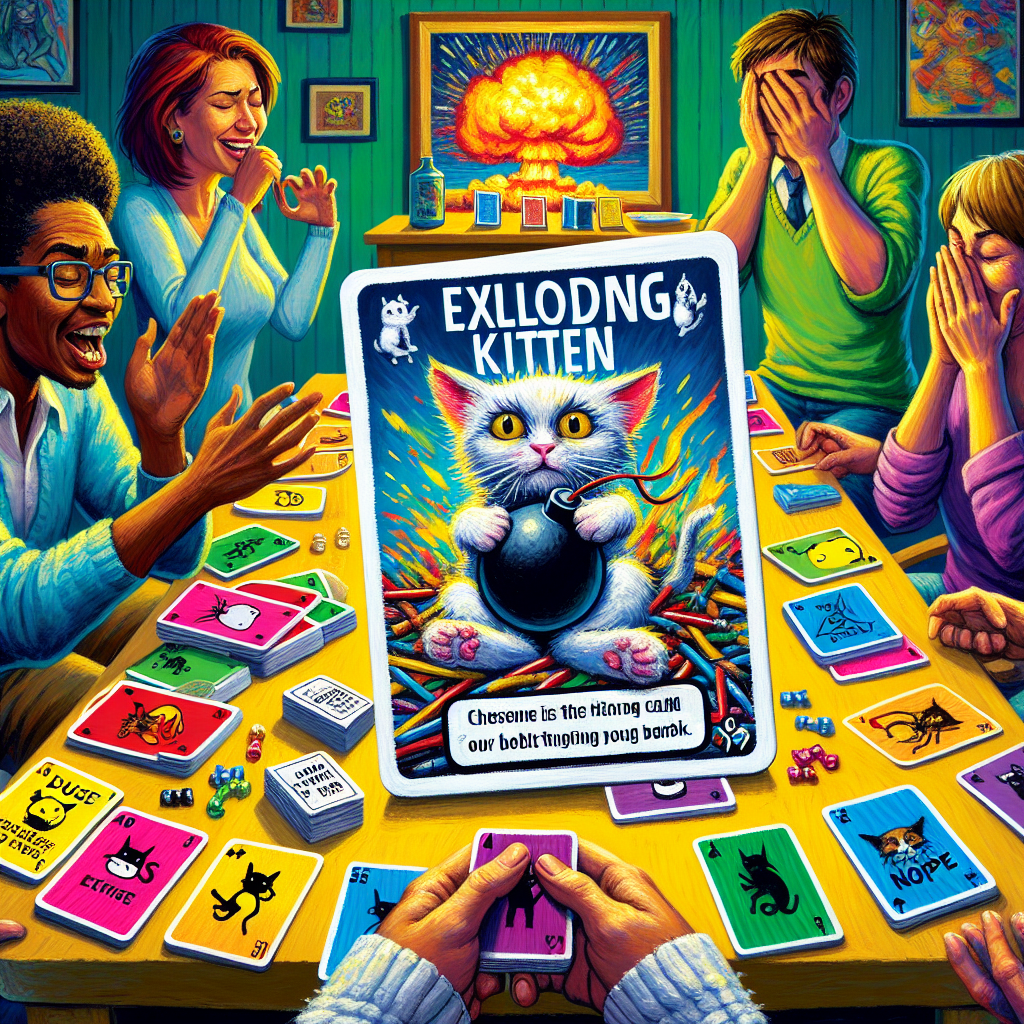
In a world buzzing with screens and distractions, there’s something utterly magical about a simple card game. Picture this: a table strewn with a haphazard array of colorful cards, laughter bubbling like a fine soda, and a mix of generations gathered around, weaving stories as old as time while creating new memories. Card games have this uncanny ability to bridge gaps, connect hearts, and ignite conversations that might otherwise never happen.
Let’s be honest, family gatherings can sometimes feel a bit awkward, especially when everyone is waiting for the next big thing to happen. But toss a deck of cards into the mix, and you’ve got a recipe for spontaneity and connection. Whether it’s the seasoned wisdom of grandpa or grandma, the mischievous giggles of kids, or the reluctant participation of a teen plugged into their phone, card games can draw everyone in. Suddenly, the card table transforms from an ordinary piece of furniture into a vibrant community hub where age-old strategies clash with youthful energy.
There’s a certain beauty in the simplicity of a card game: it’s accessible, it requires no fancy equipment, and any number of players can join. A round of Uno can spark joy, while a game of poker might lead to some friendly rivalry — there’s room for everyone. For families juggling diverse ages, card games can level the playing field. The rules are often easy to learn, allowing young and old to partake on equal footing. And let’s not forget the inevitable banter that accompanies game night; it’s like a secret recipe for bonding that’s been passed down through generations.
Engaging in a card game encourages communication beyond the standard “How was school?” or “What’s new at work?” You’ll find yourself sharing stories, strategizing against one another, and perhaps uncovering surprising sides of your family members. Those easy laughs and unexpected moments of teamwork foster a spirit of unity — a sensation that, despite our differences, we’re all in this together.
So, if you’re searching for a way to knit your family closer, think about setting aside those devices and pulling out a good old-fashioned deck of cards. The next time your family is gathered, kick off a card game and watch as barriers dissolve and laughter takes center stage. You might find that in those moments around the table, you’re not just playing a game; you’re building connections that can last a lifetime.

Can Card Games Bring Families Of Different Ages Together?
Can Card Games Bring Families Of Different Ages Together?
- Card games create a magical atmosphere filled with laughter and storytelling among generations.
- They can ease the awkwardness of family gatherings and help foster spontaneity and connection.
- Card games bring together diverse age groups, making everyone feel included and engaged.
- The simplicity of card games means they require no fancy equipment and can accommodate any number of players.
- Playing card games encourages meaningful conversations and deeper connections beyond typical family questions.
- Friendly competition and teamwork during card games promote a sense of unity among family members.
- Setting aside devices for a card game can dissolve barriers and build lasting connections within the family.

Can Card Games Bring Families Of Different Ages Together?
What Types Of Card Games Are Best For Mixed Generations?
In a world thick with gadgets and gizmos, it’s a pleasure to stumble upon something timeless: a good ol’ card game. There’s something about a deck of cards that transcends age, pulling families together from every corner of the generation spectrum. You see, a card game isn’t just a pastime; it’s a bridge that crosses the gaps formed by time and technology. Whether you’re gathering around the kitchen table or curling up on the couch, the right card game can spark laughter, storytelling, and a healthy dose of competition.
So, what makes a card game suitable for mixed generations? First, you want to look for games that balance simplicity and depth. Take Uno, for example. This classic is easy to grasp, making it accessible for the kiddos, while still throwing in a few twists that keep even the grandparents on their toes. There’s nothing quite like the shriek of joy from a five-year-old drawing a “wild card” at just the right moment to turn the tide, coupled with the light-hearted grumbling from Grandpa as he struggles to keep up with the wild chaos of it all.
Next up is Go Fish. You might think, “That’s for kids!” Sure, it’s simple and often played by younger folks, but it’s an excellent gateway game that can lead to deeper conversations while teaching kids about strategy and patience. Plus, it’s an excellent opportunity for the family to recount stories of “When I was your age…”—the kind of anecdotes that pass on wisdom and laughter alike.
And let’s not forget old-school favorites like Rummy or Crazy Eights. These games offer enough strategy to keep older players engaged while still being friendly enough for younger generations. Plus, they allow for bonding over moments of triumph or mischief, where everyone can poke a little fun at that one cousin who’s always trying to sneak a peek at the cards.
Finally, for those looking for a bit of extra flair, consider teaching them a fun trick-taking game like Hearts or even Spades. It’s a chance to show off a few skills, and there’s nothing quite as satisfying as slinging that winning card down on the table, leading to cheers, groans, and hearty conversations that keep those connections flowing.
So gather your loved ones, shuffle a deck, and begin crafting not just memories, but a tapestry of shared experiences that ties every generation together with the simple flick of a wrist and the thrill of competition. It’s time to bring the family together—one dealt hand at a time.

What Types Of Card Games Are Best For Mixed Generations?
What Types Of Card Games Are Best For Mixed Generations?
- Card games are timeless, providing a shared activity that bridges generational gaps.
- They foster family bonding through laughter, storytelling, and competition.
- A suitable card game for mixed generations should balance simplicity and depth.
- Uno is a classic example, easy for kids but engaging enough for older players.
- Go Fish, while perceived as a children’s game, encourages strategy and storytelling.
- Old-school games like Rummy and Crazy Eights keep older players engaged while being simple for younger ones.
- Trick-taking games like Hearts or Spades add excitement and enhance family connections through shared skills and playful competition.

What Types Of Card Games Are Best For Mixed Generations?
How Do Card Games Promote Communication Among Family Members?
There’s something undeniably special about gathering around the table with a deck of cards in hand. It’s not just the thrill of the game, but the conversations that unfold—often in the most unexpected ways. Card games have this unique ability to break down barriers and spark connection, reminding us of the simple joys of shared time.
When families come together for a game of Crazy Eights or Poker, they’re unknowingly engaging in a rich tapestry of communication. Have you ever noticed how the stakes seem to rise not just with the number of points on the table, but with the chatter and laughter that bounces around the room? Take a moment to observe—while one person is plotting their next move, another is recounting a hilarious childhood story that adds color to the evening. Every round played unfolds opportunities for sharing experiences, encouraging dialogue, and even a bit of playful banter.
For many, family game nights become a cornerstone of bonding. Parents and teenagers find a common ground where the pressure of daily life slips away, allowing genuine conversations to emerge. “How was school today?” might open up a discussion that reveals interests in art, music, or even challenges at school that a parent might never have known about. It’s amazing how a simple game can facilitate such essential conversations.
Card games also teach invaluable lessons in teamwork and empathy. As players work to strategize together or even to tease out each other’s weaknesses, they learn to communicate in ways that rely on subtlety and understanding. “Do I bluff, or do I play it straight?” becomes more than a question about cards; it’s a reflection of how we interact in life. “Can I trust what they are saying?” mirrors our real-world relationships, pushing us to trust and validate one another’s feelings, even when the chips are down.
Beyond the thrills of victory or the lessons learned in defeat, playing a card game with family becomes a cherished ritual. It invites everyone to unplug from the relentless distractions of modern life, fostering an environment enriched with laughter, support, and connection. So crack open that deck, shuffle those cards, and watch as the magic of communication unfolds—one hand at a time.

How Do Card Games Promote Communication Among Family Members?
How Do Card Games Promote Communication Among Family Members?
- Gathering around the table with cards fosters connection and conversation.
- Card games can break down barriers and encourage sharing of experiences.
- Family game nights provide a context for genuine conversations.
- Simple games like Crazy Eights or Poker help families bond and share stories.
- Card games teach teamwork, empathy, and subtle communication.
- The questions during games reflect real-life interactions and trust-building.
- Playing cards together becomes a cherished ritual that promotes laughter and support.

How Do Card Games Promote Communication Among Family Members?
Can Competitive Card Games Cause Conflict In Families?
Gather ‘round the table, folks, and pull out that dusty deck of cards. It’s game night, and there’s a buzz in the air—an electric mix of excitement and a hint of tension. You know what I’m talking about. Card games have held a special place in family gatherings for generations. They’re the backdrop for laughter, banter, and sometimes, let’s be honest, a smidge of rivalry. But can that friendly competition morph into something more? Sure, it can, but it doesn’t have to.
Take a look at your own family. Are your game nights a chance to unwind, a battlefield of wit and skill, or a recipe for conflict? As soon as someone plays that unexpected card, you might hear the familiar refrain: “Oh come on, that wasn’t fair!” It’s not just a card game anymore; it’s a whole episode of “who’s got good judgment and who doesn’t?” Unpacking those emotions can be a lot like shuffling a deck—sometimes, you get a full house; other times, you end up losing half the family.
The heart of the matter lies in the stakes we assign to these games. When fun turns into fierce competition, it’s easy to lose sight of why we’re gathered in the first place. Studies show that playing games can strengthen family bonds and foster a sense of belonging. Yet, if the playful spirit fizzles, it’s a slippery slope. Children may start to perceive winning as paramount, leading to tension. Watchful parents know the difference between healthy competition and the sort that leads to sulking and sniping.
So, how do we navigate this delicate terrain? Start by setting the stage for fun. Emphasize the joy of playing a card game rather than the allure of victory. Consider incorporating house rules that promote fairness and inclusivity. Encourage everyone to take a turn as a ‘game master’ to keep things fresh and balanced. And remember: sometimes it’s okay to lose with style.
At the end of the day, a card game should be more than just a contest—it should be a connector. As you deal those cards, remind yourself of the real prize: shared experiences and a few hearty laughs. Because when it comes down to it, family is the only game that truly matters. So spread the good vibes around that table, and let the chips fall where they may!

Can Competitive Card Games Cause Conflict In Families?
Can Competitive Card Games Cause Conflict In Families?
- Game nights are a traditional family activity filled with excitement and tension.
- Card games often lead to laughter, banter, and occasional rivalry among family members.
- Friendly competition can sometimes escalate into conflicts, impacting family dynamics.
- The emotional stakes of the game can overshadow the original intent of fun and bonding.
- Healthy competition is vital; children should learn that enjoyment is more important than winning.
- To foster a positive atmosphere, emphasize enjoyment, fairness, and inclusivity in game rules.
- The true prize of card games is the shared experiences and laughter, strengthening family bonds.

Can Competitive Card Games Cause Conflict In Families?
What Strategies Can Enhance Bonding During Card Game Sessions?
Gather ‘round, folks! There’s something truly magical about sitting down with a deck of cards and a handful of friends or family. It’s not just about shuffling the deck to see who has the best hand; it’s about laying the foundation for unforgettable moments and strengthening those vital connections. So, what strategies can turn your standard card game into an unforgettable bonding experience? Let’s dive in!
First and foremost, set the stage for a relaxed atmosphere. You could have a fancy table with the best poker chips, but what good is that if everyone’s tense? Create an inviting environment—think cozy lighting, comfy seating, and maybe even some snacks that encourage sharing. When everyone feels at ease, you’ll be surprised at how quickly laughter and camaraderie can fill the air.
Next, consider mixing up the card games you play. A little variety goes a long way. Whether it’s a classic round of Rummy, a high-stakes poker game, or a lighthearted round of Uno, switching it up not only keeps the excitement alive but also invites everyone to showcase their skill sets. Remember, it’s not just about the competition—it’s about inclusivity. Make sure to choose games that everyone can participate in, ensuring no one feels left out. This shared experience fosters a sense of belonging that’ll stick around long after the last card has been played.
But let’s not overlook the power of storytelling. As cards are played, encourage each player to share fun anecdotes or personal stories. Perhaps you can ask, “What’s your most memorable card game moment?” or “Have you ever pulled a slick move and outsmarted your opponent?” These stories act as tendrils of connection, drawing the players closer as they share laughs, surprises, and even a few playful jabs.
Finally, embrace the spirit of healthy competition. Yes, games can get intense, but keeping the mood light and playfully competitive is key. One smart trick is to throw in some funny side bets—loser does the dishes, or winner gets to choose the next film—this injects humor into your sessions, ensuring everyone’s in it for the fun, rather than the frustration.
So, gather your peeps, shuffle that deck, and unleash your card game creativity. With the right strategies, you’re not just playing a game—you’re forging lasting bonds that turn fleeting evenings into cherished memories. Grab those cards, and let the good times roll!

What Strategies Can Enhance Bonding During Card Game Sessions?
What Strategies Can Enhance Bonding During Card Game Sessions?
- Create a relaxed atmosphere with cozy lighting, comfortable seating, and shared snacks.
- Incorporate a variety of card games to keep excitement alive and encourage participation.
- Focus on inclusivity, ensuring all players feel involved and engaged in the games.
- Encourage storytelling during games to foster connections and share memorable experiences.
- Maintain a light-hearted, playful competitive spirit to keep the mood enjoyable.
- Add humorous side bets to enhance fun and ensure the focus is on enjoyment, not frustration.
- Emphasize the importance of bonding and creating lasting memories through shared gameplay.

What Strategies Can Enhance Bonding During Card Game Sessions?
How Can Card Games Facilitate Learning Between Generations?
Picture this: a rainy afternoon with clouds heavy in the sky. The modern world feels a million miles away as you gather round a sturdy table with your family, a deck of cards spread out before you. Here’s the good news—the humble card game is more than just a source of entertainment; it’s a bridge between generations, a chance to foster connection that transcends age.
Think about it. Every time a group of eager players shuffles a deck of cards, they’re not just embarking on a game; they’re diving into a shared experience that opens doors to stories, strategies, and life lessons. Card games invite you to slow down, laugh, and sometimes even let out a groan when you draw that dreaded card. With every hand dealt, there’s a unique opportunity for younger players to engage with their elders—not just as players, but as learners absorbing wisdom through the subtle art of gameplay.
This is where the real magic happens. As you play, those elderly hands that might tremble ever so slightly begin to shuffle memories, lessons, and life skills into the mix. It’s in these interactions that younger generations learn critical thinking, patience, and resilience. Each round of a card game offers more than just a chance to win; it’s a lesson in strategy and decision-making. “Should I play the Queen of Hearts or save it for later? What will the consequences be?” Such questions sow the seeds of analytical skills that will benefit young minds long after the last card is played.
And let’s not overlook the value of storytelling. Every card game is accompanied by anecdotes from the players’ past—the first time they learned to play, their biggest win (or loss), or a celebration over homemade snacks that might still make your mouth water. These narratives serve as a context for understanding resilience and the inevitability of ups and downs, both in games and life.
So, the next time you pull out a pack of cards, know that you’re not just keeping a tradition alive; you’re nurturing a bond that can transcend the generational gap. You’re encouraging creativity, critical thinking, and—most importantly—establishing a connection that invites trust and confidence. Go ahead, shuffle those cards and make a move; the learning and laughter will follow naturally. In every game, there’s a story, and every story brings us closer together.

How Can Card Games Facilitate Learning Between Generations?
How Can Card Games Facilitate Learning Between Generations?
- A rainy afternoon sets the stage for family bonding over card games.
- Card games serve as a bridge between generations, fostering connection and communication.
- Playing cards encourages shared experiences, storytelling, and life lessons.
- Younger players learn critical skills such as strategy, patience, and resilience through gameplay.
- Each game offers opportunities for analytical thinking and decision-making.
- Storytelling during games provides context for understanding life’s ups and downs.
- Engaging in card games nurtures trust, creativity, and intergenerational ties.

How Can Card Games Facilitate Learning Between Generations?
What Role Do Family Traditions Play In Card Game Choices?
When it comes to leisurely evenings spent around the table, one cannot underestimate the role of family traditions in shaping our card game choices. Picture this: the flickering glow of soft lights, the aroma of snacks wafting through the air, and the joyful laughter of loved ones all coming together to share a moment. Here, the right card game isn’t just a pastime; it’s a bridge to cherished memories and a tapestry of shared experiences.
Family traditions often dictate which card games we gravitate toward. For many, it’s that well-worn deck handed down through generations. Perhaps it’s the same set that your parents played with; the cards are a bit frayed at the edges, but the nostalgia they carry is priceless. These traditions aren’t merely about the games themselves; they represent connections, stories, and sometimes even rivalries that have unfolded over years, creating a rich backdrop for our selection.
Consider the card games that make their way to your family gatherings. It’s likely that certain games symbolize special occasions—maybe around the holidays, you pull out the rummy deck, while summer barbecues see a frenzied round of Uno. Such choices aren’t arbitrary; they are reflective of shared rituals that create a warm cocoon of familiarity. When you sit down to play, it’s not just about strategy or winning—it’s about being part of something larger than yourself. You’re engaging in a legacy.
Perhaps you recall a favorite card game you played with your grandparents or that late-night poker rivalry with your siblings. Those moments evoke feelings of joy, laughter, and perhaps some light-hearted banter. These shared experiences affirm our connections to one another and deepen family bonds, all while enjoying a good card game.
So, as you ponder your next card game selection, take a moment to consider the traditions that surround it. Embrace those engaging pastimes that have stood the test of time; they’re as much a part of your family narrative as the names and faces around the table. Not just games, these are the rituals that remind us of who we are, where we come from, and the unbreakable ties that keep us together even through those playful card game rivalries. That, my friends, is where the magic happens.

What Role Do Family Traditions Play In Card Game Choices?
What Role Do Family Traditions Play In Card Game Choices?
- Family traditions significantly influence card game choices during leisurely evenings.
- A cozy atmosphere enhances the experience with lights, snacks, and joyful laughter.
- Well-worn decks passed down through generations carry priceless nostalgia and connections.
- Certain games symbolize special occasions, reflecting family rituals and shared memories.
- Playing card games goes beyond strategy; it’s about engaging in a family legacy.
- Memorable moments from card games strengthen family bonds and deepen connections.
- Choosing a card game can evoke a sense of identity and reinforce unbreakable family ties.

What Role Do Family Traditions Play In Card Game Choices?
Conclusion
As we wrap up this exploration of how the humble deck of cards can bridge the sometimes dizzying gap between generations, it’s clear that these games are more than mere pastimes. They are catalysts for connection. Picture a family gathering, where the air is thick with laughter, jabs, and friendly rivalries. At the center? A card game drawing together grandmas recounting tales of old, teenagers flashing their phone screens, and everyone in between.
Card games, in all their simple glory, have an extraordinary knack for dissolving the barriers that age can create. When Grandma sits beside her teenage grandchild, teaching her the ins and outs of Rummy or Poker, something magical happens: walls come down, stories flow, and bonds strengthen. The beauty lies not just in the rules or the strategies, but in the shared experiences that unfold around that table. Each card played is accompanied by laughter and sometimes even a little friendly trash talk. It’s the storytelling that becomes the real treasure—an exchange of lessons, memories, and life skills.
These games foster communication in ways that a simple chat over dinner rarely does. While playing, families move beyond the small talk of “How was school?” to deeper conversations filled with anecdotes and emotional nuances. Card games encourage us to strategize, negotiate, and collaborate, teaching us invaluable lessons about trust, patience, and resilience along the way.
Yet, let’s be real—card games are not without their potential pitfalls. Heated competition can transform a friendly gathering into a battleground if the stakes rise too high. The key is to maintain a spirit of playful camaraderie. When everyone remembers that the goal is shared laughter rather than just victory, the experience becomes a powerful tool to enhance connections.
So, the next time you find yourself at a family gathering, take a moment to set aside the screens. Dust off that deck of cards and invite everyone to join in. Pour some snacks, gather around the table, and feel the magic unfold as laughter erupts and stories are shared. It’s amazing how one simple act can unravel the threads that have separated generations, weaving them back together. In the end, it’s about more than just the cards; it’s about creating a tapestry of memories that will echo through generations to come. The challenge is not in playing the game but in embracing the experience. So shuffle that deck, deal the cards, and let the connections begin!

Conclusion
Conclusion:
- Card games serve as catalysts for connection between generations during family gatherings.
- They dissolve age-related barriers, fostering interactions between grandparents and grandchildren.
- Playing card games encourages storytelling, sharing experiences, and strengthening bonds.
- Card games promote deeper conversations and emotional exchanges beyond typical small talk.
- They teach important life skills such as trust, patience, and resilience through strategy and collaboration.
- Maintaining a spirit of playful camaraderie is crucial to avoid turning friendly competition into conflict.
- Engaging in card games can create lasting memories that connect family members across generations.

Conclusion
Other Resources

Other Resources
Here is a list of other resources you can review online to learn more:
- Tom Vasel’s The Dice Tower
- Hearts
- Kotaku
- Days of Wonder
- DriveThruRPG
- Polygon
- Dominion: Prosperity (Second Edition)
- Love Letter
Use This Prompt To Get More Resources With Your Favorite Online AI Tool: Please provide me with a list of online articles with their URLs in a bulleted list that I can read regarding Can Card Games Abolish Generation Gaps In Extended Families?
Other Resources
Glossary Terms
Can Card Games Abolish Generation Gaps In Extended Families? – Glossary Of Terms
1. Card Games: Games played with a deck of cards, often involving strategy, luck, and skill, which can foster interaction among players.
2. Generation Gap: The difference in opinions, values, and experiences between older and younger generations, often leading to misunderstandings.
3. Extended Family: A family structure that includes not only immediate family (parents and children) but also relatives such as grandparents, aunts, uncles, and cousins.
4. Social Interaction: The process by which individuals engage with one another, facilitating relationship development and understanding.
5. Engagement: The level of involvement and participation individuals have in an activity, such as playing a card game.
6. Cohesion: The bond and unity that can develop among family members through shared activities and experiences.
7. Tradition: Customs and practices that are passed down through generations, which can be reinforced or adapted through family card games.
8. Cooperative Play: A style of playing together where players work as a team, enhancing teamwork and communication between generations.
9. Skill Development: The improvement of cognitive, social, and strategic skills through regular participation in card games.
10. Interpersonal Communication: The exchange of information and feelings between individuals, crucial for understanding and bridging generation gaps.
11. Shared Experience: Moments that are enjoyed together, which can strengthen family ties and create lasting memories.
12. Adaptability: The ability to adjust strategies and approaches, particularly important for younger players learning from older generations.
13. Nostalgia: A sentimental longing for the past, often experienced when playing traditional card games familiar to older generations.
14. Family Dynamics: The patterns of interaction and relationships among family members, which can be positively influenced through joint activities.
15. Cultural Heritage: The traditions and values inherited from previous generations, which can be explored and shared through family games.
16. Inclusivity: The practice of making activities accessible to all family members, regardless of age or experience levels.
17. Fun: The enjoyment derived from playing games, which serves as a motivator for family members to engage with one another.
18. Strategy: The plan of action utilized in games, requiring critical thinking and discussion among players of different ages.
19. Teaching Moments: Opportunities that arise in gameplay where older members can impart knowledge or values to younger generations.
20. Conflict Resolution: The methods used to resolve disagreements that may arise during gameplay, fostering understanding and compromise.
21. Patience: The ability to wait without frustration, an essential quality developed while playing games with varying skill levels.
22. Memory: The ability to recall rules, strategies, and past game outcomes, which can play a significant role in a player’s success and enjoyment.
23. Cognitive Skills: Mental capabilities involved in acquiring knowledge and understanding, which can be enhanced through strategic card games.
24. Relaxation: The state of being free from tension and anxiety, which family card games can promote, creating a comfortable environment for engagement.
25. Perspective: The way individuals see and interpret situations, which can broaden through interactions with diverse age groups in game contexts.
26. Communication Styles: The various ways individuals convey messages, which can differ across generations but may be harmonized through gameplay.
27. Empathy: The ability to understand and share the feelings of others, cultivated through cooperative engagement in games.
28. Mentorship: The guidance provided by older family members to younger ones, often exemplified in a card game setting.
29. Bonding: The process of forming connections and relationships, particularly strengthened through shared activities like playing cards.
30. Lifelong Learning: The ongoing, voluntary, self-motivated pursuit of knowledge for personal or professional development, encouraged through intergenerational play and interaction.
These terms provide a foundational understanding of how card games can potentially bridge the generation gap in extended families by encouraging communication, connection, and mutual understanding.

Glossary Of Terms
Other Questions
Can Card Games Abolish Generation Gaps In Extended Families? – Other Questions
If you wish to explore and discover more, consider looking for answers to these questions:
- What specific card games are best for fostering connections among different generations?
- How can card games help improve communication skills within families?
- Are there any tips for managing conflicts that arise during competitive card games?
- What are some common family traditions associated with specific card games?
- How often should families play card games to maintain strong connections?
- What benefits do card games provide beyond just entertainment?
- Can playing card games lead to improved emotional intelligence among family members?
- How do different cultures incorporate card games into family gatherings?
- What are the psychological effects of playing card games on family bonds?
- How can parents encourage their children to engage in card games instead of screen time?

Other Questions
Haiku
Can Card Games Abolish Generation Gaps In Extended Families? – A Haiku
Cards in hand, hearts close,
Generations unite, laugh—
Timeless tales unfold.

Haiku
Poem
Can Card Games Abolish Generation Gaps In Extended Families? – A Poem
Bridging Generations: A Card Game’s Embrace
Gather round the table, where laughter fills the air,
A deck of cards lies waiting, with stories we can share.
From Grandma’s cherished memories of games played long ago,
To teens with smartphones dimmed, who’ve much to learn and grow.
In simple acts of playing, we find the ties that bind,
As old meets new in strategy, and wisdom is defined.
Every hand dealt is a moment, a bridge across the years,
Where giggles mix with tales of triumph, and also with our fears.
The games may seem so basic, just cards upon a floor,
But under each bright flicker, there’s so much to explore.
With Uno’s wild excitement or Rummy’s gentle grace,
We weave a tapestry of kindness, laughter, and embrace.
Communication flows like rivers, as strategies unfold,
In playful jabs and banter, even secrets are retold.
“How was school?” turns into laughter, and childhood tales ignite,
In the magic of connection, the tension fades from sight.
Yet beware the heat of rivalry, for stakes can rise too high,
Remember it’s the love that matters, not just who wins or sighs.
So let us play with joy and spirit, embrace the friendly game,
For in moments spent together, it’s family we reclaim.
The cards may shuffle stories, within every single play,
Creating bonds unbreakable that time cannot decay.
With each dealt hand, a lesson, with laughter to be earned,
For in the heart of family, it’s connection that we yearn.
So next time you gather, set aside your screen,
Bring forth that deck of cards, let love and laughter gleam.
In games spent with each other, a legacy we weave,
For through the joy of card games, we truly can believe.

Poem
Checklist
Can Card Games Abolish Generation Gaps In Extended Families? – A Checklist
Checklist for Bridging Generational Gaps Through Card Games
This checklist serves as a guide to help families use card games as a tool to foster connection and communication across different generations. Follow these steps to enhance your card game experiences and create lasting memories!
Preparing for Card Game Night
1. Gather a Variety of Card Games
_____ Include classics like Uno, Go Fish, Rummy, Poker, Crazy Eights, Hearts, and Spades.
2. Set Up an Inviting Space
_____ Arrange comfortable seating around a well-lit table.
_____ Include cozy lighting and have snacks on hand to encourage sharing.
3. Put Away Distractions
_____ Ensure that mobile devices and screens are put aside to maintain focus on the game and each other.
4. Establish Clear Expectations
_____ Encourage a collaborative spirit rather than a competitive one to highlight fun over winning.
Enhancing Bonding During the Game
5. Share Stories
_____ Invite players to share anecdotes related to past games or childhood memories while playing.
6. Encourage Participation
_____ Explain rules in a way that makes everyone feel included, irrespective of age or experience.
7. Mix Up the Games
_____ Rotate through different games to keep the energy high and engage different skill sets.
8. Create House Rules
_____ Consider implementing fun house rules that promote fairness and inclusivity.
Strategies for Effective Communication
9. Ask Open-Ended Questions
_____ Use prompts like “What’s your most memorable game moment?” to deepen conversation.
10. Facilitate Teamwork
_____ Pair younger players with older ones to help build a sense of unity through cooperative play.
11. Promote Empathy and Understanding
_____ Use gameplay scenarios to open discussions about life skills and lessons learned.
12. Keep the Atmosphere Light
_____ Introduce humor and friendly banter to dissolve tension and ensure everyone enjoys the experience.
Reflecting on the Experience
13. Debrief After Games
_____ Share thoughts on the gameplay and important takeaways to reinforce learning.
14. Make it a Tradition
_____ Incorporate card games into regular family gatherings to establish a tradition that strengthens bonds.
15. Capture Memories
_____ Consider taking pictures or journaling about your game nights to create a family record.
Embracing Family Traditions
16. Honor Family Legacy
_____ Choose card games that have significance in your family history, sharing their stories and meanings.
17. Create New Rituals
_____ Encourage the development of new traditions around card games to foster engagement and inclusivity.
Implementing this checklist during your card game nights can create an environment that bridges generational gaps and encourages lasting connections. Enjoy the playing and the bonding!

Checklist
At CardGameNews, we help people who love card games by collating information and news about card games.
Be sure to read our other related stories at CardGameNews to learn more about card games.


