Uncovering The Origins Of Boozy Card Games
By Tom Seest
At CardGameNews, we help people who love card games by collating information and news about card games.
Be sure to read our other related stories at CardGameNews to learn more about card games.
What Is The History Of Drinking Card Games?
When you peel back the layers of culture and tradition, one finds that drinking card games are as old as the hangovers they inspire. It’s a curious intersection of gameplay and libation, a recipe for memorable nights and unexpected alliances. But how did we arrive at these spirited pastimes we enjoy today?
The origins can be traced back centuries, to a time when social bonds were forged around wooden tables, flickering candlelight, and a common jug of something fermented. The 15th century saw the rise of playing cards in Europe, with many games involving stakes or wagering. But as any good host will tell you, a bit of booze can elevate even the most mundane card match into a night for the ages.
During the Middle Ages, drinking was not merely a pastime; it was often considered a necessity. People drank to ease the grueling daily grind of life, much as we do today. It wasn’t long before cards entered the scene as a form of entertainment, seamlessly merging with this newfound thirst. The combination birthed a slew of games that encouraged the clinking of glasses and the guffaws of friends gathered ’round.
Fast forward to the 19th century, where the American frontier saw a unique evolution of these card games. As pioneers pushed westward, saloons became the heart of community life. Dramatic stories of the Wild West often depict cowboys leaning over poker tables, but few realize that drinks were not just served; they were integral to the game. A misplayed hand could cost you more than just your pride; it could lead to a rapid descent into the bottle.
The 20th century brought about a renaissance of drinking card games, as college students and the counterculture movement embraced them as rites of passage. Titles like “Kings” and “Circle of Death” became staples at college parties, evolving into testaments of camaraderie and youthful rebellion. As these games spilled out from private parties into popular culture, they got a makeover, incorporating everything from pop music to memes, allowing for a new generation to partake in this age-old tradition.
Today, whether it’s a humble deck pulled from a dusty drawer or a high-tech app enjoyed in a crowded bar, drinking card games are here to stay. They remind us that history is not just about the past; it’s also about the connections we create in the present. So, the next time you shuffle some cards with a beverage in hand, you’re not just playing a game. You’re honoring a tradition that spans continents and centuries, one laugh—and one drink—at a time.

What Is The History Of Drinking Card Games?
What Is The History Of Drinking Card Games?
- Drinking card games date back centuries, blending social interaction with libation.
- Origins trace to 15th century Europe, where card games often involved stakes and wagering.
- During the Middle Ages, drinking was essential for easing daily hardships, leading to the combination of cards and libations.
- The 19th century saw a unique evolution on the American frontier, where saloons became community hubs with gambling and drinking intertwined.
- The 20th century marked a renaissance in these games, especially among college students and counterculture movements.
- Popular games like “Kings” and “Circle of Death” became symbols of camaraderie and youthful rebellion.
- Today, drinking card games continue to thrive, connecting past traditions with present social experiences.

What Is The History Of Drinking Card Games?
Table Of Contents
- What Is The History Of Drinking Card Games?
- What Are The Origins Of Drinking Card Games?
- How Did Drinking Card Games Evolve?
- What Cultures Influenced Drinking Card Games?
- What Are Some Popular Historical Drinking Card Games?
- How Did Social Gatherings Impact Drinking Card Games?
- What Role Do Drinking Card Games Play In Modern Society?
- How Have The Rules Of Drinking Card Games Changed Over Time?
- What Are Common Themes In Drinking Card Games Throughout History?
- How Do Drinking Card Games Vary Across Different Regions?
- What Are The Effects Of Drinking Card Games On Social Interaction?
- Conclusion
- Other Resources
- Glossary Of Terms
- Other Questions
- Haiku
- Poem
- Checklist
What Are The Origins Of Drinking Card Games?
As we dive into the delightful chaos of drinking card games, it’s essential to trace back to their roots—a journey through time that reveals a cocktail of culture, tradition, and, of course, a good measure of revelry. Long before the intricacies of Kings, Asshole, or Flip Cup graced our living rooms, card games were a staple of social interaction, often used to bring folks together for light-hearted competition and laughter.
The origins of card games date back to medieval China, where playing cards first emerged in the 9th century. Initially crafted from paper and adorned with exquisite designs, these cards quickly spread like wildfire across Asia and eventually made their way to Europe by the late 14th century. As they morphed through myriad variations, the simple pastime took on a spirited twist—where folks decided that winning or losing could be a bit more… intoxicating.
Over the years, drinking and card games formed an inseparable bond, rooted in social customs of celebration and camaraderie. In the taverns of Europe, where the sound of laughter and clinking glasses echoed through dimly lit rooms, games of chance became intertwined with libations. Whether it was beer, wine, or spirits, the consumption of alcohol became a natural part of the gaming experience. After all, what could enhance the thrill of bluffing and strategy more than a few rounds of drinks?
Drinking card games often served as more than mere entertainment; they were a vehicle for forging connections, breaking the ice among strangers, or strengthening bonds between friends. Each game had its own set of rules and rituals, many of which borrowed from established card games, adding layers of complexity—or perhaps a hint of absurdity. This adaptability was key; as they traveled from tavern to tabletop, these games picked up variations and local flavor, becoming a personal tradition for countless groups of friends.
Fast forward to today, and drinking card games have evolved into a vibrant aspect of party culture, fuelled by the desire for shared laughter and memorable moments. Whether played around a campfire or in the comfort of a living room, these games echo the ancient social gatherings where camaraderie was brewed alongside good times. The next time you shuffle a deck in pursuit of a good buzz, remember that you’re part of a timeless tradition, one card flip at a time.

What Are The Origins Of Drinking Card Games?
What Are The Origins Of Drinking Card Games?
- Drinking card games blend culture, tradition, and revelry, tracing roots back to social interactions formed around light-hearted competition.
- Originating in medieval China during the 9th century, playing cards first emerged crafted from paper with intricate designs.
- Cards spread across Asia and reached Europe by the late 14th century, evolving into diverse variations that incorporated drinking elements.
- Drinking and card games became linked in European taverns, combining social customs of celebration with gaming, enhancing enjoyment.
- These games serve as a means to forge connections, break the ice among strangers, and strengthen friendships through unique rules and rituals.
- Adaptable in nature, drinking card games have evolved with local flavors, creating personal traditions across diverse social groups.
- Today, they represent a vibrant aspect of party culture, continuing the legacy of ancient social gatherings filled with laughter and camaraderie.

What Are The Origins Of Drinking Card Games?
How Did Drinking Card Games Evolve?
When you think of drinking card games, the mind often conjures up images of raucous gatherings, laughter spilling out into the night, and cards whipping across tables as the tension and stakes rise. But peel back that layer of modern revelry, and what you’ll find is a rich tapestry woven from the threads of cultural history, human social interaction, and, of course, a love for a good drink.
These games didn’t simply spring forth from the ether; they evolved over centuries, shaped by societal norms and the changing face of entertainment. Historical evidence suggests that card games trace back to ancient China, with the emergence of playing cards around the 9th century. But it wasn’t until the Europeans got their hands on the deck, somewhere in the 14th century, that games began to take on the drinking component we know and love today.
As different cultures began to adopt card games, the concept of “informal wagering” became more popular. The combination of camaraderie and the consumption of alcohol created the perfect storm for the development of drinking games. In pubs and taverns, where the laughter was loud and the drinks flowed freely, hosts and patrons alike started creating rules that forced players to take a swig in response to in-game actions. It was a simple leap: when you lost a round, you took a drink, turning the stakes up a notch and enticing everyone to reach deeper into their cups.
Fast forward a few centuries, and the drinking card game landscape exploded. No longer confined to the rustic charm of a local tavern, players began to concoct elaborate games with unique rules, some of which blended the old with the new. Enter the raucous spirit of the 20th century, where iconic titles like Kings and President took form, bringing with them an adrenaline-fueled competition that echoed the heartbeat of a generation.
The rise of the internet and social media catapulted these games into a new era, spawning dozens of variations that can be played with friends, many of whom are states and continents apart. Online platforms became the meeting ground for card sharks and casual players alike, proving that the desire to connect over a drink and a card table transcends barriers.
In a world that often feels divided, drinking card games remind us of the simple pleasures—friendship, laughter, and the communal spirit found in a well-played hand. So next time you shuffle a deck, know that you’re part of a long and storied tradition, where each sip brings you closer to centuries of camaraderie.

How Did Drinking Card Games Evolve?
How Did Drinking Card Games Evolve?
- Drinking card games evoke images of lively gatherings and increased tension.
- These games have a historical lineage tracing back to ancient China in the 9th century.
- The European adaptation in the 14th century introduced the drinking component to card games.
- Informal wagering became popular as different cultures embraced card games.
- In pubs, rules were created to encourage drinking in response to gameplay actions.
- The 20th century saw a surge in drinking card games like Kings and President, reflecting the era’s spirit.
- The rise of the internet has allowed variations of these games to flourish, connecting players globally.

How Did Drinking Card Games Evolve?
What Cultures Influenced Drinking Card Games?
When it comes to drinking card games, the cocktail of culture is as rich and diverse as the drinks themselves. Rooted in social traditions, these games have sprouted up across the globe, each with its own flavor, history, and communal spirit. The influence of culture on drinking card games is akin to layering ingredients in a fine brew—each element contributes to an experience that is more than just the sum of its parts.
Let’s start in Europe, where taverns have long served as the epicenters of social engagement. From the British pub, with its jovial raucousness, comes the enduring favorite, “Kings.” This game, often requiring players to draw cards that dictate various actions, embodies the quintessential British wit and camaraderie. In contrast, the Germans brought forth games like “Klo,” known for its authoritarian rules and gleeful rowdiness, perhaps a reflection of the country’s historical penchant for structure. The communal nature of these games emphasizes one critical truth: drinking is often best experienced as a shared adventure.
Venture across the Atlantic, and you’ll find the American twist on drinking games, often more playground than parlor. Games like “Flip Cup” and “Beer Pong” reflect a more sports-centric ethos, characterized by competitiveness and physicality, mirroring the fast-paced nature of contemporary American life. Each of these games takes on the local context—college campuses, backyard barbecues, or even basement parties—all vying to transform simple card strategies into raucous celebrations.
Then there’s the vibrant influence of cultures from beyond the Western world. In countries like Mexico, traditional games such as “Lotería” have folded ingredients like luck and fate into the mix, often accompanied by a shot of tequila for good measure. These cultural rituals can turn any gathering into a celebration where laughter and storytelling flow freely, reminding us that the essence of these games isn’t about winning at all but rather about forging connections over shared experiences.
Through centuries of interaction and evolution, drinking card games have become uniquely reflective of the cultures they emerge from. They recast timeless values like friendship, community, and revelry into a format that invites anyone—regardless of background—into the fold. So next time you shuffle a deck, remember that every flip of that card carries with it a heritage woven from countless threads, all coming together for one singular purpose: to celebrate life with a hearty laugh and maybe just a little something to drink.

What Cultures Influenced Drinking Card Games?
What Cultures Influenced Drinking Card Games?
- Drinking card games are deeply rooted in diverse cultural traditions around the world.
- European games like “Kings” from Britain and “Klo” from Germany highlight local social dynamics and camaraderie.
- In the U.S., games like “Flip Cup” and “Beer Pong” emphasize competitiveness and reflect contemporary American culture.
- Other cultures, like Mexico, incorporate elements of luck and fate in games like “Lotería,” enhancing social connection.
- Drinking card games foster shared experiences and communal enjoyment, transcending individual competition.
- These games evolve over time, embodying timeless values of friendship, community, and revelry.
- Every card flipped symbolizes a rich cultural heritage, bringing people together to celebrate life.

What Cultures Influenced Drinking Card Games?
What Are Some Popular Historical Drinking Card Games?
Ah, the rich tapestry of history—where the clinks of glasses and the shuffle of a deck have always danced hand in hand. Before video games and craft beers ruled the roost, our ancestors found joy in simpler pleasures. Drinking card games have long been a social lubricant, loosening tongues and inhibitions while fostering camaraderie. Let’s dive into some of the most beloved drinking card games that have traveled through time like a fine aged whiskey.
First up on our journey is the classic Kings, also known as King’s Cup. Picture this: a circle of friends, a deck of cards fanned out before them, and each card carrying a unique and often raucous challenge. From taking drinks to dishing out tasks, the game epitomizes spontaneity. As the cards pile up and tension mounts, so does the fun. But beware! The King’s Cup—the ultimate vessel filled with a mysterious mix of everyone’s drink—awaits its fate. The stakes rise, the laughter grows louder, and all bets are off!
Then there’s Asshole, a game that has as many rules as it does variations, depending on the circle you find yourself in. The beauty of Asshole lies in its ability to navigate social hierarchies through a strategic blend of skill, luck, and yes, a decent amount of inebriation. Players ascend and descend in status with each round, as drinks flow and tempers might flare. It’s a game of swift moves and quick thinking—the simpler the rules, the easier it is to get carried away.
Not to be overlooked is Craps, a game often associated with dice but also playable with cards in different forms. As players bet drinks instead of cash, the stakes get personal and sometimes, quite hilarious. It’s a roulette of fortunes, where the thrill of victory—and the agony of losing—can lead to uproarious moments that etch themselves into memory.
Let’s not forget the Seven Card Stud, which transcends mere gambling to become a drinking spectacle. Drawing cards while sipping drinks is a fine balance of poker face and booze-soaked fun. As the competition heats up, so does the revelry, inspiring players to raise their cups high while keeping an eye on their cards and their companions.
So, whether it’s a raucous game of Kings, the cutthroat politics of Asshole, or the bluffing prowess required in Seven Card Stud, historical drinking card games remind us that sometimes the best moments are those spent in laughter and good company—where the cards are wild and the drinks are flowing. Cheers to that!

What Are Some Popular Historical Drinking Card Games?
What Are Some Popular Historical Drinking Card Games?
- Drinking card games have historically served as social lubricants, fostering camaraderie and fun.
- Kings (or King’s Cup) is a classic game involving unique challenges linked to each card, heightening the fun and anticipation.
- Asshole is a game rich in rules and variations, navigating social hierarchies with a mix of skill, luck, and drinks.
- Craps, often played with dice, can be adapted to cards where players bet drinks instead of money, creating personal stakes.
- Seven Card Stud combines poker with drinking, balancing competition and revelry as players drink while drawing cards.
- These games emphasize laughter and camaraderie, showcasing memorable moments in good company.
- Historical drinking card games celebrate the joy of shared experiences, where cards and drinks bring people together.

What Are Some Popular Historical Drinking Card Games?
How Did Social Gatherings Impact Drinking Card Games?
When you think about social gatherings, you might picture laughter, storytelling, and the clinking of glasses. These gatherings have long been a canvas for human connection, and nowhere is that more evident than in the world of drinking card games. Let’s peel back the layers and examine how these games have evolved in the context of social settings, becoming the heartbeat of countless celebrations, from backyard barbecues to raucous college parties.
First, there’s the way these gatherings create a unique atmosphere, a potion of camaraderie and competition. The act of gathering around a table—be it a well-worn kitchen countertop or a picnic blanket in the sun—invites intimacy. You’re not just playing cards; you’re engaging in a ritual that transcends the mere shuffle of a deck. Add a few drinks into the mix, and the stakes rise. What starts as a friendly game can morph into a lively contest that pits wit and skill against one another, fueled by the shared thrill of a good buzz. Everyone wants to outsmart their neighbor, and after a few rounds, nothing bonds people quite like a little friendly rivalry, punctuated by laughter and faux outrage over an ill-timed draw.
Moreover, alcohol serves as both a lubricant and a catalyst for social interaction. It lowers those pesky inhibitions and allows for a freer flow of conversation. Have you ever noticed how a well-placed drink can spark the best stories? That embarrassing moment from high school suddenly seems less painful after a round of “Never Have I Ever,” and the recounting of it feels like a badge of honor rather than a point of shame. When drunk with confidence—and perhaps a few too many cocktails—players are more willing to take risks, both in and out of the game, creating stories and memories that will surely be retold at future gatherings.
Of course, drinking games also come with their share of consequences. The best moments often cloak a flip side of recklessness and excessive enthusiasm—like forgetting the rules, taking one too many shots, or arguing over a card that everyone swears they saw go the other way. But that’s all part of the messy, unpredictable beauty of social gatherings. There’s an unspoken camaraderie in surviving the chaos together, where each card flipped is a step deeper into the night’s unfolding narrative.
In essence, drinking card games encapsulate the spirit of social gatherings—a blend of competition, collaboration, and commiseration that harks back to our primal need to connect and share experiences. So next time you’re at a gathering, pay attention. Look around. You might just find the magic of community waiting to be dealt.

How Did Social Gatherings Impact Drinking Card Games?
How Did Social Gatherings Impact Drinking Card Games?
- Social gatherings evoke laughter, storytelling, and connection, particularly in drinking card games.
- These games create a unique atmosphere of camaraderie and competition among players.
- Playing cards transforms the gathering into an intimate ritual, enhanced by alcohol.
- Alcohol lowers inhibitions, fostering more open conversations and storytelling.
- Drinking boosts confidence, prompting players to take risks and create memorable experiences.
- Drinking games can lead to recklessness, with moments of chaos providing shared camaraderie.
- Overall, drinking card games embody competition and collaboration, fulfilling our need for connection.

How Did Social Gatherings Impact Drinking Card Games?
What Role Do Drinking Card Games Play In Modern Society?
In a world dominated by smartphones and social media feeds, drinking card games stand as an enduring symbol of connection, camaraderie, and a little bit of chaos. They are the bridge across the ever-widening chasm of digital isolation, inviting us to gather around a table instead of merely scrolling through yet another endless feed of curated lives. While purists may argue over which games reign supreme, the truth is they all share a common thread: the ability to bring people together to share laughter, competitive banter, and perhaps a few too many drinks.
These games are more than just a way to pass the time; they serve as icebreakers and conversation starters. Picture this: you’re at a party, surrounded by acquaintances, not yet friends. A deck of cards hits the table. Suddenly, a game of Kings or Flip Cup is initiated, and within minutes, the atmosphere transforms. Awkward glances morph into raucous laughter, and soon everyone is shouting out ridiculous dares or fessing up to absurd stories. In those moments, the barriers that separate us from one another dissolve, replaced by a sense of belonging and shared experience.
Moreover, let’s not overlook the social dynamics in play. Drinking card games often level the playing field, encouraging people to let their guard down. It’s hard to maintain a stiff upper lip when you’re constantly drawing cards that demand you to be silly, spit out embarrassing secrets, or champion ridiculous challenges. The result? A confluence of personalities unfiltered by the weight of daily anxieties. You might learn that your colleague can pull off a mean moonwalk or that the shy person in the corner has a wicked sense of humor.
However, it’s essential to tread carefully. While the fun factor can be a unifying force, the potential for excess looms large in any drinking game scenario. Moderation is paramount. The goal is not to leave the evening reminiscent of a bad hangover, but to cultivate shared memories that can last a lifetime.
Ultimately, drinking card games tap into a primal human need: the drive for connection and the joy of shared laughter. In an era increasingly defined by screen time over face time, these whimsical gatherings remind us of the simple pleasures derived from bringing folks together, one card flip at a time. So, buff up those decks and pour another round because the real magic happens when we let our guards down—and maybe spill a drink or two.

What Role Do Drinking Card Games Play In Modern Society?
What Role Do Drinking Card Games Play In Modern Society?
- Drinking card games symbolize connection, camaraderie, and chaos in a digital world.
- They encourage gathering around a table instead of scrolling through social media feeds.
- These games serve as icebreakers and conversation starters, transforming parties from awkward to lively.
- They dissolve barriers among players, fostering a sense of belonging and shared experiences.
- Drinking card games level the playing field, allowing personalities to shine without daily anxieties.
- Moderation is essential to avoid excessive drinking and ensure memorable experiences.
- These games tap into the human need for connection and joy, reminding us of simple pleasures.

What Role Do Drinking Card Games Play In Modern Society?
How Have The Rules Of Drinking Card Games Changed Over Time?
Ah, the drinking card game—a beloved tradition that has united friends over cheap beer and pizza for decades. But just like the social norms in the pubs and basements where these games are played, the rules of drinking card games have evolved in fascinating ways, reflecting shifts in culture, technology, and even the psychology of play.
Let’s take a stroll down memory lane. If we look back to the heyday of games like Kings or Asshole, we find a simpler time when the rules were often passed down through word of mouth, and variations sprang up organically. Perhaps the biggest rule of all? “Drink when you’re told.” That was the golden rule, and just about everyone adhered to it—or suffered the consequences. Anarchy and laughter reigned supreme, but the spirit of the games was rooted in camaraderie and light-hearted fun, not the competitive intensity we sometimes see today.
Fast forward a few decades, and we see a marked change. Modern drinking games, particularly those that have gained traction through social media platforms, are often laden with complex rules that may as well be written in hieroglyphics. Rituals have emerged, complete with themed decks, custom rules, and, believe it or not, meticulously curated playlists to accompany the gameplay. A casual gathering has turned into a carefully orchestrated event, with players poring over rulebooks like they’re studying for a bar exam.
Technology has played a huge role in these transformations as well. With smartphones glued to our hands, we’re not just playing cards but also scrolling through endless forums and TikTok videos boasting the “latest and greatest” drinking game editions. This has propelled us into an era where gameplay can morph into something resembling an extreme sport. Players are out to outwit one another, creating increasingly elaborate rules that can leave newcomers wondering if they’re at a party or an SAT prep session.
Moreover, the push for inclusivity has changed the way we approach these games. Once dominated by male camaraderie, today’s drinking card games often consider diverse participants—handing out roles that promote teamwork instead of exclusively pitting players against one another. It’s a small revolution in a classic pastime, making the games more accessible and enjoyable for all.
So, whether you’re flipping over a card and challenging your friends to a drink-off or meticulously crafting a set of house rules, it’s clear that the evolution of drinking card games reflects larger societal changes. They remind us that as we shuffle the deck, we’re really shuffling through the complexities of our social fabric—one round at a time.

How Have The Rules Of Drinking Card Games Changed Over Time?
How Have The Rules Of Drinking Card Games Changed Over Time?
- The drinking card game tradition has unified friends over beverages and snacks for decades.
- Rules have evolved from simple word-of-mouth traditions to more complex systems influenced by culture and technology.
- Early games like Kings and Asshole featured the core rule of “drink when you’re told,” fostering a spirit of camaraderie.
- Modern games, influenced by social media, now include intricate rules, themed decks, and curated playlists.
- Technology has transformed gameplay into an intense competition, often resembling an extreme sport.
- There is a growing emphasis on inclusivity, with diverse roles that promote teamwork in drinking games.
- The evolution of these games reflects broader societal changes and the complexities of social interactions.
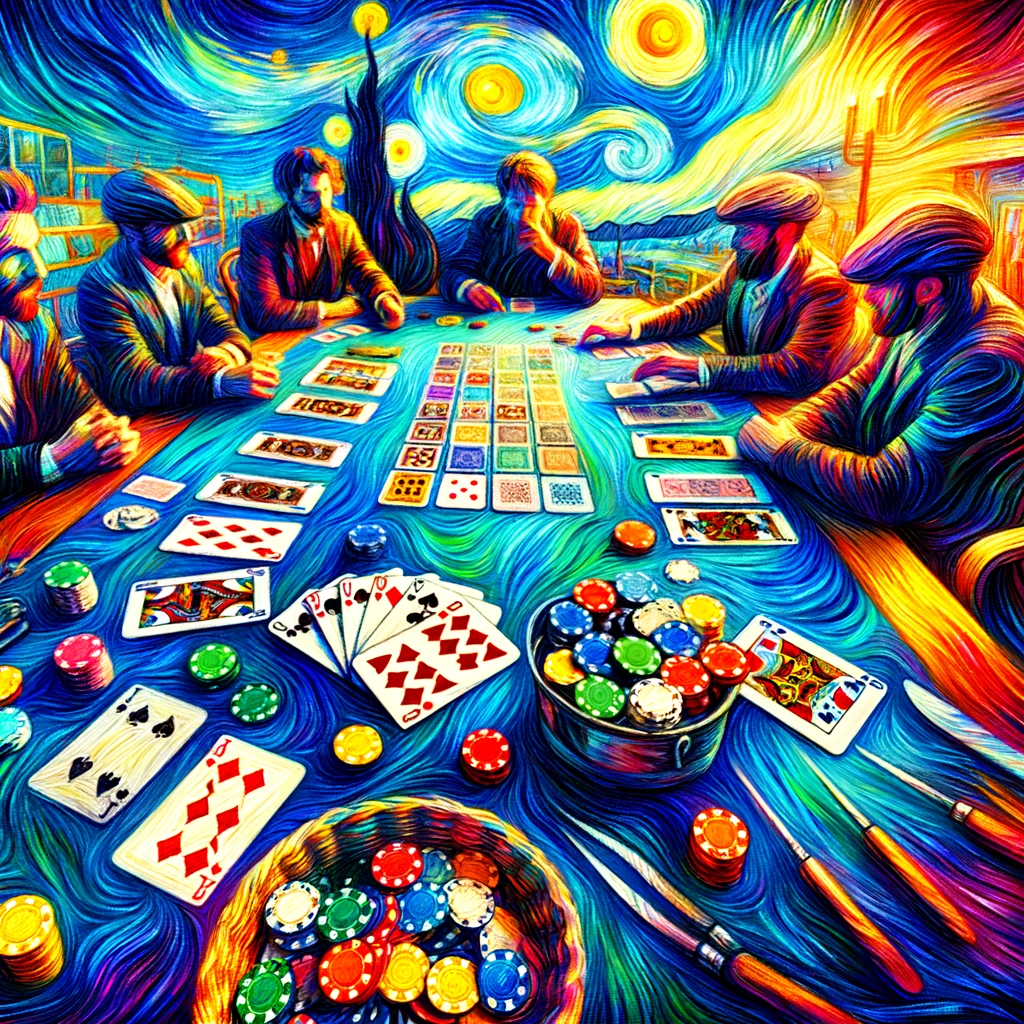
How Have The Rules Of Drinking Card Games Changed Over Time?
What Are Common Themes In Drinking Card Games Throughout History?
When you look at drinking card games through the lens of time, a few themes emerge that are as universal as they are timeless. These games have evolved across cultures and epochs, but the core elements often remain strikingly similar. Let’s dive into the murky waters of camaraderie, competition, and chaos that define these pastimes.
First up, let’s talk about social interaction. At its heart, drinking card games are simply a vehicle for people to come together. From the taverns of medieval Europe to the dimly lit basements of today’s college dorms, these games bring folks together for laughter, bonding, and maybe a dash of rivalry. You’re not just shuffling cards; you’re shuffling stories, memories, and sometimes even secrets. The more outlandish the game gets, the closer these players unite, sharing moments that are often heightened by the magic of a few drinks.
Now, what about competition? Ah, there’s something primal about it. Games like President or Kings often set the stage for showdowns, where the stakes can rise quickly, and ego can either soar or crash. It’s a battle of wits layered over a more basic instinct—who’s the king of this table? While friendly banter is usually the order of the day, the thrill of the game often interweaves elements of strategy and luck, reminding us of humanity’s age-old fascination with competition, whether you’re playing with friends or trying to upstage your uncle at the family reunion.
And then there’s the element of chaos, which cannot be overlooked. Just when you think you have the hang of a game, someone introduces a new rule—a twist that sends everything spiraling into delightful disarray. These unexpected turns keep players on their toes and keep the laughs rolling. The very nature of drinking card games often encourages creative twists and spontaneous decision-making, resulting in memorable moments that can quickly become legendary tales recounted at future gatherings.
Finally, we must acknowledge the rituals embedded in these games—each sip, each bluff, each triumphant high five builds a tapestry of experience that lingers long after the last card is played. There’s something almost sacred about how these rituals create an environment where laughter drowns out the everyday worries, if only for a night.
While the specifics of drinking card games may change with the times, their ability to forge connections, inspire competition, and spark chaos continues to resonate throughout history. So grab a deck, pour a drink, and let the games begin!

What Are Common Themes In Drinking Card Games Throughout History?
What Are Common Themes In Drinking Card Games Throughout History?
- Drinking card games have evolved across cultures and time, maintaining core elements that remain similar.
- These games serve as a vehicle for social interaction, bringing people together for laughter and bonding.
- Competition is a key theme, with games like President and Kings allowing for showdowns and battles of wits.
- Players often experience a mix of strategy and luck, highlighting humanity’s fascination with competition.
- Chaos is inherent in drinking card games, as unexpected rules can lead to delightful disarray and laughter.
- The games include rituals that enhance the experience, creating lasting memories and camaraderie.
- Despite changing specifics, the essence of drinking card games—connections, competition, and chaos—remains timeless.

What Are Common Themes In Drinking Card Games Throughout History?
How Do Drinking Card Games Vary Across Different Regions?
Beneath the surface of the world’s drinking culture lies a fascinating mosaic of regional traditions and social norms, most vividly expressed through the variety of drinking card games. Whether you’re in a college dorm in the Midwest or perched on a beach in Miami, these games serve as a backdrop for laughter, camaraderie, and occasionally, a little chaos. But what informs these variations, and why do they matter?
Let’s start with the Northeast, where drinking card games often embrace the fast-paced, competitive spirit of its inhabitants. Games like “Kings” are prevalent here, characterized by a personalized deck of rules and a central cup meant for communal shenanigans. However, the uniqueness comes from the local twist—like the infamous “Zombies,” where the stakes keep climbing until someone can’t roll with the punches. In these quarters, it’s as much about the ritual of the game as it is about the alcohol itself.
Head further down to the South, and you’ll notice a smoother, more laid-back approach to card games. “Asshole” finds its way into many gatherings, where every round echoes with laughter and banter. The South values storytelling—so the rules can be stretched, modified, and embellished, often alongside a sturdy glass of sweet tea spiked with something stronger. The regional emphasis on hospitality means that games function not just as entertainment, but as a vehicle for social engagement.
Meanwhile, out West, the drinking card game landscape seems to favor innovation and adaptability. “Ride the Bus,” for instance, combines elements of luck and strategy, often played in a semi-competitive atmosphere that can evolve into friendly competition just as easily as it can fizzle out over a one-too-many. The emphasis here parallels the culture; it’s casual yet engaging, aiming for a balance of accessibility and complexity.
Even further, international influences can’t be overlooked. Regions with vibrant immigrant communities introduce their own card games, blending local flavors with the classic drinking experience. In places like Chicago, you might find a blend of Eastern European traditions, while in Los Angeles, the impact of Latin culture could lead to a raucous game night echoing with various languages and customs.
The diversity of drinking card games across regions reflects the broader tapestry of human connection—where laughter and good times are the currency, and every game unfolds a new story waiting to be told. So whether you’re shuffling the deck in a bustling bar or a quiet backyard, remember: the value lies not in winning, but in the bonds forged over a well-played hand.

How Do Drinking Card Games Vary Across Different Regions?
How Do Drinking Card Games Vary Across Different Regions?
- Drinking card games showcase regional traditions and social norms across diverse cultures.
- The Northeast favors fast-paced and competitive games, exemplified by “Kings” and the local twist of “Zombies.”.
- The South embraces a laid-back approach with games like “Asshole,” emphasizing storytelling and hospitality.
- Out West, games like “Ride the Bus” balance luck and strategy, fitting into a casual yet engaging culture.
- International influences bring diverse flavors to drinking games, seen in cities like Chicago and Los Angeles.
- The variety of drinking card games reflects human connection, with laughter and camaraderie as central elements.
- The true value of these games lies in the social bonds formed rather than the act of winning.

How Do Drinking Card Games Vary Across Different Regions?
What Are The Effects Of Drinking Card Games On Social Interaction?
When the card deck hits the table and the drinks start flowing, something magical—or perhaps maddening—happens. Drinking card games have a unique ability to transform a group of friends, relatives, or even casual acquaintances into a tight-knit squad of revelers. The simple act of gathering around a table with a few drinks and some cards can act as a social lubricant stronger than any cocktail anyone’s whipping up. But what’s really going on in the social dynamics when those cards come out?
First off, there’s the element of shared experience. When players engage in a drinking card game, they’re not just playing a game; they’re participating in a ritual of sorts. Laughter erupts, stories tumble out, and the stakes rise, all accompanying the clinking of glasses and the occasional cry of victory or defeat. This shared experience fosters camaraderie and creates bonds that go beyond the game itself. It’s these moments—where vulnerability and triumph collide—that form the bedrock of lasting friendships.
But let’s not gloss over the effects of alcohol. While games like Kings, Beer Pong, or Cards Against Humanity might liberate inhibitions, they can also walk a fine line. The upsides include lighter hearts, a willingness to share personal stories, and an increase in jocular banter. On the other hand, there’s a risk of miscommunication, particularly when the drinks start flowing faster than the discernment. A snarky comment can quickly go awry, turning cheeky fun into conflict. The transformation from fun-loving players to feuding factions can shift faster than the shuffle of a deck.
Then, there’s the competitive aspect. Drinking card games often come with their own set of rules, but once the drinks are served, these rules can bend and twist like a well-placed joker. Competition fuels engagement, and the thrill of trying to outsmart or outlast your friends can lead to heightened stakes and increased laughter—or a few bruised egos, depending on the crowd.
So, as the last card is played and the final drink is downed, the true essence of drinking card games surfaces. They do more than just entertain; they weave intricate social tapestries, forging connections, igniting laughter, and occasionally fanning the embers of conflict. Navigating these social waters can be as complex as the games themselves, reminding us that whether we’re sharing a drink or a joke, we’re all just players at the same table.

What Are The Effects Of Drinking Card Games On Social Interaction?
What Are The Effects Of Drinking Card Games On Social Interaction?
- Drinking card games transform casual gatherings into a tight-knit group of revelers.
- They create shared experiences, fostering camaraderie and deepening bonds among players.
- Alcohol can lighten moods and encourage personal storytelling, enhancing social interaction.
- However, it also risks miscommunication, leading to potential conflicts and misunderstandings.
- The competitive nature of these games can heighten engagement, laughter, and sometimes bruised egos.
- Ultimately, drinking card games weave intricate social connections, igniting joy and occasional tension.
- They remind us that we are all players navigating the complexities of social interactions.
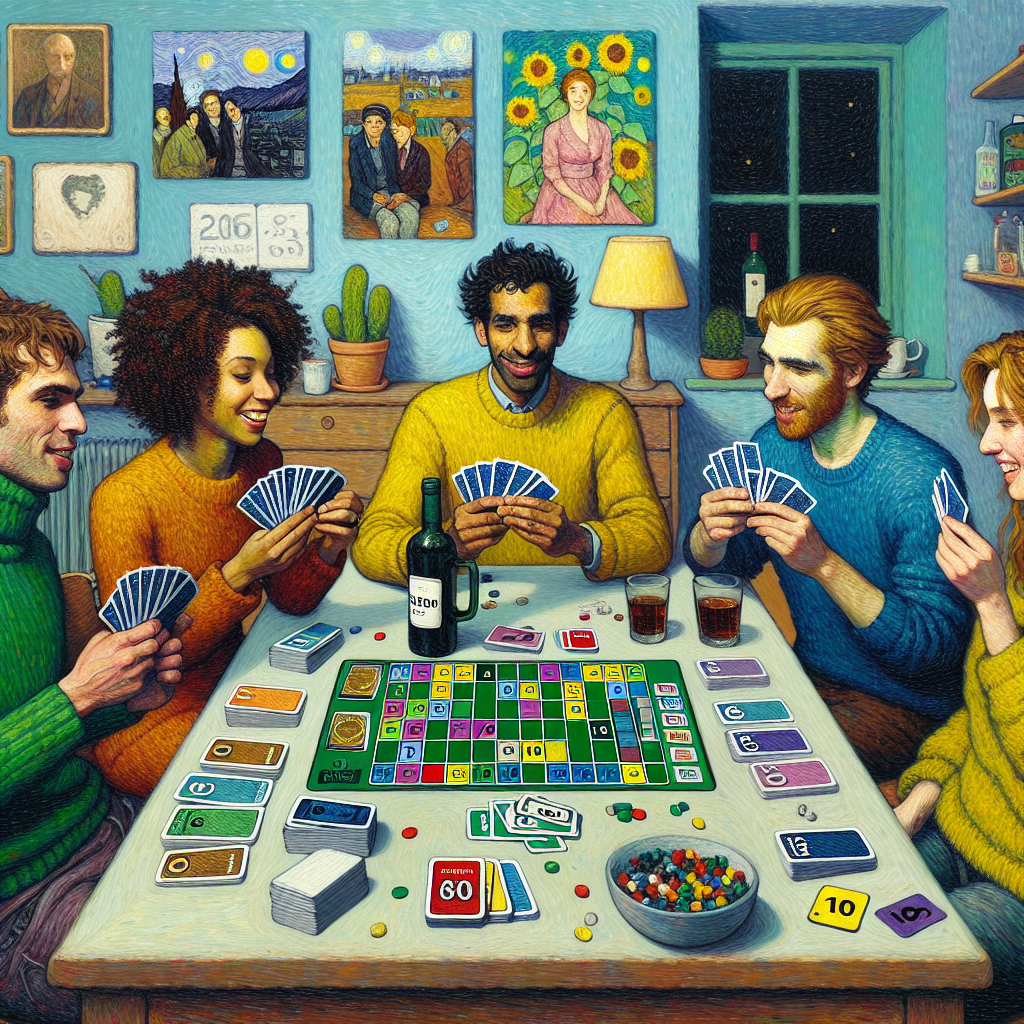
What Are The Effects Of Drinking Card Games On Social Interaction?
Conclusion
As we raise our glasses to the colorful legacy of drinking card games, it’s clear that what started centuries ago as a form of social bonding has transformed into a global phenomenon. These spirited pastimes have traveled through time and society, evolving from medieval taverns to modern-day college gatherings, all while maintaining their essence of camaraderie and competition. At the heart of it all is the universal human experience—the joy of connection, the thrill of competition, and yes, the occasional chaos that a few drinks can inspire.
From their origins in ancient China to the lively saloons of the Wild West and beyond, drinking card games have been a mirror reflecting cultural values and social norms. They’ve borowed flavors from various regions, adapting and morphing with each iteration, yet always circling back to the same central idea: Sometimes, life is best celebrated around a card table with friends, laughter, and a bit of liquid courage.
Today, as we shuffle through a deck, we’re not just engaging with a game; we are participating in a rich tapestry of history. We find ourselves connecting with centuries of revelers who shared that same urge to sit around a table, draw cards, take sips, and tell stories that—they might not remember tomorrow—would certainly be retold over new drinks in the future.
Drinking card games have become a vital thread in the fabric of social gatherings. They break the ice in unfamiliar crowds and offer a non-awkward venue for shared experiences. Each chuckle and heated debate over a misplayed hand serves as a reminder that we are all in this together.
In a world increasingly driven by screens and digital interactions, there’s something refreshing about the simpler premise of drawing cards and engaging in spirited rituals. These games are as timeless as they are adaptable, bridging the gaps in our busy lives and forging connections that last far beyond the final round. So, next time you find yourself at a gathering, whether it’s a backyard barbecue, a bustling bar, or a quiet living room, remember that with every flip of a card and clink of a glass, you’re contributing to a legacy that has echoed through generations. Now, let’s keep the drinks flowing and the cards shuffling—because the adventure is just beginning! Cheers!

Conclusion
Conclusion:
- Drinking card games originated centuries ago as a form of social bonding.
- They have evolved from medieval taverns to modern college gatherings, emphasizing camaraderie and competition.
- These games reflect cultural values and social norms, adapting through regions while maintaining their central theme of celebration.
- The participation in these games connects players with a rich history of revelers and shared experiences.
- Drinking card games facilitate social gatherings, breaking the ice and fostering camaraderie among unfamiliar crowds.
- In today’s digital age, these games offer a refreshing, timeless way to engage in face-to-face interactions.
- Every game played is a contribution to a legacy of connection and storytelling that spans generations.

Conclusion
Other Resources

Other Resources
Here is a list of other resources you can review online to learn more:
Use This Prompt To Get More Resources With Your Favorite Online AI Tool: Please provide me with a list of online articles with their URLs in a bulleted list that I can read regarding What Is The History Of Drinking Card Games?

Other Resources
Glossary Terms
What Is The History Of Drinking Card Games? – Glossary Of Terms
1. Alcohol: A psychoactive substance commonly consumed in beverages that can alter mood and behavior, often featured in drinking games.
2. Card Game: A game played with a deck of cards, often involving skill, strategy, and luck.
3. Rules: The guidelines and objectives that dictate how a game is played, including scoring and actions during gameplay.
4. Deck: A set of playing cards, typically consisting of 52 cards, which may include additional cards like jokers in some games.
5. Social Interaction: The engagement between players during a game, often enhanced by the competitive or cooperative elements of drinking games.
6. Gambling: The act of wagering money or valuables on the outcome of a game, sometimes interconnected with drinking games in social settings.
7. Variety: The assortment of different games and rules that have evolved over time within the realm of drinking card games.
8. Etiquette: The accepted social conduct associated with playing drinking games, influencing how participants should behave.
9. Prohibition: The legal act of prohibiting the manufacture, sale, and transportation of alcohol, which influenced underground drinking games in the early 20th century.
10. House Rules: Custom rules established by players that modify official rules to create a unique playing experience or accommodate preferences.
11. Tally: A scorekeeping method used to track player performance in drinking games, often involving the consumption of alcohol as part of the tallying process.
12. Beverage: The type of drink consumed during the game, typically alcoholic, though some games allow for non-alcoholic options.
13. Ritual: Repetitive and often celebratory elements incorporated into the game, such as chants or specific actions that enhance the gaming experience.
14. Origins: The historical beginnings of drinking card games, tracing back to cultural practices and early forms of card play.
15. Laws: Regulations governing the legality of drinking games, which can vary widely by region and cultural context.
16. Lore: The myths, stories, and traditions passed down through generations about drinking card games and their evolution.
17. Participation: The involvement of players in the game, crucial for the social and competitive aspects of drinking games.
18. Strategy: The planned approach that players take to maximize their chances of winning, often influenced by the nature of the game.
19. Tournaments: Competitive events where players or teams participate in drinking games to win prizes or prestige, often showcasing formalized rules.
20. Camaraderie: The bond created among players through collective experiences and social interactions during drinking card games.
21. Betting: The process of placing stakes or wagers on outcomes in card games, sometimes incorporating drinks as stakes.
22. Deck Manipulation: Techniques used by players to influence the outcome of the game, often seen in more skill-based drinking card games.
23. Pass-the-Card: A common mechanic where players take turns drawing and discarding cards, affecting gameplay dynamics.
24. Game Night: A social gathering centered around playing card games, often incorporating drinking elements as part of the experience.
25. Urban Legends: Folklore shared among players about notorious drinking game mishaps or extraordinary victories, contributing to cultural storytelling.
26. Mixed Drinks: Alcoholic beverages made by combining different types of alcohol or mixers, often consumed during card games.
27. Chugging: The act of rapidly consuming a drink, sometimes required in drinking games as a penalty or as part of game rules.
28. Variation: Changes or adaptations made to traditional drinking card games to keep them fresh, engaging, and relevant to new audiences.
29. Cultural Influence: The impact of different cultures on the development and styles of drinking card games, reflecting as diverse gaming practices.
30. Entertainment: The primary purpose of drinking card games, providing enjoyment and laughter among players in social settings.
These terms can provide a deeper understanding of the fascinating history and cultural significance of drinking card games.

Glossary Of Terms
Other Questions
What Is The History Of Drinking Card Games? – Other Questions
If you wish to explore and discover more, consider looking for answers to these questions:
- What are some examples of modern drinking card games?
- How do different cultures incorporate their own drinking traditions into card games?
- What are the most popular drinking card games in different regions around the world?
- How have drinking norms shaped the evolution of these games?
- Are there any card games that are exclusively for drinking and not played sober?
- How do drinking card games vary in rules and gameplay between social settings?
- What role do drinking card games play in fostering new friendships?
- Are there any negative consequences associated with drinking card games?
- How can drinking card games be tailored for different audiences, such as family gatherings?
- What are some historical drinking card games that are no longer popular today?
- How have the themes of camaraderie and competition in drinking card games evolved over time?
- Are drinking card games considered a rite of passage in certain cultures?
- How do technology and social media continue to impact drinking card games?

Other Questions
Haiku
What Is The History Of Drinking Card Games? – A Haiku
Cards and laughter flow,
History in each shuffle,
Bonds forged with each toast.

Haiku
Poem
What Is The History Of Drinking Card Games? – A Poem
In taverns dim with flickering light,
Where laughter spills like wine at night,
The hands of fate and chance entwine,
As cards and spirits sweetly align.
From ancient shores of distant lands,
A humble deck in eager hands,
Unites the souls with clinking cheer,
Each play a tale, each sip sincere.
The wanderers of the Wild West,
Round poker tables, no time for rest,
With drinks in hand, their stories spun,
Mistakes can cost you more than fun.
In halls of youth, where revelry sings,
Kings and Assholes ignite wild flings,
With every round, connections grow,
In playful chaos, friendships flow.
Across the globe, their spirits mix,
From British pubs to Mexican tricks,
Each culture’s twist adds spice anew,
A raucous dance of old and new.
But as the night unfolds its lore,
Remember well what’s at the core:
It’s not the wins or losses claimed,
But bonds that linger, hearts unchanged.
So gather ’round, let laughter sound,
With every card, let joy abound,
For as we shuffle, sip, and play,
We honor history in our own way.
With memories bright and drinks in hand,
Together we rise, united we stand,
So here’s to cards that bridge the years,
A toast to life, to love, to cheers!

Poem
Checklist
What Is The History Of Drinking Card Games? – A Checklist
1. Gather Your Friends:
_____ Invite a diverse group to enhance the social atmosphere.
_____ Ensure everyone feels comfortable and is willing to participate.
2. Choose Your Game:
_____ Decide on a drinking card game (e. g. , Kings, Asshole, Flip Cup).
_____ Familiarize the group with the rules to avoid confusion.
3. Prepare the Setup:
_____ Gather a standard deck of cards or any specific cards needed for the game.
_____ Arrange seating to encourage interaction (preferably in a circle).
_____ Set up a table with plenty of space for cards and drinks.
4. Select Your Beverages:
_____ Provide a variety of drinks (alcoholic and non-alcoholic) to cater to all preferences.
_____ Consider having a designated drink for the “King’s Cup” or similar game dish.
5. Establish Ground Rules:
_____ Agree on house rules (e. g. , what happens if someone forgets the rules).
_____ Discuss limits to ensure everyone drinks responsibly.
6. Create a Fun Atmosphere:
_____ Prepare a playlist that enhances the mood.
_____ Keep the area well-lit and inviting for all players.
7. Incorporate Personal Touches:
_____ Allow players to personalize the rules or challenges based on inside jokes or team dynamics.
_____ Introduce themed variations or roles for added fun.
8. Embrace the Chaos:
_____ Encourage spontaneous twists and new rules as the game progresses.
_____ Remind players that laughter and connection are the ultimate goals.
9. Foster Social Interaction:
_____ Use the game as a way to break the ice for strangers or acquaintances.
_____ Emphasize collaborative aspects, encouraging storytelling and teamwork.
10. Practice Moderation:
_____ Keep an eye on everyone’s consumption and suggest breaks if needed.
_____ Remind players that it’s about fun, not just winning.
11. Follow Up with Safety:
_____ Ensure everyone has a designated driver or a safe way to get home.
_____ Discuss plans for the next gathering or game night to maintain connections.
12. Capture The Moment:
_____ Take photos or videos to remember the fun times.
_____ Share stories from the night to keep the laughter alive long after the cards are put away.
Bonus Tips:
_____ Flexibility: Be adaptable to changes in mood or pace of the game.
_____ Inclusivity: Ensure everyone has a chance to participate, share laughs, and feel included.

Checklist
At CardGameNews, we help people who love card games by collating information and news about card games.
Be sure to read our other related stories at CardGameNews to learn more about card games.