

Playing Cards: A Solution For Family Conflict
By Tom Seest
At CardGameNews, we help people who love card games by collating information and news about card games.
Be sure to read our other related stories at CardGameNews to learn more about card games.
What Family Conflicts Can Card Games Help Resolve?
When it comes to family conflicts, we all know that they can turn a peaceful evening into a battlefield. One moment, you’re passing the potatoes, and the next, you’re navigating the emotional minefield of differing opinions, past grievances, or sibling rivalries. But what if I told you that a simple card game could help mend those rifts, smooth over the tension, and bring back a hint of the good old days? Yes, you heard that right—a card game!
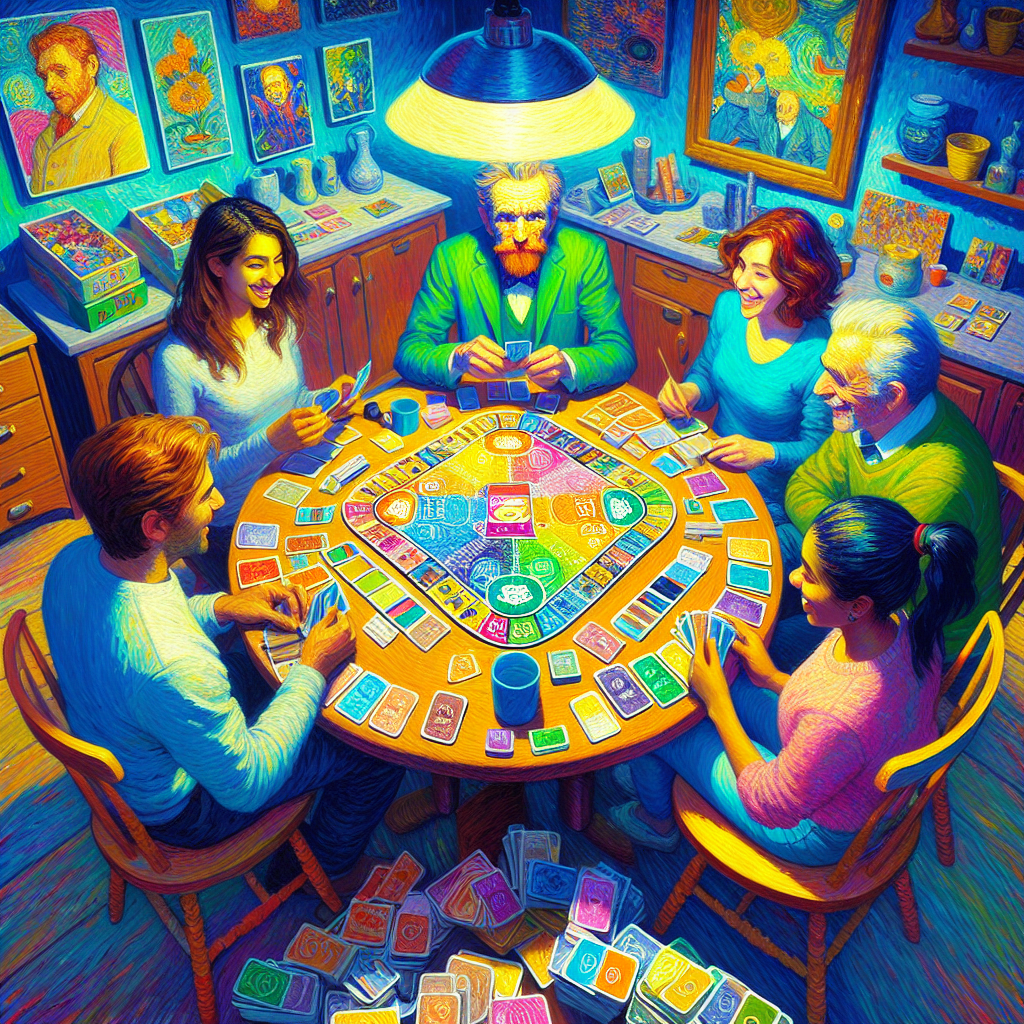
Imagine gathering around the kitchen table, laughter echoing as players compete for the crown of “Grand Champion” in a friendly bout of Rummy or Go Fish. Card games provide a wonderful distraction from heavy conversations that often spiral into heated arguments. They create a playful environment where humor and competition can diffuse the seriousness that sometimes blankets family dynamics. That friendly banter you share can soften the edges of conflict, allowing family members to see one another for who they truly are: just people trying to navigate relationships in the best way they know how.
Whether it’s the stubborn uncle who always thinks he’s right, or the sibling whose jokes can be as sharp as a tack, a good card game levels the playing field. For a couple of hours, everyone’s focus shifts. Instead of the stress of past disagreements lingering like an unwelcome guest, you share laughter, groans, and the occasional triumphant cheer when you play the perfect hand. Those small victories have a way of reminding us that, above all, we’re family and our bonds are worth nurturing.
Moreover, card games foster communication—a necessary ingredient to solving family conflicts. When players strategize together, they practice teamwork, giving each other advice and encouragement. It’s a refreshing change from the usual griping and jabbing. You see, amid the shuffle and the deal, you’re not just reshuffling cards, you’re reshuffling perspectives.
So, the next time you feel the tension rise at home, why not break out a deck of cards? Ask everyone to join in and let the games begin. You might find that those little pieces of cardboard become tools for healing—and that perhaps, just perhaps, laughter truly is the best medicine for family conflicts.

What Family Conflicts Can Card Games Help Resolve?
What Family Conflicts Can Card Games Help Resolve?
- Family conflicts can turn peaceful moments into intense disagreements.
- A simple card game can help mend rifts and alleviate tensions.
- Games like Rummy and Go Fish promote laughter and friendly competition.
- Engaging in card games shifts focus from past grievances to enjoyment.
- Playing together fosters communication and teamwork among family members.
- Card games can reshape perspectives and strengthen family bonds.
- Using games as a tool may remind families that laughter can heal conflicts.

What Family Conflicts Can Card Games Help Resolve?
Table Of Contents
- What Family Conflicts Can Card Games Help Resolve?
- What Types Of Family Conflicts Can Card Games Address?
- How Do Card Games Promote Communication Among Family Members?
- Can Playing Card Games Improve Problem-Solving Skills In Families?
- Are There Specific Card Games Best Suited For Family Bonding?
- How Do Card Games Encourage Teamwork Within The Family?
- In What Ways Can Card Games Reduce Stress During Family Disputes?
- What Age Groups Can Benefit From Card Games In Family Conflicts?
- Conclusion
- Other Resources
- Glossary Of Terms
- Other Questions
- Haiku
- Poem
- Checklist
What Types Of Family Conflicts Can Card Games Address?
What Types of Family Conflicts Can Card Games Address?
When it comes to family, tensions can simmer beneath the surface like an untended pot on the stove. Life gets busy, communication falters, and the next thing you know, you’re dodging eye rolls and heavy sighs that could make a steam engine blush. But what if I told you that a simple card game could be your ticket out of the conflict zone? Sounds too good to be true? Let’s take a closer look.
First off, let’s talk about those everyday misunderstandings that arise in a family. Maybe it’s sibling rivalries that echo back to childhood, or the old “you never listen to me” refrain during dinner. Enter the card game, a neutral arena where everyone can come together, laugh, and let their guards down. The beauty of a card game is its inherent simplicity; it provides a distraction from the usual friction and allows for conversation to flow in a more relaxed setting. Instead of discussing who hogs the remote, you’re strategizing about how to outsmart that sneaky card in your hand. These light-hearted moments can be the perfect icebreakers.
Then we have deeper issues — those emotional minefields we tiptoe around. Perhaps there’s underlying resentment or a significant disagreement that’s been air-tight for years. That’s tough enough to navigate over coffee, let alone at a family gathering. But in the midst of a rousing card game, the competitive spirit ignites a different kind of bond. Winning or losing becomes less significant than the shared experience, and that’s where healing can sneak in through the back door. It’s amazing how laughter and a bit of playful banter can soften the edges of discomfort.
Moreover, card games are a fantastic equalizer. Age, gender, or even differences in perspectives are put aside as everyone competes on the same level footing. Kids feel empowered and involved, while adults can enjoy the freedom to let loose. When the stakes are a friendly family card game, the rules of engagement shift, and everyone gets a chance to come to the table—literally.
So, if your family feels like a powder keg of unspoken tensions, consider dusting off that deck of cards. Whether it’s addressing minor annoyances or fostering deeper connections, a card game could be just the antidote your family needs. Bring on the laughs, throw in some playful rivalry, and watch as conflicts take a backseat to camaraderie. After all, sometimes, all it takes to bridge the gaps is a couple of cards and the willingness to embrace the unexpected.

What Types Of Family Conflicts Can Card Games Address?
What Types Of Family Conflicts Can Card Games Address?
- Family tensions often stem from busy lives and faltering communication.
- Card games provide a neutral space for open conversation and laughter.
- They serve as an icebreaker for everyday misunderstandings, such as sibling rivalries.
- In a competitive card game, deeper issues can be approached with humor and shared experience.
- Card games equalize participants, allowing all ages and perspectives to engage together.
- They can transform a tense family atmosphere into one of camaraderie and connection.
- Using card games can help address minor annoyances and foster deeper familial bonds.

What Types Of Family Conflicts Can Card Games Address?
How Do Card Games Promote Communication Among Family Members?
Gather ‘round the table, folks! Set aside the digital distractions for a moment and pull out a good old-fashioned card game. There’s something about the shuffle of the deck and the flick of the wrist that opens doors – and not just to the game itself. When families engage in a game of cards, an already rich tapestry of conversations begins to weave itself. It’s not merely about the points scored or the hands played; it’s about the laughter shared, the banter exchanged, and the connections forged.
Imagine the scene: your family seated around a table, an assortment of snack bowls within arm’s reach, and the competitive spirit in the air. There’s an immediate shift in the atmosphere, one that encourages everyone to lean in, share stories, and react to each other’s moves. Suddenly, that awkward silence that sometimes fills the air during dinner becomes a lively exchange of strategy, triumph, and, occasionally, comedic mishaps. Each card played is an opportunity to communicate—whether it’s trash talk, encouragement, or even nostalgia as players recall past games and favorite family anecdotes.
These moments matter. Card games are not just a pastime; they are a priceless opportunity to strengthen familial bonds. A victorious shout when winning a critical hand can lead to a joyful “Remember when you did that?” and before long, a storytelling marathon unfurls. This kind of communication nurtures trust and understanding. Children learn to express themselves and handle varying emotions—be it joy in winning or humility in defeat—while adults rediscover the simple childlike joy of connection.
Moreover, engaging in a card game is an excellent way for family members to learn about one another’s thought processes. A game like Poker reveals personality traits, strategic thinking, and sometimes, even a bit of cunning. When people reveal their true selves through the lens of a game, it creates an environment ripe for genuine conversation beyond the table. Questions arise naturally: “Why did you choose that card?” or “What’s your strategy here?” These inquiries lead to deeper discussions and insights into each other’s perspectives.
So, shuffle those cards and deal them out. As you gather around that table, remember that every game is an opportunity—a chance to connect, communicate, and create a lasting legacy of shared memories. Turn off the screens, embrace the fun, and let the conversations flow. After all, sometimes the best connections happen when you least expect them—over a simple game of cards.

How Do Card Games Promote Communication Among Family Members?
How Do Card Games Promote Communication Among Family Members?
- Encourages families to set aside digital distractions and engage in traditional card games.
- Facilitates rich conversations, laughter, and connections among family members.
- Transforms the atmosphere from awkward silence to lively exchanges of stories and strategies.
- Offers valuable lessons in expressing emotions, fostering trust, and understanding others.
- Reveals personal traits and thought processes through strategic gameplay (e.g., Poker).
- Promotes deeper conversations and insights by encouraging questions about game decisions.
- Highlights the importance of creating shared memories and lasting family bonds through gameplay.

How Do Card Games Promote Communication Among Family Members?
Can Playing Card Games Improve Problem-Solving Skills In Families?
Absolutely, you might want to put down that tablet for a moment and pick up a deck of cards. Let’s talk about card games—not just for the thrill of winning, but for the surprising ways they can transform families into cohesive problem-solving teams. We’ve all been there: the tension of a delayed dinner, everyone scattered across the house, absorbed in their own screens. But what if, instead, we gathered around a table, laughter and light banter filling the room?
Card games—simple as they may seem—hold a treasure trove of hidden benefits. At first glance, you might think you’re just playing a game of Go Fish or Rummy, but there’s so much more to it. When everyone tosses down their cards, they’re not just playing; they’re engaging in a delightful dance of strategy, critical thinking, and, yes, a pinch of luck. You’ve got to assess your hand, predict your opponents’ next move, and adjust your strategy accordingly. This type of cognitive gymnastics sharpens the mind, all while building camaraderie among family members.
Consider the challenge of a game like Spades, where you have to weigh risks versus rewards, communicate effectively with your partner, and adapt your game plan in real time. It’s a perfect microcosm of life’s difficulties! The skills learned at the card table can translate seamlessly into real-world problem-solving. When faced with a challenge, whether it’s planning a family vacation, tackling home renovations, or even navigating life’s emotional ups and downs, that card game mindset applies. You learn to listen, think critically about the situation, and collaborate to find solutions.
And let’s not forget the remarkable joy that comes from shared experiences. The eye rolls when someone plays a wild card, those moments of triumph, the collective “Aha!” when a risky strategy pays off—these are the memories that cement family bonds. Plus, let’s face it, they build a treasure chest of inside jokes that will bring laughter long after the cards are put away.
So, as you consider ways to strengthen family ties and hone your problem-solving skills, remember: grab a deck of cards. Dive into a lively card game session and watch as your family transforms into a dynamic problem-solving unit, one hand at a time. After all, growth doesn’t just happen in the quiet moments; it often thrives in the vibrant chaos of a card game.

Can Playing Card Games Improve Problem-Solving Skills In Families?
Can Playing Card Games Improve Problem-Solving Skills In Families?
- Card games foster family bonding and teamwork.
- Gathering around a table encourages communication and reduces screen time.
- Games engage critical thinking, strategy, and decision-making skills.
- Playing games like Spades teaches risk assessment and collaboration.
- Skills learned in card games translate to real-life problem-solving.
- Shared experiences during games create lasting family memories and inside jokes.
- Card games promote emotional growth and resilience in a fun environment.

Can Playing Card Games Improve Problem-Solving Skills In Families?
Are There Specific Card Games Best Suited For Family Bonding?
When it comes to family bonding, few activities can hold a candle to the simplicity and joy of gathering around a table with a deck of cards. A well-chosen card game can transform an ordinary evening into a memorable experience filled with laughter, healthy competition, and a dash of mischief. The beauty of a card game is that it breaks down barriers and brings everyone together, regardless of age, skill level, or experience. So, what card games can elevate your family’s time together? Let’s dive in.
First up is Uno—a game that transcends generations and has become a classic staple in many households. It’s easy to learn, quick to play, and allows for just the right amount of strategy and luck. Your kids will quickly pick up on how to shout “Uno!” with joy, and there’s something about the suspense of the final moments that gets everyone’s adrenaline pumping. Watching a family member’s face as they realize they’re just a card away from victory? Priceless.
Then there’s Go Fish—a game that can be incredibly simple yet deceptively engaging. With each “Do you have any threes?” cutely uttered and answered, connections get made and stories get shared. Even your youngest family members can join in, turning it into a sweet bonding experience as everyone learns to play by the rules and celebrate each other’s small victories.
Rummy serves as another excellent choice, perfect for families wanting to flex their mental muscles a bit. Not only does it promote a healthy dose of strategic thinking, but it also invites discussions and teamwork. You’d be surprised how three or four generations can sit around a table, cards in hand, and create an atmosphere rich with laughter and friendly banter.
Finally, let’s not forget about the charm of Old Maid. This game is wonderfully simple yet can spark laughter that echoes long after the cards have been put away. It’s a near certainty that someone will end up the Old Maid—a title that, when taken lightly, becomes a cherished family memory.
The best card game for family bonding is the one that invites everyone to participate, encourages dialogue, and becomes a cherished family tradition. So gather your loved ones, shuffle those cards, and let your interactions unfold in new, delightful ways. Whether you’re dueling over Uno or fishing for threes, the true magic lies in the connections you’ll create together.

Are There Specific Card Games Best Suited For Family Bonding?
Are There Specific Card Games Best Suited For Family Bonding?
- Gathering around a table with a deck of cards fosters family bonding and creates memorable experiences.
- Card games break down barriers, making them accessible for all ages, skill levels, and experiences.
- Uno is a classic and easy-to-learn game that provides excitement and suspense, enhancing family interactions.
- Go Fish encourages engagement through simple questions, allowing for connections and storytelling among family members.
- Rummy promotes strategic thinking and teamwork, creating a lively atmosphere for families across generations.
- Old Maid, while simple, brings laughter and cherished memories, especially when someone humorously ends up as the Old Maid.
- The best family card games are those that invite participation, foster dialogue, and can become cherished traditions.

Are There Specific Card Games Best Suited For Family Bonding?
How Do Card Games Encourage Teamwork Within The Family?
The simple act of gathering around a table, a deck of cards spread out in front of you, creates a unique space where family bonds can flourish. A card game is more than just a pastime; it’s a warm invitation to connect, collaborate, and sometimes even compete—often all at once. There’s magic in that shuffled deck, and it beckons everyone to join in on the fun, regardless of age or skill level.
Think about it: when you sit down to play a card game, everyone has a role to fill. Whether you’re the strategist crafting the perfect plan or the jokester making sure everyone has a laugh, each member contributes to the collective experience. This shared interaction naturally fosters communication. Conversations spark as players discuss their next move or negotiate trades, reinforcing the idea that teamwork is not just important, but also enjoyable.
Now, let’s get real for a moment. Families aren’t always smooth sailing, and conflicts can bubble to the surface during gameplay. But this is where the gold lies. When the stakes are high—whether it’s a point system or simply bragging rights—how families handle competition can teach them invaluable lessons. Do you sulk over a loss, or do you encourage the winner? Do you rally behind a teammate who may not be as skilled? These moments can galvanize a family, inspiring trust and resilience as they navigate the ups and downs of a friendly match.
Card games can also ignite creativity. How often do you find yourself thinking outside the box when attempting to outsmart an opponent? Those moments of strategizing are teaching opportunities; children can learn to weigh options, evaluate risk, and see the importance of teamwork in achieving a shared goal. It’s about maximizing each person’s strengths—finding that unassuming player who can turn the tide with a single play.
So, the next time you find yourself reaching for a deck of cards, remember the larger picture. It’s not just about winning or losing; it’s about shared laughter, lessons learned, and the sheer joy of being together. So let’s shuffle up and deal, and let those card games transform your family dynamic into something stronger, more connected, and undeniably fun.

How Do Card Games Encourage Teamwork Within The Family?
How Do Card Games Encourage Teamwork Within The Family?
- Gathering around a table for card games strengthens family bonds.
- Card games encourage connection, collaboration, and friendly competition.
- Each player fulfills a unique role, contributing to a shared experience.
- Gameplay fosters communication and teamwork through discussions and negotiations.
- Conflicts during games can teach valuable lessons about handling competition and supporting one another.
- Card games stimulate creativity and strategic thinking, especially for children.
- Ultimately, playing card games is about shared laughter, learning experiences, and family joy.

How Do Card Games Encourage Teamwork Within The Family?
In What Ways Can Card Games Reduce Stress During Family Disputes?
Let’s face it: family gatherings can sometimes feel a little like walking through a minefield. The tension can be palpable, with every raised eyebrow and hushed tone hinting at deeper grievances. Yet, there’s a simple, effective way to diffuse that pressure: the humble card game. Yes, you heard that right—a game of cards could be the antidote your family needs to turn tension into connection.
When you think about it, a card game provides a structure around which to build a shared experience. You sit around a table, the air buzzing with anticipation as you shuffle up those colorful cards. In that moment, everyone is united by a common goal, transforming any residual discomfort into friendly competition. With each dealt hand, you’re not just playing cards; you’re laying down a bridge of camaraderie, reinforcing bonds that might have frayed a bit.
But what’s so remarkable about a card game? Well, it introduces an element of fun, a detour away from serious talks that often spiral out of control. It invites laughter and playful banter, the kind that can make even the most stubborn family members crack a smile. Whether it’s Uno, Poker, or Go Fish, the sheer act of engaging in a card game breaks down barriers. You might find Aunt Gertrude’s fierce competitiveness amusing, or discover that your teenage cousin actually has a wit as sharp as a razor.
Perhaps best of all, a card game levels the playing field. It doesn’t matter if you’re the family lawyer or the college dropout—you’re all just players in the game, each with an equal chance of winning the next round. This can create a rare opportunity for understanding and respect, allowing for shared human moments amidst the chaos of family dynamics.
As you shuffle the deck and prepare to play your next card game, remember that you’re not just passing time. You’re crafting memories, softening edges, and perhaps even paving the way for better conversations. So gather the family, dust off that deck, and let the healing begin. Who knows? The next heated disagreement might just turn into a lively debate over who played that last wild card—and for that, you’ll have a deck of cards to thank.

In What Ways Can Card Games Reduce Stress During Family Disputes?
In What Ways Can Card Games Reduce Stress During Family Disputes?
- Family gatherings can be tense, often feeling like a minefield of unresolved issues.
- Playing card games can help diffuse this tension and foster connection.
- A card game creates a shared experience that unites family members around a common goal.
- Engaging in card games introduces fun, laughter, and playful banter, easing serious discussions.
- Card games break down barriers, revealing unexpected traits in family members.
- They level the playing field, allowing for equal chances of winning regardless of status or background.
- Playing cards helps craft memories and encourages better conversations in family dynamics.

In What Ways Can Card Games Reduce Stress During Family Disputes?
What Age Groups Can Benefit From Card Games In Family Conflicts?
Let’s face it—family conflicts are a part of life, like that uncle who shows up at the holidays wearing a sweater that clashes with everything else in the room. Instead of dreading those tense moments, consider turning to card games as your secret weapon. Believe it or not, these colorful pieces of cardboard can serve as more than just entertainment; they can be a bridge to understanding across generations.
Starting with the kids, ages 5 to 10, they’re at that sweet spot where they’re eager to participate and learn. A simple card game not only captivates their attention but also teaches them essential life skills: taking turns, following rules, and even a bit of strategy. If you throw a little friendly competition into the mix, you’ll see them light up with enthusiasm—trust me, nothing breaks the ice like a silly dispute over who has the highest score.
Teenagers, ages 11 to 18, are another pivotal group. We all know how challenging those years can be, filled with mood swings and a propensity for eye-rolling. Yet, a card game can take the edge off and create a space where communication flows more freely. A little bit of laughter and some lighthearted trash talk can diffuse the seriousness of unresolved issues. Plus, who doesn’t love the satisfaction of beating their parents at their own game? It’s a confidence booster for them and a bonding experience for you.
Now, let’s not forget about adults, especially those in the 30 to 50 age range. As we juggle responsibilities, relationships, and everything in between, the importance of staying connected with family often gets sidelined. Enter the card game—a perfect excuse to gather around the table and engage. They can catalyze those rich conversations about family history, values, and sometimes even unresolved conflicts, all while keeping the atmosphere light-hearted and fun.
Finally, seniors—those wise folks who have the stories of a lifetime stashed in their hearts. A card game can engage them, help sharpen their minds, and forge connections with younger family members. It’s a wonderful way for them to pass down traditions, wisdom, and maybe even a few old family secrets all while enjoying a good laugh.
So, whether you’re gathering the little ones, navigating the teen years, or sharing space with those who’ve seen it all, card games can turn tension into togetherness. Give it a try—you might find that laughter truly is the best medicine for family conflicts.

What Age Groups Can Benefit From Card Games In Family Conflicts?
What Age Groups Can Benefit From Card Games In Family Conflicts?
- Family conflicts are common and can be approached positively with card games.
- Card games can engage children (ages 5-10) by teaching life skills like taking turns and following rules.
- Teenagers (ages 11-18) can benefit from card games, which foster communication through laughter and friendly competition.
- Adults (ages 30-50) can reconnect with family over card games, facilitating deeper conversations about values and history.
- Seniors can sharpen their minds and pass down wisdom while bonding with younger family members through card games.
- Overall, card games can transform familial tension into opportunities for connection and fun.
- Trying card games might reveal that laughter is an effective remedy for family conflicts.
What Age Groups Can Benefit From Card Games In Family Conflicts?
Conclusion
As we wrap this up, let’s take a moment to appreciate just how powerful a simple deck of cards can be when it comes to navigating the often stormy waters of family conflicts. You see, family gatherings can sometimes feel like warfare—diplomatic discussions turning into shouting matches, and what should be a peaceful meal spiraling into a battlefield of unresolved issues and old grievances. But amidst the chaos, that humble little deck of cards can be more than just a source of entertainment; it can be a lifeline to harmony.
Imagine gathering your family around the kitchen table, laughter bouncing off the walls as you dive into a heated yet friendly game of Rummy or Go Fish. Suddenly, those prickly conversations about who forgot to take out the trash or why cousin Jimmy always slams the door become distant memories. In their place, you find a light-hearted setting where the stakes aren’t about past mistakes but rather the competition to snag that elusive victory. With each card played, you’re not just partaking in a game; you’re building connections and extending forgiveness—one shuffle at a time.
What makes card games so uniquely effective is their simplicity and universal appeal. They enable everyone—kids, teens, adults, and seniors—to come together on common ground, giving everyone a shot at ol’ Uncle Joe’s bragging rights as the family champion. Every hand dealt takes the focus off what divides you and redirects it to what unites you: shared experiences, laughter, and a little bit of playful rivalry.
Moreover, these games open the door to communication in a way that serious conversations often can’t. You’ll find that between the laughter and good-natured trash talk, families engage in dialogues that cultivate understanding and trust. The clever quips that arise remind us that we’re all human, navigating life’s ups and downs together.
So, next time you feel the air thickening with tension at home, why not cast aside the smartphone and dust off that deck of cards? Give it a whirl! You might just discover the healing power of laughter and connection hidden among those colorful pieces of cardboard. Because, at the end of the day, a lively game can bridge the gaps, mend the rifts, and remind us of the joy inherent in being a family. Who knew a simple card game could pack such a punch? Let the games begin!

Conclusion
Conclusion:
- A deck of cards can help navigate family conflicts during gatherings.
- Family meals can turn into battles over unresolved issues and old grievances.
- Playing card games like Rummy or Go Fish can foster laughter and connection.
- Card games shift focus from past mistakes to friendly competition.
- They bring together people of all ages, promoting shared experiences and playful rivalry.
- Card games facilitate communication and understanding in a relaxed environment.
- Engaging in a game can help mend family rifts and enhance joy within the family unit.

Conclusion
Other Resources

Other Resources
Here is a list of other resources you can review online to learn more:
- Tigris & Euphrates
- Tzolk’in: The Mayan Calendar
- Odnoklassniki
- The Broken Meeple
- Ars Technica
- Blackjack
- Pandasaurus Games
- Blood Rage
- Nemesis
- Greater Than Games
Use This Prompt To Get More Resources With Your Favorite Online AI Tool: Please provide me with a list of online articles with their URLs in a bulleted list that I can read regarding What Family Conflicts Can Card Games Help Resolve?
Other Resources
Glossary Terms
What Family Conflicts Can Card Games Help Resolve? – Glossary Of Terms
1. Conflict Resolution: The process of resolving a dispute or disagreement between parties. Card games can serve as a neutral ground for addressing conflicts.
2. Communication: The exchange of information between family members. Card games can encourage dialogue and improve communication skills.
3. Cooperation: Working together toward a common goal. Many card games require collaboration, fostering a spirit of teamwork among family members.
4. Empathy: The ability to understand and share the feelings of others. Playing card games can enhance empathy as players experience wins and losses together.
5. Fun: Enjoyable activity that promotes positive emotions. Card games can lighten the mood, reducing tension and facilitating conflict resolution.
6. Strategy: A plan of action designed to achieve a long-term goal. Players must think strategically, which may help in resolving conflicts through negotiation.
7. Turn-taking: Allowing each player a chance to play. This practice can help family members learn patience and respect others’ voices.
8. Turn-taking: The alternation between players in a game. This structure can model fairness and respect in family discussions.
9. Patience: The capacity to accept or tolerate delay. Card games can teach family members to be patient with each other during disputes.
10. Trust: Reliance on the integrity of others. Participating in games can enhance trust among family members as they engage and compete fairly.
11. Distraction: A break from serious discussions, allowing family members to decompress. Engaging in card games can provide a necessary distraction from conflict.
12. Listening Skills: The ability to accurately receive and interpret messages. Card games can enhance listening skills when players discuss their strategies and moves.
13. Conflict Triggers: Specific situations that lead to conflict. Identifying triggers during gameplay can help families understand underlying issues.
14. Role-playing: Acting out conflict scenarios to understand different perspectives. Some card games can promote role-playing dynamics within the game.
15. Banter: Light, playful teasing or conversation. Healthy banter during card games can diffuse tensions and promote camaraderie.
16. Acceptance: The willingness to embrace different perspectives. Card games can create an environment where family members learn to accept each other’s views.
17. Negotiation: Discussion aimed at reaching an agreement. Card games often involve negotiations that can translate to family discussions.
18. Team-building: Activities that foster collaboration and trust among team members. Card games can strengthen family bonds through cooperative play.
19. Decision-making: The process of making choices. Many card games involve decision-making, which can lead to discussions about choices in real life.
20. Conflict Dynamics: The patterns and processes that characterize disagreements. Understanding these dynamics can help families navigate their conflicts more effectively.
21. Icebreaker: An activity designed to ease tension during introductions or discussions. Card games can serve as excellent icebreakers to start difficult conversations.
22. Family Bonding: Activities that strengthen relationships among family members. Card games can create shared experiences that enhance family ties.
23. Emotional Intelligence: The ability to recognize and manage one’s own emotions and those of others. Card games encourage emotional awareness during play.
24. Conflict Avoidance: The act of steering clear of disagreements. Engaging in card games may prevent avoidance by encouraging open communication.
25. Creativity: The use of imagination or original ideas. Card games can inspire creativity in resolving conflicts through innovative strategies.
26. Boundaries: Limits that individuals set in relationships. Card games may help families discuss and establish personal boundaries respectfully.
27. Reconciliation: The process of restoring friendly relations. Playing games together can be a step towards reconciliation after a disagreement.
28. Shared Goals: Common objectives that family members can work toward together. Card games often require aligning interests, which can foster cooperation.
29. Conflict Styles: The different ways individuals handle conflicts. Understanding these styles can assist families in approaching disputes through games.
30. Therapeutic Play: Play activities used as a therapeutic tool to address emotional issues. Card games can have a therapeutic effect by providing a safe space for expression.

Glossary Of Terms
Other Questions
What Family Conflicts Can Card Games Help Resolve? – Other Questions
If you wish to explore and discover more, consider looking for answers to these questions:
- What specific card games are best for family bonding?
- How can I introduce card games to my family during a conflict?
- What are the long-term benefits of playing card games as a family?
- Can card games help with specific family issues, like communication or trust?
- How do card games compare to other activities for resolving family conflicts?
- Are there card games suitable for very young children?
- What if family members are not interested in playing card games?
- Can card games foster better conflict resolution skills over time?
- How can I facilitate a card game session to ensure it goes smoothly?
- What signs should I look for to know when a card game is reducing tension?
- Are there any negative aspects of playing card games during conflicts?
- How can playing card games help bridge generational gaps in families?
- What roles do competitiveness and cooperation play in card games for families?
- Is there any scientific research supporting the benefits of card games for family relationships?

Other Questions
Haiku
What Family Conflicts Can Card Games Help Resolve? – A Haiku
Cards in hand we play,
Laughter breaks the tension’s grip,
Peace blooms in the games.

Haiku
Poem
What Family Conflicts Can Card Games Help Resolve? – A Poem
Whispers Over Cards
In the heart of home where tensions rise,
A battlefield lies beneath friendly skies.
Past grievances simmer, like a pot on the stove,
But what if a card game could nurture and soothe?
Gather ‘round tables, let laughter ignite,
With Rummy or Uno, hearts feel light.
In playful exchanges, the past starts to fade,
As a deck of cards forms the bonds that they’ve made.
Sibling rivalries once sharp as a knife,
Dissolve in the games that bring joy to life.
Strategy dances with banter and cheer,
In competitive spirits, connections draw near.
Each card played whispers of stories to tell,
A triumph in laughter, in losing, we dwell.
Humor’s the glue that mends tender strife,
As children find joy, and adults pause life.
Strategy blooms in a game of Spades,
Teamwork nurtured with every hand laid.
We learn to listen and weigh each refrain,
As we shuffle and deal, we’re uniting again.
From tiny hands eager to play and engage,
To wise words of elders, sharing wisdom’s page,
Each age finds a role, in laughter we blend,
As the sweet taste of memory begins to transcend.
So if family disputes cast shadows at home,
Before you retreat, let those cards help you roam.
For in laughter and games, understanding can start,
Healing moments unfold, and joy fills the heart.

Poem
Checklist
What Family Conflicts Can Card Games Help Resolve? – A Checklist
Checklist: How to Use Card Games to Resolve Family Conflicts
1. Identify the Conflict
_____ Reflect on the family dynamics and identify specific conflicts or tensions that need addressing.
2. Choose the Right Card Game
_____ Select a game suitable for your family’s age group and skill level (e. g. , Uno, Go Fish, Rummy, or Old Maid).
3. Set the Atmosphere
_____ Create a relaxed and inviting environment to encourage participation (e. g. , provide snacks, turn off digital distractions).
4. Gather Everyone
_____ Ensure all family members are willing to participate and feel included in the activity.
5. Explain the Rules
_____ Clearly explain the rules of the chosen game to avoid confusion and set a tone of fair play.
6. Encourage Light-hearted Competition
_____ Foster a playful atmosphere where friendly competition can thrive without serious stakes.
7. Use Humor to Diffuse Tension
_____ Allow laughter and playful banter to emerge during the game to lighten the mood.
8. Promote Teamwork
_____ Choose team-based games to encourage collaboration and communication among family members.
9. Lead by Example
_____ Model positive behavior, such as good sportsmanship and encouragement, to guide the family’s interactions.
10. Share Anecdotes and Memories
_____ Encourage sharing stories related to past family games to deepen connections and create a sense of nostalgia.
11. Stay Flexible
_____ Be adaptable; if tensions begin to rise, consider changing the topic or taking a break from the game.
12. Reflect After the Game
_____ After playing, have a casual discussion about the experience, emphasizing teamwork and communication aspects.
13. Plan Future Game Nights
_____ Propose regular family game nights to continue fostering communication and connection through fun activities.
14. Celebrate Small Victories
_____ Acknowledge every player’s effort, boosting confidence and camaraderie among family members.
15. Follow Up on Conflicts
_____ After the game, revisit any unresolved issues collaboratively, using the positive energy from the game to guide the conversation.
By following this checklist, families can effectively use card games as a tool to reduce conflict, foster communication, and strengthen their bonds through shared experiences.

Checklist
At CardGameNews, we help people who love card games by collating information and news about card games.
Be sure to read our other related stories at CardGameNews to learn more about card games.


