

Uncover The Benefits And Fun Of Memory Card Games
By Tom Seest
At CardGameNews, we help people who love card games by collating information and news about card games.
Be sure to read our other related stories at CardGameNews to learn more about card games.
What Are Memory Card Games?
Picture this: a group of friends gathered around a table, laughter filling the air as they battle it out in a game of wits and memory. Welcome to the colorful world of memory card games, where the only thumping drums you’ll hear are the ones from excited hearts and the occasional thud of cards hitting the table. At first glance, memory card games may seem simple—a deck of cards, a few rules, and a bit of luck. But delve a little deeper, and you’ll find a rich tapestry woven with strategy, concentration, and a dash of nostalgia.
Memory card games, often best known for their classic design, typically involve a set of cards featuring identical pairs laid face down on a table. The objective is straightforward: flip over two cards at a time, trying to find matching pairs. It sounds easy enough, right? But as any seasoned player knows, it’s not just about luck; it’s about memory. The game is a test of not only your ability to retain information but also how well you can outsmart your opponents. Can you remember where that elusive pair is hiding? You’ll need to tap into your inner sleuth to uncover those matches.
These games boast a myriad of variations—from basic matches to those with added twists that incorporate themes like animals, superheroes, or even famous landmarks. Each variation introduces its own flavor, making them suitable for a wide age range, from toddlers learning shapes and colors to adults seeking a mental workout. It’s that universal appeal that makes memory card games perfect for gatherings, family nights, or even a cozy evening with a loved one.
But let’s not forget the cognitive benefits. Engaging in memory card games is like a workout for the brain. They sharpen your focus and boost your memory retention skills, all while weaving in social interaction—something that’s increasingly rare in our digital world. You’re not just flipping cards; you’re building connections, sharing stories, and creating memories that long outlast the game itself.
In essence, memory card games are a delightful blend of simplicity and challenge, nostalgia and novelty. They remind us of a time when fun was found in shared experiences rather than in screens. So the next time you shuffle up those cards, remember, you’re not just playing a game; you’re participating in a timeless tradition that brings people together and stimulates the mind. Now, let the battles begin!

What Are Memory Card Games?
What Are Memory Card Games?
- A group of friends enjoys a lively atmosphere playing memory card games.
- Memory card games consist of identical pairs laid face down, requiring players to find matches.
- The games involve strategy and concentration, not just luck.
- Variations of memory card games cater to different age groups and interests, including themes like animals and superheroes.
- These games offer cognitive benefits, improving focus and memory retention through social interaction.
- Memory card games represent a blend of nostalgia and novelty, encouraging shared experiences over digital distractions.
- Engaging in these games fosters connections, making them perfect for gatherings and family nights.

What Are Memory Card Games?
Table Of Contents
- What Are Memory Card Games?
- What Are Memory Card Games?
- How Do Memory Card Games Work?
- What Skills Do Memory Card Games Develop?
- What Are The Benefits Of Playing Memory Card Games?
- What Age Groups Can Play Memory Card Games?
- What Types Of Memory Card Games Are Available?
- How Can Memory Card Games Enhance Cognitive Abilities?
- What Are Some Popular Memory Card Games To Try?
- How Can I Create My Own Memory Card Game?
- What Makes A Memory Card Game Engaging?
- How Can Memory Card Games Be Used In Education?
- What Materials Are Needed For Memory Card Games?
- How Do You Play A Basic Memory Card Game?
- What Variations Of Memory Card Games Exist?
- How Can Memory Card Games Be Adapted For Different Skill Levels?
- Conclusion
- Other Resources
- Glossary Of Terms
- Other Questions
- Haiku
- Poem
- Checklist
What Are Memory Card Games?
When you think about memory card games, you might imagine rainy afternoons spent around a kitchen table, a deck of cards in hand, and a competitive spirit in the air. But the reality of memory card games is so much richer than that simple picture. These games aren’t just about flipping cards and matching pairs; they’re an exercise for the mind wrapped up in a little bit of fun.
At their core, memory card games are designed to boost cognitive function. They challenge players to remember the locations of various cards laid face down on a surface, developing both short-term memory and concentration. Whether it’s a classic game of Concentration—or perhaps a slightly more complex variant like Pairs or Memory Match—the principles remain the same. Players must tap into their mental faculties, recalling which cards they’ve seen and where they might be hiding. It’s a delightful way to engage the brain, and it doesn’t require a degree in neuroscience to enjoy.
For children, these card games serve an educational purpose. They’re a fantastic tool for teaching important skills like pattern recognition and strategic thinking. As kids flick through colorful images, they’re unwittingly sharpening their memory while learning to focus in a world that can often feel overwhelmingly distracting. And for adults, they offer a nostalgic glimpse into simpler times while also providing a welcome challenge.
But let’s not get lost in the idea that memory card games are reserved for the little ones or the casual players. There are plenty of variations tailored for all age groups, even those who enjoy a good intellectual tussle. Some highly strategic versions come equipped with rules and mechanics designed for longer play and deeper strategy. Just when you think you’ve got the upper hand, a well-timed move from an opponent can upend your plans entirely.
What’s more, memory card games can also foster social connections. In a world that often seems intent on pulling us apart, the act of sitting together and engaging in some friendly competition can be incredibly grounding. It invites laughter, a bit of ribbing, and the satisfaction that comes from a well-earned victory or a well-placed comeback.
So, the next time you hear the term “memory card games,” don’t just picture a quaint afternoon pastime. Instead, visualize a vibrant arena where memory and skill collide, where laughter echoes, and where every card turned could spark a new moment of joy.

What Are Memory Card Games?
What Are Memory Card Games?
- Memory card games go beyond simple match-making; they are exercises for the mind.
- They enhance cognitive function by improving short-term memory and concentration.
- Variants like Concentration, Pairs, and Memory Match challenge players to recall card locations.
- For children, these games teach pattern recognition and strategic thinking while sharpening memory.
- Adults can enjoy nostalgic elements and tackle strategic versions of these games.
- Memory card games promote social connections through friendly competition and shared enjoyment.
- The experience is vibrant, combining memory skill and laughter for memorable moments.

What Are Memory Card Games?
How Do Memory Card Games Work?
##
Memory card games, the deceptively simple pastimes that have entertained generations, pack a punch in terms of cognitive workout and strategic fun. At first glance, they might seem like child’s play—just a bunch of colorful cards laid face down, waiting for someone brave enough to flip one over. But underneath that innocent facade lies a rich tapestry of psychology, memory, and even a sprinkle of competition.
The premise is straightforward: Players take turns flipping over two cards at a time, aiming to find pairs that match. Sounds easy, right? But as anyone who has played will attest, the challenge intensifies. The key is memory—either revealing matches on your turn or keeping track of what others have flipped, while not letting those pesky slips of the mind sabotage your game. As cards reveal their secrets, players race to recall not just what they’ve seen but where they saw it. And that’s where the magic of the game truly lies.
Researchers and psychologists have long studied how memory works. When you think about it, memory isn’t just about retention; it’s a dynamic process of making connections. As players engage with a memory card game, they’re not only testing their immediate recall but also sharpening their observation and concentration skills. It’s a cognitive gym session wrapped in a fun package—requiring focus, strategy, and often, a touch of luck.
What sets memory card games apart from your average board game is their accessibility. You can dive into a round with friends or family, regardless of age or skill level. Kids can hone early cognitive and social skills, while adults can enjoy a friendly rivalry, all while exercising the brain. The games often evolve from simple formats to complex strategies that players can master over time, turning these seemingly basic challenges into a delightful source of competition.
Moreover, beyond the immediate enjoyment, memory card games have been shown to have cognitive benefits, especially for older adults, as they help to exercise the brain and can potentially stave off memory decline. Just think about it: while you’re flipping over cards and trying to match those pairs, you’re not only having a great time; you might just be giving your brain a workout it desperately needs.
In the grand tapestry of games, memory card games remind us that sometimes, the simplest things are the most profound. So the next time you’re seated at a table, cards laid out before you, remember: it’s more than just a game. It’s a mental showdown, a nostalgic journey, and perhaps, a little bit of magic.

How Do Memory Card Games Work?
How Do Memory Card Games Work?
- Memory card games are simple yet engaging activities that provide cognitive workouts and strategic fun.
- The objective is to find matching pairs by flipping over two cards at a time, which challenges players’ memory and observation skills.
- Engaging with these games enhances concentration, memory retention, and connection-making abilities.
- Memory card games are accessible to people of all ages and skill levels, making them ideal for family and social gatherings.
- They offer cognitive benefits, especially for older adults, helping to exercise the brain and potentially reduce memory decline.
- These games evolve from simple formats to complex strategies, fostering friendly competition and skill mastery among players.
- Ultimately, memory card games represent more than just a pastime—they are a blend of nostalgia, challenge, and mental stimulation.

How Do Memory Card Games Work?
What Skills Do Memory Card Games Develop?
Memory card games might seem like simple pastimes, but peel back the layers, and you’ll find a treasure trove of skills waiting to be unearthed. When kids—adventurers in their own right—dive into these games, they aren’t just flipping cards; they’re sharpening their minds and honing their faculties in ways that often go unnoticed.
First off, let’s talk about memory itself. These games are, at their core, exercises for the brain. Players quickly learn to scan the playing field, committing card positions and images to memory. Over time, this practice isn’t just about recognizing patterns or memorizing sequences; it develops cognitive flexibility. Kids train themselves to come up with strategies on the fly, adapting to shifting circumstances. They learn that what worked once might not work twice, reinforcing the idea that flexibility isn’t just a physical trait—it’s a mental one, too.
Then there’s focus. In a world full of distractions, sitting down to keep your eyes peeled for matching pairs is no small feat. Memory games cultivate the ability to concentrate for extended periods. Children learn to wrestle with their attention spans, pushing themselves to stay engaged. This skill spills over into other domains: homework, hobbies, and even simple conversations become easier as they grasp the importance of being present in the moment.
Consider also the social dimension of memory games. When kids gather around a table, they engage in a unique dance of competition and camaraderie. They learn to take turns, celebrate victories, and gracefully accept defeats. These interactions foster essential communication skills and teach valuable lessons about sportsmanship, empathy, and collaboration. It’s in these lively exchanges that the seeds of emotional intelligence are sown, preparing young players for future relationships, both personal and professional.
Finally, let’s not overlook the power of critical thinking. Memory card games often require players to devise tactics, weighing risks and rewards with every flip. Should I go for that risky pair I suspect is out there, or play it safe? Through this process, they sharpen their analytical skills—objectively evaluating options and predicting outcomes. This decision-making practice elevates their capacity to tackle real-world challenges down the line.
So, next time you see kids huddled around a game of memory cards, don’t dismiss it as mere play. They’re building essential skills that will serve them well, long after the cards are put away. In a world that demands quick thinking, adaptability, and emotional resilience, every flip of the card is a step toward becoming a sharper, more capable individual.

What Skills Do Memory Card Games Develop?
What Skills Do Memory Card Games Develop?
- Memory card games are more than simple pastimes; they promote the development of various essential skills.
- These games enhance memory by helping players learn to scan, remember card positions, and recognize patterns.
- Playing these games fosters cognitive flexibility, encouraging kids to adapt strategies and learn from changes.
- Memory games improve focus and concentration, allowing children to engage better in tasks and conversations.
- Social interactions during gameplay teach essential communication skills, sportsmanship, empathy, and collaboration.
- Players sharpen critical thinking by weighing risks and rewards, enhancing their analytical and decision-making skills.
- Engaging in memory games prepares children for real-world challenges, building quick thinking, adaptability, and emotional resilience.

What Skills Do Memory Card Games Develop?
What Are The Benefits Of Playing Memory Card Games?
When you think about card games, you might envision friends gathered around a table, laughter echoing through the room. But memory card games offer more than just a nostalgic pastime; they come with a treasure trove of benefits for players of all ages. From sharpening mental acuity to fostering social connections, these unassuming little cards can pack a punch.
First and foremost, memory card games are a fantastic way to stimulate the brain. They challenge players to recall the location of hidden cards, constantly enhancing cognitive functions such as memory, attention span, and overall mental agility. In a world swirling with distractions, honing these skills through simple gameplay can be a game changer. Just think about it—each time you flip those cards, you’re not only trying to win; you’re actively exercising your brain, warding off those dreaded mental cobwebs that tend to creep in as we age.
But the benefits don’t stop there. On the social side of things, memory card games can bridge gaps and bring people together, irrespective of age. Whether you’re playing with your grandkids or engaging in a friendly competition with your peers, the collaborative and interactive nature of these games encourages conversation and connection. In our increasingly digital world, where face-to-face interactions are often replaced by screens, these games serve as a delightful way to reconnect with the basics of human interaction. You share stories, swap strategies, and even engage in a little playful banter—all of which are vital for strengthening bonds and building relationships.
Moreover, memory card games can teach valuable life skills. Concentration, patience, and strategic thinking are all part of the package. Young players cultivate these traits as they learn to think two or three steps ahead. For adults, engaging in these games can serve as a reminder of how to handle setbacks gracefully—because, let’s face it, losing can be just as instructive as winning.
So, whether you’re a parent eager to sharpen your child’s cognitive skills, an adult seeking a fun and interactive way to engage your peers, or someone simply looking to keep their mind sharp, memory card games offer a wealth of benefits. They are not just games; they are gateways to mental fitness, social interaction, and skill development. So, grab a deck, flip some cards, and let the good times—and benefits—roll!

What Are The Benefits Of Playing Memory Card Games?
What Are The Benefits Of Playing Memory Card Games?
- Memory card games provide cognitive benefits for players of all ages, enhancing memory, attention span, and mental agility.
- These games challenge players to recall card locations, helping exercise the brain and ward off cognitive decline.
- Memory card games promote social connections, allowing players to interact face-to-face and foster relationships.
- They encourage conversation and playful banter, which are essential for strengthening bonds among players.
- Young players develop valuable life skills such as concentration, patience, and strategic thinking through gameplay.
- For adults, these games offer lessons in handling setbacks and cultivating a positive outlook on losing.
- Overall, memory card games are not just entertaining; they serve as tools for mental fitness, social interaction, and skill development.

What Are The Benefits Of Playing Memory Card Games?
What Age Groups Can Play Memory Card Games?
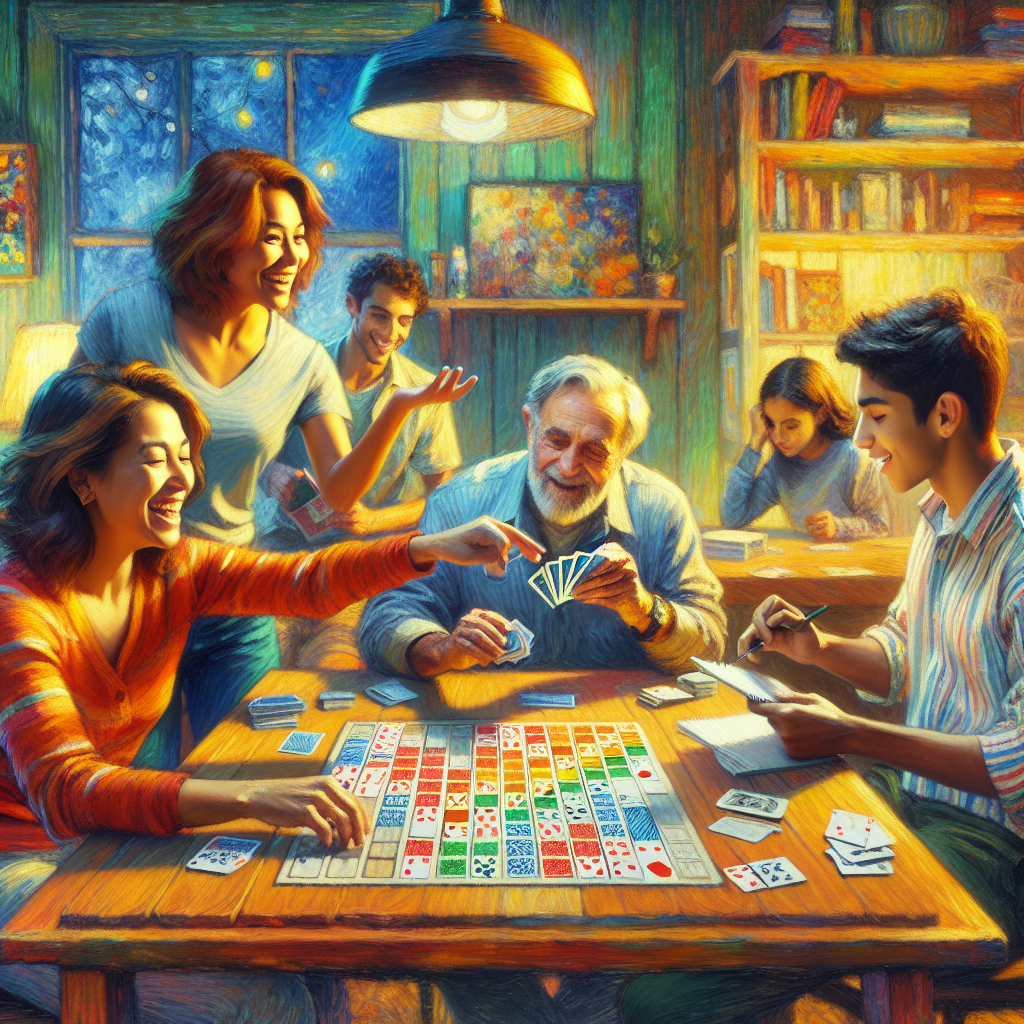
Memory card games are a delightful pastime that transcends generations, making them a staple in family game nights and classrooms alike. But just who can dive into the challenge of flipping cards and matching pairs? The short answer: everyone. The longer answer? Well, let’s break it down.
First up, we have the littlest players—children as young as three or four years old. At this age, memory games are more than just a fun diversion; they are crucial tools for cognitive development. Young kids are like sponges, soaking up everything around them, and memory games enhance their recall abilities while honing their concentration. You might see them giggle in excitement as they uncover a pair, their joy contagious. The colorful cards and simple rules draw them in, making learning a side effect of play. It’s no surprise that a child’s first introduction to a memory game often feels like magic.
Moving into the elementary school years, kids around six to eleven are ready to tackle more complex games. They may begin to grasp strategies, like paying closer attention to their opponent’s moves or remembering where certain cards are. This age group relishes the competitive aspect of the game, fueling a bit of friendly rivalry. Family gatherings can become heated but in good spirits, as siblings (or parents) vie for victory. It’s a beautiful spectacle—children learning not just about memory but about sportsmanship, patience, and sometimes how to gracefully accept defeat.
Then we enter the teenage years, where the same games can morph into social experiences. Memory card games may seem simplistic compared to the complex video games vying for attention, but they offer something invaluable: connection. Teenagers can engage in spirited sessions with friends, laughing and reminiscing about childhood memories while rekindling simpler times. They offer a break from screens and a chance to bond, reminding everyone that fun doesn’t always require the latest tech.
Finally, let’s not forget the adult players. Memory card games are an excellent brain exercise. As we age, keeping our mental faculties sharp becomes increasingly important. Engaging in such games aids in cognitive functions and memory retention. Plus, it never hurts to channel your inner competitor at the dinner table or during a quiet evening.
Memory card games are for everyone, from toddlers still discovering the world to grandparents looking to sharpen their minds. The joy of matching pairs and outsmarting opponents is a universal language — connecting us all through laughter and memories. So, gather your cards and let the games begin!

What Age Groups Can Play Memory Card Games?
What Age Groups Can Play Memory Card Games?
- Memory card games appeal to all ages, making them a popular choice for family game nights and classrooms.
- Children aged three to four benefit cognitively from memory games, enhancing recall abilities and concentration.
- Elementary school kids (ages six to eleven) are ready for more complex games, learning strategies and sportsmanship.
- Teenagers turn memory games into social experiences that foster connection and nostalgia, providing a break from screens.
- Adults find value in memory card games as a means to keep the mind sharp and engage in friendly competition.
- The joy of playing memory games transcends generations, uniting players through laughter and shared experiences.
- Memory card games are a delightful way for everyone—from toddlers to grandparents—to connect and have fun.
What Age Groups Can Play Memory Card Games?
What Types Of Memory Card Games Are Available?
What Types of Memory Card Games Are Available?
When it comes to memory card games, the landscape is as diverse as a well-stocked toolbox. From classic variations that have stood the test of time to innovative new creations that push the boundaries of gameplay, there’s a game for everyone willing to flex their mental muscles. Let’s dig into the different types of memory card games available, shall we?
First up, we have the classic “Concentration” – or as some cheekily call it, “Pairs.” This timeless favorite requires players to flip over cards in an effort to match identical pairs. It’s simple yet potent, engaging your memory in a duel of wits and attention. The beauty of this game lies not only in its accessibility but also in its ability to be adapted for various age groups. You can make it easier for the younger ones with fewer pairs or even thematic decks representing their favorite characters. The nostalgic essence of this game keeps it rolling off the shelves and into living rooms everywhere.
Now, while we’re on the topic of nostalgia, let’s not forget “Memory.” Stripped down to its essential components, this game usually features cards laid face down, waiting to be turned over. The aim? To remember the locations of cards as they are revealed. It’s a classic exercise in memory that harkens back to simpler times, yet it also provides a solid workout for your cognitive skills. And like “Concentration,” it can be themed for different audiences, making it versatile and universally enjoyable.
As we venture into the realms of the modern, we find “Picture Bingo.” This isn’t your grandmother’s bingo; it’s got a memory twist. Players must not only match images on their boards but also recall where they saw corresponding cards on a communal table. It’s an excellent choice for family game night as it blends luck with a sharp mind, encouraging everyone from toddlers to grandparents to join in the fun.
For the more adventurous, there are games like “Codenames,” which challenge players to use their memories in association with wordplay and strategy. This game isn’t solely about memory but requires a keen combination of tactics and teamwork, pushing the boundaries of the traditional memory card game mold.
In essence, memory card games range from the classic to the contemporary, each offering unique and engaging cognitive workouts. Whether you’re a seasoned strategist or just looking to have some fun with family and friends, the versatility of these games ensures that there’s something out there for everyone. So, gather your deck, shuffle those cards, and get ready to test your memory in the best way possible.

What Types Of Memory Card Games Are Available?
What Types Of Memory Card Games Are Available?
- Diverse landscape of memory card games, catering to varying interests and ages.
- Classic game “Concentration” involves matching identical pairs of cards, adaptable for different age groups.
- The game “Memory” features face-down cards and focuses on recalling their locations, benefiting cognitive skills.
- “Picture Bingo” combines traditional bingo with a memory twist, engaging players of all ages.
- “Codenames” challenges players with a mix of memory, wordplay, and strategy for a more adventurous experience.
- Memory card games provide unique cognitive workouts, ranging from classic to contemporary styles.
- Offers fun for both seasoned players and casual family game nights, ensuring something for everyone.

What Types Of Memory Card Games Are Available?
How Can Memory Card Games Enhance Cognitive Abilities?
When you think about sharpening your mental acuity, you might envision endless hours of studying or plowing through dense textbooks. But let’s take a moment to consider a different approach—one that’s not only effective but also fun: memory card games. Picture this: a small deck of cards, brightly colored and adorned with whimsical characters or everyday objects, laying face down on a table. Now, imagine the friendly competition as you and your friends flip these cards in search of matches. Beneath the surface of this simple game, something profound happens—a workout for your brain that’s both engaging and beneficial.
Memory card games, in their essence, challenge players to recall the location of specific cards while simultaneously engaging in a hunt for pairs. This seemingly straightforward task is like lifting weights for your brain. Each flip of a card is a mini mental exercise, forcing you to engage various cognitive functions: attention, concentration, and recall. As players progress through the game, they develop strategies and improve pattern recognition—skills that extend far beyond the game itself.
Now, let’s talk about the power of repetition. Repeating the game enhances long-term memory. The more you play, the more connections your brain makes. It’s akin to practicing scales on a musical instrument; with each session, your brain solidifies those connections, making them faster and more efficient. This boost in memory capability translates into greater cognitive flexibility, allowing you to adapt more readily to new information in everyday life.
Moreover, memory card games foster social interaction. They pull players together, igniting friendly banter and collaboration. Social engagement is crucial for cognitive health; it encourages the brain to forge new pathways and strengthens emotional bonds. Whether it’s a family gathering or a game night with friends, these interactions add a layer of excitement and motivation that can spur you on to keep playing and learning!
Lastly, let’s not forget the sheer joy of play. When we engage in activities that we enjoy, our brains release dopamine, a neurotransmitter linked to motivation and happiness. This creates a positive feedback loop, where the more you play, the more you want to play—further enhancing cognitive skills in the process.
So, next time you rummage through your closet for a pastime that can boost your brainpower, don’t overlook that colorful deck of cards. It’s not just a game; it’s a full-on mental gym session packed into an hour of laughter and fun.

How Can Memory Card Games Enhance Cognitive Abilities?
How Can Memory Card Games Enhance Cognitive Abilities?
- Memory card games offer a fun and effective way to sharpen mental acuity.
- Players must recall card locations and search for matching pairs, providing a workout for the brain.
- The game enhances cognitive functions such as attention, concentration, and recall.
- Repetition in gameplay improves long-term memory and strengthens neural connections.
- Memory card games encourage social interaction, boosting cognitive health and emotional bonds.
- Engaging in enjoyable activities like these releases dopamine, enhancing motivation and happiness.
- Playing memory card games combines fun with cognitive training, giving a mental workout in a lighthearted environment.

How Can Memory Card Games Enhance Cognitive Abilities?
What Are Some Popular Memory Card Games To Try?
When it comes to memory card games, the options are as abundant as the grains of sand on a beach, and the fun is equally boundless. These games aren’t just a way to amuse yourself; they come with a hefty side of cognitive workout that keeps your mind sharp and quick. So let’s dive into some popular memory card games you might want to try.
First up, we have the classic Concentration—a game that’s been around longer than most of us have been breathing. You’ve got a simple goal: find matching pairs of cards from a facedown layout. Flip over two cards with each turn, and if they match, they’re yours. If not, they go back face down. It’s a game of memory, strategy, and just a hint of luck, and it’s one that can bring the whole family together in spirited competition. Plus, the best part? You can tailor the difficulty by adjusting the number of cards, making it just right for younger players or those who’ve been around the block a few times.
Next, let’s shake things up a bit with a game called Memory Palace. Now, this one requires a touch of creativeness beyond just matching. Here, you build a mental structure—an imaginary building or landscape—to associate with your cards. Each card signifies a piece of your memory palace. The stronger your visualization, the better your recall. So, not only are you working on your memory skills, but you’re also honing your ability to think outside the box. It’s like juggling chainsaws while standing on a unicycle, but way more fun and significantly less dangerous.
And if you really want to get the adrenaline pumping, there’s the fast-paced game known as Snap! In this game, speed and alertness reign supreme as you compete to be the first to recognize matching pairs, slapping your hand down on the pile to claim them. It’s an exciting game that’s sure to get everyone’s heart racing as you channel your inner reflex ninja.
For those who think card games are purely about high stakes and head-to-head battles, consider adding some cooperative memory games into the mix. Games like Don’t Wake Daddy or Memory Box challenge players to work together, enhancing communication skills and team strategy while boosting the ol’ noggin along the way.
So gather your cards, summon your wits, and dive into the world of memory card games. Whether you’re matching pairs, conjuring up mental palaces, or racing against time, there’s no shortage of fun waiting to be had. And the best part? You’ll be sharpening your memory skills while you’re at it. It’s a win-win!

What Are Some Popular Memory Card Games To Try?
What Are Some Popular Memory Card Games To Try?
- Memory card games offer a variety of options and endless fun, serving as a playful way to exercise the mind.
- The classic game Concentration involves finding matching pairs from a facedown layout, enhancing memory and strategy skills.
- Concentration can be adjusted in difficulty, making it suitable for players of all ages.
- Memory Palace encourages creative thinking by using visualization to associate cards with an imaginary structure.
- Snap! is a fast-paced game where players must quickly recognize and claim matching pairs, boosting reflexes and alertness.
- Cooperative games like Don’t Wake Daddy and Memory Box promote teamwork while enhancing communication and memory skills.
- Engaging in these games helps sharpen memory skills while providing enjoyable interaction for all players.

What Are Some Popular Memory Card Games To Try?
How Can I Create My Own Memory Card Game?
Creating your own memory card game is a fantastic way to stimulate the brain, hone your creativity, and perhaps even bond with family and friends over a friendly competition. So, tie up those boots and roll up your sleeves, because it’s time to dig into the rewarding task of designing a game that challenges and entertains!
First off, let’s talk about the basics. A memory card game generally consists of pairs of cards featuring matching images, symbols, or words. The goal is simple: flip the cards over two at a time and try to find matching pairs. You’ll want to start with a theme—this is the heartbeat of your game. Think about what you and your intended players enjoy. Animals, cartoons, or even household items are all great choices. Got a fondness for vintage cars? Boom! Your theme is set.
Once you’ve settled on a theme, it’s time to gather your materials. You don’t need to break the bank; a stack of cardstock or even recycled cereal boxes will do the trick. Cut your chosen material into uniform squares, about 3×3 inches. This is where precision comes into play. Consistent sizing makes for a neater game and helps those eager players focus on their memory rather than the size of the cards.
Now comes the creative part. If you’re artistically inclined, grab some markers, paints, or colored pencils and get to work illustrating your pairs. If you’re like many of us who can barely draw a straight line, creative solutions abound! You can print images from the internet, use stickers, or even photographs. Just remember each image must be duplicated. After all, you can’t match if you’re only half-filling the memory quota!
Once the artwork is down, it’s time to set the rules. Keep them simple. Remember, this is all about fun! Decide how many pairs you want to include, and how players will alternate turns, flipping the cards to find matches. Consider whether you want to include special cards that offer bonuses or penalties—like allowing a player to take another turn or forcing them to skip theirs.
Finally, don’t forget to test your game! Have friends or family play a few rounds to see how it flows. Gather their feedback. If they stumble over the rules or the challenge is too easy, tweak it until it feels just right.
And there you have it—the nuts and bolts of creating your very own memory card game! Whether you keep it casual for family outings or turn it into a competitive extravaganza, you’ve just crafted a playful experience that can sharpen minds and create lasting memories.

How Can I Create My Own Memory Card Game?
How Can I Create My Own Memory Card Game?
- Creating a memory card game stimulates the brain and encourages creativity while fostering bonds with family and friends.
- The game consists of pairs of cards featuring matching images, symbols, or words, with the objective of finding matching pairs.
- Choose a theme for the game that resonates with intended players, such as animals, cartoons, or vintage cars.
- Materials needed can be inexpensive, like cardstock or recycled cereal boxes, cut into uniform squares (3×3 inches).
- Illustrate pairs using markers, paints, or print images; ensure each image is duplicated for matching.
- Establish simple rules, including the number of pairs and turn-taking, while considering special cards for added fun.
- Test the game with friends or family, gather feedback, and adjust the rules or challenges as necessary for an optimal experience.

How Can I Create My Own Memory Card Game?
What Makes A Memory Card Game Engaging?
What Makes a Memory Card Game Engaging?
When we dive into the world of memory card games, it’s easy to overlook the sheer simplicity of their design. Yet, simplicity married to strategic complexity is what keeps players coming back for more. What makes these games engaging? Let’s break it down.
First off, there’s the element of nostalgia. For many, memory card games harken back to a simpler time, evoking childhood memories spent around the dining table with family, flipping cards to see who could remember where the matches lay. This connection to our past creates an emotional investment. No one can deny that the warm and fuzzy feelings we associate with such games can make us laugh harder or play longer, all while forging connections with loved ones.
Then, there’s the thrill of competition. Whether you’re squaring off against an old friend or challenging a sibling, memory card games provide a fertile ground for rivalry. This isn’t just about matching pairs; it’s about brain speed, recall, and a touch of luck. The stakes might be low, but the excitement is high. Each successful match feels like a small victory, while making a mistake—well, that registers in the memory banks too, motivating players to improve on their next turn.
Next, let’s talk about the mental workout. Don’t underestimate the cognitive benefits here. Memory card games sharpen focus, enhance recall, and train the brain to absorb information in a playful context. For both children and adults, it’s a delightful exercise in concentration. As you flip and play, you’re not just having fun; you’re actively engaging your mind, building skills that can spill over into other areas of life. That’s a win-win in any book.
The visual and tactile elements also play a big part. The vibrant colors, whimsical characters, and unique artwork on the cards draw players in. It’s not just about what you remember; it’s about the journey through the game’s aesthetic landscape. Each card you touch has the potential to evoke curiosity and joy, stirring a spirit of discovery that keeps players engaged.
Lastly, let’s not forget the power of unpredictability. Each game is its own unique puzzle, an unsolved mystery in a world where predictability can be the death knell of interest. Memory card games are different each time, with new strategies to explore, challenges to tackle, and little surprises lurking in every turn. It’s this delightful blend of nostalgia, competition, cognitive challenge, sensory delight, and unpredictability that makes a memory card game not just a pastime, but a captivating experience.

What Makes A Memory Card Game Engaging?
What Makes A Memory Card Game Engaging?
- Memory card games combine simplicity with strategic complexity, making them engaging.
- Nostalgia plays a key role, evoking childhood memories and emotional investments.
- The thrill of competition fosters rivalry, encouraging players to improve their skills.
- These games provide a cognitive workout, sharpening focus and enhancing recall.
- Visual and tactile elements, including vibrant colors and unique artwork, attract players.
- Unpredictability ensures each game is unique, with new challenges and strategies to explore.
- The combination of nostalgia, competition, cognitive challenge, sensory delight, and unpredictability makes memory card games a captivating experience.

What Makes A Memory Card Game Engaging?
How Can Memory Card Games Be Used In Education?
How Can Memory Card Games Be Used in Education?
As the sun rises on the educational landscape, the methods of imparting knowledge are evolving faster than a kid with a sugar rush. Among these innovative strategies is the age-old memory card game, a deceptively simple tool that’s making waves in classrooms across the country.
What’s the deal with memory card games, you ask? At first glance, they may seem like nothing more than a nostalgic way to pass the time while waiting for dinner to be served. But dig a bit deeper, and you’ll discover they pack a punch in cognitive development and engagement. These games aren’t your grandmother’s poker nights; they’re are finely-tuned instruments for enhancing memory, promoting concentration, and even reinforcing social skills.
In the classroom, memory card games can transform mundane lessons into interactive experiences that students actually look forward to. Imagine a classroom buzzing with excitement as students pair up, cards fanned out in their hands, eagerly hunting for matches related to vocabulary words or historical figures. Suddenly, the effort to remember concepts becomes a competitive sport, with learning woven seamlessly into the fabric of play.
One of the best parts about memory games is their versatility. You can tailor them to fit any subject—be it math, science, language arts, or even art history. For instance, a set of memory cards featuring math equations and their answers can turn a difficult topic into a playful challenge, nudging students to practice their problem-solving in a fun setting. Likewise, language learners can engage with vocabulary through picture associations, building language skills without the pressure of traditional studying.
Let’s not overlook the social aspect! In a world where social skills can sometimes feel like they’re slipping through the cracks, card games encourage collaboration and communication. Whether it’s working together to find pairs or friendly competition to see who can recall the most, students learn important interpersonal skills. I mean, if you can’t share your cupcakes at recess, how do you expect to manage a group project?
So, why not roll the dice—figuratively speaking—and introduce memory card games into your educational toolbox? They bridge the gap between fun and learning, making the acquisition of knowledge not only effective but enjoyable. Learning doesn’t have to be a drudge; it can be an adventure, and memory card games are a splendid way to start.

How Can Memory Card Games Be Used In Education?
How Can Memory Card Games Be Used In Education?
- Memory card games are a versatile educational tool that enhances cognitive development and student engagement.
- They transform traditional lessons into interactive experiences that stimulate excitement and participation.
- Games can be tailored to any subject, from math to language arts, promoting playful learning.
- Memory games can help students practice problem-solving and improve vocabulary through fun associations.
- These games foster collaboration and communication, essential skills in a modern educational environment.
- They create a competitive yet friendly atmosphere that encourages students to actively remember concepts.
- Memory card games make learning enjoyable and effective, bridging the gap between education and play.

How Can Memory Card Games Be Used In Education?
What Materials Are Needed For Memory Card Games?
When it comes to memory card games, simplicity reigns supreme. You don’t need a high-tech setup or a room packed with gadgets; all you really need is a basic deck of cards and a willingness to engage your mind. So, let’s roll up our sleeves and break down what you’ll need to get started on your next round of fun.
First and foremost, you need a standard set of playing cards. This could be your run-of-the-mill 52-card deck that you’ve got lying around or a specialized memory card deck if you want something a bit more themed or colorful. There are plenty of options out there—from classic cartoon characters to educational cards that promote learning as you play. Just make sure that whatever cards you choose are in good condition; frayed edges and dog-eared corners can make for a frustrating experience.
Next up, a flat, clean surface is your best friend. You could use a dining table, a coffee table, or even the floor—just ensure it’s free from clutter. You’ll be spreading cards out, flipping them, and trying to keep track of their locations, so a clear space is key. Remember, this game thrives on focus and memory, and a tidy area helps keep distractions at bay.
Then, there’s the need for some sort of timer or scorekeeping mechanism. While some games are played just for the love of competition, others thrive on the thrill of a ticking clock. You can use a simple kitchen timer, a stopwatch app on your phone, or just go old-school and count time in your head. If you’re playing with multiple rounds, having paper and a pen handy can help you keep track of scores and winners—nothing quite boosts morale like seeing your name at the top of that list!
And last but certainly not least, bring the right attitude to the table. Memory card games are about more than just flipping cards and trying to remember where they’ve been; they’re about engaging with others, sharing some laughs, and maybe even lighting up a friendly rivalry. So gather your friends or family, cue the competitive spirit, and prepare for an unforgettable experience.
With these materials and a little enthusiasm, you’ll be well-equipped to dive into the world of memory card games, igniting your brain and making memories that last long after the game has ended.

What Materials Are Needed For Memory Card Games?
What Materials Are Needed For Memory Card Games?
- Memory card games prioritize simplicity and require minimal setup.
- A standard 52-card deck or a themed memory card deck is necessary.
- Use a flat, clean surface for playing to maximize focus and minimize distractions.
- A timer or scorekeeping method enhances the competitive aspect of the game.
- Keep paper and pen handy for tracking scores in multiple rounds.
- Bring a positive attitude to foster engagement and camaraderie among players.
- With the right materials and enthusiasm, players can enhance their memory and create lasting memories.

What Materials Are Needed For Memory Card Games?
How Do You Play A Basic Memory Card Game?
Memory card games—simple yet incredibly engaging—are a delightful way to sharpen your wit and recall while having a blast. Picture a tabletop adorned with a colorful array of cards, each hiding an image that beckons to be revealed. At first glance, it might seem like child’s play, but don’t let the simplicity fool you; this game is a true test of not just memory, but strategy and patience as well.
To dive into the basics, gather a set of cards—these can be purchased or created yourself with a deck of playing cards, or even pictures of your favorite animals, foods, or whatever matches your interests. Ideally, you’ll want a set of cards with pairs; each unique image or number must have a twin. Shuffle the cards and lay them face down in neat rows, ensuring they’re evenly spaced to facilitate easy flipping.
Now, here comes the good part: the players. You can challenge yourself solo, or enlist family and friends for a raucous evening of card flipping and laughter. Each player takes turns flipping over two cards in a bid to find a matching pair. It’s a bit like playing detective, but with no magnifying glass—just keen observation and a solid memory.
When a player successfully finds a match, they keep the pair and earn another turn. The stakes of the game subtly rise; with each successful match, the player becomes sharper, more attuned to the locations of the matches. But don’t underestimate the art of subtlety—watch your opponents’ moves, pay attention to their faces, and remember where their cards landed.
Should a player flip two cards that don’t match, they are turned back over with a gentle reminder that the game is a race for recollection, not just luck. The challenge is to keep track of which cards others reveal while simultaneously memorizing your own discoveries. As the game progresses, the field narrows, excitement builds, and the victorious aura of anticipation thickens in the air.
The game continues until all pairs have been matched. Still, it’s not merely about winning or losing. This earnest affair is an exercise in camaraderie, laughter, and, quite simply, brain training disguised as fun. When the last pair is matched, tally up the wins, and you’ll find yourself not just holding cards, but celebrating memories crafted around them. Whether you’re playing with a group or in quiet solitude, the memory card game serves as a timeless way to engage your mind—saucy competition and spirited fun, all in one simple package. So, gather those cards and let the memory madness begin!
How Do You Play A Basic Memory Card Game?
How Do You Play A Basic Memory Card Game?
- Memory card games are engaging and helpful for sharpening memory and strategy.
- Players use a set of cards with pairs, shuffled and laid face down.
- Players take turns flipping two cards to find matching pairs.
- Successful matches allow players to keep the pair and earn extra turns.
- Players must observe opponents’ moves while recalling their own discoveries.
- The game ends when all pairs are matched, focusing on fun and camaraderie.
- Memory card games provide a timeless way to engage the mind and encourage spirited competition.

How Do You Play A Basic Memory Card Game?
What Variations Of Memory Card Games Exist?
When it comes to memory card games, the variations are as abundant as the opinions on the best way to grill a hot dog at a backyard BBQ. You might think that flipping two cards over and hoping they match is child’s play, but oh, how wrong you are! Memory card games have evolved, diversified, and taken on shapes and forms that would make a Swiss Army knife jealous.
First up, we have the classic version that most folks are familiar with: Concentration. It’s simple enough—a grid of face-down cards, flipped two at a time until a player either strikes gold or faces the disappointment of mismatched pairs. But don’t let its simplicity fool you. Variants of Concentration pop up like weeds in a garden. Some use themed cards—like superheroes, animals, or even celebrities—adding layers of nostalgia or hilarity to the mix. Regardless of the theme, the challenge remains; it tests your knack for visual recall and strategy.
Then we have Flip and Find, a one-on-one battle where players take turns flipping over cards, politely placing them back if they don’t match. But here’s the twist: players score points not just for finding pairs, but also for keeping the cards they’ve turned over in their noggin’s raw data bank. You’d better have a sharp memory; otherwise, you might find yourself on the losing end of a long-term rivalry—nothing fuels competition quite like a simple game of cards!
Moving along, let’s talk about Cooperative Memory Games. Yes, you heard that right! The world of memory games doesn’t always have to be an ‘everyone-for-themselves’ kind of deal. In these, players work together to locate pairs, fostering teamwork over cutthroat tactics. It’s a great option for family game nights, where the goal is less about winning and more about bonding over the shared experience of matching that bizarre fruit card your aunt seems to have a special affinity for.
Let’s not forget the twist of technology! Digital versions of memory games abound, from mobile apps to interactive online platforms. These modern takes can introduce time constraints, creative obstacles, and visual flair. But while the bells and whistles of high-tech memory games may seem flashy, they can’t quite replicate the nostalgia of slapping down cards with family or friends.
In summary, memory card games range from competitive to cooperative, classic to high-tech, and everything in between. Whether you’re looking to sharpen your mind, bond with loved ones, or just pass the time, there’s a memory game out there for everyone. So dig out those cards and get ready to flex those brain muscles!

What Variations Of Memory Card Games Exist?
What Variations Of Memory Card Games Exist?
- Memory card games have various forms, akin to grilling hot dog opinions at BBqs.
- The classic version, Concentration, features a grid of face-down cards and tests visual recall.
- Variants of Concentration introduce themed cards, adding nostalgia and humor to the game.
- Flip and Find is a competitive game where players score points by remembering card locations.
- Cooperative Memory Games allow players to work together to find pairs, fostering teamwork.
- Digital memory games offer modern twists with time limits and creative challenges.
- Memory games suit all preferences, whether for sharpening the mind, bonding, or passing time.

What Variations Of Memory Card Games Exist?
How Can Memory Card Games Be Adapted For Different Skill Levels?
Memory card games might seem straightforward at first glance—a simple battle of wits where players take turns flipping cards, hoping to match pairs with the sharpness of a steel trap. But like many things in life, there’s more than meets the eye, and adapting memory games for different skill levels is where the magic happens. Let’s delve into how you can fine-tune this classic pastime to suit everyone from curious toddlers to seasoned memory champions.
For the wee ones just beginning their journey in cognitive development, simplicity is key. Start with a smaller set of cards—maybe just eight pairs—featuring colorful images of animals or objects they recognize. This not only reduces overwhelm but also provides instant gratification as they make matches. It’s about building confidence; when they succeed, they’re fueled by a sense of achievement that propels their learning forward.
Now, as players mature, so should the game. Gradually increase the number of pairs, and introduce them to themed decks—think of dinosaurs or space shuttles. Not only does this add layers of interest, but it also conjures a sense of nostalgia for older players. Sticking to about 16 pairs might appeal to young adults feeling nostalgic for their childhood yet desiring a tad more challenge. Adding a time element, where matches must be made within set intervals, can crank up the pressure and excitement, shaking the game up a bit.
For seasoned pros, the stakes can be raised haywire. Consider introducing a ‘memory challenge,’ where players have to remember the position of cards they’ve previously turned over, or adjust the rules so that certain matches require specific conditions to be met—like matching by color or number. This adds a strategic twist that requires not just memory, but also planning and foresight.
Additionally, incorporating team play allows for diverse skill levels to mingle harmoniously. Pairing a seasoned player with a novice creates an environment ripe for learning. The experienced player can guide the new one through the intricate web of memory dynamics—all while keeping the game light-hearted and enjoyable.
Ultimately, memory card games are a blank canvas, waiting for you to splash your creativity upon it. By tailoring the rules and complexity to suit different skill levels, everyone can engage, learn, and—most importantly—have a good time. It’s not just about matching cards; it’s about strengthening bonds and building memories, card by card.

How Can Memory Card Games Be Adapted For Different Skill Levels?
How Can Memory Card Games Be Adapted For Different Skill Levels?
- Memory card games go beyond simple card matching; they can be adapted for various skill levels.
- For toddlers, start with a small set of 8 pairs with recognizable images to build confidence.
- As players grow, increase the number of pairs and introduce themed decks for added interest.
- Young adults may enjoy 16 pairs with added challenges, like time limits for matches.
- Experienced players can face greater challenges with memory tasks and specific match conditions.
- Incorporating team play allows for mixed skill levels, fostering learning and enjoyment.
- Memory games can be creatively tailored to ensure engagement and bonding while playing.

How Can Memory Card Games Be Adapted For Different Skill Levels?
Conclusion
Alright, folks, let’s wrap this up by flipping the script on memory card games. If you thought they were just a bunch of colorful cards waiting to be flipped, think again. This simple pastime may look like child’s play on the surface, but it’s a powerhouse of cognitive benefits and social interaction, perfect for families, friends, and anyone looking to give their brain a workout.
Picture this: you’re sitting around the table, laughter echoing as players strategize their moves, flipping two cards at a time in a battle of wits and memory. That’s the beauty of these games—they’re not just a mental exercise; they bring people together. Whether you’re teaching your four-year-old how to play or challenging your friends on game night, there’s something timeless and universal about hunting for those elusive matching pairs.
Let’s talk about the brain for a second. Each time you play, whether you’re a toddler or a grandmother, you’re engaging in more than just a game; you’re giving your memory and concentration a solid workout. While your little one might be enhancing their recall abilities and learning shapes, you’re keeping your mind sharp as you navigate all those cards scattered on the table. Who needs a gym membership when you can score cognitive gains while having fun?
And let’s not overlook the social aspect. In an age dominated by screens and isolation, memory card games usher us back to meaningful conversations, shared laughter, and a healthy dose of friendly competition. These moments not only strengthen bonds among loved ones but also teach important life skills—things like patience, sportsmanship, and strategic thinking. Remember, sometimes losing can enlighten just as much as winning.
The variations of memory card games are endless. From classic games like Concentration to themed variations or even digital adaptations, there’s something tailored to every age, skill level, and interest. So whether your night involves intense competition or collaborative fun, these games have got you covered.
In essence, memory card games deliver an invaluable experience: the simple joy of flipping cards alongside the powerful perks of mental acuity and connection. So the next time those cards come out, remember: you’re not just playing a game; you’re wielding a tool for connection, laughter, and a little friendly rivalry. It’s time to shuffle those cards and let the games commence—who’s ready?

Conclusion
Conclusion:
- Memory card games offer cognitive benefits and enhance social interaction.
- They engage players of all ages, from toddlers to seniors, in a fun mental workout.
- Playing together fosters laughter and connection among friends and families.
- The games improve memory, concentration, patience, and strategic thinking.
- There are numerous variations, ensuring enjoyment for different ages and skill levels.
- Memory card games encourage meaningful conversations in a digital age.
- They are a blend of fun and valuable life lessons, proving that losing can be as enlightening as winning.

Conclusion
Other Resources

Other Resources
Here is a list of other resources you can review online to learn more:
- “Memory Cards – Apps on Google Play”
- “Concentration (card game)”
- “10 Fun & Easy Card Games to Develop Communication …”
- “Match Cards Memory Game – Apps on Google Play”
- “10 Kid-Friendly Card Games”
Bing Copilot Prompt: Please provide me with a list of online articles with their URLS in a bulleted list that I can read regarding What Are Memory Card Games?

Other Resources
Glossary Terms
What Are Memory Card Games? – Glossary Of Terms
1. Memory Card Game: A type of card game where players must remember the locations of matching pairs of cards.
2. Pairing: The act of finding two cards that match in a memory card game.
3. Deck: The set of cards used in a memory game, typically consisting of multiple pairs of matching images or values.
4. Shuffle: The process of randomly mixing the cards in the deck before the game begins.
5. Turn: A player’s chance to make a move, which usually involves flipping two cards to try and make a pair.
6. Flip: To turn over a card to reveal its face, typically done during a player’s turn.
7. Match: When two flipped cards are identical, resulting in a successful pair.
8. Score: A point tally based on the number of pairs a player successfully matches during the game.
9. Memory: The cognitive ability to recall the locations of cards that have been previously revealed.
10. Turn Order: The sequence in which players take their turns, often determined at the start of the game.
11. Winning Condition: The criteria that determine which player wins the game, usually based on the highest score or most pairs collected.
12. Gameplay: The overall process and rules governing how the game is played from start to finish.
13. Face Cards: Cards that display images or illustrations rather than numbers, commonly used in themed memory games.
14. Game Variants: Different versions or rulesets of memory card games that may include unique themes, mechanics, or objectives.
15. Concentration: Another name for memory card games, emphasizing the need for focus and attention.
16. Reset: To prepare the game to start over, often involving shuffling the cards and placing them face down.
17. Visual Memory: The type of memory used to remember the locations and identities of cards, which is key in memory games.
18. Grid Layout: The arrangement of cards on the playing surface, typically set up in rows and columns face down.
19. Strategy: The planned approach a player uses to improve their chances of winning, which may involve tracking flipped cards.
20. Randomization: The process of arranging cards in a non-orderly way to ensure fairness and unpredictability in the game.
21. Hand-Eye Coordination: The skill needed to accurately flip cards while maintaining concentration on their positions.
22. Social Interaction: The element of playing with others, which adds a layer of fun and competition to memory card games.
23. Age Appropriateness: The suitability of a memory card game for different age groups, often based on complexity and theme.
24. Educational Value: The cognitive benefits derived from playing memory card games, including improved memory skills and concentration.
25. Thematic Cards: Cards designed with specific themes, such as animals, shapes, or characters, adding visual interest to the game.
26. Scorekeeping: The method of tracking points or pairs matched during gameplay, which can be done verbally or with writing.
27. Endgame: The final phase of the game where players may have only a few cards left to match, leading to heightened tension.
28. Replayability: The potential for a game to remain enjoyable through multiple sessions, often influenced by card design and randomization.
29. Cooperative Play: A variant of memory games where players work together to achieve a common goal, rather than competing against each other.
30. Mindfulness: The state of active, open attention to the present moment, which can enhance the enjoyment and effectiveness of playing memory card games.

Glossary Of Terms
Other Questions
What Are Memory Card Games? – Other Questions
If you wish to explore and discover more, consider looking for answers to these questions:
- What are some popular memory card games recommended for beginners?
- How do memory card games compare to other types of board games in terms of cognitive benefits?
- Can memory card games be played online or through apps?
- What age is best to start introducing memory card games to children?
- How can parents use memory card games to support their child’s education?
- What tips do experienced players have for improving memory in card games?
- Are there specific themes that are more engaging for different age groups in memory card games?
- What kind of materials can be used to create DIY memory card games?
- How do you keep score in a memory card game?
- What variations of memory card games are best for large groups?

Other Questions
Haiku
What Are Memory Card Games? – A Haiku
Friends gathered to play,
Memory’s dance unfolds bright,
Skills sharpen with joy.

Haiku
Poem
What Are Memory Card Games? – A Poem
In the Game of Memory
Gathered ’round a table bright,
Friends unite in joyful fight,
Cards laid down, a vibrant sea,
Each flip a chance for memory.
A simple game, or so it seems,
Yet hidden deep are woven dreams,
With colors bold and images clear,
Excitement flutters, laughter near.
Children learn to focus, play,
While honing skills in a fun-filled way,
Strategic minds, young and old,
In friendly rivalry, watch stories unfold.
Each match a spark, a victory claimed,
In every turn, new friendships named,
From toddlers’ giggles to adult’s delight,
Memory games bring hearts alight.
In this world where screens preside,
These games revive the joy inside,
A workout for the brain, so true,
With every card, connections grew.
So shuffle decks, embrace the chase,
In each forgotten pair, a trace
Of laughter shared and lessons learned,
In memory’s glow, the heart’s warmth burned.
Here’s to the game, with all its charms,
Uniting souls with playful arms,
For in the flip, the match, the cheer,
We find the magic of being here.

Poem
Checklist
What Are Memory Card Games? – A Checklist
1. Set Your Theme:
_____ Choose a topic or theme for your cards (e. g. , animals, cartoons, historical figures).
_____ Consider the audience – what will engage them?
2. Gather Materials:
_____ Obtain cardstock, recycled materials, or blank index cards.
_____ Get coloring supplies or a printer for images (markers, colored pencils, etc. ).
3. Design Your Cards:
_____ Cut the cardstock or materials into uniform squares (approximately 3×3 inches).
_____ Create pairs of images, symbols, or words that match.
4. Write the Rules:
_____ Decide how players will take turns (e. g. , two cards at a time).
_____ Determine how players score (keeping matches, points).
_____ Consider special rules (e. g. , bonus turns, penalties for mistakes).
5. Set Up the Game:
_____ Shuffle the cards and spread them face down on a flat surface.
_____ Ensure enough space for all players to reach the cards comfortably.
6. Test the Game:
_____ Play a few rounds with family or friends to assess the gameplay.
_____ Take notes on what works or what needs adjusting.
7. Strategy for Different Skill Levels:
_____ Adjust the number of pairs based on player age/ability.
_____ Introduce more complex themes or timed challenges for advanced players.
_____ Allow mixed-skill teams to promote collaboration.
8. Plan for Social Interaction:
_____ Encourage communication and sharing during gameplay.
_____ Include collaborative elements for team-based play.
9. Enjoy & Reflect:
_____ Play several rounds to enhance engagement.
_____ After the game, discuss strategies used and highlight fun moments.
10. Revise and Iterate:
_____ Make necessary adjustments to cards or rules based on play feedback.
_____ Create different themed variations to continue the fun!
This checklist serves as a guide to crafting an engaging memory card game, making the process enjoyable for players of all ages!

Checklist
At CardGameNews, we help people who love card games by collating information and news about card games.
Be sure to read our other related stories at CardGameNews to learn more about card games.


