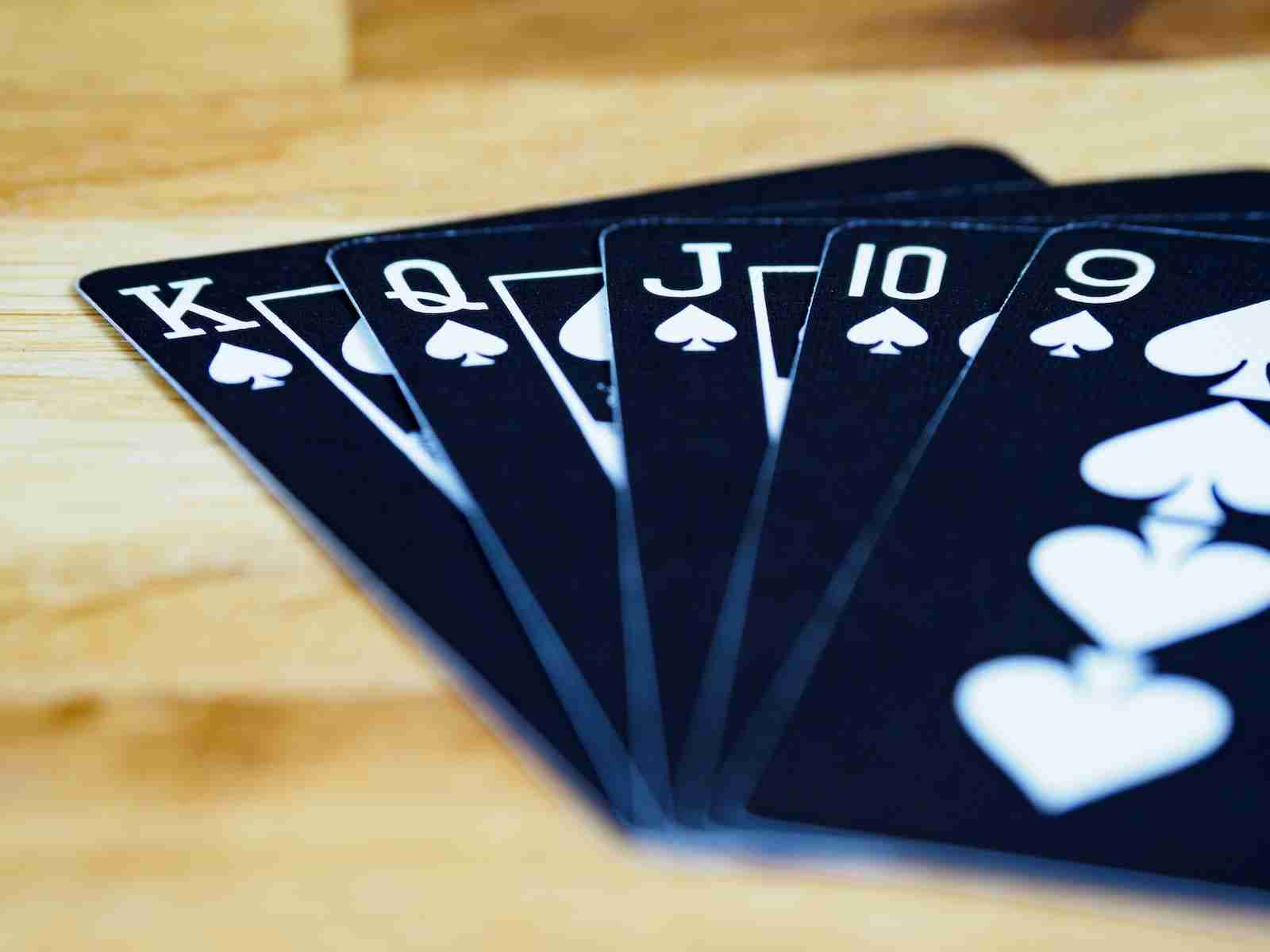
Uncover The Thrilling World Of Card Game Gambling
By Tom Seest
At CardGameNews, we help people who love card games by collating information and news about card games.
Be sure to read our other related stories at CardGameNews to learn more about card games.
What Are Some Examples Of Gambling Card Games?
Gambling card games are as varied and colorful as the folks who play them. From high-stakes poker tables in dimly lit rooms to backyard games of blackjack under the summer sun, these games are a reflection of chance, strategy, and sometimes a dash of luck. Let’s dive into some examples of popular gambling card games that have captivated players for generations.
Poker is the heavy hitter in the world of gambling card games. Variants like Texas Hold’em, Omaha, and Seven Card Stud have become household names, each with its own set of rules and strategies. At its core, poker is about reading your opponents, managing your chips, and occasionally bluffing your way to victory. The thrill of holding a potential winning hand while trying to decipher your adversaries’ tells makes poker a social spectacle and a psychological battlefield all in one.
Then we have Blackjack, often played in casinos around the globe. This game is equal parts luck and skill, where the goal is simple: beat the dealer without going over 21. Players receive two cards and can choose to hit for more or stand with what they’ve got. The tension rises with every card dealt, as players balance the risk of busting against the desire to secure a better hand. It’s a fast-paced game that thrives on split-second decisions and a bit of strategy to keep the house edge at bay.
Another classic is Baccarat, which has gained a reputation for being the game of choice among high rollers and the glamorous. Its simplicity is its charm—players bet on either the player or the banker to win, or a tie. With cards being dealt and points calculated, the stakes can soar, making it a heart-pounding experience that requires little more than a bit of luck and a willingness to ride the rollercoaster of chance.
Bridge may not be the first game that comes to mind when you think of gambling, but don’t let its genteel reputation fool you. Often played in pairs, this game blends strategy with intense focus and communication between partners. Competitive bridge tournaments can have significant cash prizes, showcasing the game’s depth and the skill it demands.
Finally, Rummy, particularly Gin Rummy, offers a mix of skill and strategy, allowing players to meld cards into sets and runs while keeping a wary eye on their opponents. The feeling of laying down that final set of cards is akin to hitting the jackpot at a slot machine—relief, excitement, and a sigh of satisfaction all rolled into one.
So, whether you’re sitting around a table with friends or navigating the neon-lit maze of a casino, these gambling card games offer a blend of chance, skill, and the thrill of the unknown. They captivate players, weave stories, and foster camaraderie—all with just a deck of cards in hand.

What Are Some Examples Of Gambling Card Games?
What Are Some Examples Of Gambling Card Games?
- Gambling card games showcase diversity and reflect the personalities of the players.
- Popular games include Poker, with variants like Texas Hold’em, Omaha, and Seven Card Stud focusing on strategy and social interaction.
- Blackjack combines luck and skill, aiming to beat the dealer without exceeding 21, requiring quick decisions from players.
- Baccarat is favored by high rollers, characterized by simple betting on the player, banker, or tie, with high-stakes excitement.
- Bridge, often overlooked, demands strategic teamwork and communication, featuring competitive tournaments with significant cash prizes.
- Rummy, especially Gin Rummy, blends skill and strategy, rewarding players with the satisfaction of completing sets and runs.
- These games combine elements of chance, skill, and camaraderie, creating engaging experiences for players whether in casual or casino settings.

What Are Some Examples Of Gambling Card Games?
Table Of Contents
- What Are Some Examples Of Gambling Card Games?
- What Types Of Card Games Can Be Played For Money?
- How Do Poker Games Differ From Other Card Games?
- What Are The Rules Of Popular Gambling Card Games?
- What Strategies Can Be Used In Gambling Card Games?
- How Do You Calculate Odds In Card Games?
- What Are The Risks Involved In Gambling Card Games?
- How Do Betting Limits Work In Card Games?
- What Makes A Card Game Popular In Casinos?
- How Can Beginners Get Started With Gambling Card Games?
- What Are The Most Common Variations Of Poker?
- How Do You Manage Your Bankroll While Playing?
- What Are The Top Gambling Card Games To Play Online?
- How Does Bluffing Work In Card Games Like Poker?
- What Are The House Rules For Different Card Games?
- How Important Is Card Counting In Gambling Games?
- Conclusion
- Other Resources
- Glossary Of Terms
- Other Questions
- Haiku
- Poem
- Checklist
What Types Of Card Games Can Be Played For Money?
When it comes to card games and the prospect of making a little cash while you’re at it, you might find yourself pleasantly surprised by the sheer variety of options available. From the cozy corners of local pubs to the glitzy lights of casinos, card games have emerged as a popular choice for those looking to combine skill, luck, and a dash of strategy—all for the chance to walk away with some extra pocket change. So, what types of card games can you actually play for money? Let’s deal the cards on a few favorites.
First up, there’s the classic poker. Whether it’s Texas Hold’em, Omaha, or Seven-Card Stud, poker has carved out a reputation as a revered game of skill and cunning. Players wager their hard-earned cash based on the strength of their hands and the ability to bluff their opponents. Whether you’re in a high-stakes tournament or a friendly home game, the thrill of playing poker for money never seems to lose its luster.
Then we have blackjack, a game where you pit your wits against the dealer. The concept is simple: get as close to 21 as possible without going over. With just a few key strategies and an understanding of the odds, you can increase your chances of walking away with some winnings. Blackjack tables are staples in casinos, alive with excitement and tension as players try to outsmart the house.
For those who prefer a communal vibe, you can’t overlook games like bridge and rummy. While these may not always be played for high stakes, there’s something to be said for the camaraderie and competitive spirit that envelopes the table. Often played in tournaments with cash prizes, these games showcase a stunning blend of teamwork and personal skill, making them a fantastic way to engage both your brain and your wallet.
Then there’s the casino staple of baccarat. Known for its elegance and simplicity, this game has developed a following among serious gamers and casual players alike. With relatively low house edges and some stratospheric betting opportunities, baccarat can be a high-roller’s paradise.
Lastly, let’s not forget about the rise of online card games. Platforms now offer a virtual environment for everything from poker to solitaire players willing to ante up for the chance of a real cash payout.
So there you have it—whether you’re a seasoned pro or a curious newcomer, the world of card games for money offers something for everyone. It’s all about folding, betting, and when the time is right, cashing in. Just remember: play smart, and keep your wits about you!

What Types Of Card Games Can Be Played For Money?
What Types Of Card Games Can Be Played For Money?
- Card games provide a diverse range of options to potentially earn cash.
- Popular games include poker, blackjack, bridge, rummy, baccarat, and online card games.
- Poker, with variants like Texas Hold’em and Omaha, is a skill-intensive game focused on bluffing and strategy.
- Blackjack challenges players to get as close to 21 as possible while competing against the dealer.
- Bridge and rummy offer a more communal gaming experience, often played for lower stakes in tournaments.
- Baccarat is known for its elegance and has low house edges, attracting both serious and casual players.
- Online platforms now host a variety of card games, allowing players to win real cash payouts.

What Types Of Card Games Can Be Played For Money?
How Do Poker Games Differ From Other Card Games?
When you sit down at a poker table, you’re not just playing cards; you’re engaging in a high-stakes psychological showdown. Unlike many traditional card games that focus on a blend of luck and skill, poker thrives on cunning tactics and reading your opponents. So, let’s dive into the nuances that set poker apart from the pack.
First off, let’s talk strategy. In a typical card game like Go Fish or Crazy Eights, the outcome hinges heavily on the hand you’re dealt. Winning these games relies more on luck and less on strategy—there’s no bluffing involved. Poker, however, flips that notion on its head. It’s not just about the cards in your hand; it’s about how you use them, how others perceive you, and what their next move might be. The ability to bluff—making your opponents think you have a better hand than you really do—introduces a mental layer that drastically changes the game’s dynamics.
Another critical element is the concept of betting. In most card games, players may not wager any money, opting instead for some form of point system. Poker, however, elevates the stakes. The act of betting transforms each round into an intense competition of courage and nerve. Will you call their bluff? Go all-in? Fold? These decisions define the poker experience, creating a blend of excitement and tension that you simply won’t find in more straightforward card games.
Additionally, poker’s social aspect is another distinctive feature. While games like Solitaire are solitary affairs, poker is a communal experience steeped in interaction. Players engage in banter, assess body language, and gauge each other’s reactions. The personalities at the table can be as varied as the cards themselves, leading to delightful or disastrous outcomes based on both skill and human nature.
Lastly, let’s not overlook the importance of poker’s rich array of variants—Texas Hold ’em, Omaha, Seven-Card Stud, to name a few. Each variant provides its own unique rules and strategies, inviting players to continuously adapt and evolve their game. This diversity is a far cry from the rigid structure found in many conventional card games.
So, the next time you shuffle a deck, remember that poker isn’t merely about playing cards; it’s about playing the players. It’s a mental sport, a test of character and strategy, wrapped up in a thrilling gamble. Good luck at the tables!

How Do Poker Games Differ From Other Card Games?
How Do Poker Games Differ From Other Card Games?
- Poker is a high-stakes psychological battle, contrasting with traditional card games that rely on luck and skill.
- Strategy is fundamental in poker, where bluffing and psychological tactics can change the game dynamics.
- The act of betting transforms each round into an intense display of courage and decision-making.
- Poker is a social game that involves interaction, banter, and interpreting body language among players.
- The diverse variants of poker, such as Texas Hold ’em and Omaha, introduce unique rules and strategies.
- Poker is not just about the cards; it involves playing the players and understanding their tactics.
- Poker is described as a mental sport, emphasizing character, strategy, and the thrill of gambling.

How Do Poker Games Differ From Other Card Games?
What Are The Rules Of Popular Gambling Card Games?
When it comes to gambling card games, the rules can sometimes feel as complex as deciphering an ancient scroll. But fear not, because at the core of these games lies a simple yet thrilling foundation that can be grasped with a solid understanding. From the smoky backrooms of a local bar to the glitzy lights of a casino, the rules of popular gambling card games have captivated players for decades.
Let’s kick things off with Poker—an American classic that’s part strategy, part psychology. Whether you’re playing Texas Hold’em or Omaha, the basic premise remains the same: create the best five-card hand from your two hole cards and the five community cards, or persuade your opponents you’ve already got it. Hands are ranked from high card up to the elusive royal flush, with players betting on their perceived strength of hand. So, bluff wisely; after all, the last thing you want is to be caught with a pair of twos when everyone else is holding aces.
Next up is Blackjack, a game that’s as straightforward as they come. The goal here is to beat the dealer by getting as close to 21 without going over. Players are dealt two cards and can choose to “hit” for additional cards or “stand” and stick with their total. Face cards are worth ten, number cards their face value, and aces can be one or eleven. It’s a delicate balance of chance and strategy—hit too many times, and you could bust; stay at a low count and watch as the dealer sweeps the pot.
Now, let’s not forget the excitement of Baccarat. Though it may seem daunting with its fancy tables and unique jargon, the essence is simple: bet on either the player’s hand or the banker’s hand—or tie. The hands are dealt two cards, and points are calculated based on a unique scoring system that limits values to a maximum of nine. The highest hand at the end wins, making this a beloved choice among high rollers.
Finally, we have Rummy in its various forms, where players build melds of sets or runs with the goal of reducing their hand to zero. Each version varies in rules, but the adrenaline rush of laying down that final combination is universally exhilarating.
In gambling card games, victory can flow like a river one moment and dry up the next—this is not just about luck but about strategy, intuition, and sometimes a little audacity. So shuffle the deck, place your bets, and remember: it’s not just the rules that matter, but how you play the game.

What Are The Rules Of Popular Gambling Card Games?
What Are The Rules Of Popular Gambling Card Games?
- Gambling card games can seem complex but have a thrilling and simple foundation.
- Poker combines strategy and psychology; players create the best five-card hand or bluff opponents.
- In Poker, hands are ranked from high card to royal flush, influencing betting decisions.
- Blackjack is straightforward; the goal is to beat the dealer by getting as close to 21 as possible.
- Players in Blackjack can “hit” for more cards or “stand” with their total, balancing strategy and chance.
- Baccarat involves betting on the player’s hand, banker’s hand, or a tie, with a unique scoring system.
- Rummy allows players to build melds and aims to reduce their hand to zero, offering various rule versions.

What Are The Rules Of Popular Gambling Card Games?
What Strategies Can Be Used In Gambling Card Games?
When it comes to gambling card games, strategy transcends mere luck, resembling more of an elaborate dance than a game of chance. The good news is that you don’t have to be an avid gambler or a mathematical wizard to improve your chances. Here’s how to bring your A-game to the table without losing your shirt.
First off, it’s crucial to understand the game you’re playing. Whether it’s poker, blackjack, or bridge, diving headfirst without knowing the rules is like trying to navigate a swamp in the dark. Familiarize yourself with the hand rankings, betting structures, and any unique nuances specific to your game of choice. This knowledge sets the stage for better decision-making.
Next up, let’s talk about position. In games like poker, where players’ actions are dependent on one another, the seat you occupy can significantly impact your strategy. Being ‘in position’—that is, acting after your opponents—allows you to read their behavior and adjust accordingly. It gives you an edge, letting you gather information before deciding your next move. So, play wisely, and remember that where you sit is just as important as the cards you hold.
Now, let’s pivot to the fine art of reading your opponents. This isn’t just about what cards they have; it’s about body language, betting patterns, and the subtle nuances of players’ tendencies. Some folks bluff, some play conservatively, and others might go all-in at the drop of a hat. Watching for these tells can equip you with the insight needed to navigate the unpredictable waters of card gamin’.
And let’s not forget about bankroll management. Set a budget before you sit down and stick to it—like a lifeline in choppy seas. Treat your bankroll as a finite resource. When you’re on a roll, it can be tempting to wager more; conversely, when you’re down, the urge to chase losses can be overpowering. Resist the temptation of the ‘quick fix’; smart betting over time beats reckless gambling any day.
Finally, don’t underestimate the power of practice. Like any skill, the more you play, the better you’ll understand the subtleties and strategies. Play with friends, watch experienced players, or even engage in online games. Each hand is a lesson, and every loss can be a learning opportunity.
So, lock in those strategies, embrace the challenge, and remember: while the cards may be dealt by fate, how you play them is entirely up to you.

What Strategies Can Be Used In Gambling Card Games?
What Strategies Can Be Used In Gambling Card Games?
- Gambling card games require strategy, knowledge, and skill beyond luck.
- Understanding the game’s rules, hand rankings, and betting structures is essential.
- Your position at the table significantly influences your strategy and decision-making.
- Reading opponents involves observing their body language and betting patterns.
- Effective bankroll management and setting a budget are crucial to avoid financial pitfalls.
- Practice is vital; playing regularly helps improve understanding and skill.
- Successful gameplay depends on both strategy and personal decision-making.

What Strategies Can Be Used In Gambling Card Games?
How Do You Calculate Odds In Card Games?
When it comes to calculating odds in card games, you’re diving into a fascinating blend of math, psychology, and a dash of intuition. Think of it like balancing a heap of lumber—one wrong move and everything can topple over. So, how do you make sure you’re stacking the odds in your favor?
First off, let’s get familiar with some terminology. The “odds” are basically a reflection of the probability of a particular outcome versus the likelihood of it not happening. In simpler terms, if you think of a deck of cards as a mysterious box filled with surprises, calculating odds helps you figure out which surprises you’re more likely to find.
To start, you need to understand the composition of the deck. In a standard deck of 52 cards, there are 4 suits with 13 cards each. If you’re looking for the odds of drawing an Ace, for instance, you’re going to have an understanding that there are 4 Aces within that 52. So the odds can be presented as 4 to 48, or simplified down to 1 to 12. This means, for every 12 times you don’t draw an Ace, you’re likely to draw one once.
Now, if you’re in a game of poker and you’ve got a few cards in hand, the odds start to shift. If you’re holding two of a kind, the odds of drawing a third one depend on how many are left in the deck. Let’s say there are 50 cards left after dealing, and you’re seeking one specific card. The odds of drawing that card are 2 to 50—or 1 in 25.
Next comes the concept of “outs.” This is where it gets interesting. Your “outs” are the cards that could improve your hand. Let’s visualize it like fishing—you want to know how many fish are left in that lake before you cast your line. For example, if there are 9 cards that can help you win and 50 left in the deck, your odds are looking a bit better. It shifts from 9 to 50, or roughly 1 in 5.
Finally, reading your opponents and their likely hands can also tip the scales. It’s not just about the math; sometimes, it’s about the gut feeling that comes from hours of watching others play their hands.
So, calculating odds isn’t just a numbers game; it’s a dynamic dance between calculation, observation, and risk. Hold onto that knowledge, and you may just find yourself holding the winning hand.

How Do You Calculate Odds In Card Games?
How Do You Calculate Odds In Card Games?
- Calculating odds in card games combines math, psychology, and intuition.
- “Odds” reflect the probability of a specific outcome compared to its opposite.
- Understanding the deck’s composition is crucial; a standard deck has 52 cards.
- Odds can be calculated based on known quantities, such as drawing an Ace (1 in 12).
- In games like poker, your odds shift based on the cards in your hand and the remaining cards in the deck.
- The concept of “outs” refers to the cards that can improve your hand, affecting your odds positively.
- Reading opponents and their potential hands is as important as the mathematical aspect of calculating odds.

How Do You Calculate Odds In Card Games?
What Are The Risks Involved In Gambling Card Games?
Gambling on card games isn’t just a game of chance; it’s a high-stakes dance where every move can either pad your pockets or send you spiraling into a financial abyss. The allure of the card table can be intoxicating, drawing players in with the promise of easy money and the thrill of competition. But before you shuffle those cards, let’s take a closer look at the risks lurking beneath the surface.
First and foremost, there’s the obvious risk: financial loss. Unlike spending money on a ticket to watch a blockbuster or a round of drinks, gambling is predicated on losing more than just your initial buy-in. It’s like standing on the edge of a financial cliff, with every hand potentially sending you tumbling down. Whether you’re playing poker, blackjack, or any other card game, the odds are often stacked in the house’s favor. That means, more often than not, the house wins, and you walk away empty-handed.
But it’s not just your wallet that’s at stake. Gambling can also have serious psychological effects. Many folks walk into a card room feeling confident, only to find that the thrill of winning can quickly morph into a dangerous obsession. The next thing you know, what started as a fun night with friends can transform into a compulsive hunt for that elusive big win. This addiction can erode relationships, affect job performance, and lead to a cascade of poor decisions in pursuit of a fleeting jackpot.
Then, there’s the social environment. The camaraderie found at the card table can be misleading. Sure, you may sit shoulder to shoulder with companions, but tensions can flare with every losing hand. The friendly banter can sour into bitter rivalry, and the atmosphere can morph from one of enjoyment to a cutthroat battleground. It’s crucial to gauge if the social excitement outweighs the risk of stoking conflicts among friends.
Another layer of risk comes from the legality of the games you choose to play. Depending on where you live, not all card games are regulated or legal, especially if you’re crossing state lines or playing online in unlicensed arenas. Getting tangled up in legal issues can not only cost you money but also lead to lasting consequences that loom larger than a bad beat at the table.
So, as you sit down to play your favorite card game, remember: the risks are real, and the stakes can be high. Gamble wisely, or you might find that the only hand you’ll be holding is the one that signifies a hard lesson learned.

What Are The Risks Involved In Gambling Card Games?
What Are The Risks Involved In Gambling Card Games?
- Gambling on card games blends chance and strategy, involving significant financial risks.
- Financial loss is a primary concern, as players can lose more than their initial buy-in.
- The odds are often in favor of the house, increasing the likelihood of losing.
- Gambling can lead to psychological effects, including addiction and obsession with winning.
- Social dynamics at the card table can shift from camaraderie to rivalry, affecting friendships.
- Legal risks exist, as not all card games are regulated or legal, particularly in certain locations.
- Understanding the real risks involved is essential for responsible gambling and decision-making.

What Are The Risks Involved In Gambling Card Games?
How Do Betting Limits Work In Card Games?
When you step into a card game, whether it’s a smoky backroom poker joint or a gleaming casino, the first thing you’ll notice is the tension in the air. Eyes dart between stacks of chips, and the atmosphere is thick with the weight of decisions yet to be made. At the heart of this tension? Betting limits. They’re the unseen lines drawn in the sand that dictate how far players can go in the gamble, setting the stage for both play and peril.
Betting limits can be as diverse as the games themselves. In casual home games, you might find no limit, or maybe a friendly cap, depending on who’s got the biggest ego or the most disposable income. But step onto a professional stage, and you’ll encounter structured limits that guide the action: fixed limits, pot limits, and no limit, each with their own rules of engagement.
In a fixed-limit game, the stakes are clear like the rules of chess; you know exactly how much you can bet and raise at each stage of play. This type of structure promotes strategic thinking—players are forced to consider their moves carefully, as every bet is laid out in black and white. It’s a more deliberate affair, akin to a slow cooked meal, where the flavor builds gradually, each ingredient taking its time to develop.
Then there’s the pot-limit game. Picture it like a high-octane race where the stakes can climb as fast as your pulse. Here, players can bet any amount up to the size of the pot, meaning the game can grow unpredictably. One moment you might be staring at a modest pile of chips, and the next, you’re caught in a whirlwind of escalating bets that can send your heart racing. It’s a dance of risk and reward that can leave even seasoned gamblers dizzy.
Finally, there’s no limit, which can feel like standing on the edge of a cliff. You can go all in at any moment, risking everything you’ve brought to the table. This limbo between calculated risk-taking and reckless abandon is what fuels the drama of card games, drawing players in like moths to a flame.
Understanding betting limits isn’t just a matter of knowing the rules; it’s about playing the game—your game—within the bounds of your comfort, strategy, and, let’s be honest, your wallet. So the next time you sit down at a table, take a moment to reflect on those limits. They may just be the ropes that guide you through the rough waters of chance and choice.

How Do Betting Limits Work In Card Games?
How Do Betting Limits Work In Card Games?
- Card games are characterized by a palpable tension, influenced by players’ decisions and betting limits.
- Betting limits vary significantly, from no limit in casual settings to structured limits in professional games.
- Fixed-limit games offer clear stakes, promoting strategic thinking and careful consideration of moves.
- Pot-limit games introduce unpredictability, allowing bets up to the size of the pot and creating high-stakes excitement.
- No limit games offer the thrill of risking everything, encouraging both calculated risk-taking and reckless abandon.
- Understanding betting limits is crucial for playing the game effectively within personal comfort and strategy.
- Reflecting on betting limits can provide guidance through the uncertainties of chance and choice in card games.

How Do Betting Limits Work In Card Games?
What Makes A Card Game Popular In Casinos?
When you step onto the slick floors of a casino, the air thrumming with excitement and anticipation, you’ll quickly notice that not all card games are created equal. Some tables draw players like moths to a flame, while others sit quiet and contemplative, waiting for a player brave enough to take a seat. What makes one card game the belle of the ball while another gathers dust in the corner? Let’s dig into the ingredients of card-game popularity, shall we?
First and foremost, simplicity is key. People love the thrill of the game but don’t want to get lost in a tangle of complicated rules that require an advanced degree in mathematics to comprehend. Take blackjack, for instance. Its fundamental premise is straightforward: beat the dealer without going bust. Players can quickly grasp the basics, making it accessible to rookies and seasoned gamblers alike. A game that’s easy to learn but difficult to master keeps players coming back, eager to test their growing skills against those of their opponents or the house.
Then, there’s the element of strategy. Players flock to games that allow them to employ their intellect and skill, rather than relying solely on luck. Poker is the poster child for this aspect, combining a rich tapestry of psychology with statistical savvy. Gamblers feel empowered when they can bluff their way to victory, sitting smugly as their opponents fold in defeat. The balance of skill and chance creates a tantalizing cocktail of competition that keeps players engaged long into the night.
Community plays a significant role too. Card games thrive on social interaction, turning solitary pursuits into shared experiences. When players gather around a table, there’s camaraderie in the air—laughter, banter, and the occasional gasp of shocked disbelief when a stunning hand is revealed. The best card games encourage a sense of community, turning ordinary moments into shared memories that linger long after the chips are cashed in.
Finally, let’s not forget the glamour and allure of the casino environment itself. High-stakes games like baccarat exude a sense of sophistication, drawing in those who crave the rush of playing where the stakes are high and the lights sparkle brighter. The atmosphere—dripping with luxury and tension—can transform even the simplest of games into an unforgettable experience.
So, what makes a card game popular in casinos? A blend of simplicity, strategic depth, social interaction, and the intoxicating ambiance of the casino. It’s a recipe that’s been cooking in the pot of human experience for centuries, and like any well-prepared dish, it’s always worth savoring.

What Makes A Card Game Popular In Casinos?
What Makes A Card Game Popular In Casinos?
- Simplicity is crucial for card game popularity; easy-to-learn games attract more players.
- Blackjack serves as an example, as it has straightforward rules that appeal to both novices and experts.
- Strategic elements enhance engagement; players enjoy games that allow for skill and intellectual input.
- Poker exemplifies strategy with its blend of psychology and statistical analysis, offering a competitive edge.
- Community and social interaction are key; card games create camaraderie and shared experiences among players.
- The casino environment adds glamour; high-stakes games like baccarat attract those seeking excitement and luxury.
- In summary, popular card games combine simplicity, strategy, social engagement, and an alluring atmosphere.

What Makes A Card Game Popular In Casinos?
How Can Beginners Get Started With Gambling Card Games?
Diving into the world of gambling card games can feel like stepping onto a wild rollercoaster—thrilling, a little scary, and plenty of twists and turns. But fear not! Whether you’re eyeing a game of Texas Hold’em, Blackjack, or even a classic like Poker, every expert was once a beginner, and the path to mastery is a lot easier when you break it down.
First things first, you’ve got to know your cards. Every card game has its unique set of rules, and while some may seem daunting, remember that they’re just guidelines that help you navigate the game. Start by familiarizing yourself with the basics—learn the ranks of the cards, the betting rounds, and how to win. YouTube can be a treasure trove of tutorials. Watching seasoned players dissect a hand can give you insights that a textbook never could.
Next, practice makes perfect. Sounds cliché, but it’s true. Grab a deck of cards and get some friends together for a casual game night. No cash on the table, just some friendly bets to keep it interesting. This is your chance to make mistakes, ask questions, and learn without the pressure of losing money. The more you play, the more comfortable you’ll get with the flow of the game. You’ll soon learn how to read your opponents, manage your chips, and recognize when it’s time to fold.
Let’s talk about your bankroll. This isn’t just a fancy word for your stack of cash; it’s your lifeline. Set a budget before you even sit down at the table. Decide how much you’re willing to lose and stick to that limit. Gambling should be fun, not a financial disaster. Remember, it’s about the game and the thrill, so don’t chase losses or play recklessly.
Don’t underestimate the value of strategy. For every card game, there are countless strategies that pros have developed over the years. Whether it’s understanding the odds, recognizing patterns, or bluffing your way to victory, diving into some strategy tips can elevate your game and give you a competitive edge.
Finally, remember that gambling card games are social events. Engage with others, learn from them, and don’t forget to enjoy yourself. Winning is great, but making friends and sharing stories is what keeps you coming back to the table. So, roll up your sleeves, get that deck out, and may the odds be ever in your favor!

How Can Beginners Get Started With Gambling Card Games?
How Can Beginners Get Started With Gambling Card Games?
- Diving into gambling card games can be both thrilling and intimidating.
- Familiarize yourself with the basics: card ranks, betting rounds, and winning conditions.
- Utilize online tutorials, like those on YouTube, to learn from experienced players.
- Practice with friends in a low-stakes environment to build confidence and understanding.
- Set a budget for your bankroll to avoid financial pitfalls and ensure the game remains fun.
- Explore strategies to enhance your gameplay, including understanding odds and bluffing.
- Remember that card games are social activities; enjoy the company and experiences along with the competition.

How Can Beginners Get Started With Gambling Card Games?
What Are The Most Common Variations Of Poker?
When it comes to poker, it’s not just a game; it’s a whole universe of variations, each with its own set of rules, strategies, and – let’s be honest – quirks. If you’re new to the game or just looking to expand your horizons, you’ve got a smorgasbord of options that cater to a variety of preferences, skill levels, and, let’s face it, moods.
First up, you can’t talk about poker without giving a nod to Texas Hold’em. This is where most folks dip their toes in the water. In Hold’em, each player gets two hole cards and combines them with five community cards on the table. The blend of skill and luck makes it accessible yet challenging. Whether you’re at a high-stakes casino or a kitchen table, you’ll find Hold’em playing a starring role.
Next in line is Omaha. If Texas Hold’em is the popular rock star, Omaha is that enigmatic indie band you’ve heard of but haven’t fully embraced yet. Each player receives four hole cards and must use two of them, along with three of the five community cards, to make their best hand. The addition of extra hole cards ups the ante and increases the complexity – but that’s what makes it so enticing to seasoned players.
Then we have Seven Card Stud, a classic that has seen a resurgence in recent years. Unlike Hold’em and Omaha, which revolve around community cards, Seven Card Stud pits players against each other with only their own cards. Everyone gets dealt seven cards, three face down and four face up. You’ve got to remember what’s showing and what’s hidden, essentially turning your brain into a live-action poker database.
Now, for those who like a little spice with their cards, there’s Razz. This variation flips the usual hand-ranking on its head, where the goal is to achieve the lowest possible hand. It’s a refreshing twist that keeps players on their toes, as you’ll need to rewire how you think about winning.
Finally, let’s not forget about Five Card Draw, the old-school version that takes many back to simpler poker nights. Players are dealt five cards and get a chance to exchange one or more cards to improve their hands. It’s straightforward, making it perfect for rookies who are still figuring out which way is up.
In essence, poker is more than just a game of chance; it’s an ever-evolving tapestry of variations, each just waiting to be explored. So whether you’re all about the excitement of Texas Hold’em or the strategic complexity of Omaha, there’s a version out there for every card shark. Grab your chips, gather some friends, and dive headfirst into the wonderful world of poker!

What Are The Most Common Variations Of Poker?
What Are The Most Common Variations Of Poker?
- Poker features a vast array of variations, each with unique rules and strategies.
- Texas Hold’em is the most popular variant, accessible to beginners yet challenging.
- Omaha offers complexity with each player getting four hole cards, increasing strategic depth.
- Seven Card Stud is a classic game focused on individual hands, enhancing memorization skills.
- Razz is a lowball variant where players aim for the lowest hand, adding a different twist.
- Five Card Draw is a straightforward version ideal for beginners, emphasizing card exchanges.
- Poker is a dynamic game, catering to various preferences and skill levels for everyone to enjoy.

What Are The Most Common Variations Of Poker?
How Do You Manage Your Bankroll While Playing?
Managing your bankroll while playing is akin to driving a well-oiled machine; it requires a mix of skill, discipline, and a deep understanding of what makes it all tick. Think of your bankroll as your fuel—if you run out, the game stops, and you’re left on the side of the road, wondering what went wrong.
First off, set a budget before you even step onto the field or tap those buttons on your device. This means knowing how much money you’re comfortable spending and sticking to it like a steadfast rule. It’s like packing for a long trip; you wouldn’t cram your car full of stuff you don’t need, right? You’ll want to have just enough to keep you going without overloading yourself. Your budget should reflect not just what you can afford to lose but what you’re willing to risk for some potential fun.
Once the budget is in place, it’s time to break it down into smaller segments. Dividing your bankroll into manageable portions allows you to pace yourself and keeps the excitement alive. Picture this: you wouldn’t slam down your entire paycheck on a single game; no, you’d spread it out to ensure more hours of enjoyment. This ensures that you avoid that unsettling feeling when the bankroll starts thinning after just a few rounds.
Watch your stakes, too. It’s tempting to go all-in for a big win, but resist that urge. Stick to a level that matches your bankroll size. If you’re working with a modest amount, smaller bets can stretch your playtime and give luck a decent chance to work in your favor. It’s about playing the long game rather than shooting for the quick win.
Cultivating the right mindset is crucial. Be alert to the ebb and flow of your bankroll and be ready to adapt. If luck isn’t on your side and the funds dip lower than you’d like, don’t dig deeper into your pockets. Recognize the signs and take a break—sometimes, stepping away is the best play you can make.
Managing your bankroll is not just about numbers; it’s about enjoyment. Strike a balance, practice discipline, and remember—the aim is to have fun, not chase losses into an endless abyss. So keep your finances in check, and let the good times roll!

How Do You Manage Your Bankroll While Playing?
How Do You Manage Your Bankroll While Playing?
- Managing your bankroll is essential for a successful gaming experience, akin to driving a well-oiled machine.
- Set a budget before playing, knowing how much you’re comfortable spending and sticking to it.
- Divide your bankroll into smaller portions for better pacing and prolonged enjoyment.
- Be cautious with stakes; opt for smaller bets that suit your bankroll size to extend playtime.
- Cultivate a flexible mindset; adapt to changes in your bankroll and take breaks if needed.
- Focus on enjoyment, balancing discipline with fun, rather than pursuing losses.
- Maintain financial control to enhance your overall gaming experience.

How Do You Manage Your Bankroll While Playing?
What Are The Top Gambling Card Games To Play Online?
When it comes to online gambling, card games hold a special place in the hearts of players worldwide, blending strategy, skill, and a dash of luck—all rolled into one. Let’s dive into the top gambling card games you should consider as you explore the bustling world of online casinos.
First up, we have Poker. This isn’t just any card game; oh no, it’s a battlefield of wits. Whether you’re playing Texas Hold’em or Omaha, poker demands a mental edge. You have to read your opponents like a book, calculate odds, and know when to fold or raise all-in. Online poker rooms are teeming with players of all skill levels, so whether you’re a novice or a seasoned shark, there’s a table waiting for you.
Next is Blackjack. Ah, the classic card game that pits your hand against the dealer’s, where getting as close to 21 as possible is the name of the game. The beauty of online blackjack is its variety; from classic versions to those with side bets and unique themes, there’s a flavor for everyone. If you get the hang of basic strategy, you can significantly reduce the house edge—after all, who doesn’t like sticking it to the house every once in a while?
Then there’s Baccarat, a game that exudes elegance and simplicity. With roots tracing back to the Italian nobility, baccarat is all about betting on whether the player or banker will have a higher hand, or if it’ll be a tie. Chosen by high rollers and novices alike, online baccarat is a quick-paced game, perfect for those who want to dive into action without getting mired in complicated rules.
Let’s not forget Video Poker—a hybrid that takes the mechanics of traditional poker and merges it with a slot machine’s thrill. This game allows you to play at your own pace, while also letting you make strategic decisions on each hand dealt. With a variety of versions available, from Jacks or Better to Deuces Wild, you can easily find a variation that fits your style.
Lastly, we can’t ignore Rummy, a card game that’s easy to learn but tough to master. Online rummy has gained popularity as players compete in matches that require both skill and a bit of strategy, making it a worthy addition to any online gaming roster.
So, whether you’re looking for intense brain games or something casual, the online realm offers a smorgasbord of card games that cater to every appetite. Roll up those sleeves and deal in; adventure awaits at the poker table!

What Are The Top Gambling Card Games To Play Online?
What Are The Top Gambling Card Games To Play Online?
- Online gambling card games combine strategy, skill, and luck, appealing to players worldwide.
- **Poker**: A battlefield of wits where players must read opponents, calculate odds, and decide when to fold or raise.
- **Blackjack**: A classic game where players aim to get as close to 21 as possible, with various online versions available to suit different tastes.
- **Baccarat**: An elegant game focusing on betting whether the player or banker has a higher hand, popular among both high rollers and novices.
- **Video Poker**: Merges traditional poker mechanics with slot machine excitement, allowing players to make strategic decisions at their own pace.
- **Rummy**: An easy-to-learn card game that requires skill and strategy, gaining popularity in the online gaming community.
- The online gaming world offers diverse card games for intense or casual experiences, inviting players to join the adventure.

What Are The Top Gambling Card Games To Play Online?
How Does Bluffing Work In Card Games Like Poker?
Bluffing in card games, particularly in poker, is akin to dancing on a tightrope strung high above a pit of hungry alligators. It’s an art form, a psychological battle where the stakes often demand more than just a good hand. Simply put, bluffing is the strategic act of pretending to have a stronger, more favorable position than you actually do, all while convincing your opponents to back down, fold, or perhaps even throw their chips in the pot for your perceived superior hand.
Imagine sitting at a poker table, the air thick with tension and the scent of cheap cologne. The green felt is a canvas, each player a brush, painting their masterpiece with bluffs, tells, and calculated risks. Herein lies the beauty of bluffing: it’s a game within a game. To effectively bluff, you need more than a poker face; you need to master the intricate balance of deception, timing, and psychological insight.
At its core, bluffing hinges on an understanding of your opponents. You must read their behaviors, analyze the subtle cues they give away—those little glitches in their armor that could reveal a weakness. A slight tremble in the hand as they reach for their chips, an erratic eye dart across the table—these nuances can provide a faint peek into their mindset. Yet, it doesn’t stop there. To truly excel at bluffing, you must also project confidence. If you’re wavering, biting your nails, or sweating bullets, even the dullest of opponents will sense vulnerability.
The timing of your bluff is equally critical. A well-timed bluff can sometimes shift the very tide of the game, turning a minor bet into a momentous moment of victory—or defeat. Careful observation will reveal not just when to bluff, but when NOT to, as any seasoned player can tell you that bluffing against an opponent who has hit the jackpot can be as wise as trying to swim in shark-infested waters.
Ultimately, the success of a bluff often relies on your ability to tell a compelling story. You must weave a narrative that your fellow players can either buy into or see through. If they believe your narrative, they’ll fold, and you’ll walk away richer in chips and pride. But remember, bluffing can be a double-edged sword; play it too often and your opponents may start to unravel your tales, leaving you stranded with nothing but your empty hand. Such is the exhilarating, perilous dance of bluffing in the world of poker.

How Does Bluffing Work In Card Games Like Poker?
How Does Bluffing Work In Card Games Like Poker?
- Bluffing in poker is a strategic act of deception intended to convince opponents of a stronger hand.
- It involves psychological battles where understanding opponents’ behaviors and tells is crucial.
- Confident body language is essential; visible signs of nervousness can signal weakness to others.
- Timing is critical; a well-timed bluff can alter the game dynamics significantly.
- Successful bluffing requires crafting a convincing narrative that players either believe or challenge.
- Overusing bluffs can backfire, leading opponents to detect patterns and unravel your strategies.
- Bluffing is a complex dance, blending skill, intuition, and risk-taking in the competitive atmosphere of poker.
How Does Bluffing Work In Card Games Like Poker?
What Are The House Rules For Different Card Games?
When it comes to card games, the rules can often feel like they’re etched in stone—or, at the very least, scrawled on a cocktail napkin. House rules are the charming quirks that differentiate your aunt’s bridge game from your buddy’s poker night. Every group has its own set of guidelines, and these unwritten rules can lead to laughter, arguments, or the kind of legendary stories that get retold at gatherings for years to come.
First up, let’s talk about Poker, the granddaddy of card games. Sure, you might know it as a game of skill and chance, but ask any group of friends and they’ll tell you how house rules can turn up the heat. Some say you can only play with chips from the same local casino, while others might play with a “straddle,” giving the player the right to double the blind bet. And don’t even get started on wild cards; some groups throw ‘em in like confetti, while others keep a tight ship with pure Texas Hold’em.
Now, let’s shuffle over to Hearts. In this, the goal is simple: avoid points. However, some households insist on the “Shooting the Moon” rule, where if you manage to take all the hearts (and the queen of spades), you not only dodge points but also get to flip the table, so to speak—by sending your opponents back to zero. It’s delightfully chaotic and makes for more excitement than you’d expect from counting cards.
Then we have Rummy, where the house rules can get downright intricate. Some players might insist on a two-card meld minimum, while others might give you a break with just one. There’s a fine line between strategic play and a mad dash to get rid of cards, and houses often navigate this with their own particular flair. Winning by getting rid of all your cards is straightforward enough—until someone throws a “skip turn” rule into the mix, and suddenly you’re stuck watching someone else rack up points.
And finally, don’t forget about Uno. It’s a pastime best played lightheartedly, but you’ll quickly learn that cards minus house rules can lead to chaos. Maybe there’s a “jump-in” rule for rapid-fire plays or the infamous “stacking” rule that allows you to combine penalty cards for even bigger penalties. You’ll either end up laughing uncontrollably or glaring daggers at your grandmother.
Thus, when diving into the world of card games, remember: the official rules are merely a suggestion. The house rules are where the real action lies, giving a personal twist that turns simple games into epic showdowns. So gather your friends, lay down your cards, and settle into what could very well be a new tradition, complete with your very own set of quirky house rules.

What Are The House Rules For Different Card Games?
What Are The House Rules For Different Card Games?
- House rules in card games add personalized touches that differentiate games among different groups.
- In Poker, house rules may include the use of local casino chips, straddles, and varying rules on wild cards.
- Hearts players may follow a “Shooting the Moon” rule, allowing players to reset opponents’ points by taking all hearts and the queen of spades.
- Rummy rules can range from requiring a two-card meld minimum to allowing various strategic interruptions like a “skip turn” rule.
- Uno features house rules that can introduce variations such as “jump-in” and “stacking,” which enhance gameplay unpredictability.
- Official rules serve as suggestions; house rules bring excitement and unique twists to card games.
- Engaging with friends and creating new house rules can foster memorable moments and traditions.

What Are The House Rules For Different Card Games?
How Important Is Card Counting In Gambling Games?
When we think about gambling, the image that often pops into our heads is a high-stakes card game in a smoky, dimly-lit casino where players are nervously shifting in their seats, eyes darting around, and a dealer coolly shuffling the cards. Within this charged atmosphere, one strategy often floats above the rest: card counting. But just how important is it in the grand scheme of gambling games?
At its core, card counting is a method used primarily in blackjack that tracks the ratio of high cards to low cards remaining in the deck. The premise is straightforward: if there are more high cards left, the player has the statistical edge. This edge can translate to a higher chance of hitting 21 or a chance for the dealer to bust. Simple enough, right? But here’s where it gets interesting.
While card counting isn’t illegal, casinos certainly don’t encourage it. In fact, if you’re spotted counting cards, it’s likely you’ll find yourself escorted to the exit faster than you can say “Blackjack!” So why go through the trouble? Simply put, the advantages that come with a robust counting strategy can make a measurable difference in your gameplay, potentially swaying the odds in your favor. However, mastering the technique requires discipline, practice, and a mind sharper than a tack.
Now, what about other games? In poker, it’s a different ball game altogether (pun very much intended). Here, it’s not just about the cards; it’s about reading your opponents, playing the probabilities, and even mastering the art of bluffing. Card counting falls short in games like roulette or slots, where luck reigns supreme, and every spin or flip is entirely independent of the last. In these games, any systematic approach flies out the window like a bad bet.
So, is card counting pivotal in gambling? The answer isn’t as black and white as a deck of cards. It certainly holds weight in certain contexts, leveraging math and probability to stack the odds. But for most casual gamblers, the thrill of the game, the camaraderie, the lights and sounds of the casino can be just as alluring — if not more so — than the precision of memory and mathematics. Whether you’re a card counter or a player looking to have fun, the most critical point remains: gamble responsibly and savor the ride, because it’s the journey that often makes the game worthwhile.

How Important Is Card Counting In Gambling Games?
How Important Is Card Counting In Gambling Games?
- Card counting is a strategy used primarily in blackjack to track the ratio of high cards to low cards in the deck.
- The method provides players with a statistical edge when there are more high cards left, increasing their chances of winning.
- While not illegal, casinos do not endorse card counting and may eject players who are caught using this technique.
- Mastering card counting requires discipline, practice, and keen mental acuity.
- In poker, success hinges on reading opponents and bluffing, making card counting less relevant.
- Games like roulette and slots rely purely on luck, rendering systematic betting strategies ineffective.
- The thrill of gambling, including the social atmosphere and entertainment, can be as appealing as strategies like card counting.

How Important Is Card Counting In Gambling Games?
Conclusion
So, you’ve waded through the vibrant and sometimes chaotic landscape of gambling card games. From the high-stakes drama of poker to the elegant simplicity of baccarat, you’ve discovered a world teeming with excitement, camaraderie, and undeniably, risk. It’s a realm that attracts everyone from seasoned pros to wide-eyed novices, each drawn to the thrill of fortune played out on a table, flush with possibilities.
As you take your seat at the table, whether it’s in a bustling casino or a cozy corner at home, remember that you’re not just playing cards; you’re engaging in a dynamic dance of strategy, psychology, and sometimes, sheer luck. Games like poker and blackjack invite players to not only showcase their skills but to read their opponents like an open book. Bluffing becomes an art form, and the stakes rise with each bet placed. Understanding the fundamental rules and strategies is key, but the real magic happens when you learn to navigate the nuances of human interaction around that table.
Bankroll management is your lifeline. It’s about drawing lines in the sand and sticking to them, ensuring that your gambling adventures remain fun and don’t morph into a financial headache. Set limits, understand when to walk away, and treat each game as entertainment. The thrill should come with the understanding that, while some may strike it rich, others will walk away empty-handed. But fear not—every hand dealt is a new opportunity, a fresh start, a different story waiting to unfold.
In today’s digital age, you can easily find your favorite card games online. The virtual tables may lack the ambience of a brick-and-mortar casino, but they provide an accessible entryway into this captivating world. Just remember that the rules of engagement—be they official game rules or house rules—can dramatically shift the dynamics and flavor of your experience. So, whether you’re strategizing over Five Card Draw or spinning your tales of deceit in high-stakes poker, remember that familiarity breeds confidence.
Ultimately, while luck may play its undeniable role in the world of card games, your success hinges just as much on your wit, strategy, and ability to read the table. So shuffle the deck, place your bets, and dive headfirst into this exhilarating adventure. Just keep your head on straight, and above all, enjoy the ride. Because in this wild world of card games, every moment can turn into a legendary tale worth sharing—this time, you’re writing the script.

Conclusion
Conclusion:
- The gambling card game landscape is vibrant and filled with excitement, attracting both experienced players and novices.
- Engaging in card games involves strategy, psychology, and luck, with games like poker and blackjack emphasizing skill and opponent reading.
- Bluffing is an essential part of the gameplay, and understanding the nuances of human interaction is crucial for success.
- Bankroll management is vital; set limits and treat gambling as entertainment to avoid financial pitfalls.
- Online card games provide accessibility, though players should be aware of how different rules can affect the gaming experience.
- Your success in card games relies on wit, strategy, and the ability to read the table, alongside a dose of luck.
- Enjoy the adventure of card games, as every moment can become a memorable story that you create.

Conclusion
Other Resources

Other Resources
Here is a list of other resources you can review online to learn more:
- “Seven Card Stud Poker”
- “SEVEN-CARD STUD POKER GAMES”
- “Omaha Poker Rules | How To Play”
- “Texas hold ’em”
- “Stud Poker Card Game Rules And Variants”
- “Examples of Poker Hands – Introduction to Poker …”
- “Rules of Poker – Seven Card Stud”

Other Resources
Glossary Terms
What Are Some Examples Of Gambling Card Games? – Glossary Of Terms
1. Ace: The highest-ranking card in many games, often valued at 1 or 11, depending on the context.
2. Bet: The amount of money placed on a particular outcome in a gambling game.
3. Bluff: A tactic where a player pretends to have a stronger hand than they actually do to mislead opponents.
4. Busted: A term used when a player’s hand exceeds the maximum value allowed, resulting in an automatic loss.
5. Card Counting: A technique used to track the ratio of high to low cards remaining in the deck, often used in games like Blackjack.
6. Dealer: The person responsible for shuffling and distributing the cards in a gambling game.
7. Draw: A phase in some card games where players can take additional cards from the deck to improve their hand.
8. Flush: A hand that contains five cards of the same suit, regardless of their rank.
9. Hand: The specific set of cards held by a player at any given time during a game.
10. Pair: A hand containing two cards of the same rank.
11. Pot: The total amount of money that players bet during a round, which the winner takes home.
12. Raise: To increase the current bet, forcing other players to match or fold.
13. Rummy: A group of matching-card games that involve forming sets or runs (consecutive cards of the same suit).
14. Suits: The categories of cards in a standard deck: hearts, diamonds, clubs, and spades.
15. Straight: A hand that contains five consecutive cards of any suit.
16. Three of a Kind: A hand that contains three cards of the same rank along with two other cards.
17. Full House: A hand containing three cards of one rank and two cards of another rank.
18. Ante: A forced bet placed by players before the start of a round, typically used in games like Poker.
19. Table Stakes: A rule in cash games stating that a player can only bet the amount of money they have in front of them on the table.
20. Wild Card: A card that can represent any other card in the game, helping to create stronger hands.
21. Showdown: The final phase of some card games, where players reveal their hands to determine the winner.
22. Betting Round: A phase in certain card games where players take turns placing bets or folding.
23. No-Limit: A type of betting format where players can bet any amount of their chips at any time.
24. Fixed Limit: A betting structure where the amount a player can bet or raise is predetermined and restricted.
25. Community Cards: Cards dealt face-up on the table that all players can use to create their hands, commonly used in games like Texas Hold’em.
26. Payout: The distribution of winnings to players after a game or round has concluded.
27. Insider Horsey: A term used in some informal card games referring to a player who has an advantage, either by skill or previous knowledge of other players’ hands.
28. Burn Card: A card that is discarded before the main dealing to prevent cheating.
29. Chips: The tokens or counters used to represent money in a gambling game.
30. Pot Odds: The ratio of the current size of the pot to the cost of a contemplated call, used to determine the profitability of a betting decision.

Glossary Of Terms
Other Questions
What Are Some Examples Of Gambling Card Games? – Other Questions
If you wish to explore and discover more, consider looking for answers to these questions:
- What is the history of gambling card games?
- What are the differences between online and offline card games?
- How do you choose the right card game for your skill level?
- What are some common mistakes beginners make in gambling card games?
- What role does psychology play in gambling card games?
- How can you identify a good game to join or a bad one to avoid?
- What are some tips for playing card games in a casino environment?
- How do house edges vary across different card games?
- What resources are available for learning card game strategies?
- How can you practice card games without real money?
- What etiquette should you follow while playing in a card game?
- How do tournament structures work for card games?
- What are the most popular card games in different cultures?
- What financial management techniques can help during high-stakes games?
- How has online gambling affected traditional card games?

Other Questions
Haiku
What Are Some Examples Of Gambling Card Games? – A Haiku
Card games entice all,
Luck and skill at play unite,
Chips fly, stories weave.

Haiku
Poem
What Are Some Examples Of Gambling Card Games? – A Poem
In a world where cards are more than just paper,
Gambling games spark a thrill run deeper.
From poker’s fierce psychological dance,
To blackjack’s swift and daring chance.
The game that reigns? It’s poker, with flair,
Where bluff and read become the players’ prayer.
Texas Hold’em, Omaha, gather the crowd,
Each hand a battle, strategies loud.
Then comes blackjack, swift as the night,
Beat the dealer, hold your breath tight.
With cards in hand, the tension ascends,
A twist of luck as each moment bends.
Baccarat, elegant, a high-stakes affair,
Bet on the player or banker with care.
Its simple allure draws the bold to partake,
In a game where fortunes can easily break.
Bridge invites camaraderie, skillfully played,
With partners in sync, competition displayed.
Rummy rebounds with its melds and runs,
The satisfaction hit like jackpot fun.
But with joy comes caution, a lesson profound,
For risks lie hidden where excitement is found.
Financial loss and obsessions may sway,
In the thrill of the gamble, lose yourself, stray.
Set your limits; let wisdom align,
For it’s not just the win, but the memories that shine.
So shuffle the deck, embrace chance with grace,
In the vibrant world of cards, find your place.
For each game invites, with a spirited cheer,
The laughter and stories that bring friends near.
In a world rich with strategy, luck, and art,
May your fortune be brighter; may the games never part.

Poem
Checklist
What Are Some Examples Of Gambling Card Games? – A Checklist
1. Understand the Basics
_____ Learn the ranks of the cards.
_____ Familiarize yourself with the general rules of the game.
_____ Watch video tutorials or read instructional articles.
2. Practice Regularly
_____ Play casual games with friends without money involved.
_____ Experiment with different card games to see what you enjoy most.
_____ Engage in online practice games or apps.
3. Set a Bankroll
_____ Decide on a budget for gambling activities.
_____ Only gamble with money you can afford to lose.
_____ Break your bankroll into smaller portions for each gaming session.
4. Learn Game-Specific Strategies
_____ Research strategies tailored for your game (e. g. , poker, blackjack).
_____ Understand betting structures and decision-making processes.
_____ Keep track of your own wins and losses to identify areas for improvement.
5. Pay Attention to Opponents
_____ Observe the betting patterns and behaviors of other players.
_____ Learn to read tells and manage your own body language.
_____ Don’t overly focus on your hand; assess the dynamics of the table.
6. Manage Your Emotions
_____ Stay calm and composed, no matter the outcome of hands.
_____ Avoid chasing losses by sticking to your budget.
_____ Take breaks if you feel overwhelmed or frustrated.
7. Know the Rules of the Game
_____ Read up on specific house rules for the games you play.
_____ Understand the betting limits: fixed, pot, or no limit.
_____ Familiarize yourself with any unique quirks of the games you play.
8. Be Mindful of Gambling Risks
_____ Be aware of the potential for financial loss and addiction.
_____ Understand the psychological effects of gambling.
_____ Seek help if you feel your gambling habits are becoming problematic.
9. Join a Community
_____ Engage with fellow players, whether online or in person.
_____ Participate in local games or tournaments to enhance your skills.
_____ Share experiences and tips with other gamblers.
10. Have Fun!
_____ Remember that gambling should be an enjoyable experience.
_____ Focus on the social aspect and camaraderie of playing card games.
_____ Celebrate the moments of fun, regardless of wins or losses.
This checklist will help beginners build a solid foundation in the world of gambling card games and enhance their overall experience!

Checklist
At CardGameNews, we help people who love card games by collating information and news about card games.
Be sure to read our other related stories at CardGameNews to learn more about card games.