

Unleashing AI’s Creative Impact On Card Games
By Tom Seest
At CardGameNews, we help people who love card games by collating information and news about card games.
Be sure to read our other related stories at CardGameNews to learn more about card games.
How Is Artificial Intelligence Enhancing Creativity In Card Game Design?
When we think about card games, what often comes to mind is the thrill of strategy, the camaraderie of competition, and the joy of shared laughter around a table. But what if I told you that artificial intelligence is revolutionizing this age-old form of entertainment, breathing new life into the very essence of creativity in card game design? It’s not merely about crunching numbers or generating ideas; it’s about fostering a deeper connection to the human experience.
Picture this: a team of designers passionately sculpting a game, pouring their heart and soul into it only to find themselves stuck in a creative rut. While traditional brainstorming can sometimes feel like trying to catch smoke with your bare hands, AI comes in like a trusted companion, offering fresh insights, analyzing trends, and suggesting innovative mechanics. It takes data on what players find engaging, fun, or frustrating, creating feedback loops that are not just reactive but proactive. We open a door to new possibilities, unearthing themes and narratives that resonate on a fundamental level.
The critical beauty of this technology is it allows designers to explore ideas they may not have considered. Imagine crafting a card game that not only entertains but also educates, challenges social mores, or even addresses crucial environmental issues. AI can aid in developing those meaningful connections by analyzing players’ motivations, demographics, and preferences, allowing for more targeted storytelling. This ethical approach ensures that the games we design don’t just capture attention but shape hearts and minds, providing not just escape but also insight.
Moreover, the authority bestowed by AI in game testing can put designers and players on the same team. By simulating thousands of game-play scenarios and analyzing player engagement, intelligent algorithms remove some of the guesswork, paving at least one path to success. This is where the gut feeling of a designer meets the analytical mind of AI, leading to products that reflect a collective pulse – tapping into what players truly desire.
At the end of the day, card games flourish in communities, around tables, igniting interactions that weave connections between friends, families, and strangers. Incorporating AI into the creative process isn’t about replacing the human touch; it’s about enhancing it, allowing designers to feel confident that they are not just crafting games, but shared experiences that can endure the test of time. So let’s embrace this partnership, letting our imaginations soar higher, with AI as our ally in the vibrant world of card game design.

How Is Artificial Intelligence Enhancing Creativity In Card Game Design?
How Is Artificial Intelligence Enhancing Creativity In Card Game Design?
- Card games are enriched by strategy, competition, and shared experiences, but AI is transforming their design.
- AI helps designers overcome creative blocks by offering insights, analyzing trends, and suggesting innovative game mechanics.
- The technology facilitates deeper connections, uncovering themes and narratives that resonate with players.
- AI allows for the creation of card games that entertain while addressing social issues and educating players.
- It enhances game testing by simulating scenarios, which aligns designers’ instincts with analytical data for better outcomes.
- Card games thrive on community interactions, and AI enhances the creative process without replacing human input.
- Embracing AI in game design fosters collaboration, enabling designers to craft enduring shared experiences.

How Is Artificial Intelligence Enhancing Creativity In Card Game Design?
Table Of Contents
- How Is Artificial Intelligence Enhancing Creativity In Card Game Design?
- What If AI Can Unlock New Realms Of Storytelling In Card Games?
- How Can Algorithms Inspire Unique Game Mechanics and Themes?
- Is It Ethical to Have AI Co-Create Alongside Human Designers?
- What Role Does AI Play In Balancing Creativity with Gameplay Fairness?
- How Can AI Help Identify Emerging Trends In Player Preferences?
- Conclusion
- Other Resources
- Glossary Of Terms
- Other Questions
- Haiku
- Poem
- Checklist
What If AI Can Unlock New Realms Of Storytelling In Card Games?
Imagine sitting around a table, the glow of laughter and shared stories hanging in the air like a warm blanket. A card game in hand—yet this isn’t just any game. This is a canvas where creativity thrives, fueled by the potential of Artificial Intelligence. With each shuffle of the deck, AI can summon narratives as wild as your imagination allows, transforming mere competition into a vibrant tapestry of storytelling.
Think about it: traditionally, card games hinge on rules and rigid frameworks. You play your hand, calculate your moves, anticipate your opponent’s next step. But what if AI could shake this up? It could adapt not just to strategies, but to the emotional currents in the room. It would analyze the laughter, the groans, even the gasps, tailoring the story and the game to resonate with everyone at that table. You wouldn’t just be playing cards; you’d be weaving a shared adventure, where every twist and turn is an unexpected delight.
Consider the impact of this evolution on our relationships. Situations arise where folks connect over shared triumphs and defeats. With AI as your storyteller, it can elevate even the simplest card game into a mythical quest that prompts laughter, encourages empathy, and stirs passion. Each player becomes a character in a narrative that evolves with every round—with stakes higher than the cards in hand. It’s not just about winning; it’s about being part of something larger, something worth remembering.
On a practical level, AI can analyze data to provide insights that enhance gameplay while ensuring fairness and creativity. Imagine a game that learns what themes or characters resonate with you and adapts accordingly, crafting a uniquely personal experience. It capitalizes on the emotional intelligence we all cherish, making each game night more than just an escape; it’s a celebration of who we are, together.
Moreover, this fusion of technology and tradition could challenge our ethical perspectives on gaming. It invites us to ponder the roles of chance and skill and how these elements shape our interactions. In a society increasingly reliant on technology, harnessing AI for collective storytelling in card games could redefine community building, fostering deeper connections and understanding in an ever-divided world.
So, let’s embrace this new frontier. Let’s invite innovation to our tables, harnessing the potential of AI to transform the way we tell our stories through card games, igniting connections and sparking joy in every shuffle and deal.

What If AI Can Unlock New Realms Of Storytelling In Card Games?
What If AI Can Unlock New Realms Of Storytelling In Card Games?
- Card games can evolve into a vibrant storytelling experience with the integration of Artificial Intelligence.
- AI can adapt to both strategies and emotional dynamics of players, enhancing the game beyond traditional rules.
- Players become characters in a collaborative narrative, fostering connections through shared experiences.
- AI provides personalized gameplay by learning player preferences, creating a unique experience for each game night.
- The integration of AI challenges traditional notions of chance and skill, impacting our social interactions.
- This technological evolution in gaming has the potential to redefine community building and foster deeper connections.
- Embracing AI in card games can ignite joy and connections, transforming ordinary gameplay into memorable adventures.

What If AI Can Unlock New Realms Of Storytelling In Card Games?
How Can Algorithms Inspire Unique Game Mechanics and Themes?
Imagine a world where your next card game isn’t just about luck or strategy but is a vibrant tapestry woven from complex algorithms that mirror the intricate ways we navigate life. Each time you shuffle the deck, you’re engaging not just in a game, but a dance with technology—a chance to explore the potential of what games can offer when they embrace the unpredictable beauty of algorithms.
Think about it: algorithms are reflection pools of our decisions and reactions. Whether it’s a card game where choices made create branching storylines or where player interactions dynamically shift game mechanics, these mathematical patterns can evoke real human emotions—joy, tension, even nostalgia—deepening our connection to the game. Such experiences allow players to feel genuinely part of an evolving narrative, fostering bonds as they collectively face unpredictable challenges.
Rationally, tapping into algorithms can introduce mechanics that go beyond traditional frameworks. New card distributions can be governed by player behavior, adapting the game based on whether players lean toward aggression or pacifism. This innovative approach doesn’t just offer fresh gameplay; it encourages players to think critically, adapt strategies, and communicate with one another—creating an inherently social experience.
On an ethical front, we begin to see the importance of responsible game design. As developers, we hold the power to shape how algorithms influence gameplay. Emphasizing transparency ensures that players feel respected; they can trust that their choices directly affect outcomes, not just at the whims of an unseen hand. This promotes a sense of agency and ownership—a fundamental component of any engaging game.
At the end of the day, the heart of gaming lies in storytelling. Imagine sharing your card game adventure, where players use algorithms as narrative devices, wrestling with decisions that reveal strengths and weaknesses in character and in ourselves. Presenting players with dilemmas shaped by and affecting the world around them creates moments worth remembering—and sharing.
Each card drawn, each strategy devised, brings us closer together, not only enriching our experience but reminding us of the beauty of unpredictability in life and games alike. So let’s champion these algorithm-inspired game mechanics and themes, fostering connections that are as meaningful as they are entertaining. More than just fun, these games could shape us—changing how we interact, think, and relate to one another.
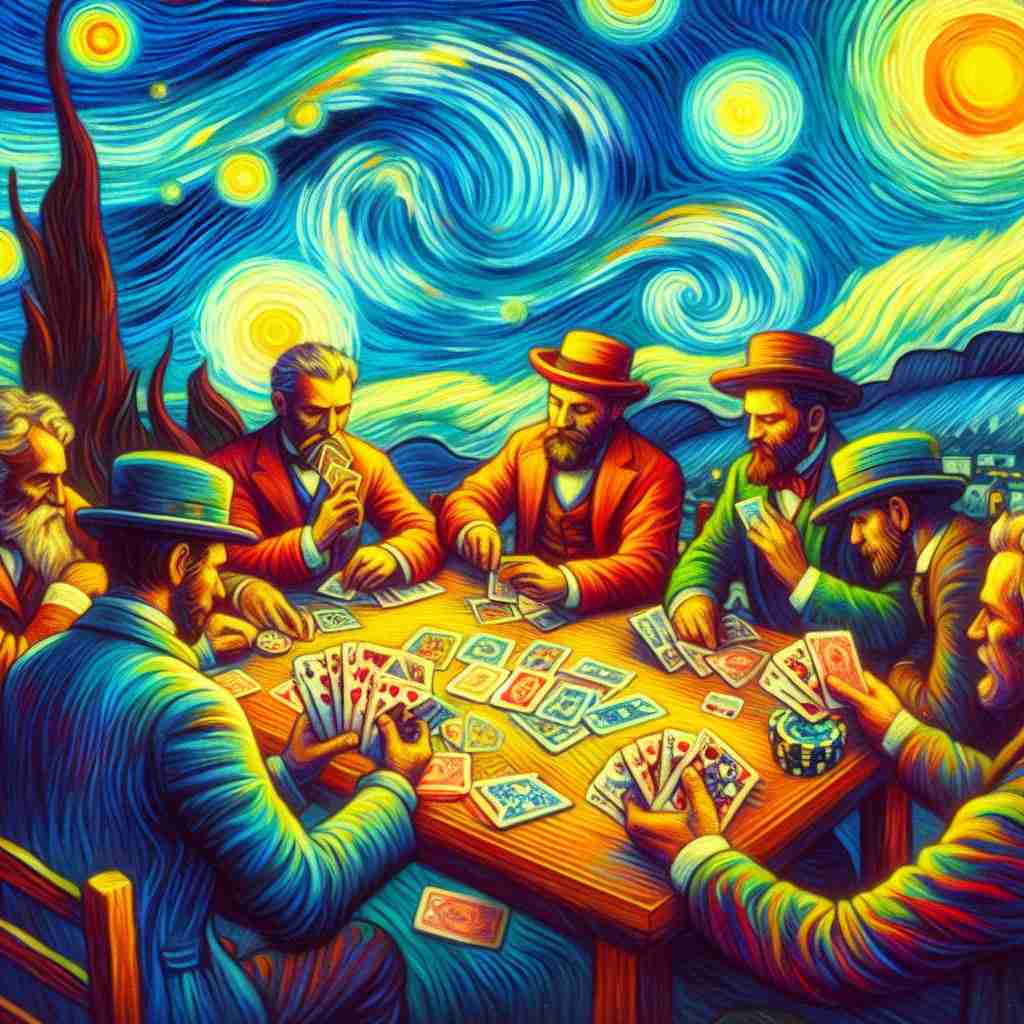
How Can Algorithms Inspire Unique Game Mechanics and Themes?
How Can Algorithms Inspire Unique Game Mechanics and Themes?
- Card games can evolve from relying solely on luck or strategy to leveraging complex algorithms that reflect real-life decision-making.
- Algorithms in games create branching storylines and dynamic interactions, enhancing emotional engagement among players.
- Players experience evolving narratives, fostering deeper connections as they confront unpredictable challenges together.
- Adaptive mechanics based on player behavior promote critical thinking, strategy adaptation, and social interaction.
- Responsible game design ensures transparency in how algorithms influence gameplay, fostering player trust and agency.
- Storytelling is central to gaming, with algorithms serving as narrative devices that explore character strengths and weaknesses.
- Championing algorithm-inspired mechanics can reshape our interactions, enhancing both enjoyment and meaningful connections.

How Can Algorithms Inspire Unique Game Mechanics and Themes?
Is It Ethical to Have AI Co-Create Alongside Human Designers?
Imagine sitting around a table, participating in a lively card game, where every player brings their unique flair and strategy. Each card drawn, each move made, reflects an individual’s perspective, personal history, and ingenuity. Now, picture a new player on this table, an AI designed to co-create alongside human designers. Some will squirm in their seats, unsure of how this algorithm and code could ever contribute to the rich tapestry of human creativity. But let’s take a step back and view this from a deeper lens.
First, let’s engage our heads. AI isn’t just a collection of binary code; it’s a powerful tool, capable of parsing data and trends that we, as individuals, may overlook. Think of the late nights spent brainstorming, worrying that the spark of innovation is just out of reach. This is where AI steps in, not as a replacement, but as a collaborator, a sounding board that amplifies our creative prowess. It’s like having a partner in that card game who can point out patterns and opportunities from endless faces of the deck. Human designers and AI can join forces to push boundaries previously thought unpassable.
Now, let’s move to the heart. Every stroke of creativity tells a story—our joys, our fears, our aspirations. It’s vital to acknowledge that the emotional depth of design cannot be replicated by code alone. But what if AI could help us weave our narratives more vividly? It’s not about replacing the human touch; instead, it’s about enhancing our ability to tell our stories. Imagine designers collaborating with AI to craft pieces that resonate on a deeper emotional level, drawing in their audience like never before.
As for the gut, there’s a visceral response to the idea of machines inserting themselves into an inherently human creative process. This fear is understandable, even justified. Yet, history reveals a pattern: time and again, technology has challenged us to adapt, to innovate, ultimately elevating our craft. Embracing AI doesn’t mean surrendering our identity as creators; it means standing shoulder to shoulder with a new ally.
In this modern age, the call to action is clear: let’s welcome AI to our creative tables, and together, let’s build, explore, and craft beautiful works that reflect our collective humanity. This partnership has the potential to not just democratize creativity but to enrich it, encouraging connections that spark joy, innovation, and understanding.

Is It Ethical to Have AI Co-Create Alongside Human Designers?
Is It Ethical to Have AI Co-Create Alongside Human Designers?
- AI can act as a collaborator in the creative process, enhancing human ingenuity rather than replacing it.
- It serves as a powerful tool for analyzing data and trends that individuals might overlook.
- AI can help amplify the creative prowess of human designers, revealing patterns and opportunities.
- The emotional depth of design, rooted in human experience, cannot be fully replicated by AI.
- AI has the potential to enhance storytelling in design, creating deeper emotional connections with audiences.
- Historically, technology has urged us to adapt and innovate, strengthening our creative identity.
- Welcoming AI into the creative process can democratize and enrich creativity, fostering connections and innovation.

Is It Ethical to Have AI Co-Create Alongside Human Designers?
What Role Does AI Play In Balancing Creativity with Gameplay Fairness?
In today’s world of gaming, the debate around balancing creativity with gameplay fairness is like a spirited game of cards; every choice, every action can shift the outcome in unexpected ways. Picture yourself gathered around the table with friends, a deck of cards spread before you, laughter punctuating the air as strategy unfolds. That’s where we find Artificial Intelligence stepping in—not as a cold, calculating machine, but as a catalyst for connection and innovation.
AI’s role here isn’t merely about crunching numbers or generating outcomes; it’s about harmony. Imagine the tension of a card game where one player, through sheer luck or algorithmic manipulation, gains an unfair advantage. We’ve all felt the sting of inequality in games, that gut-wrenching moment when creativity is overshadowed by imbalanced rules. Enter AI, a champion of fairness. It monitors player behaviors, analyzes strategies, and adapts the game’s mechanics in real-time, leveling the playing field, ensuring every participant feels the thrill of their own creative input.
This isn’t just a technical achievement; it speaks to a deeper ethic. The gaming community thrives on shared experiences, and fairness preserves the spirit of friendly competition. When AI fosters this equity, it reinforces the trust between players and the game itself. Can you recall a moment when you felt truly valued in a game? Those moments stem from the understanding that each player—regardless of skill level—can contribute uniquely to the experience.
Beyond the numbers and algorithms lies the narrative—a story shaped by every player at the table. AI empowers creativity by providing unique pathways for players to explore. It nudges us to think outside the box, encouraging innovative strategies while maintaining a fair and engaging environment. Each win feels earned, each loss an opportunity to learn.
Social dynamics are at play too. How often do we see friends bonding over a shared victory or a clever play? As AI fine-tunes gameplay, it fosters interactions that are both thrilling and equitable, inviting players from diverse backgrounds to come together and share in an enriching experience.
As we navigate the ever-evolving landscape of gaming, let’s embrace the role of AI—not as a replacement for human ingenuity, but as a partner in the pursuit of creativity and fairness. Together, we can build games that celebrate everyone’s potential, ensuring that every dealer, every player, every hand of cards played, resonates with fairness and fun.

What Role Does AI Play In Balancing Creativity with Gameplay Fairness?
What Role Does AI Play In Balancing Creativity with Gameplay Fairness?
- The balance between creativity and gameplay fairness in gaming is essential for an enjoyable experience.
- Artificial Intelligence (AI) enhances connection and innovation rather than functioning solely as a calculating machine.
- AI monitors player behaviors and adapts game mechanics in real-time to ensure fairness and equity.
- The use of AI in gaming preserves the spirit of friendly competition and reinforces trust among players.
- AI encourages creativity by providing unique pathways and strategies for players to explore.
- The integration of AI fosters social dynamics and interactions, enhancing the shared experience of gaming.
- AI should be viewed as a partner in enhancing creativity and fairness, not a replacement for human ingenuity.

What Role Does AI Play In Balancing Creativity with Gameplay Fairness?
How Can AI Help Identify Emerging Trends In Player Preferences?
In the world of gaming, where the battleground for attention is as fierce as any arena, understanding player preferences can be the golden key that unlocks potential. Imagine a simplistic card game transformed into a narrative epic, layered with player choices shaped by the very data gathered through Artificial Intelligence. This isn’t just a futuristic dream—it’s today’s reality, and it’s time to embrace it.
At its core, AI humanizes data. It takes a mass of figures and analytics, breathing life into them, turning cold metrics into warm stories. Think of it as a trusted guide, leading game developers through the wilderness of player desires. It’s not just about crunching numbers; it’s about connecting players with experiences that resonate deeply. When AI analyzes gameplay patterns, it reveals not only what people enjoy, but also what drives them emotionally. Do players prefer strategic challenges or a fast-paced thrill? With AI, developers can sift through this information like a miner panning for gold, eventually striking treasure and crafting experiences that players genuinely yearn for.
This technological ally also bolsters creativity, pushing boundaries and inspiring innovation. For example, if AI indicates a rising interest in cooperative gameplay, developers can pivot, crafting collaborative card games where players rally together against formidable foes. This responsiveness fosters a culture of trust and authenticity, making gamers feel valued and understood. After all, when a player believes a developer is listening, they form a relationship built on loyalty—a bond that transcends simple transactions.
Moreover, the ethical implications are profound. AI doesn’t just enhance experiences; it does so responsibly. With careful oversight, it ensures that games promote healthy competition rather than toxic environments. This balance not only aligns with feedback but also shows players that developers care about their well-being. It cultivates an ecosystem where every click, every card played, is a step taken with purpose.
So here’s the call to action: let’s advocate for a gaming future where technology serves not as a barrier but as a bridge. By embracing AI, we empower not only our games but the very community that thrives on them. This isn’t just about collecting data; it’s about sparking joy, igniting passion, and celebrating the shared journey of every player. By understanding and responding to emerging preferences, we can lay the groundwork for unforgettable experiences. Together, we can transform a simple card game into a rich tapestry of moments that captivate hearts and minds, and keep the spirit of gaming alive and thriving.

How Can AI Help Identify Emerging Trends In Player Preferences?
How Can AI Help Identify Emerging Trends In Player Preferences?
- Understanding player preferences is crucial in the competitive gaming market.
- AI transforms data into compelling narratives by analyzing player choices and emotions.
- AI helps developers connect deeply with players, revealing what they enjoy and why.
- AI fosters creativity by guiding developers to adapt to rising gaming trends, like cooperative gameplay.
- Encouraging trust and loyalty, AI enables players to feel valued and understood.
- Ethical AI implementation ensures a healthy gaming environment, promoting positive competition.
- Advocating for AI in gaming can enhance player experiences and foster community engagement.

How Can AI Help Identify Emerging Trends In Player Preferences?
Conclusion
Artificial Intelligence is stepping into the realm of card game design, and it’s more than just a new technological trend; it’s a creative partner that invites us to rethink how we experience games. In an industry often steeped in tradition, AI emerges as a catalyst—a tool that empowers game designers rather than replacing them. Imagine a world where the intricate stories told around the table come alive, driven not only by rules and regulations but by the emotional pulse of the players engaged in the game.
Picture the typical game night—friends gathered, laughter echoing, cards in hand. AI lends a fresh perspective, allowing designers to dive deeper into player preferences, bridging the gap between mere gameplay mechanics and genuine human connection. By analyzing player behaviors, AI can unveil what resonates with us emotionally, crafting experiences that transcend mere entertainment. It helps designers navigate their creative ruts by offering insights that spark new ideas, encouraging them to push boundaries and explore themes that challenge social norms and ignite passion.
As we weave AI into the storytelling fabric of card games, it doesn’t merely democratize creativity; it enriches it. This partnership prompts us to contemplate ethical considerations too. With AI, the notion of fairness in gameplay becomes a shared goal, creating trust and fostering a sense of community among players. No longer do we need to fear the potential of being replaced; instead, we can embrace the unique strengths of human creativity intertwined with algorithmic assistance.
In this modern landscape of design, we must also recognize the value of social interaction. Playing card games is about more than winning or losing; it’s about forging connections that can last a lifetime. By enhancing gameplay with real-time adjustments to maintain fairness and balance, AI builds an environment where each player feels valued, promoting camaraderie and shared experiences.
As we sit at the crossroads of traditional gaming and modern technology, let’s champion this alliance. Let us be the storytellers who revel in the potential of AI—an ally enhancing our creativity while enriching the tapestry of our interactions. Together, we can chart a course that keeps the heart of gaming beating strong, inviting everyone at the table to contribute their part in creating unforgettable memories. Embrace the AI revolution in card game design and watch as the possibilities expand, igniting joy and connection around every shuffle and deal.

Conclusion
Conclusion:
- Artificial Intelligence (AI) is transforming card game design, serving as a creative partner rather than a replacement for designers.
- AI enhances the storytelling aspect of games by tapping into the emotional experiences of players.
- Through analysis of player behavior, AI provides insights that help designers create more meaningful connections in gameplay.
- AI inspires designers to explore innovative themes and challenge social norms, pushing creative boundaries.
- The integration of AI in games promotes fairness and builds trust among players, enriching the gaming experience.
- AI-driven adjustments during gameplay foster camaraderie and ensure every player feels valued, enhancing social interactions.
- Embracing AI in card game design opens up new possibilities for creativity and connection, enriching players’ experiences.

Conclusion
Other Resources

Other Resources
Here is a list of other resources you can review online to learn more:
- Kingdom Death: Monster
- Splendor: Cities of Splendor Expansion
- Space Cowboys
- The Game Boy Geek
- Cyclades
- Dominion (Second Edition)
- Munchkin
- Through the Ages: A New Story of Civilization
- deviantART
- Dominion: Prosperity (Second Edition)
- The Game
- Looney Labs
- Blue Peg, Pink Peg
- Ravensburger
- 2F-Spiele
- MailChimp
- CoolStuffInc
- Bridge
- Bezier Games
- Telegram
Use This Prompt To Get More Resources With Your Favorite Online AI Tool: Please provide me with a list of online articles with their URLs in a bulleted list that I can read regarding How Is Artificial Intelligence Enhancing Creativity In Card Game Design?

Other Resources
Glossary Terms
How Is Artificial Intelligence Enhancing Creativity In Card Game Design? – Glossary Of Terms
1. Algorithm: A set of rules or calculations used by AI to process data and make decisions in game design.
2. Artificial Intelligence (AI): Computer systems designed to simulate human intelligence and assist in creative processes.
3. Card Game: A game played with a specific set of cards that can involve strategy, chance, or skill.
4. Creativity: The ability to generate novel ideas or concepts, particularly in designing game mechanics and narratives.
5. Data Analysis: The process of inspecting, cleaning, and modeling data to discover useful information for game development.
6. Game Mechanics: The rules and systems that define how a card game operates and how players interact with it.
7. Game Balance: Ensuring that no single strategy or card is overwhelmingly powerful, promoting fairness and fun.
8. Generative Design: An AI-driven technique that produces various design options based on specific parameters and goals.
9. Human-AI Collaboration: The cooperative interaction between human designers and AI tools to enhance creative output.
10. Machine Learning (ML): A subset of AI that enables systems to learn from and make predictions or decisions based on data.
11. Narrative Design: The creation of the story elements and plotlines that enhance the thematic experience of a card game.
12. Playtesting: The process of evaluating a game by having real players test it, providing feedback for improvement.
13. Prototyping: Developing an early model of a card game to test concepts and mechanics before final production.
14. Randomization: A technique used in card games to introduce unpredictability, enhancing replayability and excitement.
15. Scenario Generation: The use of AI to create diverse game scenarios or challenges, enriching gameplay experience.
16. Strategic Depth: The complexity and layers of decision-making in gameplay that can keep players engaged over time.
17. User Experience (UX): The overall experience a player has while interacting with a card game, influenced by design and usability.
18. Visual Design: The artistic aspect of card game design, including illustrations, layout, and overall aesthetic appeal.
19. Feedback Loop: A process in which game data is analyzed to improve game design iteratively based on player input.
20. Element Combination: The AI-driven approach to generating innovative game elements or mechanics by combining existing ideas.
21. Theme: The underlying topic or concept that informs the look, feel, and story of a card game.
22. Token Mechanics: Gameplay elements that utilize temporary assets, enhancing strategic decision-making and player interaction.
23. Dynamic Scaling: Adjusting game difficulty or complexity in real-time based on player skills and performance.
24. Aesthetic Appeal: The visual attractiveness of a game, crucial for attracting and retaining players.
25. Customizability: The ability for players to modify or personalize their game experience through various options.
26. Interactive Storytelling: A narrative structure that evolves based on players’ decisions, often enhanced by AI capabilities.
27. Card Composition: The selection and arrangement of cards in a game, which can be optimized using AI analysis.
28. Community Feedback: Insights and suggestions from players that can inform future updates and enhancements in game design.
29. Diversity in Design: The incorporation of varied themes, mechanics, and player experiences to appeal to a broader audience.
30. Emergent Gameplay: Unpredictable and unique player experiences that arise from the interaction of simple game mechanics.

Glossary Of Terms
Other Questions
How Is Artificial Intelligence Enhancing Creativity In Card Game Design? – Other Questions
If you wish to explore and discover more, consider looking for answers to these questions:
- What specific AI technologies are being used in card game design?
- How does AI gather and analyze player data?
- What are some successful examples of AI-enhanced card games?
- How can AI improve player engagement in card games?
- What are the limitations of using AI in game design?
- How do players typically respond to AI-driven storytelling in games?
- What ethical dilemmas arise from AI co-creating with human designers?
- In what ways can AI impact the learning curve for new players?
- How can AI help address issues of diversity and inclusion in game design?
- What are the long-term implications of AI on the gaming industry?

Other Questions
Haiku
How Is Artificial Intelligence Enhancing Creativity In Card Game Design? – A Haiku
Cards shuffling, hearts meet,
AI whispers fresh insights;
Games breathe life anew.

Haiku
Poem
How Is Artificial Intelligence Enhancing Creativity In Card Game Design? – A Poem
In the glow of laughter, cards in hand,
Where strategy meets heart, around we stand,
A revolution stirs, creativity’s might,
Artificial Intelligence, casting new light.
Designers once trapped in a foggy maze,
Now find fresh pathways, igniting their blaze,
AI, a partner, not foe, but friend,
Unveiling the stories where connections blend.
Imagine a narrative, woven so tight,
Adapting with laughter, a game’s pure delight,
No longer a duel, but a dance to explore,
Each shuffling card opens a new door.
With algorithms guiding, the game can adapt,
Reflecting our choices, every skill set unwrapped,
From joyous triumphs to lessons in pain,
The tapestry of gaming, enriched through the rain.
Fairness finds refuge in AI’s embrace,
Leveling fields where all players have space,
A shared experience, no chance of despair,
Fostering bonds, creating memories to share.
But amid all this tech, we ponder and feel,
What’s ethics in gaming? What’s truly the deal?
For humanness thrives where our stories ignite,
Together with AI, let’s reach new heights.
So let’s gather around, let innovation spark,
With cards and connections, ignite a bright arc,
In every shuffle, from laughter to tears,
AI enhances our joys and our fears.
Let’s craft these new moments, with passion and care,
Transforming mere games into treasures we share,
For in the heart of the game, with friends side by side,
AI unlocks potential, igniting our pride.

Poem
Checklist
How Is Artificial Intelligence Enhancing Creativity In Card Game Design? – A Checklist
Checklist for Embracing AI in Card Game Design
Heart Appeals
1. Explore Emotional Narratives
_____ Identify themes that resonate with players’ emotions.
_____ Craft stories that foster empathy and connections.
2. Create Shared Experiences
_____ Design games that promote laughter and camaraderie.
_____ Incorporate mechanics that bring players together.
3. Foster Meaningful Engagement
_____ Ensure gameplay promotes moments of triumph and shared memories.
_____ Weave personal player histories into the game narrative.
Head Appeals
1. Analyze Player Data
_____ Use AI to gather insights on player behavior and preferences.
_____ Regularly review trends that can influence game design.
2. Innovate Game Mechanics
_____ Implement algorithms that adapt gameplay based on player choices.
_____ Experiment with new mechanics that challenge traditional models.
3. Ensure Fair Competition
_____ Integrate AI to monitor gameplay and maintain balanced experiences.
_____ Utilize feedback loops to continuously assess game fairness.
Gut Appeals
1. Trust Your Creative Instincts
_____ Allow AI to enhance, not replace, human creativity.
_____ Collaborate with AI as a partner rather than a competitor.
2. Reflect on Ethical Implications
_____ Consider the impact of AI on player agency and game integrity.
_____ Foster transparency in how AI influences player outcomes.
3. Embrace Technology as an Ally
_____ View AI as a tool for evolving creativity in game design.
_____ Be open to adapting to new roles that technology presents.
Social Appeals
1. Build Community Connections
_____ Create games that encourage diverse player interactions.
_____ Promote collaborative gameplay experiences.
2. Champion Inclusivity
_____ Use AI insights to design games that cater to varied player demographics.
_____ Ensure games are approachable for players of all skill levels.
3. Encourage Shared Storytelling
_____ Develop mechanics that allow players to contribute to the narrative.
_____ Highlight moments of personal connection that enhance gameplay.
This checklist serves as a guide for integrating AI into card game design while addressing emotional, rational, and ethical considerations, ensuring that both creativity and player experience thrive.

Checklist
At CardGameNews, we help people who love card games by collating information and news about card games.
Be sure to read our other related stories at CardGameNews to learn more about card games.


