Mastering Cooperative Card Games: Optimal Play Times
By Tom Seest
At CardGameNews, we help people who love card games by collating information and news about card games.
Be sure to read our other related stories at CardGameNews to learn more about card games.
What Are Typical Play Times for Cooperative Card Games?
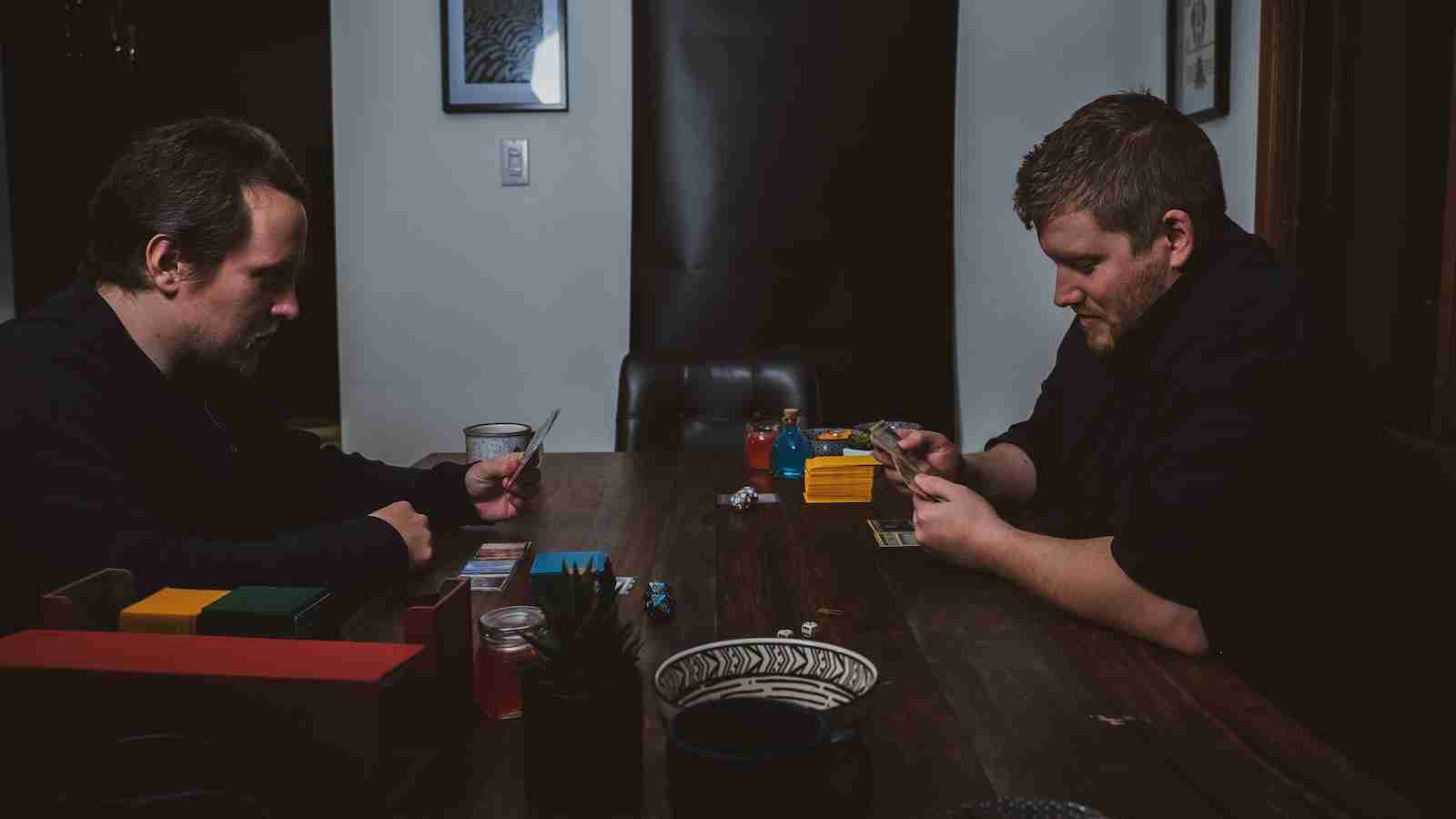
When it comes to cooperative card games, understanding the play time can be as critical as knowing the rules themselves. Picture a group of friends huddled around a table, laughter ringing out as they navigate challenges together, but just how long are they in for? Let’s pull back the curtain and shine a light on the typical play times you can expect.
Now, you’ve got your quick play games, which are absolutely perfect for those who want an efficient infusion of camaraderie without dedicating half a day to it. Titles like “The Crew” or “Hanabi” can generally be wrapped up in a brisk 30 to 60 minutes. These games pack a punch in terms of engagement without feeling like a marathon. They offer just enough time to strategize and feel the thrill without the risk of player burnout, which is often the unspoken enemy of a great game night.
Then, we step up to the more immersive experiences—those heavy hitters that get everyone invested in the story and strategy. Games like “Gloomhaven: Jaws of the Lion” or “Spirit Island” often demand a little more commitment from the players. You can expect play times of anywhere from 60 to 120 minutes, depending on player experience and the scenarios chosen. In these sessions, teamwork really shines as players dive deep into tactics and roles, swapping stories and sharing the highs and lows of their journey.
However, let’s not ignore the epics of the card game world, shall we? Some cooperative card games take the concept of strategy to an entirely new dimension, stretching out play times to three hours or more. “Legacy” style games, such as “Pandemic Legacy,” can morph over multiple sessions, clocking in hours on each outing while adding a narrative layer that keeps everyone coming back for more. The allure of these games lies in their evolving nature, where decisions made in one game can ripple effects into the next, creating a rich tapestry of shared experiences.
Ultimately, the play time for cooperative card games varies widely, but that’s part of the beauty of them. Whether you’re in for a quick half-hour blast or a full afternoon epic, the crucial element remains the same: bonding with friends at the table, united against common foes, making memories one card at a time. So, whether you’re a sprint or a marathon type of player, there’s something for everyone in the world of cooperative card games. Just dive in, and let the good times roll!

What Are Typical Play Times for Cooperative Card Games?
What Are Typical Play Times for Cooperative Card Games?
- Understanding play time is essential for enjoying cooperative card games.
- Quick play games like “The Crew” or “Hanabi” last 30 to 60 minutes, offering engaging experiences without player burnout.
- More immersive games such as “Gloomhaven: Jaws of the Lion” or “Spirit Island” typically take 60 to 120 minutes, emphasizing teamwork and strategy.
- Epic cooperative card games, including “Pandemic Legacy,” can extend playtimes to three hours or more, evolving across multiple sessions.
- Legacy games create a narrative layer that enhances replayability through decision-making consequences.
- The wide range of play times enriches the cooperative card game experience, catering to different player preferences.
- Ultimately, these games foster friendships and shared memories, whether enjoyed in short bursts or lengthy adventures.

What Are Typical Play Times for Cooperative Card Games?
Table Of Contents
- What Are Typical Play Times for Cooperative Card Games?
- What Is The Average Duration Of Cooperative Card Games?
- How Do Player Counts Affect Game Length?
- What Factors Influence Playtime In These Games?
- Are There Specific Games Known For Shorter Sessions?
- How Can Players Speed Up Cooperative Card Games?
- What Are The Longest Cooperative Card Games Available?
- Do Expansion Packs Change The Playtime Significantly?
- How Does Game Complexity Impact The Duration?
- What Strategies Can Help Manage Game Time?
- Are There Any Quick-Play Versions Of Popular Titles?
- How Do Different Themes Affect Playtime Perception?
- What Is The Ideal Playtime For Casual Gamers?
- Can You Enjoy Cooperative Card Games In Short Bursts?
- How Do Game Mechanics Influence Overall Duration?
- What Role Does Player Experience Play In Game Length?
- Conclusion
- Other Resources
- Glossary Of Terms
- Other Questions
- Haiku
- Poem
- Checklist
What Is The Average Duration Of Cooperative Card Games?
When we talk about cooperative card games, we’re diving into a world where players team up to tackle challenges instead of competing against each other. Think of it like banding together to fend off a zombie apocalypse or trying to save the galaxy from impending doom. It’s a beautiful exercise in collaboration and strategy, but here’s the kicker—the length of these games can vary like the weather in an unpredictable spring.
On average, cooperative card games tend to last between 30 minutes to an hour. This time frame strikes a nice balance; it’s long enough for players to immerse themselves in the game’s theme, strategize their next moves, and feel the rush of victory or the sting of defeat. However, it’s important to note that this isn’t a hard and fast rule. Some games can clock in at around 20 minutes, while others can stretch to a staggering two hours if you really want to dig in.
Take “Pandemic,” for instance. This has become a household staple in cooperative gaming for good reason. A typical game of Pandemic runs about 45 minutes. Players work together to stop global outbreaks, but as they do, they are constantly revisiting their strategies and assessing whether to treat the ill or build a research station. The tension can build quickly, and the clock is always ticking. It’s the kind of race against time that turns the anticipation of the next move into a suspense-filled experience.
Then there’s “Gloomhaven,” which flips the script entirely. Here, you’re not just playing a card game; you’re embarking on an epic adventure that could consume an entire evening or more. With scenarios that take anywhere from 30 minutes to two hours, and because players might replay different missions or campaigns, it’s like watching a miniseries unfold over multiple sessions.
The more complex the game, the longer it can stretch out your gaming night. Factors like the number of players, their familiarity with the game, and the strategies they choose will all influence how long you’ll be at the table.
So, the next time you grab a cooperative card game off the shelf, keep that timer in mind. Whether you’re gearing up for a quick session or preparing for a marathon gaming night, it’s all about camaraderie, problem-solving, and most importantly, having a blast together.

What Is The Average Duration Of Cooperative Card Games?
What Is The Average Duration Of Cooperative Card Games?
- Cooperative card games involve players teaming up to face challenges instead of competing against each other.
- Game durations typically range from 30 minutes to an hour, but can vary widely.
- Some games can last as little as 20 minutes; others may extend up to two hours.
- “Pandemic” is a popular cooperative game with an average playtime of about 45 minutes, focusing on global outbreaks.
- “Gloomhaven” offers a more complex experience, with scenarios lasting 30 minutes to two hours, often requiring multiple sessions.
- The length of gameplay is influenced by factors like player count, familiarity with the game, and chosen strategies.
- Cooperative games emphasize camaraderie, problem-solving, and shared enjoyment during gameplay.

What Is The Average Duration Of Cooperative Card Games?
How Do Player Counts Affect Game Length?
Imagine this: a group of friends gathers on a Friday night, ready for an epic gaming session. They’ve got snacks lined up, drinks on standby, and the excitement in the air is palpable. But here’s the kicker—how many players actually change the game? Quite a bit, it turns out.
When you dive into multiplayer games, you enter a world where player count is king. Think about it. In a two-player showdown, each decision is magnified, every strategy meticulously calculated. The interaction becomes intimate; your choices are a dance, a rhythm that gives way to an exhilarating back-and-forth. And as you sit there with your opponent, the drum of the clock fades into the background while you chase victory, often wrapping up within a tidy timeframe.
Now, shift that lens to a game with four or more players. Suddenly, the dynamics transform. With each addition to the cast, you’re not just contending with one rival, but a messy tableau of intentions, mischief, and unpredictability. Games stretch out longer as conversations unfold, alliances form, and strategies get tangled in the web of social interaction. Sometimes it feels more like a chaotic family reunion than a fierce battle for supremacy. You might start with a plan, but just wait until your buddy pulls that wild card, and suddenly you’re scrambling to adjust your strategy.
In larger groups, there’s a new layer of complexity. Turns take longer as players deliberate, the banter flies, and while the gameplay pauses for storytelling or bantering, you find yourself sipping that cold drink, realizing the clock’s been ticking away. What was once a quick game can morph into a multi-hour affair, filled with laughter, occasional disagreements, and plenty of “remember when” moments the next time you gather.
Then, we cannot ignore the mechanics of the game itself. Some games are designed for big groups, allowing for chaotic fun and extended gameplay. Others, intended for smaller numbers, can feel dragged down when forced into larger settings.
Player count isn’t just a number; it’s a catalyst that affects the pace, enjoyment, and duration of your gaming experience. Understanding this unique alchemy can mean the difference between a quick session and a night spent locked in an unforgettable struggle, surrounded by laughter and camaraderie. And isn’t that what gaming is all about?

How Do Player Counts Affect Game Length?
How Do Player Counts Affect Game Length?
- Friends gather for a Friday night gaming session with snacks and drinks.
- Player count significantly influences multiplayer game dynamics.
- In two-player games, decisions are magnified, leading to intense strategic play.
- With four or more players, interactions become unpredictable and dynamic, resembling a chaotic social gathering.
- Gameplay can extend to several hours as conversations and strategies intertwine.
- Game mechanics play a crucial role in suitability for larger groups, with some games thriving on chaos while others struggle.
- Understanding player count effects enhances the overall gaming experience, fostering enjoyment and camaraderie.

How Do Player Counts Affect Game Length?
What Factors Influence Playtime In These Games?
When we dive into the sprawling universe of video games, one question deserves our attention more than most: what keeps players engaged for hours on end? The truth is, it’s a multifaceted issue, woven together by several threads that together create the tapestry of gaming engagement.
First and foremost, the design of the game itself plays a pivotal role. Game developers are like modern-day storytellers, crafting environments that are not only visually striking but also tempting enough to keep you coming back for just “one more round.” Well-paced levels, intriguing narratives, and captivating characters hook players long before they’ve even realized they’re hooked. Think of it as a well-cooked meal; if the ingredients are fresh and flavors are balanced, you’ll find yourself coming back for seconds.
Next up, let’s talk about community dynamics. Online multiplayer games have transformed into social hubs where friendships are forged, and rivalries are ignited. The camaraderie formed in combat, the shared laughs during cooperative missions, and even the thrilling banter of competition create an investment that can’t easily be quantified. Simply put, when you’re part of a tribe, you want to stick around and see what happens next. It’s like gathering around a campfire; once you’re there, it’s hard to leave.
Of course, we can’t overlook the role of progression systems, often setting the pace of your engagement and your playtime. Whether it’s leveling up your character, unlocking new abilities, or acquiring rare items, the carrot dangling at the end of the stick is a powerful motivator. It’s the promise of growth—of turning from a rookie into a seasoned warrior—that can have you logging in day after day.
And let’s not forget external factors as well. Personal life commitments, work schedules, and even cultural trends can either enhance or inhibit gameplay. Just as a farmer is at the mercy of the seasons, gamers too navigate a landscape shaped by reality. Those who strike a balance between their gaming lives and their everyday responsibilities often find themselves enjoying prolonged play without the risk of overindulgence.
Finally, there’s the unmistakable allure of challenges and goals. The more daunting the challenge, the more it draws players in. Whether it’s mastering a difficult level or competing in an e-sports tournament, the thrill of overcoming obstacles can lead to longer, more satisfying play sessions. When every victory is hard-earned, it’s a reminder that resilience pays off—much like any worthwhile endeavor in life.
Playtime in these games is governed by an intricate dance of design, community, progression, life’s demands, and the pursuit of challenge. Each factor, interwoven with the others, forms the complex motivations that keep players returning to their screens.

What Factors Influence Playtime In These Games?
What Factors Influence Playtime In These Games?
- The design of video games significantly influences player engagement, featuring visually appealing environments and well-paced levels.
- Community dynamics in online multiplayer games create social bonds, enhancing the gaming experience through camaraderie and competition.
- Progression systems, such as leveling up and unlocking abilities, serve as powerful motivators for continued play.
- External factors, including personal commitments and cultural trends, can affect gameplay frequency and duration.
- The allure of challenges and goals encourages players to engage in longer sessions by rewarding resilience and skill.
- A balance between gaming and everyday responsibilities is crucial for sustained play without overindulgence.
- The interplay of design, community, progression, life’s demands, and challenges creates a complex motivation for players to return.

What Factors Influence Playtime In These Games?
Are There Specific Games Known For Shorter Sessions?
In a world where gaming often conjures images of epic sagas stretching into the wee hours, it’s refreshing to acknowledge a whole category of titles designed for quick, engaging play sessions. These games are the perfect antidote for those moments when you want a shot of fun without the commitment of an all-night raid or an intricate, multi-part strategy.
Take, for example, the beloved genre of party games. Whether you’re gathering around the console with a few friends or connecting online with distant comrades, titles like “Jackbox Party Pack” offer bite-sized rounds that can entertain for minutes or hours, depending on the mood. Each game often takes just enough time to play a round, letting you jump in and out with ease. It’s a casual experience that thrives on laughter, creativity, and a little friendly competition.
Mobile gaming has also embraced the short-session ethos, with titles like “Among Us” and “Fruit Ninja” presenting themselves as perfect fillers for a commute or a wait in line. With intuitive controls and a low barrier to entry, these games capitalize on the idea of quick gratification. A match can be as brief as five minutes, making them increasingly popular among busy individuals needing a quick escape from their day.
Card games, too, have made the leap into the digital age with apps such as “Hearthstone” and “Magic: The Gathering Arena.” These allow for quick matches that offer strategic depth without sinking hours into gameplay. With a properly curated deck and the right opponent, you can experience an exhilarating encounter that demands your attention for a mere fraction of time compared to traditional tabletop play.
Not to forget the resurgence of classic arcade-style games. Titles like “Celeste” or “Nex Machina” deliver challenges that encourage rapid playthroughs. Their levels are designed to be completed quickly, so you can savor the sweet taste of victory without feeling the weight of a lengthy campaign looming overhead.
In essence, whether you’re in the mood for a lighthearted party atmosphere, an intense showdown, or the quick reflexes demanded by an arcade classic, there’s no shortage of games tailored for shorter sessions. They offer the versatility to fit neatly into our hectic lives, proving that fun doesn’t always require a long-term investment. So, when time is of the essence, these games are there to remind us that sometimes, less is indeed more.

Are There Specific Games Known For Shorter Sessions?
Are There Specific Games Known For Shorter Sessions?
- There is a growing category of games designed for quick and engaging play sessions.
- Party games like “Jackbox Party Pack” provide short, entertaining rounds perfect for social gatherings.
- Mobile games such as “Among Us” and “Fruit Ninja” are ideal for quick play during commutes or waits.
- Digital card games, including “Hearthstone” and “Magic: The Gathering Arena,” allow for fast strategic matches.
- Classic arcade-style games like “Celeste” and “Nex Machina” feature quick levels for rapid playthroughs.
- Games for shorter sessions fit into busy lifestyles, emphasizing fun without long-term commitment.
- These games demonstrate that enjoyment can often be found in brief experiences rather than extensive campaigns.

Are There Specific Games Known For Shorter Sessions?
How Can Players Speed Up Cooperative Card Games?
Let’s face it. Cooperative card games can sometimes feel like you’re wading through molasses. The tension is palpable, the stakes are high, and yet, you find yourself watching your friends squint at their cards as if they’re trying to decipher the Rosetta Stone. If you’ve ever been there, you know: action needs to happen, and it needs to happen fast. So, how do you keep the energy flowing without sacrificing the strategic brilliance that makes cooperative games so darn enjoyable?
First up, communication is key. But I don’t mean endless blabbering about every possible play. Set some ground rules before the game starts. Establish a time limit for player turns and stick to it. A two-minute ticking clock for decision-making can work wonders. It keeps everyone on their toes, creating a lively pace that prevents the dreaded analysis paralysis. Just make sure your crew is cool with this rule; there’s nothing worse than throwing a wrench in someone’s deep, thoughtful strategy.
Next, embrace the art of shared decision-making. In cooperative games, it can feel natural to let each player take the reins during their turn. But consider discussing potential moves as a team before anyone plays. This creates a more cohesive strategy and allows everyone to contribute to decision-making without falling into a rabbit hole of overthinking. A quick chat can clarify intentions and cut down on overall time, pushing your team forward faster than a jackrabbit on a hot summer day.
Another handy trick? Keep the gameplay area organized. A cluttered table is the enemy of efficiency. Designate spaces for cards, tokens, and resources, making sure everything has a place. When players know where to find and return everything, the game will flow more smoothly and time-consuming scavenger hunts will be a thing of the past.
Finally, consider a rotating “Game Master” role for larger groups. Assign someone to keep an eye on the clock and gently nudge players along if they’re taking too long. This can prevent slow play while fostering an environment of teamwork. Emphasize collaboration over competition, and make it a collective mission to beat the game rather than each other.
With these tips in tow, you can turn your next cooperative card game night from a slow crawl into a rollicking, fast-paced adventure. Now, grab those cards, gather your crew, and get ready to play at the speed of fun!

How Can Players Speed Up Cooperative Card Games?
How Can Players Speed Up Cooperative Card Games?
- Cooperative card games can sometimes drag due to slow decision-making.
- Effective communication is essential; set ground rules and a time limit for turns.
- Implement a two-minute clock for decisions to maintain a lively pace.
- Encourage shared decision-making to create cohesive strategies and avoid overthinking.
- Keep the gameplay area organized to enhance efficiency and flow.
- Introduce a rotating “Game Master” in larger groups to monitor time and facilitate play.
- Focus on teamwork and collective success rather than competition among players.

How Can Players Speed Up Cooperative Card Games?
What Are The Longest Cooperative Card Games Available?
If you’re seeking a fusion of strategy, teamwork, and a dash of good old-fashioned fun, cooperative card games are the way to go. Unlike your typical competitive games where one player emerges victorious while others lick their wounds, these games require players to unite, strategize, and work together toward a common goal. But what if you crave the thrill of extended gameplay? It turns out, there are cooperative card games out there that can keep your group engaged for hours, if not days.
Take *Gloomhaven*, for instance. Though it’s technically more of a board game, it has card-driven mechanics that take your tactical skills to the next level, spanning 95 scenarios of intricate, interlinked narratives that can stretch over a hundred hours of gameplay. Combine that with character progression and branching storylines, and you’ve got an experience that pulls you in like a gripping miniseries.
If we’d rather stay strictly within the confines of cardstock, let’s talk about *The Crew: Quest for Planet Nine*. This trick-taking card game packs a punch with its escalating missions that can keep players busy for several hours. Each mission acts like a puzzle, requiring not only sharp wits but also silent communication between players. It’s akin to performing a complex dance without stepping on each other’s toes—rewarding, challenging, and usually provoking a few spirited disagreements along the way.
Then there’s *Arkham Horror: The Card Game*, another heavyweight contender that merges role-playing elements with cooperative gameplay. This game invites players into a rich narrative drenched in Lovecraftian themes. With its campaigns sprawl over multiple scenarios, players often find themselves tethered to the table for marathon sessions reminiscent of a binge-worthy TV show.
For those who thrive on complexity, *Spirit Island* demands not only cooperation but also strategic thinking. Players embody powerful spirits with unique abilities, battling against encroaching colonizers. The depth of strategy involved means sessions can stretch longer than initially anticipated as every decision might swing the fate of the island.
Finally, if you’re looking for something lighter yet enduring, *Pandemic Legacy* offers a campaign-style twist to the classic Pandemic game. Each session alters the game board and mechanics, resulting in an evolving experience that can last for months.
So, dust off those decks of cards and gather your fellow strategists. With options ranging from intricate narratives to cooperative puzzles, you’re bound to find a game that not only challenges your intellect but keeps you seated at the table long after dinner is over. The clock ticks, the stakes rise, and before you know it, you’ll wonder how hours passed in such magnificent teamwork.

What Are The Longest Cooperative Card Games Available?
What Are The Longest Cooperative Card Games Available?
- Cooperative card games blend strategy, teamwork, and fun, requiring players to work together toward a common goal.
- *Gloomhaven* features card-driven mechanics and offers 95 scenarios, providing over a hundred hours of gameplay.
- *The Crew: Quest for Planet Nine* is a trick-taking card game with escalating missions that emphasize silent communication and team coordination.
- *Arkham Horror: The Card Game* merges cooperative gameplay with rich Lovecraftian narratives, ideal for marathon sessions.
- *Spirit Island* challenges players to employ strategic thinking while cooperation is necessary to defend against colonizers.
- *Pandemic Legacy* introduces campaign-style play to the classic Pandemic game, resulting in an evolving experience over several months.
- These games provide a mix of intellectual challenges and engaging narratives that keep players at the table for extended periods.

What Are The Longest Cooperative Card Games Available?
Do Expansion Packs Change The Playtime Significantly?
The digital landscape of gaming has transformed dramatically over the years, and one of the most intriguing components of this evolution is the introduction of expansion packs. These downloadable additions can range from new storylines to enhanced gameplay mechanics, and they often promise to breathe new life into beloved titles. But do they truly change playtime significantly, or are they simply a well-crafted cash grab?
Let’s face it—a game’s base content can only carry a player so far. Like a hearty stew, it has the foundation of flavors, but sometimes you need that pinch of salt or a dash of spice to make it truly memorable. Here’s where expansion packs come into play, adding layers of depth and complexity that can extend the time you spend immersed in a virtual world. When done right, they can transform an already engaging experience into something that feels fresh and robust.
Take, for example, the beloved franchise that introduces new quests and realms. An expansion can add dozens of hours to your original investment—turning a weekend binge into an elaborate, months-long adventure. The allure of higher-level gear, new challenges, and expansive lore can hook players back into the game, providing myriad opportunities for exploration and experimentation that the base game just didn’t cover.
Not to overlook the multiplayer realm, where communities are built around shared experiences. Expansion packs often come equipped with new modes and updates that reinvigorate the way players interact with one another. The same friends who banded together to defeat a colossal beast are now faced with an entirely new set of challenges, creating a fresh dynamic that can reignite camaraderie and in-game banter. The promise of new maps or modes can tip the scales from casual to full-time engagement.
However, it’s essential to consider the flip side. There are expansion packs that deliver less in terms of content and merely feel like rehashes of what came before. Instead of extending playtime, they can lead to player fatigue or disappointment. An underwhelming pack doesn’t just waste time; it can erode trust between developers and gamers, leading to skepticism that might keep players from investing in future offerings.
Whether an expansion pack significantly expands your playtime largely depends on the execution. When crafted with care, they can be the secret ingredient that enhances the gaming experience exponentially. But if they fall flat, they risk becoming nothing more than a fleeting distraction. So, as players, we owe it to ourselves to search for those steamy, flavorful packs that make the journey all the more satisfying.

Do Expansion Packs Change The Playtime Significantly?
Do Expansion Packs Change The Playtime Significantly?
- The digital gaming landscape has evolved with the introduction of expansion packs that offer new content.
- Expansion packs can enhance gameplay, providing new storylines and mechanics, adding depth to the gaming experience.
- They can significantly extend playtime, turning short gaming sessions into prolonged adventures.
- In multiplayer settings, expansion packs introduce new modes and content, revitalizing player interactions and community dynamics.
- However, some expansion packs may deliver little new content, leading to player disappointment and skepticism towards developers.
- The impact of an expansion pack on playtime largely depends on its quality and execution.
- Players should seek out well-crafted expansions that enhance their gaming journey rather than simply act as cash grabs.

Do Expansion Packs Change The Playtime Significantly?
How Does Game Complexity Impact The Duration?
When you sit down for a game night, whether it’s with a group of friends or family, there’s a certain expectation that comes along with it: you’re ready to dive into some fun and perhaps lose a few hours to laughter and strategy. But how long that fun lasts often hinges on one pivotal factor—game complexity.
Now, let’s break it down. Some games, complex as a labyrinth, offer layers of strategy and decision-making that can send players spiraling into a cerebral state akin to solving a Rubik’s Cube blindfolded. Think of titles that require detailed rule sets, resource management, and strategic long-term planning. These games might start innocently enough, even promising a quick and breezy evening. But before you know it, you’re four hours in, one player’s landed on another’s carefully documented “I’ll take you down” plan, and the room is filled with a collective groan as another layer of rules is unveiled.
Conversely, you have the lighter, simpler games—those delightful gems that fit snugly into an afternoon picnic and don’t require an encyclopedia to understand. They’re the fast-paced, adrenaline-fueled affairs, often played in rounds, each one lasting mere minutes. Before you know it, you’ve played five rounds and an hour has passed, leaving everyone buzzing with energy and laughter.
Why is that? It boils down to engagement and cognitive load. When players must wrestle with intricate systems and myriad options, they tend to deliberate longer over their choices. Decisions can feel heavy when they come with a big “what if?” attached, while simpler games enable quicker, more instinctual plays. Players are often caught playing not just against each other, but also against the clock—with the ticking hands reminding them of that family barbecue or movie night waiting in the wings.
But let’s not forget the social aspect. Complex games can enrich the experience, fostering discussions, arguments, and lots of strategizing together—there’s something undeniably engaging about coordinating a plan over snacks and drinks. They invite players to reflect, strategize, and engage deeply with one another. So, next time you champion a game for your crew, consider what kind of experience you want: a quick laugh or a deep dive into the unknown. Each option has its own kind of charm, but you can bet one will leave you at the table longer than the other.

How Does Game Complexity Impact The Duration?
How Does Game Complexity Impact The Duration?
- Game night expectations include fun, laughter, and strategic engagement.
- Game complexity is a crucial factor that affects the duration of the game experience.
- Complex games require detailed rules, resource management, and long-term planning, often leading to longer play sessions.
- Simpler games are faster-paced, require less explanation, and can lead to quick rounds full of energy and laughter.
- Player engagement and cognitive load vary between complex and simple games, influencing decision-making times.
- Complex games can enhance social interaction, fostering discussions and strategizing among players.
- Choosing between quick laughs and in-depth strategy affects the gaming experience and duration at the table.

How Does Game Complexity Impact The Duration?
What Strategies Can Help Manage Game Time?
Life can get a little chaotic, doesn’t it? Between work, family obligations, and maybe even the odd bout of adulting, it’s easy to lose track of time when you dive into that virtual world. But fear not, for managing your game time doesn’t have to be a Herculean task. It’s just about adopting some sensible strategies that can keep you in the game without letting it run your life.
First things first: set boundaries. Think of it as crafting a game plan before stepping onto the field. Establish specific gaming hours, and stick to them like a well-trained athlete. Whether you decide to hit the joystick after dinner or reserve weekends for epic quests, having set times can help you stay on track. A digital clock or timer can be your trusty sidekick, gently nudging you back to reality when it’s time to log off.
Next up, prioritize your responsibilities. Before you embark on that one last mission, take a good look at your to-do list. Finish off those chores or check in with a friend you’ve been meaning to catch up with. By tackling your responsibilities first, you’ll find it much easier to enjoy your game without nagging worries hanging over your head like a dark cloud. When you’ve checked off your daily to-dos, gaming can feel more like a well-deserved reward rather than a guilty indulgence.
Another effective strategy? The old “30-minute rule.” This isn’t some fancy, high-tech invention but good old-fashioned self-discipline. Set a timer for 30 minutes of gaming; after that, take a break. Use that pause to stretch your legs, grab a snack, or even engage in a little face-to-face interaction with the world outside your screen. These intermissions will not only refresh your mind but also ensure you’re not turning into a couch potato.
Finally, find your balance. Gaming should be a satisfying pastime, not an all-consuming obsession. Explore new hobbies or activities outside of gaming—whether it’s joining a sports league or picking up an instrument. Variety is the spice of life!
Managing your game time boils down to respect—respect for your responsibilities, your time, and ultimately, yourself. Employ these strategies diligently, and you can enjoy a well-balanced gaming experience without letting it dominate your hours. After all, there’s a whole world out there waiting for you to engage in it, both on the screen and off. So gear up and take charge!

What Strategies Can Help Manage Game Time?
What Strategies Can Help Manage Game Time?
- Life can be chaotic with work and family obligations, making it easy to lose track of time while gaming.
- Set boundaries by establishing specific gaming hours to maintain control over your schedule.
- Prioritize responsibilities by completing chores or catching up with friends before gaming.
- Use the “30-minute rule” by setting a timer for gaming sessions and taking breaks afterward.
- Find balance by exploring hobbies and activities outside of gaming to enrich your life.
- Respect your responsibilities, time, and self to manage gaming effectively.
- Enjoy a well-balanced gaming experience without allowing it to dominate your life.

What Strategies Can Help Manage Game Time?
Are There Any Quick-Play Versions Of Popular Titles?
In a world that seems to thrive on hustle and bustle, our entertainment needs have evolved to match the pace of life. Who has hours to sink into a sprawling RPG or marathon a cinematic experience when a quick hit of excitement is just a click away? Enter the realm of quick-play versions of popular titles—a delightful concoction designed for those of us who simply can’t spare the time.
Let’s face it: gaming, like most good things, can often demand an investment of time akin to prepping for a full-blown holiday feast. Yet, amid all that, developers have taken notice. A wave of abbreviated formats has washed over the gaming landscape, allowing players to indulge in the essence of popular titles without the weighty commitment. Whether it’s a bite-size version of your favorite open-world adventure or a streamlined sports simulation, these quick-play formats have emerged as a lifeline for busy gamers.
Take a glance at some of the most beloved franchises. Think of the likes of “The Legend of Zelda” or “Call of Duty.” Both have released mobile adaptations or episodic content that allows you to dive into the action in moments rather than hours. The genius here is in the essence of what’s retained—the story, the thrill, the challenge—without all the fluff that often accompanies a lengthy campaign. Just grab your phone or console, and five minutes later, you’re off battling monsters or scoring last-minute goals.
Then there’s the rise of online platforms and subscription services that offer “quick-play” options. Ever tried a game where each session is designed for a quick win? Games like “Fortnite” and “Among Us” embrace the short gameplay format, letting you jump in for 10 minutes or a quick match with friends. You don’t need to invest hours of your life to enjoy that rush of competition or collaboration; you get it in swift, digestible doses.
So the beauty lies in the balance—giving us meaning and excitement without the lengthy grind. Life’s too short to spend it waiting for a loading screen, so embrace the quick-play versions of your favorite titles. They’re evidence that you can enjoy the thrill of gaming, even when you only have a moment to spare. Whether you’re in line, on break, or in the doctor’s office, there’s no excuse to miss out on your next adventure. Now, pick up that controller and dive in, because the world of quick-play is waiting.

Are There Any Quick-Play Versions Of Popular Titles?
Are There Any Quick-Play Versions Of Popular Titles?
- Entertainment preferences have shifted towards quick, easily consumable formats due to busy lifestyles.
- Developers have responded with abbreviated gaming formats that reduce the time investment needed to enjoy popular titles.
- Quick-play options allow gamers to experience the essence of franchises like “The Legend of Zelda” and “Call of Duty” without lengthy commitments.
- Mobile adaptations and episodic content enable fast engagement with story and gameplay.
- Online platforms and subscription services support games designed for short, thrilling sessions, such as “Fortnite” and “Among Us.”.
- These quick-play formats offer excitement and competition in digestible timeframes, perfect for busy individuals.
- Quick-play gaming allows for enjoyment anytime, anywhere, ensuring gamers never miss out on their next adventure.

Are There Any Quick-Play Versions Of Popular Titles?
How Do Different Themes Affect Playtime Perception?
Picture this: you’re sitting down to play your favorite video game, and you’ve just decided what theme you’re diving into. Maybe it’s the gritty underworld of a crime thriller, the sprawling vistas of a fantasy epic, or perhaps the light-hearted charm of a whimsical adventure. Each theme wraps around you like a well-worn blanket, but here’s where it gets interesting—your perception of time spent in that world varies tremendously depending on the theme.
Let’s take the dark and brooding theme of a post-apocalyptic wasteland. As you navigate through the ruins, scavenging for supplies and fending off mutant creatures, you find yourself deeply engrossed. The stakes feel higher; every moment is charged with tension. In this high-octane environment, the hours can melt away like ice on a summer day, leaving you startled at how much time has passed. Your brain is firing on all cylinders, and the adrenaline rush makes each second feel like a minute—or less.
Now switch gears to a whimsical theme, filled with vibrant colors and cheerful characters. You’re exploring a cheerful village, completing cute, nonchalant quests, and enjoying the occasional light-hearted banter. Maybe you’re planting flowers or chasing after cartoonish critters. Here, the minutes might drag a bit. You’re relaxed, maybe even amused, but the thrill isn’t quite the same. Playtime feels like a lazy Sunday afternoon; time stretches, and you can easily lose track of the clock.
Then there’s the espionage thriller, where you’re cloaked in shadows, strategizing your every move. Time perception in this setting becomes a double-edged sword. On one hand, you’re intently focused, and every second counts as you try to outsmart opponents. On the other hand, the cerebral puzzle-solving can make a lengthy session feel like both an exhilarating sprint and a drawn-out crawl, depending on your current challenge.
Different themes attract different emotional hooks—each with its own unique rhythm that pulls players into the experience. That’s the beauty of it all—whether you’re forging ahead in a relentless battle for survival or simply frolicking through a fantastical landscape, the theme can drastically shift your perception of time. So the next time you’re lost in a digital world, take a moment to appreciate how the theme shapes not only your experience but also how you relate to those elusive hours spent within it.

How Do Different Themes Affect Playtime Perception?
How Do Different Themes Affect Playtime Perception?
- The theme of a video game significantly influences the player’s perception of time spent in that world.
- Dark, high-stakes environments, like post-apocalyptic settings, create an intense experience where time seems to fly.
- In a whimsical theme, relaxed gameplay makes time feel slower, reminiscent of a lazy afternoon.
- Espionage thrillers balance focus and strategy, making time perceive as both fast and slow depending on gameplay challenges.
- Different themes evoke various emotional responses and engagement levels, impacting time perception.
- The immersive nature of each theme enhances player experience, altering how they relate to time in the game.
- Understanding how theme affects time perception can enrich the gaming experience and appreciation for digital worlds.

How Do Different Themes Affect Playtime Perception?
What Is The Ideal Playtime For Casual Gamers?
Let’s face it: Not all gamers are cut from the same cloth. There’s a bustling universe out there, packed with hardcore enthusiasts who delve into the depths of battle royales and RPGs like they’re prepping for the Olympic Games. And then, there are the casual gamers, the folks who dip their toes in the water rather than take the plunge. For them, the question looms large: what’s the ideal playtime?
First off, we’ve got to get one thing straight. Whether you’re squeezing in a quick round of solitaire during a lunch break or diving into an open-world adventure for an evening, gaming is ultimately about enjoyment. Casual gamers often have jobs, families, and a laundry list of responsibilities. So, the clock ticking becomes a real concern. Ideally, these players should aim for short bursts of adventure—think thirty minutes to an hour. It’s like a jog in the park instead of a marathon. Perfect for the busy bees who want to unwind but are wary of losing track of time.
Now, long sessions can be fun, but for the casual crowd, it can feel more like a chore than a delight. You don’t want your gaming escapade to devolve into a time-sink where you resurface hours later, rubbing your eyes like a lost child at the supermarket. Instead, when that gaming itch strikes, embrace a targeted hour or so. In that time, you can whittle down a quest, discover some new territory, or even conquer a rival in a spirited match—all without reaching that unfriendly “game over” screen called real life.
Of course, break it up! Playing two to three times a week for shorter sessions allows casual gamers to maintain their social lives, pick up that neglected hobby, or even binge-watch the latest season of that show everyone’s been talking about. It’s all about balance.
As with everything in life, moderation is key. The casual gamer should relish the thrill without feeling tethered to their console or computer. By finding that sweet spot of about thirty to sixty minutes of gameplay, a casual gamer keeps the joy alive, ensures they don’t neglect the other areas of life, and can always look forward to the next session. Happy gaming!

What Is The Ideal Playtime For Casual Gamers?
What Is The Ideal Playtime For Casual Gamers?
- Gamers can be categorized into hardcore enthusiasts and casual gamers.
- Casual gamers often have busy schedules, making playtime management important.
- Short gaming sessions of 30 minutes to an hour are ideal for casual players.
- Long gaming sessions can become burdensome for casual gamers.
- Casual players should aim for a targeted hour of gameplay to enjoy their experience.
- Playing 2-3 times a week in shorter bursts supports social life and other hobbies.
- Finding a balance keeps gaming enjoyable without compromising other responsibilities.

What Is The Ideal Playtime For Casual Gamers?
Can You Enjoy Cooperative Card Games In Short Bursts?
In the world of gaming, where evenings can dissolve into hours of strategizing, it might seem counterintuitive to suggest that cooperative card games have a place in the fast-paced rhythm of modern life. Yet, here we are, standing at the intersection of camaraderie and convenience, poised to explore how these games can fit snugly into our busy schedules, delivering a rich experience in delightful little packages.
Imagine this: you’ve got thirty minutes to kill between tasks, or perhaps friends have popped by for an impromptu hangout. The grind of the day is behind you, but you crave a moment of connection. Enter the cooperative card game, a genre designed not just for competition, but for collaboration. Instead of battling against each other, players unite to overcome challenges collectively. This makes them an ideal choice for those short bursts of gaming—like a breath of fresh air in a crowded room.
The appeal here is twofold: the gameplay is accessible, and the stakes are shared. Unlike games that require hours of setup or complicated rule books, many cooperative card games are straightforward. With a bit of explanation, players can dive in headfirst, making quick, meaningful contributions without the barrier of daunting complexity. In a pinch, you don’t need to dedicate your whole evening to playing. A few rounds and you’ve still made memories—no lingering sense of urgency.
Moreover, the structure of these games allows for flexibility. You can pick up where you left off or switch gears entirely if the mood strikes. The game does not demand that you sacrifice your precious time; instead, it invites you to use it wisely. There are myriad titles out there, each offering a unique experience that caters to different preferences, speeds, and levels of engagement. Whether you’re defeating a monstrous adversary or solving a mysterious puzzle in unison, the joy lies in the shared experience rather than a relentless pursuit of victory.
So, can you enjoy cooperative card games in short bursts? Absolutely. Whether you’re a seasoned pro or a curious newcomer, these games provide an opportunity to step away from the noise of life and enjoy some genuine connection with others. In the hustle and bustle of today’s world, sometimes a quick game is all you need to foster a sense of teamwork and camaraderie—one card at a time.

Can You Enjoy Cooperative Card Games In Short Bursts?
Can You Enjoy Cooperative Card Games In Short Bursts?
- Cooperative card games fit well into busy modern schedules, offering rich experiences in shorter time frames.
- These games encourage collaboration, allowing players to unite against challenges instead of competing against each other.
- They are ideal for quick gaming sessions, perfect for moments between tasks or casual gatherings with friends.
- The gameplay is accessible and straightforward, eliminating the need for extensive setup or complex rules.
- Players can easily dive in and make meaningful contributions without feeling overwhelmed.
- Cooperative card games provide flexibility, allowing for easy continuation or shifts in gameplay based on mood.
- Whether experienced or new to gaming, these games foster genuine connections and teamwork in a short span of time.

Can You Enjoy Cooperative Card Games In Short Bursts?
How Do Game Mechanics Influence Overall Duration?
Game design is a finely crafted blend of creativity and structure, where every element interacts to create an experience that captivates players. When it comes to the overall duration of a game, game mechanics play a pivotal role. These mechanics are the backbone of gameplay, determining not only how players engage but also how long they stay immersed in the virtual world.
At the heart of it all, game mechanics encompass the rules, systems, and interactions that dictate how a player navigates challenges and progress through a game. Think about it: a game that rewards exploration and experimentation can easily extend playtime, as players may be tempted to deviate from the main storyline in search of hidden treasures or side quests. On the flip side, if a game is too linear or straightforward, players might breeze through, feeling more like they’re ticking off boxes than embarking on an adventure.
Consider levels and checkpoints. Titles that gradually ramp up difficulty often entice players to delve deeper, fostering a sense of achievement with each completed stage. Games featuring intricate, multi-faceted mechanics—like resource management or strategy elements—also tend to keep players occupied longer. Each decision brings weight, momentum, and often, a cascade of outcomes that can prolong gameplay. Players can lose themselves in the mechanics, building strategies that require time and dedication to master.
Conversely, let’s not overlook the flip side of mechanical design. Some mechanisms can inadvertently cut duration short. Games that frequently reset progress can frustrate players, leaving them feeling like they’re stuck in a loop rather than making significant gains. If the mechanics frustrate more than they engage, players may pack it up early. Similarly, poorly implemented mechanics that lack clarity can lead to confusion and ultimately cause players to abandon the experience altogether.
Lastly, multiplayer mechanics can extend duration through community engagement. Cooperative or competitive play often makes for lengthy sessions, as players bond over their experiences, forming alliances or rivalries that encourage extended gameplay.
Whether you’re crafting a sprawling epic or a bite-sized adventure, understanding the intricate balance of game mechanics is key to shaping not just the experience, but the journey itself. The rhythm of mechanics influences the tempo of play, and with it, the clock keeps ticking—sometimes faster than expected, sometimes slower, but always at the mercy of good design.

How Do Game Mechanics Influence Overall Duration?
How Do Game Mechanics Influence Overall Duration?
- Game design combines creativity and structure to engage players effectively.
- Game mechanics are crucial, influencing player immersion and overall game duration.
- Mechanics include rules and systems that guide player challenges and progress.
- Rewarding exploration can extend game time, while linear games may feel rushed.
- Gradual difficulty increases and complex mechanics enhance player engagement and duration.
- Poorly designed mechanics can frustrate players and lead to early abandonment of games.
- Multiplayer elements can increase playtime through community interactions and competitive play.

How Do Game Mechanics Influence Overall Duration?
What Role Does Player Experience Play In Game Length?
When it comes to the length of a game, one crucial factor often overlooked is the player experience. Imagine you’re cruising down a backroad, enjoying the scenery, and suddenly you find yourself at the beach – that sense of journey isn’t just about the distance traveled, but the experience along the way. Similarly, in the gaming world, how long a game feels can be as important as its actual duration.
Let’s break it down. Take a straightforward racing game, for instance. For some, it’s a quick adrenaline fix, where the laps blur together into a thrilling spectacle of speed. Others, however, might immerse themselves deeper, tweaking car settings, learning track nuances, and unveiling hidden shortcuts. One player’s sprint could be another’s marathon – and that difference sprouts from individual experience.
A game’s art, mechanics, and even its community can enhance or detract from how long it feels to each player. Consider a vast open-world adventure filled with side quests and collectibles. For some, the design beckons exploration, extending gameplay as they meander through lush environments and dive into lore. To others, it may feel like a chore, bogged down by repetitiveness. This divergence in player experience plays a vital role in how the clock ticks during gameplay.
Moreover, consider the role of skill. A newcomer might struggle with basic mechanics, turning a simple level into an arduous task. On the flip side, a seasoned pro glides through the same challenges with finesse, making a game feel shorter than it is. Each player’s proficiency shapes their journey and ultimately molds their perception of game length.
Let’s not forget the emotional investment gamers have in their journeys. A gripping narrative might keep someone glued to their screen, transcending what the clock says. Conversely, a lackluster story can drag on, elongating even the most straightforward gameplay into a seemingly endless cycle of disappointment.
The length of a game is anything but a static number. It’s a quilt of experiences woven from every player’s approach, skill level, and emotional resonance. The next time you dive into a game, remember: it’s not just about hours spent; it’s about the journey and how you engage with it. So whether you’re a speed demon or a leisurely voyager, embrace the unique experience that shapes your gaming adventure.

What Role Does Player Experience Play In Game Length?
What Role Does Player Experience Play In Game Length?
- The player experience significantly influences the perceived length of a game.
- Different players approach games uniquely—some seek quick thrills while others dive deeper into mechanics and exploration.
- Art, mechanics, and community in a game can enhance or diminish the sense of time spent playing.
- Player skill levels affect gameplay perception; newcomers may find simple tasks challenging, while experienced players breeze through them.
- Emotional investment in a narrative can make time fly, whereas a weak story can drag gameplay, feeling prolonged.
- The length of a game is shaped by individual experiences, skill, and emotional engagement rather than just clock time.
- It’s important to embrace personal gaming journeys, regardless of whether one plays quickly or at a leisurely pace.

What Role Does Player Experience Play In Game Length?
Conclusion
In the grand tapestry of cooperative card games, understanding playtimes is as crucial as knowing the rules. Picture this: friends gathered around the table, laughter mixing with strategy, all while navigating their way through challenges. But how long will this camaraderie last?
Let’s simplify things: you’ve got your quick-play games—think “The Crew” or “Hanabi.” These gems typically cap off within 30 to 60 minutes, offering enough thrill to scratch that gaming itch without feeling like a marathon. They allow players to strategize and share quick victories, all while keeping burnout at bay. Then, we venture into a deeper field with immersive experiences such as “Gloomhaven: Jaws of the Lion” or “Spirit Island.” Here, you may invest between 60 to 120 minutes, diving deep into tactics and exchanging stories as the excitement unfolds.
However, if epic adventures tickle your fancy, brace yourself for legacy-style games like “Pandemic Legacy.” These creations can stretch across sessions, evolving over hours or even days, pulling players into narratives that encourage them to return, eager to see what unfolds next. The beauty of these games lies in their diversity—whether you want a quick half-hour session or an afternoon-long epic, you’re in for a treat.
As we peel back the layers of cooperative card games, it becomes clear that the average duration can vary widely, usually hovering between 30 minutes to two hours, with exceptions that cater to every player’s taste and schedule. Some games may demand your attention for hours, while others fit perfectly into those fleeting moments of free time.
Now, keep in mind that player count also plays a crucial role. A smaller group may keep the action moving swiftly, while a larger crew can lead to a social exchange that elongates the experience. The complexities of each game and the interactive dynamics also contribute significantly to how long you’ll be at the table.
So, whether you’re a casual player looking for a quick session or a dedicated enthusiast ready for a marathon, the world of cooperative card games is rich with choices that promise laughter, strategic challenges, and unforgettable moments shared with friends. Dive in, suspend the clock, and let the good times roll—one card at a time.

Conclusion
Conclusion:
- Understanding playtimes in cooperative card games is as important as knowing the rules.
- Quick-play games like “The Crew” or “Hanabi” typically last 30 to 60 minutes, providing engaging experiences without burnout.
- Immersive games such as “Gloomhaven: Jaws of the Lion” or “Spirit Island” usually take 60 to 120 minutes, offering deeper strategy and storytelling.
- Legacy-style games like “Pandemic Legacy” can extend across multiple sessions, creating evolving narratives that draw players back.
- The average game duration varies widely, typically falling between 30 minutes to two hours, catering to different player preferences.
- Player count affects the length of gameplay, with smaller groups moving swiftly and larger groups fostering social interactions that can prolong the experience.
- The world of cooperative card games offers a range of choices for both casual and dedicated players, promising strategic challenges and memorable moments.

Conclusion
Other Resources

Other Resources
Here is a list of other resources you can review online to learn more:
Use This Prompt To Get More Resources With Your Favorite Online AI Tool: Please provide me with a list of online articles with their URLS in a bulleted list that I can read regarding What Are Typical Play Times for Cooperative Card Games?

Other Resources
Glossary Terms
What Are Typical Play Times for Cooperative Card Games? – Glossary Of Terms
1. Cooperative Card Game: A type of game where players work together, rather than compete against each other, to achieve a common goal.
2. Play Time: The duration of a game session from start to finish, typically measured in minutes.
3. Game Session: A single instance of playing a game, encompassing setup, play, and conclusion.
4. Setup Time: The period required to prepare the game for play, including shuffling cards and distributing components.
5. Player Count: The number of participants involved in the game, which can affect play time and dynamics.
6. Scalability: The ability of a game to accommodate different player counts without significant changes in play time or mechanics.
7. Game Complexity: An assessment of the rules and mechanics involved; more complex games often require longer play times.
8. Turns: The sequence in which players take actions, impacting the overall length of the game.
9. Round: A complete cycle through all players in the game; the length of rounds can influence total play time.
10. Action Phase: The segment of a player’s turn where they can take actions, such as playing cards or using abilities.
11. Resolution Phase: The part of the game where effects of actions are resolved, contributing to how quickly a game can proceed.
12. Play Speed: The pace at which players make decisions and take their turns, which can vary widely among groups.
13. Game Length: A broader term encompassing play time, but also how the game feels in terms of engagement and pacing.
14. Replayability: The potential for a game to be played multiple times without becoming stale; this can affect players’ willingness to engage over longer play times.
15. Difficulty Level: The challenge presented by the game, which can influence both play time and player enjoyment.
16. Victory Conditions: Criteria for winning the game, which can impact play time based on how quickly they can be achieved.
17. Scenario: A specific set of rules or objectives that dictate how a game is played, often associated with cooperative card games.
18. Game Facilitator: Someone who guides the game play and rules, which can help streamline play time.
19. Game Night: A social gathering specifically for playing board or card games, often allowing for longer or multiple play sessions.
20. Real-Time Play: A format where players must make decisions within a fixed time limit, typically shortening overall game duration.
21. Table Talk: Discussion and strategizing among players that can lengthen play time as they collaborate.
22. Card Drafting: A mechanic where players select cards from a shared pool; can impact play time based on the method used.
23. Player Elimination: A situation where players may drop out of the game; usually not common in cooperative games but can affect dynamics and length.
24. End Game: The final phase of gameplay that can vary in length depending on how close players are to achieving victory.
25. Expansion: Additional content that can be added to a base game, potentially increasing complexity and play time.
26. Strategic Depth: The level of strategy required to win, which may influence how long players take on their turns.
27. Game Components: The physical items used to play the game, such as cards, tokens, and boards, which may affect setup and play times.
28. Accessibility: The ease with which new players can understand and engage with the game, impacting overall enjoyment and play time.
29. Instruction Manual: A guide that outlines rules and gameplay procedures; its comprehensiveness can influence initial setup time and play understanding.
30. Social Dynamics: The interactions among players that can affect decision-making speed and overall game experience, thus influencing play time.

Glossary Of Terms
Other Questions
What Are Typical Play Times for Cooperative Card Games? – Other Questions
If you wish to explore and discover more, consider looking for answers to these questions:
- What are some strategies for selecting the right cooperative card game based on playtime?
- How does the number of players affect the length of a cooperative card game?
- What are some examples of cooperative card games known for shorter playtimes?
- How do expansion packs typically impact playtime in cooperative card games?
- What makes some cooperative card games suitable for shorter sessions while others aren’t?
- How do different genres within cooperative card games affect playtime length?
- What specific mechanics in cooperative card games can lengthen or shorten playtime?
- What role do player dynamics and interactions play in the overall duration of a game?
- Are there recommendations for managing time effectively during longer cooperative card game sessions?
- How do themes in cooperative card games influence players’ perceptions of time spent playing?
- What common mistakes can lead to extended playtime in cooperative card games?
- How do accessibility features affect the playtime of cooperative card games?
- What are some top-rated cooperative card games for quick gameplay sessions?
- Are there specific player demographics that prefer shorter or longer sessions of cooperative card games?
- What is the impact of the learning curve on the playtime of cooperative card games?

Other Questions
Haiku
What Are Typical Play Times for Cooperative Card Games? – A Haiku
Cooperative card games,
Time flows—quick or epic quests,
Bonding over fun.
Haiku
Poem
What Are Typical Play Times for Cooperative Card Games? – A Poem
Gathered ’round the table bright,
Where laughter dances, spirits light,
In cooperative realms, we unite,
To conquer foes with cards in sight.
Quick plays beckon, thirty minutes fast,
With “The Crew” and “Hanabi,” friendships cast,
A brisk engagement, memories amassed,
In the joyful hour, no need to outlast.
But linger here, in deeper quests,
“Spirit Island” and “Gloomhaven’s” tests,
Sixty to two hours, where strategy rests,
We weave our tales, united, we’re blessed.
And oh, the legends—epic, grand designs,
“Pandemic Legacy,” where fate intertwines,
Three-hour spans that turn into times,
With choices cascading, like intricate vines.
How many players weave the tale long,
In shared decisions, where we all belong,
Two may sprint, while four sing a song,
Complexity may stretch, yet it feels so strong.
So as we gather, let’s tune the pace,
With timers set in this thrilling race,
Share the burden, and give space,
To strategies flowing in this friendly place.
For every card’s a step we share,
In laughter and teamwork, we strip despair,
What matters most is the bond we bear,
Through wins and losses, it’s love in the air.
Short bursts or marathons, choose your delight,
In life’s busy rhythm, these games feel just right,
A palette of playtime, our hearts take flight,
In cooperative card games, days turn into night.

Poem
Checklist
What Are Typical Play Times for Cooperative Card Games? – A Checklist
Before the Game: Prepare for Optimal Play
1. Know the Game Duration:
_____ Quick Play (30-60 minutes): e. g. , “The Crew,” “Hanabi”
_____ Immersive Experience (60-120 minutes): e. g. , “Gloomhaven,” “Spirit Island”
_____ Epic Length (3 hours or more): e. g. , “Pandemic Legacy”
2. Assess Player Count:
_____ Determine how the number of players will influence game length. More players may lead to longer sessions due to discussions and strategy planning.
3. Set Game Goals:
_____ Decide whether you want a casual session or a more serious, in-depth gaming experience.
4. Choose the Right Game:
_____ Consider players’ interest levels and preferred themes that engage everyone for the optimal duration.
During the Game: Strategies to Enhance Efficiency
5. Establish Communication Rules:
_____ Set a time limit for turns (e. g. , 2 minutes) to keep gameplay fast-paced.
6. Encourage Shared Decision-Making:
_____ Discuss strategies as a group before taking individual turns to avoid confusion and speed up the game.
7. Organize Gameplay Space:
_____ Keep the table tidy and designate areas for cards, tokens, and resources.
8. Designate a Timekeeper:
_____ Rotate the role of a “Game Master” to keep track of time and maintain pace.
After the Game: Review and Reflect
9. Assess Playtime:
_____ Discuss with players if the game duration met expectations and what could be adjusted for future sessions.
10. Explore Expansion Packs:
_____ If the game has expansions, consider how they could add new elements and potentially extend playtime.
11. Try Shorter Versions:
_____ Look for quick-play adaptations of popular titles for future games, allowing for shorter bursts of fun.
General Tips: Finding Balance
12. Plan Regular Game Nights:
_____ Schedule regular sessions but aim for a balance of 30-60 minutes to keep it enjoyable without overwhelming players.
13. Be Flexible with Gameplay:
_____ Adapt game strategies and flow based on group dynamics, allowing for varied experiences across sessions.
14. Enjoy the Journey:
_____ Focus on collaborative fun and the shared experience, regardless of game length. Remember, the goal is to bond and create memories.
Use this checklist to enhance your cooperative card game experiences, ensuring a memorable time with friends while efficiently managing playtime!

Checklist
At CardGameNews, we help people who love card games by collating information and news about card games.
Be sure to read our other related stories at CardGameNews to learn more about card games.