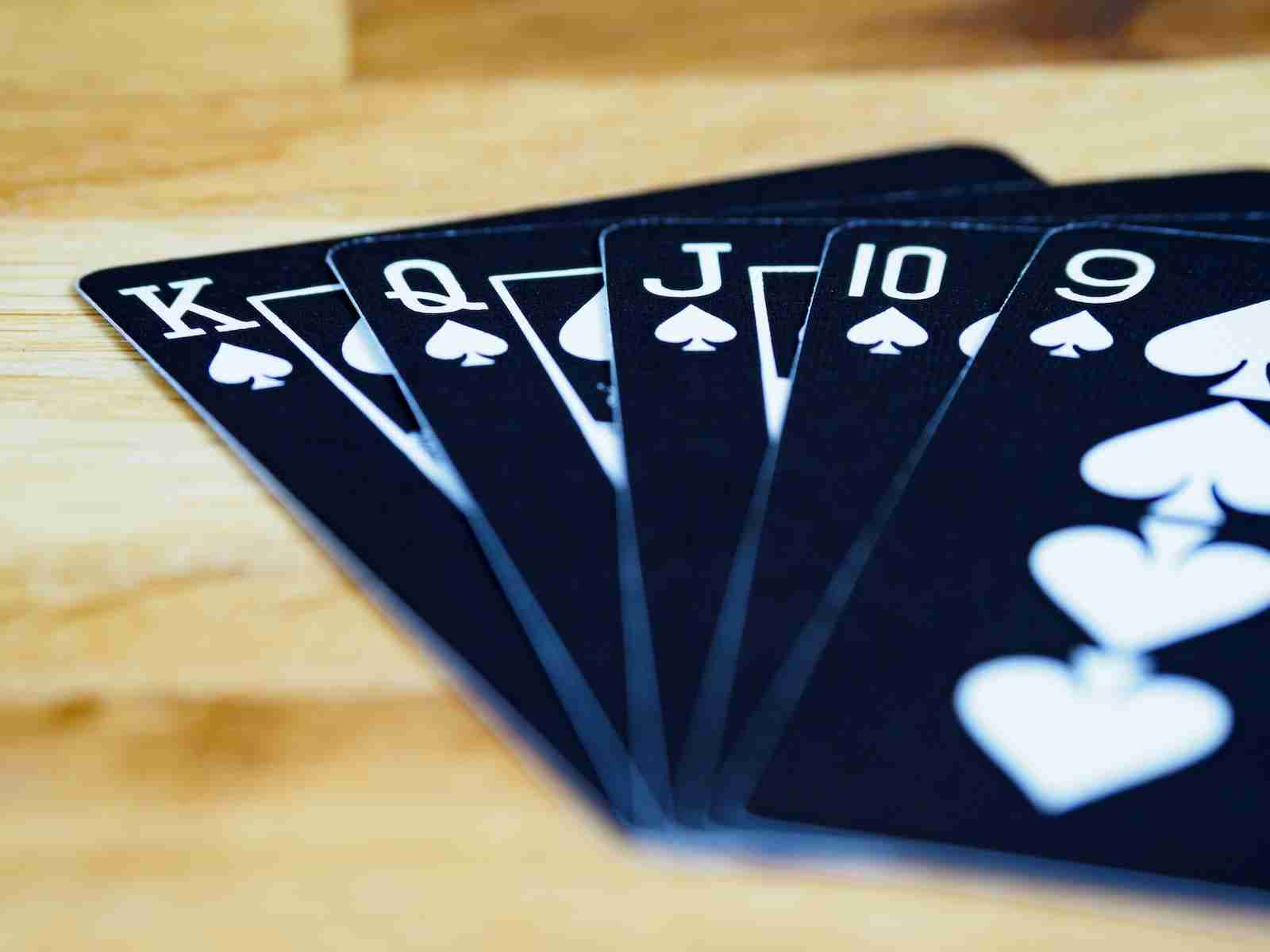
Discover Fun And Easy Matching Card Games For New Players
By Tom Seest
At CardGameNews, we help people who love card games by collating information and news about card games.
Be sure to read our other related stories at CardGameNews to learn more about card games.
Are There Matching Card Games for Beginners?
When it comes to diving into the world of card games, there’s a whole universe out there just waiting for you, especially for beginners. If you’ve ever stood in front of a shelf filled with colorful boxes, each promising hours of fun and endless laughter, you may have felt that familiar tinge of intimidation. But fear not! There are plenty of matching card games designed for those just starting to explore this vibrant realm.
First off, let’s talk about what makes a great card game for newcomers. Simplicity reigns supreme. The beauty of matching card games lies in their straightforwardness. Usually, players are dealing with a few basic rules and the primary goal is to find pairs or sets of specific cards. Think of classics like “Memory” or “Go Fish.” These games teach you essential skills, like concentration and recalling specific details, all while keeping the atmosphere lighthearted and enjoyable.
Matching card games have been around for ages, and their popularity hasn’t waned. This is largely due to their flexibility; you can play them almost anywhere, be it a coffee shop, a family gathering, or right in your living room. They require little preparation and the time needed to learn the rules is minimal. Plus, they can accommodate players of varying ages—all you need is a pack of cards and a willingness to participate.
For beginners, starting with a simple game can ease the learning curve immensely. Consider “Concentration,” where cards are laid face down, and players take turns flipping them over to find matching pairs. It’s a great way to build memory skills without overwhelming complexity. As you and your fellow players grasp the basics, you’ll feel more inclined to tackle games that introduce additional elements, strategies, or special cards.
Don’t overlook the social aspect, either. Card games have a wonderful way of bringing people together. In our fast-paced, tech-centric lives, sitting around a table with a nice deck can remind us of the simple joys of human interaction. Laughter, friendly competition, and the occasional good-natured ribbing can turn an ordinary evening into the perfect memory.
So, if you’re looking to take your first steps into the card game arena, there’s a delightful world of matching games waiting for you. Dust off that old deck, gather some friends, and let the fun roll. With each game played, you’re not just matching cards, you’re forging connections and creating lasting memories.

Are There Matching Card Games for Beginners?
Are There Matching Card Games for Beginners?
- Card games offer a welcoming introduction for beginners in a vibrant gaming universe.
- Simplicity is key; matching card games have straightforward rules focusing on finding pairs or sets.
- Classic games like “Memory” and “Go Fish” help develop concentration and memory skills.
- These games are popular due to their flexibility, requiring little preparation and accommodating all ages.
- “Concentration” is an excellent starter game that builds memory skills without overwhelming complexity.
- The social aspect of card games fosters connection and enjoyment, enhancing personal interactions.
- Exploring matching games can lead to lasting memories and stronger relationships among players.

Are There Matching Card Games for Beginners?
Table Of Contents
- Are There Matching Card Games for Beginners?
- Are Matching Card Games Easy For Beginners To Learn?
- What Are The Best Matching Card Games For Beginners?
- How Can I Improve My Skills In Matching Card Games?
- What Age Group Is Suitable For Matching Card Games?
- Are There Matching Card Games That Can Be Played Solo?
- How Long Does It Usually Take To Play A Matching Card Game?
- Can Children Benefit From Playing Matching Card Games?
- Conclusion
- Other Resources
- Glossary Of Terms
- Other Questions
- Haiku
- Poem
- Checklist
Are Matching Card Games Easy For Beginners To Learn?
When it comes to diving into the world of card games, one question frequently arises: Are matching card games easy for beginners to learn? The answer, much like a well-shuffled deck, isn’t so cut-and-dried.
To kick things off, let’s look at what a matching card game actually is. Typically, these games involve a set of cards laid face down, with players taking turns flipping two cards over at a time. If the cards match, the player keeps them; if not, they’re flipped back over. Simple, right? This basic premise is what makes matching card games so inviting to newcomers. There’s something inherently satisfying about the click of a match, the thrill of discovery with every flip.
But don’t let that simplicity fool you. The beauty of these games lies in their layers. While the core rules are easy to grasp, mastering strategy and memory skills is a different beast altogether. As a beginner, you might find the structural elegance of matching card games appealing, yet you may quickly realize that your friends or family might have a few tricks up their sleeves. After all, memory isn’t just about remembering where the cards are; it’s about observing patterns and outmaneuvering fellow players. This can quickly turn your casual card game night into a lively battlefield of wits.
For the novice player, matching card games offer an excellent pathway into the broader card game universe. They introduce fundamental concepts like turn-taking and basic memory exercises without overwhelming new players with complicated rules. While the entry threshold is low, the strategic potential keeps it engaging enough that you won’t easily tire of it.
Let’s not overlook the social aspect, either. Whether you’re gathering around your kitchen table or lounging on the couch, the camaraderie developed through playful competition can create memorable moments. The laughter, the groans of defeat, the joy of a well-earned match—it’s an experience that transcends the simple mechanics of the game itself.
In essence, if you’re a beginner looking to dip your toes into the vast ocean of card games, matching card games are a perfect starting point. They strike a balance between simplicity and engagement, making them an excellent introduction to a hobby that can offer endless fun. So gather your friends, pull out a deck, and prepare to flip and match your way into a world of strategy and laughter.

Are Matching Card Games Easy For Beginners To Learn?
Are Matching Card Games Easy For Beginners To Learn?
- Matching card games are often considered easy for beginners due to their simple rules.
- These games typically involve turning over two cards to find matches, which creates a satisfying experience.
- While the basic gameplay is straightforward, strategy and memory skills add depth and challenge.
- Beginners may find themselves in a competitive environment as they face more experienced players.
- Matching card games serve as an entry point to broader card games, teaching fundamental concepts like turn-taking.
- The social interactions during gameplay foster camaraderie and create memorable experiences.
- Overall, they offer a blend of simplicity and engagement, making them a great introduction to card games.

Are Matching Card Games Easy For Beginners To Learn?
What Are The Best Matching Card Games For Beginners?
When it comes to diving into the world of matching card games, beginners often find themselves swimming in a sea of choices. With all those flashy boxes and colorful illustrations, selecting the right card game can feel overwhelming. But fear not; I’m here to simplify that process and spotlight some of the best matching card games that will ease you into this enjoyable pastime.
First up, let’s take a look at “Memory.” This classic card game might not come with all the bells and whistles of its more extravagant counterparts, but it offers a solid foundation for beginners. The objective is simple: flip over two cards at a time, trying to find a matching pair. With only basic rules and no complicated strategies, it’s a great way to develop memory skills while having fun with friends or family. Plus, you can easily customize your deck with pictures that resonate with you or your kids, making it a personalized experience.
Next, we’ve got “Set,” a game that introduces a bit more complexity while still being accessible. Each card features different shapes, colors, and patterns, and the goal is to find sets of three cards that share or differ in every attribute. It’s like a mental workout disguised as a card game, blending speed and pattern recognition that will keep you engaged longer than a rerun of your favorite sitcom.
If you’re ready to step into the enchanting world of fantasy, “Jungle Speed” blends card matching with a bit of dexterous challenge. While it strays slightly from the traditional matching format, it requires quick thinking and even quicker hands. Players must match cards while competing to grab a totem in the center of the table, leading to bursts of laughter and excitement. It’s a wild ride for beginners looking for something a tad more lively.
Lastly, we can’t overlook “Spot It!” This fast-paced card game is fantastic for fostering quick reflexes and keen observation. Each card has a set of images, and the goal is to spot the one item in common between any two cards. It’s quick, dynamic, and lends itself well to players of all ages.
In a nutshell, whether you’re cultivating your memory with straightforward gameplay or sharpening your wits in a lively contest, these matching card games cater to all levels of beginners. With a mix of simplicity and strategy, they lay the groundwork for many family game nights to come. So gather your friends, shuffle those cards, and get ready to match!

What Are The Best Matching Card Games For Beginners?
What Are The Best Matching Card Games For Beginners?
- Beginners face many choices in matching card games, making selection overwhelming.
- “Memory” is a classic game that helps develop memory skills with simple rules.
- “Set” adds complexity, requiring players to find sets of three cards based on attributes.
- “Jungle Speed” combines card matching with dexterity, adding a lively element to gameplay.
- “Spot It!” is a fast-paced game that emphasizes quick reflexes and observation skills.
- These games suit all beginner levels, blending simplicity and strategy.
- Matching card games are great for family game nights and socializing with friends.

What Are The Best Matching Card Games For Beginners?
How Can I Improve My Skills In Matching Card Games?
When it comes to matching card games, the first thing you need to remember is that practice doesn’t make perfect; practice makes permanent. You want to be actively engaged when you’re playing—don’t just shuffle through cards like a tired old dealer. Dive in headfirst, and pay attention to the patterns that emerge. Each game is a fresh opportunity to sharpen your skills, and like any good mechanic knows, it’s all about learning the quirks of your machine.
Start by familiarizing yourself with the specific card game you’re playing. Whether it’s a simple memory game or a more complex matching exercise, understanding the rules and nuances will give you a solid foundation upon which to build your strategy. Watch how the cards are played, how each match unfolds, and keep mental notes of which cards your opponents seem to favor. Not only will this sharpen your memory, but it will also give you insight into their strategies—think of it as learning to read the room.
Next, consider playing with friends or family. There’s nothing quite like the thrill of competition to sharpen your instincts. Try to grab a regular group to play with, and each time you meet, make it a point to discuss your experiences afterward. What worked? What didn’t? The feedback loop fosters growth. Moreover, playing with others can help you develop a keen sense of timing and strategy, as you’ll quickly realize that patience often wins out over hasty decisions.
And let’s not forget the importance of reflection. After each session, take a moment to analyze your performance. I’m not talking about wallowing in defeat or patting yourself on the back for every win. What specific choices contributed to your success or failure? Were you making decisions based on logic, or were your emotions driving the bus? Self-awareness is crucial in any card game, and it’s how you’ll refine your approach in the long run.
Finally, remember that matching card games are just that—games. That means fun is paramount. If you’re not enjoying yourself, take a step back and reassess. It isn’t just about winning; it’s about the experience, the company, and the lessons learned along the way. By engaging fully and learning from every shuffle and deal, you’ll find that your skills will improve faster than you could have imagined. So, grab a deck, find your rhythm, and let the cards reveal their secrets.

How Can I Improve My Skills In Matching Card Games?
How Can I Improve My Skills In Matching Card Games?
- Practice doesn’t make perfect; it makes permanent—be actively engaged in the game.
- Familiarize yourself with the specific card game rules and strategies to build a solid foundation.
- Observe how cards are played and keep mental notes of opponents’ strategies.
- Play regularly with friends or family to enhance competition and share experiences for growth.
- Reflection is essential; analyze performance and decision-making processes post-game.
- Maintain self-awareness about emotional influences on your game choices.
- Remember the importance of fun; enjoy the experience, company, and lessons learned.

How Can I Improve My Skills In Matching Card Games?
What Age Group Is Suitable For Matching Card Games?
When it comes to the world of card games, particularly matching card games, the age range that can enjoy them is as diverse as the games themselves. You see, matching card games are like the Swiss Army knives of the gaming world; they are versatile and can cater to a broad spectrum of players. Now, let’s delve into which age groups are ideally suited for these fun-filled activities.
First up, we have the little ones. Kids as young as three or four can start enjoying matching card games with a little help from an adult or older sibling. These games often have colorful images and simple rules that can captivate even the shortest attention spans. At this age, children are not just playing; they are learning invaluable skills like memory retention and pattern recognition. Plus, what better way to bond with your child than over a rousing game of memory match?
As they grow older, children in the five to eight-year-old range can dive deeper into the strategic waters of matching card games. At this stage, they can handle more complex rule sets without crumbling into tears or tantrums. These games foster not just cognitive skills but also social interaction, teaching kids how to take turns, deal with victory graciously, and handle defeat with poise—or at least with fewer tears than before!
Now, what about older kids and teens? You might be surprised to know that matching card games have something to offer for them as well. Some games evolve into more complex formats that include strategy and bluffing elements, keeping the interest alive and the excitement high. It can even turn into a social event, fostering camaraderie among friends during get-togethers. Throw in some snacks and drinks, and you’ve got a full-blown party!
But don’t think it’s just for the young! Adults can find a treasure trove of enjoyment in matching card games too. Many are intricately designed with sophisticated themes, making them appealing for a game night with friends or family. They engage the mind, spark creativity, and encourage laughter—all while rekindling that youthful spirit we sometimes forget still lives within us.
In summary, matching card games are suitable for a wide array of age groups, from toddlers learning the ropes to adults reliving their carefree days. Whether it’s a family gathering or a casual hangout, these games provide an engaging platform for connection, laughter, and a smidge of friendly competition. So, gather the cards, round up your crew, and let the matching begin!

What Age Group Is Suitable For Matching Card Games?
What Age Group Is Suitable For Matching Card Games?
- Matching card games are versatile and cater to a broad age range, making them suitable for various players.
- Children as young as three or four can enjoy matching card games with adult assistance, enhancing skills like memory retention and pattern recognition.
- For kids aged five to eight, these games offer more complex rules and promote cognitive skills, social interaction, and turn-taking.
- Older kids and teens can engage with advanced versions of matching card games that include strategy and bluffing, creating a social atmosphere among peers.
- Adults also benefit from matching card games, enjoying sophisticated themes that spark creativity and laughter during game nights.
- Matching card games offer an engaging platform for connection and friendly competition across all age groups.
- They provide a fun-filled opportunity for families and friends to bond, making them ideal for gatherings and casual hangouts.

What Age Group Is Suitable For Matching Card Games?
Are There Matching Card Games That Can Be Played Solo?
In the vast world of games, where competition and camaraderie usually reign supreme, there exists a delightful little niche—a realm where you can take on the challenge all by yourself. Enter the matching card game, a category that, while often envisioned as a group activity, has its own solo variations worth exploring.
First and foremost, let’s define what a card game is in this context. Think less about poker tournaments or bridge competitions and more about simple, engaging games that can thrive in the quiet of your own home. Matching card games, often characterized by their straightforward rules and engaging gameplay, invite players to match pairs or groups of cards based on various criteria. The beauty of a solo card game lies in the freedom it provides. You set the pace, decide how much time you want to invest, and can even experiment with house rules without anyone looking over your shoulder—there’s something liberating in that.
So, what options do you have? One popular choice is the classic game of Concentration, which can easily be adapted for solo play. Lay out a deck of cards face down, shuffle them well, and voila! It’s time for you to flip over pairs, trying to remember where those tricky cards lie after each turn. This game isn’t just a test of memory but also a fun way to pass the time while indulging in a bit of cognitive sharpening.
Another great option is Solitaire, a card game that’s been a staple for solo players since time immemorial. While there are various versions out there, the classic Klondike Solitaire is where many start. The interplay of strategy, luck, and patience creates a satisfying challenge. You’re not just matching cards; you’re making decisions, plotting your next move, and celebrating small victories with every card you successfully stack.
Variations of these games offer additional flair, too. Whether you’re creating themed decks or introducing limiting rules to amp up the difficulty, the world of solo matching card games is yours to command. So, the next time you’re looking to unwind, remember that engaging solo card games are just a shuffle away—ideal for those quiet evenings where the only company you need is a deck of cards and your own wit.

Are There Matching Card Games That Can Be Played Solo?
Are There Matching Card Games That Can Be Played Solo?
- Matching card games offer a solo gaming experience distinct from traditional group activities.
- These games feature simple rules and engaging gameplay, allowing for individual play at home.
- Solo card games provide freedom in pacing, time investment, and rule experimentation.
- Classic games like Concentration can easily be adapted for solo play by finding pairs in a shuffled deck.
- Solitaire, especially the classic Klondike version, is a popular choice for solo players, blending strategy and luck.
- Players can add variations such as themed decks or limiting rules to enhance the gameplay experience.
- Solo matching card games are perfect for unwinding during quiet evenings, requiring only a deck of cards and personal engagement.
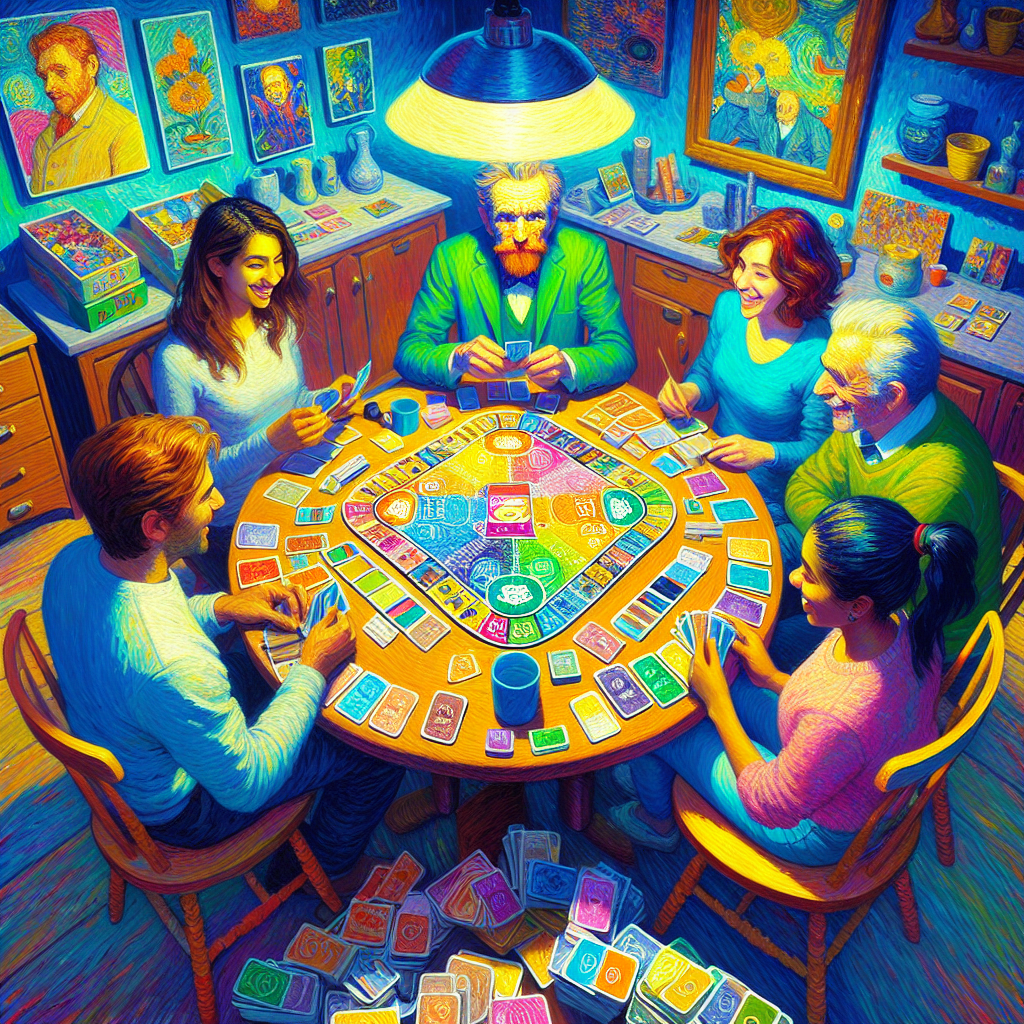
Are There Matching Card Games That Can Be Played Solo?
How Long Does It Usually Take To Play A Matching Card Game?
Ah, the age-old pastime of matching card games—simple, yet deceptively deep, a little like a good cup of coffee or a well-worn pair of boots. You gather around a table, slap those cards down, and suddenly, you’re in the zone, battling it out with friends or family. But how long does it usually take to play a matching card game? Well, grab a seat and let’s dig into it.
First off, the duration of any card game can depend on a multitude of factors. The most significant player in this equation is the number of participants. With a small group, say two or three, you might zip through a round in a brisk 15 to 30 minutes. With more players, however, the stakes rise—and so does the clock. Larger groups can stretch that time to an hour or more, especially when everyone is engaged in a good-natured debate over who’s hogging all the matches.
Now, let’s not forget the variation in card game rules. Some folks have their own house rules that can either speed things up or slow them down. For example, choosing to flip two cards at a time instead of one can add layers of strategy and complexity, prolonging the game in the name of fun. On the flip side, a strict adherence to classic rules, where the aim is to match pairs often found in sets, can keep things moving at a steady clip.
Also, think about the age and experience of the players involved. Playing with young kids can turn a straightforward matching card game into a delightful—and slightly chaotic—adventure. Kids may take a bit longer to comprehend the rules, echoing a sort of delightful unpredictability to the game’s duration. Conversely, seasoned players might find their groove in quick succession, leading to faster rounds.
It’s also essential to consider the atmosphere. Is everyone merely having a casual catch-up? Or is there a competitive fire afoot? The latter can increase the intensity of the game, prompting players to strategize and self-reflect, thus extending playtime.
The time it usually takes to play a matching card game varies widely, typically oscillating between 20 minutes to an hour. Ultimately, it’s about more than just the clock; it’s about the connections forged, the laughter shared, and those cherished moments around the table. Because in the end, that’s what really counts, isn’t it?

How Long Does It Usually Take To Play A Matching Card Game?
How Long Does It Usually Take To Play A Matching Card Game?
- Matching card games are simple yet engaging social activities.
- The duration of a game often depends on the number of players involved.
- A small group (2-3 players) may complete a game in 15 to 30 minutes.
- Larger groups can take an hour or more, particularly with lively discussions.
- Game rules can vary; house rules can speed or slow down the gameplay.
- The age and experience of players affect game speed, with younger players potentially taking longer.
- The atmosphere—casual vs. competitive—can also influence the length of playtime.

How Long Does It Usually Take To Play A Matching Card Game?
Can Children Benefit From Playing Matching Card Games?
When it comes to the realm of childhood play, the simple joys often yield the richest rewards, and one such activity that deserves a spotlight is the classic card game. Yes, making pairs of vibrant images may seem like child’s play at first glance, but let me assure you, the benefits of playing matching card games extend far beyond mere entertainment.
For starters, matching card games provide the perfect backdrop for developing cognitive skills. As children sift through those colorful cards, they engage in critical thinking and strategic planning. They quickly learn to remember where specific cards are located, weighing risks and rewards with each move. It’s a mental workout dressed up as play! Those colorful pieces of cardboard aren’t just art; they are tools that can foster memory retention and enhance attention spans. Research suggests that the act of remembering where cards are placed taps into short-term memory, an essential building block for learning.
But the benefits don’t stop there. Let’s take a look at social skills. Playtime with matching card games transforms solitary brain work into a beautifully competitive, or at times cooperative, experience. Whether playing with family or friends, kids learn how to take turns, communicate their thoughts, and navigate the glorious realm of winning and losing. Those moments of unadulterated joy when they finally make a match, or the friendly teasing when they don’t, create an organic environment for developing emotional intelligence.
Now, let’s not forget the foundational element of patience. In a world dominated by instant gratification, waiting for one’s turn in a card game might seem like a small feat, but it lays the groundwork for future interactions and relationships. Watching a child learn the value of waiting is like seeing a tiny seedling push its way through the soil, rooted in resilience and hope.
Let’s be honest, the digital age offers countless distractions that often overshadow the simplicity of matching card games. However, this traditional pastime is more relevant than ever. It encourages unplugging from screens and diving into a tactile experience that sharpens the mind, hones social skills, and builds patience—all while fostering priceless memories. So, the next time you find yourself with a deck of cards and a cluster of kids, remember that you’re not just playing a game; you’re planting seeds for their future successes.

Can Children Benefit From Playing Matching Card Games?
Can Children Benefit From Playing Matching Card Games?
- Matching card games provide significant cognitive skill development for children.
- These games enhance critical thinking and strategic planning abilities.
- Playing improves memory retention and attention spans through the act of remembering card placements.
- Engaging in matching games fosters social skills, such as taking turns and communication.
- Children experience emotional intelligence growth by navigating competition and cooperation.
- Playing cards teaches valuable patience and the importance of waiting for one’s turn.
- Despite digital distractions, classic card games offer a relevant, unplugged experience for children, nurturing their growth.

Can Children Benefit From Playing Matching Card Games?
Conclusion
Alright folks, let’s wrap this up like a well-worn gift for a friend. If you’ve hesitated to dive into the world of card games, fear not! Matching card games are the doorjamb to a world brimming with connection, laughter, and all those wholesome good times we often search for in our busy lives. A simple shuffle can unite generations, and while it might look easy with their straightforward rules, don’t let their simplicity fool you—there’s depth in every match you make.
For beginners, finding your footing is easy with classic games like “Memory” or “Go Fish.” These games not only teach you the ropes but also stealthily arm you with vital skills like memory retention and strategic thinking. The best part? You don’t need a fancy setup or high-stakes environment; these games can unfold anywhere, from your living room to a family reunion picnic.
Now, let’s not forget about the social dynamics at play here. Picture this: you’re gathered around a table. The tension builds as the cards flip, followed by giggles, groans, and moments of triumph. That’s what matching card games are all about, folks—the experience. They invite everyone into a shared narrative woven through laughter, competition, and a sprinkle of friendly rivalry.
And here’s the kicker: there’s something for everyone. Young children get to hone their memory whilst having fun, older kids and teens can navigate more complex strategies, and even adults can find joy and challenge in these games. It’s a multi-generational affair, a fantastic way to connect across ages and backgrounds, unearthing that childlike wonder we all carry but sometimes forget.
So, grab a deck and dust off those cards. Whether you’re playing solo or rounding up your favorite crew, matching card games offer a delightful arena for growth, exploration, and connection. It’s not about who wins or loses; it’s about the bonds built and the memories forged. So let’s get out there, flip some cards, and find those matches—one laugh at a time!

Conclusion
Conclusion:
- Matching card games offer a fun way to connect and create joy in our busy lives.
- Classic games like “Memory” and “Go Fish” are perfect for beginners, teaching essential skills.
- These games can be played anywhere, making them versatile and accessible for gatherings.
- They foster social dynamics, creating shared narratives filled with laughter and competition.
- There are card games suitable for all ages, encouraging multi-generational interaction.
- Playing these games emphasizes relationships over competition, focusing on the experience.
- Matching card games invite players to explore growth and connection through shared play.

Conclusion
Other Resources

Other Resources
Here is a list of other resources you can review online to learn more:
- Love Letter
- Planly
- Through the Ages: A New Story of Civilization
- Dungeon Lords
- Huch!
- Ravensburger
Use This Prompt To Get More Resources With Your Favorite Online AI Tool: Please provide me with a list of online articles with their URLs in a bulleted list that I can read regarding Are There Matching Card Games for Beginners?

Other Resources
Glossary Terms
Are There Matching Card Games for Beginners? – Glossary Of Terms
1. Matching Card Games: Games where players try to find pairs or sets of cards that match based on certain criteria.
2. Memory: A skill-oriented game that tests players’ ability to recall the location of cards.
3. Pairs: Two cards that are identical or have a specific relationship to each other in the context of the game.
4. Deck: A complete set of cards used to play the game, usually consisting of 52 cards in standard games.
5. Shuffle: The act of mixing the cards randomly to ensure a fair game.
6. Turn: A player’s chance to take an action, such as flipping over cards or drawing from the deck.
7. Reveal: To turn over a card to show its face, often part of the gameplay mechanics.
8. Flip: To turn a card over to reveal its face, typically as part of finding matches.
9. Score: The points a player earns during the game, often based on the number of pairs they collect.
10. Set Collection: A mechanic in card games where players attempt to gather complete sets of matching cards.
11. Face-Up Card: A card that is turned over and visible to all players.
12. Face-Down Card: A card that is hidden from view, requiring players to remember its location to make matches.
13. Turn Limit: A restriction on the number of turns a player can take in a game, often used to create urgency.
14. Game Board: The surface or layout on which the cards are placed for play.
15. Special Cards: Cards that have unique abilities or effects, different from standard cards.
16. Strategy: A plan of action designed to achieve a specific goal in the game, such as finding matches.
17. Concentration: Another name for a popular memory game where players flip cards to find matches.
18. Draw: To take a card from the deck or pile as part of the gameplay.
19. Discard: To remove a card from play, often placing it in a separate pile.
20. End Game: The final phase of the game, often marked by a specific condition or number of turns.
21. Jokers: Wild cards that can be used in some games to represent any card, allowing for more flexible gameplay.
22. Wild Card: A card that can take on the value or role of any other card in the game.
23. Players: Individuals participating in the game, typically ranging from 2 to 6 in card games.
24. Turn Order: The sequence in which players take their turns, often determined at the start of the game.
25. Game Variants: Different rules or formats that change the way a basic game is played.
26. Educational Games: Games designed to teach skills or concepts, often utilized in beginner matching card games.
27. Card Design: The graphical layout and illustrations on the cards, which can help indicate their purpose or function.
28. Theme: The subject or motif of a card game, such as animals, numbers, or mythical creatures.
29. Age Range: The recommended age group for which the game is designed, indicating its complexity and suitability.
30. Simplicity: The quality of being easy to understand and play, often a key feature of beginner-friendly games.

Glossary Of Terms
Other Questions
Are There Matching Card Games for Beginners? – Other Questions
If you wish to explore and discover more, consider looking for answers to these questions:
- What are some advanced tips for mastering matching card games?
- Can matching card games be adapted for different skill levels?
- Are there any online platforms where I can play matching card games?
- How do I choose the right matching card game for my family?
- What materials are needed to create a homemade matching card game?
- Are there themed matching card games for specific interests or age groups?
- What are the mental benefits of playing matching card games regularly?
- Can matching card games be played with non-standard or unique decks?
- What are some common mistakes beginners make in matching card games?
- How can I host a matching card game night effectively?

Other Questions
Haiku
Are There Matching Card Games for Beginners? – A Haiku
Simple cards laid down,
Memory and laughter shared—
Connections are made.

Haiku
Poem
Are There Matching Card Games for Beginners? – A Poem
In a world where cards await,
Beginners stand at fun’s great gate,
With matching games both fun and bright,
Simple rules to spark delight.
A shuffle here, a flip, a pause,
Memory builds without a cause,
From “Go Fish” to “Concentration,”
Each pair found sparks celebration.
Gather round, let laughter flow,
With family, friends, in the evening glow,
No grand designs, just a tender space,
Playing matches, a warm embrace.
For tots and teens, a treasure trove,
Learning skills as they deftly strove,
Patience, strategy, in every round,
Friendship blooming on solid ground.
And should you wish for solo play,
There’s “Solitaire” to save the day,
With every card you flip and trace,
You’ll learn, improve, find your own pace.
So dust off that deck, take a chance,
In this game of memory, let’s dance,
For in matches made and laughter shared,
Connections grow, and hearts are bared.
Whether young or seasoned, all will gain,
Endless joy from laughter and a bit of strain,
So let the cards reveal their charms,
In the world of matching, we find our warms.

Poem
Checklist
Are There Matching Card Games for Beginners? – A Checklist
Before You Start
_____ Gather a group of friends or family members who are interested in playing.
_____ Choose a matching card game suitable for your group’s skill level (recommendations: “Memory,” “Set,” “Spot It!”).
_____ Ensure you have a standard deck of playing cards or a specific game set.
Setting Up the Game
_____ Read and understand the game rules together as a group.
_____ Choose a comfortable playing area with enough space for all players.
_____ Shuffle the deck thoroughly before laying out the cards face down.
During the Game
_____ Encourage everyone to take turns and engage in friendly competition.
_____ Keep the atmosphere light-hearted and fun—focus on enjoying the experience.
_____ Practice mental recall throughout the game to enhance your skills.
Improving Your Skills
_____ Pay attention to your opponents’ strategies and observe their card flips.
_____ Reflect on your gameplay after each session—what worked and what didn’t?
_____ Make note of pairs/matches to aid your memory in future games.
After the Game
_____ Discuss the game as a group and share insights or strategies that helped.
_____ Celebrate victories, big or small, and acknowledge learning experiences from losses.
_____ Consider scheduling regular game nights to foster improvement and camaraderie.
Family and Social Benefits
_____ Encourage positive interactions to develop social skills among players.
_____ Use the game as a bonding experience to create lasting memories.
_____ Recognize the importance of patience and turn-taking during gameplay.
Solo Play Options
_____ Explore solo variations of matching games like “Concentration” or “Solitaire” for practice.
_____ Set personal challenges to track your progress when playing alone.
Additional Tips
_____ Customize your decks for personalized play experiences.
_____ Experiment with different rules or house rules for more variety.
_____ Remember, the most important part is to have fun!
This checklist is designed to help you and your fellow players navigate your way through the delightful world of matching card games, ensuring everyone has a great time! Enjoy and happy matching!

Checklist
At CardGameNews, we help people who love card games by collating information and news about card games.
Be sure to read our other related stories at CardGameNews to learn more about card games.