

Unraveling The Allure Of Trick-Taking Card Games
By Tom Seest
At CardGameNews, we help people who love card games by collating information and news about card games.
Be sure to read our other related stories at CardGameNews to learn more about card games.
What Makes Trick-Taking Card Games Appealing to Fans?
Trick-taking card games have been around for centuries, captivating players with their strategic depth and social interaction. But what is it that draws fans to these deceptively simple games? Let’s peel back the layers and uncover the appeal.
First and foremost, the core of these games lies in the challenge they present. At its heart, a trick-taking game is an engaging mental sparring match. Each player must carefully consider their cards, their opponents’ possible moves, and the overarching strategies at play. This blend of chance and skill creates a taste of unpredictability that keeps players on their toes. With each hand, there’s an opportunity to devise intricate deceptions, forge alliances, or execute a cunning maneuver that could turn the tide in one fell swoop. Fans relish the opportunity to outsmart their friends, and these games often showcase not just the brilliance of individual players but also the complex dynamics of social bluffing.
Then there’s the communal aspect that these games bring to the table—quite literally. Whether it’s a weekend family gathering or a round at a friend’s house, trick-taking card games create an environment where laughter, banter, and competitive banter thrive. They encourage storytelling as players share their best plays, recount past victories, or express playful grumbles over a poorly timed card draw. This shared experience fosters a sense of camaraderie, reminding us that while competition sparks the fire, it’s the connections we forge around the table that stoke the flames of enjoyment.
Moreover, the accessibility of these games adds to their allure. Many classic trick-taking card games have simple rules that can be learned in minutes, yet they offer layers of complexity that can take a lifetime to master. This duality attracts novice players eager to learn while simultaneously enticing seasoned gamers looking for strategic depth. The balance between simplicity and sophistication allows for a wide range of participants, cultivating a diverse community of players.
Lastly, the nostalgia factor cannot be overlooked. Many fans grew up playing these games with family, making them a comforting reminder of cherished moments from their past. They evoke a sense of timeless tradition, connecting generations through shared experiences.
The appeal of trick-taking card games lies in their intricate blend of strategy, social interaction, accessibility, and nostalgic resonance. They are about more than just the cards; they’re celebrations of intellect, friendship, and the simple joy of a shared experience around the table.

What Makes Trick-Taking Card Games Appealing to Fans?
What Makes Trick-Taking Card Games Appealing to Fans?
- Trick-taking card games are strategic and interactive, captivating players for centuries.
- These games present a mental challenge, requiring careful consideration of cards, opponents’ moves, and strategies.
- Players enjoy the unpredictability, using deception, forming alliances, and executing cunning maneuvers.
- The communal aspect fosters laughter, storytelling, and camaraderie during gameplay.
- Trick-taking games are accessible with simple rules but offer deep strategies for long-term mastery.
- Nostalgia plays a significant role, connecting fans with cherished family memories and traditions.
- Overall, the games celebrate intellect, friendship, and the joy of shared experiences around the table.

What Makes Trick-Taking Card Games Appealing to Fans?
Table Of Contents
- What Makes Trick-Taking Card Games Appealing to Fans?
- What Are The Core Rules Of Trick-Taking Card Games?
- How Do Trick-Taking Games Promote Social Interaction?
- What Strategies Enhance Success In Trick-Taking Games?
- Why Do Players Enjoy The Competition In These Games?
- How Do Trick-Taking Games Vary Across Cultures?
- What Role Does Luck Play In Trick-Taking Games?
- What Psychological Benefits Do Players Gain From These Games?
- Why Do Fans Often Have Favorite Trick-Taking Games?
- How Do Trick-Taking Games Engage Critical Thinking Skills?
- Conclusion
- Other Resources
- Glossary Of Terms
- Other Questions
- Haiku
- Poem
- Checklist
What Are The Core Rules Of Trick-Taking Card Games?
When it comes to trick-taking card games, you’re stepping into a world defined by strategy, skill, and a pinch of luck—a realm where the right play can lead to victory, and the wrong one might have you pondering your life choices over the last hand. At the heart of it all are some core rules that form the foundation of these timeless pastimes.
First and foremost, you need to understand the concept of a “trick.” In simple terms, a trick is a round of play in which players each play one card, and the highest-ranking card, based on the game’s rules, takes the trick. Think of it as a contest where everyone’s trying to outsmart each other with their best card on the table. The player who wins the trick usually leads the next one, creating a delicate balance of power throughout the game.
Next, you have the importance of suits. Most trick-taking games use a system of suits—clubs, diamonds, hearts, and spades, if you’re familiar with traditional cards. Each suit typically has a hierarchy, with one trump suit often dominating over the others. The trump suit can flip the fog of competition, allowing you to win with a lower card if it’s of the trump variety. Choosing when to deploy your trump cards can mean the difference between a strategic triumph and a bitter defeat.
Then there’s the concept of bidding or scoring, which varies from game to game. In some, you announce how many tricks you think you can win, and you’re either rewarded or penalized based on your performance. Others use a point system where the cumulative total will determine the victor. Regardless of the approach, keeping track of your score is essential—after all, nobody wants to lose track and find themselves in a game of catch-up.
Finally, let’s not forget the social dynamics at play. Trick-taking games thrive on interaction. Reading your opponents, bluffing, and forming temporary alliances can all shift the tides of the game. The ability to anticipate what others might play adds a layer of complexity that keeps players on their toes.
While the specifics might drift from one game to another, the core rules of trick-taking card games remain a steadfast anchor in a sea of shards and shuffles. Understanding these primal principles is your ticket to whether you emerge victorious or gather your friends and family for a good-natured laugh as you strategize for the rematch. So, shuffle up and deal; the world of trick-taking is waiting for your next move.

What Are The Core Rules Of Trick-Taking Card Games?
What Are The Core Rules Of Trick-Taking Card Games?
- Trick-taking card games combine strategy, skill, and luck, where smart plays can lead to victory.
- A “trick” is a round of play where players play one card, and the highest-ranking card wins the trick.
- Players who win tricks lead the next round, maintaining a balance of power in the game.
- Games use suits (e.g., clubs, diamonds, hearts, spades) with one trump suit often dominating the others.
- Choosing when to use trump cards can significantly affect the outcome of the game.
- Bidding or scoring methods can vary, affecting rewards and point tracking throughout the game.
- Social dynamics, including reading opponents and forming temporary alliances, enrich the gameplay experience.

What Are The Core Rules Of Trick-Taking Card Games?
How Do Trick-Taking Games Promote Social Interaction?
Picture this: a group of friends gathered around a worn-out table, laughter echoing through the room as cards are shuffled and dealt. It’s a scene as old as time itself, a tableau that speaks to the heart of human connection, and at the center of it all? Trick-taking games. These classic contests of wits and strategy don’t just entertain; they forge bonds that can last a lifetime.
At first glance, it may seem like it’s all about the cards—the strategic plays, the keen mind needed to outwit opponents. But dive a little deeper, and you’ll uncover the immense social fabric woven into the act of playing. From Hearts to Spades, the magic lies in how these games foster communication. Each round is a conversation starter, an opportunity to banter, strategize, and, yes, even bluff. The exchange of glances, the raising of eyebrows, the sly grins—these non-verbal cues can carry as much weight as any card played. Players don’t just engage with the game; they engage with each other, forging connections through shared excitement and tension.
Moreover, trick-taking games often require teamwork, especially when partners are involved. This necessity for collaboration forces players into a social dance, where trust and intuition reign supreme. You find yourself assessing not just the cards in your hand but also the dynamics of your partner’s playstyle. Do they prefer aggressive tactics, or are they more conservative? These shared experiences build understanding, camaraderie, and a wealth of inside jokes that solidify friendships.
And let’s not forget the storytelling aspect inherent in these games. Each hand is filled with drama: the last-minute save, the unpredictable upsets, the fateful blunders. Players recount these moments with glee long after the cards are packed away, creating a tapestry of narratives that bind them together.
Just as important is how these games offer an escape from the mundane. In a world increasingly dominated by screens and digital interactions, taking a moment to gather around a table with friends can feel revolutionary. The tactile engagement of shuffling cards and the clinking of chips ground players in the moment, offering a breath of fresh air in their often busy lives.
So, whether you’re a seasoned card shark or a curious newcomer, remember: trick-taking games are more than just a pastime. They are a gateway to socialization, a celebration of human interaction, and a joyful reminder that sometimes, the best connections are forged over a simple deck of cards.

How Do Trick-Taking Games Promote Social Interaction?
How Do Trick-Taking Games Promote Social Interaction?
- Trick-taking games, played among friends, highlight human connection and laughter.
- The games are not just about strategy but also foster communication and interaction.
- Non-verbal cues such as glances and grins enhance the social experience of playing.
- Teamwork is often essential in trick-taking games, promoting collaboration and trust.
- These games create shared experiences that lead to camaraderie and inside jokes.
- Players share dramatic stories from their games, forming a narrative tapestry that binds them.
- Trick-taking games provide a break from screens, offering a tactile, engaging social activity.

How Do Trick-Taking Games Promote Social Interaction?
What Strategies Enhance Success In Trick-Taking Games?
Trick-taking games, those delightful battles of wit and strategy, have captivated players for centuries. They’re not just about luck; there’s an art to winning, and it often involves a blend of observation, calculation, and good old-fashioned sense. So, how do savvy players elevate their game? Let’s dive into some strategies.
First off, understanding your cards is paramount. After the deal, players should take a moment to evaluate their hand and categorize their cards. Are they holding high cards, mid-range, or a handful of lowly ones? This isn’t just a simple glance; it’s a meticulous appraisal of not only what you have but what you might be able to do with it. Don’t forget to consider the potential of your cards in combination with what you know about the game dynamics. If you’ve drawn a couple of high cards, your strategy should reflect that confidence—play aggressively. Conversely, if your hand is weak, you might need to play defensively, preserving your weaker cards for an opportune moment.
Speaking of moments, timing is critical. Knowing when to play certain cards can shift the tide of the game. Often, players hold back strong cards to secure a win in a subsequent trick. But caution can also backfire. You might find yourself in a situation where your hand, once a shining beacon of hope, suddenly feels like a brick tied to your ankle. That’s where knowing your opponents comes into play. Observe their playing patterns closely. Are they aggressive, or do they hold back? Are they predictable? These observations will sharpen your decision-making and help you forecast their moves.
Communication—whether verbal, nonverbal, or subtle—is another often underappreciated aspect of trick-taking games. Yes, many of these games are about individual play, but a shared table creates a collective psychology. If you’re part of a partnership, fostering a silent understanding through card play can be immensely beneficial. Use coded signals and gestures to convey crucial information without saying a word.
Lastly, embrace flexibility. No matter how well you’ve planned, the randomness of cards dealt and opponents’ choices can force you to pivot unexpectedly. A successful player must be ready for anything, adapting their strategy to the shifting tide.
In summary, success in trick-taking games isn’t just chance; it’s a tapestry woven from knowledge, timing, observation, and adaptability. Get these elements down, and you may just find yourself holding the winning hand more often than not.

What Strategies Enhance Success In Trick-Taking Games?
What Strategies Enhance Success In Trick-Taking Games?
- Trick-taking games involve a blend of observation, calculation, and strategy, beyond mere luck.
- Understanding your own cards is essential; categorize them as high, mid-range, or low.
- Play aggressively with high cards and defensively with weak hands to maximize your chances.
- Timing is critical; knowing when to play strong cards can change the game’s outcome.
- Observe opponents’ playing patterns to improve your decision-making and anticipate their moves.
- Communication among players, even nonverbal, can enhance strategic play, especially in partnerships.
- Flexibility is key; be ready to adapt your strategy based on the cards dealt and opponents’ choices.

What Strategies Enhance Success In Trick-Taking Games?
Why Do Players Enjoy The Competition In These Games?
In the world of gaming, there’s an electric current that runs through the veins of competition, energizing players and drawing them into a world where victory is the ultimate prize. But why do they revel in the clash, the struggle against others, and the mad scramble for supremacy?
At its core, competition in games is much like wrestling with a grizzly bear; it’s messy, unpredictable, and requires guts. For many, it’s about testing their mettle. Players are driven by the desire to rise above their peers, to prove not just to others, but often to themselves, that they have what it takes to navigate the labyrinth of strategy, skill, and sheer nerve. The thrill of the chase, the adrenaline rush of watching points tick up, and the sweet taste of hard-earned victory set the stage for a narrative that unfolds with every match.
Games designed with competitive elements feed into the primal instincts that reside in all of us. When players step into the arena, they’re not just battling game mechanics; they’re pitting their wits and abilities against other real people, who are just as eager to outsmart, outrun, and outlast them. This human element adds layers of complexity and intrigue that AI foes simply can’t replicate. The unpredictable nature of human opponents means no two matches are ever the same, keeping the experience fresh and engaging.
Moreover, competition fosters a powerful sense of community. Gamers often find themselves amidst a tribe, rallying together in the face of adversity. Clans and teams spring up, standing shoulder to shoulder in the virtual trenches, sharing strategies, celebrating victories, and commiserating over defeats. It’s a collective experience that turns playground squabbles into lifelong friendships, and rivalries into epic tales that players recount long after the pixels have faded.
Of course, let’s not forget the joy that comes from improvement. Every time a player steps into the fray, they’re given a chance to learn, to tweak their tactics, and to sharpen their skills. That remarkable feeling when a player goes from rookie to respected contender is nothing short of exhilarating. Growth doesn’t just bring achievement; it builds identity. They’re not just players; they’re formidable competitors.
The competition within these games isn’t merely a byproduct of their design—it’s the lifeblood that gives them meaning, urgency, and an irresistible allure. And that, my friends, is why players dive headfirst into the exhilarating fray, ready to fight their way to the top.

Why Do Players Enjoy The Competition In These Games?
Why Do Players Enjoy The Competition In These Games?
- Competition in gaming energizes players, driving them toward the ultimate prize of victory.
- It serves as a test of mettle, allowing players to prove their skills and strategy against peers.
- The thrill of competition involves unpredictability and excitement, making each match uniquely engaging.
- Human opponents introduce complexity and intrigue that artificial intelligence cannot replicate.
- Competition fosters community, leading to the formation of clans and teams, enhancing the social aspect of gaming.
- Players experience joy in their improvement, transitioning from novices to respected competitors.
- The essence of competition is the lifeblood of gaming, providing meaning and urgency to the gameplay experience.

Why Do Players Enjoy The Competition In These Games?
How Do Trick-Taking Games Vary Across Cultures?
Trick-taking games serve as a fascinating lens through which to explore cultural nuances, revealing how various societies interpret strategy, social interaction, and even the concept of luck. From the bustling streets of Italy to the sun-soaked shores of Vietnam, these games share a common thread yet diverge dramatically in style and substance.
Take the classic game of Bridge, for example—an intellectual duel favored in parlors and country clubs across the United States and Europe. It’s a game steeped in communication, calculation, and the unspoken bond between partners who trust each other’s instincts. Players engage in a dance of deduction, melding their thoughts to outsmart opponents. The stakes might be high, but so is the camaraderie fostered at the card table.
Now, shift your gaze to the vibrant markets of Mexico where you might find the lively game of Lotería. While it may not fit the formal structure of conventional trick-taking games, it embodies the same spirit of competition and community. Instead of playing cards, participants use beautifully illustrated boards and beans, shouting out “Lotería!” as they mark their cards to win. Here, luck reigns supreme, and the atmosphere is electric, full of laughter and wildly animated calls.
Venture southeast to India, where you’ll encounter the beloved game of Rummy, a sprawling web of strategy steeped in tradition. It brings together families, friends, and sometimes even strangers, allowing them to engage in friendly rivalries that can last for hours. The rules may vary, but the principal thrill remains the same: the satisfaction of outsmarting an opponent through clever card combinations.
In Japan, the ancient game of Hanafuda captures a different essence. With its stunning artwork and seasonal themes, it incorporates cultural motifs while demanding skill and strategy through a unique point-scoring system. Significantly, Hanafuda also emphasizes respect—each player bows slightly as cards are played, reflecting a deep-rooted sense of etiquette and social decorum.
Even the way these games are played reflects a community’s values and social fabric. From formal settings to spontaneous gatherings, the development of friendships and rivalries in these games cuts across geographic boundaries.
In essence, trick-taking games are more than just a pastime; they serve as a cultural vessel, transporting players through shared laughter, competition, and the occasional dose of serendipity—reminding us that, despite our differences, we’re all just looking to outsmart one another in good fun.

How Do Trick-Taking Games Vary Across Cultures?
How Do Trick-Taking Games Vary Across Cultures?
- Trick-taking games reveal cultural nuances in strategy, social interaction, and luck across various societies.
- Bridge, popular in the U.S. and Europe, emphasizes communication, calculation, and partnership trust.
- Lotería in Mexico showcases competition and community through lively, luck-based gameplay using boards and beans.
- Rummy in India fosters family and friend gatherings, highlighting friendly rivalry and strategic card combinations.
- Hanafuda in Japan combines stunning art and cultural motifs with a unique point-scoring system and social etiquette.
- These games reflect community values and social fabric, fostering friendships and rivalries beyond geographic boundaries.
- Overall, trick-taking games are cultural vessels that promote shared laughter and competition while emphasizing the joy of strategy.

How Do Trick-Taking Games Vary Across Cultures?
What Role Does Luck Play In Trick-Taking Games?
At first glance, trick-taking games appear to be all about strategy—sophisticated plays, calculated risks, and meticulously planned moves. Add to that a hefty dose of competition, and you’ve got a classic scenario where skill is king. But here’s the kicker: no matter how much you practice or study the art of persuasion through cards, there’s an element of chance that sneaks in like a cat burglar in the night. Luck plays its hand, often turning the tide of battle in the blink of an eye.
Picture this: you’re engaged in a tense match of Bridge or Hearts. You’ve got your strategy all mapped out, eyes sharpened like an eagle prepared to swoop down on its prey. You’ve been counting cards, tracking what your opponents probably have, and predicting their moves. But then the draw suddenly hands you a handful of cards that would make even the most seasoned player weep—nothing but lowly twos and threes. Or perhaps a wild card appears at just the right moment, allowing you to trump an opponent’s seemingly unbeatable hand. In that moment, luck can transform your seemingly doomed fate into a glorious victory, or vice versa.
Now, this is not to downplay the strategic nuances that unfold with every trick—you still have to possess the ability to read the game, adapt to shifting tides, and outmaneuver your opponents. The true magic lies in how players incorporate luck into their game plans. It’s like fishing with your rod and reel in one hand while keeping an eye on the weather with the other. You might plan for the perfect catch, but what if a sudden storm rolls in? Smart players will learn to navigate that unpredictability while making the best of their situation.
Moreover, some games incorporate luck more heavily than others. Take a game like Spades, where your partner’s hand can either bolster your strategy or derail it entirely. A well-timed gamble can pay off handsomely, but it’s never a sure bet.
Ultimately, luck sits at the table alongside skill, making it a co-conspirator in the drama of trick-taking games. Players must master the art of playing the hand they’re dealt, making the unpredictable twists of fortune part of the strategy itself. Whether you’re riding high or licking your wounds, it’s this blend of luck and skill that keeps players coming back for more, hungry for the next round of thrills.

What Role Does Luck Play In Trick-Taking Games?
What Role Does Luck Play In Trick-Taking Games?
- Trick-taking games combine strategy and competition, positioning skill as a primary factor.
- Despite strategic planning, an element of chance often influences the outcome of these games.
- Luck can dramatically change the game, switching from a hopeless situation to a potential victory.
- Successful players adapt to changing circumstances while incorporating luck into their strategies.
- Different games, like Spades, feature varying degrees of luck impacting gameplay and strategy.
- Luck and skill coexist, creating a dynamic interplay that enhances the excitement of trick-taking games.
- This combination of factors motivates players to return for more thrilling experiences.
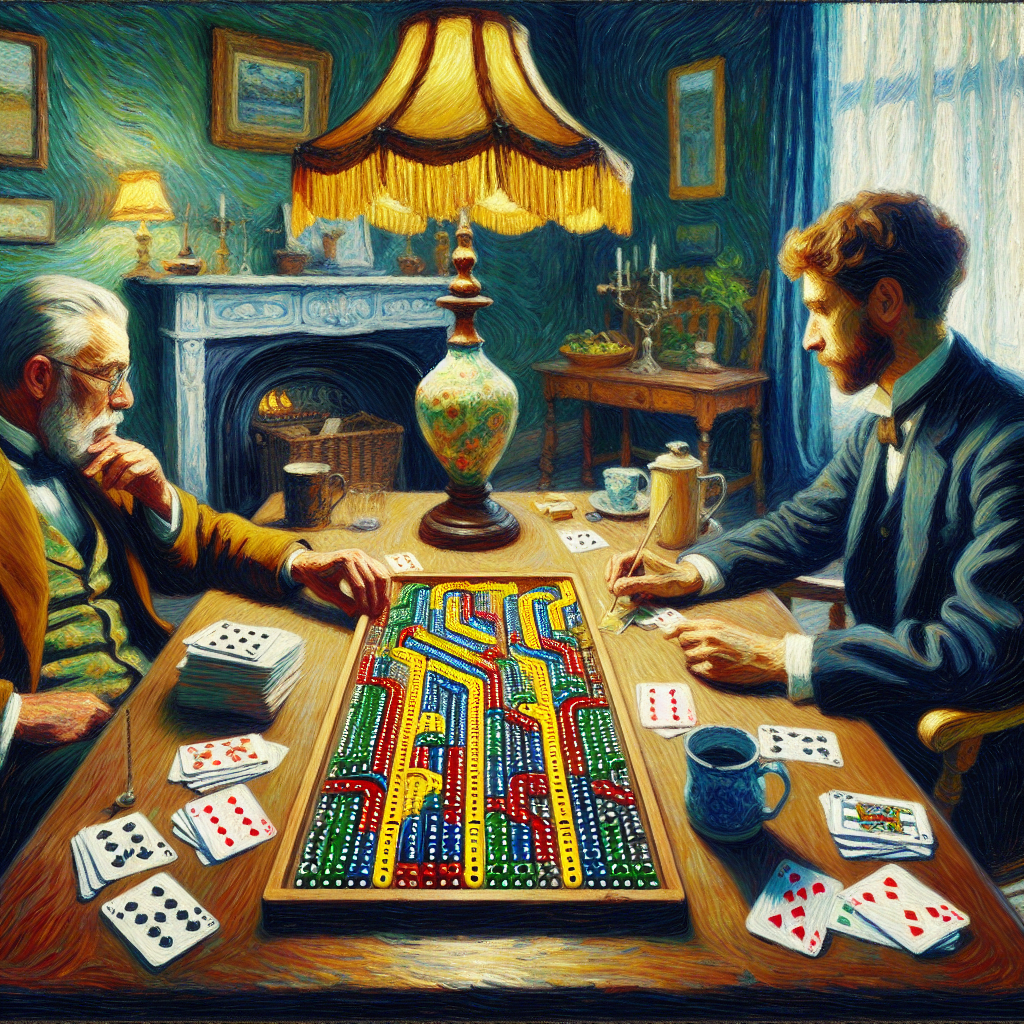
What Role Does Luck Play In Trick-Taking Games?
What Psychological Benefits Do Players Gain From These Games?
In the world of gaming, it’s easy to get lost in the flashy graphics, intricate storylines, and frenetic action. But beneath the surface of pixels and performance lies a rich tapestry of psychological benefits that players inherit from their digital escapades. These games serve as more than mere entertainment; they can be a powerful tool for personal growth and emotional well-being.
First, let’s talk about stress relief. Life can throw curveballs that feel more like a fastball to the gut. For many, diving into a game provides a sacred space where they can momentarily escape the chaos of reality. Whether it’s slaying a dragon or solving complex puzzles, players have the opportunity to immerse themselves in an entirely different world. In doing so, they can cultivate a sense of control and mastery, which is especially important in turbulent times. It’s like taking a deep breath and submerging yourself in a serene lake, far removed from the noise and demands of everyday life.
Then there’s the social aspect. Left to their own devices, many find connection in the unlikeliest of places: within the confines of gaming consoles. Online multiplayer games forge bonds that are often more meaningful than casual acquaintances. Players collaborate, strategize, and genuinely support one another in their quests, creating a sense of belonging and camaraderie. This virtual social interaction can alleviate feelings of loneliness and foster friendships that transcend geographical boundaries.
Let’s also acknowledge the cognitive benefits. Playing video games can sharpen critical thinking skills, enhance problem-solving capabilities, and improve hand-eye coordination. Some studies suggest that gamers develop better spatial awareness and decision-making abilities, which are invaluable in both gaming and real life. The constant engagement also trains their brains to be more adaptable and resilient when faced with challenges, encouraging a mentality that views setbacks as opportunities to learn.
Finally, there’s something to be said for the sheer joy of accomplishment that games provide. Completing a level, winning a match, or unraveling a complex mystery can boost self-esteem and improve one’s sense of achievement. In a world where recognition can feel scarce, those small victories can act as a powerful reinforcement—reminding players of their capabilities and encouraging them to pursue their goals, both in the game and out.
So, whether you’re taking down a fierce opponent, solving a perplexing riddle, or strategizing with friends from miles away, the psychological benefits of gaming extend far beyond the screen. It’s all about connection, growth, and the pursuit of joy in every pixel.

What Psychological Benefits Do Players Gain From These Games?
What Psychological Benefits Do Players Gain From These Games?
- Gaming offers more than entertainment; it provides psychological benefits for personal growth and emotional well-being.
- Video games serve as effective stress relief, offering players an escape from the chaos of reality.
- They create a sense of control and mastery, which is vital during turbulent times.
- The social aspect of gaming fosters meaningful connections and camaraderie among players.
- Online multiplayer games help alleviate loneliness and establish friendships beyond geographical boundaries.
- Gaming enhances cognitive skills like critical thinking, problem-solving, and hand-eye coordination.
- Achieving goals in games boosts self-esteem and encourages players to pursue their objectives in real life.

What Psychological Benefits Do Players Gain From These Games?
Why Do Fans Often Have Favorite Trick-Taking Games?
When it comes to trick-taking games, there’s a certain magic that draws people in, a kind of alchemy that transforms a simple deck of cards into an intense battlefield of strategy, camaraderie, and a smidge of competitive spirit. But why do fans gravitate toward specific titles like moths to a flame? Let’s delve into the heart of it.
First off, every trick-taking game has its own personality, much like the players who sit down to enjoy them. Some individuals relish the tactical intricacies of games like “Bridge” or “Hearts,” where the stakes are high, and every card played can alter the course of the game. Others prefer the wild, chaotic fun of “Spades” or “Euchre,” where luck and strategy collide in a delightful dance. Each game carves out a niche that resonates with players, reflecting their preferences and play styles.
Then there’s the social aspect. Trick-taking games have a unique ability to bring folks together, fostering connections through friendly banter and shared triumphs. Who hasn’t experienced that exhilarating moment when a well-executed plan leads to victory, or the collective groan shared when the tables turn? These games cultivate a sense of community, where friendships are forged, laughter is abundant, and memories are made. It’s not just about the cards—it’s about the people around the table.
Another ingredient to this flavorful stew is nostalgia. Many fans grew up playing these games with family and friends, creating an emotional bond that lingers long after the cards are stacked away. The familiar shuffle of the deck, the scent of coffee or soda, and the crackle of laughter form a soundtrack to our formative years. When these players encounter games reminiscent of their past, they’re not merely reminiscing; they’re rekindling connections to times when life felt simpler and joy was found in a well-played hand.
Lastly, there’s the intellectual challenge. The best trick-taking games offer layers of strategy, encouraging players to think several moves ahead, anticipate opponents’ actions, and adapt to ever-changing scenarios. For many, this cognitive stimulation is as addictive as any video game, providing a satisfying task to focus on and conquer.
The allure of favorite trick-taking games lies in their complexity, their social dynamics, their nostalgia, and the challenge they present. So the next time you shuffle a deck, remember that you’re not just playing a game—you’re part of a rich tapestry that ties together generations, abilities, and friendships, one trick at a time.

Why Do Fans Often Have Favorite Trick-Taking Games?
Why Do Fans Often Have Favorite Trick-Taking Games?
- Trick-taking games blend strategy, camaraderie, and competition into an engaging experience.
- Each game has a distinct personality, catering to different player preferences and styles.
- Games like “Bridge” and “Hearts” emphasize strategic depth, while “Spades” and “Euchre” are more chaotic and luck-based.
- These games promote social interaction, creating a sense of community through shared experiences and memories.
- Nostalgia plays a key role, as many fans have fond memories tied to playing these games with family and friends.
- Trick-taking games challenge players intellectually, requiring strategic thinking and adaptability to overcome opponents.
- The appeal of these games lies in their complexity, social dynamics, nostalgia, and mental challenge.

Why Do Fans Often Have Favorite Trick-Taking Games?
How Do Trick-Taking Games Engage Critical Thinking Skills?
In the world of games, few categories demand as much from a player’s noggin as trick-taking games. You know the type: cards are dealt, battles of strategy unfold, and the stakes rise with every hand played. These games serve up a robust buffet of critical thinking skills, transforming casual players into savvy strategists with each play.
First off, let’s talk about decision-making. Every trick-taking game requires players to make choices that can significantly alter the outcome of the game. Do I play my highest card now, or save it for later? Should I follow suit or break away? Each hand presents a culinary puzzle of what card to play, demanding careful consideration of the cards visible on the table, those hidden in opponents’ hands, and the collective memory of what has transpired. Players learn to weigh their options, assess the risks, and anticipate outcomes—skills that transfer well beyond the game table into real-life situations.
Next up: predictions. In these games, understanding your opponents is just as crucial as understanding your own hand. You’ve got to read the room, interpret body language, and sometimes bluff like a seasoned poker player. This requires a keen awareness of others’ strategies and the ability to predict their next move, sharpening your foresight and improving your instincts. It’s a constant dance of calculation—figuring out what others are likely to do based on their previous plays and the current game dynamics. Such skills are invaluable in everyday life, where anticipating needs and actions can make all the difference.
Then we have the element of adaptability, which is a fancy way of saying that you can’t always control what you’re dealt. In the realm of trick-taking games, flexibility is your best friend. Circumstances can shift on a dime, often forcing you to revise strategies mid-game. Maybe you planned to run the table with your high cards, but a sneaky opponent throws a wrench in your plans. Adapting to these changes demands quick thinking and resilience—qualities that help sharpen the mind and prepare players for unpredictable outcomes in the general chaos of life.
Finally, let’s not overlook teamwork. Many trick-taking games involve partnerships that require players to collaborate and communicate effectively. Understanding unspoken signals and coordinating strategies feeds into the vital skill of working with others toward a common goal. In an age driven by collaboration, these experiences lay the foundation for effective teamwork in professional settings and personal relationships.
So, the next time you shuffle a deck for a trick-taking game, remember—it’s not just about winning or losing; it’s a training ground for critical thinking skills that serve us well in the grand game of life.

How Do Trick-Taking Games Engage Critical Thinking Skills?
How Do Trick-Taking Games Engage Critical Thinking Skills?
- Trick-taking games challenge players’ mental skills through strategic decision-making and planning.
- Players must make choices that impact the game’s outcome, weighing options and assessing risks effectively.
- Understanding opponents is crucial, requiring players to read body language and predict actions.
- Anticipating others’ moves improves foresight and instincts, skills beneficial in real-life situations.
- Adaptability is key, as players often need to adjust strategies based on changing circumstances.
- Many games involve teamwork, emphasizing the importance of collaboration and effective communication.
- Playing these games enhances critical thinking skills that are valuable beyond the game table.

How Do Trick-Taking Games Engage Critical Thinking Skills?
Conclusion
Alright folks, let’s wrap this up and take a moment to appreciate what the world of trick-taking card games really brings to the table—pun intended! You see, these games may seem like simple pastimes, but they’re actually a rich tapestry of strategy, social interaction, and yes, a sprinkle of luck. They’ve mesmerized players for centuries and continue to do so because they offer a unique blend of challenge and camaraderie.
First and foremost, let’s talk strategy. Every hand dealt is like a new puzzle, demanding careful consideration of your cards and what your opponents might be up to. The thrill of devising intricate plans, making tactical moves, and even bluffing your way to victory keeps players engaged. As every poker face masks a flurry of thoughts, the game becomes a dance of mental gymnastics, keeping everyone on their toes.
But let’s not forget about the joy of social interaction! Whether you’re at a family reunion or huddled around a table with friends, these games transform a casual gathering into an arena of friendly banter and camaraderie. They create shared stories and provoke laughter over clever plays and devastating blunders. Every trick not only serves as a contest of wits but also deepens the bonds between players, reminding us that the real joy lies in the connections we forge around the card table.
Accessibility? Absolutely! Many of these games sport rules that are easy to grasp yet with layers of complexity that can take a lifetime to master. This makes them appealing to everyone—from the eager novice learning the ropes to the street-smart strategist honing their skills. It’s a game that invites players of all backgrounds, turning what could be a solitary activity into a joyous communal experience.
Oh, and let’s talk nostalgia! Countless fans recall long hours spent playing these games with loved ones, making them a comforting reminder of cherished moments. They evoke the warmth of simpler times when laughter and jubilant shouts filled the air, fostering connections across generations.
In conclusion, trick-taking card games are about more than just cards—they encapsulate a delicate balance of intellect, luck, and social joy. Whether you’re strategizing to outwit your opponents or reminiscing over past victories and losses, you’re participating in a timeless tradition that stands the test of time. So the next time you gather around that table, shuffle up and deal, because you’re not just playing a game; you’re stepping into a world of strategy, connection, and fun. Now, let’s get to it!

Conclusion
Conclusion:
- Trick-taking card games are a blend of strategy, social interaction, and luck.
- Each hand dealt presents a new puzzle, requiring careful consideration and strategic thinking.
- These games foster friendly banter and camaraderie, deepening bonds between players.
- Rules are easy to grasp, making games accessible to both novices and seasoned players.
- They evoke nostalgia, reminding players of cherished moments spent with loved ones.
- The games encapsulate a balance of intellect, luck, and social joy.
- Playing these games is a timeless tradition that continues to engage and entertain.

Conclusion
Other Resources

Other Resources
Here is a list of other resources you can review online to learn more:
- “What Is a Trick-Taking Game?”
- “The Importance of Rank in Trick-Taking Card Games”
- “The strategic depth of trick-taking games”
- “A Quick Guide to Trick-Taking Card Games – Hearts”
- “Theory of Provocation”
- “core rulebook”
- “What is a Trick in Spades?”
- “Practical Construction for Secure Trick-Taking Games Even …”
- “Top 10 Trick Taking Card Games – our BEST as of 2023!”
- “Lords of Gossamer And Shadow”
Use This Prompt To Get More Resources With Your Favorite Online AI Tool: Please provide me with a list of online articles with their URLS in a bulleted list that I can read regarding What Makes Trick-Taking Card Games Appealing to Fans?

Other Resources
Glossary Terms
What Makes Trick-Taking Card Games Appealing to Fans? – Glossary Of Terms
1. Trick: A set of cards played by each player during a round, which is won by the highest card of the leading suit or by a trump card.
2. Trump: A suit that is designated to have higher power than the other suits, allowing a card from that suit to win over cards from non-trump suits.
3. Bidding: The phase where players declare their intentions or how many tricks they expect to win, adding a strategic layer to the game.
4. Strategy: The careful planning of moves and plays to maximize chances of winning tricks and minimizing losses.
5. Partnership: A collaborative format where players work in pairs to achieve a common goal, influencing dynamics and strategies.
6. Deception: The act of misleading opponents, which can involve bluffing or playing cards strategically to create uncertainty.
7. Skill: The necessity for players to possess a level of expertise and practice to excel in the game, differentiating casual players from experts.
8. Social Interaction: The communal nature of trick-taking games fosters communication, camaraderie, and friendly competition among players.
9. Immediacy: The fast-paced nature of play makes the game engaging, as players see immediate consequences of their decisions.
10. Memory: The mental skill required to remember previously played cards, which helps in predicting opponents’ moves and enhancing strategic play.
11. Expectation: The anticipation built by players regarding outcomes based on previous plays and opponents’ behaviors, adding a psychological layer to the game.
12. Adaptability: The ability for players to adjust their strategies based on changing circumstances and opponents’ tactics during gameplay.
13. Theme: The narrative or creative elements that might be incorporated into the game, enhancing engagement through storytelling.
14. Variability: The different rules and styles across genres of trick-taking games, which keeps gameplay fresh and interesting.
15. Community: A network of players who share experiences, strategies, and camaraderie related to their love for card games.
16. Competition: The drive to outperform others, which can be a significant motivator for players.
17. Tactics: Short-term decision-making that focuses on maximizing success in individual tricks, as opposed to overall game strategy.
18. Control: The ability of players to influence the flow of the game through their plays, creating tension and excitement.
19. Endgame: The final phase of a game where players’ strategies culminate, often determining the ultimate winner.
20. Luck: The element of chance that affects which cards players are dealt, balancing skill with unpredictability.
21. Flow: The immersive experience players undergo during gameplay, often characterized by focused concentration and enjoyment.
22. Challenge: The mental and strategic hurdles players must overcome, providing satisfaction when successfully navigated.
23. Format: The specific rules and structure of a game, which can appeal differently to various players based on preference.
24. Historical Significance: The cultural and historical context of trick-taking games that adds richness to the experience for enthusiasts.
25. Resources: The information and strategies shared among players to enhance understanding and proficiency within the game.
26. Reflection: Discussing and analyzing gameplay after a round, which helps improve skills and deepen understanding.
27. Aesthetics: The visual and tactile elements of cards and related game materials that enhance the overall experience.
28. Accessibility: The ease with which new players can learn and engage with the game, widening its appeal.
29. Replayability: The capacity for a game to remain enjoyable after multiple sessions, often due to varying strategies and combinations.
30. Legacy: The long-standing traditions and family customs surrounding the game, which can enhance its appeal across generations.

Glossary Of Terms
Other Questions
What Makes Trick-Taking Card Games Appealing to Fans? – Other Questions
If you wish to explore and discover more, consider looking for answers to these questions:
- What are some popular trick-taking card games that beginners can start with?
- How can players improve their skills in trick-taking games?
- What are the most common mistakes made by novice players?
- Are there online platforms where players can engage in trick-taking games?
- How do the strategies differ between various trick-taking games?
- What historical significance do trick-taking games hold in different cultures?
- Can playing trick-taking games enhance social skills?
- What age groups are most likely to enjoy trick-taking card games?
- How have trick-taking games evolved over time?
- What psychological impacts can trick-taking games have on players?
- Are there variations of trick-taking games that involve teams?
- What resources are available for learning the rules of various trick-taking games?
- What role does game etiquette play in the enjoyment of trick-taking games?
- How do physical aspects of games (like card quality or game setup) influence gameplay experience?

Other Questions
Haiku
What Makes Trick-Taking Card Games Appealing to Fans? – A Haiku
Cards on the table,
Strategies weave, friends share laughs—
Timeless bonds unfold.

Haiku
Poem
What Makes Trick-Taking Card Games Appealing to Fans? – A Poem
In rooms where laughter dances, cards align,
A timeless bond forms over tricks refined.
With shuffling sounds, minds sharpen and spark,
In the game of heart, strategy leaves its mark.
Deceptive simplicity hides layers profound,
A mental duel where wits and skills abound.
Each play a heartbeat, a chance to outsmart,
Alliances form, as deception’s the art.
Gathered ’round tables, joyfully they play,
Sipping on memories, laughter leads the way.
Nostalgia whispers tales of years gone by,
As stories shared weave bonds that never die.
A blend of chance with a sprinkle of fate,
In each hand dealt, a brand new debate.
High cards or low, the unpredictable dance,
The thrill of the game keeps players entranced.
Social connections bloom, trust gently unfurls,
Through bluffs and tactics, a world of pearls,
The bonds they forge amidst playful strife,
Transform into friendships that brighten their life.
From Bridge to Rummy, in cultures diverse,
Each trick-taking game, a universe to immerse.
With minds that adapt, and strategies keen,
The joy of the chase, a thrilling routine.
So shuffle the cards, embrace every round,
In this dance of intellect, true treasures are found.
For beyond just the game, lies a deeper refrain,
The connections we cherish, the love we sustain.

Poem
Checklist
What Makes Trick-Taking Card Games Appealing to Fans? – A Checklist
Understanding the Appeal
_____ Challenge: Reflect on how trick-taking games create a strategic mental sparring match.
_____ Social Interaction: Note the importance of laughter, banter, and collaboration in fostering connections with others.
_____ Accessibility: Consider how simple rules and complex strategies make these games welcoming for all skill levels.
_____ Nostalgia: Acknowledge the emotional connections formed through family gatherings and shared experiences.
Core Rules to Remember
_____ Understanding Tricks: Define what a trick is and how it influences player turns.
_____ Suits and Trumps: Learn the hierarchy of suits and the role of trump cards in gameplay.
_____ Bidding/Scoring: Familiarize yourself with different scoring systems and their impact on game strategy.
_____ Social Dynamics: Embrace the necessity of reading opponents and bluffing effectively.
Enhancing Social Interaction
_____ Communication Techniques: Use verbal and non-verbal cues during gameplay.
_____ Teamwork: Identify opportunities for collaboration during partner games.
_____ Storytelling: Share memorable game moments to deepen connections and build camaraderie.
Strategies for Success
_____ Card Evaluation: Analyze your hand and assess its potential before making plays.
_____ Timing: Determine the best moments to play strong cards or hold back for future rounds.
_____ Observing Opponents: Keep track of your opponents’ strategies and playing patterns.
_____ Flexibility: Be prepared to adapt your strategy based on how the game progresses.
Enjoying Competition
_____ Personal Growth: Reflect on how competition helps test your skills and build confidence.
_____ Sense of Community: Recognize the importance of friendships formed through competitive play.
_____ Celebrating Improvement: Document your growth in strategy and skill over time.
Cultural Variations
_____ Explore Global Games: Investigate trick-taking games from different cultures and how they vary in style.
_____ Social Fabric: Understand how these games reflect and reinforce the social values of different communities.
Balancing Luck and Skill
_____ Embrace Unpredictability: Acknowledge the role of luck in influencing game outcomes while maintaining a focus on strategy.
_____ Decision-Making Under Pressure: Practice making choices quickly while weighing potential risks.
Psychological Benefits
_____ Stress Relief: Use gaming as an escape from daily pressures and a means to gain control over your environment.
_____ Social Connections: Leverage gaming to combat loneliness and build lasting friendships.
_____ Cognitive Development: Recognize the benefits of improved critical thinking and problem-solving skills.
Identifying Favorite Games
_____ Discover Individual Preferences: Reflect on which trick-taking games resonate with you and why.
_____ Social Memories: Recall personal experiences that enhance your enjoyment and fondness for specific games.
Critical Thinking Engagement
_____ Strategic Decision-Making: Practice weighing options and predicting opponents’ moves.
_____ Adaptability: Develop the ability to shift strategies mid-game as circumstances change.
_____ Team Dynamics: Collaborate effectively with other players, honing teamwork skills.
This checklist serves as a guide to not only understand the charm of trick-taking card games but to engage with and elevate your gaming experience. Enjoy exploring these classic games that blend strategy, social interaction, and nostalgia!

Checklist
At CardGameNews, we help people who love card games by collating information and news about card games.
Be sure to read our other related stories at CardGameNews to learn more about card games.


