Reviving Childhood Joy Through Ai Card Games
By Tom Seest
At CardGameNews, we help people who love card games by collating information and news about card games.
Be sure to read our other related stories at CardGameNews to learn more about card games.
Can Artificial Intelligence Help You Relive The Joy Of Childhood Card Games?
Remember the last time you huddled around a table, surrounded by friends or family, shuffling a worn deck of cards? The smell of popcorn in the air, a playful banter echoing softly, and the thrill of a “gotcha” moment when you played that unexpected move. These moments are where connections thrive and laughter flows, grounding us in fond memories of simpler times. And now, imagine revitalizing that joy with a dash of technology.
Artificial Intelligence has come a long way, emerging not as a cold, unfeeling entity, but as a trusted companion in our exploration of joyful experiences. Picture this: a card game that adapts to your style and skill level, offering a challenge without the dread of overwhelming complexity. This isn’t about replacing human connections; it’s about enhancing them. With AI algorithms, the nostalgia of childhood games is paired with innovation that brings your old favorites back to life in remarkable ways.
But let’s get real: can a machine truly recreate the warmth of those cherished moments? The answer lies in how we choose to use technology. Ethical AI can foster social connections just as effectively as those shared around a card table, allowing for local and long-distance play. Envision a family reunion where cousins can jump into a card game without a single card needing to be shuffled. Or picture the weekends where friends spread out across cities, yet gather virtually, fueled by an AI that understands their playstyles and personalities.
Remember the exhilarating feeling when the deck was stacked in your favor? With AI, you might find that thrill amplified—strategizing alongside a virtual opponent that studies your moves and adapts in real-time. You maintain that competitive spirit, all while returning to those carefree days of childhood, where winning was just part of the fun and not the endgame.
So, why not step back into those shoes? Embrace technology not with a sense of trepidation, but with an open heart. Connect with loved ones, laugh, and partake in memorable card games that blend the best of your past with the innovations of the present. Dive into this blend of nostalgia and creativity, and maybe—just maybe—you’ll find that the joy of childhood card games is waiting for you to rediscover.

Can Artificial Intelligence Help You Relive The Joy Of Childhood Card Games?
Can Artificial Intelligence Help You Relive The Joy Of Childhood Card Games?
- Recall moments spent with friends and family around a table, enjoying card games and shared laughter.
- Artificial Intelligence (AI) has evolved to enhance joyful experiences, acting as a companion rather than a replacement.
- Imagine a card game that adapts to your skill level, providing challenges without overwhelming complexity.
- AI can foster social connections, allowing for both local and long-distance gameplay.
- Experience family reunions or virtual gatherings where players can engage without physical cards.
- AI can amplify the excitement of card games by adapting to players‘ strategies and styles in real-time.
- Embrace technology to reconnect with loved ones, blending nostalgia with modern innovations in gaming.

Can Artificial Intelligence Help You Relive The Joy Of Childhood Card Games?
Table Of Contents
- Can Artificial Intelligence Help You Relive The Joy Of Childhood Card Games?
- Is It Ethical To Use Ai To Recreate Cherished Memories?
- What Insights Can Ai Provide Into Classic Card Game Strategies?
- Can Playing Card Games With Ai Enhance Your Social Connections?
- How Do Childhood Card Games Shape Our Understanding Of Teamwork?
- What Role Does Nostalgia Play In Our Desire For Childhood Experiences?
- Conclusion
- Other Resources
- Glossary Of Terms
- Other Questions
- Haiku
- Poem
- Checklist
Is It Ethical To Use Ai To Recreate Cherished Memories?
When we think about cherishing our memories, a card game comes to mind. Picture an evening spent with family and friends, laughter echoing off the walls, the familiar shuffle of cards bringing comfort. Those moments are priceless—etched into our hearts as options for reflection in the future. But do we have the right to recreate those memories using artificial intelligence?
At first glance, it might feel like an invasion of our very essence. We’re grappling with the implications of using technology to touch what is fundamentally human. Memory isn’t just a record; it’s a collage of emotions, experiences, and connections that tie us—like that makeshift poker table set up in the living room for impromptu game nights. AI has the potential to relive these moments, to pull them from the depths of nostalgia, almost like a magician pulling a rabbit from a hat. But here’s the kicker: if the magic is artificial, can it truly capture the essence of what we experienced?
Rationally speaking, recreating cherished memories using AI could offer solace—not just to those mourning loss, but to creators and historians, preserving moments that might otherwise fade. It’s an innovative way to bridge the gap between past and present; think of it as a high-tech scrapbook where loved ones are brought back to life, even if only virtually. We’ve seen advances in this area, where families can connect with the wisdom of their ancestors through simulated interactions. Touching? Absolutely. But is it ethical?
The answers lie buried in the narratives we construct around our memories. The heart and gut scream for authenticity, clamoring for the genuine, the undeniable human touch that makes a memory. Yet, how many childhood moments filled with laughter and curiosity linger in our minds, waiting for revival in a world where loss feels permanent?
Each of us is part of a vast social tapestry—individual threads weaving their stories together. The question of whether it’s ethical to use AI to recreate memories challenges us to take a hard look in the mirror. Are we preserving what makes us human, or are we opting for a facsimile of our past, forsaking deeper connections in a world increasingly polished and impersonal? As we edge closer to the possibilities of technological reminiscence, let’s consider: what price are we willing to pay for that crackling nostalgia we hold so dear?
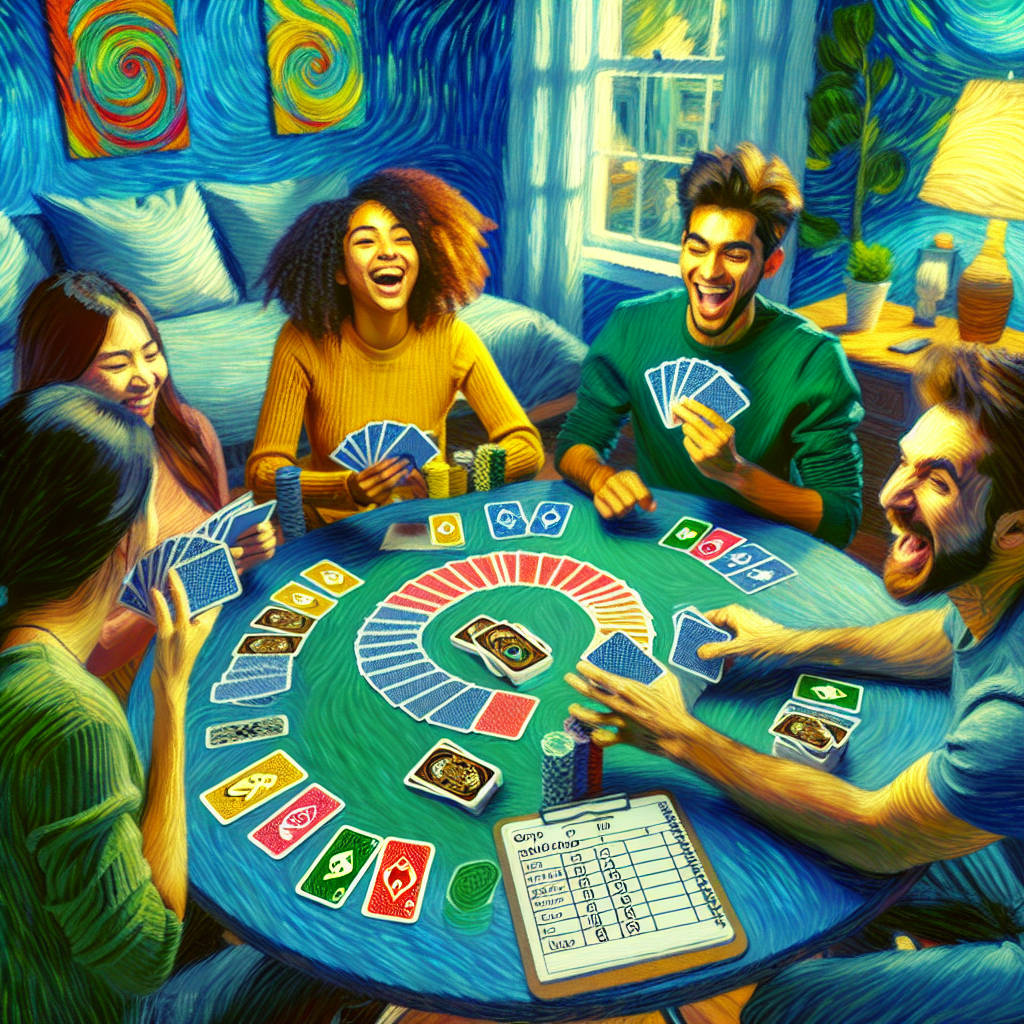
Is It Ethical To Use Ai To Recreate Cherished Memories?
Is It Ethical To Use Ai To Recreate Cherished Memories?
- The act of cherishing memories often involves activities like card games that foster connection and laughter.
- There is a debate on the ethical implications of using artificial intelligence to recreate human memories.
- Memories encompass emotions and experiences, making them more than just records of past events.
- AI has the potential to evoke nostalgia, but questions arise about whether it can truly capture the essence of those experiences.
- Recreating memories with AI may provide comfort for those grieving and serve as a tool for preservation of history.
- The authenticity of human memories is at stake when considering technology’s role in reliving our past.
- The ethical dilemma challenges us to reflect on what it means to be human in a world increasingly shaped by technology.

Is It Ethical To Use Ai To Recreate Cherished Memories?
What Insights Can Ai Provide Into Classic Card Game Strategies?
What Insights Can AI Provide Into Classic Card Game Strategies?
When you sit down to a classic card game, it’s not just a chance to shuffle a deck or lay down a few bets—it’s an opportunity for connection, tradition, and strategy. These age-old games have been a part of our culture for generations, offering not only entertainment but also a window into human behavior and decision-making. And now, artificial intelligence is stepping onto the table, bringing with it an array of insights that could change the way we play.
Imagine this: you’re holding a hand, faced with the tension of every decision. The stakes get higher, and your heart races. What if I told you that AI can analyze thousands—if not millions—of games to identify winning strategies? By crunching numbers and patterns at lightning speed, AI can highlight how certain moves affect your game outcomes, inviting you to embrace strategies you might never have considered. It’s like having a seasoned mentor leaning over your shoulder, whispering the secrets of the game, and giving you the edge you need.
But it goes beyond mere statistics. The emotional nuances of a card game often hinge on reading your opponents—a skill that’s long been thought to be uniquely human. AI can dissect these social dynamics, examining how players react to pressure and bluffs, revealing tendencies that might otherwise go unnoticed. It’s not just about holding the right cards; it’s about understanding the game on an emotional level. The combination of rational analysis and psychological insight invites a new depth to our gameplay experience, fostering a connection that can enhance camaraderie among players, whether they’re family around a dining room table or competitors in a high-stakes tournament.
And let’s not forget the ethical responsibility that comes with these powerful tools. As players, we have the agency to harness AI to improve our skills or to make the game fairer. It’s imperative to use this technology wisely, weaving it seamlessly into our love for classic card games without losing the human touch. By respecting the traditions that bind us, we learn to integrate innovation with our heritage.
Ultimately, whether you’re a casual player or a seasoned aficionado, AI invites a journey into the heart of strategic gameplay. It inspires trust in your intuition while equipping you with knowledge to elevate your experience. So, next time you gather for a game, consider how these insights can bridge the gap between old-school strategy and cutting-edge technology—making every hand you play a chance at revelation.

What Insights Can Ai Provide Into Classic Card Game Strategies?
What Insights Can Ai Provide Into Classic Card Game Strategies?
- Classic card games offer opportunities for connection, tradition, and strategy.
- AI can analyze vast amounts of game data to identify winning strategies and improve decision-making.
- It provides insights into how certain moves affect game outcomes, akin to having a seasoned mentor.
- AI can also analyze emotional dynamics, helping players read opponents’ reactions and strategies.
- This combination of rational and psychological analysis enhances the gameplay experience.
- Players must use AI ethically, integrating it with traditional gameplay while maintaining the human element.
- Embracing AI encourages a deeper understanding of strategy and enhances the overall gaming experience.

What Insights Can Ai Provide Into Classic Card Game Strategies?
Can Playing Card Games With Ai Enhance Your Social Connections?
Can Playing Card Games With AI Enhance Your Social Connections?
Picture this: you’re sitting around a table, not in some dimly lit parlor, but in the comfort of your own home, engaging in a thrilling card game with a friend or even a stranger across the globe. The world around you fades, and for those hours you share strategies, laugh, and engage in a good-natured rivalry. And now, imagine adding an AI into that mix—an intelligent partner that learns from your play style and adapts, breathing new life into traditional card games. But can this really enhance your social connections?
Let’s dive into the heart of the matter. Card games have long been a vehicle for connection—think of the laughter over a bad hand, the adrenaline of a last-minute victory, or the deep conversations sparked by the company you keep. When you introduce AI into the equation, you’re not just adding complexity to the game; you’re creating opportunities for new relationships and deeper bonds. It’s not unlike meeting someone who challenges your thinking—sparking a connection that goes beyond the cards and speaks to your very nature.
Rationally speaking, AI can provide personalized experiences that a human opponent might not cater to. The AI learns your moves, offers suggestions, and plays at a level that keeps you engaged. This stimulates your mind, pushing you toward growth, honing your skills while maintaining the fun. In this digital age, it’s not simply about the game; it’s about staying connected to those who may be far away.
Ethically, let’s consider the role of technology. Embracing AI in our card games isn’t about replacing humanity; it’s about enhancing our abilities to connect with one another. The AI acts as a bridge, allowing you to play and bond with both friends and newcomers.
The narrative here is a journey—a story about the fusion of tradition and innovation. Imagine recounting your latest game triumph to a friend, only to discover they’ve had their own adventures playing against the AI. You’re suddenly not just players but storytellers, allies in a shared experience.
And think about the social implications. By embracing AI, we’re broadening our circle. You’re inviting new connections, breaking down barriers, and creating a community that thrives on shared experiences. So why not shuffle the deck, deal those cards, and see where the game leads you? The future of your social connections might just come down to a simple round of cards—AI in tow.

Can Playing Card Games With Ai Enhance Your Social Connections?
Can Playing Card Games With Ai Enhance Your Social Connections?
- Card games enhance social connections by fostering laughter, competition, and deep conversations.
- Incorporating AI into card games introduces personalized experiences and keeps players engaged.
- AI can learn a player’s style, provide suggestions, and challenge them to improve their skills.
- The use of AI in gameplay promotes staying connected with friends or strangers globally.
- Ethically, AI enhances the human experience rather than replacing it, acting as a bridge for social interaction.
- Players become storytellers, sharing experiences and adventures involving AI gameplay.
- Embracing AI in card games broadens social circles and fosters community through shared experiences.

Can Playing Card Games With Ai Enhance Your Social Connections?
How Do Childhood Card Games Shape Our Understanding Of Teamwork?
How Do Childhood Card Games Shape Our Understanding of Teamwork?
Card games are often seen as simple pastimes, a child’s way to pass the time before adulthood’s demands kick in. Yet, buried beneath those colorful decks and clattering hearts lies an intricate world of lessons in cooperation. From the moment we held our first card, we were unknowingly stepping into a broader narrative that mirrors life itself. Each shuffle, each deal, each hand played isn’t just a game; it’s a microcosm of collaboration and camaraderie that shapes how we interact for decades to come.
Think back to those moments huddled around the kitchen table, laughter mingling with the clatter of cards. Whether it was Go Fish, Uno, or Rummy, every card drawn required us to weave our judgment with that of our teammates. When we teamed up against opponents, we learned to lean on one another’s strengths. The excitement of a well-timed play or the collective gasp after an unexpected twist is a reminder that success—much like in life—often hinges on more than just talent. It demands trust, communication, and mutual respect.
In team-based card games, the stakes are low, but the implications are profound. It’s here that we start to recognize the critical importance of listening, strategizing, and adapting to the needs of our teammates. This foundational experience forms a bedrock of teamwork in future workplaces, friendships, and communities. You learn to celebrate the wins, however small, and to support one another through setbacks, fostering resilience—a quality that often finds its roots in those early games.
Moreover, ethical lessons emerge as we navigate the rules, both spoken and unspoken. Cheating might give one player a fleeting edge, but the price paid is trust. This principle isn’t confined to children’s games; it carries forth into adulthood, where integrity determines not just success, but character. Trust built around a card table becomes a compass in our lives, guiding how we partner with others and approach challenges.
So, as you flip those cards and engage in the thrill of childhood card games, remember that each competitive moment, every shared laugh, is sculpting your approach to teamwork today. It’s a gentle, yet profound reminder that at its core, teamwork is not merely about achieving goals; it’s about connecting. And that connection begins, often unwittingly, around the very table where you learned the delicate art of collaboration.

How Do Childhood Card Games Shape Our Understanding Of Teamwork?
How Do Childhood Card Games Shape Our Understanding Of Teamwork?
- Childhood card games serve as a foundation for learning cooperation and teamwork.
- Playing games like Go Fish and Uno encourages collaboration among players.
- Success in these games emphasizes the importance of trust, communication, and mutual respect.
- Team-based card games teach skills such as listening, strategizing, and adapting.
- These experiences foster resilience and the ability to support teammates in both victories and failures.
- Ethical lessons, such as the importance of integrity and trust, are highlighted during gameplay.
- Engaging in card games reinforces that teamwork is about connection, not just goal achievement.

How Do Childhood Card Games Shape Our Understanding Of Teamwork?
What Role Does Nostalgia Play In Our Desire For Childhood Experiences?
Nostalgia can often feel like a time machine, taking us back to a simpler age where the biggest worries revolved around whether we’d win that epic card game or if our friends could come out to play after school. It tugs at our heartstrings, prompting us to reminisce about the golden days of childhood, when imagination knew no bounds and joy was often found in the smallest moments: that sweet taste of ice cream on a hot summer day, the thrill of a Saturday morning cartoon marathon, or the satisfaction of collecting all the game pieces after a night of laughter.
Now, what is it about these memories that pulls us in? At its core, our longing for childhood experiences is a reflection of our desire for safety and connection. As adults, we face pressures and responsibilities that can make the world feel like a complicated card game—every decision a strategic move with stakes that often weigh heavy on our shoulders. In contrast, the innocent joy of our formative years reminds us of the simplicity of play and the importance of community. When we gather with old friends to engage in that classic card game, it’s more than just entertainment; it’s a reaffirmation of relationships built on trust, laughter, and shared experiences.
Rationally, studies have shown that nostalgia can elevate our mood, giving us that much-needed boost in a fast-paced world. It nurtures our emotional resilience and strengthens our sense of identity. Ethically, reflecting on those fond memories encourages us to hold onto the values learned in our youth: compassion, curiosity, and a sense of wonder. This connection to our past motive helps us understand who we are and who we aspire to be.
As we navigate our adult lives, it becomes imperative to recreate those moments that shaped us. Organizing a game night with family or friends can invoke that feeling of togetherness. It’s more than just flipping through old photographs or revisiting a beloved playground; it’s about forging new memories while honoring the old, strengthening ties with the people we care about.
Ultimately, nostalgia is not just sentimentality; it’s a bridge to emotional healing and a reminder of the importance of connection. In embracing our desire for childhood experiences, we can cultivate a life rich in relationships, joy, and profound fulfillment—all while keeping the spirit of that card game alive in our hearts.

What Role Does Nostalgia Play In Our Desire For Childhood Experiences?
What Role Does Nostalgia Play In Our Desire For Childhood Experiences?
- Nostalgia acts as a time machine, reminding us of simpler childhood days.
- It evokes feelings of joy tied to small moments, like enjoying ice cream or watching Saturday morning cartoons.
- Memories of childhood reflect our desire for safety and connection amid adult responsibilities.
- Revisiting past experiences, like games with friends, reaffirms relationships built on trust and laughter.
- Studies show that nostalgia boosts mood and enhances emotional resilience and identity.
- Recreating childhood moments with family and friends fosters new memories and strengthens connections.
- Nostalgia serves as a bridge to emotional healing and a reminder of the importance of relationships.

What Role Does Nostalgia Play In Our Desire For Childhood Experiences?
Conclusion
Conclusion: The Cardboard Bridge Between Past and Present
Let’s take a moment to reflect on what we’ve unraveled. Think back to your childhood—simple days filled with the laughter of friends, the scent of popcorn, and the thrilling anticipation of a card game that brought everyone together. Those moments of connection are irreplaceable, grounded in trust, teamwork, and a little luck. Now, imagine harnessing the power of Artificial Intelligence to infuse that joy into our adult lives. It’s not just a possibility; it’s a path to rekindling the warmth of those cherished experiences.
Picture this: an AI that’s not just crunching numbers or playing by the rules, but one that’s adapting to your style, offering a challenge that feels just right. This isn’t about replacing the humans around the table; it’s about enhancing our connections—creating opportunities for virtual game nights that bridge distances, invite new friendships, and challenge our strategic minds while keeping that competitive spirit alive.
Sure, there are ethical questions swirling around using AI to tap into our nostalgia. Can a machine truly replicate the essence of human connection? Perhaps the answer lies in how we choose to leverage technology. The stories we share and the relationships we cultivate around our card tables go far beyond the game itself. It’s about using tools that help us remember what brings us joy—making us feel connected, even in a digital age that can sometimes feel isolated.
Rationally, there’s power in those childhood card games; they teach us how teamwork and trust are composed—lessons that shape our adult interactions. Winning isn’t everything. It’s about celebrating the ups and supporting one another through the downs. And as we navigate through the weighty responsibilities of adulthood, wouldn’t it be incredible to turn to a simple card game—whether with AI or the people around us—to remind us of what truly matters?
As you shuffle that deck, remember: every game is an opportunity to craft new stories while honoring old memories. In embracing the interplay of nostalgia and innovation, you’re not just playing a game; you’re re-engaging with the heart of human experience. So gather your friends, young and old, invite that AI to join in, and let the joyful echoes of your childhood card games guide you back to laughter, camaraderie, and lasting connection. The spirit of those moments is still alive, waiting for you to rediscover it. Gather ’round, shuffle the cards, and let the game begin!

Conclusion
Conclusion:
- Reflect on childhood card games that fostered connection among friends.
- Envision using AI to enhance adult experiences and rekindle joy.
- AI can adapt to individual playing styles while promoting competition and connection.
- The ethical implications of using AI for nostalgia are worth considering.
- Card games teach important life lessons about teamwork, trust, and support.
- Every game is a chance to create new memories while honoring the past.
- Invite friends and AI to reconnect with the joy and spirit of card games.

Conclusion
Other Resources

Other Resources
Here is a list of other resources you can review online to learn more:
- Gamelyn Games
- Thunderworks Games
- Robinson Crusoe: Mystery Tales Expansion
- Arcane Wonders
- Greater Than Games
- How to Play Podcast
- Aeon’s End
- Instapaper
- Atlas Games
- Gaia Project
- Z-Man Games
- Pandasaurus Games
- Flickr
- The Dice Tower Podcast
- Codenames
- Level 99 Games
- EverythingBoardGames.com
- DriveThruRPG
- Twilight Struggle
- Forbidden Stars
Use This Prompt To Get More Resources With Your Favorite Online AI Tool: Please provide me with a list of online articles with their URLs in a bulleted list that I can read regarding Can Artificial Intelligence Help You Relive The Joy Of Childhood Card Games?

Other Resources
Glossary Terms
Can Artificial Intelligence Help You Relive The Joy Of Childhood Card Games? – Glossary Of Terms
1. AI (Artificial Intelligence): The simulation of human intelligence in machines that are programmed to think and learn.
2. Augmented Reality (AR): An interactive experience that combines the real world with computer-generated elements, enhancing gameplay.
3. Card Game: A game using a deck of cards as the primary device for play, often involving strategy, skill, and luck.
4. Digital Card Games: Card games that are played on digital platforms, incorporating graphics and animations for an engaging experience.
5. Machine Learning: A subset of AI that involves the use of algorithms that improve their performance as they are exposed to more data.
6. Game Mechanics: The rules and systems that govern the gameplay, including how players interact with the game and each other.
7. Nostalgia: A sentimentality for the past, often experienced when recalling positive memories from childhood, such as playing card games.
8. Interactive Experience: A type of engagement where users actively participate, influencing the outcome of the game, often enhanced by AI.
9. Gamification: The application of game-design elements in non-game contexts to enhance user engagement and motivation.
10. Player vs. Environment (PvE): A game mode where players compete against computer-generated challenges, as opposed to other players.
11. Artificial Opponent: A computer-controlled player designed to simulate human behavior in card games, providing challengers for players.
12. Simulated Play: The replication of real-life card game scenarios in a virtual environment, often enhanced by AI for realism.
13. User Interface (UI): The means by which a player interacts with the card game application, including menus and on-screen controls.
14. User Experience (UX): The overall experience a player has while using the card game application, crucial for player satisfaction.
15. Social Connectivity: Features in digital card games that allow players to connect and interact with friends or the gaming community.
16. Automated Strategy: AI systems designed to make strategic decisions in games, potentially offering players insights and learning experiences.
17. Customizable Gameplay: Options for players to modify game rules or features, enhancing personal enjoyment and engagement with classic card games.
18. Cloud Gaming: Playing games hosted on remote servers, allowing users to access card games on various devices without local installations.
19. Real-time Analysis: The capacity of AI to assess and adapt to player moves immediately during gameplay, improving interaction.
20. Game Balance: The concept of providing equitable conditions for all players, typically aided by AI in adjusting difficultly levels.
21. Emotion Recognition: AI technology that can analyze player emotions, potentially altering game elements to evoke nostalgia and joy.
22. Replayability: The potential for a game to be played multiple times with varied experiences, enhanced through AI-driven content.
23. Algorithm: A set of rules or calculations followed by AI to determine game outcomes and player interactions.
24. Character Development: The ability to create and evolve player avatars or personas within card games, enhancing personal connection and enjoyment.
25. Difficulty Scaling: Adjustments made to level of challenge in a game based on player ability, often utilizing AI to assess player performance.
26. Digital Community: Online groups and forums where players gather to share experiences, strategies, and discuss card games.
27. Virtual Reality (VR): An immersive digital environment that allows players to interact with card games in a three-dimensional space.
28. Remote Play: The ability to enjoy card games with players who are not physically present, facilitated by online gaming platforms.
29. Learning Algorithms: Adaptive methods used by AI to learn from player interactions over time, continually enhancing gameplay experience.
30. Data Analytics: The examination of data collected from player behavior, enabling developers to improve games and cater to player preferences.
These terms should provide a comprehensive overview of the concepts at play when discussing the intersection of Artificial Intelligence and childhood card games.

Glossary Of Terms
Other Questions
Can Artificial Intelligence Help You Relive The Joy Of Childhood Card Games? – Other Questions
If you wish to explore and discover more, consider looking for answers to these questions:
- How does AI adapt to different play styles in card games?
- What are some examples of AI-powered card games available today?
- Can AI facilitate games for individuals with disabilities?
- How does nostalgia impact mental health, according to recent studies?
- What are the ethical implications of using AI in games?
- Are there risks of over-reliance on AI in social interactions?
- How can AI enhance traditional card games without losing their essence?
- What feedback mechanisms do AI card games use to improve user experience?
- How do childhood card games differ across cultures?
- Can AI help design new card games that reflect modern societal values?

Other Questions
Haiku
Can Artificial Intelligence Help You Relive The Joy Of Childhood Card Games? – A Haiku
Nostalgia’s embrace,
Cards shuffle, laughter returns,
Tech bridges our hearts.

Haiku
Poem
Can Artificial Intelligence Help You Relive The Joy Of Childhood Card Games? – A Poem
Whispers of Nostalgia: A Card Game’s Call
In the heart of a room where laughter flows,
Amidst simmering popcorn and playful throes,
Gathered ’round a table of memories old,
Echoes of childhood in stories retold.
Once we huddled with friends and our worn-out decks,
A realm where banter defied all complex specs,
A thrill in each play, an unexpected win,
Where the joy of connection would always begin.
Now, in this age of circuits and codes,
A new player’s arrived, on the journey it goads,
Artificial Intelligence, not cold but wise,
Helped rekindle those moments, let nostalgia arise.
Can a machine emulate that warmth and delight?
Yet, it brings forth a question—what feels right?
Ethically probing, we ponder our past,
Can AI conjure magic that forever will last?
With algorithms sharp, it learns how we play,
A trusted partner, guiding our way.
It dances through data, revealing new styles,
Creating fresh joy, crossing digital miles.
Picture a cousin, far-flung, but near in heart,
Together at a table, though thousands apart,
In games rekindled, bonds start to weave,
In laughter and triumph, we learn to believe.
Deeper we delve, through strategies vast,
With AI as a mentor, our skills unsurpassed.
Yet it’s more than mere tactics we find—
It’s empathy’s touch, sculpting hearts and minds.
Childhood taught us in games how to share,
Each card drawn a lesson in trust and care.
Teamwork emerges in faces aglow,
In the art of connection, we immensely grow.
For within those simple games of our youth,
Lay the power of stories, the journey to truth.
So why not embrace, with a heart that is light,
This fusion of past, present, our future ignites?
In each shuffle of cards, let our spirits entwine,
Recreating those moments when friendship aligns.
Nostalgia guides us, urging us to play,
In the embrace of our childhood, we’ll find our way.
So take up your decks, let joy softly beat,
For in every hand dealt, life’s wonders repeat.
With laughter resounding and connections robust,
Through card games with AI, let us reignite trust.

Poem
Checklist
Can Artificial Intelligence Help You Relive The Joy Of Childhood Card Games? – A Checklist
Checklist: Reliving the Joy of Childhood Card Games Through AI
This checklist helps you incorporate the insights from the article on using AI to rekindle the joy of childhood card games, appealing to your heart, head, and gut.
Emotional Appeals (Heart)
1. Reflect on Fond Memories
_____ Write down your favorite childhood card game memories and the feelings they evoke.
2. Create a Game Night Tradition
_____ Schedule regular game nights with loved ones to foster connection and joy.
3. Incorporate Nostalgia
_____ Choose classic games that remind you of your childhood during your get-togethers.
Rational Appeals (Head)
4. Explore AI Card Game Options
_____ Research AI-enhanced card games that adapt to your skill level and provide tailored challenges.
5. Analyze Game Strategies
_____ Utilize AI to study winning strategies from your favorite card games and improve your gameplay.
6. Measure Emotional Insights
_____ Keep a journal of your experiences to track how AI influences your gameplay and social connections.
Ethical Appeals (Gut)
7. Consider the Importance of Human Touch
_____ Reflect on how to balance AI assistance while maintaining authentic human interactions during card games.
8. Discuss AI Ethics with Friends
_____ Have open conversations about the implications of using AI in reliving cherished moments—what feels right and what does not?
9. Respect Game Integrity
_____ Commit to using AI tools to enhance fairness and enjoyment rather than to manipulate outcomes dishonestly.
Authority Appeals (Practical)
10. Seek Expert Reviews
_____ Read expert reviews or testimonials about AI card games to make informed choices.
11. Attend Workshops or Webinars
_____ Participate in sessions led by game designers to understand the nuances of AI in card games.
12. Engage with AI Communities
_____ Join forums or online groups focused on AI and gaming to share experiences and strategies.
Narrative Appeals (Practical)
13. Share Your Story
_____ Document and share your journey of returning to card games enhanced by AI with family and friends.
14. Build a Collective Memory Wall
_____ Create a visual or digital memory board of game nights, capturing stories and photos to reminisce together.
Social Appeals (Practical)
15. Invite New Players
_____ Encourage friends, family, or even acquaintances to join game sessions, fostering new connections.
16. Create a Community Card Game Event
_____ Organize larger gatherings or events centered around card games, integrating AI elements for interactive fun.
17. Champion Teamwork
_____ Emphasize the cooperative aspects of card games—encourage team play to strengthen bonds and communication.
Final Thought
By embracing this checklist, you’ll not only stimulate nostalgia but also forge deeper connections with loved ones, balancing innovation with tradition in your gaming experiences. Enjoy the journey back to those joyful days!

Checklist
At CardGameNews, we help people who love card games by collating information and news about card games.
Be sure to read our other related stories at CardGameNews to learn more about card games.