Mastering The Art Of Tricking And Winning
By Tom Seest
At CardGameNews, we help people who love card games by collating information and news about card games.
Be sure to read our other related stories at CardGameNews to learn more about card games.
What Are Trick-Taking Card Games?
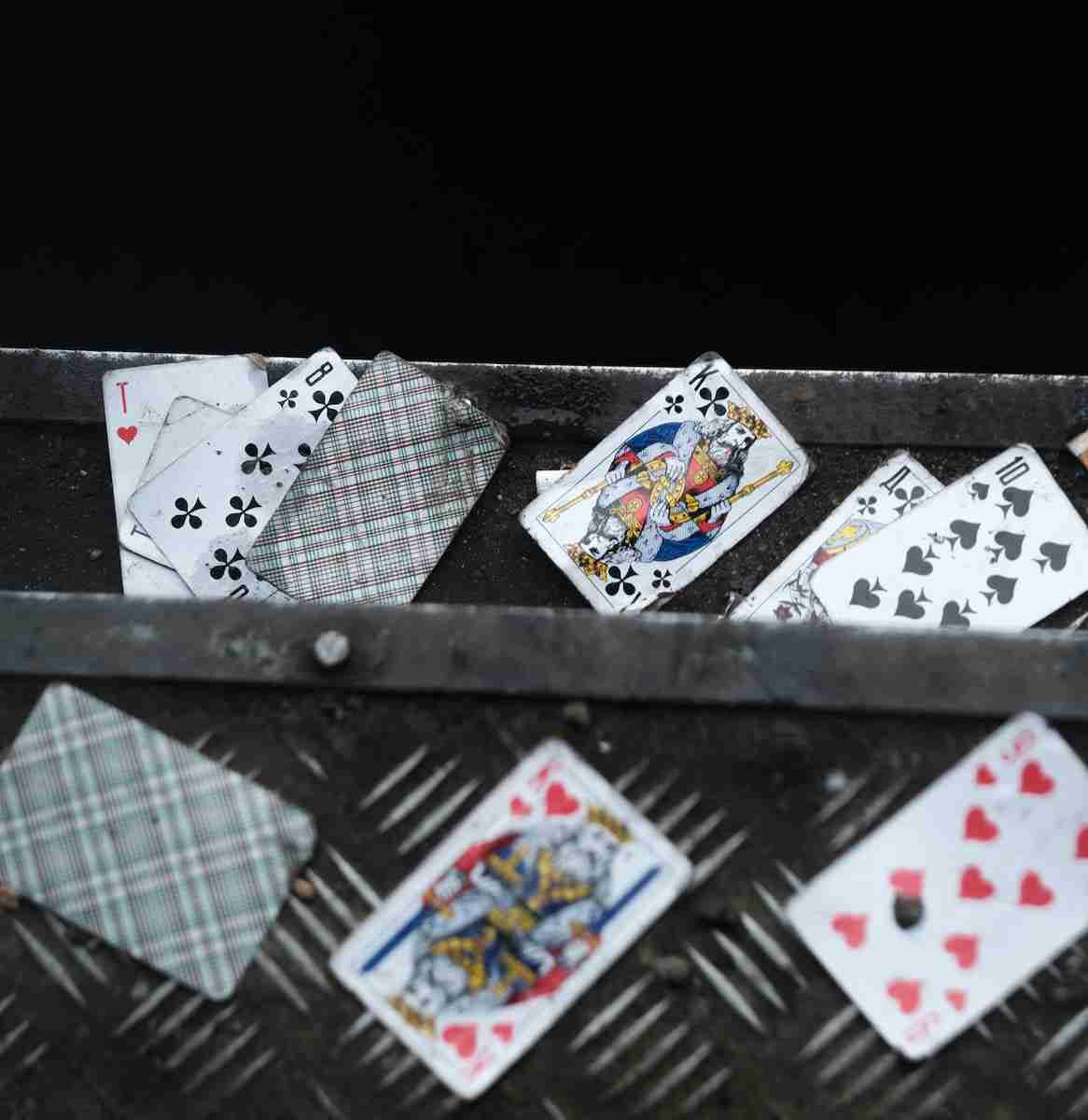
Trick-taking card games are a fascinating blend of skill, strategy, and a little bit of luck, where players compete to win “tricks” – individual rounds where cards are played and one is ultimately selected as the winner. Imagine gathering around a table with friends or family, the air thick with anticipation and the sound of shuffling cards punctuating the lively conversation. It’s a world where a simple deck can become a battleground, and knowing when to play your strongest card or when to hold back can often mean the difference between victory and defeat.
At the heart of these games lies a straightforward premise: players take turns playing cards in an attempt to capture as many tricks as possible. Each round, one player leads by playing a card, and the others must follow suit if they can. If they can’t, they can play any card. The player who plays the highest card of the leading suit—or the highest trump card, if any are played—wins the trick and collects the cards. This can sound deceptively simple, but it’s this very simplicity that gives rise to a rich tapestry of tactics and strategies.
Let’s talk about the genres within trick-taking games, ranging from classics like Bridge, Spades, and Hearts to modern marvels like The Crew and Tragedy Looper. Each game has its own nuances, strategies, and variations that provide players with countless hours of entertainment. Some games emphasize partnership play, while others focus on individual performances. They demand a keen sense of observation, a knack for bluffing, and the ability to outthink your opponents—all of which can culminate in unforgettable moments, filled with triumphant cheers or heart-wrenching sighs.
What makes trick-taking games particularly special is their social element. They are more than just a contest of wits; they are an opportunity for connection. From family gatherings to late-night game marathons with friends, these games are a vehicle for laughter, banter, and perhaps a little light-hearted competition.
So, whether you’re a strategic mastermind or a perennial learner, there’s a trick-taking card game out there for everyone. As you delve into their depths, you’ll discover that these games are not just about the cards you hold, but the memories you create along the way. Grab a deck, gather some companions, and embrace the thrill of the trick!

What Are Trick-Taking Card Games?
What Are Trick-Taking Card Games?
- Trick-taking card games combine skill, strategy, and luck, with players competing to win individual rounds called “tricks..
- Players take turns playing cards, aiming to capture as many tricks as possible, with the highest card winning the round.
- Popular genres include classic games like Bridge, Spades, and Hearts, as well as modern games like The Crew and Tragedy Looper.
- Each game features unique nuances, strategies, and variations, often emphasizing either partnership or individual play.
- Success in these games requires observation, bluffing, and the ability to outsmart opponents, leading to memorable moments.
- Trick-taking games offer a social component, fostering connection and enjoyment during gatherings and late-night play with friends.
- These games provide entertainment for everyone, creating lasting memories beyond just the gameplay itself.

What Are Trick-Taking Card Games?
Table Of Contents
- What Are Trick-Taking Card Games?
- What Defines A Trick-Taking Card Game?
- How Do Trick-Taking Games Work?
- What Are Popular Examples Of Trick-Taking Games?
- What Skills Are Needed To Succeed In Trick-Taking Games?
- How Do You Score Points In Trick-Taking Card Games?
- What Strategies Can Improve Your Performance?
- Can Trick-Taking Games Be Played With Varying Player Numbers?
- What Is The Historical Significance Of Trick-Taking Card Games?
- Are There Variations Of Classic Trick-Taking Games?
- How Do Cultural Differences Affect Trick-Taking Games?
- Conclusion
- Other Resources
- Glossary Of Terms
- Other Questions
- Haiku
- Poem
- Checklist
What Defines A Trick-Taking Card Game?
At its core, a trick-taking card game is a classic dance of strategy, psychology, and a bit of luck, where players vie to outsmart one another with a simple deck of cards. You might be wondering, what does it really mean to “take a trick”? Well, think of a trick as a mini-showdown: each player plays a single card in a round, and whoever plays the highest card of the leading suit—or the highest card overall if a trump suit is involved—takes home the trick. Simple enough, right? But therein lies the beautiful complexity.
The beauty of trick-taking games is rooted in their elegant framework, which effortlessly combines basic rules with infinite layers of strategy. Whether it’s Spades, Hearts, or the ever-popular bridge, each game introduces its own nuances, yet they share common threads. Each player receives a hand of cards, and the goal is to win as many tricks as possible, either to score points or achieve some other designated victory condition. It’s all about cards in hand and the mind games that ensue as players try to predict their opponents’ moves.
But let’s not kid ourselves. Though the mechanics may seem straightforward, the dynamics are anything but. It’s a battlefield where bluffing and reading your opponents become just as crucial as the cards you hold. Imagine sitting across from a player, calculating your odds and trying to gauge whether they’re bluffing about their high cards or if they’re quietly waiting to unleash a well-timed trump card. It’s this psychological interplay that turns a simple card game into a rich tapestry of human interaction.
Moreover, trick-taking games are often played in partnerships, adding yet another layer of complexity and camaraderie—or, perhaps, rivalry. The unspoken communication between partners is vital, as they must work together to maximize their chances of success while keeping an eye on the competition. That balance of cooperation and competition is what makes these games so enthralling and endlessly replayable.
The definition of a trick-taking card game extends beyond its mechanical roots. It embodies a mix of strategy, psychological warfare, teamwork, and sheer joy. Whether you’re a seasoned veteran or a curious novice, these games invite you to engage not just with cards, but with the very nature of social interaction itself. So, gather ‘round the table, shuffle those cards, and get ready to dive deep into this captivating world where every play matters, and every trick tells a story.

What Defines A Trick-Taking Card Game?
What Defines A Trick-Taking Card Game?
- Trick-taking card games involve strategy, psychology, and luck, as players compete using a standard deck of cards.
- A trick is defined as a round where players play a single card, and the highest card wins the trick.
- These games feature basic rules with complex strategies that vary by game type, such as Spades, Hearts, and Bridge.
- The objective is to win as many tricks as possible for points or to fulfill specific victory conditions.
- Psychological elements like bluffing and reading opponents significantly enhance the game’s dynamics.
- Partnerships are common, requiring unspoken communication and collaboration between players.
- Trick-taking games blend strategy, social interaction, and enjoyment, appealing to both novices and experts alike.

What Defines A Trick-Taking Card Game?
How Do Trick-Taking Games Work?
When it comes to trick-taking games, you’re diving headfirst into a world where strategy and psychology collide. Unlike your run-of-the-mill card games where luck reigns supreme, trick-taking games are a dance of skill, cunning, and sometimes a bit of deceit. Picture it as a strategic showdown, where the players engage in a mental tug-of-war that can make or break friendships — or at the very least, inspire some good-natured ribbing.
At the core of these games is the concept of “tricks.” In simple terms, a trick is a round of play where players play one card each, and the goal is to win that round by playing the highest-ranking card or the card that follows the designated trump suit. Now, don’t let the terminology intimidate you; think of it like a series of mini battles within an overarching war. Each trick matters, and to emerge victorious, you must outthink your opponents.
The mechanics of a trick-taking game can vary, but the basics remain relatively consistent. Players are usually dealt a hand of cards, and they take turns playing one card at a time. Depending on the rules, players can follow the lead suit—meaning they play a card from the same suit as the first card played—or they can play a higher card or, in some cases, a trump card that automatically overpowers anything else on the table. That’s right, trumps can turn the tide in a flash. It’s a constant battle of keeping track of what’s been played, gauging how many high cards your opponents might be holding, and making strategic decisions about what to play next.
The overarching goal is to win a predetermined number of tricks or points, which often leads to intense moments of calculation. Should you play your strongest card now, or hold it back for later? Will your opponent bluff with a seemingly weak card? It’s like a game of chess, played with a deck of cards, where you don’t just have to think about your own moves but also anticipate the moves of everyone else at the table.
As players navigate through their hands, the atmosphere can shift from lighthearted fun to heady competition. You laugh, you groan, and you strategize on the fly, all while trying to outfox your fellow challengers. Whether it’s a casual family game night or a heated tournament, trick-taking games remind us that while the cards may be shuffled, the human element is what truly makes the game exhilarating.

How Do Trick-Taking Games Work?
How Do Trick-Taking Games Work?
- Trick-taking games combine strategy and psychology, contrasting with luck-based card games.
- The concept of “tricks” involves players playing one card each in rounds to win with the highest-ranking card or a trump card.
- Each trick functions like a mini battle within the game, where outsmarting opponents is crucial for victory.
- Players are dealt a hand of cards and take turns playing, with rules often allowing for following the lead suit or playing a trump card.
- The goal is to win a set number of tricks or points, leading to strategic decisions about when to play strong cards.
- The game atmosphere can shift from fun to competitive, involving laughter and strategic adjustments among players.
- Trick-taking games highlight the significance of the human element, making each game unique despite the shuffled cards.

How Do Trick-Taking Games Work?
What Are Popular Examples Of Trick-Taking Games?
When it comes to trick-taking games, we’re diving into a world where strategy, wit, and a little bit of luck intersect on the felt of a card table. These games aren’t just pastimes; they’re social rituals, tests of intellect, and sometimes even battlegrounds for family bragging rights. Many classic examples have stood the test of time and continue to captivate players across generations.
Let’s kick things off with Bridge, the granddaddy of them all. Played by four players in two partnerships, Bridge is a game that’s part mathematics, part psychology. Bidding becomes a delicate dance where partners communicate their hands without uttering a word, relying on signals and silent agreements. And once the play begins, it’s a scramble of strategy and skill as players aim to outmaneuver their opponents, all while hoping the cards fall in their favor.
Then, there’s the ever-popular Hearts, a trick-taking game that elevates the stakes and turns the table on its players. With a colorful mix of strategy and mischief, the objective is simple: avoid taking certain cards that carry penalty points. But it’s not just about playing defensively; it’s about predicting what others will do and sabotaging their plans when the opportunity arises. The game becomes a lively back-and-forth, where you not only play your own cards but also play the room—watching for tells, reading expressions, and sometimes, just enjoying the chaos.
Moving on, let’s not forget Spades, a game that’s practically a rite of passage in many households. Comprising two partnerships, players bid on the number of tricks they believe their team can take. It’s a game filled with intense moments and laughter, where a well-timed Spade, the trump card of the deck, can shift the game in your favor. The sense of camaraderie that develops between partners can also lead to some of the most entertaining rivalries and unforgettable moments.
And for those who crave a more adventurous experience, there’s Pinochle, which brings a unique twist with its distinct meld and trick-taking phases. Often played in pairs, this game requires both strategic thinking and the ability to bluff or outsmart your opponents. Each card dealt becomes a pawn in a larger game of strategy, where skillful players navigate a maze of tactics to ultimately claim victory.
So there you have it, a glimpse into the world of trick-taking games, where each shuffle of the deck reveals a new opportunity for laughter, strategy, and maybe just a little friendly competition. Grab some friends, pick a game, and let the tricks begin!

What Are Popular Examples Of Trick-Taking Games?
What Are Popular Examples Of Trick-Taking Games?
- Trick-taking games blend strategy, wit, and luck in social settings.
- Bridge is a classic game involving four players in partnerships, focusing on stealthy communication and strategic play.
- Hearts is a lively game where players avoid penalty cards while predicting and sabotaging opponents’ moves.
- Spades, popular in many households, involves partnerships and bidding on tricks, fostering camaraderie and rivalry.
- Pinochle offers a unique twist with meld and trick-taking phases, requiring strategic thinking and bluffing skills.
- These games provide opportunities for laughter, strategic gameplay, and friendly competition among friends.
- Each shuffle of the deck opens new possibilities for thrilling interactions and memorable moments.

What Are Popular Examples Of Trick-Taking Games?
What Skills Are Needed To Succeed In Trick-Taking Games?
In the world of trick-taking card games, sheer luck might get you through a few rounds, but if you want to emerge as the champion, it’s a different story. Success in these games relies on a unique mix of strategy, psychology, and sharp analytical skills that can make even the most seasoned players sweat under pressure.
First and foremost, let’s talk strategy. Trick-taking games like Bridge, Spades, and Hearts require players to quickly assess their hands and determine the best approach to win tricks. It’s a dance of sorts—an intricate choreography of cards where each movement counts. Successful players must recognize the strength of their hand relative to what their opponents might hold. This involves a keen awareness of probabilities and the ability to compute risk in real-time. Can you play that high spade, or is it smarter to hold it back, hoping to catch an opponent off-guard later? These decisions can make or break your game.
Next, consider the social element. Understanding your opponents is crucial. Players need to read not just the cards they see but also the behavior of their opponents. Are they anxious, confident, or perhaps hiding a wild card? The ability to interpret body language, betting patterns, and even the slightest changes in tone can unveil a treasure trove of information. Bluffing becomes an art form, and knowing when to feign weakness can lead to victory when your opponents underestimate your hand.
But it doesn’t stop with your opponents; you must also communicate effectively with your partner if you’re playing a partnership game. This requires excellent verbal and non-verbal communication skills. Establishing clear signals or codes can be the difference between winning and losing—a well-timed glance, a subtle nod, or the way you play a certain card can relay information without words.
Lastly, patience and discipline go a long way in trick-taking games. Few games are won in a single hand; they are a marathon, not a sprint. Keeping your cool under pressure, knowing when to seize the initiative and when to lay low, is fundamental.
In essence, succeeding in trick-taking games isn’t just about understanding the cards; it’s about navigating a complex web of strategy, social interaction, and unwavering discipline. The next time you sit down at the table, remember—it’s a test of wits where skill reigns supreme. Get ready to think, adapt, and play your cards right.

What Skills Are Needed To Succeed In Trick-Taking Games?
What Skills Are Needed To Succeed In Trick-Taking Games?
- Luck may help in trick-taking card games, but strategy, psychology, and analytical skills are crucial for success.
- Players must assess their hands quickly and determine the best approach to win tricks.
- Understanding the strength of one’s hand relative to opponents is key, involving awareness of probabilities and risk management.
- The social element is vital; reading opponents’ behaviors and body language can provide important insights.
- Effective communication with partners is essential in team games, requiring both verbal and non-verbal skills.
- Patience and discipline are important; success in trick-taking games often involves long-term strategy rather than instant wins.
- Succeeding in these games is a complex interplay of strategy, social interaction, and discipline.

What Skills Are Needed To Succeed In Trick-Taking Games?
How Do You Score Points In Trick-Taking Card Games?
Ah, trick-taking card games—the unsung heroes of family game nights and a battleground for friends where strategy meets psychology. If you’ve ever found yourself shuffling a deck, you might be wondering how to score points in this world of aces, kings, and maybe even a few wild cards.
At the heart of many trick-taking games is the deceptively simple concept of “tricks.” A trick is essentially a round of cards played among players, where each player plays one card in turn. The winner of the trick is determined by the highest-ranking card in the lead suit, unless someone decides to throw a curveball with a trump card. Now, let’s get into how that translates to scoring points.
First off, most games assign point values to specific cards or sets of cards that players accumulate throughout the game. In classic games like Hearts, you’re actually trying to avoid points, which you can achieve by not capturing certain “point” cards like the Queen of Spades or hearts. On the flip side, in games like Spades, you’ll score by winning tricks, but beware! Overbidding can lead to penalty points, a clever twist that keeps players on their toes.
Then, there’s the matter of bonus points. Some games reward players for achieving specific objectives, like winning a certain number of tricks or fulfilling a contract. These bonuses can drastically alter the game’s landscape and are often the difference between victory and defeat.
Also, consider the importance of hand management. The cards you hold can dictate your strategy, and knowing when to play your high cards or when to bluff your way through is an art. The player who can read the table and anticipate opponents’ strategies will often come out on top.
Finally, keep an eye out for variations in scoring systems. Some games may incorporate cumulative scoring, where the tally of points carries over multiple rounds, while others may reset after each round, keeping the competition lively and your spirits high.
So, whether you’re slinging cards across a rickety kitchen table or engaging in a full-blown tournament, understanding the intricacies of scoring in trick-taking card games is essential. With a little practice—and perhaps a bit of luck—you’ll soon find yourself raking in those points while outsmarting your opponents. So shuffle up, deal those cards, and may the best strategist win!

How Do You Score Points In Trick-Taking Card Games?
How Do You Score Points In Trick-Taking Card Games?
- Trick-taking card games combine strategy and psychology, making them popular for family game nights and friendly competitions.
- A “trick” is a round where each player plays a card, with the winner determined by the highest card of the lead suit or a trump card.
- Games often assign point values to specific cards; for instance, in Hearts, players aim to avoid capturing point cards.
- In Spades, players score by winning tricks, but overbidding can result in penalty points, adding complexity to the strategy.
- Bonus points are sometimes awarded for achieving specific objectives, which can significantly impact the game’s outcome.
- Hand management is crucial; knowing when to play high cards or bluff can influence a player’s success.
- Scoring systems can vary, with some games using cumulative scoring over multiple rounds and others resetting after each round.

How Do You Score Points In Trick-Taking Card Games?
What Strategies Can Improve Your Performance?
When it comes to boosting your performance, the first step is recognizing that there’s always room for improvement. You see, it’s not about being the absolute best right out of the gate; it’s about consistently striving to be better than you were yesterday. Here are a few strategies that can help you elevate your game, no matter what field you’re in.
1. Embrace the Grind: Let’s get one thing straight: success doesn’t come served on a silver platter. It’s forged in the fires of hard work and perseverance. Embrace the grind. Whether that means putting in those extra hours or tackling projects that make you uncomfortable, lean into the effort. Each challenge you overcome is a stepping stone.
2. Set Clear Goals: If you don’t know where you’re headed, any path will take you there. Break down your aspirations into manageable, clear goals. SMART goals—Specific, Measurable, Achievable, Relevant, Time-bound—are a solid framework. You’ll find that with well-defined objectives, you keep your focus sharp and your motivation high. Plus, the satisfaction of checking things off your list is like a little victory dance.
3. Practice Deliberately: Forget the idea of mindless repetition. Instead, focus on practicing with intention. Identify the skills that need sharpening, then drill down on those with purpose. Seek feedback, assess your performance, and don’t shy away from doing the hard work of self-improvement. It’s not about how much you practice; it’s all about how well you practice.
4. Foster Connections: Success isn’t a solo journey; it thrives in a community. Build relationships with colleagues, mentors, and those who challenge you to think differently. Having a solid support system can provide valuable insights and fresh perspectives, leading to new ideas and better performance. Collaboration often brings out the best in everyone involved.
5. Prioritize Health: Your body and mind are your greatest assets. Fuel them with proper nutrition, exercise, and sleep. When your physical health is prioritized, your mental acuity improves, and that’s exactly what you need to tackle tougher challenges. Remember, a well-rested mind is sharper and more creative—ready to solve problems effectively.
Improving your performance is about finding what works for you, embracing the process, and being willing to adapt along the way. So gear up, roll up your sleeves, and get ready to put these strategies into action. After all, the journey is as important as the destination.

What Strategies Can Improve Your Performance?
What Strategies Can Improve Your Performance?
- Recognize that there’s always room for improvement; it’s about being better than you were yesterday.
- Embrace hard work and perseverance; success is achieved through effort and overcoming challenges.
- Set clear, SMART goals (Specific, Measurable, Achievable, Relevant, Time-bound) to maintain focus and motivation.
- Practice deliberately by identifying skills to improve and seeking feedback for purposeful growth.
- Foster connections with colleagues and mentors to gain insights and fresh perspectives in your journey.
- Prioritize your health through proper nutrition, exercise, and sleep to enhance mental acuity and creativity.
- Be adaptable and willing to embrace the process of improvement; the journey is as important as the destination.

What Strategies Can Improve Your Performance?
Can Trick-Taking Games Be Played With Varying Player Numbers?
Trick-taking games have long been a staple in the realm of card games, demanding strategic thinking, an eye for timing, and, above all, an appreciation for the subtle nuances of play. But can these beloved pastimes adapt to different player counts without losing their essence? You bet they can!
At their core, trick-taking games revolve around players trying to outsmart one another, capturing tricks based on the cards they play and the strategies they deploy. Traditionally, many classic trick-taking games like Hearts, Spades, or Bridge are best enjoyed with a specific number of players—usually four, but often with a maximum of six or sometimes even more. However, there’s much more to the landscape of trick-taking games than a rigid adherence to player counts.
When you think about it, what makes a trick-taking game captivating? Is it the number of players at the table, or is it the interplay of skill, strategy, and a bit of luck? As it turns out, the spirit of the game can adapt beautifully to varying numbers of players—if you’re willing to tinker a bit. With just a few adjustments, you can modify the rules to ensure the game remains engaging, whether you’re playing with three friends or a whole crowd.
Take, for example, the seemingly simple addition of partnerships. When playing with an odd number, pairing up can balance the teams and introduce new dynamics. In games designed for four, for instance, if you have three players, one could temporarily control two hands or adjust the rules to create a more competitive environment. The art of trick-taking is largely about relationships—between players and cards—so altering the number of participants can open fresh tactical dimensions.
Moreover, some trick-taking games come with modular designs that inherently accommodate varying player counts. Games like “The Crew” or “Whist” can easily be scaled up or down, giving you the flexibility to adjust on the fly. Look out for games that explicitly state their adaptability and enjoy the myriad of strategies that unfold as you shift the player count.
Ultimately, the key to enjoying trick-taking games with differing player numbers lies in your willingness to adapt and innovate. So gather your friends or family—regardless of their number—and dive into the rich world of cards. You might just discover that, whether with three or seven players, the magic of a well-played trick can thrill the senses and spark lively conversation, no matter how many sit around the table.

Can Trick-Taking Games Be Played With Varying Player Numbers?
Can Trick-Taking Games Be Played With Varying Player Numbers?
- Trick-taking games require strategic thinking, timing, and an appreciation for nuanced play.
- These games can adapt to various player counts without losing their essence.
- Classic trick-taking games like Hearts and Spades are traditionally best with four to six players.
- The captivating nature of these games lies in skill, strategy, and a bit of luck, rather than just player number.
- Adjustments, such as forming partnerships, can enhance gameplay with odd numbers.
- Some games, like “The Crew” and “Whist”, have modular designs that allow easy scaling for different player counts.
- Adaptability and innovation are key to enjoying trick-taking games, regardless of the number of players.

Can Trick-Taking Games Be Played With Varying Player Numbers?
What Is The Historical Significance Of Trick-Taking Card Games?
When you think about trick-taking card games, the first thing that may come to mind is a cozy gathering, a cup of coffee, and the sound of shuffling cards. It’s easy to overlook the historical significance hidden beneath the surface of these games, but let’s peel away the layers a bit.
Trick-taking games, like whist, bridge, and spades, have been around for centuries, woven into the fabric of social interaction and culture. Originating in the late medieval period and gaining traction in the Renaissance, these games were more than just pastimes; they were a reflection of society’s values and changes. People engaged in these games not only for entertainment but also as a way to demonstrate wit, strategy, and social cunning. It provided an opportunity for players to gather, share stories, and nurture relationships—elements that have always been vital to a functioning community.
Moreover, trick-taking games often served as a means of intellectual combat. Players had to outsmart their opponents, calculate probabilities, and anticipate their moves. This developed crucial skills, including critical thinking and social awareness, that were applicable beyond the confines of the card table. In the context of a shifting political landscape—think of the evolving power dynamics during the Enlightenment—these games became a metaphor for social maneuvering. One could argue that they even foreshadowed the diplomacy and strategy that characterized many real-world interactions.
These games have also congregated around cultural identity. In various regions, unique variations of trick-taking games adapted local customs, languages, and even histories. Just as the music, food, and art of a culture reflect its essence, so do the games it cherishes. They evolve, morphing into diverse formats while keeping core principles intact. For example, the game of “tarot,” initially a mere deck of cards, transformed into a game of strategy and social commentary in France, encapsulating the zeitgeist of its time.
In a world that has been propelled into rapid digitalization, the appeal of trick-taking games serves as a reminder of simpler days. They are a link to our past, a conduit for connection, and a testament to the enduring nature of human interaction. So next time you sit down to play a hand, remember—you’re participating in a tradition that’s as deep as history itself.

What Is The Historical Significance Of Trick-Taking Card Games?
What Is The Historical Significance Of Trick-Taking Card Games?
- Trick-taking card games, such as whist, bridge, and spades, have historical significance rooted in society’s values.
- Originating in the late medieval period and popularized during the Renaissance, these games served as both entertainment and social interaction.
- Playing these games allowed individuals to demonstrate strategic thinking, wit, and social cunning while nurturing relationships.
- They act as a form of intellectual combat, enhancing skills like critical thinking and social awareness relevant outside of gaming.
- Trick-taking games reflect social maneuvering and political dynamics, serving as metaphors for diplomacy and strategy.
- Different cultural adaptations of these games showcase local customs, languages, and histories while maintaining core principles.
- The continued appeal of trick-taking games in a digital age highlights their role as a link to our past and a means of human connection.

What Is The Historical Significance Of Trick-Taking Card Games?
Are There Variations Of Classic Trick-Taking Games?
When it comes to classic trick-taking games, the world might seem as uniform as a well-organized toolbox—everything in its right place, familiar faces surrounding the table. Yet, dig a little deeper, and you’ll uncover a treasure trove of variations that give these games new life. Like the ever-changing landscape of a backroad adventure, these adaptations breathe fresh air into traditions, proving that even the classics can grow.
Take “Whist,” for instance. Originating in 16th-century England, this straightforward game has laid the groundwork for countless adaptations. From the elegant “Bridge” to the raucous “Euchre,” the principles remain intact, but the experience can shift dramatically. In Bridge, teamwork is paramount; the calculus of strategy morphs into a high-stakes conversation between partners, while Euchre leans into the chaotic fun of trump cards that can turn the tide in seconds.
Then there’s “Hearts,” a game built around avoiding points. Travel east and you encounter “Guts,” where players do the complete opposite—collecting points in the most unapologetic fashion. In Guts, strategy falls to the wayside in a frantic race to declare a winning hand, forcing players to dig deep into their instincts. The twist and turns remind us of the unpredictability of life itself, teaching camaraderie and competition in a single breath.
Consider “Pinochle.” A game boasting its own collection of variations, “Pinochle” can morph from a straightforward four-player affair into the intriguing realms of “Double Pinochle” or “Mexican Pinochle.” Each version requires its own strategy and skillset, allowing players to tap into their competitive spirits while navigating different pathways for victory.
Even in more niche circles, you’ll find fascinating adaptations that reflect regional flavors. “Skat,” hailing from Germany, twists together intricate bidding and melding mechanics that are as delightful as they are complex. Meanwhile, “Tarot,” often dismissed as simply a mystical pastime, transforms into an intricate trick-taking game in France, blending fortune-telling with fierce competition.
So, whether you’re gathering around a table with old friends or finding yourself drawn into a new circle of players, these variations of trick-taking games serve as a reminder. Like a trusty Swiss Army knife, each game provides the tools for connection, laughter, and sometimes, a little healthy competition. The heart of these games lies not just in their rules, but in the stories they help us weave together—stories that unfold with each hand played, and each trick taken.

Are There Variations Of Classic Trick-Taking Games?
Are There Variations Of Classic Trick-Taking Games?
- Classic trick-taking games, while seemingly uniform, boast a myriad of adaptations that invigorate traditions.
- “Whist” originated in 16th-century England and inspired games like “Bridge” and “Euchre,” each offering different dynamics.
- In “Bridge,” teamwork and strategy are crucial, whereas “Euchre” emphasizes chaotic fun with trump cards.
- “Hearts” focuses on avoiding points, contrasting with “Guts,” which centers on collecting points through instinctive play.
- “Pinochle” has multiple variations, including “Double Pinochle” and “Mexican Pinochle,” each requiring unique strategies.
- Regional adaptations such as “Skat” from Germany and “Tarot” from France showcase local twists on trick-taking mechanics.
- These variations foster connection, laughter, and healthy competition, enriching the stories shared through gameplay.

Are There Variations Of Classic Trick-Taking Games?
How Do Cultural Differences Affect Trick-Taking Games?
When you dive into the world of trick-taking games, you quickly discover that it’s not just about the cards on the table but the culture behind them. Each region boasts its own set of values, social norms, and even histories that shape how the game is played and perceived. Take, for instance, the classic game of Bridge, first popularized in Western societies. Here, it’s not merely a pastime; it’s a rite of passage. People host Bridge nights that become events, fostering connections and rivalries alike. The subtleties of etiquette, such as maintaining a poker face or employing strategic silence, reflect a cultural appreciation for nuance and psychological warfare—an almost theatrical display of intellect and social prowess.
Now flip the script to a game like Whist, which has its roots traced back to the same European ancestry. Yet, the cultural nuances can shift dramatically depending on where you’re sitting. In many parts of the UK, Whist is played informally, often accompanied by laughter and banter—the seriousness seen in Bridge melts away, revealing a more communal spirit. The rules may stay the same, but the approach can feel completely different, illustrating how a game can transform based on societal values surrounding leisure.
In contrast, let’s journey to Asia, where games like “Tien Gow” or “Big Two” dominate. Here, the trick-taking is not merely a competition; it’s woven into the fabric of family gatherings and social events. The communal thrill of collective victory or defeat brings people closer together, reflecting a culture that values harmony and togetherness over individual success. The stark contrast in approach emphasizes a fundamental difference in social dynamics, where winning isn’t everything.
But it’s not just about traditions or rituals; cultural narratives also play a starring role. For example, the storytelling intertwined with games in Indigenous cultures often transforms trick-taking into a method of preserving lore and fostering connections across generations. These games become vessels for passing down wisdom and teaching life skills, illustrating the depth of culture embedded within each play.
In essence, the garden of trick-taking games is cultivated by the diverse cultural backgrounds that nurture it. Every shuffle of cards, every triumphant claim of a trick taken mirrors the society that plays it. The game isn’t just a pastime; it’s a glimpse into the heart of cultural values, social behaviors, and community ties that shape our interactions. So next time you pick up a deck, remember: you’re not just playing a game; you’re engaging in a tradition that transcends borders and generations.

How Do Cultural Differences Affect Trick-Taking Games?
How Do Cultural Differences Affect Trick-Taking Games?
- Trick-taking games reflect the cultural values, social norms, and histories of the regions where they are played.
- Bridge exemplifies a Western cultural phenomenon, serving as a rite of passage and fostering connections through formal events.
- In contrast, Whist maintains a more informal, communal spirit in the UK, highlighting a relaxed approach to the game.
- Asian games like “Tien Gow” and “Big Two” emphasize family bonding and social connections over individual victories.
- Indigenous cultures use trick-taking games as a means of storytelling, preserving lore, and imparting life skills across generations.
- Cultural narratives transform games into reflections of societal values, illustrating their role beyond mere entertainment.
- Playing trick-taking games offers insight into the cultural and social dynamics shaping community ties, showcasing their historical significance.

How Do Cultural Differences Affect Trick-Taking Games?
Conclusion
As we step back from the world of trick-taking card games, it’s clear that we’ve unearthed something far richer than a simple table game. These card games—while deceptively uncomplicated in mechanics—serve as vibrant windows into the interplay of strategy, social dynamics, and, yes, a touch of luck. Picture a warm gathering of friends or family around the table, where laughter collides with playful banter and the satisfaction of outwitting an opponent. Each round transforms into a delightful mental duel, making every play a calculated maneuver and every victory a testament to one’s strategic prowess.
At their core, trick-taking games are timeless traditions, connecting us through shared experiences that span generations. They thrive on psychological warfare, requiring players not only to track their cards but to dissect the intentions and tendencies of their competitors. Whether you’re navigating a round of Bridge’s tense bidding or trying your best to dodge penalties in a game of Hearts, the essence of these games lies in the intricate balance of collaboration and competition. Partnerships add another layer of complexity—making each game an exercise in unspoken communication and camaraderie.
Now, let’s not forget the breadth of this genre. From classics like Spades, where the tension can escalate into a riveting contest, to modern masterpieces like The Crew, each variation has its own flavor, inviting players to adapt and innovate. Every shuffle reveals an opportunity for laughter, maybe even a little holiday rivalry, as well as the thrill of an upturned card that could clinch victory or snatch defeat from the jaws of triumph.
And what’s more? These games thrive on adaptability. Whether you’ve got two players or seven, there are rules and variations to ensure everyone has a seat at the table. Cultural nuances enrich the experience, demonstrating how these games morph to suit their surroundings, embedding values, history, and community spirit into every play.
So, grab that deck, summon your nearest companions, and don’t just play the game—experience it. Trick-taking games are not just about winning tricks; they’re rich narratives that unfold with every hand. Dive in, and you might just find that the greatest victories aren’t counted in points, but in the laughter and memories you forge along the way. That, my friends, is the true art of trick-taking.

Conclusion
Conclusion:
- Trick-taking card games go beyond simple mechanics, offering insights into strategy and social dynamics.
- They foster camaraderie and competition, creating a vibrant atmosphere during gameplay.
- These games rely on psychological elements, requiring players to read their opponents while managing their own cards.
- Each game format, from Bridge to Hearts, emphasizes a unique blend of collaboration and individual strategy.
- Various iterations of the genre provide opportunities for adaptability and include options for different numbers of players.
- Cultural variations in these games highlight historical and community values, enhancing the playing experience.
- Trick-taking games offer rich narratives, with true victories found in the memories and laughter shared with others.

Conclusion
Other Resources

Other Resources
Here is a list of other resources you can review online to learn more:
- “Trick-taking game”
- “List of trick-taking games”
- “A Quick Guide to Trick-Taking Card Games – Hearts”
- “What Is a Trick-Taking Game?”
- “DISCOVER THE FUNDAMENTALS OF TRICK-TAKING …”
- “Trick Taking Card Games”
- “Tricks and Trumps #1: The Classic Trick-Takers Before 1965”

Other Resources
Glossary Terms
What Are Trick-Taking Card Games? – Glossary Of Terms
1. Trick: A unit of play where players play one card each, and the highest card according to the game’s rules wins the trick.
2. Trump: A suit that is elevated above the others, allowing cards from this suit to win against cards from other suits, regardless of their rank.
3. Lead: The first player to play a card in a trick, setting the suit that must be followed if possible.
4. Follow Suit: The requirement for players to play a card of the same suit as the card led, if they possess one.
5. No-Trump: A variation of the game where there is no designated trump suit, affecting strategy and gameplay.
6. Bid: An offer made by a player, indicating the number of tricks they expect to win; often a crucial part of games like bridge.
7. Contract: The agreement established through a bid that dictates the number of tricks a partnership must win during the play.
8. Game Points: Points accumulated based on the number of tricks won or certain conditions met, often used to determine the winner of a match.
9. Declarer: The player who wins the bid and is responsible for fulfilling the contract in games like bridge.
10. Partnership: A collaboration between two players working together against another partnership, commonly seen in bridge and similar games.
11. Ace High: A ranking system where the Ace is considered the highest card in a suit.
12. Dummy Hand: The hand of cards laid out face-up on the table in games like bridge, played by the declarer’s partner.
13. Misère: A variant in some trick-taking games where a player aims to avoid winning any tricks.
14. Game Theory: A mathematical framework to analyze strategic interactions among players in competitive situations.
15. Scoring: The method of calculating points based on results of the tricks taken or specific achievements within the game.
16. End Play: A strategic move intending to force an opponent into an undesirable position, often to win an additional trick.
17. Sluff / Discard: The act of playing a card from a hand that is not involved in winning the current trick, generally when unable to follow suit.
18. Reneging: The act of failing to follow suit when able to do so, often considered a breach of game rules.
19. Cutting: A term used to refer to playing a trump card when one cannot follow suit, effectively breaking the rules of following.
20. Honors: High-ranking cards in a suit (usually Ace, King, Queen, Jack) that can contribute to bonus points depending on the game.
21. Hand: The set of cards dealt to a player, which they will play during the game.
22. Round: A complete series of tricks played until all cards have been played; often consisting of a predetermined number of tricks.
23. Set: When a partnership fails to achieve the number of tricks they bid, resulting in penalties.
24. Game End: The conclusion of play, often triggered by reaching a score, completing a set number of hands, or fulfilling a specific condition.
25. Tableau: The layout of cards visibly played on the table, often relevant in scoring or decision-making.
26. Strategy: The planned approach a player develops to maximize their chances of winning based on the game’s dynamics.
27. Finesse: A tactic used to try to win a trick by playing a lower card in hopes that an opponent’s high card can be drawn out.
28. Gleaning: The skill of deducing opponents’ cards to inform decision-making and strategy during play.
29. Variations: Different versions or rule sets of a trick-taking game that can change how it is played and scored.
30. Social Play: Informal sessions of card playing that emphasize enjoyment and camaraderie over strict competition or scoring.

Glossary Of Terms
Other Questions
What Are Trick-Taking Card Games? – Other Questions
If you wish to explore and discover more, consider looking for answers to these questions:
- What are the common rules and variations across different trick-taking card games?
- How can I improve my strategy in trick-taking games?
- What are the best trick-taking games for beginners?
- What is the role of luck versus skill in trick-taking card games?
- How do social dynamics affect gameplay in trick-taking games?
- Are there any online platforms or apps to play trick-taking games?
- What are some historical examples of trick-taking games influencing cultures?
- How do trick-taking games compare to other types of card games?
- What are the psychological aspects of playing trick-taking games?
- Can trick-taking games be adapted for more than four players?
- What resources are available for learning advanced strategies in trick-taking games?
- How do different cultures interpret and play trick-taking games?

Other Questions
Haiku
What Are Trick-Taking Card Games? – A Haiku
Gather ’round the table,
Tricks played with wit and bluffs—
Laughter as cards fly.

Haiku
Poem
What Are Trick-Taking Card Games? – A Poem
Around the table, laughter flows,
A dance with cards where tension grows.
With skill and bluff, opponents vie,
To capture tricks, as rounds go by.
A simple premise, yet deep as seas,
Where strategy blooms like swaying trees.
From Bridge to Hearts, the games unfold,
With tales of triumph and rivalries bold.
Every card played tells a story,
Of cunning moves and fleeting glory.
In partnerships, trust finds its way,
As silent signals guide the play.
Luck may grant a fleeting hand,
But wisdom shapes the final stand.
To read a face, to cast a glance,
Unraveling thoughts, igniting chance.
Whether three or four, or more at stake,
Adapt the rules, for friendship’s sake.
In cultures vast, these games unfold,
From ancient roots to stories told.
So shuffle well, embrace the night,
In this grand game, where hearts take flight.
For tricks are not just wins or scores,
But bonds created, laughter that soars.

Poem
Checklist
What Are Trick-Taking Card Games? – A Checklist
Understanding the Basics
_____ Familiarize yourself with basic trick-taking mechanics:
_____ Know how to lead a trick and follow suit.
_____ Learn about trump cards and their strategic importance.
_____ Identify common objectives in different trick-taking games.
Game Selection
_____ Explore popular trick-taking games:
_____ Understand the rules and strategies of classics like Bridge, Hearts, and Spades.
_____ Try modern games such as The Crew and Tragedy Looper.
_____ Familiarize yourself with variations of traditional games that cater to different player counts.
Strategic Skills Development
_____ Analyze your hand early on; assess the strength relative to other players.
_____ Develop skills in:
_____ Bluffing and deception — know when to play your strongest card versus holding back.
_____ Reading opponents — observe their body language and betting patterns.
_____ Practice effective communication with partners in partnership games.
Scoring and Rules
_____ Understand specific scoring systems in various trick-taking games.
_____ Take note of how scoring variations can influence gameplay (e. g. , bonus points, penalty points).
_____ Get comfortable with the rules and adaptations for different player counts.
Performance Improvement Strategies
_____ Set specific, actionable goals for improvement, using the SMART framework.
_____ Engage in deliberate practice focusing on specific skills you need to enhance.
_____ Seek feedback from peers to identify strengths and areas for development.
Cultural Awareness
_____ Recognize how cultural backgrounds affect the playing styles and interpretations of trick-taking games.
_____ Explore local variations of classic games to appreciate cultural diversity in gameplay.
Building Connections
_____ Use trick-taking games as a means to connect with family and friends — create memorable experiences.
_____ Encourage gatherings centered around card games to foster community and strengthen bonds.
Enjoyment and Engagement
_____ Remember: the main goal is fun! Maintain a light-hearted atmosphere, regardless of competitiveness.
_____ Keep the spirit of the game alive by celebrating wins and learning from losses together with others.
Summary
With these strategies and insights, you’ll be well-equipped to delve into the world of trick-taking card games. Gather your friends, shuffle the deck, and enjoy the thrill of the game!

Checklist
At CardGameNews, we help people who love card games by collating information and news about card games.
Be sure to read our other related stories at CardGameNews to learn more about card games.