

Discover The Best Tableau-Building Card Games For Beginners
By Tom Seest
At CardGameNews, we help people who love card games by collating information and news about card games.
Be sure to read our other related stories at CardGameNews to learn more about card games.
Are There Tableau-Building Card Games for Beginners?
When it comes to diving into the world of tabletop gaming, particularly card games, the sheer variety can be overwhelming. Among the most popular styles are tableau-building card games, where players create a visual display, or tableau, of cards that represent resources, actions, or achievements. Sounds enticing, right? But if you’re just stepping into this territory, you might be wondering, “Are there any tableau-building card games for beginners?”
Let’s start with the basics. A card game that centers on building a tableau often requires players to strategize their choices as they gather and arrange cards in front of them. The beauty of these games lies in their accessibility; many beginner-friendly options don’t require hours of rules explanations or intimidating strategies. Games like “Sushi Go!” and “9 Card Golf” introduce players to simple mechanics while offering plenty of room for fun. They encourage critical thinking but keep the gameplay light.
What about the complexity? Well, the wonderful world of tableau-building card games has something for everyone. Some offer quick play sessions, lasting only 20-30 minutes, making them perfect for casual game nights or first-time players. Others provide a bit more of a challenge, introducing layers of strategy without becoming unwieldy or slow-paced. “Splendor,” for example, is a phenomenal choice that walks you through resource collection and development, all while keeping the learning curve manageable. Players often find themselves drawn in by its elegant design and engaging gameplay.
What’s even more exciting is that many tableau-building card games incorporate elements of resource management and engine building. This means that as you progress in the game, your choices grow increasingly impactful, allowing for deeper strategic considerations. Don’t be daunted; beginner-friendly titles ensure that even novice players can appreciate the joy of growth and development, as they build their tableau piece by piece.
In a nutshell, beginners need not feel intimidated by tableau-building card games. Through thoughtfully designed introductory games, they can explore the mechanics and strategies that make the genre engaging. Whether you gather friends for a quick play session or decide to dive deeper into the more intricate titles, you’ll find that the world of tableau-building card games is not just accessible; it’s downright enjoyable. So shuffle those cards, set up the table, and prepare to embark on your new gaming adventure!

Are There Tableau-Building Card Games for Beginners?
Are There Tableau-Building Card Games for Beginners?
- The variety of tabletop card games can be overwhelming for beginners.
- Tableau-building card games involve creating a visual display of cards representing resources, actions, or achievements.
- Beginner-friendly games like “Sushi Go!” and “9 Card Golf” focus on simple mechanics and fun gameplay.
- Some tableau-building games offer quick play sessions (20-30 minutes), ideal for casual game nights.
- More complex games like “Splendor” introduce strategic elements while maintaining an accessible learning curve.
- Many tableau-building games incorporate resource management and engine building, enhancing strategic depth.
- Beginners can enjoy engaging gameplay through thoughtfully designed introductory games that ease them into the genre.
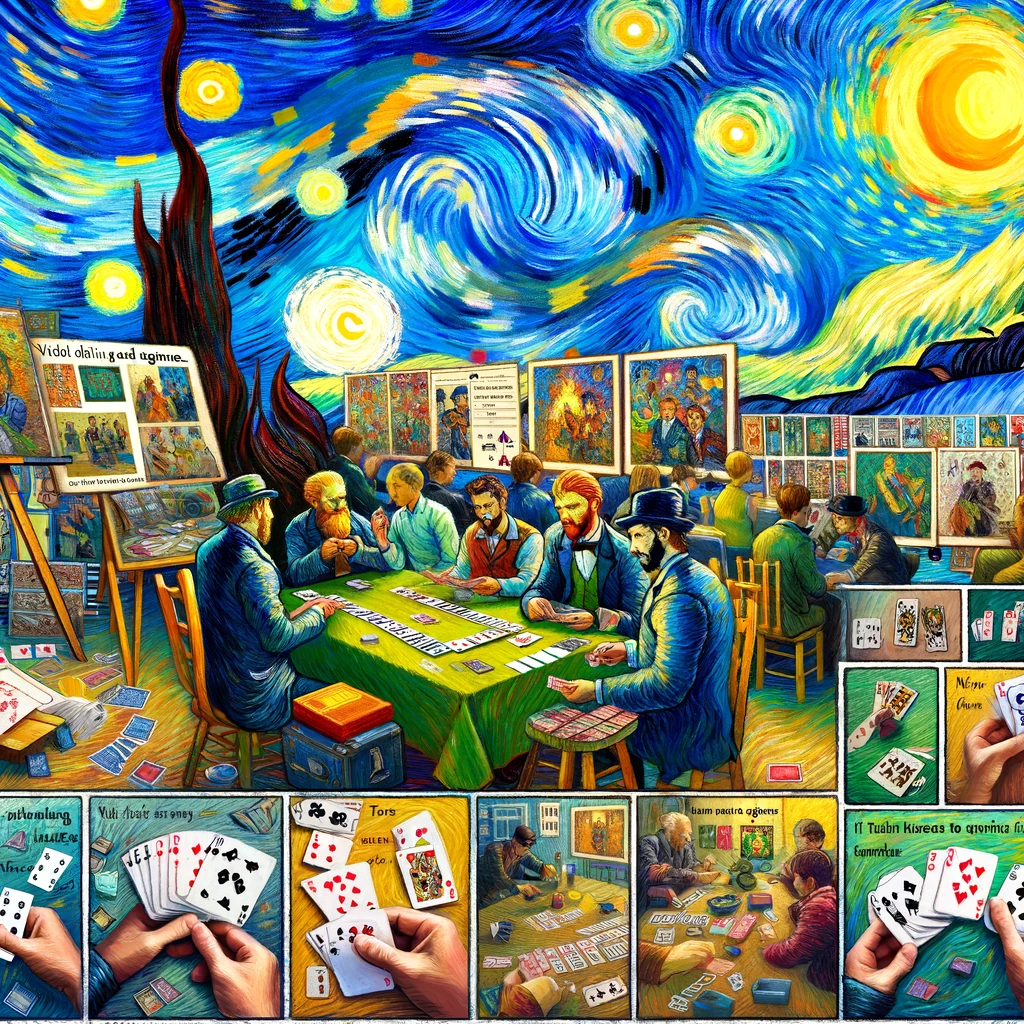
Are There Tableau-Building Card Games for Beginners?
Table Of Contents
- Are There Tableau-Building Card Games for Beginners?
- Are Tableau-Building Card Games Easy To Learn?
- What Are The Best Games For Beginners?
- How Do Tableau-Building Games Work?
- Can You Recommend Popular Tableau-Building Games?
- What Skills Do Tableau-Building Games Improve?
- Are There Solo Tableau-Building Games Available?
- How Long Does It Take To Play Tableau Games?
- Conclusion
- Other Resources
- Glossary Of Terms
- Other Questions
- Haiku
- Poem
- Checklist
Are Tableau-Building Card Games Easy To Learn?
When you sit down to play a tableau-building card game, you might think you’re in for some complicated rules and strategies that can turn a simple evening into a brain-bending puzzle. But hold on a second! Let’s ditch the panic and break it down, because these games can be more welcoming than you might imagine.
Tableau-building card games are like a breath of fresh air for both veterans and newcomers alike. At their core, these games are about creating an organized layout – your tableau – using cards drawn from a central pool. Picture it as building your own little kingdom with every turn, where the cards you choose can grant you special abilities and points. Sure, there’s an element of strategy involved, but it’s not necessarily rocket science.
The learning curve for most of these games is surprisingly gentle. Many of them start with a few straightforward rules that can be explained in under ten minutes. You’re not going to need a PhD in card manipulation to get going. The mechanics usually revolve around concepts that are familiar to anyone who has ever played a card game: drawing cards, playing cards from your hand, and matching them to create combinations that will score you points.
For instance, one popular tableau-building card game involves collecting resources and expanding your empire. Right off the bat, you might feel a bit overwhelmed by all the colorful, whimsical illustrations. But as you flip through the cards and listen to your experienced friends, you’ll discover that the game unfolds logically. You’ll find yourself grasping the mechanics without even realizing it. And the great part? Each round you play deepens your understanding, allowing for more nuanced strategies as you become comfortable with the game.
Now, let’s address the social aspect. The beauty of tableau-building card games is in their communal experience. They are designed to be played in small groups, encouraging conversations, laughter, and the occasional competitive jab but never crossing that line into hostility. This makes them the perfect choice for family game night or a cozy get-together with friends.
So, are tableau-building card games easy to learn? Absolutely! They welcome you with open arms, providing an engaging mix of strategy and creativity without overwhelming your senses. Grab some friends, shuffle those decks, and dive right in – your journey into the colorful world of tableau-building starts with that first card!

Are Tableau-Building Card Games Easy To Learn?
Are Tableau-Building Card Games Easy To Learn?
- Tableau-building card games are accessible and welcoming for both experienced players and newcomers.
- These games focus on creating an organized layout (tableau) using cards drawn from a central pool.
- The learning curve is gentle, with simple rules explainable in under ten minutes.
- Mechanics are based on familiar card game concepts like drawing, playing, and matching cards.
- Each round enhances understanding and allows for more nuanced strategies.
- They promote a communal experience, encouraging conversation and laughter in small groups.
- Tableau-building card games provide a balance of strategy and creativity without overwhelming players.

Are Tableau-Building Card Games Easy To Learn?
What Are The Best Games For Beginners?
When it comes to entering the vibrant world of gaming, newcomers often find themselves wondering where to start. The sheer variety of options can be overwhelming, but fear not, because the journey into gaming can be as rewarding as it is daunting. If you’re a budding gamer, there are a few games that stand out as excellent starting points, allowing you to dip your toes in without feeling like you’re plunging into the deep end.
First up, let’s talk about card games. These timeless pastimes are perfect for newcomers looking to engage with friends and family. Games like Uno or Exploding Kittens offer straightforward rules and quick gameplay, making them ideal for those unfamiliar with intricate strategies or complicated mechanics. Card games have a unique way of promoting interaction, sparking laughter, and fostering camaraderie—all important elements that make gaming enjoyable, especially for beginners.
Moving from cards to board games, I’d recommend classics like Ticket to Ride or Carcassonne. These games strike a great balance between simplicity and depth. In Ticket to Ride, you’ll find yourself collecting train cards and aiming to connect cities, while Carcassonne lets you build your own medieval landscape, strategically placing tiles and claiming territory. Both games offer enough challenges to keep things interesting but won’t leave you feeling lost among complex rules.
If you’re inclined toward digital gaming, mobile apps provide a wonderful landscape for beginners. Titles like Among Us and Stardew Valley are great entries into the digital realm. Among Us encourages teamwork (and a little deception) as you and your friends work together to uncover an impostor on a spaceship. On the other hand, Stardew Valley invites you into the charming world of farming and community building, allowing you to progress at your own pace. The graphics are delightful, and the gameplay is addictive yet uncomplicated.
Lastly, let’s not forget about cooperative games. Titles like Pandemic turn you into a team of specialists racing against time to save the world from an outbreak. These games foster collaboration, making them perfect for beginners who might feel intimidated by competitive play.
So, whether you find yourself shuffling cards around a table, rolling dice, or exploring digital landscapes, remember that the best games for beginners are those that prioritize fun and social interaction. Embrace the journey, learn at your own pace, and soon enough, you’ll be navigating the vast world of gaming with confidence. Happy gaming!

What Are The Best Games For Beginners?
What Are The Best Games For Beginners?
- Newcomers often feel overwhelmed by the variety of gaming options available.
- Card games like Uno and Exploding Kittens are great starting points for beginners.
- Board games such as Ticket to Ride and Carcassonne offer a mix of simplicity and depth.
- Digital games like Among Us and Stardew Valley provide engaging experiences for beginner gamers.
- Cooperative games, such as Pandemic, encourage teamwork and are suitable for those intimidated by competition.
- The best beginner games focus on fun and social interaction.
- Embrace the gaming journey at your own pace for a rewarding experience.

What Are The Best Games For Beginners?
How Do Tableau-Building Games Work?
When diving into the world of tableau-building games, you might find yourself perched at the crossroads of strategy and creativity. At their core, tableau-building games are all about constructing a display—think of it as your personal canvas where each card you lay down adds to the overall picture. In many ways, it’s like assembling a puzzle where the pieces are not just random images but are strategically chosen cards that represent resources, actions, or abilities. Picture yourself with a handful of cards, each one brimming with potential, waiting for you to decide how to bring them to life.
Let’s take a moment to consider how these games generally operate. Most tableau-building games begin with each player obtaining a certain number of cards from a central supply. These may be drawn from a communal deck or collected from a designated row—a bit like fishing for the catch of the day. As you gather your cards, you’ll need to think ahead, much like a chess player eyeing a series of moves. Each card you play has the potential to work in tandem with others, creating potent combinations that can push you toward victory.
Think of tableau-building games as a different breed of card game. While a traditional card game may have a clear winner (or loser) after one round, tableau-building encourages ongoing growth and development within each turn. Players incrementally build their tableau, influencing their scoring potential and ability to interact with the game’s mechanics. The real magic lies in crafting a tableau that stands resilient—a delightful montage that harmonizes various aspects to maximize efficiency and points.
As the game progresses, the dynamics evolve. The decisions of your opponents—and perhaps their card plays—impact your strategy. Perhaps they’re swiping the resources you need, or maybe they’ve already constructed a robust tableau that casts a long shadow over your plans. You must weigh your options, adapt like a seasoned craftsman, and decide whether to take a chance on a risky card or play it safe with a tried-and-true strategy.
Ultimately, tableau-building games invite you into a world of thoughtful decision-making and visual assembly. They blend elements of chance and strategy while fostering a deeper appreciation for the synergy of your chosen cards. The thrill of building your tableau lies not just in the cards themselves but in the pathways they create, leading you to triumph, one well-placed card at a time. Now, grab a deck and let your imagination run wild!

How Do Tableau-Building Games Work?
How Do Tableau-Building Games Work?
- Tableau-building games blend strategy and creativity, allowing players to construct a personal display with cards.
- Players begin by obtaining cards from a central supply, similar to fishing for the desired pieces.
- Each card’s placement creates opportunities for combinations that lead to victory, requiring strategic foresight.
- Unlike traditional card games, tableau-building fosters ongoing growth and development during each turn.
- The dynamics of the game shift as opponents influence each other’s strategies, requiring adaptability.
- The essence of tableau-building lies in creating an efficient and harmonious tableau for scoring potential.
- These games encourage thoughtful decision-making, blending chance and strategy to achieve victory.

How Do Tableau-Building Games Work?
Can You Recommend Popular Tableau-Building Games?
When you think about the world of tableau-building games, it’s easy to get lost in a sea of options. Some may have charts and complex strategies, while others are more straightforward yet equally captivating. But whether you’re a seasoned gamer or just dipping your toes into this vast ocean, there are gems just waiting for you to discover. So grab your preferred beverage, settle in, and let’s take a gander at some of the most popular titles in this genre.
First on the list is “Tokyo Highway.” It’s not your typical tableau-building game; rather, it weaves in the thrill of dexterity with the challenge of constructing a bustling highway. Players stack roads and cars in a race to dominate the cityscape. The balance required is a test of skill and patience. It may sound a bit unorthodox, but once you give it a whirl, you’ll see why it captivates players.
If you’re leaning towards something more traditional, consider “7 Wonders.” This much-acclaimed classic transforms players into ancient civilization leaders, each building their tableau through a series of strategic card plays. It’s a brilliant marriage of resource management and military might, ensuring that every decision is laden with potential repercussions. The game unfolds over three ages, with each choice leading you closer to glory—or doom. Trust me; it’s an experience you won’t soon forget.
Of course, there’s the ever-popular “Scythe.” With its unique blend of exploration, combat, and economy, it’s a tour de force in the genre. Each faction builds its tableau as they navigate a post-World War I world, all while battling for territory and resources. It’s deep, strategic, and every turn offers a chance to outsmart your opponents. If you’re looking to flex some mental muscle, this one is a must-try.
Let’s not overlook “Race for the Galaxy.” This card game takes place in a vibrant universe where players build their galactic empires while acquiring advancements and colonies. What sets it apart is its fast pace and fascinating interplay of different strategies. If you find yourself drawn to the allure of space exploration and resource management, this title is a fantastic choice.
In this eclectic world of tableau-building games, there’s something for everyone. Whether you prefer dexterity, strategy, or a little bit of both, you’re bound to find a game that hits the spot. As you gather around the table with friends or family, remember—it’s not just about the games we play, but the memories we create in between turns.

Can You Recommend Popular Tableau-Building Games?
Can You Recommend Popular Tableau-Building Games?
- The tableau-building games genre offers a variety of options, from complex strategies to straightforward gameplay.
- “Tokyo Highway” combines dexterity with construction, challenging players to stack roads and cars to dominate the cityscape.
- “7 Wonders” allows players to lead ancient civilizations, focusing on resource management and military strategy over three ages.
- “Scythe” merges exploration, combat, and economy, letting factions build their tableau in a post-World War I setting.
- “Race for the Galaxy” is a fast-paced card game where players build galactic empires while engaging in resource management.
- There’s a diverse range of tableau-building games to suit different preferences, whether for dexterity or strategy.
- The enjoyment of these games is not just in gameplay, but also in the memories created with friends and family.

Can You Recommend Popular Tableau-Building Games?
What Skills Do Tableau-Building Games Improve?
In a world fixated on the latest high-tech innovations, it’s easy to overlook the simple joys and lessons embedded in traditional games. Take a card game, for instance. It’s more than just a pastime; it’s a training ground for skills that translate seamlessly into life and work scenarios. When we delve into tableau-building games, we discover a treasure trove of skills waiting to be honed.
First off, let’s talk about critical thinking and strategy. Tableau-building games often require players to craft a visual display of resources and decisions that can shift with each turn. It’s not unlike a chess match where every move requires foresight and a keen understanding of potential outcomes. Players learn to analyze their surroundings, recognize patterns, and devise tactics that will enable them to outsmart their opponents. This kind of strategic thinking isn’t confined to the gaming table; in the workplace, it can translate into project management, problem-solving, and even negotiation.
Then there’s resource management. In tableau-building games, you’re frequently tasked with making the most of limited resources, balancing immediate needs against long-term goals. Every card you play can open new pathways but may also close off other avenues. Understanding the importance of resource allocation is vital in any career, especially in budgeting or when optimizing team effectiveness. You become adept at assessing what’s available and how best to utilize it, which is a cornerstone of sound decision-making.
Collaboration and communication also play prominent roles in many tableau-building games. While some of these games are competitive, others require working with fellow players to achieve shared objectives. This introduces the need for effective communication—expressing ideas clearly, listening actively, and negotiating outcomes. Such soft skills are invaluable, fostering the ability to navigate workplace dynamics and build cohesive teams.
Finally, let’s not overlook the importance of patience and perseverance. Winning a tableau-building game often means overcoming setbacks and adapting to changing circumstances. This resilience serves as a powerful lesson in personal growth. Life throws curveballs, but the ability to regroup and re-strategize can make all the difference.
So, the next time you shuffle that deck for a card game, remember: you’re not just playing for fun. You’re sharpening skills that could very well be the keys to success in your everyday life. Whether in the boardroom or the break room, these lessons are as valuable as any high-tech gadget out there.

What Skills Do Tableau-Building Games Improve?
What Skills Do Tableau-Building Games Improve?
- Traditional games, like card games, offer valuable lessons beyond mere entertainment.
- Tableau-building games enhance critical thinking and strategic planning, akin to chess.
- Players learn to analyze situations, recognize patterns, and develop tactics applicable in various life scenarios, including workplace project management.
- Resource management is key; players must balance immediate needs with long-term goals, mirroring real-life budget and team optimization challenges.
- Collaboration and communication are essential, promoting clear expression, active listening, and negotiation skills that are beneficial in team environments.
- Patience and perseverance are cultivated through gameplay, teaching resilience in the face of setbacks and the ability to adapt.
- Engaging in traditional games can sharpen skills crucial for success in both personal and professional settings, highlighting their lasting value over high-tech innovations.

What Skills Do Tableau-Building Games Improve?
Are There Solo Tableau-Building Games Available?
When it comes to the world of tabletop gaming, enthusiasts often find themselves envisioning sprawling battlefields or elaborate fantasy realms filled with camaraderie and competition. But what about those moments when you crave a solitary experience? If you’ve ever wondered whether there are solo tableau-building games available, you’re in for a treat. The niche of solo gaming is thriving, and tabletop developers are stepping up to deliver some truly exceptional choices.
Tableau-building games, at their core, revolve around creating an impactful tableau—a systematic arrangement of cards or components that work together to help you achieve your goals. Think of it as personal artistry mingled with strategic planning. In solo format, this aspect becomes an intriguing puzzle that you get to solve all by yourself. Imagine the satisfaction of crafting your own unique tableau, piece by piece, without the distractions of other players vying for the same resources.
Now, if you’re in the mood for a solo card game, you’re in luck. The realm of solo tableau-building games includes some fantastic offerings that cater to your strategic inclinations without the need for a full table of players. Titles like “Friday” or “The Game” have taken the indie gaming world by storm, providing mechanics that not only engage the mind but also keep the action flowing. In these games, you navigate challenges, create unique plays, and build a tableau that represents your achievements. It’s like a personal journey through piles of cards, where each decision shapes your ultimate outcome.
One of the beauties of these solo experiences is the flexibility they offer. You can jump into a solo tableau-building game whenever the mood strikes—no scheduling conflicts, no bouncing ideas off of four different people. It’s just you, the cards, and the adventure ahead. Moreover, many of these games come with different levels of difficulty, so whether you’re a seasoned strategist or a newcomer looking to dip your toes, there’s something for everyone.
So, if you’re pondering whether to embark on a solo tableau-building adventure, don’t hesitate. Dive into a solo card game, and unveil the rewarding experience that awaits you. You might just discover the quiet thrill of self-sufficiency as you elegantly build your very own tableau.

Are There Solo Tableau-Building Games Available?
Are There Solo Tableau-Building Games Available?
- Tabletop gaming enthusiasts often crave experiences beyond multiplayer games, including solo options.
- Solo tableau-building games allow players to create impactful arrangements of cards or components independently.
- These games combine personal artistry with strategic planning, offering a satisfying puzzle-solving experience.
- Notable solo card games like “Friday” and “The Game” engage players with compelling mechanics and action.
- Flexibility is a key feature of solo gaming, allowing for spontaneous play without the need for scheduling with others.
- Many solo tableau-building games offer varying difficulty levels, catering to both seasoned players and newcomers.
- Exploring solo tableau-building games can lead to a rewarding journey of self-sufficiency and personal achievement.

Are There Solo Tableau-Building Games Available?
How Long Does It Take To Play Tableau Games?
When you dive into the world of Tableau games, one of the first questions on your mind might be, “How long is this going to take?” Whether you’re gathering around a table with friends or engaging in a family game night, the clock can tick in surprising ways. So let’s break it down a bit.
Tableau games are all about building a personal tableau—a fancy term for a collection of cards that you assemble in front of you as you play. Think of it like assembling a puzzle or crafting a masterpiece. As a card game, the time required can fluctuate depending on a variety of factors. The complexity of the game, player experience, and even the number of players can dramatically sway how long you’ll be sitting at that table, cards in hand.
Generally speaking, for a light to medium-weight Tableau card game, you’re looking at a range of about 30 to 90 minutes. Many of these games are designed to be accessible, luring in newcomers and seasoned players alike. They often come with easy-to-grasp rules that keep the flow of play moving. With regular players, you can zip through a couple of rounds, but throw in the neighbor who’s just learning and expect a little more dialogue, a few more questions, and inevitably, a bit more time.
Now, if you’re tackling a heavier game, perhaps something that requires more strategy or intricate mechanics, you might find yourself in for the long haul—sometimes extending to two hours or more. Not only do players need to understand their own tableau, but they also need to keep an eye on their opponents while juggling their strategies. This involves some head scratching—and a fair amount of lively discussion—making for a game night that can stretch on longer than anticipated.
Then, of course, there’s the wild card in this equation: player engagement. A game night with a bunch of chatterboxes or strategy enthusiasts can stretch those minutes into hours. Conversely, a more serious group might play at a brisk pace, whittling down the overall time.
The duration of your Tableau gaming experience will depend not just on the rules of the game itself but on the ambiance, the players, and of course, the laughter shared along the way. So, whether you’re fine-tuning your strategy or just having fun with friends, you might just find that time flies when you’re having a good time with your cards spread out before you.

How Long Does It Take To Play Tableau Games?
How Long Does It Take To Play Tableau Games?
- Tableau games involve building a personal tableau, which is a collection of cards assembled in front of the player.
- The duration of these games can vary based on the complexity of the game, player experience, and the number of players.
- Light to medium-weight Tableau card games typically last between 30 to 90 minutes.
- These games are designed to be accessible, making them suitable for both newcomers and seasoned players.
- Heavier games requiring more strategy may take two hours or longer, as players manage their own tableau and monitor opponents.
- Player engagement and group dynamics can significantly affect the overall game duration.
- The enjoyment and laughter during the game can make time feel like it flies by, regardless of the actual length of play.

How Long Does It Take To Play Tableau Games?
Conclusion
As we wrap up our exploration into the vibrant and accessible world of tableau-building card games, let’s take a moment to acknowledge the joy that awaits both beginners and seasoned gamers alike. If you’re sitting on the edge of your seat, teetering between uninitiated curiosity and the thrill of gameplay, I encourage you to take that plunge—trust me, you won’t regret it.
These tableau-building games are like your friendly neighbor who invites you over for barbecue—easygoing, approachable, and always ready to teach you the ropes. With games such as “Sushi Go!” and “9 Card Golf,” you’re given a gentle nudge into the mechanics without feeling overwhelmed. Each game is designed with novices in mind, allowing you to build your strategies organically. You see those colorful cards laid out in front of you, and suddenly, the canvas of possibilities opens up, encouraging creativity and decision-making all wrapped up in a fun package.
Now, don’t be fooled into thinking that “easy” equals “boring.” Far from it! With the likes of “Splendor” and “7 Wonders,” you fast-track into deeper strategic waters without drowning in complexity. The blend of quick play sessions and engaging mechanics means that you are not only building a tableau but also crafting moments filled with laughter, camaraderie, and friendly rivalries. This journey isn’t just about playing a game; it’s about shared experiences that create lasting memories.
And let’s address the social component here. The beauty of these games lies in their ability to bring people together—whether you’re strategizing with family during game night or engaging in good-natured banter with friends. You become part of a thriving community where every card you play contributes to a grander story unfolding across the table.
If you find yourself seeking a solitary experience, the world of solo tableau-building games welcomes you with open arms. It’s like having that neighborhood barbecue all to yourself—personal, fulfilling, and bursting with room for creativity as you create your own tableau masterpiece.
So, dust off those decks, gather your friends and family, or even venture into solo play. Embrace the gorgeous challenge of strategy and creativity. Whether you’re claiming victory or simply having fun, you’re guaranteed to uncover a world of enjoyment waiting for you in tableau-building card games. Get ready to shuffle those cards, because your new gaming adventure is just a deal away!

Conclusion
Conclusion:
- Tableau-building card games offer joy and accessibility for beginners and seasoned players.
- Games like “Sushi Go!” and “9 Card Golf” introduce mechanics gently, making them approachable for novices.
- These games encourage creativity and decision-making while building strategies organically.
- Easy does not mean boring; games like “Splendor” and “7 Wonders” provide deeper strategic experiences.
- Play offers opportunities for laughter, camaraderie, and friendly rivalries, creating lasting memories.
- They enhance social interactions, bringing people together, whether with family or friends.
- Solo tableau-building games are also available for a personal and creative experience.

Conclusion
Other Resources

Other Resources
Here is a list of other resources you can review online to learn more:
- Boss Monster
- Canasta
- Race for the Galaxy
- Hanabi
- Discord
- Diigo
- Love Letter
- Lucky Duck Games
- How to Play Podcast
Use This Prompt To Get More Resources With Your Favorite Online AI Tool: Please provide me with a list of online articles with their URLs in a bulleted list that I can read regarding Are There Tableau-Building Card Games for Beginners?

Other Resources
Glossary Terms
Are There Tableau-Building Card Games for Beginners? – Glossary Of Terms
1. Tableau: A layout or arrangement of cards that players build according to specific game rules, often combining strategic elements and resource management.
2. Card Game: A game played with a deck of cards, where players use strategy and skill to achieve specific objectives.
3. Deck: A standard set of cards used in a game, which may contain unique cards with various abilities or characteristics.
4. Hands: The cards held by a player during gameplay, which are used to execute plays and strategies.
5. Player Turn: A designated period during which a player can take actions, such as drawing cards, playing cards, or performing other game-related tasks.
6. Drafting: A mechanic that involves selecting cards from a shared pool, often seen in games where players build their decks strategically.
7. Resource Management: The careful handling of resources (like cards, points, or tokens) to maximize efficiency and effectiveness in gameplay.
8. Victory Points: A metric used to determine the winner of the game, often awarded for achieving objectives or building a successful tableau.
9. Discard Pile: A designated area where used or unplayable cards are placed, typically out of the play area.
10. Set Collection: A gameplay mechanic where players aim to collect specific sets of cards to score points or achieve game objectives.
11. Actions: Specific moves a player can take on their turn, which may include playing cards, drawing cards, or interacting with other players.
12. Game Rules: The established guidelines that dictate how the game is played, including player actions and winning conditions.
13. Turn Order: The sequence in which players take their turns, often determined at the start of the game.
14. Scoring System: A method for tallying points which determines how players earn points throughout the game.
15. Synergy: A strategic concept where different cards or actions complement each other, enhancing overall effectiveness when combined.
16. Learning Curve: The rate at which new players become familiar with the game mechanics and strategies, essential for beginners.
17. Combo: A sequence of moves or card plays where one card enhances or triggers the effects of another, creating a more powerful outcome.
18. Theme: The underlying story, setting, or aesthetic that defines the game, influencing its narrative and design.
19. Mechanic: A specific method or process within the game that dictates how players interact and progress, such as drafting or set collection.
20. Expansion: Additional sets of cards or game components that can be added to enhance the base game, introducing new mechanics or strategies.
21. Endgame: The final phase of gameplay, during which players make last moves and points are calculated to determine the winner.
22. Deck-Building: A mechanic where players construct their decks over the course of the game, often acquiring new cards to improve their tableau.
23. Pacing: The flow and rhythm of the game, which can affect strategic decisions and player interactions.
24. Luck Factor: The degree to which chance influences the outcomes of the game, impacted by the randomness of card draws.
25. Strategy: The long-term planning and decision-making process players use to achieve their objectives and win the game.
26. Opponent Interaction: How players can influence or interfere with each other’s gameplay, either positively or negatively.
27. Drafting Phase: The part of the game where players select cards from a shared pool, crucial for building a strong tableau.
28. Accessibility: The extent to which a game is easy to learn and play, often referring to its suitability for beginners.
29. Player Elimination: A game mechanic where players can be removed from the game based on specific conditions, common in competitive settings.
30. Playtesting: The process of trying out a game by actual players to gather feedback and refine rules, mechanics, and balance.

Glossary Of Terms
Other Questions
Are There Tableau-Building Card Games for Beginners? – Other Questions
If you wish to explore and discover more, consider looking for answers to these questions:
- What are some specific examples of tableau-building card games for beginners?
- How do the mechanics of tableau-building games compare to traditional card games?
- What age groups are tableau-building card games suitable for?
- Are there any tableau-building games that are specifically designed for solo players?
- Can tableau-building games be played online?
- What factors should I consider when choosing a tableau-building game?
- How can I improve my skills in tableau-building games?
- What are the social benefits of playing tableau-building card games?
- Are there any expansions or variations of popular tableau-building games that enhance gameplay?
- How do tableau-building games differ in gameplay time?

Other Questions
Haiku
Are There Tableau-Building Card Games for Beginners? – A Haiku
Tableau cards laid out,
Beginner’s joy unfolds bright—
Strategy takes flight.

Haiku
Poem
Are There Tableau-Building Card Games for Beginners? – A Poem
In a world where choices intertwine,
Tableau-building games invite us to play,
With cards that shimmer, design so fine,
A tableau unfolds, brightening the day.
Beginner hearts may ponder in fear,
“Is this vast gaming land meant for me?”
Yet simple joys are ever so near,
With titles like “Sushi Go!” setting us free.
A joyful shuffle, a glint in the eye,
Drawn into strategies, both subtle and bold,
Quick sessions await, time does not fly,
In twenty minutes, tales of fun unfold.
Gather your friends in laughter and cheer,
Each card laid down weaves a vibrant fable,
From solo plays to moments sincere,
The art of the game turns each player able.
Split between skill, patience, and chance,
These games cultivate minds with grace profound,
With resource management as part of the dance,
Every turn cultivates strategy sound.
Carving our kingdoms, our empires we build,
Like architects crafting, each card a new piece,
Navigating challenges, our visions fulfilled,
In the glow of the table, our worries all cease.
For be it a contest with friends in the mix,
Or solo as we ponder and plot out our rise,
Tableau-building games are a clever fix,
With laughter and learning beneath open skies.
So shuffle those cards, let adventures begin,
Dive into the tableau, where mastery thrives,
In this colorful realm, let the joy rush in,
And rediscover the magic that gaming derives.

Poem
Checklist
Are There Tableau-Building Card Games for Beginners? – A Checklist
Before You Start:
1. Understand the Basics:
_____ Familiarize yourself with the concept of tableau-building.
_____ Know that players create a visual display of cards representing resources and actions.
2. Choose the Right Game:
_____ Look for beginner-friendly titles such as:
_____ Sushi Go!
_____ 9 Card Golf
_____ Splendor
3. Gather Your Group:
_____ Decide whether you’re playing with friends or family.
_____ Consider the group’s experience level with card games.
Setting Up:
4. Game Duration:
_____ Check the average time required for the game (usually 30 to 90 minutes for lighter games).
_____ Have a time limit in mind if you prefer shorter gameplay.
5. Read the Rules:
_____ Choose games with straightforward rules that can be explained in under 10 minutes.
_____ Prioritize clarity to keep players engaged.
During Gameplay:
6. Encourage Strategy:
_____ Emphasize critical thinking in card selection and tableau development.
_____ Remind players to think ahead about how their choices will impact future turns.
7. Foster Communication:
_____ Create an environment for interaction, discussions, and laughter.
_____ Encourage players to share their strategies and ideas during the game.
8. Adjust for Experience Level:
_____ Be ready to explain rules and strategies during the game, especially for less experienced players.
_____ Consider the learning curve and provide assistance where necessary.
Post-Game Reflection:
9. Discuss Improvements:
_____ Reflect on what strategies worked and what didn’t.
_____ Talk about how fun and engaging the game was for everyone involved.
10. Explore More Games:
_____ After your initial game, consider trying other tableau-building titles.
_____ Keep track of preferences and interests for future game nights.
Bonus Tips:
_____ Solo Play Options: If you want to explore solo, try titles like Friday or The Game.
_____ Game Night Essentials: Prepare snacks and drinks for an enjoyable experience.
_____ Embrace the Learning Process: Remember that the aim is fun, and every session will improve your skills!
Feel free to print this checklist or share it with fellow gamers to enhance your tableau-building adventures! Enjoy your gaming journey!

Checklist
At CardGameNews, we help people who love card games by collating information and news about card games.
Be sure to read our other related stories at CardGameNews to learn more about card games.


