

Find Out The Best Play Times For Partnership Card Games
By Tom Seest
At CardGameNews, we help people who love card games by collating information and news about card games.
Be sure to read our other related stories at CardGameNews to learn more about card games.
What Are Typical Play Times for Partnership Card Games?
When you think about diving into a partnership card game, it’s essential to set your expectations regarding playtime. After all, whether you’re huddled around a table with friends or locked in a friendly rivalry with family, you want to know how long the battle will last. So, let’s break down those typical play times for some popular partnership card games.
First off, there’s Bridge, a classic that has been played in homes and clubs for decades. A standard game can run anywhere from 30 minutes to an hour or more. This game is the crème de la crème of partnership card games, where strategy rules and communication between partners is paramount. With four players competing in a tense battle of wits, each hand can feel like a mini-marathon. If you’re in a tournament setting, strap in—games can stretch on for hours as players navigate their way through multiple rounds.
Moving on, we have Euchre, a more casual contender that rewards quick thinking and teamwork. A typical game usually takes about 20 to 30 minutes. What makes Euchre especially appealing is its fast pace and relatively simple rules. Once you get a good rhythm going, you might find yourself playing match after match, racking up a few hours of quality card-slapping fun without even realizing it.
Next on our list is Pinochle, which tends to require a bit more brainpower. Generally, a session can last from 45 minutes to an hour. The game is all about melding and tricks, with a focus on scoring points through combinations of cards—much like a strategic dance with your partner. The complexity of strategies involved keeps players engaged, but plan for a potential marathon if you find yourselves thoroughly engrossed in the competition.
Then we have Spades, another popular partnership game that usually falls in the 30-minute range per game. Spades can be as casual or as competitive as you like, and many players enjoy the back-and-forth banter that comes with it. Given its blend of strategy and enjoyment, it’s common to play for several hours without a second thought.
In summary, the typical play time for partnership card games can vary widely, but knowing the ins and outs of each game can help you better gauge your evening’s entertainment. So grab your partner, shuffle those cards, and prepare for a memorable experience. Just remember: in the world of partnership card games, time flies when you’re having fun!

What Are Typical Play Times for Partnership Card Games?
What Are Typical Play Times for Partnership Card Games?
- Setting expectations for playtime is essential when starting a partnership card game.
- Bridge is a classic game lasting from 30 minutes to over an hour, with strategy and communication as key elements.
- Euchre offers a more casual gameplay experience, typically taking 20 to 30 minutes, rewarding quick thinking.
- Pinochle requires more strategic thinking, with sessions lasting 45 minutes to an hour, focused on melding and tricks.
- Spades is another popular game with a typical duration of around 30 minutes, allowing for casual or competitive play.
- Partnership card game durations can vary widely, affecting the overall experience and enjoyment.
- Understanding the varying playtimes helps to enhance your evening’s entertainment with friends and family.

What Are Typical Play Times for Partnership Card Games?
Table Of Contents
- What Are Typical Play Times for Partnership Card Games?
- What Are The Usual Durations For Partnership Card Games?
- How Do Different Card Games Compare In Playtime?
- What Factors Affect The Length Of Card Games?
- Are There Quick Partnership Card Games For Short Sessions?
- How Can Players Speed Up Gameplay In Card Games?
- What Is The Average Playtime For Popular Partnership Card Games?
- Do Player Experience Levels Impact Game Duration?
- How Does Game Setup Influence Playtime?
- What Role Do Rules Complexity Play In Game Length?
- Can House Rules Alter The Typical Playtimes?
- Conclusion
- Other Resources
- Glossary Of Terms
- Other Questions
- Haiku
- Poem
- Checklist
What Are The Usual Durations For Partnership Card Games?
When it comes to partnership card games, the clock can play a fickle role, turning an innocent evening into an all-night affair—or just a quick match before dinner. The typical duration of these games generally hinges on a few key factors: the complexity of the game, the experience of the players, and, let’s not forget, the social dynamics at play.
Let’s start with the classics, like bridge or spades. These heavyweights proudly wear the badge of being the tortoises in the card game world. A game of bridge, especially if you’re into those complex bidding wars, can stretch well beyond an hour. If your group is particularly chatty or prone to tangents—maybe someone starts recounting the time they lost a high-stakes hand in Vegas—you might find yourself ensconced in playing cards till the crack of dawn. Generally, you can count on a game of bridge to take anywhere from one to three hours, depending on the players’ familiarity with the rules and their threshold for distraction.
Now, flip the coin to games that are a bit more laid-back, like hearts or pinochle. Here, the pace quickens. When you’re dealing with simpler rules and a more relaxed atmosphere, a full round might clock in around 30 to 60 minutes. These games are designed for social interaction, and the shorter duration means you can squeeze in multiple rounds, keeping the banter alive and the snacks circulating.
Then there are the wildcards of the card gaming realm, like this newfangled trick-taking game that’s just made its way into your Friday game night. Depending on how it’s set up—are you playing to a set number of points or just best out of three?—you might find yourself knee-deep in strategy for anywhere from 20 minutes to an hour. The beauty here is in the novelty; as everyone learns the rules and adapts their tactics, its pace can be unpredictably exhilarating.
Whichever game you choose to engage in, always remember that the true spirit of partnership card games lies not in the clock, but in the camaraderie. So whether you’re in it for the long haul or a quick round, embrace the shared laughter and stories that unfold across the table. After all, the time spent together is what truly counts, not the duration on the scoreboard.

What Are The Usual Durations For Partnership Card Games?
What Are The Usual Durations For Partnership Card Games?
- Partnership card games’ duration can vary, often influenced by game complexity, player experience, and social dynamics.
- Classic games like bridge and spades can last from 1 to 3 hours, especially with complex rules and chatty players.
- Casual games like hearts and pinochle tend to be quicker, typically lasting around 30 to 60 minutes.
- Newer or less familiar games may vary greatly in length, often lasting between 20 minutes to an hour, depending on the setup.
- The fun often increases with the pace in simpler games due to the focus on social interaction.
- Ultimately, the essence of card games lies in camaraderie and shared experiences rather than the clock’s timekeeping.
- Regardless of game duration, the joy of playing together is the most important aspect of partnership card games.

What Are The Usual Durations For Partnership Card Games?
How Do Different Card Games Compare In Playtime?
When it comes to card games, the beauty lies in their variety, and each one brings its own flavor to the table—sometimes in mere minutes and other times, well, it can feel like you’re sitting there longer than a family reunion. So what gives? Let’s dig into the playtime dynamics of a few popular card games to see how they stack up against one another.
First up, we have the raucous world of “UNO.” Famous for its colorful cards and even more colorful players, a game of UNO can go from a simple shuffle to a full-blown family showdown in about 30 minutes. Its charm lies in its simplicity and ability to escalate quickly, turning friends into frenemies faster than you can say “draw four.” This game thrives on its instant gratification, making it a perfect choice for those moments when you want a quick burst of fun without a commitment.
In stark contrast, we have the strategic depths of “Magic: The Gathering.” Here’s a game where an afternoon can slip away before you even know it. Matches can last anywhere from 20 minutes to 90, especially if you’re diving into a competitive tournament. Each player unveils an intricately woven strategy, full of spells and creatures that force you to think two, three, or even four steps ahead. It’s an experience that rewards patience and intellect, immersing you in a world that’s as complex as it is thrilling.
Now pivoting to the more laid-back version of gaming, we have “Sushi Go!” This delightful card drafting game can be wrapped up in about 15 to 30 minutes. With its quick rounds and charming artwork, it’s like a snack of entertainment—easy to digest and not too filling. Perfect for those who want just a taste of gaming without the time commitment, it gives you a satisfying burst without dragging on.
Lastly, let’s touch on “Cards Against Humanity.” A game known for its humor—and its potential to push boundaries. The playtime here can vary immensely, often drifting into the territory of two hours, depending on how many players are involved and how many absurdities you can throw at each other. It’s a social experiment wrapped in a card game, one that can generate belly laughs or gasps of shock. Each round might feel quick, but the stories and discussions linger well past the final card being played.
So there you have it, folks. Whether you’re looking for a quick lighthearted diversion or an evening of strategic depth, the playtime of these card games can run the gamut, inviting you to play in whatever time you’ve got to spare. Choose wisely, and may your card draws forever be in your favor!

How Do Different Card Games Compare In Playtime?
How Do Different Card Games Compare In Playtime?
- Card games offer a diverse array of play experiences, varying in duration.
- “UNO” is a fast-paced game, lasting around 30 minutes, known for its simplicity and quick escalation.
- “Magic: The Gathering” is a strategic game where matches can last from 20 minutes to 90, rewarding deep thinking and strategy.
- “Sushi Go!” is a light card drafting game that wraps up in 15 to 30 minutes, providing a quick and enjoyable experience.
- “Cards Against Humanity” can last up to two hours, depending on the number of players and content, creating laughter and discussions.
- These games cater to different time commitments, from quick fun to extensive strategic engagement.
- Choosing the right card game can enhance your social experience and be tailored to your available time.

How Do Different Card Games Compare In Playtime?
What Factors Affect The Length Of Card Games?
When it comes to card games, the clock can tick at a pace as varied as the strategies used to play them. Whether you’re flinging down some Uno cards at family game night or strategizing a high-stakes poker hand, numerous factors influence how long these contests of skill, luck, and sheer will can stretch.
First and foremost, the number of players can really shape the game’s duration. A two-player showdown might wrap up quicker than a high-stakes game involving six players who are all pondering their next move with the gravitas of a chess grandmaster. More players mean more potential for complexity—think hand size, decision-making time, and, let’s be honest, the potential for friendly bickering.
Next up is the type of game itself. Some card games are designed to be swift, like the fast-paced action of Spades or the quick rounds of Speed. On the other hand, you’ve got games with more intricate rules and setups, like Bridge or Magic: The Gathering, where a single hand can morph into a saga that seems to unfold for hours. The complexity of the rules not only adds layers to strategies but also creates room for players—especially newcomers—to stumble through a learning curve that can feel as steep as a mountain pass.
Then, there’s the mood of the players. Is everyone engaged and ready to dive in, or is someone quietly reconsidering their life choices while staring blankly at an ever-growing pile of cards? Enthusiasm can drastically speed things up, while distractions—whether from a nearby TV, chit-chat, or even thoughts about tomorrow’s grocery list—can lead to slowdowns. And let’s not forget those players who take their sweet time making decisions, adding moments that can feel like watching paint dry.
Finally, the setting plays a pivotal role. A tranquil backyard on a sunny day is worlds apart from a lively bar packed with folks who cheer for every victory and bemoan every loss. Where you play can either encourage a brisk game or allow for leisurely pauses as you sip, snack, or swap stories.
So, as you shuffle those cards and deal away, remember: it’s not just about winning or losing. It’s about the people around you, the stakes at play, the game you’ve chosen, and, most importantly, the shared moments that turn an ordinary evening into an unforgettable experience. And that, my friends, can either make the game fly by or stretch into the twilight.

What Factors Affect The Length Of Card Games?
What Factors Affect The Length Of Card Games?
- The duration of card games can vary greatly based on strategies and gameplay dynamics.
- The number of players significantly influences game length; more players often lead to longer games due to complexity.
- Different types of card games have varying paces; fast games like Spades contrast with complex games like Bridge.
- The mood and engagement level of players can speed up or slow down the game significantly.
- Distractions from the environment can impact gameplay speed, either encouraging brisk play or causing pauses.
- The setting of the game, like a calm backyard versus a bustling bar, can affect how the game unfolds.
- Ultimately, card games are about the shared experience rather than just winning or losing, creating memorable moments.

What Factors Affect The Length Of Card Games?
Are There Quick Partnership Card Games For Short Sessions?
If you’re anything like me, you’ve probably found yourself in a living room full of friends, an ambitious bag of snacks on the coffee table, and a clock ticking faster than a cheetah on roller skates. The atmosphere screams for some enjoyable chaos, but everyone knows a four-hour marathon of Bridge just isn’t going to cut it. Fear not! There are indeed quick partnership card games that can give you that burst of camaraderie and competition without requiring a weekend retreat to a cabin in the woods.
One classic standout is “Egyptian Rat Screw.” It’s fast-paced, relies on quick reflexes, and involves a bit of deception and strategy. Partner up, slap some cards, and watch as your friends’ competitive spirits soar. The beauty of this game lies in its simplicity; anyone can jump in, regardless of their card-playing experience. Just shuffle, lay down those cards, and let the frenzy unfold.
Next up is “Spades,” a beloved favorite. While it can be played in more depth, a quick round simply requires good old-fashioned teamwork and some simple bidding. In under 30 minutes, two partnerships can find themselves engaged in fierce competition, strategizing on when to play your high cards and when to lay low. It’s a mental tussle that can stir up excitement and laughter, especially when one of your partners throws a deceptive card just to keep you on your toes.
Of course, we can’t overlook “Euchre,” which offers a delightful mix of luck and skill. With just a deck of cards, you can dive into a game that encourages dynamic partnerships and requires strategic thinking. A game of Euchre can last about 20 to 30 minutes, making it ideal for a quick session between more labor-intensive activities. The joy of scoring points and, let’s face it, outsmarting your partner with unexpected plays will leave everyone grinning.
Finally, consider “Nerts,” a fast-paced, multi-suited game that pits partnerships against one another in a race to clear one’s cards while navigating chaos. This game requires quick thinking and nimble hands, and each round is lightning-fast, making it impossible not to be engaged.
So, if you find yourself with a handful of time and a deck of cards, throw together some partners, roll up your sleeves, and dive into one of these quick, spirited games. You’ll have laughter, strategy, and maybe a little friendly rivalry—all wrapped up in a neat little package that keeps the good times rolling. After all, sometimes a short card game is all it takes to create lasting memories.

Are There Quick Partnership Card Games For Short Sessions?
Are There Quick Partnership Card Games For Short Sessions?
- Perfect for gatherings with friends when time is limited.
- “Egyptian Rat Screw” offers fast-paced gameplay with reflexes and strategy.
- “Spades” emphasizes teamwork and simple bidding, can be completed in under 30 minutes.
- “Euchre” combines luck and skill, ideal for a quick session lasting 20-30 minutes.
- “Nerts” is a chaotic, fast-paced game that challenges partnerships to clear their cards quickly.
- These games provide laughter, strategy, and friendly rivalry.
- Short card games can lead to lasting memories during social gatherings.

Are There Quick Partnership Card Games For Short Sessions?
How Can Players Speed Up Gameplay In Card Games?
When it comes to card games, time is often the foe lurking just beyond the table. Whether you’re deep into a heated match of poker or just trying to keep the enthusiasm alive during a long game of blackjack, speeding up gameplay can be the difference between fun and frustration. Here’s a pragmatic approach to keep the action flowing faster than a well-oiled dealer’s shuffle.
Streamline Decision-Making
First off, let’s tackle the elephant in the room: decision-making. Players sometimes dawdle, overthinking every move as if it’s their last. To combat this, consider practicing “decision time limits.” Get a timer and give everyone a set amount of time to make their play. You’ll be surprised how a little pressure can focus the mind and cultivate decisive action. It turns out that the longer you contemplate a move, the more convoluted it becomes. Keep it snappy.
Know the Rules
One of the biggest speedbumps in any card game is confusion over the rules. Before you even sit down at the table, have everyone agree on a unified set of rules. Dispute over whether a card can be played in two ways can drag things to a grinding halt. A quick pre-game refresher on the regulations can save countless minutes—and maybe even seconds—throughout the game. If everyone’s on the same page, you’ll sail through strategy discussions like pros.
Organized Play Area
Now let’s talk about your playing space. An organized table can significantly improve the pace of the game. Make sure everyone has enough room for their cards and chips. If players are scrambling to find their cards beneath a mountain of other players’ stuff, that’s a recipe for a slowdown. Clear spaces lead to quick plays, and guess what? Quick plays lead to more fun.
Skip the Formalities
Then there are the formalities—shaking hands, elaborate celebrations, perhaps even storytelling. While these can be delightful, they can also be speed bumps. Sometimes, cutting down on unnecessary banter and keeping focus on the game itself can really keep the energy alive. A little banter is nice, but remember that limits are key; save the storytelling for the break after the game.
Use Technology
And finally, let’s not forget the tools of the modern age. If it’s appropriate for your game, using a timer or even an app to keep track of the gameplay can be transformative. Players can quickly visualize turn orders and remain engaged without constant interruptions, allowing everyone to focus on their next strategic move without losing momentum.
By taking these practical steps, players can transform a sluggish game into an exhilarating showdown. So, shuffle up and deal—let’s make every second count!

How Can Players Speed Up Gameplay In Card Games?
How Can Players Speed Up Gameplay In Card Games?
- Streamline Decision-Making: Implement “decision time limits” to encourage quick thinking and reduce overthinking among players.
- Know the Rules: Agree on a unified set of rules before starting the game to avoid disputes that can slow down gameplay.
- Organized Play Area: Ensure the playing space is clutter-free to help players easily access their cards and chips, speeding up the game.
- Skip the Formalities: Minimize unnecessary banter and focus on the game to maintain energy and keep the gameplay flowing.
- Use Technology: Utilize timers or apps to track gameplay, allowing players to stay engaged and maintain momentum.
- Focus on Fun: Prioritize quick plays and a lively atmosphere to elevate the overall gaming experience.
- Make Every Second Count: Implement these strategies for a more dynamic and exhilarating card game.

How Can Players Speed Up Gameplay In Card Games?
What Is The Average Playtime For Popular Partnership Card Games?
When it comes to partnership card games, playtime can be as varied as the players themselves. Whether you’re gathered around a table with friends or diving into a more competitive arena, understanding the average playtime of these popular games can enhance your experience and help you plan accordingly.
Take Bridge, for example. This perennial favorite is a complex game that quickly gets the gears turning. A single hand can last anywhere from 5 to 15 minutes, but since games typically consist of multiple hands, you should expect an entire session to clock in around 45 minutes to two hours. Think of it as a marathon of mental gymnastics—great for the brain, but definitely not a quick pit stop.
Then there’s Spades, a game that straddles the line between strategy and chance. A casual game often takes about 30 minutes to an hour. However, if you’re in a competitive environment with seasoned players who know their tricks, that timeframe can stretch to 90 minutes or longer. Just enough time for a couple of snacks and maybe some light banter about that amazing four-of-a-kind play you pulled off!
Now let’s discuss Pinochle, a game rife with its own unique rhythms. Depending on the experience level of the players and the number of rounds, a typical game can last between 45 to 90 minutes. With its deceptively simple rules and the ability to switch playing styles based on your partner’s skill, Pinochle keeps you on your toes—and sometimes makes that timer feel like a ticking time bomb.
If you’re in the mood for something lighter, Hearts might be right up your alley. Here, you’re looking at an average playtime of about 20 to 30 minutes for a four-player game. Easy to learn, yet challenging enough to keep your interest, Hearts is perfect for a quick round between serious games.
Lastly, the ever-so-popular Euchre often has players engaged for about 30 minutes to an hour. With its fast-paced nature, it’s a game that can seamlessly transition from leisurely play to high-stakes competition, depending on who’s at the table.
So, whether you prefer calculating your next strategic move in Bridge or enjoying the light-hearted fun of Hearts, knowing the average playtime helps navigate your card-playing adventures. Grab your partners, shuffle the deck, and let the games begin—just be prepared to set aside a good chunk of time for some thrilling card action!

What Is The Average Playtime For Popular Partnership Card Games?
What Is The Average Playtime For Popular Partnership Card Games?
- Partnership card games offer varied playtime depending on the game and players.
- Bridge sessions typically last from 45 minutes to 2 hours, with each hand taking 5 to 15 minutes.
- Spades casual games last about 30 minutes to an hour, while competitive play can extend to 90 minutes or longer.
- Pinochle games take between 45 to 90 minutes, influenced by players’ experience and rounds played.
- Hearts offers a quicker option, with an average playtime of 20 to 30 minutes for four players.
- Euchre engages players for around 30 minutes to an hour, allowing for both leisurely and competitive play.
- Understanding these average playtimes can enhance the card-playing experience and help in planning game sessions.

What Is The Average Playtime For Popular Partnership Card Games?
Do Player Experience Levels Impact Game Duration?
When it comes to the world of gaming, an age-old question brews beneath the surface: Do player experience levels really impact game duration? It’s a topic that sparks debate among gamers, strategy enthusiasts, and casual players alike. The assumptions are ripe, but let’s peel back the layers and take a closer look at this phenomenon.
Imagine two players, side by side. One, a seasoned veteran, carries the weight of countless hours spent navigating treacherous terrain, leveling up characters, and mastering game mechanics. The other, a newcomer, is fresh off the digital assembly line, still figuring out the mechanics and occasionally forgetting which button does what. In the eye of the beholder, the answer should be crystal clear: experience dictates efficiency. But, as with all things in life, it’s a bit more nuanced than that.
For the seasoned players, the thrill of the game might revolve around efficiency and strategy. They know the shortcuts, the monster spawn points, and the treasure locations like the back of their hands. Speed runs become their bread and butter, as they undertake quests with precision, often annihilating the time it takes to complete them. Just like a seasoned chef whipping up a meal, they glance at the recipe and dive straight into the process, confident and swift.
On the flip side, our rookie, while perhaps slower, is often guided by sheer wonder and fascination. Engrossed in the vibrant world, each encounter is a unique lesson. Instead of racing for the finish line, they’re savoring every detail—the soundtrack, the graphics, and the story. Think of them as a tourist wandering through a new city, taking photos and soaking it all in, rather than just catching the next train.
However, let’s not overlook social dynamics. In multiplayer experiences, the interplay of various skill levels can dramatically shift how long a game lasts. When an experienced player teams up with a novice, the pace can slow down, breeding camaraderie and teamwork. Here, the shared experience trumps speed. It becomes less about quick completion and more about bonding over triumphs and failures.
Ultimately, whether you’re a wizened warrior or a wide-eyed rookie, the journey matters as much as the destination. Game duration, then, is less about the ticking clock and more about the richness of the experience itself. In the grand tapestry of gaming, every player, regardless of skill level, stitches their own unique thread.

Do Player Experience Levels Impact Game Duration?
Do Player Experience Levels Impact Game Duration?
- The impact of player experience levels on game duration is a debated topic among gamers.
- Experienced players utilize their knowledge of game mechanics to complete tasks efficiently.
- Newcomers often display fascination and take their time to explore the game world.
- Multiplayer dynamics can alter game duration, with varied skill levels affecting the pace.
- Camaraderie can develop when seasoned players assist novices, focusing on teamwork rather than speed.
- The journey in gaming is as significant as the completion of objectives.
- Every player, despite their skill level, contributes uniquely to the gaming experience.

Do Player Experience Levels Impact Game Duration?
How Does Game Setup Influence Playtime?
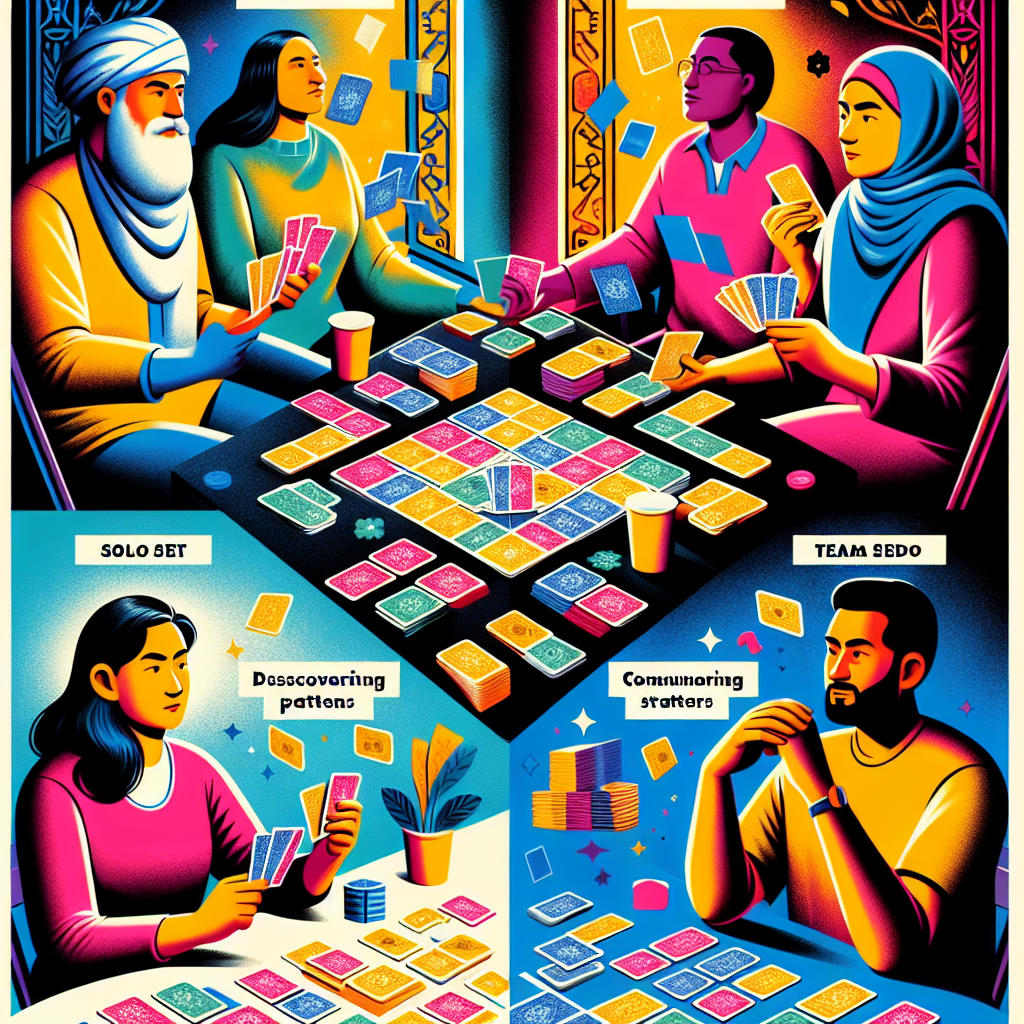
If you’re anything like me, you know that the right setup can spell the difference between a thrilling journey into a fantastical world and a frustrating romp through a muddled mess of rules and equipment. The game setup—everything from the arrangement of players to the layout of materials—plays a critical role in determining how much time we actually spend engaged in play.
First, let’s talk about players. The dynamics of how people come together indeed matter. Are you playing with seasoned veterans, or is it a group of newbies eager to learn but unsure of the ropes? It doesn’t take much for a game to devolve into chaos if the complexity of the setup doesn’t match the collective skill level. With veterans, a streamlined setup can jump into the action rapid-fire, with everyone knowing their roles. However, a group of beginners might need some extra time—more instruction, more questions—that can stretch the playtime longer than anticipated.
Now, consider the physical layout; this might often be the unsung hero or villain of the game experience. A clutter-free table with easy access to all the necessary components—tokens, cards, or boards—allows for fluidity in gameplay. Imagine trying to loot a treasure chest while the game pieces are in the next county over. That wasted time—searching, waiting, sorting—can turn what should be an epic adventure into nothing more than an exercise in patience. The beauty of a well-thought-out game area not only enhances the experience but reduces downtime, keeping everyone in the action.
And don’t get me started on the rules. A clear, concise rule setup is paramount. If players are constantly rifling through rulebooks or scrolling through online FAQs, you can bet your bottom dollar those minutes—nay, hours—are ticking away. It can feel like you’re trapped in an endless loop of “Wait, how does this work again?” A well-prepared game master can gingerly life those burdens, guiding players smoothly through the intricacies and ensuring engagement remains high.
Beyond the logistics, emotional engagement plays an unmeasurable role in keeping playtime on track. When everyone’s excited and invested in the outcome, time flies. On the flip side, a fragmented setup with clashing personalities or misaligned expectations can lead to a stagnation that feels like watching paint dry.
Ultimately, the art of game setup is much like setting the stage for a great concert: it sets the tone, ignites the energy, and, when done right, can elevate the experience to heights you never thought possible. So, whether you’re embarking on a quest for high fantasy loot or strategizing a space conquest, don’t overlook the significance of how you lay the groundwork. The setup is where the adventure truly begins—and it’s where the clock starts ticking.
How Does Game Setup Influence Playtime?
How Does Game Setup Influence Playtime?
- The right game setup can enhance engagement and minimize frustration.
- Player dynamics, including skill levels, greatly affect the setup and playtime.
- A clutter-free physical layout promotes fluid gameplay and reduces downtime.
- Clear and concise rule setups are essential to keep the game moving smoothly.
- Emotional engagement among players influences the overall experience and pace of play.
- A well-prepared game master can alleviate confusion and enhance player engagement.
- The art of game setup is crucial in determining the tone and quality of the gaming experience.

How Does Game Setup Influence Playtime?
What Role Do Rules Complexity Play In Game Length?
Let’s get one thing straight: games are fantastic. They bring us together, foster competition, and test our wits in a way that few other activities can. But here’s the rub: the complexity of a game’s rules can dramatically influence how long it takes to finish it. Let’s dig into that.
Imagine you’re nestled in your favorite game night chair, surrounded by friends, ready to dive into a fresh board game. You pull out the box, and as you flip open the lid, a glimmer of hope mixes with a hint of dread. Will this game take a quick hour, or am I signing up for an epic saga that rivals the length of War and Peace? The rules complexity is the deciding factor.
Take a simple game of Uno, for example. With straightforward rules, you can teach a group of newcomers in mere minutes. The game flows quickly, creating an adrenaline-fueled experience that lasts about twenty to thirty minutes. Everyone’s in the mix, and before you know it, you’re ready for another round. This rapid-fire enjoyment promotes engagement and keeps the energy flowing.
Now contrast that with a game like “Twilight Imperium.” In the same amount of time it took to explain Uno, you might barely scratch the surface of the rules. With layers upon layers of strategy, diplomatic maneuvers, and intergalactic combat, this game demands commitment. It’s the kind of game that can stretch into an eight-hour marathon. Players need to understand not just their own moves but how their plans fit into a larger cosmic clockwork. The intricate rules mean that a single misstep can derail hours of thought and effort.
So, why does all this matter? Complexity in rules can lead to either thrilling experiences or drawn-out fatigue. Games with simpler rules often lead to faster, more instinctual play, while complex games can foster deep strategy but require investment and patience. The challenge, then, is knowing what you, your friends, and the room can handle. There’s nothing worse than the disappointment of a gaggle of confused faces staring at a towering stack of rulebooks.
The key is striking a balance. Engaging gameplay doesn’t need to resemble a text-heavy novel. By understanding the relationship between rules complexity and game length, you can curate an experience that keeps everyone on the edge of their seats without losing the joy of camaraderie that brought you together in the first place. So the next time you choose a game, ask yourself: are we ready for an adventure or a quick skirmish? The answer might just determine how late the night will run.

What Role Do Rules Complexity Play In Game Length?
What Role Do Rules Complexity Play In Game Length?
- Games are a fantastic way to bring people together, fostering competition and testing wits.
- The complexity of a game’s rules significantly affects its duration.
- Simple games like Uno can be taught quickly and provide fast-paced enjoyment lasting 20-30 minutes.
- Complex games such as “Twilight Imperium” require hour-long explanations and can last up to eight hours.
- Rule complexity leads to either thrilling play or drawn-out fatigue, depending on the game’s nature.
- Finding a balance in game selection is essential to maintain engagement without overwhelming players.
- Consider your group’s preferences when choosing a game to ensure a satisfying experience.

What Role Do Rules Complexity Play In Game Length?
Can House Rules Alter The Typical Playtimes?
When it comes to board games, the standard rulebook is often treated like a holy text—sacred, unchangeable, and potentially tedious. But let’s face it: who among us hasn’t gazed at a sprawling game board, scrutinizing a pile of rules, and wondered if there was a better way? Enter house rules, the beloved renegades of the gaming world, ready to shake things up and offer a fresh spin on the traditional experience.
House rules are like the secret ingredient in grandma’s famous chili; they might not be found in any cookbook, but good luck getting the recipe from her. Sometimes, these modifications are born out of necessity—maybe you’ve got a group of players that just can’t follow a game’s complex rules without a dose of humor or a dash of danger. Other times, it’s pure creativity, a chance to infuse a tired game with new life and energy. Let’s be honest: who wouldn’t want to add an element of chaos in a game of Monopoly by tossing in an auction mechanic that has players feverishly bidding on properties?
What can house rules really do? For starters, they can drastically reduce playtime, taking a game that normally stretches on for hours and trimming it down to a breezy evening activity. Ever had your chance at victory thwarted by a drawn-out turn sequence? With house rules, you can simplify those intricate procedures, speeding up gameplay and keeping everyone engaged. Instead of sitting through endless calculations and conversations, house rules can streamline the action.
Moreover, the flexibility of house rules allows gamers to customize experiences to suit their audience. Families with young children might opt for simplified missions or point systems, while more competitive adults could inject higher stakes and intricate strategies into the mix. This adaptability is the beauty of board gaming.
However, one must tread lightly. House rules should be agreed upon by all players to evade miscommunication and potential clashes. It’s a balancing act; the goal is to enhance the experience, not to introduce discord. So the next time you dust off that board game, remember: the beauty of play lies not just in the rules, but in how you choose to bend them. Embrace those house rules, and who knows? You just might find the ultimate formula for a memorable game night.

Can House Rules Alter The Typical Playtimes?
Can House Rules Alter The Typical Playtimes?
- Standard board game rulebooks are often seen as unchangeable and tedious.
- House rules serve as creative modifications that can improve gameplay.
- These rules can reduce playtime, making games more engaging and quicker to play.
- House rules allow for customization based on the players’ preferences and skill levels.
- Family-friendly modifications can simplify games for children, while competitive rules can increase stakes for adults.
- Agreement among all players is crucial for house rules to avoid misunderstandings and conflicts.
- Embracing house rules can lead to a memorable and enjoyable game night.

Can House Rules Alter The Typical Playtimes?
Conclusion
As we wrap up our exploration of partnership card games and their typical playtimes, let’s take a moment to appreciate the joy they bring to our lives. Picture this: an evening spent swapping stories, sharing laughs, and strategizing with friends or family. Each card, each turn, creates an experience that’s uniquely yours. But before diving headfirst into the shuffle, it pays to know what kind of time commitment you’re making. After all, the playtime of a game can morph from a casual hour to an action-packed marathon that leaves you blinking in disbelief as the clock ticks past midnight.
Let’s summarize a few classics. First up is Bridge: the heavyweight champ of card games. This one can run anywhere from 30 minutes to three hours, especially if you’re locked in an intense bidding war. If you’re relaxed and casual, you might find yourself sharing more stories than strategies, making every game feel like a small adventure rather than a competition. Then there’s the fast-paced Euchre, swinging in at around 20 to 30 minutes but capable of morphing into an all-night affair if everyone’s on a winning streak.
And how about Pinochle? This game demands a bit more brainpower and keeps you engaged for about 45 minutes to an hour. It’s a delightful mix of skill and heart. As for Spades, expect laughter and lighthearted banter as you aim for that 30- to 60-minute window, ideal for a night of relaxed competition.
But let’s not forget the wild cards—literally! Games like UNO or Sushi Go! bring a whole other level of fun and variety, offering quick and satisfying rounds that can last as little as 15 minutes, ensuring you can jump in without a massive time commitment.
In the end, though, it’s not just about how long these games last; it’s about the memories you create with the people at the table. So, whether you’re in it to unravel complex strategies or simply to enjoy an evening of laughter and friendly competition, knowing how long you might need to dedicate goes a long way in setting the stage. Grab those cards, chuckle with your partner, and soak in the experience. Because in the world of partnership card games, time doesn’t just fly—it transforms into cherished memories that linger long after the last card is played. Happy gaming!

Conclusion
Conclusion:
- Partnership card games offer joy through shared experiences with friends and family.
- Understanding playtime commitment is essential, as games can vary from casual to marathon sessions.
- Bridge can last from 30 minutes to three hours, depending on the intensity of play.
- Euchre typically takes 20 to 30 minutes, with potential for extended play on winning streaks.
- Pinochle engages players for about 45 minutes to an hour, requiring skill and strategy.
- Spades offers laughter in a 30
- to 60-minute timeframe, perfect for relaxed competition.
- Quick games like UNO or Sushi Go! last around 15 minutes, making them accessible for all.

Conclusion
Other Resources

Other Resources
Here is a list of other resources you can review online to learn more:
Spades Strategy Guide: Play Like a Pro and Win – Rule of Card: Read here
Setting up a partnership card game – Denexa Games: Read here
How to Play Spades: Complete Card Game Rules – The Spruce Crafts: Read here
40+ Great Card Games For All Occasions – PlayingCardDecks.com: Read here
Use This Prompt To Get More Resources With Your Favorite Online AI Tool: Please provide me with a list of online articles with their URLS in a bulleted list that I can read regarding What Are Typical Play Times for Partnership Card Games?

Other Resources
Glossary Terms
What Are Typical Play Times for Partnership Card Games? – Glossary Of Terms
1. Partnership: A type of play where two players work together against another pair, coordinating strategies to win.
2. Trick: A round of play in which players play one card each and the highest-ranking card wins.
3. Round: A complete cycle of play, typically involving multiple tricks, where each player plays a card until all cards are played.
4. Game Length: The total time taken to complete a game, which can vary based on the rules and the number of players.
5. Turn: The opportunity for a player to play a card followed by their partner, impacting the strategy and timing of the game.
6. Scoring: The method of tallying points based on the cards won in tricks or fulfilling specific objectives.
7. Average Play Time: The typical duration it takes to complete a game, generally ranging from 30 minutes to several hours.
8. Pace of Play: The speed at which a game is played, influenced by the players’ experience and decision-making processes.
9. Bidding: A phase in some games where players make offers about how many tricks they think they can win.
10. Dealing: The process of distributing cards to each player’s hand, which can affect gameplay length.
11. Strategy: The tactics employed by players to maximize their chances of winning, impacting the overall play time.
12. Complexity: The level of difficulty in rules and strategies, which can extend or shorten play times based on players’ understanding.
13. Breaks: Pauses between rounds or games that can extend the total time spent playing.
14. Elimination: A format where players or teams are eliminated after losing a certain number of rounds, potentially speeding up the process.
15. Scoring Variants: Different methods of scoring that can streamline or lengthen gameplay depending on complexity.
16. Game Format: The structure of the game, including the number of rounds or games played in a session.
17. Player Experience: The familiarity and skill of the players, affecting both the speed of play and decision-making times.
18. Notification: A signal indicating the start of a new round or game, which can establish the rhythm of play.
19. Card Game Types: Categories of card games (e. g. , trick-taking, melding), each with different play time expectations.
20. Session: A collection of games or rounds played in one sitting, with total time considered across all games.
21. Winning Condition: The criteria that determine when a game is over, influencing how long players may need to play.
22. Time Limit: An established duration in which players must complete their turns, promoting faster gameplay.
23. Table Talk: Communication between partners that can lengthen or shorten the decision-making process.
24. Setup Time: The duration it takes to prepare the game before starting play, impacting total session time.
25. Endgame: The final phase of the game that may require longer decision times due to the high stakes involved.
26. Rule Variations: House rules or adaptations that affect the duration of gameplay, as players may act differently with variations.
27. Frequent Players: Individuals who often play together; familiarity can lead to more efficient play and shorter game times.
28. Card Distribution: The way cards are shuffled and dealt; can influence the chances of players and the overall speed of a game.
29. Complexity of Decisions: The number of strategic options available to players during their turns, affecting how quickly they can play.
30. Observational Play: A style where players take time to analyze opponents’ moves, potentially slowing down the pace of play.

Glossary Of Terms
Other Questions
What Are Typical Play Times for Partnership Card Games? – Other Questions
If you wish to explore and discover more, consider looking for answers to these questions:
- What are some popular partnership card games to try?
- How do the rules of each game influence playtime?
- What are the key strategies to improve in partnership card games?
- Which partnership card games are best for beginners?
- How does the number of players affect the playtime of card games?
- Are there any variations of these games that change playtime?
- What are the best practices for setting up a card game to speed up play?
- How can I keep engagement high during long games?
- What role does player interaction play in the duration of a game?
- Can you provide examples of house rules that are commonly used?

Other Questions
Haiku
What Are Typical Play Times for Partnership Card Games? – A Haiku
Cards shuffled, we play,
Partnerships weave laughter bright—
Time slips; games unite.

Haiku
Poem
What Are Typical Play Times for Partnership Card Games? – A Poem
Around the table, laughter twines,
Decks are shuffled, fate aligns,
From bridge’s wits to spades’ sweet calls,
Partnership games where friendship enthralls.
In the realm of cards, a dance begins,
Strategic plays and playful spins,
Time, a fickle friend, shifts like sand,
Each game a journey, each round unplanned.
Bridge, the marathon of thought and jest,
An hour or three, it puts minds to test.
Euchre flows swiftly, in twenty minutes,
Cards played with flair, rivals find limits.
Pinochle’s scorecards, engaging, deep,
Forty-five to ninety, the stakes run steep.
Hearts to the rhythm of laughter and cheers,
Twenty to thirty, the joy perseveres.
In chaos of Uno, a quick showdown,
Around half an hour, it flips with renown.
Magic entices with spells that ensnare,
Time stretches long as players beware.
Yet it’s more than rules; it’s the hearts in the game,
Where laughter’s the prize and bonds fan the flame.
From casual rounds to tournament strife,
Partnership games, the joys of our life.
Speeding decisions, make moments unfold,
Organized tables keep tales to be told.
With house rules bending, a fresh twist to set,
Playtime can warp, but laughter’s a bet.
So grab your partners; let the cards fly,
In the tapestry woven ‘neath friendship’s sky.
For in every shuffle, and each card that’s laid,
The warmth of togetherness will never fade.
Poem
Checklist
What Are Typical Play Times for Partnership Card Games? – A Checklist
Before You Play
1. Choose Your Game:
_____ Bridge (45 minutes to 2 hours)
_____ Euchre (20 to 30 minutes)
_____ Pinochle (45 minutes to 90 minutes)
_____ Spades (30 minutes to 90 minutes)
_____ Hearts (20 to 30 minutes)
2. Consider Player Experience Level:
_____ Are all players familiar with the rules?
_____ How can you balance experienced players with newcomers?
3. Decide Game Complexity:
_____ Choose a game with simpler rules for shorter playtime.
_____ Consider more complex games if you have longer to play and interested players.
4. Set Up the Playing Area:
_____ Ensure a clutter-free space for quick card access.
_____ Have all necessary materials (pens, scorecards, etc. ) within reach.
5. Agree on Rule Variations:
_____ Discuss any house rules before starting.
_____ Ensure that all players are in agreement to avoid confusion.
During the Game
6. Monitor Game Duration:
_____ Keep track of the estimated playtime for your chosen game.
_____ Be flexible; some games may take longer due to in-depth strategies or discussions.
7. Encourage Fast Decision-Making:
_____ Set a timer for player turns to keep the game moving.
_____ Remind players to keep their turns brief.
8. Stay Engaged:
_____ Keep up the energy by minimizing distractions.
_____ Use light banter to maintain a fun and lively atmosphere.
9. Adapt to Player Dynamics:
_____ Be aware of the group’s mood and adjust the pace if necessary.
_____ Promote teamwork and communication among partners to enhance the experience.
After the Game
10. Reflect on Gameplay:
_____ Discuss what worked well in terms of speed and enjoyment.
_____ Gather feedback on rules and setting for future games.
11. Plan for Future Games:
_____ Decide on another game based on the group’s interest and time available.
_____ Adjust expected playtimes and player strategies for your next card game session.
Keep this checklist handy for a smooth and enjoyable partnership card games experience! Happy gaming!

Checklist
At CardGameNews, we help people who love card games by collating information and news about card games.
Be sure to read our other related stories at CardGameNews to learn more about card games.


