

The Thrilling Allure Of Cooperative Card Games
By Tom Seest
At CardGameNews, we help people who love card games by collating information and news about card games.
Be sure to read our other related stories at CardGameNews to learn more about card games.
What Makes Cooperative Card Games Appealing to Fans?
When it comes to the world of gaming, there’s something undeniably magnetic about cooperative card games that pulls fans in like a moth to a flame. It’s not just about the cards or strategies; it’s about the experience, the camaraderie, and the shared journey that turns what could be a mundane evening into something memorable.
First and foremost, let’s talk about the essence of cooperation itself. At the heart of a cooperative card game lies a unique premise: you succeed, or you fail, together. Unlike traditional competitive games where players are pitted against one another, cooperative games foster a strong sense of unity. The thrill of strategizing together, bbattling against the game’s challenges as a united front, creates bonds that rival those forged in the fiercest of survival scenarios. Whether you’re defeating a monstrous foe or saving the world from some impending doom, the collective effort can lead to triumphant euphoria or shared disappointment, and that’s where the real fun lies.
Now, let’s not overlook the narratives that intertwine with these games. Cooperative card games often come loaded with intricate storylines and themes. You’re not just playing a game; you’re stepping into a world rife with adventure, mystery, or horror. The cards become your tools, guiding you through a narrative that unfolds differently every time you play. It’s this dynamic storytelling, woven through group discussions and tactical planning, that keeps players coming back for more. Each session feels like a chapter in a gripping novel where you’re not just spectators but active participants.
Then there’s the accessibility factor. Cooperative card games often invite players of all skill levels to join in without fear of the competitive edge overshadowing their experience. Players learn together, discuss strategies, and share triumphs and failures, prompting an inclusive atmosphere. For newcomers, it eliminates the fear of being steamrolled by an expert player, instead providing a welcome mat that promotes learning and mastery in a supportive environment.
And let’s be honest, life can be a chaotic, solitary affair. In a world where many feel more disconnected than ever, cooperative card games serve as a compelling antidote. They bring people together, spark laughter, and forge memories that last beyond the tabletop. So, whether you’re gathering around a kitchen table or diving into an online realm, embracing the spirit of cooperation in card gaming is not just a pastime; it’s a celebration of togetherness in a wildly unpredictable world.

What Makes Cooperative Card Games Appealing to Fans?
What Makes Cooperative Card Games Appealing to Fans?
- Cooperative card games create a magnetic experience focused on camaraderie and shared journeys.
- The essence of cooperation means players succeed or fail together, fostering a strong sense of unity.
- Players strategize collectively, forming bonds similar to those in fierce survival scenarios.
- Intricate narratives and themes enhance gameplay, making players active participants in a dynamic story.
- The inclusive nature of cooperative games allows players of all skill levels to join and learn together.
- Cooperative card games serve as an antidote to life’s chaotic and solitary aspects, fostering connections.
- Embracing cooperation in gaming is celebrated as a means of togetherness in an unpredictable world.

What Makes Cooperative Card Games Appealing to Fans?
Table Of Contents
- What Makes Cooperative Card Games Appealing to Fans?
- What Do Players Love About Cooperative Card Games?
- How Do These Games Foster Teamwork?
- What Challenges Do Players Face In Cooperative Card Games?
- How Do Cooperative Card Games Enhance Social Interaction?
- What Unique Strategies Are Involved In Cooperative Card Games?
- What Role Does Storytelling Play In Cooperative Card Games?
- How Do Cooperative Card Games Compare To Competitive Ones?
- What Makes The Gameplay Experience Memorable In These Games?
- How Do Player Roles Affect Game Dynamics?
- What Mechanics Create Tension And Excitement In These Games?
- How Important Is Game Balance In Cooperative Card Games?
- What Themes Are Popular In Cooperative Card Game Designs?
- How Does Player Cooperation Influence Game Outcomes?
- What Are The Best Examples Of Cooperative Card Games?
- How Can New Players Get Started With Cooperative Card Games?
- Conclusion
- Other Resources
- Glossary Of Terms
- Other Questions
- Haiku
- Poem
- Checklist
What Do Players Love About Cooperative Card Games?
When it comes to the world of gaming, there’s something undeniably captivating about the bond that forms between players in cooperative card games. Imagine a group of friends, huddled around a table, cards in hand, sharing not just a playing surface but a purpose and a passion. It’s an experience that’s as much about the game as it is about the connections forged within the moments of triumph and defeat.
First off, let’s talk about the thrill of working together. In cooperative card games, players aren’t trying to one-up one another; instead, they’re joining forces against a common adversary. It’s like being part of a squad in the trenches, united against an external threat, whether it’s a nefarious villain or a ticking clock. There’s an adrenaline rush that comes from strategizing, recalibrating, and collaborating. Victory isn’t won through individual glory but through the collective achievements of everyone at the table. Players often find themselves delighting in the “aha!” moments that arise from brainstorming strategies—a joyous chorus of ideas that meld into victories, reshaping the narrative as they play.
Then, there’s the element of storytelling. Cooperative card games often unfold like epic tales, where players are not mere participants, but heroes in their own right, embarking on quests filled with challenges and unexpected twists. Each round brings with it a fresh chapter; the game evolves, allowing players to weave their narratives into the experience. This shared storytelling fosters a rich tapestry of imagination, making every game session unique. It’s about the collective journey—battling obstacles together, witnessing setbacks, and savoring sweet victories—which keeps players coming back for more.
Let’s not forget the accessibility and inclusivity that these games bring to the table. Cooperative card games are designed to welcome everyone, regardless of skill level. This lowers the barrier to entry, inviting newcomers while still keeping experienced players engaged with nuanced strategies. It’s a game night where everyone can shine, not just those with the sharpest memories or quick wits.
Ultimately, players love cooperative card games for their ability to transform an ordinary evening into an extraordinary adventure, filled with laughter, collaboration, and a dash of friendly competition. It’s about finding camaraderie in shared goals and crafting lasting memories, one hand of cards at a time.

What Do Players Love About Cooperative Card Games?
What Do Players Love About Cooperative Card Games?
- Cooperative card games foster deep bonds among players, enhancing social connections.
- Players work together against a common adversary, creating an exhilarating team dynamic.
- The joy of strategizing and collaborating leads to collective achievements rather than individual wins.
- Games unfold like epic tales, allowing players to become heroes in a shared narrative.
- Each game session is unique, filled with challenges and personal stories that evolve over time.
- These games are accessible and inclusive, appealing to all skill levels and inviting newcomers.
- Ultimately, cooperative card games transform ordinary evenings into memorable adventures filled with laughter.

What Do Players Love About Cooperative Card Games?
How Do These Games Foster Teamwork?
In the world of gaming, the term “teamwork” often gets tossed around like a hot potato at a summer picnic. We hear it, we acknowledge it, but do we really understand what it means in the context of gameplay? When it comes to multiplayer games, whether it’s battling for supremacy in a fantasy realm or working together to survive a post-apocalyptic nightmare, teamwork isn’t just a concept—it’s a lifeline.
First off, let’s talk communication. You can have all the skill in the world, but if you can’t coordinate with your fellow players, well, you might as well be playing solitaire. In many games, effective communication is the backbone of success. Players are forced to vocalize strategies, share observations, and adjust on-the-fly. It’s a thrilling dance, reminiscent of a finely tuned engine, where every part needs to know its role to avoid sputtering out. With voice chat, text commands, or even in-game gestures, players learn the art of conveying information quickly and clearly. This isn’t just useful in-game; it spills over into real-life interactions, enhancing one’s ability to communicate under pressure.
Then there’s the concept of trust. In these virtual realms, each player depends on the others to fulfill their assigned roles—be it tank, healer, or damage dealer. Imagine slaying a massive dragon only to find that your supposed protector has decided to take a nap instead of guarding your flank. That trust can lead to mutual support and unwavering loyalty that transcends the game itself. Gamers often forge friendships that last beyond the screen, built on a foundation of shared victories and the occasional harrowing defeat.
And let’s not forget about the role of problem-solving. Many games present challenges that require creative thinking and collaboration to overcome. When faced with an impossible puzzle or an insurmountable enemy, players must brainstorm strategies together. That’s a critical skill—not just in games but in life. Learning to tackle a problem as a team fosters adaptability and innovation, which are invaluable in today’s fast-paced world.
Ultimately, these games cultivate a robust sense of camaraderie. They create an environment where individuals come together for a common goal, giving players a chance to step outside their comfort zones and work with others—sometimes people they’ve never met in person. So the next time you enter a game, remember that teamwork isn’t just a catchphrase; it’s the very heartbeat of the experience. And who knows? You may just find a bit of yourself in the process.

How Do These Games Foster Teamwork?
How Do These Games Foster Teamwork?
- The term “teamwork” is crucial in multiplayer gaming, representing more than just a concept; it’s essential for success.
- Effective communication among players is vital, as it enables the coordination of strategies and real-time adjustments.
- Communication skills learned in games can enhance real-life interactions and one’s ability to convey information under pressure.
- Trust among players is fundamental; each player relies on others to fulfill specific roles, fostering loyalty and support.
- Gaming often leads to friendships formed through shared experiences, transcending the virtual space.
- Problem-solving is a key aspect of teamwork in games, requiring collective brainstorming and creative thinking to overcome challenges.
- Ultimately, games promote camaraderie and encourage players to work together towards common goals, enriching the overall gaming experience.

How Do These Games Foster Teamwork?
What Challenges Do Players Face In Cooperative Card Games?
In the world of cooperative card games, players gather around a table not merely to compete, but to collaborate. They come together with a shared objective: to defeat a common foe or achieve a set goal. Sounds glamorous, right? Well, let’s peel back the layers and explore the real challenges lurking beneath the surface.
First up is communication. It sounds simple enough, but in the heat of battle, conveying your strategy can turn into a game of charades. Players often have limited information. Your buddy might have a killer hand, but if they don’t share the details, you could be in the dark, making decisions that clash rather than sync up. Miscommunication can quickly spiral into chaos, causing your well-laid plans to crumble faster than a house of cards.
Then, there’s the challenge of role assignment. Each player in most cooperative card games takes on a specific role—like a squad of elite operatives. However, not all players are created equal. Some are strategic masterminds who love crunching numbers and devising elaborate plans. Others may prefer to charge in, relying on their gut instincts. Finding the perfect balance can be a bit like herding cats. Assign the right roles to the right players, and you have a symphony. Assign them wrong, and you’ve got a cacophony of chaos.
Strategic depth is also a significant hurdle. While cooperating, players must not only think about their own cards and abilities but also the collective strategy. Decisions must be made in real-time, with each player weighing their options like seasoned chess masters. The pressure to perform can be overwhelming, particularly when the stakes rise with the threat from the game itself. And let’s not forget about analysis paralysis—when one player takes far too long to make a decision, dragging the momentum and energy down with them.
Finally, let’s talk about emotional investment. Cooperative card games foster a sense of teamwork, and that’s great—until it isn’t. A misplaced card or a poorly executed plan can lead to disappointment and frustration. The stakes feel higher when you’re letting down your teammates, and navigating these emotional waters requires a delicate touch.
In essence, cooperative card games present a beautifully intricate tapestry of challenges. From building effective communication to managing roles, strategic depth, and emotional investment, players must navigate a landscape that demands both skill and unity. It’s all part of the gritty experience that transforms mere play into powerful camaraderie.

What Challenges Do Players Face In Cooperative Card Games?
What Challenges Do Players Face In Cooperative Card Games?
- Cooperative card games emphasize collaboration over competition, with players united against a common foe.
- Effective communication is crucial; misalignment in sharing strategies can lead to confusion and failure.
- Role assignment is important, as different players have varying strengths; finding the right fit is key to success.
- Players must consider both individual cards and the collective strategy, akin to chess, adding to the complexity.
- Analysis paralysis occurs when decision-making is delayed, impacting game flow and team momentum.
- Emotional investment deepens teamwork but can generate frustration and disappointment when mistakes happen.
- Overall, cooperative card games combine challenges of communication, roles, strategy, and emotions, creating strong camaraderie among players.

What Challenges Do Players Face In Cooperative Card Games?
How Do Cooperative Card Games Enhance Social Interaction?
When you think about cooperative card games, the first image that might come to mind is a group of friends huddled around a table, furrowed brows and desperate strategizing replacing the usual competitive banter you might find in more traditional games. But beyond the surface clatter of shuffling cards and the occasional whoop of joy or groan of despair, these games offer something deeper—a chance to forge connections and bolster social interaction in an increasingly disconnected world.
Cooperative card games, like Pandemic or Hanabi, strip away the cutthroat nature that typically characterizes many gaming experiences. Instead of pitting players against one another, they gather them together under a common goal. Think of it like an impromptu team-building exercise, where the only thing on the line is your ability to communicate and strategize as a cohesive unit. Everyone at the table has a vested interest in the outcome, and that collective spirit can spark conversations that otherwise might never happen.
The beauty of these games lies in their requirement for teamwork. Each player brings a unique skill set and perspective, creating a rich tapestry of ideas and strategies. As you work to fend off a spreading infection or defuse a ticking time bomb, you’re not just playing cards—you’re collaborating, brainstorming, and relying on each other’s strengths. With every decision, players must communicate clearly and openly, fostering an environment of trust and encouragement. “I think if we do this, we should consider the ramifications for the next round,” becomes part of a dialogue that thrums with energy and urgency.
Moreover, the trials within the game provide a backdrop for emotional expression. A narrow escape from failure elicits cheers and high-fives, while a missed opportunity can ignite lively discussions about what went wrong. These moments of shared struggle and triumph create bonds that often lead to laughter, personal stories, and a deeper understanding of one another—conversations that can extend well beyond the gaming table.
In this age of screens and instant virtual interactions, cooperative card games pull us back to the essentials of human connection. They remind us that sometimes, the best way to come together is to face challenges head-on, united by a deck of cards and the unwavering resolve to succeed as a team. So, shuffle those cards, gather your friends, and get ready to engage. After all, it’s not just a game—it’s an opportunity to truly connect.

How Do Cooperative Card Games Enhance Social Interaction?
How Do Cooperative Card Games Enhance Social Interaction?
- Cooperative card games foster connections and social interaction in a disjointed world.
- These games, such as Pandemic and Hanabi, eliminate competition, focusing instead on a shared goal.
- Players engage in teamwork, combining unique skills and perspectives for strategic planning.
- Successful collaboration requires clear communication and fosters trust among players.
- Shared struggles and triumphs during gameplay lead to emotional expressions and lively discussions.
- Cooperative card games encourage deeper understanding and personal connections beyond the table.
- In a digital age, these games remind us of the importance of face-to-face human interactions.

How Do Cooperative Card Games Enhance Social Interaction?
What Unique Strategies Are Involved In Cooperative Card Games?
Cooperative card games offer an intriguing twist on the traditional gaming experience, where players unite against a shared challenge instead of competing against one another. To thrive in these digital or tabletop realms, players must adopt a unique approach that emphasizes teamwork and communication, while also employing strategic thinking.
First and foremost, collaboration becomes the cornerstone of any successful venture in these games. Unlike traditional card games, where one player’s victory often comes at the expense of another, cooperative card games require individuals to combine their strengths to achieve a common goal. This fosters an environment where players must openly discuss their options, strategize collectively, and pool their resources. Whether it’s deciding which cards to play or planning who will take on a tougher enemy, the players’ ability to communicate effectively can be the difference between success and failure.
Then there’s the aspect of resource management, a central tenet in cooperative games. Players must often juggle limited resources—be it cards, time, or abilities—while ensuring that these resources are allocated where they’re most needed. The strategy involves not just playing your best cards but also knowing when to conserve them for future challenges. Players rapidly develop the skill of evaluating risks, determining when to go all in on an action, and when to hold back for a potentially more perilous encounter ahead. A truly savvy group member can pivot strategies mid-game, adapting to the evolving scenarios and challenges.
Another layer of strategy in cooperative card games is role specialization. Many games allow for characters or roles that come with unique abilities, creating a dynamic where players can tailor their strategies according to their strengths. A player who excels in attack can take the frontline, while another who focuses on healing can ensure everyone stays in fighting shape. The beauty of this specialization lies in practice; teams learn to depend on one another, honing their collective strategy over multiple game sessions, steadily improving their understanding of each role’s capabilities.
Lastly, anticipation plays a key role in success. Cooperative card games often require players to predict their opponents’ moves or the evolving game state. Reading the room, assessing the tension in the air, and making educated guesses about future plays all become vital components of gameplay. The more players can align their strategies with the anticipated actions of their fellow gamers, the better their chances of flourishing in this complex and rewarding arena.
In summary, mastering cooperative card games demands a blend of communication, resource management, role specialization, and anticipation. Each game challenges participants to think strategically while building rapport with their teammates—a true test of both intellect and camaraderie.

What Unique Strategies Are Involved In Cooperative Card Games?
What Unique Strategies Are Involved In Cooperative Card Games?
- Cooperative card games focus on players working together against a common challenge rather than competing against each other.
- Collaboration is essential, requiring players to communicate openly and strategize collectively to enhance teamwork.
- Effective resource management is crucial, as players must balance limited cards, time, and abilities for optimal allocation.
- Players learn to evaluate risks, deciding when to use resources or hold back for future challenges.
- Role specialization allows players to utilize unique abilities, tailoring strategies based on individual strengths.
- Anticipation of opponents’ moves and game state is vital, helping players align their strategies with teammates.
- Mastering cooperative card games involves a blend of communication, strategic thinking, and building rapport with teammates.

What Unique Strategies Are Involved In Cooperative Card Games?
What Role Does Storytelling Play In Cooperative Card Games?
In the ever-growing universe of cooperative card games, where players band together to face common foes, storytelling becomes a vital thread weaving players deeper into the fabric of the experience. These games do more than just deal cards; they create worlds that invite players to bask in shared narratives. Let’s dig into why storytelling is the secret sauce that elevates a standard game night into an unforgettable adventure.
At its core, storytelling in cooperative card games serves to transform what could be a mindless shuffle of cards into a rich tapestry of shared experiences. Players don’t just enact game mechanics; they immerse themselves in a narrative that captivates their imagination. The game’s setting—be it a dystopian future or a fantasy realm—creates a backdrop that players react to, testing their wit and teamwork while engrossed in a larger, unfolding story. The thrill of confronting an enemy isn’t merely about reducing hit points; it’s about rallying with friends against a formidable foe poised to wreak havoc.
When the stakes are high, and the odds are stacked against the team, each card drawn becomes a part of a larger tale. Decisions made are tinged with drama, forging emotional connections between players as they navigate the perils of their cooperative journey. The collective sigh of relief upon successfully navigating a harrowing encounter or the shared disappointment of a miscalculated move resonates far past the confines of the game. You find yourselves immersed in an experience that feels larger than life, creating bonds forged in the crucible of challenge.
Plus, let’s talk about the beauty of unpredictability. In cooperative card games, every round introduces fresh dilemmas and unforeseen twists that demand collaboration and compromise. As players weave their strategies, the plot thickens—often leading to hilarious or nail-biting moments that nobody could have anticipated. The unpredictability elevates the storytelling, making each session unique while allowing players to contribute their distinct voices to the ongoing narrative.
Ultimately, the role of storytelling in cooperative card games is about connection—between the players, the characters, and the challenges presented. It’s this intricate dance of narrative and mechanics that transforms a mere game into a shared adventure worthy of being recalled long after the cards have been shuffled away. Players walk away not just with a victory or defeat, but with stories etched into their memories, ready to be retold around the next game table.

What Role Does Storytelling Play In Cooperative Card Games?
What Role Does Storytelling Play In Cooperative Card Games?
- Storytelling enhances cooperative card games, immersing players in shared narratives.
- Games create imaginative worlds that transform card shuffling into rich experiences.
- Players engage with the game’s setting, whether it’s a dystopian future or a fantasy realm.
- Confronting enemies fosters camaraderie among players, making encounters emotionally impactful.
- The unpredictability of gameplay adds unique twists and challenges to the narrative.
- Collaboration and compromise are essential as players navigate fresh dilemmas each round.
- Storytelling fosters connections between players, characters, and challenges, making each game memorable.

What Role Does Storytelling Play In Cooperative Card Games?
How Do Cooperative Card Games Compare To Competitive Ones?
When you think of a card game, you might picture a group of friends huddled around a table, shuffling and dealing, the anticipation of victory pressing on their shoulders. But here’s the twist: some of those games have players pitted against one another, while others ask them to work together like a well-oiled machine. Let’s dive into the often-overlooked differences between cooperative and competitive card games.
First off, let’s discuss the thrill of competition. Competitive card games can ignite the primal instincts we all carry—the thrill of the chase, the tension of outsmarting an opponent, and the sweet taste of victory after hard-fought battles. It’s a test of wits, strategy, and sometimes a little luck, as players navigate a landscape dotted with potential pitfalls. Think poker nights filled with banter and bluffing, where the stakes rise higher with every round. The tension in the air can be palpable, almost electric.
But then there’s the alternative: cooperative card games. Here, the atmosphere shifts from cutthroat to camaraderie as players gather to take on a common foe, be it the game itself or a series of challenges. Imagine working together like a pit crew, where everyone knows their role and the ultimate goal is mutual survival. Instead of obsessively plotting the downfall of your friends, you collaborate to find solutions, discuss strategies, and celebrate joint successes. The focus shifts from individual achievement to a shared experience, where a loss can sting, but the bond of teamwork softens the blow.
Now, this doesn’t mean one style is inherently better than the other. It all boils down to what you’re looking to get out of your game night. Do you want to sizzle in the spotlight, taking calculated risks to climb that leaderboard? Or do you crave connection, tackling challenges hand-in-hand, triumphing, and brainstorming as a unit?
Ultimately, both styles have their merits, and depending on the players around you, the right choice can vary from one evening to the next. A well-balanced game night might even mix both competitive and cooperative games, giving everyone a chance to stretch their muscles in very different ways. So whether you’re sharpening your tactical skills or forging unbreakable bonds, there’s no shortage of excitement in the world of card games. Choose your deck wisely, and let the good times roll!

How Do Cooperative Card Games Compare To Competitive Ones?
How Do Cooperative Card Games Compare To Competitive Ones?
- Card games can be competitive or cooperative, each offering unique experiences.
- Competitive card games ignite instincts and involve outsmarting opponents for victory.
- The atmosphere in competitive games is filled with tension and excitement.
- Cooperative card games shift focus to teamwork, where players work towards a common goal.
- In cooperative games, success is celebrated collectively, strengthening bonds among players.
- Neither style is inherently better; the choice depends on players’ preferences for the night.
- A balanced game night can include both competitive and cooperative games for varied experiences.

How Do Cooperative Card Games Compare To Competitive Ones?
What Makes The Gameplay Experience Memorable In These Games?
When we dive into the world of gaming, it becomes clear that the magic lies in the subtle yet profound details that make the gameplay experience truly memorable. It’s not just about flashy graphics or compelling narratives; it’s about that indescribable moment when a player feels deeply connected to the world they inhabit.
First and foremost, consider the immersive environment. The settings of these games are not mere backdrops—they’re living, breathing entities that hold stories within their pixels. From sprawling open-world landscapes to intimate, dimly-lit rooms, each location is crafted with meticulous attention to detail. Players don’t just traverse these worlds; they feel them. The crunch of leaves underfoot, the distant rumble of thunder, the whisper of the wind through the trees—these auditory cues elevate the experience and create an atmosphere that pulls players in and makes them want to explore every nook and cranny.
Next up is the character development. Gamers don’t just control a figure on the screen; they become that figure, experiencing their struggles and triumphs firsthand. When a character faces adversity, players feel that tension in their bones. Choices matter, and these decisions, often laden with moral weight, forge an emotional connection that lingers long after the console is turned off. The best games are those that invite players to reflect on their choices, making them ponder the what-ifs long after the credits roll.
Moreover, engaging mechanics play a critical role in crafting memorable experiences. Games that challenge players with puzzles, combat, or exploration allow them to tap into their problem-solving instincts. That satisfying feeling of conquering a formidable enemy or unraveling a tricky riddle is something that the player carries as a badge of honor. It’s the kind of challenge that fosters a sense of accomplishment, turning novice players into seasoned veterans as they hone their skills over time.
Finally, let’s not overlook the social aspect. Multiplayer experiences cultivate community, turning solitary journeys into shared adventures. The bonds formed between teammates and rivals alike can turn a simple game night into lifelong friendships. The laughter, the competition, the collaborative triumphs all contribute to the tapestry of memories that players take with them.
In short, what makes gameplay experiences memorable isn’t just a single element; it’s the harmonious blend of environments, character connection, challenging mechanics, and social interactions that create moments worth reliving. So kick back, grab that controller, and prepare for a journey that’s bound to resonate in your heart long after you’ve put it down.

What Makes The Gameplay Experience Memorable In These Games?
What Makes The Gameplay Experience Memorable In These Games?
- The magic of gaming lies in the subtle details that enhance the gameplay experience.
- Immersive environments are living, breathing entities that evoke emotional connections.
- Players engage deeply with the world through sensory experiences like sound and atmosphere.
- Character development allows players to experience struggles and triumphs, forging lasting emotional bonds.
- Engaging mechanics challenge players, fostering problem-solving instincts and a sense of accomplishment.
- Social aspects of multiplayer experiences foster community and create lifelong friendships.
- Memorable gameplay results from a blend of environments, character connections, mechanics, and social interactions.

What Makes The Gameplay Experience Memorable In These Games?
How Do Player Roles Affect Game Dynamics?
In the world of gaming, whether you’re diving into the latest first-person shooter or setting sail in an expansive MMORPG, player roles are the invisible threads weaving the fabric of gameplay. They affect everything from strategy to teamwork, creating a tapestry of interaction that can make or break the experience.
Imagine a team of adventurers preparing for a dungeon run. You’ve got your tank, sturdy and resilient, ready to absorb damage like a sponge in a monsoon. Then there’s the healer, the unsung hero, keeping spirits high and health bars full. Finally, we have the damage dealer, the gunslinger or mage, launching attacks with pinpoint accuracy. Each player, committed to their specific role, creates a symbiotic relationship that enhances game dynamics and contributes to the overall success of the mission.
What’s fascinating about player roles is how they influence decision-making within the game. When everyone understands their responsibilities, it leads to more strategic thinking. For instance, a tank who knows precisely when to engage or disengage can sway the outcome of a battle. When they step up and absorb hits at the right moment, they allow the damage dealer to unleash hell without worrying about their own health. It’s a delicate dance, requiring not just skill, but an acute awareness of one another’s positions and capabilities.
Roles also heavily dictate the pace of the game. A healer who’s in sync with the tank can prolong their life during intense encounters, giving the team time to regroup and devise a plan. Conversely, if communication breaks down or players fail to adhere to their roles, chaos reigns. Suddenly, what was meant to be a calculated assault turns into a frantic scramble for survival. The healer might find themselves overwhelmed, trying to patch everyone up while the damage dealers scatter like cockroaches when the lights flick on.
In this high-stakes environment, the roles reinforce a sense of identity and purpose among players. There’s pride in being the stalwart defender or the clever strategist. And while individual skill matters, it’s the synergy built from understanding and fulfilling these roles that turns a good game into a great one. So, the next time you power up and join your friends in a virtual quest, consider how your role might shape the dynamics of your shared adventure. It’s more than just a game; it’s a reminder of the beauty found in collaboration and the human experience, all wrapped up in an engaging digital narrative.

How Do Player Roles Affect Game Dynamics?
How Do Player Roles Affect Game Dynamics?
- Player roles are crucial in gaming, influencing strategy, teamwork, and the overall gameplay experience.
- Different roles in a team, such as tank, healer, and damage dealer, create a symbiotic relationship essential for mission success.
- Understanding roles enhances decision-making and strategic thinking among players.
- The tank’s awareness of when to engage or disengage impacts the outcome of battles significantly.
- Effective communication and role adherence dictate the pace and flow of the game.
- Player roles foster a sense of identity and purpose, enhancing individual pride and team synergy.
- Collaborating effectively in defined roles transforms a good game into a great one, highlighting the beauty of teamwork.

How Do Player Roles Affect Game Dynamics?
What Mechanics Create Tension And Excitement In These Games?
At the heart of every thrilling game lies a web of mechanics designed to elicit tension and excitement, and it’s a delicate dance between player agency and the unknown. Picture yourself standing at the edge of a cliff, a gust of wind whispering the promise of adventure. That’s what game mechanics create—a sense of anticipation that has you on the edge of your seat, heart racing like a sprinter at the starting line.
Let’s start with stakes. It’s not simply about winning or losing; it’s about what’s on the line. Games that increase stakes, whether through limited lives, scarce resources, or time-sensitive objectives, weave an intricate tapestry of suspense. Each decision becomes a battleground where players weigh risks against rewards. Consider a scenario where every move inches you closer to victory or doom. One wrong choice could have you tumbling from glory to grueling defeat, and that’s where the excitement brews.
Then there’s uncertainty—the beating heart of any exhilarating gaming experience. The unpredictability of outcomes keeps players invested, often looking over their shoulders like they’re being stalked in a darkened alley. Randomized elements like loot drops, uncertain enemy behavior, or even hidden traps can transform an otherwise straightforward path into a nerve-wracking maze. Players must remain alert, their minds racing to formulate strategies while anticipating an ambush at every corner. This delightful chaos not only heightens tension but unleashes a primal instinct to survive and conquer.
Speaking of survival, the balance of power is another mechanic that stirs the pot. When players are pitted against formidable foes, or when they face an overwhelming environment, the odds tilt precariously. A well-crafted challenge elicits that delightful mixture of fear and exhilaration. Do you charge boldly into battle, or do you coax your wits to devise a cunning plan? It’s in these moments of choice that a player’s true character emerges, and viewers on the sidelines can’t help but root for them, their hearts echoing the pulse of the game.
Finally, let’s not overlook the role of pacing. The ebb and flow of gameplay can escalate tension or create moments of reflective calm. A sudden shift from frantic action to a silent pause can amplify suspense, making the ensuing chaos feel all the more explosive. Good pacing ensures that players are taken on a rollercoaster ride of emotions, their minds engaged and their adrenaline surging.
It’s the interplay of these mechanics—stakes, uncertainty, power dynamics, and pacing—that crafts an environment ripe for tension and excitement. When nurtured skillfully, they transform simple gameplay into an unforgettable journey that leaves players breathless and hungry for more.

What Mechanics Create Tension And Excitement In These Games?
What Mechanics Create Tension And Excitement In These Games?
- Game mechanics create tension and excitement through a balance of player agency and the unknown.
- Stakes involve what is on the line, influencing decisions by weighing risks against rewards.
- Uncertainty keeps players engaged, with unpredictability from randomized elements heightening tension.
- Survival elements and challenges elevate excitement, revealing a player’s true character in decision-making.
- Pacing affects gameplay flow, increasing suspense and emotional engagement through contrasting moments.
- The interplay of stakes, uncertainty, power dynamics, and pacing shapes thrilling gaming experiences.
- Skillfully crafted mechanics turn gameplay into an unforgettable journey for players.

What Mechanics Create Tension And Excitement In These Games?
How Important Is Game Balance In Cooperative Card Games?
When it comes to cooperative card games, the question of balance looms larger than a lumberjack at a knitting convention. Imagine gathering a crew of pals, ready to face off against a game designed to pit your wits against the deck itself. In theory, the odds seem in your favor. You’re working together, sharing strategies, engaging in spirited discussions over the best way to overcome the challenges laid out in front of you. But if the balance is off, those plans can tumble down faster than a house of cards in a windstorm.
Game balance is that elusive sweet spot where challenge meets fairness. It’s the careful orchestration of player abilities, game mechanics, and difficulty levels, all designed to ensure that each player has a voice in the game’s outcome. Picture it: you’re halfway through a session, and one player feels like a superhero while others sit idly by, like spectators at a demolition derby. Sure, they’re enjoying the show, but when the win’s already in the bag for one lone ranger, the co-op spirit takes a nosedive.
A well-balanced game fosters communication and teamwork, though when the scales tip too far in one direction, frustration can seep in quicker than spilled soda on a game board. For instance, if one class or character is seemingly all-powerful, it can breed resentment instead of collaboration. The other players may feel sidelined or ineffective, their contributions overshadowed by the superhuman feats of one. It can transform what should be a bonding experience into a battleground of egos, and that’s not the kind of atmosphere anyone signs up for.
On the flip side, a game that’s too balanced can also fall flat. If every challenge is an equal match for every player, the excitement can fizzle like soda left open for too long. A little tension is good; a little adversity can spark creativity in strategy. It’s about threading the needle between offering enough challenge to engage all players without making one feel like they’re treading water while their friends swim laps.
Game balance in cooperative card games is crucial for maintaining the integrity of the game experience. It’s what keeps the camaraderie alive, encourages collaboration, and ensures every player feels they have a part to play in the unfolding story. So the next time you shuffle your cards, keep in mind that the spirit of cooperation hinges on balance – a concept as delicate as a game piece balancing on the edge of the table.

How Important Is Game Balance In Cooperative Card Games?
How Important Is Game Balance In Cooperative Card Games?
- Game balance is crucial in cooperative card games to ensure fairness and challenge.
- Players collaborate and strategize, but imbalance can ruin the cooperative spirit.
- A well-balanced game ensures all players feel engaged and valued in the outcome.
- Imbalances can lead to frustration, sidelining players and creating competition where cooperation should exist.
- However, excessive balance can also diminish excitement and creativity in gameplay.
- A good balance strikes a chord between challenge and engagement without making players feel ineffective.
- Ultimately, game balance is essential for fostering camaraderie and collaboration among players.
How Important Is Game Balance In Cooperative Card Games?
What Themes Are Popular In Cooperative Card Game Designs?
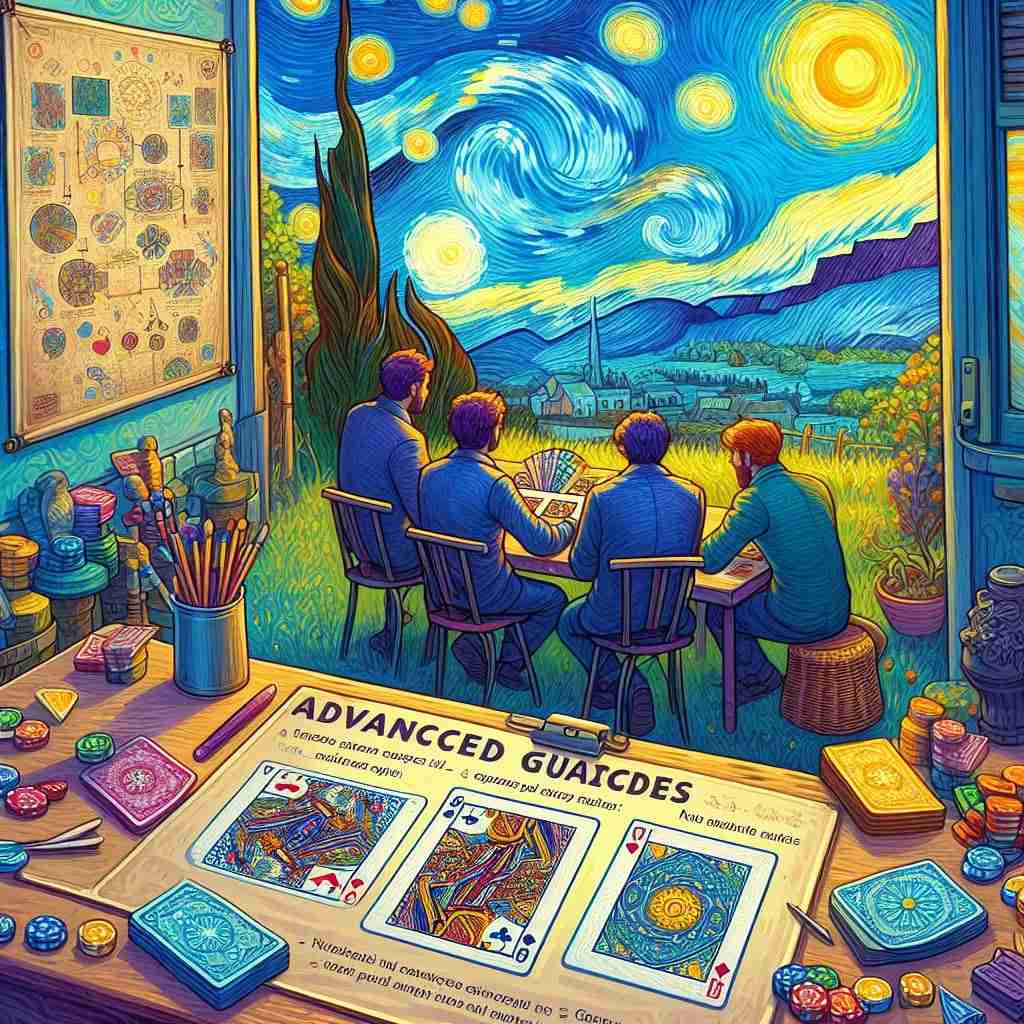
When you dive into the world of cooperative card games, you’ll quickly discover that they’re more than just a collection of cards and rules—they’re a vivid tapestry of themes that draw players into unique experiences. Now, if there’s one thing that stands out, it’s the impressive variety of themes that these games explore. From the fantastical to the downright grim, each theme invites players to band together, strategize, and tackle challenges as a united front.
Let’s start with one of the most popular themes: fantasy. Picture this: enchanted realms, mythical creatures, and epic quests that demand players use their skills and wits to conquer challenging dilemmas. Titles like “Gloomhaven” exemplify this theme, immersing players in a world filled with magic and adventure. Players assume the roles of skilled heroes, fighting against dark forces, exploring ancient ruins, and forging alliances. The bonds forged in these games are palpable, as teammates rely on each other’s strengths to emerge victorious.
Then there’s the theme of survival, which has gained traction in recent years. In these games, you’re often navigating the aftermath of a catastrophic event—be it a zombie apocalypse or a post-apocalyptic wasteland. Take “Pandemic,” for instance; players must work together as a team of specialists racing against time to contain deadly outbreaks before they sweep the globe. The tension is palpable, as players strategize on how best to allocate resources while keeping the impending doom at bay. These survival themes not only encourage cooperation but also amplify the feeling that every decision carries weight.
Science fiction is another hotbed of cooperative card game themes. Games like “The Crew: The Quest for Planet Nine” transport players into the cosmos, where teamwork and communication are the keys to unraveling mysteries and accomplishing missions. Players are thrust into the role of space travelers, navigating the challenges of the unknown together. The synergy required in these games often mirrors the very essence of space exploration itself—after all, it’s not just about reaching the stars; it’s about doing it together.
Lastly, don’t overlook themes centered on detective work and mystery-solving. Games like “Detective: A Modern Crime Story” invite players to put their sleuthing skills to the test, working collaboratively to piece together clues and solve intricate puzzles. The thrill of uncovering secrets and solving mysteries fosters camaraderie, as players share their theories and insights.
In the vibrant landscape of cooperative card game designs, these themes pull players into diverse worlds where cooperation reigns supreme. Whether it’s questing in a fantasy realm, surviving a bleak future, exploring the depths of space, or piecing together a mystery, these thematic experiences make cooperation not just a mechanic, but a thrilling adventure.

What Themes Are Popular In Cooperative Card Game Designs?
What Themes Are Popular In Cooperative Card Game Designs?
- Cooperative card games offer a diverse range of themes that create unique player experiences.
- The fantasy theme immerses players in enchanted realms, challenging them with quests and mythical creatures, as seen in games like “Gloomhaven.”.
- The survival theme, exemplified by games like “Pandemic,” involves navigating post-catastrophic scenarios and emphasizes cooperation amid high-stakes challenges.
- Science fiction themes, such as in “The Crew: The Quest for Planet Nine,” require teamwork and communication as players explore cosmic mysteries together.
- Detective and mystery-solving themes invite players to collaborate in uncovering clues and solving puzzles, as shown in “Detective: A Modern Crime Story.”.
- These thematic experiences transform cooperation from a mere game mechanic into an engaging and exciting adventure.
What Themes Are Popular In Cooperative Card Game Designs?
How Does Player Cooperation Influence Game Outcomes?
In the world of gaming, player cooperation isn’t just a strategy; it’s a lifeline that can transform an ordinary match into an extraordinary journey. At its core, teamwork is about more than merely sacrificing some individual glory for a collective goal. It’s about understanding the symphony of collaborative gameplay, where each player’s contributions are the notes that harmonize into a thrilling crescendo of success.
Imagine you’re diving into a massively multiplayer online game where you’re not just a lone wolf lurking in the shadows—you’re part of a vibrant pack, each member armed with unique skills and strengths. Take a moment to consider the mechanics of teamwork: communication, strategy, and responsibility all weave together to create a stronger, more adaptive force against adversaries. When players coordinate their efforts, they maximize the potential of their collective skill sets. One warrior casts a protective spell, while another readies their most powerful attack. The synergy can turn the tide of battle, catapulting a ragtag group of gamers into victory.
Players who cooperate typically experience more profound outcomes than individuals who lean solely on their own abilities. The game design encourages collaboration by throwing various challenges into the mix—bosses with complex mechanics that demand perfect timing and teamwork. These moments shine a spotlight on the necessity of cooperation; they reveal the cracks in isolated strategies. When a group works together, they learn from each other, hone their communication, and build a foundation of trust that can even extend beyond the game itself.
But let’s not forget the emotional rewards of cooperation. There’s a sense of camaraderie that comes from joint victories and shared defeats. A group of players united in purpose can become a second family, celebrating each win and strategizing through losses. This emotional connection can be as powerful as any in-game achievement, driving players to invest more time and effort into not only improving their own skills but also uplifting their teammates.
It all boils down to this: cooperation isn’t just a tactic; it’s the bedrock of a richer gaming experience. The importance of collaboration in games is undeniable—it forms the backbone of compelling gameplay and can make the difference between a game played and a legend created. In the vast and unpredictable terrain of virtual spaces, there’s a simple truth: together, players can achieve the unimaginable.

How Does Player Cooperation Influence Game Outcomes?
How Does Player Cooperation Influence Game Outcomes?
- Player cooperation transforms ordinary matches into extraordinary journeys.
- Teamwork involves understanding collaborative gameplay and harmonizing individual contributions.
- Effective teamwork includes communication, strategy, and responsibility to defeat adversaries.
- Coordinated efforts allow players to maximize their collective skill sets, leading to victory.
- Game design encourages collaboration through challenges that require teamwork and timing.
- Emotional rewards from cooperation foster camaraderie, creating a sense of family among players.
- Cooperation is the foundation of a richer gaming experience and can turn gameplay into legendary achievements.
How Does Player Cooperation Influence Game Outcomes?
What Are The Best Examples Of Cooperative Card Games?
When it comes to cooperative card games, the landscape is rich with options that invite players to come together, pool their resources, and tackle challenges head-on. These games emphasize teamwork, strategy, and a pinch of good old-fashioned fun. Let’s dive into some of the best examples that can transform your living room into a battleground of collaboration.
First up, we have Pandemic. This beloved classic takes players on a high-stakes mission to save the world from deadly diseases. Each player takes on the role of a unique character with special abilities, and together, you strategize to discover cures before time runs out. The ticking clock adds an adrenaline rush, turning a stack of cards into a race against a global health crisis. It’s a game that not only tests your strategic thinking but also the strength of your camaraderie.
Then there’s Gloomhaven: Jaws of the Lion, a spin-off of the acclaimed Gloomhaven series. This game retains the rich storytelling and deep tactical gameplay while making it more accessible for beginners. Players navigate scenarios filled with monsters and intrigue, all while managing their character’s health and abilities. The beauty of Gloomhaven lies in its depth; every card plays a critical role in both individual and team strategies, ensuring that every session feels fresh and engaging.
Spirit Island takes a different approach. Set on a lush island, players assume the roles of powerful spirits defending their home from colonizers. It’s a game about synergy as you must work together to unleash your powers effectively. With a combination of strategy and cooperative mechanics, Spirit Island gives players a chance to not just play together, but to embody a shared purpose—saving an island from exploitation.
For those seeking something fast-paced, The Crew: The Quest for Planet Nine is a gem. This trick-taking game does a fantastic job of blending classic mechanics with modern cooperative gameplay. Players complete a series of missions that challenge their communication and coordination skills, all while racing against the clock. The evolution from a simple card game to an intricate web of teamwork creates a dynamic experience that keeps players coming back for more.
And let’s not forget Hanabi, a charming little game where players can’t see their own cards but must rely on hints from one another to create a beautiful fireworks display. With its unique twist on teamwork and communication, it’s a delightful reminder that in cooperative card games, sometimes success depends not just on what you know but how well you can share that knowledge.
So there you have it—some standout cooperative card games that embody the spirit of teamwork and innovation. Whether you’re curing diseases, defending an island, or igniting fireworks, there’s something for everyone in this engaging genre. Grab some friends, deal the cards, and dive into the collaborative adventures awaiting you!

What Are The Best Examples Of Cooperative Card Games?
What Are The Best Examples Of Cooperative Card Games?
- Cooperative card games foster teamwork, strategy, and fun.
- **Pandemic**: Players work together to cure deadly diseases while racing against time.
- **Gloomhaven: Jaws of the Lion**: A spin-off with rich storytelling and tactical gameplay, designed to be accessible for beginners.
- **Spirit Island**: Players are powerful spirits defending their island from colonization, focusing on synergy and shared goals.
- **The Crew: The Quest for Planet Nine**: A fast-paced trick-taking game that emphasizes communication and teamwork through various missions.
- **Hanabi**: Players rely on hints from teammates to create a fireworks display, showcasing the importance of shared knowledge in teamwork.
- This genre offers diverse experiences, whether it’s curing diseases or igniting fireworks, perfect for collaborative adventures.

What Are The Best Examples Of Cooperative Card Games?
How Can New Players Get Started With Cooperative Card Games?
Stepping into the world of cooperative card games can be as exhilarating as it is daunting. Imagine gathering around a table with friends, all of you united by a common goal, each playing your part to outsmart a devious game design. It’s not just about winning; it’s about the camaraderie, strategy, and the occasional laugh when someone makes a blunder. If you’re new to this genre and itching to get started, I’ve got some solid advice for diving into the card-flinging fray.
First off, don’t overthink it. One of the most common misconceptions is that cooperative card games demand a PhD in strategy. Sure, some have intricate mechanics, but many are designed to be approachable. Start with a game that’s beginner-friendly. Titles like “Pandemic” or “Forbidden Island” offer engaging play without drowning newcomers in complexity. As you familiarize yourself with how card interactions can shift the tides of battle, you’ll build confidence and knowledge without feeling overwhelmed.
Next, gather your crew. The beauty of cooperative games lies in the social aspect. Invite friends, family, or even that neighbor who always stops by to borrow sugar. Choose a group that varies in experience—having a few seasoned players can help balance the scales, guiding you through the complexities while still allowing you to contribute.
Educate yourselves together. Most cooperative games come with a rulebook that, while sometimes dry, carries the keys to understanding gameplay. Gather around the table, and read through the rules. Better yet, watch tutorials or playthrough videos online. Seeing others navigate the game helps solidify concepts and clarify strategies. No shame in learning from someone who’s been in the trenches!
Once you’re ready to play, don’t be afraid to adapt and make mistakes. The first game might feel like a chaotic dance, but that’s part of the charm. Take it all in stride. Losing can be just as entertaining as winning; it cultivates a spirit of resilience and humor—essentials in any cooperative scenario. After the game, take a moment to discuss what worked and what didn’t. This reflection will enhance your understanding and prepare you for your next heroic effort.
Lastly, keep at it. The more you play, the sharper your skills will become. With every session, you’ll find your old friend strategy knocking at the door, ready to join you in this thrilling journey. So, shuffle those cards, gather your allies, and dive in. There’s a whole world of adventure waiting for you right at the table.

How Can New Players Get Started With Cooperative Card Games?
How Can New Players Get Started With Cooperative Card Games?
- Cooperative card games offer a mix of camaraderie, strategy, and fun, making them a thrilling experience.
- Start with beginner-friendly games like “Pandemic” or “Forbidden Island” to avoid overwhelming complexity.
- Invite a diverse group of players to enhance the social aspect and balance the team’s experience level.
- Learn the game together by reading the rulebook and watching tutorials to clarify gameplay mechanics.
- Embrace mistakes and chaos during your first games; losing can be just as enjoyable as winning.
- Reflect on your gameplay afterward to understand what strategies worked and what could be improved.
- Regular play will sharpen your skills and deepen your understanding of cooperative strategies.

How Can New Players Get Started With Cooperative Card Games?
Conclusion
In the diverse realm of gaming, cooperative card games stand tall as a testament to the power of teamwork, camaraderie, and unforgettable experiences. What draws players to gather around that table, cards in hand, isn’t merely the thrill of victory; it’s the collective journey they undertake as a band of allies. So, let’s pull back the curtain and examine what makes these games resonate so profoundly with enthusiasts.
At the heart of cooperative card games lies a unique unity—the idea that players either succeed together or fail together. This shared objective fosters a sense of belonging, nurturing relationships that extend well beyond the tabletop. Imagine a group of friends strategizing, their minds working in harmony to overcome challenges laid before them. Each player brings a unique skill set to the table, allowing for vibrant discussions and innovative tactics. The thrill of shared victories creates bonds forged in fire, and the inevitable trials reconnect players on an emotional level that few other experiences can rival.
Venturing into the narrative dimensions of cooperative card games, players aren’t just dealing cards; they’re stepping into rich, immersive worlds. Games often weave intricate stories filled with unpredictable twists, giving players the feeling of being active participants in an evolving saga. Each card played can lead to new pathways in these narratives, rendering every session a fresh chapter in a dynamic tale. It’s this storytelling component that elevates the experience and keeps players coming back for more.
Accessibility plays a crucial role as well; many cooperative games break down barriers by welcoming players of all skill levels. Newcomers aren’t left in the dust but are encouraged to learn and grow, promoting an atmosphere of encouragement rather than competition. This inclusivity helps weave a safety net where players feel valued regardless of experience.
And let’s face it, in an increasingly disconnected world, cooperative card games offer a refreshing antidote. They encourage laughter, collaboration, and memorable moments of triumph that linger in players’ minds long after the cards have been stowed away.
So as you gather your friends for your next game night, remember: it’s not just about the wins or losses. It’s about the shared journey, the laughter, the collaboration, and the memories crafted together, one hand of cards at a time. Dive into the deep end of cooperative adventures; you might just find that the joy of the game lies in the people you share it with.

Conclusion
Conclusion:
- Cooperative card games emphasize teamwork, camaraderie, and shared experiences.
- Players succeed or fail together, fostering a strong sense of belonging and nurturing relationships.
- Each player contributes unique skills, leading to strategic discussions and innovative tactics.
- Rich narratives and immersive worlds enhance the gameplay experience, making each session feel like a new chapter.
- These games are accessible to players of all skill levels, creating an inclusive and encouraging environment.
- Cooperative card games provide a refreshing antidote to disconnection, promoting laughter and memorable moments.
- The essence of the game lies in shared journeys and the joy of playing together, rather than just winning or losing.

Conclusion
Other Resources
Other Resources
Here is a list of other resources you can review online to learn more:
- “Cooperative Games”
- “Cooperative Games”
- “The Paradox of Cooperative Games : r/boardgames”
- “Top 20 Cooperative Games for Multi Players (August 2024)”
- “Top 10 Cooperative Games”
- “Increased Cooperation – the popularity of …”
- “Idiots – Why I Dislike Cooperative Board Games”
- “Co-Operative Games”
- “Avidly Reads Board Games”
Use This Prompt To Get More Resources With Your Favorite Online AI Tool: Please provide me with a list of online articles with their URLS in a bulleted list that I can read regarding What Makes Cooperative Card Games Appealing to Fans?

Other Resources
Glossary Terms
What Makes Cooperative Card Games Appealing to Fans? – Glossary Of Terms
1. Cooperation: The ability of players to work together towards a common goal, fostering teamwork and camaraderie.
2. Strategy: The plan of action or tactics that players use to succeed in the game, enhancing intellectual engagement.
3. Teamwork: The collaborative effort of multiple players towards achieving a shared objective, which creates a sense of community.
4. Unique Mechanics: Innovative gameplay features that distinguish cooperative card games from traditional competitive formats.
5. Narrative Structure: A storyline woven into gameplay that adds depth and immerses players in the game world.
6. Replayability: The capacity of a game to remain enjoyable after multiple plays, often due to varying scenarios or strategies.
7. Challenge: The level of difficulty presented in the game that encourages players to strategize and collaborate effectively.
8. Thematic Integration: How well the game’s theme and mechanics work together to enhance the overall experience.
9. Player Agency: The degree of influence players have over their decisions and outcomes, which can enhance engagement.
10. Interaction: The ways in which players engage with one another during the game, building communication and social bonds.
11. Scalability: The ability of a game to accommodate different numbers of players while maintaining balanced gameplay.
12. Accessibility: How easy it is for new players to understand and join in the game, affecting its appeal to a wider audience.
13. Dynamic Gameplay: The ever-changing nature of game scenarios that keeps players invested and attentive.
14. Community Building: The fostering of friendships and group connections that occur as players work together.
15. Victory Conditions: The specific requirements needed to win the game, which can influence player motivation and strategy.
16. Setup Time: The amount of time needed to prepare the game for play, with shorter setups often enhancing player engagement.
17. Component Quality: The physical aspects of the game, including card design and artwork, which can enhance the overall aesthetic.
18. Emotional Investment: Players’ attachment to the game and its outcome, which can deepen the engagement and enjoyment.
19. Collaborative Challenges: The specific in-game tasks that require players to work together, emphasizing shared success.
20. Resource Management: The strategic use of limited resources during gameplay that requires critical thinking and planning.
21. Playtesting: The process of testing the game mechanics to ensure balance and enjoyment, which is crucial for development.
22. Game Flow: The rhythm and pacing of the gameplay, which influences the overall experience for players.
23. Diverse Roles: The availability of different character or role options for players, allowing for varied playstyles and strategies.
24. Visual Aesthetics: The artistic elements of the game that capture player interest and enhance thematic experience.
25. Social Deduction: A game mechanic where players must infer information from each other’s actions or dialogue, encouraging deeper interaction.
26. Scenario-Based Play: Gameplay that changes based on specific scenarios, which can heighten excitement and replay value.
27. Player Elimination: A mechanic where players can be removed from the game, commonly avoided in cooperative formats to maintain group participation.
28. Intuitive Rules: Simple and clear game rules that make it easy for new players to learn and join the cooperative experience.
29. Feedback Loops: The systems within the game that provide players with information based on their decisions, influencing future strategies.
30. Legacy Elements: Features that allow players to alter the game permanently through their decisions, adding layers of personal investment.

Glossary Of Terms
Other Questions
What Makes Cooperative Card Games Appealing to Fans? – Other Questions
If you wish to explore and discover more, consider looking for answers to these questions:
- What types of cooperative card games are available?
- How do cooperative card games cater to different age groups?
- What skills can players develop through cooperative card games?
- Are there online platforms for playing cooperative card games?
- How do cooperative card games differ in mechanics and gameplay from traditional board games?
- What role do expansions play in enhancing cooperative card games?
- How can players improve their communication skills through these games?
- What are the risks of playing cooperative card games with a large group?
- What is the impact of game complexity on player experience in cooperative card games?
- How can cooperative card games be adapted for virtual play?
- What are some common misconceptions about cooperative card games?
- How do reviews influence the popularity of cooperative card games?

Other Questions
Haiku
What Makes Cooperative Card Games Appealing to Fans? – A Haiku
United we stand,
Cards in hand, facing the foe—
Victory or loss.

Haiku
Poem
What Makes Cooperative Card Games Appealing to Fans? – A Poem
Gather ’round the table, friends so dear,
With cards in hand, let go of fear.
Together we venture, side by side,
In cooperative realms, where we must abide.
No foes to vanquish, no enemies to trace,
Just a shared endeavor, a united space.
In the game’s embrace, our spirits ignite,
Through bonds forged in laughter, we find our light.
Tales unfold in each strategic play,
Adventures and mysteries guide our way.
The thrill of the story, woven tight,
As we battle challenges together, a shared delight.
Accessibility reigns, for all hearts anew,
Newcomers welcomed, with joy to pursue.
We learn from each other, with every card drawn,
Building camaraderie that lingers on.
But challenges lurk, miscommunication’s bane,
Roles to be balanced, can cause strain.
Yet through shared trials, our trust grows tall,
Emotions run deep, through victories and falls.
From fantasy realms to survival’s tough plight,
Each theme beckons us into the night.
Facing foes, or pandemics stoked by despair,
Through teamwork, together, the burdens we bear.
Engagement pulses in each heartbeat’s sway,
As we strategize boldly, come what may.
For the essence of play lies not in the score,
But the journey we share, forever wanting more.
So here’s to cooperative card games, a treasure unmasked,
In unity we flourish, in questions we bask.
With laughter and memories, our spirits we raise,
In this cardboard odyssey, we’ll cherish our days.

Poem
Checklist
What Makes Cooperative Card Games Appealing to Fans? – A Checklist
1. Select the Right Game:
_____ Choose a beginner-friendly game (e. g. , Pandemic, Forbidden Island).
_____ Consider the interests and skill levels of your group.
2. Gather Your Group:
_____ Invite friends, family, or acquaintances who enjoy collaborative activities.
_____ Aim for a mix of experienced and new players to balance learning.
3. Understand the Rules:
_____ Read through the rulebook together before starting.
_____ Watch online tutorials or playthrough videos to grasp gameplay mechanics.
4. Create a Comfortable Playing Environment:
_____ Choose a space with enough room for everyone to play comfortably.
_____ Ensure good lighting and minimal distractions.
5. Communicate Openly During Play:
_____ Encourage players to share their thoughts and strategies.
_____ Discuss possible moves and outcomes to ensure everyone is on the same page.
6. Be Adaptable and Patient:
_____ Be open to adjusting strategies mid-game based on the evolving situation.
_____ Allow time for discussions and decision-making; it’s part of the fun.
7. Embrace Mistakes:
_____ Understand that losing is a part of the learning experience.
_____ Use blunders to facilitate conversation and strategizing for future games.
8. Reflect After the Game:
_____ Discuss what strategies worked well and what didn’t.
_____ Explore each player’s contributions and experiences during the game.
9. Mix Up the Gameplay:
_____ Try different cooperative games for variety (e. g. , Gloomhaven, The Crew, Spirit Island).
_____ Experiment with various team roles to see what works best for your group.
10. Increase the Challenge Gradually:
_____ Start with easier difficulty levels and progressively try harder modes as everyone improves.
_____ Explore expansions or variations of your favorite games as your skills grow.
11. Encourage Team Spirit:
_____ Celebrate collective victories and tackle challenges together.
_____ Foster a supportive atmosphere that enhances the enjoyment of gameplay.
12. Have Fun and Enjoy the Journey:
_____ Focus on creating memorable experiences rather than just winning.
_____ Cherish the camaraderie and laughter that comes with cooperative play.
Feel free to print or share this checklist to enhance your group’s experience with cooperative card games! Enjoy your gaming adventures!

Checklist
At CardGameNews, we help people who love card games by collating information and news about card games.
Be sure to read our other related stories at CardGameNews to learn more about card games.


