Discovering The Best Card Games For Your Next Game Night
By Tom Seest
At CardGameNews, we help people who love card games by collating information and news about card games.
Be sure to read our other related stories at CardGameNews to learn more about card games.
What Are Some Examples Of Comparing Card Games?
What Are Some Examples of Comparing Card Games?
When it comes to card games, the variety is as vast as a Texas sunset, and comparing them can be both entertaining and enlightening. Each game has its own flavor, its own set of rules, and each brings a unique set of challenges to the table. So, what exactly does it mean to compare card games? Let’s dive into a few iconic examples that capture the heart and soul of what makes card games so captivating.
Take Poker and Blackjack, for instance. On the surface, both are card games that have found a permanent spot in the dimly lit rooms of casinos worldwide. Poker is a game of strategy, bluffing, and reading opponents. There’s an art to playing your cards right, and the thrill lies in the uncertainty of what others might be holding. Blackjack, on the other hand, is more about the player versus the dealer. It’s a race to reach 21 without going over, and while strategy plays a role, chance has a hefty hand in the outcome. Comparing these two games reveals the dual nature of card-playing – the intricate psychological warfare of Poker stands in stark contrast to the straightforward arithmetic of Blackjack.
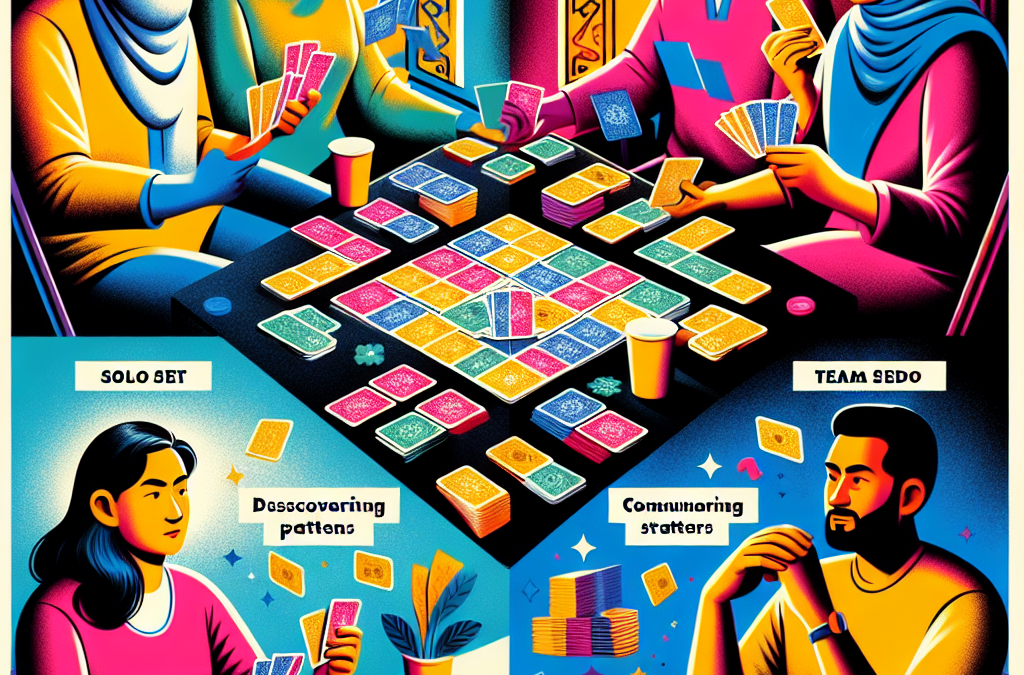
Now let’s shuffle in some classics: Solitaire and Bridge. Solitaire is a solitary endeavor, a tête-à-tête with oneself against the deck. It’s a game that appeals to the soloist in us, offering a meditative escape from the world. Bridge, however, is teamwork incarnate, requiring four players and a depth of strategy that invites communication and collective planning. The differences are crystal clear; where Solitaire asks for introspection, Bridge demands synergy.
Then there’s the whimsical nature of games like Uno versus the more traditional Rummy. Uno is a vibrant dash of color and chaos, appealing to families and friends alike, where yelling “Uno!” as you play your second-to-last card becomes a badge of honor. Rummy, on the other hand, is steeped in history. It’s about melding and runs, a slow dance of shuffling cards as players weigh their options carefully. Here, the comparison highlights the spectrum of card games – from the fast-paced and light-hearted to those that require patience and strategic planning.
In each case, these comparisons paint a broader picture of card games as a lens through which we can examine human interaction, decision-making, and even our own personalities. So whether you’re seeking a game of high stakes or a quiet evening with cards in hand, remember that each game carries its own unique story, waiting to be unpacked by those brave enough to sit down and play.

What Are Some Examples Of Comparing Card Games?
What Are Some Examples Of Comparing Card Games?
- Card games are diverse, with each offering unique rules and challenges.
- Comparing card games provides insight into their different styles and strategies.
- Poker emphasizes strategy, bluffing, and psychological tactics, while Blackjack focuses on reaching 21 against a dealer, blending strategy with chance.
- Solitaire is a solo game that promotes introspection, contrasting with Bridge, which requires teamwork and strategic communication among players.
- Uno offers a lively, colorful atmosphere suitable for families, while Rummy is a more historical and strategic game that involves careful planning.
- Comparisons among these games highlight their variability in pace, complexity, and social interaction.
- Ultimately, each card game carries its own narrative and offers insights into human behavior and decision-making.

What Are Some Examples Of Comparing Card Games?
Table Of Contents
- What Are Some Examples Of Comparing Card Games?
- What Are The Most Popular Card Games To Compare?
- How Do Game Mechanics Differ?
- What Strategies Are Effective In Various Card Games?
- How Do Card Game Themes Impact Player Enjoyment?
- What Are The Key Components Of Card Games To Analyze?
- How Does Player Count Influence Game Dynamics?
- What Are The Typical Skill Levels Required For These Games?
- How Do Card Games Differ By Culture Or Region?
- What’s The Role Of Luck Versus Skill In These Games?
- How Do Game Durations Compare Among Popular Card Games?
- What Adaptations Exist For Classic Card Games?
- How Do Expansions Affect Card Game Comparisons?
- What Are The Challenges In Balancing Card Games?
- How Can Player Interactions Shape The Game Outcome?
- What Types Of Card Games Are Easiest For Beginners?
- Conclusion
- Other Resources
- Glossary Of Terms
- Other Questions
- Haiku
- Poem
- Checklist
What Are The Most Popular Card Games To Compare?
What Are The Most Popular Card Games to Compare?
In the vast universe of card games, some titles shine brighter than others, drawing players in like moths to a flame. Whether you’re holed up in a cozy living room or gathered around a picnic table under the stars, these games have stood the test of time, providing countless hours of fun and competition. Let’s dive into a few heavy-hitters in the card game world that are worth stacking against each other.
First on the list is Poker. This game has a mystique about it that attracts everyone from casual players to high-stakes gamblers. What sets poker apart is its perfect blend of skill, psychology, and luck. Variants like Texas Hold’em and Omaha keep the game fresh, while tournaments can turn everyday players into legends overnight. The thrill of trying to read your opponents while keeping a stoic face can lead to some truly memorable moments.
Next up is Bridge, a game that demands strategy and teamwork. It’s not just about the cards in hand; it’s also about communication with your partner, often involving silent signals and unspoken cues. This complexity makes Bridge a rich landscape for players who love to think several moves ahead. It might take a while to learn, but once you’ve grasped the fundamentals, the satisfaction that comes from a well-executed play is unparalleled.
Then there’s Blackjack, the classic casino favorite. The simplicity of the rules is enticing, yet the undercurrents of strategy can turn the tides in your favor. Players are constantly weighing their options: hit, stand, double down, or split? The blend of chance and decision-making keeps players engaged, making every hand a potential turning point.
Solitaire might seem solitary, but for many, it’s a beloved pastime. Whether you’re playing the classic version or trying your hand at one of the many digital variations, the allure of sorting cards and strategizing your moves is irresistible. It’s a game where you can measure your skills against your own previous bests, creating a personal challenge that keeps you coming back for more.
Lastly, let’s not forget about Rummy. With its many forms—Gin Rummy, Indian Rummy, and so on—this card game is all about forming sets and runs. There’s a communal joy in trying to one-up your friends while keeping your own hand hidden until just the right moment.
Whether you’re bluffing in poker or counting cards in Blackjack, each of these games offers a unique thrill. By comparing them, we not only appreciate their individual charms but also celebrate the rich tapestry of camaraderie and competition they bring to our tables.

What Are The Most Popular Card Games To Compare?
What Are The Most Popular Card Games To Compare?
- Poker: A blend of skill, psychology, and luck, popular among both casual players and high-stakes gamblers, with variants like Texas Hold’em keeping the gameplay fresh.
- Bridge: A strategic team game that relies on communication and silent signals, rewarding players who think ahead and master its complex mechanics.
- Blackjack: A casino favorite with simple rules that incorporate decision-making strategies, making each hand a potential turning point.
- Solitaire: A solo card game that offers personal challenges through sorting cards and strategizing moves, available in various digital formats.
- Rummy: A communal game focused on forming sets and runs, fostering competitive spirit among friends while maintaining hidden hands.
- All these games highlight unique thrills, from bluffing in poker to counting cards in Blackjack.
- Comparing these card games celebrates their individual charms and the camaraderie they bring to players.

What Are The Most Popular Card Games To Compare?
How Do Game Mechanics Differ?
When it comes to the world of gaming, mechanics can be the unsung heroes or the unruly rascals that make or break the experience. Understanding how game mechanics differ is like peeling back the layers of an onion—every slice reveals a new facet. Let’s dive into it without all the fanfare.
At their core, game mechanics are the rules and systems that dictate how players interact with a game. Some games, for example, operate on straightforward mechanics—think platformers where your sole job is to jump, run, and avoid hazards. The simplicity often provides an immediate thrill, akin to a breath of fresh air on a brisk morning. It’s that pure, unfiltered joy of leaping over obstacles and racing against time.
Then, you have the more intricate mechanics found in role-playing games (RPGs). Here, the interplay of systems can resemble the inner workings of a Swiss watch—meticulously crafted and layered with complexity. Players build characters, manage inventories, and engage in tactical combat that requires strategy akin to a chess match. You’re not just playing a game; you’re crafting a story and making choices that ripple through the game world like stones tossed into a pond.
Now, let’s get into the nitty-gritty of competitive games, like first-person shooters or MOBAs. Here, mechanics revolve around precision and reflexes. Every click and every keystroke is measured, each decision a matter of life and death in the digital battlefield. The pacing is frenetic, where one moment can shift the tide—one mistake, and you’re out. It’s all about honing skills over time, much like a musician perfecting a solo—both require dedication and an understanding of rhythm, albeit in different arenas.
Meanwhile, let’s not overlook the narrative-driven games that blend mechanics with storytelling—a delicate dance that brings players on emotional journeys. Here, mechanics serve the narrative, guiding players through choices that affect the plot like a choose-your-own-adventure book. These systems pull you deep into the narrative trenches, asking you questions about morality, consequence, and your very humanity.
In essence, the beauty of gaming lies in its diversity. Whether it’s a pick-up-and-play platformer or a sprawling, narrative-rich RPG, each game weaves mechanics that cater not just to player skill, but to the emotional and intellectual engagement of its audience. Different strokes for different folks, as they say, and therein lies the magic. So, as you settle into your next gaming session, take a moment to appreciate the mechanics at play; they are the heart and soul of your digital adventure.

How Do Game Mechanics Differ?
How Do Game Mechanics Differ?
- Game mechanics are the fundamental rules and systems that shape player interactions within a game.
- Simple mechanics, like those in platformers, offer immediate thrills through jumping, running, and avoiding hazards.
- Complex mechanics found in RPGs involve character building, inventory management, and strategic combat, resembling a crafted narrative.
- Competitive games like first-person shooters require precision and reflexes, where each action can critically influence outcomes.
- Narrative-driven games intertwine mechanics with storytelling, allowing player choices to impact the plot and evoke emotional responses.
- The diversity of gaming mechanics caters to various player skills, emotional engagement, and intellectual stimulation.
- Understanding and appreciating game mechanics can enhance the overall gaming experience.
How Do Game Mechanics Differ?
What Strategies Are Effective In Various Card Games?
When it comes to card games, it’s not just about luck; it’s a mental battlefield where strategy reigns supreme. Different games call for unique tactics, and understanding the nuances can make you not just a player, but a formidable opponent. Let’s dive into some effective strategies across various card games.
In Poker, patience is your best friend. The best players know when to play aggressively and when to fold their hands. Bluffing can be an art, but it requires a good read on your opponents. Observe their betting patterns, body language, and demeanor. If you sense weakness, you can seize an opportunity to push them out of the pot, or if you’ve got the goods, let your cards do the talking. Always remember: it’s not just about the hand you’re holding; it’s about the story you tell with it.
Moving over to the game of Bridge, communication is key. Your partnership serves as a duet where each card plays a note in the symphony of strategy. Proper bidding can reveal your hand’s strength and shape to your partner without providing your opponents with too much insight. The use of conventions — specialized bidding systems — can provide added layers to your game, allowing you to convey more information in a succinct manner. Always pay attention to your partner’s signals; a subtle nod or a stray glance can speak volumes in this intricate dance of deception and intellect.
Then there’s Blackjack, where the mantra is simple: “Know when to hit, stand, double down, or split.” The basic strategy involves a delicate balance of mathematics and intuition. Memorize the dealer’s up-card and adjust your strategy accordingly. If they’re showing a weak card, go for the aggressive play; if they’re showing a high card, it might be wiser to tread lightly. Knowing when to walk away with your winnings is just as crucial as getting to the table in the first place.
Finally, in games like Rummy, flexibility is vital. Your strategy needs to shift as the game progresses. Early on, focus on collecting specific sets or sequences, but remain adaptable. Sometimes your best move is not to pick up a card you need if it gives your opponent an advantage. Keep the element of surprise on your side, and you just might find the winning hand.
Each card game has its rhythm and flow, and mastering the strategies that best fit your chosen game can elevate your skills from amateur to ace. So shuffle those cards, keep your wits about you, and let the games begin!

What Strategies Are Effective In Various Card Games?
What Strategies Are Effective In Various Card Games?
- Card games involve both skill and strategy, moving beyond mere luck.
- In Poker, patience is essential; knowing when to play aggressively or fold can determine success.
- Bluffing requires skill in reading opponents’ betting patterns and body language.
- Bridge relies heavily on effective communication and proper bidding between partners.
- Using bidding conventions in Bridge enhances the strategic depth of the game.
- In Blackjack, understanding when to hit, stand, double down, or split is crucial, influenced by the dealer’s up-card.
- Rummy strategies should be flexible, adapting to game progression while keeping opponents guessing.

What Strategies Are Effective In Various Card Games?
How Do Card Game Themes Impact Player Enjoyment?
When it comes to card games, the theme isn’t just window dressing; it’s the very fabric that weaves players into the experience. Picture yourself at a table surrounded by other eager participants, a deck of cards in hand, and within those cards lies a world waiting to be explored. The theme sets the stage, much like a good book draws you in with its narrative and characters, and this impact on player enjoyment should not be underestimated.
Take, for instance, a card game set in a fantastical realm filled with dragons and wizards. The mere notion of wielding a mystical power or embarking on a heroic quest breathes life into the gameplay. Players don’t just engage with mechanics; they align themselves with the story. The thrill of slaying a dragon or forging alliances with other heroes enhances the competitiveness. But when the theme resonates on a personal level—maybe you’ve always been captivated by tales of valor or the intrigue of fantasy—you’re not just playing cards anymore; you’re part of an epic saga.
Conversely, themes that feel mundane or arbitrary can cause detachment. Imagine a game that revolves around balancing your budget in a fictional office setting. If the art isn’t captivating and the narrative bland, players can find themselves disengaged, counting down the minutes until the game concludes. Without a captivating theme to anchor the gameplay, motivation can wane, leading to a disjointed experience.
Furthermore, the social aspect of card games thrives on the emotional connections forged through thematic elements. When players share a laugh over a particularly outrageous card or reminisce about childhood favorites, a collective camaraderie emerges. Themes that foster these interactions not only heighten the enjoyment but also create lasting memories that draw players back again and again.
A well-crafted theme can be the difference between a good game and a great one. It inspires creativity, propels collaboration, and fuel engagement. So, whether you’re summoning otherworldly creatures or racing through a post-apocalyptic wasteland, remember that the heart of any card game beats strongest when players aren’t just following rules but are swept up in a story. The right theme transforms a simple card game into an unforgettable adventure, and that, my friends, is what keeps card enthusiasts coming back to the table.

How Do Card Game Themes Impact Player Enjoyment?
How Do Card Game Themes Impact Player Enjoyment?
- Themes in card games are integral, enhancing player engagement and experience.
- A compelling theme, like dragons and wizards, immerses players into a narrative beyond mechanics.
- Personal resonance with themes can elevate gameplay into an epic saga.
- Mundane themes can lead to player detachment and disengagement.
- The emotional connections fostered by themes enhance social interactions and camaraderie among players.
- A well-crafted theme can elevate a game from good to great, inspiring creativity and engagement.
- A memorable theme transforms card games into unforgettable adventures, attracting players back repeatedly.

How Do Card Game Themes Impact Player Enjoyment?
What Are The Key Components Of Card Games To Analyze?
Card games, like all great pastimes, are more than just a fleeting moment of leisure; they represent a complex interplay of strategy, psychology, and chance. For those desiring to delve deeper into the world of card games, recognizing and analyzing the key components is essential. Let’s break it down.
1. Game Structure and Mechanics
Every card game has its own set of rules and mechanics that govern play. Understanding these foundational elements is crucial. Whether it’s the order in which cards are drawn, the way points are scored, or the specific actions players can take on their turn, these structures dictate the flow of the game. A savvy player never just goes with the flow; they study the rules to uncover opportunities and advantages.
2. Strategic Depth
At the heart of a compelling card game lies its strategic depth. This aspect will challenge players to think several steps ahead. Consider how players choose their cards, the timing of their plays, and their willingness to bluff or take risks. Deconstructing strategy involves assessing decisions made during gameplay—what worked, what didn’t, and why. In many games, the psychological component is as important as the mathematical one; being able to read your opponent is often critical to success.
3. Player Interaction
Card games are social animals; the interaction between players adds another layer to explore. Are players collaborating, competing, or forming temporary alliances? This dynamic can drastically shift the game’s atmosphere and your strategy. Observing how people influence one another—through negotiation, intimidation, or camaraderie—can reveal a lot about player behavior and decision-making.
4. Probability and Risk
Let’s not forget the element of chance, embodied in probability. Each draw from the deck is fraught with uncertainty. Understanding the odds of drawing a specific card, or the likelihood of a particular outcome occurring, helps players manage risk effectively. Are you playing it safe, or are you ready to swing for the fences? Knowing when to leverage probability can be the difference between a fun evening and a hard-fought victory.
5. Adaptability and Learning
Finally, a willingness to adapt and learn is pivotal in analyzing card games. Each session offers insights into both the game mechanics and your fellow players. Reflect on each game night as a workshop, where improvements can be made and strategies refined. Embracing this learning mindset will elevate not just your personal game but also your appreciation of the craft.
Analyzing card games goes far beyond mere gameplay. It requires a keen eye for structure, strategy, interaction, probability, and adaptability. By immersing yourself into these components, you’ll transform a simple card game into an intricate tapestry of tactics and human interaction. So shuffle those decks, gather your friends, and let the analysis begin!

What Are The Key Components Of Card Games To Analyze?
What Are The Key Components Of Card Games To Analyze?
- Card games combine strategy, psychology, and chance, making them complex pastimes.
- Understanding the rules and mechanics is essential for effective gameplay.
- Strategic depth requires players to think ahead, assess their moves, and understand their opponents.
- Player interaction adds a social dynamic that influences strategies and decision-making.
- Probability and risk management play a crucial role in making informed decisions during play.
- Adapting and learning from each game session enhances both personal performance and enjoyment.
- Analyzing card games involves examining structure, strategy, interaction, probability, and adaptability.

What Are The Key Components Of Card Games To Analyze?
How Does Player Count Influence Game Dynamics?
When you dive into the world of gaming, it quickly becomes clear that the number of players can change the game experience as dramatically as flipping a coin. Picture this: you’re in a multiplayer shooter. With just a handful of players on the battlefield, the atmosphere is tense—every corner you turn could mean life or death. It’s a dance of stealth and strategy, where every move feels weighty, and the thrill of competition is razor-sharp.
Now, let’s crank those numbers up. Suddenly, the chaos is palpable. With a full server, the action explodes into a cacophony of gunfire, explosions, and player chatter. In this larger mob, the dynamics shift significantly. Strategy becomes a collective effort, the thrill of teamwork amplifies, and the satisfaction of a well-coordinated assault can be dizzying. But there’s a catch—anonymity breeds its own kind of chaos. With more players comes a higher likelihood of misunderstandings and miscommunications, leading to frenzied moments that can just as easily end in bitter defeat as collective victory.
On the flip side, let’s not forget the charm of a smaller group. In a cozy co-op campaign with just a tight-knit band of friends, the dynamics morph into something personal, akin to a family gathering. Coordination is key; the stakes feel more intimate. Conversations flow easier, strategies evolve fluidly, and victories hit differently. You might even find yourself laughing out loud over a fumbled mission rather than silently raging at the unfamiliar faces in a crowded lobby.
Then there’s the elephant in the room—game balance. Many titles are designed with a specific player count in mind. An asymmetrical multiplayer game, for example, might hinge on that delicate balance of power between a larger team and a solo operative. Increase or decrease the player count, and suddenly the whole ecosystem can wobble or even topple. Developers invest hours crafting these experiences, and it’s a delicate dance to ensure that every player feels impactful, whether they’re leading a charge or supporting from the sidelines.
Player count dictates everything from the pace of the gameplay to the emotional resonance of each encounter. It influences how you strategize, how you feel about teamwork, and sometimes even how you define success. So whether it’s a heart-pounding standoff in a packed arena or a serene adventure with a close friend, the player count is a foundational building block in the sprawling landscape of gameplay dynamics.

How Does Player Count Influence Game Dynamics?
How Does Player Count Influence Game Dynamics?
- Player count dramatically changes game experiences, influencing atmosphere and strategy.
- Few players create a tense, stealth-driven environment, enhancing the thrill of competition.
- A larger player count leads to chaotic gameplay filled with action, teamwork, and communication challenges.
- Smaller groups foster personal dynamics, making victories feel more intimate and enjoyable.
- Game balance is affected by player count, as many titles are designed for specific numbers.
- Adjusting player numbers can destabilize game dynamics, impacting player experiences and satisfaction.
- Overall, player count is crucial in shaping gameplay, strategy, emotions, and definitions of success.

How Does Player Count Influence Game Dynamics?
What Are The Typical Skill Levels Required For These Games?
When it comes to the world of gaming, it’s easy to think it’s all about high scores and flashy graphics, but beneath the surface lies a spectrum of skill levels that vary as much as the games themselves. From casual enthusiasts who enjoy a lighthearted romp to the die-hard competitive players pushing the limits of performance, understanding where you fall on this spectrum can make or break your gaming experience.
At the base level, we find the casual gamer—those who dip their toes into the pool every once in a while. These folks are often seeking enjoyment over expertise. Their skills might revolve around basic gameplay mechanics and simple strategies. Think of the characters in a whimsical mobile puzzle game or the friendly family racing down cartoonish tracks. Here, the skill requirement is often minimal, catering more to accessibility than competition. The joy is in the experience, not necessarily in mastering complex controls or navigating nuanced storylines.
Moving up the ladder, we encounter the intermediate players. They’ve invested time in developing their skills and understanding of the game’s mechanics. These are the seasoned veterans who delve deeper into strategy and teamwork, often engaging in multiplayer settings where coordination is key. Whether it’s coordinating a raid in an MMORPG or climbing the ranks in a battle royale, these players demonstrate a solid grasp of the game, often employing well-thought-out tactics and strategies. The skill ceiling here rises significantly, demanding practice, dedication, and the kind of problem-solving ability that would make your high school math teacher proud.
At the top of the heap, we find the hardcore elite—those who juggle reflexes honed by countless hours of practice with an encyclopedic knowledge of their chosen games. These individuals often navigate complex systems involving mechanics, timings, and competitive environments that force them to remain consistently at the top of their game. The skill requirements here are steep, calling for not just mastery but also an intimate understanding of the game’s metagame. The pressure is on, as every decision can mean the difference between victory and defeat in intense competitions, both online and offline.
The skill levels required for games can be as diverse as the games themselves. Whether you’re picking up a controller for the first time or trying your hand at professional leagues, there’s a space for everyone—just remember, in the world of gaming, skill is not just about winning; it’s about embracing the journey.

What Are The Typical Skill Levels Required For These Games?
What Are The Typical Skill Levels Required For These Games?
- The gaming world features a spectrum of skill levels, from casual to competitive players.
- Casual gamers prioritize enjoyment and accessibility, focusing on basic gameplay mechanics.
- Intermediate players invest time in developing strategies and skills, often in multiplayer environments.
- These seasoned veterans engage in strategic teamwork and demonstrate problem-solving abilities.
- Hardcore elite players combine quick reflexes with extensive knowledge of complex game mechanics.
- The skill requirements for games vary widely, accommodating everyone from beginners to professionals.
- In gaming, skill encompasses the journey and experience, not just winning.

What Are The Typical Skill Levels Required For These Games?
How Do Card Games Differ By Culture Or Region?
When you think about card games, it’s easy to imagine a standard deck of cards and a universally understood set of rules. But take a closer look, and you’ll find a world brimming with variety—a tapestry woven with unique traditions, strategies, and customs that reflect the diverse cultures and regions from which they spring.
Consider Poker, the quintessential American classic. Rooted in the wild days of the 19th-century frontier, it embodies a spirit of risk and cunning, where players bluff and strategize under pressure. The best players aren’t just card sharks; they’re part-time psychologists, reading their opponents like books. In contrast, if you wander over to East Asia, you’ll likely encounter a game of Mahjong—a tile-based adventure that’s equal parts skill and chance. This game isn’t merely about the tiles but about social interaction, where players congregate, chatter, and celebrate a well-played hand.
Now, let’s hop over to Europe, where the debonair game of Bridge reigns supreme. Here, success is heavily dependent on partnership and communication. It’s a cerebral affair, more akin to a chess match than a poker brawl. Players must be able to navigate the complexities of bidding and deduction, turning card play into a mental exercise that demands not just knowledge but a certain social finesse.
And just when you think you’ve seen it all, there’s Rummy, adored in numerous forms across the globe. In the bustling streets of South Asia, it flourishes as a family staple, often played with exuberance and laughter that echoes late into the night. This variant draws people together, fostering camaraderie, and balances the fine line between competition and shared enjoyment.
Let’s not overlook the more cultural games, such as the Italian game of Scopone, which boasts a rich history and a deeply ingrained local following. The rules may seem convoluted to a newcomer, yet they reflect the regional nuances that characterize Italian play—strategy, teamwork, and an element of artistry.
In each of these games, the rules might differ, the cards might take on unique forms, but the underlying thread remains the same: community. They’re a mirror reflecting the people who play them, allowing us to connect through laughter, competition, and a shared love of the game. So the next time you shuffle a deck, remember—you’re not just playing cards; you’re taking part in a global story that stretches across borders and generations.

How Do Card Games Differ By Culture Or Region?
How Do Card Games Differ By Culture Or Region?
- Card games exhibit a rich variety, influenced by diverse cultures and regions.
- Poker, a classic American game, emphasizes risk, strategy, and psychological insight.
- Mahjong in East Asia combines skill with social interaction, making it a communal experience.
- Bridge in Europe focuses on partnership and communication, likening its complexity to chess.
- Rummy is beloved worldwide, particularly in South Asia, celebrating camaraderie and enjoyment.
- Scopone from Italy is culturally significant, showcasing local strategy and teamwork nuances.
- Despite differing rules and forms, card games foster community and connection among players.

How Do Card Games Differ By Culture Or Region?
What’s The Role Of Luck Versus Skill In These Games?
In the world of gaming, the tug-of-war between luck and skill is as contentious as a heated argument at a family dinner. Some swear by the power of their finely honed skills, while others insist there’s a hidden hand of fate playing the game just as much as any seasoned player. Let’s roll up our sleeves and dig into this aspect a bit.
First off, let’s consider the skill side of the equation. Many games, especially those that demand strategy, offer a clear testament to the prowess of a well-trained mind and practiced hands. Think of the chess grandmaster maneuvering his pieces with the precision of a surgeon, calculating moves several steps in advance. In these scenarios, skill is paramount; it sharpens the edges, refines the strategy, and makes victory achievable. Card games like poker or bridge illustrate this beautifully—an adept player can read opponents, calculate odds, and tactically decide when to bluff or fold.
Now, don’t be too quick to dismiss the wild card: luck. In games where the roll of a dice or the shuffle of cards plays a pivotal role, luck can change everything in the blink of an eye. It’s the unexpected power-up in your favorite video game that transforms you from an underdog to a hero, the hand of cards that suddenly shifts in your favor. In those moments, luck doesn’t just find a seat at the table; it often takes the main stage.
Herein lies the beauty and the frustration of gaming. One could be the most skilled strategist, possessing all the knowledge and practice in the world, and still face a defeat due to an unfortunate stroke of luck. Conversely, a newcomer could stroll in and hit the jackpot purely by chance, leaving more experienced players scratching their heads.
Ultimately, the relationship between luck and skill is not a simple one. In many instances, they dance together in a precarious balance. The most successful players know when to strategize and when to embrace the whims of chance. They realize that while skill may offer you the tools, luck can provide the spark that ignites the engine of success. Whether you’re strategizing a victory or rolling the dice, both elements weave into the fabric of gaming, turning every session into an unpredictable adventure where anything can happen.

What’s The Role Of Luck Versus Skill In These Games?
What’s The Role Of Luck Versus Skill In These Games?
- The debate between luck and skill in gaming is intense and divisive.
- Skill is crucial in strategic games, enabling players to execute well-planned maneuvers.
- Games like chess and poker highlight the importance of skill through strategy and psychological insight.
- Luck can dramatically influence outcomes, often changing the game in an instant.
- Unexpected events can favor less experienced players, leading to surprising victories.
- The interplay between luck and skill creates a unique dynamic in gaming experiences.
- Successful players understand the balance between strategizing and embracing chance.

What’s The Role Of Luck Versus Skill In These Games?
How Do Game Durations Compare Among Popular Card Games?
When it comes to card games, time is an interesting variable that often shapes our experiences at the tabletop. Picture this: you gather a bunch of friends, the snacks are out, and the drinks are cold. But how long will you be sitting around that table? Well, it depends on the game you choose. Each card game brings its own flavor not just in strategy and skill, but in the time commitment as well.
Take Poker, the granddaddy of all card games. A typical session can stretch anywhere from thirty minutes to several hours, especially if you’re in a tournament setting. The thrill of bluffing, the tension of the final card, and the anticipation of who walks away with the pot can keep players glued to their chairs long after the sun goes down. Yet, for all that, poker is a dance of skill and patience, where each hand is a measured step toward victory.
Now, shift gears to something with a faster tempo like Uno. This game embraces spontaneity and chaos. With its straightforward rules, a round can wrap up in just 15 minutes. The beauty of a game like Uno lies in its embrace of the unexpected: a player can go from leading the game to scrambling to avoid a draw-four challenge in the blink of an eye. It’s a perfect example of a quick hit for those seeking fun without the lengthy commitment.
Then there are classics like Bridge and Hearts, which demand more time and mental acuity. A typical game of Bridge can last an hour or more as players strategize around the table, communicating in complex ways through their bids and plays. Hearts, while simpler, usually takes around 30 to 45 minutes to complete, offering players chances to develop their skills and strategies as the game unfolds.
For those leaning toward modern board games with a card component, let’s talk about games like Dominion or Gloomhaven. They can run anywhere from 45 minutes to two hours, pulling players into their strategically rich worlds. These games often blend card play with adventure elements, extending the playtime as players navigate through intricate strategies and alliances.
Whether it’s a spirited round of Poker that lasts until the early hours or a breezy session of Uno, game duration can set the stage for camaraderie, competition, and a whole lot of fun. So, the next time you gather your crew, consider your game’s sit-time—it might just affect how many laughs you share and memories you make.

How Do Game Durations Compare Among Popular Card Games?
How Do Game Durations Compare Among Popular Card Games?
- Time is a crucial factor in the experience of card games.
- Different card games vary significantly in duration, affecting the overall experience.
- Poker sessions can last from 30 minutes to several hours, especially in tournaments.
- Uno offers quick gameplay, typically wrapping up in about 15 minutes.
- Bridge and Hearts require more time and strategic thinking, with Bridge games lasting an hour or more and Hearts around 30 to 45 minutes.
- Modern card-integrated board games like Dominion and Gloomhaven can last from 45 minutes to two hours.
- The duration of a game influences the camaraderie, competition, and enjoyment among friends.

How Do Game Durations Compare Among Popular Card Games?
What Adaptations Exist For Classic Card Games?
When you think of card games, what comes to mind? A rainy afternoon spent shuffling deck after deck, hours spent honing your poker face or coaxing your family into another round of Rummy? Classic card games like Poker, Bridge, and Go Fish have withstood the test of time, offering entertainment across generations. Yet, as our society evolves, so too do the ways in which we approach these beloved pastimes.
Let’s start with technology. In today’s fast-paced world, who has the time to gather around a table? Enter the digital realm. Online platforms have transformed classic card games into an accessible form of entertainment available at your fingertips 24/7. Whether you’re connecting with friends miles away or engaging in a high-stakes poker tournament with players from the corners of the globe, technology has redefined how we play. Apps and websites invite you to create custom avatars and even employ AI opponents, ensuring the excitement never has to wane, even if your dining room table is empty.
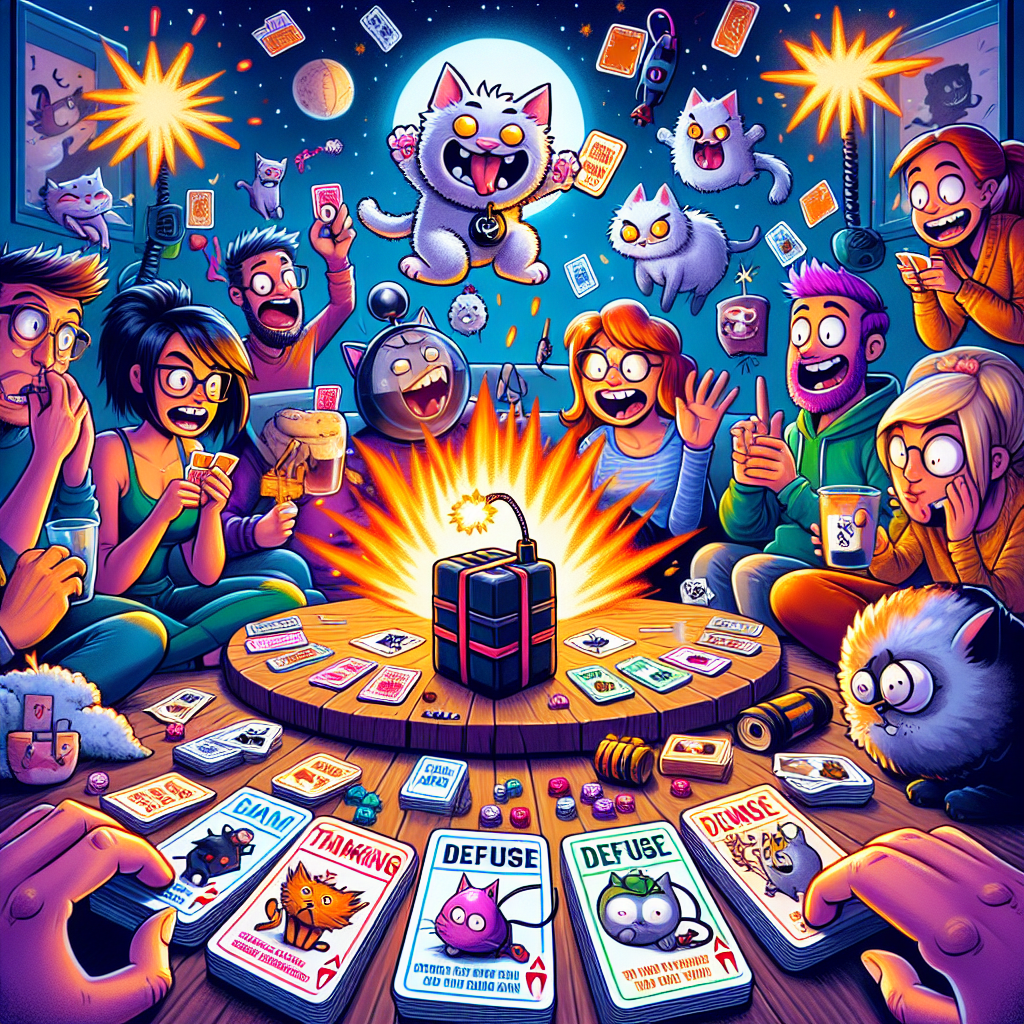
Then there are the variations that cater to an audience looking for something new, yet comfortingly familiar. Think about the world of “party games”—they’ve taken the essence of traditional card games and injected them with hilarity. Games like Cards Against Humanity or Exploding Kittens build on the familiar structure of drawing and playing cards, but they introduce elements of humor and unpredictability that engage players in unexpected ways. These adaptations invite laughter, and perhaps a little bit of chaos, into the mix—perfect for those who enjoy combining strategy with social interaction.
But it doesn’t stop with technology or party games. For the more serious card connoisseurs, alternative formats such as collaborative card games have emerged. Titles like The Crew or Hanabi challenge traditional competitive dynamics, encouraging players to work together to achieve a common goal. It’s a refreshing take that flips the script on the solitary victor narrative, fostering camaraderie and teamwork, which can be a breath of fresh air in an often combative gaming landscape.
Ultimately, these adaptations reflect a broader understanding of what card games can bring to our lives. From the nostalgic comfort of familiar patterns to fresh twists that spark new joy, they cater to diverse preferences and lifestyles. In this evolving world, classic card games adapt, reminding us of their timeless appeal while still rolling with the punches. So shuffle those cards, whether they’re physical or digital, and get ready for the new ways to play!

What Adaptations Exist For Classic Card Games?
What Adaptations Exist For Classic Card Games?
- Classic card games like Poker, Bridge, and Go Fish have remained popular across generations.
- Technology enables online platforms for playing card games anytime and anywhere.
- Players can engage with friends or join global tournaments through digital platforms.
- Party games like Cards Against Humanity and Exploding Kittens add humor and unpredictability to traditional card gameplay.
- Collaborative card games such as The Crew and Hanabi promote teamwork over competition.
- These modern adaptations reflect diverse preferences and lifestyles in gaming.
- Card games continue to evolve while retaining their timeless appeal.

What Adaptations Exist For Classic Card Games?
How Do Expansions Affect Card Game Comparisons?
When we delve into the world of card games, there’s an undercurrent that often shapes conversations around strategy, balance, and competition: expansions. These additions can dramatically alter the landscape of a game, and understanding their impact is key to making meaningful comparisons between titles. So how do these expansions influence our views?
First off, expansions can breathe new life into a well-worn game experience. When games first emerge, they usually come with a core set of rules and cards that define the mechanics and strategies available. But as players dive into the depths of these games, they often uncover patterns and strategies that can lead to predictability. Enter the expansion. It’s like throwing a curveball in a pitching machine—suddenly, the game is no longer rooted in familiar territory. New cards introduce fresh mechanics, alter the balance of power, and can even prompt players to rethink their entire strategies. Now, comparisons must take into account not just the base game but also how these expansions shift the competitive scene.
But it’s not just about new mechanics. Expansions can also enrich storytelling and thematic depth, drawing players further into the game’s universe. A previously straightforward game may evolve into a rich tapestry of narrative and strategy that demands more analytical thinking and creativity. Players now have to ask themselves not just how they’ll win, but how these expansions enrich the experience. When we stack up games against one another, expansions must be weighed in the balance as they elevate the narrative stakes and expand the player experience.
However, with this added complexity comes the question of accessibility. New expansions can sometimes alienate newcomers or casual players. A game that was once straightforward can become labyrinthine overnight. Therefore, when comparing games, it’s essential to consider how easy—or difficult—it is for new players to step in. Does the expansion create a welcoming environment, or does it shut the door on those unfamiliar with the intricate dance of cards and strategies?
Finally, it’s vital to keep player preferences in mind. Some enjoy the dynamic shifts expansions bring, while others may cling to the roots of simplicity—a kind of nostalgic gameplay. Ultimately, expansions can reshape not only the game itself but also the critical discussion that surrounds it. As we navigate these comparisons, we should embrace the complexity and the shared joy that card games bring, both in their original forms and enriched by expansions. It’s a wild, ever-evolving ecosystem, and we’re just along for the ride.

How Do Expansions Affect Card Game Comparisons?
How Do Expansions Affect Card Game Comparisons?
- Expansions play a crucial role in altering the strategy, balance, and competitive nature of card games.
- They can revitalize a game by introducing new cards and mechanics that challenge established patterns and strategies.
- Expansions often enhance storytelling and thematic depth, leading to more complex gameplay and a richer player experience.
- Comparative analyses of games must consider the influence of expansions on competitive dynamics and player strategies.
- Accessibility is a key concern, as expansions can complicate gameplay and potentially alienate new or casual players.
- Player preferences vary; some players appreciate the complexity of expansions while others prefer the simplicity of base games.
- Overall, expansions reshape both gameplay and the ongoing discussions about card games, creating a dynamic ecosystem.

How Do Expansions Affect Card Game Comparisons?
What Are The Challenges In Balancing Card Games?
Card games, at their core, are a fascinating interplay of chance and strategy, but achieving that coveted balance can be as slippery as a fish out of water. One moment, a game feels flawlessly refined, and the next, a single overpowered card can send the whole experience spiraling into chaos. The fundamental challenge lies in ensuring every card has a purpose, fits within a viable ecosystem, and contributes to a balanced gameplay experience.
Firstly, let’s talk about the developers. These folks are akin to tightrope walkers, navigating a precarious path between innovation and fairness. When introducing new cards or mechanics, they must tread cautiously. A new card can invigorate a game, making it fresh and exciting. However, if it tips the scales too far in one direction, players could find themselves clinging to an underwhelming experience, frustrated by a game they once loved. Many a well-intentioned design has been met with the cold shoulder of player backlash when a powerful card emerges, rendering previous strategies obsolete.
Then there’s the issue of the meta. Just like the weather, the meta is constantly changing; it’s shaped by player behavior, perceptions, and the introduction of new cards. Developers need to monitor this evolution closely. A card that was once considered weak may find its moment in the sun if players start building strategies around it. The shifting landscape means that balancing isn’t a one-time event, but an ongoing dance, requiring vigilance and adaptability.
Another challenge is the variance in player skill levels. New players often struggle against veterans who have honed their strategies over countless games. Designing cards that offer strategic depth without alienating newcomers is easier said than done. The best games allow for growth and mastery while still making the initial experience enjoyable for all.
And let’s not forget the community itself. Players have opinions, and they aren’t shy about sharing them. Balancing often leads developers into the murky waters of community feedback. What one player screams is overpowered, another might regard as a mere nuisance. Striking the right balance between catering to player desires and maintaining a cohesive game design philosophy is like herding cats.
Ultimately, balancing card games is a complex interplay of creativity, statistics, and community engagement. It’s a relentless pursuit of perfection that can be both rewarding and maddening—a captivating journey for both creators and players alike.

What Are The Challenges In Balancing Card Games?
What Are The Challenges In Balancing Card Games?
- Card games involve a mix of chance and strategy, with balance being a critical yet challenging aspect.
- Game developers must carefully introduce new cards to maintain fairness and avoid player frustration.
- The game meta fluctuates based on player behavior and new card introductions, requiring ongoing monitoring and adaptation.
- There is a variance in player skill levels, necessitating card designs that appeal to both veterans and newcomers.
- Community feedback is vital yet challenging, as opinions on card balance can vary widely among players.
- Balancing card games is a creative and statistical challenge that demands continuous engagement with the community.
- The pursuit of perfect balance in card games is both rewarding and frustrating for developers and players alike.

What Are The Challenges In Balancing Card Games?
How Can Player Interactions Shape The Game Outcome?
In the world of gaming, where pixelated landscapes unfold and valorous heroes duke it out, the essence of engagement often pivots on the interactions between players. Forget about static rules and scripted outcomes; it’s the dynamic back-and-forth of human behavior that truly shapes the journey. Picture this: you enter a digital arena, adrenaline pumping, and the person beside you isn’t just an NPC (non-playable character) reciting preordained lines. No, they’re a living, breathing participant, with motives, strategies, and emotions that can turn the tide in an instant.
Interactions among players can create a rich tapestry of outcomes, often tipping the balance of victory and defeat. Take teamwork, for instance. In cooperative games, successful coordination can lead a group to triumph over insurmountable odds. Imagine strategizing which player tackles the enemy frontlines while another provides cover fire. The success of such tactics hinges not just on skill but on effective communication and mutual trust. A well-timed callout can be the difference between a glorious win and a catastrophic loss.
Then there’s the dark side of player interactions: rivalry. While competition can foster innovation and emergent strategies, it can also lead to toxicity when rivalries turn vindictive. One player’s calculated move might ignite outrage in another, leading to a spiral of frustration that can fracture team chemistry. This phenomenon, often manifested through trash-talking or in-game sabotage, illustrates how player interactions extend beyond mere transactions of skill and into the realm of psychological warfare.
Moreover, interactions can elevate the narrative experience of a game. Story-driven titles often rely on meaningful relationships forged between players—be it through alliances, betrayals, or camaraderie. These moments can evoke genuine emotion, making the virtual experience feel much more real. The arch of a shared quest can pivot on choices made entirely through in-game dialogue, leaving lasting impressions on those involved.
In essence, the outcome of a game rarely rests solely on numbers or algorithms. It flourishes in the vibrant arena of interactions—the choices, the alliances, and yes, even the feuds. Each engagement intricately weaves into the overarching story, creating a unique experience that celebrates the unpredictability and richness of human connection. In the grand scheme of gaming, it’s not just the destination that matters, but the interactions along the way that truly shape the journey.

How Can Player Interactions Shape The Game Outcome?
How Can Player Interactions Shape The Game Outcome?
- The essence of gaming engagement is shaped by player interactions rather than static rules.
- Real players possess motives and strategies that impact the dynamics of the game.
- Cooperative gameplay relies on teamwork, communication, and mutual trust for success.
- Rivalries can foster innovation but may also lead to toxicity and team dysfunction.
- Player interactions elevate the narrative experience through alliances, betrayals, and camaraderie.
- The outcome of games is influenced by human connections rather than just numbers or algorithms.
- Meaningful interactions create unique experiences that celebrate the unpredictability of gaming.

How Can Player Interactions Shape The Game Outcome?
What Types Of Card Games Are Easiest For Beginners?
When it comes to diving into the world of card games, not all games are created equal—some are a bit like trying to run before you can walk. For beginners, it’s crucial to start with games that are straightforward and engaging, allowing newcomers to grasp the basics without feeling overwhelmed. So, let’s shuffle through some of the best options for those just starting their card-playing journey.
Uno is the classic card game that’s as simple as it is entertaining. With its colorful design and easy-to-follow rules, Uno invites players of all ages to jump right in. The goal is to be the first to play all your cards by matching colors or numbers, with a few special action cards thrown in for good measure. There’s no complicated strategy involved, just a fair bit of luck and some cheeky blocking when you get the chance. It’s less about skill and more about keeping your friends on their toes, and that makes it a perfect Starter Card Game.
Go Fish is another timeless game that’s ideal for young players and those new to card games. With a knack for simplicity, Go Fish requires only a standard deck of cards and usually involves four players or so. Players ask each other for cards to form pairs, and if they don’t get what they’re after, they “go fish” from the deck. It promotes memory skills in a fun, low-pressure environment, and your only rival is the deck itself. The whimsical nature of asking your friends, “Do you have any threes?” makes it a wonderfully social experience.
War deserves a mention because it embodies the classic card face-off. In War, players simply flip over cards from their decks, and the one with the higher card takes both. It’s entirely based on chance, which means no prior knowledge or skill is required. Games can be quick or drag on for what feels like an eternity—a fitting tribute to the age-old battle of luck versus fate.
Lastly, we can’t forget Crazy Eights, which introduces players to a bit more strategy while remaining accessible. Players strive to be the first to discard all their cards by matching ranks or suits. The wildcard element of eights keeps the gameplay dynamic and exciting.
For beginners, these games provide an excellent gateway to the realm of card playing. They’re all about fun, connection, and creating those delightful moments that keep us coming back for more. So gather some friends, grab a deck, and let the games begin!

What Types Of Card Games Are Easiest For Beginners?
What Types Of Card Games Are Easiest For Beginners?
- Beginner-friendly card games are crucial for newcomers to enjoy without feeling overwhelmed.
- Uno is a classic game with simple rules, focusing on matching colors or numbers and incorporating fun action cards.
- Go Fish requires only a standard deck and involves players forming pairs through a fun and social experience.
- War is a chance-based game where players flip cards, with the higher card winning, requiring no prior knowledge or skill.
- Crazy Eights adds a bit of strategy by having players match ranks or suits to discard their cards, with eights acting as wildcards.
- These games promote fun and connection, making them excellent choices for beginners in card playing.
- Gather friends, grab a deck, and enjoy these engaging card games!

What Types Of Card Games Are Easiest For Beginners?
Conclusion
Alright, folks, let’s wrap this up and take a step back to appreciate the colorful tapestry that is the world of card games. If there’s one thing we’ve discovered through this exploration, it’s that card games are so much more than the simple act of shuffling a deck and dealing out some cards. They’re vibrant arenas of strategy, psychology, and good ol’ luck, each inviting us into diverse experiences that can enlighten our understanding of human interaction.
From the high-stakes drama of Poker to the relaxed charm of Uno, each card game serves a unique dish of excitement and challenge. Poker, with its intricate dance of bluffing and strategy, offers a psychological battlefield where reading opponents becomes as crucial as the cards in hand. Meanwhile, Blackjack cuts through the noise with straightforward mechanics that leave just enough room for a dash of luck alongside the weight of decision-making. Then, you’ve got classics like Bridge, teaming up with partners to orchestrate victories through clever communication and foresight, contrasting beautifully with the solitary meditative experience of Solitaire.
But let’s not forget about the emotional resonance these games bring to our lives. Family gatherings, late-night tournaments, and friendly competitions all revolve around these decks of cards. It’s the thematic elements—the dragons and wizards, or the clever quips of party games—that turn mundane play into shared stories and memorable moments.
And as we dive into the nuances of player interactions, we see that each shuffle, each draw, and every challenge creates a living, breathing narrative. Whether you’re strategizing for victory or enjoying lighthearted banter, the social dynamics elevate the experience from a simple game to an extraordinary gathering.
So, whether you’re a newcomer looking to dip your toes into easy games like Go Fish and Uno, or a seasoned strategist ready to embrace the complexities of Rummy or Bridge, remember that every game night is an opportunity. It’s a chance to forge connections, hone skills, and revel in the unpredictable nature of both chance and competition. At the end of the day, it’s about coming together around that table, sharing laughter, and ensuring that, win or lose, each hand tells a story worth remembering. So shuffle those cards, and let the games begin!

Conclusion
Conclusion:
- Card games are arenas of strategy, psychology, and luck, offering diverse experiences.
- Poker features high-stakes drama and focuses on bluffing and reading opponents.
- Blackjack is straightforward, blending luck with decision-making.
- Bridge involves teamwork and communication, contrasting with the solo nature of Solitaire.
- Emotional resonance from card games enhances family gatherings and social interactions.
- Each game creates a narrative through player interactions, elevating the experience.
- Game nights are opportunities to connect, improve skills, and share memorable stories.

Conclusion
Other Resources

Other Resources
Here is a list of other resources you can review online to learn more:
- “Indian Rummy -Teen Patti Rummy – Apps on Google Play”
- “Gin Rummy – Offline Card Games – Apps on Google Play”
- “Blackjack Card Game Online”
- “Top Card Games for Android on Google Play in India”
- “Buy Card Games Online – Price ₹143 Per 1 unit Near Me”
- “?RUMMY CASINO GAME?New users sign in within 7 …”
- “Rummy Online | Play Indian Rummy Games & Win Real …”
- “Top Card Games for Android on Google Play in India”
Bing Copilot Prompt: Please provide me with a list of online articles with their URLS in a bulleted list that I can read regarding What Are Some Examples Of Comparing Card Games?

Other Resources
Glossary Terms
What Are Some Examples Of Comparing Card Games? – Glossary Of Terms
1. Card Game: A game played with a deck of cards, which may involve strategy, skill, chance, or a combination of these elements.
2. Deck: A set of cards used in a card game, which can vary in number and type dependiendo on the specific game.
3. Hand: The set of cards that a player holds during a game, which they use to play against opponents.
4. Trick-Taking: A type of game where players play cards in rounds, called tricks, with the goal of winning the most tricks.
5. Comparative Card Games: Games that emphasize comparing card values, such as War or High Card, where the objective is often to have the higher card.
6. War: A simple two-player game where players reveal the top card of their decks, and the player with the higher card wins the round.
7. High Card Wins: A basic game mechanism where the player with the highest card shown wins the round, commonly used in various poker variations.
8. Rummy: A group of matching-card games that involve forming sets or runs of cards and may require strategic comparison of card values.
9. Poker: A popular gambling game that involves betting and comparing hands to determine the winner in each round.
10. Bridge: A complex card game played with four players in two partnerships, involving bidding and comparing hand strengths.
11. Go Fish: A simple children’s game where players compare cards to collect sets of four matching cards.
12. Matching: A gameplay mechanic where players attempt to create pairs, sets, or sequences of cards by comparing values.
13. Suits: The categories into which cards are divided in a deck (e. g. , hearts, diamonds, clubs, spades) and often come into play when comparing hands.
14. Rank: The value of a card, which is essential in comparing hands or determining the winner in games like Poker.
15. Flush: A hand in Poker (and other games) where all cards are of the same suit, which may beat hands with different suits.
16. Straight: A sequence of cards in a specific order; comparing straights typically involves checking for the highest card in the straight.
17. Full House: A hand containing three cards of one rank and two cards of another rank, creating a strong comparison point in games like Poker.
18. Betting: The act of placing a wager in card games, particularly in Poker, where bets are often compared to determine the winner.
19. Bluffing: A strategy used in card games where a player pretends to have a stronger hand than they do, relying on comparison and psychology.
20. Community Cards: Shared cards in games like Texas Hold’em that all players can use to form their hands, leading to comparisons at showdown.
21. Showdown: The final phase in certain card games where players reveal their hands, often leading to comparisons to determine the winner.
22. Strategy: The careful planning and decision-making process involved in playing card games, particularly when determining how to compare hands.
23. Dealer: The player responsible for shuffling and distributing cards in a game, often determining the order of play and comparison in hands.
24. Cutting the Deck: A common method of randomizing the deck, often impacting gameplay and comparison of hands.
25. Face Cards: King, Queen, and Jack; important in many games for comparison as they often hold higher values than numbered cards.
26. Ace: The highest card in many games, but can also serve as the lowest card in certain contexts, affecting comparative strategies.
27. Chip Stack: In Poker, the collection of chips representing a player’s total bets; compares with others to track winning status.
28. Winning Hand: The combination of cards that ultimately determines a player’s victory in games, often compared with others to declare a winner.
29. Value Betting: A strategy where a player bets on a strong hand to extract value, often comparing their hand against opponents’ potential hands.
30. Tiebreaker: A rule applied when two or more hands have the same ranking; helps determine the winner through additional means of comparison (e. g. , highest card).

Glossary Of Terms
Other Questions
What Are Some Examples Of Comparing Card Games? – Other Questions
If you wish to explore and discover more, consider looking for answers to these questions:
- What are the best card games for different age groups?
- How do I choose the right card game for a game night?
- What are the rules for common card games?
- How can I improve my skills in card games?
- What are some popular variations of traditional card games?
- What are the differences between physical and digital card games?
- How can card games enhance social interactions among players?
- What are the most strategic card games available?
- How do card game tournaments work?
- What makes a card game engaging or enjoyable for players?
- How do cultural differences influence the way card games are played?
- What are the psychological benefits of playing card games?
- Which card games are best for large groups?
- What common mistakes do beginners make in card games?
- How do expansions to card games affect gameplay and strategy?

Other Questions
Haiku
What Are Some Examples Of Comparing Card Games? – A Haiku
Card games abound,
From Poker’s cunning bluffs,
To Uno’s quick fun.
Haiku
Poem
What Are Some Examples Of Comparing Card Games? – A Poem
A Symphony of Cards
In a world where cards shuffle and deal,
From Poker’s bluff to Rummy’s appeal,
A tapestry woven with laughter and play,
Brings friends together in a digital ballet.
From dim-lit casinos where fortunes rest,
To solo Solitaires, a personal quest.
Blackjack’s arithmetic, a dance with the house,
As players strive quietly, quiet as a mouse.
Bridge thrives on teamwork—a strategic embrace,
Where whispers and nods communicate grace.
While Uno erupts with color and cheer,
“UNO!” they shout, a badge worn with pride near.
Explore the spectrum, both quick and slow,
From light-hearted fun to the depths we go.
A handful of players or a raucous crowd,
Each setting a scene, every hand allowed.
Luck and skill waltz in a delicate dance,
With strategies crafted, a player’s last chance.
In some games the clever outsmart,
While others, pure luck steals the heart.
Cultural flavors spice up the game,
From Mahjong’s echoes to Bridge’s acclaim.
Every table tells stories, each shuffle ignites,
A journey through memory, through laughter-filled nights.
For beginners, let’s draw from the simple, the fun—
With Go Fish and War, everyone’s won.
So shuffle those cards, let the players unite,
In this splendid array of joy, strategy, and light.

Poem
Checklist
What Are Some Examples Of Comparing Card Games? – A Checklist
Discovering the Best Card Games for Your Next Game Night
1. Know the Game Types:
_____ Identify different categories like strategy, luck-based, solitary, and team-oriented games.
_____ Examples: Poker (strategy), Uno (luck), Solitaire (solitary), Bridge (team-oriented).
2. Consider Game Mechanics:
_____ Review the rules that dictate how players interact (turn order, scoring, special actions).
_____ Reflect on how these mechanics influence gameplay.
3. Evaluate Player Count:
_____ Assess how the number of players affects the game’s dynamics (intimacy vs. chaos).
_____ Identify games that work best for large groups vs. small gatherings.
4. Analyze Game Duration:
_____ Check average playtime for each game.
_____ Decide on the time commitment needed based on your group’s availability.
5. Explore Player Interaction:
_____ Think about how players can collaborate or compete.
_____ Note games that foster communication or rivalry.
6. Assess Skill Levels Required:
_____ Classify games into beginner, intermediate, and advanced skill levels.
_____ Determine which games are accessible for novice players versus those looking for a challenge.
7. Consider Theme and Narrative Impact:
_____ Explore how the theme of the game enhances engagement and enjoyment.
_____ Reflect on personal interests that could elevate the experience.
8. Factor Luck vs. Skill:
_____ Analyze how much luck versus skill influences the game’s outcome.
_____ Determine if your group prefers games that rely on strategy or if they are more open to chance.
9. Review Adaptations and Variations:
_____ Identify if modern adaptations or expansions of classic games exist.
_____ Evaluate how these changes impact gameplay and accessibility.
10. Gather Feedback:
_____ Create a space for players to share their experiences and preferences on different games.
_____ Use feedback to refine your choice of games for the next game night.
11. Choose Games Based on Group Dynamics:
_____ Tailor your selection to the group’s experience level, age, and preferences.
_____ Consider games that will maximize enjoyment and minimize frustration.
12. Prepare for a Mix:
_____ Plan a mix of fast-paced and longer games to cater to different moods.
_____ Include both strategic and light-hearted options to keep things varied.
Enjoy Your Game Night!

Checklist
At CardGameNews, we help people who love card games by collating information and news about card games.
Be sure to read our other related stories at CardGameNews to learn more about card games.