Unveiling The Ideal Player Count For Collectible Card Games
By Tom Seest
At CardGameNews, we help people who love card games by collating information and news about card games.
Be sure to read our other related stories at CardGameNews to learn more about card games.
How Many Players Are Needed for Set Collection Card Games?
When it comes to set collection card games, the number of players can make all the difference in how the game unfolds. These games, where collecting specific sets of cards is paramount for scoring points or achieving victory, thrive on interaction, strategy, and a sprinkle of luck. But how many players are ideal? Let’s dive into the dynamics.
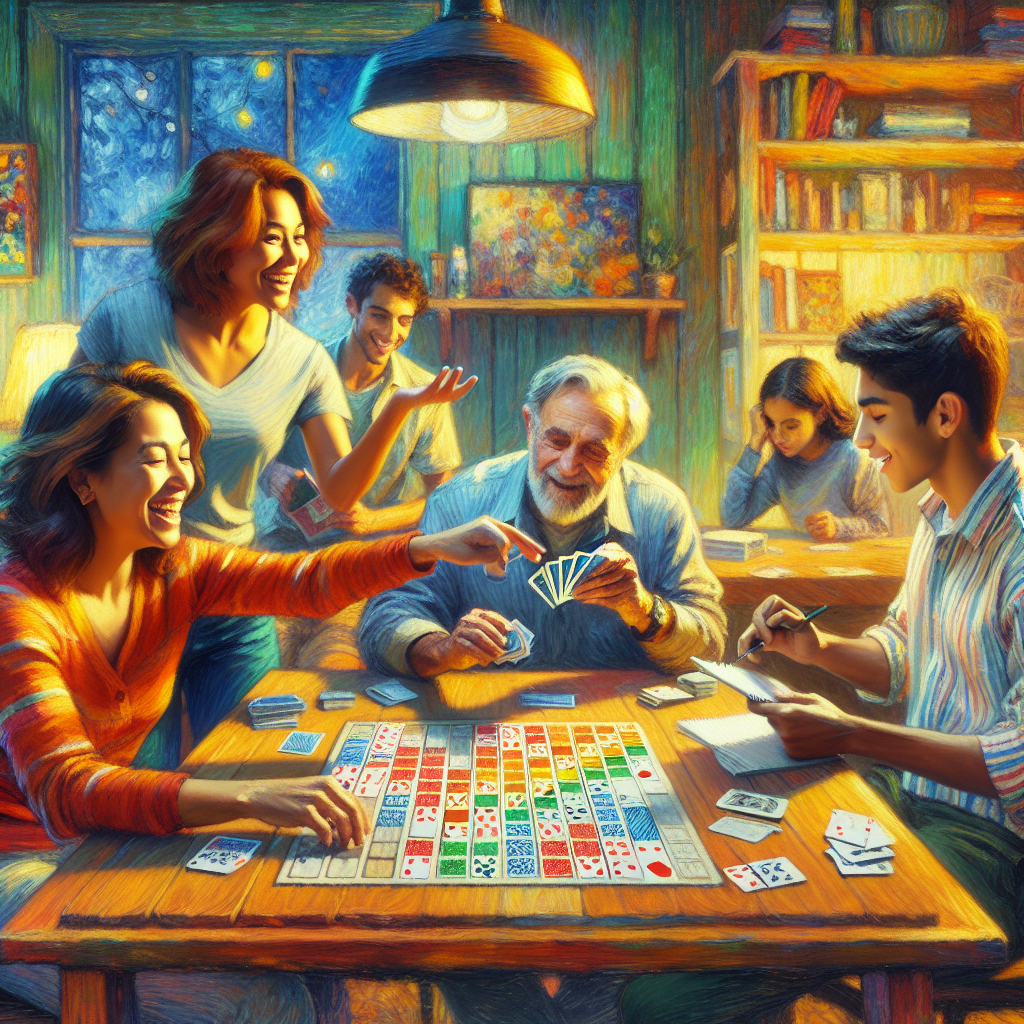
First off, you’ll find that most set collection games work wonderfully with a group of three to five players. This sweet spot allows for enough competition without the chaos that can arise in larger groups. Why three to five, you ask? Well, it creates a balanced playground where players can engage with one another without overwhelming complexity. Each move becomes a calculated risk, and every card draw feels like a game-changer.
With three players, the competition is fierce, but still manageable. Everyone has enough cards in hand to create strategy and react to others’ moves. With four players, the game feels even more dynamic. The tension escalates as you vie for those coveted cards, knowing that the person to your left is eyeing the same set you are. It’s like playing chess in a room full of eager minds; you’ve got to stay sharp while anticipating your opponents’ next moves. Plus, let’s be real—there’s something exhilarating about forming alliances and rivalries, even if just for the duration of the game.
Now, if you’re thinking about pushing the player count to six or beyond, you might be steering into turbulent waters. Sure, larger groups can provide a raucous atmosphere filled with laughs and banter, but they also dilute the core mechanics of set collection. The turns become longer, decisions more tortured, and the game can devolve into chaos. A card you need might vanish from the table before your chance to act even arrives. Suddenly, that strategy you so carefully plotted falls apart as someone swoops in at just the right moment to snatch the card you desperately needed.
Ultimately, while some games can accommodate larger groups, sticking to three to five players is your best bet for a satisfying and engaging experience. It’s about finding that balance where everyone can play effectively while fostering the kind of friendly competition that makes set collection card games so enjoyable. So gather your friends, shuffle those decks, and prepare for the delightful challenge of competing for those precious sets!

How Many Players Are Needed for Set Collection Card Games?
How Many Players Are Needed for Set Collection Card Games?
- The number of players significantly impacts the experience in set collection card games.
- Games typically thrive with three to five players, providing enough competition without overwhelming chaos.
- Three players create fierce but manageable competition, allowing for strategy and reaction to opponent moves.
- Four players increase dynamics and tension, as everyone competes for the same coveted cards.
- Six or more players can lead to longer turns and chaotic gameplay, diminishing core set collection mechanics.
- Larger groups may dilute strategic elements, making it harder to execute planned moves.
- Overall, three to five players offer the best balance for a satisfying and engaging game experience.

How Many Players Are Needed for Set Collection Card Games?
Table Of Contents
- How Many Players Are Needed for Set Collection Card Games?
- What Are Set Collection Card Games?
- How Do Player Counts Affect Gameplay?
- What Is The Ideal Number Of Players For Set Collection Games?
- Can Set Collection Games Be Played With Two Players?
- Are There Set Collection Games Designed For Large Groups?
- How Does Player Interaction Influence Strategy In These Games?
- What Are The Best Set Collection Games For Family Play?
- How Do Rule Variations Impact Player Requirements?
- Are There Solo Variants For Set Collection Games?
- What Age Groups Enjoy Set Collection Card Games The Most?
- How Can You Adapt Set Collection Games For Different Player Counts?
- What Are The Pros And Cons Of Playing With Fewer Players?
- Do Player Counts Change The Game’s Length And Pacing?
- What Makes Set Collection Appealing To Players Of All Ages?
- How Do Expansions Affect The Number Of Players In A Game?
- Conclusion
- Other Resources
- Glossary Of Terms
- Other Questions
- Haiku
- Poem
- Checklist
What Are Set Collection Card Games?
Set collection card games are like a well-tuned symphony, where every card is a note contributing to a harmonious score. At their core, these games revolve around the simple yet captivating idea of gathering sets of cards, creating combinations that yield points, strategic advantages, or even outright victory. But don’t let the simplicity fool you; while the mechanics might be straightforward, the depth of strategy and player interaction can be remarkably intricate.
Imagine a table surrounded by eager players, each one poised with their hand of cards, eyes darting, and minds racing. The air is thick with anticipation and perhaps a smattering of friendly competition. In set collection games, players typically aim to collect specific combinations or sets of cards, which could be categorized by color, number, theme, or any number of distinguishing features. Whether it’s gathering the right colors to form a rainbow or collecting matching pairs to woo the judges, the satisfaction that comes from completing a set is nothing short of euphoric.
What makes these games particularly compelling is the blend of strategy and luck. Players must weigh their options carefully, balancing immediate gratification against the potential for greater rewards down the line. Do you go for that shiny set you already have two cards for, or do you play it safe and snag a card that could thwart a rival’s plan? Each decision is laden with consequence, and as cards are played and collected, a tapestry of alliances, rivalries, and shifting strategies evolves before your eyes.
Another intriguing aspect of set collection card games is the element of resource management. Players often need to decide when to capitalize on their collections and when to hold back, creating a push-and-pull dynamic that keeps the game exhilarating. As players chart their course, they must also remain vigilant, as others are eyeing the same cards. The sight of a rival snatching the last card you need can evoke a deep well of frustration, turning friendly faces into fierce competitors in the blink of an eye.
Set collection card games distill the essence of human interaction into a beautifully uncomplicated format. They invite players to strategize, negotiate, and, ultimately, revel in the art of accumulating sets—reminding us that within the simple act of gathering, there lies a world of possibility and delight.

What Are Set Collection Card Games?
What Are Set Collection Card Games?
- Set collection card games are likened to a well-tuned symphony where every card contributes to the overall experience.
- The core mechanics involve gathering sets of cards to earn points, strategic advantages, or victory.
- While the game mechanics are simple, the strategy and player interactions can be quite deep and intricate.
- Players aim to collect specific combinations of cards based on various distinguishing features like color or theme.
- The blend of strategy and luck adds excitement as players weigh immediate rewards against long-term gains.
- Resource management plays a crucial role as players must decide when to capitalize on collections or wait strategically.
- The games foster human interaction, encouraging strategizing, negotiation, and celebration of the act of accumulating sets.

What Are Set Collection Card Games?
How Do Player Counts Affect Gameplay?
When you delve into the world of multiplayer gaming, one thing becomes immediately clear: player counts are more than just numbers. They’re the hidden gears that drive the experience, shaping everything from strategy and cooperation to competition and chaos. The truth is, the amount of players in a game can drastically alter the way we interact with the digital landscape before us.
Let’s break it down. In a bustling arena filled with dozens of players, every corner becomes a potential battleground. The sheer density of participants creates a frenetic atmosphere that demands quick reflexes and sharper instincts. Think of it as a concert—it’s exhilarating, packed with energy, but also rife with chaos. In these scenarios, you’ve got to call upon not just your skill, but your ability to read the crowd and adapt, to feel the rhythm of the encounter. You learn, perhaps the hard way, that survival often means being one step ahead of your opponents, as alliances can form and dissolve in the blink of an eye.
Now, shift your gaze to a smaller player count. Here, the tone transforms dramatically. With a handful of players, the stakes feel higher; every decision carries weight. The intimate setting fosters deeper connections and strategic planning. Perhaps, in this close-knit environment, you’re not just aiming to win; you’re forging friendships, building trust, and perhaps even playing the long game—letting others think they’ve got the upper hand while you secretly plot your rise. It’s in these quieter moments that the nuances of strategy come to life, as you observe the tiniest shifts in behavior, reading tells that signal when it’s time to strike.
And then, consider the extremes—massively multiplayer online games where thousands provide countless opportunities for collaboration and competition. Here, the dynamics shift again. New systems emerge: guilds form, large-scale raids become epic quests for victory, and camaraderie grows amid the chaos. Yet, it’s also an arena where anonymity can breed toxicity, leaving some players feeling lost in the sea of avatars.
In essence, player counts shape not just the mechanics of a game, but the very experience itself. Whether you relish the adrenaline of a crowded battlefield or the intimacy of a cozy match with friends, it’s this interplay that makes gameplay rich and varied, transforming each session into a unique narrative waiting to unfold.

How Do Player Counts Affect Gameplay?
How Do Player Counts Affect Gameplay?
- Player counts in multiplayer gaming significantly influence the overall gaming experience.
- A high number of players creates a chaotic, energetic atmosphere requiring quick reflexes and adaptability.
- In larger settings, survival depends on the ability to read opponents and form temporary alliances.
- A smaller player count leads to deeper connections, strategic planning, and more meaningful interactions.
- Intimate gameplay allows for nuanced strategies and the subtle reading of opponent behavior.
- In massively multiplayer online games, player dynamics evolve, introducing guilds and large-scale collaborative quests.
- The experience shifts depending on player count, ranging from adrenaline-filled competition to intimate gameplay.

How Do Player Counts Affect Gameplay?
What Is The Ideal Number Of Players For Set Collection Games?
When it comes to set collection games, determining the ideal number of players can feel a little like chasing a chicken in a yard full of geese—messy and unpredictable. Set collection, that age-old mechanic where players gather cards, tokens, or anything else that can be counted or compiled into a glorious collection, thrives on interaction, strategy, and a bit of good, old-fashioned competition. But how many players are just right for the maximum experience?
First off, let’s acknowledge that the magic number often lies between three to five players. With three, you strike a balance between strategic depth and pace. The game moves along briskly—no one gets stuck in the weeds too long, and each player can actively influence the board state. It keeps the stakes high because every choice feels essential. Someone’s always lurking, eager to swoop in and snatch that coveted card you’ve been eyeing.
Now, push the envelope to five players, and you’ll find yourself in the wonderful chaos of variety and unexpected turns. The game broadens, offering more strategies and options for players to explore. However, this added depth can come at a price—waiting. Turns can feel excruciatingly long when you’re just itching to make your move. But the thrill of watching plans unfold as you monitor your opponents’ collections can offset that waiting game. Add in the fact that players are likely to snatch up pieces you desperately need, and you’ve got yourself a game charged with tension.
But what about two players? Ah, the classic duel. While many games can adapt to two, set collection often loses some of its charm here. The back-and-forth interplay that makes the game spark fades when it’s just you and one other contender—choices become predictable, and your plans become all too clear. Sure, it can still be enjoyable, but chances are you won’t relish the same level of zesty competition.
Finally, let’s throw in an honorable mention for six or more players. This can work like a carnival ride—thrilling and chaotic! Yet, it often requires specific games designed for larger crowds, as the pace may slow to a crawl. Still, if you’re looking for a raucous good time with friends and don’t mind the occasional brain freeze between turns, it could be your scene.
So, ultimately, the ideal number teeters between enjoying interaction and keeping the pace lively. Three to five players usually hit that sweet spot, ensuring everyone has a chance to build collections, snatch up resources, and engage in delightful bluffing and bargaining. That’s where the real collection magic lies. Happy gaming!

What Is The Ideal Number Of Players For Set Collection Games?
What Is The Ideal Number Of Players For Set Collection Games?
- The ideal number of players for set collection games typically ranges from three to five.
- Three players provide a good balance of strategic depth and brisk pace, allowing active influence on the game.
- Five players introduce variety and unexpected turns but can result in longer wait times for turns.
- Two players may diminish the game’s charm, making the competition predictable and less dynamic.
- Games designed for six or more players can be chaotic and exciting but may slow down significantly.
- The sweet spot for player count ensures lively interaction, resource acquisition, and engaging competition.
- Ultimately, the goal is to balance interaction and pace for the most enjoyable gaming experience.

What Is The Ideal Number Of Players For Set Collection Games?
Can Set Collection Games Be Played With Two Players?
Set collection games are like the clever cousins of classic board games. They’ve got charm, strategy, and a little bit of luck sprinkled in—attributes that can make them enjoyable for any number of players. But often, potential players find themselves staring at the box and wondering: can these games really hold their own with just two people? Well, grab your favorite beverage, and let’s dig into that question.
At their core, set collection games revolve around gathering specific groups of items or cards to achieve victory. Picture it like fishing—sometimes you reel in a whopper, while other times, it’s a lot of casting and hoping for bites. In a two-player scenario, that competitive fishing dynamic can shift. Without a full cast of characters, the game can feel more intimate, more strategic. Each move carries weight, and every card drawn is like a gentle poke in your opponent’s strategy. You can’t just sit back and let other players clash; you’re in the mix, and your decisions can significantly affect the outcome.
Not all set collection games are crafted equally, though. Some just don’t evolve into the two-player magic they promise. For instance, games heavily reliant on player interactions, like blocking or trading, might feel flat with two players. Imagine bowling with one lane and only two bowling balls—that just doesn’t pack the same thrill. Conversely, games that encourage forward planning and personal strategy often shine brighter with fewer competitors. Games like 7 Wonders Duel or Lost Cities illustrate how two-player set collections can become a gripping mind duel, with each player eagerly anticipating the other’s next move.
There are also variants and adaptations to consider. Many modern board games come with rules tailored for two players, making adjustments to foster that competitive spirit while avoiding the dreaded “solitaire feel.” So, if you’ve got the right game in your hands, don’t hesitate to dive in.
Sure, some games groove better with larger crews, but with a little experimentation and the right selection, playing a set collection game with two players can be just as engaging. What ultimately matters is enjoying great company, sharing laughs, and maybe even some friendly ribbing over that crucial card drawn. So gather your partner in strategy; the world of set collection awaits!

Can Set Collection Games Be Played With Two Players?
Can Set Collection Games Be Played With Two Players?
- Set collection games blend charm, strategy, and luck, appealing to various player counts.
- They involve gathering specific items or cards for victory, similar to fishing.
- In two-player scenarios, the game becomes more intimate and strategic due to fewer participants.
- Not all set collection games suit two players; those reliant on interaction may feel flat.
- Games that promote forward planning, like 7 Wonders Duel or Lost Cities, excel with two players.
- Modern board games often have adapted rules for two players, enhancing competitiveness.
- With the right selection, two-player set collection games can be equally engaging and enjoyable.

Can Set Collection Games Be Played With Two Players?
Are There Set Collection Games Designed For Large Groups?
When it comes to tabletop games, the concept of set collection has often been a cozy affair, best suited for small gatherings or intimate family nights. You’ve got your cards spread out, your eyes scanning the table for that elusive piece to complete your perfect collection. But what about those raucous gatherings where laughter rings louder than the clattering of dice? That’s where set collection games designed for large groups enter the scene, blending competition and camaraderie like a well-mixed cocktail.
Now, you might be wondering, can a game that relies heavily on collecting sets truly accommodate a crowd? Trust me, it can, and it does. Imagine a vibrant table bustling with energy, players eagerly vying to complete their collections while engaging in a lively, sometimes chaotic interaction. Games like “Sushi Go Party” stand out here. It takes the simple joys of its predecessor and amps it up for up to eight players. With a delightful array of sushi cards and a dash of strategy, players race against one another to draft the best combinations. It’s fast-paced, engaging, and guaranteed to keep everyone on their toes, all while you assemble beautifully illustrated sets!
Then there’s “Wit’s End,” a game that combines elements of trivia and set collection, making it perfect for groups. Players not only gather sets of various thematic pieces but also engage in a intellectual tussle, answering questions that spark trivia battles. The charm lies in the mix; you might find that quiet friend who usually keeps to themselves suddenly becoming the trivia champion, all in the pursuit of assembling that coveted collection.
Let’s not forget the classic “Codenames,” which, while not a traditional set collection game, incorporates collecting words and spying on your teammates. It can easily accommodate large groups and offer a metaphorical treasure hunt across the game board. With team dynamics at play, you’ll find laughter and strategy blending seamlessly, leaving attendees buzzing with excitement.
So, the next time you’re faced with a gathering bigger than a handful of friends, think outside the box. Set collection games for larger groups keep the spirit alive, allowing players to bond, strategize, and most importantly, have a great time together, proving that set collection is not just for the quiet nights after a long week.

Are There Set Collection Games Designed For Large Groups?
Are There Set Collection Games Designed For Large Groups?
- Set collection games are traditionally suited for small gatherings but can effectively accommodate larger groups.
- These games blend competition and camaraderie, creating a lively atmosphere.
- “Sushi Go Party” is a standout example, allowing up to eight players to draft delightful sushi cards for a strategic experience.
- “Wit’s End” combines trivia and set collection, encouraging player engagement through thematic piece gathering and question answering.
- “Codenames” is another option that incorporates team dynamics and word collection, appealing to larger groups.
- Set collection games for larger groups offer a mix of strategy, bonding, and fun interaction.
- These games demonstrate that set collection is enjoyable beyond intimate family nights, fostering excitement at bigger gatherings.

Are There Set Collection Games Designed For Large Groups?
How Does Player Interaction Influence Strategy In These Games?
In the world of competitive gaming, player interaction acts as a dynamic catalyst, influencing strategy in ways that often surprise even the most seasoned veterans. Much like a bustling marketplace, where vendors and customers negotiate, barter, and sometimes clash, the digital arenas we engage in are rife with strategic implications stemming from how players interact with one another. When crafting a game plan, whether you’re a lone wolf or part of a coordinated team, understanding the ebb and flow of interaction can make the difference between victory and defeat.
Consider, for instance, the way players communicate. A simple ping in a first-person shooter can alter the course of an entire match, directing teammates to vital resources or enemy positions. Players must think not just about their own actions, but how those actions affect their allies and adversaries. In real-time strategy games, gathering information about your opponent becomes a chess match in itself; each player’s move informs your next. As one player expands their influence on the map, others must react, creating a delicate dance of risk and reward. The strategies evolve based on how well players read each other, like a pulsating heartbeat driving the rhythm of competition.
Then there’s the psychological aspect of player interaction. The wandering rogue in a massively multiplayer online game isn’t just a character; they’re a tangible embodiment of unpredictability, capable of destabilizing an entire raid group with a single, careless decision. This uncertainty isn’t just a nuisance; it can completely reshape strategies on the fly. If players are too cautious, they fall into a defensive pattern that can be exploited; if they get too aggressive, they might open themselves up to counterattacks. Navigating these psychological currents takes foresight, intuition, and a willingness to adapt.
Moreover, the social web that players weave can’t be ignored. Alliances form and dissolve like quicksand, adding another layer of complexity to strategy. Bearing in mind that trust can be a double-edged sword, players must constantly evaluate their relationships with others while planning their next move. Cooperation can lead to mutually beneficial strategies, yet betrayals can shift power dynamics in an instant.
In this chaotic but exhilarating environment, player interaction forms the backbone of tactical gameplay. It’s not just about having the best skills; it’s about understanding the human element, the unpredictable nature of opponents, and harnessing that knowledge to create a winning strategy. Embrace the chaos, read the room—because in these games, every interaction counts.

How Does Player Interaction Influence Strategy In These Games?
How Does Player Interaction Influence Strategy In These Games?
- Player interaction in competitive gaming acts as a dynamic catalyst, influencing strategy profoundly.
- Communication among players, such as using pings in first-person shooters, can significantly change match outcomes.
- Real-time strategy games require players to analyze how their moves influence both allies and enemies.
- The psychological aspect of player interaction can destabilize group strategies, requiring adaptability and foresight.
- Social dynamics among players lead to fluctuating alliances, adding complexity to tactical decisions.
- Trust between players is a double-edged sword, as cooperation can lead to advantages, while betrayal can disrupt strategies.
- Understanding the unpredictable nature of player interactions is essential for crafting effective winning strategies.

How Does Player Interaction Influence Strategy In These Games?
What Are The Best Set Collection Games For Family Play?
When it comes to family game night, sometimes the best memories come from the simplest of activities. Set collection games have a unique charm—they combine strategy, a sprinkle of luck, and the kind of interaction that keeps everyone engaged. If you’re seeking the best options to bring your family together, look no further. Here are some top contenders that might just become staples on your game shelf.
First up, we’ve got Sushi Go! This delightful little card game is as charming as a sushi restaurant on a bustling street corner. Players draft cards featuring various sushi dishes, aiming to collect the most points by accumulating sets. The rules are easy to grasp, making it accessible for younger players while still providing enough strategy to keep adults engaged. And truth be told, there’s nothing quite like a family-friendly competition over who can assemble the tastiest sushi platter!
Next on the list is Ticket to Ride. Now, this isn’t just a train-themed game; it’s a journey through the scenic routes of North America—or even Europe and beyond, depending on your edition. Players collect cards to claim railway routes, trying to connect cities and fulfill destination tickets. The beauty of Ticket to Ride lies in its ability to foster strategic thinking while offering a satisfying sense of adventure. Watching your family create connections on the board is as rewarding as it is fun.
Then there’s Kingdomino, an elegant twist on the classic domino game. In this kingdom-building adventure, players draw tiles to shape their own castles, complete with landscapes and resources. The goal is simple: expand your realm while trying to collect valuable crowns. The tactile nature of the wood and cardboard tiles makes it a delight to handle, and it’s perfect for both quick play sessions and longer strategy discussions.
Don’t overlook Exploding Kittens, either. This whimsical card game is a hilarious race of strategy and luck as players try to avoid drawing the infamous exploding kitten card. With its irreverent humor and easy-to-learn mechanics, it invites laughter and friendly banter, making it a superb choice for family play.
So there you have it. These set collection games offer a delightful blend of challenge and camaraderie, serving not just as entertainment, but as gateways to lasting family memories. Grab your loved ones, roll up your sleeves, and let the games begin!

What Are The Best Set Collection Games For Family Play?
What Are The Best Set Collection Games For Family Play?
- Family game night often creates lasting memories through simple activities.
- Set collection games combine strategy, luck, and interaction among players.
- Sushi Go! is a charming card game where players draft sushi dishes for points.
- Ticket to Ride involves claiming railway routes to connect cities across various editions.
- Kingdomino is a kingdom-building game where players expand realms and collect crowns.
- Exploding Kittens is a humorous card game focused on avoiding an exploding kitten card.
- These games foster challenge and camaraderie, perfect for creating family memories.

What Are The Best Set Collection Games For Family Play?
How Do Rule Variations Impact Player Requirements?
When it comes to games, rules are the bedrock upon which everything else is built. They dictate how a game is played, the objectives to be achieved, and ultimately, the experiences players walk away with. But what happens when those rules are altered? Rule variations can have a profound impact on player requirements, pulling the rug out from under our assumptions and reshaping the very essence of competition.
Imagine stepping onto a baseball field where the standard nine innings have been trimmed to seven, or perhaps altered to allow for an extra player on the field. Suddenly, the pitcher’s strategies shift. Batters may approach their at-bats with a newfound urgency, knowing that the clock is ticking more rapidly than usual. The beauty of the game is still there, yet the dynamics are fundamentally different. The requirement for teamwork increases; every position must adapt to maintain balance and harmony in the altered format.
Now, let’s move over to the world of board games. Take Chess, for example. Imagine a version where knights can leap over two pieces instead of one. This simple twist transforms the tactical landscape. Players accustomed to traditional strategies must now reconsider every move, every defense, and every potential counterattack. The requirement for foresight and flexibility in strategy increases dramatically. So, while the players themselves may be the same, the approach, mindset, and skills required can change overnight.
Even in informal games, like backyard basketball, rule variations abound. Add a three-point line? Well, suddenly players who could coast on their shooting skills are pressured to extend their range, altering the player archetypes altogether. The strong, deft layup artist may find themselves overshadowed by the sharpshooter, demanding a recalibration of skills that many might not have been prepared for.
Moreover, with competitive play, rule changes can affect the very fabric of team dynamics. If a soccer league decides to employ a ‘no offside’ rule, the entire strategy behind positioning and timing in play is turned upside down. Coaches must recalibrate training regimens and player roles, creating a ripple effect that impacts recruitment, skill development, and game day performance.
In essence, rule variations inject a mighty dose of unpredictability into the game. They compel players to adapt, evolve, and, quite frankly, think on their feet. The moment you introduce a variation, you’re not just changing the game; you’re reshaping the players, the strategies, and the very culture of competition itself. Buckle up, because in the world of games, the expected can change in an instant, and adaptability becomes the name of the game.

How Do Rule Variations Impact Player Requirements?
How Do Rule Variations Impact Player Requirements?
- Rules are fundamental to games, defining play, objectives, and player experiences.
- Altering rules can significantly impact player requirements and competition dynamics.
- In baseball, shortening innings or adding players changes pitching strategies and urgency for batters.
- In chess, allowing knights to leap over two pieces alters tactical strategies and requires flexibility from players.
- Backyard games like basketball can shift player archetypes with new rules, such as adding a three-point line.
- Competitive game rule changes, like a ‘no offside’ rule in soccer, affect team dynamics and player roles.
- Rule variations introduce unpredictability, demanding adaptability and a shift in player strategies and competition culture.

How Do Rule Variations Impact Player Requirements?
Are There Solo Variants For Set Collection Games?
Set collection games, with their colorful cards and strategic nuances, often get players to gather around the table, elbowing for space as they vie for the best combinations. But what if you’re a lone wolf, a solitary gamer seeking that same thrill without the bustle of a crowd? Fear not, intrepid card collector; there are indeed solo variants for many popular set collection games that can stir the soul and challenge the mind.
First off, let’s consider the beauty of adapting traditional games for solo play. Many of these games are designed with clever mechanics that allow for solo variants to thrive. Take a classic like “Sushi Go!” for instance. In its original format, players are all about snatching the best sushi dishes in a quick melee of decision-making. Turn it into a solo experience, and you can use the same deck, but modify the scoring system against a fictional opponent or a set target score. You get the thrill of building your hand without the pressure of racing against your friends. That’s the kind of sweet, strategic satisfaction every solo gamer craves.
Then there are titles like “7 Wonders.” Originally a game of simultaneous drafting with a robust player interaction element, it can be tweaked to allow for an engaging solo experience. Many dedicated fans have shared strategies online for playing against an automated opponent, letting you spread your civilization’s influence while grappling with the same strategic decisions that make the game shine in multiplayer. You still get to collect sets of wonders, resources, and scientific advancements, all while sipping your coffee in the comfort of your own home.
Don’t forget about the comprehensive solo modes that come with certain game editions. “Ark Nova” has carved out a niche with its intricate layers, offering solo mechanics that are as rich and rewarding as its multiplayer counterpart. You can delve into the beautifully crafted world of zoo management, collecting sets of animals and building habitats to your heart’s content, all without the noise of fellow players.
In summary, while the raucous laughter and intriguing discussions of multiplayer set collection games have their charm, the world of solo variants is a treasure trove waiting to be explored. Whether you’re tweaking mechanics or embracing official solo modes, you can find fulfillment in the exquisite challenge of collecting sets all on your own. So, gather your cards, lay out your strategy, and embark on a journey of solo discovery. The thrill waits for no one—except you.

Are There Solo Variants For Set Collection Games?
Are There Solo Variants For Set Collection Games?
- Set collection games engage players with colorful cards and strategic gameplay.
- Solo variants exist for many popular set collection games, catering to lone gamers.
- Games like “Sushi Go!” offer modified scoring systems for a solo experience with the same deck.
- “7 Wonders” can be adapted for solo play by competing against an automated opponent.
- Some games, such as “Ark Nova,” include rich solo mechanics in their editions.
- Solo variants allow players to enjoy strategic challenges without the pressure of multiplayer settings.
- The world of solo set collection games offers a fulfilling gaming experience for those who prefer solitude.

Are There Solo Variants For Set Collection Games?
What Age Groups Enjoy Set Collection Card Games The Most?
When you take a closer look at the colorful world of set collection card games, one demographic stands out in a major way: the young and the young at heart. While anyone with a penchant for strategy and a few fun friends can find joy in these games, there are certain age groups that revel in them with notable enthusiasm.
First up to bat are the kids and tweens, typically ranging from about 8 to 14 years old. This is a prime period for cognitive development, and set collection games provide an engaging playground for growing minds. These games challenge kids to think critically, make strategic decisions, and even suffer a little loss—an important life lesson wrapped in a fun package. Whether it’s something simple and whimsical like “Sushi Go!” or a more intricate design such as “7 Wonders,” younger players enjoy the thrill of collecting sets and the delightful celebration of victory that follows. Plus, they often have friends who are equally keen to join in, creating a social atmosphere that adds to the excitement.
Moving on up the age ladder, we find the young adults, from about 18 to 30. This group dives into set collection games not just for the mechanics, but for the social bonds they foster. Many of these individuals seek an escape from the daily grind, and nothing beats gathering around a table with friends for an evening of strategic gameplay, hearty laughter, and maybe a few light-hearted jabs. Games like “Ticket to Ride” or “Carcassonne” fit the bill perfectly, providing layers of strategy while still keeping the social vibe alive. Plus, the thrill of competition is particularly appealing in a world where everyone’s trying to carve out their own identity.
Then we enter the realm of the 30s and beyond. Here, the appreciation for set collection games often comes from nostalgia or an appreciation of the game’s strategic depth. Whether it’s seasoned board gamers or those reliving their youth with family game nights, folks in this bracket enjoy the intellectual challenge and the strategic planning involved. They may reminisce about simpler times while maneuvering through intricate layouts and clever plays, making each session a blend of reflection and excitement.
So, whether you’re a sprightly child learning the ropes or a wise sage honing your skills, it’s clear that set collection card games have carved out a welcoming space for everyone across the age spectrum. It’s a testament to a timeless way of gathering, strategizing, and just enjoying each other’s company.

What Age Groups Enjoy Set Collection Card Games The Most?
What Age Groups Enjoy Set Collection Card Games The Most?
- Set collection card games appeal to a diverse demographic, particularly the young and young at heart.
- Kids and tweens (ages 8 to 14) enjoy these games, fostering cognitive development and critical thinking skills.
- Examples for younger players include simple games like “Sushi Go!” and more intricate ones like “7 Wonders.”.
- Young adults (ages 18 to 30) appreciate the social bonds created during gameplay, using games to escape daily life.
- Popular games among this age group include “Ticket to Ride” and “Carcassonne,” which balance strategy and social interaction.
- Players in their 30s and older often engage with set collection games for nostalgia and a deeper appreciation of strategy.
- Overall, set collection games create a welcoming space for enjoyment and connection across all age groups.

What Age Groups Enjoy Set Collection Card Games The Most?
How Can You Adapt Set Collection Games For Different Player Counts?
When it comes to adapting set collection games for different player counts, think of it like tuning an engine. Every piece plays a vital role, and slight adjustments can transform the output. Whether you’re gearing up for a light-hearted family game night or a strategic showdown with seasoned friends, there’s a method to make sure everyone is playing with a full tank.
First off, let’s talk about scaling the game’s components. If you’re rolling with a larger crew, consider increasing the number of available sets or resources. This not only enhances the strategic depth but also preserves the excitement. Nobody wants to fight over the same prized card in a six-player match, so why not throw in a few extra options? It spreads things out and keeps the competition friendly, rather than turning it into a battle royale where players are clamoring for the same gathering treasures.
When it’s just you and a partner, think smaller. A tighter game means each decision carries weight. One approach is to modify the scoring system: less reliance on patterns, more emphasis on making tangible moves that affect your opponent directly. You might even trim down the number of available sets to create a more intimate, tactical experience. This makes you feel like two chess grandmasters engaged in a duel rather than a chaotic flea market, where one wild swipe could alter the course of the game.
On the flip side, if it’s a solo venture, adapt the challenge. Increase complexity—not just in the choices available but in how those choices impact your end goal. Think of introducing new layers of strategy, such as timed rounds, or introducing a dummy player whose moves you have to anticipate. This adds a degree of tension, elevating your game beyond mere collection and into the realm of tactical foresight.
Playtesting is essential. Don’t be afraid to gather a group and tinker with the rules. Each player count brings its unique flavor, so listen to feedback and don’t shy away from making major changes if needed. Maybe a game is too easy with three players—introduce a new mechanic or restrict actions to give it that extra kick.
Ultimately, whether you’re adapting for a cozy gathering or a boisterous bash, the key is maintaining balance and ensuring that every player feels engaged and invested in their journey. Because in the end, it’s all about the experience, and you want to make sure everyone revs their engines and enjoys the ride.

How Can You Adapt Set Collection Games For Different Player Counts?
How Can You Adapt Set Collection Games For Different Player Counts?
- Adapting set collection games for different player counts is like tuning an engine, with every piece playing a crucial role.
- For larger groups, increase the number of available sets or resources to enhance strategic depth and maintain excitement.
- With fewer players, focus on a tighter game design, emphasizing impactful decisions and possibly modifying the scoring system.
- Solo play should involve increased complexity and may include new strategic layers such as timed rounds or a dummy player.
- Playtesting is essential; gather feedback and be open to major rule changes based on the player count and experience.
- Maintaining balance is key, ensuring every player feels engaged regardless of the game size.
- Ultimately, the goal is to create an enjoyable experience for all players, making sure everyone is invested in the game.

How Can You Adapt Set Collection Games For Different Player Counts?
What Are The Pros And Cons Of Playing With Fewer Players?
When it comes to playing games with fewer players, there’s a unique charm mixed with a host of challenges. Let’s break it down, shall we?
Pros: The Intimate Experience
One of the most striking advantages of playing with a smaller crew is the enhanced intimacy of the experience. With fewer players, conversations flow more freely; everyone gets a chance to chime in, share opinions, and weave their contributions into the fabric of the game. It’s like a good band playing in a small pub rather than a stadium – the closeness fosters camaraderie and makes every victory feel personal.
Another benefit is the ability to focus on strategy and tactics. With fewer voices at the table, it’s easier to hone in on the subtleties of the game. You can be more analytical, more creative, and relish in those moments of brilliance. The stakes often feel higher when everyone is looking at you for the next play, and that can push your game to newfound heights.
Cons: The Gaps in Gameplay
Now, it’s not all sunshine and rainbows. The flip side of the coin presents its own set of challenges. When you reduce the number of players, you inevitably reduce the diversity of strategies, skills, and styles. Each person carries a unique set of strengths to a game, and fewer players can mean a more predictable, one-dimensional experience.
Also, less player interaction can lead to a more solitary feel, especially in games that thrive on social dynamics. You might find if the conversation lulls, the game can feel a bit stagnant. It lacks that chaotic energy where everyone’s vying for attention, where alliances shift and rivalries spark. With fewer players, you may miss out on those delightful twists that come from human unpredictability.
Finally, let’s talk competition. Fewer players can often mean a tighter race to victory – it’s either glory or the sting of defeat, and sometimes that pressure can be overwhelming. Imagine going up against just one opponent; it’s all on you. That can be exhilarating, but it can also lead to burnout if the stakes feel too heavy.
Playing with fewer players is a double-edged sword. It offers a chance to forge deeper connections and explore strategies in ways that larger groups might dilute. Yet, it also risks falling into a quieter, less dynamic rhythm. Understanding both sides of this arcade coin can help you decide the right group size for your next game night, and make the most of every roll of the dice.
What Are The Pros And Cons Of Playing With Fewer Players?
What Are The Pros And Cons Of Playing With Fewer Players?
- Intimate Experience: Smaller player groups foster enhanced intimacy, allowing for freer conversations and more personal contributions.
- Focus on Strategy: With fewer players, it’s easier to dive into the nuances of the game, leading to more creative and analytical play.
- Reduced Diversity: Fewer players can result in less diversity in strategies and skills, making the gameplay more predictable and less dynamic.
- Solitary Feel: Less player interaction may lead to a stagnant game atmosphere, especially in socially-driven games.
- Missing Unpredictability: Smaller groups may lack the chaotic energy of larger ones, reducing the surprises that arise from human interaction.
- Tight Competition: Facing fewer opponents can create intense competition, which can be both exhilarating and overwhelming.
- Double-Edged Sword: Playing in smaller groups offers deep connections and strategic exploration but can also lead to a quieter rhythm.

What Are The Pros And Cons Of Playing With Fewer Players?
Do Player Counts Change The Game’s Length And Pacing?
When you gather a group of friends for a gaming session, the number of players can significantly influence not just the length of the game but its pacing as well. Imagine diving into a cooperative adventure or a competitive showdown—each player adds their own rhythm to the experience, like instruments in a symphony. Sometimes, that harmonious collaboration creates a seamless flow, while other times, it might feel like a band trying to play different songs at the same time.
Take a classic like “Dungeons & Dragons” as an example. When you bring a full table of players together, the story can expand exponentially. Each player contributes their own subplot, character choices, and tactical decisions, which can lead to a sprawling narrative that can stretch an evening into multiple sessions. But more players also mean more voices, more ideas, and often, more indecision. The pacing might slow as players debate their strategies or get caught up in rich storytelling. You might find yourself waiting for that one player who always has a hundred questions or can’t decide between picking up a magic sword or a wooden shield.
On the flip side, when you’re down to just a couple of players, the game can move like a freight train. The decisions are faster, and the dialogue is snappy. You get to the point, cut out the fluff, and dive straight into the action. Sure, you might miss the depth and dynamics of a big group, but there’s a thrill in the immediacy of a two-player showdown. It’s an adrenaline rush—quick, intense, and often deeply satisfying.
Let’s not forget competitive games, where player counts can directly determine the pacing as well. In a game of “Among Us,” for example, more players mean longer rounds filled with strategy and deception. With fewer players, that tension can escalate quickly, leading to lightning-fast decisions that keep everyone on the edge of their seats. It’s a fine balance between chaos and control, and the number of players spins that dial one way or another.
Ultimately, whether you’re facing off against friends or teaming up for an epic quest, player counts have a profound impact on pacing and length. It’s a dance where every participant has their role to play, shaping the experience in ways that can be unpredictable, exhilarating, and altogether unforgettable. It’s all about finding that sweet spot where the music of your game truly resonates!

Do Player Counts Change The Game’s Length And Pacing?
Do Player Counts Change The Game’s Length And Pacing?
- The number of players in a gaming session influences both the length and pacing of the game.
- Each player contributes to the game’s rhythm, creating a collaborative or chaotic experience.
- In games like “Dungeons & Dragons,” more players can expand the narrative but may lead to indecision and slower pacing.
- Fewer players often result in faster decisions and snappier dialogue, but may sacrifice depth.
- Competitive games, such as “Among Us,” have varied pacing depending on player counts, affecting strategy and tension.
- The balance between chaos and control shifts with the number of participants, impacting the overall gaming experience.
- Finding the right number of players is key to achieving an engaging and fulfilling gameplay experience.

Do Player Counts Change The Game’s Length And Pacing?
What Makes Set Collection Appealing To Players Of All Ages?
Set collection games have a unique charm that transcends age barriers, drawing players into their fold with the allure of strategy, nostalgia, and the thrill of completion. Whether you’re a spry eight-year-old or a wise octogenarian, there’s something inherently satisfying about gathering pieces that fit together to form a greater whole. It’s an activity that speaks to the hunter-gatherer in all of us — the thrill of the chase, the joy of discovery, and the sweet satisfaction of having something to show for your efforts.
At the heart of set collection is a simple yet powerful idea: collecting items to create a complete set. This could be anything from colorful cards and intricate game pieces to bottle caps or stamps. For young players, set collection is often their first taste of strategic thinking. As they assess which pieces they need and which ones they should trade or pursue, they learn valuable lessons about planning, negotiation, and patience. It’s not merely a game; it’s a crash course in decision-making wrapped in a colorful package that appeals to the imagination.
For adults and older players, set collection stirs up a sense of nostalgia. It harks back to simpler times spent sifting through piles of marbles or trading baseball cards during lunch breaks. There’s a certain comfort in the tactile act of picking up items and watching a collection grow. It taps into a primal instinct to collect and curate, to build something tangible that reflects personal tastes and memories. As they reminisce over the past, players of all ages become united in the shared experience of collecting, sparking conversations and connections across generations.
Moreover, set collection games often combine luck and strategy, appealing to diverse play styles. Some players thrive on the unpredictability of drawing cards or rolling dice, while others relish the strategic maneuvering required to snag the last elusive piece needed to complete a set. This blend keeps players engaged, whether they’re competing against friends or simply enjoying the process of building and completing their collections.
In a world increasingly dominated by fleeting digital experiences, set collection games offer a refreshing return to tangible interaction. They invite players to step away from screens, gather around a table, and relish the simple joy of collecting. The blend of strategy, nostalgia, and camaraderie makes set collection an enduring favorite, inviting players of all ages to join the hunt and celebrate the beauty of completion. Whether you’re seven or seventy, the thrill of collecting is a game worth playing.

What Makes Set Collection Appealing To Players Of All Ages?
What Makes Set Collection Appealing To Players Of All Ages?
- Set collection games appeal to all ages through strategy, nostalgia, and the joy of completion.
- Players experience satisfaction in gathering pieces that form a greater whole, tapping into the hunter-gatherer instinct.
- Collecting items teaches young players valuable lessons about planning, negotiation, and decision-making.
- For adults, set collection evokes nostalgia, recalling simpler times and the joy of trading items like baseball cards.
- Set collection fosters connections and conversations across generations through shared experiences.
- These games blend luck and strategy, catering to diverse play styles and engaging players in the quest for elusive pieces.
- In an increasingly digital world, set collection games provide a tangible, interactive experience, emphasizing camaraderie and the thrill of collecting.

What Makes Set Collection Appealing To Players Of All Ages?
How Do Expansions Affect The Number Of Players In A Game?
When we talk about expansions in games, whether they’re tabletop, video, or even mobile, we’re diving into a territory that transforms the gaming landscape. It’s like adding a turbocharger to your trusty old pickup truck; suddenly, it opens up a world of possibilities. But how do these expansions really affect the number of players involved? Let’s unpack that.
First off, when a game introduces an expansion, it’s often a beacon calling out to both the faithful and the uninitiated. For those already invested, it’s like receiving an invitation to a family reunion with some long-lost relatives; you’re excited to see what new shenanigans will unfold. But for the newcomers, it can be a bit overwhelming. The allure of the expansion can lead to curiosity, driving them down the path of discovery. “Wait,” they think, “there’s more to this world?” This curiosity can be infectious, and before you know it, your local gaming group has doubled in size.
However, there’s a bit of a paradox at play. While expansions add depth and excitement, they can also create barriers. If a new player walks into a game night and finds the table laden with a sprawling board, myriad miniatures, and a rulebook thicker than a phone book, they might feel a bit daunted. It’s a balancing act, really. Expansions need to be crafted in such a way that they invite players in, rather than intimidate them. Clarity in design—think streamlined mechanics and clear, enticing goals—can make the difference between a player diving in eagerly or slinking away quietly.
Moreover, the community around a game can grow through expansions. Social media platforms buzz with discussions, strategies, and teasers, drawing in even more players. The anticipation builds like the sweet tension before the first pitch in a baseball game. Gamers share their experiences, creating a ripple effect that boosts player turnout not just for the original game but for its expansions as well.
In essence, expansions function as catalysts in the gaming ecosystem. They can attract new players and rekindle the enthusiasm of seasoned veterans, fostering a growing, thriving community. Yet, it’s crucial for game designers to strike that perfect balance between inviting new faces and enriching the experience for those who’ve been along for the ride. After all, in the realm of gaming, the more, the merrier, as long as everyone’s ready to play.

How Do Expansions Affect The Number Of Players In A Game?
How Do Expansions Affect The Number Of Players In A Game?
- Game expansions can transform the gaming landscape, similar to adding a turbocharger to a vehicle.
- Expansions attract both loyal players and newcomers, inviting them to explore new elements of the game.
- New players may feel overwhelmed by complex expansions, necessitating a balance in design.
- Clear design and streamlined mechanics are essential to engaging new players without intimidating them.
- Community engagement around expansions is heightened through discussions on social media, fostering growth.
- Expansions serve as catalysts, increasing player turnout for both the original game and its updates.
- Game designers must balance accessibility for new players with enriching the experience for veteran players.
How Do Expansions Affect The Number Of Players In A Game?
Conclusion
As we draw the curtains on this exploration of set collection card games and their player dynamics, let’s take a moment to savor what we’ve uncovered. Set collection games are a delightful mix of strategy, luck, and a splash of social interaction, and the number of players around the table can make all the difference in how the game unfolds. We’ve established that three to five players tends to be the sweet spot for most set collection games, striking a delicate balance between competition and engagement without spiraling into confusion.
When you gather a group of three, you create an environment where each player’s moves resonate significantly—turns are quick, and each draw stirs a palpable tension. Move that up to four players, and the dynamics naturally evolve into a more vibrant competition, where alliances and rivalries blossom, creating a thrilling chess-like atmosphere. However, venturing into the six-player territory can lead to a hefty dose of chaos, where strategy can get overshadowed by the unpredictable nature of a crowded table. While larger groups can provide raucous fun, they often dilute the core mechanics of set collection games, turning calculated maneuvers into frantic grabs for glory.
Yet, we mustn’t overlook the joy of solo gaming. Many set collection games have embraced two-player and solo variants, allowing for a personal journey of strategy without the noise of competition. It’s like savoring a fine wine alone—introspective, relaxed, and distinctly enjoyable.
Equally important is the age span of players who find delight in these games. From kids learning the ropes of strategy to adults rekindling nostalgia while forging new memories with family and friends, set collection games prove they have something to offer everyone. The thrill of collecting cards brings a cathartic joy, transcending generations.
In conclusion, whether you’re huddled around a cozy kitchen table with a few friends, diving into a solo experience, or trying to corral a larger group, understanding the ideal player count for set collection card games enhances the experience. It’s about connecting with people, enjoying the journey of gathering pieces, and engaging in the nuanced dance of strategy. So next time you shuffle those decks, remember: it’s not just about collecting—it’s about the story you create along the way. Happy gaming!

Conclusion
Conclusion:
- Set collection card games combine strategy, luck, and social interaction.
- The ideal player count is generally between three to five, balancing competition and engagement.
- With three players, the game offers quick turns and significant tension with each move.
- Four players enhance competition, fostering alliances and rivalries in a thrilling atmosphere.
- Games with six or more players can become chaotic, overshadowing strategy with frantic play.
- Solo and two-player variants allow for a personal and introspective gaming experience.
- Set collection games appeal to a wide age range, from children to adults, providing joy across generations.

Conclusion
Other Resources

Other Resources
Here is a list of other resources you can review online to learn more:
- How to Play SET: Rules & Setup for the Matching Card Game – wikiHow
- 10 Best Set Collection Board Games – Board Game Halv
- How to Play Sequence – Game Rules
- Set (card game) – Wikipedia
Use This Prompt To Get More Resources With Your Favorite Online AI Tool: Please provide me with a list of online articles with their URLS in a bulleted list that I can read regarding How Many Players Are Needed for Set Collection Card Games?

Other Resources
Glossary Terms
How Many Players Are Needed for Set Collection Card Games? – Glossary Of Terms
1. Set Collection: A game mechanic where players aim to collect sets of items (cards) that share a common attribute or criteria.
2. Player Count: The number of players required to participate in a game. For set collection games, this can range widely.
3. Hand Size: The maximum number of cards a player can hold at one time, which can influence strategy and set completion.
4. Game Duration: The average time it takes to complete a game, which often depends on the number of players involved.
5. Victory Points: Points scored by players based on the sets they collect, usually determining the winner at the end of the game.
6. Scoring System: The rules governing how players earn points for their collected sets, which may vary by game.
7. Mechanics: The specific methods and rules that dictate gameplay, including how players collect and organize their cards.
8. Drafting: A method of card selection where players choose cards from a limited pool, often used to enhance set collection strategies.
9. Trade: The act of exchanging cards with other players to complete sets, a common feature in many set collection games.
10. Theme: The overarching subject matter of a game that influences its artwork, mechanics, and player experience.
11. Card Rarity: Describes how frequent or scarce a card is within a game, affecting its desirability for set collection.
12. Expansion: Additional content added to a base game that introduces new cards, mechanics, and possibly new player counts.
13. Turn-Based Play: A game structure where players take turns performing actions, essential for maintaining order in multiplayer set collection games.
14. Resource Management: The strategy involving how players manage their cards and actions to maximize their set collection before the game ends.
15. End Game Trigger: A condition or occurrence that signals the end of the game, often related to reaching a specific number of sets or rounds.
16. Cooperative Play: A game mode where players work together towards a common goal rather than competing against each other.
17. Competitive Play: A game mode where players compete against each other to collect more sets than their opponents.
18. Set Completion: Successfully gathering all the needed cards for a specific set, often marking a significant achievement in gameplay.
19. Discard Pile: A central area where played or unused cards are placed, adding strategic considerations for players.
20. Draw Mechanic: The method by which players acquire new cards, either from a deck, opponents, or the discard pile.
21. Action Point: Points allocated to players that can be spent to perform actions, potentially including drawing or trading cards.
22. Card Abilities: Special features or powers that individual cards may have, influencing gameplay dynamics and set collection strategies.
23. Draft Pool: The collection of cards available for players to choose from during the drafting phase, impacting set collection choices.
24. Elimination: A game mechanic where players are removed from the game based on specific criteria or failure to collect sets.
25. Replayability: The extent to which a game can be played multiple times with freshness, often derived from varying player interactions and strategies.
26. Action Economy: The balance of a player’s ability to perform actions in a turn, which can affect the rate of set collection.
27. Synergy: The interaction between cards or players that can enhance the effectiveness of set collection efforts.
28. Limitations: Specific rules or constraints placed on players that can affect how they collect sets, such as hand size or card types.
29. Strategy: The planned approach a player takes to maximize their chances of winning, focusing on efficient set collection and resource management.
30. Game Balance: The fairness and competitiveness of a game, influenced by how well it accommodates various player counts and strategies.

Glossary Of Terms
Other Questions
How Many Players Are Needed for Set Collection Card Games? – Other Questions
If you wish to explore and discover more, consider looking for answers to these questions:
- What factors should be considered when choosing a card game for different age groups?
- How do various game mechanics influence player engagement in set collection games?
- What are some popular set collection games that cater to beginners?
- How can set collection games be made more competitive in larger groups?
- Are there recommended strategies for winning at set collection games?
- How do expansions enhance the experience of set collection card games?
- What are some common mistakes players make in set collection games?
- How does the theme of a set collection game affect its appeal?
- What are the differences between classic and modern set collection games?
- Can you give examples of how player psychology affects strategy in these games?

Other Questions
Haiku
How Many Players Are Needed for Set Collection Card Games? – A Haiku
Gather ’round the cards,
Three to five friends make the game—
Collecting with joy.

Haiku
Poem
How Many Players Are Needed for Set Collection Card Games? – A Poem
Gather round the table wide,
Where cards like stories bide,
With laughter, strategy hand in hand,
Set collection games, so grand.
Three to five, the perfect crew,
Where tension builds, and bonds renew,
Each turn a dance of risk and chance,
In this vivacious card-filled romance.
With three, fierce competition’s flair,
Plans unfold with careful care,
Four players spark a dynamic thrill,
As strategies twist and laughter spills.
But add a sixth, the chaos swells,
Cards slip away, the tension dwells,
Turns stretch long; decisions weigh,
In larger crowds, the fun may fray.
Yet still, in cozy corners bright,
Two can joust, in tactical light,
Though interactions may feel muted,
Solo quests, too, are oft lauded.
From Sushi Go! to Ticket’s ride,
In family’s warmth, joy won’t hide,
Collecting sets bonds us tight,
Creating memories, pure delight.
Each player molds the game anew,
In whispers shared, in laughter too,
The heart of play, in hands we hold,
In every draw, a tale unfolds.
So gather friends, both brave and bold,
In every story, let it be told,
Through cards and sets, our spirits soar,
In the world of games—there’s always more.

Poem
Checklist
How Many Players Are Needed for Set Collection Card Games? – A Checklist
1. Identify Game Preferences:
_____ Consider the types of set collection games you enjoy.
_____ Note if you prefer competitive or cooperative gameplay.
2. Determine Player Count:
_____ Aim for 3 to 5 players for balanced competition and strategic interaction.
_____ Recognize that:
_____ 2 players may reduce gameplay dynamics and excitement.
_____ 6 or more players might lead to chaos and longer turns.
3. Assess Game Dynamics:
_____ Understand that fewer players allows for deeper interaction and quicker turns.
_____ Acknowledge that more players can increase fun but may dilute strategy and pacing.
4. Consider Player Skills and Experience:
_____ Gauge players’ familiarity with the game’s mechanics to determine if they can handle complex interactions.
_____ Adapt the game components to fit players’ skill levels.
5. Evaluate Game Length and Pacing:
_____ Shorter games may be preferable with fewer players for faster-paced sessions.
_____ Larger groups may extend game length due to increased decision-making time.
6. Focus on Social Interaction:
_____ With smaller groups, emphasize personal interaction, such as conversations and strategy sharing.
_____ For larger groups, prepare for potential chaos but enjoy the lively atmosphere.
7. Adapt Game Components:
_____ For larger groups, consider increasing the number of cards or sets available.
_____ For smaller counts, simplify rules or alter scoring to enhance game pacing and strategic depth.
8. Explore Solo Variants:
_____ If gaming alone, search for solo adaptations of your preferred set collection games.
9. Experiment with Rule Variations:
_____ Be open to altering game rules to accommodate different player counts, ensuring balance and engagement.
10. Gather Feedback After Playing:
_____ Discuss with players post-game to identify what works best regarding player count, pacing, and enjoyment.
_____ Adjust future game nights based on this feedback for optimal experiences.
11. Enjoy the Gaming Experience:
_____ Focus on having fun and creating memorable moments, regardless of player count.
_____ Remember that the goal is to enjoy the game and foster friendships and healthy competition.
By following this checklist, you’ll be well-prepared to choose the ideal player count for your next set collection card game session, ensuring a satisfying and engaging experience for everyone involved! Happy gaming!

Checklist
At CardGameNews, we help people who love card games by collating information and news about card games.
Be sure to read our other related stories at CardGameNews to learn more about card games.