

The Battle Between Ai And Human Creativity In Card Games
By Tom Seest
At CardGameNews, we help people who love card games by collating information and news about card games.
Be sure to read our other related stories at CardGameNews to learn more about card games.
Could Artificial Intelligence Strategies Outperform Human Creativity In Card Games?
Imagine gathering around a table, the flicker of candlelight casting shadows on focused faces, laughter mingling with anticipation as players eagerly clutch their cards. This is the heart of humanity—an age-old tradition where strategy dances with chance, where each play is a story, and every hand tells a tale. We’ve gripped the fate of a simple card game for centuries, sharing not just the thrill of victory and defeat, but the bonds of connection that come with it. The essence of play rests not only in the outcome but in the shared experience—something artificial intelligence is now stepping into.
As AI makes its entrance into the realm of card games, one can’t help but wonder: can algorithms truly innovate in ways that mirror our creative instincts? Sure, these mighty systems can analyze vast data sets, calculate probabilities, and make lightning-fast moves that would put a master player to shame. Yet, there’s something primal about human creativity, an unpredictable spark that arises from a lived experience—an intuition that often overrides logic. We make choices that may not seem rational, based on gut feelings or emotional insights, and it’s in those moments of risk and reward that we find ourselves and our companions.
Consider this: we’re often drawn to players who blend strategy with personality, who bring a flair to their gameplay that inspires the entire table. There’s authority in knowing that someone has put thought into a move, perhaps peppered with a bit of misdirection—a feint here, a bluff there. AI doesn’t boast the same intuitive nuance that draws us in emotionally. It can’t weave the same narratives; it can’t tell the stories that weave through our lives, infusing our card games with the richness of human experience.
But does this mean we should shun AI altogether? Not at all. Instead, let us embrace the potential it offers. The future of card games may not be a battle between human and machine, but rather a partnership where AI enhances our creativity. What if, by collaborating with these systems, we could deepen our strategies and explore new dimensions of play? The challenge lies in balancing raw data with the authentic storytelling that makes our interactions meaningful.
As we venture into this new territory, let’s do so with open hearts and curious minds, recognizing an opportunity not to replace the traditions that bind us, but to enrich them. After all, the laughter and camaraderie around the table are what make the game worth playing. Let’s invite AI to the table—not as a rival, but as an ally in our ongoing narrative of play.

Could Artificial Intelligence Strategies Outperform Human Creativity In Card Games?
Could Artificial Intelligence Strategies Outperform Human Creativity In Card Games?
- Gathering around a table for card games embodies human connection through shared experiences.
- Playing cards involves a blend of strategy, chance, and storytelling, resonating through generations.
- AI’s entry into card games raises questions about its ability to mirror human creativity and intuition.
- Humans make unpredictable choices based on emotions and gut feelings, enriching the gameplay experience.
- While AI excels in data analysis and rapid decision-making, it lacks the emotional nuance of human players.
- We should view AI as a potential partner in enhancing creativity rather than a rival in card games.
- Embracing AI can deepen strategies and enrich the traditions of card playing without replacing them.

Could Artificial Intelligence Strategies Outperform Human Creativity In Card Games?
Table Of Contents
- Could Artificial Intelligence Strategies Outperform Human Creativity In Card Games?
- What If Ai Strategies Could Redefine Our Understanding Of Creativity?
- Are We Risking The Essence Of Human Intuition By Relying On Ai?
- How Might Ai Outperform Human Strategy Without Emotional Insight?
- What Role Do Ethics Play In Letting Ai Compete In Creative Fields?
- How Can We Balance Ai Advancements With Our Innate Creativity?
- Conclusion
- Other Resources
- Glossary Of Terms
- Other Questions
- Haiku
- Poem
- Checklist
What If Ai Strategies Could Redefine Our Understanding Of Creativity?
What If AI Strategies Could Redefine Our Understanding Of Creativity?
Imagine, for a moment, a card game. Now, before you roll your eyes, think about what that game represents. Each card embodies a unique strategy, a different approach to winning, or perhaps simply a fresh perspective on the same old game. Now, what if the game had an unexpected wild card—Artificial Intelligence? Picture this: AI becomes the dealer, shuffling the cards of creativity that have long been perceived as the province of the human spirit alone.
At first, the idea might feel a bit unsettling, like stepping onto unfamiliar turf. Can a non-human entity grasp the depth of human emotion? Can it blend the raw honesty of our struggles and victories into something truly imaginative? Allow yourself to ponder the possibilities. AI isn’t here to outshine human creativity; instead, it can serve as a skilled partner in a dance that’s as old as time itself. By collaborating with AI, we can unlock layers of creativity we never knew existed—like flipping over a seldom-seen card that reveals an entirely new dimension of the game.
But it also raises critical ethical questions: What happens to our identity when the very essence of creativity is algorithmically generated? There’s a fine balance between embracing innovation and guarding our innate humanity. And that’s where trust comes in. As we navigate this evolving landscape together, honesty and integrity will lay the foundation for cooperation between human creators and AI systems. Imagine artists, writers, and musicians using AI not as a crutch but as a catalyst—propelling us beyond our comfort zones.
Let’s think practically. Consider the everyday challenges faced by creatives: the dreaded writer’s block or that nagging fear of inadequacy. Wouldn’t it be something if AI could nurture an environment where experimentation thrives, helping us explore new styles and concepts without the paralyzing fear of failure?
Ultimately, this isn’t just about redefining creativity; it’s about redefining ourselves. It’s about forging connections and understanding that creativity can emerge from the interplay of human touch and machine calculation. As we invite AI into our creative process, we stand on the brink of something transformative—an opportunity to blend our hearts, our heads, and our guts into a new, richer understanding of what it means to create. So grab those cards, shuffle up, and let’s see what hands we can build together.

What If Ai Strategies Could Redefine Our Understanding Of Creativity?
What If Ai Strategies Could Redefine Our Understanding Of Creativity?
- AI can be envisioned as a wild card in the game of creativity, reshuffling traditional perspectives.
- Despite initial discomfort, AI can enhance rather than overshadow human creativity by acting as a collaborative partner.
- Collaborating with AI may reveal new layers of creativity previously unrecognized, akin to flipping over a new card.
- AI raises ethical concerns regarding identity and the essence of creativity being algorithmically generated.
- Trust, honesty, and integrity are essential for cooperation between human creators and AI systems.
- AI could help alleviate challenges like writer’s block and encourage experimentation in creative pursuits.
- The integration of AI into creativity can lead to a transformative understanding of artistic expression and collaboration.

What If Ai Strategies Could Redefine Our Understanding Of Creativity?
Are We Risking The Essence Of Human Intuition By Relying On Ai?
Imagine you’re sitting around a table with friends, cards in hand, ready for an evening of laughter, strategy, and maybe a little friendly competition. Each play, each bluff, each decision isn’t just about winning; it’s about human connection. You read the room, sense the tension, and rely on your intuition to guide your choices. Now, picture that same game played entirely by algorithms, where every move is calculated, and the unpredictability of human emotion is absent.
In our fast-paced world, it’s tempting to let AI take the reins—after all, machines can process data at lightning speed. But at what cost? We must ask ourselves if we are risking the essence of what it means to be human by outsourcing our intuition to lines of code. Our instincts are forged through rich experiences, filled with subtle cues that no algorithm can replicate. The outcome of our lives, much like a card game, is often a delicate balance of logic and gut feeling.
There’s a danger in relying solely on AI for our decision-making. While it may offer efficiency and precision, it lacks the emotional resonance that comes from human experience. Think about ethical implications: when AI determines what we should feel or how we should act, are we not surrendering our ability to empathize and connect? Recognizing this risk is the first step toward reclaiming our intuition as a vital component of our collective humanity.
To move forward, we need a balance—a harmony between human intuition and artificial intelligence. Imagine the potential if we used AI as a tool that enhances our innate capabilities instead of replacing them. Picture a world where technology collaborates with our instincts, offering data-driven insights without steamrolling the human touch.
When we sit down at that metaphorical card table of life, let’s not forget what makes the game truly worthwhile: the unpredictability, the laughter, the shared stories of victory and defeat. Trust in your gut, embrace your intuition, and remember that sometimes the best hand you can play isn’t just about the cards you hold, but about the heart and humanity behind them. So, let’s use AI wisely, not as a replacement but as a partner, ensuring we hold onto what makes us fundamentally human.

Are We Risking The Essence Of Human Intuition By Relying On Ai?
Are We Risking The Essence Of Human Intuition By Relying On Ai?
- Playing games with friends fosters laughter, strategy, and human connection.
- Human intuition and experiences shape decision-making, unlike AI, which relies on data alone.
- Over-reliance on AI may risk the essence of being human by outsourcing our instincts.
- AI can provide efficiency but lacks emotional resonance and can diminish empathy.
- Finding a balance between human intuition and AI is essential for maintaining our humanity.
- AI should serve as a tool to enhance our capabilities, not replace them.
- Embrace the unpredictability and shared experiences in life, trusting in human intuition.

Are We Risking The Essence Of Human Intuition By Relying On Ai?
How Might Ai Outperform Human Strategy Without Emotional Insight?
In the grand scheme of things, consider a simple card game, where strategy and decision-making dance on a tightrope between risk and reward. Picture a table filled with gamers, each person eyeing their next move, weighing not just the cards in their hand but the emotional currents sweeping through the room. While these players rely on gut feelings—those intuitive tugs at the heart that guide choices—an artificial intelligence, armed with data and algorithms, looks at this game through a different lens altogether.
Now, here’s where it gets fascinating. AI isn’t burdened by the weight of emotions; it doesn’t get flustered over a lost round or giddy over a winning streak. Instead, it analyzes the metrics of every move, calculating probabilities and outcomes with a precision that human instincts can’t match. In short, AI can outperform human strategy by embracing cold, hard logic, parsing patterns, and learning from outcomes at a staggering speed.
But let’s not dismiss human insight altogether. It plays a crucial role when we factor in the nuanced layers of social dynamics and ethical considerations in our gameplay. Each player brings unique strengths to the table—like camaraderie, empathy, and the ability to read non-verbal cues. These qualities foster connections that enrich the experience. However, when it comes to sheer strategy, particularly in high-stakes situations, AI shines brightly. It’s as if we’re watching a magician pulling off tricks before our very eyes, leaving the audience breathless yet skeptical about what they just witnessed.
Take this to heart: just as in that card game, the world is filled with unpredictable variables. While we love our emotions—those wonderfully messy fragments of being human—they can be both a strength and a hindrance. In a future where AI and humanity coexist, the challenge lies in finding balance. Will we let machines handle the data-heavy lifting and strategic planning, while we harness our emotional insights to create a rich, engaging tapestry of interactions?
This is not about replacing humanity, but rather enhancing it. Together, we can leverage AI’s strengths without losing touch with our own. So, as we shuffle those cards and deal them out, let’s play the game wisely—embracing the best of both worlds. After all, isn’t that where true strategy lies?

How Might Ai Outperform Human Strategy Without Emotional Insight?
How Might Ai Outperform Human Strategy Without Emotional Insight?
- The card game symbolizes the balance of strategy and decision-making between risk and reward.
- Human players rely on instinct and emotions, while AI analyzes games using data and algorithms.
- AI can outperform human strategy due to its ability to calculate probabilities and outcomes precisely.
- Human insight offers critical social and ethical considerations in gameplay, enhancing the experience.
- Players bring unique strengths such as camaraderie and empathy, fostering connections in the game.
- The future challenge is to balance AI’s logical strengths with human emotional insights.
- The goal is to enhance human experience with AI, creating a richer tapestry of interactions.

How Might Ai Outperform Human Strategy Without Emotional Insight?
What Role Do Ethics Play In Letting Ai Compete In Creative Fields?
What Role Do Ethics Play In Letting AI Compete In Creative Fields?
In the vast arena of creative expression, we often think of art, music, and writing as dances of the human spirit—a heart’s reflection of joy, sorrow, and everything in between. Imagine pulling up a chair to a card game, where each player holds their secrets close, strategies unfolding with every flick of a wrist. Yet now, a new player is at the table: artificial intelligence. This development stirs excitement but also stokes a simmering unease.
Ethics aren’t just footnotes or abstract rules; they form the foundation of our shared experiences and values. As we watch AI craft poems or compose symphonies, we have to ask ourselves: Where does our humanity fit into this evolving landscape? Is it a fair card game when one player operates on sheer data, devoid of intuition or emotional resonance? While technology can mimic human creativity, our gut tells us there’s something irreplaceable about the messy, beautiful chaos of human inspiration—the kind that can’t be quantified.
From a rational standpoint, we must weigh the benefits of AI in creative fields against the potential cost to authentic human expression. AI can generate content at lightning speed and with remarkable precision, but can it truly understand context? Can it empathize with the pain of loss in a way that transforms a simple melody into a poignant ballad? A nuanced understanding of emotions is part of what makes art compelling. If we let AI dominate, do we risk diluting the essence of creativity itself?
Ethics also speak to the responsibilities we share as a community. This is a card game where stakes are high. Can we, as artists, consumers, and technologists, reach an agreement on the rules? What if we assert that AI should complement, rather than replace, human creativity? Such a stance can foster collaboration where both humans and machines celebrate innovation and inspiration.
Let’s nurture a space where creativity remains a sanctuary for human emotion. By intentionally setting boundaries that ascend beyond mere legality, we can safeguard the authenticity that defines our collective artistic journey. We can ensure that while AI plays at the table, the human heart remains the dealer, offering stories that connect us in ways that cold algorithms never could. Together, we can build a future where ethics guide our embrace of technology, welcoming new players while honoring the timeless contributions of the human spirit.

What Role Do Ethics Play In Letting Ai Compete In Creative Fields?
What Role Do Ethics Play In Letting Ai Compete In Creative Fields?
- Creative expression, such as art, music, and writing, reflects the human experience of joy and sorrow.
- The introduction of AI as a player in creative fields raises ethical questions about the role of humanity in creativity.
- While AI can generate content quickly and accurately, it lacks genuine emotional understanding and intuition.
- There’s a risk that allowing AI to dominate could dilute the essence of creativity that stems from human inspiration.
- Ethics highlight the shared responsibilities of artists, consumers, and technologists in defining the rules of AI in creativity.
- AI should complement rather than replace human creativity, encouraging collaboration between humans and machines.
- Setting ethical boundaries can help preserve the authenticity of artistic expression and ensure technology serves human storytelling.

What Role Do Ethics Play In Letting Ai Compete In Creative Fields?
How Can We Balance Ai Advancements With Our Innate Creativity?
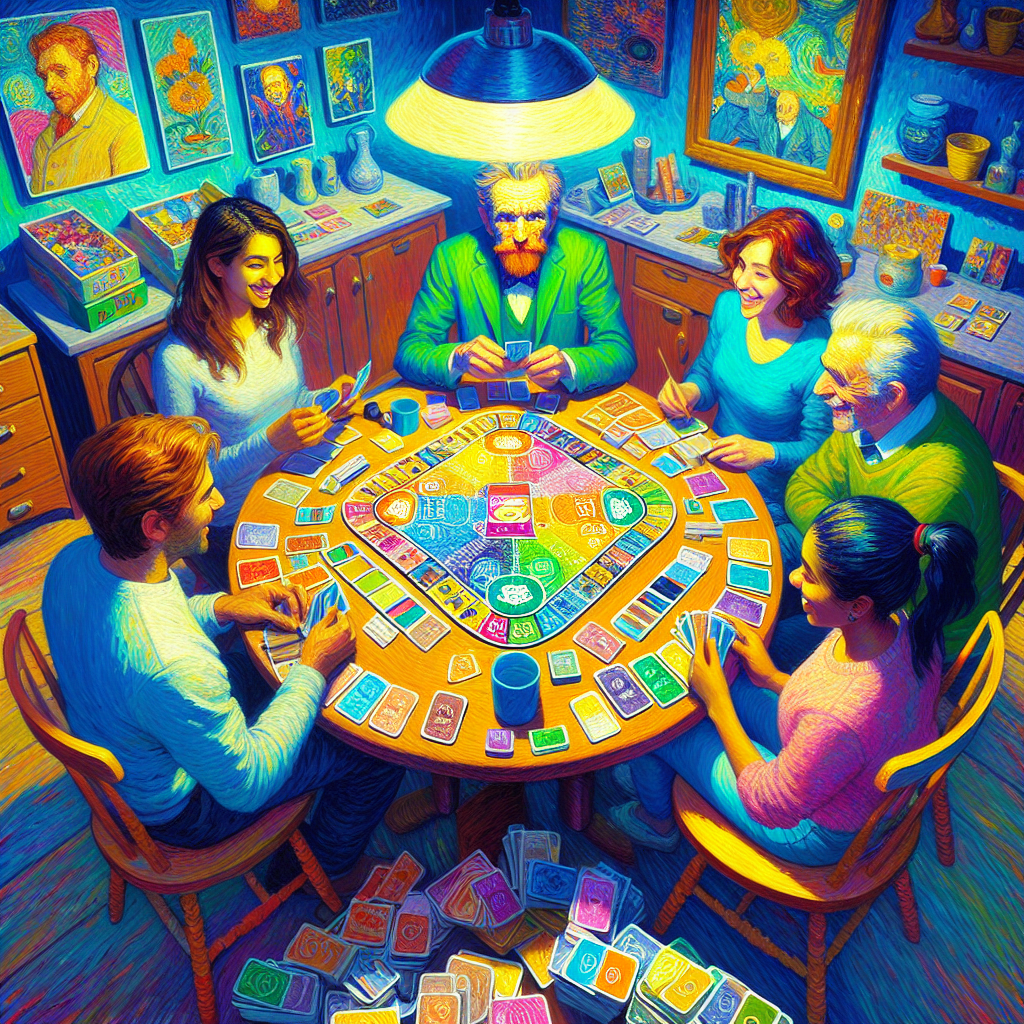
As we stand on the precipice of unprecedented advancements in artificial intelligence, we find ourselves faced with a unique challenge—a balancing act between the evolution of technology and the essence of what it means to be human. Picture this: we’re all players in a card game where the stakes couldn’t be higher. As the dealer shuffles and distributes the digital cards of AI, we must learn to play our hand wisely, without losing the very qualities that make us who we are.
Think about it. Creativity is deeply rooted in our experiences, our dreams, and, yes, our imperfections. While AI can replicate patterns and analysis at lightning speed, it cannot replicate the heart or gut instinct that fuels our human creativity. It’s the laughter shared over a cup of coffee that inspires a poignant poem, or the tears shed in adversity that spark soulful songs. That is where our power lies—not in the perfection of a machine, but in the beautifully chaotic tapestry of human emotion.
Now, let’s indulge the rational side of this equation. AI’s potential is massive—accelerating discoveries, innovating solutions, and even enhancing our artistic expressions. But while we embrace these advancements, we must also thoughtfully navigate the ethical considerations they present. Imagine a world where AI overshadows human creativity, churning out sterile imitations rather than heartfelt originals. That’s a road we don’t want to travel—a world where our voices are drowned out by algorithms.
So, how do we foster a dialogue between the creatives and the coders? We start by being open to collaboration, inviting diverse perspectives to the table. Picture a gathering where artists, engineers, and thinkers come together, much like friends around a card table, exchanging ideas and strategies. This communal effort is how we can inspire trust in our abilities—not just in technology, but in each other as well.
Finally, let’s not forget the power of narrative. Each of us has a story worth telling, and AI can play a role in amplifying those tales rather than overshadowing them. So, as you draw your next card in this ever-evolving game, remember that your hand—the combination of your experiences, emotions, and ideas—is your greatest asset. In this era of innovation, let us not only embrace AI as a tool but also as an ally that elevates our creativity, ensuring that we remain the authors of our own stories, with pens poised and ready to write the next chapter.
How Can We Balance Ai Advancements With Our Innate Creativity?
How Can We Balance Ai Advancements With Our Innate Creativity?
- We face a challenge of balancing advancements in AI with maintaining human essence.
- Human creativity is rooted in experiences and emotions, not replicable by AI’s speed.
- The potential of AI includes accelerating discoveries and enhancing artistic expressions.
- We must navigate ethical considerations to prevent AI from overshadowing human creativity.
- Collaboration between creatives and coders is essential for fostering dialogue and trust.
- Each person’s story is valuable, and AI can amplify rather than diminish these narratives.
- Embrace AI as a tool and ally that enhances creativity and keeps humans as storytellers.

How Can We Balance Ai Advancements With Our Innate Creativity?
Conclusion
As we close this exploration of Artificial Intelligence and its role in card games—a metaphor for the grand tapestry of life—it’s essential to reflect on what we stand to gain, and what we might lose. Picture the gathering of friends around a table, cards in hand, laughter echoing with every play. This isn’t just a game; it’s humanity in action. Each card wields not just strategic power but emotional weight—connections formed through playful banter, shared risks, and the unpredictable beauty of human camaraderie.
Now, enter AI, with its stark, lightning-fast calculations and ironclad strategies. On one hand, it’s impressive, like watching a magician perform sleight-of-hand with impeccable precision. But let’s not forget: magic isn’t just about the trick; it’s about the audience—the human experience that surrounds it. AI may analyze patterns and crunch numbers faster than any of us could dream, yet it lacks the nuanced intuition that arises from lived experiences. This is where the heart of our humanity beats strongest, often guiding us where pure logic falters.
Now, I know what you’re thinking: “Isn’t AI a tool? Can’t it help us?” Absolutely. This is where we can find common ground. Imagine not a competition between man and machine but a collaboration that elevates our creativity. AI can help crack through the barriers of writer’s block, innovate game strategies, and spark fresh ideas—without overshadowing what makes those ideas beautifully human. Think of it as having a partner who handles the logistics while you focus on the artistry. Together, we could forge an enriched narrative, full of complex strategies and emotional depth, that captivates and inspires.
But let’s tread carefully. Reliance on AI without boundaries risks diluting our most profound emotional connections, the very essence of what makes us human. So, as we navigate this new territory together, let’s establish a pact—an ethical framework that ensures technology amplifies our voices, rather than drowning them out in a sea of data. By prioritizing collaboration and maintaining the integrity of human creativity, we can embark on this remarkable journey responsibly.
Let’s open our hearts and embrace curiosity. The future lies not just in the AI that we create, but in the bonds we nurture through our collective creativity. We hold the deck; let’s play it wisely. As we shuffle those cards, let’s invite AI not as a rival but as a valuable ally that deepens our connections and enriches our stories, reminding us that the game, and indeed life itself, is best played together.

Conclusion
Conclusion:
- The exploration of AI in card games reflects the broader tapestry of human life, highlighting both gains and losses.
- Card games embody humanity through connections, playful interactions, and emotional engagement.
- AI excels in calculations and strategy but lacks the intuitive understanding derived from human experiences.
- AI can serve as a collaborative tool, fueling creativity and innovation without overshadowing human artistry.
- The relationship between humans and AI should focus on partnership rather than competition to enhance creativity.
- Careful use of AI is essential; reliance without ethical boundaries risks weakening emotional connections.
- The future of creativity lies in nurturing bonds through collaboration with AI, allowing us to play the game of life together.

Conclusion
Other Resources

Other Resources
Here is a list of other resources you can review online to learn more:
- Arkham Horror: The Card Game – The Dunwich Legacy Expansion
- Flying Frog Productions
- Kemet
- Love Letter
- Mage Knight Board Game
- Rising Sun
- Renegade Game Studios
- Clank!: A Deck-Building Adventure
- Osprey Games
- Spades
- Portal Games
- Viticulture Essential Edition
- Tantrum House
- Matagot
- Carcassonne
Use This Prompt To Get More Resources With Your Favorite Online AI Tool: Please provide me with a list of online articles with their URLs in a bulleted list that I can read regarding Could Artificial Intelligence Strategies Outperform Human Creativity In Card Games?

Other Resources
Glossary Terms
Could Artificial Intelligence Strategies Outperform Human Creativity In Card Games? – Glossary Of Terms
1. Artificial Intelligence (AI): The simulation of human intelligence processes by machines, particularly computer systems, to perform tasks typically requiring human-like thinking.
2. Human Creativity: The ability of humans to produce original ideas and innovative solutions, often characterized by spontaneity and emotional expression.
3. Card Games: Games that use a deck of cards as the primary means of gameplay, often involving strategic thinking, risk assessment, and chance.
4. Strategy: A plan of action designed to achieve a long-term goal, particularly in competitive settings like card games, where moves must be calculated.
5. Machine Learning: A subset of AI focused on the development of algorithms that enable computers to learn from and make predictions based on data.
6. Neural Networks: A series of algorithms that attempt to recognize underlying relationships in a set of data through a process that mimics the way the human brain operates.
7. Game Theory: The study of mathematical models of strategic interaction among rational decision-makers, often applicable in competitive scenarios like card games.
8. Risk Assessment: The identification and analysis of potential issues that could negatively impact key business initiatives or projects, essential in evaluating game strategies.
9. Adaptation: The ability to make adjustments based on new information or changing conditions, relevant for both AI and human players in card games.
10. Optimal Play: The best possible moves a player can make in a card game based on the available information and game state.
11. Heuristic: A practical approach to problem-solving that employs a method not guaranteed to be optimal but sufficiently good for immediate goals.
12. Simulation: The imitation of the operation of a real-world process or system over time, often used in AI to model game scenarios.
13. Evaluation Function: A formula used in AI to assess the quality of a game state, helping the system to decide the best move.
14. Creativity Algorithms: Systems or methods used in AI to generate new ideas or solutions that are creative, often through generative design or randomized processes.
15. Decision Trees: A graphical representation for making decisions, used in AI to outline possible consequences for various choices in card games.
16. Monte Carlo Method: A statistical technique that allows for the estimation of potential outcomes in uncertain situations, often used in game AI.
17. Artificial Creativity: The capability of AI to produce novel and original content or ideas, similar to human creativity but based on learned data.
18. Pattern Recognition: The ability of AI to identify and categorize patterns in data, crucial for predicting opponents’ moves in card games.
19. Emotional Intelligence: The ability to recognize and manage one’s own feelings and those of others, an area where human players may have an edge over AI.
20. Intuition: The ability to understand something instinctively without the need for conscious reasoning, a trait often associated with human creativity.
21. Collaborative Play: A style of card game where players work together, which can draw on emotional bonds and creativity, possibly challenging AI capabilities.
22. Algorithmic Bias: A tendency of AI to replicate or reinforce existing biases in its training data, leading to less effective decision-making in games.
23. Game State: The current situation in a card game, including the cards held by players, the cards on the table, and the scores.
24. Player Psychology: The study of players’ attitudes and mental state, influencing strategies and decisions in competitive environments.
25. Follow-Up Moves: Subsequent actions taken after an initial move in a card game, critical for countering opponents’ strategies.
26. Tactics: The specific actions or strategies players employ to gain an advantage during a match, differing from broader strategic planning.
27. Interactivity: The degree to which players can influence the game environment, impacting the dynamics of card games.
28. Cognitive Load: The total amount of mental effort being used in the working memory, which can affect human players’ decision-making in complex scenarios.
29. Creativity Assessment: Methods used to evaluate the originality and effectiveness of ideas generated by AI versus human players in gaming contexts.
30. Long-term Strategy: A comprehensive plan that outlines how players might succeed in the future, balancing immediate actions with overarching goals.

Glossary Of Terms
Other Questions
Could Artificial Intelligence Strategies Outperform Human Creativity In Card Games? – Other Questions
If you wish to explore and discover more, consider looking for answers to these questions:
- What specific card games have been impacted by AI strategies?
- How does AI learn to play card games compared to human players?
- What are some examples of successful AI implementations in card games?
- Can AI understand and replicate human emotional responses in gameplay?
- What limitations does AI face in understanding human creativity?
- How might AI change the dynamics of social interactions in card games?
- What ethical guidelines should be established for AI in creative fields?
- How do players perceive AI as an opponent or collaborator in games?
- What are the primary concerns about AI replacing human creativity?
- How can players ensure that the essence of human intuition remains in gameplay?
- In what ways can AI enhance rather than diminish human creativity?
- Are there historical precedents for technology’s impact on traditional games?
- What future developments can we expect in AI and card games?
- How do cultural differences affect the perception of AI in card games?
- What role does player personality play in the integration of AI in games?

Other Questions
Haiku
Could Artificial Intelligence Strategies Outperform Human Creativity In Card Games? – A Haiku
A Table Set Shared
Cards of heart and mind,
AI as co-player,
Where stories entwine.

Haiku
Poem
Could Artificial Intelligence Strategies Outperform Human Creativity In Card Games? – A Poem
The Game of Hearts and Minds
In candlelight, around the table,
We gather close, our stories fable,
With cards in hand, laughter’s rise,
The thrill of play reflects in eyes.
Yet specters loom beneath the glow,
As AI enters, hearts beat slow;
Can cold algorithms truly feel,
The weight of empathy and the real?
Machines can shuffle, deal with grace,
But miss the pulse of the human race—
For every move that AI spouts,
Does it grasp the fear, the joy, the doubts?
Creativity’s spark, that wild-flame fire,
Emerges from depths that algorithms tire.
It’s forged in laughter, born of tears,
In every loss and victory shared over years.
Too quickly, we’re tempted to cede our throne,
To embrace the metal and leave our own.
But what’s at stake, if we blindly bet,
Our essence in data’s cold silhouette?
Let’s turn the page, not cast aside;
Invite AI in as a trusted guide.
Together we’ll blend sharp intellect,
With chaotic hearts in perfect respect.
In collaboration, we find the key,
Unlocking potentials that set us free.
So let’s not shy from this dance with fate,
Embrace the wild card—don’t hesitate!
For at that table, where laughter reigns,
Our stories weave through losses and gains.
Hold tight to your guts, your heart, your mind,
Where true creativity and ethics align.
Let’s play this hand with wisdom and grace,
A partnership forged in the human embrace.
As machines take turns in this great game of life,
We’ll cherish our touch—hearts free of strife.

Poem
Checklist
Could Artificial Intelligence Strategies Outperform Human Creativity In Card Games? – A Checklist
Checklist: Embracing AI: Blending Human Creativity with Artificial Intelligence
Heart Appeals
1. Foster Connections
_____ Remember to prioritize shared experiences, like laughter and emotional bonds, when engaging in card games or creative collaborations.
_____ Encourage narratives in gameplay that evoke personal stories and connections among participants.
2. Balance Emotional Insight
_____ Trust your intuition and emotional instincts in decision-making, acknowledging their role in shaping creativity and relationships.
_____ Embrace vulnerability in creative expression—it’s the imperfections that often resonate most deeply.
3. Celebrate the Human Experience
_____ Recognize the rich tapestry of human stories that inform creativity, allowing them to inform how you approach AI integration.
_____ Engage in activities that highlight the beauty of human emotion—art, music, storytelling.
Head Appeals
4. Explore AI Collaboratively
_____ Assess how AI can complement your creative process rather than overshadow it.
_____ Utilize AI to enhance your strategies, opening new dimensions of play without sacrificing the human touch.
5. Focus on Ethical Implications
_____ Reflect on the ethical considerations of using AI in creative fields—what responsibilities do we share as a community?
_____ Establish clear guidelines for AI’s role to ensure human creativity remains at the forefront.
6. Encourage Rational Participation
_____ Approach AI applications with a critical mindset—evaluate the benefits against potential pitfalls to creativity.
_____ Systematize feedback loops with AI to analyze outcomes and refine creative practices.
Gut Appeals
7. Trust Your Instincts
_____ During gameplay and creative processes, listen to your gut feelings—it often knows more than data alone can tell.
_____ Resist the urge to rely solely on AI analysis; allow your emotional insights to guide you through decision-making.
8. Maintain Creativity’s Essence
_____ Acknowledge the irreplaceable qualities of human creativity that AI cannot replicate; this understanding can guide your engagement with technology.
_____ Keep questioning the role of intuition and emotional resonance in your projects—never lose sight of what truly makes your work yours.
9. Practice Mindful Innovation
_____ Implement AI thoughtfully in ways that amplify human creativity instead of replacing it.
_____ Stay connected to your core values as you explore new paths—let authenticity shape the use of AI in your endeavors.
Social Appeals
10. Invite Collaborative Efforts
_____ Organize discussions and workshops where creative individuals, technologists, and AI enthusiasts come together to share ideas.
_____ Build teams that celebrate diversity, ensuring that human perspectives enrich AI development and vice versa.
11. Strengthen Community Narratives
_____ Use shared storytelling to create a sense of belonging and connection within groups sharing the same creative passions.
_____ Share experiences and successes of AI-human collaborations to inspire others and foster a community of innovation.
By integrating these appeals into your approach to AI in creative spaces, you can navigate the evolving landscape thoughtfully and meaningfully. Remember, the heart, head, and gut should work in harmony, ensuring a creative partnership that respects the richness of human experience.

Checklist
At CardGameNews, we help people who love card games by collating information and news about card games.
Be sure to read our other related stories at CardGameNews to learn more about card games.


