

Mastering Card Game Strategy: Essential Set Collection Skills
By Tom Seest
At CardGameNews, we help people who love card games by collating information and news about card games.
Be sure to read our other related stories at CardGameNews to learn more about card games.
What Skills Are Needed for Set Collection Card Games?
Set collection card games might seem like a leisurely pastime, but don’t be fooled—there’s a lot more going on beneath the surface of those colorful cards and jovial gatherings. Sure, you’re sitting at a table, perhaps with a drink in hand, but this is no mere game of luck. The skills required for mastering set collection card games are as layered as a fine lasagna, and each layer adds depth to the experience.
Strategic Thinking is at the heart of any set collection game. You must constantly assess your own hand against what’s available on the table. It’s like playing chess in a crowded café, where every choice you make can influence the outcome. Do you take that card because it completes your set, or deny your opponent the chance to snag it? Anticipating moves and weighing their outcomes is crucial.
Then there’s Risk Assessment—an invaluable skill in these games. You might be tempted to go for the big, flashy collection, but sometimes the risk of losing your cards is just too high. Knowing when to go all-in and when to play it safe could mean the difference between victory and defeat. It’s like walking a tightrope where one misstep can send you plummeting to the hard ground of lost opportunities.
Memory also plays a critical role. Remembering what cards have been played and what your opponents are likely holding is like piecing together a jigsaw puzzle, with the added challenge of your competitors trying to sabotage your image of the final picture. The sharper your memory, the better your chance of predicting the moves of your opponents.
Observation Skills are just as essential as the strategic and analytical skills. Keeping a watchful eye on player behavior can yield valuable insights. Perhaps one player is hoarding specific cards—read into that, and you may just uncover their strategy. Observing nuances can sometimes lead to uncovering the deep-seated patterns of gameplay, and ultimately, the winning edge.
Lastly, Interpersonal Skills are often underestimated. Whether you’re coaxing a card from a friend or negotiating a trade, effective communication can soften the toughest players and turn enemies into allies, even if only temporary. It’s about building relationships, understanding your fellow players, and leveraging those dynamics for your own advantage.
So, while you may shuffle a deck of cards for fun, remember that beneath that laid-back facade lies a world rich with skills—each as crucial as the next in navigating the vibrant and competitive universe of set collection card games.

What Skills Are Needed for Set Collection Card Games?
What Skills Are Needed for Set Collection Card Games?
- Set collection card games involve more than just luck; they require various layered skills.
- Strategic Thinking is essential, involving constant assessment of your hand against available cards.
- Risk Assessment is crucial; knowing when to go all-in or play it safe can impact victory or defeat.
- Memory plays a critical role, as remembering played cards and predicting opponents’ hands is key.
- Observation Skills help identify player behaviors and strategies, providing insights into gameplay.
- Interpersonal Skills are important for communication and building relationships among players.
- Overall, navigating set collection games requires a combination of these skills for success.

What Skills Are Needed for Set Collection Card Games?
Table Of Contents
- What Skills Are Needed for Set Collection Card Games?
- What Skills Can Improve My Success In Set Collection Games?
- How Does Strategy Influence Gameplay In Set Collection Games?
- What Role Does Critical Thinking Play In Set Collection Card Games?
- Can Memory Skills Enhance My Performance In These Types Of Games?
- How Important Is Adaptability In Set Collection Card Games?
- What Social Skills Are Beneficial For Set Collection Gameplay?
- How Do Mathematical Skills Contribute To Winning Strategies?
- What Are Some Common Mistakes Players Make In Set Collection Games?
- How Can I Develop Better Decision-Making Skills For These Games?
- What Is The Significance Of Risk Assessment In Set Collection?
- How Does Patience Affect Success In Set Collection Card Games?
- What Communication Skills Are Useful During Multiplayer Set Games?
- Conclusion
- Other Resources
- Glossary Of Terms
- Other Questions
- Haiku
- Poem
- Checklist
What Skills Can Improve My Success In Set Collection Games?
When it comes to set collection games—those delightful challenges where players gather groups of cards, tokens, or tiles to score points—the road to mastery is paved with a mix of strategic prowess and a touch of intuition. If you want to elevate your game and stack the odds in your favor, there are several key skills to develop that can truly make a difference at the table.
First and foremost, honing your observational skills can’t be underestimated. Be the eagle-eyed hawk in a world full of distracted pigeons. Pay attention to what your opponents are collecting, the moves they make, and the pieces they discard. It’s not just about what you need, but understanding what your opponents are aiming for. Spotting patterns and trends can give you insight into their strategies, helping you to block their plans while advancing your own.
Next up, flexibility is crucial. Set collection games are like a dance—sometimes you lead, sometimes you follow. Adaptability means you can pivot your strategy on the fly when the game shifts under your feet. Perhaps you aimed for one set, but the cards simply aren’t falling your way. Being open to new strategies, considering alternative sets, and even changing your approach mid-game can turn the tide in your favor.
Don’t forget the art of resource management. Much like budgeting your time or money in the real world, managing the resources in these games—whether they be cards, tokens, or actions—can make or break your success. Prioritize your goals, but be flexible in how you achieve them. Sometimes you might need to hold off on completing a set to ensure you don’t deplete your options too early.
Another vital skill is risk assessment. Some collections require you to take significant risks, while others thrive on patience and timing. Learning to assess the potential outcomes of your moves can help you make more calculated decisions. Will that token you’re eyeing be worth the gamble? Is it better to play it safe and wait for the ideal opportunity?
Finally, communication can be an invaluable asset, especially in multiplayer settings. Engaging with other players can provide insights and opportunities you might not have considered. Just remember, in the world of set collection games, while you’re working toward victory, the journey offers as much learning as the end result. So, roll up your sleeves and dive in—your collection awaits!

What Skills Can Improve My Success In Set Collection Games?
What Skills Can Improve My Success In Set Collection Games?
- Mastery in set collection games requires strategic prowess and intuition.
- Honing observational skills is essential for understanding opponents’ strategies and blocking their plans.
- Flexibility and adaptability are crucial for adjusting strategies as the game evolves.
- Effective resource management helps prioritize goals and maintain options throughout the game.
- Risk assessment is key for making calculated decisions based on potential outcomes.
- Communication with other players can provide valuable insights and enhance gameplay.
- The experience of playing is as important as the goal of winning; embrace the learning journey.

What Skills Can Improve My Success In Set Collection Games?
How Does Strategy Influence Gameplay In Set Collection Games?
In the world of set collection games, strategy isn’t just a component; it’s the backbone of everything you’ll experience at the table. At first glance, these games might seem simple: gather matching items, score some points, and walk away with the glory. But as any seasoned player will tell you, the real challenge lies in how thoughtfully you navigate the myriad choices that unfold during play.
Consider the notion of choice—each decision you make sends ripples through the fabric of the game. You can’t simply grab the shiny item that catches your eye; it’s about evaluating not just what you need, but also what your opponents might be eyeing. You’re playing a subtle dance here—discerning when to be aggressive and when to adopt a more defensive posture. It’s like chess but with a sprinkle of chaos, where the pieces are constantly moving all around you.
Strategic foresight is crucial. Let’s say you’re nearing the finish line, and you’re one card away from completing a coveted set. Do you go all-in, or do you play it cool? What if you position yourself in a way that blocks your opponent’s chances of getting what they need? Those calculated risks are what transform the gameplay from mere luck to a display of wits. You must constantly reassess your position relative to everyone else, understand their needs, and possibly thwart their plans while promoting your own.
Then there’s flexibility in your strategy. Sometimes, the cards don’t fall in your favor, and the exact set you target ends up being hoarded by that one player who seems to be a card magnet. A good player knows how to pivot—adjusting their strategy to chase after secondary sets or alternate paths to victory. It’s this adaptability that often separates the casual participants from the true champions.
Moreover, communication plays a surprisingly pivotal role even in games that seem straightforward. A shared glance across the table when someone hesitates might signal an opportunity for you, igniting the subtleties of negotiation and deception. Perhaps it’s a subtle directive: “Go ahead, take that card—help me out. I’ll owe you one.”
So, whether you’re a novice just testing the waters or a battle-hardened strategist, remember: in set collection games, it’s not just about what you gather, but how you gather it. The game is a living organism, and your strategy is the lifeblood flowing through it, shaping every turn, every decision, every victory.

How Does Strategy Influence Gameplay In Set Collection Games?
How Does Strategy Influence Gameplay In Set Collection Games?
- Strategy is essential in set collection games, serving as the backbone of the gameplay experience.
- Initial simplicity can be misleading; the real challenge lies in navigating complex choices.
- Every decision affects the game’s dynamics, requiring players to consider opponents’ needs as well as their own.
- Strategic foresight is vital, as players must decide when to take risks or adopt a defensive stance.
- Flexibility in strategy is crucial; players must adapt their tactics based on the evolving game state.
- Communication and subtle cues among players can lead to opportunities for negotiation and deception.
- Overall success depends not just on what is collected, but on how those collections are pursued and managed.

How Does Strategy Influence Gameplay In Set Collection Games?
What Role Does Critical Thinking Play In Set Collection Card Games?
Set collection card games, whether you’re stacking up your treasures or battling for the last slice of pizza, require more than just a passing understanding of the rules. Enter critical thinking — that powerhouse process that transforms mere players into strategic maestros. Simply put, critical thinking enables you to assess situations, evaluate options, and make decisions that lead to success. It’s the grease in the gears of your card game engine, and knowing how to engage it can mean the difference between victory and defeat.
Imagine you’re sitting at a table, the excitement palpable as cards are laid down like layers of a well-crafted story. This is where critical thinking comes into play. First, you have to observe. Keep an eye on your opponents—what they pick up, what they discard, and the signals they might unintentionally drop. Are they banking on one type of card? Are they stowing away potential wild cards, or playing defensively? This is the first step of critical thinking: analyze the landscape before you.
Once you’ve got a grip on the game’s dynamics, it’s time to dig deeper. This is where evaluating your own hand comes into focus. Which cards do you need? Which are expendable? What patterns can you exploit? Critical thinking allows you to weigh these options and anticipate the consequences of your actions. It’s not just about holding the cards; it’s about understanding their worth and how they fit into the larger puzzle, which requires a keen sense of foresight and adaptation.
Moreover, set collection games often demand a degree of flexibility. What do you do when someone blocks your path or snatches the card you’ve been eyeing? The ability to pivot and adjust your strategy on the fly takes critical thinking to a whole new level. It’s about being quick on your feet, recalibrating your goals, and considering multiple outcomes as you navigate this card-filled battleground.
At the end of the day, set collection card games embody a dance between chance and skill. Critical thinking is the rhythm that keeps you in sync, guiding you through the ups and downs of each round. It sharpens your decision-making prowess and, ultimately, enhances your enjoyment of the game. So, as you shuffle those cards and weigh your options, don’t underestimate the power of critical thinking. It’s your best ally in the quest for triumph amidst the chaos of strategy and surprise.

What Role Does Critical Thinking Play In Set Collection Card Games?
What Role Does Critical Thinking Play In Set Collection Card Games?
- Set collection card games require a deeper understanding of rules beyond casual play.
- Critical thinking transforms players into strategic thinkers by enhancing decision-making.
- Observing opponents’ actions is crucial for assessing game dynamics and strategies.
- Evaluating your own hand involves understanding card value and potential patterns to exploit.
- Flexibility and adaptability are essential skills, allowing players to adjust strategies in response to gameplay changes.
- These games balance chance and skill, with critical thinking guiding players through uncertainties.
- Engaging critical thinking enhances both enjoyment and success in set collection card games.

What Role Does Critical Thinking Play In Set Collection Card Games?
Can Memory Skills Enhance My Performance In These Types Of Games?
When it comes to gaming, whether you’re strategizing in a complex tabletop adventure or vying for victory in the latest first-person shooter, memory—good ol’ reliable memory—can be your secret weapon. Sure, you might be tempted to think that reflexes and hand-eye coordination reign supreme, and they certainly do play a role. But let’s not overlook the unsung hero: your noggin.
Now, imagine you’re deep into a chess match, each player eyeing the board like hawks. The ability to recall previous moves, tactics employed, and even patterns from past games can give you that critical edge over your opponent. It’s like having a cheat sheet tucked under your sleeve—only it’s in your head! Memory isn’t just about recalling the rules; it’s about anticipating your rival’s next move, and that takes practice.
Take card games, for instance. You know the kind—bluffing, betting, and counting cards. If you can remember which cards have already been played, you’re not just playing against your foes; you’re predicting their every move. Mastering memory techniques can turn a good player into a strategic force to be reckoned with. The same applies to role-playing games where recalling character skills and abilities can mean the difference between victory and a spectacular failure.
Then we have video games, where level layouts, enemy patterns, and treasure locations can become entrained in your brain. Those who manage to memorize these details often seem to breeze through levels while others struggle. Your muscle memory will get you far, but when it comes to strategic thinking and resource management, it’s your mental acuity that can tip the scales in your favor.
But don’t just take my word for it. Many gamers are diving headfirst into exercises designed to bolster memory skills—like mnemonics and visualization techniques. These aren’t just tricks to impress your friends; they’re legitimate tools that can enhance your game performance.
So, the next time you sit down to play, remember this: without a sharp memory, even the most skilled players can find themselves lost in the chaos. Strengthening those brain muscles might just give you a major boost, allowing you to conquer your favorite games like never before. Whether you’re assembling a crew of heroes or going head-to-head in a battle royale, let your memory be the arrow in your quiver.

Can Memory Skills Enhance My Performance In These Types Of Games?
Can Memory Skills Enhance My Performance In These Types Of Games?
- Memory is a key asset in gaming, enhancing performance beyond reflexes and coordination.
- In strategic games like chess, recalling past moves and tactics can provide a crucial advantage.
- In card games, remembering played cards helps predict opponents’ actions.
- Role-playing games also require memory to recall character skills and abilities for success.
- In video games, memorizing level layouts and enemy patterns can simplify gameplay.
- Gamers are increasingly using memory exercises, like mnemonics and visualization, to improve skills.
- A strong memory can significantly elevate gaming performance, enabling players to excel.

Can Memory Skills Enhance My Performance In These Types Of Games?
How Important Is Adaptability In Set Collection Card Games?
In the world of set collection card games, adaptability isn’t just a nice quality to have; it’s a vital lifeline that can make or break your success at the table. These games often present players with a kaleidoscope of choices and shifting landscapes that can change with each new card draw, much like the unpredictable nature of life itself.
Imagine this: you start the game with a solid plan, but as you lay down your first few cards, you notice your opponent manages to snag a vital piece of your strategy. There it goes, your beautifully orchestrated scheme crumbling like a house of cards. This is where the rubber meets the road. The players who flourish aren’t always the ones with the most sophisticated initial strategies, but rather those who remain flexible, able to pivot and adapt on a dime.
The best players of these card games possess an innate ability to read the table like a seasoned journalist reads the room—sensing tensions, recognizing opportunities, and adjusting their course. They don’t cling to a strategy that’s no longer viable; instead, they embrace the chaos as a fertile ground for new plans. Perhaps they switch gears from pursuing a specific set of cards to blocking an opponent’s potential moves, or they decide to take a risk on a more unconventional collection that may pay off in unexpected ways.
Consider the psychological aspect here as well. The ability to adapt doesn’t just apply to the cards you hold. It also encompasses how you observe and react to your opponents’ behaviors and strategy shifts. Are they going for a specific set? Do they seem to be taking risks? Recognizing these patterns can allow you to outmaneuver them while keeping your own intentions under wraps.
But let’s not kid ourselves—being adaptable doesn’t mean you should be indecisive. It’s about maintaining a balance; a steadfastness in the face of uncertainty while being open to new ideas. It’s that sweet spot between knowing your strengths and realizing that the only constant in set collection card games is change. Those who can bend the rules of conventional gameplay often walk away with prizes, while rigid thinkers might find themselves stuck with a hand full of unsolvable puzzles.
In essence, the importance of adaptability in set collection card games is akin to carrying a sturdy umbrella in a stormy environment. If you’re not prepared to weather the winds of change, you might just get drenched.

How Important Is Adaptability In Set Collection Card Games?
How Important Is Adaptability In Set Collection Card Games?
- Adaptability is crucial for success in set collection card games.
- Players face ever-changing choices that can alter their strategies with each card draw.
- Successful players pivot and adapt rather than sticking to outdated strategies.
- Top players can read the dynamics of the game, sensing opportunities and tensions.
- Adapting also involves observing and reacting to opponents’ behaviors and strategies.
- Being adaptable requires a balance between decisiveness and openness to change.
- Ultimately, adaptability is essential for overcoming challenges and thriving in unpredictable gaming scenarios.

How Important Is Adaptability In Set Collection Card Games?
What Social Skills Are Beneficial For Set Collection Gameplay?
When it comes to set collection gameplay, the art of social interaction is just as crucial as the strategic placement of cards or tokens. After all, gaming isn’t just about the hand you’re dealt; it’s about how you play that hand in a room full of other players. Engaging in this type of gameplay requires a complex mix of communication, negotiation, and emotional intelligence. So, what social skills can boost your performance? Let’s dive in.
1. Communication: The Heartbeat of Interaction
At its core, effective communication is central to any game that thrives on collaboration or competition. Whether you’re announcing your intention to collect cards or subtly negotiating trades, how you articulate your thoughts matters. Clear, confident dialogue captures attention; it builds trust. Remember, it’s not just what you say, but how you say it. A wink or a nod can convey volumes, and a well-timed chuckle can lighten the mood, making you more approachable when you’re angling for that last elusive piece to complete your set.
2. Active Listening: Tune In, Tune Out
While you’re busy trying to amass your collection, it’s critical to pay attention to what others are saying. Active listening goes beyond nodding; it’s about processing information and adapting your strategy based on what your fellow players reveal about their intentions or goals. This skill allows you to pick up on subtle cues, like a player’s hesitation while trading, which may indicate that they have an ace up their sleeve. Being attuned to your environment is every bit as strategic as calculating your next move.
3. Negotiation: The Art of Give and Take
Negotiation is where social skills find their most dynamic application. In set collection games, trading cards is an art form; it’s a dance between need and desire. Successful negotiators know when to hold firm and when to bend. They read the room and adjust their offers accordingly. Are your fellow players feeling generous? It might be time to cash in on those extra cards. Conversely, if you sense resistance, it might be worth sweetening the deal. A little charm can go a long way here, transforming a basic transaction into a win-win scenario.
4. Empathy: The Hidden Advantage
Finally, empathy—the ability to put yourself in another’s shoes—offers a significant edge. Understanding the emotions and motivations of your co-players can guide your strategy. If you see frustration or excitement, you can pivot your tactics to capitalize on those emotions, steering the game in your favor while ensuring everyone has a good time. After all, in the world of gaming, nurturing relationships can be just as rewarding as the victory itself.
Mastering these social skills not only enhances your gameplay but also enriches the group dynamic, making every session a memorable experience for all involved. So next time you gather around the table, remember: set collection is more than just a numbers game; it’s a people game. Embrace it!

What Social Skills Are Beneficial For Set Collection Gameplay?
What Social Skills Are Beneficial For Set Collection Gameplay?
- Social Skills in Gameplay: Social interaction is as important as strategy in set collection games.
- Communication: Effective communication builds trust and enhances interaction through clear dialogue and non-verbal cues.
- Active Listening: Listening actively to other players helps adapt strategies based on their intentions and reveals essential cues.
- Negotiation: Successful trading in set collection games requires understanding when to hold firm or adjust offers.
- Empathy: Understanding others’ emotions can guide strategies and improve group dynamics during gameplay.
- Relationships Matter: Nurturing relationships is as rewarding as winning, promoting enjoyable gaming experiences.
- Embrace the People Game: Set collection is fundamentally about engaging with others, not just the mechanics of the game.

What Social Skills Are Beneficial For Set Collection Gameplay?
How Do Mathematical Skills Contribute To Winning Strategies?
Picture this: a beautifully manicured baseball diamond, the crisp smell of fresh-cut grass, and the unmistakable crack of a bat meeting a ball. Beneath the surface glamour of sport lies an equally rigorous and unsung hero—mathematics. It’s easy to dismiss numbers and equations as mere academic exercises, but in the world of competition, they reveal themselves as valuable tools that shape winning strategies.
Let’s start with one of the most iconic games, baseball. The sabermetrics movement took a good old-fashioned pastime and turned it on its head by using statistics to inform decisions. Picture this: instead of relying solely on gut feelings, managers begin examining on-base percentages, slugging averages, and other derived metrics. This shift transformed how teams evaluated talent and strategized for success. In essence, they employed calculus and statistics to unlock the potential hidden behind what was once a subjective process. So, the next time you see a forkball leave a pitcher’s hand, remember that there’s a good chance a meticulously crafted mathematical formula helped pinpoint that exact moment.
But it’s not just the diamond that benefits from a little math magic. In basketball, advanced analytics—considered revolutionary not too long ago—have now become standard. Coaches and analysts measure shooting efficiency, player impact ratings, and defensive strategies, all quantifying the variables that define success on the hardwood. The three-point line didn’t just extend the game; it required teams to rethink how they approached offense, and that thinking was grounded in numbers. Sacrificing two-point shots for more calculated three-point attempts is a systematic approach rooted deeply in probability.
Then, there’s football. The game has become a chess match played out at 22 miles per hour, with coaches and coordinators using mathematical models to determine the best plays based on down, distance, and opponent tendencies. Every call made during a game has its roots in a series of equations that enable decision-makers to predict outcomes and optimize their chances of victory.
Ultimately, whether you’re launching a game-winning three-pointer or defending against a last-second touchdown, mathematics wraps itself around the very fabric of sport. It guides practitioners through calculations that expose valuable insights, transforming both preparation and execution into astute, quantifiable strategies. In the high-stakes world of competition, math isn’t just an academic pursuit; it’s a pathway to victory. So, the next time you see a team rise to glory, remember: they didn’t just play the game; they calculated their way to the top.

How Do Mathematical Skills Contribute To Winning Strategies?
How Do Mathematical Skills Contribute To Winning Strategies?
- Baseball, often seen as a traditional sport, has been transformed by the use of sabermetrics, which focuses on statistical analysis.
- Managers now use metrics like on-base percentages and slugging averages to make informed decisions, moving beyond intuition.
- Mathematics, including calculus and statistics, plays a crucial role in talent evaluation and strategy development in baseball.
- Basketball has also embraced advanced analytics, measuring shooting efficiency and player impact ratings as standard practice.
- The three-point line has led teams to adopt strategies grounded in probability, prioritizing more calculated shot attempts.
- In football, mathematical models guide coaching decisions, optimizing plays based on game variables and opponent tendencies.
- Overall, math serves as a foundational element in sports, providing insights that enhance preparation and execution for competitive success.

How Do Mathematical Skills Contribute To Winning Strategies?
What Are Some Common Mistakes Players Make In Set Collection Games?
Set collection games are an engaging blend of strategy and luck, where players strive to complete specific sets of cards, tokens, or other items. But while the premise is straightforward, many players stumble when it comes to mastering the finer points of gameplay. Let’s dive into some common missteps that can trip up even the most enthusiastic participants.
First and foremost, a common pitfall is getting too fixated on one specific set. It’s easy to fall in love with the idea of completing a particular collection and lock onto it like a dog with a bone. The problem arises when this obsession blinds a player to broader opportunities in the game. Failing to adjust strategies based on what opponents are doing or what the current game state looks like can leave you hanging without the resources you need. A flexible mindset is essential in these shifting landscapes.
Another frequent mistake is underestimating the value of resource management. Players often go all-in on acquiring cards without considering the implications of their choices. There’s a fine line between building an impressive hand and hoarding resources like a squirrel with acorns. Mismanagement can lead to a hand that looks great on paper but crumbles under pressure. Players should take the time to evaluate their options and consider which cards to prioritize and which to let slide. Sometimes, the best move is the one that doesn’t get made.
Then there’s the issue of timing. Ah, timing—the eternal struggle! Players may rush to collect what seems like the best set right out of the gate, only to realize that their choice was not what the current game dynamics required. It’s crucial to keep an eye on the board state; playing too early or too late can mean the difference between victory and regret. Understanding when to hold back and when to leap forward can be a game-changer.
Lastly, let’s talk about social dynamics. In set collection games, the interactions with fellow players can rival the mechanics of the game itself. Failing to read the table and gauge the intentions of opponents can lead to missed opportunities or, worse, pitfalls. Take a moment to consider your rivals’ strategies and motivations—it’s not just about your cards; it’s a communal dance.
By sidestepping these common mistakes—over-fixation, poor resource management, timing woes, and social oversight—players can enhance their gameplay and truly enjoy the journey of collecting sets. Remember, every game is an opportunity to learn and improve, so keep your eyes open and your strategies adaptable.

What Are Some Common Mistakes Players Make In Set Collection Games?
What Are Some Common Mistakes Players Make In Set Collection Games?
- Set collection games combine strategy and luck, requiring players to complete specific sets of cards or items.
- A common mistake is becoming overly fixated on completing one specific set, which can blind players to broader opportunities.
- Resource management is crucial; players often go all-in without assessing the implications of their choices.
- Mismanagement can lead to a strong hand on paper but poor performance under pressure.
- Timing is critical; rushing to collect sets without considering current game dynamics can lead to failure.
- Social dynamics and understanding opponents’ strategies are as important as the game mechanics themselves.
- Avoiding pitfalls related to focus, resources, timing, and social interactions can enhance gameplay experience.

What Are Some Common Mistakes Players Make In Set Collection Games?
How Can I Develop Better Decision-Making Skills For These Games?
When it comes to playing games—video games, board games, anything that requires a decision—you’re not just moving pieces or pressing buttons. You’re navigating a labyrinth of choices, consequences, and counterplays. The ability to make quick and effective decisions can separate a casual gamer from a true contender. So how do you sharpen this vital skill? Here are some straightforward strategies that will help you level up your decision-making prowess.
First, embrace the power of practice. Just like a seasoned mechanic doesn’t start by fixing a car blindfolded, you shouldn’t dive straight into high-stakes games without familiarizing yourself with the mechanics. Spend time with simpler games that require fewer variables. This allows your brain to get a handle on pattern recognition and strategic thinking without the overwhelming noise of complex mechanics. Consider it the “apprenticeship” phase of your gaming career.
Next, reflect on your gameplay. After a session, take a moment to analyze your decisions: What worked? What didn’t? This self-assessment doesn’t mean beating yourself up over a perceived failure. Instead, think of it as analyzing the shift patterns in a manual car—understanding how and when to change gears can change your entire drive. Jot down specific scenarios where your choices led to different outcomes, and over time, you’ll be able to recognize patterns and anticipate challenges better.
It’s also helpful to learn from others. Whether it’s watching tutorials, joining a community, or chatting with friends, absorbing different perspectives can illuminate paths you hadn’t considered. Great decision-making isn’t born out of isolation; it thrives in collaboration. When you learn how others approach tough choices, you broaden your own toolbox.
Lastly, don’t forget the importance of remaining calm under pressure. Often in gaming, the clock ticks down, and emotions can run high. Practice deep breathing techniques or mindfulness exercises to keep your cool. A calm mind is a sharp mind. You wouldn’t try to solve a Rubik’s Cube while sprinting, so give yourself the gift of a moment to think before you act.
Remember, Rome wasn’t built in a day. Developing better decision-making skills is a journey, not a sprint. With time, persistence, and a bit of introspection, you’ll find yourself making choices that not only improve your game but redefine your experience. Happy gaming!
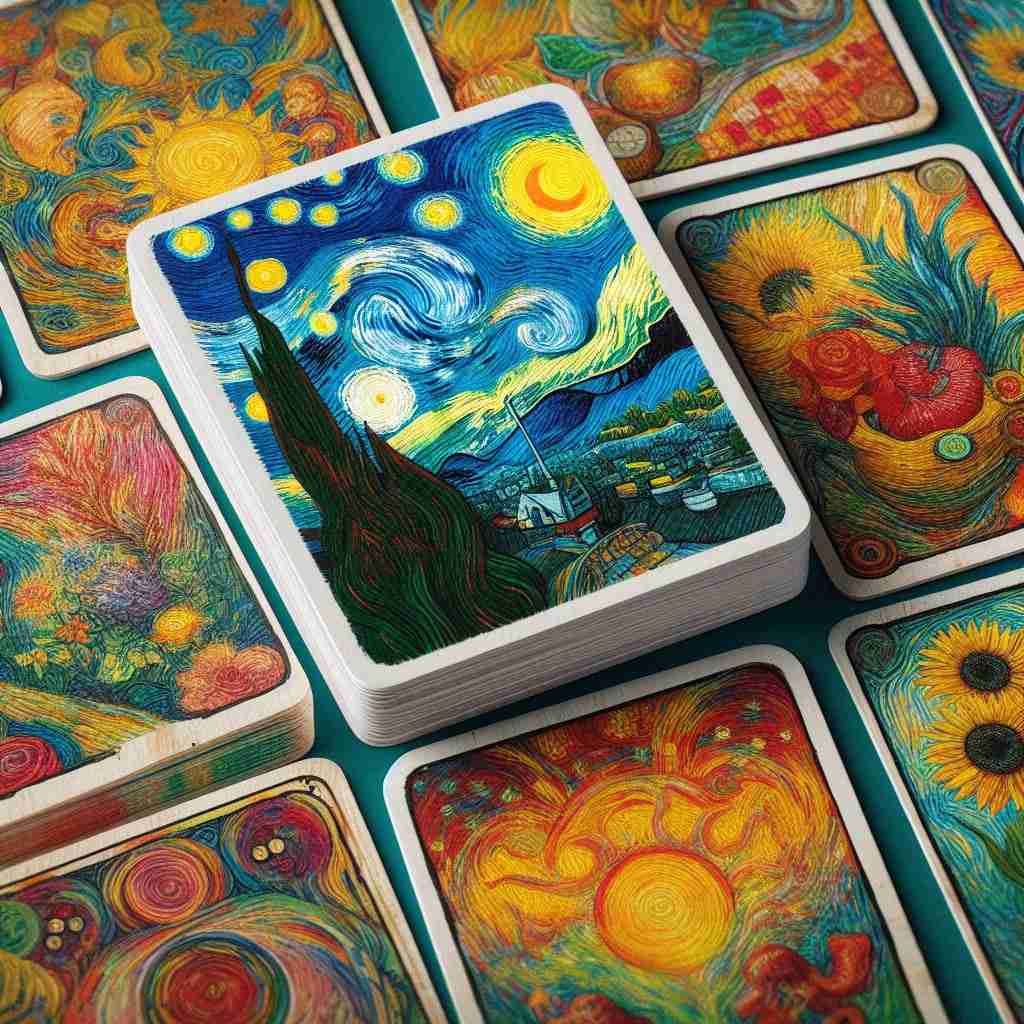
How Can I Develop Better Decision-Making Skills For These Games?
How Can I Develop Better Decision-Making Skills For These Games?
- Games involve navigating choices, consequences, and counterplays—decision-making is crucial.
- Practice is essential; start with simpler games to develop pattern recognition and strategic thinking.
- Reflect on your gameplay after sessions; analyze your decisions to learn from successes and failures.
- Learn from others by watching tutorials and engaging with communities to gain new perspectives.
- Remain calm under pressure; employ deep breathing and mindfulness techniques to maintain focus.
- Improving decision-making skills takes time, persistence, and self-reflection.
- Enjoy the journey of developing your skills while enhancing your gaming experience.

How Can I Develop Better Decision-Making Skills For These Games?
What Is The Significance Of Risk Assessment In Set Collection?
When you think about set collection, you might envision dedicated collectors meticulously assembling stamps, coins, or perhaps even action figures. But beneath that surface, there’s an essential element that often gets overlooked: risk assessment. Now, you might wonder why a practical approach like this would matter when it comes to gathering pieces of art or memorabilia. Let’s dig into it.
First off, let’s face it: collecting isn’t just a hobby; it’s an investment, often requiring significant time and financial commitment. With each piece you add to your collection, you’re not just purchasing an item. You’re weighing its potential worth, how it might appreciate or depreciate, and the factors that could influence its value over time. This is where risk assessment steps in, serving as the compass guiding you through potential hazards.
Consider the wide range of risks collectors face: market volatility, counterfeits, fluctuations in demand, and even personal circumstances that could force you to divest quickly. A solid risk assessment helps collectors identify these dangers early, allowing them to make informed decisions about what to buy, when to buy, and when to hold back. Imagine investing your hard-earned cash into a limited-edition model only to discover later that it’s a counterfeit or that a new version has completely overshadowed its value. The right assessment can help steer you away from these pitfalls.
Moreover, risk assessment extends beyond just the financial aspect. It includes emotional and operational risks. You might collect items that have sentimental value, and a well-considered risk assessment can remind you how personal bias can cloud judgment. Let’s not forget how easy it is to get swept up in the thrill of the hunt; a quick emotional purchase could potentially dent your carefully planned budget.
Lastly, this isn’t about playing it safe, either. It’s about understanding the landscape: learning about emerging trends, knowing your market, and appreciating historical context. Being savvy about risk empowers you to dive into new collections or rare finds with confidence rather than caution, ensuring that you’re keeping your passion alive while minimizing potential losses.
So, if you’re serious about set collection, remember: it’s not just about the finds; it’s about smartly navigating the risks that come along with them. That’s the real secret to being a savvy collector.

What Is The Significance Of Risk Assessment In Set Collection?
What Is The Significance Of Risk Assessment In Set Collection?
- Set collection involves more than just gathering items; it includes essential risk assessment.
- Collecting is both a hobby and an investment, requiring time and financial commitment.
- Collectors must evaluate potential worth, appreciation, and depreciation of items in their collection.
- Common risks include market volatility, counterfeits, demand fluctuations, and personal circumstances.
- Effective risk assessment enables informed decisions about purchases and helps avoid costly mistakes.
- Emotional and operational risks are also important; personal bias can cloud judgment when collecting.
- Understanding market trends and historical context empowers collectors to pursue passions while minimizing risks.

What Is The Significance Of Risk Assessment In Set Collection?
How Does Patience Affect Success In Set Collection Card Games?
When it comes to set collection card games, the way you approach patience can make or break your success. These games are not just about speed or instinct; they require a level of strategic thinking that only comes from knowing when to act and when to hold back. In many ways, the true art of success in these games is a careful dance between eagerness and restraint.
Imagine sitting at a table with friends, hands full of cards, the eager tension palpable in the air. The instinct is to jump at every opportunity, grabbing cards as soon as they seem available. But this hasty approach often leads to missed connections and squandered combinations. Herein lies the value of patience. It allows players to step back and survey the landscape—what cards are in play, what moves opponents are making, and how best to position oneself for a successful collection.
Consider the long-term strategy. In a game of set collection, players are not just trying to complete sets; they are also vying for control over the board, sensing when to disrupt opponents while quietly building their own advantages. Patience enables a player to wait for the right moment—the perfect card or the opportune gap in an opponent’s strategy—transforming a seemingly random encounter into a calculated victory.
Moreover, when players exercise patience, they cultivate a deeper understanding of the game mechanics. This doesn’t just enhance their immediate gameplay but also instills an intuitive sense of timing that sharpens with experience. Instead of chasing fleeting gains, they learn to recognize patterns and anticipate the flow of the game.
Yet, patience does not mean passivity. A patient player is always engaged, calculating their next move even when it seems others are leading the charge. They focus on building toward a bigger payoff rather than making hasty decisions for short-lived rewards.
At the end of the day, success in set collection card games is about balance. It’s about knowing when to lean into the action and when to step back and let the game unfold. So, the next time you find yourself with a handful of cards, remember: the tortoise may not always win the race, but in the world of set collection, a patient player stands a better chance at weaving a web of victories, one card at a time.

How Does Patience Affect Success In Set Collection Card Games?
How Does Patience Affect Success In Set Collection Card Games?
- Success in set collection card games relies on strategic thinking rather than just speed.
- Players must balance eagerness and restraint, knowing when to act or hold back.
- Hasty decisions can lead to missed opportunities; patience allows for better assessment of the game state.
- Long-term strategy involves controlling the board and anticipating opponent moves.
- Patience enhances understanding of game mechanics and improves players’ timing and pattern recognition.
- A patient player remains engaged and focused on larger rewards instead of immediate gains.
- Overall success is about striking a balance between taking action and letting the game evolve.

How Does Patience Affect Success In Set Collection Card Games?
What Communication Skills Are Useful During Multiplayer Set Games?
When you dive into the world of multiplayer set games, what you’re really stepping into is a living, breathing dance—an intricate interplay of strategy, guesswork, and human interaction. Whether you’re huddled around a table or connected through a screen, the way you communicate can make or break your gaming experience. So, let’s unpack the essential communication skills that elevate the ordinary into the extraordinary.
First up, clarity is king. In the heat of competition, it’s easy for chatter to turn into a jumbled mess of jargon and inside jokes. The crucial skill here is to provide clear, concise information. When it’s your turn to make a move or present your strategy, using straightforward language keeps everyone on the same page. Instead of saying, “I’m thinking we might want to go with a defensive strategy,” try something like, “Let’s focus on defense so we can counter their plays.” This cuts through the noise and directs attention where it needs to be.
Next, let’s talk about active listening. Communication isn’t a one-way street; it’s more like a conversation in a bustling café, where every voice matters. By genuinely listening to your teammates—considering their ideas, concerns, and strategies—you signal that their input is valued. Acknowledge their thoughts, perhaps with an encouraging nod or a prompt, like, “That’s a solid point. How do you think it impacts our next move?” This not only fosters camaraderie but also sharpens your team’s collective strategy.
Now, don’t underestimate the power of non-verbal cues. Sometimes, a raised eyebrow or a subtle nod can convey more than a thousand words. Be aware of your body language, and read the room. Are your teammates confident, or are they looking uncertain? When playing under pressure, sometimes a reassuring smile or a thumbs-up can transform panic into positivity.
Lastly, let’s address the elephant in the room: conflict resolution. In multiplayer games, disagreements are inevitable. What separates the great teams from the good ones is how they handle these disputes. Stay calm and approach conflicts as opportunities to improve—not as battles to win. Using phrases like, “I see your perspective, but let’s explore this option,” can help diffuse tension and lead to healthy discussion.
So, as you gather your crew for the next gaming session, remember these communication skills: clarity, active listening, non-verbal cues, and conflict resolution. They’ll not only enhance your gameplay but also deepen the connections that make multiplayer set games a memorable experience. Now go forth, communicate well, and may your strategies be as sharp as your wits!

What Communication Skills Are Useful During Multiplayer Set Games?
What Communication Skills Are Useful During Multiplayer Set Games?
- Multiplayer set games require strategy, guesswork, and effective human interaction.
- Clarity in communication is essential; use straightforward language to keep everyone aligned.
- Active listening is crucial; valuing teammates’ input fosters camaraderie and enhances strategy.
- Non-verbal cues like body language can communicate emotions and confidence instantly.
- Conflict resolution is key; approach disagreements as opportunities for improvement.
- Effective communication skills improve gameplay and strengthen connections in multiplayer games.
- Focus on clarity, active listening, non-verbal cues, and conflict resolution for a memorable gaming experience.

What Communication Skills Are Useful During Multiplayer Set Games?
Conclusion
When you sit down for a game of set collection card games, don’t be deceived by the friendly surface; these games are a whirlwind of strategic depth and social maneuvering. The truth is, to succeed, you need a multifaceted skill set that encompasses strategic thinking, adaptability, memory, and a strong grasp of social dynamics.
Strategic thinking is the foundation of any set collection game. As you draw and play cards, you’re constantly weighing options, assessing the board, blocking opponents, and deciding when to pursue a personal agenda or when to thwart someone else’s plans. This isn’t just about luck; it’s about envisioning outcomes several steps ahead, much like a chess player in a crowded café.
Then there’s adaptability—your ability to rethink your strategy on the fly. A well-laid plan can go awry with a single card drawn by an opponent, and the best players are those who can pivot quickly, seizing new opportunities as they arise. It’s this flexibility that can often swing the game in your favor amidst shifting game states.
Memory plays a pivotal role too. Keeping track of what cards have been played not only sharpens your ability to predict opponents’ actions but also strengthens your own strategy. It’s like piecing together a puzzle while your opponents are trying to hide their pieces from you. The sharper your memory, the better your gameplay.
Of course, let’s not overlook the human element of these games. Effective communication is key—from negotiating trades to simply gauging players’ reactions. This is where interpersonal skills come into play, allowing you to read the table and foster cooperative strategies, even if only temporarily. Building relationships at the gaming table can turn foes into allies and ultimately lead to your victory.
Ultimately, set collection card games are not just a battle of luck and chance; they embody a rich tapestry of skills woven together through strategic foresight, flexible thinking, adept memory, and strong social dynamics. So next time you shuffle those cards, remember—you’re not just playing a game; you’re engaging in a sophisticated dance, with each skill amplifying your ability to collect not just cards, but experiences and victories. Embrace the challenge and dive in; your set collection journey awaits!

Conclusion
Conclusion:
- Set collection card games combine strategic depth with social maneuvering.
- Success requires a diverse skill set including strategic thinking, adaptability, memory, and social dynamics.
- Strategic thinking involves assessing options, blocking opponents, and planning several steps ahead.
- Adaptability is crucial for modifying strategies based on new cards and evolving game states.
- Memory enhances gameplay by tracking played cards, aiding predictions, and strengthening one’s strategy.
- Effective communication and interpersonal skills help in negotiating and forging temporary alliances.
- These games require a blend of skills that transform gameplay into a rich, engaging experience.

Conclusion
Other Resources

Other Resources
Here is a list of other resources you can review online to learn more:
Use This Prompt To Get More Resources With Your Favorite Online AI Tool: Please provide me with a list of online articles with their URLS in a bulleted list that I can read regarding What Skills Are Needed for Set Collection Card Games?

Other Resources
Glossary Terms
What Skills Are Needed for Set Collection Card Games? – Glossary Of Terms
1. Strategy: The planning and decision-making processes players use to maximize their chances of winning.
2. Tactics: Specific actions taken during gameplay to achieve short-term goals and capitalize on opportunities.
3. Set Collection: The primary objective of the game that involves acquiring cards to form specific groups or sets.
4. Hand Management: The skill of effectively managing the cards in one’s hand to optimize potential plays and minimize waste.
5. Memory: The ability to remember which cards have been played or discarded, aiding strategic decisions.
6. Risk Assessment: Evaluating potential outcomes and probabilities to make informed decisions about whether to play or draw cards.
7. Adaptability: The ability to adjust strategies based on changing game conditions and opponents’ actions.
8. Observation: Watching other players’ strategies and reactions to interpret their potential moves.
9. Deception: Using bluffing or misleading tactics to confuse opponents about one’s intentions or card holdings.
10. Planning: Developing a long-term strategy to achieve set collections while considering future rounds.
11. Resource Management: Managing cards, turns, and actions effectively to maximize potential outcomes.
12. Timing: Knowing the best moment to play certain cards or execute strategies for maximum effect.
13. Multitasking: Balancing multiple aspects of the game, such as tracking sets, managing hand size, and observing opponents simultaneously.
14. Anticipation: Predicting opponents’ moves and adjusting one’s strategy accordingly.
15. Negotiation: In games that allow trading, the ability to barter and negotiate favorable exchanges with opponents.
16. Collaboration: Working together with other players in games that have cooperative elements or shared goals.
17. Flooring: The action of gathering required sets together while trying to disrupt opponents from completing theirs.
18. Endgame Strategy: Techniques and plans devised for the final phases of the game to secure victory.
19. Card Anatomy: Understanding the different types and roles of cards within the game, including special abilities or conditions.
20. Point Calculation: Accurately calculating potential points from various sets to determine the best plays.
21. Play Order: The sequence in which players take turns, which can influence strategy and availability of cards.
22. Opponent Profiling: Analyzing your opponents’ playstyles and strategies to exploit their weaknesses.
23. Luck Management: Dealing with the inherent randomness of card draws and making the most of available options.
24. Game Theory: Understanding the mathematical and psychological principles behind decision-making in competitive settings.
25. Social Dynamics: Recognizing and leveraging the interpersonal relationships among players to influence gameplay.
26. Card Synergy: Identifying and utilizing combinations of cards that work well together to enhance overall efficacy.
27. Adaptation: Modifying one’s approach based on the results of prior turns and the current state of play.
28. Psychological Warfare: Techniques used to instill doubt or confusion in opponents’ minds, affecting their decision-making.
29. Feedback Mechanism: Analyzing the outcomes of previous moves to improve future performance and decision-making.
30. Opponent Limiting: Strategies aimed at constraining opponents’ options, making it harder for them to form sets.

Glossary Of Terms
Other Questions
What Skills Are Needed for Set Collection Card Games? – Other Questions
If you wish to explore and discover more, consider looking for answers to these questions:
- What are the different types of set collection card games?
- How can beginners start learning set collection games?
- What are some popular set collection card games?
- How can I improve my memory skills for card games?
- What resources are available for studying strategies in set collection games?
- How does gameplay change with the number of players in set collection games?
- What role does bluffing play in set collection card games?
- Are there specific techniques for negotiating trades in set collection games?
- How can I analyze my opponents’ strategies effectively?
- What are the psychological aspects of multiplayer set collection games?
- How do cultural differences affect gameplay in set collection card games?
- What are some advanced strategies for experienced players?
- How does the theme of a card game impact strategies and gameplay?
- Can online platforms for set collection card games enhance skills?
- What are some ways to stay engaged and focused during long game sessions?

Other Questions
Haiku
What Skills Are Needed for Set Collection Card Games? – A Haiku
Cards in hand, we play,
Strategic minds in the game,
Flex, adapt, and win.

Haiku
Poem
What Skills Are Needed for Set Collection Card Games? – A Poem
Beneath the laughter, cards in hand,
Lies a realm where strategy must stand.
A table of friends, a lively crowd,
Yet in this game, the stakes are loud.
Strategic thinking, the heart’s steady beat,
Like chess in a café, decisions to meet,
Calculate moves, foresee each twist,
Deny your rivals, or risk being dismissed.
Risk assessment—a tightrope to tread,
Is it bright glory, or thoughts filled with dread?
Going all-in or playing it safe,
A moment’s choice can seal your fate.
Observation sharpens, memory clear,
Recalling each card, discerning each fear.
In the dance of opponents, read their intent,
Gauge every nuance, every hint they present.
Flexibility’s key when the tide starts to shift,
Plans may crumble, but adapt is a gift.
Change your approach, seize the new path,
Embrace unexpected, evade others’ wrath.
Communication flows like a river of trust,
Listening keenly, adjust when you must.
Negotiation blooms, can lead to the win,
Turning rivals to allies, let the games begin!
Mistakes like shadows, they loom all around,
Cling not to one set; opportunities abound.
Manage your resources, time is a game,
Hoarding won’t help if you risk all the same.
Patience, a virtue, guides your hand right,
Survey the landscape, don’t rush into flight.
A slow, steady climb towards victory’s stake,
For the art of collecting requires you awake.
So shuffle the cards, engage in the play,
In this vibrant dance, make your own way.
For in set collection, it’s more than it seems,
It’s strategy woven through laughter and dreams.
With social skills at the heart of the game,
Your journey of joy will never be the same.
So gather your friends, bring passion and cheer,
In the world of card games, the victory’s near!

Poem
Checklist
What Skills Are Needed for Set Collection Card Games? – A Checklist
Strategic Thinking
_____ Regularly assess your own hand against available cards.
_____ Anticipate opponents’ moves and weigh the potential outcomes of your actions.
_____ Consider both aggressive and defensive strategies.
Risk Assessment
_____ Identify when to take risks versus when to play it safe.
_____ Evaluate the potential consequences of risky moves.
_____ Adapt your strategy based on the game state and opponent behavior.
Memory Skills
_____ Practice recalling played cards and opponents’ likely holdings.
_____ Develop techniques to enhance your memory (e. g. , mnemonics, visualization).
_____ Maintain awareness of previous rounds to improve future predictions.
Observation Skills
_____ Pay attention to opponent behavior to identify patterns and strategies.
_____ Observe discarded cards and actions taken by other players.
_____ Utilize clues from the table to inform your own strategy.
Interpersonal Skills
_____ Engage in effective communication with other players.
_____ Hone negotiation skills, particularly during trades.
_____ Foster relationships and read the emotions and intentions of fellow players.
Flexibility and Adaptability
_____ Be prepared to shift your strategy based on game developments.
_____ Embrace change and new opportunities rather than fixating on a single set.
_____ Stay responsive to the strategies and actions of your opponents.
Decision-Making Skills
_____ Practice gameplay reflection after each game session.
_____ Analyze past decisions to identify patterns and improve future choices.
_____ Remain calm under pressure to make more rational decisions.
Patience
_____ Resist the urge to act hastily; wait for the right opportunities.
_____ Focus on long-term strategies rather than immediate gains.
_____ Cultivate a deeper understanding of game mechanics over multiple sessions.
Mathematical Skills
_____ Familiarize yourself with basic probability to inform decision-making.
_____ Use logical reasoning to assess the value of cards and resources.
_____ Calculate potential outcomes based on players’ actions and card distributions.
Conflict Resolution
_____ Stay calm during disagreements, viewing them as opportunities for improvement.
_____ Be open to finding common ground and alternative solutions during conflicts.
_____ Maintain a positive and collaborative atmosphere in competitive environments.
By developing these skills, you’ll become a stronger competitor in set collection card games. Keep practicing, and enjoy the journey toward mastery!

Checklist
At CardGameNews, we help people who love card games by collating information and news about card games.
Be sure to read our other related stories at CardGameNews to learn more about card games.


