Level Up Your Family’s Problem-Solving With Card Games
By Tom Seest
At CardGameNews, we help people who love card games by collating information and news about card games.
Be sure to read our other related stories at CardGameNews to learn more about card games.
Do Card Games Improve Problem Solving Skills In Family Units?
There’s something undeniably charming about gathering the family around a table, shuffling the deck, and diving into a good old-fashioned card game. Think about it: the laughter, the playful banter, and even the friendly rivalries. But beyond the social connections and the good times, there’s a fascinating element at play here—card games can actually serve as a formidable tool for enhancing problem-solving skills within family units.
At first glance, a card game might seem like just another way to pass the time. You lay down your cards, you strategize, and every now and then, you revel in a well-timed win or groan over a crushing defeat. Yet, as the game unfolds, something remarkable happens. You find yourself navigating a web of decisions. Should you hold onto that high card or play it now? How do you read your opponent’s expressions? Each decision, big or small, becomes a lesson in thinking critically and adapting to shifting circumstances.
And let’s not forget the teaching moments that spring from every match. Picture a parent guiding their child through the nuances of a new game, perhaps introducing them to concepts like probability, bluffing, and tactical planning. It’s in these moments that children begin to grasp fundamental problem-solving skills that extend far beyond the game table. The learn-by-doing approach fosters analytical thinking and resilience—two qualities that will serve them well in life’s many challenges.
Moreover, the beauty of a card game lies in its universality. Whether you’re playing solitaire, rummy, or poker, every game demands a certain level of focus, critical reasoning, and strategic foresight. Families take part in a dance of collaboration and competition that teaches them to evaluate choices together. Little do they know, while engaging in frivolous fun, they’re also honing the skills needed to tackle real-life dilemmas.
So, the next time you’re searching for an activity that can bring your family closer while getting those brain gears turning, look no further than the innocent card game. Not only will you create lasting memories, but you’ll be investing in your family’s collective problem-solving prowess. Dive into that deck of cards, and you might just uncover hidden talents and strengthen bonds—one hand at a time. Why wait? Shuffle up and deal! Your family’s next adventure is just a card game away.

Do Card Games Improve Problem Solving Skills In Family Units?
Do Card Games Improve Problem Solving Skills In Family Units?
- Gathering the family for card games fosters laughter and playful banter.
- Card games enhance problem-solving skills within family units.
- Each game involves critical decision-making and strategic thinking.
- Parents can teach children concepts like probability and bluffing during gameplay.
- Card games promote analytical thinking and resilience in children.
- Different card games develop focus, critical reasoning, and strategic foresight.
- Playing card games strengthens family bonds while improving problem-solving abilities.

Do Card Games Improve Problem Solving Skills In Family Units?
Table Of Contents
- Do Card Games Improve Problem Solving Skills In Family Units?
- How Do Card Games Foster Teamwork In Families?
- Can Playing Cards Reduce Stress And Improve Focus?
- What Age Groups Benefit Most From Card Games For Problem Solving?
- How Do Strategic Card Games Differ From Luck-Based Ones?
- Do Card Games Enhance Critical Thinking In Children?
- What Role Does Communication Play In Card Games?
- How Can Families Incorporate Card Games Into Their Routines?
- Conclusion
- Other Resources
- Glossary Of Terms
- Other Questions
- Haiku
- Poem
- Checklist
How Do Card Games Foster Teamwork In Families?
Gather around the table, people! It’s time to shuffle those cards and lay down some strategies, because there’s something about a good card game that can turn a casual evening into a bonding experience like no other. Whether it’s rummy, poker, or a fierce battleground of hearts, card games bring families together in a way that few activities can match.
At first glance, you might think that a card game is just a way to pass the time, but dig a little deeper, and you’ll uncover a treasure trove of teamwork and cooperation. Each player is not only focused on their own hand but also keenly aware of their partners or even their opponents. In a simple game of Uno, for instance, when your partner plays a draw four, it’s all about the collective strategy: “Let’s not let Mom come back from behind!” This interplay requires communication, trust, and a shared goal, all of which are essential ingredients for any effective team.
Think about it. In the heat of the game, those friendly stakes create an urgency that fosters collaboration. You’ll hear the banter, the laughter, and maybe even the occasional playful smack talk, but underlying it all is a sense of unity as everyone strives for that elusive victory. It allows family members to see things from different perspectives — a sibling might have a keen strategic mind, while a parent might possess the patience to analyze every move carefully. Everyone has a role to play, which builds respect for individual strengths and promotes camaraderie among players.
Now, let’s not forget the invaluable life lessons woven into these games. Patience, resilience, and even humility come into play, whether you’re celebrating a win or gracefully accepting defeat. By winning and losing together, families learn to navigate challenges, turning moments of tension into opportunities for growth and connection.
So gather your loved ones, dust off that old deck of cards, and dive into an engaging card game. Sure, you might start with a few misplays and giggles, but before long, you’ll find yourselves crafting memories and strengthening bonds. After all, it’s not just a game; it’s a powerful reminder of what it means to work together as a family, even when the stakes are just a few chips and bragging rights. Dive in, deal the cards, and let the teamwork begin!

How Do Card Games Foster Teamwork In Families?
How Do Card Games Foster Teamwork In Families?
- Card games enhance casual evenings into bonding experiences for families.
- These games encourage teamwork and cooperation among players.
- Players must communicate and strategize collectively to achieve goals.
- Friendly competition fosters collaboration, laughter, and respect for individual strengths.
- Life lessons such as patience, resilience, and humility are learned through gameplay.
- Winning and losing together helps families navigate challenges and grow closer.
- Playing card games creates lasting memories and strengthens family bonds.

How Do Card Games Foster Teamwork In Families?
Can Playing Cards Reduce Stress And Improve Focus?
Let’s take a moment to talk about something that often gets overlooked in our hustle-and-bustle lives—the simple joy of a card game. Picture this: it’s a rainy Sunday afternoon; the kind of day where Netflix seems like a black hole for your time. You could scroll endlessly, or, you could gather a few friends or family members around a table and deal out a fresh hand of cards. Now, there’s a wonderful idea!
Playing cards isn’t just about the game itself; it’s about the connection it fosters. When you shuffle the deck and lay out the rules, something magical happens. Your worries seem to drift away, replaced by laughter, strategy, and sometimes even a bit of good-natured competition. You might find that in the midst of trying to remember whether hearts are trump or what that lateral movement in rummy means, stress becomes a distant memory.
Research has shown that engaging in card games can actually help reduce anxiety levels. You’re focused on the game, on your cards, and on the people around you. Your mind gets a little vacation away from that perpetual grind of daily life. Even if you’re prone to losing—that’s part of the fun! The laughter shared over a silly mistake or the triumphant shout of a well-executed bluff brings about a sense of community that is hard to replicate.
But the benefits don’t stop there. Improving focus is another wonderful byproduct of casual card play. Focusing on strategy, calculating odds, or watching your opponents’ tells strengthens your cognitive abilities. Each round becomes an exercise for the brain, sharpening your mental acuity in an enjoyable way. And while you may not realize it, this exercise can translate to better concentration in other areas of your life—whether that’s at work, in your studies, or even while trying to complete that pesky to-do list.
So the next time you feel the weight of the world pressing down on you, remember that sometimes, all it takes is gathering around a table for a card game. Grab a deck, invite some friends over, and let the good times—and those stress levels—flow. Take a small action today; shuffle those cards and deal yourself a bit of joy and clarity. You might just find that the path to a calmer mind and sharper focus is sitting right in your hands.

Can Playing Cards Reduce Stress And Improve Focus?
Can Playing Cards Reduce Stress And Improve Focus?
- Card games offer a simple joy often overlooked in busy lives.
- Playing cards fosters connections and helps worries drift away.
- Engaging in card games can reduce anxiety and provide mental breaks.
- The laughter and community built around card games are hard to replicate.
- Card games improve focus and strengthen cognitive abilities.
- Playing cards sharpens mental acuity, benefiting other areas of life.
- Gathering for a card game can lead to a calmer mind and improved clarity.

Can Playing Cards Reduce Stress And Improve Focus?
What Age Groups Benefit Most From Card Games For Problem Solving?
When we think of card games, it’s easy to conjure up images of family gatherings, friendly competitions, or even a quiet evening at home. But these simple stacks of paper hold a hidden power, particularly when it comes to developing problem-solving skills across various age groups. Let’s dive in and see who stands to gain the most from a rousing game of cards.
First up, we have the young learners, those lively minds in the 5 to 12 age bracket. For them, a card game isn’t just a way to pass the time; it’s a treasure trove of learning. Picture a group of kids huddled around a table, their hands shuffling colorful cards while they engage in a spirited match of Go Fish or Uno. These games teach children to think strategically, anticipate opponents’ moves, and develop patience—all critical components of effective problem-solving. Plus, the social element? That’s the cherry on top, helping them sharpen their communication skills while forging meaningful connections.
Now, let’s shift gears and talk about teenagers, who often find themselves navigating a whirlwind of academic and social challenges. Here, card games can serve as a crucial training ground. Whether it’s a classic game of Poker that requires them to read the room and make quick decisions or a cooperative game that encourages teamwork, teens learn to assess risks and strategize their moves. These skills extend beyond the gaming table, better equipping them to tackle real-life challenges with confidence.
Adults, too, reap the rewards of engaging in card games. The pressures of adult life can wear us down, but gathering around a table with friends or family can rekindle that competitive spark while honing cognitive abilities. Games like Bridge demand focus, memory, and analytical thinking, allowing players to lace strategy into their everyday decision-making. This practice sharpens the mind and enhances resilience, making us better equipped to handle life’s unexpected curveballs.
Finally, let’s not overlook seniors. Card games can be a lifeline for maintaining mental agility and social engagement, combating feelings of isolation. Whether it’s a lively game of Rummy or a strategic round of Solitaire, these activities not only stimulate the brain but also foster camaraderie, reminding us all that no matter our age, we can continue learning, growing, and solving problems together.
In short, the benefits of card games stretch across every age group, offering a joyful pathway to enhance problem-solving skills. All we need to do is shuffle the deck and deal the cards!

What Age Groups Benefit Most From Card Games For Problem Solving?
What Age Groups Benefit Most From Card Games For Problem Solving?
- Card games are powerful tools for developing problem-solving skills across various age groups.
- Young learners (ages 5-12) gain strategic thinking, patience, and communication skills through games like Go Fish or Uno.
- Teenagers use card games to navigate social and academic challenges, learning risk assessment and teamwork.
- Adults benefit from cognitive stimulation and social interaction while playing strategic games like Bridge.
- Card games help sharpen analytical thinking and enhance resilience in adult decision-making.
- Seniors maintain mental agility and social engagement through games like Rummy and Solitaire.
- Overall, card games provide a joyful way to enhance problem-solving skills for all ages.

What Age Groups Benefit Most From Card Games For Problem Solving?
How Do Strategic Card Games Differ From Luck-Based Ones?
When you sit down to play a card game, you might think you’re in for a little fun and some friendly rivalry. But the foundation of what you’re about to dive into—whether you’re battling it out with your buddies at a kitchen table or online with strangers across the globe—often hinges on one crucial element: luck versus strategy.
Luck-based card games are like a carnival ride. You hop in, grip onto the harness, and hope for a wild but thrilling experience. Think about games that rely heavily on the shuffle of a deck; you may have the cards you need or you might not, and that unpredictability can create a carefree energy. Sure, you can perform simple tactics, like bluffing your way through poker, but at the end of the day, it often feels like the dice are rolling in favor of chance rather than skill.
In contrast, strategic card games bring an entirely different flavor to the table. Here, it’s less about random draws and more about calculated moves. You need to read your opponents, anticipate their strategies, and manage your resources meticulously. Think of it like a chess match with an ever-changing deck of cards. Every decision matters, and the best players are the ones who embrace the twists and turns of the game with a mixture of skill and foresight. Each card you play is a brushstroke on the canvass of victory, and familiarity with the nuances of the game can make all the difference.
What makes these strategic encounters so engaging is the bond they forge among players. You find yourself not only calculating your odds but also picking up on the tells and strategies of your opponents. There’s camaraderie in competition—it’s exhilarating to challenge friends or even rivals as you all navigate the complexities of the game together.
So, whether you’re drawn to the element of surprise in a luck-based card game or the cerebral excitement of strategic play, know that every hand dealt has the potential to teach you something new. Whatever your preference, grab a deck of cards, settle in, and let the games begin. You might just surprise yourself by how much strategy versus luck can reflect life itself—filled with choices, challenges, and the thrill of the unknown.

How Do Strategic Card Games Differ From Luck-Based Ones?
How Do Strategic Card Games Differ From Luck-Based Ones?
- Card games often involve a balance between luck and strategy.
- Luck-based games deliver unpredictability, creating a carefree experience.
- Players in luck-based games rely more on chance than skill.
- Strategic games require careful planning, reading opponents, and resource management.
- Every decision in strategic games significantly impacts the outcome.
- Engagement in strategic games fosters camaraderie and competition among players.
- Both luck and strategy in card games mirror the challenges and choices in life.

How Do Strategic Card Games Differ From Luck-Based Ones?
Do Card Games Enhance Critical Thinking In Children?
When you think of a card game, you might picture a lazy Sunday afternoon, laughter bouncing off walls, and the faint sound of shuffling cards. But it’s more than just a time-filler; it could be a powerful tool for nurturing critical thinking in children. Just sit back, grab that deck, and let’s dive into why you might want to rethink your approach to these playful pastimes.
First off, card games are an interactive ecosystem where kids learn to strategize, anticipate challenges, and make decisions—all vital components of critical thinking. Take a simple game like Uno or Go Fish. Kids aren’t just matching colors and numbers; they are also considering what the opponent might do next. This simple cognitive dance encourages them to weigh their options. Should they play that draw card, or hold onto it for later? These choices, no matter how trivial they seem, are building blocks for a sharper, more analytical mind.
Moreover, card games instill a sense of patience. In a world buzzing with instant gratification, sitting down for a round of cards teaches kids that good things often require a little time and thought. The process of calculating odds, solving problems, and even engaging in a bit of bluffing can train their brain to think several steps ahead. Did you know that kids who frequently engage in card games develop better foresight and planning skills? That’s like giving them a sneak peek into the future—an invaluable skill as they navigate life’s complex pathways.
But here’s where it gets even more interesting: card games promote social interaction. As kids sit around the table, they learn to communicate, negotiate, and sometimes face off in friendly competition. Each round becomes a lesson in sportsmanship—understanding the highs of victory and the humility of defeat—both essential aspects of critical thinking. They’ll ask themselves what went wrong or right in each game, fostering a reflective mindset that translates into other areas of their lives.
So why not shuffle up some cards the next time you’re looking to entertain the little ones? You might just be setting them up for a lifetime of not just fun, but profound thinking too. Grab a deck, gather the family, and let the games begin. It’s a win-win: engaging in play while building essential skills that last a lifetime.

Do Card Games Enhance Critical Thinking In Children?
Do Card Games Enhance Critical Thinking In Children?
- Card games can nurture critical thinking in children beyond mere entertainment.
- Games like Uno and Go Fish encourage strategizing and decision-making skills.
- Playing cards helps children learn to anticipate challenges and weigh their options.
- Card games instill patience, teaching kids that thoughtful rewards take time.
- Regular engagement in card games develops foresight and planning skills in children.
- Card games promote social interaction, communication, and sportsmanship among players.
- Playing card games offers a fun way to build essential life skills for the future.

Do Card Games Enhance Critical Thinking In Children?
What Role Does Communication Play In Card Games?
When you think of a card game, you might picture a group of friends huddled around a table, laughter echoing off the walls, as they shuffle and deal with enthusiasm. But beneath the surface of that playful competition lies a powerful undercurrent that often goes unnoticed: communication. In the world of card games, this isn’t just about words; it’s about connections, cues, and the unspoken bonds between players.
Picture this: you’re seated at a table in a dimly lit room, surrounded by your friends. The stakes are high, and the tension is palpable. While each player focuses on their hand, there’s an intricate dance of glances and gestures building up all around you. Maybe it’s the way your buddy subtly raises an eyebrow when he has a killer hand, or how your sister bites her lip when she’s bluffing. These signals, however faint, create layers of strategy and emotion that add depth to the game. Communication in card games isn’t merely verbal; it’s an intricate art form where every flicker of an eye or slight shift in posture tells a completely different story.
However, it isn’t just the strategic elements that make communication essential in card games. It’s also about building trust and camaraderie. Have you ever played a card game where one player couldn’t stop whispering in another player’s ear? That collaboration often leads to fantastic memories and endless inside jokes, turning what could simply be a match into a shared experience that lasts far beyond the final card being laid down. Winning is great, but what really remains are the stories—the moments when laughter erupted over a hilarious misplay or when someone unexpectedly turned the tide in an epic comeback.
Moreover, communication can be a game-changer. Think about team card games where strategy meetings are just as important as the game itself. When teammates openly share their thoughts and signals, they elevate the level of play. Remember, it’s not just about playing your cards right; it’s about working together, understanding each other’s strategies, and forging a partnership that boosts everyone’s chances of success.
In a world where so much is done behind screens, card games bring us back to a more human place—where connection matters. So, the next time you gather with friends for a night of card games, don’t just focus on your hand. Embrace the communication, share some laughter, and savor the connections that these moments bring forth. After all, whether you win or lose, it’s the bond you build at that table that truly counts.

What Role Does Communication Play In Card Games?
What Role Does Communication Play In Card Games?
- Card games provide a platform for not just competition but also communication among players.
- Non-verbal cues such as gestures and glances enhance the strategic depth of the game.
- Signs like an eyebrow raise or a lip bite can convey emotions and strategies during play.
- Communication fosters trust and camaraderie, creating shared experiences beyond the game itself.
- Inside jokes and memorable moments contribute to the lasting impact of the game.
- In team card games, open communication is crucial for strategy development and overall success.
- Card games encourage human connection, making them a meaningful social activity in a digital world.

What Role Does Communication Play In Card Games?
How Can Families Incorporate Card Games Into Their Routines?
Let’s face it: in the hustle and bustle of everyday life, families often find themselves glued to screens and busy schedules, missing out on opportunities for connection. Enter the humble card game—a simple deck of cards can be your best ally in building bonds, laughter, and cherished memories. So, how do you weave card games into your family routine?
First, begin by redefining family time. Consider allocating one evening a week as “Game Night.” This is not just a chance to play; it’s an invitation for everyone to unplug from their devices and plug into each other. Pick a card game everyone can enjoy—be it a classic like Go Fish or something more strategic like Uno. The key is to ensure that everyone, from the youngest to the oldest, has a hand in the fun.
Create an inviting atmosphere for your game night. Maybe it’s a cozy corner of the living room with snacks scattered around, or a dining table adorned with colorful cards and laughter. Aim for an environment that encourages playful competition and storytelling; after all, every hand dealt is an opportunity for connection. Engage everyone in the process by allowing each family member to select a game different weeks, giving everyone ownership of the tradition.
Don’t forget the importance of spontaneity! You don’t have to wait for the designated “Game Night” to pull out that trusty deck of cards. Perhaps on a rainy Saturday afternoon, you can gather for a quick round in the living room, or during a long car trip, a card game can transform travel time into moments of joy. The key is to infuse life’s mundane moments with a touch of playfulness.
You’ll find that these sessions often yield more than just friendly competition; they foster teamwork, patience, and even a little healthy rivalry. And let’s be real: there’s something undeniably satisfying about winning a round of Crazy Eights against your siblings!
Lastly, keep it lighthearted. The goal isn’t to become card sharks but to create connections and make memories. Celebrate the wins and embrace the losses; it’s all part of the journey. Before you know it, your family will be eagerly anticipating their next card game showdown, and you’ll have forged stronger bonds that will last a lifetime. So go ahead, shuffle those cards, and take a step toward a more connected family life!

How Can Families Incorporate Card Games Into Their Routines?
How Can Families Incorporate Card Games Into Their Routines?
- Families often miss opportunities for connection due to busy schedules and screen time.
- Implement a weekly “Game Night” to encourage unplugging and engaging with each other.
- Choose card games that everyone can enjoy, ensuring fun for all ages.
- Create a cozy and inviting atmosphere with snacks and colorful cards to encourage competition and storytelling.
- Encourage spontaneity by playing card games outside of the designated night, such as on rainy days or during travel.
- Card games foster teamwork, patience, and healthy rivalry among family members.
- The focus should be on creating connections and memories rather than competition; celebrate both wins and losses.

How Can Families Incorporate Card Games Into Their Routines?
Conclusion
As we draw the curtains on this exploration of card games, let’s take a moment to appreciate the magic they weave within family dynamics. When you gather around a table with a deck of cards, you’re not merely engaging in a pastime; you’re embarking on a journey that transcends the simple shuffle and deal. This isn’t just about winning or losing—though let’s be real, the thrill of victory is sweet! It’s about fostering connections, sculpting problem-solving skills, and nurturing critical thinking through laughter, strategy, and sometimes a little friendly banter.
Think of those evenings spent around the table, where siblings working together form alliances over the powerful Draw Four in Uno or where the fierce competition of poker sharpens your wits. These are more than games; they shape the dynamics of your family unit, teaching lessons in patience, resilience, and teamwork that extend far beyond the cards themselves. It’s in those moments of consideration—strategizing your next move, reading your opponent’s tells, or gauging your teammate’s expression—that you learn to navigate some of life’s complex challenges, aligning the lessons from the game to the realities you face outside those four walls.
And let’s not forget the critical communication woven into every play. Those shared glances and knowing smiles create a narrative that goes deeper than the scorecard; they forge bonds that can carry a family through tough times. Whether you’re enduring the agony of defeat or savoring a well-earned win, you’re in it together, crafting stories that will be recalled fondly for years to come.
Life is hectic, and it’s easy to let meaningful connections slip through the cracks. But here lies your solution: make card games a staple of your family routine. Plan a weekly game night or embrace spontaneity on a rainy afternoon. Each shuffle, every play, and every interaction offers not just a way to unwind but a path to cultivate a happier, more engaged family life. So, gather your loved ones, shuffle those cards, and dive into what could become a cherished family tradition. It might just be the most fun way to level up your problem-solving skills while building a legacy of laughter and connection. Remember, every deck holds endless possibilities—deal in some joy today!
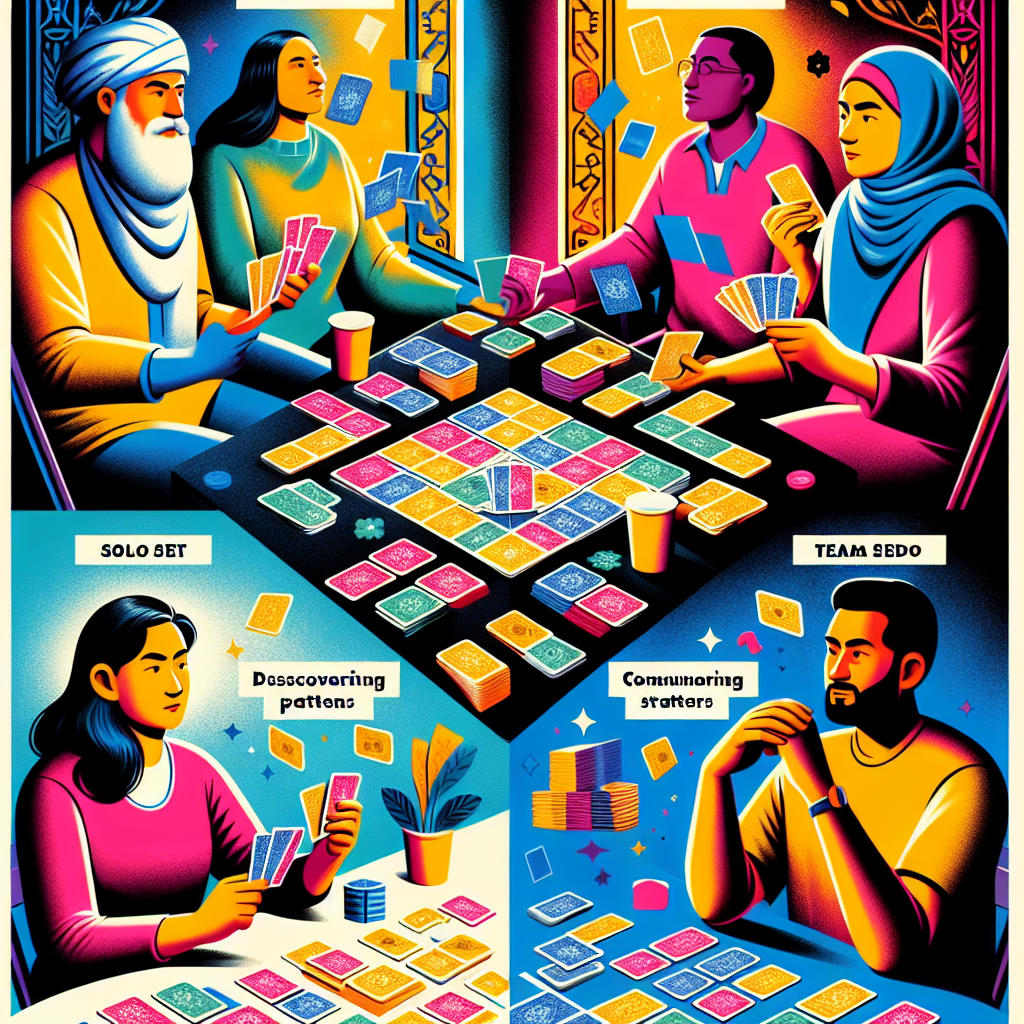
Conclusion
Conclusion:
Here is the summary presented as a formatted bulleted HTML list:
- Card games enhance family dynamics by fostering connections and communication.
- Playing cards is more than winning or losing; it involves laughter, strategy, and friendly banter.
- Games like Uno and poker teach patience, resilience, and teamwork through shared experiences.
- Strategizing and reading opponents help develop critical thinking and problem-solving skills.
- Shared glances and smiles during gameplay forge deeper family bonds, creating lasting memories.
- Regular card game nights can strengthen family relationships and create cherished traditions.
- Every deck of cards presents endless possibilities for joy, connection, and engagement.

Conclusion
Other Resources

Other Resources
Here is a list of other resources you can review online to learn more:
- Sushi Go!
- Thunderworks Games
- Serious Poulp
- Istanbul
- PC Gamer
- IGN
- 7 Wonders Duel
- GamesRadar+
- Plurk
- Small World
Use This Prompt To Get More Resources With Your Favorite Online AI Tool: Please provide me with a list of online articles with their URLs in a bulleted list that I can read regarding Do Card Games Improve Problem Solving Skills In Family Units?

Other Resources
Glossary Terms
Do Card Games Improve Problem Solving Skills In Family Units? – Glossary Of Terms
1. Card Games: Games played with a deck of cards, often involving strategy, chance, and skill.
2. Problem Solving: The process of finding solutions to difficult or complex issues.
3. Critical Thinking: The ability to think clearly and rationally, understanding the logical connection between ideas.
4. Cognitive Skills: Mental abilities that include attention, memory, reasoning, and comprehension.
5. Strategy: A plan of action designed to achieve a long-term goal, often used in gameplay.
6. Collaboration: Working together cooperatively to achieve a common objective, such as winning a game.
7. Decision-Making: The process of making choices by identifying options and weighing potential outcomes.
8. Social Interaction: The process by which individuals act and react in relation to others; crucial in family card games.
9. Engagement: The emotional or intellectual involvement in a task or activity, enhancing the learning experience.
10. Communication Skills: The ability to convey information effectively, crucial in team-based card games.
11. Adaptability: The capacity to adjust strategies in response to changing conditions or unexpected challenges.
12. Conflict Resolution: The process of resolving a disagreement, emphasized in competitive or cooperative games.
13. Memory: The faculty of recalling information, which is often tested in card games with strategic elements.
14. Creativity: The ability to generate new ideas or solutions, which can enhance gameplay and strategies.
15. Analysis: The ability to examine information and break it down into constituent parts for better understanding.
16. Emotional Intelligence: The capacity to be aware of, control, and express emotions, improving familial interactions during games.
17. Rules of Play: The guidelines that govern how a card game is played, essential for fair competition.
18. Team Dynamics: The behavioral relationships and interactions between team members in a cooperative game setting.
19. Turn-Taking: The practice of alternating play among players, an important aspect of many card games.
20. Outcome Evaluation: Assessing the results of decisions made in the game, fostering learning from experience.
21. Resource Management: The strategic allocation and use of cards or other resources during gameplay.
22. Lateral Thinking: A problem-solving methodology that involves approaching a situation from a new or creative angle.
23. Competitiveness: The desire to win or outperform others, which can enhance motivation in game settings.
24. Learning through Play: The educational benefits gained through engagement in playful activities, like card games.
25. Family Bonding: The process of creating a stronger familial connection through shared activities, including games.
26. Neurological Benefits: Advantages to brain function and health that may arise from engaging in mentally stimulating activities.
27. Scoring System: A method of tracking points or achievements during gameplay, which can influence strategy and decision-making.
28. Game Theory: The study of strategic decision-making among competing players, relevant in analyzing card games.
29. Behavioral Observation: Watching how players interact during a game, providing insights into communication and collaboration.
30. Empathy: The ability to understand and share the feelings of others, which can enhance participants’ experiences in a family game setting.

Glossary Of Terms
Other Questions
Do Card Games Improve Problem Solving Skills In Family Units? – Other Questions
If you wish to explore and discover more, consider looking for answers to these questions:
- What specific card games are best for improving problem-solving skills?
- How often should families play card games to see significant benefits?
- Are there age-specific card games for younger children or seniors?
- What are some popular card games that emphasize teamwork?
- Can playing card games reduce anxiety and improve overall mental health?
- What skills do children develop when playing card games regularly?
- How do card games compare to other activities in terms of teaching critical thinking?
- Are there studies or research that support the benefits of card games for families?
- What role do parents play in teaching children through card games?
- How can families create a welcoming atmosphere for game nights?
- What are the best practices for encouraging children to play card games?
- Can card games be beneficial for individuals with learning disabilities?

Other Questions
Haiku
Do Card Games Improve Problem Solving Skills In Family Units? – A Haiku
Gathered round with cards,
Laughter veils strategic minds—
Bonding through the game.

Haiku
Poem
Do Card Games Improve Problem Solving Skills In Family Units? – A Poem
Gather ‘round the table, the cards are in hand,
A chance to connect in this playful land.
With laughter and banter, the night takes its flight,
In the warmth of togetherness, joy feels so right.
Each shuffle a lesson, each deal a new chance,
In strategy’s dance, families prance.
Critical thinking blooms with a draw,
Problem-solving thrives in this game’s gentle law.
From Go Fish to Poker, in youth and in age,
Every hand played is a chapter, a page.
Patience and teamwork weave through the game,
As players learn honor and fair-play’s sweet name.
Communication flows in the glances that spark,
Trust builds in the moments that shine in the dark.
With cards as the canvas, connections are drawn,
Creating sweet stories from dusk until dawn.
So gather your loved ones, let spontaneity reign,
In moments of play, all worries wane.
For in each playful round, with each card that you deal,
You’re forging a bond that’s refreshingly real.
Be it rainy or sunny, or just any day,
Shuffle those cards, let the laughter have sway.
In this timeless tradition, close the digital door,
And find in each game what your family adores.

Poem
Checklist
Do Card Games Improve Problem Solving Skills In Family Units? – A Checklist
Pre-Game Preparations
_____ Choose a Game: Select a card game that suits all ages and interests (e. g. , Uno, Go Fish, Rummy, Poker).
_____ Gather Supplies: Ensure you have a complete deck of cards and any additional materials needed for the game.
_____ Create a Comfortable Environment: Set up a cozy space with enough seating, good lighting, and snacks to keep everyone engaged.
Game Implementation
_____ Set a Regular Game Night: Allocate a specific evening each week for family game nights to build anticipation and routine.
_____ Rotate Game Selection: Allow each family member to choose the game for the week, giving everyone a chance to contribute.
_____ Encourage Communication: Remind family members to discuss strategies and anticipate opponents’ moves throughout the game to enhance teamwork.
Skill Development
_____ Focus on Problem-Solving: During the game, highlight moments where critical thinking is necessary (e. g. , weighing odds, making tactical decisions).
_____ Promote Patience and Resilience: Use the game as a teaching moment about accepting wins and losses gracefully.
_____ Encourage Reflection: After the game, take a few minutes to discuss what strategies worked and what could have been done differently.
Enjoy the Benefits
_____ Build Connections: Use the laughter and banter from the game to strengthen family bonds and create lasting memories.
_____ Foster Teamwork: Engage in cooperative games that require collaboration to succeed.
_____ Reduce Stress: Emphasize the fun aspect, allowing everyone to unwind and leave outside worries behind during playtime.
Spontaneous Game Opportunities
_____ Look for Impromptu Game Chances: Don’t wait for game night! Utilize tech-free moments during weekends, vacations, or long car rides to play a quick game.
_____ Incorporate Learning: Discuss the skills learned through playing card games with younger family members, reinforcing concepts like strategy and probability.
Post-Game Review
_____ Share Stories: After each game, share funny moments or highlight clever plays that occurred during the game.
_____ Plan the Next Game Night: Conclude with excitement about the next game night; ask everyone for their game choice for the upcoming session.
By following this checklist, you can create engaging family moments filled with laughter and valuable learning experiences through card games!

Checklist
At CardGameNews, we help people who love card games by collating information and news about card games.
Be sure to read our other related stories at CardGameNews to learn more about card games.