

Discover The Best Play Times For Shedding Card Games
By Tom Seest
At CardGameNews, we help people who love card games by collating information and news about card games.
Be sure to read our other related stories at CardGameNews to learn more about card games.
What Are Typical Play Times for Shedding Card Games?
When it comes to shedding card games, you might find yourself asking, “How long does a game really take?” Well, my friend, settle in, because we’re about to dig into the nitty-gritty of playtimes that can vary quite a bit depending on who’s at the table and what game is in the mix.
First off, let’s talk about the classic “Uno.” If you’ve ever been in a competitive household, you know things can get heated faster than you can say “draw four.” A typical game of Uno usually runs between 30 to 45 minutes. Players can slip into their strategies like a well-worn pair of boots; strategizing a swift and smooth route to victory. But don’t be fooled—bring in a group that revels in playful banter or rules-laden debates, and suddenly you’re in for a long haul—it’s not uncommon for a session to stretch to an hour or even longer.
Then you have games like “Skip-Bo.” Here’s a game where players shed cards with the finesse of a seasoned lumberjack. A good game can last anywhere from 20 minutes to an hour. The variations in the rules will dictate your pace. If you’re with a group that’s itching to win, you might see that clock tick down a little faster. Conversely, if everyone’s distracted by chatter and snacks—or those addictive little strategy pivots—you’ll find yourself indulging in a leisurely afternoon.
Let’s not forget “Dutch Blitz,” a game that will have your heart racing and your hands moving faster than a greased pig at a county fair. This delightful game often only takes about 15 to 30 minutes. It’s a whirlwind of activity, so expect to keep your eyes peeled and your brain engaged. But again, factor in the crowd; a mixed bunch can stretch it out longer as laughter and camaraderie take precedence over the rush for victory.
Now, some might even venture into “Phase 10,” where the competitive spirit can either spark quick skirmishes or evolving epic battles. Expect this one to often take upwards of an hour or two, especially if you’re playing with folks who enjoy a strategic showdown.
In summary, typical playtimes for shedding card games can range from a brisk 15 minutes to an extended couple of hours. Just remember: the real adventure in these games is part strategy, part luck, but primarily the shenanigans shared amongst friends. And that, dear reader, is priceless!

What Are Typical Play Times for Shedding Card Games?
What Are Typical Play Times for Shedding Card Games?
- Playtimes for shedding card games can vary significantly based on the players and the specific game being played.
- A typical game of “Uno” lasts between 30 to 45 minutes, but can stretch to an hour or more with a competitive group.
- “Skip-Bo” games can take from 20 minutes to an hour, influenced by the group’s enthusiasm and rule variations.
- “Dutch Blitz” is a fast-paced game that usually lasts about 15 to 30 minutes, but can extend with a social crowd.
- “Phase 10” often takes between one to two hours, especially with players who relish strategic gameplay.
- Overall, shedding card games can last from 15 minutes to several hours, depending on the dynamics at the table.
- The essence of these games lies in strategy, luck, and most importantly, the fun shared among friends.

What Are Typical Play Times for Shedding Card Games?
Table Of Contents
- What Are Typical Play Times for Shedding Card Games?
- What Defines A Shedding Card Game?
- How Long Do Shedding Card Games Last?
- What Factors Affect Playtime In Card Games?
- Are There Variations In Playtime By Game Type?
- How Many Players Usually Affect The Game Duration?
- What Are Common Examples Of Shedding Card Games?
- How Do Player Experience Levels Impact Game Length?
- What Strategies Can Make Shedding Games Faster?
- Can Shedding Games Be Played In A Time-Limited Setting?
- What Age Groups Typically Play Shedding Card Games?
- What Makes A Shedding Card Game Enjoyable?
- Are There Rules To Speed Up Gameplay?
- How Do House Rules Affect Playtimes?
- Can Expansions Influence The Duration Of Gameplay?
- What Is The Average Playtime For Popular Shedding Games?
- Conclusion
- Other Resources
- Glossary Of Terms
- Other Questions
- Haiku
- Poem
- Checklist
What Defines A Shedding Card Game?
When you peel back the layers of the card-playing world, you find something intriguing at its core: the shedding card game. Now, I know what you’re thinking—card games are card games, right? A deck, a handful of players, a bit of luck, and maybe some skill, and you’ve got yourself a game. But there’s a little more to it when we talk about shedding games, and that’s worth exploring.
At their essence, shedding card games are defined by a simple objective: players aim to be the first to get rid of all their cards. Picture it as a race, not just against your opponents, but against the clock and your own hand. The term “shedding” says it all; players are working tirelessly to shed their cards, discarding them onto piles in a way that keeps others similarly encumbered.
The mechanics can vary widely, but they often involve some strategy, a dash of chance, and a heavy dose of interaction among players. Take “Uno,” for instance. It’s a straightforward shedding game where the objective is clear. You match colors and numbers while pulling beforehand—potentially disastrous—cards from the deck. Then there’s “Crazy Eights,” where players work tirelessly to rid themselves of a hand full of eights, but can also play other cards matching the suit or number. The beauty of these games lies in their adaptability, allowing younger players to grasp the rules quickly while still providing layers of strategy for the seasoned veteran.
Timing and psychological play are crucial elements too. When should you hold back that game-changing card? When might your opponent be bluffing? Shedding games encourage keen observation and a bit of mind-reading strategy, as you read your opponents as though they were open books in a library.
But don’t be fooled into thinking shedding card games are all light-hearted fun. There’s an underlying tension at play. With every discarded card, the stakes rise—the tension builds, the competition heats up. Whether playing with family around the dinner table or friends on a Saturday night, it’s those moments of suspense that define the experience.
So, what makes a shedding card game? It’s that delightful combination of skill, strategy, and an ever-evolving battle of wits, all wrapped up in the age-old act of shuffling a deck of cards. The next time you gather around the table, remember: the end goal isn’t just to play the cards you have; it’s to shed all of them before anyone else does.

What Defines A Shedding Card Game?
What Defines A Shedding Card Game?
- Shedding card games focus on the objective of players being the first to get rid of all their cards.
- These games involve a mix of strategy, chance, and interaction among players.
- Examples include games like “Uno” and “Crazy Eights,” which have straightforward rules but varying levels of complexity.
- Timing and psychological play are crucial, requiring players to observe and anticipate opponents’ moves.
- There is underlying tension and competition as players discard cards, raising the stakes of the game.
- Shedding games provide a blend of skill, strategy, and a mind-reading element that enhances the experience.
- The ultimate goal is not just to play cards but to shed them all before others do, creating an engaging challenge.

What Defines A Shedding Card Game?
How Long Do Shedding Card Games Last?
When it comes to gauging the lifespan of a game of shedding cards, there’s more to consider than just the time spent shuffling the deck or flipping over a new hand. Shedding card games, the kind that involve players racing to be the first to get rid of all their cards, can vary widely in their duration. On the surface, they might appear straightforward: play your cards, clear your hand, win the game—and yet, like a stubborn barn door during a storm, the length of time it takes to reach that glorious finish can swing wildly based on a few key factors.
First and foremost, we have the number of players involved. A game with two or three participants can be a brisk affair, often wrapping up in around 15 to 30 minutes. There’s something satisfying about a tight-knit group, where strategies unfold quickly and decisions must be made in the heat of the moment. Throw in additional players, though, and that clock can start to tick a bit louder. With more hands in the mix, each turn can stretch out as players scheme and counter each other’s moves. A game with five or more players? Don’t be surprised if you find yourself holed up for an hour or more.
Next, let’s consider the rules. Trust me, folks—house rules can turn a perfectly straightforward game into a marathon. Some players may introduce twists that add layers of complexity, and before you know it, an innocent card game morphs into a strategic battle worthy of its own playbook. Longer rules can lead to longer games, so if you’re aiming for brevity, it might be best to stick to the basics.
Then there’s the mood of the players. Are they veterans, who’ve played so many rounds they can anticipate moves two steps ahead? Or are we welcoming a newcomer to the table whose every choice warrants discussion like a debate team? Experienced players might race through the rounds, but the less seasoned can take all the time in the world—it’s like watching a tortoise take on a hare.
In the grand tapestry of card games, a shedding card game’s duration is as variable as the players behind it. Whether you’re spinning a quick classic or drawing out a more intricate dance, just remember: the real magic lies in the moments shared around that table, regardless of how long the game lasts.

How Long Do Shedding Card Games Last?
How Long Do Shedding Card Games Last?
- The lifespan of shedding card games varies widely beyond just shuffling or dealing cards.
- Games with 2-3 players typically last 15 to 30 minutes, while games with 5+ players can exceed an hour.
- The number of players affects game duration, as more players can lead to longer turns and strategic gameplay.
- House rules can introduce complexity, potentially extending game length significantly.
- Experienced players may play more quickly than newcomers, affecting the overall speed of the game.
- Player mood and experience levels contribute to the variability in game duration.
- The joy of shedding card games lies in the shared experience, regardless of how long the game takes.

How Long Do Shedding Card Games Last?
What Factors Affect Playtime In Card Games?
When it comes to card games, the duration of play can often feel as unpredictable as the shuffle of a well-worn deck. Several factors come into play—pun intended—altering how long a match can stretch or snap. Understanding these elements can not only enhance your game but also help set the right expectations for a night at the table.
First and foremost, the complexity of the game is a crucial determinant. Take a game like Poker, which, while familiar to many, can quickly ramp up in intensity with its myriad of strategies and betting rounds. Contrast this with a straightforward game of Crazy Eights where the rules fit on a cocktail napkin. The intricate strategies and decision-making involved in complex games naturally lead to longer playtimes. Players need time to ponder, strategize, and execute their plans, and before you know it, you’ve invested hours in what seemed like a casual evening.
Then there’s the number of players. A two-player game can be wrapped up faster than you can say “full house,” while a full table of four, six, or even eight can extend play significantly. More players mean more turns and more opportunities for conversation, strategy debates, and disputes over rules—each one of those elements prolonging the game. Ever tried to declare a winner in a round of Uno with more than four people? It often feels like trying to wrangle cats.
Another factor to consider is the skill level of the participants. A group of seasoned veterans may zip through rounds with laser-focused precision, while beginners might linger over the rules or find themselves deep in discussion about the finer points of gameplay. Oftentimes, the more experienced players will exhibit a natural rhythm, fostering a pace that can either invigorate or frustrate less experienced counterparts.
And let’s not forget about the social aspect. Card games are communal gatherings; they thrive on laughter, banter, and the occasional heated debate about whether someone really had that last card in their hand or if they were just bluffing. These lively interactions can significantly extend playtime as conversations meander and stories unfold, often eclipsing the actual gameplay.
So, whether you’re a seasoned player or a fresh face at the table, recognizing these factors can set you up for a night filled with fun, strategy, and just the right amount of friendly competition. Just remember, in the world of card games, time is just another opponent at the table.

What Factors Affect Playtime In Card Games?
What Factors Affect Playtime In Card Games?
- The duration of card games can be unpredictable, influenced by several factors.
- Game complexity affects playtime; intricate games like Poker tend to last longer than simpler ones like Crazy Eights.
- The number of players significantly impacts game length, with larger groups prolonging play due to more turns and discussions.
- The skill level of participants contributes to duration; experienced players may play faster compared to novices who take time to learn the rules.
- Social interactions during gameplay, including laughter and debates, can extend game time beyond actual playing moments.
- Understanding these elements enhances gameplay experience and sets realistic expectations for the evening.
- Overall, time in card games is an important consideration, acting as another opponent at the table.

What Factors Affect Playtime In Card Games?
Are There Variations In Playtime By Game Type?
When you crack open your favorite game, you might think you’re diving into a single experience, but the truth is, the playtime can vary wildly based on what type of game you’re getting into. It’s not just about how fun it is; it’s also about how deep down the rabbit hole you’re willing to go—a distinction that can shape your entire gaming experience.
Take role-playing games (RPGs), for example. These grand adventures often invite players to lose themselves in expansive worlds filled with quests, character customization, and rich lore. If you’re the kind of gamer who loves to wander off the beaten path, you’ll find plenty of hours melting away as you explore every nook and cranny. A committed RPG aficionado might easily log 80 to 100 hours or more. That’s not just a game; that’s a commitment. It’s like adopting a digital pet that needs constant attention and care, not to mention a healthy dose of fancy armor and cool weaponry.
Then there’s the world of first-person shooters (FPS). Ah, the thrill of fast reflexes and adrenaline-pumping action! Here, playtime can swing significantly. While some players may devote themselves to leveling up their ranks and grinding through hours of multiplayer matches, others may find satisfaction in a quick campaign that can be conquered in a weekend. Often, a solid FPS experience might only demand 6 to 10 hours for a vigorous run-through of the main storyline, allowing you to dive in and out at your convenience. It’s the perfect fit for those gamers who can only spare a few hours at a time and still want that high-octane experience.
Let’s not forget about puzzle games. They’re a different beast altogether. These brain teasers require not just time but mental agility, as you might spend hours on a single level, wrenching your mind around how to fit that one impossibly shaped piece into the grand puzzle. Players often report varied experiences—it can take anywhere from a few minutes to several hours, depending on the challenge level and your problem-solving prowess.
In short, playtime isn’t a one-size-fits-all proposition. Whether you’re embarking on an epic quest, honing your aiming skills, or tackling a tricky brain-buster, the type of game directly influences how long you’ll be consumed by its immersive world. So, grab your controller, choose your path, and remember: these games might have you wrapped around their fingers longer than you’d think.

Are There Variations In Playtime By Game Type?
Are There Variations In Playtime By Game Type?
- Playtime varies significantly based on the type of game.
- RPGs offer expansive worlds and deep engagement, often requiring 80-100+ hours for thorough exploration.
- Players of RPGs may experience it as a commitment similar to caring for a digital pet.
- First-person shooters (FPS) allow for shorter play sessions, with campaigns typically lasting 6-10 hours.
- FPS games cater to those with limited time, offering quick and intense gaming experiences.
- Puzzle games require mental agility and can vary in playtime from a few minutes to several hours based on difficulty.
- The type of game determines how deeply players immerse themselves, influencing overall playtime.

Are There Variations In Playtime By Game Type?
How Many Players Usually Affect The Game Duration?
When it comes to understanding how player counts influence game duration, it’s essential to think about the delicate balance of mechanics, strategy, and sheer human unpredictability. In a world filled with gamers vying for glory, the number of players in a match can shift the landscape dramatically, and the effects can sometimes be surprising.
In smaller games, often with just a handful of players—think two to four—the action tends to be swift. With fewer participants, each individual’s choices carry more weight, and the interactions are more direct. This can lead to quick decisions, rapid exchanges, and a game that moves at a brisk pace. Players typically know each other’s strategies intimately, leading to faster counters, quicker resolutions, and, ultimately, shorter games. In many cases, it’s like a well-choreographed dance: you step on the toes of your opponent, and they respond in kind—quickly and decisively.
As we stretch that number to medium-sized groups, perhaps six to eight players, things begin to change. The dynamics start to evolve into a game of patience and strategy, where players must contemplate not only their own moves but also how their decisions ripple through the larger group. In this scenario, interactions might slow down as tactical deliberation takes center stage. Here, alliances, betrayals, and second-guessing become the order of the day. A single decision can have far-reaching consequences, and the game duration can extend as players take the extra time to outthink each other.
Now, let’s enter the realm of large-scale matches, with ten or more participants. This is where chaos often reigns supreme. The sheer volume of players can lead to drawn-out tactics, complex negotiations, and multi-layered strategies that make a chess match look like a game of checkers. Often, the ebb and flow of the game slows significantly, as everyone scrambles to outmaneuver the pack. The clock ticks on, the minutes stretch into hours, and the definition of “game” starts to blur into that of a full-on expedition.
Ultimately, it’s clear: the more players you add, the more likely you are to extend game durations. Yet, within that additional time lies a vibrant tapestry of human interaction, strategy, and competition that makes the experience richer—and often worth the wait. It’s not just about how many players are in the game; it’s about how those players navigate the thrilling and sometimes maddening complexities of competition.

How Many Players Usually Affect The Game Duration?
How Many Players Usually Affect The Game Duration?
- Player counts significantly influence game duration through mechanics, strategy, and unpredictability.
- Smaller games (2-4 players) are fast-paced with quick interactions and decisions, leading to shorter game durations.
- With medium-sized groups (6-8 players), gameplay becomes more strategic and patient, often resulting in longer game durations.
- Large-scale matches (10+ players) can lead to chaotic gameplay, drawn-out tactics, and complex strategies.
- As the number of players increases, the duration of games tends to extend due to the complexity of interactions.
- The additional time in larger games creates richer experiences through deeper competition and strategy.
- The overall player dynamics enhance the gaming experience, indicating that player count and game duration are interrelated.

How Many Players Usually Affect The Game Duration?
What Are Common Examples Of Shedding Card Games?
When it comes to shedding card games, you’re stepping into a vibrant world where strategy dances with luck, and social camaraderie thrives amid the shuffle and deal. At their core, shedding games share a simple objective: be the first to rid yourself of all your cards. While the mechanics may vary, the thrill remains consistent. Let’s dive into a few common examples that have stood the test of time—and have likely graced countless kitchen tables and party gatherings.
First up is the classic game of Uno. You’ve probably encountered it in various forms, from family game nights to casual gatherings with friends. With its recognizable combination of colorful cards and wild twists, Uno is easily accessible even to those who haven’t played many card games. The goal is straightforward: play a card that matches either the color or number of the top card on the discard pile. But it’s the infamous wild cards that keep you on your toes, prompting a careful balance between strategy and surprise as you race to shed your hand.
If you’re looking for something a bit more structured, Crazy Eights is the perfect blend of simplicity and strategy. Each player is dealt a handful of cards, and the objective is to play your cards off of the top of a central pile by matching the rank or suit. Eights are the game’s secret weapon; they can be played at any time and allow players to change the suit in play. This twist creates a dynamic climate for tactical play as you plan your moves and watch for openings to unload your cards.
Then there’s President, often regarded as a favorite among college students and social circles. In this game, players aim to be the first to play all their cards to become the President in the next round. It’s a delightful mix of hierarchy, power plays, and social interaction that leaves everyone strategizing—and sometimes even scheming—to secure their position.
Lastly, let’s not overlook the simple yet addictive Go Fish. While it might seem child’s play, it’s surprisingly engaging for all ages. Players ask opponents for specific cards to form pairs, and the excitement mounts as you attempt to outsmart your rivals with shrewd queries and keen observation.
So, whether you’re slinging wild cards in Uno, making strategic maneuvers in Crazy Eights, or vying for power in President, shedding card games offer a delightful mix of competition, strategy, and good old-fashioned fun. There’s something about sitting around a table, laughing and strategizing, that makes card games an enduring staple of social bonding. Grab some friends, shuffle the deck, and let the games begin!

What Are Common Examples Of Shedding Card Games?
What Are Common Examples Of Shedding Card Games?
- Shedding card games emphasize strategy, luck, and social interaction, with the objective of being the first to rid oneself of all cards.
- Uno is a widely recognized game featuring colorful cards and wild twists, appealing to players of all skill levels.
- In Uno, players match the color or number of the top card on the discard pile, using wild cards for added strategy and surprise.
- Crazy Eights combines simplicity and strategy, where players match rank or suit, with eights serving as versatile cards that can change the suit in play.
- President, popular among college students, involves players trying to play all their cards first to achieve the title of President in the next round.
- Go Fish, while seemingly simple, engages players of all ages as they form pairs by asking opponents for specific cards.
- Shedding card games provide a blend of competition, strategy, and fun, fostering social bonding among friends and family.

What Are Common Examples Of Shedding Card Games?
How Do Player Experience Levels Impact Game Length?
When it comes to gaming, there’s a curious little dance happening between player experience levels and game length. Picture this: a brand-new player steps into the vast world of gaming, their eyes wide with wonder, while the seasoned veteran navigates with the confidence of someone who knows the terrain like the back of their hand. This contrasting experience can significantly impact how long a game lasts for each person, and here’s why.
For the novice, every moment spent in a game can feel like a lesson in patience and learning. They don’t just dive in; they often flounder about, absorbing the mechanics, deciphering the controls, and grasping the nuances of strategy. What might take an experienced player an hour to conquer can stretch into an all-day expedition for someone just starting. It’s not just about the time they spend, but rather the mental energy required to understand, adapt, and overcome. So, if a game boasts a meaty campaign that experienced players can blitz through in ten hours, a neophyte may find themselves wading through that same content for double or triple the time. It’s all about the learning curve.
On the flip side, seasoned players often glide through content, brushing aside challenges that would send a newcomer into a tailspin. They have a repertoire of tricks and strategies at their disposal, honed through hours of gameplay. Their ability to read game mechanics and anticipate obstacles allows them to trim the fat off the length of their gaming experience. They can exploit shortcuts, rework strategies, and tackle the main objectives with precision. A level 30 character in a role-playing game doesn’t need to farm for hours like a newbie; they know what to do and when to do it. The experience gap can shrink the game down to a sprint rather than a marathon.
But it’s not just about speed. Experienced players are often drawn to exploring every nook and cranny, fully immersing themselves in side quests and lore, which can also extend game length dramatically—but in a different way. They might reignite the very heart of the game, making it an exhilarating journey, not just a checkbox exercise.
In essence, player experience levels craft a unique tapestry of game length, making each player’s journey distinctly theirs. Whether it’s a long and winding road or a brisk walk in the park, that experience shapes the way we game. And in that space, between skill and challenge, lies the adventure.

How Do Player Experience Levels Impact Game Length?
How Do Player Experience Levels Impact Game Length?
- The length of a game varies significantly between novice players and seasoned veterans.
- New players experience a longer learning curve as they familiarize themselves with game mechanics and controls.
- What takes an experienced player one hour may take a newcomer several hours or even days to complete.
- Seasoned gamers utilize their repertoire of strategies to navigate challenges quickly and efficiently.
- Experienced players can recognize shortcuts and optimize their gaming paths, reducing playtime.
- While they may complete main objectives faster, experienced players also invest time in exploring side quests and lore.
- Player experience levels create unique gaming journeys, influencing both the length and enjoyment of gameplay.

How Do Player Experience Levels Impact Game Length?
What Strategies Can Make Shedding Games Faster?
When it comes to shedding games, those delightful contests where players aim to offload their cards quicker than their opponents, speed and strategy are the name of the game. If you want to find yourself at the head of the table, consider these practical strategies that can add fuel to your shedding fire.
Know Your Cards: Before you dive headfirst into the fray, take a moment to become intimately acquainted with your hand. The better you understand the values and types of cards you’ve drawn, the more effective your strategy will be. This knowledge helps you prioritize which cards to play first, especially if you have a few high-value cards that you’d rather keep for later rounds.
Play Offensively: Don’t just defend your position—attack it! The sooner you start playing your cards, the better. If you see an opportunity to strike with a strong card or a strategic play to block someone from offloading their hand, seize it. The faster you shed unnecessary cards, the quicker you clear your deck of distractions and get closer to victory.
Bluff and Misdirect: Shedding games aren’t just about what cards you have; it’s about psychological warfare, too. A subtle bluff can throw your opponents off their game. If you play a lower-value card early, it might make your opponents think you have a poorer hand than you actually do. Feigning weakness can keep them guessing and may even prompt them to make risky plays that work in your favor.
Stay Alert: Like any good hunter, be aware of your surroundings. Pay attention to your opponents’ patterns and the cards they play. This awareness allows you to adapt your strategy accordingly. If someone is playing conservatively, it may be your chance to go on the attack. Knowing what others are holding helps you predict their next move, giving you the upper hand.
Form Alliances, If Necessary: Sometimes, the best way to win is to team up. Not every game is about backstabbing; occasionally, you might need to collaborate temporarily. If you find yourself desperate against an especially strong player, consider aligning with another to take them down a peg. Just be mindful—alliances are fragile, and betrayal is always lurking.
With these strategies in your arsenal, you’re not just playing a game of cards; you’re participating in a finely-tuned dance of strategy, deception, and speed. Remember, the goal is simple: play smart, keep your eye on the prize, and above all, have a good time in the process!

What Strategies Can Make Shedding Games Faster?
What Strategies Can Make Shedding Games Faster?
- Know Your Cards: Understand the values and types of cards in your hand for effective strategy.
- Play Offensively: Attack your opponents early to shed cards quickly and clear your deck.
- Bluff and Misdirect: Use psychological tactics, like feigning weakness, to confuse opponents.
- Stay Alert: Pay attention to your opponents’ patterns and adapt your strategy accordingly.
- Form Alliances, If Necessary: Collaborate temporarily to overcome strong opponents, but be cautious of betrayal.
- Engage in Strategy: Combine speed, deception, and strategy to outplay your opponents.
- Enjoy the Game: Keep the focus on having fun while playing smart and aiming for victory.

What Strategies Can Make Shedding Games Faster?
Can Shedding Games Be Played In A Time-Limited Setting?
When you think of shedding games, you might picture a leisurely game night with pals, laughter echoing through the room, as cards are strategically discarded to claim victory. However, add a ticking clock to the mix, and suddenly, you’re not just playing for fun—you’re racing against time. The question looms: Can shedding games be played in a time-limited setting, or does the essence of the game suffer in the scramble?
First, let’s unpack what a shedding game is. At its core, it’s a test of skill, strategy, and sometimes, a dash of luck. The aim? Shed your cards before your opponents. But introduce a time limit, and the stakes change dramatically. Suddenly, that thoughtful play is jettisoned for a swift decision, with players tossing cards down like they’re running from the proverbial bear.
Playing under pressure can ignite a thrilling atmosphere. It transforms the game from a measured battle of wits into a frenetic sprint, making every player reevaluate their approach. With seconds slipping away, choices that would typically command serious consideration are made in a heartbeat. This can lead to unexpected breakthroughs, surprising outcomes, and perhaps a few regrettable decisions that will be recounted for weeks at future gatherings.
But let’s not kid ourselves—this format isn’t for the faint of heart or those who savor a slower pace. It’s exhilarating, sure, but it can also induce a kind of panic that detracts from the game’s intended enjoyment. The joy of crafting a brilliant hand can be lost when every player is frantically trying to maintain pace against the clock. Not to mention the potential for relationships to fray, especially when friends turn adversaries in the heat of a harried game. Competition can exacerbate stress—a surprising turn for those expecting a laid-back night with friends.
Yet, there’s a silver lining. A time limit can catalyze creativity and spontaneity, nudging players out of rigid strategies into the realm of improvisation. It can rejuvenate tired dynamics among seasoned players, sparking fresh strategies and invigorating tired routines.
Whether or not a shedding game thrives in a time-limited setting depends on the crowd. If your crew thrives on adrenaline, set that timer and let the cards fly! But if you prefer to savor each drop, well, there’s always a quiet corner where the clock is nothing but a decorative piece.

Can Shedding Games Be Played In A Time-Limited Setting?
Can Shedding Games Be Played In A Time-Limited Setting?
- Shedding games are typically enjoyable, strategic card games played among friends.
- Introducing a time limit shifts the focus from strategy to quick decision-making.
- Playing under pressure creates a thrilling, fast-paced atmosphere, changing gameplay dynamics.
- Accelerated play can lead to surprising outcomes but may also result in regrettable choices.
- Not suitable for all players; time limits can induce panic and detract from enjoyment.
- Time constraints can inspire creativity and fresh strategies, rejuvenating gameplay among seasoned players.
- Preference for timed or untimed play depends on the group’s energy and dynamics.

Can Shedding Games Be Played In A Time-Limited Setting?
What Age Groups Typically Play Shedding Card Games?
Shedding card games have long held a cherished spot in the hearts of players across generations. With roots tracing back through various cultures, these games are simple enough for beginners yet intricate enough to keep seasoned players coming back for more. But which age groups are typically drawn to these entertaining pastimes? Let’s take a stroll through the ages and discover why folks from all walks of life gather around the table for a good old-fashioned card game.
Starting with the younger crowd, let’s dive into the realm of kids and teens. Young players often find themselves captivated by the colorful aesthetics and straightforward rules of games like Uno or Crazy Eights. These games offer a great blend of strategy, luck, and social interaction, making them ideal for youth slumber parties, family gatherings, or long car rides. As children learn to recognize numbers and colors, shedding card games provide a playful backdrop for cognitive development while fostering essential social skills. Beyond learning, there’s a unique thrill in outsmarting one another—especially when a well-timed play takes the wind out of a rival’s sails.
Moving into the college years, shedding games evolve into a rite of passage. College dorms and apartments transform into competitive arenas, where students engage in heated matches of that classic deck-buster, Spades. It’s more than just a game; it’s a communal experience that builds bonds, hones strategic thinking, and sometimes leads to long-standing friendships or rivalries. The allure lies in the blend of competition and camaraderie, making card games an essential part of the social calendar during those formative years.
As adulthood rolls in, shedding card games maintain their appeal. Young professionals often gravitate towards these games during casual get-togethers or at the end of a long workweek. Games like Hearts or the classic Go Fish create the perfect atmosphere to unwind while still exercising that competitive edge. In many cases, these gatherings serve to strengthen relationships, offering a welcome respite from the daily grind.
Finally, let’s not forget the seasoned veterans—older adults who have honed their skills through countless card-playing sessions. For them, shedding card games often represent both nostalgia and strategy. Perhaps it’s a spirited game of Rummy that brings friends together on a Sunday afternoon or a nostalgic family reunion where the next generation learns the ropes from their elders.
In truth, shedding card games are not confined by age; they transcend generations, each group adding its flavor and flair to the mix. From curious children to seasoned players, these games carry the hallmark of a true pastime—a timeless celebration of skill, chance, and above all, connection.

What Age Groups Typically Play Shedding Card Games?
What Age Groups Typically Play Shedding Card Games?
- Shedding card games are beloved across generations, appealing to a wide range of age groups.
- Kids and teens are attracted to simple games like Uno and Crazy Eights for their colorful aesthetics and straightforward rules.
- These games help children develop cognitive skills and social abilities while providing entertainment during gatherings or travels.
- In college, card games like Spades become competitive events, fostering bonds and friendships among students.
- Young professionals enjoy shedding games during casual get-togethers, using them as a way to unwind after work.
- Older adults often play for nostalgia and strategy, creating opportunities for family connections and passing on traditions.
- Shedding card games transcend age, allowing each generation to contribute its unique flavor to this timeless pastime.

What Age Groups Typically Play Shedding Card Games?
What Makes A Shedding Card Game Enjoyable?
You might have stumbled upon this captivating corner of card gaming and wondered what all the fuss is about. Shedding card games—those spirited contests where the goal is to get rid of all your cards—bring a unique blend of strategy, psychology, and perhaps a touch of chaos to the table. The magic lies not just in the mechanics of the game but also in the atmosphere and the people you share it with.
First off, let’s talk about accessibility. An enjoyable shedding card game is one that welcomes players of all skill levels. You don’t need to be a strategic mastermind to play; a good game offers simple rules that anyone can pick up in a matter of minutes. However, don’t be fooled into thinking simplicity means mindlessness. These games often layer on enough strategy and complexity to keep you engaged, whether you’re a casual player or a seasoned pro. It’s the perfect recipe for a family gathering or a night out with friends where laughter is just as crucial as winning.
Now, every great game has a pinch of unpredictability. It’s what keeps everyone on their toes and creates those memorable “Did that just happen?” moments. A good shedding card game whisks you through the highs of a well-timed play to the lows of a surprise reversal, keeping tension high and excitement fresh. Perhaps your rival unexpectedly lays down a wild card, changing the course of the game. Just when you think you’ve got it all figured out, that twist not only tests your strategy but also adds a layer of thrill.
Furthermore, the social element can’t be overstated. Sharing joy as you shed those cards while jostling and trash-talking creates bonds that go beyond the game itself. It fosters a sense of camaraderie and competition that ignites the spirit of friendly rivalry. These interactions bring laughter and light-hearted banter, giving the game a festive ambiance.
Lastly, the satisfaction that comes from clever gameplay and quick thinking is truly unmatched. Successfully crafting a strategy where you outsmart opponents or being the first to empty your hand is like scoring a goal in the final minutes of the match. It’s about more than just winning; it’s about connection, engagement, and the stories you create along the way.
In short, an enjoyable shedding card game weaves together simplicity, excitement, and social interaction into a tapestry of good times—inviting everyone to join in and share a laugh along the way.

What Makes A Shedding Card Game Enjoyable?
What Makes A Shedding Card Game Enjoyable?
- Shed games focus on getting rid of all cards, blending strategy, psychology, and chaos.
- Accessible for all skill levels; simple rules make it easy to learn and play.
- Games possess layers of strategy that engage both casual and seasoned players.
- Unpredictability creates memorable moments and keeps players on their toes.
- The social aspect enhances the experience, fostering camaraderie and friendly rivalry.
- Strategic gameplay leads to unmatched satisfaction and connection among players.
- Overall, shedding card games combine simplicity, excitement, and social interaction for a fun experience.

What Makes A Shedding Card Game Enjoyable?
Are There Rules To Speed Up Gameplay?
In the world of tabletop games, where rolling dice and moving pieces can be as exhilarating as a high-speed chase, the reality is that sometimes, the thrill gets bogged down in an extended play session. Whether it’s a lengthy rules discussion about the intricacies of an elvish spell or the perennial debate over who derailed the last game with overly complex strategies, it’s clear that time is not always on our side. To remedy this, many gaming groups adopt house rules designed to keep the pace brisk and enjoyable for all involved.
First and foremost, you might consider setting a time limit for each player’s turn. This tactic can feel a bit like a gentle nudge—nobody likes the uncertainty of waiting forever for the next move. A good rule of thumb is to allow players no more than 30 seconds or a minute to make their decisions. It encourages focus and ensures that no one drags their feet while the rest of the group stares off into space, contemplating their own life choices.
Another effective method is implementing “no take-backs.” Everyone’s been there: you make a move, then suddenly realize it was a regrettable decision. It’s tempting to rewind the clock, but this can stifle momentum. By agreeing that once a move is made, it’s final, you eliminate that pesky deliberation, thus keeping the game moving at a vigorous clip.
On a similar note, consider streamlining the rules in the first place. Each game comes with its own set of guidelines that can read like a technical manual. Often players get lost in the minutiae and waste precious time redefining complex rules. Prior to play, establish a simplified version that retains the essence of the game while cutting out extraneous details. This fervor for clarity not only speeds up gameplay but often results in a more engaging experience.
Lastly, embrace the spirit of improvisation. Sometimes players become too attached to strict adherence to the rules, leading to endless arguments over interpretations. Allow your gaming community the liberty to adapt and modify rules to suit the needs of the group, which can result in a more fluid gaming environment. A little flexibility can go a long way, encouraging faster decisions and greater camaraderie.
Speeding up gameplay isn’t simply about rushing; it’s about fostering an environment that encourages enjoyment and engagement. By implementing time limits, enforcing no take-backs, simplifying rules, and encouraging adaptability, you can create an atmosphere where fun takes the front seat, and everyone can focus on the thrill of the game rather than the clock.

Are There Rules To Speed Up Gameplay?
Are There Rules To Speed Up Gameplay?
- Tabletop gaming can be slowed down by lengthy discussions and complex strategies.
- Implement time limits for each player’s turn, ideally between 30 seconds to a minute.
- Introduce a “no take-backs” rule to maintain momentum and avoid indecision.
- Simplify the game’s rules before playing to eliminate confusion and speed up gameplay.
- Encourage flexibility in rule interpretations to foster a more enjoyable gaming atmosphere.
- Focus on creating an engaging environment that prioritizes fun over strict adherence to rules.
- Use these methods to enhance the excitement of the game while minimizing downtime.

Are There Rules To Speed Up Gameplay?
How Do House Rules Affect Playtimes?
When it comes to game night, the rules of engagement can make all the difference. House rules, those quirky amendments to the printed instructions, often evolve from the unique personalities of the players involved. They can turn a standard game into an unforgettable saga—or unleash chaos akin to an unsupervised family reunion.
First, let’s talk about the allure of house rules. Every group has its own lore, codes, and unwritten guidelines that govern the way they play. Maybe it’s that tradition of “first to finish their drink gets to skip a turn,” or perhaps a well-established rule that certain cards are traded for snacks. These idiosyncrasies create a sense of camaraderie, binding players together in a web of shared experiences. However, let’s not kid ourselves—these make-shift rules can also stretch playtimes like a rubber band on the brink of snapping.
Take Monopoly, for instance. There’s a good chance you’ve encountered someone who plays by the “no landing on Free Parking” rule, or a variation that turns it into a jackpot destination. Suddenly, instead of a decisive property battle that wraps up in a couple of hours, you’re engaging in an epic, drawn-out war that feels more like a marathon than a sprint. The clock ticks down as players scheme and barter, the tension rising with each roll of the dice. What began as a harmless throwback to family fun can easily morph into a contest of wills, stretching hours into an eternity.
And let’s not forget the influx of new players who may not be familiar with the established norms. They’re the fresh blood entering the arena, wide-eyed and perhaps a bit confused. When they unknowingly mess up a long-held house rule, be prepared for the collective gasp—or worse, a heated debate erupting like a can of soda shaken up too long. Suddenly, the joy of the game gets tangled up with the need to educate and defend the ever-volatile house rules.
Then there’s the impact on playtime itself. House rules can either streamline gameplay or lead to an infinite loop of explanations, negotiations, and even arguments. While the intention may be to enhance fun, the reality can sometimes feel like a tug-of-war where the rope is a complex web of rules, traditions, and personal quirks. Whether you embrace the shenanigans or strive for the solemnity of the official guidelines, it’s the shared laughter and experience that truly matters—no matter how long it takes.
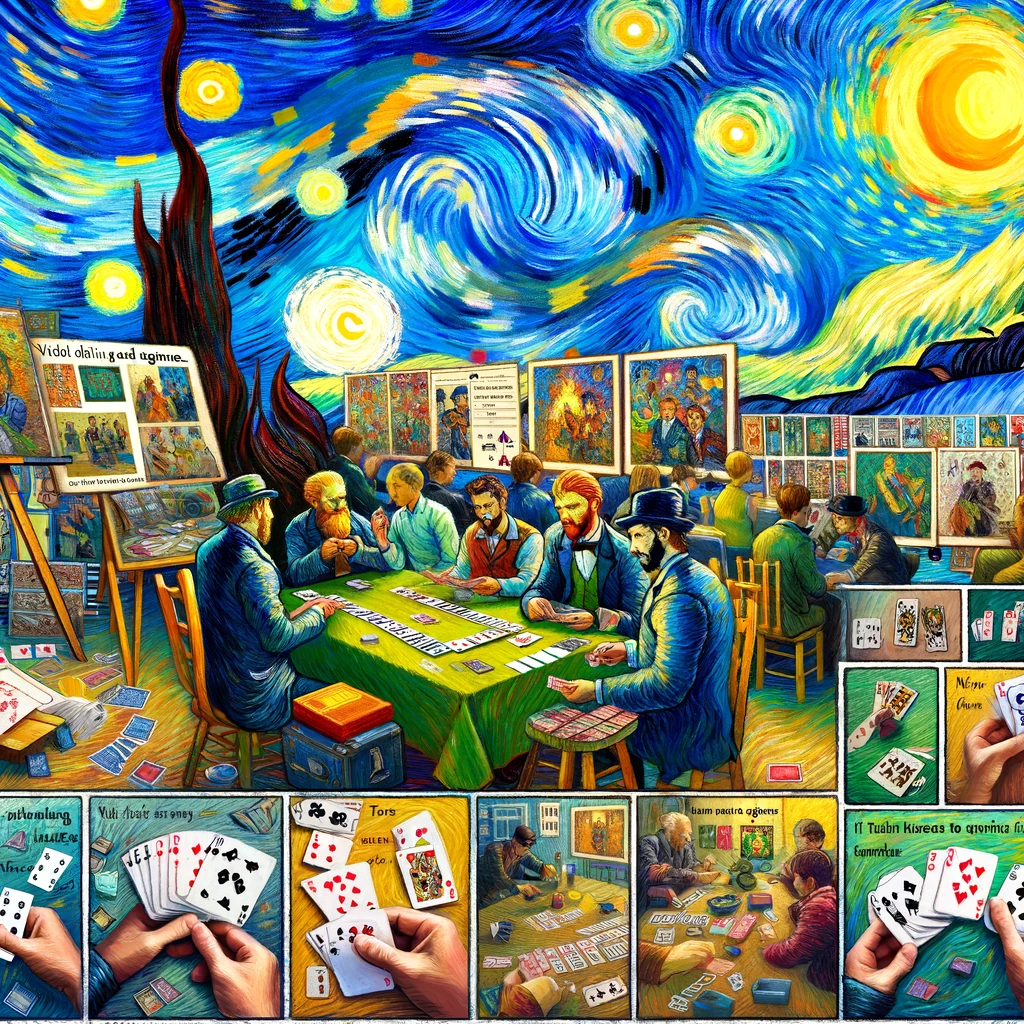
How Do House Rules Affect Playtimes?
How Do House Rules Affect Playtimes?
- House rules personalize games and can dramatically alter gameplay experiences.
- Every game group has unique traditions, fostering camaraderie among players.
- House rules can extend playtime significantly, turning quick games into lengthy battles.
- Examples like Monopoly illustrate how variations can transform a game’s dynamic.
- New players may disrupt established house rules, leading to confusion or conflict.
- House rules can either enhance gameplay or complicate it with endless negotiations.
- The essence of game night lies in shared laughter and experiences, regardless of playtime.

How Do House Rules Affect Playtimes?
Can Expansions Influence The Duration Of Gameplay?
When it comes to gaming, the allure of an expansion is like that enticing aroma wafting from your kitchen on a Sunday afternoon—inviting, compelling, and begging to be explored. But just as we wonder how long we can stretch that leftover lasagna before it’s time to let go, players often ponder whether expansions genuinely extend their gaming experience or simply add some decorative frosting to the cake.
First off, let’s consider what an expansion really is. Think of it as an open invitation to dive deeper into familiar waters—an opportunity to relish the same world with new characters, stories, and quests. It’s the equivalent of throwing another log on the fire while you’re already warmed up by the glow. When an expansion lands on your doorstep, it usually comes with a hefty helping of new content, which means players can easily sink hundreds of hours into it if they choose to.
However, it’s not just about the quantity of content; it’s also about the quality. A well-crafted expansion can seamlessly integrate into the existing game, akin to the perfect spice enhancing a favorite dish, making players want to linger a little longer over that gaming plate. New areas to explore, fresh lore to absorb, and enhanced gameplay mechanics can reignite the flames of passion, prompting players to revisit old strategies or discover new ones, thereby stretching their gameplay time well beyond what they had initially anticipated.
But there’s another layer to consider. Expansions can alter the gaming landscape significantly. Take, for instance, a beloved multiplayer title that rolls out an expansion with new competitive modes or events. Suddenly, the landscape shifts, and seasoned players must readjust their strategies or risk being left behind. This dynamic means that the expansion doesn’t just add content, it recalibrates the entire experience, providing fresh challenges that can extend the engagement time significantly.
Conversely, there’s always the risk of feeling overwhelmed. Too much content, poorly communicated updates, or an overly complex system can send players scurrying back to the simpler past. When players can’t keep up, or the gameplay becomes bogged down by unnecessary complexity, they may find their engagement waning faster than a night out with one too many cocktails.
The influence of expansions on gameplay duration is a delicate balancing act—a dance between allure and overwhelm, content and complexity. It’s an invitation to explore, challenge, and redefine not just the game, but the player’s relationship with it. So, the next time an expansion drops, ask yourself: are you ready for another round?

Can Expansions Influence The Duration Of Gameplay?
Can Expansions Influence The Duration Of Gameplay?
- Expansions provide an opportunity for players to explore new characters, stories, and quests in a familiar game world.
- They often come with a substantial amount of new content, potentially allowing players to invest hundreds of hours.
- Quality of content is crucial; a well-crafted expansion enhances the original game and keeps players engaged.
- Expansions can reshape gameplay dynamics, especially in multiplayer games, requiring players to adapt their strategies.
- Overwhelming content or complex systems can lead to player disengagement, prompting a return to simpler game experiences.
- The relationship between expansions and gameplay duration involves a balance between enticing content and potential overwhelm.
- Players should consider their readiness and willingness to engage with the new expansion when it is released.

Can Expansions Influence The Duration Of Gameplay?
What Is The Average Playtime For Popular Shedding Games?
When it comes to shedding games—board games and card games that rely on players discarding their cards until one triumphant player lays down their last one—playtime can vary, but you can generally expect a rollercoaster of fun lasting anywhere from 20 minutes to a couple of hours, depending on a few crucial factors.
Take classics like Crazy Eights or Uno, for example. These games are easy to learn, which means you’ll spend less time fumbling over rules and more time trying to outsmart your friends. The average game can wrap up in about 30 minutes, especially in a lively group where everyone’s anxious to shed those cards. If you’re playing a more relaxed game night with friends who like to strategize every move, you might push that time to 45 minutes or even beyond.
Now, let’s get into the nitty-gritty with games like Phase 10 and Skip-Bo. These games introduce a bit more strategic depth, stretching the playtime to around 60 to 90 minutes. Players must work through stages or phases while keeping a weather eye on their opponents’ moves, making every discarded card a matter of consequence. The longer playtime allows for some heart-pounding moments—moments when you’re just one card away from victory, and your opponent plays the exact card you were counting on.
Then, there’s the world of custom or house rules. This happens more often than not in a friendly game night setting. If your group decides to add a special twist to the rules—like allowing a wild card to reverse play or making teams—don’t be surprised if the playtime stretches into two hours, especially if the competitive spirit takes flight.
Lastly, for those deep, complex shedding games like “Gin Rummy” or its variants, you can find yourself playing for an hour or longer, particularly if you’re playing in a tournament-style format or working with a smaller group that emphasizes strategy over speed.
So, there you have it—the average playtime for popular shedding games really boils down to the game itself, the group of players, and the energy in the room. Grab your cards, shuffle those decks, and remember: the laughter and the memories you create will be the time well spent, regardless of how long the game lasts!

What Is The Average Playtime For Popular Shedding Games?
What Is The Average Playtime For Popular Shedding Games?
- Shed games involve players discarding cards until one player wins.
- Playtime generally ranges from 20 minutes to a couple of hours.
- Classic games like Crazy Eights and Uno typically last around 30 minutes.
- Strategic games like Phase 10 and Skip-Bo extend playtime to 60-90 minutes.
- Custom house rules can significantly increase playtime, potentially up to two hours.
- Complex games like Gin Rummy can lead to play sessions lasting over an hour.
- Overall playtime is influenced by the game type, player group, and atmosphere.

What Is The Average Playtime For Popular Shedding Games?
Conclusion
In the world of shedding card games, time isn’t merely a measurement; it’s an adventure woven into moments of triumph, frustration, and camaraderie. When you gather around that table, with a deck of cards in hand and friends by your side, you enter a realm where the clock becomes secondary to the experience you’re crafting together. From the cheerful chaos of Uno, a game that can stretch anywhere from a breezy 30 minutes to an hour-long duel filled with friendly banter, to the frenetic pace of Dutch Blitz, which speeds through in under half an hour, each game has its own rhythm and flavor.
At the heart of shedding card games is a simple premise: the first player to rid themselves of all their cards wins. Yet, how long it takes to reach that finish line is as variable as your player group. A duo battling it out over a game of Crazy Eights might wrap up in less than 20 minutes, but add a few more players and that same game can feel like a chess match with the clock ticking away. Experienced players can zip through rounds with laser-like precision, while newcomers may find themselves diving deep into strategy, inadvertently turning a quick game into an epic showdown.
House rules also have a propensity to derail even the most efficient game sessions, morphing familiar rules into elaborate, drawn-out spectacles. If your group swears by a rogue rule involving wildcards or an unconventional ban on certain card plays, well, you might find yourself settling in for a marathon session as laughter consumes the table.
With games like Phase 10 that can stretch an hour or more, playtime can extend even further, especially surrounded by strategists who relish the psychological dance of outwitting one another. It’s not just the cards you play; it’s the choices you make, the alliances you form, and the friendly rivalries you cultivate along the way. And let’s not forget the social element—the unpredictable conversations, friendly teasing, and shared excitement create an atmosphere where time blurs into laughter and connection.
In essence, shedding card games may vary dramatically in playtime, but the greatest moments are crafted around that table with your family and friends. So, whether you’re in it for a quick victory or a lengthy struggle for supremacy, remember that the journey, the laughter, and the memories you forge are, indeed, what makes these games truly worthwhile. Grab your cards, shuffle that deck, and let the games unfold—time is just a companion on your adventure.

Conclusion
Conclusion:
- Shedding card games provide adventures filled with triumph, frustration, and camaraderie.
- The clock is secondary to the shared experiences at the table with friends.
- Games vary in duration, from quick rounds of Dutch Blitz to longer sessions of Uno or Phase 10.
- Game duration can change significantly based on the number of players and their experience levels.
- House rules can extend game time and lead to more elaborate gameplay experiences.
- Friendships are nurtured through strategic gameplay, creating alliances and rivalries.
- The social interactions during games are as valuable as the victories, creating lasting memories.

Conclusion
Other Resources

Other Resources
Here is a list of other resources you can review online to learn more:
Use This Prompt To Get More Resources With Your Favorite Online AI Tool: Please provide me with a list of online articles with their URLS in a bulleted list that I can read regarding What Are Typical Play Times for Shedding Card Games?

Other Resources
Glossary Terms
What Are Typical Play Times for Shedding Card Games? – Glossary Of Terms
1. Shedding Game: A type of card game where the objective is to be the first player to get rid of all their cards.
2. Play Time: The total duration it takes to complete a session of the game, from start to finish.
3. Turn: The individual opportunity a player has to take actions during their turn within a game round.
4. Round: A complete cycle in which every player has taken a turn, usually leading to some progress in the game.
5. Stacking: The act of placing cards on top of one another to signify plays made or cards discarded.
6. Card Rank: The hierarchy of cards based on their value, which often influences how they can be played or shed.
7. Scoring: The method of tallying points based on the outcome of the game, often related to the cards left in players’ hands.
8. Combo Play: Playing multiple cards of the same rank or suit in one turn to maximize the action taken.
9. Game Mechanics: The rules and methods that govern how the game operates, including how players can shed cards.
10. Player Count: The number of players participating in a game; typical ranges can affect play time.
11. Game Variants: Different versions or rules for a shedding game that may modify play time and mechanics.
12. Winning Conditions: The specific criteria that must be met for a player to be declared the winner of the game.
13. Average Play Time: The estimated time duration based on previous games, which can vary per player count and game variant.
14. Game Strategy: The method or plan a player develops to optimize their chances of winning while shedding cards.
15. Draw Pile: The stack of cards from which players can draw if they cannot play from their hands.
16. Discard Pile: The stack where players place cards they have shed or played during the game.
17. Action Cards: Special cards that provide unique abilities or effects when played, potentially impacting play time.
18. Bluffing: A tactic where players may deceive others about the strength of their hands or intentions to avenge a strategic advantage.
19. End Game: The final phase of the game where players are close to achieving the winning conditions.
20. Elimination: When players are knocked out of the game because they have failed to meet the winning conditions, affecting play time.
21. Initial Deal: The process of distributing the starting hand of cards to each player.
22. Card Etiquette: The unwritten rules about how to handle and play cards respectfully and fairly among players.
23. Time Limit: A predetermined duration set for a game, which can influence both strategy and play time.
24. Card Pool: The total set of available cards that players can draw from or play with during a game.
25. Player Elimination Time: The amount of time it takes for a player to be eliminated from the game, potentially shortening overall playtime.
26. Setup Time: The initial phase required to prepare for the game, including shuffling and dealing cards.
27. Replay Value: The likelihood that players will want to play the game again, influenced by the pacing and engagement level.
28. Pacing: The speed at which the game progresses, shaped by players’ decisions and the mechanics.
29. Strategy Guide: A set of recommended tactics or tips for improving play efficiency and time management in shedding games.
30. End-of-Game Analysis: A discussion or review after the game concludes, often reflective of strategies and timing decisions made throughout play.

Glossary Of Terms
Other Questions
What Are Typical Play Times for Shedding Card Games? – Other Questions
If you wish to explore and discover more, consider looking for answers to these questions:
- What are some strategies to win shedding card games?
- How do house rules change the way shedding card games are played?
- What are the most popular shedding card games currently?
- Can shedding card games be played with large groups effectively?
- How does the age of players affect their gameplay in shedding card games?
- Are there online versions of popular shedding card games?
- What psychological aspects are involved in playing shedding card games?
- How can you introduce shedding card games to new players?
- What makes a brilliant strategy in shedding card games?
- How do family dynamics influence shedding card game playtimes?
- What are common mistakes made by new players in shedding card games?
- How do cultural variations affect how shedding card games are played?
- Do different player skill levels impact the overall enjoyment of the game?
- How can you facilitate a quicker game night with shedding card games?

Other Questions
Haiku
What Are Typical Play Times for Shedding Card Games? – A Haiku
Cards dance and fly,
Time shifts in laughter’s embrace—
Shedding laughs, cheers hum.

Haiku
Poem
What Are Typical Play Times for Shedding Card Games? – A Poem
Around the table, laughter soars,
With colorful cards, the spirit roars,
In shedding games, where friendships thrive,
With each discarded card, we feel alive.
From brisk classics like Uno’s face,
To frantic Dutch Blitz, a frantic race,
Thirty minutes fly, or hours may meld,
By eager jest or rules upheld.
Skip-Bo cuts swiftly, a lumberjack’s art,
While Phase 10 evolves, a strategic heart,
Players come forth—novices, pros,
With ages diverse, the excitement grows.
The joy lies not just in the winning stake,
But in the moments, the bonds we make,
Youth’s laughter echoes in games like Go Fish,
While college nights spark a competitive wish.
Psychological war, bluffing with flair,
Each choice a gamble, who’ll play with care?
The thrill of the chase, the quickening beat,
In friendly rivalry, life feels complete.
So gather your friends, shuffle the deck,
Whether in haste or in leisurely trek,
In shedding card games, there’s joy to employ,
For time spent united is our sweetest joy.

Poem
Checklist
What Are Typical Play Times for Shedding Card Games? – A Checklist
1. Know the Game Rules
_____ Familiarize yourself with the rules of the specific shedding card game you’re playing (e. g. , Uno, Crazy Eights, Skip-Bo).
_____ Consider any house rules that may apply.
2. Select the Right Group Size
_____ Choose a player count that aligns with your desired playtime (2-3 players for shorter games, 5+ for longer sessions).
3. Set Expectations for Playtime
_____ Discuss average playtime before starting:
_____ Uno: 30-45 minutes
_____ Skip-Bo: 20 minutes to 1 hour
_____ Dutch Blitz: 15-30 minutes
_____ Phase 10: 1-2 hours
4. Plan for Distractions
_____ Ensure a focused gaming environment by setting aside snacks and minimizing interruptions.
5. Encourage Strategies to Speed Up Play
_____ Suggest players know their cards well and play offensively to keep the game moving.
_____ Discuss implementing time limits for turns (e. g. , 30-60 seconds).
6. Prioritize Social Interaction
_____ Foster a friendly atmosphere with laughter and banter.
_____ Encourage light-hearted competition rather than tension.
7. Adapt Gameplay for Experience Levels
_____ Be patient with new players and offer guidance as needed.
_____ Assess and adapt strategies based on players’ experience levels.
8. Make Use of Psychological Strategies
_____ Discuss the importance of bluffing and misdirection in gameplay.
_____ Encourage players to stay alert and aware of others’ moves for strategic advantages.
9. Implement House Rules Wisely
_____ Establish clear, agreed-upon house rules that might help in speeding up the game.
_____ Avoid overly complex additions unless the group is comfortable with them.
10. Consider Time-Limited Play
_____ If appropriate, introduce a timer to add excitement and push players to make quick decisions.
11. Engage All Age Groups
_____ Ensure all ages are included by choosing accessible games (like Uno for kids and simpler versions for elderly players).
12. Have Fun!
_____ Remind players that the ultimate goal is enjoyment and creating memories, regardless of who wins.
By following this checklist, you can enhance your shedding card game experience, making it enjoyable and memorable for all players involved!

Checklist
At CardGameNews, we help people who love card games by collating information and news about card games.
Be sure to read our other related stories at CardGameNews to learn more about card games.


