

Mastering The Art Of Card Games: Frequency Of Practice
By Tom Seest
At CardGameNews, we help people who love card games by collating information and news about card games.
Be sure to read our other related stories at CardGameNews to learn more about card games.
How Often Should You Practice for Card Games?
When it comes to honing your skills in card games, the question isn’t just about how much time you spend at the table but how you use that time. Look, I’m no expert in the art of shuffling, but I do know a thing or two about the value of hard work and consistency. Whether you’re playing poker, bridge, or even solitaire, the right practice can mean the difference between winning with a flourish and losing with a fizzle.
Here’s the deal: practice isn’t just about rote repetition. It’s about strategy, psychology, and understanding the nuances that make your game shine. So, how often should you be practicing? The answer isn’t a simple “every day” or “once a week.” It’s more about quality over quantity.
If you dedicate just an hour or two a week to focused practice, you can make significant strides. But don’t just sit there mindlessly tossing cards across the table. Instead, break down your sessions into manageable chunks. Take some time to refine your strategies. Review the mechanics of your favorite game and analyze your previous hands—there’s gold in that reflection.
Let’s not overlook the importance of diversity in practice. Mixing up your playing partners can expose you to different styles and techniques, helping you to adapt and grow. This isn’t just about playing the game—it’s about engaging with it. Join local clubs, participate in tournaments, or even capitalize on online platforms to enhance your practice experience. The more varied your exposure, the better you’ll become.
Now, some might think that intense bouts of practice will yield the best results. But remember, burnout is a real enemy. Just like with any craft, you need to balance your sessions. Incorporate periods of downtime to allow your brain to process what you’ve learned. That’s when the real magic happens—it’s in the quiet moments when your brain connects the dots.
Set up a practice regimen that makes the most sense for you. It might look like two hours every Saturday or fifteen minutes daily. Just remember, as you embark on your card-playing journey, it’s not about how often you practice, but the depth of your focus and intent during that crucial time at the table. So grab those cards, find your rhythm, and enjoy the game. Your skills will thank you!

How Often Should You Practice for Card Games?
How Often Should You Practice for Card Games?
- The quality of practice in card games outweighs the quantity of time spent playing.
- Focused practice for an hour or two weekly can lead to significant improvement.
- Break down practice sessions into manageable chunks to refine strategies and analyze past hands.
- Diversity in practice, such as playing with different partners, enhances adaptability and skill growth.
- Engagement with the game through local clubs, tournaments, and online platforms enriches practice experience.
- Balance practice sessions with downtime to prevent burnout and allow for mental processing of learned concepts.
- Establish a personalized practice regimen, focusing on depth and intent during practice rather than frequency.

How Often Should You Practice for Card Games?
Table Of Contents
- How Often Should You Practice for Card Games?
- How Often Should I Practice Card Games To Improve?
- What Skills Should I Focus On During Practice?
- Is Daily Practice Better Than Weekly Practice For Card Games?
- How Can I Measure My Progress In Card Game Practice?
- Should I Practice Alone Or With Others For Card Games?
- What Are Effective Drills For Card Game Practice?
- How Long Should Each Practice Session Be For Card Games?
- How Do I Stay Motivated To Practice Card Games Regularly?
- Are There Specific Times Of The Day That Are Best For Practice?
- How Can I Incorporate Game Theory Into My Practice Sessions?
- Should I Practice Different Card Games Or Focus On One?
- What Role Does Online Play Have In Practicing Card Games?
- How Can I Make Practice More Enjoyable For Card Games?
- Should I Analyze My Past Games During Practice Sessions?
- What Resources Are Available To Help Improve My Card Game Skills?
- Conclusion
- Other Resources
- Glossary Of Terms
- Other Questions
- Haiku
- Poem
- Checklist
How Often Should I Practice Card Games To Improve?
When it comes to mastering card games, there’s no one-size-fits-all answer to the burning question of frequency. The truth is, the path to improvement is paved with consistency, and how often you practice can greatly influence your skill level. Just like learning any craft, whether it’s hammering nails or whipping up a soufflé, the more you do it, the better you get at it.
So, how often should you shuffle those cards? A good rule of thumb is to aim for at least a few sessions each week. Let’s break it down: practicing three to four times weekly allows you ample opportunity to hone your strategies, refine your instincts, and learn from your mistakes. Card games aren’t just about luck; they’re about understanding probability, reading opponents, and making calculated decisions. This type of knowledge doesn’t just miraculously appear; it’s earned through the grit of repeated play.
Now, don’t just throw in the towel if you can’t commit to several sessions a week. Quality often trumps quantity. If you can squeeze in a solid hour of focused practice a couple of times a week, you’ll reap rewards that far exceed hours spent mindlessly shuffling. Dive deep into the intricacies of the game. Analyze your plays, consider alternative strategies, and reflect on your losses instead of simply shrugging them off.
And let’s talk about balance here. While practice is critical, so is variety. Don’t just lock yourself into one game; explore different formats or variations. Whether it’s poker, bridge, or rummy, the principles of strategy and decision-making cross over. By mixing it up, you’re not just sharpening one blade; you’re amassing a toolkit of skills that can be applied across all games.
Finally, remember the social aspect. Engaging with different players can enhance your learning experience significantly. Find a group or community to play with. Regular games with friends or at local clubs can infuse a sense of camaraderie and friendly competition that propels you to new heights.
Approaching card games with a commitment to consistent practice—while staying open to new challenges and social experiences—will undoubtedly elevate your game. It’s not just about the cards you hold; it’s about how you play them. So, grab a deck and get to it! The next hand could bring you one step closer to greatness.

How Often Should I Practice Card Games To Improve?
How Often Should I Practice Card Games To Improve?
- There is no one-size-fits-all answer to how often one should practice card games to improve.
- Consistency is key; practicing 3-4 times a week can enhance strategies and instincts.
- Understanding game mechanics goes beyond luck; it involves grasping probability and decision-making.
- Quality practice sessions (even a couple of focused hours) can be more beneficial than mindless practice.
- Diversifying your practice by exploring different card games can improve overall skills and strategies.
- Engaging with various players in a social setting enhances the learning experience.
- A commitment to regular practice and openness to new challenges will significantly elevate your gameplay.

How Often Should I Practice Card Games To Improve?
What Skills Should I Focus On During Practice?
When it comes to honing your craft, it’s not about simply showing up and going through the motions. You want to be effective, not just busy. Your practice should be a deliberate, structured effort aimed at enhancing specific skills that will serve you in your chosen field. So, what should you focus on during those precious hours you carve out for improvement? Let’s dive into a few key areas.
Master the Basics: First things first, you need to have a solid foundation. No matter what your discipline, the basics are your bread and butter. Whether you’re swinging a hammer, wielding a paintbrush, or navigating a complex software program, the same principle applies: get those core skills down pat. Repetition is your friend here. Do the same task over and over until muscle memory kicks in. It’s the grueling repetition that separates the good from the great.
Problem Solving: While you’re polishing your foundational skills, don’t forget to tackle problem-solving. Real-world challenges often don’t come with a manual. Practice scenarios where things go awry—plan for the unexpected, and you won’t be caught off guard when it happens. This means simulating stressful situations or sticking to a strict time limit. It’s all about learning to think critically and adapt swiftly.
Feedback Loop: Grab a teammate or mentor who has the eyes to see things you might miss. Constructive feedback is invaluable; it transforms blind spots into areas for improvement. Don’t just accept the praise that’s easy to hear. Listen to the critiques; they’re your roadmap to becoming more adept.
Focus on Endurance: Whether you’re practicing a physical skill or honing a cognitive ability, endurance is key. Set goals that stretch your limits. Start with short bursts and gradually increase the intensity or duration. You’re not just training for a single event; you’re building resilience that will hold up under pressure.
Stay Curious: Lastly, never stop learning. The world is constantly evolving, and so should you. Dedicate time to explore new techniques, approaches, or ideas related to your field. These won’t just add depth to what you already know; they’ll also spark inspiration and innovation.
In practice, mastery isn’t an accident; it’s a meticulously crafted skill set built over time. Focus on these areas, and you’ll find that every drop of sweat and every ounce of effort pays off in ways you couldn’t have imagined.

What Skills Should I Focus On During Practice?
What Skills Should I Focus On During Practice?
- Deliberate Practice: Focus on structured practice aimed at enhancing specific skills in your discipline.
- Master the Basics: Build a solid foundation by mastering core skills through repetitive practice.
- Problem Solving: Simulate real-world challenges to develop critical thinking and adaptability.
- Feedback Loop: Seek constructive feedback from mentors or teammates to identify areas for improvement.
- Focus on Endurance: Set challenging goals to build resilience in both physical and cognitive skills.
- Stay Curious: Continuously explore new techniques and ideas to foster inspiration and innovation.
- Mastery Through Effort: Recognize that mastery is a result of sustained effort and intentional practice over time.

What Skills Should I Focus On During Practice?
Is Daily Practice Better Than Weekly Practice For Card Games?
When it comes to mastering any skill, including card games, the debate on daily practice versus weekly practice often leads us down a winding road filled with anecdotes and personal preferences. The truth is, the answer may largely depend on what you hope to achieve and how you define mastery.
Daily practice has a certain charm to it—a gritty hustle that can elevate your game faster than a wild river on a rainy day. Think about it: when you greet a deck of cards every day, you’re not just maintaining your skills; you’re nurturing a relationship. You become acquainted with the nuances of the game—the subtle patterns, the rhythms of play, the emotional highs and lows tied to each hand. This regular interaction fosters familiarity. You start to think like a player, developing intuition that can only come from repeated exposure.
Imagine trying to remember the ins and outs of a complex game only once a week. By the time you sit down with your friends for that weekly showdown, you’re spending the first fifteen minutes refreshing your memory. Those fleeting moments of brilliance, those bursts of creativity, often evaporate before you can harness them. Regular practice, on the other hand, allows those flashes of insight to solidify into skills.
But let’s not dismiss weekly practice outright. For some, life gets in the way. Work, family, and life’s unexpected detours can crowd the calendar, thus leaving little room for daily card therapy. For those who only have a designated time once a week, this might be the only way to stay engaged with the game and your fellow players. In such cases, the key is to maximize that time. Dive deep during your sessions, engage in discussions, and analyze your plays. Embrace each game as an opportunity to squeeze every drop of learning from it.
Ultimately, it boils down to consistency and dedication. Whether you’re shuffling cards every day or breaking them out only once a week, the most important thing is to make that time count. Embrace the process, learn from every hand dealt, and remember that passion and intention can turn any practice into a path toward excellence. So, suit up and find the rhythm that works best for you, because in the game of cards, it’s all about how you play your hand.

Is Daily Practice Better Than Weekly Practice For Card Games?
Is Daily Practice Better Than Weekly Practice For Card Games?
- The debate between daily and weekly practice in mastering skills like card games is influenced by personal preferences and goals.
- Daily practice offers rapid skill elevation through consistent engagement, fostering familiarity and intuition with the game.
- Regular interaction with the game allows players to internalize patterns and develop a deeper understanding.
- Weekly practice can lead to memory refreshment struggles, causing players to lose out on flashes of insight during games.
- For those with limited time, maximizing weekly practice sessions through deep engagement and analysis can be beneficial.
- Consistency and dedication are key, regardless of practice frequency; making the most of available time is essential.
- Ultimately, the effectiveness of practice depends on individual commitment, passion, and finding a rhythm that suits personal circumstances.

Is Daily Practice Better Than Weekly Practice For Card Games?
How Can I Measure My Progress In Card Game Practice?
When it comes to honing your skills in the world of card games, measuring progress can feel as elusive as a royal flush on the river. But rest assured, there are tangible ways to quantify your improvement and keep that competitive edge sharp. After all, in the realm of strategy and chance, knowledge is as powerful as the ace in your hand.
First and foremost, keep track of your win-loss ratio. Just like a good mechanic knows the intricacies of each engine they encounter, you should analyze the outcomes of your matches. Record the number of games you play and the number you win. This simple metric will give you a snapshot of your performance over time. But don’t stop there—dive deeper. Reflect on whether you’re winning against stronger opponents or if you’re just coasting through easier games. Challenge yourself to play against better players routinely; it’s like lifting heavier weights at the gym—only then will you see real growth.
Next, consider maintaining a journal or log of your decisions during games. Write down key moments that felt pivotal or strategies that didn’t pan out as you hoped. Did you make a bold move that backfired? Document it. Maybe you executed a flawless bluff that paid off—remember that, too. Revisiting these critical choices will provide insight into your thought process and highlight areas that need refinement. Ultimately, you’ll want to identify patterns in your play, allowing you to pinpoint weaknesses and strengths.
Moreover, embrace the power of self-assessment. After each session, take a moment—preferably with a warm cup of coffee or your favorite celebratory snack—and ask yourself the tough questions. Did I stick to my strategy? Was I too passive or aggressive? By creating a brief post-game ritual, you can reinforce the learning process.
Another solid measure of progress is to set personal benchmarks or milestones. Want to memorize a new strategy? Aim to win a certain number of games with it under your belt. Once you hit that target, adjust your goals accordingly. This tiered approach offers a clear pathway to systematic improvement and allows you to celebrate your successes along the way.
Remember that progress isn’t always linear. Like crafting a complex poker hand, it’s about the journey, the blunders, and the triumphs that add depth to your game. Keep pushing forward, and you might just find that measuring progress can be as rewarding as winning the game itself.

How Can I Measure My Progress In Card Game Practice?
How Can I Measure My Progress In Card Game Practice?
- Track your win-loss ratio to measure performance over time.
- Analyze match outcomes and challenge yourself against stronger opponents.
- Maintain a journal to document key decisions and strategies during games.
- Reflect on pivotal moments to identify patterns, weaknesses, and strengths.
- Engage in self-assessment after each game to reinforce learning.
- Set personal benchmarks and milestones to structure improvement.
- Acknowledge that progress is a journey, not always linear.

How Can I Measure My Progress In Card Game Practice?
Should I Practice Alone Or With Others For Card Games?
When it comes to honing your card-playing skills, you’ll find yourself standing at a crossroads: do you go it alone or seek out companions for some spirited competition? Each path has its merits, and the choice ultimately hinges on what you’re looking to achieve.
Practicing solo can be a serene refuge for the introspective strategist. It allows for an uncluttered mind, free from the distraction of opponents throwing wrenches into your well-laid plans. This solitary approach offers time to familiarize yourself with the rules and nuances of the game. You can analyze every card in your hand and run through hypothetical scenarios at your own pace—no pressure, no interruptions. For many, it’s a chance to tinker with strategies, test out new tactics, and really dive into understanding the mechanics of the game. The beauty of being solo is that you can practice as much—or as little—as you want, without forcing anyone else’s schedule into the mix.
However, if you want to sharpen your skills, playing with others offers a treasure trove of insights that can only come from shared experiences. The dynamic of real-time interactions is irreplaceable. You’ll learn to read opponents, pick up on the subtleties of bluffing, and develop your instincts under pressure. There’s a certain electricity in the air when you’re surrounded by other players; it can push you to elevate your game beyond what you might do alone. And let’s face it, there’s an undeniable thrill in the thrill of victory—or the agony of defeat—that makes the experience more memorable.
Moreover, playing with others can directly expose you to different styles and tactics. Every player has their quirks, their particular strategies, and being in the mix offers a crash course in adaptability. You might find that your own style evolves in real time, as you incorporate what you observe from others into your repertoire.
It’s not about choosing one path over the other; it’s about blending the two. Spend some time in solitary reflection, learning the rules and nailing down strategy, and then mix it up with a group that challenges your abilities. Both solitary practice and social playing can coexist harmoniously in your card game journey, sharpening your skills and deepening your appreciation for the game. Just remember, whether you’re alone at the table or surrounded by friends, every hand dealt is a chance to learn something new.

Should I Practice Alone Or With Others For Card Games?
Should I Practice Alone Or With Others For Card Games?
- Choosing between solo practice and playing with others depends on your goals for improving card-playing skills.
- Practicing alone provides a distraction-free environment to focus on rules, strategies, and hypothetical scenarios.
- Solo play allows flexible practice time, enabling you to explore game mechanics at your own pace.
- Playing with others enhances learning through real-time interactions, helping you read opponents and develop instincts under pressure.
- Experiencing victories and defeats while playing with others adds excitement and memorability to the game.
- Playing in groups exposes you to various styles and tactics, promoting adaptability in your gameplay.
- Combining solo practice with social play enriches your card-playing journey and deepens your appreciation for the game.

Should I Practice Alone Or With Others For Card Games?
What Are Effective Drills For Card Game Practice?
When it comes to honing your skills at card games, it’s all about practice—focused, deliberate, and occasionally, a little fun! Think of it as preparing for battle, where every move matters and every play can tilt the odds in your favor. Whether you’re gunning for glory in poker, strategizing in bridge, or outwitting opponents in rummy, effective drills can elevate your game to a whole new level. Here’s how to get started, with drills that pack a punch.
First up, let’s talk about the “One-Handed Drill.” This is simple but effective. Pick a game and practice playing just one hand at a time, with only one hand engaged. Not only does this sharpen your mental agility, but it also forces you to visualize the game flow without relying on the familiar mechanics of multiple actions. To spice things up, throw in a timer. Can you complete your decision-making within a set time? This drill improves your speed, sharpening your instincts under pressure—so when you’re at the table, you’re not just reacting; you’re anticipating.
Next, the “Memory Recall Exercise.” In most card games, remembering what’s happened is crucial. Gather a handful of your buddies or family and play a round. After a certain number of rounds, do a quick recap—ask everyone to remember specific cards that have been played or the strategies others employed. This will not only stretch your brain but also give you keen insight into how opponents think. Recognizing patterns will become second nature.
Then there’s the “Hypothetical Situations Drill.” Imagine a variety of scenarios—best-case, worst-case, and everything in between. Create a deck where you write down different situations on the cards. Mix and match and shuffle them into your game. For instance, maybe you face an all-in bet with a weak hand or land a royal flush. How would you respond to each situation? This kind of mental exercise sharpens your risk assessment and helps hone your strategy.
Lastly, don’t underestimate the power of casual play. Play different games regularly, and switch up your groups. Each person has a unique style, and adapting to diverse strategies will bolster your adaptability—an essential skill at any card table.
So, roll up your sleeves, deal out those cards, and dive into these drills. With patience and persistence, you might just find that your next victory lies just a hand away!

What Are Effective Drills For Card Game Practice?
What Are Effective Drills For Card Game Practice?
- Practice is essential for honing card game skills—focus on deliberate practice along with some fun.
- The “One-Handed Drill” enhances mental agility by playing one hand at a time and can be improved by incorporating a timer for decision-making.
- The “Memory Recall Exercise” helps players improve memory retention of cards played and strategies used by opponents through group play and recaps.
- The “Hypothetical Situations Drill” involves creating scenarios to practice responses to various game situations, improving risk assessment and strategy.
- Casual play with different games and groups enhances adaptability to various strategies and styles.
- Consistent practice through these drills can elevate your game and sharpen instincts under pressure.
- With patience and persistence, you can improve your skills and find victory within reach.

What Are Effective Drills For Card Game Practice?
How Long Should Each Practice Session Be For Card Games?
When it comes to honing your skills in card games, the age-old question looms: how long should each practice session be? It’s a catchy conundrum that has left many a player scratching their heads and pondering over stacks of cards. Yet, much like the game itself, the answer isn’t one-size-fits-all—but let’s break it down.
Imagine a typical day in a card player’s life: sometimes you find yourself lounging at a table, shuffling decks until your fingers are sore, and other times you might only squeeze in a quick five-minute warm-up before heading off to your real-world obligations. Ah, the beauty of the game! However, if you want to see progress, it pays to develop a structured approach to your practice.
Most experts recommend that a good practice session lasts between 30 to 90 minutes. Believe it or not, this window taps into our natural learning rhythms. You see, the brain can only process so much information at a time, and pushing beyond that can lead to diminishing returns—kind of like trying to shove an oversized pizza slice into a too-small mouth. Sure, you might get a few bites in, but goodness, it’s a messy affair!
Here’s the kicker: just like a finely-tuned engine, your practice should involve a balanced mix of skills. Spend the first 20 minutes on drills that sharpen your basic strategies and improve your decision-making. The following chunk can be devoted to experimenting with new tactics, while the last part of your session should allow for reflection—analyzing what went right, what went wrong, and how you can tweak your approach next time.
Now, don’t forget to factor in breaks! The brain isn’t a machine, and sometimes stepping away is the best practice you can give yourself. A quick stretch or a breath of fresh air can reset your focus, keep your mind sharp, and ensure that the next round of cards doesn’t feel like a chore.
Ultimately, the right length for your practice session will depend on your goals, your schedule, and your current level of expertise. So pay attention to your own rhythm. Whether you’re practicing for a tournament or just for fun, find that sweet spot where the cards feel like a delight rather than a dread, and let your skills flourish. Happy practicing!
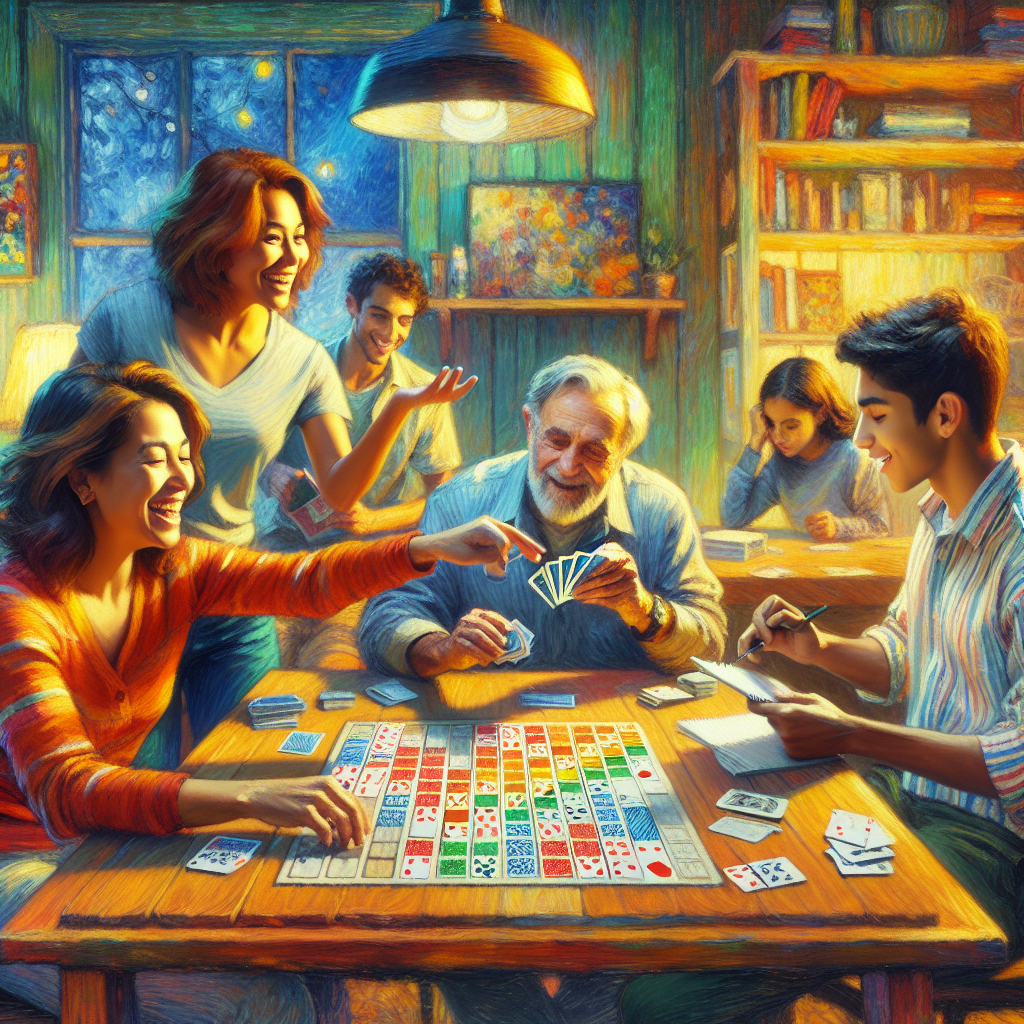
How Long Should Each Practice Session Be For Card Games?
How Long Should Each Practice Session Be For Card Games?
- Practice session length for card games is subjective, typically ranging from 30 to 90 minutes.
- Consistent practice helps in developing a structured approach for skill improvement.
- The brain has natural learning rhythms; overextending practice can lead to diminishing returns.
- A balanced practice should include drills for basic strategies, experimenting with new tactics, and reflecting on performance.
- Take breaks to reset focus and maintain mental sharpness during practice sessions.
- Your ideal practice length depends on personal goals, schedule, and level of expertise.
- Find a practice rhythm that makes card playing enjoyable to enhance skill development.

How Long Should Each Practice Session Be For Card Games?
How Do I Stay Motivated To Practice Card Games Regularly?
We all have that one friend who can shuffle a deck of cards with the finesse of a magician, making it look so easy that you start to wonder if they possess some secret power. Here’s the kicker: they didn’t end up there by chance. They’ve put in their hours, honing their skills, and it all began with a simple desire to play. But how do you stay motivated to practice card games regularly, especially when distractions lurk around every corner?
First, understand your “why.” What draws you to card games? Is it the thrill of strategy, the camaraderie with friends, or perhaps the satisfaction of mastering a technique? Pinpointing your motivation will fuel your practice sessions. When you sit down to play, remind yourself of what got you interested in the first place. Make a habit of revisiting your favorite games or specific moments that sparked joy.
Next, set tangible goals. Those lofty aspirations sound great in theory, but on the ground, they can feel overwhelming. Instead of saying, “I want to be an expert,” set small, achievable targets. Maybe it’s mastering a particular poker hand or understanding the probabilities in blackjack. Break these goals down further, and you’ll find they’re far more manageable. Celebrate each small victory, because progress, however incremental, is still progress.
Find a routine that works for you. Consistency is king in the world of practice. Whether it’s a dedicated time slot each week or spontaneously playing with friends after dinner, make it a part of your lifestyle. Use a calendar or an app to set reminders; it’s amazing how often a simple nudge can pull you back into the game. You’ll soon find that regular play becomes second nature, rather than a chore.
Lastly, surround yourself with like-minded folks. Join clubs, online forums, or local meetups. Engage with a community that shares your passion; their enthusiasm is infectious. Trading tips, sharing struggles, and celebrating wins together can reignite your own passion for the game.
Remember, practicing card games isn’t just about winning; it’s a journey. Embrace the process, learn from your mistakes, and don’t shy away from the fun. Before you know it, those cards will be second nature, and that friend will be asking how you became an expert so fast!

How Do I Stay Motivated To Practice Card Games Regularly?
How Do I Stay Motivated To Practice Card Games Regularly?
- Many skilled card players have honed their expertise through dedicated practice, not luck.
- Identify your motivation for playing card games, whether it’s strategy, social interaction, or skill mastery.
- Set small, tangible goals instead of overwhelming, lofty aspirations to track your progress more effectively.
- Establish a consistent practice routine to make playing card games a regular part of your lifestyle.
- Utilize tools like calendars or apps to remind you to practice and stay engaged in the game.
- Join communities of like-minded individuals to share experiences, tips, and keep the enthusiasm alive.
- Embrace the learning journey and enjoy the process of practicing card games, not just the outcome.

How Do I Stay Motivated To Practice Card Games Regularly?
Are There Specific Times Of The Day That Are Best For Practice?
When it comes to mastering any skill, the age-old question surfaces: Is there a golden hour for practice? The answer, as it often does, isn’t as straightforward as we’d like it to be. However, understanding the rhythms of both the human body and mind can shed some light on the best times to roll up your sleeves and dig in.
First, let’s talk about the morning. For many, the early hours of the day serve as a blank canvas. The world is still quiet, distractions are minimal, and you haven’t yet been weighed down by the day’s demands. Your brain, still fresh from a night’s rest, might be more receptive to absorbing new concepts and techniques. If you can rise with the sun, you might just find those hours brimming with potential, perfect for diving deep into your practice.
However, not everyone is a morning person. Some folks—let’s call them night owls—come alive when the sun dips below the horizon. If that’s you, then the evening could be your sweet spot. As the day’s noise fades, a different kind of clarity often settles in. Those late hours can provide an uninterrupted space where ideas flow freely, and creativity thrives. If your best work emerges after dusk, don’t fight it—embrace those late-night sessions and seize the moment.
Now, what about the dreaded midday slump? This phenomenon is real: a post-lunch slump can hit harder than a ton of bricks. Your energy dips, concentration wanes, and the urge to nap can be almost overwhelming. So why schedule a major practice session during this period? Instead, optimize your time by scheduling lighter tasks or planning for quick sprints of focused practice. Use this window to refuel, take a short walk, or simply regroup before tackling the heavier lifting.
Lastly, consider the role of consistency. Regardless of when you choose to practice, regularity can help train your mind to enter a focused state more readily. It’s about finding that sweet spot that makes most sense to you. Keep a journal of your practice times and pay attention to how you feel, perform, and progress.
At the end of the day, the best time to practice is the time that aligns with your natural rhythms. Whether you rise with the sun or thrive after dark, the key is to listen to yourself and make a plan that respects your unique energy. That’s where the real magic happens.

Are There Specific Times Of The Day That Are Best For Practice?
Are There Specific Times Of The Day That Are Best For Practice?
- The question of a “golden hour” for practice is complex and depends on individual preferences.
- Morning hours are often seen as ideal due to minimal distractions and a fresh mind for absorbing new skills.
- Night owls may find their best practice time in the evening when they experience increased clarity and creativity.
- Midday slumps can hinder productivity; it’s advisable to schedule lighter tasks during this time.
- Consistency in practice times can help train the mind for better focus and performance.
- Documenting practice times can help individuals understand their rhythms and optimize their practice sessions.
- Ultimately, the best practice time aligns with your personal energy and preferences.

Are There Specific Times Of The Day That Are Best For Practice?
How Can I Incorporate Game Theory Into My Practice Sessions?
When it comes to tweaking your practice sessions, game theory can be an unexpected ally. Now, before you tune out, thinking this is just another academic exercise, let’s break it down into something a bit more relatable. Picture yourself on the field, court, or stage—whatever your arena might be. The key is to treat every practice like a mini-competition, turning up the heat just enough to sharpen your skills without burning out.
First, embrace the competitive spirit. Game theory emphasizes the idea that our decisions are interdependent; in simpler terms, your moves affect those around you. During practice, create scenarios that simulate real competition. This means if you’re a basketball player, run drills that reflect game-time pressure. Pair up players and rotate through offense and defense, making sure everyone understands the stakes. You want that adrenaline pumping just a little to mimic the challenges you face when the scoreboard’s ticking down.
Next, incorporate strategic thinking. Rather than just running through rote drills, introduce a concept called mixed strategies. This means not always doing the same thing. In a team sport, if everyone knows you always pass left when a defender approaches, you’re an open book. Mix it up—vary your moves, change your angles, and challenge your teammates to do the same. Let them anticipate your next move and then throw them a curveball when they least expect it. Not only will this keep the practice unpredictable, it will also enhance your ability to think on your feet.
Another tactic is to analyze outcomes. After a robust practice session, gather your team around for a debrief. Discuss what happened, what strategies worked, and which didn’t. This reflective practice is vital. In game theory, it’s all about learning from past interactions to shape future strategies. Encourage open dialogue; let everyone share their thoughts. The insights you glean will be invaluable as you navigate both practice and competition.
Lastly, don’t forget the element of cooperation. Sometimes, the best strategies are those that involve collaboration. Develop plays or tactics that require seamless teamwork, forcing everyone to think collectively about how to win. Building this synergy during practice is a surefire way to elevate your game when it counts.
By integrating these game theory principles into your practice sessions, you’ll not only sharpen your skills but also build a framework for smarter decision-making under pressure. So go ahead—get competitive, get strategic, and watch yourself elevate to new heights.

How Can I Incorporate Game Theory Into My Practice Sessions?
How Can I Incorporate Game Theory Into My Practice Sessions?
- Game theory can enhance practice sessions by making them feel competitive.
- Embrace the competitive spirit by simulating real game situations during drills.
- Incorporate strategic thinking through mixed strategies to keep practices unpredictable.
- Analyze outcomes post-practice with your team to discuss effective and ineffective strategies.
- Encourage open dialogue during debriefs to gather valuable insights for future practices.
- Focus on cooperation and teamwork to develop strategies that require collective effort.
- Utilizing these game theory principles will sharpen skills and improve decision-making under pressure.

How Can I Incorporate Game Theory Into My Practice Sessions?
Should I Practice Different Card Games Or Focus On One?
When it comes to the world of card games, the question of whether to dabble in multiple games or zero in on one is a classic conundrum. You’ve got the allure of variety pulling you one way, while the promise of mastery tugs on your other shoulder like a determined child. So, what’s the right path? Let’s break it down.
Dabbling in a potpourri of card games can be enticing. Each game has its own unique set of rules, strategies, and nuances. One moment you’re strategizing in poker, calculating odds and bluffing your way to victory; the next, you’re weaving webs in a game of bridge, working with partners and anticipating every possible outcome. This variety can keep your mind sharp and prevent the monotony of routine. It’s like a buffet for your brain – just because you can devour macaroni and cheese with every meal doesn’t mean you should, right? A little exploration can expose you to different strategies, sharpen your understanding of probabilities, and offer you a rich tapestry of experiences.
On the flip side, focusing on one game can lead to a level of insight and expertise that casual dabbling simply can’t provide. When you pour your energy into a single title, you begin to see the subtleties that elude the broader sweeps of general practice. Imagine honing your skills in a game like chess. Each piece, each move becomes a familiar territory – you start to anticipate moves like a seasoned chessmaster, understanding the intricacies of strategy and the psychology behind your opponent. Mastery is not a light switch; it’s a gradual build, a nuanced understanding that comes with deep engagement.
Ultimately, the choice comes down to your own goals and interests. Do you crave the diversity of experiences and enjoy the thrill of learning something new? Or are you the type who relishes deep dives and thorough explorations? There’s no right or wrong answer—just what suits you.
Consider giving both a shot. Spend some time exploring various games to broaden your perspective, then settle on one that really grabs you and dive deep. The beauty of card games lies in their flexibility; they can be both a broad exploration and a concentrated effort. Either way, the most important thing is to enjoy the journey. After all, whether you’re a jack-of-all-trades or a master of one, the true joy lies in the cards you play.

Should I Practice Different Card Games Or Focus On One?
Should I Practice Different Card Games Or Focus On One?
- The debate exists between dabbling in multiple card games versus focusing on mastering one.
- Dabbling offers variety, exposing players to different rules, strategies, and experiences.
- Engaging with various games can sharpen the mind and prevent monotony.
- Focusing on one game allows for deeper understanding and expertise that casual dabbling can’t provide.
- Mastery evolves through deep engagement and familiarity with a game’s intricacies.
- The choice ultimately depends on personal goals—whether you prefer diversity or in-depth exploration.
- Exploring various games followed by a deep dive into one can provide a balanced approach to enjoyment.

Should I Practice Different Card Games Or Focus On One?
What Role Does Online Play Have In Practicing Card Games?
In the world of card games, where strategy and skill reign supreme, the rise of online play has transformed how enthusiasts hone their craft. Gone are the days when a few friends would gather around a kitchen table, shuffling cards and tossing chips. In this digital era, players can immerse themselves in a vast, virtual arena that offers unprecedented opportunities to practice, compete, and refine their skills.
Online play serves as an accessible bridge connecting players of all levels. For beginners, it’s a treasure trove of resources. Many platforms offer tutorials, practice modes, and the chance to play against AI opponents, allowing novices to shuffle off the awkwardness of their first few games. They don’t have to feel the weight of judgment from veteran players, and can instead focus on understanding the rules, strategies, and nuances of the game at their own pace. This low-pressure environment encourages growth and exploration, making the learning curve less steep and far less intimidating.
Then there are the intermediate players, who can take advantage of online play to test their mettle against a more diverse pool of opponents. Unlike the friend group that eventually grows stale, the online arena is teeming with players from different backgrounds and playing styles. This variety is essential for sharpening one’s strategic thinking and adaptability. A player who constantly faces the same strategy will find their skills stagnating. By battling against the eclectic mix that online platforms provide, players can encounter fresh tactics, learn to read different playing styles, and develop new approaches to their own game.
For the seasoned pros, online play is a relentless arena that mirrors the high-octane pressure of real tournaments. The immediate and competitive nature of online games keeps them sharp and in practice. They can join tournaments, engage in ranked matches, and try their hands at events that simulate the challenges of major competitions. The ability to play at any hour also means that their training doesn’t have to align with the schedules of others; the tables are always open, waiting for the next hand to be dealt.
In essence, online play has become an indispensable training ground for players at every level. It democratizes access to practice, fosters a vibrant community of learning, and elevates the competitive spirit. Whether you’re just getting started or fine-tuning your skills for an upcoming tournament, the virtual card table stands ready—inviting you to take your seat and deal yourself in.

What Role Does Online Play Have In Practicing Card Games?
What Role Does Online Play Have In Practicing Card Games?
- Online play has transformed how card game enthusiasts practice, compete, and refine their skills.
- Beginners benefit from accessible resources like tutorials, practice modes, and AI opponents to ease the learning process.
- The low-pressure online environment allows beginners to focus on understanding rules and strategies without judgment.
- Intermediate players can test their skills against a diverse range of opponents, enhancing strategic thinking and adaptability.
- Seasoned pros use online platforms to maintain sharpness and engage in competitive practice, including tournaments and ranked matches.
- Online card gaming fosters a vibrant community, making practice accessible to players of all levels.
- The virtual card table invites players to learn and improve, regardless of their experience, by offering constant access to games.

What Role Does Online Play Have In Practicing Card Games?
How Can I Make Practice More Enjoyable For Card Games?
Ah, card games. From the quiet corners of your living room to the raucous chatter of a family gathering, there’s something undeniably engaging about the shuffle of a deck, the clink of chips, and the camaraderie that only a good hand can bring. But practice—oh, the sheer drudgery of practice! In the quest to hone your skills, it’s all too easy to turn an exhilarating pastime into a chore. So, how do you infuse some joy back into those practice sessions? Let’s roll up our sleeves and get to the good stuff.
First off, embrace the element of surprise. Routine can suck the zest right out of any activity. Instead of sitting down for yet another predictable round of “just let’s go through the motions,” throw a curveball—try a new variation of the game. Maybe it’s a house rule you’ve never tried, or perhaps you want to switch the game entirely. Playing a different card game, even if it’s just for a session or two, can keep things fresh and exciting. It keeps the brain engaged and might even help you discover a hidden talent for a new game!
Next, consider the power of friendly competition. Share your practice time with buddies, family, or neighbors. Turn it into a monthly tournament with some kind of prize for the winner—think of it as a do-it-yourself league. Not only does this add stakes to each session, but it also fosters a spirit of camaraderie and friendly rivalry that can elevate the entire experience. After all, who doesn’t want to gloat over a well-played hand?
Let’s not overlook the importance of the environment. Set the stage for your practice. If possible, choose a comfortable spot that inspires creativity—maybe a cozy nook with good lighting, or a deck with a savvy view. The atmosphere plays a big role in how we perceive an activity. Pair your game time with some music or even some light snacks to make it feel less like practice and more like a gathering.
Finally, remember to take a step back and appreciate the journey. Celebrate little victories, whether it’s mastering a specific strategy or making a killer bluff. Keeping a journal could help track your progress and reflect on what you enjoy every time you play.
So, there you have it—sprinkle some unpredictability, invite your pals, create a vibe, and bask in the milestones. Card games are all about connection, memory, and fun. Keep that spirit alive, and your practice sessions will transform from drudgery to a delightful exploration!

How Can I Make Practice More Enjoyable For Card Games?
How Can I Make Practice More Enjoyable For Card Games?
- Card games provide engagement and camaraderie in various settings.
- Infuse joy into practice sessions by embracing surprise and variation in gameplay.
- Try different card games or introduce new house rules to keep things fresh.
- Incorporate friendly competition by hosting tournaments with friends and family.
- Create an inspiring environment for practice with comfortable settings and good ambiance.
- Celebrate small victories and track progress through journaling.
- Maintain the spirit of connection and fun to transform practice into a delightful experience.

How Can I Make Practice More Enjoyable For Card Games?
Should I Analyze My Past Games During Practice Sessions?
If you’ve ever stood on the sidelines after a tough game, nursing a bruised ego and a memory full of missed opportunities, you might wonder: should I dig into the past or focus on the future? Analyzing past games during practice sessions can be a double-edged sword, but when done right, it’s a valuable tool for growth.
Let’s face it: we’re not all born with the instinctive prowess of a seasoned pro. We learn, we stumble, and we get knocked down—repeatedly. The key to mastery, however, lies in understanding what happened during those moments of chaos. When you take the time to dissect your performance, you’re not just reliving your mistakes; you’re charting a path to improvement. It’s akin to reviewing old blueprints before constructing a new building; you learn what worked, what didn’t, and where the cracks may lie.
But don’t let analysis become an obsession. Dwelling too heavily on past failures can sink your spirit faster than a lead balloon. The goal is to extract lessons without getting bogged down in the regret swamps. Balance is crucial. Spend some time dissecting your previous games, but ensure you leave ample room for exploration and fresh strategies in your practice.
One effective method is to focus on specific aspects of your game. Maybe you missed critical passes or struggled with your defense. Instead of replaying the entire game in your head, zoom in on those key moments. Use this focused approach to strategize how you’re going to tackle those issues in your next practice. Work on drills designed specifically to address your weaknesses and, over time, you’ll transform those painful moments into stepping stones.
Whatever you do, don’t let the specter of past games overshadow your training. Set a clear purpose for your analysis. Create a checklist of things to watch for, which keeps your practice sessions productive and forward-focused. Remember, every great player has faced setbacks. What defines success isn’t the absence of mistakes, but the ability to learn, adapt, and come back stronger.
Treat the past as a teacher, not a tormentor. Acknowledge it, learn from it, and then commit to the grind of honing your craft. After all, practice isn’t just about repetition; it’s about evolution.

Should I Analyze My Past Games During Practice Sessions?
Should I Analyze My Past Games During Practice Sessions?
- Analyzing past performances can be a valuable growth tool when done correctly.
- Learning from mistakes is essential for mastery; reflection helps to identify areas for improvement.
- Over-analysis can lead to discouragement; balance is key in focusing on past games and future strategies.
- Concentrate on specific aspects of your game to strategize improvements rather than replaying entire games.
- Implement targeted drills to transform weaknesses into strengths over time.
- Establish clear analysis goals to keep practice sessions focused and productive.
- Approach the past as a learning opportunity, committing to continual evolution through practice.

Should I Analyze My Past Games During Practice Sessions?
What Resources Are Available To Help Improve My Card Game Skills?
When it comes to leveling up your card game skills, the right resources can make all the difference. Whether you’re trying to master poker, bridge, or any other card game under the sun, you’ll want to arm yourself with tools and knowledge that propel you to the next level. Let’s dig in.
First off, books are your trusty sidekicks on this journey. There’s a wealth of literature dedicated to the nuances of card strategy, from beginner to expert. Titles like “The Theory of Poker” offer insights that can reshape your gameplay. And don’t overlook the historical context; understanding how games evolved can provide a fresh perspective as you navigate the present-day scene. So, cozy up with a book, take notes, and let your imagination wander as you visualize each scenario.
Next, tap into the bounty of online resources. Websites, forums, and dedicated game platforms are bustling with communities eager to share tips and tricks. Places like PokerStrategy or Bridge Base Online are goldmines of information where you can glean strategies straight from seasoned players. Watching live play or sessions captured on video can be particularly enlightening; just observing a pro in action can reveal tactics you never knew existed.
If you’re a hands-on learner, consider signing up for workshops or classes. Many local clubs and community centers host sessions where you can not only learn but also meet fellow enthusiasts. Surrounding yourself with players who challenge you will refine your skills faster than you can shuffle a deck. Plus, there’s nothing quite like the thrill of shared learning – the laughter, the cheers, and the heart-pounding moments that make you crave the game even more.
And let’s not forget about mobile apps. In today’s fast-paced world, you can practice your skills during your commute or on your lunch break. Apps that simulate gameplay can be an efficient way to hone your strategy and decision-making skills. You can play against AI opponents tailored to your skill level or even connect with friends for some friendly competition.
Lastly, engage in self-reflection. After each game, win or lose, take a moment to analyze your moves. What worked? What didn’t? This introspective habit is key to continuous improvement. The best players don’t just rely on instinct; they learn from every hand and draw valuable lessons from each encounter.
In the world of card games, the resources available to enhance your skills are abundant and varied. Embrace the journey, keep an open mind, and watch as your prowess grows.

What Resources Are Available To Help Improve My Card Game Skills?
What Resources Are Available To Help Improve My Card Game Skills?
- Utilize books as valuable resources for understanding card game strategies, from beginner to expert level.
- Explore historical context to gain insights into the evolution of card games and enhance your perspective.
- Take advantage of online resources such as websites, forums, and game platforms like PokerStrategy and Bridge Base Online.
- Consider signing up for workshops or classes at local clubs to learn alongside other players.
- Use mobile apps for on-the-go practice, allowing you to simulate gameplay during commutes or breaks.
- Engage in self-reflection after each game to analyze your moves and improve your decision-making skills.
- Embrace the abundance of resources available and maintain an open mindset to enhance your card game skills.

What Resources Are Available To Help Improve My Card Game Skills?
Conclusion
Alright folks, let’s wrap this up with a bow of wisdom and a sprinkle of practicality because mastering card games isn’t just about the hours stacked up at the table—it’s about how you use that time. Whether you’re flicking cards in a poker game, strategizing in bridge, or defying odds in rummy, the approach to practice matters significantly.
Now, here’s the nugget of truth: frequency and focus are the unsung heroes of improvement. You don’t need to shuffle every day with a relentless commitment like it’s a marathon. Instead, think about targeted, efficient practice. A couple of focused hours each week can indeed elevate your game. Ditch the mindless repetitions. Instead, take an hour to analyze your past hands or refine your strategies. Quality time invested in self-reflection can deliver insights that hours of play might overlook.
And speaking of insights, don’t shy away from mixing things up. Variety is the spice of life, after all! Join local clubs, play online, or even shift partners to expose yourself to new playing styles. It’s like being thrown into the deep end—every twist and turn enhances adaptability. Plus, let’s be real, playing alongside a diverse crowd can spark joy and excitement in the game that solo practice simply can’t match.
Ah, but here’s the catch: avoid burnout. You might not realize it, but your brain can only absorb so much before it needs a breather. Just like that old pickup truck, persistent driving without conscious maintenance can lead to breakdowns. Allow yourself downtime. That’s often when the magic happens—as your brain processes all the new strategies and tricks.
So, set it up in a way that’s sustainable for you. Whether it’s a steady two-hour block every Saturday or quick ten-minute sessions throughout the week, establish a rhythm that keeps you engaged without it feeling like a chore. On top of that, consider your practice environment. Keep it inviting and enjoyable. After all, if it feels energetic, it’ll lead to better focus and fruitful play.
Ultimately, it’s not merely about the hands dealt but how you play them. Strap on that poker face—analyze, adapt, and most importantly, enjoy the journey! Tackle these games with enthusiasm, and watch as your skills climb higher, one well-played card at a time. So, grab those cards, get out there, and let the game unfold!

Conclusion
Conclusion:
- Mastering card games involves not only time spent playing but also how that time is utilized.
- Frequent and focused practice is key to improvement; targeted sessions are more effective than mindless repetition.
- Rather than playing every day, engage in self-reflection and strategy refinement during your practice sessions.
- Mixing up your playstyle by joining clubs or shifting partners exposes you to different strategies, enhancing adaptability.
- Avoid burnout by allowing your brain time to rest; downtime can lead to better processing of new strategies.
- Establish a sustainable practice routine that fits your lifestyle, making it enjoyable rather than a chore.
- Focus on enjoying the journey of improvement; enthusiastic engagement leads to skill development over time.

Conclusion
Other Resources

Other Resources
Here is a list of other resources you can review online to learn more:
- 16 Skills Needed To Be Good at Most Card Games (Become a Better Card Player): This article presents sixteen skills you can employ and practice to win most card games.
- Card Game Rules – Learn How to Play – Cool Old Games: This site provides guides and instructions for a collection of card games across the globe, and strategies to up your game.
- Memory Card Game: Tips, Tricks, & Variations For Skill Enhancement: This article discusses mastering memory card games and mentions that it requires consistent practice.
Please note that while these articles provide valuable insights into card games, they do not specifically address the frequency of practice. However, as with any skill, regular and consistent practice is generally beneficial for improvement.

Other Resources
Glossary Terms
How Often Should You Practice for Card Games? – Glossary Of Terms
1. Practice Frequency: The number of times a player engages in practice sessions over a defined period to improve skill level.
2. Skill Level: A player’s proficiency and ability in executing strategies and playing card games effectively.
3. Strategy Development: The process of formulating approaches and tactics to improve gameplay and increase winning chances.
4. Game Theory: A mathematical framework used to understand competitive situations in card games, involving strategies and payoffs.
5. Consistency: The ability to perform well and achieve similar results in different games, reflecting reliability in skills.
6. Focused Practice: Concentrated training on specific aspects of the game, such as strategy, tactics, or card counting.
7. Variety of Games: Experimenting with different card games can contribute to a broader skill set and better understanding of game dynamics.
8. Feedback Loop: The mechanism through which players receive feedback on their performance, allowing them to adjust and improve over time.
9. Repetition: The act of practicing the same skills or strategies many times to enhance muscle memory and proficiency.
10. Mental Training: Activities aimed at improving cognitive skills such as concentration, memory, and decision-making, critical for card games.
11. Competitive Play: Participating in tournaments or against skilled opponents to assess and improve one’s abilities under pressure.
12. Informal Play: Casual games often played with friends or family that help reinforce skills without the pressure of competition.
13. Practice Sessions: Scheduled times dedicated to honing skills and techniques in card games.
14. Skill Baseline: The initial level of proficiency a player has before beginning a dedicated practice regimen.
15. Self-Assessment: The process of evaluating one’s own performance and identifying areas for improvement.
16. Card Counting: A technique used in certain card games, such as blackjack, to keep track of the high and low cards that have been dealt.
17. Engagement: The level of a player’s involvement and interest in practicing, which can significantly affect learning outcomes.
18. Error Analysis: Reviewing mistakes made during gameplay to understand how to avoid repeating them in the future.
19. Practice Partners: Fellow players who participate in practice sessions, providing opportunities for collaborative learning and competition.
20. Game Variants: Different versions of card games that can introduce new rules or formats, enhancing the overall learning experience.
21. Scheduled Breaks: Short periods during practice to rest and reflect, which can increase overall retention of skills.
22. Online Resources: Websites, tutorials, and videos that provide guidance and strategies for improving at card games.
23. Physical vs. Mental Practice: The distinction between practicing the physical mechanics of gameplay and focusing on mental strategies and decision-making.
24. Timeliness: The timing of practice sessions in relation to upcoming events or tournaments, which can lead to a more impactful preparation.
25. Mindfulness: Being present and fully engaged during practice, which can enhance concentration and skill acquisition.
26. Goal Setting: Establishing specific, measurable objectives to guide practice sessions and provide motivation.
27. Card Game Theory: The study of the underlying principles and mechanics that govern card games, important for strategic understanding.
28. Peer Review: The process of having fellow players critique one’s gameplay, providing insights and suggestions for improvement.
29. Endurance Training: Preparing to maintain focus and optimal performance over long sessions, which is often necessary in competitive play.
30. Playtesting: Trying out new strategies, cards, or game variants in a practice environment to see how they perform in real scenarios.

Glossary Of Terms
Other Questions
How Often Should You Practice for Card Games? – Other Questions
If you wish to explore and discover more, consider looking for answers to these questions:
- What are the benefits of joining a card game club or community?
- How can I effectively analyze my opponents during practice?
- Are there specific strategies for beginners compared to advanced players?
- What are the most common mistakes players make during practice?
- How can I develop a personalized practice plan for card games?
- What online tools or platforms can help me practice card games?
- How do card game skills transfer to other areas of life?
- What are some recommended books for improving card game strategies?
- How can I incorporate mindfulness into my card game practice?
- What are the different card games I should try to enhance my overall skills?

Other Questions
Haiku
How Often Should You Practice for Card Games? – A Haiku
Practice card games well,
Focus sharp, strategies grow,
Joy in each hand dealt.

Haiku
Poem
How Often Should You Practice for Card Games? – A Poem
In the realm where cards collide,
A question dances, side by side:
How often must one practice true,
To master games both old and new?
Not just the shuffle, not the deal,
But strategies that shape the wheel.
Consistency’s the name of the game,
Focused efforts bring skills to fame.
Settle in, embrace the art,
Find that rhythm, play your part.
An hour, a day, perhaps a week,
Depth of focus is what you seek.
Diversity’s a friend to greet,
Different players, styles to meet.
From poker’s bluff to bridge’s grace,
Every hand’s a new embrace.
Avoid the tireless grind of stress,
Burnout is a bitter mess.
Take a break, let thoughts unwind,
In silence, clarity you’ll find.
Analyze your paths of play,
Reflect on past games, find your way.
Document wins, losses, too,
Every setback, a lesson in view.
So gather friends for merriment,
In friendly games, find contentment.
Surround yourself with those who care,
Their joy, support, fill the air.
Whether solo or in a crew,
Each dealt hand brings something new.
Use online play, embrace the tech,
For every challenge, earn respect.
Broaden your scope, but don’t forget,
Master one game, reap the best yet.
With joy in practice, let the fun unfold,
For in this journey, skills become gold.
So shuffle those cards, take a stance,
In this intricate dance, give it a chance.
With each heartbeat, let passion abide,
In the game of life, let your heart be your guide.

Poem
Checklist
How Often Should You Practice for Card Games? – A Checklist
1. Determine Your Practice Goal
_____ Identify specific skills you want to improve (e. g. , strategy, psychology, decision-making).
_____ Set short-term and long-term goals for your practice sessions.
2. Create a Practice Schedule
_____ Plan practice sessions 3-4 times a week or find a time that fits your rhythm (e. g. , mornings, evenings).
_____ Allocate 30-90 minutes for each practice session.
3. Focus on Quality Over Quantity
_____ Break each session into manageable chunks (e. g. , basics, new strategies, reflection).
_____ Avoid mindless repetition; ensure each session has a purpose.
4. Incorporate Different Learning Modalities
_____ Mix solo practice with playing against others.
_____ Explore various card games to diversify strategies and skills.
5. Analyze Your Past Games
_____ Keep a log of your games, noting wins/losses and key decisions.
_____ Identify patterns in your performance and areas for improvement.
_____ Focus on specific plays or strategies in your analysis, rather than overwhelming yourself with every detail.
6. Engage in Reflective Practice
_____ Use a post-game ritual to ask yourself critical questions about your performance.
_____ Celebrate small victories and milestones to maintain motivation.
7. Employ Effective Drills and Exercises
_____ Include specific drills like “One-Handed Drill” or “Memory Recall Exercises. ”
_____ Create hypothetical scenarios to practice decision-making under pressure.
8. Seek Feedback and Community Engagement
_____ Join local clubs, online forums, or communities for social practice.
_____ Share experiences and learn from others’ strategies and insights.
9. Keep the Practice Environment Enjoyable
_____ Create a comfortable and inspiring space to play.
_____ Use music, snacks, or play with friends to enhance the experience.
10. Utilize Available Resources
_____ Read books and online materials about card game strategies.
_____ Use mobile apps or websites that simulate card games for additional practice.
11. Monitor Your Progress
_____ Track personal milestones and adapt your practice goals accordingly.
_____ Reflect regularly on improvements, adjusting practice focus as needed.
12. Maintain Balance and Avoid Burnout
_____ Schedule breaks and downtime to let your brain process what you’ve learned.
_____ Avoid excessive practice that may lead to frustration or fatigue.
By following this checklist, you’ll establish a structured and effective practice routine that enhances your card game skills while ensuring you enjoy the process. Happy practicing!

Checklist
At CardGameNews, we help people who love card games by collating information and news about card games.
Be sure to read our other related stories at CardGameNews to learn more about card games.


