

Rediscovering Connection In The Era Of Ai And Card Games
By Tom Seest
At CardGameNews, we help people who love card games by collating information and news about card games.
Be sure to read our other related stories at CardGameNews to learn more about card games.
Have We Forgotten Human Connection In The Age Of Artificial Intelligence Card Games?
When we sit down to play a card game, what often unfolds is more than just a series of moves. It’s a tapestry woven from shared laughter, friendly rivalry, and heartfelt encouragement. Yet, in this exhilarating era of artificial intelligence, have we become so engrossed in the digital iterations of our favorite pastimes that we’ve forgotten the origins of connection that lie at the heart of these simple games?
Imagine a time when a table full of friends or family gathered, faces lit up not by the blue glow of a screen, but by the warmth of true companionship. The shuffle of cards, the sound of laughter, the subtle teachable moments that arise when a player helps another understand the game—it’s in those interactions that we form bonds that last a lifetime. A card game isn’t just a way to pass the time; it’s a platform for forging memories and strengthening relationships.
Now, let’s be honest. The thrill of an AI card game can be intoxicating. Algorithms can offer endless variations, smarter strategies, and an opponent that never tires. But here’s the rub: what we gain in digital prowess, we might lose in human touch. How often have we found ourselves sitting across from a glowing screen, squeezing a controller tighter, while the richness of human interaction slips quietly away? Isolation can creep in when our social circles shift from living rooms to chat rooms.
Ethically speaking, we must question the value we place on our pastimes. Is it truly progress if we sacrifice the vitality of our connections for the allure of convenience? The stories born from those moments spent around a table can’t be replaced by a well-designed app.
Let’s light a spark of awareness. If we want to reclaim the essence of what it means to play, we must take a stand. Pull out that dusty deck of cards, dust off those old game rules, and invite friends and family to gather once more. Make it a ritual, a recommitment to each other, where laughter fills the air, and every play is a shared heartbeat.
In the grand scheme of things, we have the power to choose. We can embrace technology, sure, but let’s not forget the basic human need for connection that has existed long before the first algorithm was written. It’s time to shuffle the deck, gather ‘round, and reconnect. Your next great adventure in a card game awaits—let it be shared.

Have We Forgotten Human Connection In The Age Of Artificial Intelligence Card Games?
Have We Forgotten Human Connection In The Age Of Artificial Intelligence Card Games?
- Card games often create shared laughter, friendly rivalry, and encouragement among players.
- Engagement in digital games may cause us to forget the social connections inherent in traditional games.
- Gatherings around a physical table foster warmth and bond-building beyond screens.
- While AI games offer varied strategies and consistent opponents, they may diminish human interaction.
- Isolation can increase when social interactions shift from in-person games to digital platforms.
- We should question if convenience is worth sacrificing the depth of our connections through leisure activities.
- Reclaiming game nights involves gathering friends and family, emphasizing the importance of shared experiences.

Have We Forgotten Human Connection In The Age Of Artificial Intelligence Card Games?
Table Of Contents
- Have We Forgotten Human Connection In The Age Of Artificial Intelligence Card Games?
- Have We Lost The Warmth Of Human Touch In Digital Interactions?
- Can Ai Card Games Foster Genuine Friendships Or Just Simulate Them?
- How Do We Balance Technology And Real Human Relationships In Gaming?
- What Role Does Empathy Play In Ai-Generated Experiences And Fun?
- Are We Prioritizing Convenience Over Meaningful Connections In Games?
- Conclusion
- Other Resources
- Glossary Of Terms
- Other Questions
- Haiku
- Poem
- Checklist
Have We Lost The Warmth Of Human Touch In Digital Interactions?
In a world overwhelmed by digital interactions, it’s easy to feel as if we’ve cast away the warmth of human touch, like a forgotten card game gathering dust in a dim corner of the attic. Think for a moment about those simple joys: the friendly banter of a game night, laughter ringing through a room, hands clapping in rhythm to shared victories. These uncomplicated moments punctuate our lives and anchor our connections, reminding us that warmth is not just a concept; it’s a feeling.
Yet, today, we find ourselves scrolling through screens, thumbs dancing across glass like a magician at play, while the camaraderie we once reveled in fades to the background. Rationally, we know that digital communication holds immense power: it connects friends split across continents, enables colleagues to work seamlessly from their homes, and provides a platform for voices that might otherwise remain unheard. But in striving for efficiency, are we sacrificing intimacy? The numbers are staggering—research shows that loneliness has reached epidemic proportions. It begs the question: are we losing more than just touch?
Let’s face it, folks. The truth is that every time we choose a message over a warm embrace or a call instead of a coffee catch-up, we chip away at our emotional fabric. We have an ethical duty to nurture our relationships. Just as we wouldn’t neglect a beloved card game stashed away for years, we shouldn’t overlook the significance of human connection in our daily lives. Trust is built in these shared experiences, and how can we forge lasting bonds when our conversations are reduced to emojis and fleeting remarks?
And now, reflecting on your own life, ask yourself: How many moments are you missing? Picture that enduring smile of a friend when you show up unexpectedly or the solace found in a stranger’s understanding glance. These interactions breathe life into our existence! It’s time to reclaim the warmth. Step away from the screen, reach out, and feel the pulse of a genuine connection.
Reignite the joy of human touch, whether it’s with a game night filled with individual quirks or simply a heartfelt conversation. The world needs your touch—now more than ever. The warmth is waiting to be rediscovered, and all it takes is a single leap of faith. Let’s not only play the cards we were dealt; let’s play them together.

Have We Lost The Warmth Of Human Touch In Digital Interactions?
Have We Lost The Warmth Of Human Touch In Digital Interactions?
- Digital interactions have diminished the warmth of human touch, similar to a neglected card game.
- Simple joys like game nights and shared laughter remind us of the importance of emotional connections.
- Despite the benefits of digital communication, it often leads to a loss of intimacy in relationships.
- Loneliness is an epidemic, prompting questions about what we are sacrificing in our communications.
- Every time we opt for a message instead of a personal interaction, we weaken our emotional fabric.
- Meaningful relationships require nurturing; we should prioritize real connections over digital ones.
- It’s essential to reclaim human touch and connection, as they breathe life into our existence.

Have We Lost The Warmth Of Human Touch In Digital Interactions?
Can Ai Card Games Foster Genuine Friendships Or Just Simulate Them?
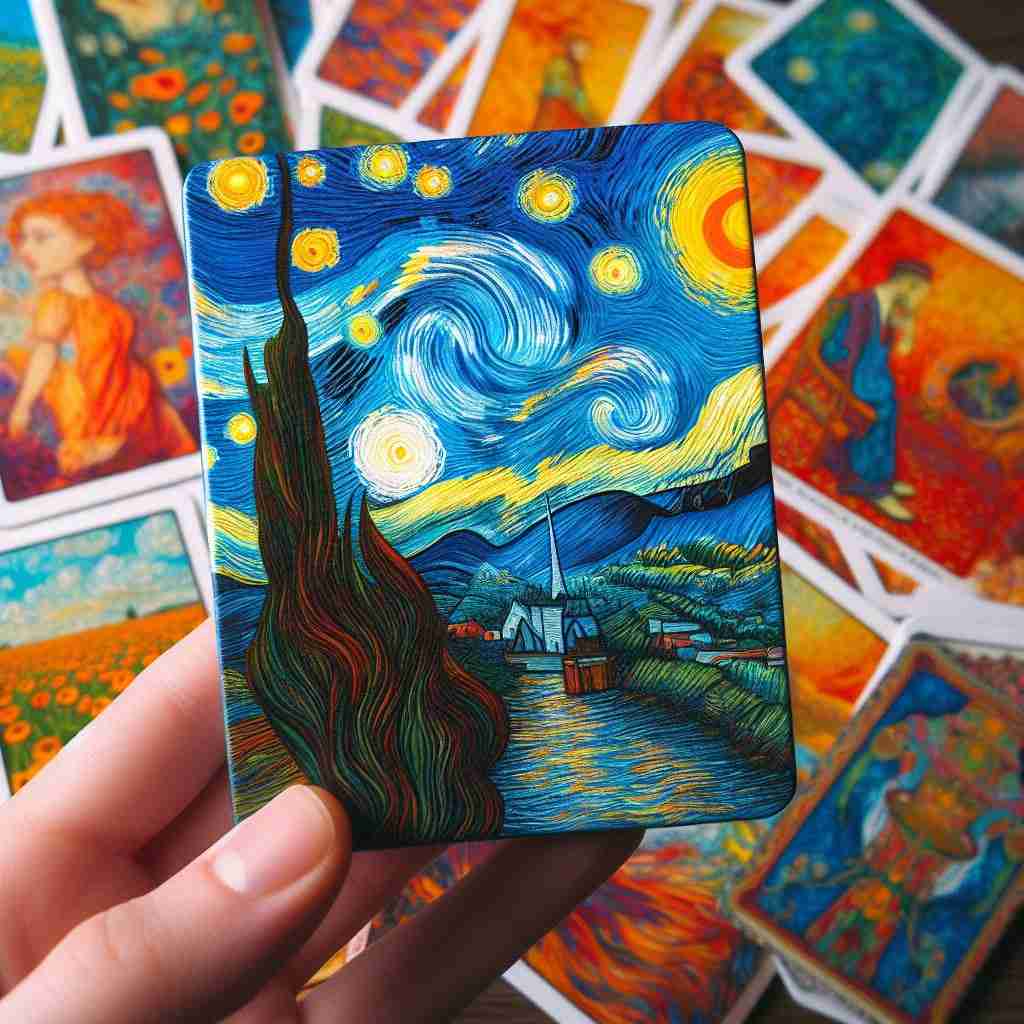
In today’s digital age, the idea of playing a card game with someone halfway across the globe can be both thrilling and daunting. You sit down at your virtual table, shuffling your digital deck, and suddenly, it feels like you’ve cast a net into the vast ocean of cyberspace, hoping to catch not just a fish, but a friend. But here’s the question — can these *card games* foster genuine friendships, or are we simply simulating connections that feel real but lack the depth of face-to-face encounters?
Let’s take a moment to unpack that. On the surface, playing a card game online seems like a win-win situation. You can engage with folks from different backgrounds, share a laugh over a surprising hand, or even offer comfort after a tough loss. The sheer accessibility of these games—where avatars become stand-ins for our hopes and vulnerabilities—has the potential to build bridges over the chasms of geography, culture, and time.
But here’s the gut-punch truth: the nature of our connections matters. Playing a card game can simulate all the excitement of competition and camaraderie, yet there’s something irreplaceable about sharing a laugh in a room, feeling the energy of another human, or witnessing the glint of joy in their eyes after a shared victory. When we rely solely on the digital realm, should we really claim these connections as friendships at all?
Rationally speaking, studies show that our brains respond similarly to laughter shared in person as to laughter shared online. So, while virtual *card games* can stimulate our social minds, the question remains—are we merely filling up our social calendars with images of companionship, or are we sculpting relationships that stand the test of time?
Ethically, it becomes a responsibility to evaluate how we invest our social energies. Are we reaching out to others in meaningful ways, or hiding behind screens to avoid awkwardness? A warm chuckle, a shared story, or simply the act of being present bears weight that pixels can hardly replicate.
So, here’s the call to action: next time you throw down the cards digitally, be open to forging real connections. Share a story, reach out beyond the game, maybe even set a date for the next round in person if the geography allows it. Because, in the end, whether at the virtual table or across a real one, it’s the heartfelt connections that make the game worth playing.

Can Ai Card Games Foster Genuine Friendships Or Just Simulate Them?
Can Ai Card Games Foster Genuine Friendships Or Just Simulate Them?
Here’s a bulleted summary of the text formatted as an HTML list:
- Playing online card games can create exciting and diverse social interactions.
- These games may bridge gaps of geography, culture, and time, offering opportunities for connection.
- Face-to-face interactions provide irreplaceable emotional depth that digital connections may lack.
- Although laughter shared online has a similar brain response as in-person laughter, the nature of connections varies.
- It is essential to evaluate the meaningfulness of social interactions in the digital realm.
- Players are encouraged to form genuine connections by sharing stories and arranging in-person meetups.
- Ultimately, heartfelt connections make both virtual and real games worthwhile.
Can Ai Card Games Foster Genuine Friendships Or Just Simulate Them?
How Do We Balance Technology And Real Human Relationships In Gaming?
In a world that moves at the speed of light, where the click-clack of keyboards often drowns out the sound of laughter, it’s easy to forget the power of genuine connection. We find ourselves engrossed in vibrant digital landscapes, battling monsters or building empires, but what does that really mean if we’re just faces behind screens? Consider the humble card game, a deliberate, simpler activity that invites players into the same physical space, fostering laughter, storytelling, and camaraderie in a way that digital interfaces often fall short.
Picture this: a room filled with friends gathered around a table, the familiar rustle of cards, anticipatory glances exchanged as the stakes rise. It’s more than just a game; it’s a microcosm of life. The victories are sweeter, the defeats sting a little more, and through it all, we connect on a human level. Here’s the beauty of a card game: it demands our presence. It pulls us away from the glow of our screens and places us face-to-face, heart in hand, reminding us that life’s most compelling narratives are spun from the threads of shared experiences.
Rationally speaking, research shows that meaningful relationships are essential for our well-being. They give us a sense of belonging, boost our resilience against stress, and even enhance our cognitive function. When we prioritize real interactions alongside technology, we’re not abandoning progress; we’re enriching it. We need to acknowledge that while technology can bridge distances, it’s the tangible moments—the laughter shared over a clever play or the comfort found in a supportive nudge—that nourish our souls.
Ethically, it’s crucial we consider the well-being of our communities. By choosing to engage in face-to-face activities, we send a powerful message about the value of human connection. Encourage those around you to join in, to put down their devices, and remind younger generations about the joy of gathering together—of sharing not just the game, but the stories beneath it.
So, how do we balance technology and real human relationships in gaming? It’s simple: we invite joy back into our lives. Set down your smartphone during game night, relish the thrill of face-to-face interaction, and allow those connections to flourish, whether through a card game or a heartfelt conversation. By fostering relationships in both the digital and real world, we can create a richer, more rewarding experience for ourselves and those we care about. Let’s be the architects of our own social narratives, one game at a time.

How Do We Balance Technology And Real Human Relationships In Gaming?
How Do We Balance Technology And Real Human Relationships In Gaming?
- In a fast-paced digital world, true connection often gets lost amid technology.
- Card games promote genuine interaction, fostering laughter, storytelling, and camaraderie.
- Playing cards together creates shared experiences that enrich human relationships.
- Research indicates that meaningful relationships enhance well-being, cognitive function, and resilience.
- Prioritizing face-to-face interactions alongside technology leads to a richer life experience.
- Engaging in physical activities and community-building sends a message about valuing human connection.
- By inviting joy back into our lives, we can balance technology with real-world relationships.

How Do We Balance Technology And Real Human Relationships In Gaming?
What Role Does Empathy Play In Ai-Generated Experiences And Fun?
What Role Does Empathy Play In AI-Generated Experiences And Fun?
Imagine sitting around a table with friends, sharing laughter while playing a card game that you collectively created with the help of artificial intelligence. It sounds fantastic, right? But what if I told you that the real magic lies not just in the game itself but in the empathy woven into its design? Empathy in AI isn’t just a nice-to-have; it’s a crucial ingredient that can transform a mundane experience into something profoundly meaningful.
When we think of empathy, we often envision the warmth of a friend understanding our struggle or a partner knowing our unspoken needs. So, why should we demand the same from our artificial counterparts? The answer is simple: just as humans thrive on connection and understanding, so too do we yearn for these qualities in our digital interactions. By infusing AI with empathetic algorithms, developers create experiences that resonate with us on a deeper level. Imagine your AI knowing your favorite game mechanics, anticipating your laughter, and even learning from your defeats to deliver a more engaging experience next time you spark up that card game with family and friends.
But it’s not just about personal enjoyment; it’s about cultivating a community. When an AI understands the mood of the group—when it recognizes that someone is feeling left out or that the energy in the room is dragging—it can pivot the experience. The result? A shared journey that feels inclusive and inviting. That’s how empathy takes an ordinary game night and transforms it into an experience steeped in connection, reinforcing bonds that may have frayed in our hurried, hyper-digital lives.
Now, let’s talk ethics. Empathy in AI challenges us to consider how we engage with technology. It’s an invitation to hold AI accountable for respecting our emotional landscapes. If we demand empathetic designs, we’re not just enhancing our own experiences; we’re also pushing tech developers to innovate responsibly. They become stewards of empathy, creating systems that prioritize human connections over mere transactional interactions.
So, the next time you shuffle a deck of cards or lay down a winning hand, remember: this isn’t just a game. It’s a testament to what happens when empathy informs technology—a celebration of human connection made possible by our increasingly sophisticated digital companions. It invites us, challenges us, and ultimately inspires us to think of AI as more than just silicon and code. It can truly be a partner in our journey of experiencing joy together.

What Role Does Empathy Play In Ai-Generated Experiences And Fun?
What Role Does Empathy Play In Ai-Generated Experiences And Fun?
- Empathy is a crucial ingredient in AI-generated experiences, enhancing their meaningfulness.
- AI can create personalized interactions by understanding individual preferences and emotions.
- Empathetic AI can foster community by recognizing group dynamics and emotional states.
- The presence of empathy can transform ordinary activities, like game nights, into rich, connective experiences.
- Ethical considerations arise from the demand for empathy in AI, prompting responsible innovation in technology.
- Developers have a responsibility to create empathetic AI systems that prioritize human connections.
- AI serves as more than just technology; it can act as a partner in shared human experiences and joy.

What Role Does Empathy Play In Ai-Generated Experiences And Fun?
Are We Prioritizing Convenience Over Meaningful Connections In Games?
In our fast-paced world, the art of gaming seems to be slipping through our fingers, not unlike the pieces of an intricate card game scattered across a table. As we trade in heartfelt banter for the cold glow of a screen, one has to wonder: are we truly engaging in play, or just participating in a digital checklist of tasks?
Think about it. We gather around a table, cards in hand, laughter rising like the steam from a hot cup of coffee. Those moments create a tapestry of connection that no multiplayer online game can replicate. Not just in the joy of victory or the sting of defeat, but in the shared experience—the quick jokes, the stories woven in between draws. These interactions are more than just pixels; they are the building blocks of human connection. Yet, as we chase convenience, we risk trading those genuine feelings for the hollow satisfaction of an easy win.
When games prioritize speed over substance, we lose something fundamentally important. We might find ourselves with a high score, but at what cost? It is a perplexing conundrum: the allure of fast-paced gratification may fill our time, but it often leaves us feeling empty, like a card game that ends without a winner, everyone just moving on to the next quick fix, never stopping to ponder the journey.
The ethical repercussions of prioritizing convenience cannot be ignored. As we foster a culture that emphasizes quick play over meaningful encounters, we unintentionally foster isolation. The very games that should bring us together can, paradoxically, push us apart. Wouldn’t it be more rewarding to gather friends, dealing out cards and stories over a kitchen table rather than a timeless chatroom?
Let’s have a moment of introspection. Are we really content with that fleeting interaction, or do we yearn for something deeper? The next time you find yourself reaching for that convenient online matchmaking, consider the warmth of a card game shared with friends. In this new age of instant gratification, maybe it’s time to slow down and invite some meaningful connections back into our gaming lives. After all, isn’t it those moments—filled with laughter and companionship—that linger long after the game is over? Seeking connection, rather than convenience, may just be the real victory we need.

Are We Prioritizing Convenience Over Meaningful Connections In Games?
Are We Prioritizing Convenience Over Meaningful Connections In Games?
- The art of gaming is diminishing in our fast-paced world, resembling scattered pieces of a card game.
- Online gaming lacks the genuine connection and shared experiences fostered by traditional tabletop games.
- Speed and convenience in gaming may lead to a hollow sense of achievement, overshadowing meaningful interactions.
- Prioritizing quick play can promote isolation instead of the camaraderie that games should ideally cultivate.
- Gathering friends for a card game offers deeper, more rewarding experiences than playing online.
- We need to reflect on our gaming choices and consider the value of personal connections over convenience.
- Seeking meaningful interactions in gaming may lead to a more fulfilling experience and lasting memories.

Are We Prioritizing Convenience Over Meaningful Connections In Games?
Conclusion
As we stand on the precipice of an era dominated by artificial intelligence and digital interactions, it’s easy to overlook something deeply fundamental: the power of genuine human connection. We’ve fallen into a rhythm of swiping and scrolling, prioritizing convenience over the warmth of shared experiences. We’ve traded heartfelt laughter and the shuffle of cards for the sterile glow of screens and the impersonal nature of online gaming. It begs the question—have we forgotten what truly matters in our pursuit of progress?
Picture this: friends gathered around a table, cards in hand, laughter echoing through the room. Each turn is not just a move in a game, but a memory being created—stories exchanged, lessons learned, bonds strengthened. This is where the essence of connection thrives. Yes, AI-driven card games can offer endless variety and sophistication, but can they provide the empathy and warmth found through genuine human interaction? The truth is, while technology promises new avenues for play, it also risks isolating us. We can connect with anyone, anywhere, but are we truly connecting?
Research shows loneliness is reaching epidemic levels, and for good reason. We’re living in a world where the richness of face-to-face conversations is being sacrificed for the efficiency of a quick chat. But remember, behind every pixelated avatar is a real person yearning for connection. Authentic relationships can’t be formed solely through the digital realm; they thrive on shared experiences—those spontaneous moments that spark joy.
But it’s not too late to shift the tide. Each of us has the power to transform our gaming and social habits. Let’s dust off that old deck of cards, call up a friend, and invite them over for a game night. Let’s rekindle connections that have languished in our screens’ shadows. We can embrace technology while ensuring we don’t lose sight of what truly matters: our shared humanity.
So, what will it be? Will we allow the allure of AI and virtual interactions to eclipse the genuine warmth of human touch? Or will we choose to carve out spaces in our busy lives for laughter, connection, and heartfelt conversations? As we shuffle the deck of life, let’s remember it’s the stories we create with each other that truly enrich our existence. It’s time to reconnect, reclaim our joy, and share life, one card game at a time. The adventure awaits—let’s play it together.

Conclusion
Conclusion:
- We risk overlooking the importance of genuine human connection as we enter an AI-dominated era.
- The convenience of digital interactions is overshadowing the warmth of shared experiences.
- Authentic relationships cannot thrive solely in the digital realm; they need face-to-face interactions.
- Loneliness is on the rise, highlighting the need for deeper connections beyond quick chats.
- We can transform our social habits by nurturing in-person connections and shared moments.
- Embracing technology should not mean losing sight of our shared humanity and heartfelt interactions.
- It’s time to reconnect and enrich our lives through laughter, stories, and card games.

Conclusion
Other Resources

Other Resources
Here is a list of other resources you can review online to learn more:
- Gamewright
- MailChimp
- Terra Mystica
- Renegade Game Studios
- GAMA
- The Secret Cabal Gaming Podcast
- Diigo
- Castles of Mad King Ludwig
- Pegasus Spiele
- GeekDad
- Huch!
- Rahdo Runs Through
- How to Play Podcast
- EverythingBoardGames.com
- White Goblin Games
- Eurogamer
- Kemet
- Ars Technica
- Battlestar Galactica: The Board Game
- Arkham Horror (Third Edition)
Use This Prompt To Get More Resources With Your Favorite Online AI Tool: Please provide me with a list of online articles with their URLs in a bulleted list that I can read regarding Have We Forgotten Human Connection In The Age Of Artificial Intelligence Card Games?

Other Resources
Glossary Terms
Have We Forgotten Human Connection In The Age Of Artificial Intelligence Card Games? – Glossary Of Terms
1. AI (Artificial Intelligence): The simulation of human intelligence processes by machines, especially computer systems, including learning, reasoning, and self-correction.
2. Card Games: Games played with a deck of cards, often involving strategy, skill, and sometimes luck, creating opportunities for social interaction and competition.
3. Human Connection: The emotional bonds we form with others, characterized by companionship, empathy, and understanding—essential for emotional well-being.
4. Social Interaction: The process by which people engage with and respond to one another, whether in person or through digital means.
5. Digital Communication: The exchange of information through electronic devices, which can impact the quality and depth of human connections.
6. Virtual Reality (VR): An immersive digital environment created by computer technology, allowing users to interact in simulated spaces which can be used in gaming.
7. Augmented Reality (AR): Technology that superimposes digital information onto the real world, enhancing experiences but potentially altering interpersonal dynamics.
8. Community Engagement: Participatory interactions among individuals within a community, fostering relationships through shared activities and interests.
9. Isolation: A state of being separated from others, which can be exacerbated by technological reliance and decreased face-to-face interactions.
10. Empathy: The ability to understand and share the feelings of others, a crucial component of forming deep, meaningful connections.
11. Gamification: The application of game-design elements in non-game contexts to enhance engagement and interaction.
12. Online Forum: A digital space where people can discuss topics, share ideas, and foster connections, sometimes leading to new friendships.
13. Social Media: Online platforms that allow users to create and share content or participate in social networking; can influence connection positively or negatively.
14. Emotional Intelligence: The ability to recognize, understand, and manage our own emotions and the emotions of others, crucial for healthy relationships.
15. Interpersonal Skills: Skills that facilitate effective communication and interaction with others, vital in fostering human connection.
16. Loneliness: A feeling of sadness due to lack of connection or companionship, which may increase in a digital-focused society.
17. Connectivity: The state of being connected; in today’s context, refers to both technology and relationships among people.
18. Companionship: The presence of friends or family, offering emotional support and reducing feelings of isolation.
19. Face-to-Face Interaction: Direct communication between people in the same physical space, thought to enhance personal connections more than digital communication.
20. Hybrid Learning: An educational approach that combines traditional classroom learning with online methods, affecting social interaction among peers.
21. Trust: The reliance on the integrity, strength, and ability of someone; critical for maintaining human relationships and connections.
22. Digital Detox: A period during which an individual refrains from using digital devices to improve real-life interactions and mental health.
23. AI Companions: Software designed to provide companionship using artificial intelligence, potentially impacting perceptions of human relationships.
24. Authenticity: Being genuine in communication and relationships, an essential element in forming and maintaining human connections.
25. Nostalgia: A sentimental longing for the past, which can recall memories of human connection prior to digital advancements.
26. Routine Interaction: Frequent, casual exchanges that build familiarity and connection over time, essential for solidifying relationships.
27. Emotional Support: Providing empathy, reassurance, and understanding to others, fundamental in nurturing strong connections.
28. Cognitive Dissonance: The psychological stress from holding two conflicting beliefs, such as valuing human connection while engaging with technology.
29. Mutual Respect: Valuing each other’s perspectives and feelings, crucial for healthy relationships, particularly in a fast-evolving digital world.
30. Artificial Companionship: Relationships formed with non-human entities, such as AI, which may alter our understanding and need for traditional human connections.

Glossary Of Terms
Other Questions
Have We Forgotten Human Connection In The Age Of Artificial Intelligence Card Games? – Other Questions
If you wish to explore and discover more, consider looking for answers to these questions:
- What are the long-term effects of reduced human interactions due to online gaming?
- How can we encourage more face-to-face gatherings for gaming?
- What role do physical card games play in developing interpersonal skills?
- Can virtual interactions ever truly replace in-person connections?
- What strategies can we use to integrate technology and human connection in gaming?
- Are there specific types of card games that promote deeper connections?
- What are some ways to make digital card games feel more personal?
- How does loneliness impact mental health in gamers?
- What measures can developers take to enhance empathy in AI card games?
- How do different cultures perceive the value of face-to-face gaming?

Other Questions
Haiku
Have We Forgotten Human Connection In The Age Of Artificial Intelligence Card Games? – A Haiku
Cards in hand, we meet,
Laughter dances, warmth ignites—
Together, we’re whole.

Haiku
Poem
Have We Forgotten Human Connection In The Age Of Artificial Intelligence Card Games? – A Poem
Reviving the Heartbeat of Connection
In a world where screens glow bright,
We chase the thrill of digital fights,
Yet, in flashing pixels, we oft forget,
The warmth of laughter, a shared vignette.
Gather ’round the sturdy table,
Where voices rise, and spirits are able,
Cards shuffled, and stories woven tight,
In that sacred warmth, pure joy ignites.
Friendship blooms in every shuffle,
With glances exchanged that bravely duffle,
The triumphs, the losses, a sacred dance,
In each moment shared, we find our chance.
But what of AI’s enticing gleam?
Where algorithms rule, and screens reign supreme?
The spark of connection may start to fade,
As bits replace beats in love’s grand parade.
Ethics whisper: Is convenience our goal?
As we swap true laughter for a quick scroll,
Loneliness spreads like a shadowed tide,
When fingers dance, and hearts remain wide.
For every emoji sent, a hug is missed,
Each message typed, a chance to be kissed
By the warmth of presence, the touch of a hand—
Can true friendship thrive in a digital land?
Let’s reclaim the moments, let’s pause and reflect,
Invite friends to join, for this bond we protect.
In laughter and stories, in kindness found,
Life’s true essence, in connection is bound.
So shuffle the deck, invite joy to arise,
Through shared heartbeats, our spirits will rise.
In the dance of the cards, let the world gently spin,
For in human connection, we truly begin.

Poem
Checklist
Have We Forgotten Human Connection In The Age Of Artificial Intelligence Card Games? – A Checklist
Checklist: Reconnecting with Human Connection in the Age of AI and Card Games
Emotional Appeals
_____ Reflect on Your Joy: When was the last time you shared a laugh while playing a card game with friends or family? Write down a memory that brings a smile.
_____ Embrace Vulnerability: How do you feel when playing games with others versus alone? Take a moment to acknowledge these feelings and how they shape your connections.
_____ Visualize Connection: Picture your ideal game night—how do people interact? What feelings do you want to cultivate during those moments?
Rational Appeals
_____ Analyze Your Game Time: Track how many hours you spend on digital versus in-person card games for one week. What trends do you notice?
_____ Research Connection Statistics: Look up statistics about loneliness and human interaction. How do these findings relate to your gaming habits?
_____ Identify Trade-offs: Make a list of what you value more: convenience in gaming or the richness of human connection? Rank them in order of importance.
Ethical Appeals
_____ Question Technology’s Role: Reflect on how technology has changed your social habits. Are you comfortable with these changes? Why or why not?
_____ Invitation for Engagement: Challenge yourself to invite friends or family to a game night, ensuring that electronics are put away. How does this feel to you and to them?
_____ Consider your Community Impact: Think about the younger generation. How can you teach them the importance of face-to-face interactions in gaming?
Authority Appeals
_____ Seek Guidance: Find articles or research that discuss the benefits of in-person gaming. Summarize one that resonates most with you.
_____ Expert Opinions: Share insights or quotes from psychologists about the emotional benefits of human interaction during games in your social circles.
_____ Influencer Engagement: Follow a thought leader discussing the impact of technology on relationships and engage with their content.
Narrative Appeals
_____ Share Your Story: Write down a personal narrative about a memorable game night with friends or family. What made it special?
_____ Collect Others’ Experiences: Ask friends or family to share their favorite game night memories. Compile these stories and reflect on common themes.
_____ Create a Vision Statement: Draft a vision for what you want your gaming experiences to look like in the future. Include elements of connection and story.
Social Appeals
_____ Start a Challenge: Organize a “Technology-Free Game Night” challenge among your friends. Set a date and see how many you can gather.
_____ Social Media Movement: Post a photo or story about a memorable card game experience and encourage others to share their own.
_____ Network for Plans: Make a commitment to schedule at least one game night with someone new in your circle; who can you reach out to?
Practical Steps
_____ Schedule a Regular Game Night: Set a recurring event to play card games, ensuring this becomes a priority in your social life.
_____ Gather Supplies: Create a dedicated space for game supplies, making it easy to pull out cards when the opportunity arises.
_____ Mindfulness Practice: Before game time, spend a few minutes discussing everyone’s week or setting intentions about connection for the evening.
Use this checklist as a guide to balance your digital life with meaningful experiences and to rekindle the warmth of human connection through card games!

Checklist
At CardGameNews, we help people who love card games by collating information and news about card games.
Be sure to read our other related stories at CardGameNews to learn more about card games.


