

Finding Balance In A Digital Age
By Tom Seest
At CardGameNews, we help people who love card games by collating information and news about card games.
Be sure to read our other related stories at CardGameNews to learn more about card games.
Grandkids on Phones, You with Packs – Meeting In the Middle
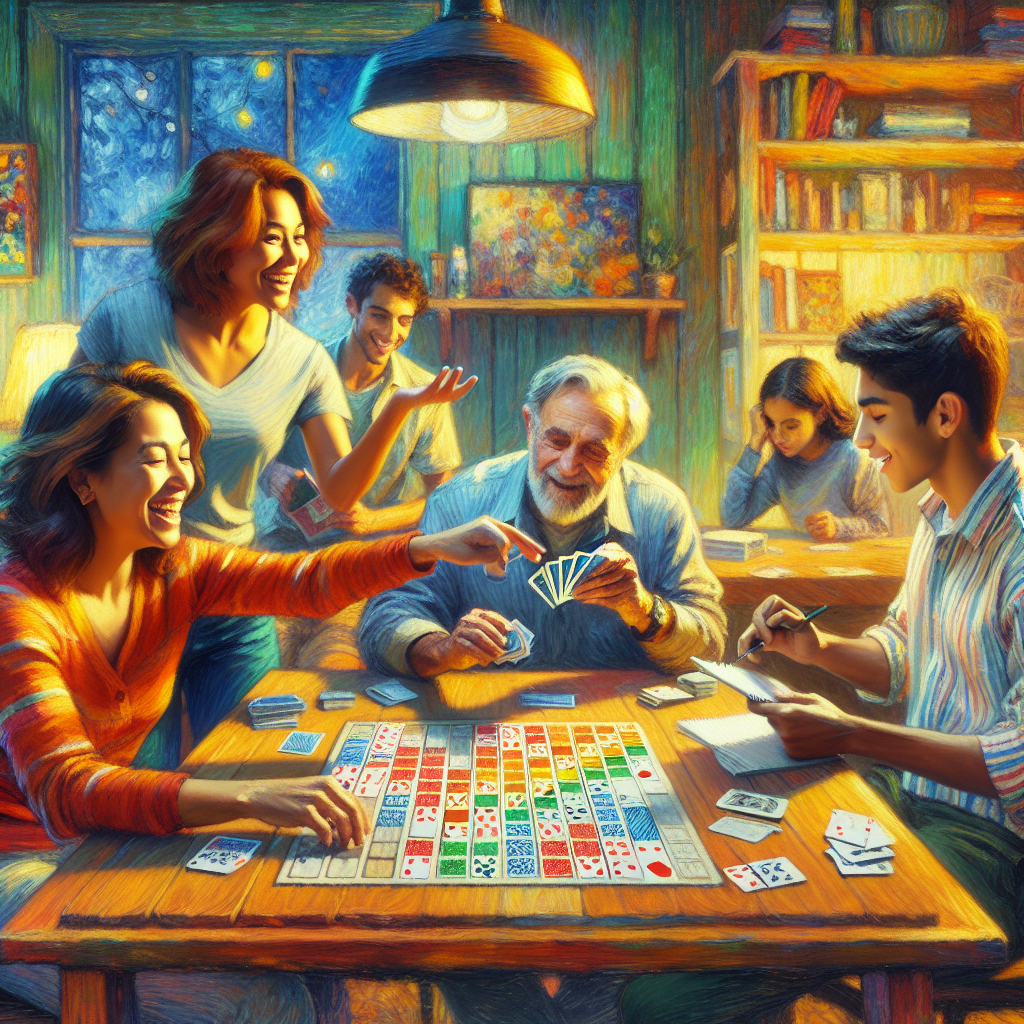
In a world where your grandkids seem glued to their phones, the din of digital notifications competing with the laughter of shared moments, there lies an opportunity—a chance to foster connection not through screens, but through a simple card game. It’s easy to feel like you’re from Mars, and they’re from Venus, but sometimes, the bridge that spans the generational divide is as straightforward as a deck of cards.
Picture this: the sun setting in the backyard, laughter ringing out loud, and a gathering around the table. Each card shuffled brings a whiff of nostalgia; it’s a pathway back to moments when life was about face-to-face interaction rather than swiping left or right. Play a few rounds of a favorite card game, and suddenly those phone screens start to fade. A child’s joy over1 a clever play, a grandparent’s nostalgic stories that surface between rounds—these moments weave into a tapestry of shared experience, creating bonds that endure long after the fun ends.
Now, let’s consider the real implications of this connection. Studies reveal that children who engage in meaningful conversations with their elders develop stronger emotional intelligence. So, in essence, every time you pass that card, you’re not just building a set; you’re laying the foundation for their future. You’re the teacher, the mentor, the anchor, providing context and wisdom that they simply can’t find online.
Ethically, it’s our responsibility to cultivate relationships that honor and respect each other’s presence. By meeting your grandkids where they are—both physically and digitally—you affirm their technology-saturated lifestyles while offering a sacred space for genuine interaction. That’s where you become the authority; not just an elder, but a guide showing them the richness of the tangible world.
This isn’t merely about playing a card game. It’s about planting the seeds of compassion, patience, and understanding in a world rushing toward disconnection. So, set down your phones and gather ‘round that table. Strike a deal to share two hours of your life—two hours that promise to enrich your souls. In those unguarded moments, as cards flip and laughter pours out, you’ll find that the real game is aligning hearts across that invisible gap, reminding us all that love, in its simplest form, is often just a shuffle away.

Grandkids on Phones, You with Packs – Meeting In the Middle
Grandkids on Phones, You with Packs – Meeting In the Middle
- The prevalence of digital distractions creates a gap between generations.
- A simple card game can foster meaningful connections and shared experiences.
- Gathering around a table encourages face-to-face interaction and laughter.
- Playing card games can enhance emotional intelligence in children.
- Engaging with grandkids offers valuable lessons and wisdom not found online.
- It’s important to honor both physical and digital lifestyles to build relationships.
- Playing games together promotes compassion, patience, and understanding in a disconnected world.

Grandkids on Phones, You with Packs – Meeting In the Middle
Table Of Contents
- Grandkids on Phones, You with Packs – Meeting In the Middle
- What Memories Do You Cherish From Your Childhood Without a Phone?
- How Can We Create Meaningful Moments Together Beyond Screens?
- What Activities Can Bridge the Generation Gap Between Us?
- How Do You Think Technology Has Changed the Way We Connect?
- Are There Ways to Enhance Our Bond Using Both Old and New Methods?
- Conclusion
- Other Resources
- Glossary Of Terms
- Other Questions
- Haiku
- Poem
- Checklist
What Memories Do You Cherish From Your Childhood Without a Phone?
What memories do you cherish from your childhood without a phone? Picture this: a summer evening, the sun setting low, casting long shadows as a group of neighborhood kids gather in the backyard. The air is filled with laughter, the scent of freshly cut grass mingling with the sweet aroma of ice cream cones from a nearby cart. What emerges is a simple card game, perhaps Go Fish or Crazy Eights, where every card drawn feels monumental. These are the moments that stand out, transcending the petty grievances of childhood to teach us about joy, resilience, and the beauty of togetherness.
In that tight-knit circle, each face illuminated by the fading light not only shared the same laughter but also bore the weight of endless anecdotes. Each victory or defeat at that card game forged an invisible bond, reminding us that it’s not just about winning, but the connections made along the way. We were present, immersed in our world, where the competition didn’t matter nearly as much as the camaraderie we built. Isn’t it fascinating how a simple game could hold our attention for hours, sparking creativity and humor without a single pixel or post? It’s a testament to the power of human engagement.
Reflecting on that time without the distractions of a screen nurtures a profound understanding. We learned to communicate, not through emojis but through genuine expressions. It was a daily lesson in empathy, as we sensed each other’s highs and lows while subtly mastering the complexities of relationships. All of this cultivated a sense of security, knowing that we were seen, heard, and valued — the very essence of human experience.
It’s no coincidence this absence of devices led to authentic relationships, allowing us to appreciate shared successes and losses within our small tribe. Embracing that nostalgia isn’t merely about longing for the past; it’s about recognizing the importance of connection in our increasingly fast-paced world.
So let’s take a moment to celebrate those days when our biggest worry was how to keep a straight face while bluffing in the card game, rather than what filter to use on our latest selfie. Tap into that part of yourself that resonates with those long-lost evenings. In a society swarmed with notifications and alerts, let’s actively seek the simple joys that remind us of who we are beneath the chaos — together.

What Memories Do You Cherish From Your Childhood Without a Phone?
What Memories Do You Cherish From Your Childhood Without a Phone?
- Childhood memories often reflect simpler times without phones.
- Scenes of neighborhood kids gathering for games like Go Fish or Crazy Eights evoke feelings of joy and togetherness.
- Victories and defeats in games created strong bonds and connections among friends.
- Engagement in activities sparked creativity and humor without reliance on screens.
- Interactions fostered genuine communication and empathy, teaching important relational skills.
- The absence of devices led to authentic relationships and a sense of security within friendships.
- Celebrating these memories encourages a return to valuing human connection amidst a distraction-filled world.

What Memories Do You Cherish From Your Childhood Without a Phone?
How Can We Create Meaningful Moments Together Beyond Screens?
In a world where screens dominate our attention and dictate our interactions, it’s crucial to reclaim the art of connection in its most authentic form. Picture this: a crisp autumn evening, the smell of wood smoke hanging in the air as friends gather around a table, laughter echoing with the rhythmic shuffle of a deck of cards. A card game, simple yet profoundly rewarding, serves as a vessel for shared experiences that transcend the digital noise.
When we come together to play, we’re not merely passing the time; we’re building memories wrapped in stories, challenges, and the occasional mischief. Each hand dealt, each play made, echoes with the warmth of camaraderie. These are moments that engage not just our minds, but our hearts and guts. They push the boundaries of our comfort zones, igniting a sense of competition while also fostering empathy as we celebrate victories and console losses together.
There’s something inherently ethical about the way we engage face-to-face, a reminder that our worth isn’t measured by the likes we receive or the followers we accumulate. When we look into someone’s eyes while they share a laugh or a moment of vulnerability, we acknowledge our shared humanity. This connection echoes back to fundamental truths: We’re not just individuals navigating life; we’re a community in need of each other’s spirit and support.
Engagement goes beyond mere participation. It’s about showing up, being present, and actively listening. In our fast-paced lives, setting aside time for a card game doesn’t just slow things down; it transforms our interactions into bridges rather than walls. As we deal cards, we deal hope and encouragement. Every shuffle of the deck marks a new opportunity for bonding, for shared joy, and perhaps, for a casual yet profound exchange of life lessons.
So, let’s invite our friends, families, and even neighbors to pause the scroll and stack the deck. Rediscover the thrill of face-to-face moments where judgement fades and authenticity thrives. In those flickering candlelight hours, as we wage friendly battles over the poker table or Blackjack, we rekindle that essential human connection that screens can never replicate. Together, we can cultivate a culture rich in experience, laughter, and real connection—one card game at a time.

How Can We Create Meaningful Moments Together Beyond Screens?
How Can We Create Meaningful Moments Together Beyond Screens?
- Reclaiming authentic connections in a screen-dominated world is essential.
- Simple activities like card games foster shared experiences and transcend digital noise.
- Playing together builds lasting memories filled with stories, challenges, and camaraderie.
- Engaging face-to-face nurtures empathy and celebrates victories and losses together.
- True worth is found in human interactions, not in social media metrics.
- Active engagement transforms interactions into meaningful connections.
- Inviting friends and family to connect face-to-face cultivates a culture of laughter and real connection.

How Can We Create Meaningful Moments Together Beyond Screens?
What Activities Can Bridge the Generation Gap Between Us?
Imagine this: a sunny afternoon, laughter spilling out of the backyard, and a well-worn deck of cards being passed around. It sounds simple, but that card game serves as a bridge—one that connects grandparents with grandkids, parents with children, and friends of all ages. Activities like these aren’t just about shuffling cards; they’re about shuffling perspectives, too.
We live in an era where the age divide can feel more like a chasm, but there’s a powerful truth hiding in plain sight: genuine connection often arises from shared experiences. Take a moment to consider how many cherished memories revolve around something as straightforward as a game. There’s a lesson in that—a nostalgic tie that binds us to our roots while allowing us to build relationships that can weather any storm.
Why card games? Because they’re timeless. They don’t require fancy equipment or outside participation, just a willingness to laugh, learn, and occasionally bicker over who dealt the aces last. This familiarity invites participation from everyone and fosters a sense of belonging. And when your 8-year-old cousin beats you in a game of Go Fish, you’re reminded that wisdom isn’t solely dictated by age. The younger generation has insights, laughter, and creativity that can enrich our lives and challenge our perspectives.
Using activities like card games offers more than just stress relief; they open doors to conversations that might seem daunting otherwise. They provide a platform for sharing stories, exchanging advice, and nurturing understanding. You might discover that what you initially thought of as an outdated strategy is actually a goldmine of insight waiting to be passed down. You start to realize that we all have something valuable to teach—and learn.
Moreover, when we invest time in shared activities, we actively choose connection over isolation. With every shuffle and deal, we challenge divisive stereotypes, creating an informal space where everyone can speak their truth. We cultivate empathy and understanding, two things our world desperately needs.
In our quest to bridge generational gaps, let’s not overlook the power of engaged play. Grab that old deck of cards and invite someone different than you to the table. It’s time to cut through the noise, set down our devices, and connect—one game at a time.

What Activities Can Bridge the Generation Gap Between Us?
What Activities Can Bridge the Generation Gap Between Us?
- Card games serve as a bridge connecting generations—grandparents, parents, and children.
- Shared experiences create genuine connections and cherished memories.
- Card games are timeless, requiring only a willingness to engage and have fun.
- Participating in card games fosters a sense of belonging across age groups.
- Games stimulate conversations, allowing individuals to share stories and insights.
- Engaging in activities together promotes empathy and understanding, countering isolation.
- Emphasizing play can help bridge generational gaps and create meaningful connections.

What Activities Can Bridge the Generation Gap Between Us?
How Do You Think Technology Has Changed the Way We Connect?
Technology has transformed the landscape of human connection, much like a card game reshuffled at the hands of a mischievous dealer. We’ve traded in the heavy, personal touch of face-to-face interaction for the flicker of a screen, and while that might seem distant, it can still bring us close. Think back to a time when conversations were rich, layered, and filled with the warmth of human presence. Now consider how your smartphone is often your wallet, your calendar, and your social hub—all rolled into one. In this digital arena, we are all players in the game, and our cards can open doors we never knew existed.
But this change doesn’t come without its price. With every tap and swipe, there’s the danger of losing a vital connection—the raw, unfiltered experience of being present with each other. The heart aches for the simple beauty of sharing a laugh in real-time, eyes sparkling with genuine understanding. We’ve all felt it: the longing for human touch, the electric thrill of a knowing glance shared across a crowded room, that’s the language of connection. Technology has loaded the dice, stacking the odds toward convenience while overshadowing the profundity of personal interactions.
Yet, there’s a silver lining. While screens may separate us physically, they also create new opportunities for connection across great distances. A friend’s heartfelt message can cross oceans, a sibling’s video call can bridge time zones. This capability tugs at our gut—it’s exhilarating to realize that we have the power to maintain relationships that geography once threatened to sever. Ethically, we are challenged to ensure these technologies are used mindfully, fostering connections that genuinely matter, rather than getting lost in the whirlwind of data and notifications.
Consider this: every time you scroll through social feeds, look for those genuine interactions. Go beyond the “likes” and “shares”—make a call, send a postcard, or even suggest a meet-up. Use technology as your partner, not your crutch. Reclaim the lost art of connection. In a world overloaded with options, the simplest act of reaching out often makes the biggest impact. Let’s remember that at the core of every device lies the potential for real connection. The game isn’t over; it’s just a new deal. How will you play your hand?

How Do You Think Technology Has Changed the Way We Connect?
How Do You Think Technology Has Changed the Way We Connect?
- Technology reshapes human connection, akin to a reshuffled card game.
- We’ve exchanged face-to-face interactions for digital communication via screens.
- Smartphones serve multiple roles: wallet, calendar, and social hub.
- Despite convenience, there’s a risk of losing genuine, in-person connections.
- Technology allows for long-distance relationships, creating new opportunities for connection.
- We must use technology mindfully to foster meaningful relationships over superficial interactions.
- Reclaim the art of connection by actively reaching out beyond digital “likes” and “shares.”.

How Do You Think Technology Has Changed the Way We Connect?
Are There Ways to Enhance Our Bond Using Both Old and New Methods?
Enhancing our bonds, whether with family or friends, is a journey practically laden with opportunities—both old-school and fresh off the press. Picture this: a cozy Sunday afternoon, cards spread out on the table, laughter echoing in the air—a classic card game. It’s more than the competition; it’s a testament to shared histories and traditions. Those trivial moments become the glue that holds us together, as the stakes rise and the playful banter flows. This age-old method enriches our connections, weaving stories into the fabric of our lives.
Now, let’s pivot to the digital age. Our screens light up with social media platforms, vibrant and instantly accessible. Though once criticized for pulling us apart, they can actually bring us closer. Engaging in a shared online challenge or a virtual trivia night combines the old with the new, allowing friends across miles to unite under a common goal. These technologies can become modern-day campfires, where we gather to share, laugh, and learn from one another. It’s exciting to embrace these innovations—consider how empathetic messages can break down barriers long before we meet face to face.
But enhancing these bonds isn’t merely about the activities we choose; it’s about understanding their impact on our relationships. Honor the traditions that ground us. There’s ethics in maintaining strong ties with the people who matter. When we invest time—be it through a card game or a video call—we’re making a promise. We’re declaring that these relationships are worth our energy, attention, and care.
Let’s encourage a culture of connection. It’s not just an option; it’s a necessity. We have the power to transform a gathering of friends into a community, bridging the gap between generations. Our stories aren’t just meant to be told; they are meant to be lived and shared.
So, whether you’re shuffling cards into a perfect hand or joining a group chat, lean into it. Trust that every laugh, every shared joke, every heartfelt conversation counts. Together, through both time-honored traditions and modern marvels, we can create bonds that are deeper and stronger than ever. In a world clamoring for connection, let’s make those connections not just before suppertime, but part of our daily lives.

Are There Ways to Enhance Our Bond Using Both Old and New Methods?
Are There Ways to Enhance Our Bond Using Both Old and New Methods?
- Enhancing bonds with family and friends involves a mix of traditional and modern activities.
- A classic card game embodies shared histories and traditions, strengthening relationships through playful interactions.
- Social media platforms can foster connections, enabling friends to engage in shared online challenges and virtual events.
- Embracing technology can create modern-day communal spaces for sharing, laughing, and learning.
- Enhancing relationships requires time and effort, symbolizing the value we place on these connections.
- Encouraging a culture of connection is essential, transforming casual gatherings into deeper community bonds.
- Both traditional and modern methods contribute to creating stronger, more meaningful relationships in our daily lives.

Are There Ways to Enhance Our Bond Using Both Old and New Methods?
Conclusion
In a time when digital distractions have us more disconnected than ever, the simplest activities can reignite the spark of genuine connection. Imagine a sun-soaked afternoon, laughter bubbling up as a deck of cards is passed around. Here lies the underrated hero of our family gatherings—a deck of cards isn’t just a tool for play; it’s a bridge spanning the generational divide. Engaging in a simple card game can shift the energy in a room, pulling grandkids away from their glowing screens and immersing everyone in the joy of shared experience.
Every shuffle and deal is more than just a game; it’s a moment where stories intertwine, laughter fills the air, and memories begin to form. You’re not merely competing; you’re building relationships that resonate long after the game is over. Every round of Go Fish or Crazy Eights opens the door to conversations that can lay the groundwork for deeper understanding and connection. And here’s a kicker—study after study indicates that children who engage in meaningful dialogue with their elders not only thrive emotionally but also gain insights and wisdom that outlast the fleeting thrills of digital socializing.
It’s more than playing cards; it’s about carving out a sacred space for honest interaction. We have a responsibility to offer our younger generations the richness of face-to-face encounters, where compassion and empathy can flourish. This isn’t merely a nostalgic nod to the past; it’s a crucial element of a healthy future, where understanding thrives amidst a whirlwind of distractions.
So let’s put down our phones for just a couple of hours, gather ‘round the table, and indulge in something as simple yet profound as a card game. Embrace the opportunity for authentic engagement that fosters connection, patience, and understanding, essential traits in our increasingly hectic world. In those shared moments—amid laughter and playful competition—we find that the heart of connection is alive, thriving just within reach.
The call to action is this: reach out, shuffle those cards, and not just share a game, but share a piece of your heart and history. When you do, you might just find that love and connection are not lost in screens, but waiting for us to rediscover them through the simple act of being present, one card at a time. Together, we can bridge the gaps that technology has created, nurturing a culture rich in human experience, laughter, and the warmth of togetherness.

Conclusion
Conclusion:
- Digital distractions lead to disconnection; simple activities can reignite genuine connections.
- A deck of cards is not just a game; it’s a bridge across generational divides.
- Playing card games draws grandkids away from screens and fosters shared joy.
- Every game creates moments where stories, laughter, and memories intertwine.
- Engaging in meaningful dialogue with elders aids children’s emotional growth and understanding.
- Face-to-face interactions help cultivate compassion and empathy among younger generations.
- By playing cards, we rediscover the importance of presence and connection in a technology-driven world.

Conclusion
Other Resources

Other Resources
Here is a list of other resources you can review online to learn more:
- Tantrum House
- Pandemic Legacy: Season 2
- Horrible Games
- Stonemaier Games
- Roll Player
- Asyncron
- Instapaper
- Star Wars: Rebellion
- Hearts
- Dominion (Second Edition)
- Terra Mystica
- Jumbo
- Ravensburger
- Tasty Minstrel Games
- Root: The Riverfolk Expansion
- The Board Game Family
- Caverna: The Cave Farmers
- Cyclades
- Planly
Use This Prompt To Get More Resources With Your Favorite Online AI Tool: Please provide me with a list of online articles with their URLs in a bulleted list that I can read regarding Grandkids on Phones, You with Packs – Meeting In the Middle

Other Resources
Glossary Terms
Grandkids on Phones, You with Packs – Meeting In the Middle – Glossary Of Terms
1. Device: An electronic tool, such as a smartphone, used for communication and entertainment.
2. Screen time: The amount of time spent using devices like smartphones, tablets, and computers.
3. Digital literacy: The ability to find, evaluate, and communicate information using digital platforms.
4. Interaction: Engaging with one another or with technology, often through messaging, social media, or video calls.
5. Connection: The bond created between individuals, often facilitated by technology, regardless of physical distance.
6. Communication: The exchange of information, thoughts, or feelings, which can be enhanced through technology.
7. Tech-savvy: Possessing a high level of proficiency with digital devices and applications.
8. Virtual: Existing or occurring online or in a digital environment rather than in the physical world.
9. Face-to-face: Direct personal interaction in real life, as opposed to virtual communications.
10. Social media: Online platforms that allow users to create, share, or exchange information, often used for connecting with others.
11. Collaboration: Working together toward a common goal, which can be facilitated through digital tools.
12. Generational gap: The differences in attitudes, values, and behaviors between different age groups.
13. Resilience: The ability to adapt to and recover from changes, particularly in relationships influenced by technology.
14. Empathy: Understanding and sharing feelings with others, which can be challenging in digital communication.
15. Engagement: The level of involvement and interest that individuals show in their interactions, both online and offline.
16. Moderation: The balanced approach to screen time, ensuring that technology use does not interfere with personal relationships.
17. Content: Information or entertainment shared through various digital media, including text, images, and videos.
18. Privacy: The right of individuals to keep their personal information confidential, particularly important in the online realm.
19. Balancing act: The challenge of managing both digital and personal interactions effectively.
20. Creativity: The ability to create new ideas or content, often enhanced by digital tools and platforms.
21. Support: Providing assistance or encouragement to family members, particularly in navigating technology.
22. Nostalgia: A sentimental longing for the past, which can influence how older generations view technology and communication.
23. Inclusion: Ensuring that all family members feel valued and engaged, regardless of their comfort level with technology.
24. Focus: The ability to concentrate on the present moment, often compromised by distractions from devices.
25. Simplicity: The quality of being easy to understand or use, particularly in technology that bridges generational differences.
26. Communication tools: Applications or devices designed to facilitate discussions, such as messaging apps, video calls, or social media.
27. Mindfulness: The practice of being aware and present in interactions, crucial for meaningful connections.
28. Adaptation: The process of adjusting behavior or attitudes to better fit changing circumstances or technologies.
29. Bonding: The process of forming strong connections and relationships, which can be fostered through both physical and digital interactions.
30. Intergenerational: Relating to or involving individuals from different age groups, particularly relevant in family dynamics impacted by technology.
Glossary Of Terms
Other Questions
Grandkids on Phones, You with Packs – Meeting In the Middle – Other Questions
If you wish to explore and discover more, consider looking for answers to these questions:
- What are some recommended card games for different age groups?
- How can I get my grandkids interested in playing card games?
- What other activities can foster personal connections beyond card games?
- How do different generations view technology and digital communication?
- What are some effective ways to start conversations with younger generations?
- How can I balance screen time with face-to-face interactions in my family?
- What are the benefits of emotional intelligence developed through intergenerational play?
- Can technology be used to enhance traditional games or activities?
- What role does nostalgia play in building connections with younger generations?
- How can we encourage empathy and understanding through shared experiences?

Other Questions
Haiku
Grandkids on Phones, You with Packs – Meeting In the Middle – A Haiku
Cards in hand, we laugh,
Bridging gaps, hearts intertwine,
Old and new unite.

Haiku
Poem
Grandkids on Phones, You with Packs – Meeting In the Middle – A Poem
In a world where screens cast shadows wide,
And whispers of laughter get lost in the tide,
Gather close, let’s bridge the divide,
With a simple deck of cards by our side.
Picture the sun sinking low in the sky,
As grandkids converge with a curious eye,
No more swiping, just memories to share,
In the shuffle of cards, we find love laid bare.
Each deal unfolds a tale from the past,
A lesson in empathy, friendships that last,
With every hand played, we nurture and teach,
A connection more potent than gadgets can reach.
The joy of the game, laughter so bright,
Reminds us that presence can still ignite,
Emotions that linger, resonating deep,
In moments together, the best memories keep.
So let’s set down devices, pause the digital stream,
And savor the moments that make our hearts beam,
With every conversation that flows like a song,
We celebrate humanity where we all belong.
Together, we’ll foster a culture of care,
Opening doors to a bond we can share,
Old methods and new unite for our sake,
Each card a reminder of the love that we make.
So gather your loved ones, make space for the game,
Through laughter and stories, we’ll never be the same,
In the shuffle and play, we’ll find our way through,
A timeless connection, old and yet new.

Poem
Checklist
Grandkids on Phones, You with Packs – Meeting In the Middle – A Checklist
Checklist for Fostering Connection Across Generations
Emotional Appeals
_____ Reflect on cherished memories from your childhood spent without screens.
_____ Identify moments of joy and laughter shared with loved ones around a game.
_____ Create a designated time each week for family game nights to strengthen bonds.
Rational Appeals
_____ Research the benefits of intergenerational conversations for emotional intelligence development.
_____ List personal experiences where face-to-face interaction enhanced your relationships.
_____ Consider keeping a journal of your game night experiences to track the growth of your connections.
Ethical Appeals
_____ Commit to prioritizing quality time with family over digital distractions.
_____ Advocate for the importance of genuine interactions in a technology-driven world.
_____ Set family rules that encourage device-free gatherings to promote engagement.
Authority Appeals
_____ Share insights from psychology studies that support the benefits of meaningful conversations between generations.
_____ Invite knowledgeable figures (teachers, psychologists) to speak on the value of personal interaction.
_____ Provide data on how digital interactions differ from face-to-face connections in relationship-building.
Narrative Appeals
_____ Encourage family members to share their favorite stories from previous game nights.
_____ Develop a tradition of telling anecdotes related to family games while playing.
_____ Create intergenerational challenges where young and old team up in storytelling during games.
Social Appeals
_____ Organize community game nights to bring together families from different generations.
_____ Use social media to challenge friends and family to share their own game night memories.
_____ Foster a sense of belonging by creating group chats centered around shared activities and discussions.
Practical Steps
_____ Designate a weekly time for family games, free of digital interruptions.
_____ Compile a list of favorite card games each family member can introduce to the group.
_____ Create a game night playlist to enhance the atmosphere of your gatherings.

Checklist
At CardGameNews, we help people who love card games by collating information and news about card games.
Be sure to read our other related stories at CardGameNews to learn more about card games.


