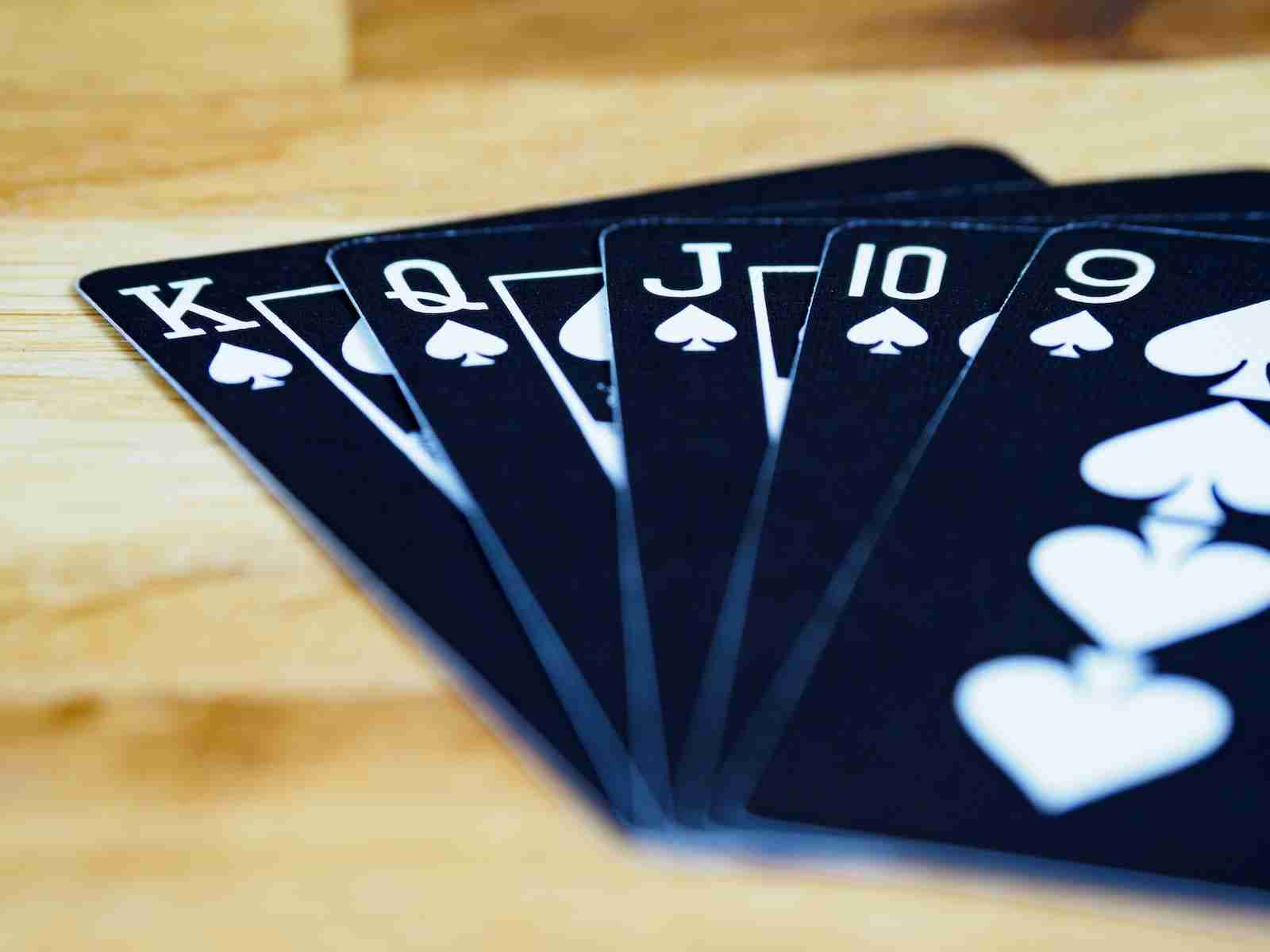
Sparking Joy: The Power Of Card Games In Family Gatherings
By Tom Seest
At CardGameNews, we help people who love card games by collating information and news about card games.
Be sure to read our other related stories at CardGameNews to learn more about card games.
Do Card Games Rekindle Lost Laughter In Family Reunions?
Let’s face it: family reunions can sometimes feel like a gathering of strangers. You know the scenario: you arrive, greeted by a mélange of hugs, smiles, and small talk that occasionally leads to awkward silences. The food? Delicious, but it often lacks the shared experience that can truly tug at the heartstrings. Enter the humble card game—a simple deck of cards that has the power to transform a stilted reunion into a riotous festival of laughter and connection.
Picture this: a chaotic kitchen or living room, relatives of all ages gathering around a table or the floor, cards shuffled and stories ready to be shared. You can almost feel the vibe shift. What begins as polite chatter soon escalates to the raucous sound of laughter as grandpa deftly executes a winning hand, while Aunt Linda attempts to keep a straight face as she accidentally reveals her secret strategy. The genuine joy that comes from playful banter and friendly competition creates memories that linger far longer than the flavor of Aunt May’s famous potato salad.
What is it about a card game that encourages people to shed their reservations? Maybe it’s the nostalgia; many of us grew up playing cards with relatives during holidays, often giggling about Uncle Joe’s over-the-top poker face or snickering when cousin Sarah dramatically loses a round. Reconnecting over a well-worn deck can bridge generational gaps and fill the room with an effortless camaraderie that signifies, “Hey, we’re all in this together.”
And let’s not ignore the beauty of shared triumphs and defeats. Winning a game—or even losing spectacularly—has a way of breaking down barriers. Whether it’s a classic game like Rummy or Uno, or something a bit more strategic like Hearts or Spades, these leisurely contests create an arena for banter and bonding.
So, the next time you find yourself facing another family reunion that feels more like an obligation than a celebration, consider packing a deck of cards. Remember, it’s not about the cards themselves; it’s about the laughter, the stories, and the connections that emerge when we come together. After all, isn’t that what family is really all about? Embark on this journey to ignite joy and rekindle lost laughter; get the cards out and watch the magic unfold.

Do Card Games Rekindle Lost Laughter In Family Reunions?
Do Card Games Rekindle Lost Laughter In Family Reunions?
- Family reunions can sometimes feel awkward and disconnected.
- Card games can transform the atmosphere, bringing laughter and connection.
- Relatives gather around to play, creating a lively and nostalgic environment.
- Playful banter and friendly competition generate lasting memories.
- Card games help bridge generational gaps and foster camaraderie.
- Shared experiences of winning or losing break down social barriers.
- Packing a deck of cards at family reunions can enhance joy and connections.

Do Card Games Rekindle Lost Laughter In Family Reunions?
Table Of Contents
- Do Card Games Rekindle Lost Laughter In Family Reunions?
- What Role Do Card Games Play In Family Bonding?
- How Do Card Games Promote Laughter?
- Can Playing Cards Reduce Family Tensions?
- What Types Of Card Games Are Best For Reunions?
- How Can Card Games Create Lasting Memories?
- What Are The Benefits Of Playing Games Together?
- How Do Card Games Adapt To Different Age Groups?
- Conclusion
- Other Resources
- Glossary Of Terms
- Other Questions
- Haiku
- Poem
- Checklist
What Role Do Card Games Play In Family Bonding?
Ah, the allure of a simple card game. It’s not just a collection of colorful pieces of cardboard tossed across a table; it’s a conduit for connection, laughter, and often some friendly competition. Picture this: it’s a rainy Sunday afternoon, and the routines of daily life have come to a welcome pause. The kids are restless, and the evening plans have fled out the window. Enter the humble card game—a hero in disguise.
There’s something uniquely captivating about sitting around a table with family, shuffling a deck, and dealing out cards. It bridges gaps and fosters a sense of belonging, much like gathering around a campfire telling stories. Every hand dealt is an opportunity to create a memory, whether it’s a tense moment of suspense as you round up your final trick or the shared chuckles over a particularly outrageous bluff. These moments are treasure troves of connection, where the real stakes lie not in winning or losing, but in the laughter and stories that emerge.
Imagine a child’s face lighting up as they play their first game of Go Fish, adding to their burgeoning sense of strategy and just a dash of unfiltered joy. Those wins—or the delightful losses—become shared experiences knitted into the fabric of family life. As parents cheer for a well-played hand or share in the shared joy of a comeback victory, they foster resilience and sportsmanship in their children. In an age where screens often steal our attention, a card game can remind us of the simple pleasure of engaging with each other.
And let’s not overlook those critical teachable moments. Maybe it’s learning to wait your turn, the thrill of a well-timed play, or the art of graceful defeat. A card game offers an understated approach to family dynamics, subtly nurturing values that echo beyond the table.
So, why fight for family time when a deck of cards can create an organic invitation? The next time you find yourself tucked away from the digital clamor, break out those cards. Experience the joyous noise of chatter, laughter, and unfiltered connection that arise from those moments. After all, it’s not about the cards in your hand; it’s about the bonds you build with each shuffle and deal. Grab the deck, gather the crew, and let the games begin—the hearth of family bonding is just a card game away.

What Role Do Card Games Play In Family Bonding?
What Role Do Card Games Play In Family Bonding?
- Card games create opportunities for connection, laughter, and friendly competition.
- Engaging in a card game can transform a mundane rainy day into a cherished family experience.
- Playing games together fosters a sense of belonging and shared memories among family members.
- Children’s experiences with card games enhance their strategic thinking and joy, solidifying family bonds.
- Parents can teach resilience and sportsmanship through shared gameplay and supportive reactions.
- Card games offer valuable lessons in patience, timing, and graciousness, impacting family dynamics positively.
- Gathering for card games provides a break from screens, encouraging quality time and genuine interaction.

What Role Do Card Games Play In Family Bonding?
How Do Card Games Promote Laughter?
Gather ‘round a table with friends, and you’ll find that a simple card game can unlock not just strategy, but a whole torrent of laughter. It’s amazing how the shuffle of a deck and the flip of a card can create a backdrop for some of our most cherished memories. Picture this: it’s Saturday night, you’re holed up at your buddy’s place, and the stakes are as low as they come – but the laughs? Those are through the roof.
Now, what is it about a card game that encourages mirth? For starters, it’s the unpredictability. You can have the best laid plans, but the fate of your triumph lies within those cards. One minute you’re on top of the world, ready to claim your victory, and the next, you’ve been completely blindsided by a move that leaves everyone incredulous. The release of shock and surprise often morphs into laughter, bridging the gap between competitors and turning rivals into allies.
Then there’s the delightful banter that flows around the table like fine wine. “Did you really think that would work?” or “Nice move, Einstein!” can spill from your lips and send the whole group into fits of giggles. The light-hearted ribbing softens any seriousness, creating an atmosphere where we can be silly, and it’s all good-natured fun. These shared experiences foster a connection that goes beyond winning or losing; it’s about the joy of being together and reveling in each other’s antics.
And let’s not forget about the nature of the games themselves. Whether it’s a classic like Poker or a quirky new creation, the themes often serve as a playground for humor. Cards featuring outrageous illustrations or silly scenarios tap into our collective silliness or nostalgia, sparking laughter at the shared absurdity of it all. It reminds us that everyone, regardless of age or background, can find common ground in hilarity.
So, next time you gather friends or family for a card game, remember: it’s not just a game. It’s a chance to break away from the everyday grind and share genuine laughs over wonky plays and outrageous strategies. Embrace that spirit, because happiness is best when it’s shared – especially over a deck of cards. Seize the moment, lay down those cards, and watch as laughter weaves its magic into the fabric of your relationships.

How Do Card Games Promote Laughter?
How Do Card Games Promote Laughter?
- Card games can unlock strategy and lead to a torrent of laughter among friends.
- Unexpected outcomes in card games create shock and surprise, often resulting in shared laughter.
- Light-hearted banter during the game enhances the fun and fosters camaraderie.
- These games encourage silliness, creating an atmosphere where everyone can enjoy themselves.
- Outrageous illustrations and quirky themes in card games evoke nostalgia and shared absurdity.
- Gathering for a card game is an opportunity to break away from routine and build relationships.
- The essence of enjoying card games lies in sharing genuine laughs and memorable experiences.

How Do Card Games Promote Laughter?
Can Playing Cards Reduce Family Tensions?
Let’s face it: family gatherings can sometimes feel like a high-stakes game of poker. While there’s love in the air, so too can be a little tension—someone might have stepped on someone else’s toes, or a topic came up that ignited passionate opinions. But what if I told you that a simple card game might just be the antidote we’re looking for?
Picture this: a cozy living room filled with laughter, the sounds of shuffling cards, and the occasional playful trash talk. It’s amazing how a few decks of cards can transform a room from a battleground of opinions to a friendly arena where strategy and luck reign supreme. It’s more than just entertainment; it’s an opportunity to connect with one another, share a few hearty laughs, and genuinely engage in a way that had been missing before.
When we sit down together over a card game, everyone has a shared goal—whether it’s to win or simply to have a good time. The stakes are low, and the rewards are high. What usually happens is a natural softening of the barriers we set up. Families bond over the playful competition, the unexpected card tricks, and the inevitable blunders that arise when someone loses track of their hand. Suddenly, that minor grievance about last week’s disagreement fades into the background, and you’re all present in the moment, focused on the game at hand.
Moreover, the best part of a card game is its inclusivity. It doesn’t matter if you’re young or old, a strategic mastermind, or the one who plays for pure fun. Each family member finds their space at the table, contributing to a collective experience that’s rich in connection. Those silly moments—like getting too excited over a win or hilariously misunderstanding the rules—forge camaraderie. Before you know it, laughter fills the room, and stories resurface that may have collected dust.
Next time the air feels thick with unspoken words and misplaced frustration, consider breaking out the cards. It’s a simple step towards family harmony that encourages open communication, lighthearted banter, and a reminder that, beneath it all, there’s love and connection waiting to be rekindled. So shuffle those cards, gather the family, and let the games begin!

Can Playing Cards Reduce Family Tensions?
Can Playing Cards Reduce Family Tensions?
- Family gatherings can feel tense due to conflicting opinions or past grievances.
- A simple card game can provide a fun and engaging way to alleviate this tension.
- Playing cards transforms the atmosphere into a friendly arena filled with laughter and camaraderie.
- Shared goals during card games help to soften barriers and promote bonding.
- Card games are inclusive for all age groups and skill levels, fostering a sense of belonging.
- Silly moments during games enhance connections and encourage storytelling among family members.
- Breaking out the cards can lead to open communication and rekindle love and connection in the family.

Can Playing Cards Reduce Family Tensions?
What Types Of Card Games Are Best For Reunions?
Ah, reunions! The delightful chaos of family and friends gathering in one place, where laughter is plentiful, and the smell of nostalgia hangs in the air like a comforting blanket. In between the awkward small talk and shuffling through old photo albums, what better way to break the ice and create lasting connections than with a good old-fashioned card game? But which card games are worthy of being the centerpiece of your reunion? Let’s dig into that.
First on the list is Uno. A game for all ages, Uno is like that trusty family member you know will always come through for you. The vibrant colors, the wild cards, and the ability to screw over your cousin just add to the fun. It’s an easy game to jump into, meaning you won’t have to drag your uncle away from the potato salad for an hour just to explain the rules. The laughter that erupts when someone draws that dreaded +4 card is a sound that can unite any gathering.
Then we have Poker, a timeless classic that’s a bit more on the serious side. Now, don’t worry—this isn’t your high-stakes casino nonsense. Instead, think of it as a laid-back opportunity to channel your competitive spirits. Get some chips, bring out the old black felt, and watch as family secrets unravel with each dealt hand. Remember, quality time is about more than just having fun; poker can lead to some captivating stories and perhaps even rekindle old rivalries.
If you’re looking for something a tad lighter and infused with a splash of creativity, give Exploding Kittens a shot. This quirky game combines strategy and humor, tossing in enough absurdity to keep everyone laughing. Trust me, there’s something wonderfully bonding about teaming up to avoid cute, cartoonish kittens that might just blow your chances at the title of Reunion Champion.
For larger groups, consider Cards Against Humanity, but with a cautionary note! This game can quickly veer into risqué territory. If your family has a penchant for the outrageous and isn’t afraid to let a little humor fly, this becomes a golden opportunity to unleash side-splitting hilarity and bond over shared laughter… while creating tales that’ll be recounted for years to come.
Simply put, the best card games for reunions are those that get people together, spark joy, and celebrate the connections that bind us. Whether it’s a game of Uno around the picnic table or a fierce bout of poker after dark, remember it’s all about the shared experience. So gather your deck, shuffle up, and watch the magic happen.

What Types Of Card Games Are Best For Reunions?
What Types Of Card Games Are Best For Reunions?
- Reunions bring family and friends together, creating a lively atmosphere filled with laughter and nostalgia.
- Uno is a fun, easy-to-learn card game suitable for all ages, known for its vibrant colors and wild card mechanics.
- Poker offers a more serious, competitive experience, allowing for quality time and intriguing stories among players.
- Exploding Kittens adds humor and absurdity with a mix of strategy, making it a light-hearted choice for bonding.
- Cards Against Humanity can be entertaining for larger groups but should be approached with caution due to its risqué nature.
- The best card games foster joy and connection, enhancing the reunion experience for everyone involved.
- Ultimately, regardless of the game, it’s about the shared experiences that create lasting memories.

What Types Of Card Games Are Best For Reunions?
How Can Card Games Create Lasting Memories?
Let’s take a step back and think about the last time you gathered around a table with friends or family, laughter echoing through the air as cards shuffled and strategies unfolded. There’s something timeless about a good card game that goes beyond the simple mechanics of play. It’s a magical blend of competition and camaraderie that can forge unforgettable memories.
Picture it: the dim light of a dining room, a stack of well-worn cards, and the rustling sound of friends leaning in, captivated by the next move. Whether it’s a classic card game like Poker, Rummy, or something uniquely your own, every detail serves as the backdrop for moments that shape our lives. The thing about card games is they invite everyone to participate, regardless of age or skill level. They break down barriers, ignite friendships, and sometimes even heal old wounds. There’s a certain thrill in the air as you strategize your next play, and laughter flows freely when someone misjudges the bluff or drops the ace at just the right moment.
Think about those late nights filled with friendly banter, the tension before someone flips a card, and the sudden outbursts of laughter that ensue when the outcome surprises everyone. Each game draws you closer, weaving stories that will be told for years to come. Remember that time Aunt Linda went all in with a hand that could barely stand, only to score the improbable win? You can still hear the collective gasp followed by the uproarious laughter, can’t you? That’s the beauty of a card game. It’s not just about winning or losing; it’s about the experience and the connections that are forged along the way.
So, the next time you find yourself looking for an engaging way to spend time with loved ones, dust off that deck of cards. Invite your friends over, turn off the screens, and gather around the table. Connect, compete, and create those moments that will linger long after the last hand. Remember, in a world that often feels disconnected, it’s the simple act of coming together over a card game that can create an unbreakable bond and a treasure trove of memories. Now, go on, shuffle those cards and let the stories unfold. You won’t regret it.

How Can Card Games Create Lasting Memories?
How Can Card Games Create Lasting Memories?
- Card games create timeless moments filled with laughter and camaraderie.
- They serve as a backdrop for unforgettable memories, regardless of the game type.
- Card games invite participation from all ages and skill levels, breaking down barriers.
- They foster friendships and can even help heal old wounds.
- The thrill of strategy and surprise outcomes enhances the shared experience.
- Each game weaves stories and memories that are cherished for years to come.
- Gathering for card games promotes connection and creates lasting bonds amidst a disconnected world.

How Can Card Games Create Lasting Memories?
What Are The Benefits Of Playing Games Together?
Gather ‘round, folks! Let’s take a moment to talk about something that might not seem crucial but packs a punch when it comes to connection: playing games together. You might think of old card games spread across the table or a lively board game that sparks rivalry and laughter, but the benefits reach far beyond entertainment.
First off, playing games together fosters a sense of belonging. We’ve all been there — gathered around the dining room table, the ambiance filled with friendly banter and the occasional well-placed competitive jab. Whether it’s a nail-biting round of Uno or an intense clash in Poker, these moments build camaraderie. They create shared experiences that act as the foundation of relationships, offering comfort in togetherness. It fosters a spirit of teamwork, teaching us how to work not just with, but for each other.
Now let’s talk about the laughter. It’s a natural byproduct of gameplay, isn’t it? The thrilling high of a last-minute victory or the sudden twist of fate that causes a room full of friends to erupt in fits of giggles. Those shared moments of joy can dissipate stress like nothing else. Life can get heavy, and we often carry more than we realize on our shoulders. Games give us a chance to lighten that load — if only for an evening.
Consider also the lessons learned along the way. Each card game, every roll of the dice, brings valuable insights. We learn about patience in the throes of competition; we discover resilience when things don’t go our way. These lessons can extend beyond the games themselves, helping us navigate life’s challenges with a bit more grace.
And let’s not forget about fostering communication. As we strategize, banter, and sometimes even bicker over which way to move next, we’re honing our ability to express ourselves and listen to others. It’s a dance of sorts, a back-and-forth rhythm that cements connections.
So next time you find yourself wondering how to spend an evening with friends or family, consider dusting off that old card game or grabbing a new board game. Not only are you bound to have a good time, but you’ll be forging connections that can flourish long after the last card is played or the final score is tallied. So roll the dice, deal those cards, and enjoy the journey together — one game at a time.

What Are The Benefits Of Playing Games Together?
What Are The Benefits Of Playing Games Together?
- Playing games together fosters a sense of belonging and camaraderie.
- Games create shared experiences that form a foundation for relationships.
- Laughter during gameplay reduces stress and enhances the atmosphere.
- Playing games teaches valuable life lessons such as patience and resilience.
- Gameplay fosters communication skills through strategizing and bantering.
- Games provide opportunities for teamwork and working for one another.
- Enjoying games with friends and family strengthens connections beyond the game.

What Are The Benefits Of Playing Games Together?
How Do Card Games Adapt To Different Age Groups?
Card games have been a beloved pastime for generations, offering a delightful blend of strategy, skill, and social interaction. But what makes these games so adaptable for various age groups? Let’s dive into the world of card games and explore how they meet players where they are, regardless of whether your hands are small and eager or experienced and steady.
Imagine a family gathered around a table, rich in laughter and friendly competition. For the young ones, card games often start with simple mechanics—games like “Go Fish” or “Uno,” where the rules are straightforward, and the action is immediate. These vibrant games not only keep kids engaged but introduce them to the concepts of strategy and fair play. They learn to match colors, count cards, and celebrate wins, all the while developing critical social skills. What’s more, these initial forays into card games build confidence, encouraging them to take on more challenging games as they grow.
As kids transition into their teenage years, that’s when you see card games taking on a new dimension. Now they’re hungry for complexity and challenge. Think of games that require deeper strategy, like “Magic: The Gathering” or “Exploding Kittens.” These card games ask players to think several moves ahead, fostering not only critical thinking but also creativity and collaboration. Teens learn to meld tactics with their unique personalities, forging connections with friends through shared victories or retrieves.
And let’s not forget about adults! When the proverbial chips are down, many find comfort in classic card games like “Poker” or “Bridge.” These games offer not only a mental challenge but the thrill of competition with a dash of social interaction. The beauty lies in how card games evolve with players; adults might revel in the strategy and psychological intricacies that can take years to master, establishing an unbreakable bond with the friends old and new that fill their game nights.
The brilliance of card games is that they grow and adapt, much like us. From the giggles of children to the strategic scheming of adults, these games allow everyone to engage and connect at their own level. So, whether you’re picking up a card for the first time or throwing down a challenging hand, remember that every game is a chance not just to play but to foster relationships and create memories that linger long after the final hand is dealt. Embrace the journey—pick up a card game today!

How Do Card Games Adapt To Different Age Groups?
How Do Card Games Adapt To Different Age Groups?
- Card games have been a cherished pastime for generations, offering strategy, skill, and social interaction.
- For young children, simple card games like “Go Fish” and “Uno” introduce strategic concepts and social skills.
- These initial games help build confidence and prepare kids for more complex challenges as they grow older.
- Teenagers gravitate towards more intricate games, like “Magic: The Gathering,” which enhance critical thinking and creativity.
- Adult card games, such as “Poker” and “Bridge,” provide mental challenges and opportunities for social connection.
- Card games evolve with players, helping to foster relationships across different age groups.
- Engaging in card games encourages connection and creates lasting memories for all ages.

How Do Card Games Adapt To Different Age Groups?
Conclusion
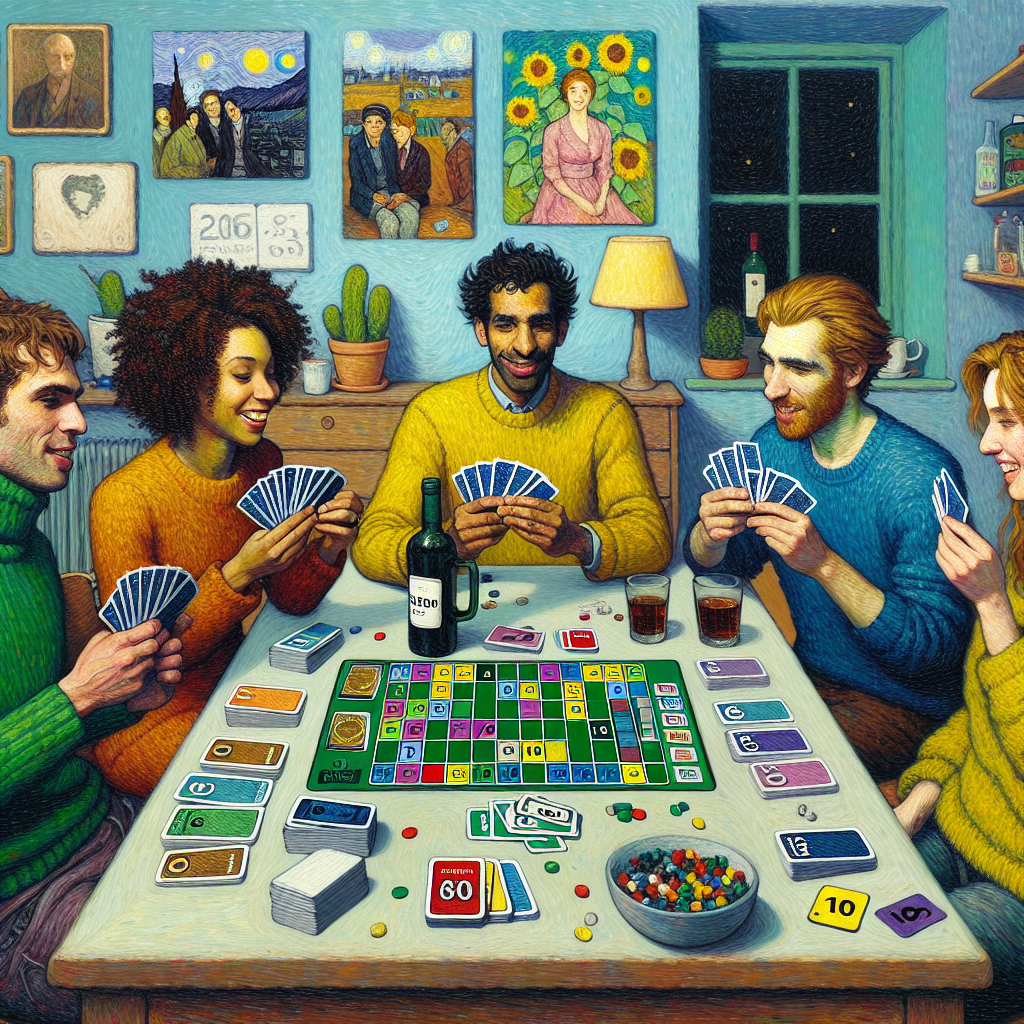
As we wrap up our exploration of card games and their undeniable impact on family gatherings, it’s only fitting we put the spotlight on the heart of it all: connection. Let’s be honest, family reunions can, at times, feel like a stroll through a museum—lots of exhibits, not much interaction. We arrive dressed in our best small talk, greeting relatives we haven’t seen since the last collective gathering. But then comes the real game-changer—a deck of cards. Suddenly, you’re not just a distant cousin; you’re a valued strategic partner or, in some cases, a fierce competitor. That simple deck transforms the atmosphere from polite nods to hearty laughter and loaded moments of anticipation.
Card games have this magical ability to break down barriers. They invite people to shed their reservations, whether it’s a simple round of Uno or a strategic face-off in Poker. They evoke nostalgia—those memories when every laugh shared over a card was a brick in the foundation of familial bonds. The genuine joy found in playful rivalry and shared stories is far more satisfying than Aunt May’s potato salad, and trust me, that’s saying something!
What’s crucial here is that these gatherings over cards are more than just games; they’re opportunities for bonding. Kids learn to strategize, families reconnect over light-hearted ribbing, and old tensions dissipate as the stakes are replaced by fun and laughter. It’s about those shared victories, epic blunders, and the delightful chaos that ensues when everyone’s involved. The moment someone misplays their hand becomes an opportunity for laughter, and awkward silences fade into the background.
So, the next time you face yet another familial obligation that threatens to fall flat, remember the power of a card game. These gatherings are an investment in those priceless memories—laughter that echoes long after the final hand is played. Embrace it! Gather your loved ones, pull out that deck of cards, and watch the magic unfold. Ultimately, life’s about those connections we forge around the table, those moments of pure joy and togetherness. So, shuffle up, deal those cards, and let the laughter rekindle what it truly means to be a family. After all, a little competition and lots of laughter is the golden recipe for unforgettable memories. Now, who’s ready to play?

Conclusion
Conclusion:
- Card games foster connection during family gatherings, transforming distant interactions into meaningful engagement.
- The introduction of a deck of cards shifts the atmosphere from polite conversation to lively laughter.
- Games like Uno and Poker help break down barriers and encourage interaction.
- Nostalgic memories and shared laughs over cards become foundational to familial bonds.
- Playing cards offers opportunities for fun, strategy, and bonding, dissipating old tensions.
- Card games create shared experiences that lead to laughter and lasting memories.
- The next gathering can be revitalized with a simple deck of cards to enhance togetherness and joy.
Conclusion
Other Resources

Other Resources
Here is a list of other resources you can review online to learn more:
- Bezier Games
- Watch It Played
- Agricola (Revised Edition)
- Arkham Horror: The Card Game – The Dunwich Legacy Expansion
- 999 Games
- Bridge
- LiveJournal
- Poker
- Goliath Games
- Boss Monster
Use This Prompt To Get More Resources With Your Favorite Online AI Tool: Please provide me with a list of online articles with their URLs in a bulleted list that I can read regarding Do Card Games Rekindle Lost Laughter In Family Reunions?
Other Resources
Glossary Terms
Do Card Games Rekindle Lost Laughter In Family Reunions? – Glossary Of Terms
1. Card Game: A game that involves the use of playing cards, which can be used for entertainment, competition, or bonding experiences.
2. Family Reunion: A gathering of family members, usually organized to strengthen familial bonds, share stories, and create memories.
3. Laughter: A spontaneous expression of amusement that can enhance social interactions and foster a positive atmosphere.
4. Nostalgia: A sentimental longing for the past, often triggered by shared experiences, like playing card games in childhood.
5. Bonding: The process of forming close relationships through shared activities or experiences, such as playing games together.
6. Tradition: Customs or practices passed down through generations, such as playing specific card games during family gatherings.
7. Icebreaker: Activities or games designed to relieve tension and promote interaction among individuals who may not know each other well.
8. Strategy: A plan or method for playing a card game effectively, which can stimulate critical thinking and friendly competition.
9. Teamwork: Collaborative efforts between individuals, often employed in card games where players may team up, enhancing social interaction.
10. Memory Lane: A metaphorical path leading to memories of the past; often invoked when reminiscing about family traditions and shared games.
11. Communication: The exchange of thoughts, feelings, or information, which can be facilitated through conversational interactions during gameplay.
12. Fun: Enjoyment or light-hearted pleasure derived from activities, essential to the atmosphere of family reunions involving games.
13. Engagement: The act of participating actively in an activity, such as playing card games, which fosters connection among family members.
14. Humor: The quality of being amusing, crucial for enriching interactions and bringing joy during family reunions.
15. Rituals: Established patterns of behavior, such as nightly game sessions during reunions, that enhance family cohesion.
16. Intergenerational: Involving or relating to multiple generations, which highlights the inclusive nature of card games appealing to all ages.
17. Conflict Resolution: The process of resolving disagreements, often encountered in competitive games but addressed through communication and compromise.
18. Adaptability: The ability to adjust gameplay to accommodate varying skill levels and preferences among family members.
19. Inclusivity: The practice of ensuring that all family members feel welcome to join in activities, enhancing group cohesion during games.
20. Competition: A friendly rivalry often present in card games that can spur excitement and engagement among players.
21. Memory Making: The act of creating lasting memories, supported by shared experiences in card games that families can reminisce about.
22. Social Interaction: Engaging with others in a meaningful way, which card games can facilitate by breaking down social barriers.
23. Cooperation: The process of working together towards a common goal in a card game, fostering relationships and teamwork among family members.
24. Emotion: The feelings that arise during gameplay, such as joy, surprise, and amusement, contributing to a lively atmosphere.
25. Turn-taking: A game mechanic where players alternate turns, promoting patience and fairness while encouraging interaction.
26. Creativity: The ability to think outside the box, which can lead to inventive game variations and enhance the fun during reunions.
27. Playfulness: A lighthearted approach to interactions, which card games encourage and help to restore laughter in family dynamics.
28. Camaraderie: Mutual trust and friendship among individuals, bolstered through shared activities, including card games at reunions.
29. Storytelling: The recounting of personal narratives or family histories, often sparked by reminiscing during card games.
30. Legacy: Traditions or memories passed down through generations, often reflected in continued card game practices during family reunions.

Glossary Of Terms
Other Questions
Do Card Games Rekindle Lost Laughter In Family Reunions? – Other Questions
If you wish to explore and discover more, consider looking for answers to these questions:
- What types of card games work best for different age groups?
- How can card games help ease family conflicts during gatherings?
- Are there specific strategies to encourage reluctant players to join in card games?
- What are some new card games that families can try at reunions?
- How can card games be incorporated into holiday traditions?
- What are the psychological benefits of playing card games together?
- Can card games be used as educational tools for children?
- How do different cultures incorporate card games into family gatherings?
- What role does humor play in the enjoyment of card games?
- Are there card games that can be played with large groups effectively?

Other Questions
Haiku
Do Card Games Rekindle Lost Laughter In Family Reunions? – A Haiku
Laughter fills the air,
Cards weave stories, bonds so deep,
Joy in every hand.

Haiku
Poem
Do Card Games Rekindle Lost Laughter In Family Reunions? – A Poem
In gatherings where smiles try to bridge the gap,
Amidst the chatter, awkward moments tap,
A simple deck, not grand nor bold,
Can turn solemn nights into legends told.
The shuffle sings, the cards align,
As generations gather, laughter intertwines.
Grandpa’s sly grin, Aunt Linda’s ploy,
In the heat of the game, we rekindle joy.
Oh, how the stories bounce and light the air,
Every wrong move met with chuckles to share.
From Rummy’s suspense to Uno’s surprise,
In playful rivalry, our true spirit lies.
Those mundane meals fade behind our delight,
Under the spell of a card-game night.
With hands of young and old intertwined,
We build a bridge, the treasures we find.
In laughter’s embrace, old wounds find some peace,
Playful banter serves as a sweet release.
Bridging the ages, like a gentle tide,
In games, we discover the love that’s inside.
So, gather your cards, and let merriment reign,
In this small, simple act, our hearts break the chain.
For in every hand played, connections ignite,
Every shuffle and deal, a new story takes flight.
Next time family feels a bit out of reach,
Remember the power that laughter can teach.
In decks worn with love, let the magic unfold—
For memories crafted together are purest gold.

Poem
Checklist
Do Card Games Rekindle Lost Laughter In Family Reunions? – A Checklist
Preparing for the Reunion
1. Choose the Right Games:
_____ Consider family-friendly games for all ages (e. g. , Uno, Go Fish, Exploding Kittens).
_____ Include strategic games that can spark friendly competition (e. g. , Poker, Hearts, Spades).
_____ Assess the mood of the family; opt for light-hearted games if tensions are high (e. g. , Cards Against Humanity with caution).
2. Gather Supplies:
_____ Ensure you have a variety of decks or games available.
_____ Bring extra pens and paper for keeping score if needed.
3. Set Up a Comfortable Space:
_____ Designate an area free from distractions where everyone can gather.
_____ Arrange seating in a way that encourages interaction and accessibility.
During the Reunion
4. Break the Ice with a Game:
_____ Start with a simple game to get everyone laughing (e. g. , Uno, Go Fish).
_____ Encourage participation by explaining the rules clearly and inviting everyone to join.
5. Foster a Light-hearted Atmosphere:
_____ Engage in friendly banter and encourage everyone to share fun stories related to the games.
_____ Keep the focus on laughter and joy rather than competition.
6. Encourage Sharing:
_____ Allow family members to share funny experiences or strategies from past game nights.
_____ Suggest that everyone can share a personal story or family memory in between rounds.
Enhancing the Experience
7. Rotate Games:
_____ Introduce a new game after a few rounds or if interest wanes to maintain energy.
_____ Ask family members to vote on their favorite games for the reunion.
8. Include Everyone:
_____ Ensure that game choices cater to different age groups and skill levels.
_____ Provide opportunities for younger family members to teach older ones new games.
Wrapping Up the Reunion
9. Create Lasting Memories:
_____ Take photos during the games and with family gathered around for lasting memories.
_____ Encourage family members to write down their funniest moments from the games to share later in a family newsletter or social media group.
10. Reflect on the Experience:
_____ Conclude the reunion with a group discussion about favorite moments or lessons learned from playing together.
_____ Plan for the next gathering and ask for suggestions on games to include.
After the Reunion
11. Follow Up:
_____ Share photos and memories collected during the reunion on a family group platform.
_____ Encourage family members to stay connected by planning future game nights or gatherings.
By utilizing this checklist, you can create an engaging and joyful atmosphere at your next family reunion through the magic of card games and shared laughter!

Checklist
At CardGameNews, we help people who love card games by collating information and news about card games.
Be sure to read our other related stories at CardGameNews to learn more about card games.