

Exploring Ai’s Impact On Emotional Well-Being In Card Games
By Tom Seest
At CardGameNews, we help people who love card games by collating information and news about card games.
Be sure to read our other related stories at CardGameNews to learn more about card games.
Could Artificial Intelligence In Card Games Deepen Our Feelings Of Insecurity and Isolation?
Could Artificial Intelligence in Card Games Deepen Our Feelings of Insecurity and Isolation?
Imagine gathering around a table with friends, the shuffle of a deck, the sound of laughter, and the rush of friendly competition. Card games have long been a refuge—a cherished ritual that fosters connection, camaraderie, and a shared heartbeat among players. Yet, as artificial intelligence begins to weave its way into these beloved pastimes, we must pause to consider whether we’ll strengthen our bonds or deepen our feelings of insecurity and isolation.
On one hand, AI in card games can offer sophisticated opponents that adapt to our skill levels, enhancing our strategic thinking and improving our play. It’s rational to embrace the benefit of honing one’s skills against an AI that never tires or judges. Yet, on the flip side lies a troubling question that tugs at our hearts: does engaging with a digital mind dilute the belonging we feel in the warm company of human players?
Ethically speaking, as we turn to our screens for entertainment, we risk sidelining human connection—the very essence of what makes a card game enjoyable. Picture the glow of a smartphone overshadowing the laughter of friends; that scenario can leave us with a gut punch of loneliness, as the very fabric of human interaction frays at the seams.
When we allow AI to dominate our recreational time, we inadvertently grant it authority over our social lives, potentially reshaping our relationships. The AI may offer a game, but can it offer genuine unpredictability, empathy, or the thrill of shared triumph? Let’s not forget the narratives behind our favorite card games—the backstories and cherished memories that grow with each poker night or family gathering. Are we prepared to sacrifice those stories for the cold efficiency of a digital counterpart?
In a world teeming with advancements, it’s all too easy to surrender to the sirens of technology. However, there’s a powerful opportunity here. By remaining aware and critical of how we integrate AI into our leisure activities, we can ensure that it enhances rather than replaces our connections. Before you dive into the next round of cards against an AI, take a moment to consider the bonds you’re cultivating among family and friends. Let’s fiercely embrace that laughter and joy, creating a world where technology serves to strengthen our connections, not pull us apart. So, the next time you shuffle a deck, take a look around—your truest opponents might just be seated at the table with you.

Could Artificial Intelligence In Card Games Deepen Our Feelings Of Insecurity and Isolation?
Could Artificial Intelligence In Card Games Deepen Our Feelings Of Insecurity and Isolation?
- Card games foster connection and camaraderie among players.
- AI in card games can enhance skills by providing adaptive, tireless opponents.
- There is a concern that digital interactions may dilute the sense of belonging in human company.
- Replacing human connection with AI could lead to feelings of loneliness and isolation.
- AI may lack genuine unpredictability, empathy, and the thrill of shared experiences.
- It’s crucial to remain aware of how we incorporate AI into leisure activities to maintain human connections.
- Prioritize the laughter and joy of human interaction while engaging with technology in card games.

Could Artificial Intelligence In Card Games Deepen Our Feelings Of Insecurity and Isolation?
Table Of Contents
- Could Artificial Intelligence In Card Games Deepen Our Feelings Of Insecurity and Isolation?
- What Emotions Do You Feel When Playing Ai-Driven Card Games?
- How Does Ai Impact Your Confidence In Strategic Decisions?
- Are You Concerned About Ai Replacing Human Interaction In Gaming?
- In What Ways Could Ai Enhance Or Diminish Community In Card Games?
- How Do You Perceive The Ethics Of Using Ai In Competitive Gaming?
- Conclusion
- Other Resources
- Glossary Of Terms
- Other Questions
- Haiku
- Poem
- Checklist
What Emotions Do You Feel When Playing Ai-Driven Card Games?
What Emotions Do You Feel When Playing AI-Driven Card Games?
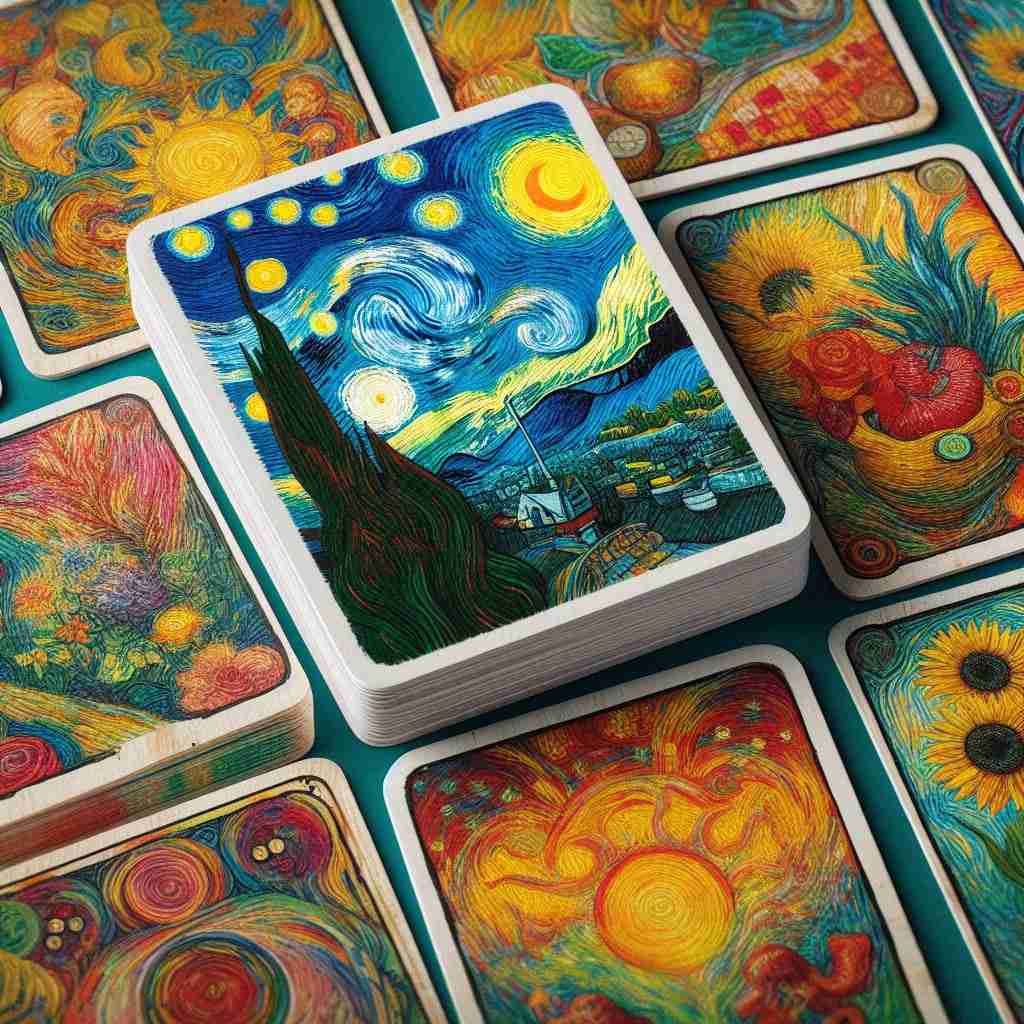
When you sit down to play an AI-driven card game, you’re not just shuffling a deck; you’re stepping into a vibrant arena where strategy meets technology, and emotions run high. Think about your heart racing as you draw that winning card—there’s an electric thrill that surges through you. It’s that playful dance between anticipation and surprise that keeps you coming back for more. You’re not merely a player; you’re a participant in a story that unfolds with every round, complete with unexpected twists and turns.
Now, let’s take a moment to examine this from a rational perspective. AI has revolutionized the way we interact with card games, providing a level of challenge that demands not just luck but also strategy and foresight. As you face off against an intelligent algorithm, you find a satisfying blend of learning and competition. Each game becomes an exercise in honing your skills, making decisions that weigh heavily on your next move. It’s not just entertainment; it’s cognitive exercise wrapped in a feast of fun!
On an ethical note, there’s something profoundly connecting about sharing this experience with others—whether you’re playing with friends or engaging in an online community. The camaraderie that springs up around a good card game, amplified by friendly banter and shared victories, fosters a sense of belonging. We all crave connection, and these card games serve as modern-day campfires where stories are shared, laughter echoes, and bonds are forged.
Imagine sharing your triumphs and defeats on social media, scrolling through the smiles of fellow gamers, or reliving a particularly nail-biting match with a friend over coffee later. The thrill transcends the game itself; it’s about the relationships you build and the memories you create along the way.
So, as you dive into this world of AI-driven card games, remember that every match is more than just a contest of cards. It’s a blend of emotions—exhilaration, frustration, joy—and it’s a testament to the human experience. Whether you win or lose, it’s the journey through these emotions that keeps you engaged, encourages you to play another round, and, ultimately, invites others to share in this amazing experience. So check those cards, take a deep breath, and immerse yourself—you won’t regret it.
What Emotions Do You Feel When Playing Ai-Driven Card Games?
What Emotions Do You Feel When Playing Ai-Driven Card Games?
- Playing AI-driven card games evokes strong emotions such as excitement and anticipation.
- Each game presents an opportunity for strategy, skill development, and cognitive exercise.
- Facing off against intelligent algorithms enhances the challenge beyond mere luck.
- Card games foster connection through shared experiences with friends and online communities.
- Players build relationships and create memories through their triumphs and defeats.
- The emotional journey of winning or losing enhances the overall gaming experience.
- Engagement in these games invites players to immerse themselves and enjoy the thrill.

What Emotions Do You Feel When Playing Ai-Driven Card Games?
How Does Ai Impact Your Confidence In Strategic Decisions?
In the world of strategic decision-making, it often feels like we’re playing a high-stakes card game. Each choice carries weight, akin to the gamble of holding onto a crucial hand or risking it all for a fleeting chance. The stakes are real, but the game is evolving—and so are we. Enter AI, a tool that can enhance our strategic prowess and shift our approach to complex decisions.
Picture this: You’re at a table surrounded by experienced players, each with their own strategy and mindset. Now imagine having an ace up your sleeve—an AI system that analyzes data, predicts trends, and ultimately informs your decisions. It’s not about relinquishing control or blindly following algorithms. It’s about augmenting your insights and fostering confidence in your choices.
You may wonder, “Can I trust this technology?” Here’s where the emotional and rational elements intertwine. AI can decode vast swathes of information that our human minds simply can’t digest in a reasonable timeframe. It’s as if you’ve traded in your blindfold for a powerful telescope, enabling you to see further and navigate with clarity. You’re not just reacting to the game; you’re anticipating the next move. That combination of foresight and confidence can inspire you to step up, make bolder decisions, and embrace opportunities you might have otherwise hesitated to seize.
Yet, let’s not overlook the ethical dimension. The motivations behind AI are a reflection of our values. When we use it to enhance strategic decision-making, we’re not just relying on a vast reservoir of data; we’re embracing a collaborative partnership. We have the power to ensure that ethical considerations guide its development and implementation, fostering a sense of integrity in our choices. It’s our responsibility to wield this tool ethically, ensuring our decisions resonate positively in a social context.
So, as you sit at that decision-making table, remember: AI doesn’t replace your intuition—it enhances it. Embrace it as a partner in your strategic endeavors, and watch as your confidence grows. Like a card game where the odds are finally stacked in your favor, the combination of human insight and technological support can lead to a winning hand. The next time you face a tough choice, remember, you have the tools at your disposal you need to play your best game yet.

How Does Ai Impact Your Confidence In Strategic Decisions?
How Does Ai Impact Your Confidence In Strategic Decisions?
- Strategic decision-making resembles a high-stakes card game, where each choice carries significant weight.
- AI serves as a tool to enhance decision-making, helping to analyze data and predict trends.
- Using AI is about augmenting insights and fostering confidence, not relinquishing control.
- AI can process vast amounts of information quickly, allowing for better anticipation of future moves.
- Ethical considerations are crucial in AI’s development and implementation, reflecting our values.
- AI is a collaborative partner that enhances human intuition, leading to bolder and more informed decisions.
- By embracing AI, we can stack the odds in our favor and play our best game yet.

How Does Ai Impact Your Confidence In Strategic Decisions?
Are You Concerned About Ai Replacing Human Interaction In Gaming?
In the world of gaming, the thrill of competition is often as much about the players as it is about the game itself. Whether you’re huddled around a table for a classic card game or in a crowded virtual arena, those shared moments—laughter, tension, triumph—forge connections that transcend pixels and print. Yet, as artificial intelligence continues to make strides, a familiar concern haunts many: will machines take over not just our games, but our very interactions?
Now, take a moment to consider your fondest gaming memories. Was it the adrenaline rush from a nail-biting card game or the playful banter with friends that brought you joy? The essence of gaming has always been about human connection. AI may improve the mechanics or enhance the narrative, but let’s face it—there’s something profoundly human about looking your buddy in the eye as you play that hand. That spark—the wit, the mischief, the camaraderie—is irreplaceable.
From a rational perspective, AI presents an opportunity to elevate the gaming experience with advanced analytics, personalized storytelling, and a smoother playing environment. These technologies can support our gaming passions rather than replace them. But it’s vital to remember the role we play in this equation. As players, we must advocate for experiences that prioritize authentic interactions. We need to set the boundaries on how AI integrates into our beloved pastimes.
Ethically speaking, we must pose the question: What do we gain—or lose—if we allow AI to take the reins? While increased efficiency is tempting, the essence of gaming lies in unpredictability and the human touch. It’s about achieving victory through skill and luck, not algorithms. So, let’s have a conversation about balance. Instead of fearing AI, let’s leverage it as a tool to enrich our experiences without erasing the human element.
Every card drawn and every decision made in gaming is a choice—one that reflects our humanity. In our quest for progress, let’s not overlook the basic truth that games, at their core, are about connection. Whether it’s a face-to-face challenge over a card game or teaming up online, the thrill lies in the shared experience. So, as we stride into a future where AI and gaming intertwine, let’s champion the human spirit that makes these interactions worthwhile. Elevate the technology, yes, but don’t ever forget the people bringing the game to life. After all, it’s the players who make the game.

Are You Concerned About Ai Replacing Human Interaction In Gaming?
Are You Concerned About Ai Replacing Human Interaction In Gaming?
- The essence of gaming is rooted in human connection, transcending mere gameplay.
- Shared moments like laughter and triumph enhance the gaming experience with friends.
- While AI can improve mechanics and narratives, it cannot replace the human element of play.
- Players should advocate for gaming experiences that prioritize authentic interactions.
- It is essential to discuss the implications of AI in gaming: what we gain or lose.
- Gaming is about unpredictability and the human touch, not just efficiency from algorithms.
- As we embrace AI in gaming, we must remember that players are what truly bring games to life.

Are You Concerned About Ai Replacing Human Interaction In Gaming?
In What Ways Could Ai Enhance Or Diminish Community In Card Games?
In What Ways Could AI Enhance or Diminish Community in Card Games?
Imagine stepping into a bustling hall filled with laughter, anticipation, and a few well-placed groans as the game progresses. The scent of freshly opened card packs mingles with the hum of eager conversation, creating an almost electric atmosphere. This is the world of card games—where strategy, chance, and social interaction collide. Enter artificial intelligence, that double-edged sword that holds the potential to reshape every nuance of our beloved pastime.
On one hand, AI could become a remarkable asset, bringing players together in unprecedented ways. Imagine a card game platform that intelligently matches players based on skill, preferred playstyle, and even emotional tone. Picture a scenario where AI tracks personal growth—offering tailored advice to help us improve our game while nurturing camaraderie. Chatbots could assist during a tournament, offering encouragement, answering questions, and even facilitating community events. These advancements could transform solitary play into a shared journey, helping us grow closer together over every shuffle and deal.
However, there’s a flip side—a specter lurking beneath the glimmer that reminds us of the importance of genuine human connection. If AI takes the lead in card games, how much of our social fabric will it unravel? Imagine a world where algorithm-driven opponents replace the thrill of reading your friend’s body language or hearing their laughter fill the room as they react to an improbable card draw. The thrill of pivotal moments, the shared joy of victory, or the camaraderie in defeat—could these be diluted by an efficient yet soulless digital presence?
Ethically, we must question: at what cost does convenience come? A card game should encompass not only competition but also friendship, the kind that can only flourish in person, face to face. AI’s role should remain as a supportive companion rather than a distractor, safeguarding the heart of community by nurturing those irreplaceable human elements.
As we forge ahead into this brave new world of technology, we have a responsibility. Let us harness AI to enhance our beloved card games—not at the expense of our connections, but as a tool to enrich our communities. By fostering bonds, encouraging diverse engagement, and retaining the warmth of real interactions, we can ensure that these games continue to thrive in a way that resonates deep within our hearts. It’s not just about the cards we play—it’s about the friendships we build around them.

In What Ways Could Ai Enhance Or Diminish Community In Card Games?
In What Ways Could Ai Enhance Or Diminish Community In Card Games?
- AI has the potential to reshape the world of card games, impacting social interactions and gameplay.
- It can enhance community by intelligently matching players based on skill, playstyle, and emotional tone.
- AI can track personal growth and offer tailored advice to improve gameplay and foster camaraderie.
- Chatbots could provide support during tournaments by offering encouragement and facilitating community events.
- There is a risk of diminishing authentic human connections if AI replaces real-life interactions in card games.
- Ethical considerations arise regarding the cost of convenience versus the importance of friendship and face-to-face interaction.
- We should harness AI to enrich our card game communities while preserving the warmth of human connections.

In What Ways Could Ai Enhance Or Diminish Community In Card Games?
How Do You Perceive The Ethics Of Using Ai In Competitive Gaming?
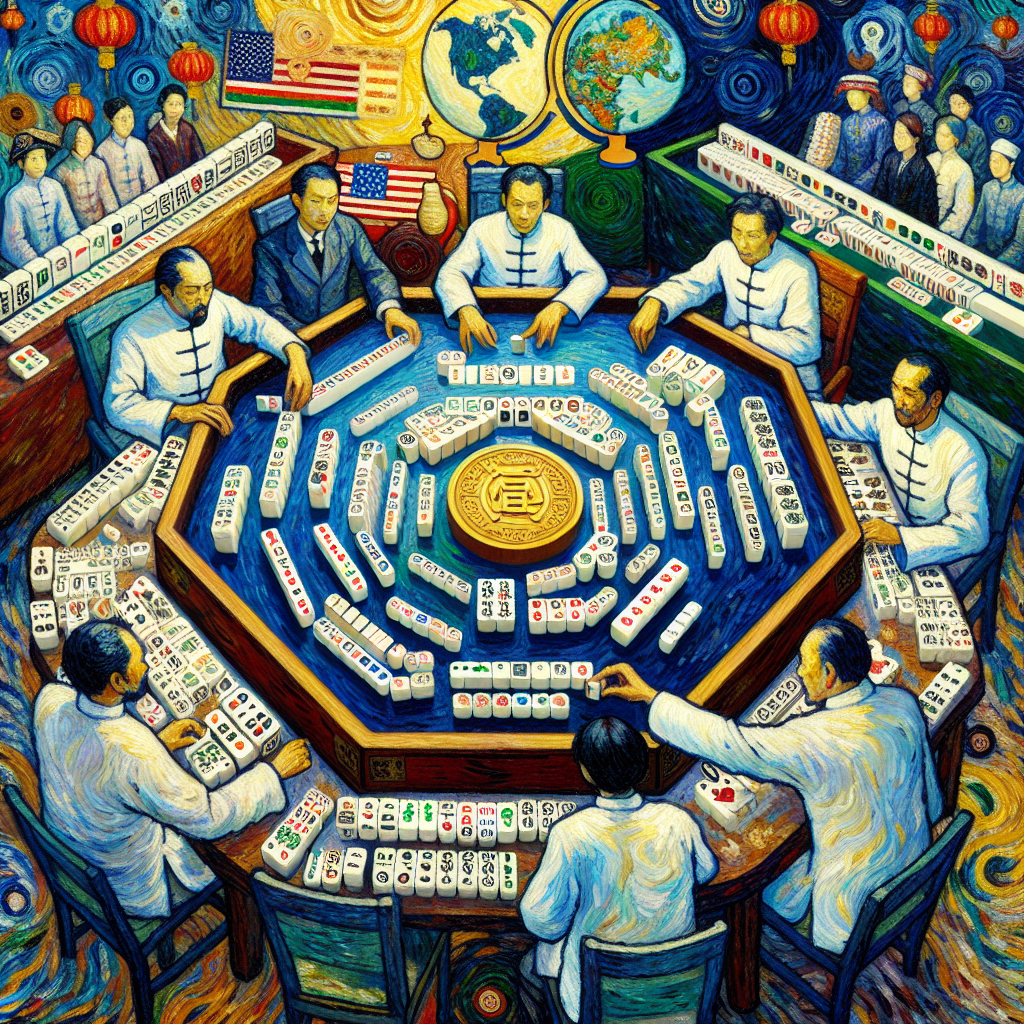
In our ever-evolving digital landscape, competitive gaming has surged ahead, becoming not just a form of entertainment but a battleground for intellect, strategy, and, increasingly, technology. Now, imagine a high-stakes card game: you can almost hear the rustle of the cards, sense the palpable tension in the room as players weigh their decisions. Yet, lurking behind the excitement is a burgeoning question that deserves our attention—how do we feel about artificial intelligence stepping into this arena?
On one hand, AI can be a game-changer. It can analyze odds, predict moves, even simulate scenarios that challenge human intellect. For the aspiring players passionately honing their skills, AI offers a broadens horizon of learning tools, an infinite library of strategies to explore. In this sense, it becomes a partner to human ingenuity, pushing boundaries and inspiring innovation. But here’s the gut punch—what happens when that partner transforms into a powerhouse competitor? Our beloved card game begins to face a moral crossroads. Is leveraging AI to gain an upper hand fair play, or should this be an unspoken line we dare not cross?
Take a moment to reflect on the stories around us. Think of the gaming community at large. Players who’ve invested hours, days, and years into perfecting their craft, only to be matched against a soulless algorithm with endless data at its disposal. It stirs a deep-seated concern—where’s the thrill in a game overshadowed by a digital brute? This isn’t just about winning; it’s about the struggle, the camaraderie, the human experience that binds us all together.
Moreover, from an ethical perspective, we must ask ourselves: how do we define fair competition? Is it with rules that shield the craft and creativity of the player? Or should we embrace the “evolution” of gaming as a natural progression, trusting that humanity will always find a way to innovate while keeping the spirit of competition alive?
Ultimately, whether you view AI as an ally or adversary, one thing is clear—we need open conversations about the role of technology in our cherished pastimes. The heart of the game is still beating, but the question remains: are we willing to shepherd it into a future where integrity stands tall alongside innovation? Embrace your gut feelings, challenge your headspace, and, together, let’s create a framework where AI enhances rather than dominates the spirit of competitive gaming.

How Do You Perceive The Ethics Of Using Ai In Competitive Gaming?
How Do You Perceive The Ethics Of Using Ai In Competitive Gaming?
- Competitive gaming has evolved into a battleground for intellect, strategy, and technology.
- Artificial intelligence (AI) can analyze odds, predict moves, and simulate scenarios to challenge human players.
- AI serves as a learning tool for aspiring players, broadening their strategies and innovation.
- The rise of AI raises ethical questions about fair competition and the essence of gaming.
- Many in the gaming community express concerns about human creativity being overshadowed by AI competitors.
- There is a debate on whether to set rules that protect human players or to embrace the evolution of gaming.
- Open conversations about technology’s role in gaming are essential to maintain integrity and innovation.
How Do You Perceive The Ethics Of Using Ai In Competitive Gaming?
Conclusion
As we stand on the brink of a digital revolution in card gaming, it’s important to take a moment to reflect on what truly matters. Card games have long been a sanctuary for laughter, connection, and shared experience, but the rise of artificial intelligence challenges us to reevaluate our relationship with these beloved pastimes. While AI-driven opponents can sharpen our strategy and enhance competition, it’s crucial to keep an eye on the emotional landscape we navigate as we shuffle those cards.
From a rational standpoint, there’s no denying that AI offers valuable opportunities for skill-building. Picture the satisfaction of facing an intelligent opponent that can adapt to your playstyle—this is a chance to grow! However, as we immerse ourselves in these technological enhancements, we must also confront the emotional gut punch of isolation that can come from substituting human interaction with digital simulations. When the warmth of shared laughter is replaced by the cold efficiency of an algorithm, we risk unraveling the very fabric of our connections.
Ethically speaking, we should be vigilant about what we allow AI to take over. The game is not merely about cards and strategy; it’s about the camaraderie, competition, and rich narratives that bind us together. As digital minds step into our game nights, we have the power to influence how these interactions develop. Will we allow AI to enrich our social fabric, or will we find ourselves alone with our smartphones in a dimly lit room?
Remember, AI should serve as a complement to our human experience, not a replacement. Let’s use this technology to bolster our connections rather than erode them. As you gather your friends for that next epic showdown, take a moment to appreciate the stories behind the cards. These shared memories are what fuel the enthusiasm and spice up the drama—it’s the human element that truly makes the game.
So as you engage with AI in your gaming experience, ask yourself this: are we creating a richer tapestry of connection, or are we trading it for convenience? Together, let’s embrace the joy of card games, ensuring that technology enhances our shared moments, leaving a lasting legacy for future generations. Because, at the end of the day, the real thrill is in the human connections we foster across the table. In a world dominated by screens, let’s fight to keep that communal spirit alive—your best opponents may just be the friends seated right beside you.

Conclusion
Conclusion:
- The digital revolution in card gaming prompts reflection on the intrinsic values of connection and shared experience.
- AI-driven opponents can enhance strategy and competition, but may also lead to emotional isolation.
- While AI offers opportunities for skill-building, it risks replacing human interaction with digital simulations.
- Ethically, it’s important to consider the role of AI in preserving camaraderie and rich storytelling within games.
- AI should complement the human experience, enhancing connections rather than eroding them.
- As we enjoy card games, we should prioritize the human element and shared memories that make them engaging.
- It’s crucial to ensure technology enriches social interactions as we foster connections and maintain communal spirit.

Conclusion
Other Resources

Other Resources
Here is a list of other resources you can review online to learn more:
- Boardgames.com
- Champions of Midgard
- Rahdo Runs Through
- Star Realms
- IGN
- Mastodon
- Uno
- Dominion (Second Edition)
- GamesRadar+
- Flying Frog Productions
- Android: Netrunner
- Alderac Entertainment Group
- Sushi Go!
- Z-Man Games
- Arkham Horror: The Card Game – The Dunwich Legacy Expansion
- Jumbo
- The Crew: The Quest for Planet Nine
- The Dice Tower
- Root: The Riverfolk Expansion
- Portal Games
Use This Prompt To Get More Resources With Your Favorite Online AI Tool: Please provide me with a list of online articles with their URLs in a bulleted list that I can read regarding Could Artificial Intelligence In Card Games Deepen Our Feelings Of Insecurity and Isolation?

Other Resources
Glossary Terms
Could Artificial Intelligence In Card Games Deepen Our Feelings Of Insecurity and Isolation? – Glossary Of Terms
1. Artificial Intelligence (AI): The simulation of human intelligence processes by machines, particularly computer systems, including learning, reasoning, and self-correction.
2. Card Games: Games played with a deck of cards that can involve strategy, skill, and chance, often played in social settings or competitive environments.
3. Insecurity: A feeling of uncertainty or anxiety about oneself; a lack of confidence or assurance.
4. Isolation: A state of being separated from others, which can lead to feelings of loneliness or disconnection.
5. Social Interaction: The process by which individuals act and react in relation to others, often a key component in games that involve multiple players.
6. Game Mechanics: The rules and systems that govern gameplay, which dictate how players can interact with the game and with each other.
7. Player Agency: The capacity for players to make meaningful choices within a game, influencing the game’s outcome and their experience.
8. Algorithm: A set of rules or calculations designed to solve problems or perform tasks, often used in AI to make decisions based on data.
9. Emotion Recognition: The ability of AI to identify human emotions through analysis of facial expressions, voice tone, and other cues, potentially affecting gameplay.
10. Deep Learning: A subset of machine learning where neural networks with many layers analyze various forms of data to make predictions or decisions.
11. Personalization: The adaptation of game content and experiences to individual player preferences, which can impact feelings of connection or alienation.
12. Competitive Play: A style of gameplay focused on winning against other players, which can heighten feelings of insecurity among players.
13. Gamification: The incorporation of game-like elements in non-game contexts to encourage engagement, which may affect social dynamics in games.
14. AI Opponent: A computer-controlled player that uses AI to simulate competition against human players, potentially leading to feelings of frustration or inadequacy.
15. Cognitive Load: The mental effort required to process information during gameplay, which can lead to stress and feelings of insecurity if too high.
16. Social Connectivity: The degree to which players feel linked or connected to others through their gaming experience, impacting feelings of isolation.
17. Feedback Loops: Situations in which the output of a system influences its future inputs; in games, this can create a cycle of insecurity or reassurance.
18. Imposter Syndrome: A psychological pattern where individuals doubt their accomplishments and fear being exposed as a fraud, potentially amplified in competitive environments.
19. Virtual Community: An online space where players interact, potentially alleviating or exacerbating feelings of isolation depending on the nature of the interactions.
20. Augmented Reality (AR): Technology that overlays digital information onto the real world, which can enhance social interaction in gaming but also lead to disconnection.
21. Risk Aversion: The tendency to avoid taking risks, which can be heightened in competitive card games influenced by AI.
22. Sentiment Analysis: The use of AI to analyze player sentiment and emotional reactions, which can influence game design and player experience.
23. Isolation Effects: The psychological and social consequences of prolonged disengagement from social interactions, potentially worsened by AI in gaming.
24. Boredom: A feeling of weariness and dissatisfaction, which can arise from repetitive interactions with AI opponents in card games.
25. Virtual Relationships: Connections formed with other players through online gaming, which can provide support or lead to feelings of loneliness.
26. Identity Formation: The process of developing a personal identity, which can be influenced by individual experiences in gaming communities.
27. Engagement: The level of involvement and interest a player has in a game, which can be impacted by the presence of AI.
28. Content Moderation: The process of monitoring and managing user-generated content to foster positive interactions and reduce feelings of insecurity.
29. Microtransactions: Small purchases made within games, often leading to feelings of inadequacy if players feel pressured to spend money to remain competitive.
30. Digital Well-being: A concept focused on maintaining a healthy relationship with technology and gaming, emphasizing the importance of social connection and mental health.
Conclusion

Glossary Of Terms
Other Questions
Could Artificial Intelligence In Card Games Deepen Our Feelings Of Insecurity and Isolation? – Other Questions
If you wish to explore and discover more, consider looking for answers to these questions:
- What are the specific benefits of using AI in card games?
- How can AI be designed to promote social interaction rather than replace it?
- What are some examples of AI-driven card games currently available?
- How does the emotional experience of playing against AI differ from playing against humans?
- What are the potential long-term impacts of AI integration on traditional card game communities?
- How can players find a balance between playing with AI and engaging with friends?
- What ethical guidelines should be considered when implementing AI in gaming?
- How do different age groups perceive the use of AI in card games?
- Are there studies examining the psychological effects of playing against AI?
- How can AI be used to cultivate rather than hinder community spirit in gaming?

Other Questions
Haiku
Could Artificial Intelligence In Card Games Deepen Our Feelings Of Insecurity and Isolation? – A Haiku
Cards laid on the table,
Laughter weaves the night’s embrace,
Will tech steal our hearts?

Haiku
Poem
Could Artificial Intelligence In Card Games Deepen Our Feelings Of Insecurity and Isolation? – A Poem
In a Deck of Hearts and Mind, We Play
Gather ‘round the table, hear the laughter’s call,
With cards in hand, we share our stories, large and small.
A shuffle, a deal, as moments intertwine,
But as AI creeps in, will connection realign?
Oh, how thrilling it is, to face a worthy foe,
A digital partner, where strategies flow.
It sharpens your mind, embraces the game,
But does it find your heart, or leave you feeling lame?
A wise opponent may teach you to grow,
Yet what of the warmth that makes our spirits glow?
In pixels we trust—but do they feel the beat?
Of friendship, of triumph, where laughter and tears meet.
With every hand played, the stakes seem so high,
But without human touch, can our spirits fly?
We crave that connection, a nod, a shared cheer,
As battles unfold, the beauty is near.
Ethical tales weave through every round,
In games of the heart, it’s the bond we have found.
Is it fair to rely on algorithms cold,
When the stories we share are worth more than gold?
The tech that surrounds us, let it assist,
But don’t let it partition, don’t let it persist—
In taking away what makes our hearts sing,
For it’s in our togetherness that joy takes wing.
So as you shuffle cards, take a look to your side,
Your truest opponents, in laughter, abide.
Let’s harness AI, but cherish the game,
Enhancing our joys without placing blame.
In a world intertwined with ones and with zeros,
Let’s guard our connections, be heroes to heroes.
For in the heartbeat of play, the true essence will swell,
Together, in joy—where friendships dwell.

Poem
Checklist
Could Artificial Intelligence In Card Games Deepen Our Feelings Of Insecurity and Isolation? – A Checklist
Checklist for Understanding the Impact of AI on Card Games: Heart, Head, and Gut Appeal
Heartfelt Considerations (Emotional & Narrative)
1. Reflect on Your Playing Memories: Think about the joy and laughter shared with friends during card games. How does AI affect these cherished moments?
2. Assess Emotional Reactions: What feelings arise when you think about playing card games with AI? Excitement or trepidation?
3. Imagine Lost Connections: Envision missing out on the warmth of human interaction. Does the thought of AI replacing these moments make you uneasy?
4. Evaluate the Community Aspect: How does playing AI-driven games influence your sense of belonging in a gaming community?
Rational Reflections (Rational & Ethical)
5. Identify Benefits of AI: What advantages does AI bring—improved strategy, skill development, or emotional engagement? List them.
6. Weigh the Trade-offs: Does the convenience of playing against an AI outweigh potential loss in social interactions?
7. Consider Ethical Implications: Assess whether AI compromises the fairness and integrity of competitive gaming. Is it fair game?
8. Set Boundaries: What rules or guidelines should govern the integration of AI in card gaming to maintain the human spirit?
Gut Instincts (Intuitive & Authority)
9. Trust Your Intuition: How comfortable are you with the increasing role of AI in games? Does it feel like a natural evolution or a threat?
10. Seek Guidance from Experts: What do industry experts say about AI’s role in gaming? Consult articles, podcasts, or interviews for varied perspectives.
11. Monitor Your Well-Being: Pay attention to any feelings of isolation or anxiety when engaging with AI in card games. Are you feeling more connected or distanced?
12. Self-Advocacy: Are you advocating for experiences that prioritize authentic human interactions over digital efficiency?
Social Connection (Social Appeal)
13. Engage with Your Community: Discuss with friends how they feel about AI in card games. Schedule a session to brainstorm together.
14. Share Your Experiences: Consider posting about your gaming experiences with AI on social media to spark conversations.
15. Participate in Forums or Groups: Join discussions in gaming communities to share and learn from diverse opinions about AI’s influence.
16. Foster Inclusivity: Determine how AI can be used to enhance inclusivity in gaming without sidelining important human connections.
By exploring these dimensions, you can cultivate a well-rounded understanding of how AI may impact not just gameplay but also your emotional experience and social interactions in the realm of card games.

Checklist
At CardGameNews, we help people who love card games by collating information and news about card games.
Be sure to read our other related stories at CardGameNews to learn more about card games.


