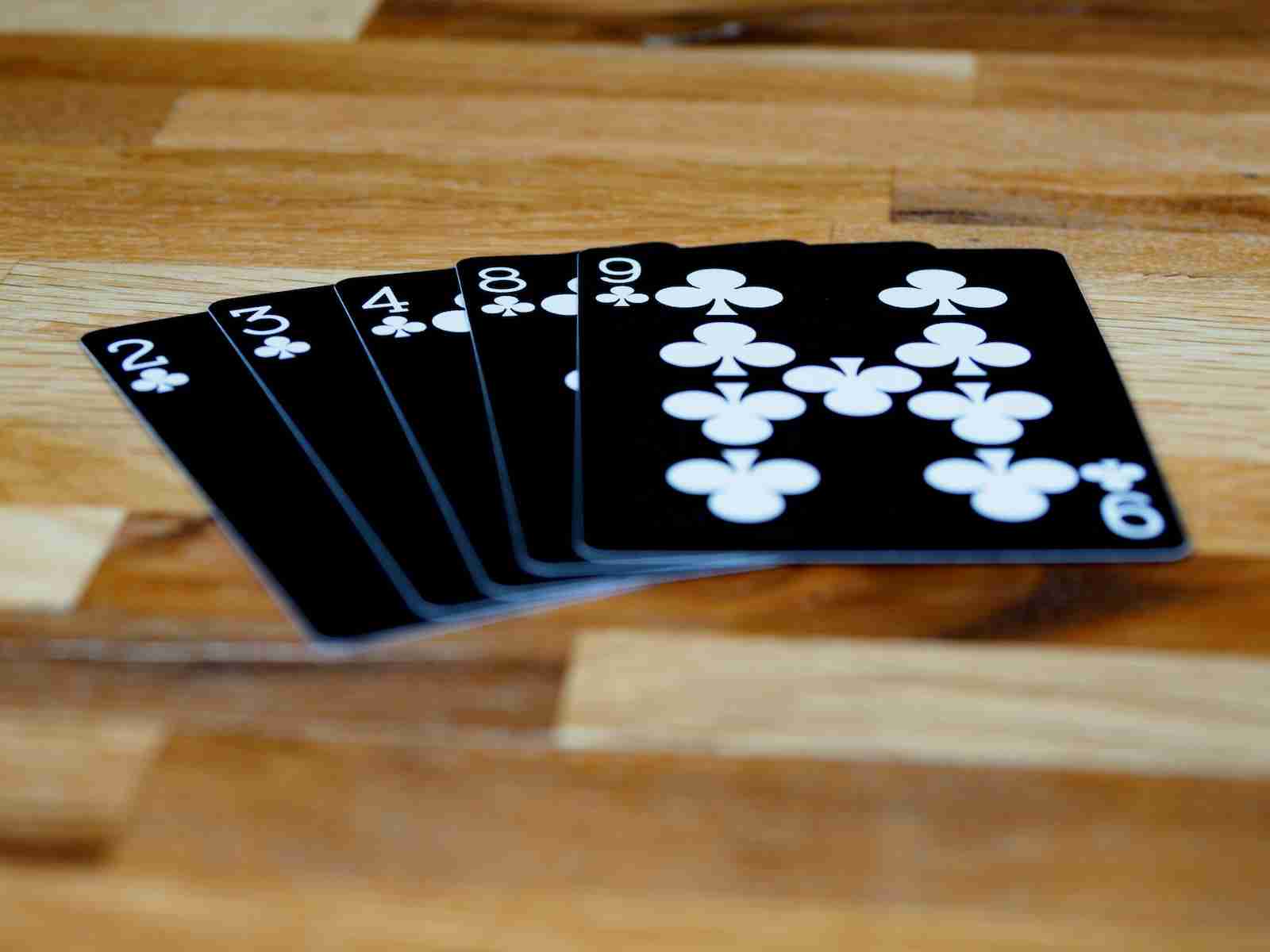
Unveiling The Legacy Of Strategic Card Games
By Tom Seest
At CardGameNews, we help people who love card games by collating information and news about card games.
Be sure to read our other related stories at CardGameNews to learn more about card games.
What Is The History Of Strategy Card Games?
When you dive into the world of strategy card games, you’re not just engaging with a collection of cards; you’re stepping into a rich tapestry of history that weaves together creativity, competition, and a bit of chance. The origins of these games stretch back hundreds of years, revealing a lineage that showcases humanity’s love for both strategy and social interaction.
Let’s rewind to the late 15th century. It was in Europe that playing cards began to flourish, with the advent of the first known deck—a deck of cards that would eventually evolve into the standard 52-card format we recognize today. While these early games primarily revolved around chance—think of simple matches and draws—competitive spirits were ignited, leading to games that called for cunning, intellect, and a touch of risk-taking.
By the 19th century, the landscape began to shift. Card games that demanded strategic foresight, like poker and bridge, captured the imaginations and wallets of many. These games relied less on luck, introducing elements that made players consider their moves carefully, weighing their options like experienced chess players. The bonding that occurred around a poker table began to reflect a cultural phenomenon—one where camaraderie met the thrill of competition.
Fast forward to the late 20th century, and we see the birth of what we might call the modern strategy card game. Titles like “Magic: The Gathering,” released in 1993, revolutionized the concept by integrating unique mechanics such as deck building, resource management, and strategic card interactions. Players could now craft personalized decks that reflected their play style, unleashing creativity in ways that earlier games hadn’t permitted. This marked a turning point: strategy card games weren’t just about playing; they were about creating.
As technology marched on, online platforms emerged, propelling strategy card games into the digital age. Games like “Hearthstone” and “Gwent” attracted new audiences, merging the old-school nostalgia of physical card play with the convenience and accessibility of the internet. Here, players from around the globe squared off in virtual arenas, proving that strategy knows no boundaries.
Today, strategy card games continue to evolve and thrive, pushing the envelope with innovative designs and community-driven experiences. They remind us that at their heart, these games are more than just cards; they’re a confluence of strategy, storytelling, and human connection—a tradition that endures, rooted deeply in our collective past.

What Is The History Of Strategy Card Games?
What Is The History Of Strategy Card Games?
- Strategy card games intertwine history, creativity, competition, and chance.
- The origins date back to the late 15th century in Europe with the first known playing card deck.
- Early card games focused on chance, igniting competitive spirits and strategic thinking.
- By the 19th century, strategic card games like poker and bridge emerged, emphasizing careful decision-making.
- The late 20th century saw the rise of modern strategy card games, notably “Magic: The Gathering” in 1993, which introduced deck building and resource management.
- Online platforms like “Hearthstone” and “Gwent” revolutionized accessibility and player interaction in strategy card games.
- Today, these games continue to innovate, blending strategy, storytelling, and community engagement, rooted in a rich historical tradition.

What Is The History Of Strategy Card Games?
Table Of Contents
- What Is The History Of Strategy Card Games?
- What Are The Origins Of Strategy Card Games?
- How Have Strategy Card Games Evolved Over Time?
- What Were The First Known Strategy Card Games?
- What Impact Did Historical Events Have On Card Games?
- How Did Different Cultures Influence Strategy Card Games?
- What Role Did Strategy Card Games Play In Social Interaction?
- What Are Some Milestones In The Development Of Card Games?
- How Has Technology Changed Strategy Card Games?
- What Are The Most Popular Strategy Card Games Today?
- How Do Strategy Card Games Differ Across Regions?
- What Skills Are Essential For Playing Strategy Card Games?
- What Are The Key Mechanics In Classic Strategy Card Games?
- How Have Strategy Card Games Influenced Modern Gaming?
- What Challenges Do Strategy Card Game Designers Face Today?
- What Is The Future Of Strategy Card Games In The Digital Age?
- Conclusion
- Other Resources
- Glossary Of Terms
- Other Questions
- Haiku
- Poem
- Checklist
What Are The Origins Of Strategy Card Games?
When you peel away the layers of history, the origins of strategy card games reveal a fascinating blend of culture, creativity, and cleverness. These games didn’t just drop from the sky; they evolved through centuries of social interaction, warfare, and the human desire to outsmart one another.
The story begins in ancient China, where the roots of card gaming can be traced back over a thousand years. The first recorded use of cards occurred during the Tang Dynasty (618-907 AD), primarily as a diversion for the wealthy elite. These early cards weren’t quite the decks we’re familiar with today. They were more akin to paper tiles or the beginnings of what we now know as dominoes—an essential precursor that laid the groundwork for games steeped in strategy.
As this pastime spread across Asia, it morphed and adapted. From the elaborate strategies of Chinese fan-tan to the intricate bluffing of the Japanese game Hanafuda, each culture added its own flair and rules. The journey continued westward, crossing the Silk Road and influencing Middle Eastern games like Ganjifa, which featured beautifully painted cards used in complex games that required cunning and foresight.
It wasn’t until the late 14th century that cards found their way to Europe, where they sparked a revolution in leisure and strategy. Initially, card games were considered the pastime of nobles, played under the watchful eyes of opulent chandeliers; but as time rolled on, they gained traction among the common folk. The early European deck consisted of suits that were easily recognizable—hearts, diamonds, clubs, and spades—systematized not just for aesthetics but to facilitate strategic gameplay.
With the rise of the printing press in the 15th century, cards became widely available, leading to a boom in their popularity. This democratization of card games allowed a diverse array of strategy games to flourish—from the elegant nuances of Poker to the cutthroat war tactics of Bridge. Soon, players were no longer just drawing cards; they were engaging in mental skirmishes, battling wits and strategy under the guise of fun.
The trail has continued to flourish into the modern age, with the dawn of digital technology giving rise to online card games and a new generation of players. Yet, no matter how you shuffle the deck, each game still echoes that ancient human desire: the thrill of competition, the allure of strategy, and the joy of outwitting an opponent. In this way, strategy card games remain not just a pastime but a timeless testament to the art of cunning and connection.

What Are The Origins Of Strategy Card Games?
What Are The Origins Of Strategy Card Games?
- Origins of strategy card games blend culture, creativity, and cleverness through history.
- Roots trace back over a thousand years to ancient China during the Tang Dynasty (618-907 AD).
- Initial card forms resembled paper tiles, laying groundwork for strategic gameplay.
- Games evolved through cultures across Asia, incorporating unique strategies and rules.
- Card games were introduced to Europe in the late 14th century, initially enjoyed by the nobility.
- The printing press in the 15th century made cards widely accessible, enhancing popularity.
- Modern technology has led to the rise of online card games, continuing the human desire for competition and strategy.

What Are The Origins Of Strategy Card Games?
How Have Strategy Card Games Evolved Over Time?
Strategy card games have undergone a remarkable evolution since their inception, reflecting the dynamic intersections of culture, technology, and player preferences. At their core, these games have always been about strategy: outsmarting your opponent, anticipating their moves, and crafting a winning plan. But how they’ve gone about achieving that has changed dramatically over the years.
Let’s start at the beginning. The roots of card games can be traced back centuries, with traditional games like Poker and Bridge setting the stage for competitive play. These classics provided a great foundation: simple rules, skill-based strategies, and the social interaction that accompanies sitting around a table, engaged in friendly rivalry. But as tastes evolved and technology advanced, the landscape began to shift.
Enter the late 20th century, when games like Magic: The Gathering emerged in the 1990s, revolutionizing strategy card games completely. This was akin to introducing a new ingredient into an age-old recipe—magic, indeed! Players started to build customizable decks, giving rise to infinite strategies and a novel depth in gameplay. No longer were you merely playing cards; you were crafting an experience tailored to your unique style, all while becoming part of a growing community that embraced tournaments, expansions, and lore development.
As the internet started to weave itself into our daily lives, it opened up another chapter in the evolution of strategy card games. Digital adaptations brought these games right into our living rooms, allowing for remote gameplay against opponents worldwide. Gone were the worries of scheduling a game night; now, players could challenge a friend or a stranger with just a click. Online platforms like Hearthstone not only simplified rules for newcomers but also introduced elaborate, flashy graphics that appealed to a younger generation drawn to the fantastic.
Additionally, this digitization has ushered in the rise of the competitive esports scene. What was once a casual game played around a kitchen table has become a multi-million dollar industry, with professional players and tournaments drawing viewers and sponsorships.
Now, as we’ve witnessed the emergence of hybrid games that blend physical and digital mechanics, the future of strategy card games seems poised for further innovation. Today’s games, loaded with strategic complexity and artistic design, appeal to both nostalgic players and new enthusiasts, proving that this genre is anything but stagnant. From humble beginnings to a robust, multi-faceted universe, strategy card games continue to evolve, urging players to adapt and rethink the age-old battle of wits.

How Have Strategy Card Games Evolved Over Time?
How Have Strategy Card Games Evolved Over Time?
- Strategy card games have evolved significantly due to cultural, technological, and player preference changes.
- Traditional games like Poker and Bridge laid the groundwork for competitive gameplay with simple rules and social engagement.
- The emergence of games like Magic: The Gathering in the 1990s introduced customizable decks, allowing for diverse strategies and deeper gameplay experiences.
- The internet revolutionized strategy card games by enabling remote gameplay and global competition, reducing scheduling hassles.
- Online platforms like Hearthstone attracted a younger audience with easy rules and appealing graphics, expanding the player base.
- The rise of esports has transformed casual card games into a multi-million dollar industry with professional players and large tournaments.
- Hybrid games combining physical and digital elements suggest a bright future for strategy card games, appealing to both nostalgic veterans and new players.

How Have Strategy Card Games Evolved Over Time?
What Were The First Known Strategy Card Games?
When we take a step back to peer into the dusty annals of gaming history, one might be surprised to discover that the genesis of strategy card games isn’t quite as recent as one might think. The earliest known instances of card games can be traced back to China during the Tang dynasty (618–907 AD), where decks made of paper were used in various games of chance and skill. However, it wasn’t until the invention of playing cards, likely in the 9th century, that the foundational elements of strategy card games began to crystallize.
These early card games eventually spread throughout Asia, evolving into myriad forms before making their way to Europe. By the late 14th century, the deck of cards had embraced a few familiar faces: Kings, Queens, and Jacks strutted their stuff, alongside a colorful array of suits. But it was in the 15th and 16th centuries where we really began to see the emergence of strategy. Games like “Trappola” and “Tarocchi” introduced elements of tactical thinking, requiring players to outwit their opponents, rather than relying solely on chance.
Fast forward into the 17th century, and we’ve got the Italian card game “Scopone” making waves. This game, which necessitated some serious strategy and teamwork, was not only a way to pass the time; it demanded players to forge alliances, read opponents, and plan multi-step strategies. Players needed to be as crafty as a fox in a henhouse to win, sowing the seeds for what many would consider the modern era of strategic gameplay.
As we moved into the 19th century, the popularity of various card games ballooned. The French brought forth “Belote,” emphasizing the blend of skill and chance that would soon define many games to come. But it wasn’t merely the games themselves that were developing; the strategies employed by players were evolving as well. Competitive play began to gain traction, paving the way for a culture where not just winning, but mastering the craft of card play was the ultimate goal.
By the 20th century, strategy card games began to take on their most recognizable forms. From bridge to poker and beyond, the evolution had come full circle. Each game layered complexity built on centuries of design, providing players with a rich tapestry of options to contemplate and a world of tactics to explore. So the next time you shuffle a deck of cards, take a moment to appreciate that little bit of history—and the countless minds that have battled over a simple piece of pasteboard for centuries.

What Were The First Known Strategy Card Games?
What Were The First Known Strategy Card Games?
- The origins of strategy card games can be traced back to China during the Tang dynasty (618–907 AD), where paper decks were used in games of chance and skill.
- The invention of playing cards in the 9th century marked the beginning of the foundational elements of strategy card games.
- Card games spread throughout Asia, evolving before reaching Europe, where recognizable card faces and suits appeared by the late 14th century.
- The 15th and 16th centuries saw games like “Trappola” and “Tarocchi” introduce tactical elements, shifting focus from chance to strategy.
- In the 17th century, the Italian game “Scopone” emerged, emphasizing strategy, teamwork, and multi-step planning.
- The 19th century witnessed a surge in card game popularity, with the introduction of games like “Belote” that blended skill and chance.
- By the 20th century, strategy card games evolved into recognizable forms like bridge and poker, reflecting centuries of design and complex gameplay.

What Were The First Known Strategy Card Games?
What Impact Did Historical Events Have On Card Games?
Card games are more than just collections of suits and ranks; they’re a vivid tableau of human history, shaped by the hands of time and the spirits of our past. From the deals exchanged in dimly lit taverns to the strategic plays made in the opulent drawing rooms of the elite, each era has left its fingerprints on the games we love. Understanding this relationship between historical events and card games is like peeling back the layers of an onion—it’s pungent, sometimes tear-inducing, but ultimately enlightening.
Take the emergence of the playing card from the East to Europe in the late 14th century. This wasn’t just a change in entertainment; it was a crossing of cultures. The invasion of the Moors in Spain brought the Mamluk deck, derived from Islamic tradition, into the hands of European nobles. The suits evolved, adopting symbols that mirrored local customs—hearts, diamonds, clubs, and spades arrived like the banners of a new age. These cards transformed the leisure class, offering a new form of escapism in a period rife with plague and political upheaval.
Then came the Reformation and Enlightenment, chronicled not only in dusty books but in the shuffle of decks. The rise of the bourgeoisie saw card games shift from noble pastimes to something more common. The aristocracy may have played for fortune and honor, but soon, the common folk found joy in a simple game of whist or poker. The rules were as fluid as the social classes themselves, illustrating the way card games adapted to the needs of society. Suddenly, cards weren’t just for the rich—they became a means of assertion for the everyman.
Fast forward to the Wild West, where poker became synonymous with the American spirit—a blend of grit, chance, and camaraderie. Amidst the clinking of saloon glasses and the whistle of the wind through dusty streets, the game reflected the raw, untamed essence of a nation evolving, where luck could change the course of one’s destiny in a single hand.
And let’s not forget the technological leaps that led to the rise of online gaming and the globalization of card games. Events like World War II and the advent of digital technology reshaped how people interact with these age-old pastimes. They created virtual tables where millions play, regardless of geography, proving that while the decks may shuffle, the spirit of card games—rooted in history, culture, and human connection—remains eternal. Card games are not simply about winning or losing; they encapsulate our shared journey through the trials and tribulations of existence.

What Impact Did Historical Events Have On Card Games?
What Impact Did Historical Events Have On Card Games?
- Card games reflect human history, shaped by cultural influences and socio-political changes.
- The 14th century marked the arrival of playing cards from the East to Europe, symbolizing a cultural exchange.
- The Mamluk deck, influenced by Islamic tradition, contributed to the evolution of card suits in Europe.
- During the Reformation and Enlightenment, card games transitioned from noble pastimes to popular activities for the bourgeoisie and common folk.
- Poker became emblematic of the American spirit during the Wild West, associated with grit, chance, and camaraderie.
- Technological advancements and events like World War II transformed card games into global online experiences.
- Card games serve as a reflection of human life, encapsulating the trials and tribulations of existence beyond mere competition.

What Impact Did Historical Events Have On Card Games?
How Did Different Cultures Influence Strategy Card Games?
When you dig into the world of strategy card games, you uncover a tapestry woven from diverse cultural threads, each influencing the way we play and think about competition. Picture a bustling marketplace, where ideas and games cross borders, shaping the mechanics that players have come to love. Let’s take a stroll through history and explore how various cultures have left their mark on the game.
Starting in ancient China, we encounter the origins of the card game known as “Dominoes,” a precursor to many strategy games. The Chinese were masters of tactical thinking, and they embedded that philosophy into their games. Games like “Tichu,” for example, combine both Chinese cultural traditions and strategic depth. Players must not only plan their moves but also outsmart their opponents, reflecting the value of wit and strategy deeply rooted in Chinese culture.
Moving over to India, we find the game “Ganjifa,” which combines artwork, storytelling, and strategy. These beautifully crafted cards often depict mythological scenes and historical tales, emphasizing the importance of narrative alongside gameplay. Here, players not only compete for victory but reverberate a culture that cherishes storytelling as a means to convey moral lessons and historical wisdom.
Further east to Japan, we discover “Hanafuda,” a card game that bridges the gap between chance and strategy. With its floral themes and seasonal motifs, Hanafuda encapsulates the Japanese appreciation for nature and harmony. Players must navigate a landscape of visual beauty while devising strategies to win, perfectly encapsulating the delicate balance between aesthetics and tactics in Japanese culture.
When we sail into Europe, we find a different flavor altogether. The French introduced intricate deck designs in games like “Tarot,” where the symbolism runs deep. Tarot cards take us beyond mere play, often associated with divination and mysticism. Strategy intertwines with a sense of the metaphysical, encouraging players to think not just about winning but about the broader implications of fortune and fate.
And let’s not forget the impact of modern gaming culture, which has globalized these traditional games, infusing them with new life and nuanced strategies. The melding of different cultural approaches to strategy card games not only enriches our gaming experience but reminds us that, like life itself, there’s beauty in diversity. From the ornate symbolism of classical games to the innovative mechanics of today, each card flipped and every strategy devised tells a story steeped in history and culture, resonating far beyond the tabletop.

How Did Different Cultures Influence Strategy Card Games?
How Did Different Cultures Influence Strategy Card Games?
- Strategy card games draw upon diverse cultural influences, shaping gameplay and competition.
- Ancient China introduced “Dominoes” and games like “Tichu,” emphasizing tactical thinking and strategic depth.
- In India, “Ganjifa” intertwines artwork and storytelling, showcasing the cultural significance of narratives alongside gameplay.
- “Hanafuda” from Japan merges chance and strategy, reflecting the appreciation for nature and aesthetics in Japanese culture.
- Europe’s contribution includes the intricate designs of “Tarot,” where strategy connects with themes of divination and mysticism.
- Modern gaming culture has globalized traditional games, enhancing them with new strategies and mechanics.
- The rich tapestry of strategy card games illustrates the beauty of cultural diversity and shared stories across history.

How Did Different Cultures Influence Strategy Card Games?
What Role Did Strategy Card Games Play In Social Interaction?
In the world of gaming, few genres have woven social interaction into their very fabric quite like strategy card games. These games, often anchored in intricate rules and layered gameplay, serve as more than just leisurely pastimes. They become vibrant arenas where players engage in mental duels, echoing the age-old human pursuit of connection and competition.
At their heart, strategy card games encourage players to gather around a table, face-to-face, whether in a dimly lit basement or a bustling café. They create a space where players can share their enthusiasm, strategy, and, quite frankly, a fair dose of trash talk. The act of shuffling cards, making choices, and outsmarting opponents fosters a unique camaraderie. In this realm, friendships are forged through heated debates over the best tactics, celebrated victories, and even the occasional decisive defeat.
Picture this scene: a group of friends huddled together, cards in hand, each fully invested in their crafted plans. The air hums with tension and laughter as strategies unfold, and alliances shift like sand. There’s a thrill in watching your opponent squirm as you execute the perfect combo, and an undeniable bond that forms when you share a hard-earned victory. It’s this dynamic interplay that elevates strategy card games from mere entertainment to opportunities for relationship building.
Moreover, these games often attract diverse groups, bringing together players from different backgrounds, interests, and walks of life. When opponents sit down to play, the boundaries that often separate us begin to blur. A fantasy deck may lead to discussions of favorite books, a game mechanic might trigger stories from childhood, and unguarded moments around the table can kindle lasting friendships.
In the digital age, online platforms have transformed how we experience these games, allowing players to connect worldwide. Yet, there remains an irreplaceable charm in the tactile experience of flipping cards and sharing moments across the table. For those who play in person, the laughter, the shared frustration, and the excited shouts become part of an unspoken language, nurturing a sense of belonging that’s difficult to replicate in the virtual realm.
So next time you find yourself gathered for an evening of strategy card games, remember: it’s not just about winning or losing. It’s about building bonds, sharing stories, and carving out moments in time that remind us of the playful spirit of human connection.

What Role Did Strategy Card Games Play In Social Interaction?
What Role Did Strategy Card Games Play In Social Interaction?
- Strategy card games seamlessly integrate social interaction into their gameplay.
- These games provide vibrant arenas for mental duels and friendly competition among players.
- Playing together fosters camaraderie through shared enthusiasm, strategies, and banter.
- The exciting dynamics create bonds through victories and defeats during gameplay.
- They attract diverse groups, blurring boundaries and encouraging meaningful connections.
- Online platforms have changed the gaming experience, yet in-person play retains unique charm.
- The essence of these games is not just winning, but building relationships and sharing stories.

What Role Did Strategy Card Games Play In Social Interaction?
What Are Some Milestones In The Development Of Card Games?
When we stir the pot of leisure activities, card games often rise to the top, crafting countless hours of laughter, competition, and strategy. To appreciate the evolution of card games, we need to shuffle through the pages of history and highlight some pivotal milestones that have shaped this beloved pastime.
Our story begins in the 9th century with the invention of playing cards in China, where the artistry and intricacies of these flat pieces of paper took their first breaths. Initially, these cards were more than mere entertainment; they were intricately designed art forms that reflected the culture and creativity of the time. It wasn’t long before they made their way to Persia, where the game of Ganjifa emerged, elevating the complexity and leading to various styles that would influence the global game scene.
Fast forward to the late 14th century, and we see playing cards making their European debut, thanks primarily to the spread of trade routes. Here, they evolved again, taking on suits and ranks that would eventually give birth to the 52-card deck we know and love today. The introduction of the Tarot deck in the 15th century added a spiritual dimension to card playing, sparking a revolution that intertwined fortune-telling with recreational gameplay.
The 18th century rolled around, and bam—there was the invention of the modern playing card. Innovations like the Joker and the introduction of new games such as Poker and Rummy began to tantalize players’ imaginations. It was no longer just about luck; strategy and psychology kicked into high gear. You could almost feel the excitement crackling in the air as players huddled around tables, eyeing each other as they choreographed their moves.
Then came the 20th century, and let me tell you, it was a game-changer. The invention of plastic-coated cards brought durability and flair. Card games weren’t just for the elite any longer; they spread into every living room, bar, and community center. The rise of competitive card tournaments, too, reshaped how people approached gaming. Suddenly, it wasn’t just about a friendly match—people were vying for glory and cash.
Now, here we are in the digital age, where online platforms let you shuffle up against players from around the globe, anytime and anywhere. The milestones of card games are a testament to human creativity and the universal desire for connection. With each deal, we’re not just playing cards; we’re participating in a rich tapestry woven through time. And as we play, we carry forward the legacy of those who shuffled their first deck many centuries ago.

What Are Some Milestones In The Development Of Card Games?
What Are Some Milestones In The Development Of Card Games?
- Card games offer laughter, competition, and strategy, showcasing their enduring popularity.
- The origins of playing cards trace back to 9th century China, where they were considered intricate art forms.
- Playing cards reached Persia, leading to the emergence of Ganjifa and diverse styles that influenced global gameplay.
- In the late 14th century, card games made their European debut, evolving into the 52-card deck we know today.
- The introduction of the Tarot deck in the 15th century added a spiritual aspect, merging fortune-telling with gameplay.
- The 18th century saw the creation of modern playing cards, bringing in innovations like the Joker and new games such as Poker and Rummy.
- In the 20th century, plastic-coated cards enhanced durability, and competitive tournaments transformed the gaming landscape.
- Today, online platforms allow players to connect globally, continuing the legacy of this historical pastime.

What Are Some Milestones In The Development Of Card Games?
How Has Technology Changed Strategy Card Games?
In the world of strategy card games, technology has cast a wide net, transforming how players engage with every click, shuffle, and draw. Gone are the days when a group gathered around a kitchen table, the scent of takeout lingering in the air, engaged in a battle of wits over a stack of cards. Instead, we now find ourselves entrenched in a digital realm, where the very essence of card games has been reshaped by the wonders of technology.
To begin with, let’s talk accessibility. Once upon a time, if the local game shop didn’t have that rare card you needed, you could be waiting a long time to complete your deck. Today, with online platforms, the world has opened up. Players can connect to vast marketplaces, find elusive cards with a few taps, and trade with enthusiasts from across the globe. Those rare finds are no longer confined to a dusty store’s backroom but instead showcased in a cyber bazaar where every click could lead to the next big strategic breakthrough.
Now, let’s not overlook the gameplay itself. Digital tools have imbued these games with layers of complexity and speed previously unimaginable. Artificial intelligence and online matchmaking have elevated competition, allowing players to face opponents with varying skill levels. This means that even a novice has the opportunity to hone their skills against seasoned veterans in a matter of moments. The instant feedback provided by digital platforms creates an engaging learning environment, where players can analyze their strategies, understand their flaws, and adapt in real time.
Then there’s the community aspect. Card games have always thrived on social interaction, but technology has amplified this phenomenon exponentially. Online forums, live streams, and virtual tournaments allow players to connect, share strategies, or simply show off their impressive card collections to an audience of eager onlookers. In a sense, the very heart of the strategy card game community has become more vibrant, inclusive, and varied.
Lastly, we can’t ignore the allure of augmented and virtual reality. Picture battling fierce competitors in a visually stunning arena where your cards come to life right before your eyes. This isn’t mere fantasy anymore; it’s a tangible reality that is slowly making its way into mainstream play.
In sum, technology hasn’t just changed strategy card games; it has redefined them. Through accessibility, enhanced gameplay, a robust community, and exciting new formats, the game has evolved, resonating with both seasoned veterans and newcomers alike. Where we go next is anyone’s guess, but the cards—in every form—will continue to be played.

How Has Technology Changed Strategy Card Games?
How Has Technology Changed Strategy Card Games?
- Technology has transformed the experience of strategy card games, moving from physical gatherings to a digital realm.
- Online platforms increase accessibility, allowing players to find and trade cards globally with ease.
- Digital tools enhance gameplay by introducing complexity and speed, along with artificial intelligence for matchmaking.
- Instant feedback from digital platforms creates an engaging learning environment for players to improve their skills.
- The community aspect has grown with online forums, live streams, and virtual tournaments, fostering connection among players.
- Augmented and virtual reality are emerging trends, offering immersive experiences where cards come to life.
- Overall, technology has redefined strategy card games, making them more accessible and engaging for all players.

How Has Technology Changed Strategy Card Games?
What Are The Most Popular Strategy Card Games Today?
When it comes to card games, the term “strategy” sparks images of intense contemplation and nail-biting plays that can turn the tide of the game in an instant. These games have evolved from simple pastimes to nuanced arenas where skill, wit, and a healthy dose of luck come to the forefront. Today, players around the globe are diving into the rich landscapes of strategy card games, and some have emerged as the indisputable heavyweights in the genre.
First up on the roster is the iconic “Magic: The Gathering.” Launched way back in 1993, this game created the collectible card game phenomenon that we know today. Its intricate rules, coupled with a vast universe of cards and expansions, allow players to craft their own decks and strategies. The beautifully illustrated cards are more than just game pieces; they’re windows into a sprawling mythos packed with fantastical lore. Players don’t just play; they embark on epic adventures through imaginative realms, battling opponents with their custom-built decks. With regular tournaments and a robust online presence, “Magic” remains a titan in the card game world.
Riding a wave of modern ingenuity is “Hearthstone.” Blizzard Entertainment’s slick digital card game thrives on the accessibility and speed of gameplay, blending elements of strategy with enchanting graphics and an engaging interface. Set in the rich universe of Warcraft, “Hearthstone” lets players collect a myriad of cards, build unique decks, and face off in quick yet strategic battles. It has created a culture of competitive play, with tournaments drawing players from every corner of the globe, all vying for the title of champion.
Let’s not forget “Gwent,” the card game that sprang from the world of “The Witcher” series. Gwent brings a fresh perspective to strategy card games with its unique mechanics focusing on rounds and bluffing. Players must think two steps ahead and outsmart their opponents, making every match a thrilling mental duel. With its deep strategies and captivating aesthetics, Gwent has carved out a loyal following that continues to grow.
Finally, we can’t overlook “Yu-Gi-Oh!” Alive and kicking since the late ’90s, this game has introduced generations to the joy of strategic depth and creativity. Players summon mythical creatures and cast powerful spells, all while contemplating the ever-changing dynamics of play.
These games aren’t just about winning; they’re about the camaraderie of players, the thrill of competition, and the endless possibilities of strategy. Whether you’re a seasoned veteran or a curious newcomer, there’s no shortage of excitement in the world of strategy card gaming today.

What Are The Most Popular Strategy Card Games Today?
What Are The Most Popular Strategy Card Games Today?
- Strategy card games combine skill, wit, and luck, evolving from simple pastimes to complex competitions.
- “Magic: The Gathering,” launched in 1993, pioneered the collectible card game phenomenon with intricate rules and a vast universe.
- Players of “Magic” embark on epic adventures, creating custom decks and participating in tournaments worldwide.
- “Hearthstone,” a digital card game by Blizzard, is known for its accessibility, engaging interface, and speed, set in the Warcraft universe.
- “Gwent,” from “The Witcher” series, introduces unique mechanics focusing on bluffing and deep strategies.
- “Yu-Gi-Oh!” has provided generations with the thrill of strategic gameplay since the late ’90s, involving mythical creatures and spells.
- Strategy card games foster camaraderie, competition, and creativity, appealing to both veterans and newcomers alike.

What Are The Most Popular Strategy Card Games Today?
How Do Strategy Card Games Differ Across Regions?
When you delve into the world of strategy card games, it becomes abundantly clear that these pastimes are not created equal across different corners of the globe. Each region brings its own flavor, cultural nuances, and historical context, creating a vibrant kaleidoscope of gameplay experiences that are as diverse as the players themselves.
Take, for instance, the tactical war games that have gained traction in Japan, where intricate mechanics rule the day. These games often reflect a meticulous attention to detail and a respect for tradition, drawing on centuries-old narratives and designs. In Japan, card games like “Yu-Gi-Oh!” and “Cardfight!! Vanguard” emphasize strategy, but they also weave in an elaborate storytelling aspect. Players aren’t just facing off against one another; they’re interweaving a tapestry of myth and heroism, embodying characters that feel alive on the table.
Meanwhile, hop over to Europe, particularly in the Scandinavia region, and you’ll find a distinct twist on strategy card games. Here, games like “The Witcher: Adventure Game” channel themes of folklore and landscape, intertwining strategy with a palpable sense of place. It’s not just about winning; it’s about navigating an enchanting journey, often steeped in the rich lore of the land. The mechanics may still be rooted in classic strategy, but there’s an underlying current of discovery that keeps players engaged long beyond the final card drawn.
In North America, the scene is a bit more eclectic, reflecting the melting pot of cultures that the region represents. Games like “Magic: The Gathering” dominate the landscape, offering a broad spectrum of gameplay styles and strategies that cater to a diverse audience. Here, the focus often shifts from tradition to innovation, with constant expansion sets introducing new rules and mechanics that keep even the most seasoned players on their toes. The spirit of competition is alive and well, and players often find themselves in high-stakes showdowns that test not only their strategic acumen but also their creativity.
As you can see, the ethos of strategy card games morphs with every geographic shift. Each region not only contributes unique game mechanics but also enriches the player experience with its own cultural tapestry. Whether you’re battling mythological foes in Japan, exploring folklore in Scandinavia, or playing an ongoing narrative of innovation in North America, you’re not just playing a game; you’re participating in a global exchange of ideas, stories, and strategies that resonate across borders. These differences make the world of strategy card games a dynamic and ever-evolving arena, inviting players to explore and engage in ways that transcend mere competition.

How Do Strategy Card Games Differ Across Regions?
How Do Strategy Card Games Differ Across Regions?
- Strategy card games vary significantly across regions, each showcasing unique cultural nuances and historical contexts.
- Japan features tactical war games with intricate mechanics, emphasizing strategy and elaborate storytelling, as seen in “Yu-Gi-Oh!” and “Cardfight!! Vanguard.”.
- Scandinavia offers a distinct twist with games like “The Witcher: Adventure Game,” weaving folklore themes into gameplay and enhancing the player’s journey.
- In North America, the card game landscape is eclectic, with “Magic: The Gathering” leading and embracing innovation through constant expansion sets.
- The focus in North America often shifts from tradition to innovation, fostering a competitive environment that challenges players’ strategic and creative skills.
- Each region contributes unique mechanics, enriching the player experience through its cultural tapestry, influencing gameplay dynamics globally.
- Strategy card games facilitate a global exchange of ideas and stories, prompting engagement that goes beyond mere competition.

How Do Strategy Card Games Differ Across Regions?
What Skills Are Essential For Playing Strategy Card Games?
Alright, let’s dive into the world of strategy card games. Now, these aren’t your average Sunday afternoon board games where the only skill you need is knowing how to shuffle a deck. No, strategy card games require a unique blend of skills that can make the difference between a glorious victory and an utterly humiliating defeat.
First off, you need critical thinking. This isn’t just about making choices; it’s about making the *right* choices under pressure. As you sit at the table, your mind should be racing through possibilities. What’s your opponent plotting next? What are the likely cards in their hand? You’ve got to think several moves ahead like a chess master, constantly evaluating risks versus rewards. It’s the kind of mental gymnastics that stimulates your brain and keeps your sight razor-sharp.
Next up is adaptability. The card you plan to play can quickly become irrelevant if your opponent pulls out a wild card that flips the game on its head. Maybe you thought you had a solid strategy, but guess what? Life isn’t always predictable, and neither are these games. You have to pivot, quick. Learn to read the room or, in this case, the table. Sometimes, discarding your plan is the best plan.
Then there’s patience. Yep, patience—something that’s not in everyone’s toolkit. Card games can drag on longer than a conversation with a chatty neighbor, and it’s your job to remain calm and collected. While some players may feel the heat and make reckless moves, your cool demeanor can lead you to success. Remember, waiting for the right moment to play that killer card can be more effective than rushing in with guns blazing.
Let’s not forget about bluffing. The ability to mislead your opponents is a skill all its own. It’s like playing poker, where the face you show matters just as much as the cards in your hand. A well-timed bluff can create confusion in your opponent’s ranks, allowing you to maneuver your way to victory while they scramble to cover their losses.
Lastly, never underestimate the importance of commitment to learning. Every game is a lesson waiting to be learned. Whether you win or lose, analyze your game. Understand your mistakes. Learn from them. Only through practice and reflection can you hone those essential skills necessary for gameplay and become a formidable player in the strategy card arena. So roll up those sleeves and get ready to shuffle your way to greatness!

What Skills Are Essential For Playing Strategy Card Games?
What Skills Are Essential For Playing Strategy Card Games?
- Strategy card games require a unique blend of skills, unlike casual board games.
- Critical thinking is essential; players must make the right choices under pressure and think several moves ahead.
- Adaptability is key; players must be ready to pivot their strategies based on opponents’ moves.
- Patience is necessary, as games can be long, and staying calm can lead to success.
- Bluffing is an important skill; misleading opponents can create opportunities for victory.
- Commitment to learning from each game is crucial for improvement and skill enhancement.
- Practice and reflection can help players become formidable in the strategy card arena.

What Skills Are Essential For Playing Strategy Card Games?
What Are The Key Mechanics In Classic Strategy Card Games?
When it comes to classic strategy card games, a few key mechanics form the backbone of gameplay. These aren’t just random rules thrown together to create confusion; they are time-honored principles that demand players engage their brains and hone their skills. Let’s break down some of the core mechanics that have stood the test of time.
First up, we have resource management. Whether you’re trading wooden cubes for gold in “Catan” or accumulating land cards in “Magic: The Gathering,” managing your resources is vital. Players need to strike the right balance between expanding their influence and ensuring they don’t run themselves into a dry patch. Nothing kills the fun faster than overreaching and landing with your face in the dirt because you didn’t keep an eye on your inventory.
Next, let’s talk about deck-building—a mechanic that’s both thrilling and a bit intimidating. Players craft their decks, curating a collection of cards that reflect their strategy and personality. It’s like assembling a toolkit where each card serves a specific purpose, allowing for endless combinations and strategies. The beauty lies in finding that sweet synergy between cards, forging connections that can turn the tide of battle. A well-constructed deck can be more potent than any single card, showcasing the art of strategy one card at a time.
Now, consider turn-based gameplay, which forces players to think critically and plan ahead. Each turn is a mini chess match, with players weighing their options against potential moves from their opponents. Timing becomes everything. Do you want to go all-in now, or hold back and let your opponent tip their hand? The tension is palpable, and every decision matters. One wrong move can lead to a swift downfall or pave the way for a glorious comeback—talk about high stakes!
Finally, we have the importance of interaction. Classic strategy card games are more than just solitary endeavors; they thrive on player interaction. Whether through direct confrontation, trading resources, or cunning bluffing, these interactions can create a dynamic battlefield. Players must remain attuned to their opponents’ strategies, adjusting their own accordingly. It’s a dance of wits, where observation and adaptation are key.
In summary, the mechanics of classic strategy card games are a blend of resource management, deck-building, turn-based play, and player interaction. Together, they create a rich tapestry of strategic depth that keeps players coming back for more. So, if you’re looking to flex those cognitive muscles, grab a deck, and dive in—it’s a world of challenge and delight waiting for you!

What Are The Key Mechanics In Classic Strategy Card Games?
What Are The Key Mechanics In Classic Strategy Card Games?
- Classic strategy card games rely on key mechanics that enhance gameplay.
- Resource management is crucial; players must balance expansion with maintaining their inventory.
- Deck-building allows players to curate a personalized collection of cards, enabling unique strategies.
- Turn-based gameplay encourages critical thinking and advance planning, making timing essential.
- Player interaction adds a dynamic element, with players adapting to each other’s strategies.
- Together, these mechanics create a rich tapestry of strategic depth in card games.
- Engaging in these games offers a world of challenge and delight for players.

What Are The Key Mechanics In Classic Strategy Card Games?
How Have Strategy Card Games Influenced Modern Gaming?
In the ever-evolving landscape of gaming, strategy card games stand as a compelling testament to the power of deft decision-making and tactical foresight. You see, these games did more than just provide entertainment; they laid the groundwork for elements we now take for granted in countless modern titles.
Let’s take a moment to consider the core mechanics of strategy card games. At their essence, they require players to build a deck, develop strategies, and adapt to the shifting tides of a game in real-time. It’s a dance of foresight and adaptability, where each card played can swing the momentum from one side to the other in an instant. This dynamic interaction established a precedent that has permeated not only video games but also mobile applications and online multiplayer experiences.
Now, think about how this translates into today’s gaming world. Titles like *Hearthstone* and *Gwent* have risen to prominence, taking the foundational principles of strategy card games and supercharging them with innovative digital mechanics. These games don’t just replicate the card-playing experience; they leverage technology to create immersive environments that allow for complex gameplay, stunning visuals, and global matchmaking. Strategies once confined to the tabletop can now be tested against opponents from continents away.
But it’s not just the digital realm that has felt this influence. The resurgence of board games, fueled by the popularity of apps that simulate their mechanics, showcases a renewed appreciation for face-to-face strategic play. You’ll find modern board games incorporating elaborate themes, intricate mechanics, and yes, digital companion apps that track statistics and enhance the whole experience. It’s a beautiful fusion of old and new.
What’s equally fascinating is how strategy card games have sparked the rise of esports. Competitive play has become a global phenomenon, with tournaments attracting massive audiences. These events transform casual play into adrenaline-fueled spectacles, allowing players to achieve celebrity status—something that would have been unthinkable just a couple of decades ago.
At the end of the day, strategy card games have woven themselves into the very fabric of modern gaming culture. They have not only influenced the way games are designed and played but also how we interact with one another as players. From the strategic depth to the thrill of competition, these games continue to shape an industry that thrives on creativity, community, and an undying love for challenge. And it’s this spirit of strategic play that will undoubtedly drive the evolution of gaming for years to come.

How Have Strategy Card Games Influenced Modern Gaming?
How Have Strategy Card Games Influenced Modern Gaming?
- Strategy card games showcase decision-making and tactical foresight.
- They involve building a deck, developing strategies, and real-time adaptability.
- Influential titles like *Hearthstone* and *Gwent* modernize traditional card mechanics with digital enhancements.
- These games create immersive experiences featuring complex gameplay and global matchmaking.
- The resurgence of board games reflects renewed interest in strategic play, sometimes aided by digital companion apps.
- Strategy card games have contributed to the rise of esports, turning casual play into competitive spectacles.
- They have fundamentally shaped modern gaming culture, influencing design, interaction, and community engagement.

How Have Strategy Card Games Influenced Modern Gaming?
What Challenges Do Strategy Card Game Designers Face Today?
In the ever-evolving world of entertainment, strategy card game designers find themselves navigating a landscape that is both rich in potential and fraught with obstacles. The thrill of creating intricate games can be overshadowed by the daunting realities of a saturated market. With thousands of titles crowding the shelves and digital platforms, capturing a player’s attention is akin to finding a needle in a haystack. Originality is no longer just a nice-to-have—it’s a necessity, yet achieving it is easier said than done.
One of the most pressing challenges is balancing complexity with accessibility. Designers are often tasked with crafting games that offer deep strategic gameplay while remaining easy enough for newcomers to jump in. This tightrope walk can lead to frustration not only for the designer but also for players who may feel overwhelmed by rules and mechanics. The trick lies in layering complexity within the gameplay, allowing rookies to enjoy a satisfying experience while giving veterans room to squeeze out every ounce of strategy.
Additionally, there’s the ever-present specter of community feedback. In an age where a tweet can make or break a game, designers must remain vigilant. The fervent opinions from passionate players can illuminate issues or spark fresh ideas, but they can also lead to an inconsistent vision. Catering to the whims of the vocal minority can dilute a game’s unique character, transforming a creative endeavor into a game of appeasement.
Financial constraints are another formidable roadblock. With the rise of indie game development, many designers find themselves working on a shoestring budget. This financial limitation can restrict access to high-quality art, professional playtesting, and marketing—a trifecta that can make or break a game’s success. It’s a harsh reality, especially when you consider that a visually appealing product often garners much of the initial interest.
Lastly, the digital realm has transformed the traditional card game experience. The rise of online platforms means that card games must compete not only with other tabletop offerings but also with a myriad of digital distractions. Designers need to consider the integration of technology—not as a crutch, but as an enhancement that preserves the tactile joy of card gameplay while reaching broader audiences.
In this multifaceted environment, strategy card game designers emerge as both artists and tacticians, deftly maneuvering through a maze of complexities to deliver experiences that capture the hearts and minds of players. The journey may be riddled with challenges, but the passion for creating engaging gameplay persists, fueling innovation and delight in the world of strategy card games.

What Challenges Do Strategy Card Game Designers Face Today?
What Challenges Do Strategy Card Game Designers Face Today?
- Designers face a saturated market in the strategy card game industry, making originality essential.
- Balancing complexity with accessibility is a major challenge, as games must appeal to both new and experienced players.
- Community feedback can provide valuable insights but may lead to inconsistent game vision.
- Financial constraints affect indie designers, limiting access to quality resources and marketing.
- Digital platforms introduce competition from both tabletop and digital games, necessitating innovative design strategies.
- Designers must integrate technology to enhance gameplay while maintaining traditional card game experiences.
- Despite challenges, designers remain passionate about creating engaging gameplay that captures player interest.

What Challenges Do Strategy Card Game Designers Face Today?
What Is The Future Of Strategy Card Games In The Digital Age?
In the ever-evolving landscape of digital entertainment, the realm of strategy card games is poised for an exhilarating transformation. Once relegated to dusty card tables and the smoky corners of gaming dens, these games have found a new life in the digital sphere, giving rise to a seismic shift in how players engage with them. But what does the future hold for this genre, now that pixels and strategies collide?
First and foremost, the accessibility of digital formats opens the floodgates for both seasoned tacticians and curious newcomers. No longer do players need to gather in a physical space, flipping through bulky rulebooks or meticulously shuffling decks. Instead, they can dive headfirst into sprawling fantasy worlds from the comfort of their living rooms or even on their morning commutes. This newfound accessibility fosters a diverse player base, encouraging collaboration and competition across geographies and time zones.
Moreover, the integration of advanced technology is redefining player experiences. Imagine artificial intelligence capable of learning from your play style and adapting accordingly, creating a unique challenge tailored just for you. Or envision virtual and augmented reality ushering in a new era, allowing players to visualize their cards and strategies in ways that were once the stuff of science fiction. The tactile thrill of shuffling a physical deck may not vanish overnight, but the allure of immersive digital environments promises an unparalleled depth of strategy and engagement.
Then there’s the social aspect. The digital age is all about connecting people, and strategy card games are no exception. Online platforms enable enthusiasts to create communities, share strategies, and even live-stream their games to audiences around the globe. Who would’ve thought that a simple deck of cards could become a source of camaraderie and competition, drawing in millions and creating pop culture phenomena?
Finally, there’s the inevitable rise of monetization strategies that can reshape the way these games are developed and played. From expansions and downloadable content to microtransactions, the financial landscape is ever-changing. But therein lies a challenge—while new revenue streams can fund innovation, players are growing weary of pay-to-win mechanics that can dilute the very essence of strategic play.
Ultimately, the future of strategy card games in this digital age hinges on a delicate balance of innovation, accessibility, and community engagement. The moment we embrace these changes, we’ll realize that this isn’t just a game anymore; it’s a dynamic tapestry woven from the threads of strategy and connection, ready to evolve in ways we’ve only just begun to imagine.

What Is The Future Of Strategy Card Games In The Digital Age?
What Is The Future Of Strategy Card Games In The Digital Age?
- Strategy card games are undergoing a significant transformation in the digital entertainment landscape.
- Digital formats enhance accessibility, allowing players to engage without needing a physical space or bulky rulebooks.
- Advanced technology integration, such as AI and virtual/augmented reality, is redefining player experiences and strategies.
- Online platforms foster community building, encouraging collaboration, competition, and shared strategies among players.
- The rise of monetization strategies, including expansions and microtransactions, is reshaping game development and player experiences.
- Concerns about pay-to-win mechanics may challenge the essence of strategic play.
- The future of strategy card games relies on balancing innovation, accessibility, and community engagement.

What Is The Future Of Strategy Card Games In The Digital Age?
Conclusion
As we wrap up our exploration of the captivating world of strategy card games, let’s take a moment to appreciate the rich tapestry woven into their history. This isn’t just a casual shuffle of a deck; it’s a saga that stretches back over centuries, from the ancient streets of China to the high-stakes tables of today’s digital saloons. Strategy card games have always captured the essence of human competition, creativity, and connection—a delightful blend that transcends time and culture.
Think about it: what began with simple tiles in ancient China has evolved into a vast ecosystem of games that engage our minds and spirits. From early European card games that demanded strategic prowess to the revolutionary wave of customizable experiences like Magic: The Gathering, each iteration reflects our collective yearning for challenge and camaraderie. The transition from physical decks to digital battlegrounds exemplifies this evolution, further blending our love of strategy with the limitless possibilities of technology.
And speaking of technology, where do we go from here? The landscape is primed for transformation. Digital platforms have already opened doors for players across continents, allowing them to connect and strategize in ways that were once unimaginable. With advancements like augmented reality and AI, the next frontier beckons. Imagine playing a game where your virtual opponent adapts to your tactics, providing challenges tailored to keep you on your toes. That’s not just a game; it’s a personal arena for growth and discovery.
Let’s also appreciate the social currency that these games foster. Whether around a table in a cozy den or in a lively online forum, strategy card games have a unique ability to unite people. They create safe spaces where friendships flourish, where banter and rivalry ignite, and where bonds are forged over the thrill of competition. This interconnectedness is the lifeblood of gaming—it extends beyond winning strategies and instead highlights the incredible stories we share.
In essence, strategy card games are more than just pastimes—they’re a testament to the human spirit. Whether you’re a seasoned veteran strategizing your next move or a newcomer learning the ropes, these games invite you to engage, compete, and connect. The future, rife with innovation and access, promises to enhance this incredible journey, ensuring that strategy card games will continue to thrive, adapt, and, most importantly, bring people together. So, shuffle those cards, think strategically, and remember: every match is not merely a game but a chapter in the ever-evolving story of human connection.

Conclusion
Conclusion:
- Strategy card games have a rich history that spans centuries, originating from ancient China.
- They reflect human competition, creativity, and connection, transcending time and culture.
- The evolution from simple tiles to complex games showcases a collective yearning for challenge and camaraderie.
- Digital platforms have expanded access, allowing players to connect and strategize globally.
- Advancements in technology, such as augmented reality and AI, promise innovative gameplay experiences.
- These games foster social connections and create spaces for friendships, rivalry, and shared stories.
- Ultimately, strategy card games are a testament to the human spirit, enhancing engagement, competition, and connection.

Conclusion
Other Resources

Other Resources
Here is a list of other resources you can review online to learn more:
Use This Prompt To Get More Resources With Your Favorite Online AI Tool: Please provide me with a list of online articles with their URLS in a bulleted list that I can read regarding What Is The History Of Strategy Card Games?

Other Resources
Glossary Terms
What Is The History Of Strategy Card Games? – Glossary Of Terms
1. Card Game: A game played using a set of cards as the primary medium, often involving skill, strategy, and sometimes chance.
2. Tabletop: Games played on a flat surface, often involving physical components like cards, dice, and board pieces.
3. Deck: A collection of cards used in a card game, often with specific rules about how many cards can be included or how they can be arranged.
4. Turn-based: A game format where players take turns to make their moves, rather than simultaneous play.
5. Strategy: A plan of action designed to achieve a specific goal, often involving calculated decision-making in gameplay.
6. Playtesting: The process of testing a game with players before its official release to gauge balance and enjoyment.
7. Collectible Card Game (CCG): A type of card game where players build their own decks from a pool of cards, often collected through purchases.
8. Trading Card Game (TCG): Similar to CCGs, where players can trade cards to enhance their decks, often emphasizing strategy and competition.
9. Board Games: Games played on a board, which may include card elements but have a broader set of components and mechanics.
10. Game Mechanics: The methods and rules that dictate how a game functions, including how players interact with cards and other elements.
11. Deck-building: A game mechanic where players construct their own decks during gameplay, enhancing strategy and choice.
12. Expansion Packs: Additional sets of cards released after the original game to introduce new mechanics, cards, and strategies.
13. Tournament Play: Competitive events where players compete against one another, often using predetermined rules for fairness.
14. Meta: The current trends and strategies within a game, often influencing how players design decks and make decisions.
15. Card Rarity: The classification of cards based on their availability, influencing their collectibility and strategic value in games.
16. Actions: Moves or plays a player can make during their turn, often influenced by the cards they have in hand.
17. Game Lore: The backstory and thematic details surrounding a game, enriching the narrative experience for players.
18. Combo: A sequence of plays or card interactions that create a powerful effect or strategy.
19. Discard Pile: A location where played or used cards are placed, often influencing strategic decisions about what to play or retain.
20. Shuffle: The act of randomized mixing of cards in a deck to ensure unpredictability in gameplay.
21. Hand Limit: The maximum number of cards a player can have in their hand, often affecting strategy and decision-making.
22. Victory Conditions: The specific requirements that a player must meet to win the game, which can vary significantly between games.
23. Resource Management: The strategic allocation and use of resources (like cards or points) to maximize effectiveness in gameplay.
24. Card Text: The written description and rules on a card that dictate its abilities and interactions.
25. Player Interaction: How players influence each other’s gameplay, ranging from cooperative strategies to direct competition.
26. Theme: The overarching concept or setting that influences the game’s aesthetic and narrative elements.
27. Classic Games: Historical strategy card games that have shaped the genre and influenced modern design, such as “Bridge” or “Poker. ”
28. Hybrid Games: Games that combine elements of card play with other mechanics, such as role-playing or traditional board games.
29. Digital Adaptation: The transition of traditional card games into a digital format, offering new ways to play and interact.
30. Cultural Impact: The influence that strategy card games have on society, including trends in gaming culture, design, and community engagement.

Glossary Of Terms
Other Questions
What Is The History Of Strategy Card Games? – Other Questions
If you wish to explore and discover more, consider looking for answers to these questions:
- What are the key differences between classic and modern strategy card games?
- How do multiplayer strategy card games function compared to single-player versions?
- What role does luck play in strategy card games?
- Which strategy card games are considered the most influential in shaping the genre?
- How do collectible card games (CCGs) differ from traditional strategy card games?
- What are some tips for beginners interested in playing strategy card games?
- How has the rise of mobile gaming impacted strategy card games?
- Are there strategy card games designed specifically for educational purposes?
- What demographic plays strategy card games the most?
- How do game designers balance theme and mechanics in strategy card games?
- What challenges do players face when transitioning from physical to digital strategy card games?
- What cultural references are commonly found in various strategy card games?
- How do tournaments and professional play impact the community around strategy card games?
- What innovations are expected in the future of strategy card games?

Other Questions
Haiku
What Is The History Of Strategy Card Games? – A Haiku
Cards through the ages,
Strategy born of old minds—
Connections endure.

Haiku
Poem
What Is The History Of Strategy Card Games? – A Poem
In the realm of shuffled decks and ancient lore,
A tapestry of strategy weaves, rich and more.
From Tang’s first tiles in China’s embrace,
To Europe’s grand tables, where cards found their place.
Fifteenth-century Europe saw fortune unfold,
Luck danced with cunning, as stories retold.
Games like poker and bridge sparked fiery delight,
In dimly lit corners, where friends gathered tight.
With every draw, a battle of wits,
The thrill of connection, where camaraderie sits.
Decades rolled on, innovation took flight,
In ’93, Magic brought dreams into light.
Decks crafted with care, like spells cast in air,
Players’ fancies unleashed beyond chance’s snare.
Digital realms opened; a new age begun,
With Hearthstone and Gwent, a race to be won.
Culture and history, each card a new thread,
From Japan’s Hanafuda to Ganjifa’s spread.
Folklore and strategy, woven so tight,
A rich celebration of skills, day and night.
Yet in the shadows, challenges loom,
In a market so crowded, creativity’s doomed.
Balancing complexity with accessibility’s key,
Designers must craft with pure ingenuity.
What awaits in the future as players unite?
Through screens and devices, they gather, ignite.
As community blossoms, and technology thrives,
Strategy card games breathe deep, stay alive.
Thus, as we shuffle through time’s layered grace,
We find in each gameplay a shared, sacred space.
From ancient beginnings to digital play,
The legacy of card games forever will stay.

Poem
Checklist
What Is The History Of Strategy Card Games? – A Checklist
Understanding the History
_____ Research the origins of card games in ancient China during the Tang Dynasty.
_____ Explore how the evolution of card games from Asia to Europe influenced gameplay.
_____ Identify key historical events that shaped the development of strategy card games.
Recognizing Evolution
_____ Notice the shift from simple chance games to those requiring strategy, notably during the 19th century.
_____ Investigate the impact of digital technology on strategy card games, including online platforms like Hearthstone and Gwent.
_____ Look into modern variations of strategy card games that blend physical and digital play.
Exploring Cultural Influences
_____ Compare strategy card games from various cultures (e. g. , Chinese Tichu vs. Japanese Hanafuda).
_____ Assess how storytelling and cultural traditions are integrated into different regional games.
_____ Analyze how the global exchange of ideas influences contemporary game design.
Engaging With Gameplay
_____ Identify the key mechanics that define classic strategy card games (e. g. , resource management, deck-building).
_____ Discuss the essential skills required to excel in strategy card games, such as critical thinking and bluffing.
_____ Engage with different formats of gameplay, from casual game nights to competitive tournaments.
Appreciating Social Dynamics
_____ Reflect on how strategy card games foster social interaction and community building.
_____ Consider the role of these games in bridging cultural differences among players.
_____ Host a game night to experience firsthand the camaraderie fostered by strategic competition.
Anticipating the Future
_____ Keep an eye on ongoing developments in the realm of digital card games.
_____ Explore the potential of upcoming technologies, like AI, VR, and AR, in enhancing card game experiences.
_____ Stay informed about evolving monetization strategies and their impact on gameplay and community engagement.
By using this checklist, you will not only gain a deeper appreciation for strategy card games but also equip yourself with the knowledge to actively participate in discussions and gameplay! Enjoy your journey through the world of strategy card games.

Checklist
At CardGameNews, we help people who love card games by collating information and news about card games.
Be sure to read our other related stories at CardGameNews to learn more about card games.