

Discover The Best Decks For Solitaire Fun
By Tom Seest
At CardGameNews, we help people who love card games by collating information and news about card games.
Be sure to read our other related stories at CardGameNews to learn more about card games.
What Types Of Decks Are Used for Solitaire Card Games?
When it comes to the world of solitaire card games, you might be surprised at how many different types of decks can be used. Sure, we often picture the classic deck of 52 playing cards, maybe adorned with a splash of flair from jokers or some creative artwork. However, the reality is much more diverse, and understanding these variations might just elevate your game. Let’s break down some of the common types of decks you might encounter.
First up, we have the standard card game deck that everyone knows and loves. This is the go-to deck for most solitaire variants and consists of 52 cards divided into four suits: hearts, diamonds, clubs, and spades. This classic setup is perfect for traditional games like Klondike, which is the most recognized solitaire style. With just that 52-card ensemble, you can enjoy hours of strategic thinking and lighthearted fun.
But what if you’re looking to spice things up? That’s where specialty decks come in, designed specifically for solitaire enthusiasts who seek a unique experience. Some decks come with fewer cards, like a 32-card Piquet deck or a 36-card Deck of Italian cards, which removes some of the face cards for a different twist on the game. These modifications can offer fresh challenges, forcing players to rethink their strategies and adapt to new rules.
Then there are themed decks, which bring a delightful layer of creativity to solitaire. Imagine playing with a deck featuring vibrant graphics or captivating stories, transforming your card game experience into something more artistic. From classic fairy tales to modern sci-fi themes, the right deck can change the ambiance and engagement level of your game night.
Lastly, we can’t forget about digital decks. In this age of smartphones and tablets, countless apps and websites have sprung up, providing virtual versions of solitaire with customizable decks. Whether you want a minimalist aesthetic or a vibrant, animated backdrop, these digital options cater to your preferences. Many apps even allow you to play with alternative rules, pushing you out of your card comfort zone.
In essence, while the standard 52-card deck is the classic choice for solitaire card games, experimenting with various types of decks can lead you down uncharted paths of strategy and enjoyment. From specialized decks to captivating themes, the world of solitaire offers endless opportunities for fun and creativity!

What Types Of Decks Are Used for Solitaire Card Games?
What Types Of Decks Are Used for Solitaire Card Games?
- The standard 52-card deck is the most common choice for solitaire, featuring four suits: hearts, diamonds, clubs, and spades.
- Klondike is the quintessential solitaire variant played with the standard deck.
- Specialty decks offer unique twists, such as a 32-card Piquet deck or a 36-card Deck of Italian cards, which modify traditional gameplay.
- Themed decks introduce creative elements, incorporating vibrant graphics and storytelling, enhancing the gaming experience.
- Digital decks are widely available through apps and websites, allowing customizable settings and alternative gameplay rules.
- Experimenting with different decks can refresh the classic solitaire experience and present new strategic challenges.
- The variety of decks available in solitaire enhances creativity and engagement during card games.

What Types Of Decks Are Used for Solitaire Card Games?
Table Of Contents
- What Types Of Decks Are Used for Solitaire Card Games?
- What Is The Standard Deck Size For Solitaire Games?
- Are There Specific Types Of Decks For Different Solitaire Variations?
- Can I Play Solitaire With A Non-Standard Deck?
- What Is A Specialty Deck And How Is It Used In Solitaire?
- How Do Themed Decks Affect Solitaire Gameplay?
- Are Digital Decks Better Than Physical Decks For Solitaire?
- What Are The Pros And Cons Of Using A Card Deck With Images?
- Conclusion
- Other Resources
- Glossary Of Terms
- Other Questions
- Haiku
- Poem
- Checklist
What Is The Standard Deck Size For Solitaire Games?
When it comes to the classic card game of Solitaire, you might find yourself pondering a seemingly simple question: what is the standard deck size? After all, how many cards do you need to sift through while trying to arrange those pesky kings, queens, and jacks into neat little piles? The answer, my friends, is as straightforward as it is essential, and it all revolves around the standard 52-card deck.
That’s right — 52 cards, just like the ones you might have used for countless poker nights or family game evenings. Solitaire is typically played with a single deck, and this arrangement fits the bill perfectly. Now, for the uninitiated, Solitaire can often feel like a solitary endeavor, but the beauty lies in the strategic dance between you and your deck. With every flip and placement, the game unfolds like a well-crafted plot, complete with twists, turns, and the occasional moments of frustration when you realize there’s no legal move ahead.
Here’s a little breakdown of the components: The deck includes four suits, and within each suit, you’ve got numbers two through ten, plus the face cards: the king, queen, and jack. Toss in one joker if you’re feeling adventurous — just be mindful that many traditional Solitaire games stick to the classic deck without that wild card. Now, let’s clarify that this setup can vary if you venture into the world of themed or specialty Solitaire games. However, for the most common version of this beloved card game, it’s all about keeping it simple with that standard 52-card deck.
You might be surprised to learn that while many Solitaire variants exist, they all tend to follow this foundational principle. Whether it’s Klondike, Spider, or FreeCell, the deck size remains consistent. Playing with a larger deck can introduce complexity and larger card stacks, transforming the experience into something entirely different.
So why does it matter? Knowing the standard deck size not only deepens your understanding of the game but also arms you with the knowledge to educate your fellow card-playing companions. Whether you’re enjoying a quiet evening alone or sharing laughs with friends, understanding the nuances of Solitaire enriches the experience and adds a little flair when you break out the cards. After all, a well-played game of Solitaire isn’t just about winning; it’s about the journey through those 52 cards.

What Is The Standard Deck Size For Solitaire Games?
What Is The Standard Deck Size For Solitaire Games?
- Solitaire is played with a standard 52-card deck.
- The game typically involves arranging cards in neat piles while playing solo.
- The deck consists of four suits, numbers two through ten, and the face cards: king, queen, and jack.
- A joker can be included for a variant, but many traditional games do not use it.
- Most common Solitaire variants like Klondike, Spider, and FreeCell adhere to the 52-card deck standard.
- Understanding the deck size enhances your grasp of the game and promotes educating others.
- Playing Solitaire is about enjoying the process and experience, not just the outcome.

What Is The Standard Deck Size For Solitaire Games?
Are There Specific Types Of Decks For Different Solitaire Variations?
When it comes to the world of solitaire, you might think a deck of cards is just a deck of cards. But dive a little deeper, and you’ll uncover the nuanced universe of card games where the type of deck can significantly impact the thrill of the game. Whether you’re going for classic Klondike or testing your mettle with Spider, the variation of the card game often dictates the deck you’ll need.
First off, let’s talk about the standard 52-card deck, the workhorse of the card game realm. This trusty deck is the backbone for most solitaire variations, including the ever-popular Klondike. It’s that simple rectangular zone of cardboard that knows no bounds, from family game nights to solitary afternoons. You might find yourself juggling two colors of cards as you strive to create those almost-cathartic stacks of alternating red and black cards.
Now, if you’re gearing up for a game of Spider, you’ll need a bit more heft in your arsenal. This variation uses two full decks shuffled together, giving you 104 cards. Talk about layering complexity! With eight suits to sort, the Spider is for those who aren’t afraid to get tangled in webs of strategy. The challenge here goes beyond merely keeping track of what card comes next; it’s an intricate dance of foresight and patience.
Then you have variations like Freecell, which rely on a standard deck but require some finesse in card placement. In Freecell, almost every card is available from the get-go, and strategic movement is crucial. So, while the same 52 cards are in play, the game dramatically transforms how you interact with them. It’s not just about stacking cards; it’s about vision and planning.
And let’s not overlook the themed or specialized decks that have popped up more recently. Some folks enjoy playing their favorite solitaire variations with decks adorned with images or designs that reflect a particular theme—be it fantasy, nature, or even retro cartoons. It adds a personal touch to your card game experience, making each shuffle feel a bit more special.
In essence, the deck you choose can tailor your solitaire experience, influencing everything from strategy to aesthetics. Whether you’re flipping through a classic or diving into something extravagant, remember that every suit and card has a story ready to unfold at your fingertips. So, grab that deck and find out which version of solitaire sings to you!

Are There Specific Types Of Decks For Different Solitaire Variations?
Are There Specific Types Of Decks For Different Solitaire Variations?
- The type of card deck used can significantly affect the experience of playing solitaire variations.
- The standard 52-card deck is essential for most solitaire games, including the popular Klondike.
- Klondike involves alternating colors and stacking cards for gameplay simplicity.
- Spider uses two full decks (104 cards), adding complexity with eight suits and requiring strategic planning.
- Freecell also utilizes a standard deck but emphasizes card placement and strategic movements from the start.
- Themed or specialized decks have become popular, enhancing the aesthetic experience of solitaire.
- The choice of deck can influence both strategy and personal enjoyment in card games.

Are There Specific Types Of Decks For Different Solitaire Variations?
Can I Play Solitaire With A Non-Standard Deck?
Ah, the beloved game of Solitaire—a classic past-time that has entertained millions during dull moments or long waits. Whether you’re a seasoned pro or a curious newbie, the question arises: can I play Solitaire with a non-standard deck?
Let’s delve into this intriguing quandary and shed some light on the nuances of this card game!
First off, we need to recognize that Solitaire primarily thrives on structure. The traditional game uses a standard 52-card deck, which comprises four suits: hearts, diamonds, clubs, and spades. Each card plays its part in orchestrating the game’s ebb and flow. However, the beauty of Solitaire lies in its flexibility, allowing players to innovate and adapt. So, technically, yes, you can play Solitaire with a non-standard deck. But there are some important considerations.
Imagine sauntering into a game night with a deck of oversized novelty cards shaped like pizza slices. It’s entertaining, certainly, but will it lead to a satisfying game of Solitaire? Unlikely. The essential principles of the game still apply, regardless of the deck’s design. The cards need to be sortable into a hierarchy, where the suits and ranks can still make sense. If your quirky deck can maintain this structure, you’re already on solid ground.
Consider the variations out there. You might have a themed deck—think of wizards, dinosaurs, or mythical creatures. As long as the hierarchy remains intact—let’s say, numbers from Ace to King still exist—you’re good to go. Just remember, a well-lit, well-shuffled deck works wonders in prepping for an engaging game.
Now, let’s not get too eccentric. Using a deck that introduces wild cards or strange rules can muddy the waters. If you throw in cards that don’t correlate with classic suits, you might find yourself reinventing the game entirely. Some might appreciate the challenge, while others might just end up frustrated. It’s essential to communicate with your fellow players when altering the rules to keep everyone on the same page.
At the end of the day, playing Solitaire should be enjoyable—whether you’re using the classic deck or venturing into the wild world of non-standard options. Just remember, keep it simple, inclusive, and above all, fun.

Can I Play Solitaire With A Non-Standard Deck?
Can I Play Solitaire With A Non-Standard Deck?
- Solitaire is a classic card game enjoyed by many during free time or while waiting.
- The game typically uses a standard 52-card deck with four suits: hearts, diamonds, clubs, and spades.
- While Solitaire is structured, it allows for players to innovate with non-standard decks.
- Non-standard decks can be used as long as they maintain a sortable hierarchy of suits and ranks.
- Themed decks (e.g., wizards, dinosaurs) are acceptable if they keep the Ace to King order intact.
- Introducing wild cards or unfamiliar rules can complicate the game, potentially frustrating players.
- Emphasize enjoyment and communication when playing Solitaire with non-standard decks.

Can I Play Solitaire With A Non-Standard Deck?
What Is A Specialty Deck And How Is It Used In Solitaire?
When you dive into the world of card games, the familiar 52-card deck often comes to mind. However, in certain realms of solitaire, you might encounter what’s known as a specialty deck. A specialty deck isn’t just a simple variation; it’s an invitation to explore different strategies and styles that can add a fresh twist to your traditional card game experience.
So, what exactly is a specialty deck? At its core, it’s a customized set of cards that may include unique graphics, themes, or even different numbers of cards designed specifically for specific types of games—like solitaire. Instead of the standard assortment of hearts, diamonds, clubs, and spades, a specialty deck for solitaire could include illustrations geared towards a theme, such as animals, fantasy, or famous artwork. The creative possibilities are endless, and that’s part of the thrill.
Using a specialty deck in solitaire can transform your usual routine into something deeply engaging. The art on the cards may spark nostalgia or engage your imagination, heightening the overall experience. For example, picture playing a game of solitaire with beautifully illustrated cards depicting scenes from your favorite mythological tales. Each shuffle and draw has the potential to transport you to another realm.
What’s more, specialty decks often introduce unique rules or formats that can lead to intriguing variations in gameplay. Some may alter the objective, while others might introduce additional challenges or new winning conditions. Imagine a solitaire game where you must not only build your foundations but also complete additional tasks with specific cards. This adds an element of strategy that can keep even the most seasoned card game players on their toes.
But, let’s not forget the social aspect. A specialty deck can serve as a conversation starter, especially when you’re playing with friends or family. Everyone gathers around the table, intrigued not just by the game but by the stories the cards tell. You laugh, you reminisce—it’s more than just a card game; it’s an experience.
A specialty deck in solitaire is where creativity meets strategy. It offers a fresh approach, pushing the boundaries of what a card game can be while enriching the overall gameplay experience. So, next time you find yourself with a deck that’s a little different, don’t shy away. Embrace it, and see where the cards take you.

What Is A Specialty Deck And How Is It Used In Solitaire?
What Is A Specialty Deck And How Is It Used In Solitaire?
- Specialty decks transform the traditional 52-card deck experience in solitaire.
- They consist of customized cards featuring unique graphics, themes, or different card counts.
- Examples of themes include animals, fantasy, or famous artwork, enhancing visual engagement.
- Using a specialty deck can elevate the gaming experience and evoke nostalgia or imagination.
- Specialty decks may introduce unique rules or objectives, adding strategic depth to the game.
- They serve as conversation starters, making gameplay a shared social experience.
- Embracing specialty decks enriches the gameplay experience, pushing creative boundaries.
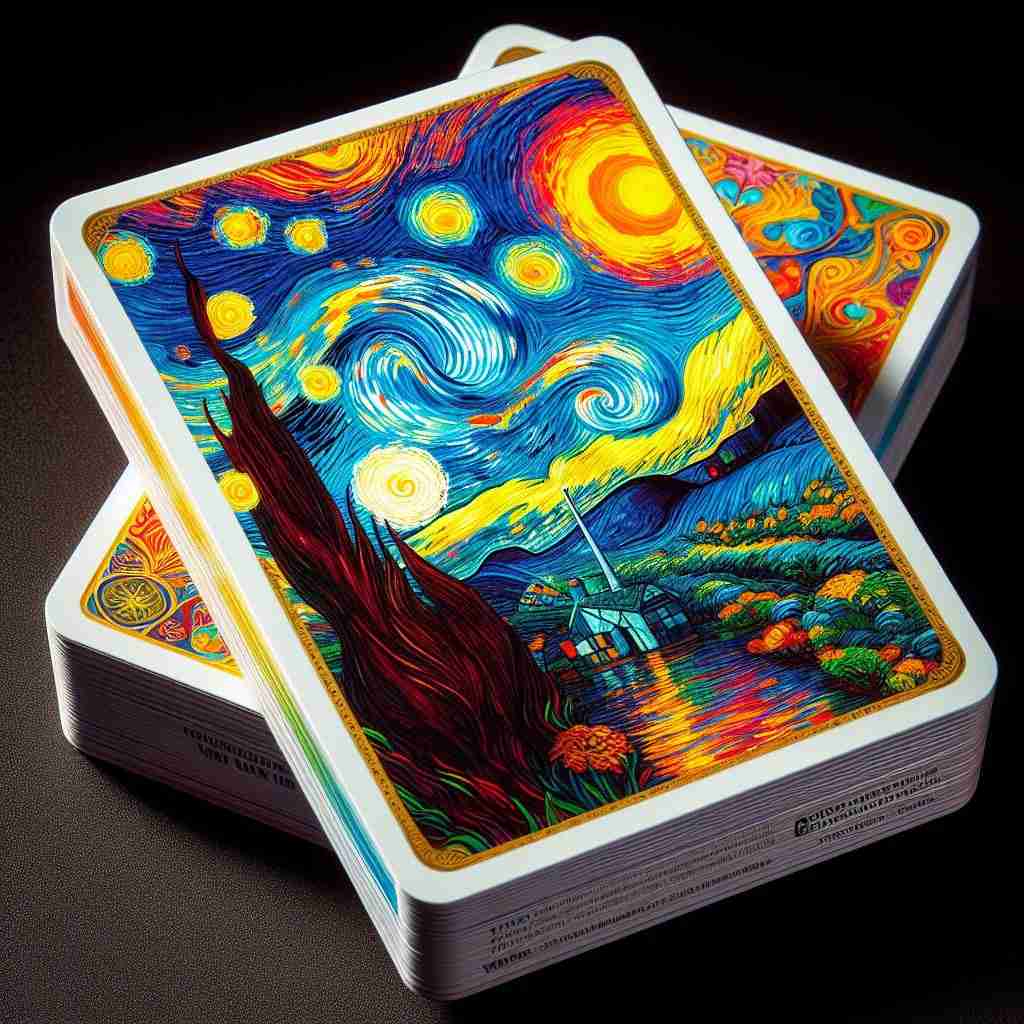
What Is A Specialty Deck And How Is It Used In Solitaire?
How Do Themed Decks Affect Solitaire Gameplay?
When I think of a classic card game like Solitaire, the first image that pops into my mind is a well-worn deck, maybe a few dog-eared corners, and a little bit of tape holding it together. But here’s the twist: imagine a world where playing a simple card game becomes a vibrant experience, all thanks to themed decks. It’s a subtle change, yet it can dramatically affect how we engage with the game.
Themed decks are all about creating an atmosphere. Picture this: you pull out a deck adorned with cosmic starfields one night, and the next day, you’re shuffling through a vivid jungle scene. Suddenly, the simple act of laying down cards becomes an adventure of its own. The playful designs can evoke memories or feelings, transforming a solitary moment into a journey through time or imagination. The aesthetics can be captivating, drawing you in, and setting the stage for what could otherwise be a straightforward game of Solitaire.
But let’s consider the gameplay too. Themed decks often come with unique artwork that could pull focus or distract you. If you’re dealing with complex visual elements, your strategy might suffer—after all, part of the allure of Solitaire is in that moment of zen when you’re solely focused on the game. The bold patterns might obscure the rank of a card, causing a momentary lapse that can send you back to square one. On the other hand, a well-designed themed deck could enhance your strategic engagement, as you find yourself motivated by the allure of its aesthetic charm.
Moreover, themed decks can serve as a conversation starter. Imagine an afternoon gathering with friends, and as you pull out a whimsical pirate-themed deck, you immediately transport everyone into a world of swashbuckling adventures. The shared experience can spark laughter, stories, and a deeper connection amongst players. Your card game no longer feels like just a game; it becomes a shared memory in the making.
Themed decks add a layer of personalization to Solitaire. They allow players to express their unique tastes while playing a classic card game. Whether they improve your strategy or simply brighten your day, themed decks remind us that even the simplest activities can be imbued with creativity and joy.

How Do Themed Decks Affect Solitaire Gameplay?
How Do Themed Decks Affect Solitaire Gameplay?
- Themed decks transform the classic card game Solitaire into a vibrant experience.
- Atmosphere is enhanced by designs, such as cosmic or jungle themes, making gameplay feel like an adventure.
- The aesthetics of themed decks can evoke memories, enriching solitary moments.
- Unique artwork on themed decks can offer both distraction and motivation in strategy.
- Themed decks can act as conversation starters, fostering connection among players during gatherings.
- They add personalization, allowing players to showcase their tastes while enjoying the game.
- Themed decks highlight that even simple activities can be filled with creativity and joy.

How Do Themed Decks Affect Solitaire Gameplay?
Are Digital Decks Better Than Physical Decks For Solitaire?
When it comes to the age-old card game of Solitaire, the debate over whether digital decks surpass their physical counterparts continues to spark passionate discussions among players. There’s something nostalgic about feeling the texture of each card as you shuffle them, the satisfying *crack* of a perfectly aligned deck, and the gentle ritual of laying them out on the table. For many, a physical deck is more than just a medium; it’s a tangible connection to a simpler time—an almost meditative experience.
However, let’s not overlook the booming wave of digital decks sweeping across our devices. You can find Solitaire at your fingertips—no need to sort through a jumble of cards or deal with pesky misplaced suits. With digital apps, the game is a single touch away, allowing for an immediate escape into the solitary world of Kings and Queens. Want to play a quick round during your lunch break? No problem! Need to reset because your last move ended in disaster? Just hit “restart,” and you’re back in business.
Speaking of efficiency, digital decks can offer features that transform the experience significantly. With built-in hints and automated shuffling, players can dive straight into strategy instead of dealing with physical constraints. They can even track your progress and offer insightful statistics. For the competitive player, such enhancements can be enlightening. Just think of it as leveling up your game! Yet, in this fast-paced digital landscape, some still argue that these features can take away from the game’s charm, reducing it to a mere exercise in tapping screens and swiping fingers.
Let’s face it; both worlds have their allure. Playing a card game like Solitaire can be a solitary reflection or an exhilarating challenge, depending on how you approach it. For some folks, the aroma of old cards and the whisper of shuffling against the grain of wood are unbeatable, while for others, instant access to technology is a blessing too good to ignore.
Ultimately, the question boils down to personal preference. Do you want the satisfying snap of a card against the table, or the sleek convenience of a touchscreen? Whether you’re aligning suits in the physical world or arranging numbers in a digital one, it’s all about finding what resonates with you. So pull up a chair, pick your deck, and let the game begin!

Are Digital Decks Better Than Physical Decks For Solitaire?
Are Digital Decks Better Than Physical Decks For Solitaire?
- The debate between physical and digital decks of Solitaire continues among players, highlighting their differing experiences.
- Physical decks provide a nostalgic, tactile experience, with the pleasure of card texture and the ritual of laying them out.
- Digital decks offer convenience, allowing players to access Solitaire instantly without dealing with card organization.
- Apps include features like hints and automated shuffling, enhancing strategy and providing insightful progress statistics.
- Some players feel that digital features can detract from the game’s charm and reduce it to a simple tapping exercise.
- Both physical and digital Solitaire can serve as either a solitary reflection or an exhilarating challenge depending on the player’s approach.
- Ultimately, the choice between physical and digital Solitaire comes down to personal preference and what resonates with each player.

Are Digital Decks Better Than Physical Decks For Solitaire?
What Are The Pros And Cons Of Using A Card Deck With Images?
When it comes to card games, there’s no shortage of ways to play, but one trend that keeps popping up is the use of card decks adorned with images. You see these colorful, vibrant designs at every corner, but before diving headfirst into the world of pictorial cards, let’s take a moment to weigh the pros and cons.
On the plus side, using a card deck with images can ignite your imagination like a firecracker on New Year’s Eve. It transforms the ordinary into the extraordinary. Instead of simple numbers and suits, you’re greeted by characters, scenes, and thematic elements that can enrich the gameplay experience. This visual representation can make it easier for players of all ages to engage. For kids, the bright imagery provides an instant connection, enhancing their recall and overall enjoyment. The storytelling aspect of these decks can turn a simple card game into a whimsical adventure, drawing players into a narrative that’s as compelling as the game itself.
Moreover, these kinds of cards often foster creativity. Players might find themselves attributing deeper meanings or crafting elaborate backstories based on the images they draw. That meandering creativity can lead to laughter, bonding moments, and a memorable experience that transcends the game itself. Plus, let’s not forget the aesthetic appeal — a deck with stunning illustrations can serve as a conversation starter, carefully curated for your living room coffee table.
Now, it’s time to flip the card over and examine some downsides. For one, an image-driven card game could invite confusion. If the character illustrations aren’t clear or intuitive, players new to the game might struggle to understand how to play, leading to frustration rather than fun. Some folks might argue that the richness of an image can distract from the game’s strategic components, making it harder to focus on winning rather than admiring the artwork.
Lastly, there’s the cost factor. These aren’t your run-of-the-mill decks. Custom designs, quality materials, and vibrant prints come with a price tag that might make you think twice. If you’re not careful, you could find yourself shelling out quite a bit for a deck that, while beautiful, may not align with the traditional, simplistic joy of the classic card game.
So, when considering a card deck with images, weigh the whimsical allure against the potential pitfalls. Whether you grab a colorful deck or stick with the classic, the important thing is to play, enjoy, and maybe learn a thing or two along the way.

What Are The Pros And Cons Of Using A Card Deck With Images?
What Are The Pros And Cons Of Using A Card Deck With Images?
- Card games increasingly feature image-adorned decks, offering a vibrant playing experience.
- Illustrated cards can spark imagination, transforming ordinary gameplay into extraordinary adventures.
- Visually engaging decks help players of all ages connect, particularly benefiting children.
- The storytelling element of pictorial cards can enhance creativity and spark memorable moments.
- However, unclear illustrations may confuse new players and detract from the game’s strategic focus.
- High-quality, custom-designed decks can be significantly more expensive than traditional options.
- Ultimately, it’s essential to balance the aesthetic appeal with the potential drawbacks when choosing a card deck.

What Are The Pros And Cons Of Using A Card Deck With Images?
Conclusion
When you think about Solitaire, you probably picture yourself alone at the kitchen table, a classic 52-card deck spread before you, engaged in a battle of wits against yourself. But let’s face it—there’s a lot more going on in the world of Solitaire, and the richness of the experience often boils down to one vital component: the deck you’re playing with. From the straightforward classic to digital options offering customizable experiences, the type of deck can shape not only the strategy but also the very atmosphere of your game.
First off, the standard deck of 52 cards is the heart and soul of most Solitaire games, including the ever-popular Klondike. But don’t let its familiarity fool you; it’s no less challenging! Every flip of a card can bring about twists and turns, strategic dilemmas, and the thrill of unexpected victories. However, if routine bores you, don’t fret. Specialty and themed decks are like a refreshing gust of wind, beckoning you to adjust your gameplay. They can be adorned with anything from fantastic creatures to modern art, adding layers of creativity to tradition. Suddenly, you’re not just stacking cards; you’re navigating a visual journey!
And then there’s the tech revolution—digital Solitaire decks that allow for a seamless game experience at the swipe of a finger. They boast built-in hints, automatic shuffling, and even statistics tracking your progress. Talk about spicing things up! For those on the go or seeking a quick brain challenge, these digital platforms offer excitement without the fuss of card retrieval or sorting—a definite bonus in our fast-paced lives.
But let’s not overlook the conversation starter aspect of these themed and digital decks. Whether you’re brandishing an artistic deck or engaging with friends during a quick handheld session, the shared laughter and memories created can elevate the experience far beyond a simple game of cards.
In conclusion, while the standard deck might serve as your trusty steed as you traverse the whimsical world of Solitaire, remember that you can always explore alternative paths. Specialty decks, themed creations, and digital interfaces can revitalize your engagement and turn the game into something truly memorable! So go ahead—shuffle those cards, embrace the variety, and embark on your next Solitaire adventure with an open heart and a eager hand. Your journey awaits!

Conclusion
Conclusion:
- Solitaire is often envisioned as a solo card game at the kitchen table, but there’s much more to it.
- The type of deck used can significantly influence the game’s strategy and atmosphere.
- The standard 52-card deck is central to most Solitaire games, including Klondike, despite its familiarity.
- Specialty and themed decks offer creativity and can refresh your gameplay experience.
- Digital Solitaire decks provide a convenient gaming experience with features like hints, automatic shuffling, and progress tracking.
- Themed and digital decks can enhance social interaction and create memorable experiences with friends.
- Exploring diverse decks and digital options can revitalize your engagement in Solitaire, making each game unique and exciting.

Conclusion
Other Resources

Other Resources
Here is a list of other resources you can review online to learn more:
- Champions of Midgard
- Sirlin Games
- Spirit Island: Branch & Claw Expansion
- Tumblr
- Plurk
- GeekWire
- Line
- Atlas Games
- Gaming Rules!
- Spades
Use This Prompt To Get More Resources With Your Favorite Online AI Tool: Please provide me with a list of online articles with their URLs in a bulleted list that I can read regarding What Types Of Decks Are Used for Solitaire Card Games?

Other Resources
Glossary Terms
What Types Of Decks Are Used for Solitaire Card Games? – Glossary Of Terms
1. Deck: A set of playing cards, typically consisting of 52 standard cards, used in card games including Solitaire.
2. Standard Deck: The most common type of deck containing 52 cards divided into four suits: hearts, diamonds, clubs, and spades.
3. Jokers: Two additional cards included in some decks; often used in variations of Solitaire but not always necessary.
4. Pinochle Deck: A deck specifically for the Pinochle game, consisting of 48 cards (two copies of the 9, 10, Jack, Queen, King, and Ace from each suit).
5. Tarot Deck: A deck used for Tarot card games that usually contains 78 cards, including 22 major arcana and 56 minor arcana cards.
6. Double Deck: A Solitaire variation played with two standard decks shuffled together for larger layouts.
7. Uno Deck: A specialized deck used for the Uno card game, comprising color-coded cards with numbers and action cards, not suitable for traditional Solitaire.
8. Face Cards: The Jack, Queen, and King cards in a standard deck, used in many Solitaire layouts for scoring and gameplay.
9. Number Cards: Cards 2 through 10 in a deck, typically used for building sequences in Solitaire.
10. Aces: The lowest cards in most card games, including Solitaire, where they often serve as the foundation for building up suits.
11. Building: The action of stacking cards in ascending or descending order within a solitaire game.
12. Foundation Pile: The area where cards of the same suit are built up from Ace to King in Solitaire games.
13. Tableau: The layout of cards in Solitaire except for the foundation and stock piles, where players manipulate the cards.
14. Stock Pile: The face-down pile from which players draw cards during gameplay in Solitaire.
15. Waste Pile: The discard pile where cards are placed after being drawn from the stock pile.
16. Klondike: A popular version of Solitaire played with a standard deck; involves building foundation stacks from Ace to King.
17. Spider Solitaire: A variant of Solitaire typically played with two decks and multiple tableau columns where the goal is to create complete sequences of cards.
18. Freecell: A solitaire variation where all cards are dealt face-up, and players use free cells as placeholders for better maneuvering.
19. Scorpion Solitaire: A single-deck variation of Solitaire that allows for flexible moves in the tableau and requires strategic stacking.
20. Yukon: A Solitaire game where the cards are dealt more freely, allowing all of the tableau cards to be visible and may be moved in groups.
21. Layout: The arrangement of cards set up for play in Solitaire, including tableau, foundations, and stock.
22. Sequence: A consecutive arrangement of cards in either ascending or descending order used to build tableau or foundation piles.
23. Tableau Columns: The vertical stacks of cards dealt out on the table at the start of a Solitaire game, used for play and organization.
24. Game Objective: The end goal of the Solitaire variant being played, typically to move all cards to the foundation stacks.
25. Shuffle: The process of randomly ordering cards in a deck before starting play.
26. Flip: Turning over a face-down card to reveal it, which is often a key action in many solitaire games.
27. Move: The act of placing one card onto another or transferring cards between the tableau and foundation in Solitaire.
28. Solitaire Variants: Different versions of Solitaire that may utilize differing rules, layouts, and deck styles (e. g. Freecell, Klondike, Spider).
29. Card Suit: The classification of cards into one of four groups: hearts, diamonds, clubs, and spades, essential for organizing and playing Solitaire.
30. End Game: The point at which the player either wins by completing their foundations or loses due to being unable to make any moves.

Glossary Of Terms
Other Questions
What Types Of Decks Are Used for Solitaire Card Games? – Other Questions
If you wish to explore and discover more, consider looking for answers to these questions:
- What are the advantages of using specialty decks in Solitaire?
- How do I choose the right deck for my Solitaire game?
- Are there specific rules associated with themed decks?
- What are the most popular themed decks available for Solitaire?
- Can I create my own deck for Solitaire?
- How do digital solitaire decks compare to physical ones in terms of user experience?
- What are some common mistakes players make when using non-standard decks?
- How do the rules change when using a smaller or larger deck?
- Are there any well-known Solitaire tournaments that use unique deck types?
- How can themed decks enhance the social aspect of playing Solitaire?

Other Questions
Haiku
What Types Of Decks Are Used for Solitaire Card Games? – A Haiku
Cards shuffled with care,
Standard, themed, or digital—
Solitaire awaits.

Haiku
Poem
What Types Of Decks Are Used for Solitaire Card Games? – A Poem
In the realm where solitary hearts play,
Forty-two cards dance, in hues of gray,
Standard decks sing of classic delight,
In suits of spades and dreams taking flight.
Yet beyond the norm, specialty decks gleam,
With themes that inspire, like a painter’s dream,
From fairy tales spun in vibrant refrain,
To cosmic journeys where cards entertain.
Keen minds may prefer the digital grace,
Where fingertips swipe in a pixelated space,
Hints at the ready, no shuffling to fear,
But tactile allure keeps the old ways near.
Oh, themed decks whisper stories untold,
Captivating hearts with colors bold,
Yet, distractions may arise from the visual spree,
As strategy ebbs, lost in artistry.
With each flip of cards, the strategies bloom,
In solitude’s grasp or a gathering’s room,
So choose your deck, be it classic or grand,
In the game of Solitaire, let your spirit expand.
Engage with each shuffle, let laughter ignite,
In card games of yore or the digital light,
For in every deck, a tale waits to unfold,
In the fabled art of solitaire, embrace the bold!

Poem
Checklist
What Types Of Decks Are Used for Solitaire Card Games? – A Checklist
1. Choosing the Right Deck
_____ Classic 52-Card Deck: Perfect for traditional solitaire variants like Klondike and Freecell.
_____ Specialty Decks: Explore decks with fewer cards (like a Piquet or Italian deck) for unique, strategic challenges.
_____ Themed Decks: Pick a deck that features artwork or themes that resonate with you (e. g. , fairy tales, sci-fi).
_____ Digital Decks: Consider smartphone or tablet apps for customizable and instant access to solitaire games.
2. Understanding Deck Variations
_____ Standard Deck Size: Remember that most solitaire games are played with a single standard 52-card deck.
_____ Game Variations: Familiarize yourself with which decks are needed for specific games (e. g. , Spider uses two decks).
_____ Non-Standard Decks: Experiment with non-traditional decks while ensuring they maintain suit and rank hierarchy.
3. Exploring Specialty Decks
_____ Artistic Engagement: Look for decks with captivating illustrations that enhance your gaming experience.
_____ Unique Rules: Try specialty decks that might introduce additional challenges or different objectives.
_____ Social Interaction: Use specialty decks to spark conversation and create memorable game nights.
4. Considerations for Themed Decks
_____ Aesthetic Impact: Assess how the visuals influence your gameplay and engagement with the game.
_____ Potential Distractions: Be aware that intricate designs might obscure card readability.
_____ Personalization: Choose themed decks that allow you to express your interests and tastes.
5. Digital vs. Physical Decks
_____ Physical Cards: Enjoy the tactile experience of handling physical cards; it’s nostalgic and immersive.
_____ Digital Convenience: Take advantage of the speed, features, and immediate access that digital decks provide.
_____ Feature Comparison: Weigh the advantages of hints, tracking, and automated features against the charm of manual gameplay.
6. Pros and Cons of Image-Driven Decks
_____ Visual Engagement: Decide if vibrant artwork enriches your experience or distracts from strategy.
_____ Clarity: Ensure imagery is intuitive enough for all players to understand without confusion.
_____ Cost Awareness: Be mindful of the price difference between standard and custom-designed decks.
7. Game Session Preparation
_____ Shuffle and Sort: Always shuffle your cards well before starting and organize them to maintain proper hierarchy.
_____ Set Ambiance: Create a comfortable gaming environment that suits the theme of the deck you’re using.
_____ Communicate Rules: If playing with variations or themed decks, clarify any unique rules with all players before starting.
Conclusion
_____ Enjoyment is Key: Focus on having fun, whether you’re playing alone or with others.
_____ Experiment: Don’t hesitate to try new decks and game styles to find what resonates best with your solitaire experience.

Checklist
At CardGameNews, we help people who love card games by collating information and news about card games.
Be sure to read our other related stories at CardGameNews to learn more about card games.


