Bridge The Gap: How Card Games Improve Intergenerational Communication
By Tom Seest
At CardGameNews, we help people who love card games by collating information and news about card games.
Be sure to read our other related stories at CardGameNews to learn more about card games.
Can Card Games Solve Generational Communication Gaps?
Picture this: A living room, bustling with energy. You’ve got grandparents reminiscing about their hay days, parents telling stories about raising you, and kids glued to their devices, eyes glazed over. Sounds familiar, right? The root of the issue lies in a generation gap—a chasm carved by different experiences, values, and, yes, communication styles. Aliens might have an easier time landing a spaceship than bridging that divide! But here’s an idea worth exploring: what if a simple card game could do the trick?
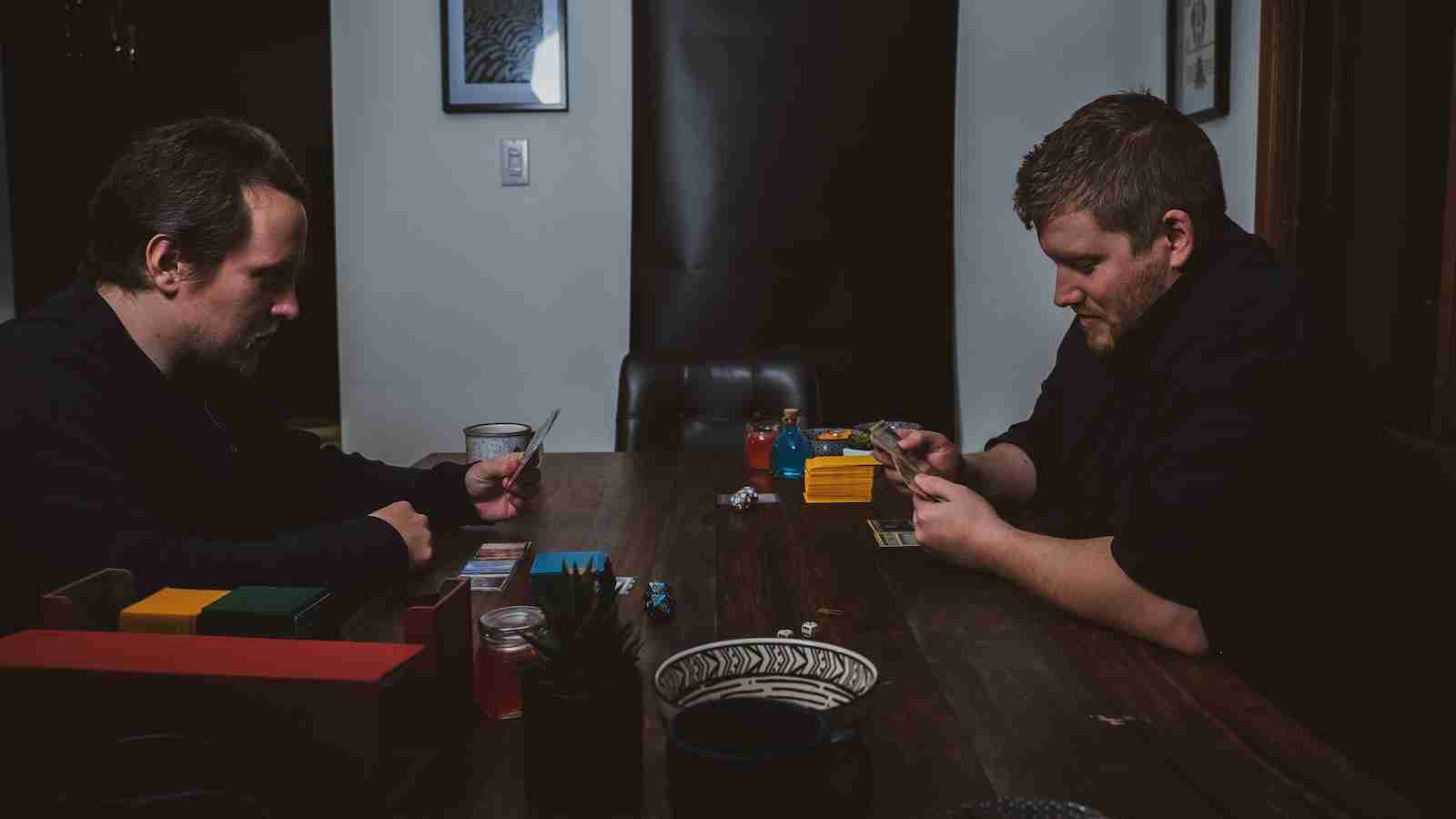
Think about it. Card games have been a staple of family gatherings for generations. They don’t demand an internet connection, they don’t need a fancy setup, and they don’t come with the need for a tutorial video. All they require is a deck of cards and a willingness to engage. Whether it’s a classic like Poker, Go Fish, or even an inventive twist you concoct yourself, the magic happens when everyone comes together around the table, laughing and sharing in the strategy and, yes, even in the loss.
Now, how exactly does this solve communication gaps? Well, when the cards hit the table, barriers dissolve. A simple card game creates a shared experience that can open up dialogues. Imagine a grandparent playing Rummy with their grandchild, explaining the rules and getting them to share their thoughts in between rounds. It’s not just a game; it’s a chance for stories to flow, for wisdom to be passed on, and for a deeper understanding to blossom— all while the stakes of the game encourage a little healthy competition.
Moreover, humor plays a significant role. You can’t help but chuckle at that epic bluff or the moment someone forgets the rules and plays out of turn. Laughter transcends age; it’s a universal language that gives rise to connection. And isn’t that the goal?
So next time you’re scrambling for ways to connect with family across generations, pull out a card game. It’s a bridge, a conversation starter, a way to foster trust and camaraderie. You never know—some of the best stories come from a simple round of cards when the stakes are a good time and the rewards are lasting connections. Embrace it, and watch the magic unfold!

Can Card Games Solve Generational Communication Gaps?
Can Card Games Solve Generational Communication Gaps?
- A lively living room scene often reflects a generational gap in communication styles and experiences.
- Card games have been a longstanding tradition at family gatherings, requiring only a deck of cards and engagement.
- Playing games like Poker or Go Fish can foster connection and interaction among family members.
- Card games facilitate shared experiences, opening channels for dialogue and storytelling between generations.
- Humor during gameplay can transcend age differences and enhance connections through laughter.
- Card games can serve as effective bridges to connect family members across generations.
- Using card games as a tool can lead to lasting memories and deeper relationships through shared experiences.

Can Card Games Solve Generational Communication Gaps?
Table Of Contents
- Can Card Games Solve Generational Communication Gaps?
- Can Card Games Improve Communication Between Generations?
- What Are The Benefits Of Playing Card Games Together?
- How Do Card Games Promote Teamwork Among Different Ages?
- Can Card Games Help Break Ice Between Older And Younger Players?
- What Types Of Card Games Are Best For Multigenerational Play?
- How Can Card Games Facilitate Family Bonding Experiences?
- Are There Specific Card Games Designed For Improving Communication?
- Conclusion
- Other Resources
- Glossary Of Terms
- Other Questions
- Haiku
- Poem
- Checklist
Can Card Games Improve Communication Between Generations?
Think back to your fondest memories as a child—perhaps a summer barbecue, laughter echoing through the air as the sun began to dip below the horizon. Now, picture a table set with your favorite card game. It’s more than just fun; it’s a meaningful ritual that, over time, has woven the threads of connection across generations. Card games act as a timeless bridge, uniting people from different walks of life and varying age brackets.
Now, I get it. In our fast-paced, tech-driven world, the thought of sitting down for a card game might seem about as appealing as watching paint dry. But let’s not dismiss the simple power of that seemingly quaint pastime. Think of those moments huddled around a table, shuffling cards, sharing laughter, and maybe even a little friendly competition. Each drawn card isn’t just a number or a suit; it’s an invitation to communicate, connect, and engage in a way that digital interactions simply can’t replicate.
When you play a card game, you invite storytelling into the mix. “Remember that time when Grandma went all-in on a bluff and lost her favorite earrings?” We’re not just playing; we’re sharing laughter, building understanding, and creating lasting memories within these exchanges. Each hand played becomes an opportunity for the older generation to pass down wisdom and experiences while younger players bring fresh perspectives to the table. It’s a delicate dance of give and take that is often missing in our daily conversations.
Now you may be wondering: how can I bring this into my life? It’s simple. Dust off that old deck of cards hidden in the back of the closet or head to your local store and pick up a new game that promises fun for all ages. Start small—maybe a casual Sunday afternoon or a family game night filled with snacks and stories. Just think about that look of surprise on your niece’s face when she realizes that Grandpa has a few tricks up his sleeve.
In a world dominated by screens and social media, reintroducing card games into family life offers a beautiful reminder of the value of face-to-face interaction. There’s something inherently magical about a card game that fosters conversation and nurtures relationships. So grab that deck of cards, gather your loved ones, and watch as connections flourish before your very eyes. Trust me—these are the moments that make life rich and meaningful.

Can Card Games Improve Communication Between Generations?
Can Card Games Improve Communication Between Generations?
- Childhood memories often include meaningful rituals, such as playing card games at gatherings.
- Card games serve as a timeless bridge, connecting people of different ages and backgrounds.
- Despite a fast-paced, tech-driven world, card games offer unique opportunities for connection and communication.
- Playing cards invites storytelling and sharing of experiences, enhancing social bonding.
- Card games allow older generations to share wisdom while younger players bring fresh perspectives.
- Reintroducing card games can be simple; starting with casual family game nights helps foster connections.
- Embracing card games nurtures face-to-face interaction and creates rich, meaningful moments in life.

Can Card Games Improve Communication Between Generations?
What Are The Benefits Of Playing Card Games Together?
Let’s face it: life can be a whirlwind. Work, family, and a thousand other obligations can make genuine connection feel more elusive than a poker face at a high-stakes table. But here’s a truth you might not have considered—nothing quite compares to the simple joy of gathering around a table for a good old-fashioned card game. There’s something downright magical about shuffling a deck, dealing out hands, and immersing yourself in a great card game with friends or family.
Whether you’re drawing a card in a casual round of classics like Uno or strategizing your next move in a complex game of Texas Hold ‘em, the benefits are bountiful. First and foremost, card games create an atmosphere of connection. They offer a break from screens and schedules, pulling everyone together in a shared experience. When you’re at the table, everyone’s on the same page, laughing, strategizing, and even competing from the comfort of your chairs. That camaraderie is what binds us as humans—creating memories that linger long after the last hand is played.
But it’s not just about bonding; it’s also about sharpening our minds. Engaging in a card game challenges your cognitive abilities. You’ll find yourself employing critical thinking, honing your memory, and practicing strategic planning, all while having a blast. Let’s not underestimate the satisfaction that comes from outsmarting your opponent with a well-timed bluff or a clever play.
And let’s not forget the pure joy of it all. The thrill of a good game can ignite laughter, spark friendly rivalry, and even provide a healthy dose of nostalgia as you revisit favorite pastimes. It’s a powerful reminder of how games bring us together, echoing memories of childhood joy when the world felt far more simple.
So why not grab a deck of cards and bring everyone together for a night filled with fun and connection? The magic is in the moments shared, the laughter exchanged, and the lessons learned about patience and perseverance. Regardless of whether you win or lose, remember: the real victory lies in being present with the people you care about. So shuffle those cards, deal the hands, and prepare for an evening that goes beyond the game—you might find unexpected treasures waiting just around the corner.

What Are The Benefits Of Playing Card Games Together?
What Are The Benefits Of Playing Card Games Together?
- Life can feel chaotic due to work, family, and obligations.
- Gathering for card games provides genuine connection and shared experiences.
- Card games encourage camaraderie and create lasting memories.
- Playing cards sharpens cognitive abilities, including critical thinking and memory.
- Enjoyment from card games can ignite laughter and friendly rivalry.
- Games evoke nostalgia, recalling simpler childhood times.
- The true joy lies in being present with loved ones, regardless of winning or losing.

What Are The Benefits Of Playing Card Games Together?
How Do Card Games Promote Teamwork Among Different Ages?
Let’s face it: when you think about teamwork, the image that conjures up might be that of a finely tuned machine—a group of professionals in suits collaborating on a big project. But here’s the twist: the real magic often happens over a simple card game. Yes, you heard right! Those plain little rectangles packed into boxes hold secrets to building bridges across generations.
Picture this: Grandma sitting at the kitchen table, shuffling the deck of cards, her laughter ringing out as the grandkids gather around, ready to engage in a friendly round of Uno. Suddenly, the age gap melts away like snow on a warm spring day. In this shared space, toddlers and retirees find common ground, strategizing and cheering each other on. A card game isn’t just a way to pass the time; it becomes a miniature arena for developing teamwork skills.
Consider the moment when the youngest player misplays a card, and instead of groans and disappointment, the older siblings offer advice and gentle encouragement. Their cooperation ignites an understanding that collaboration isn’t just about competing. It’s about lifting each other up, supporting one another’s strengths, and even laughing off a misstep. Isn’t that a lesson we could all use, especially in a world that sometimes feels fragmented?
When we sit down for a card game, we step into a shared experience that transcends words. Communication happens not just verbally but through glances, hand gestures, and the shared excitement of a well-played move. As the cards are dealt, the players, regardless of age, learn to rely on one another. They develop trust—not just in the game but in each other. This bonding moment, a dance of strategy and social interaction, translates into a more profound sense of unity.
Moreover, the diverse skill sets that each generation brings into the game act like puzzle pieces fitting together. The little ones often flaunt their boundless creativity, while the older members weave in their accumulated wisdom and tactical skills. The outcome? A richer game that serves as a microcosm of teamwork—one where everyone contributes something unique.
So next time you’re pondering how to foster more connection between different ages, why not pull out a deck of cards? Because sometimes, the most valuable lessons in teamwork come from the most unassuming places—like a friendly card game. Embrace the laughter, the strategy, and watch how connection naturally unfolds.

How Do Card Games Promote Teamwork Among Different Ages?
How Do Card Games Promote Teamwork Among Different Ages?
- Teamwork often evokes images of professionals collaborating, but genuine connections can occur during simple activities like card games.
- Engaging in a card game with family can bridge age gaps, allowing different generations to bond over shared experiences.
- Card games serve as a platform for developing teamwork skills, encouraging support and cooperation among players.
- Positive interactions, such as offering advice after a mistake, demonstrate that collaboration is about lifting each other up rather than competing.
- Playing cards fosters non-verbal communication through gestures and shared excitement, building trust among participants.
- Generations bring diverse skills to the game, combining creativity and wisdom to enhance the overall experience.
- The next time you seek to connect across ages, consider using a deck of cards to facilitate teamwork and enjoyment.

How Do Card Games Promote Teamwork Among Different Ages?
Can Card Games Help Break Ice Between Older And Younger Players?
Let’s face it: generations can feel like they live in different worlds. If you’ve ever witnessed a younger crowd bustling with enthusiasm, earbuds firmly in place, you might have wondered if you even speak the same language. Meanwhile, the older folks chuckle with stories of simpler times and games that required little more than a deck of good ol’ playing cards. But here’s the kicker: a card game can serve as the ultimate social glue, effortlessly bridging the generation gap in ways you might not expect.
Picture this: a cozy living room where the aroma of freshly brewed coffee mingles with the scent of adventure in the air. Gathered around a table, a handful of eager players—some with hair as gray as the clouds, others with wild color schemes that even a rainbow would envy—hold a deck of cards. Just like that, the tension starts to melt. With a shuffle and a deal, you’re thrust into a world where age becomes irrelevant, and laughter takes precedence.
What is it about this simple activity that fosters connection? Perhaps it’s the way card games fuel a sense of camaraderie, encouraging both sides to share anecdotes and pick up on the rhythms of one another’s lives. An older player might reminisce about the good ol’ days of playing Hearts on summer nights, while a younger participant excitedly explains the latest twist on Uno. The clashing of their stories creates a rich tapestry of shared experiences, binding them closer together.
And let’s not overlook the confidence that comes from participating in a lively card game. The younger players, often anxious and unsure, gain a deeper understanding of their older counterparts—not as authority figures but as fellow enthusiasts who know how to play the game and have a few tricks up their sleeves. Meanwhile, older veterans rediscover that youthful spark, realizing that enthusiasm isn’t bound by age but is instead a shared language whispered across generations.
So, as you sit down for your next gathering, consider dusting off that deck of cards. You’ll quickly find that in the world of gaming, everyone has a seat at the table. Playing a card game isn’t just about drawing the right card; it’s about drawing closer together, and sometimes that’s the best hand you can play. Grab your cards, roll up your sleeves, and let the games begin!

Can Card Games Help Break Ice Between Older And Younger Players?
Can Card Games Help Break Ice Between Older And Younger Players?
- Generations often feel disconnected, living in different worlds.
- Card games can bridge the generational gap and foster social connections.
- Gathering around a table with cards creates an atmosphere of camaraderie.
- Sharing stories during card games allows for rich interactions across ages.
- Younger players gain confidence and understand older players as fellow enthusiasts.
- Older players rediscover youthful enthusiasm and the joy of sharing experiences.
- Playing card games brings everyone together, making it a valuable social activity.

Can Card Games Help Break Ice Between Older And Younger Players?
What Types Of Card Games Are Best For Multigenerational Play?
Let’s face it, folks—we don’t always think about card games, but they have this magical ability to bridge generations. Picture this: a grandmother, a teenager, and an uncle gearing up for a card game, each with their own flavor of laughter, strategy, and maybe a hint of playful banter. The beauty of card games lies in their simplicity and adaptability, making them perfect for players of all ages.
So what card game brings everyone together? Look at classics like Uno or Go Fish. These games are not just about winning but creating a tapestry of memories shared around a table. Uno’s colorful cards are a riot, especially when that “Draw Four” comes into play. Laughter erupts, and suddenly you’re not just playing a card game; you’re creating an atmosphere where everyone feels included, regardless of age or skill level.
Then there’s Crazy Eights—another favorite that spans decades. The rules are easy to grasp, and the twists can surprise even the most seasoned players. What I love about this game is how it encourages adaptability. You can teach a six-year-old or an octogenarian the ropes, and everyone walks away with a sense of accomplishment.
For those wanting a bit more structure, consider Rummy or Hearts. These games require a dash of strategy and a sprinkle of finesse, and they often lead to deeper conversations. Picture the seasoned card shark teaching the basics to a young nephew, sparking debates about the best moves or strategies—now that’s connection!
Don’t overlook the thrill of a good game of Poker, too. You don’t need to be playing for high stakes to feel the adrenaline rush. A friendly family tournament invites everyone to showcase their skills and their personalities. Plus, it’s a fantastic way to teach critical thinking and patience—all in good fun, I promise!
In short, the best card games for multigenerational play are the ones that encourage interaction without putting anyone on the spot. So gather your family, shuffle those decks, and dive into the world of card games. Your living room can transform into a hub of laughter, storytelling, and bonding, creating lasting memories with each deal. Remember, it’s not just about the cards; it’s about coming together. Now that’s worth playing for!

What Types Of Card Games Are Best For Multigenerational Play?
What Types Of Card Games Are Best For Multigenerational Play?
- Card games have a unique ability to connect generations.
- Games like Uno and Go Fish are great for fostering memories and laughter.
- Crazy Eights is simple and encourages adaptability for all ages.
- Rummy and Hearts add structure and strategy, enhancing conversations.
- Poker can be played casually, promoting critical thinking and patience.
- The best card games encourage interaction and inclusivity without pressure.
- Playing card games creates bonding experiences and lasting memories.

What Types Of Card Games Are Best For Multigenerational Play?
How Can Card Games Facilitate Family Bonding Experiences?
Let’s face it: life is busy. Work, school, chores, that constant buzz of technology—it can feel like everyone in the family is living in their own little world. But what if I told you that one simple card game could change all that? Picture this: a rainy afternoon, the hustle and bustle outside muted by drizzles. You gather around the dining room table, with snacks at the ready and a deck of cards in hand. Suddenly, the distractions fade and the laughter begins to flow.
Card games do more than just pass the time; they create a social glue that can bond families together in the most delightful way. Think about it. When you’re engaged in a friendly competition, there’s an element that springs to life—a shared experience that transcends daily grinds. Whether it’s a classic game of Go Fish or something a bit more strategic like Rummy, these card games forge connections, spark conversations, and often, unleash hilarity as family members unleash their inner card shark.
Beyond just killer competition, card games offer an arena for valuable life lessons. As each player takes their turn, kids learn patience, strategy, and even sportsmanship—how to win graciously and lose with dignity. And let’s not overlook the boost to cognitive skills, with counting, memory recall, and critical thinking all getting a workout. When these moments happen together, they weave memories that linger long after the cards are put away.
Moreover, in a world of screens, a simple card game brings everyone to the same table, literally. Instead of just thumbs hovering over screens, you have voices mingling with laughter, eyes lighting up from unexpected plays, and smiles emerging from shared victories—and defeats. It’s hard to forge deep connections through emojis and likes. The authenticity of face-to-face time can’t be overstated—it’s where trust is built and bonds solidify.
So, dust off that deck of cards you have stashed away, or pick up a new one. Set aside those busy schedules and create pockets of time for family game nights. Make it a ritual. You’ll find that through the shuffle of the cards and the thrill of each round, not only will you sharpen your gaming skills, but you’ll also fortify the ties that hold your family together. Give it a shot! It’s about more than just cards; it’s about crafting memories that will last a lifetime.

How Can Card Games Facilitate Family Bonding Experiences?
How Can Card Games Facilitate Family Bonding Experiences?
- Life can feel chaotic with work, school, and technology creating distractions.
- A simple card game can bring families together and foster connections.
- Engaging in friendly competition during card games enhances shared experiences.
- Card games teach valuable life lessons, including patience, strategy, and sportsmanship.
- Playing card games boosts cognitive skills such as counting, memory, and critical thinking.
- Face-to-face interactions during card games strengthen relationships and communication.
- Creating a family game night tradition can lead to lasting memories and deeper bonds.

How Can Card Games Facilitate Family Bonding Experiences?
Are There Specific Card Games Designed For Improving Communication?
Ah, card games. Those timeless treasures of our living rooms, basements, and even late-night campfire circles. But let’s look beyond just the fun and competition—let’s delve into how some card games are specifically designed to boost our communication skills. Yes, you heard me right! There really are card games out there that encourage us to connect, collaborate, and speak our minds in ways that simple chit-chat can’t quite capture.
Imagine gathering friends or family around a table, a deck of cards in hand, laughter in the air, and a bit of playful tension building as you navigate through challenges together. You see, card games provide a unique structure that prompts us to engage in conversations, negotiate, and, sometimes, even resolve conflict—all wrapped up in the guise of fun. Whether it’s a classic favorite or a modern twist, finding the right card game can be the catalyst for deeper connections.
Take “The Voting Game,” for example. An ingenious way to explore your friends’ quirks and secrets! As players answer questions about one another, it becomes a delightful—and sometimes eye-opening—experience. You might discover that your laid-back buddy is secretly passionate about vintage style, or that your easygoing neighbor has grand dreams of travel. This card game encourages discussion and personal storytelling, shining a spotlight on the uniqueness of every player.
Another great option is “Codenames.” Now, this gem of a card game isn’t just about wordplay; it’s about teamwork and clever communication. As you and your partner strategize to guess words, you’ll find yourselves refining how you relate ideas, all while holding the laughter at bay as the competition heats up. You’ll not only strengthen your partnership but also leave with a better understanding of each other’s thought processes.
So, if you’re looking for a new way to foster communication—be it with family, friends, or even co-workers—consider reaching for a card game. It’s about more than just winning; it’s about learning how to listen, express, and connect. Life is far too short for dull conversations, and who would want that, anyway? Grab a deck, shuffle it up, and prepare to dive into a world of fun that just might bring you closer to those you hold dear. It’s all about building bridges, one hand of cards at a time.

Are There Specific Card Games Designed For Improving Communication?
Are There Specific Card Games Designed For Improving Communication?
- Card games are not just for fun and competition; they can enhance communication skills.
- They create a platform for players to engage in conversations, negotiate, and resolve conflicts.
- “The Voting Game” helps players discover friends’ secrets and encourages personal storytelling.
- Players might uncover unexpected passions and dreams through gameplay.
- “Codenames” focuses on teamwork and clever communication, enhancing understanding between players.
- Card games offer a new way to foster communication among friends, family, or co-workers.
- Playing card games can lead to deeper connections and more meaningful conversations.

Are There Specific Card Games Designed For Improving Communication?
Conclusion
Let’s take a moment and reflect on what we’ve explored here. In a world that often feels divided by age, experience, and those pesky generational differences, we find a beacon of hope in something as simple as a deck of cards. Yes, it’s true—card games hold a unique power to bridge gaps that seem insurmountable. Imagine gathering the entire family around the kitchen table, each person holding a hand of cards—not just as a means to pass the time, but as a glue that binds them together.
Here’s the thing: whether you’re playing Go Fish with your five-year-old nephew or engaging in a high-stakes poker face-off with Grandma, those card games are wellspring moments. They cultivate laughter, stories, and yes, even a healthy dose of competition, creating a tapestry of memories that resonate across generations. In each deal and shuffle, we discover more than just strategies; we uncover life lessons that can help us navigate the tangled web of human relationships.
And let’s not gloss over the added benefit to our cognitive skills. Every hand played is an exercise in critical thinking, memory recall, and social interaction. A game of Rummy or Uno isn’t just a chance to win; it’s about learning patience, sportsmanship, and forging connections that can last a lifetime. Think of it as a workout for the soul!
The magic happens when both the young and old come together, sharing not just laughs, but insights and strategies. It’s a dance of collaboration, with each player bringing their unique flair to the table, reminding us that we are all part of this wonderful tapestry of life—rediscovering camaraderie and trust through a few simple rounds of cards.
So, my friends, the next time you’re scratching your head about how to bridge that generational divide, remember: the answer might just lie in a deck of cards. Retrieve that dusty old pack lurking at the back of your closet or pick up a fresh one, gather the family, and let those cards fly. Who knows? You might just find that some of life’s richest connections and enduring moments await you that day, all thanks to the timeless appeal of a good old-fashioned card game. The real victory, as it turns out, is in the shared experience, the laughter, and the bonds we create—because that’s the hand we all want to play.

Conclusion
Conclusion:
- Card games act as a bridge to connect people across different ages and experiences.
- Gathering family around a table for card games fosters bonding and togetherness.
- Playing games generates laughter, storytelling, and healthy competition, creating lasting memories.
- Card games offer valuable life lessons that enhance understanding of human relationships.
- Engagement in card games boosts cognitive skills like critical thinking, memory recall, and social interaction.
- Collaboration between young and old during games cultivates camaraderie and trust.
- Rediscovering the joy of card games can lead to meaningful connections and shared experiences.

Conclusion
Other Resources

Other Resources
Here is a list of other resources you can review online to learn more:
- Serious Poulp
- deviantART
- Scoop.It
- Level 99 Games
- Google My Business
- Paizo Publishing
- Memoir ’44: Pacific Theater
- Spirit Island
- Mage Wars Arena
- Viticulture Essential Edition
Use This Prompt To Get More Resources With Your Favorite Online AI Tool: Please provide me with a list of online articles with their URLs in a bulleted list that I can read regarding Can Card Games Solve Generational Communication Gaps?

Other Resources
Glossary Terms
Can Card Games Solve Generational Communication Gaps? – Glossary Of Terms
1. Card Games: Competitive games played with a set of playing cards, often designed to be social and engaging among players.
2. Generational Communication: The interaction and understanding between individuals of different age groups, often influenced by cultural, technological, and social changes.
3. Communication Gap: A disconnect in understanding, language, or social cues between individuals or groups, often tied to age or generational differences.
4. Social Interaction: Engaging with others through conversation, activity, or games, essential for building relationships and understanding.
5. Empathy: The ability to understand and share the feelings of another, critical for bridging communication gaps between generations.
6. Icebreaker: An introductory activity designed to facilitate conversation and ease tensions, particularly useful in starting intergenerational dialogue.
7. Cognitive Engagement: Involvement in mental activities that stimulate thought processes, often enhanced by strategic card games.
8. Nostalgia: A sentimental longing for the past, often a powerful tool in connecting individuals from different generations through shared memories.
9. Collaborative Play: Engaging in games where players work together towards a common goal, fostering teamwork and understanding.
10. Strategy: A plan of action designed to achieve a specific goal in a game, which can highlight different generational approaches to problem-solving.
11. Communication Styles: The distinct ways individuals express and interpret messages, which can vary significantly across generations.
12. Cultural References: Allusions to shared knowledge or experiences that may differ widely among generations and affect understanding.
13. Facilitated Discussion: A structured conversation led by a mediator to ensure that all voices are heard, often following gameplay to reflect on experiences.
14. Playfulness: An approach that embraces fun and enjoyment, crucial for lowering barriers in communication between generations.
15. Trust Building: The process of establishing a safe environment where individuals feel valued, encouraging open communication.
16. Interpersonal Skills: Skills used to interact effectively with others, vital for navigating communication across different age groups.
17. Nonverbal Communication: The transmission of messages or information without words, often through body language or facial expressions.
18. Adaptability: The ability to adjust one’s approach or communication style to fit the audience or situation, particularly important in intergenerational contexts.
19. Team Dynamics: The interactions and behaviors among team members during collaborative tasks, which can reveal generational differences in teamwork.
20. Cross-Generational Play: Engaging individuals from different age groups in gameplay, encouraging interaction and understanding.
21. Feedback Loop: The process of offering and receiving input based on actions, critical for improving communication and understanding.
22. Active Listening: Fully concentrating on what is being said rather than just passively hearing the message, essential for effective dialogue.
23. Memory Games: Card games designed to stimulate memory recall, often fostering shared stories and experiences across generations.
24. Conflict Resolution: Techniques used to resolve disagreements or misunderstandings that often arise due to communication gaps.
25. Inclusivity: The practice of ensuring all individuals feel welcome and valued in communication and activities, especially in diverse age groups.
26. Educational Games: Games designed to teach specific skills or knowledge, which can be tailored to bridge generational learning differences.
27. Engagement: The level of participation and involvement an individual has in an activity, which can impact communication efforts.
28. Generational Values: The beliefs and principles that guide behavior among different age groups, influencing communication styles.
29. Shared Experiences: Common events or activities that create bonds and references among individuals, facilitating better understanding.
30. Legacy: The transmission of knowledge, values, or traditions from one generation to another, often explored through storytelling in games.

Glossary Of Terms
Other Questions
Can Card Games Solve Generational Communication Gaps? – Other Questions
If you wish to explore and discover more, consider looking for answers to these questions:
- What are some specific card games that are effective for intergenerational communication?
- How can parents introduce card games to their children to foster better communication?
- What are the key skills children can learn from playing card games with older generations?
- How often should families play card games to maintain strong connections?
- Are there studies or research supporting the idea that card games improve communication skills?
- What tips do you have for breaking the ice with family members who are hesitant to play card games?
- How do cultural differences play a role in card game preferences across generations?
- Can card games be used to resolve conflicts within a family setting?
- If so, how?
- What are some creative variations of traditional card games to make them more engaging for younger players?
- How can families incorporate card games into their weekly routines for better bonding?

Other Questions
Haiku
Can Card Games Solve Generational Communication Gaps? – A Haiku
Cards in hand, we laugh,
Generations bridge the gap—
Stories shared in games.

Haiku
Poem
Can Card Games Solve Generational Communication Gaps? – A Poem
In a bustling room where stories blend,
Where laughter echoes and soft rumbles send,
Generations gather, a vibrant array,
Yet a chasm of silence can often betray.
What if the answer was simple and clear?
A deck of cards could draw everyone near,
No screens to distract, no videos bright,
Just hearts that connect in the warm candlelight.
From Go Fish to Rummy, the games take their stage,
Bringing comfort and joy, breaking down every age.
In playful banter, old tales intertwine,
As wisdom and youth both share and align.
The shuffle of cards starts a dance of delight,
In friendly competition, the spirits ignite.
With laughter as fuel, they draw ever closer,
Each hand a chance for bonds to grow cozier.
Here, patience is learned; strategy too,
As skills sharpen daily beneath skies so blue.
It’s not just the games, but the moments they share,
A tapestry woven with kindness and care.
So gather your family, dust off that deck,
Let’s bridge the divide that we tend to neglect.
For amidst all the chaos, while screens may distract,
It’s the magic of cards that keeps connections intact.
In games we find stories, in laughter we trust,
Building trust in each play, in each eager thrust.
Embrace every moment, don’t let them slip away,
For the ties that we nurture will forever sway.
So shuffle those cards, let the memories flow,
In the dance of the game, we’ll discover and grow.
Generations together, hand in hand they will stand,
Bridging the gaps with a simple card hand.

Poem
Checklist
Can Card Games Solve Generational Communication Gaps? – A Checklist
Preparing for Family Card Game Night
1. Gather Supplies
_____ Find a deck of cards. (Consider classics like Uno, Go Fish, or Crazy Eights for starters. )
_____ Prepare snacks and drinks to make the environment inviting.
2. Choose the Right Games
_____ Identify card games suitable for all ages.
_____ Consider a mix of simple games (e. g. , Go Fish) and more strategic games (e. g. , Rummy, Hearts).
Setting the Atmosphere
3. Create a Comfortable Space
_____ Arrange seating around a table to encourage eye contact and interaction.
_____ Reduce distractions (e. g. , turn off televisions, silence devices).
4. Build Excitement
_____ Share the plan in advance to generate enthusiasm among family members.
_____ Maybe tease some friendly competition or family stories that may come up during the games.
Facilitating Interaction
5. Encourage Storytelling
_____ Prompt older players to share stories related to the game (e. g. , past experiences or strategies).
_____ Encourage younger players to share their own thoughts and ideas about the game.
6. Foster Teamwork
_____ Suggest games that require collaboration or communication (e. g. , Codenames).
_____ Celebrate efforts, wins, and even losses to encourage a supportive atmosphere.
Gameplay
7. Engage with Humor
_____ Encourage humor during gameplay to ease tensions and foster enjoyment (e. g. , laugh at blunders or misplays).
_____ Make playful banter a regular part of your family card nights.
8. Adapt and Be Flexible
_____ Be open to switching games if one isn’t resonating with the group.
_____ Allow younger players to teach rule variations or new games they enjoy to promote inclusivity.
After the Game
9. Reflect and Discuss
_____ After the game, spend a few minutes discussing what players enjoyed or learned.
_____ Ask everyone to share their favorite moment of the game to reinforce bonds.
10. Make It a Tradition
_____ Plan regular card game nights to reinforce connections.
_____ Rotate game selections to keep things fresh and engage everyone’s interests.
Conclusion
11. Celebrate the Connections Made
_____ Acknowledge the time spent together and the stories shared as valuable.
_____ Consider documenting favorite memories from game nights in a family scrapbook or journal.
By following this checklist, you can create meaningful connections and strengthen relationships across generations in your family through the power of card games! Enjoy the moments and the laughter that comes along with them.

Checklist
At CardGameNews, we help people who love card games by collating information and news about card games.
Be sure to read our other related stories at CardGameNews to learn more about card games.