

Mastering The Art Of Card Game Analysis
By Tom Seest
At CardGameNews, we help people who love card games by collating information and news about card games.
Be sure to read our other related stories at CardGameNews to learn more about card games.
What Skills Are Needed for Comparing Card Games?
When it comes to comparing card games, the very first skill that jumps to the forefront is critical thinking. You can’t just shuffle the deck and hope for the best; you need to analyze the intricacies of each game. Which games rely on luck, and which ones demand strategy? Understanding the fundamental mechanics—such as the rules, objectives, and player interactions—helps you peel back the layers and see what makes each game tick. A well-honed ability to sift through the nuances will guide you through the often chaotic landscape of card gaming.
Next, a dose of patience is essential. Comparing card games is not a sprint but a marathon. You’ll find that some games can be learned in a snap, while others require considerable time and dedication. Being able to take a step back and really absorb the experiences, rather than rushing to conclusions, can make all the difference in your understanding. You want to immerse yourself in various settings and play styles, giving each game the time it deserves before forming an opinion.
Social perception also plays a crucial role. Card games are inherently social activities—players often learn about the games based on their interactions with others. You need to be able to read the room, picking up on the preferences and reactions of different players. Some folks thrive on competitive tension, while others prefer a lighthearted atmosphere. The ability to empathize and recognize these differences helps in evaluating not just the mechanics of the game, but also the overall experience for the players involved.
Another invaluable skill is adaptability. Trends in card games can swing like a pendulum—from classic games making a resurgence to avant-garde designs blowing through the industry. You need to keep your ear to the ground, ready to pivot your comparisons based on what resonates with players. This includes being open to new formats, genres, and styles that might not fit neatly into your previous categorizations.
Lastly, a touch of creativity doesn’t hurt. Some card games push boundaries with unique themes and concepts. Approaching card game comparisons with an imaginative mindset can lead to deeper insights, especially when exploring how different games reflect cultures, histories, and even social commentary.
Sharpening these skills transforms a simple comparison of card games into an engaging exploration of strategy, social dynamics, and creativity—a journey worth every hand dealt.

What Skills Are Needed for Comparing Card Games?
What Skills Are Needed for Comparing Card Games?
- Critical thinking is essential for analyzing card games, distinguishing between luck and strategy.
- Understanding fundamental mechanics like rules, objectives, and player interactions helps in evaluating games.
- Patience is vital; some games can be quickly learned, while others require time and dedication.
- Social perception influences gameplay, as players learn through interactions and different atmospheres.
- Adaptability is important due to changing trends in card games and the emergence of new formats and styles.
- Creativity enhances insights, especially in understanding themes and cultural reflections in games.
- Developing these skills enriches the experience of comparing card games, turning it into a profound exploration.

What Skills Are Needed for Comparing Card Games?
Table Of Contents
- What Skills Are Needed for Comparing Card Games?
- What Basic Knowledge Of Card Games Is Necessary?
- How Do Rules Influence Skill Levels?
- What Strategic Thinking Skills Are Essential?
- How Important Is Probability And Statistics In Card Games?
- What Role Does Decision-Making Play In Comparing Games?
- How Can Analytical Skills Enhance Game Comparisons?
- What Social Skills Impact The Enjoyment Of Card Games?
- How Does Experience Affect Skill In Card Games?
- What Skills Are Needed For Understanding Card Game Design?
- How Can Players Evaluate The Competitiveness Of Different Games?
- Conclusion
- Other Resources
- Glossary Of Terms
- Other Questions
- Haiku
- Poem
- Checklist
What Basic Knowledge Of Card Games Is Necessary?
When it comes to diving into the world of card games, you don’t need to be a math whiz or a seasoned gambler to get your feet wet. A solid grasp of a few foundational concepts can make all the difference between feeling like a total fish out of water and playing like a pro. Let’s break it down.
First and foremost, you need to familiarize yourself with the different types of card games out there. From classic games like Poker and Bridge to more casual ones like Go Fish and Crazy Eights, each game has its own set of rules and strategies. Understanding the objective of each game is crucial—whether it’s collecting the most cards, achieving a certain point total, or simply having the best hand. Take a moment to read the rulebook or watch a tutorial. You’ll thank yourself later.
Next, get comfortable with the deck itself. A standard deck consists of 52 cards, divided into four suits: hearts, diamonds, clubs, and spades. Within those suits, you’ve got numbered cards ranging from 2 to 10, as well as face cards: Jacks, Queens, Kings, and Aces. Each card has its own rank and value depending on the game being played. For instance, an Ace can be the highest or the lowest card, depending on the context—know when to play it right!
Understanding the concept of turns and the flow of a game is also fundamental. Some games involve multiple players acting simultaneously, while others require a sequential order—turn-taking, if you will. Knowing when it’s your turn to act, whether that involves drawing a card, betting, or laying down a set, keeps the game flowing smoothly and prevents any awkward pauses that can kill the vibe.
Speaking of flow, familiarize yourself with basic terminology. Words like “fold,” “bluff,” “draw,” and “discard” are the lifeblood of many games. It may sound daunting at first, but once you know your lingo, you’ll gain confidence and find it easier to engage in conversation about strategy with other players.
Lastly, remember that card games are as much about social interaction as they are about strategy. Often, the joy of playing comes from the camaraderie and banter shared around the table. So, keep it light, have fun, and don’t be afraid to make mistakes. Every champion was once a novice, and you’ll learn as you go. With this basic knowledge in your back pocket, you’re ready to shuffle up and deal!

What Basic Knowledge Of Card Games Is Necessary?
What Basic Knowledge Of Card Games Is Necessary?
- You don’t need to be an expert to enjoy card games; a few foundational concepts can enhance your experience.
- Familiarize yourself with different types of card games, from Poker and Bridge to casual games like Go Fish and Crazy Eights.
- Understand the objectives of each game, including points, collections, or having the best hand.
- Get comfortable with a standard 52-card deck, including suits and card values, with Aces having varying ranks based on the game.
- Learn the flow of a game, including turn-taking and when to take actions like drawing or betting.
- Master basic terminology such as “fold,” “bluff,” “draw,” and “discard” to engage in strategic conversations.
- Enjoy the social aspect of card games; embrace fun, camaraderie, and learning from mistakes as you play.

What Basic Knowledge Of Card Games Is Necessary?
How Do Rules Influence Skill Levels?
Let’s face it: rules have a funny way of shaping not just what we can do, but how well we do it. The world is a complex machine, and rules are the gears that keep it running smoothly. Whether in sports, the workforce, or any hobby you can think of, they serve as the framework that hones our abilities. But why are rules so crucial to developing skill levels?
First off, rules establish boundaries. They define acceptable behaviors, create a level playing field, and help eliminate chaos. Think about it—when you learn how to ride a bike, there’s an unwritten rule about maintaining balance. Straying from that core principle usually results in a trip to the pavement. By adhering to established guidelines, we can push the envelope of our skills while minimizing risk. In a way, rules become the safety net that allows us to explore and grow without the fear of crashing and burning—literally or metaphorically.
Take competitive sports, for example. Each sport has its own set of rules, and they do more than just govern play; they elevate performance. In basketball, the three-point line encourages players to develop long-range shooting skills, fundamentally changing how the game is played. These rules inspire creativity and force athletes to innovate within the confines of the game. They either rise to the occasion or fall flat—but either way, the process fosters improvement.
Now, let’s shift our focus to the workplace. Many jobs come with a set of guidelines, regulations, and best practices designed to ensure efficiency and safety. Embracing these structures doesn’t stifle creativity; it redirects it. Think about skilled trades like plumbing or electrical work. The rules inform the safest and most effective practices, allowing workers to refine their craft. It takes time, effort, and adherence to these standards to turn a novice into a master.
But that doesn’t mean we should treat rules as hard-and-fast commandments. Sometimes, breaking the mold can lead to remarkable breakthroughs. A skilled artisan may have their own methods that defy conventional wisdom. They understand the rules well enough to know when it’s time to bend them, blending creativity with foundational knowledge to produce innovative results.
Rules—and adherence to them—create a foundation upon which skill levels can rise. They guide us, challenge us, and, ultimately, push us to be better at what we do. So whether you’re riding a bike, shooting hoops, or wiring a house, remember that rules are not just limitations—they’re launching pads for skill and mastery.

How Do Rules Influence Skill Levels?
How Do Rules Influence Skill Levels?
- Rules shape performance and skill development across various activities, including sports and the workforce.
- They establish boundaries that define acceptable behaviors and create a level playing field, minimizing chaos.
- Adhering to rules enables skill exploration while reducing the risks of failure or injury.
- In sports, rules like the three-point line encourage athletes to innovate and improve their skills.
- Workplace guidelines and regulations enhance efficiency and safety while redirecting creativity.
- While rules are important, knowing when to bend them can lead to innovative breakthroughs.
- Overall, rules provide a foundation for skill enhancement and mastery in various endeavors.

How Do Rules Influence Skill Levels?
What Strategic Thinking Skills Are Essential?
When it comes to strategic thinking, it’s not just about sitting down with a cup of coffee and brainstorming big ideas. It’s about diving into the muck and mire of reality, rolling up your sleeves, and wrestling with some serious challenges. Real strategic thinkers possess a unique toolbox of skills that allow them to sift through complexity and emerge with actionable insights. Let’s take a closer look at the essential skills that set these thinkers apart.
First and foremost, analytical skills are crucial. This isn’t just about number-crunching or pie charts—it’s the art of understanding what those numbers really mean in context. Strategic thinkers can take a heap of data, pull it apart, and find the underlying patterns that others might miss. They can differentiate between correlation and causation, and, quite frankly, that’s a game-changer in making informed decisions.
Next up is creative problem-solving. Now, I’m not talking about painting a masterpiece or composing a symphony. This is about looking at a problem from every angle, abandoning the traditional pathways, and coming up with solutions that might initially seem a bit outlandish. It’s about thinking outside the box, or maybe even throwing the box away altogether. In a world laden with challenges, creativity can turn an obstacle into a stepping stone.
Then, there’s the need for strong communication skills. In strategic thinking, it’s not just what you say; it’s how you say it. A strategic thinker must be adept at breaking complex ideas into bite-sized portions that anyone can understand. They need to articulate their vision, rally the troops, and ensure that everyone is marching to the same beat. A well-articulated strategy can mean the difference between a great idea and a great idea that actually gets implemented.
Moreover, emotional intelligence cannot be brushed aside. Understanding the nuances of human behavior, recognizing emotions, and managing relationships are all part of the strategic landscape. A leader who can read the room and motivate a team, even in tough times, weaves resilience into their strategic fabric.
Lastly, adaptive thinking is an invaluable asset. The world is unpredictable—what worked yesterday might not work today. Strategic thinkers must be willing to pivot and adapt plans based on new information or changing circumstances. This fluidity is essential for navigating the rocky waters of innovation and competition.
So there you have it. Mastering these skills won’t just help you in strategy—it’ll help you engage with the world in a more meaningful way. Strategic thinking isn’t about having all the answers; it’s about having the tools to find them.

What Strategic Thinking Skills Are Essential?
What Strategic Thinking Skills Are Essential?
- Strategic thinking involves tackling real-world challenges, not just brainstorming ideas.
- Analytical skills are vital for understanding data context and revealing patterns.
- Creative problem-solving encourages viewing problems from multiple angles and unconventional solutions.
- Strong communication skills help articulate complex ideas clearly and effectively.
- Emotional intelligence is important for understanding human behavior and managing team dynamics.
- Adaptive thinking allows strategic thinkers to adjust plans in response to new information or circumstances.
- Mastering these skills enhances engagement with the world and equips problem-solving capabilities.

What Strategic Thinking Skills Are Essential?
How Important Is Probability And Statistics In Card Games?
When you sit down at a poker table or shuffle a deck for a casual game of blackjack, you might think it’s all about luck or your innate ability to read people. But peel back the layers a bit, and you’ll discover that the true backbone of these games lies in mathematics – specifically, probability and statistics. Understanding these concepts isn’t just for the mathletes or the casino gurus; it’s essential for anyone who wants to play cards with a bit of savvy.
Let’s start with probability. What is it, really? Simply put, it’s the measure of how likely an event is to occur. In card games, that translates to calculating the likelihood of drawing a particular card or hitting a specific hand. For instance, if you’re playing Texas Hold ’em, knowing the odds of being dealt pocket aces versus a pair of twos can have a profound impact on your betting strategy. It’s a fine dance that balances risk and reward, and if you’re playing blind, the house edge is gnawing on your chips.
Then there’s the world of statistics, where the real magic happens. Every time you play, you’re gathering data – whether it’s your own performance, your opponents’ tendencies, or the outcomes of past games. Being a savvy card player means analyzing that data to make better decisions. For example, if you notice that a player consistently bluffs when he’s down to a few chips, you might decide to call his bets more often. It’s about finding patterns and exploiting weaknesses, and it all hinges on your ability to interpret the numbers.
But it’s not just about crunching numbers; it’s also about managing your emotions. Even the best statistical analysis can go out the window when you’re staring down a bad beat or a high-stakes bluff. Understanding probability and statistics can serve as your guiding light, helping maintain your composure when emotions run high. After all, poker isn’t just about the cards; it’s about the decisions you make under pressure.
So, how important are probability and statistics in card games? They are the tools that separate the casual players from the professionals, the novices from the seasoned veterans. Embrace them, and you’ll not only elevate your game but also transform the way you engage with every shuffle and deal. Next time you sit down at the table, remember: it’s not just a game of chance; it’s a strategic battle where numbers tell the tale.

How Important Is Probability And Statistics In Card Games?
How Important Is Probability And Statistics In Card Games?
- Card games like poker and blackjack heavily rely on mathematics, specifically probability and statistics.
- Probability measures the likelihood of drawing a specific card or hand, influencing betting strategies.
- Understanding odds, such as the chances of being dealt certain hands, helps balance risk and reward.
- Statistics provide valuable insights through data analysis of game outcomes and player tendencies.
- Recognizing patterns in opponents’ behavior can inform better decision-making during play.
- Emotional management is crucial; understanding math helps maintain composure in high-pressure situations.
- Mastering probability and statistics can elevate a player’s skill level from casual to professional.

How Important Is Probability And Statistics In Card Games?
What Role Does Decision-Making Play In Comparing Games?
In the world of gaming, decision-making is the engine that powers the entire experience, a vital component that helps players navigate through myriad choices and challenges. Whether you’re strategizing your next move in a sprawling epic or making split-second decisions in a fast-paced shooter, the way players make decisions can vastly alter their gaming experience.
When comparing games, it’s essential to recognize that decision-making comes in different forms. There’s the tactical decision-making found in complex strategy games where players must meticulously analyze the battlefield, weighing risks and rewards. In these games, every decision—be it a troop deployment or resource allocation—can lead to triumph or disaster. For gamers who revel in this cerebral style, the quality of decision-making mechanics can make or break their experience. A game that offers an engaging decision-making process not only keeps players invested but also cultivates a sense of ownership over their outcomes.
On the flip side, we have games that depend on quick, instinctive decisions. Here, the pulse races as players are thrust into situations that demand immediate reactions. These games challenge a player’s ability to assess their environment and make lightning-fast choices, often under pressure. The thrill derived from making the right call at the right moment can elevate the entire experience to dizzying heights. Thus, measuring how a game manages decision-making mechanics becomes crucial when comparing titles in this genre.
Moreover, let’s talk about narrative-driven games. They present another layer of comparative analysis centered around decision-making. Players are often faced with moral dilemmas that shape the storyline, leading to various endings based on the choices they make. The weight of these decisions can be profound, turning a simple gameplay session into a reflection of personal values and beliefs. When comparing narrative games, the depth and complexity of decision-making can define how immersive and impactful the experience is.
Lastly, there’s the social dimension of games, particularly in multiplayer settings where decisions can affect not just the individual, but an entire team. Whether you’re coordinating a raid in an MMORPG or strategizing in a competitive match, decision-making becomes a collective effort. Games that facilitate cooperation or lead to conflict based on player choices can transform how the community interacts.
In short, decision-making is more than just a mechanic; it’s the pulse of gaming. It shapes experiences, defines genres, and ultimately attracts players who crave engagement and challenge. When comparing games, understanding their decision-making processes unveils the underlying complexities that enrich the medium.

What Role Does Decision-Making Play In Comparing Games?
What Role Does Decision-Making Play In Comparing Games?
- Decision-making is crucial in gaming, influencing how players navigate choices and challenges.
- Tactical decision-making involves analyzing situations meticulously, impacting strategy games significantly.
- Games with engaging decision-making mechanics keep players invested and provide a sense of ownership over outcomes.
- Quick, instinctive decision-making in fast-paced games creates adrenaline-driven experiences for players.
- Narrative-driven games introduce moral dilemmas, shaping storylines and personal reflections based on player choices.
- In multiplayer settings, decision-making affects team dynamics, requiring coordination and cooperation among players.
- Understanding decision-making processes enhances the appreciation of games and their complexities.

What Role Does Decision-Making Play In Comparing Games?
How Can Analytical Skills Enhance Game Comparisons?
When it comes to comparing games—be it video games, board games, or any other competitive pastime—analytical skills become your trusty tools in the toolbox. It’s all about understanding what makes one experience tick and why another falls flat. Let’s dive into how these skills can elevate your game comparisons from a mere head-to-head to a full-blown deep dive.
First off, let’s talk about data. Remember, not all games are created equal. Some offer breathtaking graphics or intricate storytelling, while others might shine in gameplay mechanics or user engagement. Analytical skills allow you to sift through the heaps of information and pull out the key metrics. This might include player ratings, average playtime, or even community feedback. Imagine standing at a bustling crossroads of RPGs, shooters, and strategy games. Each has its allure, but how do you figure out which one deserves the crown? Tapping into statistical analysis can reveal trends, showing you what mechanics keep players coming back for more.
Now, let’s face it: personal preference plays a huge role. But that doesn’t mean we should disregard objectivity. An analytical approach fosters a clearer mindset—one that considers not just “I like this game because…” but rather, “This game excels due to its balanced gameplay, which is evident in its high user retention rate.” Here, we’re not just relying on gut feelings; we’re setting up a logical framework for comparison.
Moreover, there’s the art of context. What does the game’s setting tell us about its design and player experience? By honing your analytical skills, you can peel back the layers to understand how historical, cultural, or technological contexts shape a game’s mechanics and audience. For instance, a game set in a dystopian future might utilize certain gameplay elements to heighten tension, whereas one grounded in a more whimsical world may focus on exploration and creativity.
Let’s not forget the importance of benchmarking. Analytical skills help quantify differences and highlight innovations. Was that recent indie darling a game-changer, or just another fleeting trend? By establishing baselines—like gameplay mechanics or player engagement—you’re equipped to determine not only what separates the great from the good, but what components might inspire the next wave of gaming brilliance.
In wrapping this up, analytical skills serve as the lens through which we examine the ever-evolving landscape of games. They allow us to dissect, compare, and, ultimately, appreciate the craft of game design in ways that go beyond mere enjoyment, fostering a deeper understanding of what makes a game not just good, but unforgettable. So next time you’re diving into game comparisons, remember: think critically, look closely, and let the data guide your way.

How Can Analytical Skills Enhance Game Comparisons?
How Can Analytical Skills Enhance Game Comparisons?
- Analytical skills are essential for comparing various games, enhancing understanding of their qualities.
- Not all games are equal; different aspects like graphics, storytelling, and mechanics stand out in comparison.
- Data analysis helps identify key metrics, such as player ratings, average playtime, and community feedback.
- Personal preferences are valid, but maintaining objectivity leads to clearer evaluations of gameplay quality.
- Contextual analysis reveals how a game’s design is influenced by historical, cultural, or technological factors.
- Benchmarking differences and innovations helps determine what separates outstanding games from average ones.
- Using analytical skills fosters a deeper appreciation for game design beyond mere enjoyment, enhancing understanding of gaming’s complexity.

How Can Analytical Skills Enhance Game Comparisons?
What Social Skills Impact The Enjoyment Of Card Games?
Card games have been a staple of social interaction for centuries. They bring people together, but the fun isn’t just in the cards themselves; it’s in the way players engage with one another. Various social skills can dramatically influence the enjoyment of card games, turning a simple pastime into an unforgettable experience.
First and foremost, communication skills play a crucial role. The ability to articulate thoughts clearly, express emotions, and engage in banter can elevate a game of cards from mundane to extraordinary. Picture a lively table where players exchange playful jabs, share their strategies, or offer encouragement after a tough round. This dynamic creates an atmosphere of camaraderie that enhances the overall enjoyment. Good communicators keep the mood light and can diffuse tension when stakes run high, making for a more enjoyable experience for everyone involved.
Then there’s the importance of listening. Being a good listener isn’t just about hearing; it’s about understanding, teasing out the nuances in conversation, and responding thoughtfully. In games where strategy is key, like Poker or Bridge, discerning your opponents’ reactions can give you a significant edge. But on a deeper level, being attentive to your fellow players’ moods can foster a sense of belonging and connection. Everyone wants to feel heard, and when players engage in active listening, it cultivates a vibrant social atmosphere.
Empathy plays its own critical role, too. The ability to authentically connect with others’ feelings can make a big difference in how people experience a game. If a player is having a tough time losing, understanding their emotional landscape can prompt more supportive responses, bolstering their spirits. Conversely, celebrating victories with empathy—recognizing the excitement of a well-played hand—can deepen the bond among players. When empathy is at play, joy becomes infectious, and the game transforms into a shared journey rather than a mere competition.
Finally, conflict resolution skills can’t be overlooked. In the heat of a game, emotions can flare over a bad call or a fortunate draw. Navigating disagreements with grace and tact can prevent a fun evening from devolving into irritation or resentment. A player with strong conflict resolution skills can redirect tensions into productive conversations that bring everyone back to why they gathered in the first place: to enjoy each other’s company and share some laughs over a deck of cards.
The enjoyment of card games is less about the cards and more about the players. Social skills like communication, listening, empathy, and conflict resolution create an environment where laughter thrives, friendships deepen, and every game becomes a memorable experience. So, shuffle up, deal the cards, and let those skills shine.

What Social Skills Impact The Enjoyment Of Card Games?
What Social Skills Impact The Enjoyment Of Card Games?
- Card games foster social interaction and can turn a simple pastime into a memorable experience.
- Communication skills are key, enhancing player engagement through clear articulation and playful banter.
- Good listeners gain a strategic advantage and create a sense of belonging among players.
- Empathy allows players to connect with each other’s feelings, fostering supportive interactions and shared joy.
- Conflict resolution skills are essential for managing emotions and ensuring disagreements are handled gracefully.
- The enjoyment of card games arises from players’ social skills rather than the cards themselves.
- Effective social skills help cultivate an atmosphere of laughter, deepened friendships, and memorable gameplay.

What Social Skills Impact The Enjoyment Of Card Games?
How Does Experience Affect Skill In Card Games?
When you sit down for a game of cards, there’s something almost primal about it—an electric mix of luck, strategy, and psychology, all playing out in real time. But what truly tips the balance in favor of one player over another? Experience, it turns out, is a hefty stack of chips in this high-stakes game of skill.
Let’s break it down. Imagine two players: one is a fresh-faced novice, excited and perhaps a bit oblivious to the nuances of the game. The other, a seasoned pro, has seen it all—from bluffing fumblers to calculated winners. The novice might rely on their intuition or the basic rules. But the veteran? They’re operating on a different wavelength—deciphering patterns, reading opponents, and anticipating moves with a level of precision that comes from countless hours at the table.
Experience fosters what we call “game sense.” This is an instinctive understanding of the ebb and flow of the game, honed through years of practice and engagement. It’s knowing when to hold your cards close and when to go all-in without a second thought. Each hand played, each decision made, builds a mental library of strategies and counters that a newcomer simply hasn’t had the chance to compile.
Furthermore, through experience, players learn to manage their emotions. Card games aren’t just mental chess; they’re psychological battlegrounds. A new player might react impulsively to a bad hand, letting frustration cloud their judgment. The experienced player, however, can maintain their composure, using every setback as a lesson rather than a defeat. They’ve encountered tough breaks before and understand that resilience often separates the good from the great.
Hours spent at the table also cultivate a deeper understanding of probability and risk assessment. Veteran players calculate odds in their heads, weighing potential outcomes faster than you can say “shuffle.” This mathematical acuity isn’t just a byproduct of experience; it’s a well-practiced skill born from repetitions of victory and defeat. Each game teaches them not just to play cards, but to read the flow of fate itself.
So, whether you’re a weekend warrior or a budding card shark, remember: every hand is a lesson. By racking up experience, a player can transform the game from mere chance into an art of strategy, foresight, and sheer mental grit. In the world of card games, experience matters—because while luck deals the cards, skill is what makes winners.

How Does Experience Affect Skill In Card Games?
How Does Experience Affect Skill In Card Games?
- Card games combine luck, strategy, and psychology, creating a dynamic environment.
- Experience plays a crucial role in determining the outcome of a game.
- Novices rely on intuition and basic rules, while seasoned players leverage extensive game knowledge.
- “Game sense” develops through experience, allowing players to understand game dynamics instinctively.
- Experienced players manage emotions effectively, using setbacks as learning opportunities.
- Veteran players possess strong skills in probability and risk assessment, allowing for quick decision-making.
- Continuous experience transforms card play into a strategic art, highlighting the importance of skill over luck.

How Does Experience Affect Skill In Card Games?
What Skills Are Needed For Understanding Card Game Design?
When it comes to the art and science of card game design, there’s no shortage of complexities lurking beneath the surface. It’s a blend of creativity, strategy, and a touch of psychology, all thrown into a deck of cards. If you’re interested in diving deep into this captivating world, you’ll need to sharpen a specific set of skills.
First off, let’s talk about creativity. Designing a card game is not just about putting numbers and colors on cardboard. It’s about crafting an engaging experience for players. You need to think outside the box—literally and figuratively. Good game designers draw inspiration from a myriad of sources—from history and fantasy to science and art. This imaginative approach helps create unique mechanics and themes that can captivate players and keep them coming back for more.
Next, there’s a strong need for analytical thinking. The effectiveness of any game hinges on its mechanics, and understanding how those mechanics interact is crucial. You must be able to break down components and see how they fit together into a cohesive system. This involves testing and refining your gameplay and balancing probabilities. It’s not enough to just toss a few cards together and hope for the best; you’ll need to analyze the impact of every rule and every card on the overall experience.
Then there’s player psychology. Knowing what players enjoy and how they react to various mechanics can set your game apart. This involves understanding game theory and the emotional responses players have in competitive or cooperative scenarios. What keeps them engaged? What frustrates them? Tapping into these insights will help you create a game that resonates on a deeper level.
Communication and collaboration are equally important in card game design. Whether you’re working alone or with a team, sharing ideas, soliciting feedback, and iterating based on that feedback are essential aspects of the process. Playtesting with diverse groups can give invaluable insights into how your game performs in the real world.
Lastly, a passion for games themselves is perhaps the most crucial skill of all. An avid player knows the landscape of card games—the successes and the failures, the mechanics that work and those that don’t. This passion drives innovation and fuels the dedication necessary to see an idea through from conception to execution.
Designing a card game is a multifaceted craft, requiring both a sharp mind and a creative soul. With the right skills, you can create an experience that not only entertains but also connects people in ways they never thought possible.

What Skills Are Needed For Understanding Card Game Design?
What Skills Are Needed For Understanding Card Game Design?
- Card game design blends creativity, strategy, and psychology.
- Creativity involves crafting engaging player experiences and drawing inspiration from various sources.
- Analytical thinking is crucial for understanding mechanics and refining gameplay.
- Player psychology helps in understanding player engagement and emotional responses.
- Effective communication and collaboration are important for feedback and playtesting.
- A passion for games drives innovation and dedication in the design process.
- Successful card game design connects people while entertaining them.

What Skills Are Needed For Understanding Card Game Design?
How Can Players Evaluate The Competitiveness Of Different Games?
When it comes to evaluating the competitiveness of different games, players need to roll up their sleeves and dive into the gritty details. It’s not just about picking the flashiest title or the one with the biggest hype—no, sir. There’s a whole range of factors that go into the competitive stew, and understanding them can mean the difference between being just another player and becoming a formidable contender.
First up, let’s talk about the game’s mechanics. A game worth its salt should have well-defined rules and a set of mechanics that provide depth. This isn’t about reinventing the wheel; it’s about how those wheels turn. Examine how players interact with the game environment and each other. Is luck a dominant factor, or is it skill-based? A highly competitive game will often reward strategy and quick decision-making over the whims of chance. Look for mechanics that allow for diverse strategies—after all, if everyone’s using the same playbook, the competition can get dull quicker than a flat soda.
Next, take a good, hard look at the community. A healthy, vibrant scene can amplify a game’s competitiveness. Are there dedicated tournaments? Is there an active online presence with discussions, tips, and critiques? Engaging with the community can offer insights that you won’t find in a manual. Plus, the more players there are partaking in the game, the more you’ll encounter different styles and tactics. A game with a bustling scene signals depth and longevity, essential ingredients for a thriving competitive environment.
Then there’s the balance factor. Now, that’s a doozy. A well-balanced game allows for various strategies without one being overwhelmingly dominant. Think of it as maintaining a level playing field—nobody likes it when one tactic rules all. Games that are frequently patched and updated tend to exhibit better balance, as developers actively respond to player feedback. Watch for titles where the developer engages with the community: that’s a solid sign they care about the competitive aspect.
Lastly, don’t forget to consider the accessibility of the game. A game that’s too difficult for newcomers can stifle healthy competition. Yet, one that’s too easy might not hold seasoned players’ interest. A happy medium fosters an environment where all skill levels can participate and aspire to improve.
Evaluating the competitiveness of games requires both a strategic mindset and a good dose of community engagement. So get in there, do your homework, and play hard. After all, the game isn’t just about winning; it’s about sharpening your skills and enjoying the ride.

How Can Players Evaluate The Competitiveness Of Different Games?
How Can Players Evaluate The Competitiveness Of Different Games?
- Evaluate games based on detailed factors beyond just hype or flashiness.
- Examine game mechanics for depth and fairness, focusing on skill versus luck.
- Look for diverse strategies to prevent monotony in competition.
- A thriving community and active engagement can enhance competitive play.
- Assess the balance of the game, ensuring no single strategy dominates.
- Monitor developer involvement and updates for signs of a balanced game.
- Consider game accessibility to allow participation across all skill levels.
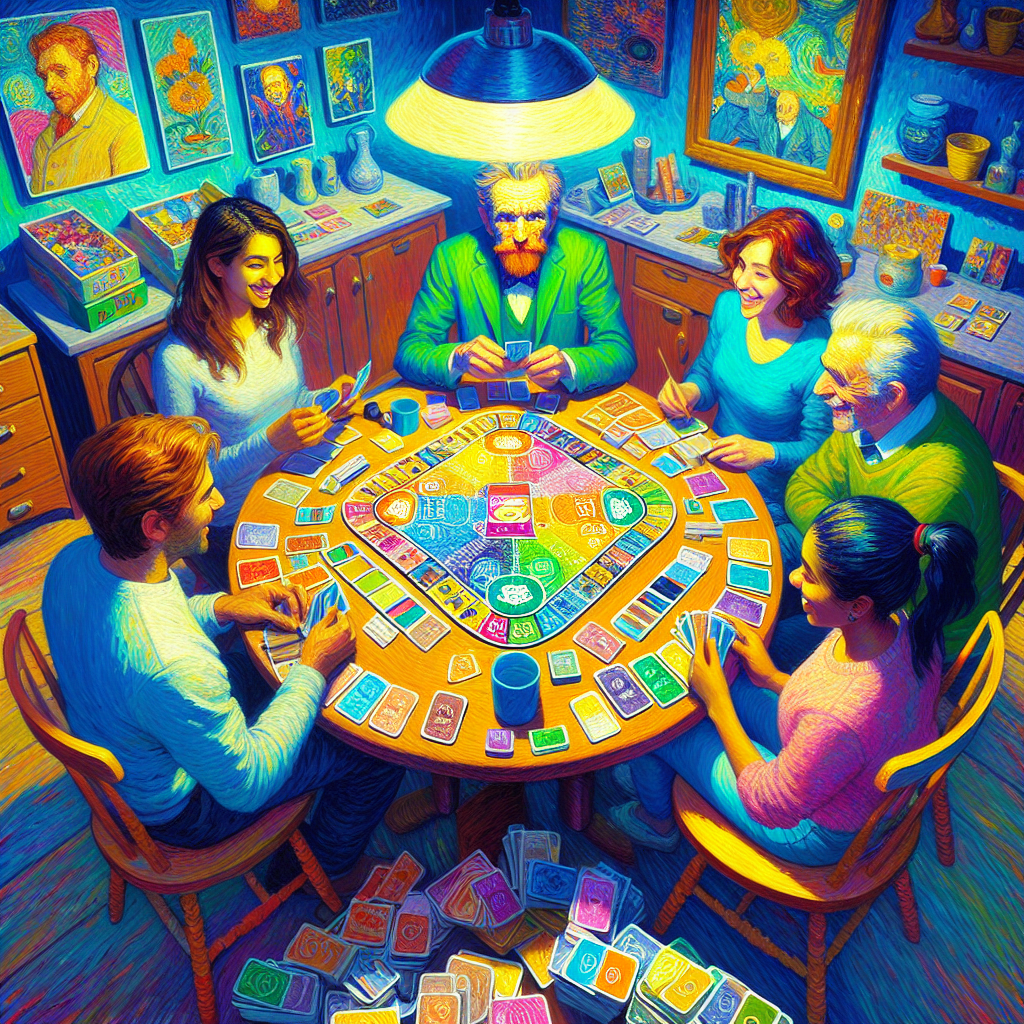
How Can Players Evaluate The Competitiveness Of Different Games?
Conclusion
As we come to the conclusion of this card game analysis, let’s reflect on the skills and insights needed to dive into the world of card games. At the heart of this endeavor lies the need for critical thinking. It’s not just about deploying luck; every hand dealt is a chance to dissect rules and player interactions. You can’t just sit at the table, you have to understand its intricate dance of strategy and chance, the ebb and flow that defines each game’s essence.
Now, let’s not overlook patience. Just like a fine wine, card games require time to fully appreciate. It’s tempting to rush through new experiences, but taking the time to immerse yourself allows for a deeper understanding of the games’ mechanics. You might be rushing to declare your favorite right off the bat, but hold your horses! Each session is an opportunity to learn, adapt, and really grasp what makes a game resonate—or flop.
And let’s not ignore social perception; card games thrive on interaction. Reading the room and your fellow players’ vibes is half the battle won. The dynamic can shift dramatically depending on who’s at the table. Empathizing with their preferences fosters an enjoyable gaming atmosphere, turning a night of cards into an experience everyone cherishes. It’s about crafting a shared story, not just winning.
Speaking of shifting dynamics, adaptability is crucial as the landscape of card gaming evolves. Staying attuned to trends—be it the revival of classics or avant-garde designs—ensures you stay relevant, making comparisons not just on the mechanics but also on the emotional connections players forge with their chosen games.
Creativity, too, plays a central role in understanding this cultural phenomenon. The stories, themes, and unique concepts behind different card games warrant exploration. Engaging with these aspects can deepen your appreciation and offer fresh perspectives on why certain games strike a chord.
In the end, mastering the art of card game analysis is a journey packed with layers of strategic thinking, emotional intelligence, and a sprinkle of creativity. By honing these skills, you elevate your gaming experience from mere luck to a deeply engaging exploration of strategy and human interaction. So shuffle that deck, pull up a chair, and let the games begin!

Conclusion
Conclusion:
- Critical thinking is essential; each hand is an opportunity to analyze rules and player interactions.
- Patience is key; fully appreciating card games requires time and immersion in their mechanics.
- Social perception and interaction are vital; understanding fellow players enhances the gaming experience.
- Adaptability is important as card gaming evolves; staying aware of trends keeps you relevant.
- Creativity enriches the experience; exploring stories and themes adds depth to understanding card games.
- Mastering card game analysis involves strategic thinking, emotional intelligence, and creativity.
- Elevate your gaming experience from luck to an engaging exploration of strategy and human interaction.

Conclusion
Other Resources

Other Resources
Here is a list of other resources you can review online to learn more:
Use This Prompt To Get More Resources With Your Favorite Online AI Tool: Please provide me with a list of online articles with their URLS in a bulleted list that I can read regarding What Skills Are Needed for Comparing Card Games?

Other Resources
Glossary Terms
What Skills Are Needed for Comparing Card Games? – Glossary Of Terms
1. Analytical Thinking: The ability to break down complex information into smaller, manageable parts for evaluation and comparison.
2. Probability: A mathematical concept that estimates the likelihood of certain outcomes, critical for assessing the odds in card games.
3. Strategy Development: The process of creating and implementing a plan to gain an advantage over opponents in a card game.
4. Decision-Making: The ability to make choices based on available information, probabilities, and risk assessments during gameplay.
5. Pattern Recognition: Identifying and understanding recurring sequences or trends in gameplay that can inform strategies and comparisons.
6. Risk Management: The process of identifying, analyzing, and prioritizing risks in gameplay to minimize potential losses.
7. Emotional Control: The ability to manage one’s emotions during gameplay, which is essential for making rational decisions under pressure.
8. Attention to Detail: The skill of observing and remembering fine points in gameplay, such as opponents’ behavior or card patterns.
9. Communication Skills: The ability to effectively convey and interpret information, particularly in team-based card games or within a tournament context.
10. Adaptability: The capacity to adjust strategies and tactics in response to changing game dynamics or opponent behavior.
11. Mathematical Skills: Proficiency in basic arithmetic and mathematical concepts, which are important for calculating odds and scores.
12. Psychological Insight: Understanding opponents’ mindsets and tendencies to better predict their actions and strategies.
13. Game Knowledge: Familiarity with the rules, mechanics, and strategies of various card games, essential for making informed comparisons.
14. Critical Thinking: The ability to evaluate different card games objectively to determine their strengths and weaknesses.
15. Situational Awareness: Being aware of the current state of the game, including card distribution and player positions, to make tactical decisions.
16. Time Management: Effectively allocating time during games to make decisions without rushing, maximizing performance.
17. Visualization: The skill of mentally picturing cards, potential moves, and game outcomes to enhance strategic planning.
18. Focus: The ability to maintain concentration on the game, minimizing distractions that could impact performance.
19. Data Interpretation: Skills in analyzing game statistics and outcomes to make evidence-based comparisons of different card games.
20. Patience: The capacity to wait for the right moment to act, especially in strategic games where timing is crucial.
21. Creativity: The ability to devise unique strategies or plays that can catch opponents off guard.
22. Sportsmanship: The willingness to compete fairly and with respect for other players, fostering a positive gameplay environment.
23. Interpersonal Skills: The ability to build relationships and communicate effectively with other players, which can influence informal games.
24. Resource Management: The skill of managing in-game resources (e. g. , cards, points) efficiently to ensure optimal use throughout the game.
25. Learning Agility: The capacity to quickly learn from experiences and adapt strategies based on past outcomes.
26. Competitiveness: The drive to win and excel in card games, fueling the desire to compare and improve.
27. Objectivity: The ability to assess and compare card games without bias, focusing on factual information rather than personal preference.
28. Long-Term Planning: The skill of thinking ahead and arranging strategies over multiple rounds or games, rather than focusing on immediate gains.
29. Networking: Building a community among fellow players, which can aid in sharing strategies and insights about different card games.
30. Analysis of Historical Data: The practice of reviewing past gameplay results to gain insight into trends and make data-driven comparisons between card games.
These terms encompass the various skills and traits that can enhance gameplay and facilitate effective comparisons of different card games.

Glossary Of Terms
Other Questions
What Skills Are Needed for Comparing Card Games? – Other Questions
If you wish to explore and discover more, consider looking for answers to these questions:
- What specific examples illustrate the importance of critical thinking in card games?
- How can a player improve their patience when learning new card games?
- What are the most effective ways to understand player interactions in card games?
- How can someone stay updated on trends in card games?
- What creative approaches can enhance the enjoyment of card games?
- What foundational concepts should every card game player understand?
- How can beginners quickly familiarize themselves with different types of card games?
- In what ways do rules vary across different card games?
- How can a player effectively manage their emotions during a card game?
- What statistical tools can assist players in analyzing their card game performance?
- What role do personal experiences play in shaping a player’s strategies in card games?
- How can creativity influence the outcome of a card game design?
- What resources are available for learning about card game design?
- What are the key demographic trends in the card gaming community?
- How can players enhance their decision-making skills when evaluating card games?
- What metrics can players use to compare the competitiveness of card games?

Other Questions
Haiku
What Skills Are Needed for Comparing Card Games? – A Haiku
Skillful minds at play,
Cards reveal tales of strategy,
Luck meets strategy.

Haiku
Poem
What Skills Are Needed for Comparing Card Games? – A Poem
In the realm where the cards gracefully lie,
Critical thought leads players to thrive,
Luck and strategy, a delicate blend,
Analyzing each hand, all rules to comprehend.
Patience whispers, “Take your time,”
Each game a journey, a rhythm, a rhyme,
Soak in the moments, let instincts unfold,
For wisdom in play is a treasure untold.
Among laughter and banter, skills intertwine,
Communication, empathy – the social design,
Reading the room, feeling the flow,
A dance among friends where relationships grow.
Adaptability calls, trends come and go,
In the world of cards, it’s all about the show,
Creativity opens doors to new themes,
A reflection of cultures, of hopes, and of dreams.
Numbers whisper truths, in shadows they gleam,
Probability and stats weave a strategic dream,
In the face of the risk, decisions take flight,
As players navigate both dark and light.
Experience reigns, a seasoned hand knows,
The rhythm of gameplay, how tension flows,
Every mistake, a lesson, a guide,
Transforming each player to a champion inside.
So shuffle the deck, let the cards start to flow,
For it’s not just the outcome; it’s the journey we sow,
In the art of the game, every player can find,
A tapestry woven, where skill is entwined.

Poem
Checklist
What Skills Are Needed for Comparing Card Games? – A Checklist
Skills for Card Game Analysis
1. Critical Thinking
_____ Analyze game mechanics, rules, and player interactions.
_____ Identify the balance of luck and strategy in games.
2. Patience
_____ Take time to learn and understand various games.
_____ Immerse yourself in different play styles before forming opinions.
3. Social Perception
_____ Observe player dynamics and preferences.
_____ Adapt to different atmospheres, whether competitive or casual.
4. Adaptability
_____ Stay updated with current trends and evolving game formats.
_____ Be open to exploring new genres and styles.
5. Creativity
_____ Approach game comparisons with an inventive mindset.
_____ Explore themes, narratives, and cultural reflections in games.
Basic Knowledge of Card Games
1. Types of Card Games
_____ Familiarize yourself with various card games’ rules and objectives.
2. Understanding the Deck
_____ Know the composition and value of a standard card deck (52 cards, suits, and ranks).
3. Game Flow and Turns
_____ Understand how turns are structured and the flow of play.
4. Terminology
_____ Learn essential card game terminology (e. g. , fold, bluff, draw, discard).
5. Social Interaction
_____ Recognize the social aspects and dynamics of playing card games.
Decision-Making & Strategy
1. Types of Decision-Making
_____ Identify tactical vs. instinctive decision-making processes in different games.
2. Impact of Rules
_____ Analyze how rules influence skill levels and overall gameplay experience.
3. Analytical Skills
_____ Use data and statistics to inform game comparisons.
4. Experience Assessment
_____ Consider how experience impacts gameplay and strategic thinking.
Evaluating Game Competitiveness
1. Game Mechanics Review
_____ Assess how rules and mechanics provide depth to the competitive experience.
2. Community Engagement
_____ Look for active player communities and tournaments associated with the game.
3. Balance Assessment
_____ Evaluate how well the game maintains balance between different strategies.
4. Accessibility Evaluation
_____ Consider the game’s difficulty level for new and seasoned players.
Enhancing Game Comparison Skills
1. Practice Actively
_____ Engage regularly in different card games to build familiarity and confidence.
2. Seek Feedback
_____ Discuss experiences and strategies with other players to gain varied insights.
3. Reflect on Experiences
_____ Take notes after gameplay sessions to analyze changes in strategy and decision-making.
4. Embrace Learning
_____ Stay curious and open to discovering new games, strategies, and community dynamics.
Use this checklist while reading the article or as a standalone guide to enhance your understanding and skills in comparing card games!

Checklist
At CardGameNews, we help people who love card games by collating information and news about card games.
Be sure to read our other related stories at CardGameNews to learn more about card games.


