

Unite Your Family With The Power Of Card Games
By Tom Seest
At CardGameNews, we help people who love card games by collating information and news about card games.
Be sure to read our other related stories at CardGameNews to learn more about card games.
Can Card Games Bridge The Gap In Extended Family Tensions?
Gather ‘round, folks, and let’s chat about a little something that can turn a tense family get-together into a rekindled atmosphere of laughter and camaraderie. Picture this: you arrive at Aunt Edna’s oversized living room, the air thick with unspoken grievances and lingering resentment—who knew Uncle Joe would still be grumbling about last Thanksgiving? Enter the unsung hero of family gatherings: the card game. Yes, you read that right!
Card games are not just a leisure activity; they’re the missing ingredient to blending the blended. These age-old pastimes have a unique charm that can transform stony faces into smiles. Whether it’s a competitive round of Uno, poker nights filled with playful bluffs, or a simple deck of playing cards for Go Fish, they offer a platform where walls can be broken down more effectively than a family intervention. Those beloved card games invite everyone to engage on common ground, setting aside differences, if only for a while.
But why do they work where conversations often stumble? It’s simple, really: games shift the focus away from individual tensions and redirect it toward shared experiences. When you’re cheering for Aunt Susan’s royal flush or laughing at Grandma’s strategic faux pas, the focus veers from “your ideals vs. mine” to “did you see that play?” And just like that, connections re-emerge, awkward silences fade, and for a brief moment, everyone’s a player in the same team.
Engaging in a card game fosters trust, showing family members you’re in it together—whether it’s the thrill of victory or the agony of defeat. It allows for gentle ribbing and banter that, when approached playfully, can dissolve the heaviest of tensions. And let’s face it: there’s something unifying about battling for that top card that just might put you on the map of family unity.
So, the next time you find yourself in a room filled with mixed feelings and uneasy energy, consider grabbing that deck of cards. What better way to spar, bond, and ultimately bridge the gap than through a little friendly competition? Because while it may seem just like a card game on the surface, beneath it lies the profound potential for healing and reconnection within your extended family. Let the games begin!

Can Card Games Bridge The Gap In Extended Family Tensions?
Can Card Games Bridge The Gap In Extended Family Tensions?
- Card games can transform tense family gatherings into enjoyable experiences.
- They provide a platform that fosters camaraderie and breaks down walls between family members.
- Games like Uno, poker, or Go Fish create a shared focus over individual grievances.
- Engaging in card games helps re-establish connections and alleviate awkward silences.
- Card games promote trust and unity through shared experiences and playful banter.
- They can provide a lighthearted way to navigate family tensions and differences.
- Ultimately, card games offer the potential for healing and reconnection within families.

Can Card Games Bridge The Gap In Extended Family Tensions?
Table Of Contents
- Can Card Games Bridge The Gap In Extended Family Tensions?
- What Types Of Card Games Are Best For Family Bonding?
- Can Card Games Help Resolve Conflicts Among Family Members?
- How Do Card Games Encourage Teamwork Within Families?
- What Role Do Card Games Play In Creating Shared Family Memories?
- How Can Family Members With Different Personalities Play Together?
- Are There Specific Card Games Designed To Promote Cooperation?
- How Do Card Games Reduce Stress During Family Gatherings?
- Conclusion
- Other Resources
- Glossary Of Terms
- Other Questions
- Haiku
- Poem
- Checklist
What Types Of Card Games Are Best For Family Bonding?
When it comes to family bonding, let’s face it, there’s something magical about gathering around a table, a deck of cards in hand, and laughter bouncing off the walls. The right card game can transform a mundane evening into an unforgettable adventure. Imagine this: everyone’s faces lit up by the glow of the kitchen light, snacks within arm’s reach, and the air filled with playful banter. It’s a festival of connections, and it all starts with selecting the perfect card game.
First off, let’s talk about classics like Uno or Go Fish. These games are not only simple to learn but also bridge generations. Grandma may dominate in Go Fish, while the kids make up ridiculous rules in Uno, all in the name of fun. They foster an atmosphere where every seat at the table counts, ensuring that no one feels left out, regardless of skill level.
For those looking to dive a little deeper, consider games like Rummy or Hearts. These require a bit more strategy and offer substantial interaction. Family members will find themselves plotting, collaborating, and occasionally backstabbing (all in good fun, of course). If your family thrives on competition, these games can elevate the stakes while also honing communication skills. Who knew trying to outwit your family could double as a team-building exercise?
Now, if you’re open to something a little quirky, why not try a creative card game like Exploding Kittens? This delightful blend of strategy and silliness might just bring out the inner child in every participant. With whimsical art and a playful concept, it can evoke laughter that ripples through your family, creating memories worth savoring.
And let’s not ignore the importance of inclusivity. There are card games designed specifically for large groups. Think Cards Against Humanity or Codenames. Although these may lean towards adults, they can spark immense laughter across the board, engaging everyone in a shared experience. Just be mindful of the audience—tailoring the card game choice to your family can make all the difference.
The best card game for family bonding isn’t necessarily about complex rules or sophisticated strategies. It’s about finding that common ground where everyone, from the youngest to the oldest, can share stories, engage in healthy banter, and, most importantly, strengthen those family ties. So, shuffle that deck, find a cozy spot, and watch how card games can turn an ordinary evening into a cherished family ritual.

What Types Of Card Games Are Best For Family Bonding?
What Types Of Card Games Are Best For Family Bonding?
- Gathering around the table with a deck of cards creates magical family bonding moments filled with laughter.
- Classic games like Uno and Go Fish are easy to learn and engage players of all ages, fostering inclusivity.
- Games such as Rummy and Hearts introduce strategy and competition, enhancing communication and teamwork.
- Quirky games like Exploding Kittens combine strategy and silliness, evoking laughter and creativity in players.
- Inclusive games for larger groups, like Cards Against Humanity or Codenames, can engage everyone for shared experiences.
- The best card games prioritize common ground, encouraging all ages to share stories and strengthen family connections.
- Card games can transform ordinary evenings into cherished rituals filled with fun and connection.

What Types Of Card Games Are Best For Family Bonding?
Can Card Games Help Resolve Conflicts Among Family Members?
Family dynamics can be a complex blend of love, tension, and a whole lot of history, sometimes leading to disagreements that seem almost insurmountable. When emotions run high and communication falters, it might be time to pick up a simple card game. You might be surprised at how a deck of cards can bridge gaps and diffuse conflict, offering a unique pathway toward harmony.
Picture this: the family gathers around the kitchen table, laughter echoing off the walls, as everyone takes a break from their busy lives. The atmosphere lightens as the first card is laid down, and suddenly, the stakes feel less significant than the connections forming right before your eyes. A card game is more than just a way to pass the time; it’s an invitation to engage, to share, and to reconnect. It sets the stage for open dialogue in an informal setting, where the pressures of ‘serious talk’ can often lead to raised voices and hurt feelings.
Conflict resolution is much like a game of cards. You have to know when to hold your ground and when to let go. Playing together allows family members to build trust, as everyone learns to appreciate each other’s styles, strengths, and quirks. It’s a game where everyone can be a winner, provided you remember that the point isn’t just to play but to cultivate relationships.
As the game progresses, humor often arises from unexpected card plays or ill-timed jokes, diffusing any underlying tensions and creating a space for laughter. It’s these shared experiences that bind us together, transforming potential conflicts into cherished memories. Think about it: how many arguments begin to dissolve after a shared chuckle over a misplayed card? The moments spent laughing and competing can lead to conversations that might just restore the family harmony you’ve been seeking.
So, the next time family squabbles threaten your peace, consider reaching for a deck of cards. Settle in, deal them out, and let the game begin. You might just unearth the connection that lies beneath those tensions, showing you that conflicts can be resolved not in the heated exchange of words, but in the playful banter of a card game. Trust me, sometimes, a simple card game is all it takes to remind us of what truly matters—family.

Can Card Games Help Resolve Conflicts Among Family Members?
Can Card Games Help Resolve Conflicts Among Family Members?
- Family dynamics often involve love, tension, and history, leading to complex disagreements.
- Playing a simple card game can help bridge gaps and diffuse conflicts.
- The atmosphere during a card game fosters connection and laughter among family members.
- Card games create a relaxed space for open dialogue, reducing the tension of serious discussions.
- Conflict resolution mirrors card games, as family members learn when to stand firm and when to compromise.
- Shared humor and experiences during games transform potential conflicts into cherished memories.
- A card game can remind family members of their connections, offering a playful alternative to heated discussions.

Can Card Games Help Resolve Conflicts Among Family Members?
How Do Card Games Encourage Teamwork Within Families?
There’s something magical about gathering around a table, distributing a deck of cards, and diving into a world where strategy meets laughter, and the stakes are simply bragging rights. When families gather for a card game, something extraordinary happens; it’s as if the world outside fades away, making room for connection, teamwork, and a mountain of memories.
At first glance, a card game is just that—a collection of suits and numbers. But peel back the layers, and you’ll find a treasure trove of opportunities for collaboration. Take a classic game of Bridge, for example. To truly succeed, partners must communicate silently yet effectively, each player absorbing both their own cards and the subtle cues from their teammate. Strategies are crafted together, wins celebrated jointly, and lessons learned from losses provide a rich soil in which trust can flourish. This shared experience transcends victory or defeat; it teaches family members to rely on each other, forging bonds that extend far beyond the game itself.
Now, think of the younger family members, perhaps new to the world of healthy competition. Watching their parents and siblings work together during a game of Rummy or Uno teaches them invaluable lessons about teamwork and empathy. They see how highs and lows are navigated side by side, understanding that every hand dealt is a chance to grow, to learn from one another, and maybe even to share a good-natured ribbing now and then. In that moment, children aren’t just learning how to play cards; they are absorbing essential life skills—like patience and sportsmanship—that will serve them well in school, friendships, and eventual careers.
It’s not all smooth sailing, either. Disagreements may pop up—stubbornness, miscommunications, a rogue card played at the wrong time. But therein lies another vital lesson: how to resolve conflict. In the heat of competition, family members learn to navigate disagreements with grace, finding solutions together rather than pointing fingers. These moments build resilience and strengthen familial ties, reinforcing the idea that at the end of the day, it’s not just about winning; it’s about connection, understanding, and creating stories that will be shared for generations.
So, deck out your family game night. Shuffle those cards, gather around the table, and watch as a simple card game transforms your living room into a vibrant arena of collaboration and love. Whether you’re dealing out hearts or spades, you’re crafting memories that knit your family closer together. In the delightful chaos of card games, teamwork isn’t just encouraged; it flourishes, setting the stage for a lifetime of shared experiences. And who knows? You might just find that the real victory lies in the laughter echoing off the walls and the connections forged across the table.
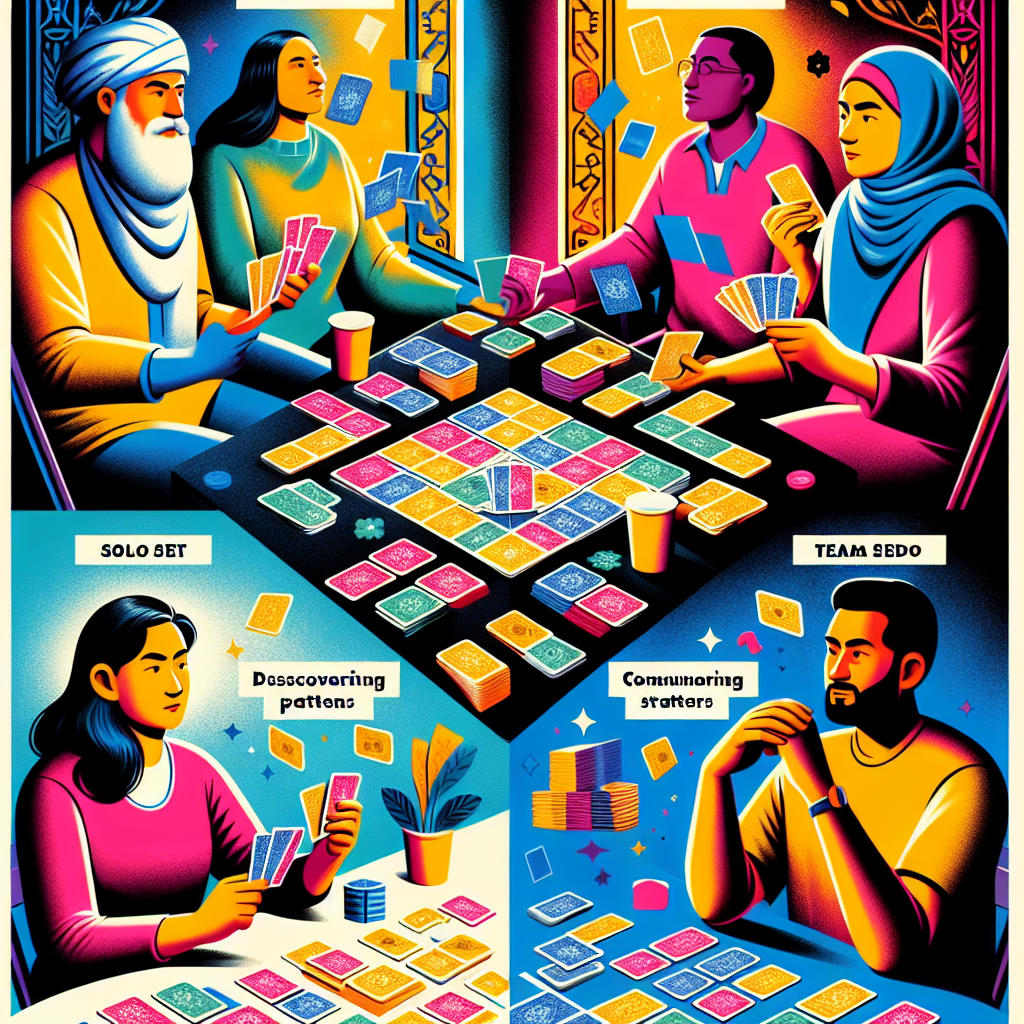
How Do Card Games Encourage Teamwork Within Families?
How Do Card Games Encourage Teamwork Within Families?
- Card games create magical moments of connection and teamwork for families.
- A game like Bridge highlights the importance of silent communication and partnership.
- Shared experiences in card games help forge trust and deeper family bonds.
- Younger family members learn teamwork and empathy through observing gameplay.
- Playing cards teaches valuable life skills such as patience and sportsmanship.
- Disagreements during games present opportunities for conflict resolution and resilience.
- Family game nights foster collaboration, laughter, and lasting memories.

How Do Card Games Encourage Teamwork Within Families?
What Role Do Card Games Play In Creating Shared Family Memories?
Gather ‘round the table, folks, because here’s the thing about card games: they’re more than just a deck of glossy paper and ink. They’re a time machine, capable of whisking us back to simpler days, where laughter echoed off the walls and the only stakes involved were a few friendly jabs at each other’s questionable card skills. Family card games have a magical way of weaving moments into the fabric of our lives, moments we revisit long after the last hand has been played.
Think about it. You deal a hand of cards, and suddenly the room transforms. The mundane becomes extraordinary. Whether it’s a classic like Uno, a strategic game of Poker, or something as simple as Go Fish, card games invite us into a circle of camaraderie. It’s about more than winning or losing; it’s about watching Grandma’s victorious smile or relishing in the playful banter that erupts over a particularly bad hand. That’s where the magic happens.
As we shuffle the deck, we shuffle memories, too—shared jokes that bring tears of laughter, the competitive spirit that brings families closer, and even those moments of quiet contemplation as you strategize your next move. Each shuffle and draw deepens emotional connections, solidifying the friendships that can only be found in family bonds. Let’s be honest: there’s nothing quite like the thrill of calling out, “Uno!” in a house full of spirited players. That single word can ignite a flare of joy; it’s a shared victory, a moment that becomes part of the family lore.
Now, let’s not overlook the lessons tucked between those card deals. Patience, strategy, and the ability to handle wins with humility (and losses with grace) flow naturally from these games. Kids learn about fair play and respect while parents and grandparents enrich their connections by sharing not just rules, but stories and life lessons.
So gather your loved ones, dust off that old deck of cards, and turn off the screens for a while. Create a space where laughter and love rule the day. You might just find that amidst the wild card plays and intense faces, you’re building a treasure trove of memories that will be cherished for generations to come. Now, who’s ready to deal the next hand?

What Role Do Card Games Play In Creating Shared Family Memories?
What Role Do Card Games Play In Creating Shared Family Memories?
- Card games serve as a nostalgic time machine, evoking simpler days filled with laughter.
- They create moments that weave into the fabric of our lives, extending beyond the games themselves.
- Games like Uno, Poker, and Go Fish foster camaraderie, focusing on connection rather than just competition.
- Playing cards brings joy through shared experiences, such as Grandma’s smile and playful banter.
- Each game shuffle deepens emotional bonds and strengthens family relationships.
- Card games impart valuable lessons, including patience, strategy, and fair play to the younger generation.
- Gathering for card games encourages quality time with loved ones, allowing for cherished memories.

What Role Do Card Games Play In Creating Shared Family Memories?
How Can Family Members With Different Personalities Play Together?
Let’s face it: Families are like that eclectic buffet at a potluck dinner. You’ve got your spicy, adventurous uncles, your mild-mannered aunts, the youngsters zigzagging everywhere, and the grandparents who just want an early bed. Each person brings something unique to the table, and when you try to wrangle all those different personalities into a fun evening, it can feel more like herding cats than enjoying a family night. But fear not, because playing together can be a joyful, bonding experience that strengthens those family ties if you let it.
One great way to bridge the personality gap is through games. You might think of a good old-fashioned card game. A simple deck of cards can turn your living room into a realm of teamwork, strategy, and perhaps a little friendly competition. The beauty of a card game is that it appeals to everyone—from the strategists who plot their next move five steps ahead to the free spirits who play with sheer instinct. A game can serve as a canvas on which each family member can paint their personality without anyone feeling out of place.
Here’s the key: Choose a card game that allows for flexibility. Avoid games that nail players to rigid roles where they have to be someone they’re not. Try something that invites all levels of involvement. For example, a game like Uno brings laughs and surprises, allowing those who love a strategic bout to shine while also inviting the more social butterflies to join in the chaos.
While you’re at it, ensure the ambiance is as welcoming as your family’s quirky dynamics. Set up a comfortable space, maybe even with some snacks on standby—because let’s be honest, no great game night is complete without a little munching.
Involve everyone in the selection process, as picking the game can be the first cooperative act of the evening. This gives each family member a voice and heightens everyone’s investment in the experience. As the cards fly and the laughter erupts, those differences that once felt like barriers will start to dissolve, revealing shared moments and inside jokes.
Whether you’re winning big or barely scraping the surface, what matters is the spirit in which you play. Embrace the energy and personalities in the mix because the memories created will last far beyond that winning hand. So shuffle those cards, gather the troops, and let the games begin!

How Can Family Members With Different Personalities Play Together?
How Can Family Members With Different Personalities Play Together?
- Families are diverse, with varying personalities similar to an eclectic potluck dinner.
- Games can bridge personality gaps and create joyful bonding experiences.
- A simple card game provides opportunities for teamwork, strategy, and friendly competition.
- Choose flexible card games that invite all levels of involvement, like Uno.
- Create a welcoming ambiance with comfortable settings and snacks for an enjoyable game night.
- Involve everyone in selecting the game to foster cooperation and investment in the experience.
- The focus should be on the spirit of play and shared moments, not just winning.

How Can Family Members With Different Personalities Play Together?
Are There Specific Card Games Designed To Promote Cooperation?
Now, let me ask you this: when was the last time you gathered around a table with friends or family for a good old-fashioned card game? You know, the kind where laughter mingles with the clattering of card shuffles? Sure, we all love a little competition now and then, but let’s face it, we often overlook the power of cooperation when it comes to decked-out fun. Enter cooperative card games—an underrated gem in the world of tabletop gaming that encourages teamwork, communication, and most importantly, genuine connection.
Imagine a card game that flips the traditional rivalry on its head. Instead of pitting players against one another, these cooperative card games unite everyone against a common challenge. Games like “Hanabi” or “The Crew” put players in situations where collaboration and strategic thinking reign supreme. In “Hanabi,” for example, players work together to create a spectacular fireworks display—all while keeping the details of their own hands hidden from view. Think about it: a game where you have to trust your partner, decipher clues, and share a goal of collective success. It’s not just about winning; it’s about how well you can sync with your teammates.
But it doesn’t end there. Imagine sitting down with your family, trading stories and laughter while struggling (and occasionally failing) against the game deck. These scenarios create memorable moments. In a world where we often spend more time scrolling on our phones than looking eye-to-eye with loved ones, cooperative card games can act as a bridge, drawing us closer together in a delightful—and sometimes hilarious—attempt to beat the odds.
The beauty of these games lies in their simplicity. You don’t have to be a chess master to enjoy the camaraderie they foster. All you need is a deck of cards and a willingness to embrace the concept of “we’re all in this together.” Just as the old saying goes, “many hands make light work.” So, why not take a break from the usual suspects and dive into the world of cooperative card games? You may just discover that the joy of shared victories and collective laughter beats the thrill of individual triumph, hands down. Grab those cards, gather your crew, and start fostering connections that last far beyond the game itself!

Are There Specific Card Games Designed To Promote Cooperation?
Are There Specific Card Games Designed To Promote Cooperation?
- The text emphasizes the joy of gathering with friends and family for card games.
- Cooperative card games promote teamwork and communication over competition.
- Games like “Hanabi” and “The Crew” challenge players to collaborate against a common objective.
- In “Hanabi,” players create a fireworks display while keeping their hands hidden from each other.
- Cooperative games foster memorable moments and strengthen bonds among players.
- The simplicity of these games makes them accessible to everyone.
- Playing cooperative card games can lead to lasting connections and shared experiences.

Are There Specific Card Games Designed To Promote Cooperation?
How Do Card Games Reduce Stress During Family Gatherings?
Picture this: the family is gathered around the table, the aroma of your favorite dish wafting through the air, and the usual holiday chatter fills the room. But then, the conversation suddenly takes a detour into the territory of awkward stories, debates about politics, or unsettling family drama. Cue the collective sigh. Now, what if I told you that a simple card game could act as a pit stop on this emotional rollercoaster?
Card games provide an inviting bridge to camaraderie, laughter, and connection. They create a shared experience that transcends the usual banter and dives straight into the kind of interaction that makes memories. When you lay down the cards—whether it’s a fierce round of Uno or a more strategic game of hearts—everyone’s focus shifts. Suddenly, it’s not about who forgot to bring the green bean casserole; it’s about who can play the best card and outsmart the competition.
The beauty of a card game lies in its ability to ease tension. There’s something universally soothing about flipping that first card. In a matter of moments, the stress that lurks in the background starts to melt away. The friendly competition, the playful banter, and the shared moments of triumph all sow seeds of connection that can foster trust and warmth among family members. Few things can break down barriers quicker than a well-placed joke or an unexpected move that catches everyone off-guard.
Additionally, the laid-back atmosphere that comes with card games allows everyone to simply be themselves. Sure, Uncle Bob may still insist that the 1970s were the golden age of music, but now you have the perfect outlet to showcase your strategic genius or inadvertent humor, while everyone is laughing together.
So the next time you find yourself navigating the unpredictable waters of family dynamics, consider bringing a deck of cards to the gathering. It’s more than just a way to pass the time; it’s a tool that could serve as the antidote to stress. Not only does it promote interaction, but it also fosters connections that can linger long after the last card is played. So shuffle those cards and deal out a bit of fun—your family will thank you, and you may just find yourself building stronger bonds amidst the laughter.

How Do Card Games Reduce Stress During Family Gatherings?
How Do Card Games Reduce Stress During Family Gatherings?
- Family gatherings often shift to uncomfortable topics during holidays.
- A simple card game can alleviate tension and divert conversations.
- Card games foster camaraderie, laughter, and shared experiences.
- The act of playing cards helps relieve stress and creates a relaxed atmosphere.
- Friendly competition and playful banter strengthen bonds among family members.
- Card games provide an opportunity for everyone to express themselves and enjoy each other’s company.
- Bringing a deck of cards to family gatherings can enhance connections and create lasting memories.

How Do Card Games Reduce Stress During Family Gatherings?
Conclusion
Alright, family aficionados and card sharks, let’s dig into the heart of this matter: Can card games truly mend the rifts that sometimes creep into the ol’ family dynamics? The resounding answer seems to be a big, hearty yes! You see, while the dinner table may occasionally feel more like a battleground of opinions and histories, a simple deck of cards can transform that tension into laughter, connection, and cherished memories faster than you can say “shuffle the deck.”
Imagine stepping into a family gathering where the air crackles with unspoken grievances and unresolved clashes—good ol’ Uncle Joe still fuming about last year’s Thanksgiving turkey. But then, you whip out a trusty card game and watch the magic unfold. In mere moments, that heavy tension begins to lift. You could have the fiercest poker player seated next to someone just trying to figure out which way’s up in a game of Go Fish, yet the beauty of card games is that they level the playing field. Suddenly, everyone’s in it together, whether they’re plotting strategies or cracking jokes over an unfortunate play.
The brilliance of these games lies in their ability to redirect focus away from individual predicaments toward shared experiences. Whether you’re giving Grandma a hard time over her surefire “winning” bluff or cheering on little Timmy as he nails a sizzling round of Uno, those memories are what we are banking on here. They serve to gently erode walls built by past disagreements, turning silent tension into playful banter.
So next family gathering, don’t just bring a casserole; bring that deck of cards. From quick games that engage all ages to strategy-driven contests that spark a little competitive spirit, card games have a unique way of fostering trust, teamwork, and communication. They compel us to lean into the moment, even amid disagreements. You might just discover that those shared laughs and intense competitive streaks create connections worthy of celebration.
At the end of the day, it’s not the cards you play, but the camaraderie, the lessons learned, and the laughs shared that will have everyone talking long after the table is cleared. So shuffle those cards, enjoy the unpredictable ride of family dynamics, and allow the fun of a simple game to bridge those gaps. Let the games begin!

Conclusion
Conclusion:
- Card games can effectively mend rifts in family dynamics.
- They transform tension into laughter and connection at family gatherings.
- Card games level the playing field among family members of varying skill levels.
- They redirect focus from grievances to shared experiences and playful interactions.
- Games like Uno and poker can foster trust, teamwork, and communication.
- Shared laughter and competition during card games create lasting connections.
- The camaraderie and memories made are more important than the games themselves.

Conclusion
Other Resources

Other Resources
Here is a list of other resources you can review online to learn more:
- PC Gamer
- Puerto Rico (with two expansions)
- Castles of Burgundy: The Dice Game
- White Wizard Games
- Pandemic Legacy: Season 2
- Mansions of Madness: Second Edition
- LiveJournal
- Caverna: The Cave Farmers
- Board to Death TV
- Eclipse
Use This Prompt To Get More Resources With Your Favorite Online AI Tool: Please provide me with a list of online articles with their URLs in a bulleted list that I can read regarding Can Card Games Bridge The Gap In Extended Family Tensions?

Other Resources
Glossary Terms
Can Card Games Bridge The Gap In Extended Family Tensions? – Glossary Of Terms
1. Card Games: A variety of games played using a deck of cards that can foster interaction and engagement among players.
2. Family Dynamics: The patterns of interaction and relationships between family members, including roles, communication styles, and emotional connections.
3. Extended Family: A broader family network that includes relatives beyond the nuclear family, such as grandparents, aunts, uncles, and cousins.
4. Conflict Resolution: The process of resolving disagreements and tensions through communication and compromise.
5. Cohesion: The degree of togetherness and bonding within a family unit, influencing their ability to deal with conflicts effectively.
6. Social Activity: Any activity that involves interaction between individuals, promoting social bonds and relationships.
7. Icebreaker: An activity or game designed to relieve tension and encourage conversation among participants, particularly in uncomfortable settings.
8. Recreational Therapy: The use of play and leisure activities, such as card games, to improve mental and social well-being.
9. Empathy: The ability to understand and share the feelings of others, crucial for resolving family tensions.
10. Facilitation: The process of guiding discussions and interactions in a way that promotes understanding and cooperation among family members.
11. Trust: The reliance on the integrity, ability, and character of family members, vital for healthy relationships.
12. Playfulness: A light-hearted and fun approach that can reduce stress and create a positive atmosphere during gatherings.
13. Integration: The process of combining different family members’ perspectives and experiences to create a more harmonious family environment.
14. Communication Styles: The various ways that individuals express themselves and interact, which can influence conflict and resolution.
15. Nonverbal Communication: Communication without words, including body language and facial expressions, which often conveys emotions more effectively than verbal communication.
16. Emotional Intelligence: The ability to recognize, understand, and manage one’s own emotions and the emotions of others, which enhances interpersonal interactions.
17. Teamwork: Collaborative efforts among family members that can be fostered through playing card games, building unity and cooperation.
18. Perspective-Taking: The ability to see a situation from another person’s viewpoint, which can reduce misunderstandings and foster empathy.
19. Tradition: Practices and cultural norms shared among family members that can be enhanced and reinforced through shared activities like card games.
20. Narrative Therapy: A therapeutic approach that uses storytelling to address issues within family dynamics, which can be mirrored in the storytelling aspect of card games.
21. Group Dynamics: The interactions and behaviors of individuals within a group, important for understanding family interactions during card games.
22. Adaptability: The ability to adjust one’s behavior or attitude to accommodate others, crucial for mitigating family tensions.
23. Conflict: A serious disagreement or argument that can arise in family relationships, often requiring resolution strategies.
24. Bonding: The creation of strong emotional ties between family members, often facilitated by shared experiences, such as playing games.
25. Workshop: A structured meeting designed to enhance skills or knowledge, which can be used to teach families conflict resolution techniques through games.
26. Mindfulness: The practice of being present and fully engaged in the moment, which can help family members appreciate shared experiences during card games.
27. Feedback: Constructive criticism or positive reinforcement provided between family members, critical for personal growth and understanding.
28. Connection: The emotional and relational ties that bind family members together, essential for resolving conflicts.
29. Altruism: The selfless concern for the well-being of others, which can be enhanced through shared activities and mutual support.
30. Resilience: The ability to recover from setbacks, an important trait for families navigating tensions and conflicts, often strengthened through shared experiences.
These terms help to frame the discussion on how card games can potentially ease tensions within extended families by promoting interaction, empathy, and understanding.

Glossary Of Terms
Other Questions
Can Card Games Bridge The Gap In Extended Family Tensions? – Other Questions
If you wish to explore and discover more, consider looking for answers to these questions:
- What are some tips for introducing card games to a reluctant family?
- How can you choose the right card game for different age groups?
- What other activities can complement card games during family gatherings?
- How can card games be adapted for families with different skill levels?
- Are there card games that are especially effective for breaking the ice?
- What are some examples of card games that promote conversation?
- How can you maintain a positive atmosphere during competitive card games?
- Can card games be used in family therapy or counseling settings?
- What role do card games play in family traditions?
- How can card games help with the integration of new family members?

Other Questions
Haiku
Can Card Games Bridge The Gap In Extended Family Tensions? – A Haiku
Cards in hand, we play,
Laughter heals family rifts—
Joy bridges the gap.

Haiku
Poem
Can Card Games Bridge The Gap In Extended Family Tensions? – A Poem
Gather ’round, dear family, come join the game,
In Aunt Edna’s living room, where laughter bursts aflame.
With tensions high and silence thick, let cards bring us to light,
For in the dance of spades and hearts, we’ll share both warmth and might.
With Uno’s quirky, playful twists, and Go Fish’s simple glee,
From grandma’s winning smile to the kids’ odd rules set free.
Each shuffle of the cards we play, each banter that we share,
Builds bridges over waters deep, where love can mend and care.
A game of Rummy, or hearts we chase, lays groundwork firm and true,
For in the strategy of play, bonds grow where once they flew.
Through laughter found in mistakes made, and victories sweetly earned,
We learn the art of teamwork, where patience is returned.
So when the squabbles flare like fire, and awkward clouds arise,
Reach for the deck—your family’s key to turn those frowns to highs.
For in each turn and every laugh, we weave a golden thread,
Creating moments, memories, where love and joy can spread.
Let conflict fade in games of skill, as trust begins to bloom,
In playful jests and clever moves, we banish all the gloom.
Next time the dinner table feels like tense, uncharted sea,
Remember, it’s a card game’s charm that sets our spirits free.
So shuffle up, gather ‘round, let’s relish what we find,
For in these cherished family games, true joys are intertwined.
A simple deck, a shared delight, can mend the heart’s old scars,
Who knew that just a card game could bring us back to stars?

Poem
Checklist
Can Card Games Bridge The Gap In Extended Family Tensions? – A Checklist
Before the Gathering: Preparation
1. Select a Suitable Game
_____ Choose games that cater to all ages and skill levels (e. g. , Uno, Go Fish).
_____ Consider strategy games for older family members (e. g. , Rummy, Hearts).
_____ Include quirky games (e. g. , Exploding Kittens) to lighten the mood.
2. Create a Comfortable Environment
_____ Make sure there’s enough seating for everyone.
_____ Have snacks and drinks available to enhance the atmosphere.
3. Involve Everyone in the Game Selection
_____ Discuss options beforehand to ensure everyone’s interests are considered.
During the Gathering: Setting the Tone
4. Establish a Friendly Atmosphere
_____ Encourage laughter and friendly banter during gameplay.
_____ Emphasize that the main goal is bonding, not just winning.
5. Rotate Players
_____ If possible, shuffle players between games to foster connections among different family members.
6. Encourage Collaboration
_____ For cooperative games, communicate strategies and share goals. Building trust is essential.
Navigating Different Personalities: Inclusion
7. Choose Games that Allow Flexibility
_____ Pick games that let players participate at their comfort level without feeling overwhelmed.
8. Be Mindful of Sensitive Topics
_____ Focus gameplay discussions on the game itself to avoid potential family conflicts surfacing.
9. Facilitate Open Communication
_____ Use the game as a bridge for discussion, letting everyone share stories or laughter related to game experiences.
Post-Game: Cherishing Memories
10. Reflect on the Experience
_____ Share favorite moments or funny incidents that occurred during the games.
11. Create Traditions
_____ Consider scheduling regular family game nights, allowing for environment consistency and deeper connections over time.
12. Take Pictures
_____ Capture moments of laughter and excitement during the games to create lasting memories for everyone.
After the Gathering: Building on the Connection
13. Follow Up with Family Members
_____ Reach out after the gathering to share highlights or plan future get-togethers.
14. Encourage Continued Play
_____ Keep the spirit alive by suggesting casual games during family visits or check-ins.
By following this checklist, you can transform your family gatherings into memorable experiences filled with laughter, connection, and shared joy, all thanks to the power of card games!

Checklist
At CardGameNews, we help people who love card games by collating information and news about card games.
Be sure to read our other related stories at CardGameNews to learn more about card games.


