

Uncovering The Allure Of Speed Card Games
By Tom Seest
At CardGameNews, we help people who love card games by collating information and news about card games.
Be sure to read our other related stories at CardGameNews to learn more about card games.
What Makes Speed Card Games Appealing to Fans?
In a world where instant gratification reigns supreme, speed card games have carved out a niche that goes well beyond simple pastimes. They offer a frenetic cocktail of excitement, strategy, and camaraderie, making them irresistible to fans from all walks of life. While some may scoff at the idea of shuffling a deck for hours on end, the devoted enthusiasts know there’s far more at play.
First and foremost, the thrill of speed card games lies in their heart-pounding pace. Unlike slower, methodical games where strategy can unfold like the petals of a flower, speed card games require players to think on their feet. Decisions are made in the blink of an eye, creating an adrenaline rush that’s tough to replicate elsewhere. As players frantically flip cards and scramble for the next move, a sense of urgency envelopes the atmosphere, transforming an ordinary game night into a high-stakes showdown.
But it’s not just the need for quick thinking that draws people in. There’s an undeniable uniqueness in the social aspect of these games. Gather a group of friends around a table, and watch as laughter and friendly competition fill the air. Speed card games often become a backdrop for connections; each high-five after a well-played move or shared groan over a misstep creates bonds that last far beyond the game itself. It’s a space where rivalries are established, stories are exchanged, and memories are forged—forming a community around that shared experience.
Additionally, speed card games are accessible. They require little more than a deck of cards and a handful of willing participants. No elaborate setup, no complicated rulebooks—just raw, unfiltered fun. This ease of entry invites players of all ages and backgrounds, whether you’re a seasoned strategist or someone testing the waters for the first time. You can dive right in, and before you know it, you’re swept up in a thrilling sequence of shuffles and strategizes.
Moreover, the element of unpredictability keeps fans coming back for more. Each round feels like stepping into a different realm, where anything can happen in an instant. The twists and turns can flip the scorecard, leading to moments of gripping tension and outrageous laughter.
So, what makes speed card games appealing? It’s simple: the compelling mix of urgency, connection, and unpredictability combines to create an experience that’s as exhilarating as it is memorable. In a world that often feels all too serious, the joy of a fast-paced card game is a reminder that sometimes, the best moments are found in the simplest places.

What Makes Speed Card Games Appealing to Fans?
What Makes Speed Card Games Appealing to Fans?
- Speed card games provide a thrilling mix of excitement, strategy, and camaraderie.
- The fast-paced nature requires quick decision-making, creating an adrenaline rush.
- These games enhance social interactions and foster connections among players.
- Speed card games are easy to set up, needing just a deck of cards and willing participants.
- The unpredictability of each round adds to the excitement and enjoyment.
- The blend of urgency, connection, and unpredictability makes for memorable experiences.
- They serve as a reminder that joy can be found in simple, fast-paced fun.

What Makes Speed Card Games Appealing to Fans?
Table Of Contents
- What Makes Speed Card Games Appealing to Fans?
- What Strategies Improve My Chances Of Winning At Speed Card Games?
- How Do Speed Card Games Enhance Social Interaction Among Players?
- What Skills Are Essential For Mastering Speed Card Games?
- What Psychological Benefits Do Speed Card Games Offer Players?
- How Do Speed Card Games Differ From Traditional Card Games?
- What Age Groups Are Most Attracted To Speed Card Games?
- How Can Speed Card Games Be Incorporated Into Family Game Nights?
- What Are The Most Popular Speed Card Games Available Today?
- What Makes Speed Card Games Exciting For Competitive Players?
- How Does The Fast Pace Of Speed Card Games Keep Players Engaged?
- What Themes Or Variations Exist In Speed Card Games?
- How Can I Easily Learn The Rules Of Popular Speed Card Games?
- What Equipment Or Setup Is Needed For Playing Speed Card Games?
- How Does Playing Speed Card Games Improve Cognitive Skills?
- What Social Dynamics Are Involved In Speed Card Games?
- Conclusion
- Other Resources
- Glossary Of Terms
- Other Questions
- Haiku
- Poem
- Checklist
What Strategies Improve My Chances Of Winning At Speed Card Games?
Speed card games may seem like a whirlwind of flashing cards and quick decisions, but beneath that chaotic surface lies a strategy-rich environment. To elevate your game from amateur fumbling to expert maneuvering, it’s essential to embrace tactics that sharpen both your mind and your reflexes.
Know Your Cards: The first step to mastering speed card games is to familiarize yourself with the deck. From aces to twos, understand the hierarchy and suit dynamics like the back of your hand. This familiarity will allow you to make rapid decisions under pressure, enhancing your gameplay. You won’t have time to deliberate on whether a three beats a four; you’ll just know.
Stay Calm Under Pressure: Stress is the enemy when it comes to speed games. Practicing mindfulness and control techniques can help you keep your cool amidst the frantic pace of play. When the cards start flying, a steady hand and clear head can mean the difference between a pivotal win and a regrettable loss. Deep breaths and focus will serve you well.
Observe Your Opponents: Playing speed games is not solely about your cards; it’s also about watching your adversaries. Pay close attention to their styles and tendencies. If someone is particularly aggressive, they may become predictable in their play. Exploit their patterns and use that knowledge to gain an upper hand.
Practice Makes Perfect: Like any skill worth mastering, practicing speed card games is critical. Start by playing with friends or even solo, dealing cards against yourself to simulate game conditions. This not only improves your speed but also fine-tunes your decision-making process, preparing you for the unpredictability of real opponents.
Quick Decision-Making: In speed, hesitation is an immediate ticket to defeat. Learn to trust your instincts. Often, your first impulse is the right one, so try not to overthink your moves. Engaging in two-player games can sharpen this skill, forcing you to make fast choices repeatedly—reinforcing your instinctive responses.
Learn to Adapt: No two games are the same. Be ready to modify your strategy based on the flow of the game and the moves of your opponents. Flexibility is a hallmark of a great speed card player; those who can pivot quickly can seize opportunities that less adaptable players might overlook.
Embrace these strategies, adapt your play, and you may just find yourself savoring victory more frequently amid the shuffle and speed of the game. It’s more than just who lays down the last card; it’s about outsmarting your opponents while enjoying the ride.

What Strategies Improve My Chances Of Winning At Speed Card Games?
What Strategies Improve My Chances Of Winning At Speed Card Games?
- Know Your Cards: Familiarize yourself with the deck, understanding the hierarchy and suit dynamics to make rapid decisions.
- Stay Calm Under Pressure: Practice mindfulness techniques to maintain composure during frantic gameplay, enhancing focus and performance.
- Observe Your Opponents: Pay attention to your adversaries’ styles and tendencies to exploit patterns and gain an advantage.
- Practice Makes Perfect: Regular practice, whether with friends or solo, improves speed and decision-making under game conditions.
- Quick Decision-Making: Trust your instincts and avoid hesitation, as quick, instinctive choices are often the most effective.
- Learn to Adapt: Be flexible in your strategy and adjust based on the game’s flow and opponents’ moves for greater success.
- Enjoy the Game: Embrace these strategies to outsmart opponents and enhance your overall enjoyment of speed card games.

What Strategies Improve My Chances Of Winning At Speed Card Games?
How Do Speed Card Games Enhance Social Interaction Among Players?
In a world increasingly dominated by screens and solitary pastimes, speed card games stand out as a vibrant bastion of human connection. Picture this: a group of friends gathered around a table, laughter bubbling and palms sweating as they race against the clock to lay down cards faster than the competition. It’s not just a game of skill; it’s an exhilarating social experience that fosters connection in ways we often overlook.
Speed card games, with their fast-paced and visually stimulating nature, create a unique environment that encourages players to engage with one another. There’s something undeniably thrilling about the camaraderie formed in those high-stakes moments when everyone is vying for victory. Players communicate through quick glances, urgent gestures, and laughter that resonates long after the last round. In these fleeting interactions, bonds are strengthened, and friendships are forged, all while navigating the intricacies of strategy and chance.
Moreover, the beauty of speed card games lies in their accessibility. They typically require little more than a deck of cards and a handful of willing participants, making them perfect for any gathering—be it a family reunion, a casual night with friends, or even a coffee shop meet-up. This ease of setup means that players from diverse backgrounds and ages can come together without the barriers often present in more complex games. The simplicity of the rules fosters inclusivity, allowing everyone to jump right in and enjoy the fun, sparking conversations and creating shared memories.
Additionally, speed card games often necessitate teamwork and collaboration. In games where players can cooperate or form temporary alliances, the dynamics shift dramatically. Suddenly, you’re not just competing against each other; you’re strategizing, negotiating, and navigating the unspoken rules of partnership. This collaborative aspect nurtures an environment of trust and mutual respect, teaching players valuable social skills that extend beyond the game itself.
Let’s not forget the emotional component: the rush of adrenaline when you clutch victory or the playful banter after an unexpected defeat. These feelings—of euphoria, disappointment, and everything in between—are amplified in a social setting. They transform ordinary moments into extraordinary experiences, fueling laughter and fostering connections that can last a lifetime.
In short, speed card games are more than just fast-paced fun—they are a vibrant tapestry of interaction. They break down barriers, build connections, and create lasting memories, making them an invaluable tool for enhancing social interaction among players. So next time you shuffle that deck, remember: you’re not just playing a game; you’re building relationships, one hand at a time.

How Do Speed Card Games Enhance Social Interaction Among Players?
How Do Speed Card Games Enhance Social Interaction Among Players?
- Speed card games foster human connection amidst a world dominated by screens.
- They provide an exhilarating social experience filled with camaraderie and thrill.
- Players engage through quick gestures, laughter, and shared excitement during gameplay.
- Accessible and easy to set up, they are perfect for gatherings and inclusive for all ages.
- These games often require teamwork, encouraging strategizing and collaboration among players.
- The emotional highs and lows of gameplay create memorable experiences that enhance social bonds.
- In essence, speed card games not only entertain but also build lasting relationships.

How Do Speed Card Games Enhance Social Interaction Among Players?
What Skills Are Essential For Mastering Speed Card Games?
When it comes to speed card games, there’s a certain art to the madness. For the uninitiated, it might seem like a simple shuffle and deal. But for those keen on mastering this fast-paced genre, there are essential skills that transform an ordinary player into a card-shuffling virtuoso.
First and foremost is hand-eye coordination. You’ve heard the saying, “Look sharp!” Well, in the realm of speed card games, it’s not just a catchphrase; it’s gospel. Players need to seamlessly navigate the relationship between what their eyes see and how their hands respond. Whether you’re picking cards from a spread or stacking them in rapid succession, your brain and body must work together, like a well-oiled machine. It’s more than a mechanical response; it’s a cultivated skill that can take time but offers substantial rewards.
Next on the list is mental agility. Speed card games demand quick thinking and decision-making, often under pressure. As you zoom through rounds, you’ll encounter scenarios that require you to assess the state of play in real time. Are you going to play that card now, or save it for a later moment? This analysis happens in the blink of an eye, and hesitation can mean the difference between victory and defeat. Therefore, flexibility in your thought processes is vital. You must practice pivoting your strategies and adapting to ever-changing situations as they unfold.
Then there’s memory. It might not seem glamorous, but a sharp memory can turn the tide in competitive rounds. Remembering the cards played, the strategies employed by your opponents, and the flow of the game can provide insights that shape your own playstyle. Like a chess grandmaster anticipating their opponent’s moves, being able to recall past plays offers you a distinct edge.
Finally, let’s not overlook the social aspect. Speed card games often involve at least one other person, and sometimes a whole table full. Good sportsmanship, communication, and the ability to read your opponents are just as crucial as any physical or mental skill. Understanding body language and emotional cues might just give you the extra edge you need to outmaneuver the competition.
If you want to master speed card games, focus on honing these essential skills. With practice, you’ll be out there shuffling and dealing with the best of them, blazing through each round with confidence and flair. So get out there and get your game face on!
What Skills Are Essential For Mastering Speed Card Games?
What Skills Are Essential For Mastering Speed Card Games?
- Speed card games require a blend of physical and mental skills for mastery.
- Hand-eye coordination is crucial for seamless gameplay and quick responses.
- Mental agility allows players to make swift decisions and adapt strategies in real time.
- A sharp memory helps recall cards played and opponents’ strategies, providing a competitive advantage.
- Social skills including good sportsmanship and communication enhance the overall gaming experience.
- Reading opponents’ body language can offer additional insights for strategic play.
- Regular practice of these skills fosters confidence and proficiency in speed card games.

What Skills Are Essential For Mastering Speed Card Games?
What Psychological Benefits Do Speed Card Games Offer Players?
When you think about card games that make your heart race and your palms sweat, one genre stands out—the speed card game. You may envision your friends huddled around a table, hands flying over the cards, fueled by a fierce spirit of competition. But beyond the thrill and excitement lies a treasure trove of psychological benefits that can enhance your brainpower and well-being.
First and foremost, speed card games are a mental workout that sharpens cognitive skills. As players engage in rapid decision-making, they must assess risk vs. reward in the blink of an eye. This constant evaluation enhances critical thinking while boosting problem-solving abilities. Each round becomes a lesson in strategic thinking—knowing when to hold back and when to go all in.
Then there’s the impact on memory. In the fast-paced environment of a speed card game, players must recall not only their own cards but also the cards that others have played. This kind of dashing memory gymnastics enhances recall abilities and helps keep the mind nimble, proving that fun can go hand in hand with mental exercise.
Don’t overlook the social side of these games, either. In a world dominated by digital interactions, sitting down for a good, old-fashioned game face-to-face offers a refreshing reprieve. Engaging with others in a competitive yet friendly environment fosters camaraderie and strengthens social bonds. The laughter, banter, and shared experiences build relationships, instilling a sense of belonging that’s essential for mental health.
Let’s not forget about the sheer joy of play. Speed card games invite spontaneity and thrill, stimulating the release of endorphins—all those feel-good hormones that make life a little brighter. When you’re feeling that rush of adrenaline, you’re not just playing cards; you’re immersing yourself in a playful mindset, which can reduce stress and promote happiness.
Finally, there’s a dose of resilience built into every shuffle and deal. Winning or losing a fast-paced game teaches players how to cope with both triumph and defeat gracefully. It requires grit and adaptability, valuable traits that echo beyond the table.
So, the next time you gather friends for a round of speed card games, remember that you’re not just having fun—you’re also reaping a myriad of psychological benefits. Embrace the opportunity to boost your mental agility, foster friendships, and simply revel in the joy of play. Who knew a deck of cards could do all that?

What Psychological Benefits Do Speed Card Games Offer Players?
What Psychological Benefits Do Speed Card Games Offer Players?
- Speed card games provide an exhilarating experience, promoting heart-pounding competition among friends.
- They serve as a mental workout, sharpening cognitive skills through rapid decision-making and risk assessment.
- Playing these games enhances critical thinking and problem-solving abilities, teaching strategic thinking.
- Participants improve their memory by recalling their own cards and those played by others in a fast-paced environment.
- Speed card games foster social connections, encouraging face-to-face interaction and camaraderie among players.
- The thrill of gameplay releases endorphins, reducing stress and promoting overall happiness.
- These games also teach resilience, helping players gracefully cope with both wins and losses.

What Psychological Benefits Do Speed Card Games Offer Players?
How Do Speed Card Games Differ From Traditional Card Games?
When it comes to card games, the landscape is as varied as the players themselves. Traditional card games have their charm—think poker, bridge, or solitaire. They’re the stuff of quiet gatherings, strategic showdowns, and long nights filled with the shuffle and deal. But then there are speed card games, and they’re like a strong cup of coffee: quick, invigorating, and often a bit chaotic. So, what makes these fast-paced games tick, and how do they differ from their more traditional counterparts?
First off, let’s talk speed. In traditional card games, you often sit back, plot your moves, and take your time contemplating your hand, your opponents, and the state of the world. Each card is played with calculated precision, and every decision carries weight. In speed card games, though, the clock is not just ticking—it’s roaring. Players are racing against each other and against time, trying to outmaneuver and outpace everyone else. There’s a palpable energy in the air, a sense of urgency that can turn even the most casual player into a fierce competitor.
Another key difference is the level of complexity. Traditional games can require deep strategy and long-term planning, often taking a good chunk of time just to learn the rules. Speed card games, while they can have their nuances, typically have simpler rules. You don’t need a PhD in game theory to jump in and start playing. The rules are easy to grasp, allowing for rapid-fire action where the stakes are high but the learning curve is low.
Then there’s the social dynamic. Traditional card games foster an environment for thoughtful banter and strategy discussions, where players might deliberate for ages over their next move. Speed card games, in contrast, can turn a quiet evening into a frenetic showdown. Everyone’s laughing, shouting, and cheering—or groaning when the cards don’t cooperate. The emphasis is less on intellectual sparring and more on sheer instinct and reflex.
Finally, let’s not forget the physicality. Traditional card games often involve a lot of sitting still, while speed card games require quick hands and eyes. Players are moving cards rapidly, sometimes flinging them down in a flurry as they scramble to come out on top. It’s a beautiful chaos, unlike the serene dance of more methodical play.
In essence, speed card games offer a different flavor, one that prioritizes quick thinking, fast action, and a deep-seated camaraderie filled with excitement. Whether you’re a seasoned player or new to the deck, there’s a thrill to be found in the rapid flurry of colors and numbers that just can’t be matched.

How Do Speed Card Games Differ From Traditional Card Games?
How Do Speed Card Games Differ From Traditional Card Games?
- Card games vary greatly, with traditional games like poker, bridge, and solitaire offering charm and strategic depth.
- Speed card games are fast-paced, energetic, and often chaotic, requiring players to think and act quickly.
- Traditional games involve calculated precision and deep strategy, while speed games focus on rapid-fire action.
- The learning curve for speed card games is generally lower, making them accessible to players of all skill levels.
- Social dynamics differ: traditional games encourage thoughtful discussions, whereas speed games promote a lively and competitive atmosphere.
- Speed card games require quick physical movements, contrasting with the more sedentary nature of traditional games.
- Overall, speed card games provide thrilling excitement through quick thinking and a sense of camaraderie among players.

How Do Speed Card Games Differ From Traditional Card Games?
What Age Groups Are Most Attracted To Speed Card Games?
When it comes to speed card games, it’s clear that the appeal cuts across various age groups, but some demographics are particularly drawn to this fast-paced form of entertainment. Picture a family gathered around a table, laughter echoing as cards fly back and forth like the frantic beats of a drum. From the wide-eyed enthusiasm of toddlers learning their numbers to the nostalgic grins of grandparents reminiscing about their youthful days, speed card games are a common thread woven into the fabric of many lives.
The younger crowd, those spanning from toddlers to teens, finds the allure of speed card games deeply rooted in the thrill of competition and the excitement of quick thinking. For kids, these games are often their first foray into strategic thinking and social interaction, not to mention the rush that comes from outpacing their peers. Picture those after-school gatherings or summer camp sessions where the stakes are high, and the tension is palpable as participants vie for victory in a whirlwind of cards. The instant gratification of winning – or the disappointment of losing in a mere flash – resonates with the instant-paced world they inhabit, where attention spans are shorter than ever, and excitement is king.
On the other end of the age spectrum, older adults and seniors find solace in speed card games as both a mental exercise and a social gathering tool. The strategic thinking involved in these games sharpens their reflexes and keeps the mind active, countering the natural decline that time can impose. Moreover, several studies have shown that engaging in mentally stimulating activities helps stave off age-related cognitive decline. Add to that the element of camaraderie that comes from gathering with friends or family for a spirited round, and you’ve got a recipe for joy.
As we explore the range of attraction for speed card games, we mustn’t overlook the middle-aged demographic. Parents often find themselves returning to these card battles, drawn by nostalgia and a chance to relive the thrilling moments of their youth – now with a twist of familial bonding. Whether it’s introducing their children to a beloved game or challenging friends during a weekend get-together, these adults recognize the magic of a deck of cards and the laughter that ensues from a heated game.
In short, speed card games seem to bridge the generational gap. Their simplicity, combined with the excitement of competition, can captivate young and old alike. So whether you’re a toddler or a silver-haired strategist, there’s a seat and a hand waiting for you at the card table, ready to shuffle up some fun.

What Age Groups Are Most Attracted To Speed Card Games?
What Age Groups Are Most Attracted To Speed Card Games?
- Speed card games attract various age groups, including toddlers, teens, adults, and seniors.
- Younger players enjoy speed card games for the thrill of competition and quick thinking.
- These games serve as an introduction to strategic thinking and social interaction for kids.
- Older adults and seniors benefit mentally from speed card games, helping to counter cognitive decline.
- Speed card games provide opportunities for social gatherings and camaraderie among friends and family.
- Middle-aged individuals are often drawn back to speed card games out of nostalgia and family bonding.
- The appeal of speed card games transcends generations, making them a fun activity for all ages.

What Age Groups Are Most Attracted To Speed Card Games?
How Can Speed Card Games Be Incorporated Into Family Game Nights?
When it comes to family game nights, the options can feel endless, but few activities combine excitement, strategy, and a healthy dose of chaos better than speed card games. These fast-paced card challenges not only add a thrilling edge to your evenings but also help bring everyone together—regardless of age or skill level. So, how do you make speed card games a staple of family fun? Let’s dive into it.
First off, let’s talk about setup. Speed card games are typically straightforward, using a standard deck of cards or specialized decks designed for quick play. Choose a game that suits your family’s vibe. Classic options like Uno or Spit offer familiarity, while newer favorites like Dutch Blitz or Taco Cat Goat Cheese Pizza inject some wild energy. The key is finding a game that fires up everyone’s competitive spirit without leaving anyone feeling sidelined.
Once the games are chosen, consider how to organize the night. Speed card games thrive on spontaneity, so why not introduce a tournament-style format? Set up a series of matches where families face off in pairs—or perhaps create a round-robin style competition that allows everyone to play against each other. Keep the atmosphere light-hearted; maybe even add a fun prize for the family champion, like a homemade trophy or a coveted spot in the next movie night.
Now, here’s where the real magic happens: the chaos. Speed card games are unpredictable, which means laughter and friendly banter will flow like water. Embrace the silliness! Shouts of “I’m out!” and “Go, go, go!” can quickly fill the room, turning any relatively normal evening into a lively cacophony of excitement. This is where bonds are forged—not just between parents and children, but among siblings, cousins, and even grandmas who’ve had a few rounds of practice.
Don’t forget to set the mood. Snacks are essential, so stack the table with finger foods that are easy to grab mid-game. Think popcorn, nachos, and maybe a sweet treat or two to keep spirits high. Music can also set the pace; some upbeat tunes can add an infectious energy that enhances those fast-paced card matches.
At the end of the night, take a moment to reflect. Ask everyone about the best moments or the funniest mishaps—perhaps even capture the energy with a family photo to commemorate the chaos. Incorporating speed card games into family game nights isn’t just about the cards; it’s about connection, laughter, and creating memories that will last long after the pieces have been put away. So, gather your family, shuffle those cards, and prepare for a wild ride!

How Can Speed Card Games Be Incorporated Into Family Game Nights?
How Can Speed Card Games Be Incorporated Into Family Game Nights?
- Speed card games offer excitement, strategy, and chaos for family game nights.
- Setup is simple, typically using a standard deck or specialized decks for quick play.
- Choose games that suit family dynamics, like Uno, Spit, or newer favorites like Dutch Blitz.
- Organize the night with a tournament-style format to encourage competition and fun.
- Embrace the unpredictability and silliness of speed card games for a lively atmosphere.
- Set the mood with easy-to-eat snacks and upbeat music for added energy.
- Reflect on the night by sharing memorable moments and capturing the fun with a family photo.

How Can Speed Card Games Be Incorporated Into Family Game Nights?
What Are The Most Popular Speed Card Games Available Today?
In a world where time seems to slip through our fingers, speed card games offer a unique blend of thrill and strategic thinking, drawing players into a fast-paced realm where every second counts. Among the smorgasbord of choices, a few electric titles consistently rise to the top, captivating gamers from all walks of life.
First up, we have Speed, an aptly named game that practically defines the genre. The premise is simple: beat your opponent to play all your cards in a rapid-fire display of dexterity and wit. Players are dealt a handful of cards each, and must play them in sequential order – but there’s a twist. You can only play a card if it matches the top card of the discard pile in either number or suit. It’s like maneuvering through traffic at rush hour, and if you hesitate, you might just be left in the dust.
Then, we can’t overlook Slam, which takes the concept of speed and cranks it up to eleven. This game capitalizes on quick reflexes and a willingness to act with decisiveness. Each player rushes to slap the central pile whenever they spot a match, sending their adrenaline soaring. The stakes rise higher with each turn, as players jostle for control, fingers flying like an amateur pastry chef trying to catch the last slice of cake at a crowded family reunion.
Don’t forget about Nertz, a personal favorite among speedsters. It’s a delightful mix of solitaire and competitive gameplay. In Nertz, players work simultaneously to build stacks of cards while racing against the clock—and each other. What makes it truly addictive is the cacophony of shouts and laughter that fills the room, creating an atmosphere that’s as chaotic as it is exhilarating.
Finally, there’s Junk, a game steeped in the spirit of friendly competition. This fast-paced card game demands split-second decisions, with players trying to discard their cards as fast as they can. Every move counts, and one moment of indecision can swing the game in an entirely different direction.
These games encapsulate the essence of speed, strategy, and social interaction, making them staples in living rooms, campsites, and online platforms alike. Whether you’re a seasoned player or someone just looking to dive in, these card games promise a whirlwind of excitement. Grab a deck, gather your friends or family, and prepare for fast action that keeps you on your toes.

What Are The Most Popular Speed Card Games Available Today?
What Are The Most Popular Speed Card Games Available Today?
- Speed card games offer a mix of thrill and strategic thinking in a fast-paced environment.
- Speed is a foundational game where players quickly play cards in sequence, matching the discard pile.
- Slam elevates the speed concept by allowing players to slap a central pile when they spot a match, enhancing adrenaline and competition.
- Nertz combines solitaire and competitive elements, with players building stacks while racing against each other, creating a joyful and chaotic atmosphere.
- Junk focuses on quick decision-making, where players discard cards rapidly and react to opponents’ actions.
- These games emphasize speed, strategy, and social interaction, making them popular in various settings.
- Whether new to the genre or experienced, these games offer exciting, fast-paced fun for everyone.

What Are The Most Popular Speed Card Games Available Today?
What Makes Speed Card Games Exciting For Competitive Players?
When you think of competitive gaming, visions of grand arenas filled with cheering fans and players hunched over their keyboards might come to mind. But what about the heart-pounding thrills of speed card games? Now that’s a different breed of competition, where adrenaline splices with strategy, and every second counts.
At its core, speed card games, like Speed or Egyptian Rat Screw, are a whirlwind of energy; they invite competitors to channel their inner racers, propelling themselves into a fast-paced showdown that can leave even the most seasoned player breathless. The rules might seem simple enough—play your cards faster than your opponent—but don’t let that fool you. The true excitement lies in the intensity and quick thinking required to outsmart your rival. Decisions must be made in a heartbeat: Do you lay that card down now or hold off for a potential better play? Each choice has consequences, and the pressure surges as the clock ticks—your heart races right alongside your hands.
One of the elements that elevates speed card games for competitive players is the unpredictability of each round. Unlike many games that rely on pre-determined odds or tactical placements, speed card games throw you into the deep end right from the get-go. You can be winning one moment, then lose everything the next due to a well-timed play from your opponent. This makes every game feel fresh and exhilarating, no two matches are ever the same and that’s what keeps players coming back for more. It’s a dance of reflexes and wits, of juggling your cards as though they were flaming torches in a circus act.
Moreover, there’s a unique camaraderie among competitors. Players often find themselves locked in fierce battles, yet there’s respect in those intense moments—a shared understanding that while today you may be foes, tomorrow you could be allies. It’s the social thrill that tends to accompany the frenetic pace, fostering connections that only seasoned warriors of the card table can appreciate.
Finally, there’s a certain nostalgic charm to speed card games. They harken back to simpler times when the essence of competition was about raw skill rather than elaborate setups or high-tech gadgets. The laughter, the shouts, and the exhilaration of a well-played hand make it more than just a game; they create moments that are memorable, forging bonds that last long after the cards are put away. So, for those competitive spirits seeking a challenge, speed card games are an exhilarating arena where every player’s heart races and every card matters.

What Makes Speed Card Games Exciting For Competitive Players?
What Makes Speed Card Games Exciting For Competitive Players?
- Speed card games, like Speed and Egyptian Rat Screw, combine adrenaline with strategy for an intense experience.
- They require quick decision-making, where players must act fast to outsmart their opponents.
- The unpredictability of each round adds excitement, as fortunes can change in an instant.
- Every game feels fresh, ensuring that no two matches are ever the same.
- Players form a unique camaraderie, sharing respect for each other’s skills during fierce competitions.
- Speed card games evoke nostalgia, focusing on raw skill rather than high-tech setups.
- They create memorable moments and lasting bonds, making them an exhilarating choice for competitive spirits.

What Makes Speed Card Games Exciting For Competitive Players?
How Does The Fast Pace Of Speed Card Games Keep Players Engaged?
Speed card games have carved out a unique niche in the landscape of gaming, enticing players with their fast-paced action and strategic depth. So, what is it about these cards that makes our hearts race and our hands sweat? Well, let’s pull back the curtain and dig into it.
First off, let’s talk about adrenaline. In the world of speed card games, it’s an unrelenting barrage of quick decisions and split-second maneuvers. Whether it’s drawing a card or setting down your last pile, the clock is always ticking, and the stakes feel high. Players find themselves in a constant state of excitement, where every moment has the potential to flip a game on its head. It’s like taming a wild bull; you never really know how it’s going to react. This unpredictability keeps players coming back for more, hungry for that next rush.
Then there’s the social aspect. Speed games are often played in groups, fostering an environment rife with playful banter and friendly competition. Players lean into one another, their eyes darting between cards, fingers itching to play the next move. It’s not just about the individual’s quick thinking; it’s about the exhilaration of being part of a team or facing off against friends. These interactions spark laughter, and rivalries, and sometimes even the odd boastful claim of victory. The social chemistry is palpable, and suddenly, you’re not just playing a game—you’re creating shared memories in real time.
Yet, it’s not all about brute speed. Underneath the rapid pace lies layers of strategy that enhance the experience. Players must think ahead, weighing options and anticipating opponents’ moves. The thrill isn’t just in playing fast; it’s in playing smart. Anyone can play a card, but to win—especially in a high-octane environment—requires a clever playbook. This blend of quick reflexes and cerebral tactics ensures that every round is not just a testament to speed, but a showcase of skill.
Finally, there’s something undeniably appealing about completing a game in mere minutes. The short duration means players can jump in and out quickly, making it easy to fit between a hectic day or just a lazy afternoon on the couch. You walk away satisfied, riding that wave of excitement and camaraderie, not knowing when you might be lured back into the fray.
In essence, the fast pace of speed card games doesn’t just keep players engaged; it creates an electrifying experience that blends excitement, strategy, and community. It’s a dizzying ride that leaves players always wanting one more hand.

How Does The Fast Pace Of Speed Card Games Keep Players Engaged?
How Does The Fast Pace Of Speed Card Games Keep Players Engaged?
- Speed card games offer fast-paced action combined with strategic depth, appealing to players’ need for excitement.
- Adrenaline drives the gameplay, with quick decisions and split-second maneuvers keeping players on their toes.
- The social aspect fosters lively interactions, playful banter, and friendly competition among players.
- Competitive dynamics create shared memories as players engage in rivalries and celebrate victories together.
- Strategic elements enhance the experience, requiring players to think ahead and anticipate opponents’ moves.
- Quick game durations allow players to easily fit sessions into their schedules, contributing to playability.
- The blend of excitement, strategy, and community keeps players engaged and craving more hands.

How Does The Fast Pace Of Speed Card Games Keep Players Engaged?
What Themes Or Variations Exist In Speed Card Games?
Speed card games, often characterized by their fast-paced play and quick reflexes, aren’t just about shuffling and dealing; they’re a vibrant tapestry of themes and variations that elevate them beyond mere entertainment. Like a seasoned craftsman eyeing a piece of raw timber, let’s explore the intricacies that define these delightful diversions.
At the heart of speed card games, you’ll find several recurring themes that drive play. Competition is a major one. It’s not merely about winning; it’s about the electric thrill of racing against time—and your opponent. This theme manifests in games like “Speed” and “Nerts,” where the clock is an omnipresent force looming over the players. It instills a sense of urgency, turning an otherwise casual gathering into an adrenaline-fueled showdown. Players can feel their hearts pounding, their fingers flying, and their minds racing—each discarded card feels like a small victory or a potential error haunting their every move.
Another prominent theme is collaboration, conspicuously present in variations such as “Double Nerts” or other multiplayer formats. Here, teamwork comes into play, turning rivals into allies as players strategize together to outpace a common opponent. This blend of cooperation and competition adds a fresh dynamic, allowing for a unique interplay that’s both exhilarating and socially engaging. The moments when teammates sync perfectly or when one misreads the moves of another become the stuff of legend among dedicated groups.
Variations of speed card games also delve into thematic elements like time travel, animals, or even ancient civilizations. For instance, you can find versions that infuse fantastical lore into their gameplay, where players might take on the roles of wizards or treasure hunters. These imaginative scenarios provide a rich backdrop that transforms ordinary play into a narrative journey. Whether it’s dodging magical spells or hunting for lost relics, the thematic landscape invites players to immerse themselves in the experience.
Finally, let’s not overlook the foundational mechanics that vary from one game to another, from stacking rules to specific winning conditions. Each variant offers its own set of twists and turns, ensuring that players remain engaged and challenged. The beauty of speed card games lies not only in their rapid-fire nature but also in their ability to adapt and evolve—a hallmark of games with staying power.
In essence, the themes and variations present in speed card games create a diverse and vibrant playground, offering everyone from the casual player to the competitive enthusiast a way to engage, connect, and revel in the excitement of the game.

What Themes Or Variations Exist In Speed Card Games?
What Themes Or Variations Exist In Speed Card Games?
- Speed card games are defined by fast-paced play and quick reflexes, making them a vibrant entertainment choice.
- Competition is a central theme, exemplified in games like “Speed” and “Nerts,” creating an electric and urgent atmosphere.
- Players experience adrenaline-fueled showdowns, where each move carries the weight of potential victory or error.
- Collaboration is another key theme, especially in multiplayer variations like “Double Nerts,” promoting teamwork against a common opponent.
- Imaginative variations often incorporate themes such as time travel, animals, or ancient civilizations, enhancing the narrative experience.
- Gameplay mechanics vary widely, from stacking rules to winning conditions, keeping the games engaging and dynamic.
- The diverse themes and variations in speed card games cater to both casual players and hardcore enthusiasts, fostering excitement and connection.

What Themes Or Variations Exist In Speed Card Games?
How Can I Easily Learn The Rules Of Popular Speed Card Games?
Learning the rules of popular speed card games doesn’t have to feel like deciphering ancient hieroglyphics. In fact, with a little enthusiasm and the right approach, you can dive right in without sacrificing your sanity—because let’s face it, card games should be fun, not a standing invitation to frustration.
First up, pick a game that piques your interest. Whether it’s Speed, Spit, or any variant of Crazy Eights, it’s essential to find something that speaks to you. Don’t start with the most complex game on the block. Instead, grab something simple that you can play in twenty minutes or less. This way, you’ll build confidence and not feel like you’re studying for a final exam.
Next, seek out concise resources. Online videos are fantastic for visual learners. If you haven’t already, check out a few tutorials where enthusiasts break down the rules like seasoned pros at a backyard barbecue. These videos often provide step-by-step guides that let you see the game in action, making it easier to absorb the nuances that written rules sometimes miss.
Once you’ve got a grasp of the basics, gather some friends who are equally interested in diving into the world of speed card games. There’s power in numbers, and having a few buddies around means you can learn together, laugh together, and tackle any rulebook confusion that arises like a team of card-slinging superheroes. Just remember, it’s all about the camaraderie—don’t let the competition drive you mad.
Practice is where the secret sauce lies. Don’t just read the rules—play the game! Scratching that itch for real-time experience will make the mechanics stick in your mind much better than any rote memorization ever could. Shuffle those cards, set up some snacks, and get hands-on. Mistakes will happen, but that’s part of the beauty of it. Every misplayed card is a nugget of wisdom for next time.
Lastly, embrace the culture around speed card games. Join local gaming groups, or jump into online forums to exchange tips, tricks, and tales. Listening to seasoned players share their favorite strategies is like getting the inside scoop on a secret menu item. You’ll not only enhance your understanding of the game, but you’ll also forge connections with fellow card aficionados who share your passion.
So, soak it all in, stay curious, and soon enough, you’ll be the one teaching someone else how to play—because that, my friends, is how you truly master the art of speed card games.

How Can I Easily Learn The Rules Of Popular Speed Card Games?
How Can I Easily Learn The Rules Of Popular Speed Card Games?
- Choose a speed card game that interests you, like Speed, Spit, or Crazy Eights.
- Start with simpler games that can be played in 20 minutes to build confidence.
- Utilize online resources, particularly video tutorials, for visual learning and understanding rules.
- Gather friends to learn together, fostering a fun and supportive environment.
- Practice by actually playing the game to reinforce the mechanics and learn through experience.
- Engage with the community by joining gaming groups and online forums to share tips and strategies.
- Stay curious and open to learning, which will eventually enable you to teach others the game.
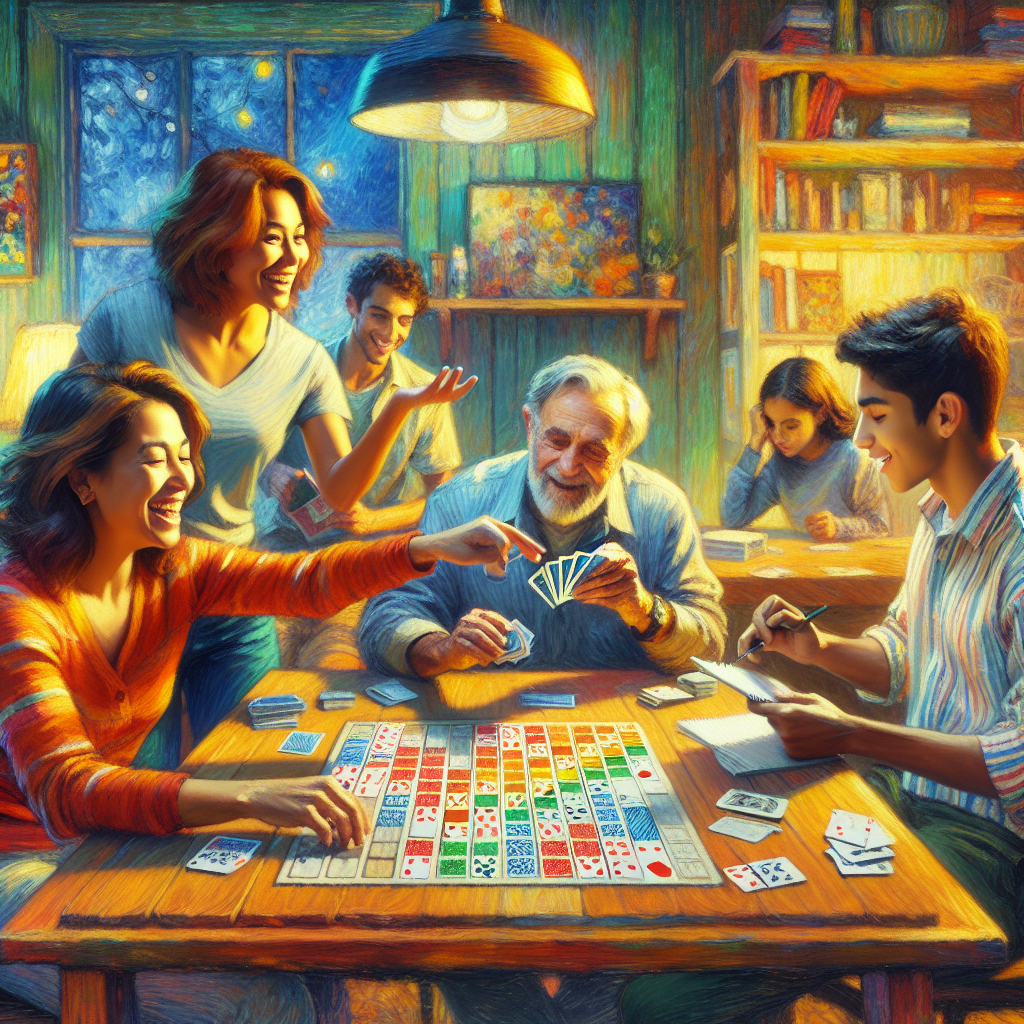
How Can I Easily Learn The Rules Of Popular Speed Card Games?
What Equipment Or Setup Is Needed For Playing Speed Card Games?
Ah, speed card games—those delightful tests of reflexes and quick thinking that can turn a languid afternoon into a racing heart and sweaty palms. Whether you’re gathering around a kitchen table with friends or challenging family members in the living room, there’s a certain setup you’ll need to maximize your enjoyment (and chances of victory, of course).
First things first: the cards. You’ll want a standard 52-card deck, though some variants may call for jokers or special themed decks. These cards should be in good condition—no frayed edges or worn out surfaces, as you want to ensure smooth shuffling and speedy gameplay. A set with a good finish will allow for quick flicks and effortless gliding across the table, so you can keep your focus on outmaneuvering your opponents, not fumbling with sticky cards.
Next up: the playing surface. A flat, clean table—anything from a well-loved dining table to a polished card table will do. Ideally, you want something that allows the cards to slide easily. Hardwood, laminate, or even a sturdy cloth table cover can work well. Just avoid anything too slippery (like glass) that might send your cards flying into orbit after a desperate play.
And let’s not forget about seating. Comfortable chairs can make a big difference during long bouts of card slinging. You might find that a cramped chair leads to an unwarranted game-ending injury as you stretch to grab a card. Choose something that allows for ease of movement without the threat of back pain interrupting your card-playing bliss.
Once you’ve got the cards and the table sorted, consider the lighting. Natural light works wonders, but if your game night is running late, you might need some bright lamps to avoid squinting at those precious cards. And here’s a pro tip: keep any distractions at bay. Put those phones on silent, and clear the table of snack bags and chaos. This isn’t just a game; it’s a battle of wits and speed.
Finally, bring your competitive spirit. Playing speed card games isn’t just about the equipment; it’s about the thrill of the chase, the adrenaline rushing through your veins as you race against the clock and your fellow players. So, set up your card haven, gather your comrades, and let the games begin—because when the cards hit the table, it’s not just a game; it’s a fast-paced showdown waiting to unfold!

What Equipment Or Setup Is Needed For Playing Speed Card Games?
What Equipment Or Setup Is Needed For Playing Speed Card Games?
- Use a standard 52-card deck, ensuring cards are in good condition for smooth gameplay.
- Avoid frayed edges or worn surfaces for optimal shuffling and speed.
- Choose a flat, clean playing surface that allows cards to slide easily; avoid overly slippery materials.
- Select comfortable seating to prevent any discomfort during long game sessions.
- Ensure adequate lighting, utilizing natural light or bright lamps for visibility.
- Minimize distractions by silencing phones and clearing the table of clutter.
- Bring a competitive spirit for an exciting and fast-paced gaming experience.

What Equipment Or Setup Is Needed For Playing Speed Card Games?
How Does Playing Speed Card Games Improve Cognitive Skills?
Speed card games are more than just a pastime; they’re a mental workout that can enhance cognitive skills in ways we might not immediately recognize. Picture this: you and a buddy are sitting at a table, the clock is ticking, and you’ve got a deck of cards between you. The pressure is on, and every second counts. In that frenzied atmosphere, your brain is firing on all cylinders, engaging in a symphony of thought processes that mirror the complexity of a well-oiled machine.
First, let’s talk about speed and decision-making. When you play these fast-paced card games, your brain has to evaluate potential moves almost instantaneously. You weigh your options, consider the risks, and make split-second decisions all while managing your hand and keeping an eye on your opponent. This sort of rapid analysis strengthens your cognitive flexibility—the ability to adapt your thinking in response to new information or unexpected challenges. And believe me, it’s a skill that translates to real life. Whether you’re tackling a tough work project or trying to navigate the complexities of daily life, being quick on your mental feet can be a game-changer.
Then there’s the element of memory. Card games often require players to remember which cards have been played and to anticipate which ones might still be in play. Strengthening your memory isn’t just about recalling a list of names or grocery items; it extends to developing a sharpened sense of awareness that can benefit everything from academic pursuits to social interactions. In the midst of the chaos, your brain is practicing the fine art of retention and recall—skills that will serve you well long after the game ends.
Let’s not overlook strategic thinking, either. Even in a fast-paced environment, effective players need to craft and adapt their strategies on the fly. It’s not merely about playing the cards you’re dealt; it’s about anticipating your opponent’s moves, predicting outcomes, and adjusting your game plan in real time. This kind of cognitive training fosters improving problem-solving abilities and enhances critical thinking—qualities that can enhance everything from workplace performance to personal relationships.
So, the next time you find yourself around a deck of cards, don’t underestimate the mental gymnastics at play. Speed card games might seem like just a fun way to pass the time, but they’re secretly working to keep your brain sharp, agile, and ready for whatever life throws your way.

How Does Playing Speed Card Games Improve Cognitive Skills?
How Does Playing Speed Card Games Improve Cognitive Skills?
- Speed card games offer more than fun; they serve as a mental workout for cognitive skills enhancement.
- Players engage in rapid decision-making, training their brains to evaluate options swiftly, which boosts cognitive flexibility.
- These games improve memory by requiring players to remember played cards and anticipate future moves.
- Enhanced memory skills benefit various aspects of life, from academics to social interactions.
- Players develop strategic thinking by crafting and adapting strategies in real-time during gameplay.
- Speed card games foster problem-solving abilities and critical thinking, impacting workplace performance and relationships.
- Engaging in these games can help keep the brain sharp and agile, preparing players for life’s challenges.

How Does Playing Speed Card Games Improve Cognitive Skills?
What Social Dynamics Are Involved In Speed Card Games?
Speed card games. They may seem like simple fun, rapid-fire competitions driven by luck and dexterity, but peel back the layers, and you’ll discover an intricate tapestry of social dynamics at play. These games are much more than just a race to empty your hand; they’re a battleground of psychology, strategy, and interpersonal interaction.
First, let’s talk about tension and excitement. When you sit down at a table with friends, the atmosphere crackles with a charged energy. The objective is straightforward: get rid of your cards faster than the opponent. Yet, that very simplicity breeds a thrilling intensity. Players’ heart rates spike. Faces flush with the heat of competition. In this environment, every move is scrutinized. The casual banter that begins to fill the room can quickly shift from lighthearted teasing to strategic commentary. “Watch out for her move!” becomes an unspoken battle cry, both encouraging and attacking—a cocktail of camaraderie and rivalry.
Next, there’s strategy in the chaos. To the untrained eye, speed card games might appear frenzied, but seasoned players know that beneath the surface lies a world of calculated decisions. The speed at which players make choices reveals much about their psychological makeup. Those who exhibit hesitation, uncertainty, or anxiety can find themselves preyed upon by more confident opponents. Observers pick up on these cues, crafting their strategies based on body language and facial expressions. It’s a game of wit, and that means being both a participant and an observer.
Another interesting element in these games is the social hierarchy that naturally emerges. Situations arise where the more experienced players dominate the table, often leading to a divide between ‘the pros’ and ‘the novices.’ This can either motivate newcomers to up their game or create a sense of intimidation. Yet, it’s in this very dynamic that friendships are solidified. The shared experience of competition can forge bonds, turning adversaries into allies as they plot inside jokes and strategies for future matches.
Lastly, let’s not overlook the emotional resilience these games cultivate. Losing can sting, but every defeat is a lesson wrapped in laughter. Players learn to recover quickly, to tease and be teased in return—a reminder that in the end, it’s just a game. So, whether you’re the champion of the table or the underdog fighting for respect, speed card games burst with social intricacies that bring people together in ways both profound and entertaining.

What Social Dynamics Are Involved In Speed Card Games?
What Social Dynamics Are Involved In Speed Card Games?
- Speed card games combine luck and dexterity but reveal complex social dynamics.
- The tense atmosphere creates excitement, with players experiencing heightened emotions and scrutiny.
- Strategy plays a crucial role, as experienced players exploit opponents’ psychological cues.
- The games establish a social hierarchy, dividing players into ‘pros’ and ‘novices’.
- This dynamic encourages newcomers to improve, while also fostering friendships among competitors.
- Losing teaches emotional resilience, enabling players to find humor in defeat.
- Overall, speed card games blend competition and camaraderie, creating meaningful social experiences.

What Social Dynamics Are Involved In Speed Card Games?
Conclusion
Alright, folks, let’s wrap this up and lay the cards on the table—pun intended. Speed card games, in all their chaotic glory, have captured the hearts of players worldwide for good reason. They’re not just about tossing cards around and racing against time; they’re a vibrant tapestry of excitement, strategy, and social interaction. In a world that sometimes feels as slow as molasses, these games punch you right in the face with adrenaline, making those heart-pounding moments count.
Let’s first talk about the thrill that comes from speed. Unlike those slow-burn games where strategy unfolds leisurely, speed card games grab you by the collar and shake you awake. Decisions must be made in the blink of an eye, and the tense atmosphere raises the stakes to levels that would make any poker face blush. It’s a delightful cocktail of chaos, where players scramble and strategize at breakneck speeds, and that rush is intoxicating.
Moving beyond the thrill of competition, it’s crucial to recognize the social dynamics at play. Gather four or five friends around a table, and you’re not just playing a game; you’re fostering connections that run deeper than the cards in your hand. Each laugh, each collective groan, and every high-five creates bonds that transcend victory or defeat. Speed card games turn ordinary moments into explosive experiences filled with camaraderie and collective memory-making, vital ingredients in the recipe for a good time.
And here’s the kicker: these games are accessible. You don’t need a complex setup or an elaborate rulebook to jump in. A simple deck of cards and a few willing participants are all it takes to spark joy and laughter. This simplicity invites players from all backgrounds and age groups to join the fray, making it an inclusive form of entertainment that’s a joy to behold.
Let’s not overlook the psychological benefits, either. Players sharpen their cognitive skills, build resilience, and nurture quick thinking all while engaged in what feels like pure fun. Who would have thought that shuffling cards could serve as a workout for your brain?
So, whether you’re a seasoned card shark or a curious newbie, remember: speed card games are more than just fast-paced fun. They’re a celebration of spontaneity, connection, and strategic ingenuity that remind us that life’s most exhilarating moments often come from the simplest pleasures. So shuffle up, gather your crew, and let the games begin—because the joy of playing is just as valuable as winning.

Conclusion
Conclusion:
- Speed card games offer a mix of excitement, strategy, and social interaction.
- Players experience adrenaline and heart-pounding moments with quick decisions.
- These games enhance social connections and create memorable experiences.
- Accessibility is a key factor; a simple deck of cards is all that’s needed.
- The games encourage participation from various backgrounds and age groups.
- Players improve cognitive skills, resilience, and quick thinking while having fun.
- Speed card games celebrate spontaneity and connection, enriching life’s simple pleasures.

Conclusion
Other Resources

Other Resources
Here is a list of other resources you can review online to learn more:
Speed Card Game: Explore Its Exciting Variations & Strategies – Rule of Card
Speed: The Ultimate Guide to Fast-Paced Card Play – CardGames Wiki
Speed Card Game: Rules and Quick Guide – Spielkarten
Use This Prompt To Get More Resources With Your Favorite Online AI Tool: Please provide me with a list of online articles with their URLS in a bulleted list that I can read regarding What Makes Speed Card Games Appealing to Fans?

Other Resources
Glossary Terms
What Makes Speed Card Games Appealing to Fans? – Glossary Of Terms
1. Adrenaline: The rush of excitement and energy experienced during fast-paced gameplay, appealing to fans seeking thrills.
2. Agility: The ability to think and react quickly, a key skill in speed card games that keeps players engaged.
3. Anticipation: The tension and excitement built as players predict their opponents’ moves, enhancing the competitive atmosphere.
4. Accessibility: The ease of learning the rules and mechanics, making speed card games enjoyable for players of all ages and skill levels.
5. Camaraderie: The social bonds formed between players during games, fostering friendships and a sense of belonging.
6. Competition: The drive to win against others, which motivates players and enhances the excitement of each game.
7. Deck Building: The strategy of customizing a card deck to optimize it for quick play, appealing to fans who enjoy strategic planning.
8. Dexterity: The physical skill of handling cards quickly and efficiently, adding a layer of challenge to the gameplay.
9. Engagement: The immersive experience that keeps players focused and emotionally invested during a match.
10. Fast-Paced: The quick tempo of gameplay, which creates a sense of urgency and exhilaration.
11. Instinct: The ability to make rapid decisions based on intuition, a vital factor in achieving success in speed card games.
12. Interactivity: The dynamic engagement between players, where each action can influence the outcome of the game.
13. Luck: The element of chance involved in drawing cards, introducing unpredictability and excitement.
14. Mechanics: The specific rules and systems governing card play, essential for understanding and appreciating the game.
15. Mental Challenge: The cognitive demands placed on players to strategize and adapt quickly, appealing to those who enjoy problem-solving.
16. Nostalgia: The fond memories associated with playing card games, drawing fans back to their childhood or past experiences.
17. Quick Rounds: The brevity of each game that allows for multiple plays in a short time, catering to fans with limited time.
18. Strategy: The planning and tactics involved in making decisions, which appeals to analytical players who enjoy thoughtful gameplay.
19. Skill Development: The opportunity to refine hand-eye coordination, critical thinking, and reaction times, providing a sense of progression.
20. Social Interaction: The opportunities for communication and connection that arise during gameplay, enhancing the overall experience.
21. Theme: The underlying narrative or motif of the game that adds depth and can draw in fans with specific interests.
22. Tournaments: Competitive events that attract dedicated players, offering not only stakes but also community engagement.
23. Turn-Based Elements: Components that allow for strategic pauses in a primarily fast-paced game, enabling tactical thinking.
24. Variety: The diverse styles, rules, and themes within speed card games that keep the genre fresh and exciting.
25. Visual Appeal: The aesthetic quality of cards and artwork that can attract players and enhance the gaming experience.
26. Winning Streaks: The thrill of consecutive victories, which can boost excitement and motivate further play.
27. Zoning In: The focus players achieve during intense gameplay, enhancing the immersive experience and enjoyment level.
28. Community: The shared group of fans and players that fosters a sense of belonging and enhances the enjoyment of the games.
29. Replayability: The potential for varied experiences in each game session, encouraging fans to play repeatedly.
30. Interactive Design: The thoughtful incorporation of player engagement in game mechanics that heightens enjoyment and excitement.

Glossary Of Terms
Other Questions
What Makes Speed Card Games Appealing to Fans? – Other Questions
If you wish to explore and discover more, consider looking for answers to these questions:
- What are some popular speed card games to try?
- How can I improve my skills in speed card games?
- What are the rules for common speed card games?
- Are there any online platforms for playing speed card games?
- What age groups enjoy speed card games the most?
- How can speed card games help build teamwork skills?
- What is the history or origin of speed card games?
- Are there variations of speed card games that cater to different skill levels?
- How do speed card games compare to other types of fast-paced games?
- What are some effective strategies for beginners in speed card games?

Other Questions
Haiku
What Makes Speed Card Games Appealing to Fans? – A Haiku
Fast games, quick laughter,
Strategy in every move,
Joy in hearts collides.

Haiku
Poem
What Makes Speed Card Games Appealing to Fans? – A Poem
In a world where moments rush and race,
Speed card games ignite a vibrant space,
With shuffles and laughter, they draw us near,
An exhilaration, a frenzy, a cheer.
Fingers flick, decisions quick,
Every heartbeat, every tick,
Adrenaline flows, the stakes are high,
In a whirl of colors, we reach for the sky.
Friendships forged in a laugh or a sigh,
High-fives exchanged, amid bonds that tie,
A community blooms with each playful clash,
Memories built in a whirlwind of flash.
A simple deck, no grand design,
Just hearts and minds ready to entwine,
From toddlers to seniors, all join the fray,
In the fast-paced tempo of the game we play.
Strategy dances amid chaotic zest,
We think on our feet, climbing the quest,
With eyes on opponents, we read every cue,
In the blink of an eye, we craft something new.
Cognitive rhythms pulse through the game,
Memory sharpened and instincts aflame,
The rush of a win, the grace in a loss,
Resilience blooms amid the thrill and the toss.
So gather around, let the chaos unfold,
In the heart of the cards, each story is told,
For speed is the essence that keeps us alive,
In this world of fast games, we truly thrive.

Poem
Checklist
What Makes Speed Card Games Appealing to Fans? – A Checklist
1. Preparation for Game Night
_____ Gather Necessary Equipment:
_____ Standard 52-card deck (or special decks for specific games).
_____ Clean, flat playing surface.
_____ Comfortable seating for all players.
_____ Adequate lighting to ensure visibility.
_____ Select Speed Card Games:
_____ Consider popular options like Speed, Slam, Nertz, or Junk.
_____ Look for games that fit your group’s interest and skill level.
2. Learning the Rules
_____ Choose a Game: Start with a simple game to build confidence.
_____ Watch Tutorial Videos: Use online resources for visual learning.
_____ Read Rulebooks: Familiarize yourself with the game’s mechanics.
_____ Practice with Friends: Play a few rounds for hands-on experience.
3. Enhancing Cognitive Skills
_____ Play Regularly: Regular engagement to improve decision-making and memory.
_____ Challenge Yourself: Push to improve your speed and strategic thinking.
_____ Observe and Adapt: Learn from opponents’ strategies to enhance your own game.
4. Fostering Social Engagement
_____ Create a Light-Hearted Atmosphere: Embrace friendly banter and laughter.
_____ Organize a Tournament: Introduce a competitive but fun format.
_____ Encourage Inclusivity: Ensure all players feel welcomed and included.
_____ Share Experiences: Reflect on the game afterward, sharing memorable moments.
5. Building Connections
_____ Embrace Competition: See losses as opportunities for growth and bonding.
_____ Celebrate Victories: High-fives and friendly rivalries enhance social ties.
_____ Engage in Team Play: Explore cooperative variants to strengthen connections.
6. Enjoying Game Night
_____ Prepare Snacks: Provide easy-to-grab finger foods to keep energy up.
_____ Set the Mood: Play upbeat music to energize the game night atmosphere.
_____ Limit Distractions: Keep phones silent and focus on the game.
7. Reflecting on Game Dynamics
_____ Discuss Strategies: Talk about what works and what doesn’t.
_____ Monitor Social Interactions: Recognize dynamics like tension, excitement, and camaraderie.
_____ Evaluate Personal Growth: Acknowledge improvements in skills and social interactions.
8. Explore Variations and Thematic Games
_____ Experiment with Themes: Try thematic variations that introduce new elements to gameplay.
_____ Diversify Game Choices: Rotate games regularly to keep interest high.
9. Revisiting and Learning More
_____ Join Local or Online Communities: Engage with other enthusiasts to share tips.
_____ Stay Curious: Continue learning about new games and strategies.
This checklist serves as a guide to enjoy speed card games while enhancing social connections and cognitive skills. Happy shuffling!

Checklist
At CardGameNews, we help people who love card games by collating information and news about card games.
Be sure to read our other related stories at CardGameNews to learn more about card games.


