

The Evolution Of Combat Card Games
By Tom Seest
At CardGameNews, we help people who love card games by collating information and news about card games.
Be sure to read our other related stories at CardGameNews to learn more about card games.
How Have Combat Card Games Changed Over Time?
Combat card games have undergone a remarkable transformation since their inception, evolving in ways that reflect both technological advancements and shifts in player expectations. At their core, these games emerged from a relatively simple premise: players pit their decks against one another in strategic contests, drawing cards to execute maneuvers, summon creatures, or cast spells. But if we pull back the curtain and take a closer look at their journey, it becomes clear that the evolution of card games has been anything but linear.
Initially, combat card games were rooted in traditional tabletop formats. Picture a group of friends gathered around a dining table, cards spread out, the tension palpable as they strategized their next move. These analog roots fostered a strong sense of community. Players engaged face-to-face, forming bonds over victories and defeats, sharing tips, and celebrating the thrill of hard-fought battles. However, as the world became increasingly digital, so too did the landscape of card games.
The advent of the internet introduced a seismic shift in how players experienced combat card games. Online platforms made it possible for competitors to connect from across the globe, breaking down geographical barriers. This digital transition not only expanded the player base but also facilitated the development of more complex mechanics and multifaceted gameplay. No longer constrained by the physical limitations of a card game, developers began to explore innovative designs that leveraged the digital medium. For example, randomized events or evolving game scenarios, once thought to be unwieldly in a tabletop format, found a natural home in online environments.
Moreover, the rise of mobile gaming has added another layer to the evolution. Whether waiting in line at the grocery store or on a long commute, players can engage with their favorite combat card games anytime, anywhere. This ease of access has democratized gameplay, encouraging new players to dive in without requiring a full night of dedicated gaming.
Additionally, the introduction of mechanics like deck-building strategies, unique abilities, and cross-game universes has enriched the experience. IP-based games have gained traction, allowing players to engage with beloved franchises while battling it out in card form. The blend of nostalgia and innovation keeps the genre fresh and enticing.
As we reflect on this journey, it’s evident that combat card games have morphed from their humble origins into a complex tapestry of experiences that cater to an ever-evolving audience. With each shuffle of a deck and each draw of a card, players are not just competing; they are partaking in a rich history that continues to evolve, card by card, game by game. The future of these games promises even more innovation, proving that the spirit of competition and camaraderie remains as strong as ever.

How Have Combat Card Games Changed Over Time?
How Have Combat Card Games Changed Over Time?
- Combat card games have transformed significantly, influenced by technology and player expectations.
- Initially rooted in tabletop play, these games fostered community and face-to-face interaction among players.
- The internet revolutionized access, allowing global connections and enabling more complex game mechanics.
- Digital platforms allowed for innovative designs, such as randomized events and evolving scenarios.
- Mobile gaming provided convenience, allowing players to enjoy games anytime, anywhere.
- New mechanics like deck-building strategies and IP-based games have enriched the gaming experience.
- The evolution of combat card games continues to provide innovation, competition, and camaraderie for players.

How Have Combat Card Games Changed Over Time?
Table Of Contents
- How Have Combat Card Games Changed Over Time?
- What Are The Origins Of Combat Card Games?
- How Have Gameplay Mechanics Evolved?
- What Impact Has Technology Had On Card Games?
- How Do Digital Versions Differ From Physical Ones?
- What Role Do Art And Design Play In Modern Card Games?
- How Have Player Communities Influenced Game Development?
- What Trends Have Emerged In Combat Card Games Recently?
- Conclusion
- Other Resources
- Glossary Of Terms
- Other Questions
- Haiku
- Poem
- Checklist
What Are The Origins Of Combat Card Games?
When we delve into the origins of combat card games, we uncover a rich tapestry woven with history and innovation. These games are a fascinating intersection of traditional card games and strategic combat, providing players with both the thrill of competition and the allure of cunning tactics.
The concept of the card game itself is centuries old. It began in China during the Tang dynasty, where the earliest known card decks were nothing more than paper tiles. These simple beginnings paved the way for the proliferation of card games across cultures and continents, evolving into the forms we recognize today. From the sophisticated trick-taking games of Europe to the highly strategic games played in Asia, the card game genre has always thrived on creativity and adaptability.
As cultures collided and evolved, so did the concept of card games. By the 20th century, we saw the rise of games that introduced the notion of combat mechanics into their frameworks. Magic: The Gathering, released in 1993, stands as a monumental leap in this evolution. A fusion of strategy, fantasy, and competitive spirit, it captured the imagination of players worldwide. Essentially, it transformed the card game into a battleground, where deck construction and in-game tactics determined victory or defeat.
The popularity of Magic: The Gathering inspired a wave of new titles, further blending card games with elements of combat and conflict. Players now found themselves not only managing their resources but also engaging in epic battles through the cards they played. Games like Yu-Gi-Oh! and Pokémon Trading Card Game emerged, each with unique mechanics and rich lore that added layers of depth to the experience.
As technology advanced, so did the format of these combat card games. The digital realm welcomed them with open arms, allowing enthusiasts to battle across screens while connecting with players worldwide. Online platforms have enabled a new generation of players to experience the thrill of combat card games without the need for physical cards, expanding the community like never before.
Today, combat card games have become a genre that transcends beyond mere entertainment. They are a medium for learning strategy, honing decision-making skills, and even fostering social interaction. In exploring the origins of these games, we gain an appreciation for the history that shaped them and the creativity that continues to drive new innovations in the genre. Thus, the legacy of the combat card game is not just found in its mechanics but in its ability to engage people, creating communities of warriors armed with nothing more than a deck of cards.

What Are The Origins Of Combat Card Games?
What Are The Origins Of Combat Card Games?
- Origins of combat card games blend history and innovation.
- Card games date back to the Tang dynasty in China with paper tiles.
- Card games evolved across cultures, including European and Asian traditions.
- By the 20th century, games like Magic: The Gathering incorporated combat mechanics.
- Magic: The Gathering transformed card games into strategic battlegrounds.
- The genre expanded with titles like Yu-Gi-Oh! and Pokémon Trading Card Game.
- Digital advancements have broadened access to combat card games, fostering community and social interaction.

What Are The Origins Of Combat Card Games?
How Have Gameplay Mechanics Evolved?
As we gather around the digital campfire of gaming history, let me take you on a journey through the twisted vine of gameplay mechanics. When we think of the early days, we might imagine clunky graphics and simplistic controls. But scratch beneath the surface, and you’ll see a world that laid the groundwork for what we have today.
Look back to the roots of gaming, where a simple Card Game could evoke laughter and strategy. These humble beginnings were all about imagination. Players relied on the games’ mechanics—drawing cards, bluffing, and strategy—to interact. It was a straightforward affair, yet it resonated deeply, teaching us the value of chance and choice.
Fast forward a few decades, and we see the foundation of mechanics that would shape the future. The introduction of role-playing games opened a floodgate of complexity. Players didn’t just interact; they immersed themselves. Character stats, skill trees, and multiple story outcomes transformed the way we understood gameplay. It wasn’t just about winning or losing anymore, but about the experience and the narrative we crafted along the way. The mechanics had evolved into rich tapestries woven with player choices, injecting life and depth into our gaming experiences.
Then, we entered the era of real-time gameplay, where mechanics took a sharper turn. Strategy and execution became the name of the game. Players were no longer passive artists waiting for their turn; they had to think on their feet—survival of the fittest. This shift ushered in a new relationship between player and mechanic. It wasn’t just about understanding the rules but mastering them under pressure.
And now, here we stand, on the cusp of what’s next: games that learn from you. With artificial intelligence stepping into the ring, mechanics are shifting yet again. Imagine a Card Game that adapts based on your playing style, adjusting the difficulty or altering its strategy. This is where mechanics morph into dynamic conversations between players and games, creating ever-evolving experiences that respond to our choices.
From simple beginnings to intricate interactions, gameplay mechanics have transformed remarkably. Each iteration not only draws on the lessons of the past but also sets the stage for innovations yet to come. What’s undeniable is that, like the rest of us, gameplay mechanics are constantly evolving, learning, and growing. Just as we adapt, so too do our games. And that, my friends, is something worth celebrating.

How Have Gameplay Mechanics Evolved?
How Have Gameplay Mechanics Evolved?
- Gaming history began with clunky graphics and simplistic controls, but laid the groundwork for modern gaming.
- Early card games focused on imagination, strategy, and choice, teaching players the value of chance.
- Role-playing games emerged, introducing complexity with character stats, skill trees, and multiple story outcomes.
- Gameplay evolved from winning/losing to focusing on immersive experiences and narrative crafting.
- The era of real-time gameplay shifted player mechanics towards strategy and execution under pressure.
- Advancements in artificial intelligence are creating adaptive games that learn from player behavior.
- Overall, gameplay mechanics have transformed from simple origins to nuanced interactions, reflecting ongoing evolution and innovation.

How Have Gameplay Mechanics Evolved?
What Impact Has Technology Had On Card Games?
In a world where technology spins faster than a dealer shuffling cards, it’s hard not to see how the digital age has changed the game. Traditional card games, once a staple of family gatherings and friendly get-togethers, have undergone a remarkable transformation, all thanks to the relentless march of innovation.
Let’s take a moment to reminisce—there’s something special about gathering around a table, the smell of popcorn in the air, the sound of laughter punctuating the serious business of bluffing and bidding. These moments are the heartbeat of card games; they create bonds and memories that last a lifetime. But as smartphones and tablets infiltrate our lives, the dynamics are shifting, and the game is evolving.
Online platforms have brought card games directly to our fingertips. You can now challenge friends or strangers around the globe with a simple tap or click. Whether you fancy a round of poker, solitaire, or a good old-fashioned game of Rummy, there’s an app for that. In many ways, this accessibility has democratized card games, allowing more people to partake in the fun, regardless of where they live. That’s the beauty of technology—it breaks down geographical barriers. Who would have thought that a person sitting in a café in Paris could play cards with someone lounging on a beach in Bali?
But the impact doesn’t stop there. With the rise of virtual reality and augmented reality, the card game experience is getting a facelift. Imagine donning a headset and being transported to a bustling casino from the comfort of your living room. The thrill of the draw, the intensity of the game, all heightened by immersive technology that paints a vivid picture of excitement. It’s almost like bringing the tabletop right into your space—but with less discarded chips on the floor and none of the smoke.
Yet, amidst all these innovations, a question begs to be asked: Are we losing something along the way? A card game is more than the cards themselves; it’s in the stories shared and the laughter exchanged with friends. Technology may offer convenience and excitement, but it’s essential to remember the heart of the game—the human connection—that makes these gatherings so valuable. As we navigate through this digital landscape, let’s make sure we hold on tight to those cherished moments, and keep the spirit of card games alive, no matter the platform.

What Impact Has Technology Had On Card Games?
What Impact Has Technology Had On Card Games?
- The digital age has transformed traditional card games, changing their role in family gatherings and social events.
- Gathering around a table for card games creates lasting bonds and memories amongst friends and family.
- Online platforms allow players to enjoy card games anytime with friends or strangers globally.
- Technology has democratized card games, enabling participation regardless of geographical location.
- Virtual and augmented reality technologies enhance the card game experience, offering immersive gameplay.
- Despite innovations, there is a concern that the human connection and shared experiences of card games may be diminished.
- It is essential to maintain the spirit of card games and the cherished moments they create, regardless of the platform.

What Impact Has Technology Had On Card Games?
How Do Digital Versions Differ From Physical Ones?
When it comes to the raging debate between digital versions and physical ones, the differences are more pronounced than the flickering lights of a malfunctioning arcade machine. Take, for instance, the common card game. This simple pleasure, which brings friends together around a table, embodies both the tactile joy of shuffling cards and the noise of laughter echoing off the walls. But swap those cards for a digital platform, and you’ve opened up a whole new can of worms.
In the physical realm, there’s an unmistakable weight to those cards in your hand. The feel of the glossy surface, the slight bend from repeated plays—the cards have a character, a history that can’t be replicated on a screen. You shuffle them, stack them, maybe even throw them down with a flourish during a pivotal moment, and that’s part of the experience. It’s the connection to the game, to the players across the table, and that camaraderie is deeply rooted in the physicality of it all.
Now, contrast this with a digital card game. Here, the experience is reliant on technology. Your once-dependable pals have been replaced by avatars on a screen, and while the flashy graphics and special effects might spice things up, something significant is lost. Sure, you won’t spill nacho cheese on the digital cards, nor will you have to worry about someone accidentally shuffling them the wrong way, but the environment feels sterile. You might even feel like you’re alone in a crowded room, interacting with screens instead of souls.
Moreover, the digital version can introduce complexities that physical games don’t have. With online play, variables multiply—latency issues, software glitches, and updates that require you to sit and wait while they load. Suddenly, an eager game night turns into an exercise in frustration. And let’s not forget the social aspect: it’s easier to talk smack or discuss strategies when you can see your opponent’s face as they squirm over a bad hand, rather than reading text on a chat box.
In short, whether you prefer the tactile joy of a physical card game or the convenience and varying dynamics of a digital version is a matter of taste. Each has its merits and pitfalls. Yet, as anyone who’s ever played knows, the heart of the game often beats strongest where there’s laughter, connection, and a genuine human touch. So whether you’re holding cards in hand or tapping away on a touchscreen, just remember: it’s the game—and the players—that truly matter.

How Do Digital Versions Differ From Physical Ones?
How Do Digital Versions Differ From Physical Ones?
- The debate between digital and physical card games highlights significant differences.
- Physical cards provide tactile joy, a sense of history, and the camaraderie of in-person interactions.
- Digital card games rely on technology, which can lead to a less personal experience.
- While digital platforms eliminate physical messes, they can create a sterile environment and feelings of isolation.
- Digital games introduce complications such as latency issues and software glitches, complicating gameplay.
- The social interaction is often richer in physical games, as players can read facial expressions and share in the moment.
- Ultimately, the preference for either format depends on personal taste, but genuine human connection is essential to the gaming experience.

How Do Digital Versions Differ From Physical Ones?
What Role Do Art And Design Play In Modern Card Games?
When you think about card games, the mind often drifts to the strategy, the competition, and the thrill of the win. However, lurking beneath the surface of those game nights, sprawled across coffee tables and dining rooms, lies an equally compelling force: art and design. These elements don’t just dress up a deck; they play a vital role in shaping the entire experience of modern card games.
Artistic flair helps set the mood. A beautifully illustrated card game can transport players to fantastical realms or gritty landscapes. Take a moment to observe those vibrant colors, intricate designs, and thematic illustrations. Each card works like a portal, inviting players to immerse themselves in different worlds. From whimsical creatures to dark, foreboding scenes, the visual storytelling propels players into the narrative, sparking their imaginations and enhancing engagement.
But it’s not just about aesthetics; the design also brings functionality into the mix. Consider the layout of the cards, the choice of typography, and the overall usability of the game. Smart design ensures that players can easily identify their cards and navigate the rules. If the game is too cluttered or confusing, enjoyment is thrown out the window. A clean, well-thought-out design streamlines gameplay, allowing the players to focus on strategy rather than grappling with the visual chaos of an overly complicated card game.
Moreover, innovation in card game design has birthed entirely new genres. Games that incorporate unique mechanics, like variable player powers and modular components, have emerged from creative minds willing to push the envelope. By fusing art with game mechanics, designers cultivate an environment that encourages players to explore new tactics and strategies, sometimes with gameplay that can shift the landscape from session to session.
Don’t underestimate the power of themes either. A cohesive theme throughout a card game can create a powerful connection between players. Be it a lush jungle filled with exotic wildlife or a dystopian future where survival is paramount, the right theme unifies card art and design. It’s this harmony that often keeps players coming back, drawn deeper into the narrative crafted by every card, every illustration, every strategic decision.
Modern card games are more than just a means of competition. They are a vibrant tapestry woven with art and design, creating experiences that linger long after the last card is played. So as you dive into your next card game, take a moment to appreciate the artistry that enriches the journey.

What Role Do Art And Design Play In Modern Card Games?
What Role Do Art And Design Play In Modern Card Games?
- Card games involve strategy, competition, and the thrill of winning, but art and design also play a crucial role in the experience.
- Artistic flair sets the mood and immerses players in fantastical realms through vibrant colors and intricate designs.
- Visual storytelling enhances engagement by inviting players into different worlds, sparking their imaginations.
- Good design integrates functionality, aiding players in easily identifying their cards and navigating the rules.
- A well-thought-out design streamlines gameplay, allowing focus on strategy instead of complex visuals.
- Innovation in design has led to new genres, incorporating unique mechanics that encourage exploration of tactics.
- A cohesive theme throughout a game fosters a strong connection between players and enhances the overall experience.

What Role Do Art And Design Play In Modern Card Games?
How Have Player Communities Influenced Game Development?
In the ever-evolving landscape of video games, the voice of the player community has become an indelible force in shaping development choices. When you think about games, especially genres like the Card Game, it’s fascinating to see how player feedback really drives the engine of innovation. Developers aren’t just sitting in their ivory towers, cranking out content based on their whims. Instead, they’re leaning into the desires, frustrations, and aspirations of those they’re creating for.
Take a moment to consider the popularity of digital collectible card games. Far from the days of shuffling physical cards on a table, players now voice their opinions about card balance and game mechanics in real-time. A single patch can stem from a tidal wave of online feedback, illustrating how player communities have flipped the script on traditional development. Players aren’t only consumers; they’ve transformed into collaborators, providing invaluable insights that guide developers on everything from card rarity to game pacing.
This communal relationship has elevated the development process into a dynamic dialogue. Beta testing is no longer a checkbox; it’s a full-fledged symposium where players engage directly with the creators. They share strategies, suggest card adjustments, and even propose entirely new mechanics. If something doesn’t work, you can bet the community is going to let you know – loudly and clearly. It’s this feedback loop that lets developers fine-tune their offerings in real-time, creating a living game that can respond to the needs and whims of its players.
Communities also create vested interests. When you embark on creating a Card Game, the players become not just participants, but passionate advocates for the game’s evolution. They invest their time, energy, and emotions into shaping the experience. In turn, developers find themselves responsively adjusting new expansions or balance updates to satisfy an informed and vocal audience. Every card drop could be a celebration or a catastrophe, depending on how well they’ve listened to their players.
In this gritty world of game development, the reality is clear: the players hold an extraordinary amount of power. Their passion can drive a title to success or derail it into obscurity. It’s the pulse of the community – the laughter, the debates, the collective enthusiasm – that can turn a simple Card Game into a vibrant, engaging ecosystem, breathing life into every digital card played. The bottom line? When players speak, developers must listen.

How Have Player Communities Influenced Game Development?
How Have Player Communities Influenced Game Development?
- The player community significantly influences video game development, particularly in genres like Card Games.
- Developers are actively responding to player feedback, shaping their content based on community input instead of solely personal preferences.
- Digital collectible card games have shifted from traditional formats, enabling real-time feedback on card balance and mechanics.
- Beta testing has evolved into a collaborative experience where players provide direct input and suggestions for changes.
- Community involvement leads to players becoming passionate advocates for the games, investing time and emotion in their development.
- Developers must adapt expansions and updates based on community feedback to ensure player satisfaction and engagement.
- Ultimately, the collective voice of players can determine a game’s success or failure, highlighting the importance of listening to their needs.
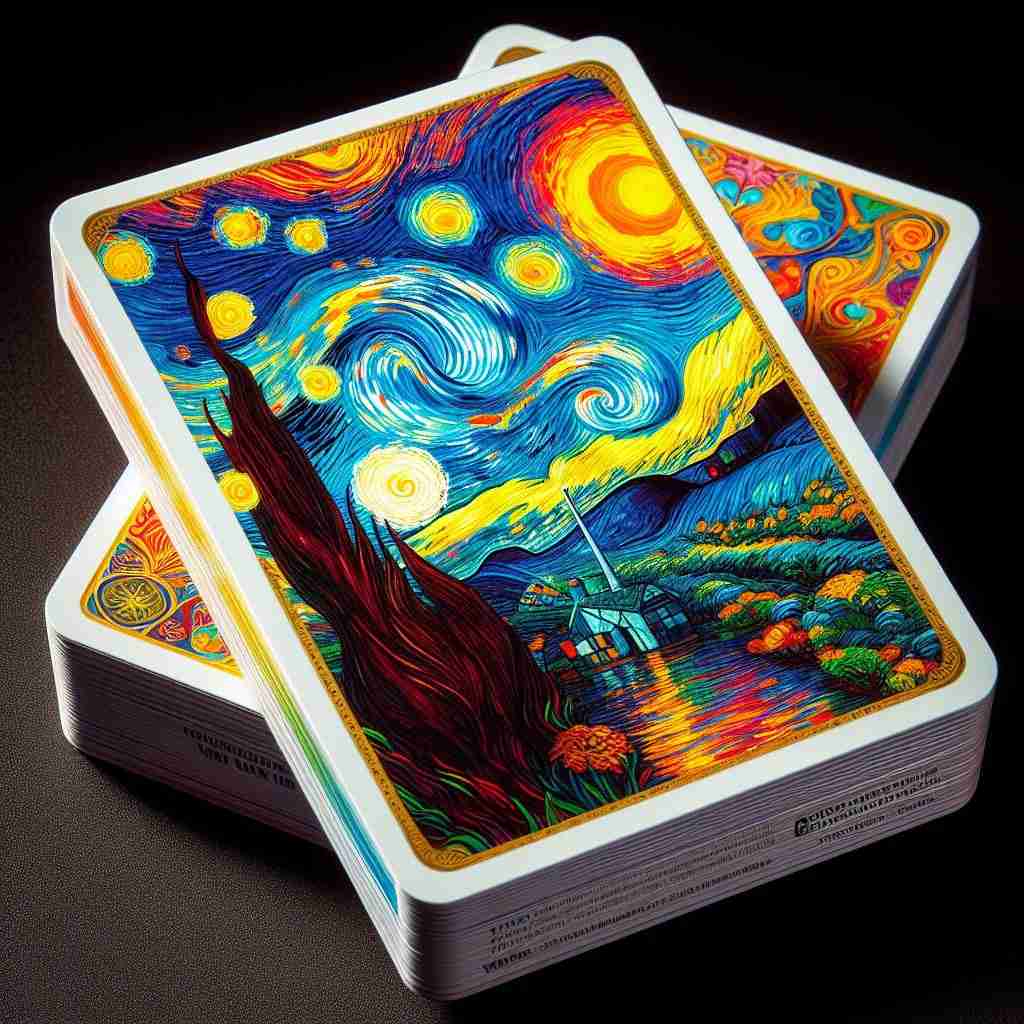
How Have Player Communities Influenced Game Development?
What Trends Have Emerged In Combat Card Games Recently?
In recent years, the landscape of card games has undergone a fascinating transformation. As technology and gamer preferences shift, some trends have emerged that are worth noting, especially in the realm of combat card games, where strategy and excitement reign supreme. These transformations resemble a well-crafted deck—each card representing a unique element that contributes to the overall gameplay experience.
One of the most prominent trends is the rise of digital adaptations. Gone are the days when card games required a physical gathering for a good ol’ fashioned battle. The advent of online platforms has not only made card games more accessible but has also opened up avenues for real-time multiplayer competitions. Gamers can now face opponents from around the globe, engage in strategic duels, and even crowdsource strategies through online communities. This newfound accessibility has diversified the player base, bringing in veterans and newcomers alike, all eager to test their wits in this dynamic arena.
Another notable trend is the emphasis on storytelling within card games. Modern designs now intertwine narratives with gameplay, transporting players into rich worlds filled with lore. Combat card games are no longer just about winning; they’re about the journey. Players have become emotionally invested in characters and their backstories, allowing for deeper engagement. The cards become vessels for tales of heroism and villainy, adding layers of depth that were often absent in traditional formats.
The mechanics of card games have evolved, too. Deck customization has taken on a whole new level of flexibility, with players able to mix and match card types and abilities in innovative ways. This trend encourages not just a focus on winning but also on creative expression. Gamers craft their own unique playstyles, circumventing standard archetypes and embracing experimentation. It’s a breath of fresh air in a genre that sometimes feels confined by rigid structures.
Lastly, there’s a growing trend towards community-driven content. Players are now more involved in the creation of new content—be it through fan-made expansions or modifications that can spice up standard gameplay. This grassroots approach fosters a sense of ownership and collaboration within the community, echoing the notion that every game is ultimately shaped by the players who engage with it.
All these trends together signal an exciting era for combat card games, blending tradition with innovation. As players continue to push the boundaries of what is possible, the future looks bright for this beloved genre.

What Trends Have Emerged In Combat Card Games Recently?
What Trends Have Emerged In Combat Card Games Recently?
- The landscape of card games is transforming, especially in combat card games where strategy and excitement prevail.
- Digital adaptations have made card games more accessible and facilitated real-time multiplayer competitions globally.
- Modern card games emphasize storytelling, weaving narratives into gameplay for deeper player engagement.
- Deck customization has evolved, allowing players to mix card types and develop unique playstyles.
- Players are increasingly involved in community-driven content creation, including fan-made expansions and modifications.
- This grassroots approach fosters ownership and collaboration within the gaming community.
- These trends indicate a bright future for combat card games, combining tradition with innovation.

What Trends Have Emerged In Combat Card Games Recently?
Conclusion
As we wrap up our exploration into the evolution of combat card games, it’s clear we’ve witnessed a remarkable journey—one that’s a blend of nostalgia, innovation, and community spirit. From the days when a simple deck of cards brought friends together around a table, to a digital landscape where players can engage with opponents from miles away, combat card games have metamorphosed into a multi-faceted experience that captures the imagination.
Let’s not forget the roots of this genre. Initial interactions were steeped in face-to-face strategy, where victories and losses were celebrated—or lamented—over snacks and strategy talks. That sense of community formed the backbone of these games and underscores why many gamers still yearn for that physical connection. Yet, as the digital world began to expand, so too did the landscape of combat card games, bringing more complex mechanics, rich storytelling, and a global community that transcends physical boundaries. The ease of access offered by mobile and online gaming has democratized play, allowing newcomers to easily join in, transforming once-niche-hobbies into massive multiplayer arenas.
Gameplay mechanics have evolved as well, influenced heavily by technology and the creative aspirations of developers. The shift from simple turn-based mechanics to dynamic, real-time interactions has changed how players engage with the game. Now, mechanics are not merely about winning or losing; they’re about narrative experiences shaped by player choices. Attaching storylines to cards has injected a level of investment that fosters emotional connections, transforming each game into a saga rather than just a competition of skills.
The art and design of these games are not mere decorations; they are integral to the experience, offering vivid storytelling through stunning illustrations that capture the essence of every card. A cohesive theme and captivating design breathe life into the narratives, making each session an immersive adventure.
Perhaps the most significant shift has been the role of player communities in shaping game development. No longer just consumers, players are active collaborators, their voices echoing throughout the development cycle. Their feedback drives changes, reveals desires, and fuels innovation—an essential pulse keeping combat card games relevant in a fast-paced world.
So, whether you’re delving into a digital realm or finding camaraderie around a table, it’s undeniable: combat card games are more than just cards and rules. They are a testament to our creativity, competition, and connection, promising an ever-bright future full of possibilities—each shuffle of the deck a hopeful nod to what lies ahead.

Conclusion
Conclusion:
- Combat card games have evolved significantly, combining nostalgia, innovation, and community spirit.
- Initial gameplay centered around face-to-face interactions, fostering community through shared experiences.
- The digital shift expanded accessibility, transforming combat card games into global multiplayer experiences.
- Gameplay mechanics have advanced from simple turn-based systems to dynamic, real-time interactions focused on narrative experiences.
- Art and design are essential to these games, providing immersive storytelling through stunning illustrations.
- Player communities now play a crucial role in game development, offering feedback that drives innovation.
- Combat card games represent creativity and connection, promising a vibrant future with endless possibilities.

Conclusion
Other Resources

Other Resources
Here is a list of other resources you can review online to learn more:
- Tantrum House
- Space Cowboys
- Capstone Games
- Lookout Games
- Splendor
- Stonemaier Games
- 7 Wonders Duel
- WordPress
- Rahdo Runs Through
- How to Play Podcast
Use This Prompt To Get More Resources With Your Favorite Online AI Tool: Please provide me with a list of online articles with their URLs in a bulleted list that I can read regarding How Have Combat Card Games Changed Over Time?

Other Resources
Glossary Terms
How Have Combat Card Games Changed Over Time? – Glossary Of Terms
1. Deck: A collection of cards a player uses to battle opponents in a combat card game. Deck construction can greatly impact strategies.
2. Card Rarity: A classification system that indicates how common or rare a card is within a game, often influencing its power and value.
3. Gameplay: The mechanics and rules governing how players interact with each other and the game environment.
4. Meta: Short for “metagame,” it refers to the evolving strategies, decks, and card choices that dominate competitive play.
5. Artifact: A type of card that often represents a permanent object with abilities that can impact the game when played.
6. Expansion Set: A collection of new cards released to supplement existing card games, introducing fresh mechanics and themes.
7. Collectible Card Game (CCG): A game format where players collect cards, build their decks, and compete against each other, typically involving trading.
8. Trading Card Game (TCG): Similar to a CCG but focusing more on the trading aspect, allowing players to exchange cards to complete their collections.
9. Mechanics: The rules governing how cards interact with each other and with players during gameplay, including actions like drawing, attacking, and casting spells.
10. Burn Damage: A mechanic in which players deal direct damage to opponents, often bypassing defenses to decrease life points.
11. Card Synergy: A strategy that involves using cards that complement each other, enhancing their overall effectiveness when played together.
12. Turn Structure: The defined phases that players go through during their turn, typically including drawing, playing cards, and attacking.
13. Combat Phase: A specific phase in gameplay where players declare attacks, block damage, and resolve combat interactions.
14. Life Points: A numerical value representing a player’s health. When reduced to zero, the player loses the game.
15. Sideboarding: The practice of selecting specific cards to swap in and out of a main deck between games in a match to enhance strategy.
16. Evolving Strategies: Changes in player tactics and deck construction over time as new cards and mechanics are introduced.
17. Limited Format: A play format where players build decks from a limited pool of cards (e. g. , booster packs) often focusing on skill rather than extensive collections.
18. Constructed Format: A play format where players build decks within specific rules and restrictions using cards from their personal collections.
19. Game Balance: The concept of ensuring no single card or strategy becomes overpowered, maintaining competition fairness.
20. Packs: Collections of random cards sold as products, often used in trading card games to introduce new options for players.
21. Draft: A format wherein players take turns selecting cards from a common pool, building their decks on the spot and promoting strategic depth.
22. Simulation: The use of digital tools or software to replicate traditional card game mechanics, often opening up new avenues for gameplay and accessibility.
23. Community Events: Public gatherings or tournaments that celebrate combat card games, providing players with competitive opportunities and social interaction.
24. Online Play: The ability to play combat card games through digital platforms, enabling players to compete globally without physical cards.
25. Lore: The background story and universe in which a card game operates, often enriching player engagement and immersion.
26. Skill-based Play: A gaming approach where success relies more on player decisions and tactics rather than luck or card strength.
27. Counters: Tokens or markers placed on cards to denote effects, calculations, or changes in state during the game, often used to track ongoing effects.
28. Hybrid Mechanics: Innovative gameplay elements that blend different mechanics from various games, introducing complexity and new strategies.
29. Essence: A resource mechanism in some card games used to cast spells or activate special abilities, diversifying gameplay.
30. Flashback: A mechanic allowing players to cast spells from their graveyard, reusing cards and creating dynamic strategies.

Glossary Of Terms
Other Questions
How Have Combat Card Games Changed Over Time? – Other Questions
If you wish to explore and discover more, consider looking for answers to these questions:
- What are some key differences between traditional combat card games and modern versions?
- How have online platforms affected the popularity of combat card games?
- What role do competitive events and tournaments play in the evolution of combat card games?
- How do card games maintain their appeal across different age groups?
- In what ways have player feedback and community interactions shaped recent card game developments?
- What future trends can we expect in the evolution of combat card games?
- How do different cultural influences manifest in various combat card games?
- What impact does art and design have on player engagement in combat card games?
- How do mechanics such as randomness and strategy influence gameplay in combat card games?
- What are the challenges of balancing game mechanics in combat card games?
- How has the introduction of artificial intelligence influenced combat card games?
- What considerations are involved in the pricing and monetization of digital card games?
- How can new players get started with combat card games?
- What are the social benefits of playing combat card games?
- How has the portrayal of themes in card games changed over time?

Other Questions
Haiku
How Have Combat Card Games Changed Over Time? – A Haiku
Evolving like cards,
From tables to screens they fight,
Players build and bond.

Haiku
Poem
How Have Combat Card Games Changed Over Time? – A Poem
In the hands of friends, the battles began,
With simple decks laid out, each card in a plan.
From tables where laughter blended with fate,
To digital realms where players now mate.
Once bound by the table’s warm, wooden embrace,
Now warriors connect from each corner of space.
The shuffle of cards, once a tactile delight,
Now dances through pixels, both day and night.
From ancient roots in the Tang dynasty,
To Magic’s rise, reshaping strategy.
Creatures unleashed, spells cast with a flare,
A tapestry woven, each card a new layer.
Innovations spark like lightning in air,
Mobile and online, the thrill we now share.
Royals clash in a world filled with lore,
Where stories unfold and players explore.
Art and design breathe life into the game,
With visuals that whisper each card’s hidden name.
Each mechanic evolves, like a story once told,
As players unite, brave, daring, and bold.
With community voices, developers heed,
Their feedback a compass, guiding the new creed.
For in every duel, every heart that beats,
The essence of gaming is where passion meets.
As we muse on the past and embrace what’s ahead,
The future of combat cards dances like thread.
A legacy flowing from hand to screen,
In each game that we play, a vibrant dream.

Poem
Checklist
How Have Combat Card Games Changed Over Time? – A Checklist
Understanding the Evolution:
_____ Identify the key historical phases of combat card games.
_____ Note the role of traditional tabletop formats in shaping early card games.
_____ Recognize how player expectations have evolved over time.
Exploring Technological Impact:
_____ Understand how the internet has changed the way players connect and compete.
_____ Check how mobile gaming has made access to combat card games easier.
_____ Evaluate the impact of digital versus physical card games on gameplay experience.
Gameplay Mechanics:
_____ Analyze the evolution of gameplay mechanics from simple to complex.
_____ Consider how real-time gameplay and AI innovations are shaping modern mechanics.
Art and Design:
_____ Assess the importance of art and design in enhancing gameplay immersion.
_____ Explore the role of thematic consistency in player engagement.
Community Influence:
_____ Investigate how player communities drive development decisions.
_____ Note examples of successful player feedback influencing game updates or balance changes.
Current Trends:
_____ Keep an eye on trends like digital adaptations and real-time multiplayer gameplay.
_____ Observe the integration of storytelling within card games.
_____ Emphasize the rise of community-driven content and the trend towards deck customization.
Future Insights:
_____ Ponder potential future innovations in combat card gaming.
_____ Encourage discussions on what players want to see in next-generation card games.
This checklist can be provided alongside the article to help readers reflect on the key points and concepts discussed in the text regarding the evolution of combat card games.

Checklist
At CardGameNews, we help people who love card games by collating information and news about card games.
Be sure to read our other related stories at CardGameNews to learn more about card games.


