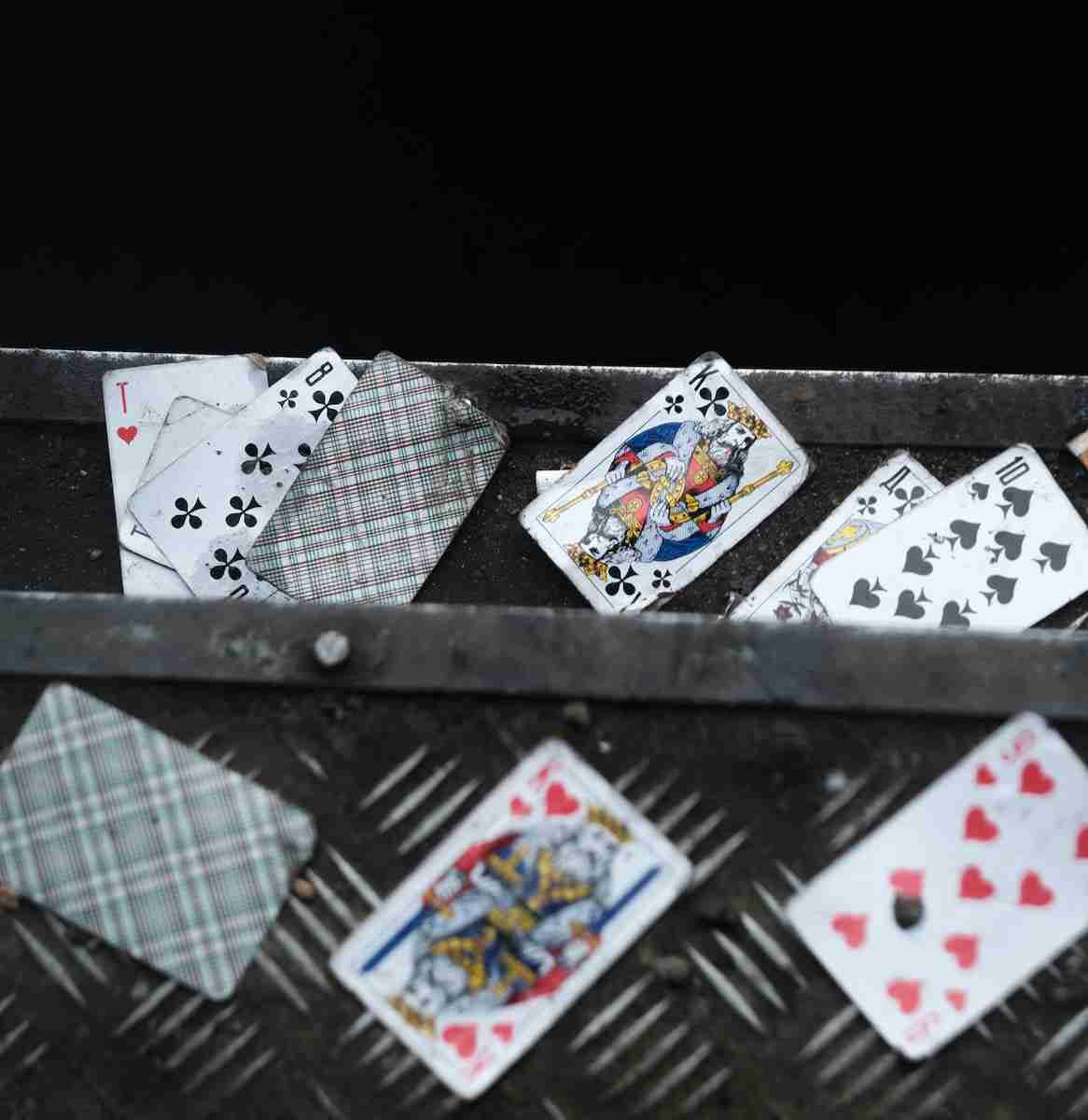
Spice Up Family Gatherings With Card Games!
By Tom Seest
At CardGameNews, we help people who love card games by collating information and news about card games.
Be sure to read our other related stories at CardGameNews to learn more about card games.
Do Card Games Reduce Family Drama During Gatherings?
Ah, family gatherings—those time-honored occasions that can evoke both a warm smile and a building sense of dread. You know the scene: relatives gathered around the table, the aroma of your aunt’s famous lasagna mingling with the tension of veiled comments and the perennial gossip. But what if I told you there’s a simple remedy for this familial chaos? Enter the card game.
Picture this: you plop down a deck of cards, and just like that, you’ve shattered the stony silence that too often lingers in the air. Card games have an uncanny ability to break the ice, promote laughter, and transform a potentially sticky situation into an opportunity for connection. It’s a shared activity that encourages teamwork and friendly rivalry—all while keeping the spiraling conversations at bay.
Why are card games so effective? Well, they offer a common ground where everyone plays a role, becomes part of the action, and, most importantly, removes the pressure of heavy conversations. Nobody’s busy analyzing Aunt Trudy’s latest life choices or Cousin Jimmy’s questionable haircut when they’re too busy strategizing how to play that tricky hand. In this careful dance of cards and camaraderie, humor naturally bubbles up, and before you know it, old rivalries turn into playful banter.
Here’s the kicker: even if your family isn’t particularly close-knit, a card game can magically create bonds. It doesn’t matter if you’re flipping over Uno cards or diving into the complexities of Poker; the shared experience fosters an environment where laughter dissolves tension, and stories emerge, all woven through the rhythm of the game.
Now, I’m not saying card games are a cure-all for family drama. After all, there are certain topics that will still raise eyebrows or tempers. But a well-timed card game might just be the soothing balm you didn’t know you needed. So the next time you’re gearing up for a gathering, grab a deck of cards and invite the crew to sit down. Who knows? You may emerge from the chaos with renewed connections, laughter echoing in your ears, and a newfound appreciation for the simple joy of play amidst the family fray.
A card game isn’t just a game; it’s a bridge. It brings people together, reminding us that even amidst the quirks and complexities of family life, there’s always room for a little fun. So go ahead—deal the cards and watch the magic happen.

Do Card Games Reduce Family Drama During Gatherings?
Do Card Games Reduce Family Drama During Gatherings?
- Family gatherings can elicit mixed feelings, from warmth to dread.
- Card games serve as an effective remedy, breaking the ice and promoting laughter.
- They encourage teamwork and friendly rivalry, keeping heavy conversations at bay.
- Card games provide a common ground, involvements, and alleviate pressure from awkward topics.
- They create bonds among family members, regardless of closeness.
- A well-timed card game can transform family dynamics, fostering laughter and connection.
- Ultimately, card games remind us of the fun that can exist within family life.

Do Card Games Reduce Family Drama During Gatherings?
Table Of Contents
- Do Card Games Reduce Family Drama During Gatherings?
- How Can Card Games Help Ease Tensions During Family Gatherings?
- What Types Of Card Games Are Best For Family Bonding?
- Can Playing Card Games Encourage Collaboration Over Competition?
- How Do Card Games Create A More Relaxed Atmosphere During Events?
- Are There Specific Card Games Recommended For Families With Conflict?
- How Do Card Games Promote Laughter And Fun Among Relatives?
- What Role Does Strategy Play In Family Card Game Interactions?
- Conclusion
- Other Resources
- Glossary Of Terms
- Other Questions
- Haiku
- Poem
- Checklist
How Can Card Games Help Ease Tensions During Family Gatherings?
Picture this: the turkey is still warming in the oven, Aunt Edna and Cousin Larry are locked in a debate about the best holiday movie, and somewhere in the background, Uncle Joe is attempting to assemble a toy he probably should have read the instructions for. If this sounds familiar, you’re not alone. Family gatherings can often feel like a potluck of conflicting opinions, and sometimes, the simmering tensions just need a little nudge to turn into something—as the kids say—less cringey.
Enter the humble card game. When chaos reigns supreme, a deck of cards might just be the secret weapon you never knew you needed. Why? Because card games offer more than just entertainment; they create an environment for connection, laughter, and—dare I say it—healthy competition. Whether you’re playing a classic game like Poker or a whimsical version of Crazy Eights, the simple act of gathering around the table with a card game in hand can bridge generations and turn awkward silences into hearty chuckles.
Think about it. As you shuffle the cards, suddenly everyone has a common goal. The stakes may be low—after all, no one’s going to end up on the evening news for winning a round of Go Fish—but the adrenaline of the game pumps life back into the room. You’ll find Grandma rooting for her favorite grandkid, siblings playfully sabotaging each other, and even Uncle Joe putting down his tools to join in the fun. Moments like these, bathed in the glow of camaraderie, can dissolve tensions and mend ruffled feathers before you even know it.
Not convinced? Perhaps you’ve seen or felt that tightness in the chest when conversations go awry. A round of cards can serve as a splendid distraction—serving up an opportunity for laughter, light banter, and shared stories. The lightheartedness of a card game can shift perspectives faster than you can flip over that Ace of Spades and trigger a cascade of joy that pulls each family member into a shared experience.
So, next time the family gathers and tension looms like a gray cloud, consider bringing out a card game. You might just find that breaking out the cards isn’t just about winning; it’s about weaving together the fabric of family memories, one shuffle at a time. Trust me, the laughter and connection that unfolds will far outweigh any temporary disagreements. It’s a simple action that can spur harmony and remind everyone that, at the end of the day, we’re all on the same team.

How Can Card Games Help Ease Tensions During Family Gatherings?
How Can Card Games Help Ease Tensions During Family Gatherings?
- Family gatherings often involve conflicting opinions and tense situations.
- A card game can be a secret weapon for promoting connection and laughter.
- Playing games like Poker or Crazy Eights can bridge generational gaps.
- Card games create a common goal and lift the mood in the gathering.
- Even tense family members can join in on the fun and enjoy camaraderie.
- Card games can serve as a distraction from awkward conversations and generate shared experiences.
- Bringing out a card game can foster harmony, laughter, and strengthen family bonds.

How Can Card Games Help Ease Tensions During Family Gatherings?
What Types Of Card Games Are Best For Family Bonding?
What Types of Card Games Are Best for Family Bonding?
When it comes to fostering connections among family members, few activities are as straightforward yet impactful as a good old-fashioned card game. There’s something uniquely personal about gathering around the table, cards in hand, and laughter echoing as you play. It’s not merely about winning or losing; it’s about the stories that unfold and the memories you create together. So, which card games can elevate your family bonding experience? Let’s dive in.
Classic Games for Timeless Fun
Think back to those childhood afternoons spent engaged in raucous rummy or spirited spades. Classic card games have a remarkable ability to transcend generations. They’re familiar territory, where skills can be shared, and strategies can be taught. Rummy, for instance, encourages players to think critically and adapt to changing circumstances, while Spades fosters teamwork and communication. These games don’t just build strategy—they build connections.
Innovative Card Games for Creative Minds
If your family is more of the adventurous type, consider exploring some newer card games that promote creativity and humor. Games like “Exploding Kittens” or “Cards Against Humanity” can lead to moments of hilarity and surprise. They’re designed to break the ice and get everyone laughing, which is a fantastic way to bond. Laughter creates a relaxed environment, allowing family members to express themselves freely. Plus, the silliness of gameplay often leads to inside jokes that can last a lifetime.
Educational Card Games for Young Learners
Let’s not forget our younger players. Educational card games can be a wonderful merge of fun and learning. Games such as “Uno” not only promote strategic thinking and counting but also encourage sportsmanship. The animated exchanges of friendly banter can spark conversations, teaching kids about winning gracefully or losing with dignity. Best of all, these games help kids feel included and proud, which is priceless.
The Overall Impact
Choosing the right card game can transform an ordinary evening into a cherished family tradition. So, shuffle those decks, gather around the table, and let the cards do their magic. Whether your family thrives on classics, enjoys a good laugh with new experiences, or seeks educational endeavors, the right card game is a gateway to deeper connections. So dust off that deck and get ready for a night filled with laughter, learning, and love. Family bonding, after all, is just a game away!

What Types Of Card Games Are Best For Family Bonding?
What Types Of Card Games Are Best For Family Bonding?
- Card games are a simple yet effective way to foster family connections.
- Classic card games like Rummy and Spades promote strategy, critical thinking, teamwork, and communication.
- Innovative games such as “Exploding Kittens” and “Cards Against Humanity” encourage humor and creativity, leading to laughter and bonding.
- Educational card games like “Uno” teach young players strategic thinking, counting, and sportsmanship.
- These games can spark conversations about winning gracefully and losing with dignity among children.
- Choosing the right card game can turn an ordinary evening into a cherished family tradition.
- Ultimately, card games are a gateway to deeper connections, laughter, learning, and love among family members.

What Types Of Card Games Are Best For Family Bonding?
Can Playing Card Games Encourage Collaboration Over Competition?
Picture this: a cozy living room, the smell of fresh popcorn wafting through the air, and a group of friends gathered around a coffee table. They’re huddled close, focused on the colorful chaos unfolding in front of them. It’s not just any game night, it’s time for a card game—a delightful avenue for laughter, strategy, and yes, a healthy dose of collaboration.
When you dive into a card game, you quickly realize that it can bring people together like few other activities can. It’s not just about the cards in your hand; it’s about the connections forged with every shuffle and deal. Unlike competitive sports, where the focus narrows to who scores the most points, card games invite players to engage in collective strategies and shared moments of joy. You may find yourself strategizing with a friend to thwart another player, bonding over the thrill of teamwork. This dynamic fosters a sense of camaraderie, reinforcing the idea that, while some may win the game, everyone can take home the fun.
Look, I get it—everyone loves to win. But here’s the beauty of a great card game: it encourages you to focus on the journey rather than the destination. You might start off as rivals, holding your cards close to your chest. But before long, you’re sharing tips, laughing together when someone messes up, or playfully negotiating trades that benefit both parties. These subtle interactions build a foundation of trust and respect, essential ingredients for collaboration. You can’t help but appreciate the creativity involved in a game when you remember that those cards are tools not just for personal gain but for shared success.
Now, let’s be real; there’s still a competitive edge to it, and that’s part of the appeal. The challenge is refreshing, and the thrill of a well-played card game can be exhilarating. Yet, as you glance around the table, you’ll see smiles, hear stories, and witness the kind of connection that’s all too rare in today’s fast-paced world.
So, next time you gather some friends for a friendly card game, embrace that spirit of collaboration. Remember, it’s not only about winning or losing—it’s about making memories that linger long after the cards are put away. After all, what better way to forge relationships than by playing a game that celebrates both individual skill and collective fun?

Can Playing Card Games Encourage Collaboration Over Competition?
Can Playing Card Games Encourage Collaboration Over Competition?
- A cozy living room sets the scene for a fun card game night.
- Card games foster connections and camaraderie among players.
- Unlike competitive sports, card games promote teamwork and shared joy.
- Winning is enjoyable, but the focus is on collaboration and the experience.
- Interactions during the game build trust, respect, and creativity.
- While there is competition, the overall atmosphere is about connection and community.
- Card games create lasting memories and strengthen relationships beyond the game.

Can Playing Card Games Encourage Collaboration Over Competition?
How Do Card Games Create A More Relaxed Atmosphere During Events?
When you think about the magic of gatherings, what often comes to mind? Perhaps it’s the enticing aroma of good food wafting through the air or the soft glow of twinkling lights casting a warm ambiance. But there’s an understated hero behind creating a relaxed atmosphere at events, and that hero is the simple yet profound card game.
Picture a room bustling with laughter and conversation, where the initial awkwardness of strangers dissipates like morning fog. It’s not just idle chit-chat that brings people together; it’s the shared experience of a card game that weaves connections. Whether you’re playing a classic like Poker or a family-friendly Uno, these games offer not just entertainment, but the chance for camaraderie to bloom.
There’s something inherently approachable about sitting down to a card game. You don’t need to master a complex ritual or abide by hefty etiquette; all you need is a deck of cards and a spirit of fun. As players begin to shuffle and deal, it’s as if an invisible thread pulls everyone closer together. Those initial silences? They’re punctuated by the shuffle of cards, the occasional laughter, and even a few playful jabs. Suddenly, it’s a level playing field where everyone is on equal footing, and the barriers that usually exist in social gatherings start to melt away.
Game nights have a wonderful way of steering the focus toward interaction rather than distraction. As participants strategize and banter, they naturally forge bonds that can turn strangers into friends. You might learn that your new buddy from across the table has an uncanny ability to bluff, or maybe someone shares a hilarious story that leaves everyone in stitches. It’s the type of atmosphere that encourages open conversation, drawing out stories, laughter, and a sense of belonging.
Moreover, the gentle competition of a card game creates just enough tension to keep everyone engaged without being overwhelming. You’re leaning forward, anticipating your next move, but at the same time, you’re basking in the joy of each other’s company. You’ll find yourself not only tapping into your strategic side but also letting down your guard, which is a unique recipe for genuine connection.
So, as you plan your next gathering, consider drawing a deck from the shelf. Embrace the art of the card game. Let the laughter and friendly competition fill the air, creating an atmosphere that invites everyone to just relax and enjoy. After all, it’s not just about the cards; it’s about the people.

How Do Card Games Create A More Relaxed Atmosphere During Events?
How Do Card Games Create A More Relaxed Atmosphere During Events?
- Gatherings often evoke images of good food and warm ambiance, but card games play a crucial role in creating a relaxed atmosphere.
- The shared experience of playing card games, whether classic like Poker or family-friendly like Uno, fosters camaraderie among participants.
- Sitting down to a card game is approachable, requiring only a deck of cards and a fun spirit, breaking down social barriers.
- Initial silences are transformed by card shuffling, laughter, and playful banter, creating a sense of connection among players.
- Game nights promote interaction, allowing participants to bond through shared stories and experiences, turning strangers into friends.
- The gentle competition of card games keeps everyone engaged while encouraging relaxation and open conversation.
- Incorporating card games into gatherings invites laughter and friendly competition, enhancing the overall atmosphere and focusing on relationships.

How Do Card Games Create A More Relaxed Atmosphere During Events?
Are There Specific Card Games Recommended For Families With Conflict?
Imagine this: it’s a rainy Sunday afternoon, and the air is thick with tension. Family squabbles like to bubble up during these times, often fueled by the dread of endless hours cooped up together. But before you succumb to the temptation of retreating to separate corners with your screens, consider turning that tension into togetherness with a good old-fashioned card game. Yes, that’s right—a card game!
When it comes to navigating the choppy waters of familial conflict, card games can be your trusty lifeboats. They offer not only a way to pass the time but also a unique opportunity to channel that simmering energy into laughter, bonding, and even some friendly competition. So, what are some specific card games that can work wonders in these family situations?
One classic that rings especially true is Uno. Easy to learn, fast-paced, and loaded with surprises, Uno can turn a tense standoff into an all-out, laughter-filled showdown. The rules are simple enough that even the youngest family member can join in, and the emphasis on strategy mixed with a little luck keeps everyone on their toes. Just be ready for that “draw four!” moment to spark a good-natured uproar.
For those who prefer a touch of strategy without losing that effortless fun, try Exploding Kittens. This whimsical game is perfect for families with a quirky sense of humor. It allows players to play subtly against each other, sneaking in hilarious sabotage while everyone works to avoid an “exploding kitten.” It’s the kind of game that encourages playful banter, drawing families closer as they plot and scheme.
If you want something a bit more traditional, don’t overlook classics like Crazy Eights or Go Fish. These simple games provide structure without being overwhelming, giving family members space to talk through their feelings while enjoying the thrill of the game. Even better, they’re adaptable, and you can easily throw in purposeful rules like ‘no arguing during play’ to guide the tone.
In any family dynamic, the key is connection. The laughter shared over a card game can help mitigate tensions and cultivate a shared experience that fosters understanding and trust. So the next time conflict threatens to rear its ugly head, gather the family, shuffle those cards, and let the games begin. Who knew healing could be just a card game away?

Are There Specific Card Games Recommended For Families With Conflict?
Are There Specific Card Games Recommended For Families With Conflict?
- Rainy Sundays can lead to family squabbles, often due to being cooped up together.
- Card games can transform tension into togetherness through laughter and bonding.
- Uno is a classic game that is easy to learn, fast-paced, and encourages lively interaction.
- Exploding Kittens offers strategy and humor, promoting playful banter among family members.
- Traditional games like Crazy Eights and Go Fish provide structure and space for communication.
- In family dynamics, connection through shared experiences mitigates tensions and fosters understanding.
- Next time conflict arises, consider gathering the family for a card game to promote healing.

Are There Specific Card Games Recommended For Families With Conflict?
How Do Card Games Promote Laughter And Fun Among Relatives?
How Do Card Games Promote Laughter and Fun Among Relatives?
There’s something uniquely human about gathering around a table, shuffling a deck of cards, and diving into the heart of a card game. If you’ve ever watched a group of relatives embark on a card night, you know it’s not just the cards that create the magic; it’s the laughter, the banter, and the memories. Card games have an uncanny ability to bridge generational gaps, turning an ordinary evening into an extraordinary tapestry of shared laughter and playful competition.
Think about it: whether it’s a high-stakes match of poker or a raucous round of Uno, the essence of a card game is more than just the win or lose—it’s about the stories that emerge from each shuffle and deal. With each hand, players share more than just strategies; they relive family anecdotes, poke fun at each other’s missteps, and celebrate victories, big or small. Imagine Grandma cackling over a winning hand, or Uncle Bob recounting a legendary tale from a game past—these moments are the heartbeat of familial bonds.
Laughter, of course, is contagious. Picture a table filled with relatives, all rolling their eyes and punching each other’s arms as they strategize their next move. The humor often lies in the unexpected twists and turns of the game. Perhaps a feeble bluff turns into an unexpected triumph, or maybe the cat knocks the cards on the floor in a moment of heightened drama. It’s these unforeseen events that cultivate a sense of hilarity and camaraderie, reminding us that life, just like a card game, is full of surprises.
But it’s not just about the laughs; card games come with a sprinkle of nostalgia, evoking memories that transport us back to simpler times. Maybe it’s a Christmas tradition or a summer gathering on the porch—each game is a reminder of the connections forged over piles of cards and serves as a reminder of what truly matters.
So, the next time you feel the pull of a game night, don’t hesitate. Gather your loved ones, shuffle those cards, and let the laughter flow. In this age of distraction, a card game offers more than just entertainment; it offers a space where connection flourishes and joy becomes the common language. After all, life’s best moments often come in the most unexpected ways, and a deck of cards is one of the most time-honored invitations to share them.

How Do Card Games Promote Laughter And Fun Among Relatives?
How Do Card Games Promote Laughter And Fun Among Relatives?
- Card games create memorable experiences filled with laughter and banter among relatives.
- They bridge generational gaps, transforming ordinary evenings into meaningful gatherings.
- Games encourage storytelling, allowing players to share family anecdotes and celebrate victories.
- Laughter is contagious, enhanced by unexpected twists and comical moments during gameplay.
- The nostalgia associated with card games evokes cherished memories of family traditions.
- Game nights foster connections and joy in a world filled with distractions.
- A deck of cards provides an invitation to create unforgettable moments with loved ones.

How Do Card Games Promote Laughter And Fun Among Relatives?
What Role Does Strategy Play In Family Card Game Interactions?
Gather ‘round the table, folks, because family card games are more than just a pastime. They’re an unmistakable blend of strategy, interaction, and camaraderie that can transform an ordinary evening into something memorable. Picture this: a deck of cards spread before you, laughter ringing in the air, and each player, from the youngest to the oldest, locked in a battle of wits. Here’s the thing—strategy doesn’t just emerge; it lives and breathes in those moments.
When you think about it, a card game isn’t just about the cards themselves, but how you choose to play them. Are you going to go for brute force, slinging your best cards on the table hoping they stick? Or will you take a more measured approach? Maybe you’ll bide your time and watch your opponent’s moves closely. In either case, you are engaging in a rich tapestry of decision-making, where every choice can turn the tide, and every misstep adds a dash of drama.
What makes this so riveting is that it goes beyond mere tactics—it’s all about the people who are gathered there with you. Picture that friendly rivalry with your cousin, who is a card shark in disguise. Every playful glare or shared smirk serves to deepen your connection. The strategic elements become a common language, a way to communicate without words. You bond over your shared victories and defeats, each hand providing an opportunity to tease, to strategize, and to create unforgettable memories.
Strategy can serve as both a challenge and a companion in these interactions. It gives you the thrill of a contest while fostering teamwork, especially in games that require partnership. How often do families gather around a table, and through the art of strategy, come together? The stakes might be as simple as bragging rights, but the impact is profound.
Remember, at the heart of it all, family card games are about forging connections and creating traditions. So, the next time you’re sitting around that table, consider how strategy shapes each interaction. Embrace those moments of calculated moves and chaotic laughter. Because ultimately, it’s not just the cards you’re playing—it’s the relationships you’re nurturing that make the game worth every hand. Grab your cards, gather your family, and let the games begin!

What Role Does Strategy Play In Family Card Game Interactions?
What Role Does Strategy Play In Family Card Game Interactions?
- Family card games blend strategy, interaction, and camaraderie, turning ordinary evenings into memorable experiences.
- Players engage in a battle of wits, making strategic decisions that can significantly impact the outcome of the game.
- Card games promote decision-making, offering choices between aggressive or measured play styles.
- Friendly rivalries, such as competing with a skilled family member, enhance connections through shared experiences.
- Strategic elements foster communication and bonding without words, as victories and defeats are shared moments.
- Card games encourage teamwork, especially in partnership-required games, promoting family unity.
- Ultimately, family card games are about forging connections and creating traditions, making the relationships more important than the outcome of the game.

What Role Does Strategy Play In Family Card Game Interactions?
Conclusion
Ah, family gatherings. A delightful mix of warmth, nostalgia, and the occasional awkward silence that begs for a deft distraction. You know the scene well: the kitchen bustling with the aroma of Aunt Edna’s famous casserole, the couch occupied by Uncle Larry, who’s halfway through a passionate debate about the merits of “that movie” while Cousin Jill quizzes everyone on their favorite toppings for mashed potatoes. Now, while the holiday spirit may be in the air, so often is a dose of family drama just waiting to explode. But don’t fret! There’s an unsung hero that can lift spirits and ease tensions at family get-togethers: good old-fashioned card games.
Now, picture this: you crack open a deck of cards, and like a magician pulling a rabbit from a hat, suddenly the mood shifts. It’s amazing how a simple card game can transform a potentially stifling situation into an opportunity for connection and laughter. Whether you’re engaged in a fast-paced round of Uno or strategizing your way through a game of Rummy, there’s something about playing cards that levels the playing field, breaking down barriers and promoting a spirit of camaraderie. Nobody’s scrutinizing Aunt Trudy’s life choices when everyone’s busy trying to outsmart each other at the card table.
What’s fascinating is how card games can bridge the gap between generations. They encourage interaction that transcends the usual familial roles—grandparents are reminiscing about wild games from their youth while the kids boast about their “epic” wins. This shared experience creates a tapestry of stories, laughter, and playful banter. Every dealt hand is an invitation to engage, tease, and build bonds—an opportunity to create memories that will serve as the backdrop for future gatherings.
Sure, card games aren’t a silver bullet for all family disputes, but they sure can serve as a soothing balm. As you shuffle those cards, you’ll find that laughter can bubble up, easing any simmering tensions as shared moments take center stage. So, the next time the clan gathers around, pull out that deck. Who knows? You just might emerge from the fray with renewed connections, lively debates over game strategy, and a reminder that, at the end of the day, amidst our quirks and complexities, we can always come together over the thrill of a good card game. Remember, folks, it’s not just about winning or losing; it’s about the delight in the connections we forge along the way!

Conclusion
Conclusion:
- Family gatherings mix warmth, nostalgia, and occasional awkward moments.
- Card games are a great way to enhance the mood and alleviate tension at family events.
- Games like Uno and Rummy help to foster connection and laughter among family members.
- Card games break down generational barriers, allowing interaction across ages.
- They create shared experiences that result in stories, laughter, and bonds.
- While not a solution for all family disputes, card games can ease tensions and foster camaraderie.
- The joy of card games lies in the connections made, rather than just winning or losing.

Conclusion
Other Resources

Other Resources
Here is a list of other resources you can review online to learn more:
- Race for the Galaxy
- Lucky Duck Games
- Agricola (Revised Edition)
- Osprey Games
- Plurk
- Roll for the Galaxy
- Miniature Market
- Beasts of War
- Watch It Played
- Odnoklassniki
Use This Prompt To Get More Resources With Your Favorite Online AI Tool: Please provide me with a list of online articles with their URLs in a bulleted list that I can read regarding Do Card Games Reduce Family Drama During Gatherings?

Other Resources
Glossary Terms
Do Card Games Reduce Family Drama During Gatherings? – Glossary Of Terms
1. Card Games: Games played with a deck of cards, which can include traditional games like Poker or Uno, as well as custom family games.
2. Family Gatherings: Events where family members come together, often to celebrate occasions or simply to spend quality time.
3. Conflict Resolution: The process of resolving a dispute or disagreement, which can be facilitated through activities like games.
4. Social Interaction: The exchange of thoughts, feelings, and activities among family members, crucial for building relationships.
5. Engagement: The level of involvement and enthusiasm participants have in an activity, such as playing a card game.
6. Team Dynamics: The behavioral relationships between members of a group or family working together during games, which can either foster cooperation or rivalry.
7. Communication: The way family members express themselves, which can be enhanced or hindered by the competitive nature of games.
8. Ice Breaker: An activity designed to reduce tension and encourage interaction among participants, often a role played by games.
9. Cooperation: Working together towards a common goal, which is often encouraged in games that require teamwork.
10. Family Bonding: The strengthening of relationships within a family, potentially enhanced through shared activities like card games.
11. Distraction: A temporary diversion from everyday conflicts; card games can serve as a form of entertainment to alleviate stress.
12. Competitive Spirit: The desire to win or perform better than others; this element can influence both positive and negative interactions during games.
13. Psychological Distance: The emotional spacing between family members that can be affected by the engagement in playful competition.
14. Leisure Activity: A fun or enjoyable pastime that allows family members to relax and connect, such as playing card games.
15. Tradition: Established customs within a family, such as playing specific games during gatherings, which can create shared memories.
16. Conflict: A serious disagreement or argument, which games may help to minimize by shifting focus to gameplay.
17. Facilitation: The act of making a process easier; card games can facilitate better communication and understanding among family members.
18. Laughter: Joyful sounds often resulting from fun activities, which can help lighten the mood during family gatherings.
19. Turn-taking: A game mechanic that allows each player to partake in an orderly manner, promoting patience and fairness.
20. Emotional Outlet: A way to express feelings; games can provide a safe space for releasing pent-up emotions, avoiding family tension.
21. Strategy: The plan of action used in games that can engage participants intellectually and promote teamwork or rivalry.
22. Playfulness: The quality of being fun and spirited; card games often inject a sense of play into family dynamics.
23. Rule Management: The process of establishing and following game rules, which can teach families about fairness and respect.
24. Unity: The state of being one or in agreement, potentially strengthened through collaborative gameplay.
25. Stress Relief: Activities that alleviate tension; card games can provide an enjoyable distraction from life’s pressures.
26. Interpersonal Skills: The abilities used to interact effectively with others, which can improve through shared gaming experiences.
27. Expectation Management: Understanding and recognizing what behavior is acceptable within games, which can reduce potential conflicts.
28. Emotional Intelligence: The ability to recognize and manage emotions in oneself and others; card games can serve as a practice ground for these skills.
29. Spontaneity: The quality of being spontaneous or unplanned; card games may lead to unforeseen fun and laughter, benefiting family interactions.
30. Shared Experience: Activities that create common memories; card games often lead to great stories and bonding moments among family members.

Glossary Of Terms
Other Questions
Do Card Games Reduce Family Drama During Gatherings? – Other Questions
If you wish to explore and discover more, consider looking for answers to these questions:
- What are some popular card games that families enjoy?
- How do different card games influence family dynamics?
- Are there specific strategies that work best in family card games?
- What are the benefits of teamwork in card games during family gatherings?
- Can card games be tailored to different age groups in a family?
- How can card games help address unresolved family conflicts?
- What type of atmosphere do card games create compared to other activities?
- Are there card games that specifically enhance bonding among family members?
- How do card games impact children’s social skills during gatherings?
- What role do card games play in initiating conversations during family events?

Other Questions
Haiku
Do Card Games Reduce Family Drama During Gatherings? – A Haiku
Laughter fills the room,
Cards bridge gaps and mend the hearts—
Joy in every hand.

Haiku
Poem
Do Card Games Reduce Family Drama During Gatherings? – A Poem
In family gatherings, a scene unfolds,
Amidst the laughter, the stories told.
Aroma of lasagna fills the air,
Yet tensions linger, a weight we share.
But hark! A deck sits, quiet and still,
A simple card game, a magical thrill.
With every shuffle, the ice starts to break,
Transforming awkwardness with every stake.
Picture Aunt Trudy, with the wryest smile,
As Cousin Jimmy plays cards, laughs all the while.
The chatter grows lively, the gripes disappear,
In the dance of the cards, connections grow near.
For strategies brew in each careful play,
As rivalries soften in this playful ballet.
From Uno’s fast pace to Poker’s sly wit,
Each turn brings laughter, each moment a hit.
Old feuds dissolve, replaced by delight,
As families gather, their spirits take flight.
Decks may be standard, but bonds are unique,
With silliness ignited, it’s closeness we seek.
From classic games echoing the past,
To whimsical laughter that’s meant to last,
A card game, you see, is a bridge to the heart,
Uniting us all, a communal art.
So gather your kin, let the cards take the floor,
Embrace the connection, the memories galore.
In this joyous shuffle, tensions won’t stay,
For laughter and love light the family way.

Poem
Checklist
Do Card Games Reduce Family Drama During Gatherings? – A Checklist
1. Choose the Right Card Games:
_____ Classic Games:
_____ Rummy
_____ Spades
_____ Crazy Eights
_____ Go Fish
_____ Innovative Games:
_____ Exploding Kittens
_____ Cards Against Humanity
_____ Educational Games for Kids:
_____ Uno
2. Set Up the Perfect Game Space:
_____ Designate a comfortable, well-lit area for playing.
_____ Arrange seating to facilitate easy interaction.
3. Create an Inviting Atmosphere:
_____ Use warm lighting and minimize distractions.
_____ Have snacks and drinks available to keep spirits high.
4. Establish House Rules:
_____ Set guidelines (e. g. , “no arguing during play”) for a friendly environment.
_____ Decide if the game will be competitive or focus on collaboration.
5. Encourage All Family Members to Participate:
_____ Choose games with simple rules for all ages.
_____ Make sure everyone has a role in gameplay to foster inclusion.
6. Promote a Spirit of Fun and Laughter:
_____ Remind players that the goal is enjoyment, not just winning.
_____ Share stories or anecdotes during gameplay to enhance connection.
7. Use Card Games as a Conversation Starter:
_____ Leverage light banter during the game to bridge awkward silences.
_____ Allow space for family stories to emerge naturally.
8. Balance Competition with Cooperation:
_____ Encourage teamwork in games where applicable.
_____ Foster a sense of camaraderie and shared experiences.
9. Plan for Tension Management:
_____ Have a conflict-resolution plan if tempers flare.
_____ Recognize when to take a break for more light-hearted activities.
10. Celebrate the Moment:
_____ Acknowledge great plays and celebrate wins, big or small.
_____ Capture moments with photos or stories to reminisce later.
Bonus Tips:
_____ Experiment with New Games:
_____ Regularly introduce new games to keep things fresh and exciting.
_____ Reflection Post-Gathering:
_____ Discuss what everyone enjoyed about the card games during or after the gathering to deepen the connections made.
Use this checklist to ensure that your next family gathering is filled with laughter, connection, and memorable moments, all made possible by the simple joy of card games.

Checklist
At CardGameNews, we help people who love card games by collating information and news about card games.
Be sure to read our other related stories at CardGameNews to learn more about card games.