

Building Stronger Connections Through Family Card Games
By Tom Seest
At CardGameNews, we help people who love card games by collating information and news about card games.
Be sure to read our other related stories at CardGameNews to learn more about card games.
Can Playing Cards Together Improve Family Emotional Health?
There’s something about gathering around a table, shuffling a deck of cards, and diving into a good old-fashioned card game that feels like a cozy sweater on a chilly evening. Let’s face it; life gets hectic. Between work, school, and all the little commitments that seem to multiply overnight, families can drift into their own little orbits. But card games have a unique way of pulling everyone back together, and they might just be the key to boosting family emotional health.
Imagine this: the family is seated around the kitchen table, laughter echoes off the walls, and a little friendly banter fills the air. There’s something magical about that shared experience, isn’t there? Card games aren’t just about winning or losing; they’re about connection, communication, and collaboration. As you deal out the cards, you’re also dealing out opportunities for conversation and bonding. Whether it’s a classic game of Crazy Eights or a round of Uno, these simple games can initiate conversations that might not happen elsewhere.
And let’s not forget the lessons learned. When kids try to strategize their next move or analyze their opponents, they’re not just playing; they’re thinking critically and problem-solving. These skills are hugely valuable as they navigate various challenges in life. Plus, the joy of winning now and then reinforces their self-esteem, all while reminding them that it’s okay to lose too. There’s a healthy dose of humility in that, one that builds resilience and perspective.
What makes these moments even richer is the absence of digital devices—phones tucked away, screens darkened. In these fleeting moments, there’s no scrolling involved, just genuine connection. Each card flipped and each hand played helps to weave a tapestry of shared memory. Believe it or not, those little rituals—like a monthly game night—can become cherished traditions over time.
So why not shuffle a deck, gather your loved ones, and immerse yourselves in the magic of a card game? You might just find that it deepens those family bonds, encourages emotional expression, and serves as a foundation for healthier relationships. After all, it’s not just about the cards; it’s about the people you’re playing with. Dive in and see where the game takes you!

Can Playing Cards Together Improve Family Emotional Health?
Can Playing Cards Together Improve Family Emotional Health?
- Gathering for card games fosters family connection and emotional health.
- Card games create shared experiences filled with laughter and communication.
- Playing games like Crazy Eights or Uno encourages conversation and bonding.
- Kids learn critical thinking and problem-solving while strategizing during games.
- Winning and losing in games helps build children’s self-esteem and resilience.
- Playing without digital distractions enhances genuine connections and shared memories.
- Monthly game nights can evolve into cherished family traditions.

Can Playing Cards Together Improve Family Emotional Health?
Table Of Contents
- Can Playing Cards Together Improve Family Emotional Health?
- What Benefits Does Playing Cards Provide For Family Bonding?
- How Can Card Games Enhance Communication Among Family Members?
- What Are The Emotional Health Benefits Of Playing Cards As A Family?
- Are There Specific Card Games That Are Best For Families?
- How Often Should Families Play Cards To See Emotional Benefits?
- What Age Groups Can Enjoy Playing Cards Together?
- How Can Playing Cards Reduce Stress And Anxiety In Families?
- Conclusion
- Other Resources
- Glossary Of Terms
- Other Questions
- Haiku
- Poem
- Checklist
What Benefits Does Playing Cards Provide For Family Bonding?
Gather around the table, folks! When it comes to making memories and strengthening family ties, a simple card game may just be your secret weapon. Picture this: a deck of cards, some snacks within reach, and laughter echoing off the walls. It’s not just a pastime; it’s a recipe for connection.
First off, playing cards together can foster conversation. When you’re focusing on the game—strategizing your next move or perhaps trying to figure out your cousin’s poker face—walls come down. You’re not just players; you’re partners in a friendly competition that ignites banter and light-hearted jabs. You’ll find that the best stories often come out during a game of rummy or crazy eights. This is a chance to share experiences, recount family tales, and maybe even delve into some good-natured reminiscing about the past.
Then there’s the element of teamwork. Whether you’re teaming up for a round of bridge or battling against each other in a game of spades, there’s something about shared objectives that brings families closer. Winning or losing together creates an equal playing field—literally. You all share the highs of pulling off that magical hand or groaning at a sudden twist of fate. It’s a reminder that life, like cards, can change in an instant, and having each other to lean on makes it all the more worthwhile.
Let’s not forget the life skills that playing cards can develop! Strategy, patience, and social skills flourish around that table. Kids learn to calculate odds and anticipate others’ moves, while parents brush off that old competitive spirit. These skills are not just valuable in games; they serve families well throughout life.
And here’s a little nudge: make it a regular affair. Set aside an evening each week to break out the cards. Rotate game night so every family member can pick their favorite card game—whether it’s an old favorite or something new and trendy. The commitment to these evenings will deepen those relationships, and each game you play will weave another thread into the tapestry of your family’s story.
So go on, shuffle that deck, and watch as connections blossom around the table—one hand at a time.

What Benefits Does Playing Cards Provide For Family Bonding?
What Benefits Does Playing Cards Provide For Family Bonding?
- Playing card games fosters conversation and eases communication among family members.
- Card games encourage sharing of experiences and family stories, enhancing connection.
- Teamwork during games like bridge or spades brings families closer through shared objectives.
- Participating in card games develops valuable life skills, including strategy, patience, and social skills.
- Children learn to calculate odds and anticipate moves, while parents revive their competitive spirit.
- Establishing a regular game night strengthens family bonds and creates lasting memories.
- Rotating game choices allows each family member to contribute, enriching the family experience.

What Benefits Does Playing Cards Provide For Family Bonding?
How Can Card Games Enhance Communication Among Family Members?
Let’s face it: in today’s world, we often find ourselves tangled up in a web of digital distractions. Most evenings, you can find everyone in the same room—but instead of engaging with each other, they’re glued to their screens, exchanging memes rather than ideas. This is where the humble card game steps in like a superhero in a cape made of recycled cardboard.
Picture this: a Saturday night, where you’ve gathered around a table strewn with snacks, laughter, and a deck of cards. Not just any deck, mind you; a good ol’ deck that’s been through family gatherings, road trips, and perhaps even a couple of rainy days. With a bit of effort, these simple cards can serve as the catalyst for connecting with loved ones on a whole new level.
When the game begins, it’s not just about drawing cards or keeping score. It’s about sharing stories and memories—all wrapped up in a competitive spirit that makes for lighter hearts. With each flip of a card, you’re not just playing; you’re providing a platform for conversation that might never happen otherwise. You’ll find yourself discussing strategies, reminiscing about past games, and maybe even engaging in a little friendly banter. These moments are worth their weight in gold.
During a card game, walls come down, and barriers crumble. You’re encouraged to display your sense of humor and, let’s face it, a little bit of vulnerability. Losing gracefully or winning with style becomes a lesson in emotional intelligence that we all could use. Those little triumphs and defeats foster empathy and understanding, reinforcing bonds that often need a good stretch.
So, ditch the screens and grab a deck of cards. Whether it’s a classic like Uno or an elaborate game of Poker, the important part is that you’re gathered together. Encourage the kids to share their strategies, listen to their stories, and most importantly, laugh together. Seize the opportunity to create a space of trust and confidence where everyone feels valued and heard.
It’s not just a card game—it’s a chance to strengthen family ties, deepen connections, and create unforgettable memories. So go ahead—shuffle those cards and watch the magic happen. You might just discover that the best conversations can arise from the simplest of decks.

How Can Card Games Enhance Communication Among Family Members?
How Can Card Games Enhance Communication Among Family Members?
- Digital distractions dominate modern interactions, often isolating individuals even in shared spaces.
- Card games offer a fun and engaging alternative to screen time, fostering connection among family and friends.
- A playing deck becomes a vehicle for storytelling and reminiscing, enhancing communication.
- Card games encourage a spirit of competition, creating opportunities for lighthearted moments and laughter.
- Through gameplay, participants can learn emotional intelligence lessons, such as resilience and empathy.
- Gathering around a card game promotes trust, openness, and a sense of community among players.
- Engaging in card games leads to strengthened relationships and memorable experiences that outlast the game itself.

How Can Card Games Enhance Communication Among Family Members?
What Are The Emotional Health Benefits Of Playing Cards As A Family?
Gather around the table, folks. Picture this: a deck of cards sprawled out in front of you, a bunch of smiling faces, and the kind of laughter that echoes off the walls. Playing a card game as a family isn’t just about shuffling and dealing; it’s a unique opportunity to connect on a deeper level. It’s amazing how a simple activity can foster lasting bonds, ignite joy, and even work wonders for our emotional health.
First off, let’s talk about connection. In an age where screens often seem to dominate our living rooms, engaging in a traditional card game instantly pulls us back to the basics. There’s something personal about staring into the eyes of your loved ones – the playful looks, the excited gasps, and even the playful banter that flares up when someone gets a little too competitive. These moments cultivate connection, reinforcing the idea that family time is essential for emotional well-being.
Now, consider the laughter. When you draw a wild card or miss that crucial play, what happens next? Laughter erupts. It’s infectious and authentic, cutting through stress and tension like a hot knife through butter. Laughter has been shown to release endorphins, those feel-good chemicals that lighten the mood and foster a sense of happiness. When you’re sharing these moments with family, you’re not just playing – you’re building a tapestry of memories, and each hearty laugh is a stitch that binds you closer together.
But it doesn’t stop there. Engaging in a card game also teaches valuable life skills. Whether it’s strategizing your next move or managing the highs and lows of winning and losing, every hand dealt is a lesson in resilience and patience. Kids learn how to think critically while fostering a healthy attitude toward competition. It’s about more than just winning — it’s about supporting one another, even in defeat, and that’s a powerful life lesson.
So, why not dust off that card deck tonight? Gather your family, shuffle those cards, and dive into a world of fun, laughter, and connection. You’ll not only feel closer together but also emerge from the evening with hearts a little lighter and spirits lifted. Trust me, it’s worth every minute spent around that table.

What Are The Emotional Health Benefits Of Playing Cards As A Family?
What Are The Emotional Health Benefits Of Playing Cards As A Family?
- Playing card games as a family fosters deeper connections and emotional health.
- Engaging in traditional games brings family members together, away from screens.
- Laughter from the game releases endorphins, reducing stress and enhancing happiness.
- Each game creates lasting memories that strengthen familial bonds.
- Card games teach valuable life skills like resilience, patience, and critical thinking.
- Participating in games promotes healthy competition and sportsmanship among family members.
- Gathering for card games is an enjoyable way to enhance family closeness and joy.

What Are The Emotional Health Benefits Of Playing Cards As A Family?
Are There Specific Card Games That Are Best For Families?
When it comes to family bonding, few activities can match the simple pleasure of gathering around a table and diving into a good card game. If you’ve ever found yourself trapped in the endless loop of screen time, scrolling through platforms that offer little more than fleeting moments of connection, it’s time to rediscover the joy of face-to-face interaction. Card games have a unique ability to engage players of all ages, promoting laughter, friendly banter, and sometimes even a healthy dose of competition.
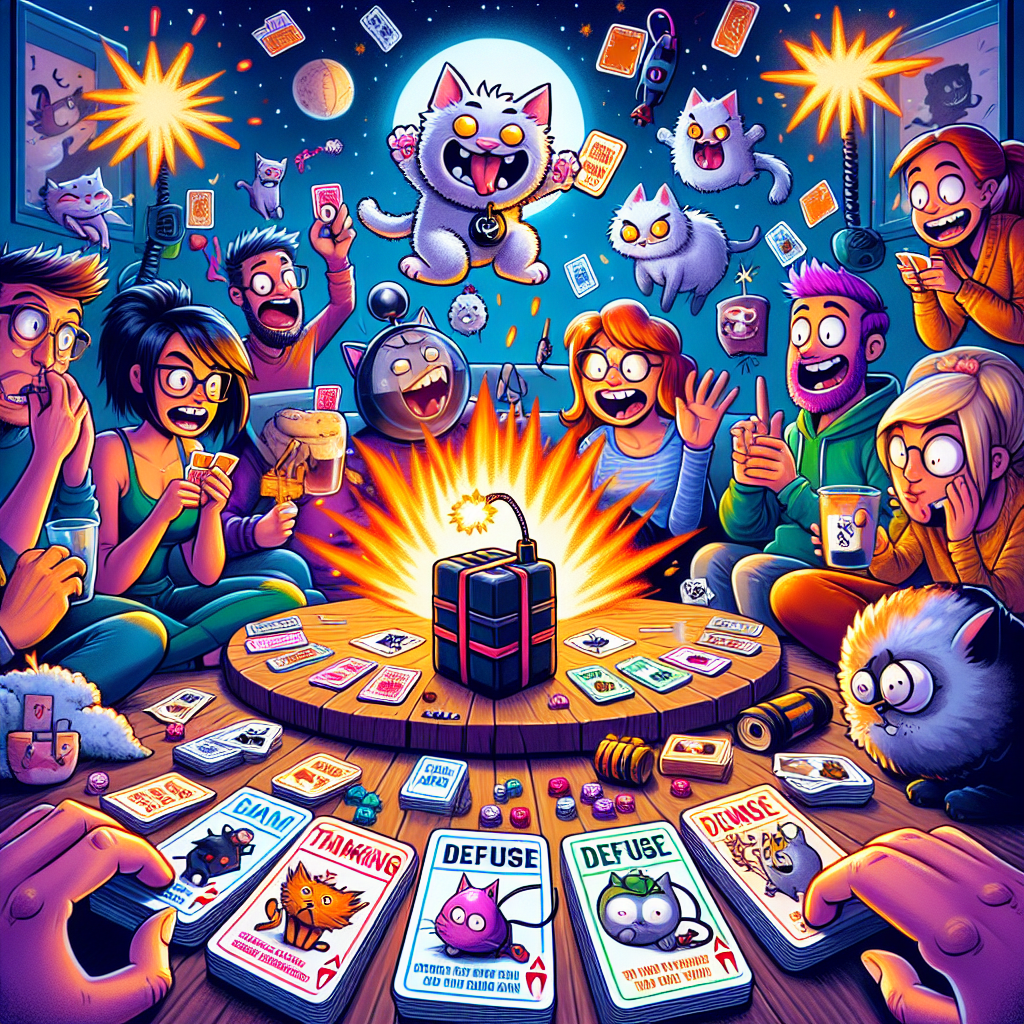
Let’s talk about some of the best card games for families. Uno, for instance, is a classic that combines strategy with a dash of luck. Its colorful cards and straightforward rules make it accessible, even for little ones who may not have a firm grasp of numbers yet. The exciting twists and unexpected “draw four” moments spark joy and playful outrage, making it a constant favorite at family gatherings. Then there’s Exploding Kittens—a game where you’ll find yourself howling with laughter over absurd illustrations while plotting your next move.
Don’t overlook traditional games like Go Fish or Crazy Eights; they may seem simple but don’t underestimate their power to create connections. They remind us that sometimes the simplest games are the ones that keep family time alive and kicking. Plus, they allow for storytelling, and there’s nothing like hearing your grandma recount her mischievous youth while you play a round of Old Maid or even Rummy.
If you’re looking for something with a bit more strategy, consider Cards Against Humanity, but steer this one clear of the little ones, as it can take a sharp turn towards the risqué. However, if your teenagers are game for a mix of humor and wit, it can lead to conversations that might just surprise you—opening doors to important discussions in a lighthearted way.
Whichever card game you choose, the key ingredient is always the same: the people you’re with. So, gather your family around the kitchen table, deal out those cards, and let the laughter flow. Remember, it’s not about winning or losing, but about the memories you create. After all, it’s those shared moments—conversations, laughter, the occasional friendly rivalry—that will stick with you much longer than any digital diversion ever could. Time spent playing cards is an investment into relationships that matter, and if you’re looking for connection, there’s no better place to start.

Are There Specific Card Games That Are Best For Families?
Are There Specific Card Games That Are Best For Families?
- Family bonding thrives through activities like card games, promoting face-to-face interaction.
- Card games, such as Uno, engage players of all ages with strategy and humor.
- Exploding Kittens offers absurd illustrations and laughter, making it a fun choice.
- Traditional games like Go Fish and Crazy Eights foster connection and storytelling.
- Cards Against Humanity can spark humor and conversation among older teens, but should be avoided for younger players.
- The essence of these games lies in the quality time spent with loved ones, rather than just winning or losing.
- Playing cards is a valuable investment in relationships and creates lasting memories.

Are There Specific Card Games That Are Best For Families?
How Often Should Families Play Cards To See Emotional Benefits?
Let’s face it: life can often feel like a never-ending to-do list, with family members running in different directions, barely finding time to share a meal, let alone engage in something as simple and rewarding as a card game. But what if I told you that gathering around a table for a little competition isn’t just good fun—it’s a gateway to emotional wellness?
Regularly playing cards as a family can be a game changer, but how often should you make it happen? Ideally, aim for at least once a week. Yep, a weekly card game can do wonders for family bonds. Think about it: you sit down together, the phones go into “do not disturb” mode, and you are all focused on each other instead of the chaos outside. Whether it’s a classic like Poker, Go Fish, or a strategic game like Rummy, the important part is that you’re engaging—not just with the cards, but with each other.
But why does frequent play matter? Well, every time you shuffle that deck, you’re not just flipping cards; you’re creating memories. You’re fostering a sense of belonging and teamwork as you plot your strategies, or simply tease one another about who’s playing the worst hand. These shared experiences break down barriers and reinforce connections, and over time, the emotional benefits compound. That’s right—more than just a way to pass the time, it’s a proven method to strengthen relationships.
Of course, if weekly seems daunting with everyone’s busy schedules, don’t be discouraged. Start where you can. Maybe it’s bi-weekly or even just once a month. The key is consistency. The more often you incorporate card games into your routine, the more benefits you’ll see. With just a little effort to make it happen, you’ll begin to notice shifts in mood, laughter filling the air, and perhaps a little friendly rivalry that brings everyone closer together.
So, gather your crew, deal out the cards, and embrace the joyful chaos of a family card game. You might just find that the laughter and connection you share around that table last far beyond the last hand. After all, it’s not just about the cards in your hand, but the bonds you build in between. Start shuffling that deck now—it’s time to lay those emotional foundations that could very well stand the test of time.

How Often Should Families Play Cards To See Emotional Benefits?
How Often Should Families Play Cards To See Emotional Benefits?
- Family life can feel chaotic and busy, leaving little time for connection.
- Regularly playing card games together can enhance emotional wellness.
- Aim for at least one family card game per week to strengthen bonds.
- Card games facilitate focused interaction and engagement among family members.
- They create lasting memories, foster teamwork, and break down barriers.
- If weekly games are not feasible, start with bi-weekly or monthly sessions; consistency is key.
- Incorporating card games can lead to improved mood, laughter, and closer relationships.

How Often Should Families Play Cards To See Emotional Benefits?
What Age Groups Can Enjoy Playing Cards Together?
When it comes to playing cards, it’s not just about the cards themselves, but the connections, the laughter, and those moments that make you feel more connected. You might think of a card game as the realm of adults, but let me tell you, it’s a playground for everyone—kids, teens, and seasoned pros alike!
Picture this: a group of friends gathered around a table, the sound of cards being shuffled, and a lively discussion about strategy mixed with cheery banter. Young children are utterly captivated by the simple thrill of matching colors or counting numbers in games like Uno or Go Fish. These games are not just occupying their time; they’re building foundational skills—critical thinking, counting, and even a little bit of sportsmanship. Can you remember learning how to play your first card game? That feeling of triumph when you managed to beat an older sibling or even a parent? Priceless.
Now, let’s skip ahead a few years. As they grow, so does their ability to strategize. Teenagers dive into more complex games like Poker or Rummy. Trust me, the stakes (literal or otherwise) can be high, and watching them navigate these games offers a fantastic opportunity to engage in some light-hearted competition. It’s amazing how a simple card game can draw out the creativity and wit they didn’t even know they had. And hey, it gives parents a chance to play the part of the wisdom-filled sage, offering up tips while trying to hide their competitive edge.
But let’s not forget about the adults—grandparents, aunts, uncles—all equally eager to join in on the fun. Games like Bridge or Canasta stir nostalgia while creating new memories. It’s beautiful how a card game creates a bridge across generations. You’ll find that laughter transcends years, and shared moments at the table can spark conversations about life, advice, and family history.
So why not gather everyone around the table, shuffle those cards, and deal out a game? Embrace the richness of different age groups coming together. Who knows? You might just discover a hidden champion among you, not to mention some great stories along the way. There’s something truly special about sharing the joy of a card game—so jump in and enjoy!

What Age Groups Can Enjoy Playing Cards Together?
What Age Groups Can Enjoy Playing Cards Together?
- Playing cards fosters connections, laughter, and moments of togetherness.
- Card games are enjoyed by everyone, including kids, teens, and adults.
- Young children develop foundational skills through simple games like Uno and Go Fish.
- Teenagers engage in more complex games, such as Poker or Rummy, enhancing their strategic thinking.
- Card games provide a platform for light-hearted competition and creativity.
- Adults, including grandparents and relatives, appreciate games that create nostalgia and new memories.
- Gathering for card games across generations fosters conversation and joy, making it a special bonding experience.

What Age Groups Can Enjoy Playing Cards Together?
How Can Playing Cards Reduce Stress And Anxiety In Families?
When life feels like a whirlwind and the pressures of the day are weighing you down, there’s something refreshing about gathering your family around a table for a good old-fashioned card game. It’s one of those simple, timeless activities that somehow brings people together, even when modern distractions try to pull us apart. Often, it’s in the laughter, the playful banter, and the shared focus that we find the antidote to stress and anxiety.
Imagine this: the aroma of dinner still lingering in the air, everyone tired from the hustle and bustle of daily life. Instead of succumbing to the temptation of screens or isolation in our individual corners, we can shuffle a deck of cards and invite the family to sit down for a game. A little competition is healthy, and there’s something exhilarating about the anticipation of your turn. Whether it’s a classic game of gin rummy or a lively round of Uno, these moments become mini-adventures that draw us back to each other, fostering connection and shared experiences.
Playing cards serves more than just entertainment; it’s a lesson in patience, strategy, and teamwork. You might be surprised how a card game can remind us of life’s small victories and setbacks. Each hand dealt is an opportunity to navigate challenges, reflect on choices, and build resilience. When you celebrate a win or shake off a loss collectively, you learn to embrace the ups and downs of life together, creating a support system that counters anxiety.
Moreover, there’s a soothing rhythm to the shuffle, the slap of cards on the table, and the lighthearted discussion that follows. In these moments, worries about work deadlines or school pressures become just background noise, fading into the distance. Families discover that there’s magic in being present, in finding joy in the company of one another amidst the chaos of life. This simple act of playing cards becomes a shared ritual—a source of laughter that echoes, filling the room with warmth and camaraderie.
So why not try it? Dust off that deck, set aside some time, and pull your loved ones in for a card game. You might just find that in the process of playing, exchanging stories, and crafting new memories, you’re not only reducing stress but also strengthening the bonds that keep your family tight-knit. In an era that often encourages solitude, a game of cards can be the bridge to deeper connections and a respite from the storm.

How Can Playing Cards Reduce Stress And Anxiety In Families?
How Can Playing Cards Reduce Stress And Anxiety In Families?
- Gathering family around a table for a card game can be refreshing during stressful times.
- Playing cards fosters connection and shared experiences amid modern distractions.
- A little competition in games like gin rummy or Uno adds excitement and draws families closer.
- Card games teach patience, strategy, and teamwork, reflecting life’s victories and setbacks.
- Playing together helps build resilience and creates a support system against anxiety.
- The calming sounds of gameplay promote a relaxing environment, distracting from daily pressures.
- Engaging in this simple ritual strengthens family bonds and creates lasting memories.

How Can Playing Cards Reduce Stress And Anxiety In Families?
Conclusion
Well, folks, as we wrap up this little adventure into the world of family card games, let’s take a moment to appreciate something truly magical: the power of a simple deck of cards. Life can be a whirlwind, filled with responsibilities that pull us in all directions. But nestled among the chaos is an unlikely hero—an old-fashioned card game. It’s not just about shuffling and dealing but about creating a haven where laughter reigns, connections deepen, and family bonds flourish.
Picture it: a table adorned with snacks, where everyone is gathered—phones tucked away, distractions minimized. That unmistakable sound of cards hitting the table, mixed with bursts of laughter as strategies unfold and friendly rivalries ignite. Card games are like a hearty stew, simmering with flavors of connection and communication, where the main ingredient is quality time together. Whether it’s a quick round of Uno or a lengthy battle of Poker, each encounter is an opportunity to share stories, engage in light-hearted banter, and even unearth a few cherished family legends.
But it’s more than just a night of fun and games. These moments help foster emotional resilience—kids learn valuable skills like critical thinking and patience, while everyone gets a lesson in humility and teamwork. Winning is great, but it’s the ability to laugh off a loss and support one another that truly builds character. And let’s not forget about the giggles and uproar that come from those unexpected twists in a game; every eruption of laughter serves as a small but pivotal stitch in the fabric of family life.
So how often should you break out the cards? Weekly, if you can swing it! Just think about the memories you’ll forge over time. Every hand dealt creates another thread in the tapestry of your family’s unique story. Whether it’s a monthly game night or just an occasional gathering, the key is consistency. Each card game is a chance for everyone—kids, teens, and even grandparents—to connect, share stories, and enjoy a good laugh.
Before you know it, you’ll have crafted a treasured family tradition that fosters emotional well-being and strengthens those vital family ties. So go ahead, dust off that deck, gather the crew, and let the games begin. You might just find that those simple moments shared over a card game yield profound benefits, keeping your family connected and your spirits high. Trust me, it’s a delightful way to make the everyday feel a little more special. Dive in! The cards are waiting!

Conclusion
Conclusion:
- The power of a simple deck of cards can create a magical family bonding experience.
- Card games foster a distraction-free environment, encouraging laughter and connection among family members.
- Each game night offers opportunities to share stories, engage in banter, and reminisce about family legends.
- Playing cards helps develop emotional resilience, critical thinking, and teamwork in children.
- Consistent game nights contribute to lasting family memories, regardless of the frequency.
- Every card game serves as a chance to connect across generations, from kids to grandparents.
- Engaging in card games can enhance family traditions, keeping spirits high and strengthening ties.

Conclusion
Other Resources

Other Resources
Here is a list of other resources you can review online to learn more:
- Kemet
- Threads
- The Dice Tower
- Cards Against Humanity
- Keyflower
- Ticket to Ride
- CoolStuffInc
- Fields of Arle
Use This Prompt To Get More Resources With Your Favorite Online AI Tool: Please provide me with a list of online articles with their URLs in a bulleted list that I can read regarding Can Playing Cards Together Improve Family Emotional Health?

Other Resources
Glossary Terms
Can Playing Cards Together Improve Family Emotional Health? – Glossary Of Terms
1. Bonding: The process of forming a close relationship or connection among family members, fostering trust and understanding.
2. Communication: The exchange of information, feelings, or ideas, crucial for improving family dynamics and emotional connection.
3. Emotion Regulation: The ability to manage and respond to emotional experiences, which can be enhanced through shared activities like card games.
4. Empathy: The capacity to understand and share the feelings of another, which can be nurtured through family interactions during games.
5. Family Dynamics: The patterns of interactions and relationships within a family that can be positively influenced through cooperative play.
6. Fun: An essential element of play that reduces stress, elevates mood, and encourages positive family interactions.
7. Gratitude: The appreciation for positive experiences and relationships, which can grow from enjoyable family game nights.
8. Mental Health: The emotional and psychological well-being of individuals, which can be supported through engaging family activities.
9. Resilience: The ability to recover from difficulties or stress, strengthened by supportive family relationships built through shared experiences.
10. Social Skills: The abilities necessary for effective social interactions, which can be enhanced by playing cards together.
11. Strategy: The careful planning and thinking required in card games, promoting critical thinking and problem-solving within the family.
12. Teamwork: Collaboration among family members to achieve a common goal during card games, fostering unity and cooperation.
13. Turn-taking: The practice of allowing each person a chance to play, promoting patience and mutual respect.
14. Trust: The reliance on the integrity, strength, and ability of family members, often built through shared experiences and communication.
15. Inclusivity: Ensuring that all family members feel valued and involved in play, which supports emotional security.
16. Mindfulness: The practice of being fully present in the moment, which can be cultivated during engaging card games, reducing stress.
17. Playfulness: An attitude of lightheartedness and fun that encourages laughter and joy in family interactions.
18. Conflict Resolution: Skills used to manage and resolve disagreements that may arise during play, enhancing family harmony.
19. Coping Mechanisms: Strategies or activities, such as playing cards, that help family members manage stress and emotions.
20. Memory: Cognitive skills that can be exercised through card games, promoting mental sharpness and nostalgia.
21. Intentionality: The deliberate approach to spending time together, fostering meaningful interactions during family game nights.
22. Creativity: The ability to think outside the box and come up with new ways to play or adapt games, stimulating family engagement.
23. Time Management: Organizing shared family time efficiently to prioritize bonding activities like card games.
24. Self-Esteem: The confidence in one’s worth or abilities, which can improve with positive reinforcement from family during play.
25. Tradition: Established practices or routines within a family, such as regular game nights, that strengthen relationships.
26. Health Benefits: Positive physical and emotional outcomes derived from engaging in enjoyable activities with family.
27. Distraction: A beneficial shift in focus from stressors, provided through the enjoyment of playing cards together.
28. Shared Goals: Objectives that family members work towards collectively during card games, fostering cooperation and teamwork.
29. Connection: The emotional ties that strengthen through shared experiences, particularly during interactive activities like games.
30. Therapeutic Play: Use of games as a form of therapy to enhance emotional health and communication within families.

Glossary Of Terms
Other Questions
Can Playing Cards Together Improve Family Emotional Health? – Other Questions
If you wish to explore and discover more, consider looking for answers to these questions:
- What types of card games are most beneficial for improving family emotional health?
- How do card games specifically enhance communication skills in families?
- What are some tips for setting up a successful family game night?
- Are there studies that support the claim that card games improve emotional health?
- What age groups can participate in family card games, and what games are best suited for each?
- How can families incorporate card games into their weekly routines?
- What strategies can families use to make card games more engaging and fun?
- Are there particular challenges families face when trying to play card games together?
- What should families do if they have disagreements or tensions during card games?
- Can playing cards together help with conflict resolution skills within the family?
- What other activities can complement family card games to enhance emotional bonding?

Other Questions
Haiku
Can Playing Cards Together Improve Family Emotional Health? – A Haiku
Cards in hand, we laugh,
Connecting through joyful play—
Hearts woven as one.

Haiku
Poem
Can Playing Cards Together Improve Family Emotional Health? – A Poem
When life’s a whirlwind and days feel long,
Amidst the chaos, gather where you belong.
Shuffle the cards, let laughter take flight,
In the warmth of family, everything feels right.
A deck of memories spread wide and free,
With each flip and draw, connections you see.
Strategies form in the heart of the game,
In joy or defeat, it’s all part of the same.
In the glow of the table, distractions are few,
No screens to sever, just me and you.
With playful banter and stories we share,
Each hand a reminder that family’s laid bare.
Through Crazy Eights and a hand of Rummy,
We teach, we learn—oh, how it feels comfy!
Patience and strategy in every small win,
Resilience grows when we lose and begin.
From the tiny giggles of kids who can’t wait,
To the wisdom of elders, it’s never too late.
Emotions unleash with laughter and cheer,
In these simple moments, we draw loved ones near.
So roll the dice of connection, embrace the delight,
Make card games a ritual, every week, each night.
For in the shuffle, and routes that we take,
We build bonds of strength—they’re ours to make.
So dust off those cards, let the games now commence,
Find joy in your hearts as you sit and dispense.
In this circle of love, where memories are spun,
Together we flourish, together we’ve won.
Poem
Checklist
Can Playing Cards Together Improve Family Emotional Health? – A Checklist
1. Set a Regular Game Night:
_____ Schedule a specific day each week for family card games.
_____ Rotate who chooses the game each week to keep it interesting.
2. Create a Distraction-Free Environment:
_____ Turn off digital devices to ensure everyone is present during the game.
_____ Prepare a cozy, inviting space at the table for the game.
3. Choose Age-Appropriate Games:
_____ Select card games that cater to the ages and interests of all family members.
_____ Consider classic games like Uno, Crazy Eights, and Go Fish for younger players.
_____ Incorporate strategy games like Rummy or Poker for older kids and adults.
4. Encourage Communication:
_____ Foster a friendly atmosphere with light-hearted banter and conversations.
_____ Share stories and memories related to past game nights or family experiences.
5. Emphasize Learning and Development:
_____ Discuss strategies and decision-making processes involved in the games.
_____ Highlight lessons in patience, resilience, and teamwork while playing.
6. Make It Fun:
_____ Add snacks or treats to create an engaging and joyful environment.
_____ Allow for playful competition, reinforcing the importance of both winning and losing gracefully.
7. Keep It Consistent:
_____ Stick to the schedule and treat family game night as a valuable commitment.
_____ Aim for at least once a week, adjusting frequency as needed for busy schedules.
8. Reflect on the Experience:
_____ Talk about what everyone enjoyed and learned after each session.
_____ Capture memories by taking photos during family card nights.
9. Be Open to New Games:
_____ Explore and try new card games to keep things fresh.
_____ Allow family members to suggest games they have seen or want to try.
10. Celebrate Family Connections:
_____ Recognize the importance of time spent together and the emotional bonds created through these experiences.
_____ Use family card games as a platform for expressing emotions and supporting one another.
With this checklist, families can effectively use card games to foster connections, enhance communication, and promote emotional well-being. Enjoy the laughter and memories!

Checklist
At CardGameNews, we help people who love card games by collating information and news about card games.
Be sure to read our other related stories at CardGameNews to learn more about card games.


