

Uncovering Family Talents Through Card Games
By Tom Seest
At CardGameNews, we help people who love card games by collating information and news about card games.
Be sure to read our other related stories at CardGameNews to learn more about card games.
Can Card Games Help Identify Hidden Family Talents Or Skills?
Let’s face it: life gets busy. Between juggling work, school, and other responsibilities, it often feels like we’re just trying to keep our heads above water. In the midst of this chaos, we might forget to take a breath and really connect with the people around us—especially our family. Enter the humble card game. Ah, yes, the trusty deck of cards—one of the simplest tools for bonding and revelation we’ve got at our disposal.
Now, you might be thinking, “How can a card game reveal hidden talents?” That’s fair! But consider the dynamics involved. When you gather family members around a table for a rousing game of something like Poker, Uno, or even Rummy, you’re not just playing to win. You’re engaging in a delightful social experiment that reveals so much more than the surface. As the cards are dealt, personalities emerge. You may discover a child with a surprising knack for strategy, something that could translate beautifully into math or planning skills later in life. Or perhaps an uncle who, in the heat of the moment, displays a natural flair for bluffing that could lead to a career in sales or negotiations.
Playing card games allows us to step outside our roles—sibling, parent, cousin—and observe each other in a new light. Imagine witnessing your normally reserved teenager becoming the table’s life of the party as they spin tales of their card triumphs or epic failures. That spirited laughter and shared frustration? Goldmines for connection. And trust me, the stories that emerge from these simple games often open up deeper conversations—conversations that can lead you to those hidden skills or interests that your loved ones have nurtured but never fully explored.
And here’s the kicker: it’s not just about the games themselves. It’s the environment they create. No fancy equipment or complicated setups required—just you and the people you care about, sharing stories, laughter, and maybe a little friendly rivalry. So why not shuffle that deck? Gather your family, lean into the fun, and watch as the cards reveal more than just the next hand. With every game, you might find a hidden artist, musician, or even a budding entrepreneur. Card games can be the bridge that takes you from casual interactions to a greater understanding of each other’s potential. So, deal yourself in!

Can Card Games Help Identify Hidden Family Talents Or Skills?
Can Card Games Help Identify Hidden Family Talents Or Skills?
- Life can be busy, often hindering connections with family members.
- Card games serve as a simple yet effective tool for bonding and discovering hidden talents.
- Playing games like Poker, Uno, or Rummy allows for personal dynamics to emerge.
- Participants may reveal unexpected skills, such as strategy or bluffing, that signal potential future careers.
- Card games enable family members to step outside their usual roles and observe each other differently.
- The fun and laughter from these games can lead to deeper conversations about personal interests and skills.
- Ultimately, card games foster understanding and can uncover hidden abilities among family members.

Can Card Games Help Identify Hidden Family Talents Or Skills?
Table Of Contents
- Can Card Games Help Identify Hidden Family Talents Or Skills?
- How Can Card Games Foster Teamwork Among Family?
- What Specific Skills Can Card Games Help Uncover?
- Are There Certain Card Games Better For Skill Identification?
- How Do Card Games Improve Critical Thinking In Family Settings?
- Can Playing Card Games Strengthen Family Relationships?
- What Age Groups Can Benefit From Playing Card Games Together?
- How Can Card Games Facilitate Communication In Families?
- Conclusion
- Other Resources
- Glossary Of Terms
- Other Questions
- Haiku
- Poem
- Checklist
How Can Card Games Foster Teamwork Among Family?
Gather ’round the table, folks, because it’s time for an age-old tradition that’s as valuable as a family recipe passed down through generations. We’re talking about the humble card game. Nestled in the cozy corners of family rooms, where laughter mingles with a hint of competition, card games have an uncanny ability to bring people together. They encourage teamwork, strengthen bonds, and foster a sense of belonging.
Imagine a rainy Sunday afternoon. The weather outside is dreary, but inside? It’s a different story. You pull out a deck of cards—perhaps it’s a classic game of Rummy or a raucous round of Uno. Suddenly, the room erupts with chatter, friendly banter, and the occasional good-natured ribbing. It’s more than just shuffling those cards; it’s an opportunity for every family member to harmonize in a way that feels natural and enriching.
When you sit down for a card game, something extraordinary happens. Sitting face-to-face with your loved ones, you unplug from digital distractions. You aren’t just throwing down cards; you’re building strategies, sharing laughter, and learning how to read one another’s expressions. Those moments spent in a game create a shared goal—even if it is just to beat that one cousin who thinks they’re unbeatable. Each round becomes a lesson in collaboration, communication, and compromise.
Maybe you’re teaming up with your kids against Grandma, or perhaps it’s sibling against sibling in a fight for glory. Regardless of the dynamics, card games encourage you to rely on one another, demonstrating that everyone has a role in achieving victory, however humble. Each play can lead to moments of insight, whether it’s recognizing a hidden skill in your child or discovering Grandma’s knack for bluffing in Poker. These interactions create memories that bind families closer, building trust that transcends the game itself.
So, the next time you’re looking for a way to strengthen those familial ties, don’t underestimate the power of a simple card game. Pick a few favorites, shuffle that deck, and watch as the magic unfolds around the table. Embrace the rivalry, celebrate the victories, and most importantly, be present. In those joyful exchanges, the seeds of teamwork are sown, nurturing a love that will last far beyond any game. Go ahead, deal the cards—you might just discover something remarkable about your family along the way.

How Can Card Games Foster Teamwork Among Family?
How Can Card Games Foster Teamwork Among Family?
- Card games are a cherished tradition that foster family bonding and communication.
- They create a lively and engaging atmosphere, even on dreary days.
- Playing cards offers a break from digital distractions, encouraging face-to-face interaction.
- Card games promote teamwork and strategy, enhancing collaboration among players.
- They facilitate learning about each other’s personalities and skills through gameplay.
- Shared experiences during games build trust and create lasting family memories.
- Engaging in card games is a simple yet powerful way to strengthen familial ties.

How Can Card Games Foster Teamwork Among Family?
What Specific Skills Can Card Games Help Uncover?
Let’s talk card games. Whether you’re playing a casual game of rummy with friends or diving deep into the strategies of poker, these lively pastimes offer more than just entertainment. They can serve as a powerful lens through which we can uncover and enhance a variety of skills that can be monumental in both our personal and professional lives.
First off, let’s consider critical thinking. Every time you sit down to play a card game, you’re faced with decisions that demand quick and calculated thinking. You have to assess your hand, anticipate your opponent’s moves, and adapt your strategy all in real-time. These choices sharpen your ability to analyze situations, evaluate risks, and make informed decisions. In essence, you’re training your brain to think on its feet, an invaluable skill in any career path.
Next up is emotional intelligence. Believe it or not, a simple card game can reveal a lot about your emotional radar. When you play, you don’t just need to monitor your own reactions; you also have to gauge those of your opponents. Are they bluffing? Are they celebrating too soon? Learning to read those cues equips you with the ability to navigate social dynamics—an essential skill in teamwork, leadership, and conflict resolution.
Let’s not overlook the element of patience. In a world that often values speed over substance, playing a card game teaches you the virtue of waiting. Sometimes, the best play is to hold your cards close and bide your time until the moment is right. This patience can spill over into your daily life, helping you to take a step back and consider the bigger picture rather than rush headlong into decisions.
And let’s talk about adaptability. Although you may go in with a strategy, every hand can lead to unexpected turns. Being able to adjust your tactics based on new developments not only makes you a better player but also prepares you for the ever-changing landscape of life.
So, the next time you’re gathered around a table, remember: every shuffle of the cards isn’t just about chance. It’s an opportunity to discover more about yourself and the skills you possess. Dive in, embrace the game, and you might just uncover capabilities you didn’t even know were lurking within.

What Specific Skills Can Card Games Help Uncover?
What Specific Skills Can Card Games Help Uncover?
- Card games enhance skills applicable to personal and professional life.
- Playing requires critical thinking and quick, calculated decision-making.
- Card games help develop emotional intelligence by reading opponents’ cues.
- They teach patience by highlighting the importance of waiting for the right moment.
- Adaptability is key, as players must adjust strategies based on new developments.
- Each game is an opportunity for self-discovery and skill enhancement.
- Engaging in card games enables a deeper understanding of oneself and one’s capabilities.

What Specific Skills Can Card Games Help Uncover?
Are There Certain Card Games Better For Skill Identification?
Let’s be honest—when it comes to card games, there’s an air of mystery about how some folks seem to effortlessly read their opponents while others are just trying to remember which way to shuffle. The truth is, certain card games are better designed to unearth those skills that make a strategic player shine. So, what’s the magic recipe?
Take poker, for example. This classic card game isn’t just about luck; it’s a battlefield for wits and psychology. A well-played hand can leave opponents scratching their heads while you’re sliding your chips forward with confidence. It’s a game that demands not only a grip on the numbers but also a keen insight into human behavior. If you’re looking to identify someone’s ability to strategize, analyze, and read the room, you’d be hard-pressed to find a better platform than poker.
Then there’s bridge. It’s often touted as the granddaddy of card games for a reason. Teamwork and communication are at its core, making it a fantastic way to reveal how well players can collaborate while still bringing their individual strategies to the table. Those who thrive in bridge often possess not just strong analytical skills but also the ability to listen and interpret cues—qualities that are essential in any group setting in life.
Now, let’s not forget about games like Magic: The Gathering. This isn’t just a game about summoning creatures; it’s about strategic deck-building and anticipating an opponent’s moves. Players immersed in this universe develop a level of foresight, planning several steps ahead, often gaining skills that extend far beyond the realm of gaming. If identifying creativity combined with analytical thinking is your goal, you’d do well to observe a few rounds played.
And you don’t just have to be a spectator; dive in! These card games are fantastic gateways to self-discovery. Whether you’re chasing the thrill of a high-stakes hand in poker or reasoning through the complexities of bridge, every game offers a lesson in skill, patience, and psychological insight.
So, the next time you shuffle up those cards, remember—what you’re really dealing with is a reflection of your own abilities and those of your fellow players. Engage in these games, and you might just find new ways to identify the strengths and weaknesses within yourself and those around you. Now that sounds like a winning hand, doesn’t it?

Are There Certain Card Games Better For Skill Identification?
Are There Certain Card Games Better For Skill Identification?
- Card games can reveal players’ strategic and psychological skills.
- Poker emphasizes wits and psychology, allowing players to showcase their analytical abilities.
- Bridge focuses on teamwork and communication, highlighting collaboration and listening skills.
- Magic: The Gathering involves strategic deck-building and foresight, enhancing creativity and analytical thinking.
- Participating in these games offers opportunities for self-discovery and skill development.
- Every card game provides insights into personal strengths and weaknesses.
- Engaging in card games can lead to better understanding of oneself and others.

Are There Certain Card Games Better For Skill Identification?
How Do Card Games Improve Critical Thinking In Family Settings?
Picture this: a cozy living room filled with laughter, the smell of popcorn wafting through the air, and a rickety old table overflowing with brightly colored card decks. It’s family game night, an age-old tradition that brings everyone together for an evening of friendly competition and, dare I say, a healthy dose of strategic thinking. Enter the humble card game. These unassuming little pieces of cardboard do more than just fill the time; they pack a serious punch when it comes to honing critical thinking skills for both kids and adults alike.
At its core, a card game is a microcosm of life itself: it’s unpredictable, inventive, and always a bit chaotic. If you’ve ever played a round of Uno or Poker, you know that it’s not just about luck; it’s about perception, strategy, and foresight. Those moments spent pondering your next move? They’re not just random pauses for thought; they’re brain workouts. Players assess their options, anticipate opponents’ moves, and weigh the risks—this is critical thinking in action, folks.
Now, think about the unique opportunities these games create in a family setting. When you sit across from a loved one, there’s an implicit trust that allows everyone to let their guard down. Perhaps a sibling challenges you on a play, or your parent enforces a rule that makes you rethink your strategy. This kind of dynamic not only fosters healthy debate but also encourages an acceptance of diverse perspectives. You’re not just learning how to play; you’re learning how to engage with others in a meaningful way, something that translates beautifully into real-world situations.
So, how can you get this ball rolling in your home? Start with a regular game night. Dust off those cards, shuffle them together, and create a household tradition that sparks connection. Enhance that time with open discussions about strategies and choices made during the game. Encourage your kids to voice their thought processes—why did they make that move? What do they think could have worked better?
By the end of the evening, you won’t just have a winner; you’ll have a richer understanding of how each deliberation, each rivalry, and each victory contributes to a family’s collective wisdom. So grab a card game and make some memories. Your family just might surprise you with their newfound critical thinking skills.

How Do Card Games Improve Critical Thinking In Family Settings?
How Do Card Games Improve Critical Thinking In Family Settings?
- Family game night fosters connection, laughter, and healthy competition.
- Card games enhance critical thinking skills for both kids and adults.
- Playing card games involves strategy, perception, and anticipation of opponents’ moves.
- Games create a trustful family environment that encourages open debate and diverse perspectives.
- Regular game nights can spark meaningful discussions about strategies and choices.
- Encouragement of kids to articulate their thought processes enhances learning and engagement.
- Game nights contribute to a family’s collective wisdom and create lasting memories.

How Do Card Games Improve Critical Thinking In Family Settings?
Can Playing Card Games Strengthen Family Relationships?
Imagine this: It’s a rainy afternoon, and the kids are restless, pacing around like they’re trying to outgrow the living room. What’s the quickest way to gather everyone together, spark some laughter, and build lasting memories? The answer is simpler than you might think—slap down a deck of cards and dive into a good old-fashioned card game.
Card games have an uncanny ability to weave people together in ways that even the most complex family dramas can’t dismantle. Whether it’s the fierce rivalry of Uno, the strategic anticipation of Poker, or the cooperative spirit of Rummy, these games create an atmosphere rich with engagement and emotion. Everyone from Grandma to the youngest grandchild can join in. These games don’t have age barriers; instead, they break down walls, inviting family members to interact, share stories, and showcase their unique personalities in a playful combat of wits.
But let’s get real here—it’s not just about winning or losing. The true magic of card games lies in the shared experiences they cultivate. As you shuffle and deal, you’re not just playing with cards, but crafting moments that turn into cherished family folklore. Who can forget that time Uncle Bob tried to bluff his way through a hand only to realize he’d forgotten the rules? The laughter that ensues builds connections deeper than you might realize at the moment.
Moreover, these games teach valuable life lessons in a way that’s disguised as fun. Players learn patience, strategy, and the fine art of grace in defeat—all under the warm glow of familial support. When you focus on the game, you carve out precious moments away from screens, nurturing communication and collaboration. It’s a gentle push back against the technology that often drives a wedge between family members.
So, gather the family, clear off the table, and unleash the power of a card game. Those simple pieces of cardboard can be a catalyst for laughter, bonding, and trust. This isn’t just play—it’s a bridge, constructing stronger ties that make family life richer and more fulfilling. Don’t let another rainy day slip by without enjoying the treasures that come from investing time in one another through a deck of cards. It’s an opportunity worth grabbing, one shuffle at a time.

Can Playing Card Games Strengthen Family Relationships?
Can Playing Card Games Strengthen Family Relationships?
- Rainy afternoons can lead to restlessness in kids, making family activities essential.
- Card games are a simple way to gather everyone, spark laughter, and create lasting memories.
- Games like Uno, Poker, and Rummy promote engagement and emotion among family members.
- Card games transcend age barriers, allowing everyone from Grandma to young kids to participate.
- The shared experiences during card games create cherished family folklore and strengthen connections.
- Playing card games teaches valuable life lessons such as patience, strategy, and grace in defeat.
- Card games offer a break from technology, fostering communication and collaboration among family members.

Can Playing Card Games Strengthen Family Relationships?
What Age Groups Can Benefit From Playing Card Games Together?
Gather ‘round the table, folks! If you think card games are just a pastime for the young or the nostalgic, think again. These simple slips of colorful paper can bridge generations, turning any gathering into a tapestry of laughter and connection. From grandparents to toddlers, everyone can engage with a good old-fashioned card game in ways that are not only enjoyable but enriching.
Let’s start with the youngest members of the family. Kids as young as four can dive into the colorful world of card games designed just for them. Whether it’s matching games or simple counting challenges, these playful experiences stimulate their cognitive skills, boost memory retention, and teach the basics of taking turns and following rules. There’s nothing quite like seeing the spark of joy in a child’s eyes when they pair up their favorite cards!
Now, let’s not forget about the teens. Ah, the tumultuous teenage years. Card games offer them a unique alcohol-free social space to connect with friends or family—away from screens, without the pressure of formal entertainment. The strategic thinking required in games like Rummy or Hearts sharpens their problem-solving skills while also fostering teamwork and resilience. And believe me, nothing can forge bonds quite like a fierce, competitive match over pizza on a Friday night!
Swinging over to the adults—card games offer a form of relaxation and camaraderie that can be somewhat rare in today’s fast-paced world. Picture this: a gathering of friends or family members, laughter mingling with chatter as card games unfold. Be it Poker, Gin Rummy, or Crazy Eights, adults often rediscover the joy of connection over a simple deck of cards. It’s a chance to unwind, let loose, and engage in friendly banter or healthy competition. Plus, it can serve as a fantastic stress relief, reminding us all to take a breather from life’s incessant demands.
Finally, we reach the wise folks: the older generation. Playing card games can be particularly beneficial for them, offering mental stimulation that keeps their minds sharp while simultaneously fostering social interactions. It’s a wonderful way for them to pass on their knowledge to younger generations, wrapping the family in a warm embrace of shared stories and wisdom.
So, dust off that deck of cards hiding in the attic, invite everyone over, and remember—no matter your age, the fun in card games is truly ageless. Let’s shuffle, deal, and dive into a world where laughter is the grand prize!

What Age Groups Can Benefit From Playing Card Games Together?
What Age Groups Can Benefit From Playing Card Games Together?
- Card games connect generations, promoting laughter and bonding among family members.
- Kids as young as four can enjoy card games, enhancing cognitive skills and teaching valuable lessons about rules.
- Teens benefit from card games as a social outlet, improving problem-solving skills and fostering teamwork without screen distractions.
- Adults can relax and reconnect with friends and family through card games, providing stress relief and camaraderie.
- Older adults gain mental stimulation from playing cards, which also encourages social interactions and the sharing of wisdom.
- Playing card games is accessible for all ages, making it an enjoyable activity for family gatherings.
- Dust off that deck of cards and bring everyone together for a timeless, laughter-filled experience.

What Age Groups Can Benefit From Playing Card Games Together?
How Can Card Games Facilitate Communication In Families?
Gather ‘round the table, folks! There’s something magical about sitting down with a deck of cards, whether you’re shuffling a simple game of Go Fish or strategizing in a high-stakes round of poker. Card games aren’t just a way to pass the time—they can be powerful tools for fostering communication and connection within families. It’s all in the way we play.
When you engage in a card game, you’re not merely competing against each other; you’re opening up channels of dialogue that might go unnoticed in everyday life. Picture this: After a long, draining day, everyone settles in for a game. As you deal the cards and the laughter begins to flow, barriers drop away. Suddenly, there’s room for storytelling, friendly banter, and even the deeper discussions that often elude us. The shared experience transforms the ordinary into something extraordinary, giving voice to thoughts and feelings that might otherwise remain unsaid.
Now, let’s talk about the beauty of teamwork! Team-based card games can turn the kitchen table into an arena of collaboration. Working together to strategize and outsmart opponents builds camaraderie. Families learn to listen to each other, weigh opinions, and make decisions collectively. This breeds a sense of unity and trust, invaluable qualities for healthy communication.
But what about the timeless life lessons that come packaged with card games? There’s an inherent structure to any card game—rules that demand attention, patience, and sometimes, humility. Disappointments and surprises are all part of the package. When kids see their parents lose a hand gracefully, or win without boasting, they learn vital lessons in resilience and sportsmanship. These aren’t just lessons about the game; they’re about how to engage with the world.
So, how can we put these ideas into action? Start by making a regular card night a tradition. No fancy setup needed—just a table, some snacks, and a deck of cards. As you shuffle, deal, and laugh, embrace the conversations that arise. Encourage everyone to share their thoughts, weave in personal stories, and discuss strategies. Make space for everyone’s voice to be heard, and watch as a simple card game becomes a gateway to deeper understanding and connection.
Card games are more than just a pastime; they’re a catalyst for communication that nurtures the bonds of family, turning the mundane into moments we’ll cherish for years to come. So shuffle that deck, deal out some cards, and let the conversation flow!

How Can Card Games Facilitate Communication In Families?
How Can Card Games Facilitate Communication In Families?
- Card games foster communication and connection within families.
- Engaging in games opens channels for dialogue and storytelling.
- Team-based card games encourage collaboration and camaraderie.
- Playing together builds trust and healthy communication skills.
- Card games teach life lessons in resilience, humility, and sportsmanship.
- Making regular card nights a tradition can enhance family bonds.
- Card games transform ordinary moments into cherished experiences.

How Can Card Games Facilitate Communication In Families?
Conclusion
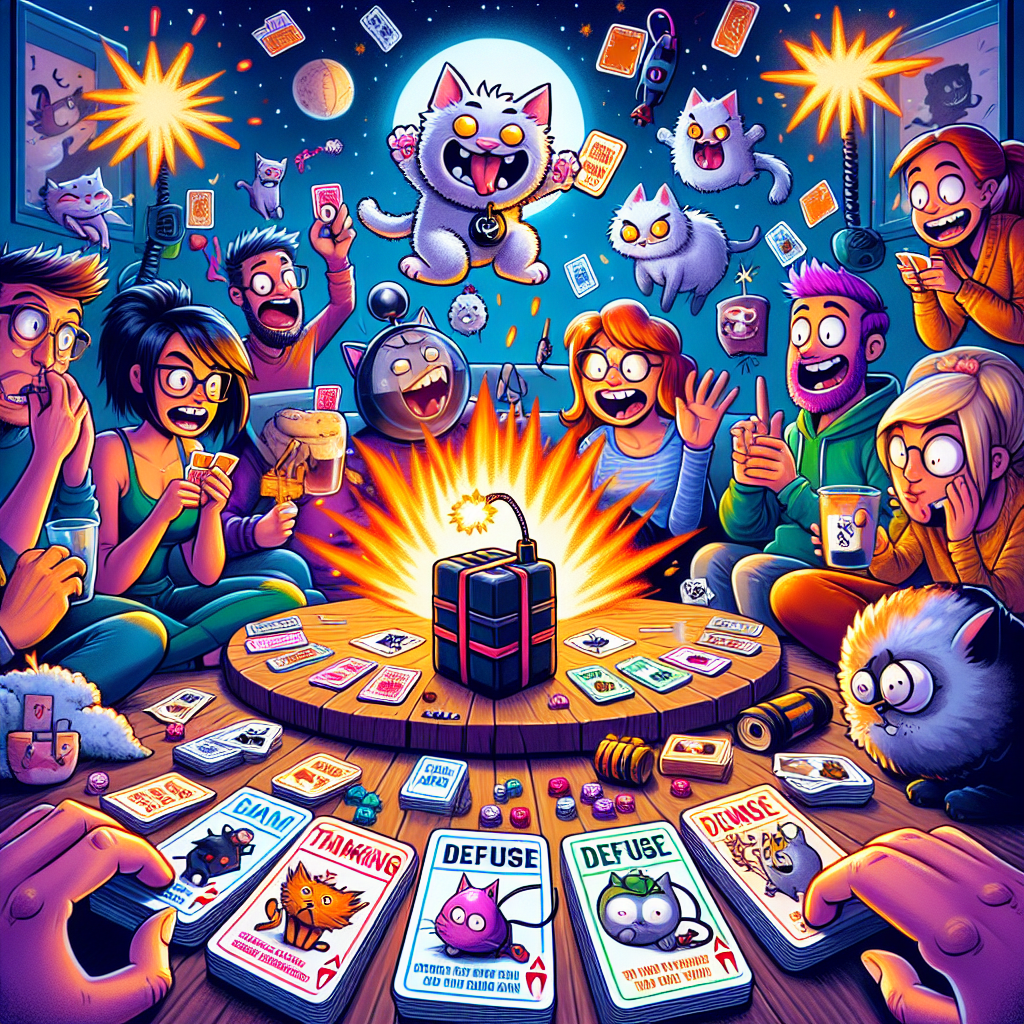
Alright, folks, let’s get down to brass tacks. We’ve journeyed through the colorful chaos of card games and uncovered a little something that might just surprise you: these simple pieces of cardboard can be far more than your average family entertainment. They have the uncanny ability to unearth hidden talents, spark communication, and strengthen bonds within your family, all while delivering heaps of laughter—who knew a deck of cards could pack such a punch?
First off, let’s talk about how card games serve as the ultimate window into character. Ever shared a round of Poker with your family? One moment, you’re sweating over your hand; the next, your shy cousin is pulling off a bluff so smooth it’d make Broadway actors jealous. Each game showcases skills you never knew were there, from strategic thinkers to natural-born negotiators. The beauty of it is that you’re not just players; you become eager students of one another, unraveling an understanding of each other’s strengths. It’s the ultimate family talent show—no stage required.
Now, let’s dive into the social alchemy happening at the card table. Whether it’s a cozy afternoon or an action-packed night, these games flip the script on family dynamics. Laughter mingles with a hint of friendly competition, breaking down barriers that might otherwise keep conversations at bay. Seriously, there’s something about a good game that draws out stories, wisdom, and sometimes, even a little friendly ribbing. And in those moments? Connection happens. People learn to listen, strategize together, and yes, even showcase vulnerability. It’s like a masterclass in emotional intelligence!
And how about teamwork? Card games offer profound lessons in cooperation and collaboration. Teaming up against a common adversary at the table cultivates a spirit of unity. You learn to communicate effectively, to recognize when to lead and when to follow. Believe me when I say these lessons extend well beyond the game—build trust and create memories that forge lasting familial ties.
So why not embrace this card-playing magic? Dust off that old deck hiding in the drawer, gather your clan, and deal yourself a hand. In this whirlwind of laughter and strategy, you might just unearth skills, foster teamwork, and deepen relationships. A deck of cards might seem simple, but the true value lies in the connections made around the table. So shuffle up, read the room, and enjoy the beauty that unfolds—family game night could be the key to unlocking untold potential within your very own clan. It’s time to play your hand!

Conclusion
Conclusion:
- Card games are more than family entertainment; they can reveal hidden talents and strengthen family bonds.
- Playing games like Poker can showcase players’ character and skills, transforming the experience into a family talent show.
- Card games facilitate social connection, encouraging communication through laughter and friendly competition.
- The shared experiences during games can lead to storytelling and moments of vulnerability, enhancing emotional intelligence.
- There are important lessons in teamwork, as players learn to cooperate and communicate effectively against common adversaries.
- Engaging in card games creates lasting memories and builds trust among family members.
- The true value of card games lies in the meaningful connections made while playing; it’s an opportunity to unlock potential within the family.
Conclusion
Other Resources

Other Resources
Here is a list of other resources you can review online to learn more:
- Hive
- Osprey Games
- Telegram
- DriveThruRPG
- Eldritch Horror
- AEG (Alderac Entertainment Group)
- Cranio Creations
- Keyflower
- Gloom
Use This Prompt To Get More Resources With Your Favorite Online AI Tool: Please provide me with a list of online articles with their URLs in a bulleted list that I can read regarding Can Card Games Help Identify Hidden Family Talents Or Skills?

Other Resources
Glossary Terms
Can Card Games Help Identify Hidden Family Talents Or Skills? – Glossary Of Terms
1. Card Games: Recreational games played using a deck of cards, involving strategy, skill, and chance.
2. Family Dynamics: The interactions and relationships among family members that can influence skills and talents.
3. Talent Identification: The process of recognizing and uncovering individual abilities and strengths.
4. Cognitive Skills: Mental capabilities such as memory, attention, and problem-solving that can be assessed through gameplay.
5. Social Skills: Abilities that facilitate interaction and communication with others, often revealed in cooperative or competitive card games.
6. Strategic Thinking: The ability to plan and make decisions based on foresight, often tested in games requiring tactics.
7. Creativity: The skill of thinking outside the box to develop unique solutions or strategies during gameplay.
8. Emotional Intelligence: The capability to understand and manage emotions, which can influence gaming interactions and decisions.
9. Teamwork: Collaborative efforts among family members during team-based card games that reveal interpersonal strengths.
10. Risk Assessment: The evaluation of potential outcomes in decision-making during gameplay, showcasing judgment skills.
11. Problem-Solving: The skill of finding solutions during challenging moments in games, often revealing logical reasoning.
12. Communication Skills: The ability to convey thoughts and strategies clearly to others, critical in multi-player card games.
13. Competitive Spirit: The drive to win or perform well in games, which can highlight determination and ambition.
14. Adaptability: The ability to adjust strategies or behavior in response to changing game conditions or opponents’ actions.
15. Attention to Detail: The skill of noticing and interpreting small aspects of the game that can lead to success.
16. Intrapersonal Skills: Understanding oneself, and recognizing personal strengths and weaknesses through reflective gameplay.
17. Decision Making: The process of making choices during gameplay that can reveal logical and emotional reasoning.
18. Patience: The ability to wait for the right moment to act, a skill often tested in strategic games.
19. Observation Skills: The competence to notice opponents’ strategies and adapt accordingly, showcasing analytical abilities.
20. Mathematical Skills: The use of numerical skills or probability understanding in card games that require calculation.
21. Conflict Resolution: The capability to resolve disputes or misunderstandings that may arise in family game settings.
22. Leadership: Skills demonstrated when guiding or motivating family members during team-oriented games.
23. Resource Management: The ability to utilize cards (resources) effectively to maximize benefits in gameplay.
24. Time Management: The skill of making decisions within limited timeframes, often critical in fast-paced card games.
25. Confidence: The self-assurance displayed during gameplay, which can encourage risk-taking and initiative.
26. Experience Recognition: Identifying patterns based on previous gameplay, which enhances strategic capabilities.
27. Inclusivity: The practice of making all family members feel valued and engaged during card games, promoting varied skill involvement.
28. Emotional Resilience: The capacity to cope with losses or setbacks in games, reflecting personal growth and strength.
29. Family Bonding: The strengthening of relationships through shared experiences in gameplay, fostering connectedness.
30. Playfulness: The ability to engage in games with joy and lightheartedness, which can facilitate skill discovery and creativity.

Glossary Of Terms
Other Questions
Can Card Games Help Identify Hidden Family Talents Or Skills? – Other Questions
If you wish to explore and discover more, consider looking for answers to these questions:
- What types of card games are most effective for identifying skills?
- How can families create a regular card game night?
- What are the psychological benefits of playing card games together?
- How do different age groups perceive and engage with card games?
- Can card games help improve communication skills among family members?
- What are some recommended card games for improving critical thinking?
- How can one ensure everyone has a chance to participate during card games?
- What strategies can be adopted for family members who are less competitive?
- Are there specific card games that cater to both casual and competitive players?
- How do card games differ in fostering teamwork compared to board games?
- Can playing card games deceive or mislead about someone’s true abilities?
- What are some fun variations or house rules for popular card games?
- How can parents teach their kids valuable life lessons through card games?
- What steps can be taken to involve non-card players in family game nights?

Other Questions
Haiku
Can Card Games Help Identify Hidden Family Talents Or Skills? – A Haiku
Decks in hand, we play,
Laughter reveals hidden skills,
Bonding through our game.

Haiku
Poem
Can Card Games Help Identify Hidden Family Talents Or Skills? – A Poem
In the hustle and bustle, life can fly,
We forget to connect as days zip by.
Yet around a table, with laughter and cheer,
A deck of cards brings loved ones near.
From Uno to Poker, the games unfold,
Revealing talents and stories untold.
A child’s quick strategy, a grandparent’s bluff,
Through playful rivalry, we learn who is tough.
With each hand played, we peel back the layers,
Recognizing strengths and nurturing players.
Critical thinking sharpens with every deal,
As we ponder our moves and how others feel.
In the glow of the game, barriers fall,
A space to share stories, to listen, to call.
Through teamwork and banter, connections grow tight,
Building trust and respect ‘neath the soft evening light.
No age restriction, from toddler to sage,
Each card brings a lesson, a memory age.
So dust off those cards, let the games begin,
In the world of family, joy is the win.
Let laughter resound, let stories ignite,
For hidden talents flourish in the soft candlelight.
So shuffle that deck, and take a deep dive,
In card games, it’s here that our spirits come alive.

Poem
Checklist
Can Card Games Help Identify Hidden Family Talents Or Skills? – A Checklist
Preparing for Family Card Game Night
_____ Gather a variety of card games suitable for different age groups (e. g. , Uno, Poker, Rummy, Go Fish).
_____ Set a date and time for the card game night.
_____ Create a comfortable playing area free from digital distractions.
_____ Prepare snacks and drinks to enhance the atmosphere.
Engaging Family Members
_____ Encourage everyone to participate, from the youngest to the oldest family member.
_____ Assign specific roles if playing team-based games to promote collaboration.
_____ Introduce a house rule to foster friendly banter (e. g. , everyone must share a fun fact before their turn).
Observing and Identifying Skills
_____ Pay attention to how each family member plays the game:
_____ Strategy and Critical Thinking: Who analyzes the game before making a move?
_____ Emotional Intelligence: Who can read other players’ cues effectively?
_____ Creativity: Who thinks outside the box while playing?
_____ Teamwork and Communication: How well do they collaborate or communicate strategies?
Facilitating Conversations
_____ Create opportunities for storytelling during the game (e. g. , share past experiences related to the game).
_____ Encourage discussions about game strategies and decision-making processes.
_____ Make space for deeper conversations by asking open-ended questions about interests and talents.
Reflecting on the Experience
_____ After gameplay, gather feedback from family members on what they enjoyed.
_____ Discuss any hidden talents or skills that were revealed during the games.
_____ Plan future game nights based on the games that resonated well with the family.
Building Lasting Traditions
_____ Consider establishing a regular family game night—weekly, biweekly, or monthly.
_____ Rotate the choice of games each session to keep things fresh and exciting.
_____ Encourage family members to introduce new games they’ve discovered or enjoyed.
Growth and Development
_____ Create a family talent board to track newfound skills or interests discovered through games.
_____ Foster an open dialogue about how these skills can translate into real-life applications (academic, social, and professional).
By following this checklist, you’re not only setting up an enjoyable card game night but also uncovering hidden talents and strengthening the bonds within your family. Enjoy the process!

Checklist
At CardGameNews, we help people who love card games by collating information and news about card games.
Be sure to read our other related stories at CardGameNews to learn more about card games.


