

Revolutionizing Card Game Bonding With Artificial Intelligence
By Tom Seest
At CardGameNews, we help people who love card games by collating information and news about card games.
Be sure to read our other related stories at CardGameNews to learn more about card games.
Can Artificial Intelligence Revolutionize How We Bond Over Card Games?
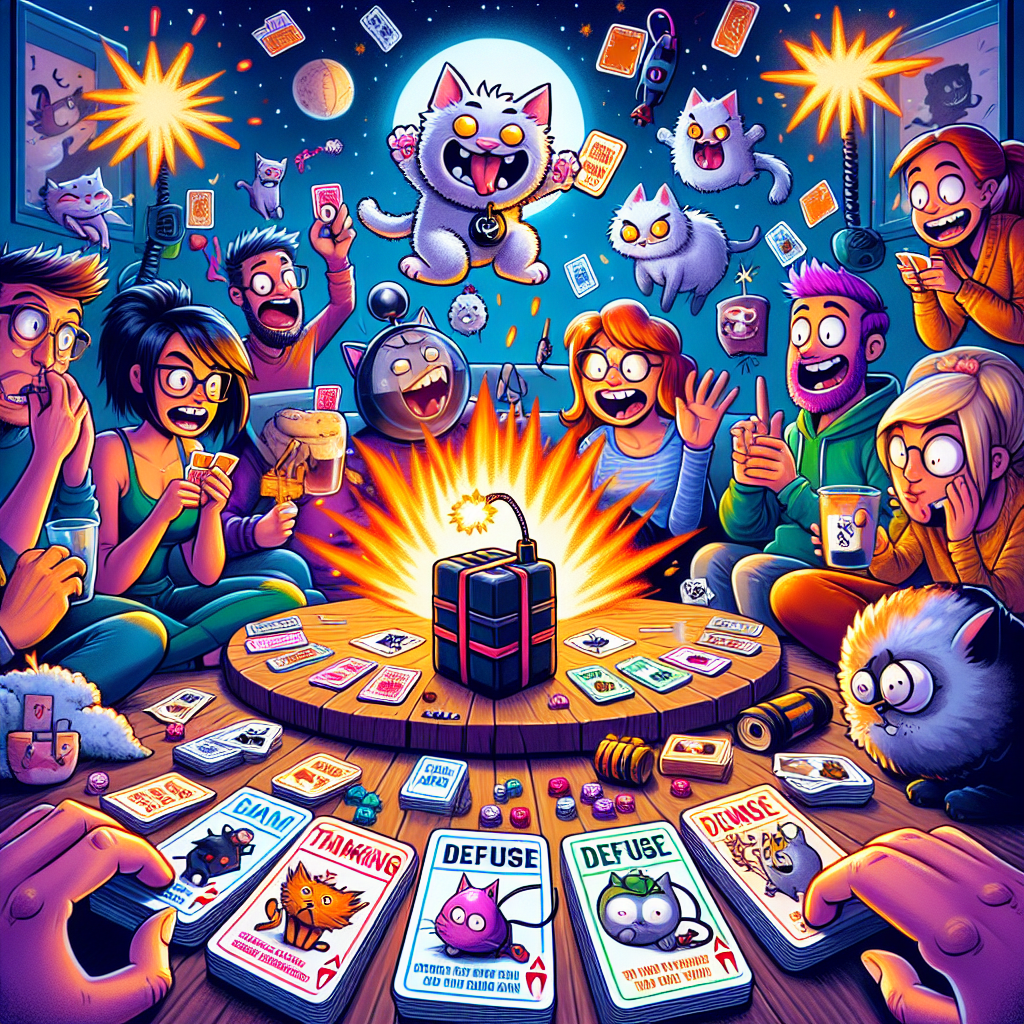
Imagine sitting around a table with your friends, cards in hand, laughter echoing off the walls, and a palpable excitement in the air. A simple card game can transform an ordinary gathering into a cherished memory. But here’s the thing: in a world increasingly dominated by screens, we risk losing that authentic connection that those late-night card games once brought. Enter Artificial Intelligence—a tool that has the potential to revolutionize not just how we play, but how we bond over these timeless card games.
At first glance, you might wonder, “Can AI really understand the nuances of human interaction?” It’s a fair question. But consider how this technology can enhance our experiences. AI has the ability to analyze gameplay, suggest strategies, and even learn individual player preferences. Imagine an AI coach whispering tips in your ear, helping you improve your poker face or teaching you the tricks of rummy in real time. It’s not a replacement for human interaction; rather, it’s an amplifier. It can make those moments at the table deeper and more meaningful.
But let’s not forget the heart of it all—community. In an era where connection often feels superficial, AI has the potential to rekindle the spirit of teamwork and collaboration inherent in card games. By hosting online versions of these beloved pastimes, players from all over can now participate together, regardless of distance. Picture a family spread across the country, coming together virtually with the aid of AI-enhanced platforms that monitor play and auto-deal cards, all while keeping the banter alive. It nurtures those bonds, reminding us that we’re all in this together.
Moreover, think about ethics. We can create new social norms around AI-assisted card gaming by setting standards that prioritize fun and interaction over competition and conflict. Whether you’re a seasoned player or a newbie, fostering an environment where everyone feels welcome is essential. The responsibility lies with us to ensure that technology serves as a bridge, not a barrier, in our social fabric.
So, as we stand at this crossroads of tradition and innovation, let’s embrace the tools that can help us reconnect. Through the lens of AI, we can breathe new life into our age-old card games, ensuring that the laughter, excitement, and—the heart of it all—human connection remain front and center. It’s time to shuffle the deck, deal a new hand, and bond anew over the beloved game we all cherish.

Can Artificial Intelligence Revolutionize How We Bond Over Card Games?
Can Artificial Intelligence Revolutionize How We Bond Over Card Games?
- Card games create cherished memories and enhance social connections.
- AI has the potential to revolutionize card gaming experiences by enhancing gameplay.
- AI can analyze strategies and learn player preferences to improve individual skills.
- Technological tools can deepen the emotional connections during games, not replace them.
- AI could foster community by enabling virtual play among geographically dispersed players.
- Establishing ethical norms in AI-assisted gaming can prioritize fun and inclusivity.
- Embracing AI can revitalize traditional games, keeping human connection at the forefront.

Can Artificial Intelligence Revolutionize How We Bond Over Card Games?
Table Of Contents
- Can Artificial Intelligence Revolutionize How We Bond Over Card Games?
- In What Ways Might Ai Improve The Strategy And Skill Of Players?
- Can Ai Help Bridge Generational Gaps In Card Gaming Communities?
- What Ethical Considerations Arise When Ai Joins Our Gaming Tables?
- How Might Storytelling Through Ai Change The Dynamics Of Card Games?
- Can Ai Foster A Sense Of Community Among Diverse Card Game Players?
- Conclusion
- Other Resources
- Glossary Of Terms
- Other Questions
- Haiku
- Poem
- Checklist
In What Ways Might Ai Improve The Strategy And Skill Of Players?
In the dynamic arena of card games, where strategy weaves itself with intuition, the advent of artificial intelligence is redefining what it means to be a player. Picture this: you’re sitting at a table, the tension palpable, each player eyeing their hand, but there’s an invisible partner by your side, quietly analyzing probabilities, predicting moves, and unveiling strategies previously undiscovered. This isn’t merely about winning; it’s about enhancing the very essence of play.
Think for a moment about the thrill of mastering a complex card game. Every decision carries weight, every bluff, a heartbeat skipped. AI can amplify this experience by serving as a tutor, guiding players through the labyrinth of strategy with tailored insights. Imagine studying the patterns of the game, understanding the nuances of risk versus reward, boosted by an analytical companion that provides instant feedback on your choices. This isn’t just about crunching numbers; it’s about immersing yourself deeper into the game and uncovering the rich tapestry of strategy with every hand dealt.
Emotionally, the appeal of AI lies in its potential to elevate the human experience at the table. With AI analyzing play styles and giving real-time suggestions, players can focus less on second-guessing their instincts and more on enjoying the game itself. It allows players of all skill levels to engage on an equal playing field, fostering camaraderie amid competition. The joy of a well-played hand or a daring bluff is magnified when players feel they’re improving together.
From a rational standpoint, think about the skills that AI can help cultivate. Mastering a card game isn’t just about luck; it’s about acquiring skills that translate beyond the game. Critical thinking, strategic foresight, and adaptability—qualities that resonate in day-to-day life—can be honed through play. AI encourages players to think more deeply, to anticipate opponents’ reactions, and even to refine their emotional intelligence as they gauge the atmosphere around the table.
Moreover, ethically, it’s about accessibility. AI can democratize the world of competitive card games, enabling newcomers to find their footing without feeling overwhelmed. We all started somewhere, and with AI as a guide, the journey of learning and mastering a card game can be more inclusive, inviting a diverse range of players to the table.
In this symbiotic relationship between man and machine, AI stands as both an ally and a mentor. As players harness its potential, they’re not just aiming for victory; they’re embarking on a transformative journey that promises to deepen connections, enhance skills, and ultimately, inspire a new era of strategic play.

In What Ways Might Ai Improve The Strategy And Skill Of Players?
In What Ways Might Ai Improve The Strategy And Skill Of Players?
- The integration of artificial intelligence in card games redefines the player experience.
- AI serves as a tutor, providing tailored insights and enhancing strategic understanding.
- It helps players focus on enjoyment by analyzing play styles and offering real-time suggestions.
- AI fosters equality, allowing players of all skill levels to engage meaningfully in games.
- It cultivates critical thinking, strategic foresight, and adaptability, valuable beyond the game.
- AI promotes accessibility, welcoming newcomers and making learning less daunting.
- The partnership between players and AI encourages skill enhancement and deeper connections.

In What Ways Might Ai Improve The Strategy And Skill Of Players?
Can Ai Help Bridge Generational Gaps In Card Gaming Communities?
In a world where the allure of digital realms often overshadows the tactile joy of a good old-fashioned card game, bridging generational gaps becomes more essential than ever. Picture this: a cozy kitchen table cluttered with chips, laughter echoing against the walls, and a sense of camaraderie that transcends age groups. It’s in these moments—when the weight of the day falls away and connections are forged—that the true magic of card games shines. But how do we invite everyone to take a seat at that table?
Enter the role of artificial intelligence as a bridge. Imagine a tool that doesn’t just dispense knowledge or analyze strategies but learns and grows alongside you, adjusting to the nuances of not just the game but the players themselves. This isn’t about replacing the favorite family traditions; it’s about enhancing them. AI can tailor experiences that resonate with the young gamer eager for rapid-fire action while nurturing the strategic depth that older players cherish. It transforms a card game into a shared journey, a bridge across generations that respects the style, preference, and culture of every player involved.
But will the tech-savvy youth embrace the seasoned players, and will those players open their minds to new methodologies? Yes, and here lies the ethical core. As we face an ever-dividing world driven by screens and tailored algorithms, the call to unify through play becomes all the more vital. By fostering inclusivity in gaming communities, we aren’t just inviting people to a table; we are building a network of shared experience, learning, and respect.
When AI personalizes interactions, it fosters connection among players. Today’s youth are digital natives, sure, but that doesn’t mean they don’t yearn for the warmth of a personal touch. By integrating their online experiences with the two-player dynamic of a traditional card game, we can create a format where familial bonds deepen and friendships flourish. Cards may have their origins in ink and paper, but the heart of the game lies in the stories shared, the laughter remembered, and the moments claimed.
So, as players old and young gather around that humble table, let us not lose sight of the glue that holds us together—our shared passion for the card game. Let’s harness the power of AI not as a substitute but as an ally, inviting all generations to join in the timeless pleasure of play. Together, we can create connections that not only bridge the gap but also fortify the bonds that society often forgets.

Can Ai Help Bridge Generational Gaps In Card Gaming Communities?
Can Ai Help Bridge Generational Gaps In Card Gaming Communities?
- Card games foster camaraderie across generations, transcending age differences.
- Artificial Intelligence (AI) acts as a bridge, enhancing family traditions rather than replacing them.
- AI personalizes gaming experiences to suit the preferences of both young and older players.
- Inclusivity in gaming communities is essential for unifying diverse player bases.
- Personalized interactions facilitated by AI enhance connections among players.
- Combining online experiences with traditional card games can deepen familial bonds and promote friendship.
- Emphasizing shared passion for card games can strengthen societal connections and relationships.

Can Ai Help Bridge Generational Gaps In Card Gaming Communities?
What Ethical Considerations Arise When Ai Joins Our Gaming Tables?
What Ethical Considerations Arise When AI Joins Our Gaming Tables?
Imagine this: a lively group of friends gathered around the dining room table, laughter echoing as they shuffle cards for a game that’s been passed down through generations. The clatter of chips, the anticipation in the air—this is more than just a card game; it’s a tapestry of stories, banter, and a shared sense of community. Yet, as technology advances, we find ourselves at a curious crossroads. What happens when an artificial intelligence joins this circle? It’s a question that stirs not just our minds but our hearts and guts as well.
At first glance, the presence of AI in our games may seem like a harmless innovation—an extra player, perhaps. But take a moment to consider the deeper implications. By inviting algorithms to the table, we may inadvertently dilute the essence of what makes these gatherings special. The emotional bond that arises from collective experiences is rooted in human interaction—a laugh shared over a blunder, the thrill of a well-played hand. What becomes of that bond when luck turns to code?
With AI’s rise, we must grapple with ethical concerns like transparency and fairness. If an AI can analyze players’ strategies and continually adapt, how can we ensure a level playing field? There’s an authoritative voice advocating for inclusivity and responsibility here, reminding us that our decisions shape the foundations of a fair gaming environment; it’s essential for fostering trust among players, whether they are human or machine.
Think about the narratives that unfold around that table. Each game is a chapter in a story of friendship, competition, and camaraderie. What happens to those tales when an AI contestant becomes a cold, calculated participant? Do we risk losing the whimsical surprises that come from human error or spontaneity?
Social considerations loom large as well. The emotional warmth of gaming thrives on connection—AI cannot replicate the nuances of human expression, the shared smiles, or the glances that communicate a thousand words. If we embrace AI at our card tables without thought, we might alienate the very community we cherish.
So, as we peer into this future where artificial intelligence could sit among us, let’s pause for a moment. We owe it to ourselves and each other to reflect on how we can integrate these tools thoughtfully—ensuring they enhance our experiences rather than overshadow the heartfelt connections that breathe life into our beloved card games. Together, let’s navigate this evolving landscape, balancing innovation with the warmth of our shared humanity.

What Ethical Considerations Arise When Ai Joins Our Gaming Tables?
What Ethical Considerations Arise When Ai Joins Our Gaming Tables?
- The integration of AI into gaming raises significant ethical considerations affecting human interactions.
- AI may dilute the emotional bonds formed through shared experiences in traditional gaming settings.
- Transparency and fairness are crucial, as AI can analyze and adapt to player strategies, impacting the game’s balance.
- The unique narratives that develop in games could be compromised by AI’s structured, calculative nature.
- AI lacks the ability to replicate genuine human emotion and connection, potentially alienating players.
- It’s essential to reflect on how to thoughtfully incorporate AI to enhance, rather than overshadow, human connections in gaming.
- We must find a balance between technological innovation and maintaining the warmth of shared human experiences in gaming.

What Ethical Considerations Arise When Ai Joins Our Gaming Tables?
How Might Storytelling Through Ai Change The Dynamics Of Card Games?
Imagine sitting around a table with friends, your laughter mingling with the shuffle of cards as the evening unfolds. A card game isn’t just a pastime; it’s a canvas for stories, a stage for camaraderie, a way to weave memories that linger long after the game is over. Now, introduce artificial intelligence into the mix, and suddenly, the dynamics of that simple card game are transformed into something extraordinary.
Through AI, the storytelling potential within a card game expands exponentially. Picture this: you’re dealt a hand that not only determines your next move but also unravels a narrative woven by the AI, telling the tale of the characters behind the cards. You aren’t just playing a game; you’re participating in a living, breathing story that adapts and evolves with each decision. This isn’t just about winning or losing; it’s about diving headlong into a shared adventure, where every player contributes to the unfolding drama.
This newfound storytelling element appeals to our hearts. It invites us to connect on a deeper level, to reminisce about shared experiences, or to explore new narratives that reflect our values and aspirations. With AI steering the plot, the game becomes a platform for compassion, empathy, and understanding, fostering a bond that can turn mere acquaintances into lifelong friends.
On the rational side, the technology behind AI offers gamers the ability to tailor experiences to varying skill levels and interests. Imagine a scenario where beginner players receive guidance tailored to their style, while veterans are challenged with intricate storylines that keep their strategic minds engaged. This not only enhances the gameplay experience but also democratizes it, ensuring that everyone has a stake in the evolving narrative.
Ethically, the integration of storytelling through AI prompts discussions on diversity and representation. As characters and story arcs are generated, there’s an opportunity to weave in varied perspectives and backgrounds. This thoughtful inclusion creates an environment where players feel seen, valued, and appreciated—vital ingredients for trust and connection.
In this ever-evolving landscape of card games, AI doesn’t replace the human touch; it enhances it. It reminds us that we’re not just participants but co-creators. As stories intertwine with strategy, the simple act of shuffling cards transforms into a profound experience of connection, identity, and community. The future of card games isn’t just about the cards; it’s about the stories—together we have the power to shape. So, gather ’round, and let’s see where the next hand takes us.

How Might Storytelling Through Ai Change The Dynamics Of Card Games?
How Might Storytelling Through Ai Change The Dynamics Of Card Games?
- Card games serve as a medium for storytelling, camaraderie, and memory-making among friends.
- Artificial intelligence enriches the gameplay experience by adding narrative elements tied to the cards dealt.
- Players engage in a dynamic, evolving adventure rather than just focusing on winning or losing.
- The AI-driven narrative fosters deeper connections through shared experiences and reflection of values.
- AI tailors gameplay experiences to different skill levels, ensuring inclusivity and engagement for all players.
- Ethically, AI storytelling opens discussions on diversity and representation in character and story development.
- The integration of AI enhances the human aspect of gameplay, turning players into co-creators of the experience.

How Might Storytelling Through Ai Change The Dynamics Of Card Games?
Can Ai Foster A Sense Of Community Among Diverse Card Game Players?
In the bustling world of card games, where laughter and suspense intertwine with each shuffle and deal, there’s an undeniable truth: connections are forged around the table. Whether it’s a friendly family game night or a competitive tournament, the art of playing cards transcends mere pastime; it fuels camaraderie across backgrounds. Now, imagine a slice of technology stepping into this timeless dance—AI. The question is, can it help foster a sense of community among diverse card game players?
Let’s start with the emotional appeal. Picture that feeling of anticipation as you gather around the table with friends, old and new. Each card drawn is a thread woven into the fabric of that moment—a flicker of joy when you score a win, or even a shared chuckle over a surprise twist of fate. But what if AI could enhance those moments, not replace them? It can analyze player styles, suggest new games that cater to mixed skill levels, and even help bridge communication gaps among players who might otherwise feel isolated.
Now, consider the rational side. The beauty of card games lies in their simplicity and depth. Yet, without a shared understanding, diverse groups can struggle to find common ground. AI can curate experiences, creating a bridge between varied backgrounds and skill levels, promoting an inclusive environment where everyone feels welcome. By recommending strategies or rules adjustments that foster collaboration, AI may very well help level the playing field, making the game as welcoming for a novice as it is exhilarating for a seasoned player.
Ethically, this technology stands at a crossroads. It has the power to create spaces where everyone—regardless of age, gender, or cultural background—is heard and valued at the table. We can envision AI facilitating dialogues that embrace differences, fostering respect and understanding among players.
From a social perspective, the allure of competition is universal, but the fun is often found in shared experiences. When players bond over their triumphs—and even their blunders—their stories interlace. AI could serve as a storyteller, providing insights and reflections that inspire camaraderie. Think of it as a friendly referee, nudging players towards positivity and sportsmanship, even in the heat of competition.
So the next time you sit down to shuffle that deck, consider how this technology might be the unseen partner at your table. With a little help from AI, we can cultivate connections that go beyond the game—transforming casual players into a vibrant community of friends. Let’s draw those cards together, shall we?

Can Ai Foster A Sense Of Community Among Diverse Card Game Players?
Can Ai Foster A Sense Of Community Among Diverse Card Game Players?
- Card games create connections and camaraderie among players, transcending backgrounds.
- AI has the potential to enhance the emotional aspects of card games by analyzing player styles and suggesting suitable games.
- AI can bridge communication gaps for isolated players, fostering inclusivity.
- By curating experiences, AI can level the playing field for novices and seasoned players alike.
- Ethically, AI can create spaces where all players are heard and valued, embracing diversity.
- AI can enhance social dynamics by serving as a storyteller, inspiring camaraderie through shared experiences.
- With AI’s support, casual players can transform into a vibrant community, enriching the overall gaming experience.

Can Ai Foster A Sense Of Community Among Diverse Card Game Players?
Conclusion
As we gather around our tables, cards in hand and laughter in the air, we’re faced with a challenge: how to maintain that profound connection amid the digital noise surrounding us. We’ve all felt the tug of screens and technology pulling us apart, threatening the essence of the heartfelt camaraderie that card games have historically provided. But what if artificial intelligence could change the game, not by replacing the warmth of human interaction, but by supercharging it?
Picture this: an AI at your table, quietly observing the intricacies of gameplay, infusing suggestions that elevate the experience from mere pastime to an enriching adventure. This isn’t just about winning; it’s about fostering a communal spirit, reigniting those late-night sessions we cherish so much. AI can learn our playing styles and preferences, tailoring strategies to enhance our interactions. We can think of it as a coach, guiding us through our strategic missteps while we revel in the banter and shared stories.
Now, let’s drill down into the ethics of it all. The rise of AI at the gaming table compels us to consider transparency and fairness. How do we harness this tool to bring people together without diluting the organic relationships that form over those cards? Our responsibility is to ensure technology serves as a bridge, not a barrier. We hold the power to create norms focused on connection, crafting an inclusive environment where all players feel valued—veterans and newcomers alike.
This tech-savvy ally can also address generational divides in our communities. Imagine grandparents and grandchildren engaging in a game, with AI designing experiences that cater to both the nostalgia of the older generation and the rapid-fire demands of youth. It wouldn’t just be about playing cards; it would be about sharing wisdom, laughter, and lessons, thereby weaving a rich tapestry of intergenerational bonds.
But let’s not overlook the heart of the matter: community. Card games have always brought us together, functioning as a stage for stories to unfold. With AI, those narratives deepen and expand, ensuring that we’re not just players but co-authors of our experiences. The games inherently foster connections, and with a dash of AI, they build lasting relationships, igniting a sense of unity that transcends mere competition.
So as we shuffle our decks and initiate new rounds of play, let’s embrace the potential for AI to elevate our experiences. Let’s savor the laughter, cherish the flops, and above all, celebrate the connections made. This is an invitation—shuffle the cards, deal out the hands, and join me in a game that not only honors tradition but welcomes innovation. Together, let’s create new stories that will bond us over the games we love. It’s time to play.

Conclusion
Conclusion:
- Gathering around tables for card games offers a chance to connect amid digital distractions.
- AI can enhance the experience by learning playing styles and tailoring strategies without replacing human interaction.
- The ethical use of AI at gaming tables raises questions about transparency and fairness in fostering community.
- AI can bridge generational divides, designing experiences that resonate with both older and younger players.
- Card games can serve as a medium for storytelling and relationship-building, enriched by AI insights.
- Embracing AI allows players to deepen connections while enjoying the traditional aspects of card games.
- This is an invitation to innovate while honoring the legacy of card games and the relationships they foster.

Conclusion
Other Resources
Other Resources
Here is a list of other resources you can review online to learn more:
- Rummy
- Champions of Midgard
- Goliath Games
- 7 Wonders Duel
- Wizards of the Coast
- Spirit Island
- Keyflower
- Power Grid
- Tzolk’in: The Mayan Calendar
- The Voyages of Marco Polo
- Asmodee
- Miniature Market
- Imperial Settlers
- Greater Than Games
- Discord
- Gloom
- Eagle-Gryphon Games
- Amigo Spiele
- Lookout Games
Use This Prompt To Get More Resources With Your Favorite Online AI Tool: Please provide me with a list of online articles with their URLs in a bulleted list that I can read regarding Can Artificial Intelligence Revolutionize How We Bond Over Card Games?

Other Resources
Glossary Terms
Can Artificial Intelligence Revolutionize How We Bond Over Card Games? – Glossary Of Terms
1. Artificial Intelligence (AI): A branch of computer science focused on creating systems that can perform tasks usually requiring human intelligence, such as understanding natural language and making decisions.
2. Card Games: Games played with a deck of cards, which often involve strategy, skill, and sometimes luck, fostering social interaction and competition.
3. Machine Learning: A subset of AI that enables systems to learn from data and improve their performance over time without being explicitly programmed.
4. User Experience (UX): The overall experience a person has when using a product, especially in terms of how enjoyable or efficient it is.
5. Online Multiplayer: A gaming mode allowing multiple players to participate from different locations, often facilitated by the internet.
6. Personalization: The process of tailoring games or experiences to individual players’ preferences, behaviors, and playing styles using data analysis.
7. Virtual Reality (VR): An immersive digital environment that simulates physical presence in real or imagined worlds, which can enhance the social experience of card games.
8. Augmented Reality (AR): Technology that overlays digital information onto the real world, enhancing gameplay by merging virtual elements with physical card games.
9. Chatbots: AI programs designed to simulate conversation with human users, often used to facilitate interaction in online gaming environments.
10. Game Theory: A mathematical framework for analyzing strategic interactions between players, applicable in understanding player behavior in card games.
11. Social Interaction: The process by which individuals communicate and engage with each other, vital for the bonding experience over games.
12. Player Retention: Strategies and methods used to keep players engaged and returning to a game over time.
13. Algorithm: A step-by-step procedure or formula for solving a problem, which can govern AI behavior in card games.
14. Data Analytics: The science of analyzing raw data to find patterns or insights, important for understanding player behaviors and preferences in card gaming.
15. Community Building: The process of creating and nurturing groups of players who share similar interests, enhancing the social aspect of card games.
16. Game Mechanics: The rules and systems that define how a game operates, influencing how players interact and bond during gameplay.
17. Cognitive Load: The total amount of mental effort being used in the working memory, which can affect how players engage with games.
18. Feedback Loop: A system where the output or result of a process is used as input for the next iteration, crucial in AI learning and game development.
19. Emotion Recognition: The ability of AI to analyze facial expressions or vocal tones to gauge player emotions, potentially enhancing the gaming experience.
20. Server Infrastructure: The architecture needed to support online gaming, facilitating connections between players and managing game data.
21. NLP (Natural Language Processing): A field of AI enabling computers to understand, interpret, and respond to human language, enhancing player interaction in card games.
22. Monetization: The process of generating revenue from games, often through in-game purchases, advertisements, or subscriptions.
23. Cross-platform Play: The ability for players using different gaming platforms to play together, widening the community and social interactions.
24. Gamification: The application of game design elements in non-game contexts to enhance engagement and motivation, applicable in social bonding.
25. Ethics of AI: The study of moral issues surrounding the development and implementation of AI, particularly important in gaming to ensure fair play.
26. Digital Card Decks: Virtual representations of traditional playing cards, enabling online gameplay while preserving the essence of classic card games.
27. Interactive Design: Designing engaging and dynamic interfaces that enhance player enjoyment and interaction during online play.
28. Latency: The delay between a player’s action and the game’s response, which can impact the smoothness of online gaming experiences.
29. Spectator Mode: A feature allowing non-players to watch games in progress, fostering community and shared experiences among players.
30. AI-driven Analytics: The use of AI technologies to analyze player data in real-time, helping developers tailor experiences and improve player bonding.

Glossary Of Terms
Other Questions
Can Artificial Intelligence Revolutionize How We Bond Over Card Games? – Other Questions
If you wish to explore and discover more, consider looking for answers to these questions:
- How exactly can AI analyze gameplay to enhance player experiences?
- What specific features might AI offer to improve strategy and skill?
- Are there any examples of AI successfully being integrated into card games?
- How can AI help maintain the traditional aspects of card games while introducing new technology?
- What potential challenges could arise from using AI in card games?
- How does AI affect the social dynamics between players during a game?
- Will AI change the fundamental rules or structures of traditional card games?
- How can we ensure that AI does not replace the essence of human interaction in card games?
- What are the privacy concerns associated with incorporating AI into gaming?
- How can AI be used to create inclusive environments for diverse player groups?
- What role does AI play in enhancing storytelling within card games?
- Can AI assist in creating games that cater to varying skill levels?
- What projective trends might we see in the future of card games with AI integration?
- How do players feel about AI being part of their gaming experience?
- What guidelines should be established to govern the use of AI in card games?

Other Questions
Haiku
Can Artificial Intelligence Revolutionize How We Bond Over Card Games? – A Haiku
Haiku:
Cards shuffle, hearts bond,
AI whispers, stories bloom,
Unity through play.

Haiku
Poem
Can Artificial Intelligence Revolutionize How We Bond Over Card Games? – A Poem
Card Games Reimagined: A Poetic Reflection
In the warmth of laughter, cards laid bare,
Gathered together, moments to share.
Yet tight-knit bonds seem frayed by screens,
As echoes of connection fade from our dreams.
But lo! A spark, an AI arrives,
To dance with our hearts, to nurture our lives.
Not a thief of tradition, but a guiding light,
Enhancing our play, igniting the night.
With whispers of strategy, it learns and it grows,
A companion in games, where excitement flows.
From novice to master, through cards we shall weave,
In this tapestry of gameplay, we dare to believe.
Imagine the family, distant but near,
AI’s magic brings them, together they cheer.
A bridge built of laughter, a network of care,
Around virtual tables, a community rare.
But ponder the ethics—can AI really know,
The essence of joy that shared moments bestow?
For each hand played holds stories untold,
In the grip of our fingers, in memories bold.
This servant of code, that aids with a smile,
Must not overshadow the warmth all the while.
For at the heart of the game, through highs and through lows,
Is the human connection that every player knows.
So let’s shuffle the deck with intent and good grace,
Inviting old souls and new friends to this space.
With storytelling magic and wisdom so vast,
We can bridge generations, ensuring bonds last.
As we gather ’round tables, where serendipity hums,
Let AI guide us while the laughter still comes.
For in each flick of a card lies a universe wide,
Where bonds are rekindled, and friendships abide.
So here’s to the games, both timeless and new,
To the heart and the gut, and the mind that breaks through.
With AI as ally, together we’ll play,
Reviving our spirits in the light of the day.

Poem
Checklist
Can Artificial Intelligence Revolutionize How We Bond Over Card Games? – A Checklist
AI & Card Games: Connection & Community Checklist
Emotional Appeals
1. Share Laughter: Organize regular game nights to reignite the joy of camaraderie.
2. Build Memories: Encourage storytelling during games to deepen connections.
3. Celebrate Wins & Losses: Foster a culture of positivity and sharing, whether winning or losing.
Rational Appeals
4. Utilize AI Tools: Explore AI platforms that analyze gameplay for strategy enhancement.
5. Promote Skill Development: Use AI’s insights to improve critical thinking and adaptability in players.
6. Tailor Game Experiences: Consider AI suggestions to create inclusive and engaging game sessions for all skill levels.
Ethical Considerations
7. Establish Fair Play Guidelines: Discuss and agree on transparency and fair play rules when using AI in games.
8. Discuss Inclusivity: Engage players in conversations about ensuring everyone feels welcome, regardless of skill or background.
9. Foster Ethical AI Use: Promote discussions about the ethical implications of AI in games, ensuring it serves to unite rather than divide.
Authority & Expertise
10. Invite Experts: Consider hosting game nights with AI experts who can explain the nuances of AI-assisted gaming.
11. Share Resources: Compile articles or videos that showcase the benefits of AI in card games to educate players.
Narrative & Storytelling
12. Create Shared Narratives: Encourage games that allow players to contribute to ongoing stories or character arcs.
13. Develop Story-Driven Gameplay: Integrate AI-generated story elements to make each game a unique adventure.
Social Connections
14. Engage Diverse Communities: Promote inclusivity by inviting players from various backgrounds to your gaming gatherings.
15. Form Clubs or Online Groups: Create a space, physical or digital, for diverse players to connect, share experiences, and play together.
16. Encourage Team Play: Foster collaborations where players work together strategically, enhancing teamwork and bonding.
Practical Integration
17. Designate AI Roles: Assign a player the role of an AI ‘guide’ to analyze and propose strategies as the game unfolds.
18. Review & Reflect: After gameplay, take time to discuss what everyone learned through AI insights and how it affected their experience.
19. Document Experiences: Keep a blog or journal of memorable game moments, highlighting how AI has contributed to connection and community.
Use this checklist to make the most of your card game experiences with AI, ensuring they enhance rather than overshadow the heart of human connection. Shuffle, deal, and let the bonding begin!

Checklist
At CardGameNews, we help people who love card games by collating information and news about card games.
Be sure to read our other related stories at CardGameNews to learn more about card games.


