

The Human Element: Maintaining The Soul Of Card Games
By Tom Seest
At CardGameNews, we help people who love card games by collating information and news about card games.
Be sure to read our other related stories at CardGameNews to learn more about card games.
Are You Losing The Heart Of Card Games By Relying on Artificial Intelligence?
When you sit down for a game of cards, it’s not just about the hand you’re dealt. It’s about the experience—the laughter, the strategy, the unexpected moments that often become cherished memories. The beauty of a card game lies in its shared humanity; it’s where family bonds are forged, where friends become rivals, and where strangers can connect over a simple deck of cards. Yet, as we increasingly turn to artificial intelligence to dictate our decisions, we must ask ourselves: are we losing this essential heart of card games?
Imagine sitting at a table, the warmth of camaraderie enveloping you. Your best friend throws down a wild card, launching a playful debate about strategy. You laugh, you argue, but ultimately, you learn from each other. That dynamic cannot be replicated by algorithms. Sure, AI can analyze probabilities and deliver the optimal move, but where’s the risk? Where’s the thrill of going against your instincts and trying something wild? This is where the heart of card games beats strongest—in the unpredictable, human element.
Rationally speaking, AI is a tool, an enhancement to strategy, but it can only take you so far. To master a card game, you must understand not just the odds, but the psychology of your opponents. How do they react under pressure? What tells can you read in their body language? These are the nuances that make a game memorable, and they vanish when we let AI do all the thinking.
Ethically, we must ponder the implications of prioritizing machines over genuine interaction. As technology inches closer to defining our social experiences, will we sacrifice the deep, rich connections that form around the card table? We owe it to ourselves, and to each other, to preserve these moments of connection.
Consider the authority of the card game tradition—a game passed down through generations. When did strategy become synonymous with an AI program? Let’s rekindle our passion for the unpredictable nature of playing with real people, living and breathing alongside us.
Ultimately, there’s a deeper social contract at play. When you choose to rely on AI, you choose convenience over human connection. So, the next time you shuffle that deck, remember: the heart of card games thrives in the imperfect dance of intuition and unpredictability. Trust that instinct; it’s what makes the experience truly unforgettable.

Are You Losing The Heart Of Card Games By Relying on Artificial Intelligence?
Are You Losing The Heart Of Card Games By Relying on Artificial Intelligence?
- Card games offer more than just gameplay; they create memorable experiences through laughter and shared strategies.
- The essence of card games lies in human connections, fostering bonds among family, friends, and even strangers.
- As AI technology becomes more prevalent, there is concern about losing the vital human elements of card games.
- AI can enhance strategy through probability analysis but lacks the risk and thrill of human decision-making.
- Mastering card games requires understanding not only odds but also the psychology and body language of opponents.
- There are ethical concerns about prioritizing AI over genuine human interactions in social settings.
- Choosing AI may represent a shift towards convenience at the cost of rich, interpersonal connections that define card games.

Are You Losing The Heart Of Card Games By Relying on Artificial Intelligence?
Table Of Contents
- Are You Losing The Heart Of Card Games By Relying on Artificial Intelligence?
- How Does Ai Impact Your Emotional Connection To Card Games?
- Are We Prioritizing Efficiency Over The Joy Of Human Interaction?
- Could Ai-Driven Games Lead To A Loss Of Authentic Player Experiences?
- Is The Reliance On Ai Making Us Forget The Stories Behind Each Game?
- Are We Losing Our Unique Gameplay Styles In The Pursuit Of Ai Mastery?
- Conclusion
- Other Resources
- Glossary Of Terms
- Other Questions
- Haiku
- Poem
- Checklist
How Does Ai Impact Your Emotional Connection To Card Games?
How Does AI Impact Your Emotional Connection To Card Games?
There’s something magical about sitting around a table with friends, decks of cards spread out like stories waiting to be told. Each shuffle, each deal, creates a rhythm, a heartbeat that pulses through the group. These moments in card games foster bonds stronger than any high-tech gadget can replicate. But now, as AI finds its way into our homes and our gameplay, it’s worth pausing to consider how that impacts our emotional connections.
At the heart of every card game is the human experience—the laughter shared over a cunning bluff, the gasps of disbelief at an unexpected turn, or the sheer joy of a hard-fought victory. Yet, as AI introduces its algorithms and data-driven decisions into the mix, one can’t help but wonder: does it enhance our gameplay, or does it compromise the authenticity of our shared experiences? Statistically speaking, AI can adapt to your playing style, challenge you at your skill level, and even suggest strategies you might not have considered. It’s almost as if you have a seasoned mentor right at your side. But where does that leave the camaraderie?
When we rely on machines, there’s an unsettling divide that can emerge. The face-to-face interactions—the banter that makes card games special—can wither in the presence of a cold screen. It’s imperative that we strike a balance. AI can enhance our strategies and expand our understanding of the game, but it should never overshadow the emotional engagement we forge while playing with friends or family.
Ethically, we need to consider our approach. As we leverage AI to adjust difficulty levels or delve deeper into strategy, we must also value transparency. Are we turning to AI to maintain our competitive edge or to enrich those heartfelt moments? This commitment to maintaining a human touch inspires trust within our gaming circles.
So, as we sit down to engage in our favorite card games, let’s commit to a blend that feels true. Use AI as a tool for improvement, but cherish the laughter, the tension, and the bonds that form during gameplay. After all, it’s about making memories that last far longer than any algorithm. Ultimately, it’s our stories—crafted over countless games—that connect us, far beyond the cards in our hands.

How Does Ai Impact Your Emotional Connection To Card Games?
How Does Ai Impact Your Emotional Connection To Card Games?
- AI can enhance card gameplay but may affect emotional connections among players.
- Shared moments in card games create stronger bonds than technology can replicate.
- AI offers personalized challenges and strategic suggestions similar to a seasoned mentor.
- Excessive reliance on AI risks diminishing face-to-face interactions and banter.
- It’s essential to balance AI’s advantages with the emotional engagement of in-person play.
- We must consider the ethical implications of using AI in gaming, focusing on transparency.
- The essence of card games lies in the memories and stories created, beyond the algorithms.

How Does Ai Impact Your Emotional Connection To Card Games?
Are We Prioritizing Efficiency Over The Joy Of Human Interaction?
In a world increasingly designed around speed and efficiency, have we unwittingly placed the joy of human interaction on the back burner? Picture this: a bustling café where conversations once flowed like warm coffee. Now, patrons are glued to their screens, thumbs furiously tapping away at orders and messages, as if life were nothing more than a game of connectivity. The simple act of sharing a moment—a laugh over a card game, a debate over a lunch table—has been replaced by the sterile efficiency of task-oriented exchanges. While technology undeniably boasts advantages, it sometimes casts a shadow over authentic connection.
We’ve allowed productivity to dictate our social landscape, reducing friendships to a series of likes and emoji responses. It’s as if we’ve transformed meaningful interactions into a mere algorithm, calculating the best way to achieve efficiency while disregarding the human heartbeat underneath. Rationally speaking, we know that real connection occurs in the tangled web of face-to-face engagements. It’s in the warmth of laughter, the shared silence of understanding, the joy that permeates a game of cards among friends. Those moments build community—binding us together far more effectively than any digital heuristic could manage.
Ethically, we confront a profound question: Should we value efficiency at the expense of genuine connection? As society pushes us toward streamlined interactions, we must ask ourselves what we lose in that trade. Isn’t it worth slowing down? Isn’t it worth the extra trip to share a meal instead of sending a text? In those pausing moments lies our power, our humanity.
Think for a moment about your own life. Reflect on the gatherings that brought you joy—the friends huddled around a table, cards spread out, laughter erupting like fireworks. Those are the memories that linger, far more impactful than any achievement logged on a digital scorecard. By embracing the slower, more intricate dance of human interaction, we cultivate relationships that enrich our lives and foster deeper understanding.
In choosing to prioritize connection over efficiency, we arm ourselves with something formidable. We create a society not just adept at tasks, but radiantly human. So, next time you reach for that device to expedite your interactions, consider instead pulling up a chair and inviting someone to join you for a card game—because the heart of life isn’t found in efficiency; it’s found in shared moments.
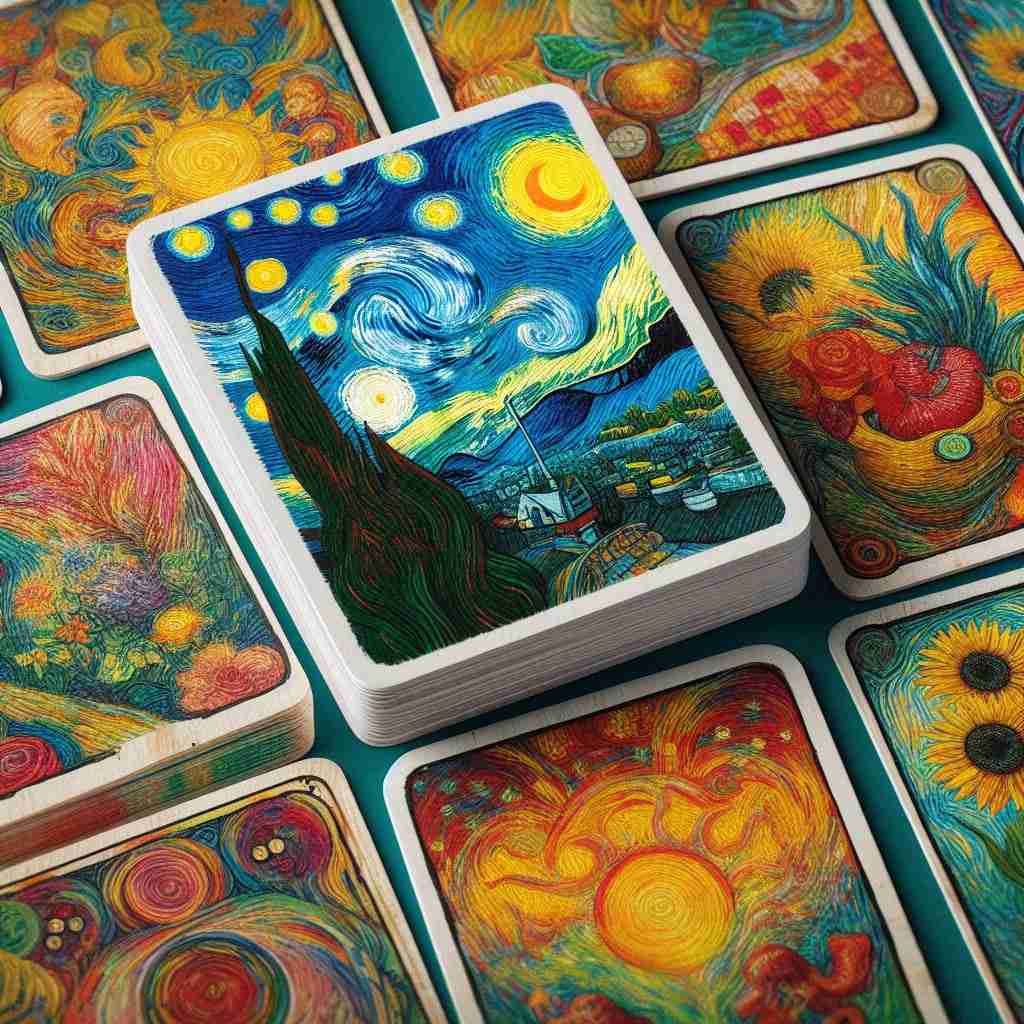
Are We Prioritizing Efficiency Over The Joy Of Human Interaction?
Are We Prioritizing Efficiency Over The Joy Of Human Interaction?
- Human interaction is increasingly sidelined in favor of speed and efficiency.
- Technology fosters superficial communication, reducing friendships to likes and emoji interactions.
- Genuine connections thrive in face-to-face engagements, built through shared experiences.
- We face an ethical dilemma: should efficiency overshadow authentic connections?
- Meaningful memories stem from in-person gatherings rather than digital interactions.
- Valuing connection over efficiency enhances our lives and fosters deeper relationships.
- Choosing personal interaction over digital conveniences leads to a more human-centered society.

Are We Prioritizing Efficiency Over The Joy Of Human Interaction?
Could Ai-Driven Games Lead To A Loss Of Authentic Player Experiences?
As we stand on the precipice of a gaming revolution, one can’t help but ponder a poignant question: Could AI-driven games lead to a loss of authentic player experiences? Imagine yourself at a table, the scent of worn cards mingling with the anticipation of competition—a card game that’s not just a pastime, but a tapestry of memories woven through laughter, rivalry, and camaraderie. These moments, rich with genuine connection, are What makes gaming more than just entertainment; they carry a heartbeat.
Now, consider the digital world looming large, where algorithms dictate gameplay and machine learning tailors experiences to the individual. On one hand, this technology can deliver exhilarating customization and well-crafted narratives, striking at the heart of what we love about gaming. Yet, sitting in that shadowy corner of the room is a whisper—will we lose that authentic player experience, the raw, unfiltered joy of human interaction?
Our minds recognize the appeal of precision and horsepower—a game that knows your next move before you do. The rational part of us celebrates efficiency, but as we become more reliant on machine-driven mechanics, we must ask ourselves: at what cost? An AI could calculate the optimal strategy for every card game scenario, but in doing so, it risks stripping away the very essence of playing with friends—the unpredictable twists, the shared struggles, the hard-earned victories.
Ethically, we must also consider what it means to play a game that feels prepackaged, curated by unseen hands, rather than forged in the fires of authentic human experience. The thrill of a card game not only resides in the strategic depth or the chance of luck, but in the shared stories that emerge from the play. These tales bind us together, reinforcing our social fabric through the laughter and the losses we endure together.
So, as we navigate this brave new world of gaming technology, let’s pause and reflect. Let’s seek balance, holding close to the traditions and interactions that remind us why we started playing in the first place—to connect, to challenge, and to cherish the wonderfully complex tapestry of human experience. Our call to action is clear: as we embrace AI in our games, let’s ensure it enhances rather than replaces the pulse of authenticity that keeps our player experiences alive and unfiltered.

Could Ai-Driven Games Lead To A Loss Of Authentic Player Experiences?
Could Ai-Driven Games Lead To A Loss Of Authentic Player Experiences?
- The rise of AI-driven games raises concerns about losing authentic player experiences.
- Traditional card games evoke memories of connection through competition, laughter, and camaraderie.
- While AI can offer customization and engaging narratives, it risks diminishing human interaction.
- The efficiency of AI might detract from the unpredictability and shared struggles of playing with friends.
- Playing AI-curated games may lead to a feeling of prepackaged experiences rather than genuine play.
- The thrill of games lies in strategic depth and the unique stories that emerge from shared gameplay.
- As gaming technology evolves, it’s crucial to balance innovation with the preservation of authentic experiences.

Could Ai-Driven Games Lead To A Loss Of Authentic Player Experiences?
Is The Reliance On Ai Making Us Forget The Stories Behind Each Game?
In the digital age, as we shuffle virtual cards and delve into the intricacies of gameplay, it’s easy to forget the rich tapestry of stories that lie behind each card game we adore. Each shuffle, each draw, is a portal to a moment in history, a shared laugh with friends, or a lesson learned through the thrill of competition. Yet, as we lean heavily on artificial intelligence to enhance our gaming experiences, we risk losing touch with the narratives that once made these games cherished companions in our lives.
Consider a card game played on a rainy Sunday afternoon, where we gather around a table cluttered with coffee cups and nacho crumbs—a snapshot of camaraderie and joy. The laughter that erupts when someone plays a clever move is electric. Those moments, fraught with tension yet filled with heart, bind us together. But as we replace those human interactions with slick algorithms and AI-generated experiences, we may unintentionally strip away the warmth of vulnerability and spontaneity that makes these gatherings memorable.
Emotionally, the act of playing a card game is about more than strategy; it’s about being seen, heard, and celebrated in a shared experience. Yes, AI can calculate odds and offer tips, but it can’t replace the thrill of a friend’s mischievous grin or the laughter shared after a poorly timed move. There’s an ethical responsibility we hold towards one another to foster connections that matter, to prioritize real interactions over artificial enhancements. How do we measure the value of a game without the stories of its players?
Rationally, we know that stories serve as our collective memory, anchoring us in time and space. They give context to our experiences. The origins of a card game—its evolution, its cultural significance—inform not just how we play but why we play. It’s essential to ask: Are we willing to lose this knowledge in pursuit of instant gratification? When AI crafts our narratives, do we still feel the weight of our investments?
Ultimately, as captivating as AI can be, let’s not sidestep our role as storytellers. Let’s continue to lean into the nostalgia and beauty that card games offer—reminders of who we are and where we come from. We owe it to ourselves, to each other, to keep the heartbeat of our stories alive as we journey through the landscapes of play. It’s time to shuffle the cards of human connection along with those packs adorned with intricate designs and whimsical themes. Let’s choose heart over hardware, storytelling over algorithms, and camaraderie over convenience.

Is The Reliance On Ai Making Us Forget The Stories Behind Each Game?
Is The Reliance On Ai Making Us Forget The Stories Behind Each Game?
- The digital age makes us overlook the rich stories behind beloved card games.
- Playing card games fosters camaraderie and shared experiences among friends.
- Reliance on AI in gaming risks diminishing human interaction and emotional connections.
- Shared laughter and competition provide unique emotional rewards that AI cannot replicate.
- Stories serve as collective memory and context for our gaming experiences.
- We must consider whether we will lose our understanding of games in pursuit of instant gratification.
- It’s vital to prioritize storytelling and human connection over algorithms in our gaming experiences.

Is The Reliance On Ai Making Us Forget The Stories Behind Each Game?
Are We Losing Our Unique Gameplay Styles In The Pursuit Of Ai Mastery?
Are We Losing Our Unique Gameplay Styles In The Pursuit Of AI Mastery?
In this age of digital wizardry and boundless algorithms, we’re standing on the edge of a brave new world, one where artificial intelligence is reshaping how we play. Picture this: the humble card game, a simple deck bringing friends together around a table, laughter spilling out between hands as strategies unfold. It’s a tableau of human connection, where every play tells a unique story, reflecting our personality, our quirks, our gut instincts. But as we march toward AI mastery, are we unwittingly sacrificing these unique gameplay styles?
Let’s face it: AI is impressive. It can calculate odds faster than we can shuffle a deck. It can adapt and learn our strategies, outmaneuvering us at every turn. On the surface, that sounds like a gamer’s dream. But ask yourself: when we rely on algorithms to dictate our moves, do we lose the raw, authentic thrill of a gut-level play? The heart races not just from the stakes of a game but from the unpredictability it brings, the sweet taste of haphazard brilliance—or hilarious failure.
It’s not just about winning, either. That camaraderie, the late-night trash talk, the shared victories and losses—these are the threads that bind us to each other. When we let artificial intelligence take the reins of our card games, are we erasing the richness of shared experiences? The moments that forge friendships, challenge ideas, and provoke laughter could be left behind, replaced by sterile interactions between man and machine.
Ethically, we must ask ourselves: Is our quest for mastery burying the essence of play? There’s authority in recognizing the value of human intuition, creativity, and even the messiness of emotions. A card game is more than just a set of rules or a path to victory; it’s a dance of personas, strategies, and yes, even blunders that inject life into the mundane.
We need to reflect and reconnect. The pursuit of AI excellence should complement our gameplay, not dominate it. Imagine a world where technology enhances our unique style rather than homogenizes it, preserving the beautiful complexities that define us as players. Let’s embrace AI as a tool, but keep our distinct voices alive. Together, let’s ensure that the heart, soul, and gut of gaming endure, breathing vibrancy into every card we play. Because when the chips are down, it’s our irreplaceable humanity that will shine through the digital haze.

Are We Losing Our Unique Gameplay Styles In The Pursuit Of Ai Mastery?
Are We Losing Our Unique Gameplay Styles In The Pursuit Of Ai Mastery?
- The rise of artificial intelligence is significantly altering the landscape of gameplay, particularly in traditional games like card games.
- AI can outperform humans by calculating odds quickly and adapting strategies, which may diminish authentic human experiences in gaming.
- Reliance on AI may lead to a loss of unique gameplay styles and the thrill of gut-level decisions.
- Camaraderie and shared experiences such as trash talk and collective victories are at risk of being overshadowed by AI-driven gameplay.
- The ethical implications of prioritizing AI mastery over human intuition, creativity, and emotional messiness in gaming are concerning.
- It is crucial to reflect on how AI can enhance rather than replace human uniqueness in gameplay.
- Preserving the heart and soul of gaming necessitates a balance between embracing technology and maintaining distinct human voices.

Are We Losing Our Unique Gameplay Styles In The Pursuit Of Ai Mastery?
Conclusion
Conclusion: The Heartbeat of Card Games
As we sit around a table with friends, the deck spread out like our stories laid bare, we’re reminded that card games are about far more than just the outcome of a hand. They embody rich narratives filled with laughter, competition, and camaraderie, with each game creating unique threads that weave us closer together. But in an age where artificial intelligence promises to enhance our play, we must pause to ask: Are we in danger of losing what makes card games special—the very heart that beats beneath the surface of those cards?
At the end of the day, AI can crunch numbers and suggest strategies, allowing us to navigate the world of probabilities with precision. But these mechanical insights cannot capture the essence of a game—the exhilarating uncertainty, the gut feelings, the shared moments of tension and triumph with one another. These interactions are not merely data points; they are the very fabric of our relationships. When we hand over our strategies to algorithms, we risk sacrificing the unpredictable beauty that makes each game an unforgettable experience.
Rationally, we recognize the distinction between enhancement and replacement. While AI may polish our gameplay, we must consciously decide to combat its encroachment on human connection. It’s crucial to foster environments where genuine interaction prevails over mechanized efficiency. Every chuckle shared over a bluff or every eye-roll at a bad play builds our community far beyond what any algorithm can quantify.
Ethically, we stand at a crossroads. Should we prioritize the speed and efficiency that AI provides, or should we treasure the essence of play that lies in our humanity? Each card played is a piece of our story, an opportunity for laughter and connection. If we neglect this, the soul of card games risks being lost in a tapestry woven by machines.
As we shuffle the deck in our next gathering, let’s intentionally embrace the flaws, the risks, and the unpredictability that each player brings to the table. Let’s keep the heart of card games alive, reflecting our individual personalities, instincts, and narratives. Embrace AI as a helpful partner, but do not let it overshadow the vibrant essence of our interactions. After all, it’s the music of our laughter and the warmth of our bonds that make card games truly enchanting. Together, let’s ensure that the stories we tell and the connections we forge remain unfiltered by algorithms, allowing the spirit of human play to thrive.

Conclusion
Conclusion:
- Card games represent rich narratives filled with laughter and camaraderie, transcending mere outcomes.
- AI can enhance gameplay through analytics but cannot replicate the human essence of gaming.
- Interactions in card games form the fabric of our relationships and contribute to unforgettable experiences.
- There is a need to distinguish between enhancement and replacement when integrating AI into gaming.
- Human connection should be prioritized over mechanized efficiency in gaming environments.
- Each card played contributes to personal stories, fostering laughter and connections among players.
- Let’s embrace the unpredictability and individuality of play, ensuring that the heart of card games remains vibrant.

Conclusion
Other Resources

Other Resources
Here is a list of other resources you can review online to learn more:
- The Guardian
- Space Cowboys
- The Game Boy Geek
- Tantrum House
- War of the Ring (Second Edition)
- Mombasa
- Pandemic
- Sherlock Holmes Consulting Detective: The Thames Murders & Other Cases
- The Opinionated Gamers
- Cards Against Humanity
- GeekWire
- Hans im Glück
- Blackjack
- Blogger
- Scythe
- Rising Sun
- Medium
- Horrible Guild
Use This Prompt To Get More Resources With Your Favorite Online AI Tool: Please provide me with a list of online articles with their URLs in a bulleted list that I can read regarding Are You Losing The Heart Of Card Games By Relying on Artificial Intelligence?

Other Resources
Glossary Terms
Are You Losing The Heart Of Card Games By Relying on Artificial Intelligence? – Glossary Of Terms
1. Artificial Intelligence (AI): Systems or machines that mimic human intelligence to perform tasks, often used in gaming to create smart opponents.
2. Card Games: Games that primarily use a deck of cards as the main tool for gameplay, emphasizing strategy, skill, and chance.
3. Game Mechanics: The rules and procedures that guide gameplay, influencing player actions and experiences.
4. Strategic Depth: The level of complexity and thought required in decision-making while playing a game.
5. Player Agency: The degree of control and influence a player has over game decisions and outcomes.
6. Social Interaction: Engagement between players, which can enhance the emotional and strategic aspects of gaming.
7. Game Design: The process of creating the rules, structure, and content of a game, aiming for balance and player engagement.
8. Digital Gaming: Games played on digital platforms, which may utilize AI for various functionalities.
9. Emotional Connection: The bond between players and the game, often derived from shared experiences and social dynamics.
10. Data Analysis: The process of examining data generated during gameplay to enhance strategy and decision-making.
11. Deck Building: The strategy of selecting and arranging cards to create a customized deck in games like Magic: The Gathering.
12. Nostalgia: A sentimental longing for past experiences, which can be influenced by traditional game formats and communal play.
13. Competition: The aspect of rivalry among players, which can enhance engagement and drive skill improvement.
14. Game Balance: The fairness and equality of strategies available to players to maintain challenge and enjoyment.
15. User Experience (UX): The overall satisfaction and engagement level a player derives from their interaction with a game.
16. Algorithm: A set of rules or calculations designed for AI to analyze game scenarios and make decisions.
17. Artificial Opponents: AI-controlled players in card games that simulate human-like behavior and decision-making.
18. Cognitive Load: The mental effort required to understand and engage with a game, which can be affected by AI complexity.
19. Interactivity: The degree to which players can engage and influence the game through their decisions.
20. In-game Decision Making: The process by which players make choices during gameplay, significantly impacted by AI suggestions.
21. Classic Card Games: Traditional card games like Poker or Bridge, often associated with physical interaction and social norms.
22. Skill vs. Luck: The balance between player abilities and random outcomes influencing game results.
23. Customization: The ability for players to modify elements of the game, such as card selection or gameplay rules.
24. Game Community: The collective of players who share interests in card games, often emphasizing social engagement.
25. Learning Algorithms: AI systems that adapt and improve through experience, which can enhance gameplay dynamics.
26. Multiplayer Experience: The aspect of playing card games with multiple participants, fostering social interaction and competition.
27. Human Element: The social, emotional, and unpredictable aspects of gameplay that might be diminished through AI use.
28. Automation: The use of technology to perform tasks that were traditionally done by humans, such as playing cards.
29. Game Evolution: The changes and adaptations in game design and mechanics over time, often influenced by technology.
30. Cultural Significance: The importance and impact of card games on societal traditions, norms, and interpersonal relationships.

Glossary Of Terms
Other Questions
Are You Losing The Heart Of Card Games By Relying on Artificial Intelligence? – Other Questions
If you wish to explore and discover more, consider looking for answers to these questions:
- How can we balance the use of AI in card games and maintain human interaction?
- What are the psychological effects of relying on AI during gameplay?
- Can AI be designed to replicate the emotional aspects of playing with friends?
- How does the rise of AI impact the traditional social gatherings around card games?
- What role do stories play in the experience of card games, and can AI help preserve them?
- In what ways can AI enhance strategic gameplay without diminishing human connection?
- What are the alternatives to using AI in card games that can still help players improve?
- How does AI influence the learning curve for new players in card games?
- Are there specific card games where AI has significantly impacted the gameplay experience?
- What ethical considerations should we keep in mind when integrating AI into gaming?

Other Questions
Haiku
Are You Losing The Heart Of Card Games By Relying on Artificial Intelligence? – A Haiku
Cards shuffled with care,
Human laughter fills the room—
AI can’t replace.

Haiku
Poem
Are You Losing The Heart Of Card Games By Relying on Artificial Intelligence? – A Poem
The Heart of the Game
In the flicker of a candle’s light,
A deck of cards lay with delight,
Laughter dances, stories unfold,
With every shuffle, warmth to behold.
A wild card tossed with playful might,
Friend’s banter fills the cozy night;
Each glance exchanged, a silent tease,
Where strategy meets camaraderie, we seize.
Yet in whispers of progress, machines arise,
With numbers and algorithms, they claim to be wise.
Yet let us ponder, in this mechanized race,
Are we losing the pulse of the human embrace?
For what is a game if spirit’s at stake?
A cold calculation where no risks we take;
The thrill lies not just in precision’s embrace,
But in gut instincts that help us find grace.
Oh, ethics beckon, asking us to choose,
Are connections fading as convenience we lose?
The joy of the game resides not just in the win,
But in the tangled web of losses within.
Picture a café buzzing with life,
Where laughter and warmth cut through the strife;
Yet we’ve turned to screens, in silence we dwell,
Forgetting the magic shared stories can tell.
What value lies in gameplay refined,
If the stories behind every card are confined?
Each play a chapter, rich and profound,
A narrative shared where true joy is found.
As AI surges, let’s not let it blind,
The unique styles and the heart intertwined;
For in this dance of souls, so imperfect and wild,
Lies the beauty of intuition, both playful and mild.
Let technology aid but never replace,
The artistry woven in each heartfelt space;
In games we remember, in laughter we grow,
Let’s cherish the moments that reason can’t show.
So shuffle those cards, let them fall as they may,
Let’s gather together, bend rules, laugh, and play;
For the heart of the game, hand-in-hand will reside,
In the warmth of our stories, where true joy abides.

Poem
Checklist
Are You Losing The Heart Of Card Games By Relying on Artificial Intelligence? – A Checklist
The Heart of Card Games: A Reflective Checklist
Emotional Appeal
_____ Shared Experiences: Reflect on your favorite card game memories with friends or family—what made them special?
_____ Joy of Interaction: Engage in a game without distractions—no phones, no screens—and savor the laughter and camaraderie.
_____ Vulnerability: Allow yourself to take risks in gameplay; embrace mistakes as integral to the enjoyment.
Rational Appeal
_____ Understand Human Psychology: Take time to observe your opponents’ behaviors and body language; learn their tells.
_____ Balance AI and Intuition: Use AI for learning strategies or honing skills, but ensure that your instincts guide crucial decisions.
_____ Analyze Gameplay: Regularly assess how much you rely on AI vs. personal strategy. Are you becoming too dependent on algorithms?
Ethical Appeal
_____ Value Authenticity: Consider the implications of using AI over genuine human interaction. Are you sacrificing moments of true connection for efficiency?
_____ Transparency in AI Use: If using AI for strategy, be vocal about it with fellow players. Discuss how it enhances or detracts from the experience.
_____ Preserve Traditions: Acknowledge the historical and cultural significance of card games. How can you honor these traditions while engaging in modern technology?
Authority Appeal
_____ Seek Guidance: Look to experienced players (friends, family, or online forums) for insights on maintaining the essence of gameplay without compromising the human experience.
_____ Learn from the Past: Engage with the history of your favorite card games and share those stories with new players to sustain the communal knowledge.
_____ Empower Your Game: Remember, as a player, your insight and intuition are vital. Trust your experience and preserve your unique gaming style.
Narrative Appeal
_____ Share Your Story: Contribute your own experiences related to card games—what lessons or values have they imparted?
_____ Storytelling in Gameplay: Encourage storytelling among players during games—discuss the journey behind each card or strategy.
_____ Collective Memory: Reflect on how each player’s narrative contributes to the overall experience. What moments bind you together as a group?
Social Appeal
_____ Create a Gathering: Organize regular card game nights focusing on connection over competition. Prioritize the human element.
_____ Involve Diverse Players: Invite players of varying skill levels and backgrounds for a rich tapestry of interactions and styles.
_____ Public Discussions: Engage in conversations about the future of card games in your community, emphasizing the importance of keeping human connections intact amid technological advancements.
Final Note:
Embrace the Dance of Humanity: Remember, every card dealt is an opportunity to connect. Trust your instincts, foster genuine interactions, and let the games lead you to unforgettable memories.

Checklist
At CardGameNews, we help people who love card games by collating information and news about card games.
Be sure to read our other related stories at CardGameNews to learn more about card games.


