

Unveiling The Allure Of Partnership Card Games
By Tom Seest
At CardGameNews, we help people who love card games by collating information and news about card games.
Be sure to read our other related stories at CardGameNews to learn more about card games.
What Makes Partnership Card Games Appealing to Fans?
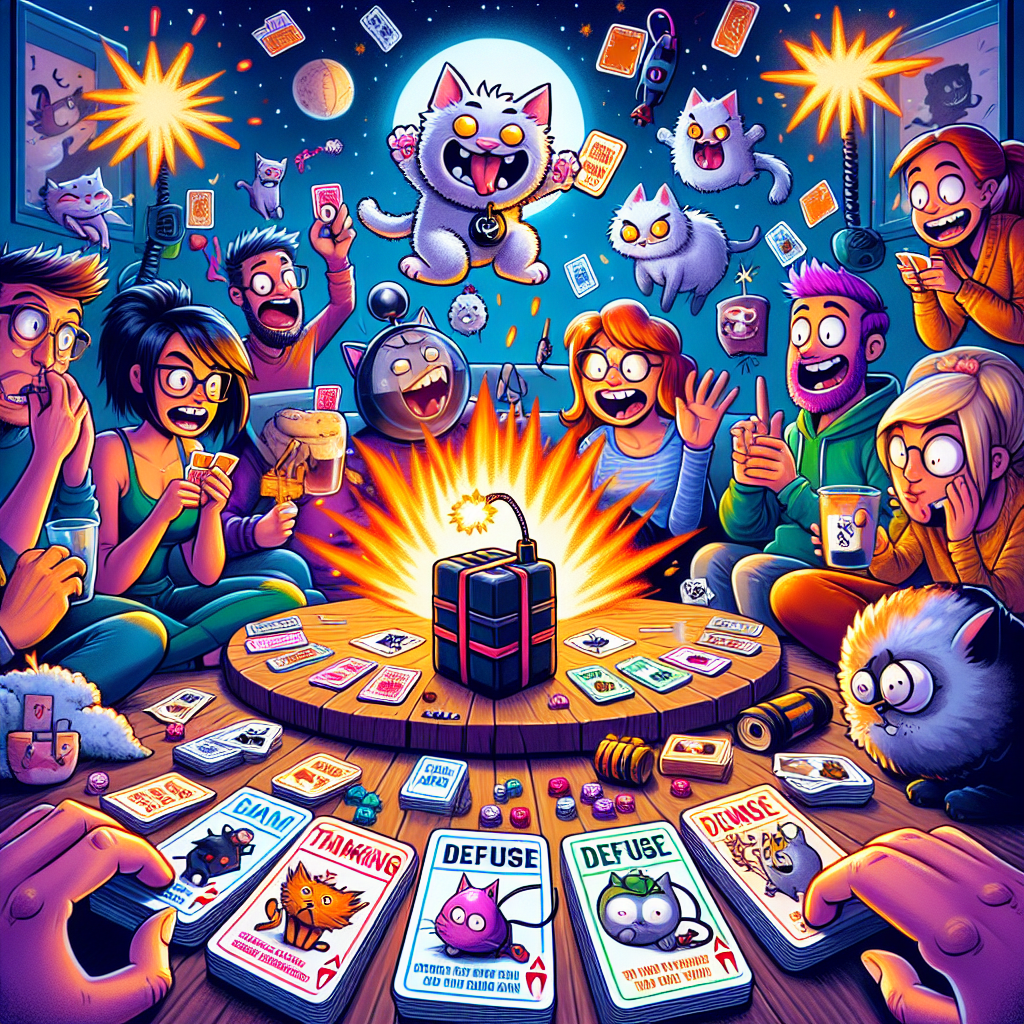
Partnership card games—there’s something about them that just strikes a chord with fans of all ages. Picture a cozy living room filled with laughter, a tinge of competition in the air, and the unmistakable sound of cards being shuffled. What is it about these games that draws players in, like moths to a flame?
First and foremost, there’s the essence of teamwork. Unlike many solo games where it’s every player for themselves, partnership card games foster a spirit of camaraderie. When you sit across from your partner, there’s a bond forged with every hand dealt. You’re not just playing cards; you’re strategizing, communicating, and more importantly, trusting one another. Every glance, every nod, every well-timed play can turn the tide of the game. It’s this shared responsibility that creates a dynamic energy, transforming a simple card game into an exhilarating collaborative experience.
Next up is the thrill of strategy. In these games, success doesn’t come from luck alone—it hinges on your ability to read the table, anticipate your opponents’ moves, and craft a plan with your partner. Think chess with cards, where each decision counts. The psychological aspect is powerful; knowing when to go aggressive or when to lay back takes skill, and that challenge keeps players coming back for more. Each game is a unique puzzle, a twisty maze of choices and consequences that reward those who can think critically and remain agile.
Let’s not forget the iconic social element. Whether it’s a holiday gathering with family or a casual night with friends, these games break the ice and spark conversation. Nostalgia flows like the drinks being passed around, as family legends and tales from past matches come to life. It’s a beautiful tapestry of shared history, where victories are celebrated, and losses turn into humorous anecdotes.
Lastly, there’s the accessibility factor. Most partnership card games come with simple rules that can be picked up in minutes, yet they offer depth that keeps players engaged for years. This blend of easy entry and complex gameplay appeals to both novice players and seasoned strategists.
Partnership card games resonate with people because they encapsulate so much more than just the action of playing. They build connections, conjure memories, and continually challenge us, one deal at a time.

What Makes Partnership Card Games Appealing to Fans?
What Makes Partnership Card Games Appealing to Fans?
- Partnership card games are beloved across all ages, combining laughter and competition in a cozy setting.
- They emphasize teamwork, fostering camaraderie and trust between partners.
- Success relies on strategy, requiring players to read the table and anticipate opponents’ moves.
- The psychological challenge keeps players engaged, as each decision can significantly impact the game’s outcome.
- These games encourage social interaction, sparking conversation and nostalgia during gatherings.
- They are accessible with simple rules, yet offer complex gameplay to keep players engaged for years.
- Overall, partnership card games create connections, evoke memories, and continuously challenge players.

What Makes Partnership Card Games Appealing to Fans?
Table Of Contents
- What Makes Partnership Card Games Appealing to Fans?
- What Are The Key Features That Attract Fans To Partnership Card Games?
- What Strategies Can Improve Teamwork In Partnership Card Games?
- How Do Partnership Card Games Foster A Sense Of Community?
- What Role Does Competition Play In The Appeal Of Partnership Games?
- How Do Partnership Card Games Differ From Solo Card Games?
- What Are The Emotional Benefits Of Playing Partnership Card Games?
- Why Do Players Prefer Partnership Card Games Over Other Genres?
- How Can Learning Partnership Card Games Strengthen Friendships?
- What Factors Contribute To The Longevity Of Partnership Card Games?
- Conclusion
- Other Resources
- Glossary Of Terms
- Other Questions
- Haiku
- Poem
- Checklist
What Are The Key Features That Attract Fans To Partnership Card Games?
When it comes to partnership card games, the allure often lies in a blend of strategy, camaraderie, and a healthy dose of rivalry. These games have a unique way of drawing people in, creating a rich tapestry of interaction that keeps fans coming back for more.
At the forefront is the social aspect. In a world increasingly dominated by screens and solitary pursuits, card games offer a timeless platform for face-to-face interaction. Players gather around a table, exchanging laughs, barbs, and occasionally some well-placed trash talk. The bonds that form during a heated round of Bridge or Spades are hard to replicate. It’s the shared experiences—both the triumphs and the blunders—that turn mere acquaintances into lifelong friends. You’re not just playing against an opponent; you’re developing a partnership with your teammate, learning to read each other’s moves and intentions. This chemistry not only enhances the gaming experience but also deepens personal connections.
Strategy, too, plays a pivotal role in attracting fans. Partnership card games typically require players to think several steps ahead, plotting moves while predicting opponents’ strategies. This intellectual challenge provides a satisfying mental workout. Whether it’s employing the right bidding approach in Bridge or playing the perfect hand in Rummy, players relish the thrill of outsmarting their opponents. Each match becomes a cerebral chess game, where every decision can lead to victory or defeat. The complexity of these games often invites enthusiasts to return, eager to refine their skills and devise new strategies.
Then there’s the element of competition. Nothing stirs the blood quite like the friendly rivalry cultivated at the card table. The stakes might be low—perhaps just bragging rights—but they feel higher when you’re staring down your opponents across the table. Each game is a test of wits, where players not only put their skills on display but also their personalities. This competitive spirit adds an electric atmosphere that keeps everyone engaged and invested.
Finally, let’s not forget the nostalgic charm this genre evokes. Many people have fond memories of family gatherings or evenings with friends, gathered around a card table. This sense of nostalgia transforms card games into a cherished tradition, drawing new players in who want to create their own memories while tapping into the rich history of those who played before them.
It’s the combination of social interaction, strategic depth, competitive spirit, and nostalgia that makes partnership card games an enduring favorite among fans. It’s a world where connections are forged through the shuffle of cards and the thrill of the game, and for many, that’s where the magic happens.

What Are The Key Features That Attract Fans To Partnership Card Games?
What Are The Key Features That Attract Fans To Partnership Card Games?
- Partnership card games blend strategy, camaraderie, and rivalry, attracting players with their engaging interactions.
- The social aspect is significant, offering face-to-face interaction in a screen-dominated world, fostering connections among players.
- Shared experiences during games like Bridge or Spades help transform acquaintances into lifelong friends.
- Strategic thinking is essential, as players must anticipate moves and outsmart their opponents, providing a satisfying mental challenge.
- The element of competition creates an electric atmosphere, enhancing the excitement of the game, even with low stakes.
- Nostalgia plays a role, as people associate card games with cherished memories from family gatherings and friendships.
- The combination of social interaction, strategy, competition, and nostalgia ensures partnership card games remain a popular choice for many.

What Are The Key Features That Attract Fans To Partnership Card Games?
What Strategies Can Improve Teamwork In Partnership Card Games?
Teamwork in partnership card games isn’t just about playing the right cards; it’s a symphony of strategy, communication, and a sprinkle of that intangible human touch. Whether you’re trying to outsmart opponents at the poker table or working through a complex hand in bridge, establishing a solid partnership is paramount. Here are a few strategies that could help you turn the tide in your favor.
Open Communication:
First and foremost, talk to your partner. And no, I don’t mean exchanging pleasantries or discussing the weather. I’m talking about genuinely communicating your thoughts and strategies throughout the game. Establish some key signals before diving in—should you raise an eyebrow to indicate a strong hand, or perhaps tap your thumb to signal doubt? Whatever your method, find a way to ensure that your partner knows exactly what you’re thinking without needing to yell it across the table.
Practice Makes Perfect:
Just like learning a new instrument, team dynamics take time to cultivate. Spend time playing casual games to develop an understanding of each other’s play styles. This practice not only builds familiarity but helps you nurture the unspoken bond that comes into play with card games. Think of it as laying a solid foundation; the better you know each other’s tendencies, the more seamless your teamwork will be when the competitive stakes are higher.
Analyze Each Hand Together:
After a game, take a moment to reflect on what transpired. Whether you emerged victorious or came up short, analyzing each hand collaboratively can lead to valuable insights. What went well? What could have been better? Encourage open discussions about decisions made and encourage feedback, so you both grow as players. The better you understand each other’s thought processes, the more synergy you’ll have during the intense moments of gameplay.
Establish Trust:
Trust is the bedrock of any strong partnership. If you’re questioning your partner’s tactics or second-guessing their decisions, it’s time to have an honest chat. Remember, you’re in this together. Rely on your partner to make the right calls, and don’t micromanage their play. This trust will empower them, leading to a more fluid and confident approach to the game.
Celebrate Successes and Learn From Failures:
Lastly, acknowledge victories—both small and large. Lift each other up when the cards fall in your favor, but equally, don’t dwell on failures. Use those moments as learning experiences to educate yourselves and sharpen your teamwork for the next round.
By honing these strategies, you’ll find that teamwork in partnership card games becomes not just an effective tactic, but a downright enjoyable experience. Game on!

What Strategies Can Improve Teamwork In Partnership Card Games?
What Strategies Can Improve Teamwork In Partnership Card Games?
- Teamwork in partnership card games involves strategy, communication, and human connection.
- Open communication with your partner is crucial; establish key signals to share thoughts discreetly.
- Practice together to understand each other’s play styles and build a strong partnership.
- Analyze each hand together post-game to gain insights and learn from decisions made.
- Trust your partner’s decisions and avoid micromanagement to foster a more fluid gameplay experience.
- Celebrate victories and use failures as learning experiences to improve teamwork.
- Implementing these strategies enhances both the effectiveness and enjoyment of card game partnerships.

What Strategies Can Improve Teamwork In Partnership Card Games?
How Do Partnership Card Games Foster A Sense Of Community?
When you sit down at a table for a game of cards, it’s not just about the cards in your hand or the strategies whirling in your mind. It’s about the people across from you, their quirks, their laughter, and the little glances of camaraderie that seem to say, “We’re in this together.” That’s the magic of partnership card games—they transcend the simple act of play and weave a tapestry of connection that unites players in a shared experience.
Imagine the scene: a motley crew of friends, family, or even strangers converging around a table, the air thick with anticipation. As the cards are dealt, barriers dissolve. Players rely on each other, communicate through subtle cues, and build trust. In the heat of a game, alliances form and strategies unfold, transforming the table into a dynamic microcosm of collaboration and competition. It’s an unspoken language of partnerships, where every play counts and every decision matters.
Take a game of bridge or spades, for instance. Each player has their strengths and weaknesses, and understanding those nuances is key to victory. Your partner might be a wizard at counting cards but prone to wild gambles, while you might have the patience of a saint, yet struggle with reading their intent. Navigating these differences demands not just skill, but a deepening bond—a friendship built on shared victories and losses. Each game offers a chance to learn not just about the cards being played, but about each other.
Moreover, there’s an undeniable warmth in these gatherings. Laughter erupts over a poorly timed bid or a spectacular bluff that goes awry. Stories surface, revealing the human experience behind the cards. As the night stretches on and the games stack up, it’s not merely about winning or losing; it’s the communal experience that leaves a lasting mark. Regular game nights transform into cherished traditions, instilling a sense of belonging that is hard to find in our fast-paced, technology-driven lives.
In a world that often feels disjointed, partnership card games remind us of the simple joy of connection. They teach us to rely on one another, appreciate each individual’s input, and celebrate collective victories, no matter how small. These gatherings foster not only friendship but a profound sense of community—one card, one laugh, and one game at a time. So, the next time you shuffle a deck, remember: you’re not just playing a game; you’re building bonds that can last a lifetime.

How Do Partnership Card Games Foster A Sense Of Community?
How Do Partnership Card Games Foster A Sense Of Community?
- Partnership card games create connections beyond the gameplay, fostering a sense of community among players.
- As players come together, barriers dissolve, and trust is built through communication and collaboration.
- Understanding each player’s strengths and weaknesses is crucial for success in games like bridge and spades.
- These games promote deeper bonds through shared victories and losses, enhancing friendships.
- Laughter and storytelling during games contribute to a warm atmosphere, making the experience memorable.
- Regular game nights evolve into cherished traditions, providing a sense of belonging in a fast-paced world.
- Ultimately, partnership card games emphasize the joy of connection and collective celebration among players.

How Do Partnership Card Games Foster A Sense Of Community?
What Role Does Competition Play In The Appeal Of Partnership Games?
When it comes to partnership games, competition isn’t just a sidekick—it takes center stage and plays a pivotal role in their allure. Think about it: whether you’re dealing cards, rolling dice, or strategizing over a game board, there’s an unmistakable thrill that arises whenever stakes are involved. It’s not merely about winning or losing; it’s about the dance that unfolds between players, the tension that mounts, and the excitement that bubbles up as each round progresses.
The beauty of partnership games lies in their blend of collaboration and competition. Players must work together with a partner, yet they’re also pitted against an opposing team. This unique dynamic creates a compelling atmosphere that fuels engagement. You’ve got two heads strategizing, sharing insights, and gauging the strengths and weaknesses of the opposing duo. The pressure to perform not only for oneself but also for a teammate heightens the stakes, making every decision feel monumental.
Moreover, competition brings out the best—and sometimes the worst—in us. The adrenaline rush that comes from a well-timed play, or the gut-wrenching experience of a near miss, taps into our primal instincts. It ignites a deep-rooted desire to succeed—a feeling that cranks up the excitement several notches. This primal drive mingles with camaraderie, fostering an environment where players can revel in both victory and defeat. There’s a certain satisfaction that comes from sharing the highs of victory with a partner or rallying together in the face of a tough loss.
And let’s not overlook the element of strategy. Competition encourages players to outthink their opponents, anticipate their moves, and devise a plan that capitalizes on their partner’s strengths. This mental chess match adds another layer of complexity, engaging players on a level that pure chance-based games simply can’t touch.
In essence, competition is the lifeblood of partnership games. It transforms a simple pastime into an electrifying experience, bridging the gap between enjoyment and intensity. So, the next time you find yourself at the table, remember: it’s not just about the cards in your hand or the dice you’ve rolled; it’s about the exhilarating challenge of connecting and sparring with another, all while chasing a common goal. It’s a delicious recipe that keeps players coming back, time and time again.

What Role Does Competition Play In The Appeal Of Partnership Games?
What Role Does Competition Play In The Appeal Of Partnership Games?
- Competition is central to partnership games, enhancing their appeal and excitement.
- Players collaborate with a partner while competing against another team, creating a unique dynamic.
- The pressure to perform affects both individual and team dynamics, making choices feel significant.
- Adrenaline from competition taps into primal instincts, increasing the thrill of the game.
- Camaraderie develops among players, enhancing satisfaction in both wins and losses.
- Strategy plays a crucial role, as players must outthink their opponents and maximize their partner’s strengths.
- Overall, competition turns casual games into intense experiences, fostering repeated engagement.

What Role Does Competition Play In The Appeal Of Partnership Games?
How Do Partnership Card Games Differ From Solo Card Games?
When you dive into the world of card games, you quickly discover that not all games are created equal. On one side, you’ve got partnership card games, where teamwork reigns supreme, and on the other, solo card games, where it’s every player for themselves. The differences between these two categories are as pronounced as a prizefighter’s left hook and reveal more about human interaction than you might think.
In partnership card games, players band together to achieve a common goal. Imagine sitting around a table with a close buddy, strategizing your every move while tossing in a well-timed wink for emphasis. There’s a rhythm to it—a give and take that elevates the experience far beyond mere cardplay. Whether it’s Bridge, Spades, or Hearts, success hinges on communication, trust, and that unspoken understanding between partners. You’re not just playing cards; you’re navigating a delicate dance of tactics and deception, where every nail-biting moment can pivot on your partner’s next play. The camaraderie can lead to laughter, joyful banter, or sometimes, heated debates that echo through the halls long after the cards are put away.
Contrast that with solo card games, where you step into the ring alone, armed only with your wits and a deck. The thrill of victory—or the agony of defeat—is a personal affair. Solitaire, for instance, delivers the perfect meditation on individual choice. Each card flipped over is a decision made in solitude, a reflection of your thinking and strategy alone. Unlike partnership games, there’s no one to blame but yourself when the house wins, and that can be both liberating and daunting.
Solo games challenge your brain differently. They demand a keen eye, strategic planning, and often, a fair bit of patience. You’re not weighing your strategy against another player’s tendencies; you’re continuously calibrating your moves based on the intricate puzzle the deck presents. This intimate focus can be a refreshing escape, a chance to engage with your thoughts while lost in the shuffle of the cards.
So, do you want to forge alliances and share the thrill of victory, or do you prefer the solitude of strategizing against the odds? Whether you lean towards the social bustle of partnership games or the quiet concentration of solo play, each carries its own unique charm. The choice reflects something deeper about who you are: a collaborator or a lone wolf. Either way, the cards are always waiting.

How Do Partnership Card Games Differ From Solo Card Games?
How Do Partnership Card Games Differ From Solo Card Games?
- Card games can be divided into two main categories: partnership card games and solo card games, each offering different experiences.
- Partnership card games foster teamwork, requiring communication and trust between players, evident in games like Bridge, Spades, and Hearts.
- These games emphasize strategy, tactics, and the dynamics of player interactions, leading to camaraderie, laughter, and occasional heated debates.
- Solo card games, such as Solitaire, focus on individual choices and personal strategy, allowing for a more solitary experience.
- Playing solo games offers a unique challenge, demanding strategic planning and patience as players solve the deck’s puzzles independently.
- Each type of card game reflects personal preferences: partnership games cater to collaborators, while solo games appeal to those who enjoy solitary strategizing.
- Ultimately, the choice between partnership and solo card games reveals insights into one’s personality, characterizing players as collaborators or lone wolves.

How Do Partnership Card Games Differ From Solo Card Games?
What Are The Emotional Benefits Of Playing Partnership Card Games?
When you shuffle a deck of cards and sit down with a partner, you’re not just gearing up for a game; you’re opening the door to a world of emotional benefits that go far beyond winning or losing. As you engage in friendly competition, a unique synergy develops, allowing players to connect in ways that foster emotional well-being.
First and foremost, partnership card games are a fantastic way to enhance social interaction and communication skills. In today’s fast-paced, tech-driven world, we sometimes forget the simple joy of face-to-face connection. Sharing a table with a partner provides an opportunity to engage in meaningful conversation, exchange laughter, and even strategize together. This collaborative effort encourages not just verbal communication but also non-verbal cues, helping players develop and strengthen their people skills.
Furthermore, the element of teamwork in these games cultivates a profound sense of trust and camaraderie. When you rely on your partner to make decisions, or when they’re counting on you to execute a well-timed play, it establishes a bond that extends beyond the game. It’s this shared experience, the highs of victory and the lessons of defeat, that weave relationships. Strengthening these connections provides a cushion against life’s inevitable stressors.
Let’s not overlook the mental workout that comes with playing cards. Engaging in strategy and critical thinking promotes cognitive function, and the competitive nature of partnership games unleashes a rush of adrenaline and excitement. This not only keeps your brain sharp but also acts as an emotional release. It’s a healthy way to blow off steam after a long week.
And then there’s the simple pleasure of laughter. As you and your partner navigate the ups and downs of the game, humor often comes into play, turning potential frustrations into shared joy. This laughter acts as a natural stress-reliever, boosting endorphins and fostering a positive atmosphere.
Lastly, playing partnership card games instills resilience. Every game has its ebbs and flows, filled with surprises and outcomes that weren’t anticipated. Learning to navigate these twists—from minor setbacks to team triumphs—teaches players valuable life lessons in patience, adaptability, and perseverance.
So, whether you’re playing a spirited hand of bridge, a charming round of pinochle, or a competitive game of spades, remember that these card games are much more than just a pastime. They are a powerful platform for emotional connection, growth, and joy that can enrich your life in countless ways.

What Are The Emotional Benefits Of Playing Partnership Card Games?
What Are The Emotional Benefits Of Playing Partnership Card Games?
- Partnership card games enhance social interaction and communication skills.
- They provide a meaningful opportunity for face-to-face connection and conversation.
- Teamwork in these games fosters trust and camaraderie between players.
- Playing cards offers a mental workout promoting cognitive function and emotional release.
- Laughter shared during the game acts as a natural stress-reliever and boosts endorphins.
- These games teach resilience, patience, adaptability, and perseverance through unexpected outcomes.
- Partnership card games serve as a platform for emotional connection, growth, and joy.

What Are The Emotional Benefits Of Playing Partnership Card Games?
Why Do Players Prefer Partnership Card Games Over Other Genres?
When it comes to the world of gaming, the preferences are as varied as the players themselves. Yet, there’s a curious phenomenon that stands out: the enduring charm of partnership card games. There’s a unique allure to these games, one that draws people in and keeps them coming back for more.
First and foremost, partnership card games foster a sense of camaraderie that simply can’t be replicated in solitary play. In a bustling bar or a living room filled with laughter, players huddle around a table, divided into teams, strategizing their next moves. It’s not just about the cards you hold; it’s about synchronizing with a partner, reading their cues, and understanding their strategies. This dynamic transforms each game into a shared adventure, with every win celebrated collectively and every loss a lesson learned together. This element of teamwork creates bonds that go beyond the table and into real life, making it a social activity as much as a competitive one.
Additionally, the thrill of partnership card games lies in their unpredictability. While luck plays its part, skill and collaboration take center stage. Players must rely on their knowledge, intuition, and ability to communicate effectively with their teammates. This adds layers of strategy that can turn an ordinary game into an epic battle of wits. There’s a palpable tension in the air as players bluff, calculate risks, and execute bold maneuvers with their partners in tow. This blend of strategy and social interaction keeps players on their toes, compelling them to return for the next round.
Another significant draw is the nostalgia factor. Many of us grew up playing these games with family and friends, forging memories over countless hours spent strategizing and laughing. For adults, the chance to relive those moments while creating new ones adds a comforting layer of familiarity. In a world that often feels disconnected, partnership card games offer a retreat into a simpler time when gathering around a table with loved ones was the norm, not the exception.
Finally, let’s not forget the accessibility of these games. With just a deck of cards, the possibilities are endless. They can be played anywhere, at any time, with just about anyone. This ease of entry makes them appealing to newcomers and seasoned players alike.
In essence, partnership card games strike a perfect balance between strategy, social interaction, and nostalgia. They remind us that gaming isn’t just about competition; it’s about connection. And that, more than anything else, is why players keep coming back to the table.

Why Do Players Prefer Partnership Card Games Over Other Genres?
Why Do Players Prefer Partnership Card Games Over Other Genres?
- Partnership card games foster camaraderie, enhancing social connections among players.
- The games promote teamwork, requiring players to synchronize and understand their partner’s strategies.
- They involve unpredictability, where skill and collaboration are more crucial than luck.
- There’s a blend of strategy, bluffing, and communication that keeps players engaged.
- The nostalgia factor plays a significant role, as many players reminisce about past experiences with family and friends.
- These games are accessible, needing only a deck of cards and can be played anywhere with anyone.
- Ultimately, they highlight that gaming is about connection, not just competition.

Why Do Players Prefer Partnership Card Games Over Other Genres?
How Can Learning Partnership Card Games Strengthen Friendships?
In a world that seems to be spinning faster every day, finding ways to connect with others can feel like a daunting task. However, there’s an often-overlooked treasure right at our fingertips: partnership card games. From the simplicity of a game of Rummy to the strategic depth of Bridge, these games offer much more than just a casual pastime—they can be a powerful tool for fortifying friendships.
First and foremost, partnership card games create an environment that encourages communication. When you sit down across a table with a friend and a deck of cards, the barriers that often separate people begin to dissolve. Players engage in conversations about strategy, share moments of triumph or defeat, and even confide in each other during the quiet moments between hands. This interaction cultivates a sense of camaraderie, reinforcing the idea that you’re in this together. You’re not just allies in the game; you’re teammates in a partnership that extends beyond the playing surface.
Moreover, these games often require a fair amount of trust. You need to rely on your partner’s decisions and instincts, which can lead to a deeper understanding of each other’s strengths and weaknesses. As you navigate the game, you learn to lean on one another, fostering mutual respect. It’s not just about winning or losing; it’s about how well you can collaborate under pressure. Whether it’s keeping a straight face as your partner plays a risky hand, or cheering each other on through a nail-biting finish, the shared experiences build a bond that can weather outside storms.
Then there’s the shared laughter. Let’s face it—card games can evoke joy and a sense of hilarity, especially when a player makes a blunder or concocts a zany strategy. These lighthearted moments interspersed with friendly banter inject a dose of fun into relationships, creating memories that are as sticky as a spilled drink on a table. Friends who laugh together create stories that bind them tighter, stories that get told again and again over the years.
Finally, the very act of regularly gathering for card games promotes routine and reliability in friendships. Life can get chaotic, but knowing you have scheduled time set aside for card games with a friend gives you both something to look forward to—a ritual that reinforces your connection.
So grab a deck of cards, find a willing partner, and get ready to shuffle your way into stronger friendships. The enhancements to your relationships might just surprise you, one dealt hand at a time.

How Can Learning Partnership Card Games Strengthen Friendships?
How Can Learning Partnership Card Games Strengthen Friendships?
- Partnership card games, such as Rummy and Bridge, can help strengthen friendships and promote connection.
- These games create an environment that encourages communication, breaking down barriers between players.
- Trust is essential in partnership card games, leading to a deeper understanding of each other’s strengths and weaknesses.
- Shared experiences during gameplay foster mutual respect and collaboration under pressure.
- Card games often evoke laughter and joy, creating memorable moments that strengthen bonds between friends.
- Regularly scheduled card game gatherings provide routine and reliability in friendships, offering something to look forward to.
- Engaging in card games can enhance relationships in surprising ways, one hand at a time.

How Can Learning Partnership Card Games Strengthen Friendships?
What Factors Contribute To The Longevity Of Partnership Card Games?
When it comes to the timeless appeal of partnership card games, one can’t help but marvel at the blend of tradition, strategy, and camaraderie that fuels their enduring popularity. So, what exactly are the factors that keep these games alive and thriving across generations?
First and foremost, let’s talk about the social dimension. Partnership card games are more than just a way to pass the time; they are a catalyst for connection. Whether you’re gathered around a kitchen table with family or sitting in a bustling community center with friends, these games foster an environment of teamwork and collaboration. The laughter, the banter, the occasional friendly argument — it’s all part of the experience. In an era where digital interactions often overshadow face-to-face communication, the tangible, shared moments that come from these games become invaluable. The joy of strategizing with a partner and the thrill of victory become memories that people cherish.
Next, consider the intellectual stimulation these games provide. Players must engage in critical thinking, strategy development, and memory recall, often under pressure. This mental workout keeps both the mind sharp and the spirit engaged. Many card games demand a complex understanding of probabilities, risk assessment, and reading opponents. This challenge appeals to a broad range of players, from casual participants to serious strategists, allowing for varying levels of commitment.
The simplicity of the setup is another crucial factor. With just a deck of cards, players can create an endless variety of games. This accessibility makes them inviting to newcomers while allowing seasoned players to explore intricate strategies. The adaptability of these games means they can be tailored to suit any group, occasion, or mood, whether you’re in for a quick match or an all-night showdown.
Finally, let’s not forget tradition. Many families and communities pass down card game knowledge like a prized heirloom. These games hold stories and histories that bind generations together. The nostalgia attached to playing with loved ones fosters a deep emotional connection, ensuring that as long as there are relationships to nurture, these games will continue to find a place in living rooms and gathering spots across the globe.
In short, the longevity of partnership card games is a testament to their rich tapestry of social interaction, intellectual engagement, simplicity, and tradition. These elements intertwine to create an experience that not only survives but thrives, proving that no matter how much the world changes, some pastimes will always hold a special place in our hearts.

What Factors Contribute To The Longevity Of Partnership Card Games?
What Factors Contribute To The Longevity Of Partnership Card Games?
- Partnership card games blend tradition, strategy, and camaraderie, contributing to their enduring popularity.
- They foster social connection, providing an environment for teamwork, laughter, and shared experiences.
- The games deliver intellectual stimulation, engaging players in critical thinking and strategy development.
- Players must understand probabilities, risk assessment, and reading opponents, appealing to various levels of expertise.
- Accessibility is key; a simple deck of cards allows for countless game variations that suit any gathering.
- Tradition plays a significant role, as families pass down card game knowledge that strengthens generational bonds.
- Overall, these games thrive due to their rich combination of social interaction, mental engagement, and emotional connections.

What Factors Contribute To The Longevity Of Partnership Card Games?
Conclusion
Well folks, as we shuffle to the end of our exploration into why partnership card games have such a magnetic pull on players, it’s clear that these aren’t just games; they’re cultural touchstones that unite us. Imagine yourself at a crowded table, the aroma of snacks wafting through the air as laughter rings out. It’s not just about the cards in your hand; it’s about collaborating with your partner to create a shared narrative, where decisions made over the table carry weight beyond the game itself.
At the heart of partnership card games is teamwork. Here, you’re not just an individual player; you’re part of a duo. Each play fosters closeness, and it’s in those split-second decisions—when to bluff, when to go all-in—that trust is built. Think of it as a dance where coordination means everything, and every successful move adds a new chapter to your shared story. You’re both strategizing, reading one another’s non-verbal cues, and celebrating the little victories, cultivating an intimacy that transcends the boundaries of the game.
Then there’s the thrill of strategy; these games are mental workouts, pushing players to think three, four, or even five steps ahead. You have to anticipate what your opponents might do, balancing aggression with caution. Each match envelops you in a cerebral chess game wrapped in a deck of cards, presenting you with puzzles that can only be unlocked through collaboration and critical thinking. And let’s not kid ourselves; that mental engagement creates a rush, a delicious adrenaline that keeps you on the edge of your seat.
Don’t forget the nostalgia factor, too. For many, these games conjure beloved memories of bygone family gatherings, late-night tournaments, and heartfelt laughter. They connect generations through shared rituals, breathing life into traditions that forge community in a world driven by isolation.
Ultimately, the accessibility of these games broadens their appeal. With a simple deck of cards, you can play anywhere, anytime, making you feel like a part of something greater—part of a lineage of players who’ve gathered for centuries to shuffle, deal, and create connections.
As we wrap this discussion up, remember that partnership card games are much more than just a way to pass the time. They’re living representations of trust, strategy, nostalgia, and community, bringing people together one deal at a time. So the next time you gather for a game, know that you’re not just in it for the score; you’re investing in friendships, memories, and the joy of being together. Game on!

Conclusion
Conclusion:
- Partnership card games are cultural touchstones that foster connection among players.
- Collaboration and shared narratives are central, focusing on teamwork between partners.
- Trust is built through strategic decision-making, enhancing intimacy beyond the game.
- Players engage in complex strategies, requiring anticipation and critical thinking.
- These games evoke nostalgia, connecting generations and reinforcing community traditions.
- The accessibility of card games allows for play anywhere, promoting a sense of belonging.
- Ultimately, these games symbolize trust, strategy, nostalgia, and the joy of community.

Conclusion
Other Resources

Other Resources
Here is a list of other resources you can review online to learn more:
- “Setting up a partnership card game”
- “Why is Spades card game so addictive? | by Prashanth Basappa”
- “It’s All in the Cards: Work Lessons in Spades”
- “Mastering the Boardroom with a Deck of Cards”
- “Card Games As The Perfect Icebreaker”
- “Let Me Teach You the Game of My People: Card Games …”
Use This Prompt To Get More Resources With Your Favorite Online AI Tool: Please provide me with a list of online articles with their URLs in a bulleted list that I can read regarding What Makes Partnership Card Games Appealing to Fans?

Other Resources
Glossary Terms
What Makes Partnership Card Games Appealing to Fans? – Glossary Of Terms
1. Cooperation: The act of working together with a partner to achieve a common goal in the game, which enhances teamwork.
2. Strategy: A planned series of actions or tactics employed to win the game, showcasing the intellectual challenge.
3. Social Interaction: The aspect of engaging and communicating with others, which fosters friendships and community among players.
4. Team Dynamics: The behaviors and interactions between partners that can influence the overall performance in the game.
5. Competition: The rivalry between teams or players that drives excitement and engagement.
6. Communication: The verbal or non-verbal methods used by partners to convey information about their hands or strategies to each other.
7. Skill Development: The process of improving one’s abilities through practice and play, which adds a layer of personal growth.
8. Psychology: The mental factors at play during the game, including bluffs and psychological warfare between partners and opponents.
9. Game Theory: The study of strategic decision-making that can help players analyze and optimize their gameplay.
10. Intuition: The ability to understand or know something instinctively, which can play a crucial role in decision-making during the game.
11. Variability: The different outcomes and gameplay experiences that arise from unique card distributions, keeping each game fresh.
12. Tradition: The cultural or historical elements of partnership card games that promote loyalty and continued play across generations.
13. Inclusivity: The welcoming nature of partnership card games that allows players from diverse backgrounds to participate together.
14. Ritual: The customary practices or routines that players engage in before, during, or after games, which can add to the overall enjoyment.
15. Adaptability: The ability of players to adjust their strategies based on changing conditions during the game, demonstrating flexibility.
16. Bonding: The strengthening of relationships between partners through shared experiences and teamwork.
17. Mental Challenge: The cognitive demands of strategizing and anticipating opponents’ moves, which appeal to competitive players.
18. Entertainment Value: The enjoyment and amusement players derive from playing, which enhances the overall appeal of the game.
19. Community: The social group formed around partnership card games, providing a support network for players.
20. Endgame Strategy: The specific tactics employed as the game approaches its conclusion, often requiring critical thinking and foresight.
21. House Rules: Variations or modifications to standard rules that players may adopt to customize their gaming experience.
22. Turn-Based Play: The structured format of playing where players take turns, allowing for thoughtful decision-making and strategy.
23. Experience Levels: Refers to the varying degrees of skill among players, promoting a diverse environment for learning and growth.
24. Tournament Play: Organized competitions that emphasize the skill and excitement of partnership card games, attracting serious players.
25. Customizability: The potential for players to adapt rules or formats to suit their preferences, enhancing personal engagement.
26. Resource Management: The careful handling of cards and strategic deployment of resources throughout gameplay to maximize advantage.
27. Narrative: The unfolding story or context of the game, which can deepen player engagement and emotional investment.
28. Game Mechanics: The rules and systems that govern how the game operates, contributing to its overall challenge and enjoyment.
29. Player Feedback: The sharing of insights and strategies among players post-game, which fosters improvement and connection.
30. Camaraderie: The spirit of friendship and mutual support among players, often cultivated through shared gaming experiences.
These terms and their descriptions illustrate various facets of why partnership card games are highly appealing to fans, combining strategic depth with social enjoyment.

Glossary Of Terms
Other Questions
What Makes Partnership Card Games Appealing to Fans? – Other Questions
If you wish to explore and discover more, consider looking for answers to these questions:
- What are some popular partnership card games to try?
- How can I learn to play partnership card games?
- Are there variations of partnership card games for different skill levels?
- What are the best strategies for beginners in partnership card games?
- How do different cultures engage with partnership card games?
- What role do emotions play in partnership card games?
- Are there competitive tournaments for partnership card games?
- How can I incorporate partnership card games into social gatherings?
- What psychological benefits do players gain from partnership card games?
- Can partnership card games be played online or in apps?
Other Questions
Haiku
What Makes Partnership Card Games Appealing to Fans? – A Haiku
Cards shuffled, laughter,
Trust and strategy unite—
Friends entwined as one.

Haiku
Poem
What Makes Partnership Card Games Appealing to Fans? – A Poem
In cozy rooms where laughter fills the air,
The shuffle and the deal begin the play,
With trusted partners, joy becomes our share,
In every glance, we find a bright array.
Through strategy and trust, our skills entwined,
A dance of tactics, mind against the foe,
With every hand, our fates and hearts aligned,
We learn to read and grow; together, flow.
In friendly rivals, bonds of laughter grow,
Nostalgia whispers tales of times gone by,
Shared moments crafted in the ebb and flow,
Of triumphs, blunders—each a cherished tie.
So gather round, let cards and hearts unite,
For in this game, we find our shared delight.

Poem
Checklist
What Makes Partnership Card Games Appealing to Fans? – A Checklist
1. Create a Comfortable Environment
_____ Choose a cozy setting for your game (living room, kitchen, etc. ).
_____ Ensure there is enough lighting for everyone to see the cards easily.
_____ Have snacks and drinks available to keep the atmosphere relaxed and enjoyable.
2. Establish Clear Communication
_____ Discuss preferred strategies with your partner before the game starts.
_____ Agree on subtle non-verbal signals or cues to convey your thoughts during the game.
_____ Keep lines of communication open; feel free to discuss strategies after each round.
3. Practice Together
_____ Set aside time for casual practice games to understand each other’s playing styles.
_____ Discuss and analyze past games to build familiarity and synergy.
4. Analyze Hands Together
_____ After each game, take a moment to reflect on what went right and what went wrong.
_____ Encourage constructive discussions about decisions made during crucial moments.
5. Build Trust
_____ Trust each other’s decisions and resist the urge to micromanage plays.
_____ Foster an atmosphere of support to empower your partner’s competitive spirit.
6. Celebrate Wins & Learn from Losses
_____ Acknowledge and celebrate both small victories and notable moments.
_____ Frame losses as learning experiences to improve teamwork in future games.
7. Incorporate Friendly Competition
_____ Maintain a good spirit of rivalry by creating light-hearted stakes (e. g. , bragging rights).
_____ Share moments of tension and excitement as part of the gaming experience.
8. Embrace Nostalgia and Tradition
_____ Share and discuss personal stories related to card games to build a stronger bond.
_____ Create new memories and traditions; consider establishing a weekly card game night.
9. Explore Different Games
_____ Experiment with various types of partnership card games (e. g. , Bridge, Spades, or Rummy).
_____ Understand the rules of new games together, making sure everyone is on the same page.
10. Foster Community Through Gaming
_____ Invite family or friends to join in, creating a larger social experience.
_____ Organize tournament-style games to elevate excitement and engagement.
11. Stay Accessible
_____ Choose games with simple rules to shorten the learning curve for newcomers.
_____ Ensure everyone feels welcome to participate, regardless of skill level.
12. Continue Learning
_____ Stay curious and seek new strategies or methods from seasoned players or online resources.
_____ Encourage each other to refine skills over time, embracing the endless learning curve of card games.
By utilizing this checklist, you can deepen your enjoyment of partnership card games while also enriching the bonds with your fellow players. Game on!

Checklist
At CardGameNews, we help people who love card games by collating information and news about card games.
Be sure to read our other related stories at CardGameNews to learn more about card games.


