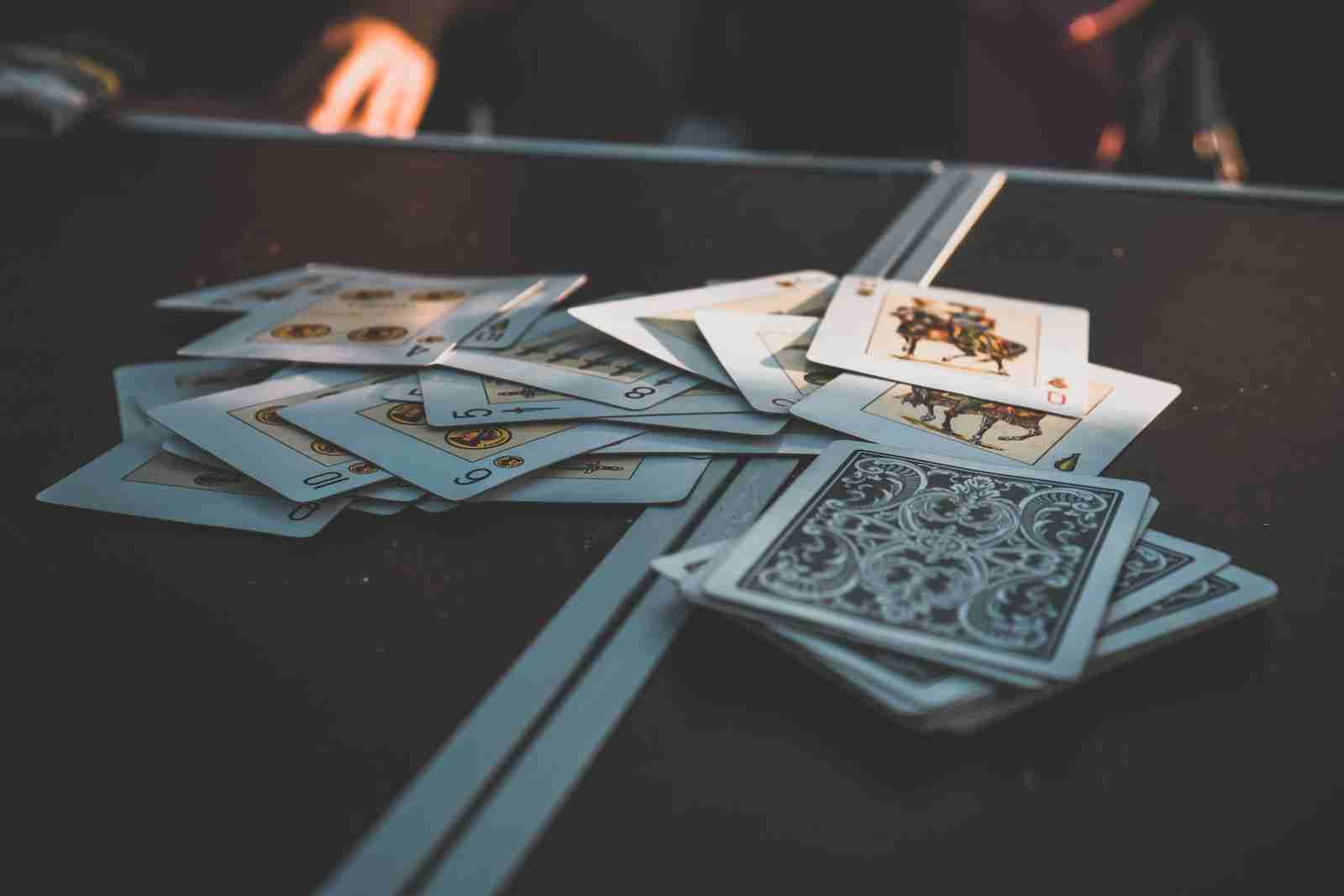
Uncovering The Allure Of Bidding Card Games
By Tom Seest
At CardGameNews, we help people who love card games by collating information and news about card games.
Be sure to read our other related stories at CardGameNews to learn more about card games.
What Makes Bidding Card Games Appealing to Fans?
Bidding card games have a unique charm that draws players in, inviting them to a world where strategy, psychology, and a bit of luck converge around a table. There’s something inherently satisfying about dealing cards, placing bets, and gauging the moves of your opponents. This rich tapestry of engagement keeps fans coming back for more.
At the heart of these games lies a dynamic interplay of risk and reward. The bidding phase is often where the magic happens. Players must carefully assess their hands and decide how much to wager on their potential. It’s a delicate calculus—a blend of confidence, self-awareness, and keen observation of others. Fans relish this mental gymnastics, where each bid can change the course of the game in a heartbeat. It’s less about the cards you’re dealt and more about how you play them.
The social aspect adds another layer of appeal. Bidding card games are rarely played solo; they thrive in groups, fostering camaraderie, rivalry, and even a little trash talk. Each game becomes a social event, a chance to unwind and connect with friends and family. Sharing a laugh or a groan over a particularly bold bid or an unexpected win bridges generational gaps and cements relationships.
But let’s not forget the thrill of competition. The suspense that builds during bidding sessions can be palpable. Players often find themselves holding their breath, anticipating their opponents’ next moves, and second-guessing their own decisions. This blend of tension and excitement propels players deeper into the game, driving them to improve their skills while scheming and strategizing their way to victory.
Each bidding card game boasts its own set of rules and intricacies, offering a variety of experiences. Whether you’re sinking your teeth into a round of bridge, taking a shot at pinochle, or embracing the nuances of hearts or spades, the variety caters to all types of fans. There’s a game for every mood: casual play, intense competition, or even relaxed family fun.
Ultimately, it’s the unpredictability and depth of bidding card games that capture the hearts of many. They’re not just about winning or losing; it’s about the journey, the stories built around shared experiences, and the joy of the game itself. These cards may be simple pieces of cardboard, but the connections they foster and the excitement they generate are anything but ordinary.

What Makes Bidding Card Games Appealing to Fans?
What Makes Bidding Card Games Appealing to Fans?
- Bidding card games combine strategy, psychology, and luck, providing a unique and engaging gameplay experience.
- The bidding phase emphasizes risk and reward, where players must assess their hands while determining their wagers.
- This mental challenge involves confidence, self-awareness, and observation of opponents, making each decision impactful.
- These games are predominantly social, enhancing camaraderie and creating opportunities for friendly rivalry and interaction.
- Competition heightens the experience, with suspense and anticipation driving players to improve their skills and strategies.
- Each game features its own rules and complexities, offering varied experiences suitable for casual or serious play.
- The joy of bidding card games lies in their unpredictability, shared experiences, and the connections fostered among players.

What Makes Bidding Card Games Appealing to Fans?
Table Of Contents
- What Makes Bidding Card Games Appealing to Fans?
- What Are The Rules That Define Bidding Card Games?
- How Do Bidding Mechanics Enhance Gameplay?
- What Strategies Can Players Employ In Bidding Games?
- How Does Player Interaction Affect The Appeal Of These Games?
- What Role Does Luck Play In The Outcome Of Bidding Games?
- How Do Bidding Card Games Compare To Other Card Games?
- What Psychological Factors Draw Fans To Bidding Card Games?
- How Important Is Theme In Bidding Card Games?
- What Makes A Bidding Card Game Memorable For Players?
- How Have Bidding Card Games Evolved Over Time?
- How Do The Components Of Bidding Games Influence Enjoyment?
- What Types Of Players Are Most Attracted To Bidding Games?
- How Does The Learning Curve Impact Player Retention In These Games?
- What Are Some Popular Examples Of Bidding Card Games?
- How Can Bidding Games Be Adapted For Virtual Play?
- Conclusion
- Other Resources
- Glossary Of Terms
- Other Questions
- Haiku
- Poem
- Checklist
What Are The Rules That Define Bidding Card Games?
When it comes to bidding card games, it’s not just a matter of luck or a roll of the dice. No, these games are steeped in strategy, psychology, and a set of rules that dictate how you’ll outsmart your opponents with nothing more than a hand of cards. So, what are the rules that define these fascinating games? Buckle up; we’re diving in.
First off, let’s talk about the bidding itself. In these games, you’re not simply playing your cards; you’re making promises about your hand. This means that each player has to assess the strength of their hand realistically and then bid on the number of tricks they believe they can take. You might start small, throwing out a conservative bid, only to find that your neighbor across the table is feeling a bit more daring. That’s the art of it: who can bluff, who can lay it all on the line, and who’s going to know when to fold up their cards and retreat into obscurity?
Every game has its own set of rules, but one common thread is the idea of partnership. Many bidding games are played in teams, and communication—albeit indirect—is key. This means you can’t just shout your strategy to your partner. Instead, you have to rely on subtle cues and the information revealed through bidding and play. These unsaid signals build a unique layer of tension that’s as delicious as an old-fashioned BBQ pit meal.
Then there’s the scoring. Each game has its own mechanism for determining how points are awarded based on the tricks taken versus the bids made. Miscalculating could mean the difference between victory and heartbreak, transporting the emotions of the players in an instant from euphoria to despair.
Of course, let’s not forget about the conventions governing the trump suits. In many games, one suit trumping another can flip the entire narrative of what’s possible with a given hand. Understanding which suit reigns supreme can make or break a game, and knowing when to play your trump card becomes a dance of wit and timing.
So, whether you’re in a smoky local dive or gathered around a well-worn kitchen table, the rules of bidding card games create a rich tapestry of competition that tests not just your card skills but also your ability to read your opponents and adapt your strategies. And in the world of cards, isn’t that just the way it should be?

What Are The Rules That Define Bidding Card Games?
What Are The Rules That Define Bidding Card Games?
- Bidding card games combine strategy, psychology, and rules, moving beyond mere luck.
- Players bid on the number of tricks they believe they can take, assessing their hand strength realistically.
- Bluffing and understanding when to fold are essential skills in the bidding process.
- Many games are played in teams, necessitating indirect communication and subtle cues between partners.
- Scoring varies by game, with points awarded based on tricks taken versus bids made, influencing player emotions.
- Trump suits can significantly alter gameplay, requiring knowledge of which suit holds dominance.
- The rules create a competitive environment that challenges both card skills and the ability to read opponents.

What Are The Rules That Define Bidding Card Games?
How Do Bidding Mechanics Enhance Gameplay?
Bidding mechanics in games are like the unseen engine that powers a finely tuned machine. They add suspense, strategy, and a healthy dollop of cunning to the process of play. Imagine this: you’re seated around a table, laughter and banter filling the air, but beneath the jovial surface lies a battle of wits. That urge to outsmart your opponents is what makes bidding such an exhilarating component of gameplay.
At its core, bidding transforms a simple game into a test of not just skill but also psychology. Each round of bidding is a chance to flex your mental muscles and decipher the intentions behind those twinkling eyes across the table. You’re not just competing to acquire resources or make the best moves; you’re engaging in a delicious dance of bluff and bravado. Do you up the ante and squeeze your foes into submission, or do you play it coy, letting them think they’ve got the upper hand? Such decisions elevate gameplay into a rich tapestry of strategic layers.
Take an auction-style game, for example. The quick flash of numbers and the tension building each time a bid is placed creates an electric atmosphere. Players must weigh their options carefully—how much are they willing to risk for that tantalizing treasure or key opportunity? Each decision echoes through the game, and the stakes only rise as the auction progresses. Will you secure the coveted item, or will your boldness lead to your downfall?
Moreover, bidding mechanics breathe life into competition. Players aren’t just passive participants; they become active architects of the game’s direction. Instead of simply rolling dice or drawing cards, they use their hard-earned resources, be it tokens or points, to influence outcomes. This fosters not only engagement but also encourages interaction among players. Conversations, alliances, and rivalries emerge from the bidding wars, forging connections and sometimes, tension that enrich the overall experience.
Let’s not forget the sheer fun of it all. The thrill of a last-minute bid, the satisfaction of outsmarting a rival, and the communal experience of watching strategies unfold are what keep players coming back for more. Bidding mechanics create a unique blend of direct competition and communal revelry that enhances gameplay in a way few other systems can. So the next time you find yourself in a heated bidding match, remember: every bid is a brushstroke on the canvas of strategy, and every game is a masterpiece waiting to be painted. The mechanics may be simple, but their impact is profound.

How Do Bidding Mechanics Enhance Gameplay?
How Do Bidding Mechanics Enhance Gameplay?
- Bidding mechanics add suspense, strategy, and cunning to gameplay.
- They create a psychological battle among players, enhancing the competition.
- Bidding involves bluffing and decision-making, which enriches strategic gameplay.
- Auction-style games heighten tension with quick bids and rising stakes.
- Bidding makes players active participants, influencing game outcomes with resources.
- It fosters interaction, leading to alliances and rivalries among players.
- The excitement of bidding and outsmarting others makes for a memorable gaming experience.

How Do Bidding Mechanics Enhance Gameplay?
What Strategies Can Players Employ In Bidding Games?
When it comes to bidding games, strategy is the name of the game. While luck plays a role, savvy players know that the right tactics can tilt the odds in their favor. So, let’s roll up our sleeves and dig into the practical strategies that can make a difference at the table.
First and foremost, understanding your opponents is crucial. Observe their bidding patterns and assess their risk tolerance. Are they conservative, playing it safe with small bids, or are they bold, willing to take risks that could swing the game in their favor? By gauging their behavior, you can tailor your own approach. If you spot a player who tends to raise the stakes relentlessly, you might want to wait for the right moment to outmaneuver them with a well-timed bid that leaves them second-guessing their decisions.
Next, let’s talk about the art of bluffing. Ah, the sweet thrill of deception! A well-executed bluff can rattle opponents and create openings you can exploit. For instance, if you’ve been quiet in a round and suddenly place a hefty bid, others might think twice. But be careful; bluffing too often can backfire. The key is to create a reputation for unpredictability without being labeled a “crazy gambler.”
Don’t forget about your own limits. Establish a clear budget and stick to it. Bidding games can get exhilarating and even intoxicating, but losing track of your finances can dampen that high. Set boundaries for yourself—know your maximum bid before the round and don’t let the tension of the moment push you past it. This disciplined approach not only protects your wallet but also keeps your strategic mindset sharp.
Moreover, consider the value of timing. Knowing when to hold back and when to strike can make all the difference. For instance, if you sense others are nearing their limit, it might be wise to play it conservatively at first, allowing them to wear themselves down before you make your winning move.
Finally, teamwork can also play a surprisingly significant role in some bidding games. If you’re in a team setting, communicate effectively with your partner. Sharing insights and forming a cohesive strategy can create an advantage that rivals will struggle to counter.
Whether you’re a seasoned pro or a novice stepping into the bidding arena, employing these strategies can elevate your game. So, get ready, keep your wits about you, and remember—it’s not just about the game; it’s how you play it that counts!

What Strategies Can Players Employ In Bidding Games?
What Strategies Can Players Employ In Bidding Games?
- Strategic gameplay is essential in bidding games, where tactics can influence outcomes.
- Understanding opponents’ bidding patterns and risk tolerance helps tailor your approach.
- A successful bluff can disrupt opponents but should be used sparingly to avoid being labeled reckless.
- Establish and stick to a budget to maintain control over finances and strategic focus.
- Timing is critical; knowing when to hold back or strike can determine success.
- Effective communication and teamwork can provide a significant advantage in team-based bidding games.
- Utilizing these strategies can enhance performance for both seasoned players and novices alike.

What Strategies Can Players Employ In Bidding Games?
How Does Player Interaction Affect The Appeal Of These Games?
In the expansive world of gaming, where digital landscapes stretch as far as the eye can see and avatars run rampant, player interaction plays a pivotal role in determining the appeal and longevity of a game. Imagine stepping into a swirling vortex of creativity and competition, where each choice you make reverberates across the virtual realm, affecting not only your path but the courses of countless others. This isn’t just gaming; this is a dance, a collaborative art form painted by the players’ hands.
Take, for instance, the allure of multiplayer games. Here, camaraderie and rivalry bloom. Whether you’re strategizing with friends or squaring off against foes, the social aspect amplifies the thrill. A well-timed comeback or a last-minute save can ignite celebration, forge friendships, and, let’s be honest, sometimes fuel bitter rivalries that may spill over into the real world. This dynamic interaction invites gamers to invest their time and energy, transforming solitary play into a shared experience that can feel profound and personal.
Consider role-playing games (RPGs), where the narrative weaves intricately around player choices. Here, the stakes climb higher. Players aren’t merely focusing on completing quests; they’re investing in relationships, managing alliances, and facing the moral dilemmas that arise from interactions with diverse characters. The choices made echo through the game world, shaping storylines in ways that keep players engaged long after the cursor blinks out. A mere questline morphs into an odyssey filled with unique encounters, all thanks to the vibrant tapestry of player interaction. This is where the heart of the game lies, waiting to be discovered by those brave enough to dive in.
Even beyond traditional multiplayer formats, consider affective communities in online environments. Gamers flock to forums, Twitch streams, and Discord servers to share insights, strategies, and even personal stories. These connections foster a sense of belonging, creating a vibrant ecosystem where ideas bounce around like pinballs. When players collaborate and communicate, the appeal of the game extends beyond the screen, illuminating the richness of relationships formed within these virtual realms.
In sum, player interaction does more than enhance the gaming experience; it transforms it into something that resonates with players on a deeper level. By entwining social dynamics with gameplay, developers tap into that unmistakable spark of human connection, ensuring that each digital adventure remains not just a game but a shared human experience—an adventure forged in camaraderie, rivalry, and creativity.

How Does Player Interaction Affect The Appeal Of These Games?
How Does Player Interaction Affect The Appeal Of These Games?
- Player interaction is crucial for a game’s appeal and longevity in expansive gaming worlds.
- Multiplayer games enhance camaraderie and rivalry, making gaming a shared experience.
- Social dynamics in games foster celebrations, friendships, and sometimes real-world rivalries.
- Role-playing games (RPGs) engage players through intricate narratives shaped by their choices.
- Choices in RPGs create unique storylines, enriching player investment and engagement.
- Online communities offer platforms for gamers to connect, sharing insights and personal stories.
- Player interaction transforms gaming into a profound shared human experience, blending creativity and community.

How Does Player Interaction Affect The Appeal Of These Games?
What Role Does Luck Play In The Outcome Of Bidding Games?
In the world of bidding games—those competitive contests where participants offer money in hopes of walking away with valuable items—luck plays a paradoxical role. To the untrained eye, these games might seem like mere exercises in strategy and skill, but beneath the surface, the element of luck lurks like a cat in the shadows, ready to pounce.
Let’s start with the premise: participants throw in their bids, each hoping their offer is high enough to secure the prize. But what if the auctioneer forgets to mention a crucial detail about the item’s condition? Or what if an unexpected competitor enters the ring with deeper pockets, ready to outbid everyone? In these scenarios, sheer luck can swing the pendulum in ways that seasoned strategists might not anticipate.
Consider the case of a live auction, where the atmosphere is charged with energy and adrenaline. Bidders raise paddles with confidence, believing they’ve done their homework. They’ve calculated the value of what’s at stake, watched the market trends, and even scoped out their rivals. Yet, amid the calculated chaos, a sudden twist—a misstep by the auctioneer, perhaps, or a late arrival bidding unfazed by fiscal sanity—can disrupt the most meticulous plans. All that preparation can be upended in an instant, reminding us that while strategizing is vital, being at the right place at the right time can sometimes trumps all.
Luck doesn’t just operate on the obvious level of fortune shifting in the heat of the moment; it also exists within the parameters of chance. Imagine an electronic auction where you’re up against an unknown algorithm designed to predict your every move. The sheer randomness of the bidding environment—the fluctuations, the timings, the last-minute snipes—can feel almost like a game of chance rather than one strictly defined by human strategy.
So, what’s the takeaway? Luck is the unpredictable wild card that can make or break a bidder’s chances. It doesn’t replace skill, nor does it render preparation obsolete. Instead, it coexists as an enigmatic force, reminding us of the chaos inherent in any game of chance. Whether you’re a novice or a seasoned veteran, acknowledging the role of luck might just give you the edge you need to navigate the tumultuous waters of bidding games. After all, in a world where anything can happen, a bit of luck can go a long way.

What Role Does Luck Play In The Outcome Of Bidding Games?
What Role Does Luck Play In The Outcome Of Bidding Games?
- Luck plays a significant yet paradoxical role in bidding games.
- Participants bid with the hope of securing valuable items, but unforeseen conditions can change outcomes.
- Unexpected competitors and crucial details from the auctioneer can disrupt strategies.
- In live auctions, the charged atmosphere and adrenaline can lead to unpredictable twists.
- Online bidding environments introduce randomness that can overshadow human strategy.
- Luck coexists with skill and preparation, highlighting the chaos inherent in bidding games.
- Acknowledging luck may provide bidders with a competitive edge in uncertain scenarios.

What Role Does Luck Play In The Outcome Of Bidding Games?
How Do Bidding Card Games Compare To Other Card Games?
When you sit down at the table for a good old-fashioned card game, you’re entering a world that’s as rich and varied as a well-stocked pantry. On one end of the spectrum, you’ve got bidding card games, which require strategic thinking and a level of social finesse that can turn a simple evening into an epic showdown. On the other end lie the more straightforward games like poker or rummy, where luck often takes the reins.
Let’s delve into the heart of the matter: what sets bidding card games apart from their counterparts? For starters, bidding card games like Bridge or Whist are not just about the cards you hold; they demand an intricate understanding of partnership dynamics and the willingness to engage in a tacit verbal dance with your teammates. You’re not just playing cards; you’re communicating strategies and deciphering nuances without uttering a single word. It’s a cerebral workout, where the mind races as fast as the cards fly from hand to hand.
Contrast this with games like Poker, where the emphasis leans heavily on not only the cards but also on reading your opponents. There’s a different kind of psychological play at work. In Poker, the objective is to bluff, to take chances, and to outsmart your adversaries with a good poker face. The stakes can skyrocket, making it a high-octane gamble that’s constantly teetering between exhilaration and heartbreak.
Then there are casual games like Crazy Eights or Go Fish. These are fine for a family game night, filled with laughter and the occasional friendly dispute over a missed draw. But in these realms, strategy takes a backseat; instead, you’re often left praying for a lucky draw to save you from your opponents’ burgeoning stacks of cards. It’s a different flavor entirely—easy to learn and accessible to anyone, but lacking the depth and complexity that make bidding games so engaging.
So, there you have it. Bidding card games invite you into a world of challenge and camaraderie, where every decision counts and every hand holds a story. They transform mere play into an intellectual pursuit, while other card games find their groove in a more straightforward narrative of chance versus skill. It’s all part of the diverse tapestry of card gaming, each thread adding color, flavor, and a touch of drama to the age-old tradition of gathering around a table to play cards.

How Do Bidding Card Games Compare To Other Card Games?
How Do Bidding Card Games Compare To Other Card Games?
- Card games offer a diverse range, from strategic bidding games to luck-based games like poker and rummy.
- Bidding card games, such as Bridge and Whist, require strategic thinking and understanding of partnership dynamics.
- These games emphasize communication and non-verbal cues between teammates.
- In contrast, Poker focuses on reading opponents and psychological tactics like bluffing.
- Casual games like Crazy Eights or Go Fish prioritize fun and ease of play over strategic depth.
- Bidding games engage players intellectually, making each decision impactful and meaningful.
- This diverse tapestry of card games reflects the blend of skill, chance, and social interaction inherent in the tradition of playing cards.

How Do Bidding Card Games Compare To Other Card Games?
What Psychological Factors Draw Fans To Bidding Card Games?
In the world of bidding card games, there lies a fascinating interplay of psychology that captures the hearts and minds of players. It goes far beyond the simple mechanics of the game; it’s a deep dive into the human psyche that makes these games irresistible to fans.
First off, let’s talk about competition. Humans are hardwired for it. From childhood playgrounds to office cubicles, competing against one another is woven into the very fabric of our social interactions. Bidding card games, with their strategic depth and tactical maneuvers, provide a perfect arena for showcasing these competitive instincts. As players vie for dominance, the thrill of outsmarting an opponent lights a fire in the belly—a sense of triumph that is hard to replicate elsewhere. Each card played is not merely a move; it’s a statement, a challenge, and for many, a validation of their intellect and skill.
Next comes the exhilarating rush of uncertainty. There’s something undeniably captivating about not knowing what cards your opponent holds. This element of surprise injects an electrifying dose of suspense into every round. What are they planning? Can I outwit them? These questions create an intoxicating atmosphere of calculated risk. Ultimately, this dance with unpredictability elicits a rollercoaster of emotions, from hope to anxiety to sheer joy—all amplified when a successful bid turns the tides.
Then, we can’t overlook the social component. Bidding card games are frequently played in groups, bringing together friends, family, and even rivals. These games serve as social lubricants, fostering connections and forging bonds over laughter, banter, and occasionally, good-humored bickering. In a world dominated by screens and virtual interactions, sitting around a table, engaging in face-to-face competition, offers a reprieve—a disconnection from the digital realm and a reconnection with the simple pleasure of human interaction.
Lastly, there’s the aspect of mastery. Every player knows the feeling of improvement—the thrill of climbing the ladder from novice to expert. The satisfaction that comes from honing one’s skills, learning new strategies, and eventually winning after a series of losses is a powerful motivator. This journey towards mastery not only boosts self-esteem but also provides a sense of purpose and achievement that transcends the game itself.
In summary, the allure of bidding card games is rooted in competition, uncertainty, social interaction, and the drive for mastery—all potent psychological factors that keep fans returning to the table, eager for yet another round.
What Psychological Factors Draw Fans To Bidding Card Games?
What Psychological Factors Draw Fans To Bidding Card Games?
- Bidding card games engage players through an interplay of psychology, making them deeply appealing.
- Competition is a fundamental aspect, allowing players to showcase their strategic skills and tactical maneuvers.
- The thrill of outsmarting opponents provides a sense of triumph and validation of intellect.
- Uncertainty and unpredictability in opponents’ cards create suspense and emotional highs and lows.
- These games serve as social activities, fostering connections and camaraderie among friends and family.
- Playing in person offers a break from digital interactions, emphasizing the joy of face-to-face competition.
- The drive for mastery motivates players to improve, offering satisfaction and a sense of purpose beyond the game.
What Psychological Factors Draw Fans To Bidding Card Games?
How Important Is Theme In Bidding Card Games?
When it comes to bidding card games, the conversation often sways like a pendulum between strategy and theme. The question arises: how important is theme in these games? Well, my friends, let me break it down for you in a way that’ll make even the most ardent card player sit up and take notice.
First, consider this: theme is the heartbeat of a card game. It’s the alluring backdrop that invites players into its world, and just like a good story, it’s what makes us care. You could be staring at a hundred cardboard squares with numbers and symbols, but if those same squares are dressed in the garb of swashbuckling pirates, or medieval knights, suddenly you’re not just playing cards—you’re executing a daring heist on the high seas or defending your castle from invaders. That element of immersion can turn what is essentially a numbers game into an epic battle of wits and nerve.
Now, don’t get me wrong; I’m not suggesting that theme substitutes for strategy. Far from it. The cornerstone of any bidding card game rests on sound tactics. The thrill of outsmarting your opponent, knowing when to hold ’em or fold ’em—that’s the real meat and potatoes of card gaming. But the theme is like the gravy that brings it all together. It adds flavor, excitement, and a bit of spice. Imagine, if you will, playing a game focused solely on mathematical equations. Dull, right? But throw in a thematic twist, like racing against time to save a city from a monstrous creature, and suddenly those same equations blood-pump with adrenaline.
Moreover, theme can influence the social aspect of the game. Picture a circle of friends, engaged in playful banter as they huddle over a table strewn with cards adorned with fantastical creatures. The laughter, the shared narratives, they amplify the experience beyond the game mechanics themselves. In a bidding game that leans heavily into its theme, the moments spent conversing about strategies morph into chapters of a shared story, where every card played is a line in the epic poem they are all creating together.
At the end of the day, while the numbers might dictate who wins or loses, it’s the theme that nudges you to gather around the table in the first place. So, the next time you pick up a deck, remember: the theme isn’t just window dressing—it’s the soul of the game.

How Important Is Theme In Bidding Card Games?
How Important Is Theme In Bidding Card Games?
- Themes in bidding card games create an immersive experience, drawing players into a captivating narrative.
- A compelling theme transforms a game from mere numbers into exciting adventures, like pirate heists or medieval battles.
- Strategy remains essential, as successful gameplay depends on sound tactics and outsmarting opponents.
- The theme enhances the game by adding flavor, excitement, and emotional engagement.
- Without a thematic context, games centered solely on mathematical strategies can feel dull and uninspiring.
- Themes can enhance social interactions among players, creating shared narratives and memories during gameplay.
- Themes are vital to gathering players together, serving as the soul of the game beyond just mechanics and numbers.

How Important Is Theme In Bidding Card Games?
What Makes A Bidding Card Game Memorable For Players?
When you sit down at a table for a bidding card game, you’re stepping into a world that’s part strategy, part psychology, and a whole lot of camaraderie. What brings players back again and again, regardless of the game’s complexity? It’s that unique blend of human interaction and decision-making that makes memorable experiences linger long after the last hand is played.
First, let’s talk about the thrill of anticipation. A well-designed bidding card game taps into the excitement of not knowing what your opponents are holding, coupled with the nail-biting poker face you must maintain. Picture that moment when the cards are dealt, and the first bids are placed. There’s an electricity in the air, a tension that bonds players as they feel the rush of possibility. Every choice is a risk, every raise a challenge, and this blend of uncertainty and expectation creates a powerful atmosphere that players savor.
But it’s not just about the game itself; it’s the social fabric woven into each session. Card games have a knack for bringing people together, breaking down barriers with shared laughter and spirited debates. The stories that emerge from these games—like the time your buddy blindsided the table with an unexpected bluff—become legends, recounted over and over. These narratives are often what players reminisce about long after the day has ended. Each hand contains the potential for unforgettable moments, where strategy meets serendipity.
Then there’s the depth of strategy that keeps players engaged. A great bidding card game encourages strategic thinking without overwhelming novices. The balance lies in allowing experienced players to flex their cerebral muscles while providing enough accessibility for newcomers to feel invited. When everyone at the table can contribute and engage, a sense of community flourishes, turning every game into an event rather than just a pastime.
Lastly, the return factor—what compels players to revisit these games—is the unpredictability of human error and expertise. No two games are the same; the dynamics shift with different participants, and the ebb and flow of competition creates a unique experience every time. Whether it’s the underdog pulling off an unexpected win or the seasoned player outsmarting their rivals, those moments forge a lasting connection and a desire to gather again, cards in hand.
What makes a bidding card game memorable isn’t just the game itself, but the people, the stories, and the rich tapestry of shared experiences that unfold at that table. It’s about forging bonds, igniting friendly rivalries, and savoring the thrill of the game one bid at a time.

What Makes A Bidding Card Game Memorable For Players?
What Makes A Bidding Card Game Memorable For Players?
- Bidding card games blend strategy, psychology, and camaraderie, creating memorable experiences.
- The thrill of anticipation comes from not knowing opponents’ hands and maintaining a poker face.
- Card games foster social interaction, breaking down barriers through laughter and spirited debates.
- Memorable stories and unexpected moments emerge, often recounted long after the game ends.
- Effective games balance strategic thinking for experienced players while being accessible to novices.
- No two games are the same; human dynamics and errors create unique experiences each time.
- Overall, bidding card games are about forging bonds, igniting rivalries, and enjoying the game together.

What Makes A Bidding Card Game Memorable For Players?
How Have Bidding Card Games Evolved Over Time?
When you peel back the layers of history, you find that card games, much like society itself, have evolved through the ages, mirroring the whims of culture and the shifting tides of human interaction. Bidding card games, in particular, have a rich tapestry woven from tradition, strategy, and a healthy dash of competition.
The roots of bidding card games stretch back to the 15th century, where they first emerged in Europe. The earliest known games were simple, filled with rules that varied from region to region. One of the earliest forms of bidding can be traced to “Whist,” a game that had players bidding to secure the first lead. Imagine it: a dimly lit tavern, players gathered around a table, gripped by tension, stakes high—not just for the coin but for honor. As the game progressed, variations began to spring up. Some would bet on the power of cards, others on their ability to bluff and outsmart their opponents.
By the 19th century, the introduction of games like “Bridge” took the bidding concept to new heights. With a complex structure for partnerships and layered strategies, it transformed a simple pastime into a battlefield of wits. But what did that mean for the average Joe? It meant that strategy now mingled with social dynamics, as players formed alliances and rivalries that went far beyond the confines of the game itself. Bidding became a dance of deception and decision-making, where knowing when to bid high or low could make or break you.
The 20th century brought with it the rise of televised games, captivating audiences and turning ordinary players into overnight celebrities. Shows dedicated to bid-based games, complete with dazzling graphics and nail-biting tension, sparked a newfound interest in home kitchens while families gathered to play their own versions of these high-stakes games. Technology, it seemed, had opened an exit door from the traditional smoky rooms to the shiny, polished surfaces of homes across America.
Fast forward to today, and the landscape of bidding card games has changed radically once more. Online platforms have democratized access, allowing players from all walks of life to engage in fierce competition without ever leaving their couch. Digital adaptations have maintained the core spirit of these games while spinning in fresh rules, making them more accessible and engaging for a wider audience.
So, what does the future hold for bidding card games? Perhaps we’ll see even more innovations—combining virtual reality with strategic bidding, seeing the resurgence of old favorites alongside new, exhilarating designs. Whatever comes next, one thing is certain: the evolution of bidding card games reflects not just the changing tastes of players, but the timeless human desire for challenge, camaraderie, and, let’s face it, a little bit of friendly rivalry.

How Have Bidding Card Games Evolved Over Time?
How Have Bidding Card Games Evolved Over Time?
- Bidding card games have evolved throughout history, mirroring cultural shifts and human interactions.
- The origins of bidding card games date back to the 15th century in Europe, with early games showing varied rules by region.
- “Whist” was one of the earliest forms that introduced the concept of bidding for the first lead.
- By the 19th century, games like “Bridge” added complexity, incorporating partnerships and layered strategies.
- The 20th century saw the rise of televised bidding games, increasing their popularity and transforming players into celebrities.
- Today, online platforms have democratized access to bidding card games, making them more engaging and accessible to a broader audience.
- The future may bring innovations such as virtual reality adaptations and the resurgence of classic games alongside new designs.

How Have Bidding Card Games Evolved Over Time?
How Do The Components Of Bidding Games Influence Enjoyment?
Bidding games are a fascinating mix of strategy, psychology, and a sprinkle of luck. At their core, these games tap into a primal urge: the thrill of the chase. But what is it about the various components of these games that keeps players coming back for more? Let’s dive into the nuts and bolts.
First, consider the bidding mechanics. In many games, players start with a set amount of resources to wager, creating a high-stakes environment. The tension mounts as players glance at their opponents—will they go all in or play it safe? When players have to weigh their options—risk versus reward—the excitement is palpable. This fundamental decision-making process activates the brain’s pleasure centers, making every raise and fold feel like an adrenaline-pumping experience.
Next up is the information asymmetry. In bidding games, not everyone knows the same things. Some players hold more cards close to their chest; others flaunt their hand like a peacock. This disparity adds layers of intrigue to the game. The guessing game of what others may hold creates a broader narrative, encouraging players to employ psychological tactics and bluffing. The joy comes not only from making the right call but from outsmarting an opponent—a dance of wit and will that keeps everyone engaged.
The theme and aesthetic of a game can’t be overlooked either. Whether it’s a medieval fantasy or a high-stakes poker night, the backdrop immerses players in a world apart from the everyday grind. A well-designed game environment enhances enjoyment by fostering a sense of connection among players. When you’re on this shared adventure, every bid is not just about points; it’s about camaraderie, rivalry, and storytelling.
Lastly, let’s talk about social dynamics. Bidding games are inherently interactive. The way players react to one another—whether through humor, tension, or alliances—fuels enjoyment. The emotional rollercoaster is calm one moment and chaotic the next. Friendships are forged, rivalries ignited, and laughter bubbles over every misplay.
In essence, the joy in bidding games springs from a mix of mechanics, social interplay, and thematic immersion. Each component is a thread woven into the fabric of the game, crafting not just an experience, but a kaleidoscope of emotions that keep players hooked. From the heart-pounding moments of high-stakes decisions to the laughs shared over a bluff revealed, the world of bidding games invites us all to play, connect, and enjoy the game of life itself.

How Do The Components Of Bidding Games Influence Enjoyment?
How Do The Components Of Bidding Games Influence Enjoyment?
- Bidding games combine strategy, psychology, and luck, creating a thrilling experience for players.
- The bidding mechanics introduce a high-stakes environment, intensifying decision-making between risk and reward.
- Information asymmetry adds intrigue, with players holding varying degrees of information, leading to bluffing and psychological tactics.
- The theme and aesthetic of a game enhance immersion and foster a sense of connection among players.
- Social dynamics are key, as player interactions influence the game’s enjoyment, creating emotional highs and lows.
- The collective experience includes camaraderie, rivalry, and storytelling, enriching the gameplay.
- Overall, bidding games weave together mechanics, social interplay, and thematic elements, resulting in an engaging emotional journey.

How Do The Components Of Bidding Games Influence Enjoyment?
What Types Of Players Are Most Attracted To Bidding Games?
When we talk about bidding games, we’re not just discussing a simple pastime; we’re delving into a fascinating arena where psychology, strategy, and a pinch of risk-taking collide. The types of players drawn to these games can be as varied as the games themselves, but they often share some common threads that weave their motivations together.
First, we have the thrill-seekers—the risk-takers who thrive on the intensity of competition and the adrenaline of the auction environment. For these players, the buzz of a robust bidding war feels like the pulse of life itself. They’re the ones who don’t flinch at raising their bids, driven by a unique mix of ambition and instinct, hoping to outmaneuver their opponents. Every dollar spent is not just an expense; it’s a calculated gamble infused with the potential for triumph, escalating their excitement as the stakes rise.
Next, we encounter the strategists. These players approach bidding games like a chess match, carefully considering each move before diving in. They relish analyzing their opponents’ behavior and adjusting their tactics accordingly. With a keen eye for detail and an innate sense of timing, they know precisely when to play their cards and when to hold back, waiting for that perfect moment to swoop in and snag the prize. For them, the game isn’t just about winning; it’s an intellectual challenge that feeds their analytical minds and sharpens their competitive edge.
Then there are the social butterflies, the ones who see bidding games as a conduit for connection. They thrive in the lively atmosphere, relishing the banter and camaraderie that come with friendly competition. For these players, it’s about more than just the outcome; it’s about the stories shared, the laughter exchanged, and the community built around the table. The bids are merely a backdrop to the rich tapestry of friendship and fun woven through the game.
Finally, let’s not forget the collectors and enthusiasts—those who possess an insatiable curiosity for unique items or experiences. They are often driven by a passion for the subject matter at hand, be it antiques, art, or memorabilia. For these players, acquiring a new treasure isn’t merely a competitive feat; it’s a journey to uncover something valuable, significant, or even nostalgic.
Bidding games attract a diverse array of players, each bringing their unique motivations and styles to the table. Whether it’s the rush of risk, the thrill of strategy, the joy of social interaction, or the pursuit of passion, each participant adds color and excitement to this exhilarating experience.

What Types Of Players Are Most Attracted To Bidding Games?
What Types Of Players Are Most Attracted To Bidding Games?
- Bidding games combine psychology, strategy, and risk-taking elements.
- Thrill-seekers are risk-takers who thrive on competition and adrenaline.
- Strategists approach games like chess, focusing on analyzing opponents’ behavior.
- Social butterflies enjoy the connections and camaraderie developed through friendly competition.
- Collectors and enthusiasts are motivated by a passion for unique items and experiences.
- Each type of player contributes distinct motivations and styles to the bidding experience.
- Bidding games offer excitement through risk, strategy, social interaction, and passionate pursuits.
What Types Of Players Are Most Attracted To Bidding Games?
How Does The Learning Curve Impact Player Retention In These Games?
In the world of gaming, the term “learning curve” is more than just jargon; it’s the trajectory of player engagement. Imagine stepping into a vast realm, equipped only with your wits and the hope that you can master the intricacies of the game. The slope of that learning curve determines not only how quickly you grasp the game mechanics but also whether you’ll stick around after the initial thrill wears off.
Let’s face it: a steep learning curve can be both exhilarating and exasperating. For some, the initial challenges serve as an adrenaline rush, sparking a relentless pursuit of mastery. Picture the moment when you finally execute that complicated combo or successfully navigate a tricky level. It feels like conquering a mountain—a testament to your grit and determination. But for others, that same learning curve can feel more like a wall. If the hurdles become too daunting too quickly, frustration sets in, and players may vanish faster than a character in a respawn screen.
This dynamism is critical for developers to understand. Balancing challenge and accessibility is an art form that separates captivating games from potential flops. A well-designed game often incorporates layered mechanics that gradually introduce complexity, allowing players to build confidence as they ascend this metaphorical mountain. It’s the difference between being thrown headfirst into the deep end versus easing in from the shallow side. The latter approach invites players to discover layers of depth without feeling like they’re grappling with a stubborn boulder.
Moreover, this learning journey creates a community fabric. Gamers often bond over shared struggles and achievements, whether it’s posting a gameplay clip that highlights a monumental victory or exchanging tips in forums. This camaraderie can be the lifeblood of game longevity. When your journey resonates with others, it cultivates a sense of belonging that goes beyond pixelated avatars and leaderboards.
Retention hinges not just on gameplay mechanics but also on the social experience and the sense of progression that comes with overcoming obstacles. As players tackle challenges, they weave their epic tales, enriching the tapestry of gaming culture. The key is to offer a compelling pathway where the challenges are tough but fair, rewarding those willing to invest their time and effort. After all, it’s not just about playing a game; it’s about evolving and growing within that vibrant world, and that evolution is what keeps players coming back for more.

How Does The Learning Curve Impact Player Retention In These Games?
How Does The Learning Curve Impact Player Retention In These Games?
- The “learning curve” influences player engagement and retention in gaming.
- A steep learning curve can be both thrilling and frustrating; it can motivate players or drive them away.
- Developers must balance challenge and accessibility to create captivating games.
- Effective game design gradually introduces complexity, helping players build confidence.
- Shared experiences among players foster community and enhance game longevity.
- Retention depends on gameplay mechanics, social interactions, and the sense of progression.
- Players are more likely to return if challenges are fair and rewarding, fostering growth within the game.

How Does The Learning Curve Impact Player Retention In These Games?
What Are Some Popular Examples Of Bidding Card Games?
Bidding card games have been lighting up living rooms and backyards for centuries. These games combine the thrill of strategy with the unpredictable nature of chance, creating a tapestry of interaction and competition that brings people together. So, let’s dive into some popular examples that have stood the test of time.
One of the most recognized bidding card games is Bridge. This game masterfully blends communication and cunning strategy, acting as a battleground for partnerships. Players bid on the number of tricks they believe they can take, and then it’s a show of wit and nerves as partners strategize to meet—or exceed—their declared ambitions. Whether you’re a novice just grasping the basics or a seasoned vet employing advanced tactics, Bridge fosters a sense of camaraderie and competition that few games can match.
Next up on the list is Whist, a classic that paved the way for many bidding games we see today. Whist is often regarded as a precursor to Bridge and features four players paired into two teams. Players bid not just on their ability to take tricks but on their skillful use of trump cards and cooperation with their partner. The result? A fast-paced game centered around deception, anticipation, and team dynamics. If you’ve ever wanted to outwit your friends while maintaining an air of gentlemanly decorum, Whist could be the game for you.
Let’s not forget about Pinochle. This popular game is a favorite in countless American households. In Pinochle, players build combinations of cards called “melds” while simultaneously bidding on how many tricks they can take as a team. The combination of melding and trick-taking creates an intricate duel of skill that rewards strategic foresight. It’s a game that can turn quickly; what may seem like a sure win can flip in an instant.
And, of course, there’s Hearts. A bit less complex in its bidding mechanics, Hearts revolves around avoiding certain cards to keep your score low. The thrill here comes from the very strategy of the bidding itself—players must navigate their own objectives while predicting and thwarting the goals of others.
So there you have it—some stellar examples of bidding card games. Each has its own unique flair, inviting players to dive into a world where cunning meets camaraderie. Whether you’re tossing down cards at a table with friends or waging a silent war of strategy, these games are sure to deliver memorable moments to cherish for years to come.

What Are Some Popular Examples Of Bidding Card Games?
What Are Some Popular Examples Of Bidding Card Games?
- Bidding card games combine strategy and chance, fostering interaction and competition.
- Bridge is one of the most recognized bidding games, focusing on communication and teamwork.
- Whist is a classic precursor to Bridge, featuring two teams and an emphasis on trump cards and cooperation.
- Pinochle is popular in American households, emphasizing melding and trick-taking strategies.
- Hearts involves avoiding certain cards to keep scores low, with a focus on strategic bidding.
- Each game offers a unique experience, inviting players to engage in cunning and camaraderie.
- These games promise memorable moments, whether played casually with friends or in competitive settings.

What Are Some Popular Examples Of Bidding Card Games?
How Can Bidding Games Be Adapted For Virtual Play?
Ah, the thrill of a good bidding game! Whether you’ve spent late nights around the table or dreamed up your grand strategies over holiday dinners, there’s something undeniably satisfying about outsmarting your opponents with just the right bid. But if you’re looking to bring that excitement into the virtual realm, you’re in for a treat. With a dash of ingenuity and perhaps a sprinkle of stubbornness, you can transform traditional bidding games for an engaging online experience.
First things first, let’s talk about platforms. Gone are the days when your group of pals needed to be in the same room. Thanks to a plethora of digital tools, you can now gather your crew from corners of the globe. Applications like Tabletop Simulator and Roll20 set the stage for encapsulating the essence of your favorite bidding games. You can upload custom game boards and cards, preserving the visual flair that makes these games memorable.
But don’t stop there! Consider how you can use digital elements to enhance gameplay. For instance, a timer can ratchet up the tension; after all, nothing quite matches the adrenaline rush of watching your opponents squirm as the clock ticks down on their bidding decisions. You can also employ interactive voting systems—no more mid-game disputes over whose turn it is to bid. A simple click can keep the action moving, allowing you to maintain a fast-paced environment that rivals any face-to-face game.
Now, let’s not forget about the social aspect of these games. Sure, you might be separated by miles, but that shouldn’t keep you from enjoying a little friendly banter. Use video conferencing tools like Zoom or Discord to create a virtual hangout. This way, you can share laughs, strategize, and even throw some playful jabs without losing any of the camaraderie that makes bidding games so enjoyable.
And if you really want to elevate the experience, consider incorporating imported audio cues or background music. Imagine the tension building as the auctioneer’s voice echoes while suspenseful tunes play in the background—it’s enough to get anyone on the edge of their seat.
Adapting bidding games for the virtual landscape doesn’t have to be a chore. With a little creativity and the right tech, you can turn your living room into a lively digital marketplace. So gather your friends, fire up the gadgets, and get ready to engage in some competitive fun—because at the end of the day, it’s all about connection, strategy, and a bit of thrilling suspense. Happy bidding!

How Can Bidding Games Be Adapted For Virtual Play?
How Can Bidding Games Be Adapted For Virtual Play?
- Transform traditional bidding games into an engaging online experience.
- Use digital platforms like Tabletop Simulator and Roll20 to connect with players globally.
- Enhance gameplay with digital elements such as timers and interactive voting systems.
- Utilize video conferencing tools like Zoom or Discord for social interaction while playing.
- Incorporate audio cues or background music to elevate the game’s atmosphere.
- Adaptation of bidding games can be an enjoyable process with creativity and technology.
- Focus on connection, strategy, and suspense for a fulfilling gaming experience.

How Can Bidding Games Be Adapted For Virtual Play?
Conclusion
Well, folks, when we sit down for a good old-fashioned bidding card game, we aren’t just engaging in a battle of wits and strategy; we’re diving into a cocktail of human connection, psychological thrills, and decades—if not centuries—of tradition. It’s what keeps us coming back, time and again, to those tables of anticipation and excitement.
Let’s start with the crux of it all: the sheer thrill of competition. Bidding card games turn a simple hand of cards into a nerve-wracking showdown where players must evaluate the risks, scrutinize opponents, and decide when to hold back or go all-in. It’s like a chess match packed into a few fast-paced minutes, every decision twisting the fabric of the game around you. This thrill captures something primal—a celebration of the human spirit where intellect and instinct collide.
And let’s not forget about luck, that unpredictable variable that can change the tides in an instant. This element of surprise is what turns a player’s master plan into a breathtaking roller coaster of emotions. Whether it’s winning against all odds or losing because an unexpected card flipped the whole game, these experiences create stories that linger long after the cards have been tucked away.
But, my friends, it’s not just about the game mechanics; it’s about connection. The laughter, banter, and stories formed over that table create a social tapestry as rich as any seasoned card player’s strategy. You’re sharing more than just a game; you’re sharing memories, forging friendships, and maybe even challenging your social bluffing skills. Bingo, instant camaraderie!
Let’s distill the essence further: every bid, every bluff, every gleeful gasp over a game-changing play adds a splash of color to our lives. These games transcend generations, bridging gaps with their universal language of strategy and fun. You’ve got a slew of games offering unique experiences—each one a new adventure inviting you to unravel its mysteries.
In the ever-evolving landscape of gaming—be it at the kitchen table or through a digital platform—bidding card games remain evergreen. As technology ushers in changes, the core elements of strategy, social dynamics, and a bit of exhilarating luck will always find their way to the forefront.
So, grab your friends, shuffle those cards, and let the bidding begin! Because in the world of bidding card games, it’s not just about winning or losing; it’s about the experience, the stories you weave, and the bonds you build along the way. Now, go on and make some memories!

Conclusion
Conclusion:
- Bidding card games combine competition, human connection, and tradition.
- The thrill of competition transforms card play into a strategic showdown.
- Luck introduces unpredictability, creating memorable highs and lows.
- These games foster social connections through laughter, stories, and camaraderie.
- Every bid and bluff adds richness to life, bridging generations.
- Bidding card games adapt to both traditional and digital platforms.
- The primary focus is on the shared experience and the bonds forged while playing.

Conclusion
Other Resources

Other Resources
Here is a list of other resources you can review online to learn more:
What Are Bidding Card Games? – CardGameNews
Bidding (cards) – Wikipedia – Wikipedia
50 Card Games and the Stories Behind Them – Stacker
Use This Prompt To Get More Resources With Your Favorite Online AI Tool: Please provide me with a list of online articles with their URLS in a bulleted list that I can read regarding What Makes Bidding Card Games Appealing to Fans?

Other Resources
Glossary Terms
What Makes Bidding Card Games Appealing to Fans? – Glossary Of Terms
1. Bidding: The process by which players propose how many tricks or points they aim to achieve within a round, setting the game’s stakes and creating tension.
2. Strategy: The careful planning of gameplay techniques and moves aimed at maximizing one’s chances of winning, making bidding games intellectually engaging.
3. Bluffing: Intentionally misleading opponents about the strength of one’s hand or intentions, adding a layer of psychological complexity to the game.
4. Partnership: A collaborative play style in some bidding games where two players team up against other pairs, fostering camaraderie and social interaction.
5. Tricks: The rounds of play where players play one card each, and the highest card typically wins, central to the scoring and outcome of bidding games.
6. Predictive Skill: The ability to assess opponents’ strategies and establish probabilities based on the cards played, increasing the game’s mental challenge.
7. Card Dynamics: The interplay between different cards and their values, which varies in every game, keeping gameplay fresh and interesting.
8. Psychology: Understanding the emotional and cognitive aspects of opponents’ behaviors during bidding, which can enhance strategic decision-making.
9. Scorekeeping: The practice of tracking points and game progress, adding a competitive element and a sense of accomplishment for players.
10. Variability: The different outcomes and experiences in each game session due to shuffled decks and unique bids, which keeps players engaged.
11. Community: The social environment that develops among players over time, often resulting in friendships and a shared love of card games.
12. Challenge: The inherent difficulty of outsmarting opponents and achieving high scores, which can be a motivating factor for players.
13. Skill Development: The continual improvement of players’ abilities through practice, learning strategies, and analyzing gameplay.
14. Competition: The rivalry between players to win games, which heightens interest and keeps fans returning for more challenges.
15. Inclusivity: The ability to play with a diverse range of players regardless of skill level, making bidding games easy to learn yet challenging to master.
16. Tactics: Specific methods used during gameplay to gain an advantage, such as when to bid high or low based on perceived risk.
17. Game Variants: Modified rules or styles of play within the bidding card games that cater to different preferences or enhance enjoyment.
18. Cognitive Engagement: The mental stimulation that comes from assessing situations, calculating odds, and making strategic decisions during the game.
19. Emotional Investment: The connection players feel towards the game as they invest time and effort into mastering it, deepening their enjoyment.
20. House Rules: Custom adaptations of game rules decided by players, which can add uniqueness and personalization to a game session.
21. Visual Appeal: The aesthetic aspects of cards and setups that enhance the overall gaming experience, including artwork and design.
22. Accessibility: The ease with which new players can learn the game, often contributing to its popularity and wider appeal.
23. Pacing: The speed and flow of the game, which can create excitement or tension based on decision-making and timing.
24. Replayability: The ability of a game to offer a different experience in each session, encouraging players to return regularly.
25. Tournament Play: Organized competitive events that allow fans to test their skills against others, fostering a sense of community and rivalry.
26. Cultural Variations: The influence of different cultures on bidding games, resulting in diverse traditions and styles of play.
27. Legacy: The long-standing history and evolution of bidding card games that contribute to their ongoing relevance and appeal.
28. Adaptability: The ability of players to change their strategies based on the flow of the game or their opponents’ styles, making every game unique.
29. Social Interaction: The ability for players to engage with one another during the game, leading to memorable experiences and bonding opportunities.
30. Learning Curve: The process of mastering the game’s rules and strategies, which can be steep but ultimately rewarding for players passionate about bidding games.
These terms collectively highlight various aspects that contribute to the appeal of bidding card games among fans, ranging from gameplay dynamics to social interactions.

Glossary Of Terms
Other Questions
What Makes Bidding Card Games Appealing to Fans? – Other Questions
If you wish to explore and discover more, consider looking for answers to these questions:
- What are the most popular bidding card games today?
- How do different cultures approach bidding card games?
- What are the most common strategies used by successful players?
- How can beginners get started with bidding card games?
- What role does psychology play in bidding strategies?
- What are the key differences between bidding card games and other card games?
- How do game mechanics vary among different bidding card games?
- What innovations are being made in the development of bidding card games?
- How can social dynamics in a game affect the bidding process?
- What are the typical age demographics of players who enjoy bidding games?
- How do online platforms enhance the experience of bidding card games?
- What are the potential drawbacks of adapting traditional games for online play?
- How important is game design in the longevity of a bidding card game?
- What makes a bidding game appealing during social gatherings?
- Are there any notable tournaments or championships for bidding card games?

Other Questions
Haiku
What Makes Bidding Card Games Appealing to Fans? – A Haiku
Bids rise, hearts race fast,
Strategy binds friends in play,
Chance weaves tales that last.

Haiku
Poem
What Makes Bidding Card Games Appealing to Fans? – A Poem
In the twilight glow of tables set,
Cards in hand and hearts are met,
Where strategy and chance entwine,
Bidding games reveal a blend divine.
A dance of wits, where players vie,
Decisions made with a glimmering eye,
Each raise an echo, each bid a chance,
In this cerebral game, we eagerly dance.
The thrill of risk, the pulse of play,
Engaging minds in a spirited fray,
Camaraderie flourishes, laughter takes flight,
Bonds are forged in the soft, dim light.
The art of bluffing, the tension of wait,
A well-timed bid can seal your fate,
Every player a storyteller, crafting their roles,
With memories spun like the cards they hold.
From Bridge’s grace to Whist’s allure,
Pinochle’s tactics, the fun’s ever pure,
Hearts add the twist of a lowly score,
Each game’s a world to explore and adore.
In every hand lies a journey profound,
Rich tapestry woven with laughter and sound,
For it’s not just the winning that draws us near,
But the thrill of the chase, the joy, and the cheer.
So gather your friends, let the bidding commence,
In this wondrous arena of playful suspense,
With cards in hand and strategies bright,
Together we’ll revel in the game’s delight.

Poem
Checklist
What Makes Bidding Card Games Appealing to Fans? – A Checklist
1. Understanding Bidding Mechanics
_____ Familiarize yourself with the bidding process.
_____ Learn to assess hand strength for strategic bidding.
2. Social Dynamics
_____ Prepare for interactions: camaraderie, rivalry, and playful banter.
_____ Engage in face-to-face gameplay for enriched experiences.
3. Strategic Thinking
_____ Recognize your opponents’ bidding patterns.
_____ Develop bluffing techniques to outsmart others.
_____ Set personal limits to build disciplined play.
4. Exploring Game Variants
_____ Try different bidding card games (e. g. , Bridge, Pinochle, Hearts, Spades).
_____ Understand the unique rules and strategies for each game.
5. Embracing Competition
_____ Channel your competitive spirit in gameplay.
_____ Enjoy the suspense and excitement during bidding phases.
6. Psychological Engagement
_____ Appreciate the feelings of competition and uncertainty.
_____ Recognize the value of social interaction and connection during games.
7. Evaluating Components
_____ Assess how game mechanics, themes, and aesthetics affect enjoyment.
_____ Reflect on emotional experiences during gameplay.
8. Mastery and Learning
_____ Embrace the learning curve; appreciate the journey toward skill improvement.
_____ Seek opportunities to play with varied skill levels for diverse experiences.
9. Adaptation for Virtual Play
_____ Explore digital platforms for bidding games (e. g. , Tabletop Simulator, online apps).
_____ Utilize video conferencing tools to preserve the social aspect of gameplay.
10. Creating Memorable Moments
_____ Focus on the thrill of the game, shared stories, and unique experiences.
_____ Celebrate personal victories and memorable bluffs.
This checklist will help players delve deeper into the intricacies of bidding card games, enhancing enjoyment and fostering meaningful connections around the table. Enjoy your next game!

Checklist
At CardGameNews, we help people who love card games by collating information and news about card games.
Be sure to read our other related stories at CardGameNews to learn more about card games.