

Evolution Of Melding Card Games
By Tom Seest
At CardGameNews, we help people who love card games by collating information and news about card games.
Be sure to read our other related stories at CardGameNews to learn more about card games.
How Have Melding Card Games Changed Over Time?
Melding card games have journeyed through a fascinating evolution, from the dusty tables of centuries past to the vibrant online platforms we see today. Imagine a time when these games were played in dimly lit parlors, where the sound of shuffling cards and the clinking of glass were the only company. Back then, players would gather to test their wits, strategy, and sometimes even their luck against one another, bonding over simple handheld pieces adorned with whimsical illustrations and cryptic symbols.
As the years rolled on, every culture added its own flavor to the mix, tweaking rules and developing unique strategies. Classic games like Rummy and Gin Rummy became staples, offering players more than just competition; they fostered social interactions and camaraderie. The melding of cards—grouping them according to numeric or suit criteria—became not just a way to win, but a means to connect with one another, often sparking storytelling sessions that transcended generations.
Now, let’s fast forward to the digital age. The rise of the internet has transformed how we engage with these card games, opening up a whole new world. Gone are the days when players huddled around a table in a single room. Instead, you can play against opponents from halfway across the globe, all with the click of a button. Digital platforms have not only made these games more accessible; they’ve reinvented the rules, introduced new variations, and enhanced the experience with vibrant graphics and sound effects.
Additionally, the shift towards mobile gaming has placed these melding card game experiences right in our pockets. Whether waiting for a bus or enjoying a quiet evening at home, players can dive into competitive matches anytime, anywhere. Multiplayer options have expanded, allowing friends and strangers alike to challenge one another in real-time, creating a camaraderie that mirrors those heady days of face-to-face play.
So, what does the future hold? As technology continues to advance, melding card games are likely to blend even further with augmented reality and immersive experiences, moving beyond screens and into our very surroundings. They’re no longer just games; they’ve become a dynamic fusion of social interaction and entertainment that continues to adapt to our ever-changing lifestyles. In that sense, it’s clear: while the cards may have changed, the heart of melding card games—strategy, connection, and competition—remains as vibrant and essential as ever.

How Have Melding Card Games Changed Over Time?
How Have Melding Card Games Changed Over Time?
- Melding card games have evolved from traditional parlors to vibrant online platforms.
- Players once gathered to test their wits and strategy over simple card games with whimsical designs.
- Cultural influences have contributed unique rules and strategies to classic games like Rummy and Gin Rummy.
- Melding cards fosters social interaction and storytelling, helping to create bonds between players.
- The digital age allows players to connect globally, transforming the way card games are experienced.
- Mobile gaming provides flexibility, enabling players to engage with melding card games anytime, anywhere.
- The future may see melding card games incorporating augmented reality, enhancing social interaction and entertainment.

How Have Melding Card Games Changed Over Time?
Table Of Contents
- How Have Melding Card Games Changed Over Time?
- How Have The Rules Of Melding Card Games Evolved Over Time?
- What Are The Key Innovations In Melding Card Games Today?
- How Have Player Strategies Shifted In Modern Melding Card Games?
- What Impact Has Technology Had On Melding Card Games?
- How Have Cultural Differences Influenced Melding Card Games?
- What Are The Most Popular Melding Card Games Now And Why?
- How Are Traditional Melding Card Games Being Adapted For Online Play?
- Conclusion
- Other Resources
- Glossary Of Terms
- Other Questions
- Haiku
- Poem
- Checklist
How Have The Rules Of Melding Card Games Evolved Over Time?
Melding card games have meandered through history like a seasoned traveler, picking up bits and pieces of culture, rules, and strategies along the way. At their core, these games have always been about combining cards to create sets or runs, but how we blend them together—and the guidelines that oversee where and how cards can be melded—has seen significant transformation.
In the early days, melding was straightforward. Players simply laid down their sets with little concern for the structure or sequence—think of it as the Wild West of card play, where anything goes. As card games proliferated across the globe, local variations began springing up like wildflowers after the rain. Each community adopted their unique spins on melding; some opted for making it easier with fewer restrictions, while others emphasized intricate strategy, demanding players navigate more complex rules.
Fast forward to the 20th century, and you’ll notice that the rules of melding card games began to solidify. This was likely driven by the rise of competitive play and the desire for standardized listings, making tournaments fairer and more exciting. Card games like Rummy and Canasta not only gained popularity but also evolved as players sought a deeper engagement with the game’s mechanics. The melding rules became more refined, emphasizing the juggling act of creating valuable sets while maintaining a keen eye on opponents’ moves – akin to a game of chess played with cards.
Enter modern technology. With the advent of digital platforms, the melding card game experience has further morphed. Online play has introduced automated systems and tutorials that reshape how newcomers learn the ropes. Players can now instantly access a wealth of information about the rules and strategies, leading to more sophisticated gameplay than ever before. This instant access means that strategies evolve at an unprecedented rate, as gamers adopt and adapt melding techniques shared across the globe.
What remains steadfast, however, is the essence of melding card games: the joy of competition, the thrill of strategy, and the art of reading your opponent. As we continue to shuffle through the layers of rules and variations, one thing is clear: every new set of rules adds to the rich tapestry of gameplay, making each round a delightfully unpredictable adventure. So, grab a deck, settle in, and dive into the world where melding rules have been as fluid as time itself.

How Have The Rules Of Melding Card Games Evolved Over Time?
How Have The Rules Of Melding Card Games Evolved Over Time?
- Melding card games have evolved by incorporating various cultural elements, rules, and strategies throughout history.
- Initially, melding was a simple process, with players freely laying down their sets without structured rules.
- Local variations of melding emerged as card games spread globally, leading to diverse styles and complexities in gameplay.
- By the 20th century, the rules became more standardized, driven by the rise of competitive play and a need for fairness in tournaments.
- Popular games like Rummy and Canasta evolved with more refined melding rules, focusing on strategy and opponent observation.
- Modern technology has transformed melding card games through online platforms, providing resources and tutorials for players to learn and adapt quickly.
- Despite changes, the core enjoyment of competition, tactics, and reading opponents remains central to the melding card game experience.

How Have The Rules Of Melding Card Games Evolved Over Time?
What Are The Key Innovations In Melding Card Games Today?
In a world where technology accelerates at breakneck speed, it’s fascinating to see how traditional card games are evolving. What once thrived in basements and family living rooms has now garnered a new audience, thanks to a handful of key innovations that marry the age-old allure of card games with the conveniences of modern society.
One of the most significant changes has been the rise of digital platforms. Gone are the days when you had to gather a group of friends to shuffle a deck and get your game on. Today, players can engage with a card game from the comfort of their own home or even on a lunch break at work. Online services allow for real-time gameplay across continents, breaking down geographical barriers and fostering a more inclusive gaming community. It’s like having a seat at the table with anyone, anywhere—what a refreshing change!
But let’s not forget that the heart of any card game lies in strategy and skill. That’s where artificial intelligence comes into play. Many digital card games now incorporate AI that learns from players’ actions, providing tailored challenges that keep the game fresh and exciting. These virtual opponents can even mimic human behaviors, adding an unpredictable element to the experience. Imagine battling an opponent who adjusts their strategy based on your past plays—now that’s taking competition to the next level!
Furthermore, enhancements in graphics and user interfaces have transformed how a card game is presented. No longer limited to standard playing cards, developers are creating vibrant, animated worlds that enhance the storytelling aspect of card games. Players are now not just sitting around a table; they’re diving into intricate narratives, complete with quests and goals that add depth to their card-based adventures.
Additionally, the rise of subscription services has changed how people access card games. With a variety of titles vying for attention, players can explore new games regularly without committing to a single purchase. This model encourages experimentation, allowing gamers to discover hidden gems they might have otherwise missed.
Engagement isn’t just about playing; it’s about connection. With the integration of social media and live video streaming, players have the chance to share their gameplay with others, bringing a communal aspect that mirrors the traditional card-playing experience. It’s all about fostering a sense of community, even in a virtual realm.
So, whether you’re a seasoned card shark or a casual player, the landscape of card games continues to evolve—just as it has for centuries—keeping the spirit of competition alive while embracing the future.

What Are The Key Innovations In Melding Card Games Today?
What Are The Key Innovations In Melding Card Games Today?
- Traditional card games are evolving in response to rapid technological advancements.
- The rise of digital platforms allows players to enjoy card games from anywhere, breaking geographical barriers.
- Artificial intelligence in digital games creates tailored challenges, enhancing strategic gameplay.
- Developers are offering enhanced graphics and user interfaces, creating immersive storytelling experiences.
- Subscription services enable players to explore a variety of card games without committing to single purchases.
- Integration of social media and live streaming fosters a sense of community among players.
- The landscape of card games continues to evolve while maintaining the spirit of competition.
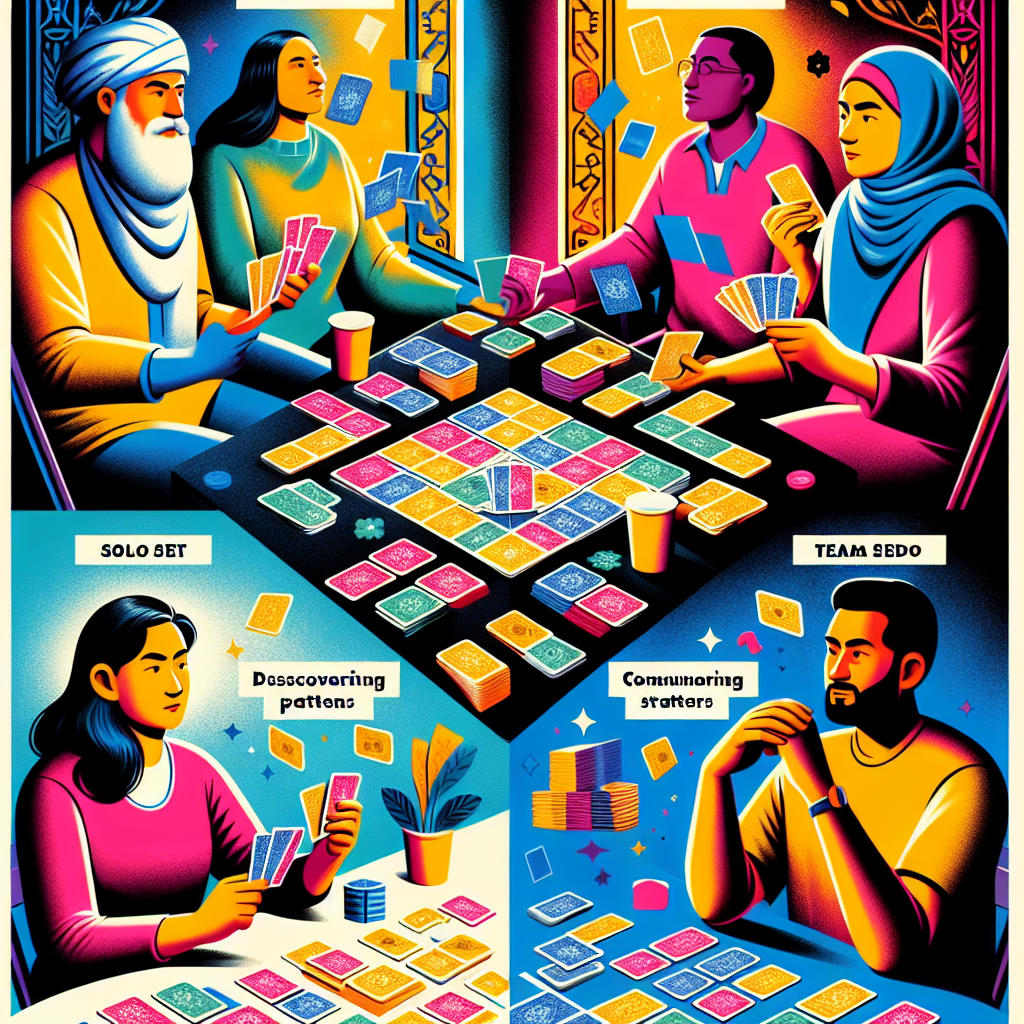
What Are The Key Innovations In Melding Card Games Today?
How Have Player Strategies Shifted In Modern Melding Card Games?
In the ever-evolving world of card games, one must marvel at how player strategies have undergone significant transformations, especially with modern melding card games taking center stage. While the essence of competition remains intact, the approaches players embrace have shifted like sands in the desert.
Gone are the days when players would merely rely on brute force or a simple understanding of basic mechanics. Today’s card game enthusiasts are diving deep into the synergy of their hands, expertly crafting combinations that can turn the tide in an instant. This shift not only includes mastering the art of melding cards but also understanding the subtleties of resource management—the true heartbeat of gameplay.
Now, flexible strategies are paramount. Players have begun to prioritize adaptability over rigid templates. In previous eras, you could often chart a course straight to victory based on predictable patterns and tried-and-true tactics. But modern players know that being able to read the room—or, in this case, the table—offers a critical edge. Being in tune with opponents’ strategies allows for adjustments on the fly, turning potential threats into opportunities.
The incorporation of technology has also shaped player strategies in this arena. With digital platforms allowing for practice and analysis, players can now delve into their past matches, dissecting every choice in detail. This kind of examination gives a huge advantage, enabling players to refine their methods and predict their opponents’ moves with a level of precision that was unthinkable a generation ago.
Additionally, the rise of community engagement around melding card games has fostered a rich environment for idea exchange. Forums and social media avenues have become breeding grounds for innovative strategies—players are trading secrets like knights of old swapping tales of conquests. The diversity of ideas swirling around can significantly influence how a player sets up their game plan, keeping it fresh and unpredictable.
As the competition sharpens, what was once a solo affair has morphed into a communal experience. The modern melding card game landscape is not just about the cards you hold but also about the minds you engage with. So whether you’re stacking your hand or crafting elaborate combos, remember: the key to success in today’s arena is not just what cards you play, but how you play them in concert with the ever-changing dynamics of the game. Welcome to the new frontier of card games.

How Have Player Strategies Shifted In Modern Melding Card Games?
How Have Player Strategies Shifted In Modern Melding Card Games?
- Player strategies in card games have significantly evolved, particularly in modern melding games.
- Gone are the days of relying on brute force; players now focus on synergistic combinations and resource management.
- Flexibility and adaptability in strategies have become critical, replacing rigid tactics from previous eras.
- Understanding opponents’ strategies and reading the table provides a crucial edge in modern gameplay.
- Technology plays a major role, allowing players to analyze past matches and refine their strategies.
- Community engagement fosters idea exchange, with players sharing innovative strategies via forums and social media.
- Success in today’s card games hinges not just on card play but on collaborative dynamics with other players.

How Have Player Strategies Shifted In Modern Melding Card Games?
What Impact Has Technology Had On Melding Card Games?
The impact of technology on card games is nothing short of revolutionary, turning traditional pastimes into dynamic experiences that can be shared with friends or strangers across the globe. By the very nature of these games, they’re about connection—both with opponents and the intricate strategies that keep players engaged. Yet, it’s technology that has taken this connection to an entirely new level.
When we think of a card game, we often picture a table surrounded by friends, the air thick with suspense and the shuffling of decks providing a comforting rhythm. But fast forward to today, and you see that same card game being played not just in homes but also in virtual arenas where players can challenge one another from opposite sides of the world. The thrill lies not only in the competition but also in the accessibility. With just a few clicks, a player can join a game, find new opponents, and even learn different versions of a card game that they may not have encountered in their local community.
The advent of online platforms has transformed how these games are enjoyed. Many of us remember nights spent around a table, the smell of pizza wafting through the air as hands were dealt and stories were shared. Technology has now created spaces where players can congregate, communicate through chat, and encourage one another with avatars or emojis—even if they can’t physically toss cards into a central pile. This melding, this fusion of digital interaction with the tactile experience of playing cards, is mind-boggling but also essential to the modern gaming landscape.
Consider also how mobile applications have democratized card games. No longer do players need to worry about whether they have the right friends available or if there’s enough room around the dining table. Now, an engaging card game can be played on the bus, during breaks at work, or on lazy Sunday afternoons. It’s a convenient option that breathes new life into classic games and introduces them to younger generations who may not have the same nostalgia for a traditional card game.
In this technological age, card games are more than just a pastime; they’ve evolved into an interactive experience that combines strategy, community, and accessibility. So whether you’re a seasoned pro or a newcomer, one thing is clear: the future of card games, bolstered by technology, is bright and brimming with potential.

What Impact Has Technology Had On Melding Card Games?
What Impact Has Technology Had On Melding Card Games?
- The impact of technology on card games has revolutionized traditional pastimes into dynamic global experiences.
- Card games are rooted in connection, enhanced by technology that facilitates interaction with players worldwide.
- Online platforms allow players to compete from anywhere, increasing accessibility to card games.
- Players can learn new versions of card games that may not be familiar in their local communities.
- Digital interactions, such as chatting and using avatars, enhance the experience of playing cards online.
- Mobile applications make card games more accessible, allowing play anytime and anywhere.
- Card games now serve as interactive experiences that blend strategy, community, and accessibility, promising a bright future.

What Impact Has Technology Had On Melding Card Games?
How Have Cultural Differences Influenced Melding Card Games?
When you sit down at a table to play a card game, you’re not just engaging in a pastime; you’re stepping into a rich tapestry woven from the threads of culture, history, and tradition. Melding card games—in which players combine cards from their hands to form sets or runs—are a prime example of how cultural differences can shape play styles, rules, and strategies.
Take, for instance, the classic game of Rummy, which has countless variations around the world. Originating from a blend of earlier games, Rummy has been embraced and adapted in numerous cultures. In the United States, players tend to focus on speed and aggression, often going for quick sets and aggressive strategies to shed cards. In contrast, when it comes to the Indian version called Indian Rummy, players often contemplate their moves with a deeper sense of caution and strategy, reflecting the culture’s emphasis on thoughtful decision-making. The way you play says as much about your cultural upbringing as it does about personal style.
Then there’s Mahjong, which is not just a card game but a cultural institution deeply embedded in Chinese society. The melding of tiles versus the melding of cards creates an entirely different vibe at the table. In Mahjong, the social nuances and rituals surrounding the game—like the traditional conversations and the emphasis on auspicious tiles—illustrate a cultural reverence for luck and fate that shifts the gameplay from a simple competition to a communal celebration. The game becomes a doorway into familial bonding, social status, and even regional pride.
In contrast yet again, we find the influence of Western card games, where melding mechanics can often be less about community and more about individual accomplishment. The strategic depth is still significant, but the way players interact—more often at a distance rather than in convivial proximity—can change the entire atmosphere.
Ultimately, it’s fascinating to see how cultures mold these card games into unique experiences, each claiming its own space in the global gaming landscape. The melding of cards becomes a reflection of society’s intricacies, where gameplay is not merely about winning but about sharing experiences, stories, and traditions. So, next time you shuffle a deck, remember: it’s not just a game; it’s a cultural dialogue.

How Have Cultural Differences Influenced Melding Card Games?
How Have Cultural Differences Influenced Melding Card Games?
- Card games are a blend of culture, history, and tradition, enhancing the playing experience.
- Melding card games, like Rummy, vary across cultures in play style and rules.
- In the U.S., Rummy emphasizes speed and aggressive strategies; in India, it’s more cautious and reflective.
- Mahjong serves as a cultural institution in Chinese society, involving social rituals and communal celebration.
- The gameplay of Mahjong reflects familial bonding, social status, and regional pride through its components.
- Western card games focus more on individual accomplishment, with less emphasis on community interactions.
- Overall, card games represent cultural intricacies, sharing experiences and traditions beyond just winning.

How Have Cultural Differences Influenced Melding Card Games?
What Are The Most Popular Melding Card Games Now And Why?
When it comes to card games, the landscape is a vibrant tapestry of strategy, chance, and a touch of chaos. People have been shuffling, dealing, and melding cards for centuries, but what’s hot right now? Let’s peek behind the curtain and see what’s fueling the enthusiasm of gamers young and old.
One of the most popular card games making waves is “Gwent.” Born from the lore of a beloved video game series, this card game entails a blend of tactical depth and simple mechanics. Players are not just slapping down cards; they’re thinking several moves ahead, carefully gauging risk and reward. That’s the beauty of melding card games — you never know when a seemingly weak hand can turn into a masterstroke.
Next up, we have “Hearthstone,” which, despite being digital, captures the essence of traditional card games. Its strategic melding of cards into powerful decks allows players to create their own unique stories and fight against others in epic duels. The thrill of pulling off a significant combo can leave players grinning like Cheshire cats — it’s a feeling like no other.
Don’t overlook the resurgence of classic games like “Rummy.” Its timeless appeal lies in the simple mechanics where players meld sets of cards, all while trying to outsmart their opponents. The satisfaction of laying down that final combination? Pure joy. In a world bustling with video games and high-tech distractions, Rummy connects players through a shared experience, reminding everyone of the raw, tactile joy that a deck of cards can bring.
Then there’s “Exploding Kittens,” the quirky card game that has sparked late-night laughter from friends and family alike. It’s a blend of luck and strategy where players meld together humor and quick thinking. Unlike traditional melding games, this one’s got a lighthearted spirit that loosens up even the stiffest opponents.
So, whether you’re drawn in by the strategy of Gwent, the mythical touch of Hearthstone, the classic melding of Rummy, or the outrageous fun of Exploding Kittens, the appeal of card games remains steadfast. It’s clear that these games offer more than just entertainment; they provide a space to connect, to compete, and to melt away the reality of life, one card at a time. Each game holds a world of possibilities, ensuring that the age-old tradition of “playing cards” remains very much alive and thriving.

What Are The Most Popular Melding Card Games Now And Why?
What Are The Most Popular Melding Card Games Now And Why?
- The landscape of card games combines strategy, chance, and a bit of chaos.
- “Gwent” is gaining popularity for its tactical depth and simple mechanics, encouraging players to plan several moves ahead.
- “Hearthstone,” though a digital game, reflects traditional card game essence with unique deck-building and epic duels.
- Classic game “Rummy” endures due to its simple mechanics and the joy of laying down final combinations.
- “Exploding Kittens” offers quirky fun, blending humor and strategy for joyful experiences with friends and family.
- These games provide more than entertainment; they facilitate connection and competition, easing the stress of daily life.
- The tradition of playing cards is alive and thriving, filled with endless possibilities.

What Are The Most Popular Melding Card Games Now And Why?
How Are Traditional Melding Card Games Being Adapted For Online Play?
In recent years, the world of traditional melding card games has experienced a significant transformation, seamlessly transitioning from the cozy atmosphere of living rooms to the expansive digital landscape. While the essence and rules of these beloved card games remain intact, the way we engage with them has evolved dramatically. This shift brings with it a whole host of new experiences.
You see, there’s something inherently communal about a card game. Whether it’s rummy, canasta, or pinochle, gathering around a table with family and friends has been a cherished pastime for generations. But as technology has woven itself deeper into the fabric of our lives, the adaptation to online platforms has opened up fresh avenues for play, broadening the audience beyond geographical boundaries.
Take a moment to imagine this: you’re sitting at a table with four friends, not just from your neighborhood but from across the country. The game’s familiar sounds—the shuffling of cards, the light banter, and the triumphant “meld” declarations—are still there, but now they’re augmented by interactive features that breathe new life into the experience. With the click of a button, you can challenge a skilled opponent halfway across the world, or even find a group of players eager for a round of your favorite card game at any hour.
Online platforms have also introduced innovative twists to traditional gameplay. For instance, players can customize rules or even choose to disable certain mechanics, giving a personal touch that’s hard to replicate in a physical space. Players can keep track of their statistics, set up tournaments, and even participate in themed events, where festive decorations might accompany the classic gameplay.
Moreover, developers are utilizing vibrant graphics and engaging animations to enhance the visual experience of melding card games online. Participants can immerse themselves in beautifully designed digital environments that mimic the feel of a crowded game hall or a cozy fireside setting. All the while, access to built-in tutorials and AI opponents allows for both seasoned pros and newbies to enjoy the fun, bridging skill gaps and creating opportunities for learning.
While the heart of the traditional melding card game might remain steady, the shift to online play is transforming the way we connect, compete, and celebrate across an ever-expanding digital frontier.

How Are Traditional Melding Card Games Being Adapted For Online Play?
How Are Traditional Melding Card Games Being Adapted For Online Play?
- Traditional card games have transitioned from physical settings to online platforms.
- The essence and rules of card games like rummy, canasta, and pinochle remain unchanged.
- Online play allows friends from different locations to connect and enjoy games together.
- Interactive features enhance the multiplayer experience, bringing freshness to gameplay.
- Players can customize rules and track statistics, adding a personal touch to the game.
- Developers enhance graphics and animations, creating immersive digital environments for players.
- The digital shift bridges skill gaps, allowing both experienced and new players to enjoy the games.

How Are Traditional Melding Card Games Being Adapted For Online Play?
Conclusion
As we step back to view the sprawling landscape of melding card games—once a simple joy played over dimly lit tables—we find ourselves in a vibrant world where tradition meets innovation, creating a game experience that feels as fresh as it does nostalgic. From the earliest days of casual play, where friends would gather and strategize amid the glint of glasses and cards, to the all-encompassing digital platforms of today, the evolution has been nothing short of astounding.
It’s interesting to note that melding card games have always been a mirror reflecting the culture and spirit of the times. They have adapted through layers of history, pulling in bits from diverse lifestyles, each influencing how the games are played. Classic favorites like Rummy and Canasta have laid the groundwork for friendships formed, tales told, and memories shared, often thriving on the chemistry of human interaction. Those solid foundations have been fortified by the advances of technology, which have turned a cozy gathering into a global tournament at the click of a button.
Modern gamers have access to a treasure trove of digital experiences. No longer confined to just a living room, they can connect with opponents halfway around the globe, leveling competitions and reinforcing that age-old camaraderie. And let’s not overlook how technology has influenced strategies. Players have metamorphosed from simple card-slingers to astute strategists, identifying opponents’ tactics, analyzing their own gameplay, and forming their unique blends of strategy and spontaneity.
The rise of artificial intelligence and dynamic gameplay has added yet another layer of complexity. No two matches feel the same anymore. With colorful graphics, customizable rules, and rich storytelling woven into these online ventures, melding card games have become immersive experiences that invite every player to dive in headfirst.
As we peer into the future, the path remains open and thrilling; augmented reality may soon allow us to pluck virtual cards out of thin air while still sharing a laugh with friends in real-time. In a world rife with distractions, melding card games—rooted in strategy, connection, and competition—offer us more than mere entertainment; they present a canvas for forging bonds, storytelling, and nostalgia that remind us of who we are. Indeed, though the cards have evolved, their heart beats stronger than ever, proving time and again that whether in a bustling café or within the comfort of our homes, melding card games have firmly secured their place at our tables—and in our lives. So, shuffle those cards, summon your best strategy, and let’s play on!

Conclusion
Conclusion:
- Melding card games blend tradition and innovation, creating fresh yet nostalgic experiences.
- These games reflect cultural shifts and adapt to historical influences, with classics like Rummy and Canasta fostering connections and memories.
- Technology has transformed casual play into global tournaments, enhancing player interactions.
- Modern players leverage digital tools to strategize, analyze gameplay, and develop unique approaches.
- The introduction of AI and dynamic gameplay creates diverse match experiences and challenges.
- Future innovations like augmented reality promise immersive play experiences while maintaining social interaction.
- Melding card games serve as a platform for connection and storytelling, securing their relevance in contemporary life.

Conclusion
Other Resources

Other Resources
Here is a list of other resources you can review online to learn more:
- Flickr
- Splendor
- Flying Frog Productions
- Boardgames.com
- Nürnberger-Spielkarten-Verlag (NSV)
- Mechs vs. Minions
- Greater Than Games
- WordPress
- 7 Wonders Duel
- The Dice Tower Podcast
Use This Prompt To Get More Resources With Your Favorite Online AI Tool: Please provide me with a list of online articles with their URLs in a bulleted list that I can read regarding How Have Melding Card Games Changed Over Time?

Other Resources
Glossary Terms
How Have Melding Card Games Changed Over Time? – Glossary Of Terms
1. Melding: *The act of forming a valid combination of cards in certain card games, often resulting in the scoring of points. *
2. Rummy: *A group of matching-card games that involve forming sets or runs from a hand of cards; evolved through various cultures. *
3. Knock: *In some melding games, this term refers to ending a round by placing a meld on the table, potentially gaining an advantage over opponents. *
4. Sequence: *A consecutive run of cards in ascending order, typically of the same suit; considered a valid melding combination. *
5. Set: *A group of cards of the same rank, such as three 7s; also a valid way to lay down melds. *
6. Jokers: *Wild cards that can substitute for any card in a meld, adding variety and strategy to gameplay. *
7. Deck Composition: *The specific number and types of cards in a game, which have changed over time to include varying suits and ranks. *
8. Scoring: *The method used to gain points based on cards melded and combinations formed during gameplay; varies by game version. *
9. Draw Phase: *The stage in a turn when a player takes a card from the draw pile or discard pile to start forming melds. *
10. Discard Phase: *The final part of a player’s turn where they place a card they do not want into the discard pile, impacting future turns. *
11. Go Out: *A term used when a player successfully melds all their cards in hand, signaling the end of a round. *
12. Variations: *Different forms or rule sets for melding games that have developed over time, impacting gameplay and strategy. *
13. Online Play: *The evolution of playing card games through digital platforms, making games more accessible and interactive. *
14. Social Gaming: *The aspect of gaming that emphasizes interaction with other players, which has been transformed through online platforms. *
15. Tournament Play: *Structured competitive environments for card games, often featuring rules and regulations that differ from casual play. *
16. Hybrid Games: *Games that combine elements from traditional melding games and other genres, creating new gameplay experiences. *
17. Strategy: *The plan of action a player adopts to maximize their chances of winning, which has developed as melding games have evolved. *
18. Psychological Play: *Using social interaction and reading opponents to influence their decisions, an important aspect of many card games. *
19. House Rules: *Custom rules that players create to adapt standard game rules, often leading to unique variations in gameplay. *
20. History: *The chronological development and transformation of melding card games, reflecting cultural influences and societal changes. *
21. Cultural Impact: *The way melding card games have influenced and been influenced by social customs, traditions, and popular culture. *
22. Single Deck vs. Double Deck: *Refers to the number of decks used in a game; double-deck games can introduce complexity in meld formation. *
23. Player Elimination: *A common mechanic in some card games where players are eliminated after losing a certain number of rounds. *
24. Endgame Mechanics: *Rules pertaining to the final stages of a game that can affect scoring and strategies for winning. *
25. Skill Level: *The degree of proficiency a player has, which has increased in competitive settings as strategies have been refined. *
26. Game Aesthetics: *The visual and thematic elements of card games, which have evolved to appeal to a modern audience. *
27. Mobile Gaming: *The rise of playing card games on mobile devices, leading to increased accessibility and new modes of play. *
28. Interactive Elements: *Components of a game designed to engage players actively, enhancing the social nature of melding card games. *
29. Learning Curve: *The degree of difficulty in mastering a game, which can affect how players adopt new melding card game variations. *
30. Legacy Games: *Games that have developed a long-standing popularity and influence, setting the foundation for modern melding card games. *

Glossary Of Terms
Other Questions
How Have Melding Card Games Changed Over Time? – Other Questions
If you wish to explore and discover more, consider looking for answers to these questions:
- What historical events have influenced the development of melding card games?
- How do cultural attitudes towards gambling affect the popularity of melding card games in different regions?
- What are some notable variations of melding card games across different cultures?
- How do online platforms compare to traditional play in terms of player experience?
- What are the common pitfalls for new players in melding card games?
- How do card game communities form and grow in the digital age?
- What psychological factors play into strategy development in melding card games?
- How has the introduction of virtual tournaments changed the competitive landscape?
- What future innovations can we expect in melding card games?
- How do player demographics impact the design and evolution of melding card games?

Other Questions
Haiku
How Have Melding Card Games Changed Over Time? – A Haiku
Cards shuffle and meld,
Past whispers to future play—
Joy in every hand.

Haiku
Poem
How Have Melding Card Games Changed Over Time? – A Poem
From candlelit parlors, whispers of chance,
Where cards once shuffled in a measured dance,
Players sought strategy, laughter, and thrill,
In simple, quaint gatherings, hearts felt the chill.
Through centuries drifting, cultures entwined,
Each hand dealt a story, a flavor refined,
Classic games layered with friendship and lore,
Like Rummy, where bonds grew from the shuffle and score.
Now, the table once vibrant has changed to a screen,
Miles melt away in this digital scene,
With clicks and connections, new realms appear,
Melding across borders, the world grows near.
AI now studies our moves with great care,
Adapting to rhythm, enhancing the flair,
While vibrant graphics paint tales anew,
Immersing players in worlds fresh and true.
And yes, modern strategies twist like a vine,
Flexibility reigns where once there was line,
Every maneuver a dance, each play a thought,
In communal realms where ideas are sought.
Cultural echoes resonate strong and bold,
As ancient traditions like Mahjong unfold,
Each card’s played and melded, a narrative shared,
Reflecting identities meticulously bared.
Resurgence of classics, a connection reborn,
Games like “Exploding Kittens” spark joy in the morn,
Through laughter and cunning, the past intertwines,
Each deck tells a tale, from old to divine.
So shuffle your cards, embrace the delight,
For the essence of melding remains ever bright,
A spectrum of stories, with hearts intertwined,
In the game of our lives, let the past be enshrined.

Poem
Checklist
How Have Melding Card Games Changed Over Time? – A Checklist
1. Explore Classic Games
_____ Research the origins and variations of classic melding card games like Rummy and Gin Rummy.
_____ Play a traditional game in a social setting to appreciate cultural aspects.
2. Understand Cultural Influences
_____ Identify how different cultures have adapted melding card games (e. g. , Indian Rummy vs. American Rummy).
_____ Discuss the cultural significance of games like Mahjong and their communal aspects.
3. Embrace Technology
_____ Test out at least one digital platform for playing melding card games.
_____ Explore AI opponents in online games to improve your strategy.
4. Learn the Rules
_____ Review the evolution of the rules across different versions of your favorite melding games.
_____ Try customizing the rules before starting a game with friends for a unique experience.
5. Adapt Modern Strategies
_____ Research contemporary strategies and adapt them to your gameplay.
_____ Engage with online communities to exchange strategies and tips.
6. Engage in Multiplayer Experiences
_____ Challenge friends or strangers in real-time online matches.
_____ Host a virtual game night to connect with distant friends or family.
7. Experiment with Innovations
_____ Try different game formats, such as tournaments or themed events.
_____ Explore subscription services to discover new melding card games regularly.
8. Reflect on Your Gameplay
_____ After playing, take notes on your strategies and what worked or didn’t.
_____ Analyze your opponents’ strategies to learn from their gameplay.
9. Celebrate the Community
_____ Share your experiences and favorite moments about melding card games on social media or gaming forums.
_____ Attend or organize local or online meet-ups for card game enthusiasts.
10. Stay Informed
_____ Keep up with trends and innovations in melding card games through gaming blogs, forums, or news sites.
_____ Watch streams or videos of popular games to learn new techniques and strategies.
By following this checklist, you’ll gain a comprehensive understanding of the evolution of melding card games while enhancing your own gameplay experience and community engagement!

Checklist
At CardGameNews, we help people who love card games by collating information and news about card games.
Be sure to read our other related stories at CardGameNews to learn more about card games.


