

Revolutionizing Card Game Skills With Artificial Intelligence
By Tom Seest
At CardGameNews, we help people who love card games by collating information and news about card games.
Be sure to read our other related stories at CardGameNews to learn more about card games.
How Could the Impact Of Artificial Intelligence on Card Games Redefine Player Skills?
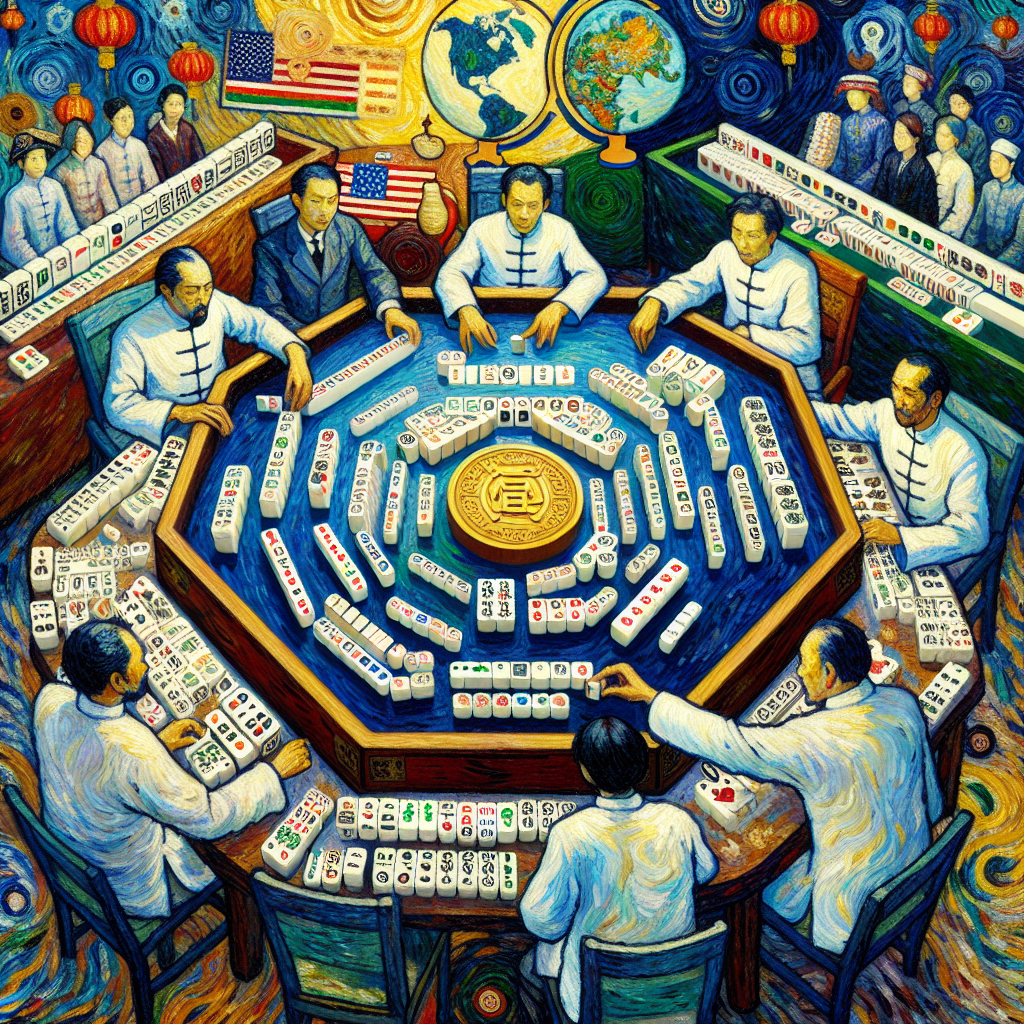
Picture this: you’re seated around a table, each player’s eyes fixed on a hand of cards, the air thick with anticipation. For centuries, card games have been our playground—a space where strategy collides with chance, where friendships are forged or challenged. But as the influence of artificial intelligence creeps into our beloved pastimes, one can’t help but ask: how could this reshape the very fabric of what it means to play?
At its core, card games are about connectivity. They bring people together, invite us into shared narratives, and allow for a dance of wits and bluffs. The rise of AI means we’re no longer simply competing against each other; we’re now also measuring our skills against sophisticated algorithms. These digital partners are tireless, calculating outcomes in the blink of an eye, and while this can be thrilling, it also raises questions about the essence of human skill. What happens when we’re matched against a system that never tires, never lies, and is always one step ahead? It’s a challenge to our very identity as players, prompting us to redefine our skills and adapt to this new playing field.
Rationally, this opens up an opportunity for growth. Imagine the skills we’ll cultivate: sharper analytical thinking, quicker decision-making, deeper understanding of probability—all honed in the gentle yet unforgiving embrace of AI. We can embrace this evolution, not with trepidation but with the spirit of innovation. After all, every adaptation in human history has pushed us forward, turning what was once a challenge into mastery.
On a deeper ethical level, we must also consider our responsibility in embracing this technology. As players, we risk losing the essence of competition—empathy, connection, and the joyous spirit of rivalry. If we allow AI to overshadow our human experience, we may defeat the purpose of why we play. The essence of a card game comes not just from winning but from the stories told, the laughter shared, and the lessons learned along the way.
So, let’s invite this transformation with open hearts and nimble minds. Let’s redefine what skill means in this new age. The path forward isn’t just about winning against a machine; it’s about forging deeper connections, harnessing new insights, and celebrating the journey of growth in the game we love. As card players, we have the power to shape this narrative—merging technology and humanity into a richer tapestry of play. The next round is ours to play; let’s make it count.

How Could the Impact Of Artificial Intelligence on Card Games Redefine Player Skills?
How Could the Impact Of Artificial Intelligence on Card Games Redefine Player Skills?
- Card games have long served as a platform for strategy and social connection.
- The introduction of AI into card gameplay is challenging traditional notions of competition.
- Players now measure their skills not only against each other but also against sophisticated algorithms.
- This shift demands a redefinition of player skills and adaptability in gameplay.
- AI presents an opportunity for players to develop sharper analytical skills and quicker decision-making.
- There’s an ethical consideration regarding the potential loss of empathy and connection in competition.
- Ultimately, the focus should be on deepening connections and celebrating growth in the game.

How Could the Impact Of Artificial Intelligence on Card Games Redefine Player Skills?
Table Of Contents
- How Could the Impact Of Artificial Intelligence on Card Games Redefine Player Skills?
- What Emotions Do You Feel When Robots Take Your Favorite Game?
- How Might AI Change the Skills Required to Win?
- Is It Ethical to Have AI As a Competitor In Card Games?
- What Authority Do We Give AI In Shaping Player Behavior?
- How Does AI Impact the Personal Stories We Create In Games?
- Conclusion
- Other Resources
- Glossary Of Terms
- Other Questions
- Haiku
- Poem
- Checklist
What Emotions Do You Feel When Robots Take Your Favorite Game?
Imagine the thrill of gathering around a table with friends, cards spread out like a tapestry of strategies and memories. The warmth of laughter fills the air, each round igniting that spark of competition, camaraderie, and connection. Now, picture the rising unease as a sleek, cold robot takes charge of your favorite card game, its mechanical precision overshadowing the human spirit that breathes life into every shuffle and deal.
Suddenly, a game that once felt like a shared adventure morphs into a stark competition against wires and algorithms. You feel a knot tightening in your stomach. Is this the way of the future? Are robots here to steal the joy from pastimes that have stitched our social fabric together for generations? On one hand, you might reason that the efficiency of a robot could enhance the game, ensuring fairness and accuracy. But where’s the soul in that? The unpredictable moments that make us laugh, the friendly banter that flows as freely as the cards?
The ethical weight of replacing human interaction with a machine can be overwhelming. At what point do we sacrifice our emotional connections for the sake of advanced technology? Isn’t there a deep-seated psychology behind our love for games? They are a mirror reflecting our triumphs, struggles, and bonds. Each hand played is a story unraveling—a point of view shared, a memory created. With a robot calling the shots, can that narrative endure?
Yet, it’s not just about feelings or ethics; it’s a matter of societal shifts. Humans thrive in communities, finding joy and solidarity in the shared experience of play. A robot can’t understand the nerves before a high-stakes round or the glint of mischief in the eyes of a friend. Those subtle moments are what connect us, what ground us in our humanity.
So, as we scan the playing field, must we simply accept the rise of our robotic competitors? Or can we harness the best of both worlds? Let’s celebrate the technology that can enhance our experiences, while also holding on to the warmth, strategy, and genuine connection that only a card game with friends can provide. After all, a game is more than just a test of skill; it’s a gateway to laughter, storytelling, and cherished memories.

What Emotions Do You Feel When Robots Take Your Favorite Game?
What Emotions Do You Feel When Robots Take Your Favorite Game?
- Gathering with friends for card games fosters competition, camaraderie, and connection.
- The introduction of robots into games can overshadow the human spirit, creating unease.
- Robots may bring efficiency and fairness, but they lack the emotional depth of human interaction.
- Games reflect our triumphs, struggles, and relationships; robots could hinder this narrative.
- Humans thrive on community and shared experiences that robots cannot replicate.
- We can embrace technology without sacrificing the warmth and connection of human play.
- A game transcends skill; it serves as a source of laughter, storytelling, and cherished memories.

What Emotions Do You Feel When Robots Take Your Favorite Game?
How Might AI Change the Skills Required to Win?
Picture this: a group of friends gathered around a table, laughter mingling with the rustle of cards. It’s a classic card game, where strategy, wit, and a little luck roam freely. Now, imagine introducing an AI into that circle—an entity designed to analyze moves, predict outcomes, and even adapt to your strategies on the fly. At first glance, it seems like a trick, the sort of cheat you wouldn’t want on game night. But let’s delve a bit deeper.
As AI technology evolves, we find ourselves at a crossroads, particularly when it comes to the skills that will define success in the future. The truth is, winning isn’t merely about mastering the rules of the game; it’s about the human connections we forge while playing it. AI may refine its ability to calculate probabilities, but it can’t replicate the nuances of human interaction—nuances that require empathy, creativity, and resilience.
This shift compels us to rethink what it means to compete, to thrive, and ultimately, to win. The heart knows that success lies not just in technological prowess, but in the relationships we build. Emotional intelligence is emerging as a crucial skill; comprehending another’s emotions can provide you with insights that even the brightest AI cannot discern. This notion is not just the ethical thing to do but also the judicious path forward in a world increasingly dominated by machines.
Rationally, let’s consider the dynamics of a team. In a professional environment, blending human intuition with AI’s analytical capabilities can create a synergy that’s greater than the sum of its parts. As AI takes on routine tasks, it frees us, allowing room for skills that foster creativity and innovation. The ability to communicate effectively, to devise strategies that consider the emotional landscape of coworkers and clients, will become indispensable.
Think about it socially; as we navigate the complexities of an AI-driven world, folks who embrace collaboration, flexibility, and empathy will rise above those gripping tightly to outdated skills. It’s in our nature to bond over victories and losses alike, creating stories that transcend the mere act of winning.
So, as we shuffle the deck and prepare to play, let’s not just sharpen our cards for competition. Let’s focus on cultivating the skills that will allow us to connect, inspire, and ultimately transform not only our games, but our workplaces and communities. The future awaits those who can seamlessly blend heart and head in this evolving landscape.

How Might AI Change the Skills Required to Win?
How Might AI Change the Skills Required to Win?
- Friends gather for a classic card game, where strategy, wit, and luck collide.
- Introduction of AI into the game raises questions about fairness and competition.
- True success lies in human connections rather than just mastering game rules.
- Emotional intelligence is becoming a crucial skill, surpassing AI’s analytical capabilities.
- Combining human intuition with AI can enhance teamwork and innovation in professional settings.
- In a socially-driven world, those who embrace collaboration and empathy will excel.
- The future demands a blend of emotional and rational skills to transform workplaces and communities.

How Might AI Change the Skills Required to Win?
Is It Ethical to Have AI As a Competitor In Card Games?
As we gather around the table for a thrilling evening of card games, the clatter of chips and the shuffle of dice bring a certain warmth that only human connection can create. But consider this: as artificial intelligence grows smarter and more adept at playing these cherished games, what does it mean for the spirit of competition? Is it ethical to watch a machine sit at the same table, eying that last ace with calculated precision, while we rely on our instincts and intuition?
At first glance, the idea of AI as a competitor stirs a mix of feelings. On one hand, there’s something inherently thrilling about the challenge—a chance to measure our wits against a formidable foe. It pushes us to be better, smarter, and adapt faster. Yet, deep down, we can’t shake off a nagging uncertainty. Is it right for a creation of our own to take the seat that traditionally belonged to a fellow human being?
From a rational standpoint, AI can analyze vast amounts of data to formulate strategies that human players may overlook. It can learn from every game, adapting and evolving in ways that give it an edge. However, this brilliant, cold calculation comes at a price: it robs our games of the spontaneity and unpredictability that make them so alive. Just think back to the laughter, the shared stories, and the camaraderie forged in the heat of the moment—all irreplaceable elements that define our human experience.
Ethically speaking, we must assess what we value in our pastimes. If competition becomes solely a test of algorithm versus instinct, will we lose sight of the bonds we form while playing? The authenticity of a card game lies not merely in winning but in the connections we build with one another—our shared triumphs and defeats.
So, where does that leave us? Perhaps it invites us to step back and reconsider our approach. We can harness AI as a tool that enhances our understanding and skills, rather than viewing it as a rival that seeks to dethrone the joy of play. Picture this: an AI that helps us shuffle strategies, allowing us to engage more deeply with our friends and family. In embracing this fusion of technology and humanity, we foster not only a new layer of gameplay but also a deeper connection to one another. The goal shouldn’t be to eliminate the human element, but to enhance it, reminding us of what truly matters in each hand we play.

Is It Ethical to Have AI As a Competitor In Card Games?
Is It Ethical to Have AI As a Competitor In Card Games?
- Gathers around the table with card games fosters human connection through shared experiences.
- The rise of AI in gaming sparks a debate about the essence of competition and human instinct.
- AI offers a thrilling challenge but raises ethical concerns about replacing human players.
- AI’s ability to analyze and adapt can enhance strategy, but risks diminishing spontaneity and unpredictability.
- Competitions between AI and humans may overshadow the valuable connections formed during gameplay.
- Encourages utilizing AI as a tool to improve skills instead of seeing it solely as a competitor.
- Emphasizes enhancing the human element of gaming, aiming to deepen connections among players.

Is It Ethical to Have AI As a Competitor In Card Games?
What Authority Do We Give AI In Shaping Player Behavior?
In the bustling arena of modern gaming, where the clatter of cards shuffles into a symphony of strategy, we find ourselves at a crossroads. As players, we often seek guidance from the very technologies we’ve crafted, leaning on artificial intelligence to refine our skills and enhance our experiences. But here’s the question that lingers: What authority do we grant AI in shaping our behavior as players?
Imagine sitting around a table, the air thick with camaraderie, as friends engage in a card game. The laughter echoes, and the tension builds with each strategic play. Here, the heart of the game isn’t just about the cards held tightly in hand; it’s about the relationships forged, the challenges faced, and the trust built among players. AI, with its cool precision, provides insights that can transform a novice into a seasoned tactician. But when do we allow it to lead the dance instead of joining in ourselves?
Rationally, we can acknowledge the benefits of AI—accelerated learning, enhanced decision-making, and increased accessibility to complex strategies. Yet, as we pour ourselves into these digital mentors, we must ask: At what cost? If we cede too much authority to AI, the essence of the game could be lost, reduced to algorithmic efficiency devoid of human intuition and creativity.
Ethically, this is a matter of balance. Allowing machines to dictate our playing style risks homogenizing the vibrant tapestry of approaches that define gaming culture. We each relish the unique stories our play styles spin; AI, while a fantastic tool, should be a partner rather than a master. In doing so, we nurture a landscape where players feel empowered to think independently, creating a robust community where every decision carries weight and consequence.
Socially, there’s a vital connection formed around this shared experience. When people gather for these battles of wits, it’s the unpredictability of human play that heightens the stakes. The unexpected moves, the stumbles, and the triumphs are what make gaming exhilarating. As we stand on the brink of this technological frontier, let’s harness AI to deepen, not dilute, our shared journeys in these card games.
So, as you embrace the allure of AI in gaming, remember that your own instinct and creativity are invaluable. Trust yourself, engage with others, and let the game unfold in its beautifully chaotic glory. The authority you choose to give AI can enhance your gameplay—but don’t let it overshadow the heart of the game.

What Authority Do We Give AI In Shaping Player Behavior?
What Authority Do We Give AI In Shaping Player Behavior?
- Modern gaming integrates AI to enhance player skills and experiences.
- The essence of card games revolves around relationships, camaraderie, and trust among players.
- AI provides valuable insights that can accelerate learning and improve decision-making.
- Excessive reliance on AI may diminish the human creativity and intuition inherent in gaming.
- A balance must be struck where AI serves as a tool rather than dictating play styles.
- Human unpredictability enhances the excitement and enjoyment of gaming experiences.
- Players should trust their instincts and creativity, ensuring that AI supports rather than overshadows the game’s heart.

What Authority Do We Give AI In Shaping Player Behavior?
How Does AI Impact the Personal Stories We Create In Games?
Imagine you’re sitting around a table, the air thick with anticipation. Friends are laughing, discussing strategies, and the tension rises as cards are drawn in a game that transcends mere entertainment. This is the heart of gaming—a space where stories are woven, interlaced with our own experiences and emotions. Now, enter artificial intelligence. This powerful tool doesn’t just shuffle the deck; it reshapes the very narratives we explore.
AI, in essence, has the remarkable ability to amplify the stories we create in games. Think about it: how many times have you played a card game and found yourself deeply immersed in the unfolding drama? Each choice you make isn’t just about winning or losing; it reflects your values, your ethics, and your understanding of human connection. Now, with AI in the mix, every decision is met with responses that feel more tailored, more immediate. Characters evolve based on your every action, creating a dynamic narrative that feels deeply personal.
Rationally, this technology allows developers to craft far richer experiences. Imagine the game melding your journey with others’ tales, producing a collaborative narrative that reflects the diverse tapestry of human experience. AI can turn countless variables into a singular experience, one that resonates with where we’ve been and where we hope to go. This isn’t just advanced coding—it’s a bridge that connects players across generations and geographies.
Yet, as we embrace this innovation, we must critically assess its ethical implications. Who holds the keys to the stories we tell? Will we allow AI to dictate our narratives, or will we harness its power to enhance our own voices? Authenticity remains crucial, as does the imperfection of the human experience. While AI can generate intricate plotlines and complex characters, there remains a need for the human touch—the laughter, the heartache, and those unpredictable moments when a game transforms into an unforgettable memory.
As we venture into this new frontier of gaming, let’s not lose sight of the core essence that binds us—the stories that resonate within our hearts, echo in our minds, and stir our spirits. AI may be the engine driving these narratives, but it’s our humanity that fuels the journey. So, let us embrace these tools with open arms, ready to collaborate with technology while staying grounded in our shared human experience. Together, we can create stories that inspire, connect, and, most importantly, resonate.

How Does AI Impact the Personal Stories We Create In Games?
How Does AI Impact the Personal Stories We Create In Games?
- Gaming fosters a unique atmosphere of storytelling and connection among players.
- Artificial intelligence enhances narrative experiences, tailoring responses to player choices.
- Every decision in a game reflects players’ values, ethics, and understanding of human connection.
- AI allows for richer, collaborative narratives that intertwine individual journeys with wider human experiences.
- Critical assessment of AI’s ethical implications is necessary to determine who controls the narratives.
- While AI can create intricate stories, the human touch remains essential for authenticity and emotional depth.
- Collaboration with technology should honor the fundamental human experiences that inspire and connect us.

How Does AI Impact the Personal Stories We Create In Games?
Conclusion
As we reflect on the intersection of artificial intelligence and card games, it’s crucial to understand the unique dynamics at play. For generations, players have gathered around tables, exchanging laughter and strategy over a shared deck of cards. These moments are more than just games; they’re a reflection of our humanity—our emotions, friendships, and stories woven into the fabric of play. Now, with AI stepping into this cherished space, we face a dual-edged sword.
Artificial intelligence can enhance our gaming experience in ways we hadn’t imagined. Picture the thrill of a new adversary—one that can analyze your moves, predict your strategies, and adapt in real time. There’s a certain excitement in challenging these digital minds, pushing us to refine our skills and elevate our gameplay. But let’s not kid ourselves; this isn’t merely about intellectual competition. The heart of card games lies in the collaborations and connections we cultivate. No algorithm can replicate the warmth of a shared laugh or the tension preceding a critical play. It’s these human interactions that transform simply flipping cards into heartfelt memories.
Moreover, as we embrace AI in our games, we must grapple with the ethical implications. When does the introduction of a sophisticated algorithm become too much? How do we safeguard the essence of competition—one grounded in camaraderie and trust—against the cold, calculating edge of machines? It’s not just about how we win; it’s about the community we foster through play. There’s a profound tension between convenience and authenticity. While AI can streamline strategies and enhance our understanding of probabilities, it risks overshadowing the very spirit of what makes card games a vehicle for storytelling and bonding.
Navigating this new landscape demands a conscious approach. We must harness the strengths of AI—using it as a tool to enhance our storytelling and gameplay—while ensuring that it does not dim the vibrancy of our shared experiences. We have the responsibility to curate our interactions with technology, choosing to elevate our human connections rather than allowing them to become an afterthought.
As we shuffle our decks and prepare for that next all-important match, let’s merge innovation with tradition. Let’s embrace AI for the promise it holds, while fiercely holding onto the heart of our games—the strategies we share, the friendships we build, and the stories we write together. The next hand is ours; let’s ensure it’s played with wisdom, empathy, and an unwavering love for the game.

Conclusion
Conclusion:
- AI introduces unique dynamics to traditional card games, enhancing player experiences.
- Card games symbolize human emotions, friendships, and shared stories beyond just competition.
- AI opponents can analyze, predict, and adapt to players’ strategies, challenging and refining their skills.
- Human interactions, like laughter and collaboration, are irreplaceable aspects of card games.
- Ethical concerns arise regarding the balance between AI integration and preserving the spirit of competition.
- A conscious approach is needed to harness AI’s strengths while maintaining authentic human connections.
- Embracing innovation alongside tradition can elevate card games while fostering community and storytelling.

Conclusion
Other Resources

Other Resources
Here is a list of other resources you can review online to learn more:
- The Resistance: Avalon
- Rummy
- Mage Knight Board Game
- Cranio Creations
- Splendor
- Dominion: Prosperity (Second Edition)
- Arkham Horror (Third Edition)
- The Game
- Rising Sun
- GameSpot
- Level 99 Games
- Gaia Project
- Threads
- Terraforming Mars
- Lookout Games
- Descent: Journeys in the Dark (Second Edition)
- 7 Wonders Duel
- YouTube
- Google Business Profile
Use This Prompt To Get More Resources With Your Favorite Online AI Tool: Please provide me with a list of online articles with their URLs in a bulleted list that I can read regarding How Could the Impact Of Artificial Intelligence on Card Games Redefine Player Skills?
Other Resources
Glossary Terms
How Could the Impact Of Artificial Intelligence on Card Games Redefine Player Skills? – Glossary Of Terms
1. Artificial Intelligence (AI): The simulation of human intelligence processes by machines, especially computer systems, enabling them to perform tasks such as learning, reasoning, and problem-solving.
2. Card Games: Games played with a deck of cards, which can involve elements of strategy, chance, and skill, often requiring players to outthink opponents.
3. Skill Redefinition: The transformation of required abilities and techniques necessary for success in gameplay, influenced by AI developments and automation.
4. Strategy: A plan of action designed to achieve a specific goal in gameplay, which may evolve due to AI integration changing optimal moves and approaches.
5. Player Competence: The level of ability and understanding a player possesses, which may be enhanced or diminished by the presence of AI tools and systems.
6. Game Theory: The mathematical study of strategic interactions among rational decision-makers, relevant to understanding player behavior in AI-influenced card games.
7. Human-AI Collaboration: The partnership between human players and AI systems in gameplay, potentially enhancing decision-making through combined cognitive strengths.
8. Adaptability: The ability of players to adjust strategies and techniques in response to AI behavior and game dynamics, reflecting changes in gameplay.
9. Learning Algorithms: Techniques used by AI to improve its performance by learning from past games, which can create more challenging opponents for human players.
10. Predictive Analytics: The use of statistical techniques and AI to forecast outcomes based on historical data, impacting gameplay strategies.
11. Skill Gap: The difference in required expertise and ability between human players and AI, which may widen or narrow as AI capabilities evolve.
12. Automated Opponents: AI systems designed to simulate human players in card games, influencing the way human players develop their skills and strategies.
13. Cognitive Skills: Intellectual capabilities such as reasoning, problem-solving, and planning that are essential in gameplay, and may be augmented by AI tools.
14. Game Balancing: Adjustments made to a game to ensure fair play and competitiveness, which may be influenced by the introduction or performance of AI agents.
15. Deck Building: The strategic construction of a card deck for play, potentially affected by AI recommendations and analysis, changing traditional player approaches.
16. Simulation: The use of AI to create virtual gameplay scenarios, allowing players to practice and refine their skills without real-world consequences.
17. User Experience (UX): The overall satisfaction of a player when interacting with the game, which may evolve with AI-driven enhancements and feedback systems.
18. Dynamic Difficulty Adjustment: The ability of a game to change its challenge level in real-time based on player performance, often leveraging AI insights.
19. Behavioral Patterns: The observable strategies and tactics of players, which can be analyzed by AI to tailor responses and improve gameplay experience.
20. Data Analysis: The systematic examination of gameplay data by AI to identify trends, strengths, and weaknesses in player performance.
21. Collaboration Tools: AI-assisted features that facilitate teamwork and strategy formulation among players, reimagining collective gameplay.
22. Competitive Edge: The advantage a player gains through enhanced strategies or knowledge derived from AI insights.
23. Performance Metrics: Quantitative measures used to assess player skills and effectiveness in gameplay, adaptable through AI scrutiny.
24. Accessibility: The ease with which different player demographics can engage with card games, potentially improved by AI-determined adaptations.
25. Engagement: The level of interest and involvement a player has in a game, which AI techniques can enhance by tailoring challenges.
26. Real-Time Feedback: Immediate responses provided by AI during gameplay that allows players to adjust their strategies on-the-fly.
27. Strategic Depth: The complexity and range of tactics available within a game, potentially expanded through AI integration and analysis.
28. Risk Assessment: The evaluation of potential downsides in decision-making, informed by AI analysis for better player choices during gameplay.
29. Interactive Learning: The process through which players acquire skills through engagement and practice facilitated by AI simulations.
30. Skill Transfer: The ability to apply learned strategies from one game or situation to another, which may shift due to AI influences in gameplay dynamics.

Glossary Of Terms
Other Questions
How Could the Impact Of Artificial Intelligence on Card Games Redefine Player Skills? – Other Questions
If you wish to explore and discover more, consider looking for answers to these questions:
- How can players adapt their strategies to compete against AI in card games?
- What specific skills will become more valuable as AI becomes integrated into card games?
- How can players maintain the social aspect of card games while incorporating AI?
- What developments in AI technology are most likely to influence card games?
- Are there examples of successful collaboration between human players and AI in gaming?
- What measures can we take to ensure that AI enhances rather than detracts from the gaming experience?
- How do different cultures view the integration of AI into traditional games?
- What future trends in gaming can we expect with the continued rise of AI?
- How can emotional intelligence foster better gameplay against AI opponents?
- What role does nostalgia play in players’ response to AI in card games?

Other Questions
Haiku
How Could the Impact Of Artificial Intelligence on Card Games Redefine Player Skills? – A Haiku
Cards in hand, hearts race,
AI’s cold grasp tests our skills—
Human ties remain.

Haiku
Poem
How Could the Impact Of Artificial Intelligence on Card Games Redefine Player Skills? – A Poem
In circles drawn with laughter’s light,
Where cards reveal our hopes and plight,
A shift unfolds in games we know—
As algorithms begin to show.
Once, skill was rooted in human lore,
Through fluffs and bluffs, we’d explore,
Yet now, the game stands gripped in grace,
A dance with AI in this sacred space.
Cold precision meets warm instinct’s glee,
Machines learn faster; what shall we be?
Together we face this engine’s might,
Yet yearn for the spark that makes play bright.
What price do we pay for a faceless foe?
As empathy dims and stories ebb low,
Do not let wires weave our fate,
For it’s tales we cherish that truly create.
With every shuffle, let’s strive to blend—
The heart with head, the break with mend.
We’ll grow through challenge, embrace the sway,
As we forge connections in this new play.
So let us take the deck in hand,
Empowered by tech, yet still we stand,
In games where laughter, strategy, and fears,
Weave stories to cherish throughout the years.
As we redefine what winning entails,
In the tapestry of life, let love prevail,
A game of wits, connection, and trust,
Shall triumph in bonds—this is a must.

Poem
Checklist
How Could the Impact Of Artificial Intelligence on Card Games Redefine Player Skills? – A Checklist
Checklist for Embracing AI in Card Gaming
Emotional Appeal
_____ Reflect on the emotions card games evoke: camaraderie, competition, joy.
_____ Consider how AI can enhance the thrill of play without overshadowing human connection.
_____ Identify personal anecdotes that highlight the joy of human interaction over robotic precision.
Rational Appeal
_____ Assess the advantages AI brings, such as enhanced strategic insights and faster gameplay.
_____ Evaluate the importance of analytical thinking, decision-making, and understanding of probabilities in AI-enhanced gaming.
_____ Keep track of how your skills evolve as you adapt to new technologies in gameplay.
Ethical Appeal
_____ Contemplate the ethical implications of AI in gaming; does it detract from the human spirit of competition?
_____ Define what values you prioritize in gaming: connection, empathy, sportsmanship.
_____ Discuss with fellow players the importance of retaining human elements in your games.
Authority Appeal
_____ Recognize credible sources or experts in AI and gaming who influence your understanding.
_____ Identify when it’s beneficial to rely on AI for learning and strategy versus when to trust your instincts.
_____ Create boundaries around AI’s role in your gaming experiences to retain personal intuition and creativity.
Narrative Appeal
_____ Document personal stories that emerge from AI-enhanced gameplay; how do these differ from traditional play?
_____ Explore how AI can create adaptive narratives that resonate more deeply with players while allowing for personal storytelling.
_____ Share your experiences with friends to foster a collective understanding of the impact of AI on your gaming journey.
Social Appeal
_____ Engage in discussions with peers about the role of AI in your gaming culture.
_____ Share insights on how AI can bridge connections across diverse player backgrounds.
_____ Cultivate a community ethos that values both technological and human contributions to the gaming experience.
By incorporating these elements into your approach to AI in card gaming, you’ll cultivate a rich, meaningful playing experience that balances innovation with human connection.

Checklist
At CardGameNews, we help people who love card games by collating information and news about card games.
Be sure to read our other related stories at CardGameNews to learn more about card games.


