

Unveiling Web3’s Gaming Revolution
By Tom Seest
At CardGameNews, we help people who love card games by collating information and news about card games.
Be sure to read our other related stories at CardGameNews to learn more about card games.
From Open Packs to Open Ledgers – Web3’s Gaming Potential
In a world brimming with digital possibilities, Web3 gaming stands poised to revolutionize how we interact with games—and each other. Imagine a card game that goes beyond simple play; one that illustrates the beauty of community ownership and individual agency. In traditional gaming, power often rests with a faceless corporation, leaving players as mere spectators. But what if we could flip that script? What if every card you own and every victory you achieve could be yours to keep, trade, or even sell? That’s the promise of blockchain technology, making the once abstract concept of ownership feel real and tangible.
Picture this: You’re locked in a strategic duel, trading cards with your friends, but the stakes are higher than just bragging rights. Each move reflects not only your skill but the choices you made, the cards you cultivated, and the trust you’ve built within your community. This isn’t just about 1s and 0s; it’s about moments of triumph born from unity, honesty, and a shared love for the game. Through open ledgers, your achievements are etched into a digital tapestry where everyone can witness and celebrate your journey.
Yet beyond the thrill, there’s a deeper truth to consider. The ethics of ownership tie directly into our everyday lives. Aren’t we all yearning for something we can truly call our own, a place where our efforts matter, where every clicked mouse and strategized card matters? With Web3, trust and transparency become the standard, fostering a culture where games evolve alongside our desires and values. It challenges us to reconsider our relationship with technology, pushing us to take part in a shared narrative rather than being passive consumers.
As our gaming experiences morph into something more profound, let’s step up and be part of this burgeoning movement. In an age where social connection often feels fragmented, renewing our bonds through interactive narratives might be just the cure we need. It’s about creating a world where everyone’s journey is woven together—like the best card game you’ve ever played—with authenticity and respect at the core. This evolution is not merely a call to action; it’s an invitation to be co-creators of our destinies in a digital frontier that mirrors our most vibrant values. Can you feel that heartbeat? That’s the future, and it’s yours to embrace.

From Open Packs to Open Ledgers – Web3’s Gaming Potential
From Open Packs to Open Ledgers – Web3’s Gaming Potential
- Web3 gaming is set to revolutionize interactions with games and each other.
- It emphasizes community ownership and individual agency, contrasting with traditional gaming’s corporate control.
- Blockchain technology enables true ownership of in-game assets, allowing players to keep, trade, or sell their cards.
- Game experiences are enriched by player skill, choices, and community trust during strategic duels.
- Open ledgers celebrate achievements, creating a digital tapestry of players’ journeys.
- Web3 fosters a culture of trust and transparency, challenging the traditional consumer-technology relationship.
- The movement invites active participation and co-creation in shaping the future of gaming and social connection.

From Open Packs to Open Ledgers – Web3’s Gaming Potential
Table Of Contents
- From Open Packs to Open Ledgers – Web3’s Gaming Potential
- What Emotional Connection Do Gamers Seek In New Virtual Worlds?
- How Can Web3 Change the Way We Value In-Game Assets?
- Are Blockchain Technologies Enhancing Trust In Online Gaming?
- What Ethical Considerations Arise From Digital Ownership In Gaming?
- How Do Traditional Gaming Models Compare to the Benefits Of Web3?
- Conclusion
- Other Resources
- Glossary Of Terms
- Other Questions
- Haiku
- Poem
- Checklist
What Emotional Connection Do Gamers Seek In New Virtual Worlds?
In the realm of gaming, where pixels paint vibrant landscapes and stories weave through shared experiences, the emotional connection sought by players in new virtual worlds is profound and multifaceted. It’s not just a quest for escapism; it’s a heartfelt journey that brings people together, discerning gamers from the casual. With every game, every update, and every release, the industry wrestles with a fundamental question: what draws us into these digital domains?
Think about it. When you sit down to play a new card game or explore an expansive fantasy world, you’re not just interacting with a contrived system of rules and graphics. You’re forging relationships—be it through bonding with fellow players over a difficult quest or unlocking trust within a guild as you strategize your next move. It’s that magical moment when a shared laugh over a critical misplay or a triumphant win forges a bond that exists beyond the screen. This is where the heart engages; it’s a reminder that beneath the surface of entertainment, we crave community.
From a rational lens, gamers aren’t merely seeking out distraction; they desire growth. In navigating challenges, mastering mechanics, and exceeding previous limitations, players are cultivating skills that resonate in the real world. Video games, especially innovative virtual environments, can enhance problem-solving, communication, and collaboration abilities. It’s a testament to the power of play; when we engage, we are transforming ourselves even as we explore new worlds.
Yet, there’s an ethical thread woven through our digital escapades, a need for representation and inclusivity. Gamers want to see their diverse experiences reflected in the narratives that shape these virtual realms. Each story told from different perspectives builds not only credibility but ethical resonance. It invites players to step into shoes they might never wear, fostering a deeper understanding of the human experience.
Drawing from these dynamics creates a social tapestry that both grounds and liberates us. By sharing our experiences, we create a collective history—every win, every loss—a testament to our resilience as digital citizens. The emotional tapestry unfolds, as gamers become invested in each other’s journeys; we grow as we explore together.
So, as you dive into that new virtual world, remember: it’s more than just entertainment. It’s a chance to connect, learn, and evolve. Embrace the friendships, cherish the stories, and let them inspire you to take action, not just within the game but in the broader world beyond the screen.

What Emotional Connection Do Gamers Seek In New Virtual Worlds?
What Emotional Connection Do Gamers Seek In New Virtual Worlds?
- The emotional connection gamers seek in virtual worlds is multifaceted and profound.
- Gaming is a heartfelt journey that fosters community and bonds among players.
- Players engage in meaningful interactions, building relationships through shared experiences.
- Gaming promotes personal growth by enhancing skills like problem-solving and collaboration.
- There is a growing demand for representation and inclusivity in gaming narratives.
- Sharing gaming experiences creates a collective history and emotional tapestry among players.
- Games offer opportunities to connect, learn, and evolve beyond just entertainment.

What Emotional Connection Do Gamers Seek In New Virtual Worlds?
How Can Web3 Change the Way We Value In-Game Assets?
Imagine a digital card game, a vibrant tapestry of strategy woven through stunning artwork and intricate mechanics. Each card isn’t just a piece of gameplay; it carries a story, a history, and a value that speaks to the heart of its owner. When we enter the realm of Web3, a revolution begins—one that promises to reshape our understanding of in-game assets and their worth.
In traditional gaming, assets are often locked behind corporate gates, tethered to accounts in a world governed by invisible forces. You invest countless hours, countless dollars, forging connections with characters and collectibles, only to be told what you can or cannot do with them. It doesn’t feel right, does it? The gut tells you something’s off when you realize your hard-earned achievements can vanish at the whim of a developer. But with Web3, the rules are set to change.
Picture a world where your digital card collection is yours—not just a set of images on a screen, but tangible assets encoded on a blockchain. A decentralized network that gives you ownership and agency. This isn’t just a tech-savvy dream; it’s a movement. The emotional potency of holding a unique card that others can’t replicate or steal creates not just a financial investment, but a deeper connection to the game itself. Your victories and losses are coded into your NFTs, making them memories to cherish and trades to navigate.
Now, let’s talk ethics. Shouldn’t players have the right to value their assets as they see fit? The system should reward engagement, creativity, and time spent. In this new landscape, a player doesn’t just exist; they thrive. You become part of a community that shares your passion, works collaboratively, and respects the intrinsic worth of each other’s contributions.
Think about it: peer-to-peer transactions, where the players are in charge. You can sell, trade, or gift an asset to a friend without the specter of corporate control looming over your decisions. The trust builds organically within the community, as knowledgeable players share insights, and newcomers find guidance.
So why not embrace this change? Let’s echo the call for ownership, connection, and respect in gaming. Let’s dive into this new era with enthusiasm and a sense of responsibility, reshaping the lens through which we view not just assets in a card game, but the very spirit of play itself.

How Can Web3 Change the Way We Value In-Game Assets?
How Can Web3 Change the Way We Value In-Game Assets?
- Digital card games combine strategy, stunning artwork, and intricate mechanics.
- Each card represents a story, history, and value, emphasizing personal connection.
- Traditional gaming locks assets behind corporate control, limiting player agency.
- Web3 promises a shift to true ownership of digital assets through blockchain technology.
- NFTs allow for memorable in-game experiences, with victories and losses coded into them.
- Players should be able to value their assets freely, promoting engagement and community.
- Peer-to-peer transactions empower players, fostering trust and collaboration within the gaming community.

How Can Web3 Change the Way We Value In-Game Assets?
Are Blockchain Technologies Enhancing Trust In Online Gaming?
In the high-stakes world of online gaming, we often find ourselves at the mercy of unseen algorithms and uncertain outcomes. Picture this: you’re engaged in a thrilling Card Game, your heart racing with anticipation as the hand unfolds. Yet, behind that digital veneer, trust can feel as fragile as a deck shuffled carelessly. That’s where blockchain technology steps into the spotlight, transforming the gaming experience into something both profound and secure.
Imagine a blockchain as a transparent ledger, where every action, every hand dealt, is recorded immutably. There’s a powerful sense of reassurance that comes with knowing your victories, losses, and wagers are etched in a way that’s tamper-proof. It’s like having an impartial referee at every table, ensuring that everyone plays fair and square. You’re no longer just hoping for the best; you’re engaging with a system that empowers you, allowing you to embrace your inner competitor while minimizing fear of foul play.
Rationally, consider how this technology fortifies the ethics of online gaming. Players are fed up with stories of rigged games, hidden fees, and unscrupulous operators. Blockchain offers a clear pathway to transparency, assuring players that their funds are protected and outcomes are genuine. This is the kind of progress that not only enhances confidence but invites players to share their experiences—there’s strength in numbers. The more people who adopt this technology, the larger the community of trust that emerges. You can become part of a movement that values integrity as much as it values entertainment.
But it doesn’t stop there. Think about your friends and the stories you share over a night of gaming. The narratives woven among players create bonds that can last a lifetime. When you know your fellow players are experiencing the same level of security and honesty, the gaming experience transcends the screen. You’re fostering connections based on mutual respect and shared values, creating a social environment enriched by trust.
As you weigh the significance of blockchain in online gaming, let that stress and anxiety melt away. Embrace the thrill that comes from knowing you’re engaged in a game that prioritizes fairness and transparency. It’s not just about the win—it’s about how you experience the game. With blockchain, you’re playing with the confidence that every card drawn, every bet placed, is a step toward a more genuine and trustworthy gaming landscape. The call is clear: step into a realm where trust underpins every interaction, and let your gaming journey truly begin.

Are Blockchain Technologies Enhancing Trust In Online Gaming?
Are Blockchain Technologies Enhancing Trust In Online Gaming?
- The online gaming landscape is often unpredictable, dominated by hidden algorithms and uncertain results.
- Blockchain technology enhances gaming by providing a transparent and immutable ledger for every action taken.
- This technology serves as a reliable referee, promoting fairness and reducing fears of cheating or foul play.
- Blockchain increases ethical standards in online gaming, addressing player concerns about rigged games and hidden fees.
- A community built around blockchain fosters trust among players, enhancing their collective gaming experiences.
- Gaming bonds are strengthened through shared values of security and honesty within the blockchain environment.
- Ultimately, blockchain empowers players to enjoy games with confidence in their fairness and integrity.

Are Blockchain Technologies Enhancing Trust In Online Gaming?
What Ethical Considerations Arise From Digital Ownership In Gaming?
In the world of gaming, digital ownership often feels like a card game played under a flickering streetlight—exciting, yet riddled with uncertainties. As players, we dive headfirst into virtual realms, collecting priceless treasures and memories, often without fully understanding the implications of what we truly own. It’s a powerful feeling, vowing to defend your loot. However, the reality is that what we possess isn’t always tangible, and that raises critical ethical considerations.
First, let’s unpack the emotional weight of what it means to own something in a digital landscape. When you invest countless hours into a character, it’s not just pixels on a screen; it becomes part of your narrative, your journey. However, what happens when a game service shuts down, or worse, your digital assets vanish? The gut-punch of losing that connection can be as painful as a long-lost friendship. Your investment feels betrayed, and the company that once felt like a trusted ally suddenly transforms into a faceless corporation that doesn’t recognize the soul behind the avatar.
But here’s where the head comes in. Are we merely leasing experiences from companies that control access to our virtual possessions? The terms and conditions we often click through without a second thought can give them the right to seize what we feel is ours. As an authority in this sphere, companies hold all the cards, and therein lies the moral dilemma. Ownership should extend beyond mere access; it should empower players, ensuring that they can transfer, sell, or pass down their digital belongings, just like a family heirloom.
This raises essential questions about fairness and community. Are we cultivating a gaming environment that thrives on inclusion and respect for individual experiences? Social dynamics come into play when we acknowledge that every player is part of this conversation. We must advocate for transparent policies that protect our rights, demanding a shift in the industry’s approach to digital ownership.
By engaging in this broader dialogue, we encourage developers and players alike to reflect on their roles in this evolving landscape. Together, we can foster a community that not only recognizes the value of participation but also fortifies it. As we shuffle the deck and anticipate what comes next, let’s ensure that the game remains not just a pastime, but a genuine expression of who we are, both on and off the screen.

What Ethical Considerations Arise From Digital Ownership In Gaming?
What Ethical Considerations Arise From Digital Ownership In Gaming?
- Digital ownership in gaming is often uncertain and complex, akin to a card game in dim lighting.
- Investing time in characters turns them into personal narratives, making loss feel akin to losing a friendship.
- The shutdown of games or disappearance of assets profoundly impacts players’ emotional connections.
- Players may be leasing experiences rather than owning their digital possessions, as companies control access and rights.
- Ownership should allow players to transfer, sell, or pass on digital items, similar to tangible heirlooms.
- There is a need for fair and inclusive gaming environments, where individual experiences and rights are respected.
- Engaging in discussions about digital ownership can lead to a community that values participation and identity.

What Ethical Considerations Arise From Digital Ownership In Gaming?
How Do Traditional Gaming Models Compare to the Benefits Of Web3?
When we compare traditional gaming models to the burgeoning world of Web3, it’s like standing at a crossroads, gazing at two very different paths. On one side, we have the familiar, tried-and-true approach of traditional gaming. Think of an exhilarating card game, with its intricate strategies and classic mechanics, long loved by players around the globe. Yet, there’s a nagging sense of limitation here. These games are bound by central authorities that control everything—from the rules to the revenues. While you might find joy in your well-earned victories, the thrill of ownership remains elusive. You win the game, but the trophies often belong to someone else.
Now, let’s step into the realm of Web3. It’s an entirely different ballgame, crackling with potential and fueled by the passionate drive of its community. By leveraging decentralization, Web3 turns players into stakeholders, allowing them to own pieces of their digital experiences. Imagine playing that same card game but now, the cards you collect and the achievements you earn are truly yours. You can trade, sell, or even stake them, turning your time and effort into tangible value. The connection here is deeper; it’s not merely a game anymore—it’s a vibrant economy driven by relationships and shared experiences.
From a rational standpoint, Web3 offers transparency and security. With blockchain technology, players can rest assured knowing that their assets are protected and that the integrity of the game is upheld. This fosters trust—a crucial commodity in any community. But beyond the numbers and codes, consider the ethical implications of ownership. In a world where you create value, isn’t it only fair that you reap the benefits?
Society thrives on collaboration and shared stories, and Web3 embraces this wholeheartedly. Each player contributes to the ecosystem, building narratives that resonate beyond the confines of their screens. But it’s not just about technology or finance; it’s about the gut feeling of empowerment. Knowing that your contributions matter. Knowing that your passion for that card game isn’t just a fleeting moment, but a piece of a larger mosaic—a community that values you and your investment.
As we stand at this intersection, it’s more than a decision; it’s an invitation to embrace a new frontier where players aren’t just participants but pioneers, shaping the game and the future of gaming itself.

How Do Traditional Gaming Models Compare to the Benefits Of Web3?
How Do Traditional Gaming Models Compare to the Benefits Of Web3?
- Traditional gaming is characterized by central authorities that control rules and revenues, limiting player ownership.
- Players win games but often do not own the trophies or achievements they earn.
- Web3 gaming offers a decentralized model, turning players into stakeholders with genuine ownership of their digital assets.
- Players can trade, sell, and stake their achievements, adding tangible value to their gaming experiences.
- Blockchain technology in Web3 provides transparency and security, fostering trust within the gaming community.
- Web3 emphasizes ethical ownership, allowing players to benefit from the value they create in games.
- It encourages collaboration and storytelling, transforming players from mere participants into active pioneers of gaming culture.

How Do Traditional Gaming Models Compare to the Benefits Of Web3?
Conclusion
Web3 gaming is more than just an evolution in technology; it’s a heartfelt revolution that seeks to redefine our relationship with play. Gone are the days when we engage with digital worlds as mere consumers, shackled by corporate limitations. Instead, envision a landscape where ownership means something—where every card you play, every in-game asset you earn is genuinely yours. With blockchain at its core, this new paradigm celebrates not just ownership but community. Each victory is not just an individual triumph; it’s a shared experience, connected through a tapestry of trust and transparency. Players find themselves part of a vibrant ecosystem where their skills, time, and passion can be monetarily rewarded, creating a sense of accountability and purpose that traditional gaming often lacks.
Trust is paramount in this brave new world. Blockchain technology serves as an unwavering guardian of integrity, ensuring that every transaction is secure and every outcome is verifiable. It’s like having one reliable referee overseeing the action, leaving no room for doubt. And what invigorates this system even more is the social layer it fosters. With every game played and every asset traded, connections deepen. Gamers share their stories, collaborate on strategies, and revel in the thrill of collective achievement. These experiences extend beyond game nights as players weave together a rich history of interactions, each binding them closer.
Yet, we can’t ignore the ethical implications at play. It’s essential to advocate for player rights—demanding inclusivity and fairness in how digital property is treated. It’s about pushing back against the forces that dictate what we can or cannot do with our hard-earned digital assets. This movement calls for a shift in industry standard, challenging developers and players alike to engage in a dialogue that honors the true value of participation and contribution.
As we stand on the cusp of this gaming revolution, there’s a palpable energy in the air—a heartbeat echoing from the digital realm, inviting us all to step in and claim our stake. Let’s not merely remain spectators; let’s become co-creators in this journey. Embrace the change, cherish the community, and feel empowered, knowing you’re part of something greater than just a game. The future of gaming is unfolding, and it’s a story waiting to be written—together.

Conclusion
Conclusion:
- Web3 gaming represents a heartfelt revolution in redefining our relationship with play.
- Players transition from being mere consumers to genuine owners of in-game assets through blockchain technology.
- This new gaming paradigm fosters community, celebrating shared victories and experiences.
- Blockchain enhances trust and integrity with secure, verifiable transactions in the gaming ecosystem.
- The social layer of Web3 gaming deepens connections as players collaborate and share stories.
- Ethical implications call for advocacy regarding player rights, inclusivity, and fair treatment of digital assets.
- As the gaming revolution unfolds, players are encouraged to be co-creators and embrace their role in shaping the future.

Conclusion
Other Resources

Other Resources
Here is a list of other resources you can review online to learn more:
- Cards Against Humanity
- Robinson Crusoe: Mystery Tales Expansion
- Mastodon
- Tichu
- Plurk
- Dominion: Intrigue (Second Edition)
- Amigo
- Miniature Market
- Sherlock Holmes Consulting Detective: The Thames Murders & Other Cases
- Jumbo
- Robinson Crusoe: Adventures on the Cursed Island
- Clank!: A Deck-Building Adventure
- Small World
- 2F-Spiele
- Alchemists
- Pandemic
- The Game
- Mage Knight Board Game
- Twilight Struggle
Use This Prompt To Get More Resources With Your Favorite Online AI Tool: Please provide me with a list of online articles with their URLs in a bulleted list that I can read regarding From Open Packs to Open Ledgers – Web3’s Gaming Potential

Other Resources
Glossary Terms
From Open Packs to Open Ledgers – Web3’s Gaming Potential – Glossary Of Terms
1. Web3: The third generation of the internet focused on decentralized protocols and technologies that empower users through blockchain and cryptocurrency.
2. Blockchain: A digital ledger that records transactions across a network of computers, ensuring transparency, security, and immutability.
3. Decentralization: The distribution of authority and control away from a central entity, allowing for greater user autonomy and participation.
4. NFT (Non-Fungible Token): A unique digital asset representing ownership of a specific item, typically using blockchain technology, often for art, collectibles, or in-game items.
5. Metaverse: A collective virtual shared space, created by the convergence of virtually enhanced physical reality and physically persistent virtual reality.
6. Token Economy: An economic model based on the creation and distribution of digital tokens, facilitating transactions and user engagement within a community or platform.
7. Smart Contracts: Self-executing contracts with the terms of the agreement directly written into code, enabling automatic enforcement and execution without intermediaries.
8. Gamification: The application of game-design elements in non-game contexts to enhance user engagement and motivation.
9. Cryptocurrency: Digital or virtual currency that uses cryptography for security and operates independently of a central authority.
10. Interoperability: The ability of different systems, platforms, or technologies to work together seamlessly, particularly in the context of blockchain networks.
11. Play-to-Earn: A model where players can earn cryptocurrency or NFTs through gameplay, allowing them to monetize their gaming experiences.
12. DAOs (Decentralized Autonomous Organizations): Organizations governed by smart contracts, enabling members to participate in decision-making through token-based voting.
13. Digital Wallet: A software application or hardware device that stores cryptocurrencies and allows users to send, receive, and manage their digital assets.
14. On-chain: Referring to data or transactions that occur on the blockchain itself, ensuring transparency and traceability.
15. Off-chain: Activities or transactions that occur outside the blockchain, often to improve scalability or speed, though they may need additional trust mechanisms.
16. Yield Farming: A practice within DeFi (Decentralized Finance) allowing users to lock up cryptocurrencies in exchange for rewards, often in the form of interest or additional tokens.
17. Tokenomics: The study of the structure and economic model of a cryptocurrency or token, including supply, demand, distribution, and incentives.
18. Sharding: A method for partitioning databases to improve scalability, particularly relevant for blockchain networks processing large volumes of transactions.
19. Asset Ownership: The concept of possessing and having control over digital assets, facilitated through blockchain technologies, especially in gaming.
20. In-game Currency: Virtual currency used within games to purchase items, upgrades, or access, which may have real-world value in blockchain games.
21. Cryptographic Security: Techniques that protect digital information and communications through mathematical algorithms, ensuring confidentiality and integrity.
22. Community Governance: The process by which community members propose, debate, and vote on changes or initiatives within a decentralized platform.
23. Virtual Real Estate: Digital properties within virtual worlds or metaverse platforms that can be bought, sold, or developed, often valued in cryptocurrency.
24. Scalability: The capacity of a blockchain network to handle increasing amounts of transactions efficiently as adoption grows.
25. User-Generated Content: Digital content created by users rather than creators or brands, increasingly important in gaming and metaverse environments.
26. Cross-Platform: The ability of a game or digital asset to function or be used across different gaming platforms or systems.
27. E-Sports: Competitive, organized video gaming where players or teams compete against each other, often for prize money and professional recognition.
28. Rarity: A characteristic of NFTs or in-game assets that denotes their scarcity, often influencing value and desirability.
29. Digital Identity: An online representation of an individual, often tied to a wallet address or NFT, providing a secure way to authenticate and interact in virtual spaces.
30. Asset Liquidity: The ease with which a digital asset can be bought or sold in the market without affecting its price, critical for NFT and gaming economies.

Glossary Of Terms
Other Questions
From Open Packs to Open Ledgers – Web3’s Gaming Potential – Other Questions
If you wish to explore and discover more, consider looking for answers to these questions:
- What are the main differences between traditional gaming and Web3 gaming?
- How does blockchain technology enhance player ownership and agency?
- What specific examples exist of successful Web3 games?
- What challenges do developers face in adopting Web3 technologies?
- How does Web3 gaming address issues of representation and inclusivity?
- In what ways can players influence the development of Web3 games?
- What ethical guidelines should be established for digital ownership in gaming?
- How does the emotional connection in gaming evolve with Web3?
- What legal implications arise from digital ownership in gaming?
- How can players protect their digital assets in a Web3 environment?
- What role do community dynamics play in Web3 gaming ecosystems?
- How can the gaming industry ensure fairness in peer-to-peer transactions?
- What educational resources are available for players new to Web3 gaming?
- How can Web3 gaming improve player trust and accountability?
- What might the future of gaming look like with widespread Web3 adoption?

Other Questions
Haiku
From Open Packs to Open Ledgers – Web3’s Gaming Potential – A Haiku
Hearts join in the game,
Ownership now blooms in trust,
We shape our own fate.
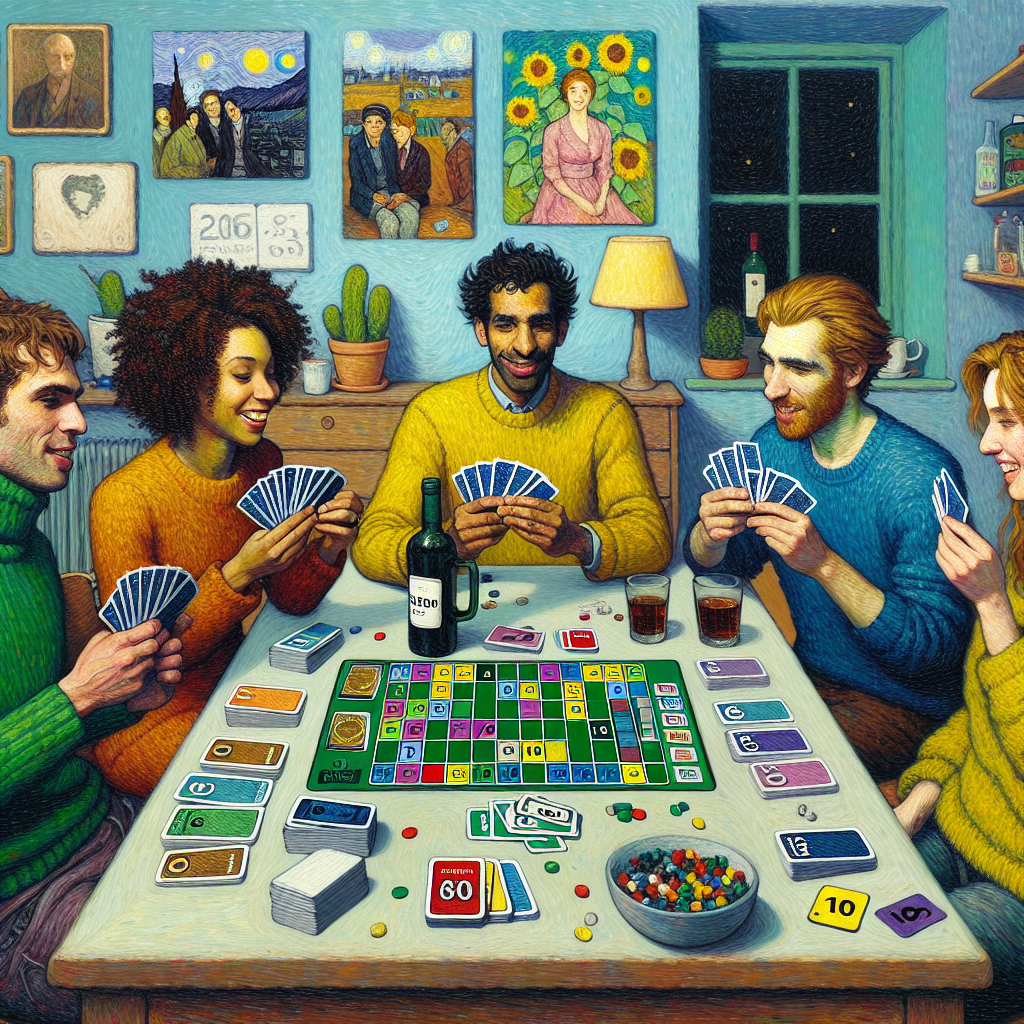
Haiku
Poem
From Open Packs to Open Ledgers – Web3’s Gaming Potential – A Poem
In a realm where pixels dance and stories unfold,
A new chapter begins, a revolution bold.
In Web3’s embrace, where players find their voice,
They trade not just cards, but agency and choice.
Gone are the days of faceless corporations,
Where players, like pawns, faced lost aspirations.
Now, ownership blooms on ledgers so clear,
Each victory cherished, each moment held dear.
Imagine a game where your efforts ignite,
A tapestry woven with trust and delight.
Each click of the mouse resonates in your chest,
As bonds among players evolve and invest.
From strategic duels to the laughter we share,
It’s more than escape; it’s a journey laid bare.
A community formed, where gifts can transcend,
Each trade and each story, a way to connect and mend.
Yet beneath this allure lies an ethical plight,
What does it mean to own in digital light?
When companies reign, and access feels thin,
The heart yearns for more than a fleeting win.
So let’s champion change, where freedom takes flight,
Where cards are not lost to the shadows of night.
With blockchain as guide, the future unfolds,
Empowered we stand, with stories retold.
In this vibrant frontier, let’s forge and create,
A world where our passion can flourish, not fade.
Embrace the heartbeat, the thrill of the chase,
For in games we find purpose, in connection, our place.

Poem
Checklist
From Open Packs to Open Ledgers – Web3’s Gaming Potential – A Checklist
Checklist for Embracing the Web3 Gaming Revolution
Emotional Connection
_____ ✦ Reflect on how gaming connects you to others. Have you formed lasting friendships through shared experiences?
_____ ✦ Identify key moments in your gaming history that evoke strong emotions. How can these moments inspire future gameplay?
_____ ✦ Consider how ownership in games could enhance your emotional investment. What assets would mean the most to you?
Rational Thought
_____ ✦ Analyze how mastering game mechanics contributes to your development of real-world skills (problem-solving, teamwork, etc. ).
_____ ✦ Evaluate the trustworthiness of your current gaming platforms. Do they offer fair access and ownership of your achievements?
_____ ✦ Investigate the benefits of blockchain technology in ensuring secure and transparent gaming experiences.
Ethical Considerations
_____ ✦ Reflect on the ethics of digital ownership. Do the current gaming models allow you true ownership of your digital assets?
_____ ✦ Dive into discussions about representation and inclusivity in gaming narratives. Do you see yourself and your experiences reflected?
_____ ✦ Advocate for clear policies regarding digital ownership in games. Are you willing to speak out for ethical gaming practices?
Authority and Expertise
_____ ✦ Seek out thought leaders in Web3 gaming. What insights do they provide on the future of gaming?
_____ ✦ Follow industry developments related to blockchain and digital assets. How do these advancements change your perspective?
_____ ✦ Engage with communities that prioritize ethical gaming practices. What can you learn from their experiences?
Narrative Impact
_____ ✦ Write down personal gaming stories that illustrate your journey and how it has shaped you. How can these narratives influence your future gaming choices?
_____ ✦ Share your gaming experiences with others. How do the stories you tell impact your community?
_____ ✦ Explore how Web3 gaming can help create new narratives that foster connection and inspiration among players.
Social Dynamics
_____ ✦ Participate in community discussions about shared gaming values and ethics. How can you contribute to a culture of mutual respect?
_____ ✦ Identify opportunities for collaboration with fellow gamers. Can you create together in this new digital landscape?
_____ ✦ Reflect on how gaming can enhance social connections in a fragmented world. What relationships have you built through shared gameplay?
This checklist aims to guide your exploration and engagement with the evolving world of Web3 gaming, appealing to your heart, head, and gut. Embrace the journey and be a part of shaping the future.

Checklist
At CardGameNews, we help people who love card games by collating information and news about card games.
Be sure to read our other related stories at CardGameNews to learn more about card games.


