

Gotta Catch ‘Em All: A Millennial’s Pokémon Comeback
By Tom Seest
At CardGameNews, we help people who love card games by collating information and news about card games.
Be sure to read our other related stories at CardGameNews to learn more about card games.
From Game Boy to Booster Box – a Millennial’s Return to Pokémon
As I stood in the bustling game shop, surrounded by the flicker of nostalgia and the scent of freshly opened packs, I couldn’t help but feel a magnetic pull. It was a feeling many Millennials know well: the sweet echo of childhood joy that came rushing back like a well-loved tune. The Pokémon franchise has evolved, yes, but stepping into a world of vibrant cards felt like reuniting with an old friend, even if that friend had been through a renaissance. Here I was, revisiting those pixelated adventures from my Game Boy days, but now armed with booster boxes rather than just the digital pocket monsters of my youth.
This isn’t just about pixels or cards; it’s about connection. The simple fact that game shops are packed with people of various ages—some with kids in tow, others reminiscing alone—speaks to a profound truth: these cards, that once sparked our imaginations, still weave through the fabric of our lives. We may be adults now, navigating a maze of responsibilities, but the bonds formed over a game of Pokémon still resonate deeply. It’s a shared experience, a universal language that transcends time and demographics.
In a society where screens often dominate personal interaction, sitting across from fellow enthusiasts at a table, cards laid out like a strategic battlefield, merely amplifies our humanity. Engaging in this card game isn’t just recreational; it’s a momentary escape—a reminder that play is not just for children. It reignites our creativity and camaraderie, sparking laughter and friendly banter that warms the heart and feeds the soul.
Moreover, the ethical undercurrent of gaming—the respect for strategy, sportsmanship, and the honor of a fair duel—stands as a testament to values that fortify our character. When players interact—trading tips and tricks, or celebrating a well-played move—they’re crafting a microcosm of community. This is where trust resides. We’re not merely playing; we’re building confidence, learning lessons, and fostering relationships that endure beyond a single match.
So, as I carefully unwrap another booster pack, there’s more on the line than just sleeves of shiny cards. It’s an invitation—a call to action to reclaim that thrill and remember who we are at our core. Whether you’re a seasoned player or a newcomer, the world of Pokémon beckons each of us to step back into that playground of possibility, where victory tastes sweet, and every loss teaches resilience. And in the rush of every draw, the echoes of our childhood adventures dance anew.

From Game Boy to Booster Box – a Millennial’s Return to Pokémon
From Game Boy to Booster Box – a Millennial’s Return to Pokémon
- The game shop evokes nostalgia and childhood joy for many Millennials, reminiscent of past experiences.
- Pokémon has evolved, but engaging with the cards feels like reuniting with an old friend.
- Game shops attract people of all ages, showcasing the enduring appeal of Pokémon and shared experiences.
- Playing card games fosters personal interaction and community in a screen-dominated society.
- Engaging in gameplay reignites creativity and camaraderie, providing an enjoyable escape from adult responsibilities.
- Gaming values such as strategy, sportsmanship, and respect for fair play strengthen character and foster community bonds.
- Opening booster packs represents more than collecting cards; it’s an invitation to reconnect with the joy of play and resilience.

From Game Boy to Booster Box – a Millennial’s Return to Pokémon
Table Of Contents
- From Game Boy to Booster Box – a Millennial’s Return to Pokémon
- What Nostalgic Memories Does Pokémon Evoke for You?
- How Does Pokémon Connect Generations?
- What Are the Benefits Of Engaging In Childhood Hobbies?
- Are Pokémon Games a Valuable Investment In Personal Well-Being?
- How Does Collecting Pokémon Cards Impact Our Sense Of Identity?
- Conclusion
- Other Resources
- Glossary Of Terms
- Other Questions
- Haiku
- Poem
- Checklist
What Nostalgic Memories Does Pokémon Evoke for You?
For many of us, the mere mention of Pokémon conjures a vivid tapestry of memories, woven with threads of adventure, friendship, and the thrill of discovery. Each Poké Ball throws us back to a time when the world felt vast, and our biggest worries revolved around collecting them all or mastering the card game that captivated playgrounds. We weren’t just trading cards; we exchanged stories, strategies, and pieces of our childhoods—each encounter with a shiny Charizard or a rare Pikachu fuelled our imaginations and deepened our bonds.
Think about it: those Saturday mornings spent glued to the television screen, captivated by Ash and Pikachu’s relentless journey to become Pokémon Masters. It wasn’t just entertainment; it was a shared experience that united friends and families. We learned lessons about perseverance, teamwork, and friendship—all dressed up in delightful animation and catchy melodies. These aren’t just key themes; they’re the foundation of our formative years. When we think back, it’s not just nostalgia; it’s a recognition of how these experiences shaped who we are today.
But it’s not just the memories that resonate; it’s the ethical landscape we navigated as kids. Pokémon taught us respect for nature and the importance of compassion. We learned to value the very creatures we caught, to understand their strengths and weaknesses, to nurture them and grow alongside them. These lessons went beyond the screen and into our hearts, shaping our ethics and our interpersonal relationships.
As we recall those thrilling battles, the excitement surging in our veins at the thought of winning an epic showdown, we’re reminded of simpler times. Today’s world is complicated, but Pokémon represents a slice of joy where friendships blossomed over strategies and laughter filled the air. You may recall trading cards with a classmate, each sheet a treasure map to friendships that transcended mere chance encounters.
These feelings, these memories, inspire trust and confidence in the value of connection. Pokémon encourages us to embrace our inner child, fostering community and sparking conversations that begin with “Remember when…” Rather than letting those memories fade into the past, they challenge us to carry that spirit forward—to share, to connect, and to reignite that sense of wonder both in ourselves and with the next generation. So, what nostalgic memories does Pokémon evoke for you? The answer lies in the heart, head, and gut—a vivid reminder of the joy of discovery and the importance of connection.

What Nostalgic Memories Does Pokémon Evoke for You?
What Nostalgic Memories Does Pokémon Evoke for You?
- Pokémon evokes memories of adventure, friendship, and discovery from childhood.
- Experiences like collecting Poké Balls and trading cards fostered connections among friends.
- Saturday mornings watching Ash and Pikachu united families and friends in shared experiences.
- Key themes of perseverance, teamwork, and friendship influenced our formative years.
- Pokémon instilled respect for nature and compassion through interactions with creatures.
- Memorable battles and card trading represented joy and camaraderie in simpler times.
- These nostalgic memories inspire us to connect and share the sense of wonder with future generations.

What Nostalgic Memories Does Pokémon Evoke for You?
How Does Pokémon Connect Generations?
Generations of Pokémon have emerged, each one like a new chapter in a long, winding saga that binds players young and old. At its core, Pokémon connects generations by sparking a sense of nostalgia blended with fresh experiences. The beauty lies in the shared memory—the aching sense of joy we felt catching our first Pikachu or evolving a beloved Charmander into a mighty Charizard. Those moments barely scratched the surface, but they laid down roots, allowing generations to grow side by side within this vibrant universe.
The emotional pull is potent. Think back to the first time you gathered with friends, cards in hand, battling in a makeshift arena in your living room. Those childhood moments, whether strategizing over a Card Game or venturing into the wilds of a digital landscape, created bonds that persist through time. Adults reminisce about these memories with a sense of kinship and belonging, reminding them of simpler days and the pure thrill of adventure.
Yet, it’s not just memory that connects us; it’s an ethical commitment to community. Pokémon promotes values of cooperation, respect, and inclusiveness. Players forge friendships as they train together, trade Pokémon, and share strategies, teaching younger generations that collaboration can lead to triumph. Whether it’s through the vibrant art of a trading card or the intricate designs of in-game sprites, Pokémon transcends mere entertainment—it encourages personal growth and social ties.
When you dive into a Pokémon game, it’s not just about quick reflexes or strategic thinking; it’s a story unfolding, where each battle reflects personal challenges and triumphs. The narratives resonate deeply, engaging both the heart and mind. Each Pokémon encompasses a tale, mirroring our own life journeys, filled with ups and downs, victories and defeats.
This bond extends beyond individuals; it weaves through communities, where fans gather at conventions, local tournaments, or friendly get-togethers. Each event is a celebration of shared history and passion, a testament to Pokémon’s power. It fosters connections, bridging gaps between ages, cultures, and lifestyles. The simple act of advancing through games, trading cards, or discussing strategies cultivates a shared culture rich with experience, compassion, and camaraderie.
In inviting you to join this age-spanning journey, remember: whether you’re a seasoned player or a curious newcomer, there’s a place for you within this world. You’re not just playing a game; you’re part of an ever-evolving legacy—one that connects generations like a vibrant tapestry, waiting for your unique thread to be woven in.

How Does Pokémon Connect Generations?
How Does Pokémon Connect Generations?
- Generations of Pokémon create a shared narrative that connects players of all ages, blending nostalgia with fresh experiences.
- Memorable moments, like catching a first Pikachu or evolving a Charmander, build emotional foundations for players.
- Childhood experiences, such as battling friends, foster enduring bonds and a sense of kinship.
- Pokémon promotes community values like cooperation, respect, and inclusiveness, helping forge friendships among players.
- Every Pokémon game tells a personal story, mirroring real-life challenges and victories that resonate with players.
- Community events, such as conventions and tournaments, celebrate shared passion and history, bridging gaps between diverse groups.
- Joining the Pokémon journey offers a place for everyone, emphasizing the legacy that connects generations in a rich tapestry.

How Does Pokémon Connect Generations?
What Are the Benefits Of Engaging In Childhood Hobbies?
Engaging in childhood hobbies is not just a fun way for kids to spend their time; it’s a pathway to lifelong skills and profound benefits that shape who they become. Imagine a moment: your child sits at the kitchen table, focused intently on a card game. Their brow furrows in concentration as they decipher moves and anticipate their opponent’s strategies. In this seemingly simple activity, they are not just playing; they are learning valuable lessons about critical thinking, patience, and resilience. These hobbies, from crafting and sports to music and reading, serve as training grounds for essential life skills that echo far beyond childhood.
Let’s be honest: every parent wants to give their child the best chance at success. Engaging in hobbies teaches children creativity and problem-solving—the kind of attributes that schools may or may not fully develop. Hobbies foster independence and encourage kids to pursue their interests, nurturing a sense of identity. When kids pick up a brush or strum a guitar, they explore not only the art but also their individuality. In a world that often pushes conformity, hobbies allow children to express themselves authentically and build confidence.
Moreover, let’s not overlook the social aspect. Picture your child honing their skills in a community league, forming friendships while learning to work as a team. These connections create a network of support that fosters empathy and collaboration—traits that are crucial in our interconnected world. Such experiences can serve as a moral compass, instilling values like respect, fairness, and integrity.
Even the experts agree: the importance of hobbies in childhood development is backed by research. Studies show that children who engage in creative and physical activities exhibit higher levels of well-being and satisfaction. Hobbies can literally change the trajectory of a child’s life, instilling a love for learning and exploration that continues into adulthood.
So, encourage your child to delve into their interests. Whether it’s playing a card game with friends, gardening on a sunny afternoon, or experimenting in the kitchen, these pursuits are not merely pastimes; they are essential for forging a future that embraces curiosity, confidence, and community. As parents, our role is to nurture these passions, paving the way for a generation that thrives on authenticity, creativity, and resilience.

What Are the Benefits Of Engaging In Childhood Hobbies?
What Are the Benefits Of Engaging In Childhood Hobbies?
- Childhood hobbies provide a pathway to lifelong skills and benefits that shape children’s futures.
- Activities like card games teach critical thinking, patience, and resilience.
- Engaging in hobbies promotes creativity and problem-solving, filling gaps that schools might leave.
- Hobbies foster independence, helping children develop their sense of identity and self-expression.
- Participation in community activities builds social connections, empathy, and teamwork skills.
- Research supports the idea that engaging in hobbies improves children’s well-being and satisfaction.
- Parents play a crucial role in nurturing hobbies, promoting authenticity, creativity, and resilience in their children.

What Are the Benefits Of Engaging In Childhood Hobbies?
Are Pokémon Games a Valuable Investment In Personal Well-Being?
In a world racing at breakneck speed, it’s easy to overlook the simple joys that remind us of our childhood, the ones that sparked our creativity and pulled friends closer together. Enter the Pokémon games. They’re not just entertainment; they’re a portal to connection, exploration, and even self-discovery. Imagine the thrill of diving into lush landscapes, strategizing to catch a rare creature, and indulging in good old-fashioned competition. It’s more than a card game; it’s a reminder of the innocence and joy we all once knew, a balm for our busy lives.
Engagement with Pokémon transcends mere gameplay. It stirs nostalgia in adults while igniting imagination in children. The game beckons players to collaborate, fostering friendships and community through trading, battling, and sharing strategies. You see, every battle, every trade, is a thread woven into the fabric of belonging. We gather around screens and tables, exchanging stories of victories and losses. The excitement in these shared moments is palpable, nurturing relationships that can endure the tests of time.
The rational side of this investment grows from the mental agility required to succeed. Strategy becomes second nature as players decipher strengths and weaknesses, predict opponents’ moves, and think two steps ahead. Research supports that engaging in such imaginative play fosters cognitive skills and problem-solving abilities, sharp as a Bulbasaur’s thorn. Our brain thrives on challenges, and this game is a delightful workout—a cognitive gym where failure is merely a stepping stone towards mastery.
Then, there’s the ethical dimension to consider. Pokémon instills values of empathy, discipline, and teamwork. These aren’t just animated characters; they teach us to value diversity in strengths, to cherish our companions, and to strive towards goals, even when faced with adversity.
On a broader scale, the social fabric of our communities benefits. Tournaments and casual meetups foster a spirit of camaraderie, echoing the age-old tradition of gathering to share stories and experience. So, as you ponder whether these games can contribute to your well-being, remember—this isn’t just about catching them all; it’s about weaving your own narrative into a collective experience, enriching your life and the lives of those around you. Investing in Pokémon isn’t just a choice; it’s an invitation to embrace joy, connection, and growth at every level.

Are Pokémon Games a Valuable Investment In Personal Well-Being?
Are Pokémon Games a Valuable Investment In Personal Well-Being?
- Pokémon games serve as a portal to connection, exploration, and self-discovery beyond mere entertainment.
- Engagement with Pokémon evokes nostalgia in adults and ignites imagination in children, fostering friendships and community.
- Shared experiences of trading and battling create strong bonds among players, nurturing lasting relationships.
- Playing Pokémon enhances cognitive skills through strategic thinking, fostering mental agility and problem-solving abilities.
- Values of empathy, discipline, and teamwork are instilled through gameplay, teaching players to embrace diversity and strive for goals.
- Tournaments and meetups promote camaraderie, echoing traditions of storytelling and communal experiences.
- Investing in Pokémon is an invitation to embrace joy, connection, and personal growth while enriching the lives of others.

Are Pokémon Games a Valuable Investment In Personal Well-Being?
How Does Collecting Pokémon Cards Impact Our Sense Of Identity?
In a world swirling with digital distractions and fleeting trends, the act of collecting Pokémon cards stands as a testament to our desire for connection and identity. Remember those crisp packets crinkling in the cool morning air, the thrill of tearing one open, hoping for that elusive shiny Charizard? That rush wasn’t just about the card game; it was about belonging. In those moments, we were part of a community—a collective of dreamers, strategists, and storytellers, each of us weaving our own narrative through the colorful art of character battles.
This pursuit goes beyond the physical cards; it taps into the very essence of who we are. There’s something deeply satisfying about arranging those cards, each one a fragment of our memories, aspirations, or victories. When a kid pulls their first holographic card, the look on their face is not just joy; it’s an affirmation of their effort and hope. That moment symbolizes the broader journey we all undertake, navigating successes and disappointments and defining our paths.
In a way, these cards become little mirrors reflecting bits of our identity—carefully curated collections that showcase not only our favorite creatures but also our values. The power of a rare card isn’t just monetary; it epitomizes the dedication, savvy, and maybe a little bit of luck we invest in our passions. Each card carries a story—a triumph over a competitor or the joining of friends around a table, connected by laughter and competition.
Collecting Pokémon cards fosters a profound ethical responsibility too. In an age of disposability, we learn the importance of preservation—not just of the cards themselves but of the camaraderie they inspire. Sharing knowledge about card values, trading with honor, and respecting the community enriches the experience, reinforcing our ties to others rather than fragmenting them.
And let’s not overlook the social dynamic. Whether you’re a veteran collector or a newcomer fascinated by shiny artworks, when you flip through that binder or share a pic of your latest find, you’re inviting others into your world. This connection, built on a shared love for Pokémon, makes the experience all the more rewarding.
Ultimately, whether you’re strategizing for a match or simply reveling in nostalgia, collecting Pokémon cards is a journey into self-discovery that transcends mere hobby—it’s a celebration of who we choose to be in relation to ourselves and the community around us. It reminds us that, in every trade and tournament, we are always crafting a narrative that’s distinctly our own.

How Does Collecting Pokémon Cards Impact Our Sense Of Identity?
How Does Collecting Pokémon Cards Impact Our Sense Of Identity?
- Collecting Pokémon cards represents a deep desire for connection and identity in a digital age.
- The excitement of opening card packs reflects a sense of belonging to a community of dreamers and strategists.
- Each card collection symbolizes personal memories, aspirations, and victories.
- Rare cards represent more than monetary value; they embody dedication and shared experiences.
- The act of collecting fosters a sense of ethical responsibility and preservation within the community.
- Sharing card collections invites connections with others, whether seasoned collectors or newcomers.
- Overall, collecting Pokémon cards encompasses a journey of self-discovery and community engagement.

How Does Collecting Pokémon Cards Impact Our Sense Of Identity?
Conclusion
In the ever-evolving landscape of nostalgia and connection, Pokémon stands as a bridge linking generations and igniting something magical within us all. Picture this: a game shop, bustling with life, where laughter and camaraderie spill forth as players, young and old, gather to celebrate their shared love for Pokémon. It’s in these moments that we experience a profound truth: the Pokémon cards and games aren’t just relics of our childhood; they are living symbols of connection, resilience, and growth.
As we unbox those booster packs and lay our cards on the table, we’re not merely engaging in a childhood pastime. We’re diving into a rich tapestry woven with strategy, sportsmanship, and teamwork. Every battle carries echoes of our formative years, teaching us virtues that are all too important in today’s complex world. This ethical undercurrent—fostering respect, collaboration, and a sense of community—runs deep, transcending the boundaries of age and time.
Moreover, these cards are more than just colorful artworks—they are vessels of memories and identity. Each shiny Charizard or rare Pikachu evokes vivid recollections of friendships formed on playgrounds or late-night strategy sessions. They remind us that collecting isn’t merely about ownership; it’s about the bonds we create and the stories we share. In every trade and triumph, we affirm our place in a community that values individuality and collective experience.
But let’s get real for a moment. This isn’t just about joy and nostalgia; it’s also about the cognitive and emotional benefits that arise from diving back into this world. Engaging with Pokémon challenges our minds, sharpening our critical thinking and strategic skills, all while reminding us of the importance of perseverance. Every loss isn’t just a setback; it’s a lesson in resilience, and every victory is a celebration of our dedication and passion.
So, whether you’re re-emerging as a seasoned player, casually rediscovering the thrill, or introducing this magical world to a new generation, take a moment to savor the richness of this experience. Pokémon invites us to rekindle that childlike wonder, to forge connections with others, and to reignite the flame of creativity and play that lies dormant within us. As we navigate our busy lives, let’s not forget the heart and soul that Pokémon embodies—a vibrant reminder that no matter how far we’ve come, the thrill of the chase, the bonds of friendship, and the thrill of discovery are always within reach. Embrace that journey, because in this world, “Gotta catch ’em all” is more than just a slogan; it’s a call to reconnect with the essence of who we are.

Conclusion
Conclusion:
- Pokémon serves as a nostalgic bridge linking generations, fostering a sense of magic and connection.
- Game shops become lively venues where players of all ages celebrate their shared love for Pokémon.
- Playing Pokémon involves strategy, teamwork, and sportsmanship, teaching valuable life lessons.
- Pokémon cards evoke memories of friendships and experiences, highlighting the importance of community and shared stories.
- Engaging with Pokémon enhances cognitive skills, critical thinking, and resilience through both victories and defeats.
- Players are invited to rediscover their childlike wonder and creativity while forging connections with others.
- The phrase “Gotta catch ’em all” reflects a deeper call to reconnect with personal essence and the joy of discovery.

Conclusion
Other Resources
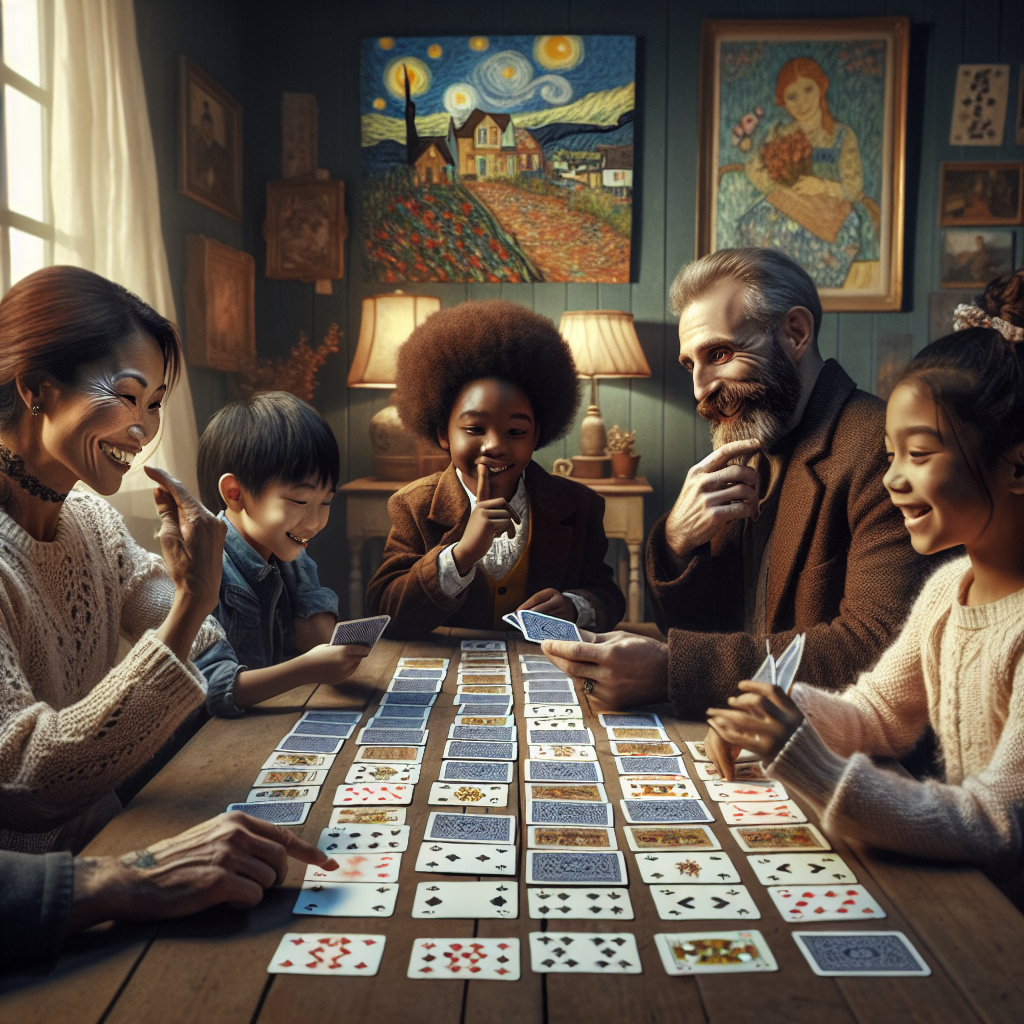
Other Resources
Here is a list of other resources you can review online to learn more:
- Ars Technica
- Dominion (Second Edition)
- Canasta
- Santorini
- Castles of Burgundy: The Dice Game
- Food Chain Magnate
- Threads
- Stonemaier Games
- Clank!: A Deck-Building Adventure
- Race for the Galaxy
- The Game Boy Geek
- Cool Mini or Not (CMON)
- Clans of Caledonia
- Arcane Wonders
- Geek and Sundry
- Flickr
- Piatnik
- Love Letter
Use This Prompt To Get More Resources With Your Favorite Online AI Tool: Please provide me with a list of online articles with their URLs in a bulleted list that I can read regarding From Game Boy to Booster Box – a Millennial’s Return to Pokémon

Other Resources
Glossary Terms
From Game Boy to Booster Box – a Millennial’s Return to Pokémon – Glossary Of Terms
1. Game Boy: A handheld gaming console by Nintendo that popularized portable gaming in the 90s.
2. Pokémon: A media franchise created by Satoshi Tajiri and Ken Sugimori, featuring creatures called Pokémon that trainers capture and train.
3. Millennial: A demographic cohort generally defined as individuals born between 1981 and 1996, often characterized by their experiences with technology and culture.
4. Booster Box: A sealed box containing multiple booster packs of Pokémon Trading Card Game cards, typically used for expanding one’s collection.
5. Nostalgia: A sentimental longing for the past, often triggered by memories related to childhood experiences such as playing Pokémon.
6. Trading Card Game (TCG): A game where players build decks using collectible cards, engaging in strategic play with opponents.
7. Pokédex: An electronic device in the Pokémon universe that functions as an encyclopedia, cataloging all known Pokémon species.
8. Shiny Pokémon: Rare color variants of Pokémon that have different coloration than their standard forms, sought after by collectors.
9. Evolution: The process by which Pokémon transform into a different species, usually indicated by gaining levels or using special items.
10. Catch ‘em all: The slogan associated with Pokémon, emphasizing the goal of collecting every species of Pokémon.
11. Trainer: A person who captures, trains, and battles with Pokémon, striving to become a Pokémon Master.
12. Gym Leader: A powerful trainer who oversees a particular gym where other trainers battle for badges to qualify for Pokémon leagues.
13. Pokémon League: A series of competitions where trainers battle for recognition and prestige, culminating in a championship.
14. Mega Evolution: A temporary transformation some Pokémon can undergo during battles, increasing their power and altering their abilities.
15. Pokémon Go: A mobile augmented reality game that allows players to capture Pokémon in real-world locations using GPS technology.
16. Collectibles: Items that are sought by fans and collectors for their rarity and nostalgic value, such as Pokémon cards or toys.
17. Starter Pokémon: The initial Pokémon given to players at the beginning of their journey in Pokémon games, from which they build their team.
18. Rare Cards: Cards in the Pokémon TCG that are difficult to find and often hold significant value among collectors.
19. Meta: A term used to describe the most effective strategies or viable Pokémon in competitive play, influenced by current game trends.
20. Pokémon Snap: A video game series where players take photographs of Pokémon in their natural habitats, focusing on exploration and creativity.
21. Special Edition: Limited releases of games, cards, or merchandise featuring unique designs, often resulting in increased desirability.
22. Card Rotation: The practice of cycling older cards out of tournament play to keep the competitive environment fresh and balanced.
23. Eevee: A popular Pokémon known for its multiple evolutions, which allows for diverse team strategies in gameplay.
24. Cosplay: The practice of dressing up as Pokémon characters, often seen at conventions and fan events.
25. Pokémon Center: A fictional place in the Pokémon world where trainers can heal their Pokémon and stock up on supplies.
26. Legendary Pokémon: Extremely rare and powerful Pokémon that often play significant roles in the lore and mythos of the franchise.
27. Fan Art: Artwork created by fans that depicts Pokémon or Pokémon-related themes, celebrating creativity within the community.
28. Online Community: Various platforms where fans interact, discuss strategies, share their collections, and organize events related to Pokémon.
29. Merchandise: Various products related to the Pokémon franchise, including toys, clothing, and accessories aimed at fans of all ages.
30. Competitive Play: Organized Pokémon battles that follow specific rules and formats, often leading to local, regional, and national tournaments.

Glossary Of Terms
Other Questions
From Game Boy to Booster Box – a Millennial’s Return to Pokémon – Other Questions
If you wish to explore and discover more, consider looking for answers to these questions:
- What are some specific nostalgic memories associated with Pokémon for different generations?
- How has the Pokémon franchise evolved since its inception?
- What are the psychological benefits of engaging with childhood hobbies?
- How can Pokémon games foster intergenerational connections?
- What strategies can parents use to encourage their children to engage in hobbies like Pokémon?
- What role does community play in the Pokémon card collecting experience?
- How do Pokémon games contribute to the development of teamwork and collaboration skills?
- What are the ethical values taught through playing Pokémon games?
- How does trading cards enhance social skills among children and adults?
- In what ways can Pokémon serve as an effective tool for self-discovery and personal growth?

Other Questions
Haiku
From Game Boy to Booster Box – a Millennial’s Return to Pokémon – A Haiku
Nostalgia ignites,
Cards bridge hearts of young and old,
Connection unfolds.

Haiku
Poem
From Game Boy to Booster Box – a Millennial’s Return to Pokémon – A Poem
In a vibrant game shop where memories ignite,
Millennials gather, souls taking flight.
From Game Boy dreams to booster boxes bright,
A world of Pokémon brings laughter and light.
Nostalgia whispers of battles fought well,
Of shiny Charizards and stories to tell.
Each card a treasure, each trade a new bond,
In this realm of connection, our childhoods respond.
Amidst the chaos of adult demands,
We find community in playful hands.
Around tables, we gather, strategies unfold,
Where trust is built, and friendships retold.
Lessons of respect shape the hearts of the young,
Through teamwork and fairness, our values are sung.
Embracing our passions, we invite everyone,
To reclaim the joy that’s forever begun.
These games are more than mere moments of play,
They’re portals to worlds where we can relive our days.
A tapestry woven through generations past,
Every card, every laugh, an echo to last.
So, take that first draw; feel the thrill in your core,
In every battle and trade, there’s a chance to explore.
Invest in connection, let your spirit unwind,
For in the heart of Pokémon, our true selves we find.
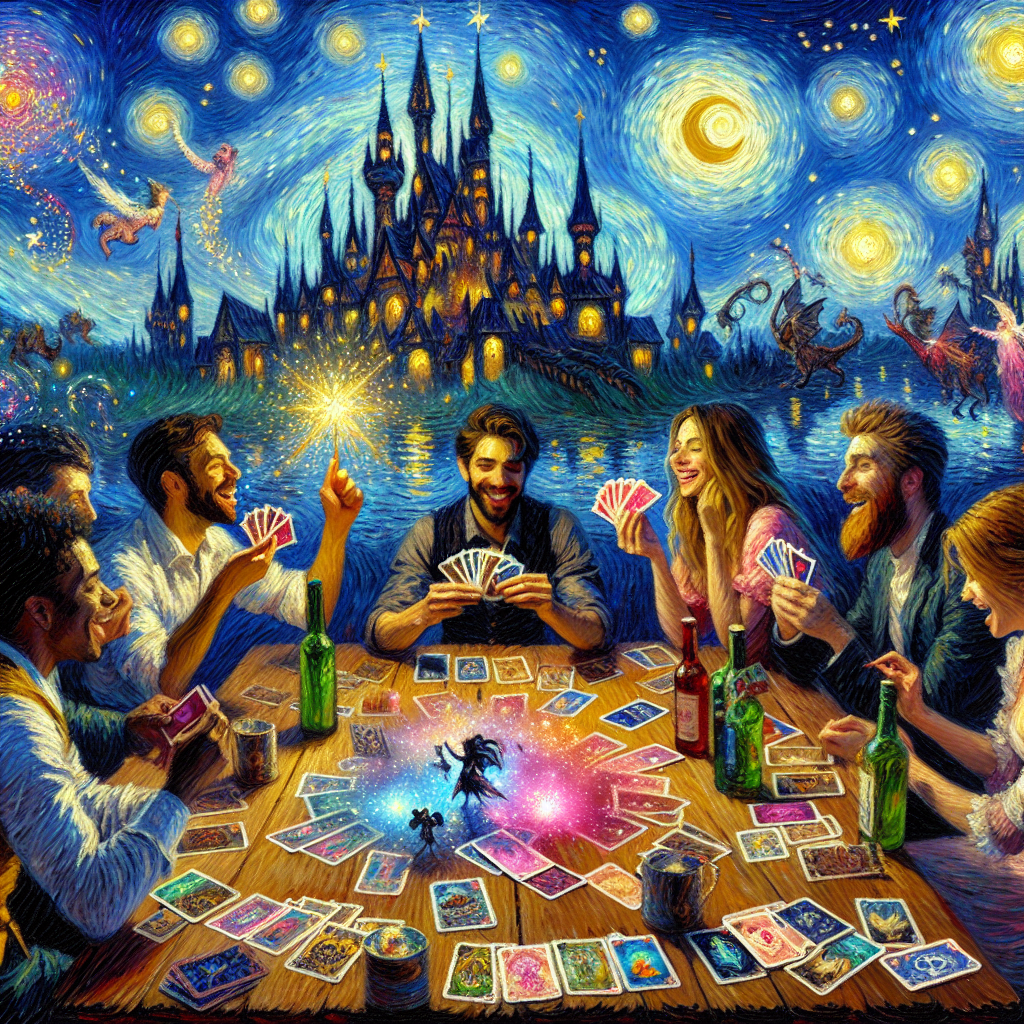
Poem
Checklist
From Game Boy to Booster Box – a Millennial’s Return to Pokémon – A Checklist
Pokémon Reflection Checklist
Heart
_____ Recall your favorite Pokémon memory from childhood. What feelings does it evoke?
_____ Think of a time you connected with friends over Pokémon. How did it strengthen your bond?
_____ Identify one personal value that Pokémon has helped instill in you (e. g. , teamwork, respect).
Head
_____ Consider how engaging in Pokémon activities enhances your cognitive skills. List any mental strategies you use in gameplay.
_____ Reflect on how participating in Pokémon games or trading cards teaches critical life skills like problem-solving and resilience.
_____ Analyze the historical significance of Pokémon in shaping childhood experiences across generations. What insights do you gain from this perspective?
Gut
_____ When you think about Pokémon, what personal identity aspects come to mind? How does your collection reflect who you are?
_____ Evaluate your current engagement with Pokémon—does it serve as a source of joy, connection, or creativity in your life?
_____ Take note of the physical sensations experienced during gameplay or trading. What excitement or nostalgia do you feel?
Emotional Engagement
_____ Write down three words that describe your feelings towards Pokémon.
_____ Share a story about a memorable Pokémon trade or game moment that brings you joy.
Rational Foundations
_____ List the benefits of engaging with Pokémon cards or games that contribute to your well-being (e. g. , creativity, social interaction).
_____ Research one study or article that supports the mental or social benefits of childhood hobbies, including Pokémon.
Ethical Considerations
_____ Reflect on the ethical lessons learned from playing Pokémon (e. g. , sportsmanship, fairness). How can you apply these lessons in daily life?
_____ Assess community interactions related to Pokémon. How does fostering a supportive environment benefit everyone involved?
Social Connections
_____ Identify friends or family members who share an interest in Pokémon. Plan an activity or meetup to engage in the community together.
_____ Create a short narrative about a recent experience that deepened your connection with someone through Pokémon.

Checklist
At CardGameNews, we help people who love card games by collating information and news about card games.
Be sure to read our other related stories at CardGameNews to learn more about card games.


