

Unraveling The Impact Of Ai On Card Game Strategy
By Tom Seest
At CardGameNews, we help people who love card games by collating information and news about card games.
Be sure to read our other related stories at CardGameNews to learn more about card games.
Can Artificial Intelligence Turn Card Games Into Mindless Gambling?
Imagine gathering around the worn table in your living room, cards in hand, laughter echoing as the sun fades into the evening. This is the heart of a card game — a world where friendships thrive, stories unfold, and skills are honed. But as artificial intelligence (AI) creeps into our favorite pastimes, we must ponder a troubling question: are we inching toward a future where these cherished moments turn into mere channels for mindless gambling?
Let’s explore this through the lens of our commonsense values. The strategy, the bluffing, the electrifying suspense of a well-played hand—these elements transform a card game into a rich tapestry of human interaction. Yet, AI’s capability to analyze data and calculate odds at lightning speed tempts players to prioritize profit over camaraderie. It’s rational to think that enhanced analytics and algorithms can elevate one’s game. But at what cost? What’s the point of winning if it undermines the spirit of the card game?
On an ethical level, we have to ask ourselves: does the allure of quick rewards overshadow the lessons of sportsmanship and patience? AI can turn every hand into a mathematical equation, turning moments of pure joy into uncertain transactions. Is that really what we want? At the core of a true card game is the thrill of human unpredictability—the joy of competing against another soul rather than an artificial intelligence that learns your every move.
Consider the narratives that have shaped our interactions with card games. Family gatherings, long nights with friends, even getting lost in battle against a worthy opponent — these experiences foster connection. Yet, when we allow AI to dictate our strategy, we risk reducing our relationships to transactions. Isn’t it more fulfilling to engage with others on a human level, to share triumph and defeat on equal ground?
As a community, we have the power to shape our futures. Let’s be conscious of how we engage with technology in our lives. Mindless gambling is an easy trap to fall into amid the glitz and allure of digital convenience. Our instinct is to connect, to build memories, and to enjoy the journey, not just the destination. So let’s hold onto those moments, wield our cards with care, and remember that the heart of gaming lies in the stories we create—not just the gamble we take.

Can Artificial Intelligence Turn Card Games Into Mindless Gambling?
Can Artificial Intelligence Turn Card Games Into Mindless Gambling?
- Card games foster friendships, storytelling, and skill development in a communal setting.
- AI threatens to turn meaningful interactions into channels for profit and mindless gambling.
- The strategic elements of card games enrich human interaction beyond mere competition.
- The rapid analysis capabilities of AI may prioritize winning over sportsmanship and patience.
- AI’s influence could reduce joyful experiences to mere transactions or calculations.
- Personal connections formed through card games are at risk of being overshadowed by technology.
- Community engagement and conscious technology use are essential to preserving the spirit of gaming.

Can Artificial Intelligence Turn Card Games Into Mindless Gambling?
Table Of Contents
- Can Artificial Intelligence Turn Card Games Into Mindless Gambling?
- Can Ai Make Us Lose Sight Of The Joy In Gaming?
- Are We Willing To Sacrifice Strategy For Ai-Driven Outcomes?
- What Do Experts Say About Ai’s Effects On Fairness In Games?
- Can We Trust Ai To Improve Our Gaming Experience Responsibly?
- How Does Automation Change The Narratives We Create In Games?
- Conclusion
- Other Resources
- Glossary Of Terms
- Other Questions
- Haiku
- Poem
- Checklist
Can Ai Make Us Lose Sight Of The Joy In Gaming?
In an era where artificial intelligence is becoming an unwitting co-pilot in our gaming experiences, it’s imperative to pause and reflect on what that means for the joy we find in play. Games, whether they’re captivating role-playing adventures or strategic duels in a card game, have always been more than just the sum of their pixels. They are, at their core, vessels of connection—not only to the characters we encounter but, more profoundly, to one another.
Imagine this: You and your friends gather around a table, cards fanned out like secret weapons, laughter echoing as strategies are concocted. In that moment, joy is not merely an outcome; it’s a shared experience, a dance of wits and camaraderie. But what happens when an AI algorithm starts to dictate the strategy or curates our games for us? There lies the heart of the matter. We risk losing the organic spontaneity that brings life to our interactions. Are we really having fun, or have we let bits and bytes make choices for us?
Engaging with a card game, with its tactile sensations and nuanced decision-making, invites not just competition but community. It challenges us intellectually while nurturing our social ties. When we allow AI to streamline everything, we might streamline the experience down to mere algorithmic wins, missing the rich tapestry of friendship and laughter that’s woven into every session. The paradox that follows is that we could become more isolated, even in the most social of environments. What’s the ethical cost of prioritizing efficiency over genuine connection?
Now, let’s not drift into fear for fear’s sake. Technology undoubtedly offers opportunities; it can teach us new strategies or analyze our gameplay to help us improve. Yet, we must exercise caution. As stewards of our gaming experience, it’s our responsibility to ensure that technology complements rather than replaces our human interaction. This isn’t about throwing the baby out with the bathwater; rather, it’s about cultivating a balance.
So the next time you sit down for that card game with friends, don’t forget the power of the hand you’re dealt—not just the cards, but the company around you. Embrace the clatter of laughter, the thrill of competition, and the warmth of community. In this delicate dance between man and machine, let’s not lose sight of what truly matters: the joy of the game, and the connections it nurtures. The future of gaming doesn’t have to be soulless—it can be a rich experience, tethered firmly to our shared humanity.

Can Ai Make Us Lose Sight Of The Joy In Gaming?
Can Ai Make Us Lose Sight Of The Joy In Gaming?
- AI is increasingly influencing our gaming experiences, urging reflection on the joy of play.
- Games are more than just pixels; they serve as vessels of connection between players and characters.
- Shared experiences in games create camaraderie and joy, but AI may compromise this spontaneity.
- Allowing AI to dictate strategies risks reducing gaming to mere algorithmic wins, lacking genuine connection.
- While technology can enhance our gaming strategies, we must ensure it complements human interaction.
- It’s essential to maintain a balance between technological efficiency and the joy of connection in games.
- The future of gaming can preserve shared humanity, emphasizing community and the joy of play.

Can Ai Make Us Lose Sight Of The Joy In Gaming?
Are We Willing To Sacrifice Strategy For Ai-Driven Outcomes?
As we navigate the complex landscape of artificial intelligence, we find ourselves faced with an intriguing dilemma. Picture the world as a high-stakes card game, where every decision we make can alter the outcome not just for ourselves, but for generations to come. In this game, strategy has traditionally been our greatest ally—think of it as a well-thought-out hand we play based on experience, intuition, and foresight. Yet, as we delve deeper into the realm of AI-driven outcomes, we must ask ourselves: Are we willing to sacrifice that time-tested strategy at the altar of convenience and automation?
On one hand, the allure of AI is undeniable. The promise of efficiency, accuracy, and data-driven insights tempts us to sidestep the painstaking, often mundane aspects of strategizing. It’s like discovering a shortcut in our card game that could lead to victory with minimal effort. But, pause for a moment. Isn’t it the bluffing, the lying, the hustle that injects the game with its excitement? The very nature of competition thrives on our human ability to strategize, adapt, and innovate—a skill that AI, with all its algorithms, struggles to replicate.
Moreover, substituting strategy for AI outcomes raises ethical questions we can’t afford to ignore. When we give control over vital decisions to machines, we risk losing our human touch—our empathy, creativity, and judgment. The implications are staggering. Families, communities, and entire industries could find themselves at the mercy of algorithms that don’t understand the nuances of human experience. The social fabric that binds us together depends on our ability to connect emotionally, something AI, for all its advancements, can’t genuinely replicate.
Yet, let’s steer this conversation back toward our heart, head, and gut. We must collectively foster a mindset that values human judgment alongside the power of AI. Imagine a world where technology empowers us rather than replaces us. A card game where strategy and AI work hand-in-hand with players making informed decisions based on a deeper understanding of context and consequence.
In this evolving landscape, let’s inspire trust in our abilities to use AI thoughtfully. We have the chance to shape a future where technology enhances our strategic endeavors rather than undermines them. So, are we ready to shuffle the deck, or are we going to let the AI dictate the way we play? The choice, my friends, is ours.

Are We Willing To Sacrifice Strategy For Ai-Driven Outcomes?
Are We Willing To Sacrifice Strategy For Ai-Driven Outcomes?
- Artificial intelligence presents a complex dilemma, likened to a high-stakes card game.
- Traditional strategies rely on experience, intuition, and foresight, contrasting with the convenience of AI.
- The allure of AI promises efficiency and accuracy, tempting us to avoid the strategic process.
- Human abilities such as strategizing, adapting, and innovating add excitement to the competition, which AI can’t replicate.
- Ethical concerns arise when vital decisions are controlled by machines, risking loss of empathy and creativity.
- We should foster a mindset that values human judgment alongside AI, empowering technology rather than replacing it.
- The future depends on our ability to integrate AI thoughtfully into our strategic endeavors.

Are We Willing To Sacrifice Strategy For Ai-Driven Outcomes?
What Do Experts Say About Ai’s Effects On Fairness In Games?
What Do Experts Say About AI’s Effects On Fairness In Games?
When we think about the simple joy of gathering around a table, shuffling cards, and diving into a riveting card game, we often overlook the profound dance of fairness that makes it all possible. Imagine a group of friends, laughter filling the air, and every shuffle of the deck promising a fresh chance at victory. Here, the stakes are more than just points on a scoreboard; they embody trust, camaraderie, and a mutual understanding of competition. But enter AI, the new player at the table, and we find ourselves asking: what does fairness really mean in this evolving landscape?
Experts have debated long and hard about the role of artificial intelligence in our beloved games. On one hand, AI can level the playing field, providing novice players insights and strategies that they might not have discovered on their own. It’s empowering, like having a skilled mentor at your side during that intense card game. Yet, is it truly fair? If one player has access to AI’s boundless knowledge while another relies solely on years of experience, are we still sharing the same table? This question sets off alarm bells in the minds of ethicists and gamers alike.
One seasoned game developer speaks of a time when an AI tool designed to optimize gameplay unintentionally skewed entire tournaments. Players who relied on AI became overly dependent, losing the fundamental joys of critical thinking and strategy that fueled their passion for games. This narrative resonates deeply: how often have we let technology sidestep our own judgment, outsourcing our cognitive engagement?
Furthermore, the bond shared among players is sacred, often forged through laughter, competition, and even heartbreak. AI’s introduction to game systems can create a chasm between those who can afford advanced tools and those who can’t, raising questions about social equity in a space where everyone should feel welcome. When fairness is compromised, so too is the integrity of the game.
As we navigate this brave new world of gaming, it’s crucial to advocate for a balance. The heart of the matter transcends mere statistics and algorithms. Let’s ensure that the joy of friendship, the thrill of competition, and the essence of fairness remain intact. After all, whether you’re a seasoned pro or a novice hoping to learn the ropes, every player deserves a fair shot at victory—and an unforgettable experience.

What Do Experts Say About Ai’s Effects On Fairness In Games?
What Do Experts Say About Ai’s Effects On Fairness In Games?
- The enjoyment of traditional games often hinges on the concept of fairness among players.
- AI can help level the playing field for novice players by providing insights and strategies.
- Concerns arise about fairness when one player has access to AI while another relies solely on experience.
- Dependency on AI can diminish critical thinking and strategy, impacting the joy of playing games.
- The introduction of AI may exacerbate social inequities among players, dividing those who can afford advanced tools from those who cannot.
- A balance must be struck to preserve the essence of friendship, competition, and fairness in gaming.
- All players, regardless of skill level, deserve an equitable opportunity to enjoy the game and achieve victory.

What Do Experts Say About Ai’s Effects On Fairness In Games?
Can We Trust Ai To Improve Our Gaming Experience Responsibly?
In our quest to enhance the gaming experience, the rise of artificial intelligence introduces both promise and uncertainty. Picture sitting around the table with friends, a classic card game in hand, laughter echoing as you strategize your next move. Now, imagine that same shared joy, transformed into a dynamic digital spectacle, crafting interactions that go beyond mere play. Here’s where the rubber meets the road: can we truly trust AI to navigate this new frontier?
Let’s start with the heart.Games have always been more than just points or levels; they evoke camaraderie, fuel connections, and breathe life into our leisure time. Picture an AI that learns your playing style, adapting the game to your strengths while challenging you in ways that keep the excitement alive. The emotional pull of sharing a triumph or learning from defeat becomes even more profound when sculpted by technology that understands us. When AI enhances our game nights—whether it’s a gripping card game with friends or an epic quest—those moments become richer.
Now, let’s appeal to the head. Data-driven algorithms can analyze countless strategies, optimizing gameplay in ways human minds simply can’t. This potential for innovation is exhilarating. Imagine playing a card game that evolves in real-time, offering fresh challenges designed precisely to elevate your skills. This isn’t just about winning; it’s about growing, evolving, and becoming a better player. The rational mind may appreciate the efficiency of AI, yet we must discern how it balances the thrill of unpredictability with the reliability of support.
Ethically, we must navigate these waters with caution. As we embrace AI, we must also commit to a transparent, responsible approach. Companies should be held accountable, ensuring that their technology enhances and elevates the gaming experience instead of exploiting it. After all, what’s the joy in a digital card game if the thrill of chance and camaraderie fades away beneath a barrage of algorithms?
Finally, consider the social aspect. We crave connection, and when we immerse ourselves in these gaming experiences, it resonates with humanity. Trust in AI should not be blind; it should be cultivated through collaboration and community. By engaging with fellow players and developers, we foster a culture that genuinely prioritizes enjoyment, exploration, and respect for players’ experiences.
So yes, we can trust AI—*if* we navigate its evolution thoughtfully, ensuring it enriches rather than diminishes our beloved pastimes. It’s time to embrace this partnership, ensuring that the heart, head, and gut of gaming stay vibrant and alive.

Can We Trust Ai To Improve Our Gaming Experience Responsibly?
Can We Trust Ai To Improve Our Gaming Experience Responsibly?
- The rise of AI in gaming presents both potential benefits and uncertainties.
- Games foster camaraderie and connections, enhancing shared experiences with friends.
- AI can learn player styles, adapting games to provide challenges and enrich gameplay.
- Data-driven algorithms can optimize strategies, creating evolving and engaging gaming experiences.
- Ethical considerations demand transparency and accountability from tech companies in gaming.
- Social connections are vital; trust in AI should be built through collaborative engagement.
- We can embrace AI in gaming if it is thoughtfully integrated to enhance enjoyment and respect for players.

Can We Trust Ai To Improve Our Gaming Experience Responsibly?
How Does Automation Change The Narratives We Create In Games?
How Automation Changes the Narratives We Create In Games
When we think about gaming, what comes to mind? Thrilling victories or crushing defeats? Part of the beauty of gaming lies in the stories we craft—the epic quests, the rich characters, and the moral dilemmas that bind us to them. Yet, with the rise of automation, we find ourselves at a crossroads, facing a profound transformation in how these narratives unfold.
Imagine sitting down after a long day, ready to play your favorite card game. You shuffle the deck, every card a portal to a different world. But automation has a way of shifting that experience from hands-on to hands-off, and it begs the question: Are we losing something in the process? Sure, automated algorithms can streamline gameplay, allowing for instant matches and personalized narratives. But at what cost? The heart tells us: connection matters. Whether it’s sharing a laugh over a missed play or rallying friends to the table for a night of friendly competition, it’s these moments that anchor our memories—not just the victories we achieve through a click or tap.
From a rational standpoint, the advances in technology should enhance our games, allowing more complex narratives than we ever thought possible. We can create immersive worlds powered by AI, weaving storylines that react dynamically to our choices. This innovation invites us to rethink how the narratives we experience resonate with our values and ethics. The players become storytellers, shaping the game as much as they’re shaped by it. Yet, therein lies a paradox: automation can create narratives that lack a human touch, reducing deep, meaningful interaction to simply moving pieces on a digital board.
Socially, there’s potential in this brave new world. Imagine this: automated systems fostering communities by connecting players across the globe, creating shared narratives that honor collaboration. But there’s a delicate balance between convenience and the call to community. We must navigate these waters carefully.
So, how do we embrace automation while nurturing the stories that matter? It’s a challenge worth addressing—one that requires thoughtful discourse and a commitment to maintaining the core experiences that bring us together. Let’s harness technology while ensuring that the heart, soul, and spirit of gaming remains intact. Only together can we write the next chapter of gaming’s narrative, a fusion of automation and the undeniable human connection we crave.
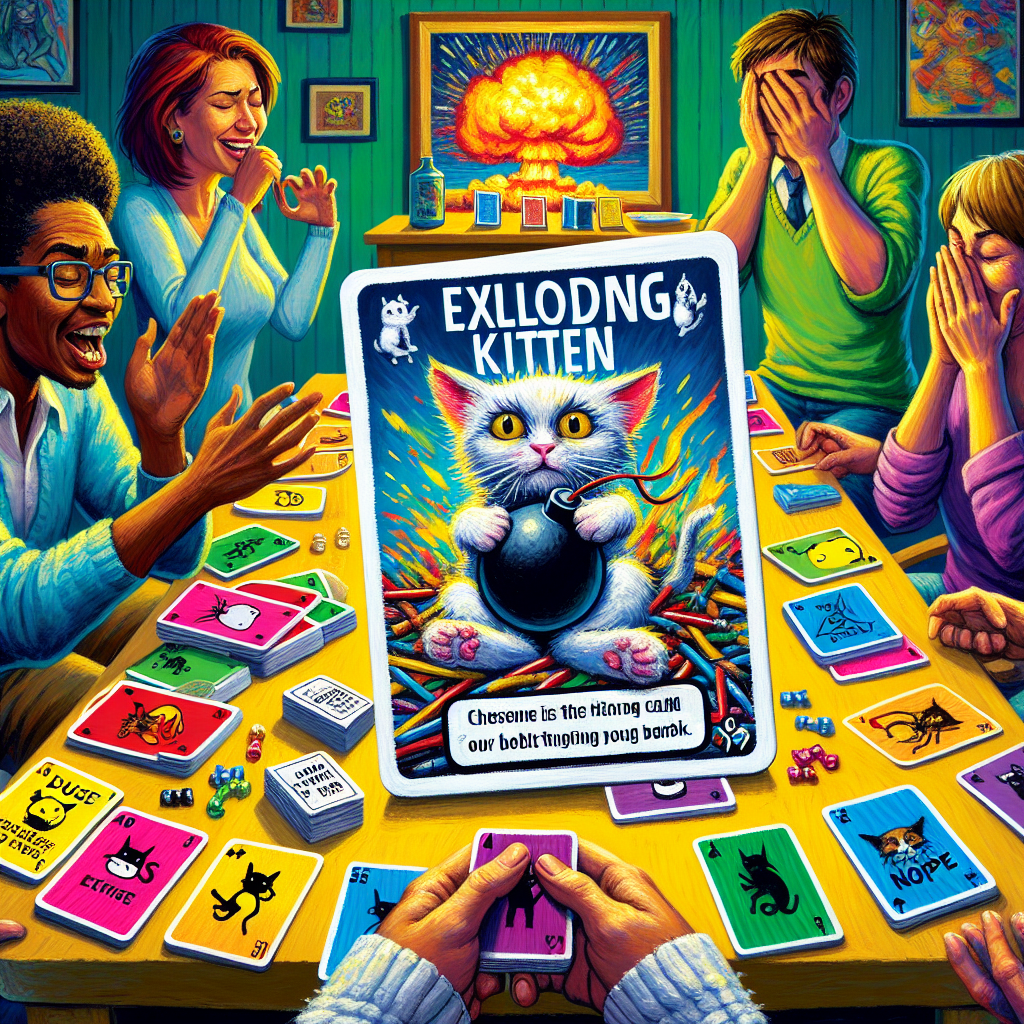
How Does Automation Change The Narratives We Create In Games?
How Does Automation Change The Narratives We Create In Games?
- The beauty of gaming lies in the stories created, characterized by epic quests and rich characters.
- Automation is transforming the gaming experience from hands-on to hands-off, raising concerns about lost connections.
- While automation streamlines gameplay and personalizes narratives, it may diminish meaningful interactions among players.
- Technological advances enable the creation of complex, immersive narratives that react to player choices.
- The role of players evolves into that of storytellers, shaping narratives while being influenced by them.
- There is potential for automated systems to foster global communities and collaborative storytelling.
- Maintaining a balance between automation and human connection is crucial for preserving the core experiences of gaming.

How Does Automation Change The Narratives We Create In Games?
Conclusion
As we wrap up our exploration into the intersection of artificial intelligence and card games, let’s take a moment to reflect on what it means to hold those cards in our hands. Card games are more than just ways to pass the time; they are intricate fabrications of friendships, stories, and shared experiences. Imagine that scene again: laughter filling the room, the thrill of strategizing over a hand, and the genuine human connection coursing through each exchange. We have to ask ourselves, as technology morphs our beloved pastimes, are we willing to trade that tapestry of human interaction for cold calculations?
Artificial intelligence holds astounding potential to reshape the way we engage with games, providing insights and optimizing gameplay like never before. It’s like having a wise mentor at the table, ready to elevate our game. But there’s a catch: how do we ensure this assistance doesn’t erode the very essence of what makes the game enjoyable? When we let algorithms dictate our strategies, we risk slipping into a mindset where the thrill is replaced by mere data-driven outcomes, reducing our experiences to transactional exchanges devoid of warmth.
From an emotional standpoint, think about the friendship forged over those late-night matches, the tension building with every bluff, each moment rich with unpredictability. This is what separates us from the machines. The thrill of competing against a fellow human, as opposed to an AI that dissects our every move, enriches our relationships, and fosters bonds that no algorithm can truly replicate.
Ethically, we bear the responsibility to navigate this newfound terrain wisely. As we harness the power of AI, we must advocate for a balance that ensures fairness and accessibility within our gaming communities. What happens if only the tech-savvy or the financially equipped can leverage these advantages? We must protect the integrity of our games, ensuring that every player, novice or expert, feels welcomed at the table.
As we embrace the hybrid future of gaming—where AI evolves alongside our human spirit—let’s remember the stories we’re crafting. Each hand dealt is an opportunity for connection, the foundation of an engaging social fabric. So the next time you sit down with friends, remember that it’s not merely about where the cards land; it’s about the journey we take together. In this delicate dance of man and machine, let’s not lose sight of the core essence of gaming: the shared laughter, the thrill of unpredictability, and the creation of memories that will last a lifetime. The heart of gaming resides not in the technology itself but in the stories we choose to tell together as we play. Let’s hold onto that spirit, ensuring our future is bright, engaging, and filled with the warmth of human connection.

Conclusion
Conclusion:
- Card games create intricate bonds through friendships, stories, and shared experiences.
- As technology evolves, we must consider whether we are willing to trade human interaction for calculated outcomes.
- AI offers valuable insights and optimizations in gameplay but risks diminishing the enjoyment of human connection.
- The emotional aspect of gaming is highlighted by friendships formed and memories created during playful competition.
- Ethical responsibility is needed to ensure fairness and accessibility in gaming communities as AI technology becomes prevalent.
- We should embrace the hybrid future of gaming, balancing AI advancements with human experiences.
- The essence of gaming lies in shared laughter and storytelling, not just in technology; let’s prioritize human connection.

Conclusion
Other Resources

Other Resources
Here is a list of other resources you can review online to learn more:
- Root: The Riverfolk Expansion
- Gamelyn Games
- Tom Vasel’s The Dice Tower
- Mayfair Games
- AEG (Alderac Entertainment Group)
- The Voyages of Marco Polo
- Betrayal at Baldur’s Gate
- Smash Up
- LiveJournal
- Flickr
- Board Game Atlas
- Cribbage
- Kotaku
- The Opinionated Gamers
- Betrayal Legacy
- Gamewright
- Bridge
- Star Wars: Rebellion
Use This Prompt To Get More Resources With Your Favorite Online AI Tool: Please provide me with a list of online articles with their URLs in a bulleted list that I can read regarding Can Artificial Intelligence Turn Card Games Into Mindless Gambling?

Other Resources
Glossary Terms
Can Artificial Intelligence Turn Card Games Into Mindless Gambling? – Glossary Of Terms
1. Artificial Intelligence (AI): The simulation of human intelligence processes by machines, especially computer systems, involving learning, reasoning, and self-correction.
2. Machine Learning: A subset of AI that enables systems to learn from data and improve their performance over time without being explicitly programmed.
3. Deep Learning: A more advanced form of machine learning that uses neural networks to analyze various factors, often used to understand complex patterns in data.
4. Card Game: A game played with a set of cards, typically involving elements of skill, chance, and strategy.
5. Gambling: The act of risking money or valuables on an outcome that is largely determined by chance, often involving games of skill.
6. Addiction: A psychological condition characterized by compulsive engagement in rewarding stimuli, such as gambling, despite adverse consequences.
7. Compulsive Gambling: An uncontrollable urge to keep gambling despite the negative effects, leading to potential financial and personal ruin.
8. Behavioral Economics: A field of study that examines the psychological factors affecting economic decision-making, including gambling behavior.
9. Game Theory: The study of mathematical models of strategic interaction among rational decision-makers, useful in analyzing competitive situations in card games.
10. Random Number Generator (RNG): A computer algorithm used in gambling games to produce unpredictable outcomes, ensuring fairness and randomness in card games.
11. Player Profiling: The process of analyzing a player’s behavior and preferences to predict future actions, often used in gambling to tailor experiences or exploit weaknesses.
12. Risk Assessment: The identification and evaluation of potential risks associated with gambling, often utilized in determining the likelihood of problem gambling.
13. Neural Networks: A computational model inspired by the human brain, used in deep learning to recognize patterns and make decisions based on input data.
14. Data Mining: The practice of analyzing large datasets to discover patterns, correlations, and insights, often applied in gambling strategies.
15. Probability: The measure of the likelihood that a particular outcome will occur, essential in understanding and calculating odds in card games.
16. Ethical AI: The study of moral principles guiding the development and use of AI, particularly concerning fairness, accountability, and transparency in gambling.
17. Gamification: The application of game-design elements in non-game contexts, often used to enhance engagement in gambling and card games.
18. Cognitive Bias: A systematic pattern of deviation from norm or rationality in judgment, affecting decision-making processes in gambling contexts.
19. Threshold Effect: The point at which a change in strategy, behavior, or technology leads to significant changes in outcomes, particularly relevant in gambling practices.
20. Augmented Reality (AR): An interactive experience that enhances the real-world environment with computer-generated perceptual information, potentially used in card games.
21. Virtual Reality (VR): A simulated experience that can be similar to or completely different from the real world, transforming the way card games are experienced.
22. Online Gambling: The act of wagering on games of chance or skill via the internet, presenting unique challenges and ethical considerations.
23. Digital Currency: Virtual currency used in online gambling, such as cryptocurrencies, which can influence gambling behavior and accessibility.
24. Slot Machines: Gambling devices that operate by random number generators, often compared to card games in terms of impulsivity and addiction potential.
25. In-Game Analytics: The analysis of player behavior and decisions during a game to enhance gaming experiences or target individuals for marketing.
26. Player Retention: Strategies used by gaming companies to keep players engaged and returning, often shaped by AI insights into gambling behaviors.
27. Responsible Gambling: Practices and strategies aimed at minimizing the risks associated with gambling, promoting safe and controlled play.
28. Scam Prevention: Measures and technologies used to detect and prevent fraudulent activities in online gambling environments.
29. Fair Play: The principle that all players have equal chances in a game, critically assessed in the context of AI algorithms in card games.
30. Cultural Impact: The influence of card games and gambling on societal values, behaviors, and attitudes, shaped in part by technological advancements and AI.

Glossary Of Terms
Other Questions
Can Artificial Intelligence Turn Card Games Into Mindless Gambling? – Other Questions
If you wish to explore and discover more, consider looking for answers to these questions:
- How can AI improve strategy in card games without diminishing the fun?
- What ethical implications arise from using AI in competitive gaming?
- How can players maintain the human element in games dominated by AI?
- Are there specific card games more susceptible to the negative impacts of AI?
- What measures can be taken to ensure fairness in AI-assisted gaming?
- How do different demographics perceive the impact of AI on traditional card games?
- What potential solutions exist to balance AI innovation with preserving game integrity?
- How does the dependence on AI alter the learning process for new players?
- What insights do game designers have about the integration of AI in card games?
- Can automation lead to new forms of storytelling in card games?

Other Questions
Haiku
Can Artificial Intelligence Turn Card Games Into Mindless Gambling? – A Haiku
Cards in hand, we laugh,
AI whispers in the game—
Joy fades in the hand.

Haiku
Poem
Can Artificial Intelligence Turn Card Games Into Mindless Gambling? – A Poem
The Shuffle of Fate
In cozy rooms where laughter glows,
Cards shuffled close, where friendship flows,
With every hand, a story spun,
A dance of wills as hearts are won.
But shadows creep with circuits bright,
As AI whispers, seeks the light.
“Play to win!” it deftly schemes,
Yet dims the joy of human dreams.
Once, strategy honed with care,
Each bluff a thrill in the evening air,
Now algorithms take their place,
Turning warmth to a cold embrace.
What price is paid when joy’s sidetracked?
When camaraderie’s strength is cracked?
Our spirits rise in victory’s call,
But buried ‘neath the math, we could fall.
Oh, should we trade our skills for speed,
Diminishing the bonds we need?
In a world where every chance is cast,
Let’s guard the memories that hold us fast.
Yes, technology brings insights bright,
Guiding our paths like stars at night,
Yet, as we chart this new terrain,
Must we not weigh joy against the strain?
A game should be a tapestry,
Woven with threads of empathy,
A chance to share, connect, and grow,
Embracing all that we can bestow.
So let’s wield our cards with care once more,
Nurture the stories we adore,
For in the tapestry of our play,
It’s the human heart that lights the way.
Together we can shape this dance,
Not let AI steal our chance,
To savor moments, the laughter, the fight—
For in these ties, we find our light.

Poem
Checklist
Can Artificial Intelligence Turn Card Games Into Mindless Gambling? – A Checklist
Checklist: Balancing Human Connection & AI in Card Games
Emotional Appeals
1. Reconnect with Tradition: Reflect on your favorite memories associated with card games. Write down three cherished moments shared with friends or family.
2. Prioritize Joy: Before your next game night, remind yourself: “What brings me joy in playing?” Make a list of elements in the game you love.
3. Share and Celebrate: After each game, take a moment to express gratitude for your gaming companions. How can you acknowledge their contributions to your experience?
Rational Appeals
1. Assess AI Tools: Research AI tools that can help improve your gameplay. What benefits can they bring, and how might they alter your experience?
2. Evaluate Strategy vs. Automation: List three strategic decisions you feel are best made without AI assistance. Why do you believe personal judgment is critical here?
3. Understand the AI’s Role: Consider how AI can enhance your skills without overshadowing the game’s essence. Outline a plan to utilize AI responsibly in your gaming.
Ethical Appeals
1. Fairness Check: Discuss with your gaming group how AI influences fairness in your games. Are all players treated equally?
2. Community Guidelines: Create a guideline with your friends on the acceptable use of AI in your games to maintain a fair and enjoyable experience.
3. Empathy at the Table: Prioritize emotional connections over winning. How can you encourage players to reconnect with the human aspects of gameplay?
Authority Appeals
1. Expert Opinions: Read articles or listen to podcasts from experts on the intersection of AI and gaming. Summarize key insights learned.
2. Game Developer Insights: Look for interviews or statements from game developers discussing their perspectives on AI in gaming. What do the experts say?
3. Stay Informed: Follow reputable sources in the gaming community to keep updated on responsible AI usage and emerging trends.
Narrative Appeals
1. Story Sharing: Share an anecdote or personal story about a memorable moment from playing card games. Encourage others to share theirs, too.
2. Craft a Collective Narrative: As a group, create a fun story that illustrates the spirit of the game. Each player adds a sentence to create a group narrative.
3. Role of AI in Your Story: Reflect on how the role of AI could be included in the narratives you create in your games. What impact might it have?
Social Appeals
1. Community Engagement: Organize a game night in your community that prioritizes human connection over automation. Set intentions to bond and share laughter.
2. Encourage Inclusivity: Ensure that everyone, regardless of skill level, feels comfortable participating. How can you foster an inclusive game environment?
3. Joint Decisions: Before introducing AI elements into your games, hold a group discussion on their potential impact. Make decisions collectively to ensure everyone’s voice is heard.
As you navigate the evolving landscape of card gaming, use this checklist to ensure that your experiences are vibrant, connected, and enriched by both human interactions and responsible use of artificial intelligence.

Checklist
At CardGameNews, we help people who love card games by collating information and news about card games.
Be sure to read our other related stories at CardGameNews to learn more about card games.


